Culture & entertainment
Discover facts about culture & entertainment. Small discoveries that change the way you see familiar things.
Culture & entertainment
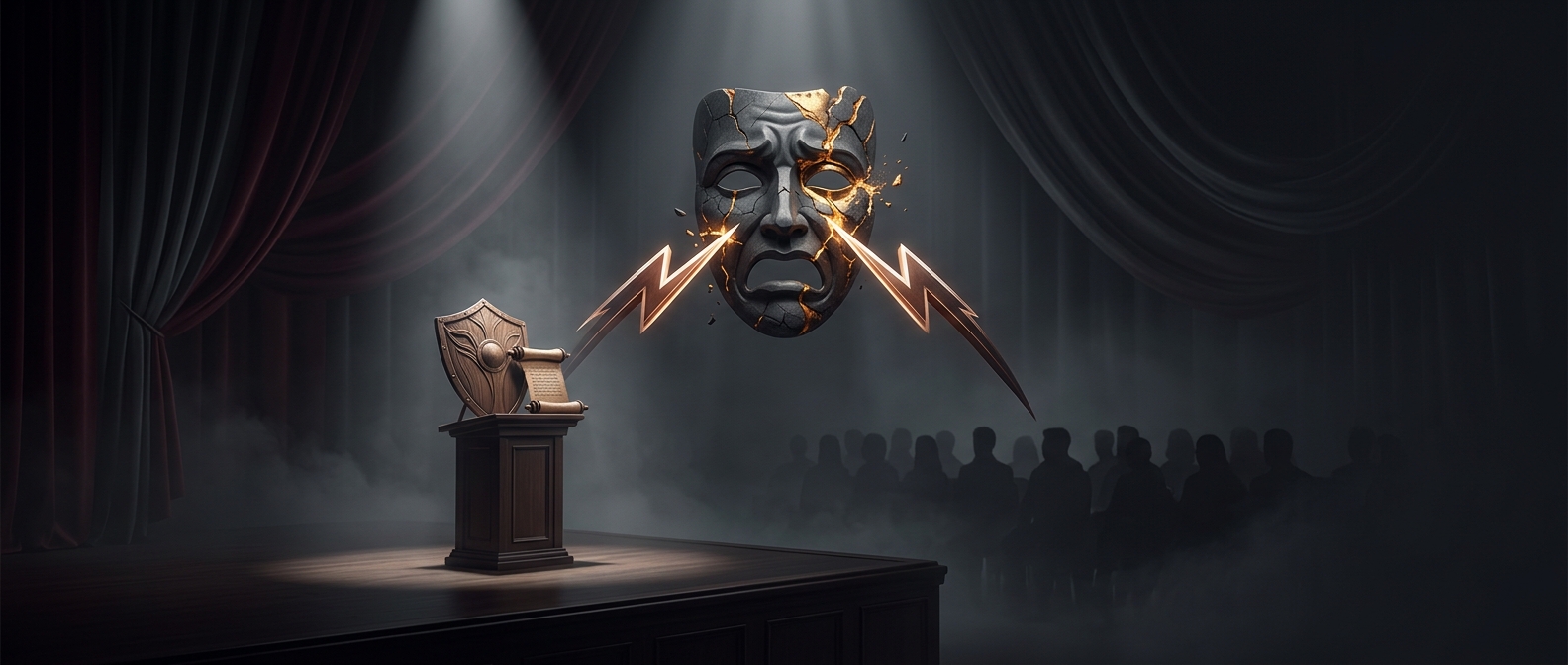
Brutal insult-driven comedy roasts
The Friars Club began its roasts in 1949 as banquets where peers took turns mocking one another.
Discover more
Why Nyan Cat has a pastry for a body
The creator paired a pixelated cat with a cherry pastry because they were the two most random, unrelated things he could think of.
Discover more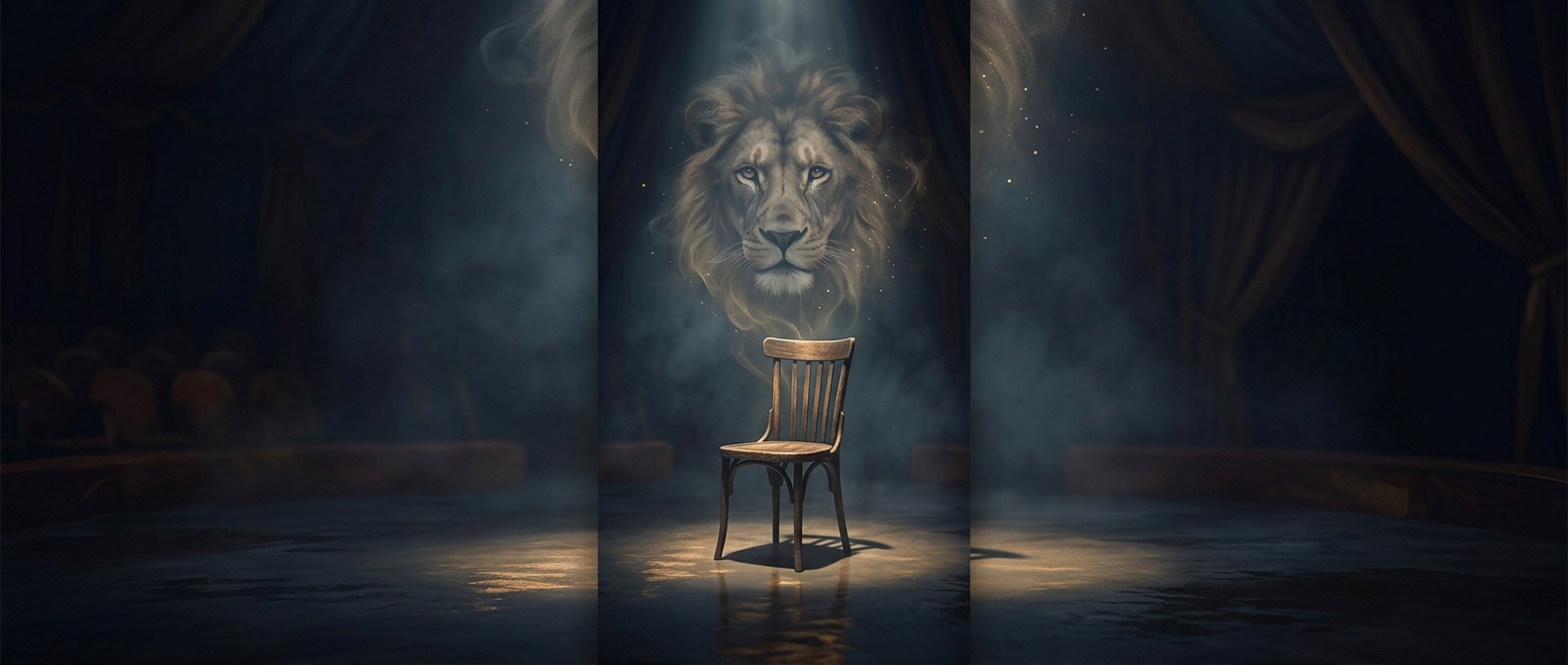
Wooden chairs used for lion taming
Lion tamers use chairs with four protruding legs to distract big cats: the competing targets can make it harder for an animal to focus on one.
Discover more
Dangerous rigid planking phenomenon
The face-down pose began as a niche Australian joke before spreading worldwide; some people took it to dangerous places, including high-voltage equipment.
Discover more
Enduring intense flavor fatigue
After many bites of the same food, its flavor can become less appealing—a fatigue that makes eating dozens of identical sausages a test of willpower.
Discover more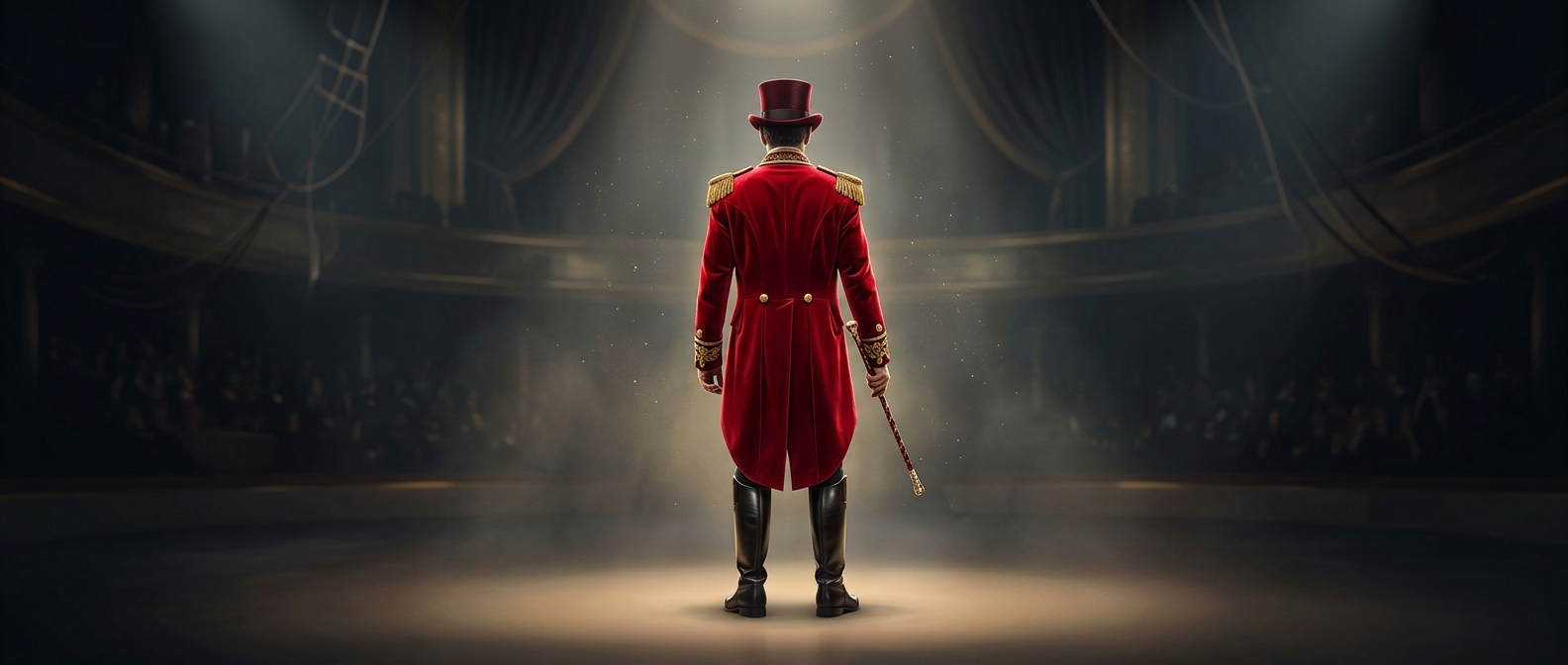
Classic crimson ringmaster tailcoats
The ringmaster’s iconic red tailcoat borrows the look of traditional British fox-hunting clothes, giving the performer a touch of aristocratic authority.
Discover more STACKY FOR IPHONE
A bigger world.
One discovery
at a time.
Keep discovering with Stacky. Interesting facts in an app that is always within reach.

Intimidating warrior face paint
Performers may spend hours applying detailed face paint, only for sweat to smear it into an unrecognizable mess within minutes.
Discover more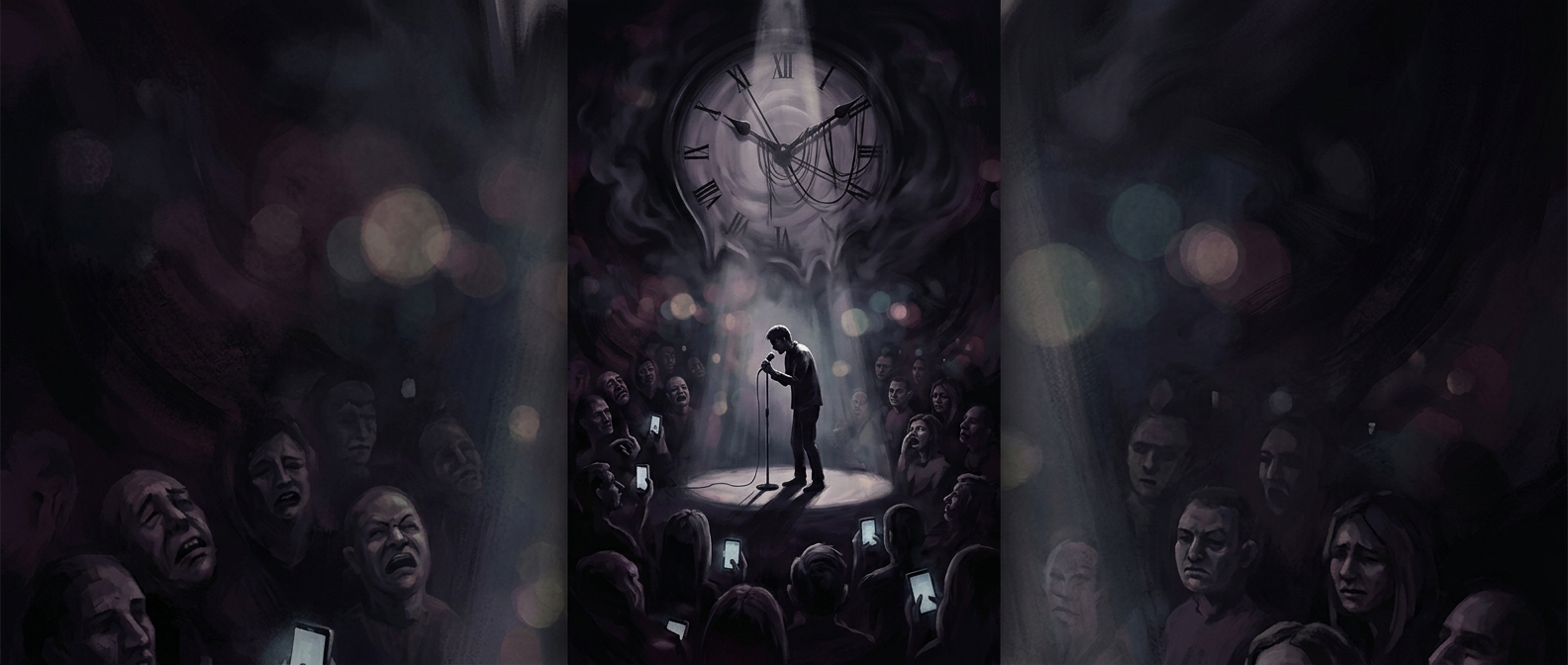
Torturous nature of open mic nights
The format dates to the 1930s, when amateurs could test material in front of an audience instead of making paying crowds sit through it during peak hours.
Discover more
Overcoming severe chewing jaw fatigue
Chewing dense silicone gum for hours a day helps competitive eaters build jaw endurance for contests.
Discover more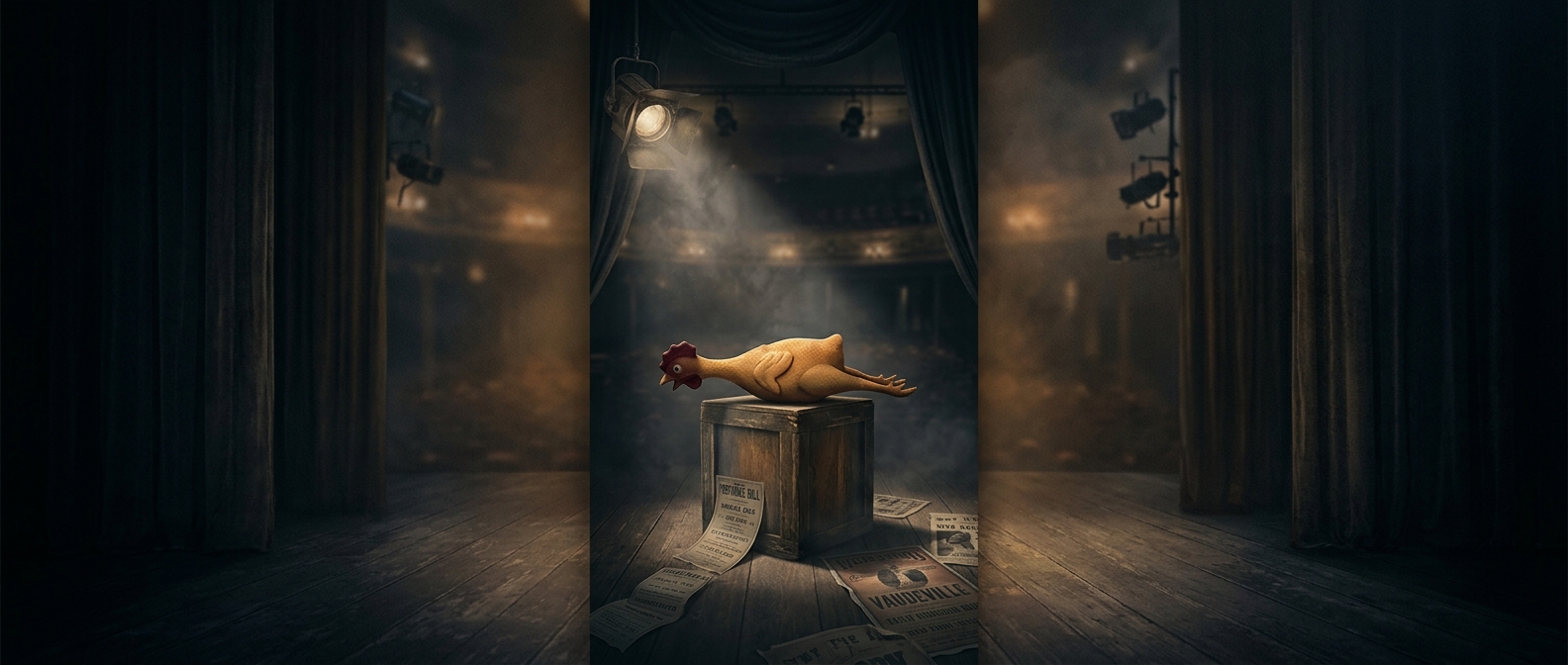
Classic rubber chicken prop history
Clowns once used inflated pig bladders as slapstick props; during the vaudeville era, the rubber chicken became a less messy substitute.
Discover more
Why wrestlers hide weapons under the ring
Performers stash props such as folding steel chairs and kendo sticks under the ring for later use in a match.
Discover more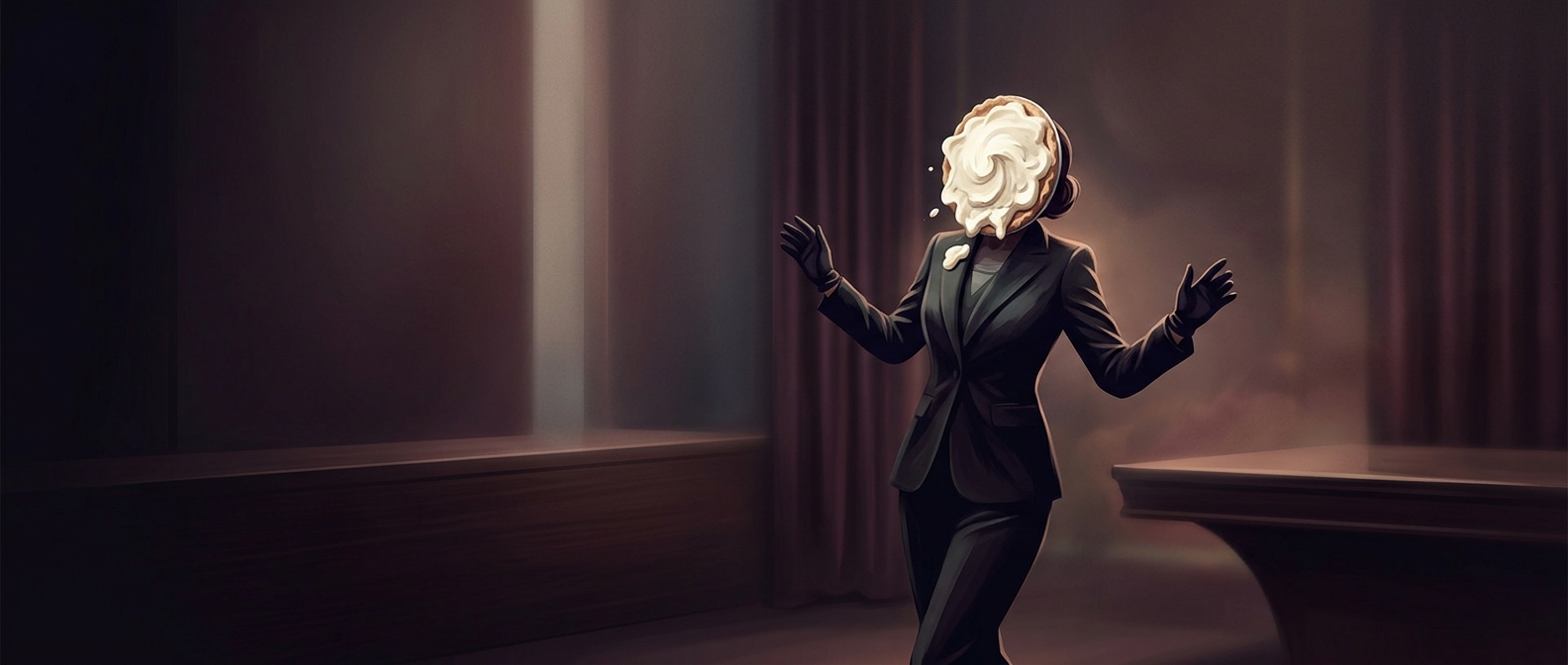
Classic cream pie facial deliveries
Ben Turpin was the first performer to take a pie to the face for laughs, helping establish a gag that has wasted plenty of perfectly good pastry ever since.
Discover more
The side-eyeing Shiba was a rescue dog named Kabosu
Kabosu was a quiet rescue dog, and her owner posted the now-famous photo as a routine blog update, unaware of how widely it would spread.
Discover more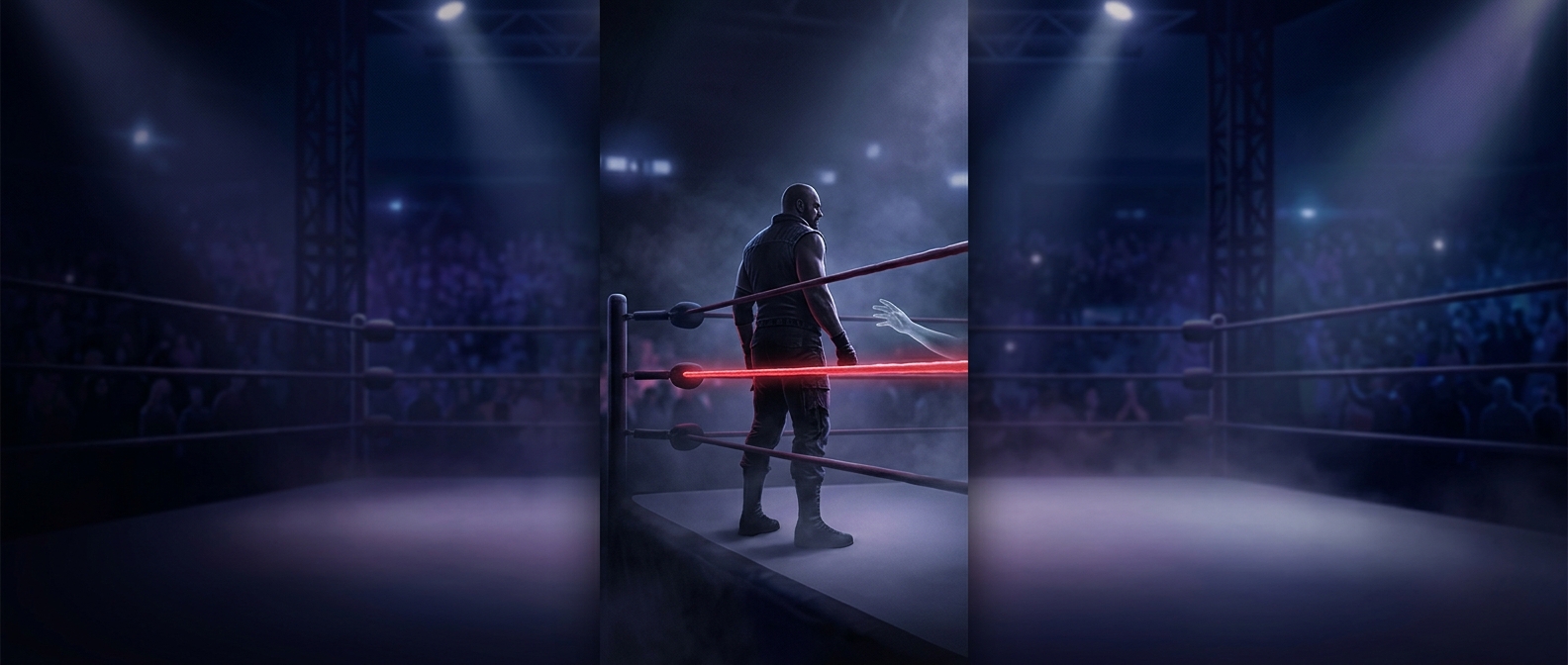
Ignoring the mandatory tag team rope
In tag-team wrestling, the partner outside the ring is supposed to hold a short string tied to the turnbuckle to make a legal tag—but the rule is often ignored.
Discover more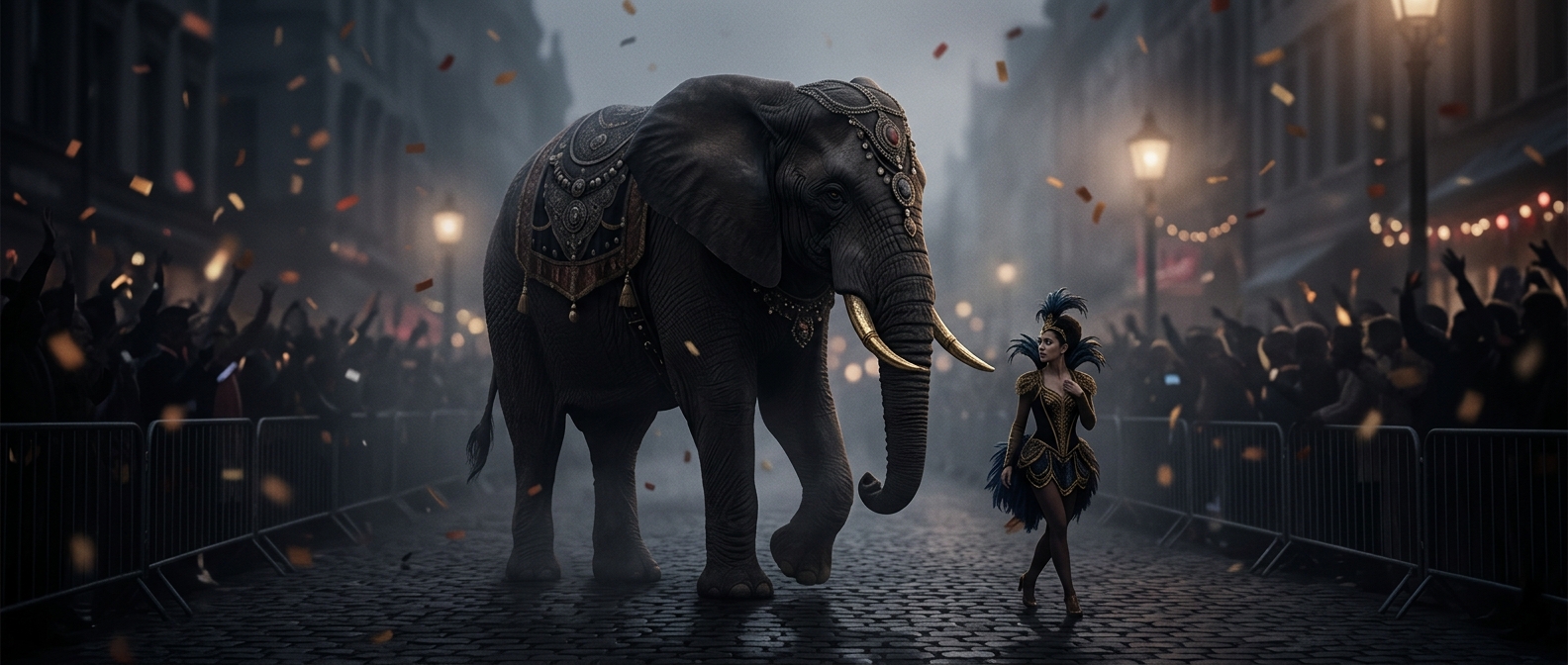
Dangerous live animals in parade routes
In 1924, organizers borrowed lions and bears from a local zoo; the animals frightened spectators, so giant balloons took their place.
Discover more
That triumphant baby was actually eating wet sand
He was trying to swallow a fistful of wet sand when his mother took the photo—not celebrating a victory.
Discover more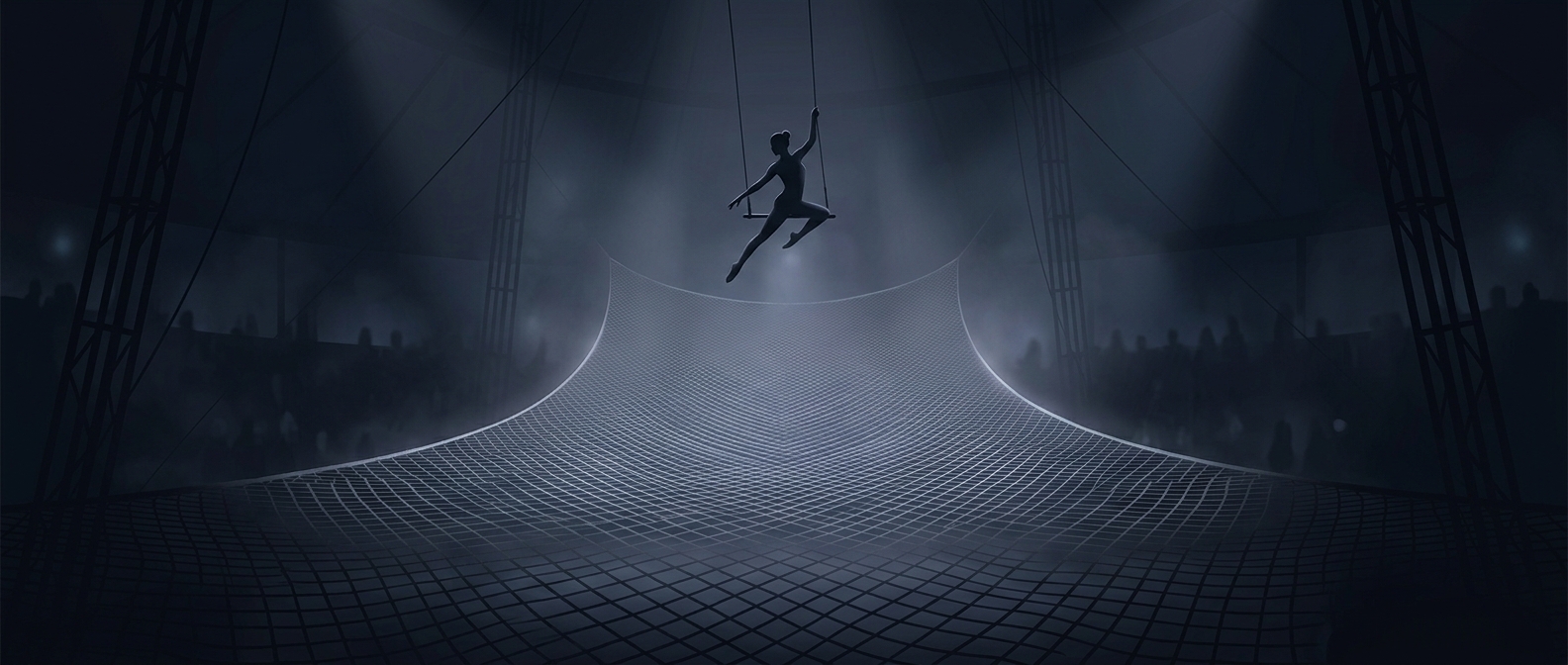
Safety nets for flying trapeze
The net was reportedly added to spare audiences the sight of performers falling, rather than to protect the aerialists.
Discover more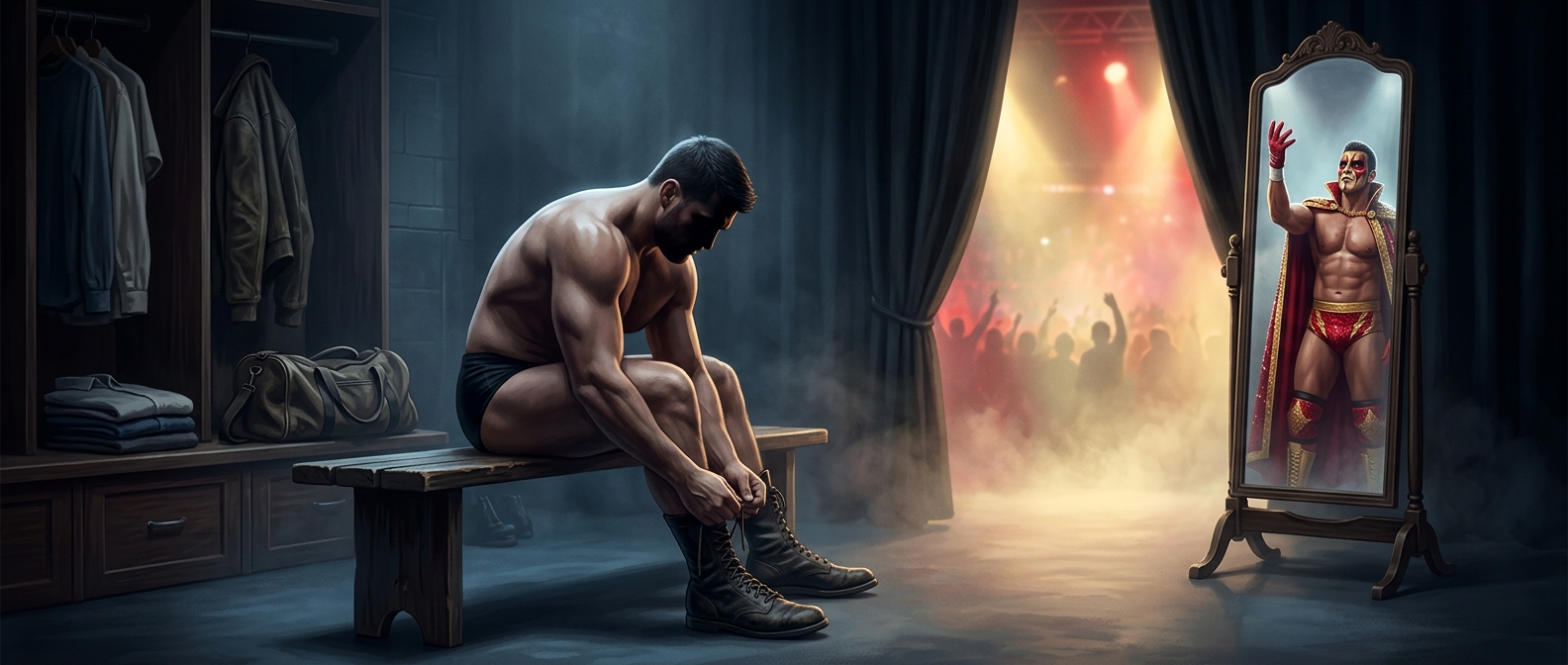
Strict backstage code of true kayfabe
For decades, wrestlers stayed in character in public—even carrying rivalries into grocery-store street fights—to keep the illusion alive.
Discover more
Coveted bedazzled yellow mustard belt
The gaudy belt is the top prize in professional eating, turning a condiment into a championship trophy.
Discover more
Origins of heckling stage performers
The term traces back to textile workers who combed flax and traded rough teasing while they worked—a fitting ancestor for the people who heckle a performer.
Discover more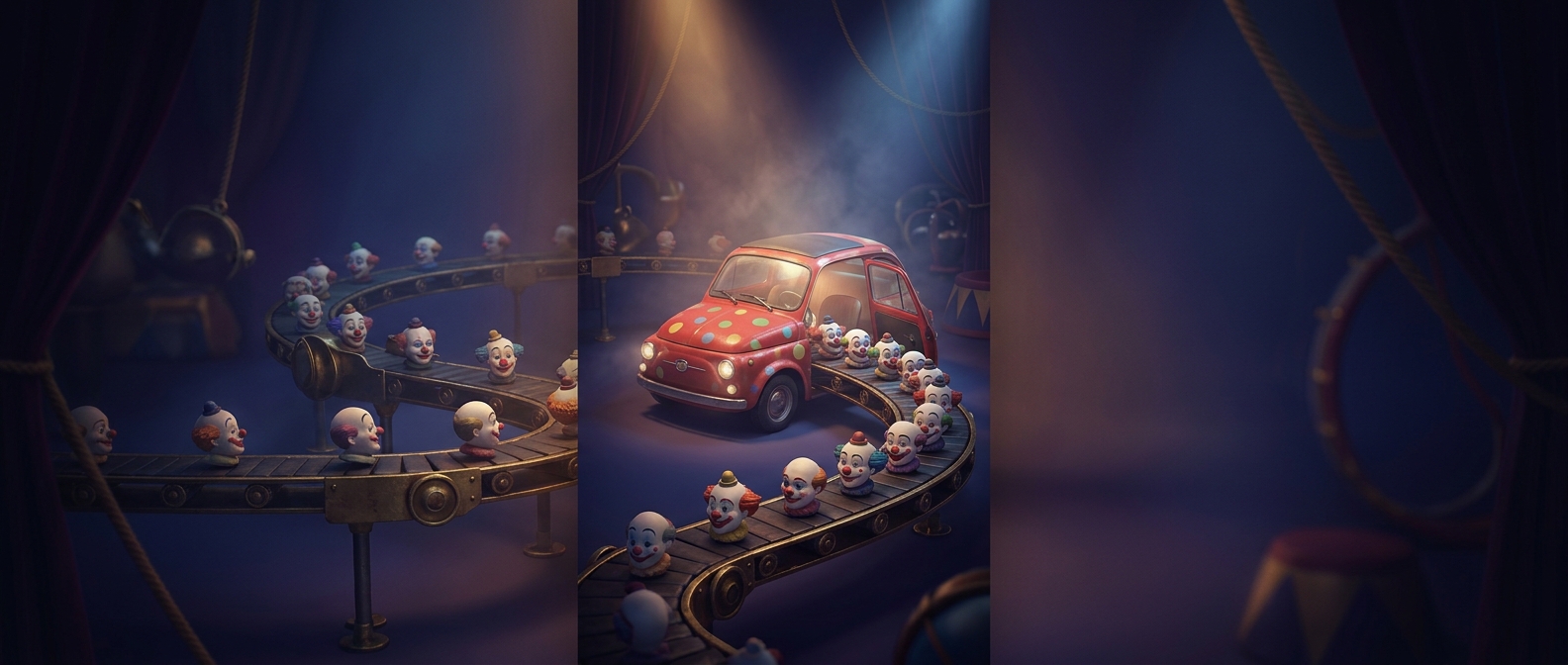
Impossible clown car logistics
The illusion depends on a stripped-down interior and tinted windows, which conceal how tightly performers are packed inside.
Discover more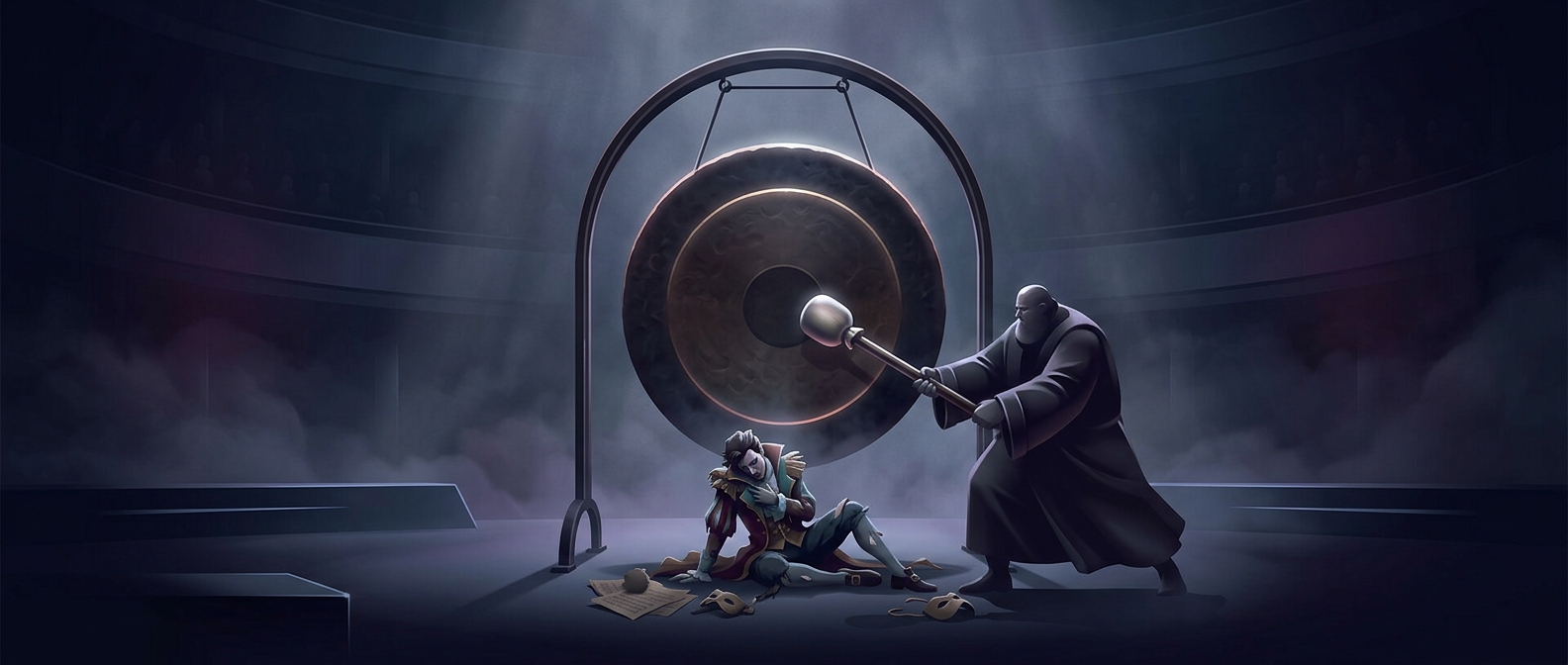
Giant gongs ending terrible routines
In British vaudeville halls, the gong could end a failing act before the audience started throwing heavy garbage.
Discover more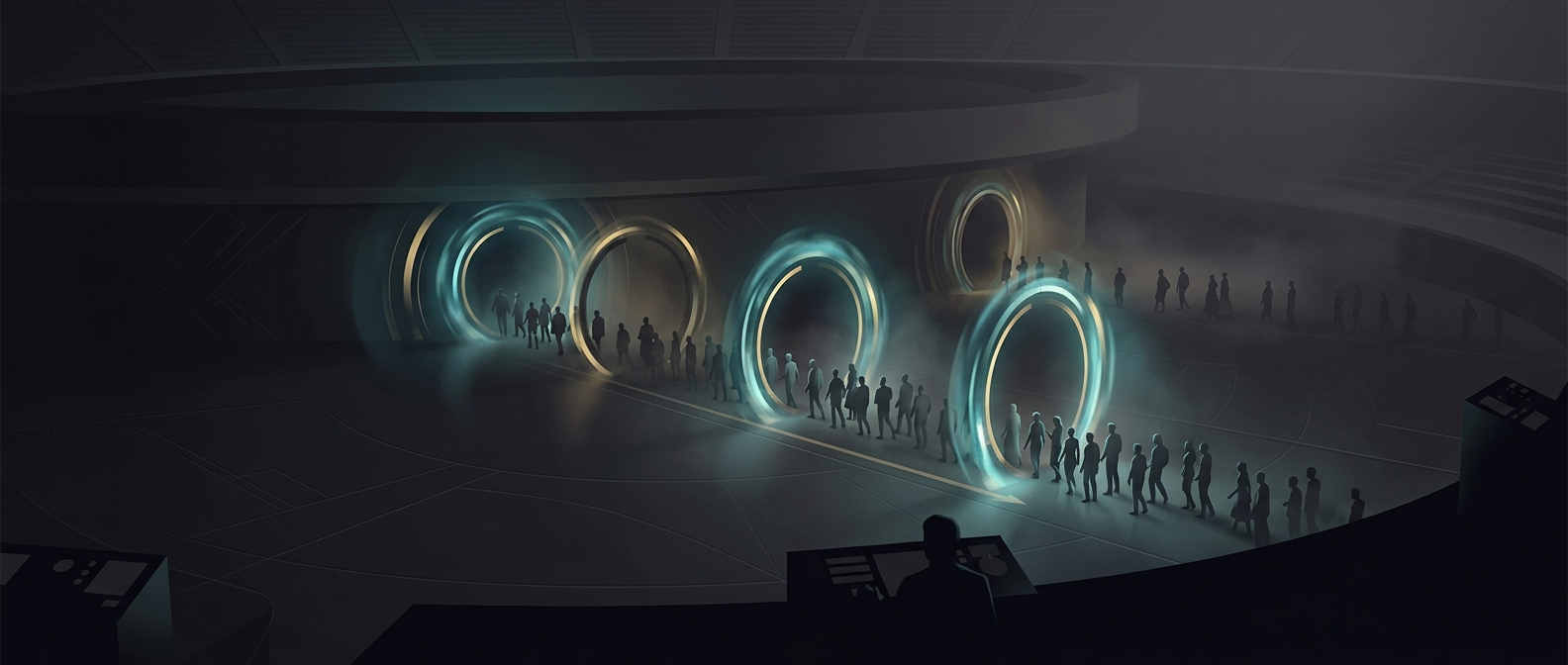
Altering timed ring entry intervals
In some events, the announced 90-second gap between entrants can be adjusted on the fly when exhausted athletes need more time.
Discover more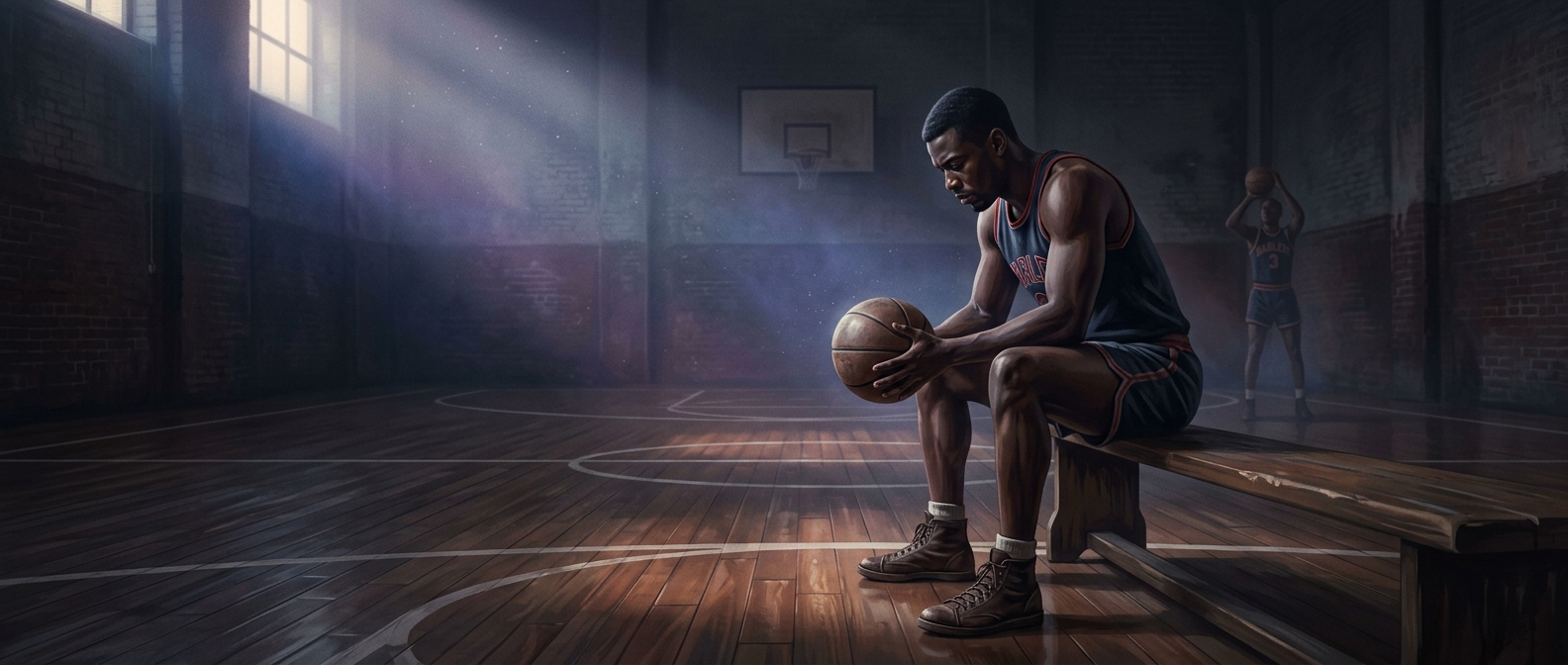
Harlem Globetrotters serious start
The Harlem Globetrotters began as a competitive team; flashy tricks also gave them a legal way to stall and run out the clock.
Discover more