Myths & mysteries
Discover facts about myths & mysteries. Small discoveries that change the way you see familiar things.
Myths & mysteries
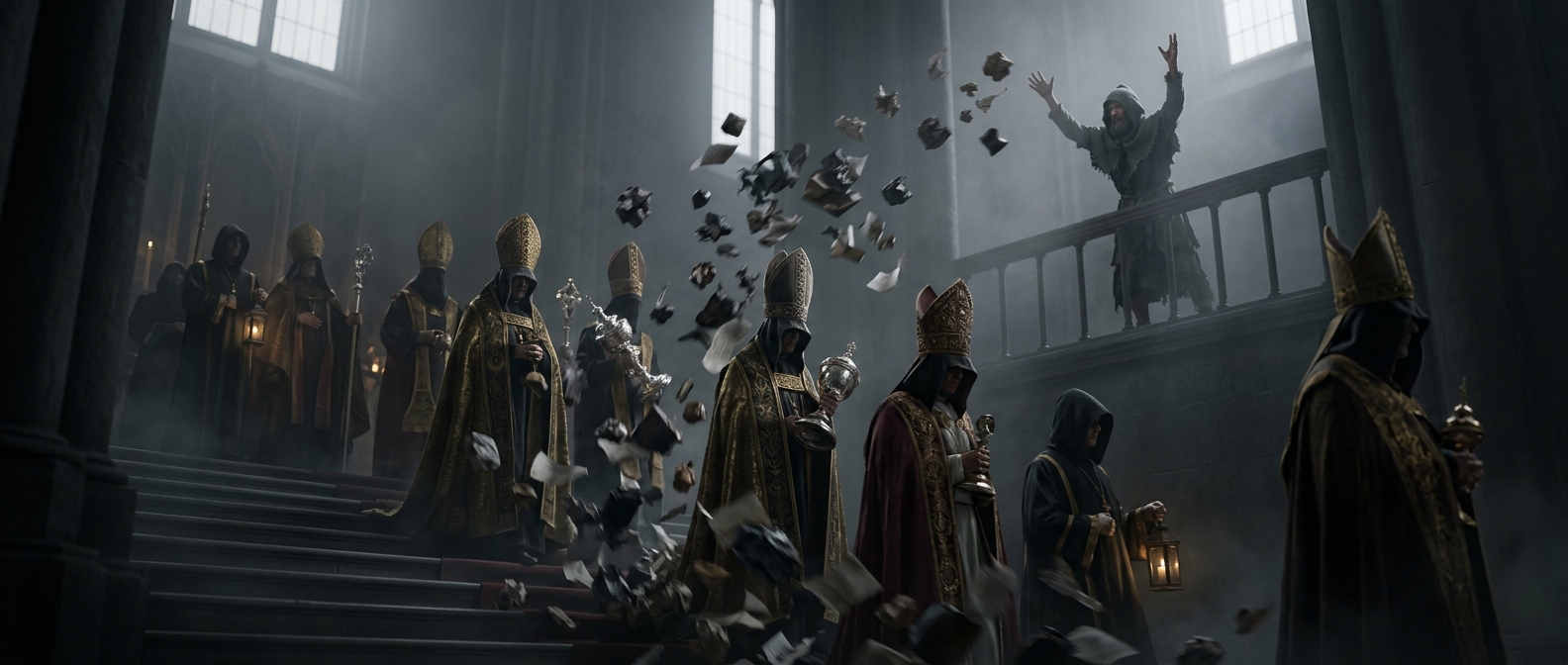
Holy fools threw garbage at church officials
In the Eastern Orthodox tradition, holy fools used outrageous behavior to criticize vanity and religious hypocrisy; some were said to throw debris at priests.
Discover more
Mystical ecstasies caused rigid paralysis
During intense prayer, some mystics fell into cataleptic states, their bodies rigid and still. They understood the alarming episodes as spiritual ecstasy.
Discover more
Lutgardis claimed to swap hearts with Jesus
She said the exchange explained her spiritual stamina, turning the idea of giving one's heart away into a literal claim.
Discover more
Stigmata supposedly bleeds heavily on Fridays
People who claimed to bear the wounds of the crucifixion often said they bled more heavily on Fridays.
Discover more
Mortification of the flesh was heavily praised
People who starved, endured cold, or whipped themselves sometimes drew crowds who praised their willpower, treating pain as a public display of discipline.
Discover more
Douceline of Digne levitated on command
Witnesses claimed that particular holy words—or even casual mentions of the divine—could make her rise into the air.
Discover more STACKY FOR IPHONE
A bigger world.
One discovery
at a time.
Keep discovering with Stacky. Interesting facts in an app that is always within reach.

Thomas Aquinas floated while praying intensely
Accounts say fellow scholars saw him levitate during private prayer, a striking contrast with his reputation as a grounded theologian.
Discover more
Weeping excessively caused mystics to go blind
Some intensely penitential mystics reportedly wept so constantly that they damaged their vision; a few were said to have become blind.
Discover more
Catherine of Siena claimed to marry Jesus invisibly
She said the mystical wedding came with a ring visible only to her.
Discover more
Stigmatic wounds remain open permanently
Believers say the wounds can bleed for years without becoming infected, a claim that runs counter to ordinary expectations about healing.
Discover more
Maria of Oignies cut off chunks of her flesh
She turned private religious grief into a bodily act of penance, reflecting the extreme forms medieval mysticism could take.
Discover more
Mystic Sri Aurobindo honestly thought he could trigger human evolution simply by writing excessively long epic poetry
Sri Aurobindo's Integral Yoga aimed to bring a divine “supermind” into earthly life as part of human evolution. He spent decades writing and revising Savitri,…
Discover more
Rose of Lima damaged her skin with spices and lye to deter suitors
She rubbed spices and lye on her skin to discourage suitors and focus on her religious vows.
Discover more
Seraphim of Sarov casually fed wild bears by hand
Stories say he spent 1,000 days praying on a stone in the forest, where bears eventually approached him.
Discover more
Therapeutae danced all night in the desolate desert
After a week of silent isolation, they gathered to sing, eat sparingly, and dance until dawn.
Discover more
Boskoi monks lived exactly like grazing wild animals
They refused to cook or farm, eating raw grass and weeds directly from the ground.
Discover more
Evagrius Ponticus categorized primary evil thoughts
The fourth-century monk cataloged intrusive thoughts that could distract hermits, including urges such as anger and thoughts of food.
Discover more
Pelagians believed humans could achieve total perfection
Pelagians argued that people could choose to be sinless without divine grace—a view church authorities condemned as heresy.
Discover more
Extreme ascetics chose to roll around in hot ashes
Some wandering ascetics covered themselves in hot ashes, sacrificing comfort to pursue spiritual focus and signal indifference to ordinary survival.
Discover more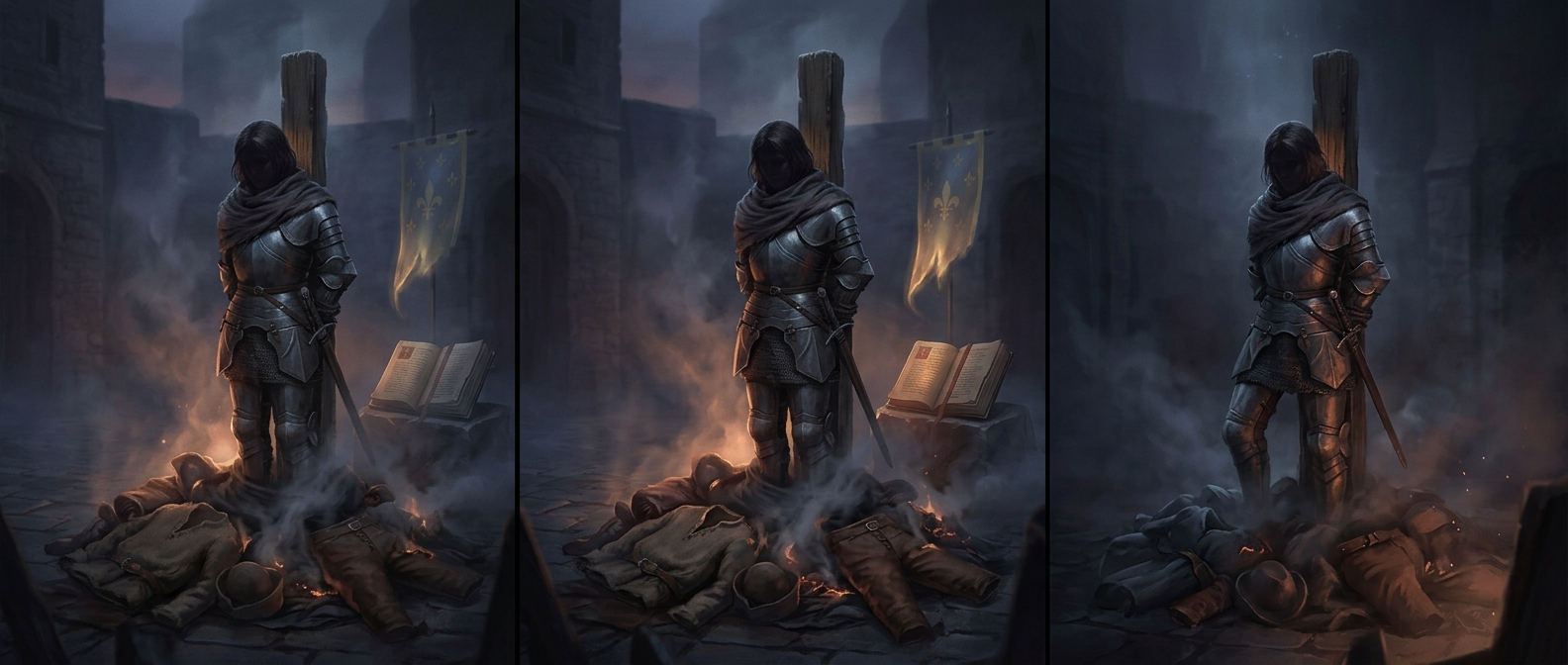
Joan of Arc was heavily punished for her male wardrobe
Joan of Arc’s refusal to abandon men’s clothing became a major issue at her trial, where her attire was used against her.
Discover more
Columbanus ordered severe physical beatings for smiling
His rule treated even a casual grin or loud speech as an offense punishable by the whip.
Discover more
Blaise Pascal sewed a highly secret note into his coat
The parchment recorded his religious experience, and a servant discovered it sewn into the coat’s lining only after Pascal died.
Discover more
John of the Cross survived on a strict diet of asparagus
During periods of writing and monastic leadership, John of the Cross reportedly lived on bitter asparagus and little bread.
Discover more
Sadhu Haridas was voluntarily buried alive for a month
In the 19th century, he was sealed underground for 40 days in a ruler’s court. He was unresponsive when unearthed and had to be revived.
Discover more