Transport
Discover facts about transport. Small discoveries that change the way you see familiar things.
Transport

Singapore's cable car stops inside an office tower
At HarbourFront Tower 2, passengers board on the 15th floor before traveling toward Mount Faber or Sentosa. The station is woven into the building rather than…
Discover more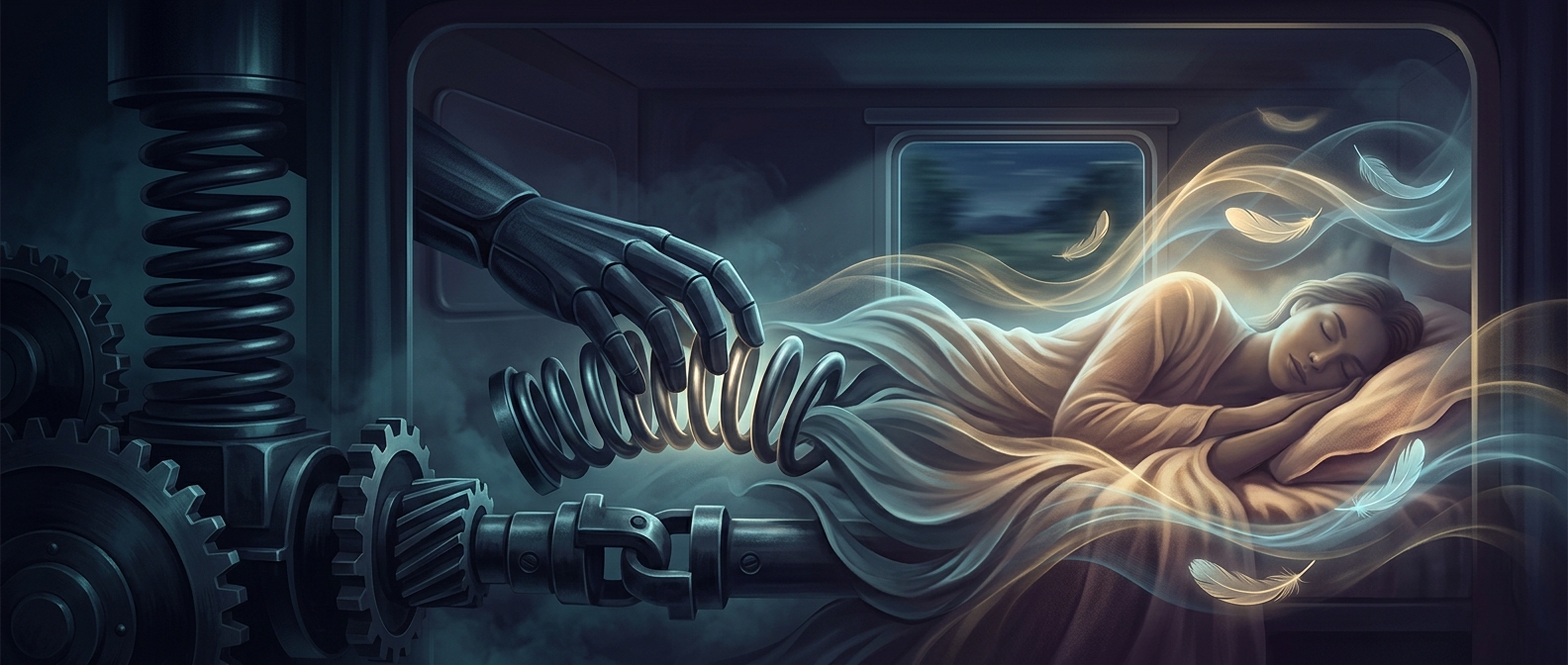
Why sleeper trains loosen between cars at night
Some sleeper trains use couplings that loosen the connection between cars at night, absorbing jolts and slamming that can keep passengers awake.
Discover more
The strange vehicles that drive into rivers
Amphibious vehicles use wheels on land and a sealed hull with a propeller in water. They drive down the bank, then swap roads for rivers without changing…
Discover more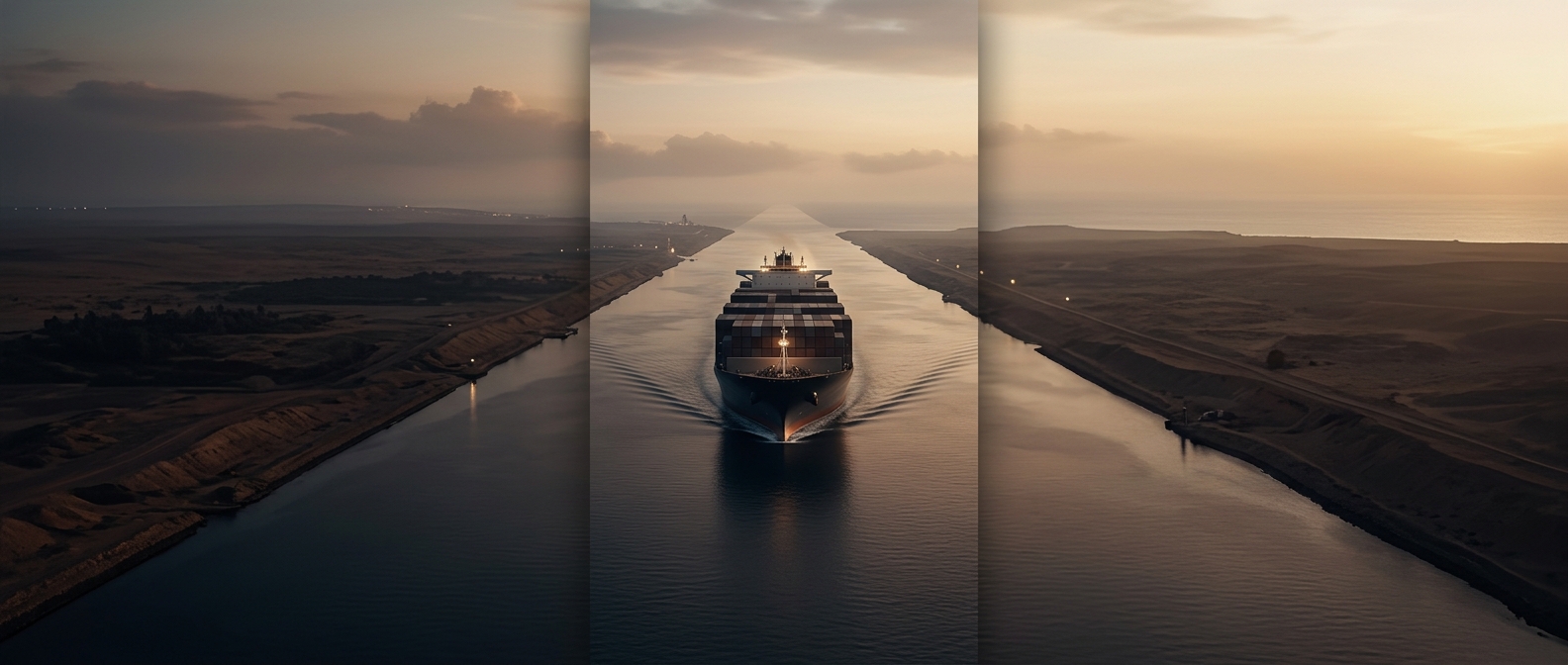
Why the Suez Canal has no locks
Because the Mediterranean and Red seas are at nearly the same level, ships can pass through the canal without being raised or lowered by locks.
Discover more
Automatic transmissions use planetary gears
Planetary gears pack several gear ratios into one compact assembly: small planet gears orbit a central sun gear inside a ring. Clutches hold different pieces…
Discover more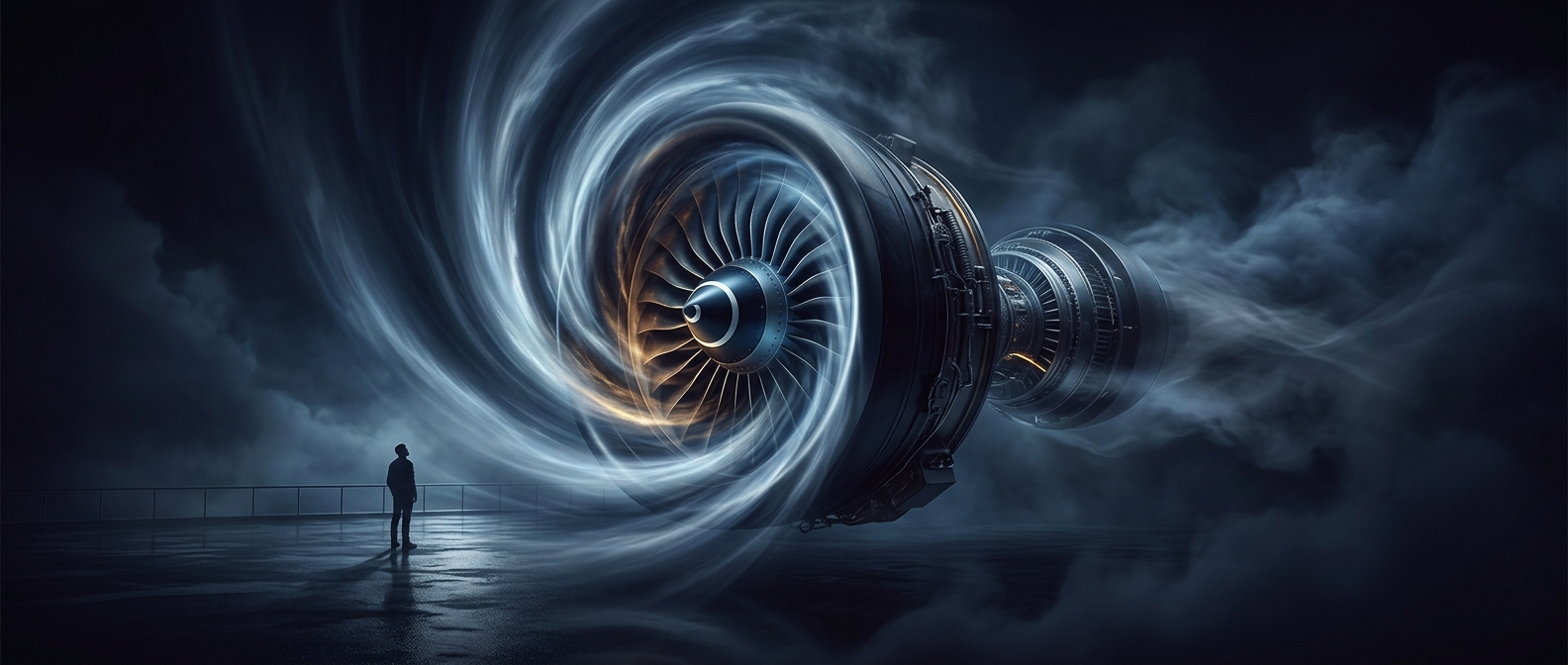
Most air in a modern jet engine goes around the fire
In a high-bypass turbofan, the front fan sends much of the incoming air around the hot engine core. The core powers the fan through a turbine and shaft; that…
Discover more STACKY FOR IPHONE
A bigger world.
One discovery
at a time.
Keep discovering with Stacky. Interesting facts in an app that is always within reach.
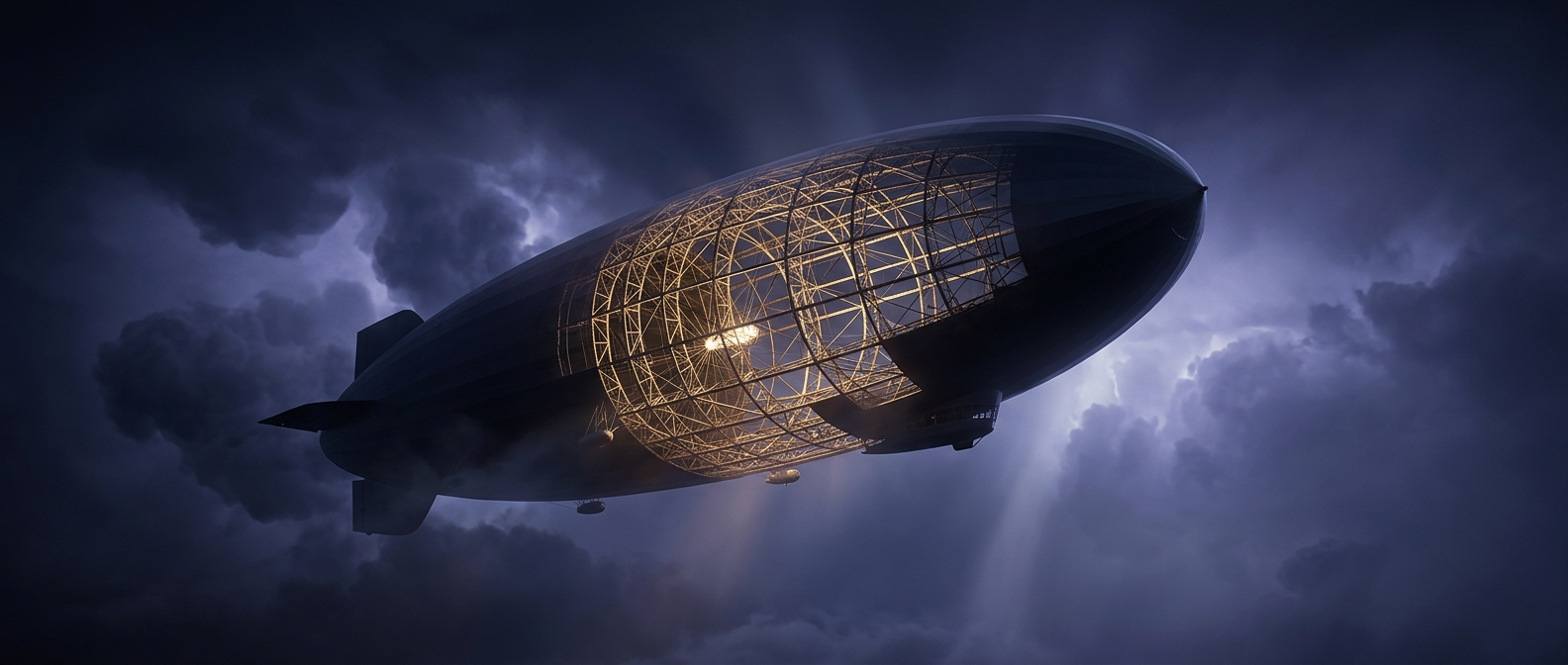
Rigid airships contain internal metal frameworks
A rigid airship gets its shape from a metal skeleton, not from gas pressure alone. The frame supports separate gas cells and spreads the ship’s weight across…
Discover more
Catamarans feature two parallel hulls for stability
Two hulls spaced far apart give a catamaran a wide base, so a sideways shove has to fight a long lever arm before tipping it. It stays steady by standing with…
Discover more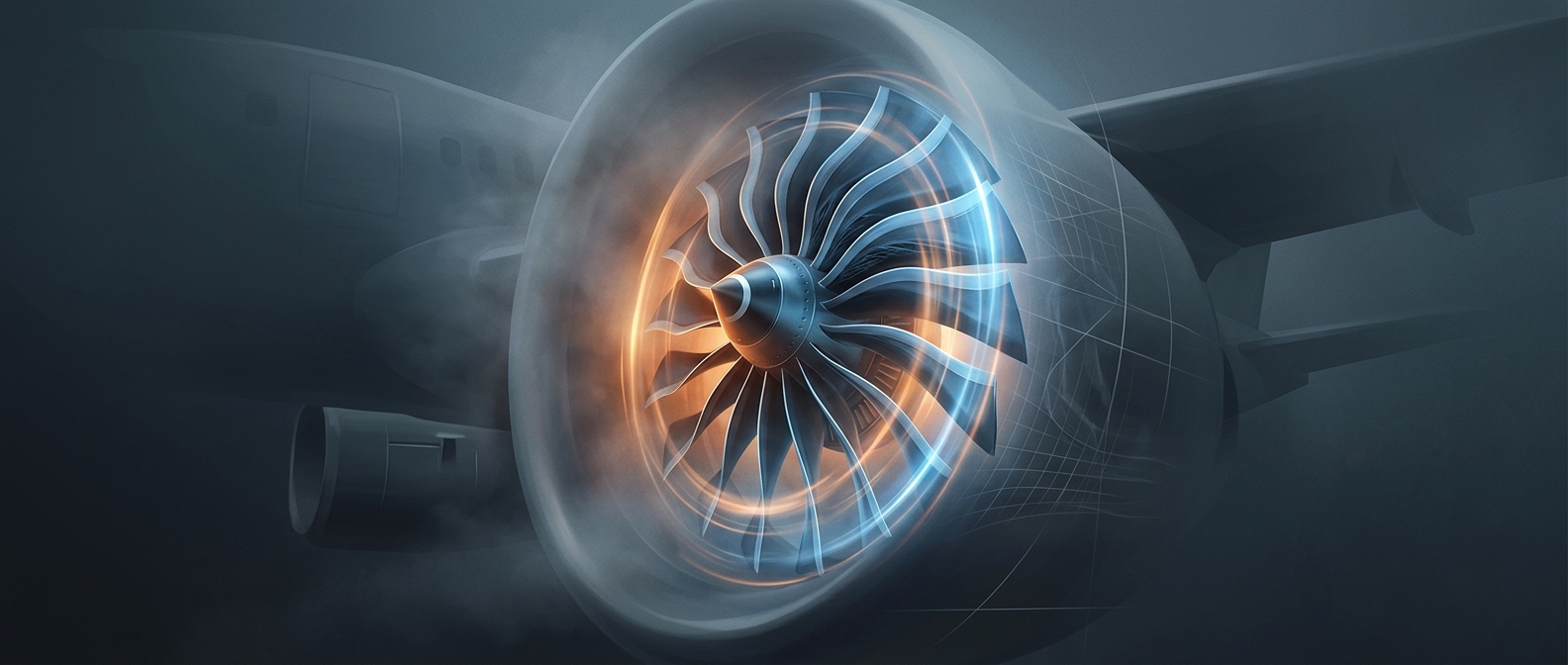
Jet engine fan blades withstand immense centrifugal force
A jet fan blade spins so fast that its own mass tries to fling it outward. Strong, carefully shaped blades and a stout hub hold the spinning row together—the…
Discover more
Sailboat rigging utilizes complex tension networks
A sailboat’s ropes are a tension network: some brace the mast while others pull the sails into useful shapes. The whole arrangement turns loose fabric and a…
Discover more
The scratch pad inside an astronaut’s helmet
A small rough patch inside the helmet gives an astronaut somewhere to rub an itch. With pressurized gloves and a sealed suit between hand and face, the…
Discover more
Rocket engine bells expand gas for maximum thrust
A rocket’s throat squeezes hot gas, then the widening bell gives it room to expand and rush out faster. That exhaust blasts backward; the rocket gets shoved…
Discover more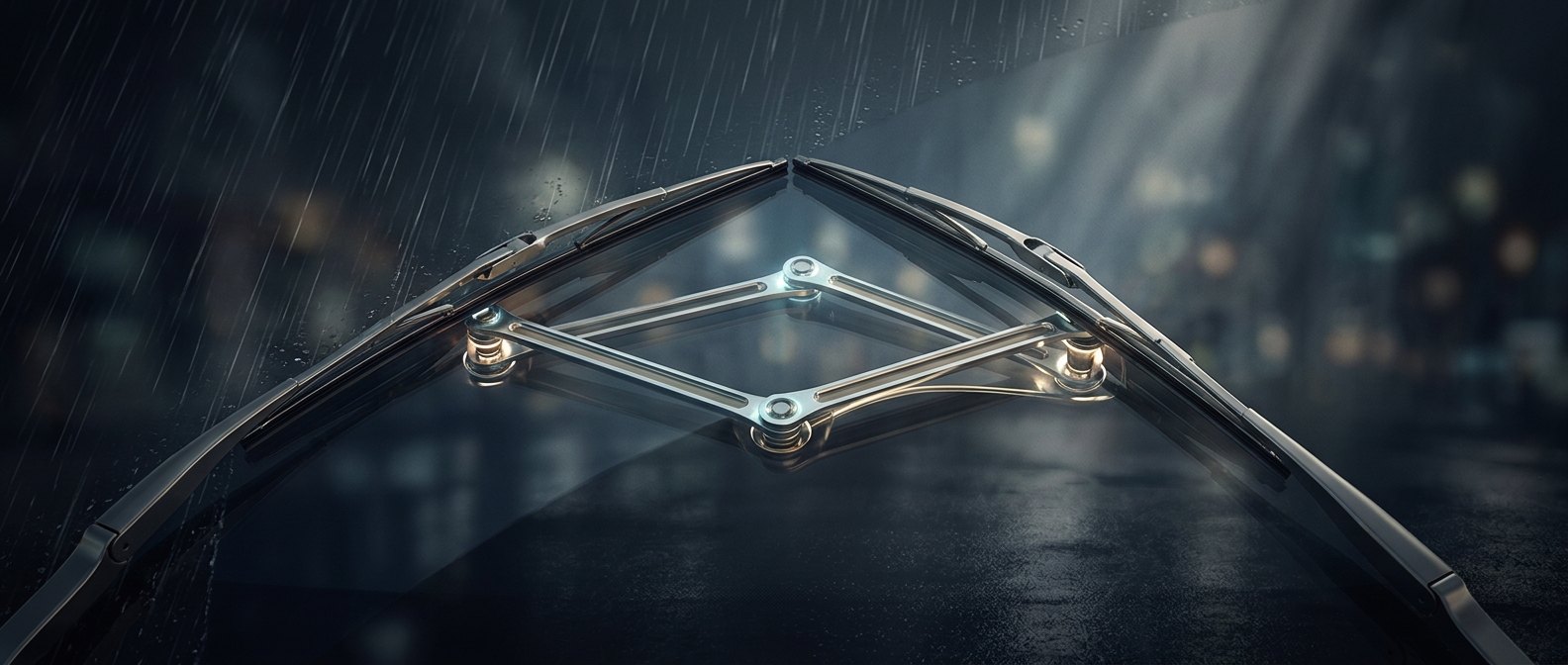
Windshield wipers use a four-bar linkage
A small motor turns a crank, and the wiper’s four-bar linkage converts that spin into a side-to-side sweep. The blade gets a broad arc from a motor that only…
Discover more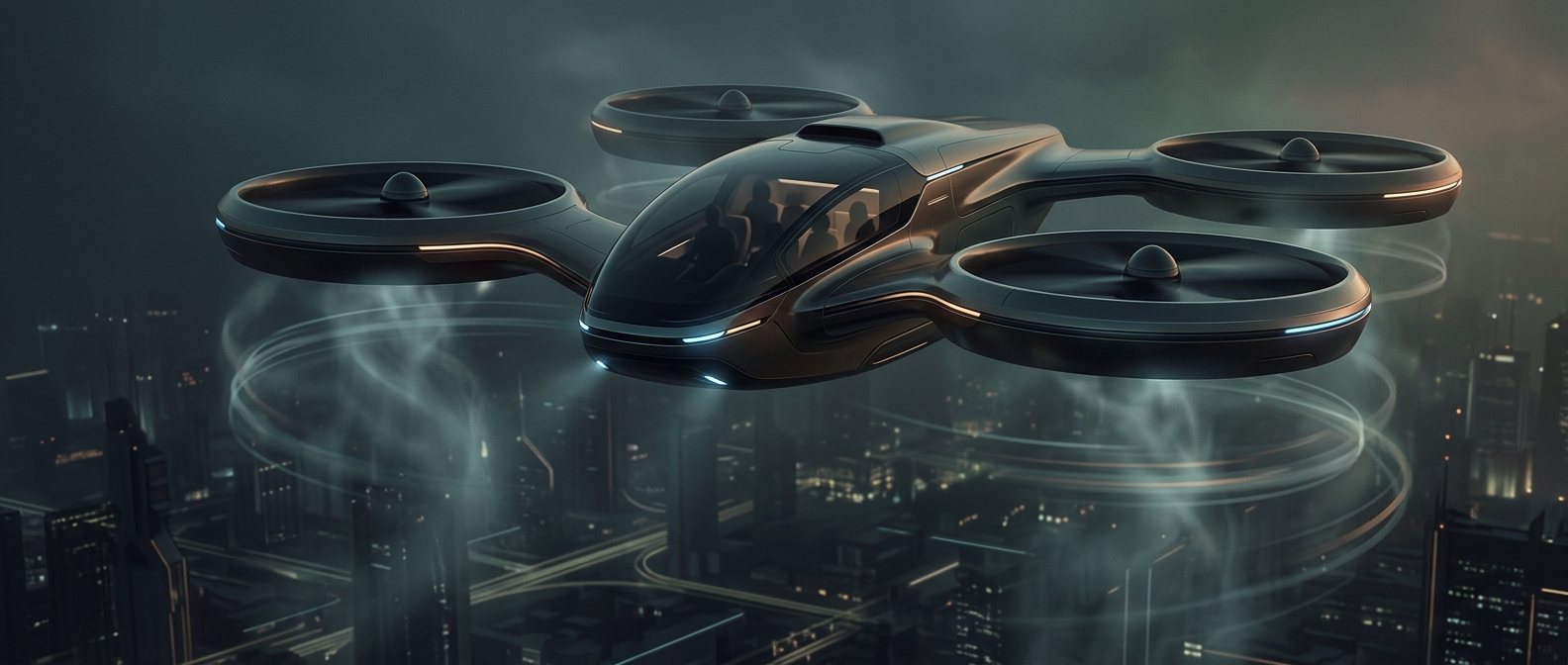
Modern passenger drones function as massive quadcopters
Several electric rotors provide lift without wings; changing their speeds tilts the aircraft and sends it in a direction. Scale up a quadcopter and the drone…
Discover more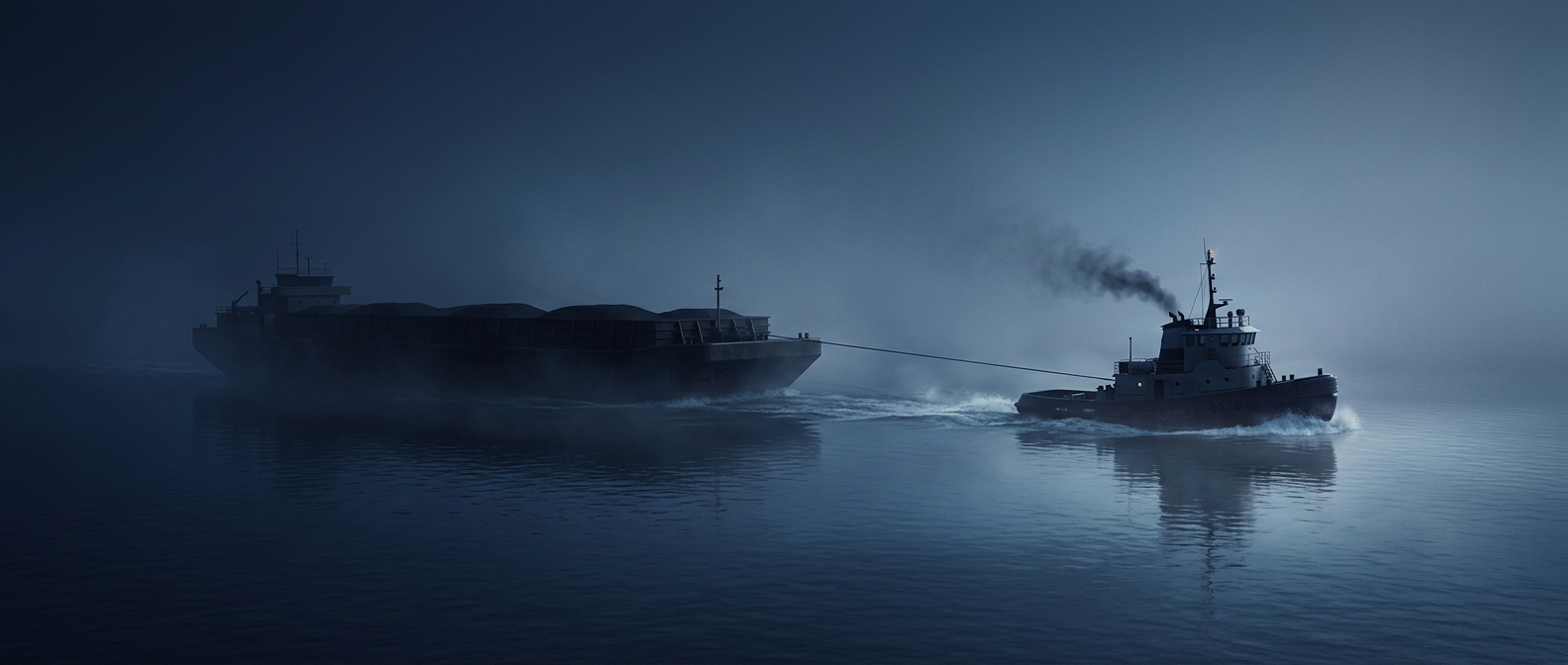
Barges lack built-in engines and rely entirely on tugs
A tug supplies the push or pull, while the barge devotes its space to cargo instead of engines and fuel. The barge brings the load; the tug brings the…
Discover more
How firefighting planes refill from lakes
The aircraft skims a lake and lowers small scoops beneath its hull. Water pressure forces lake water into onboard tanks as the plane speeds along, so it…
Discover more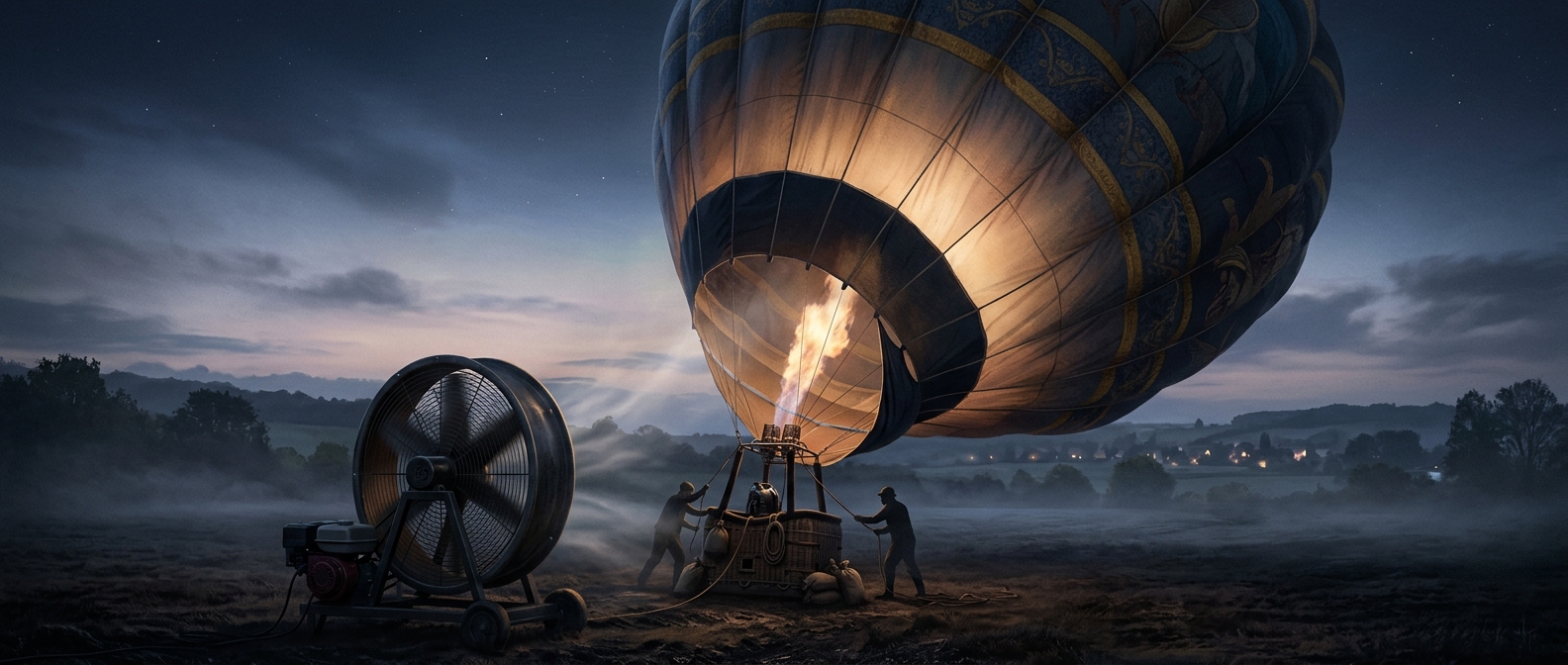
Hot air balloons inflate using a powerful ground fan
A balloon starts as a heap of fabric, so a powerful fan fills it with air and raises its envelope off the ground. Only then does the burner heat that air…
Discover more
Pilots communicate using a specialized phonetic alphabet
Pilots say “Alpha,” “Bravo,” and “Charlie” because letters like B, D, and P blur together over a crackly radio. The alphabet swaps each for a distinct word,…
Discover more
Why seaplane floats have a step underneath
The step breaks the water’s grip on the float as the seaplane gathers speed, reducing the surface dragging beneath it. With less water clinging on, the…
Discover more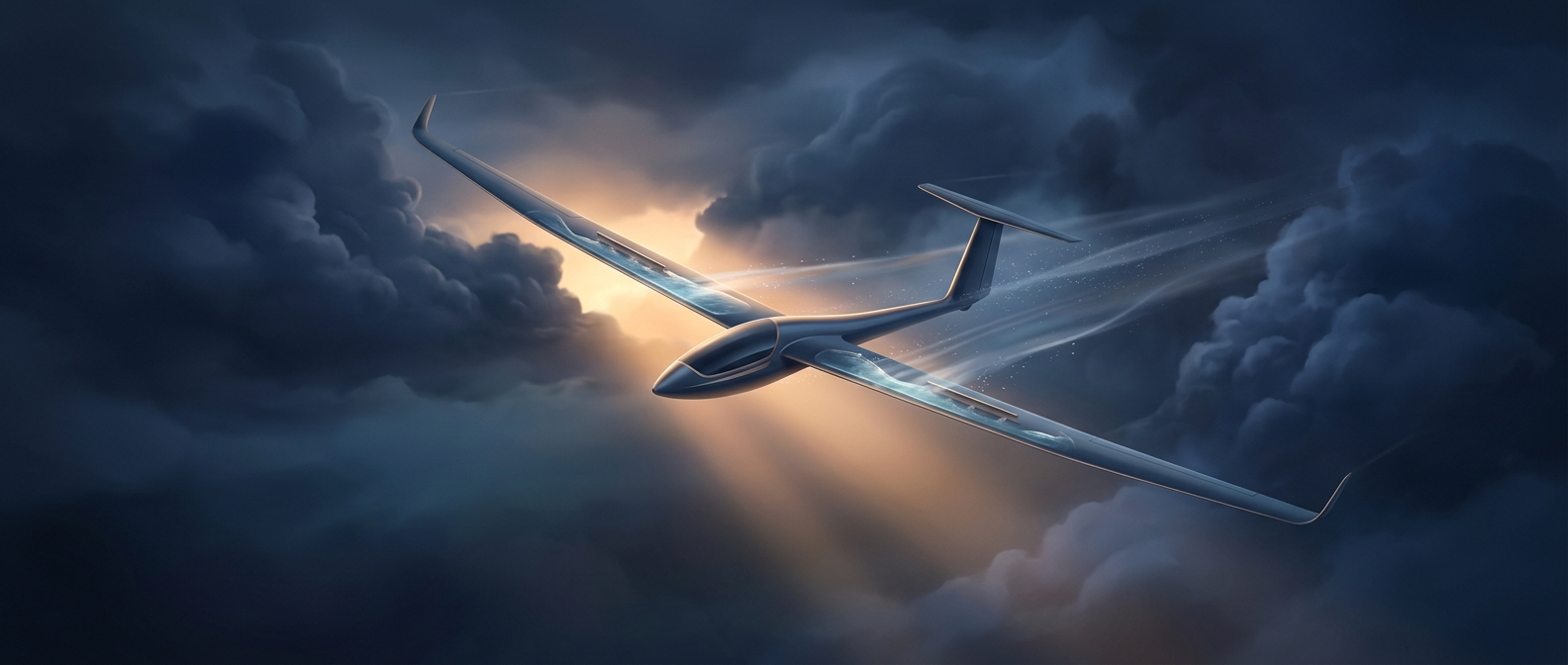
Why gliders carry water they later dump
Water ballast adds weight to a glider, helping it fly faster between rising columns of air. Before landing, the pilot releases the water to shed weight and…
Discover more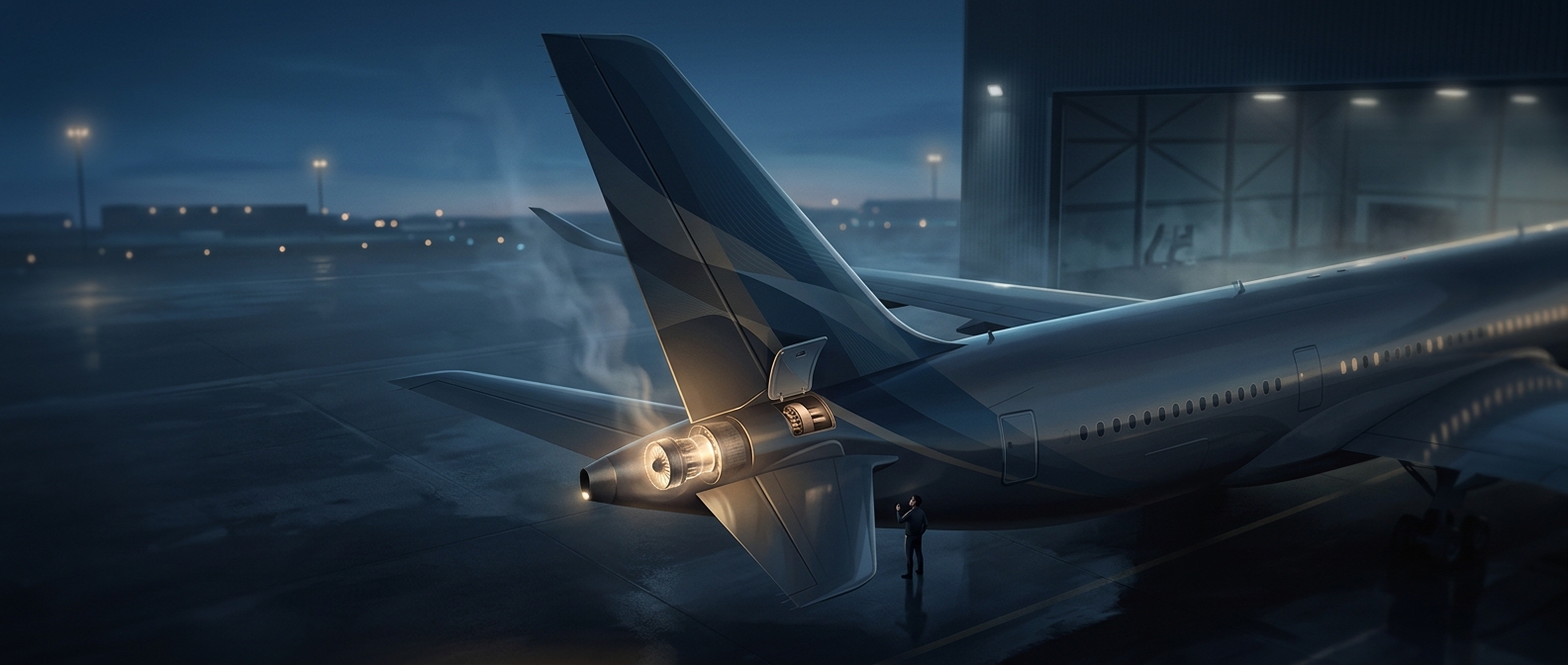
The hidden turbine that powers a plane on the ground
A small auxiliary power unit—a turbine tucked in the tail—supplies electricity and compressed air while the plane sits at the gate. It also helps start the…
Discover more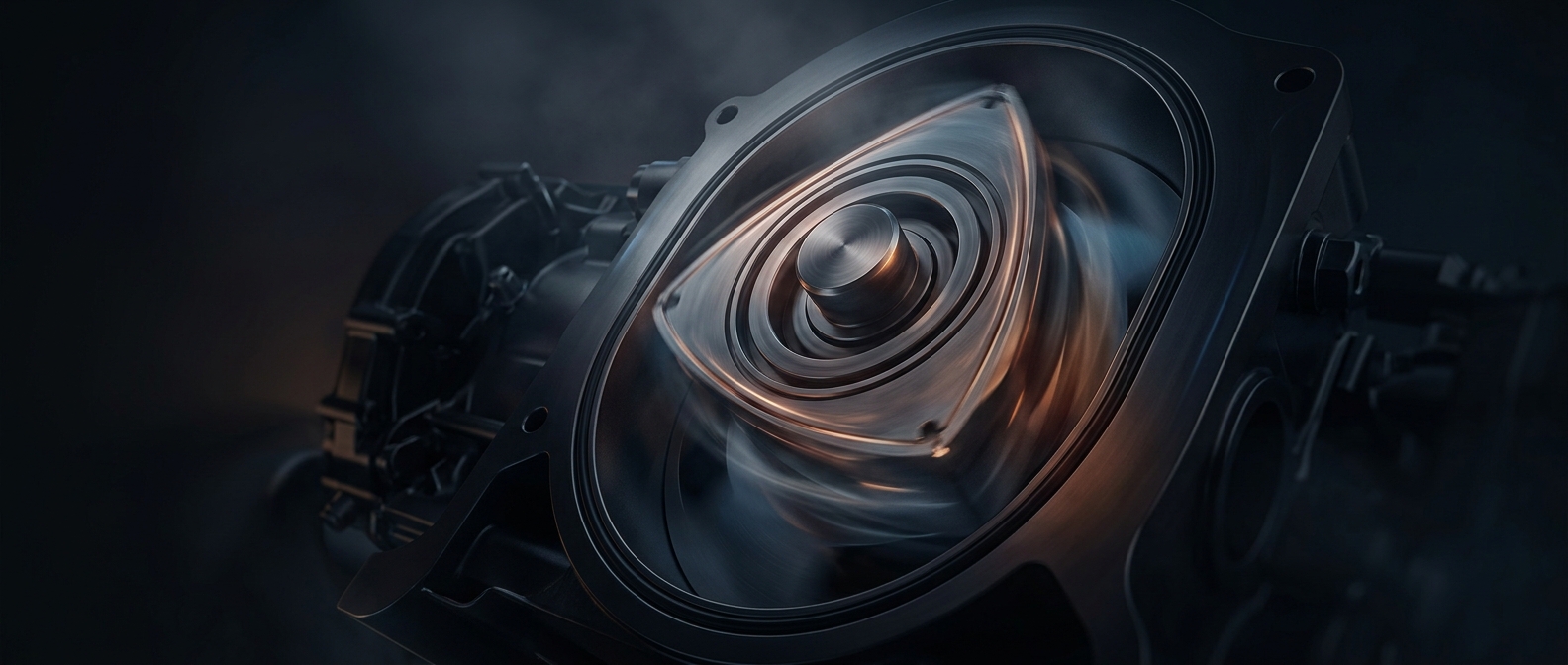
Why rotary engines use a spinning triangle
The triangle-shaped rotor turns inside a close-fitting housing, and its three sides form chambers that take in fuel, squeeze it, burn it, then push out…
Discover more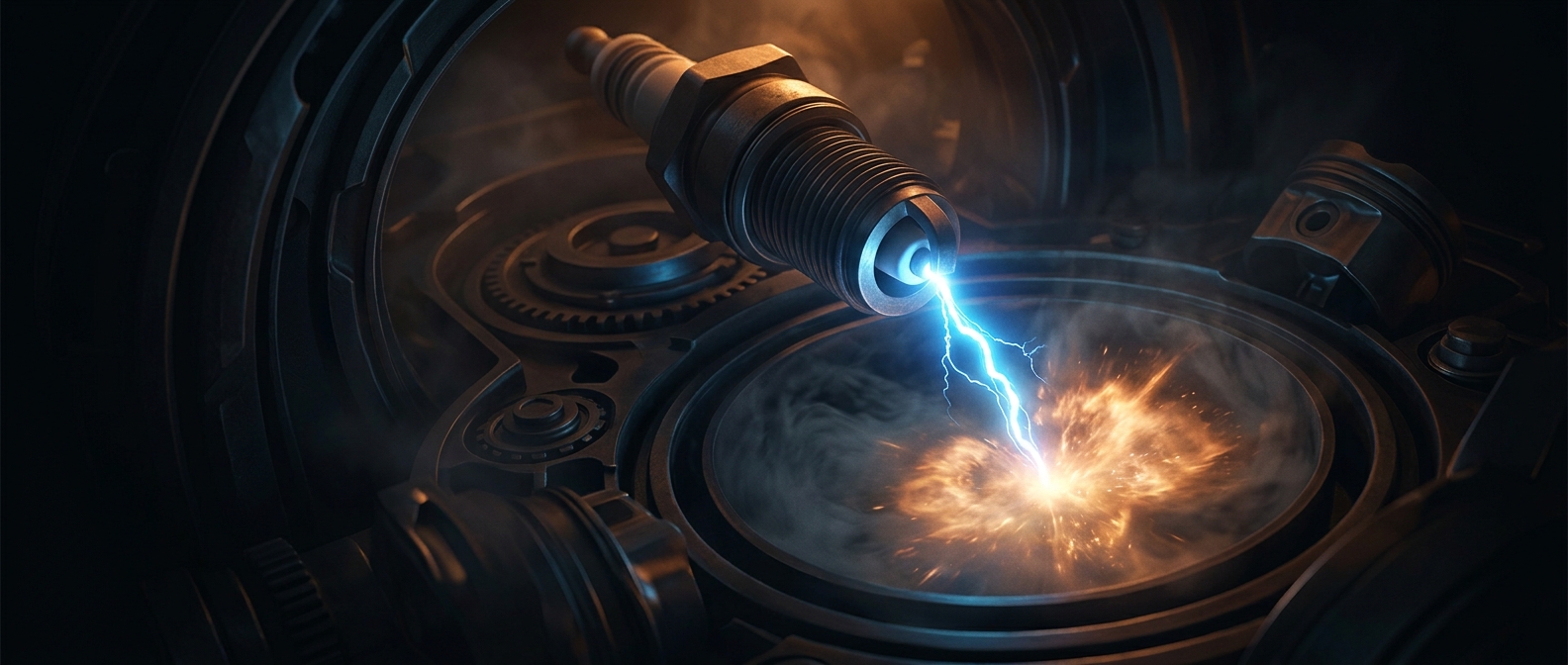
A gasoline engine turns tiny sparks into your commute
A spark plug ignites compressed fuel and air inside a cylinder. The burning mixture expands, pushes the piston, and turns the crankshaft through a connecting…
Discover more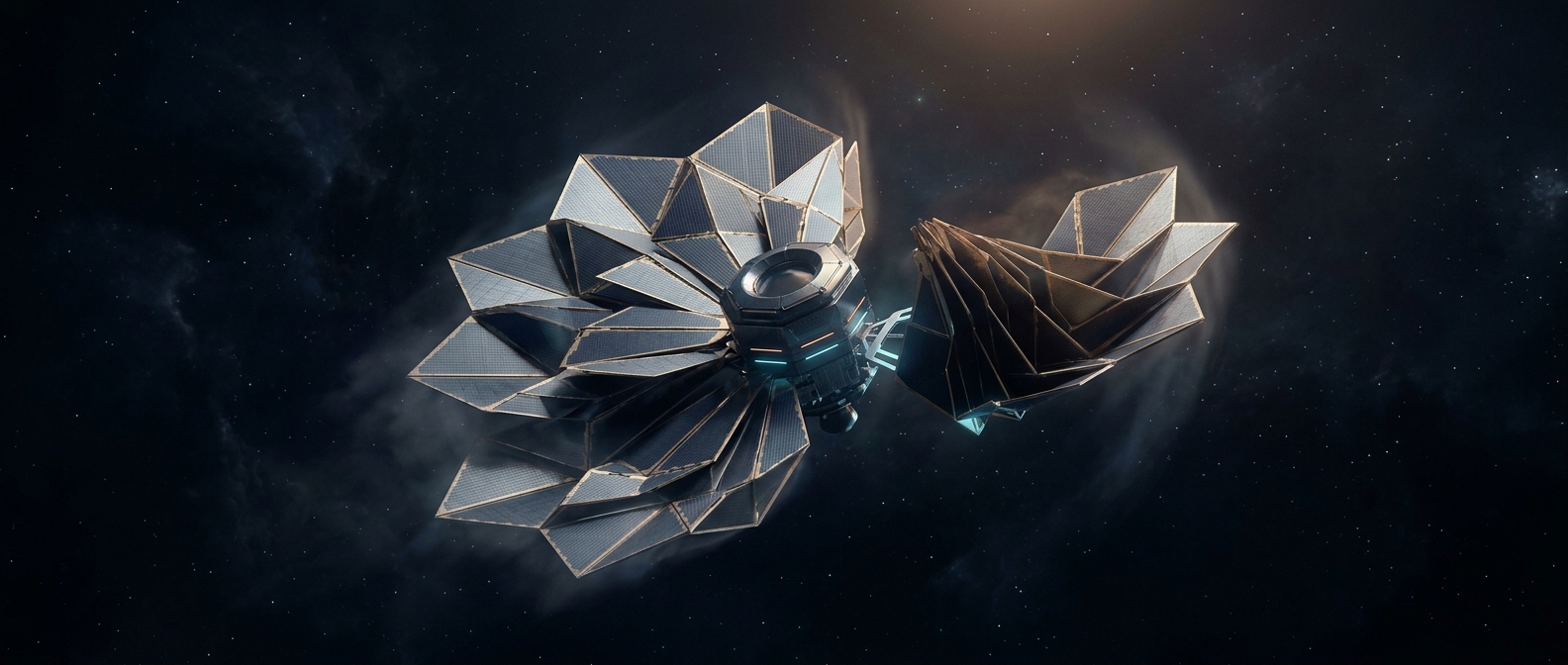
How school-bus-sized spacecraft fit in rockets
The rocket’s nose cone is narrow, so spacecraft fold their broad parts—solar panels and antennas—against the body for launch. Once the rocket releases them in…
Discover more