Transport
Discover facts about transport. Small discoveries that change the way you see familiar things.
Transport

Why train wheels are cone-shaped
If train wheels were perfect cylinders, every curve in the track would result in catastrophic derailment. To solve the problem of the outer wheel needing to…
Discover more
Railway embankments pile dirt to level the route
Instead of following the natural roll of the terrain, builders just dump thousands of tons of compacted dirt to build an artificial ridge. The entire…
Discover more
Angle parking creates blind reversing scenarios
Slanting the spaces allows for a marginally easier entry, but it requires backing out into active lanes completely blind. You are essentially trusting the…
Discover more
Frontage roads run parallel to main highways
Instead of letting people back out of their driveways directly into high-momentum traffic, planners built entirely separate mini-highways right next to the…
Discover more
Highway medians are barren separation dirt patches
The massive expanse of grass between opposite directions of traffic serves no botanical purpose. It acts purely as a sprawling recovery zone, giving an…
Discover more
Why tram wires zigzag overhead
If you look closely at the power lines above a tram, they suspiciously weave left and right. If they ran in a perfectly straight line, they would slice a deep…
Discover more STACKY FOR IPHONE
A bigger world.
One discovery
at a time.
Keep discovering with Stacky. Interesting facts in an app that is always within reach.

Zipper road barriers are movable concrete blocks
Rather than building a wider road, some cities use an aggressive heavy machine to literally nudge a mile-long chain of concrete dividers over by one lane…
Discover more
Cul-de-sacs are intentional asphalt dead ends
That circular turnaround at the end of a suburban street is a deliberate middle finger to route efficiency. It was constructed exclusively to prevent…
Discover more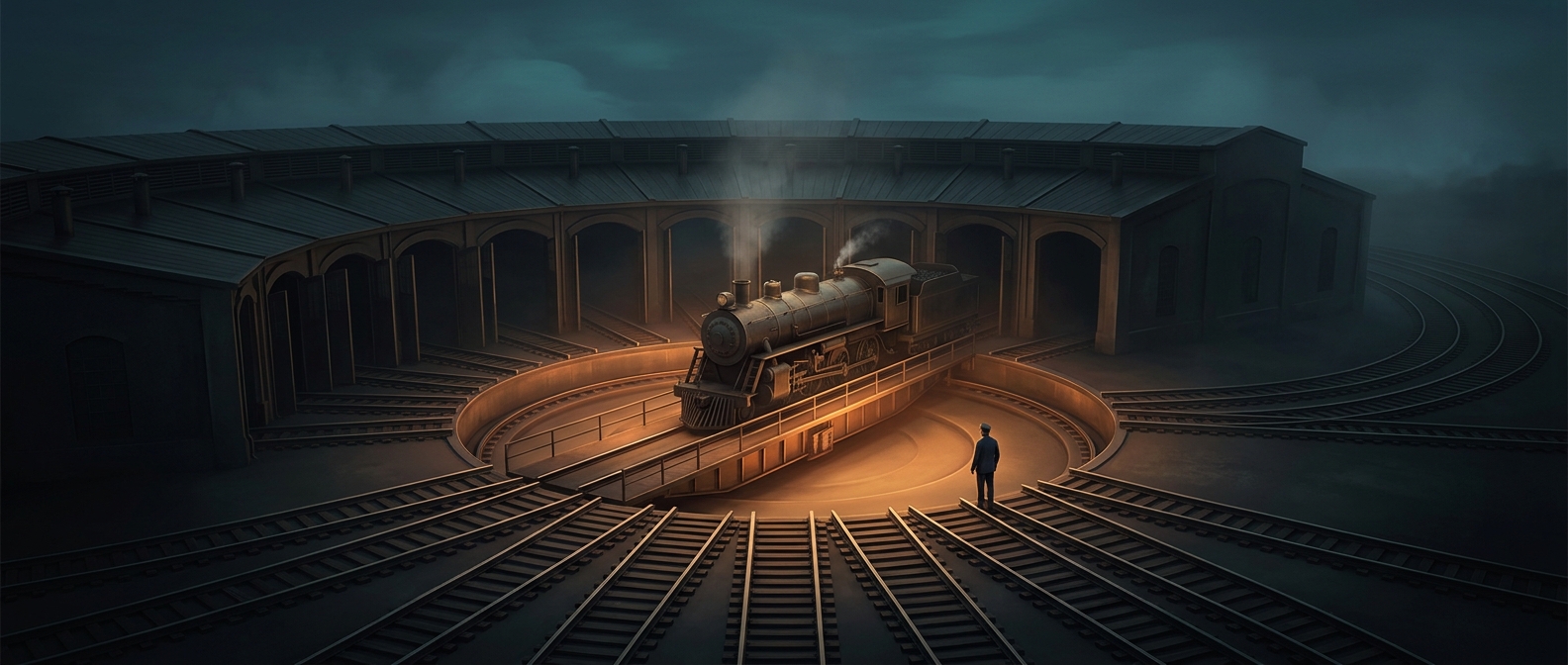
Roundhouses were built exclusively for turntables
Those iconic semi-circular brick buildings weren't shaped that way for aesthetic flair. They were wrapped around a central spinning track pit, essentially…
Discover more
Road camber crowns the asphalt center for runoff
Roads are rarely flat. They are intentionally poured with a slight hump directly down the middle, meaning every time you drive, you are subtly tilting.…
Discover more
Edmondson railway tickets were thick cardboard
Long before flimsy QR codes, getting on a train meant receiving a dense, aggressively thick chunk of cardboard. The Edmondson system was essentially a…
Discover more
Parking space widths shrink to cram more in
If you feel like exiting your door requires Olympic-level contortion, you aren't imagining things. Lot owners consistently redraw the white lines just a few…
Discover more
Why the gap between train and platform exists
That terrifying void between the platform and the door isn't there to test your jumping skills. It exists entirely because railcars are rigid, unbending…
Discover more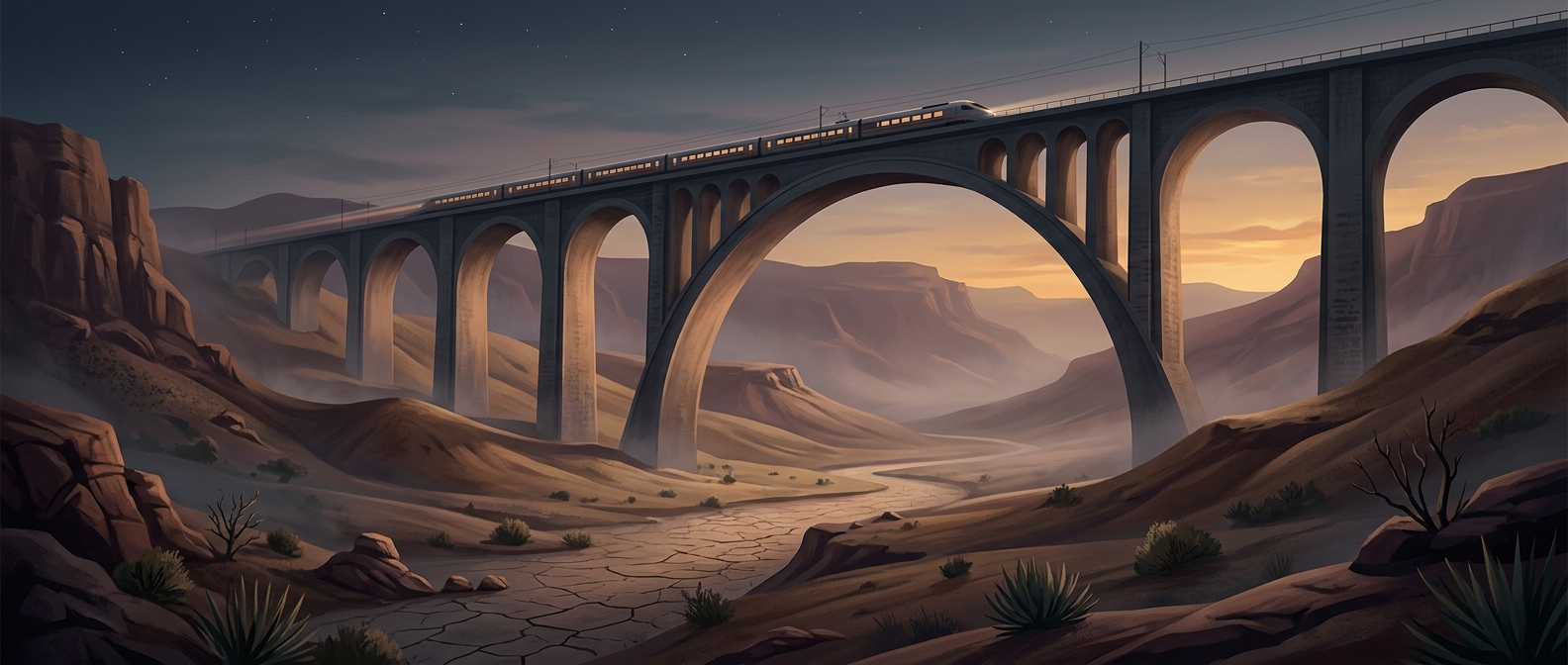
Viaducts are essentially bridges over dry land
Normally you build a bridge to avoid drowning, but viaducts are constructed just to keep tracks perfectly level over a dipping valley. It is an astonishing…
Discover more
Kiss-and-ride zones physically separate drop-offs
To prevent emotional farewells from backing up morning commuters, terminals established brutally strict drop-off points. You are given exactly thirty seconds…
Discover more
Why cities were built in rigid grids
Cities weren't laid out in perfect squares because it made getting around easier. The grid format was brutally enforced simply because drawing straight lines…
Discover more
Helical parking garage ramps stack roads vertically
Since sprawling surface lots are too expensive, developers just coiled the asphalt into massive upward spirals. You end up driving halfway to the stratosphere…
Discover more
Grand central stations required massive land clearing
These monumental structures weren't built in the heart of cities because there was an open plot of land waiting. Entire neighborhoods were aggressively…
Discover more
Why some bridges are covered
They weren't built with quaint, rustic housing so travelers could seek shelter from a storm. The roof was installed for the sole purpose of keeping rain off…
Discover more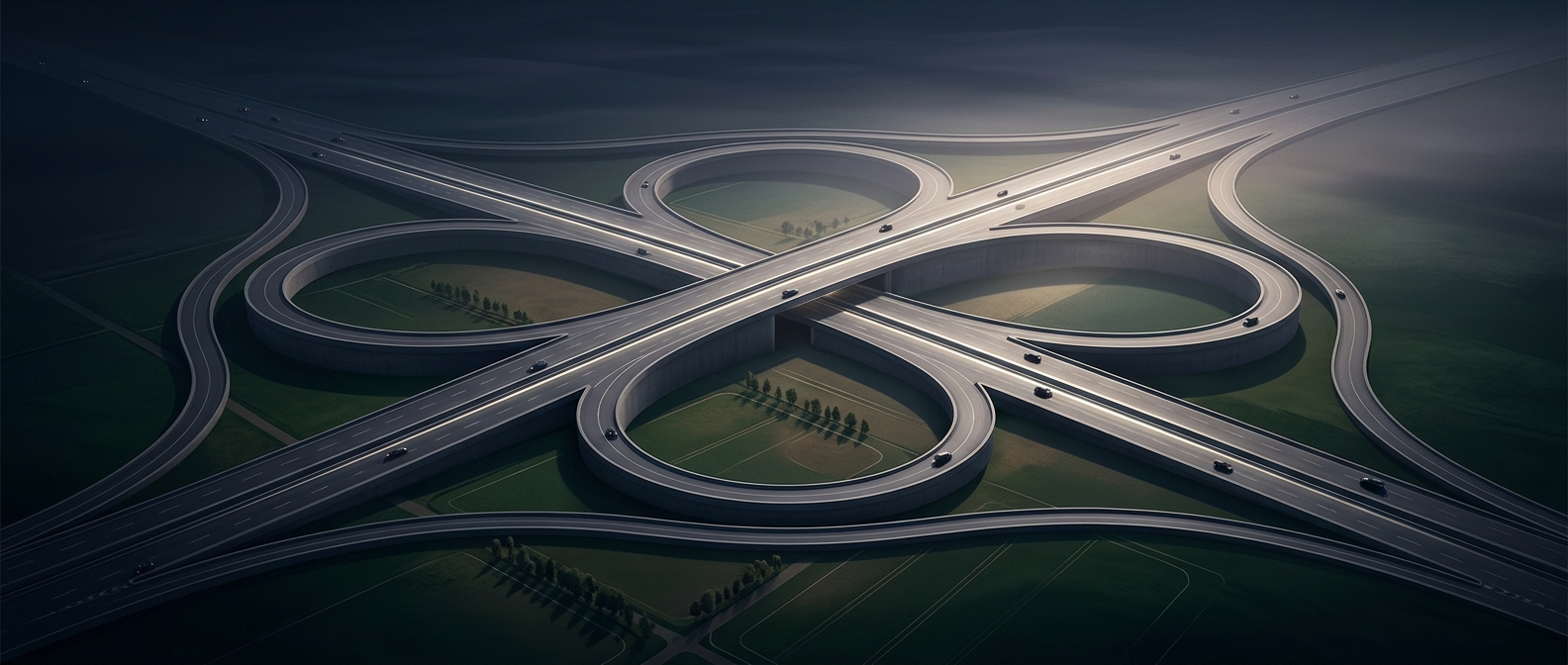
Cloverleaf interchanges consume massive land plots
To allow cars to turn left without ever stopping, engineers decided the best solution was to pave over dozens of acres of perfectly good land in four looping…
Discover more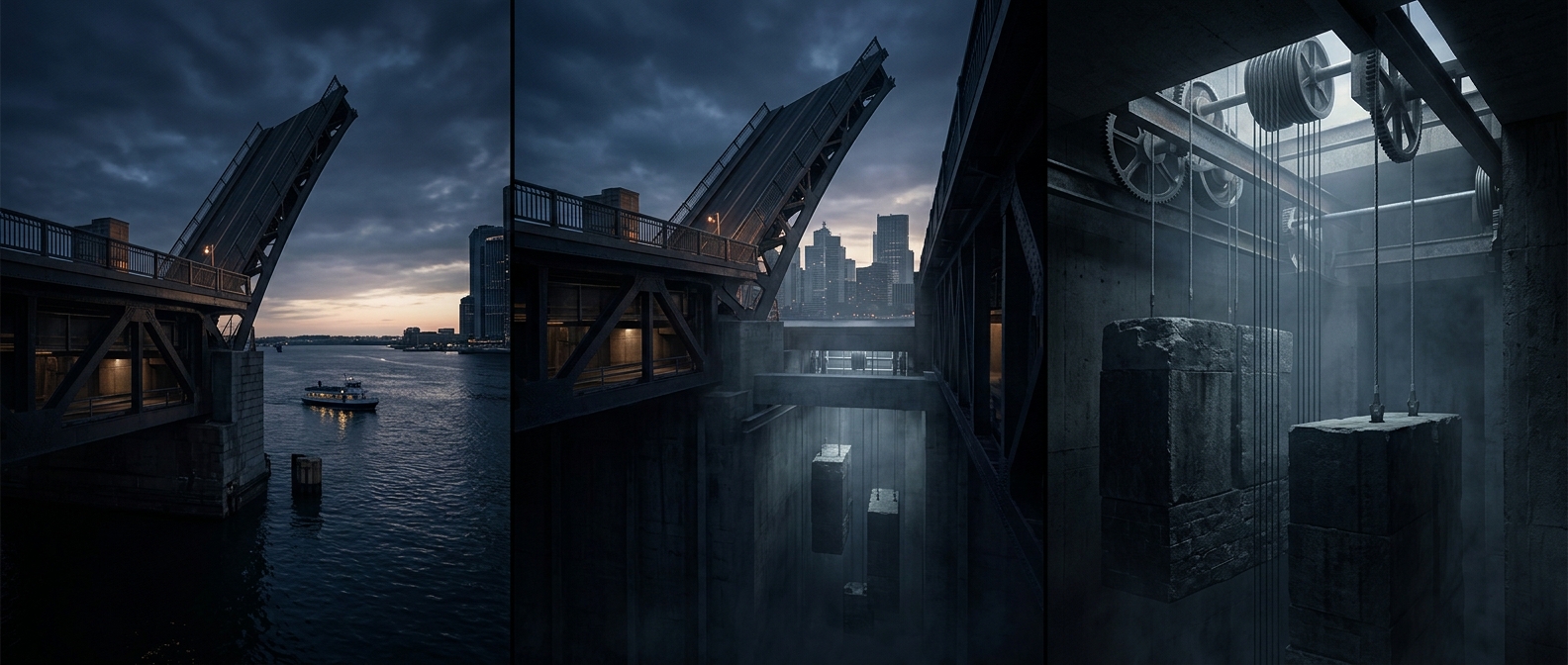
Bascule bridges rely on massive hidden weights
When a road suddenly splits and points at the sky, it isn't sheer mechanical brute force doing the lifting. There is an impossibly heavy chunk of concrete…
Discover more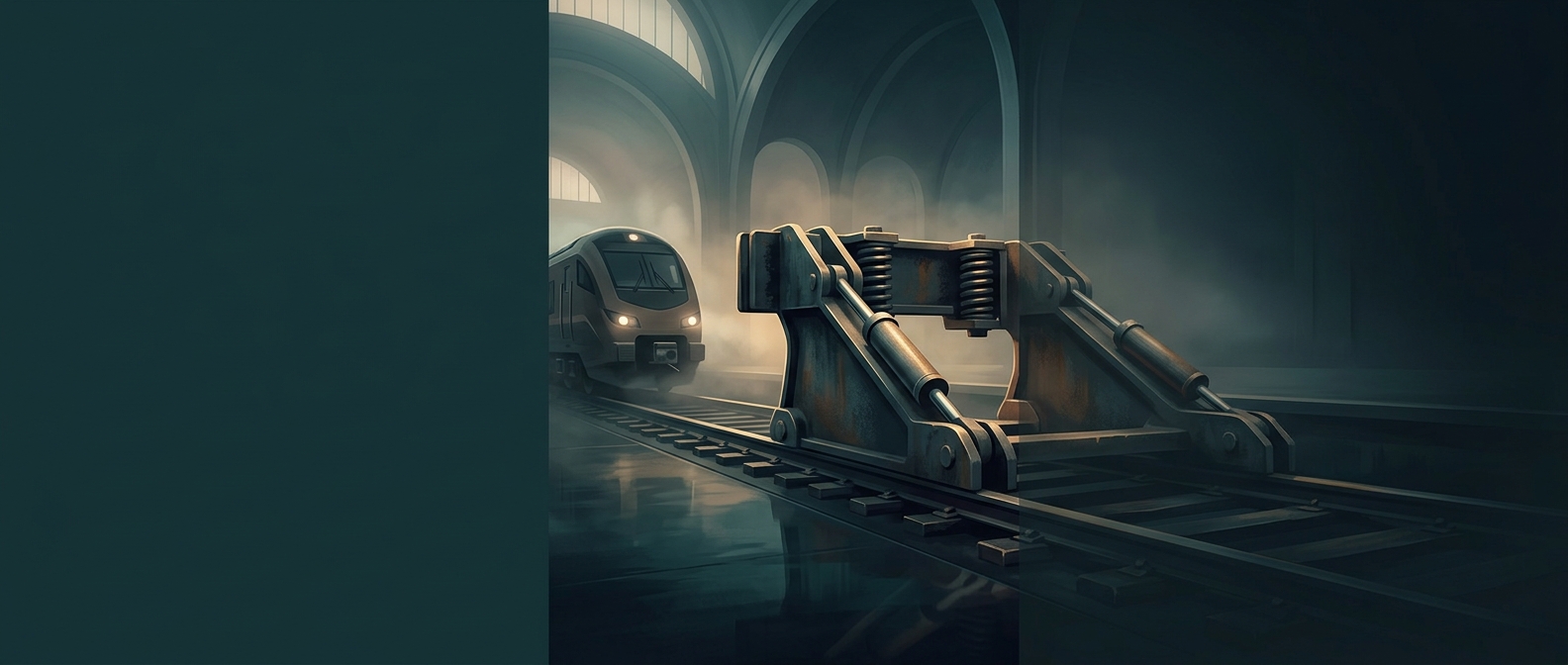
Buffer stops act as giant metal track bumpers
At the end of every terminal line sits a massive, imposing metal barricade. Its entire purpose is to absorb the catastrophic momentum of a conductor who…
Discover more
Why digital boarding passes mimic old magnetic strips
Even though you scan a digital QR code from a glowing rectangle, the data format often mimics the exact layout of a 1980s magnetic strip. We are essentially…
Discover more
Highway overpasses enforce strict clearance heights
That bright yellow clearance sign isn't a mere suggestion; it is a desperate warning. Countless concrete bridges are heavily scarred because drivers…
Discover more