Transport
Discover facts about transport. Small discoveries that change the way you see familiar things.
Transport

Grooved tram rails hide deep dirt trenches
A tram wheel rides on top of the rail, while its inner flange drops into the groove beside it to keep the tram on course. That narrow channel also collects…
Discover more
A border can make traffic change sides of the road
Hong Kong normally drives on the left, but its link road to the Hong Kong–Zhuhai–Macao Bridge uses right-hand traffic. Road layouts guide vehicles into the…
Discover more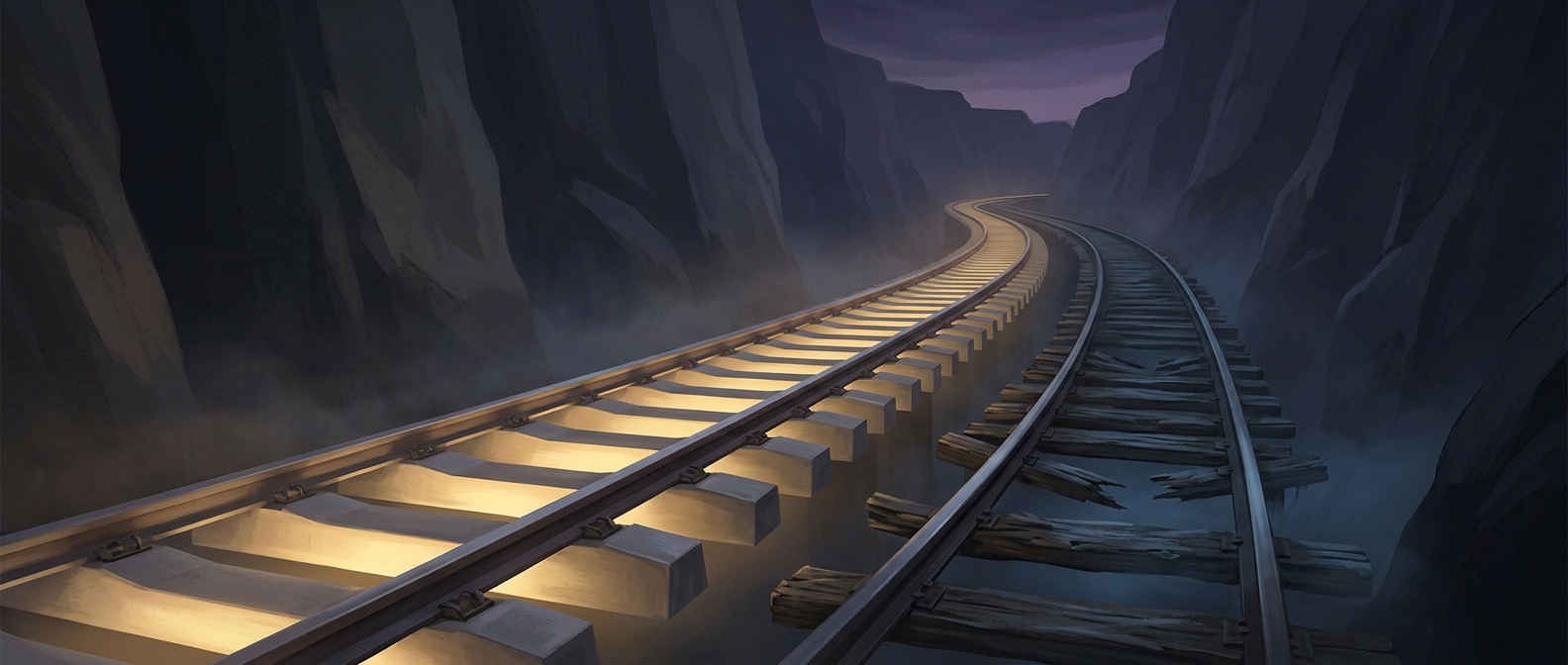
Concrete track sleepers replaced wooden ones
Concrete sleepers hold the rails at a steady gauge and resist rot and weather better than wood. Their extra weight helps keep track in place; the railway…
Discover more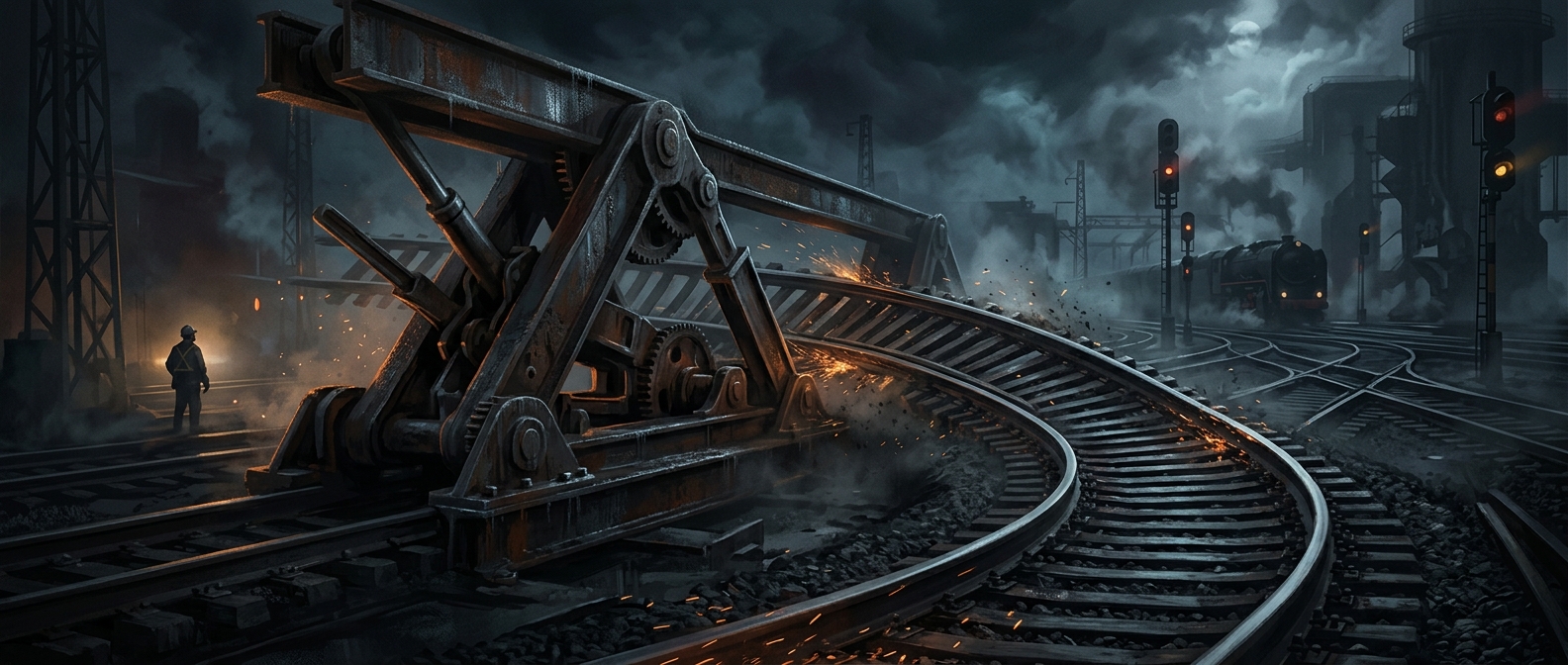
Railway switches violently shove tracks over
At a junction, one thin rail moves until it meets the main rail, leaving the wheel flange only one path to follow. The switch locks into that position before…
Discover more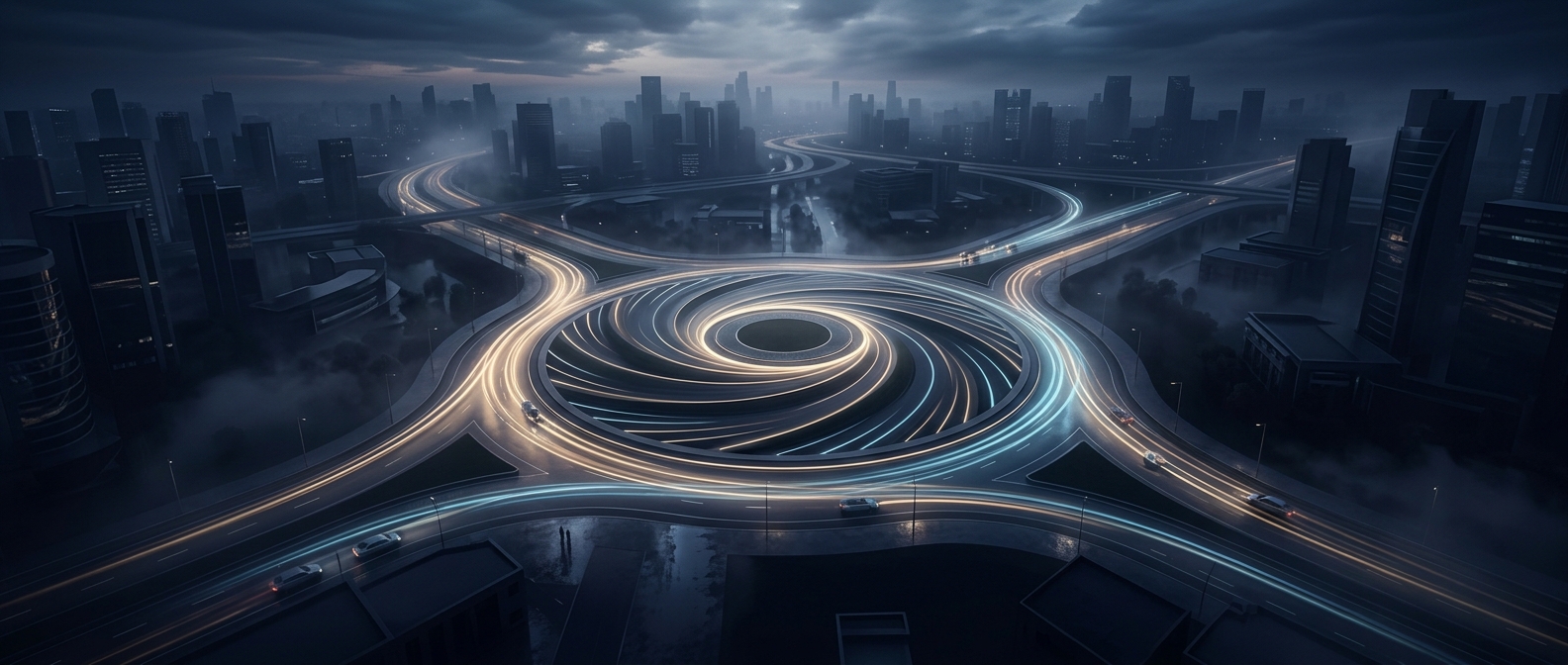
Roundabouts use geometry to control movement flow
A roundabout bends the road around a central island, so cars must turn as they enter instead of crossing straight through. The curve slows traffic and…
Discover more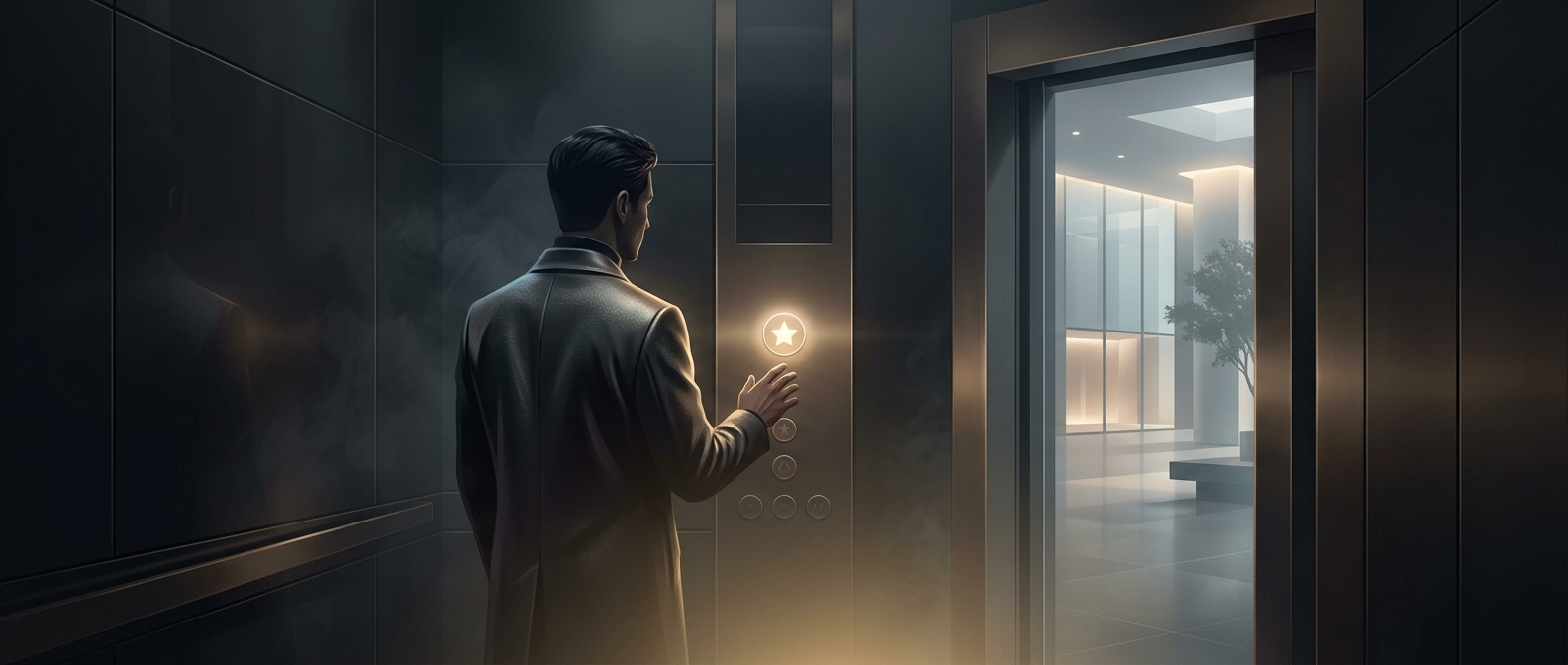
What the star on an elevator button means
The star marks the elevator’s designated main floor, typically the lobby where rides begin and end. It’s a tiny icon saying, “For the grand exit, press here.”
Discover more STACKY FOR IPHONE
A bigger world.
One discovery
at a time.
Keep discovering with Stacky. Interesting facts in an app that is always within reach.
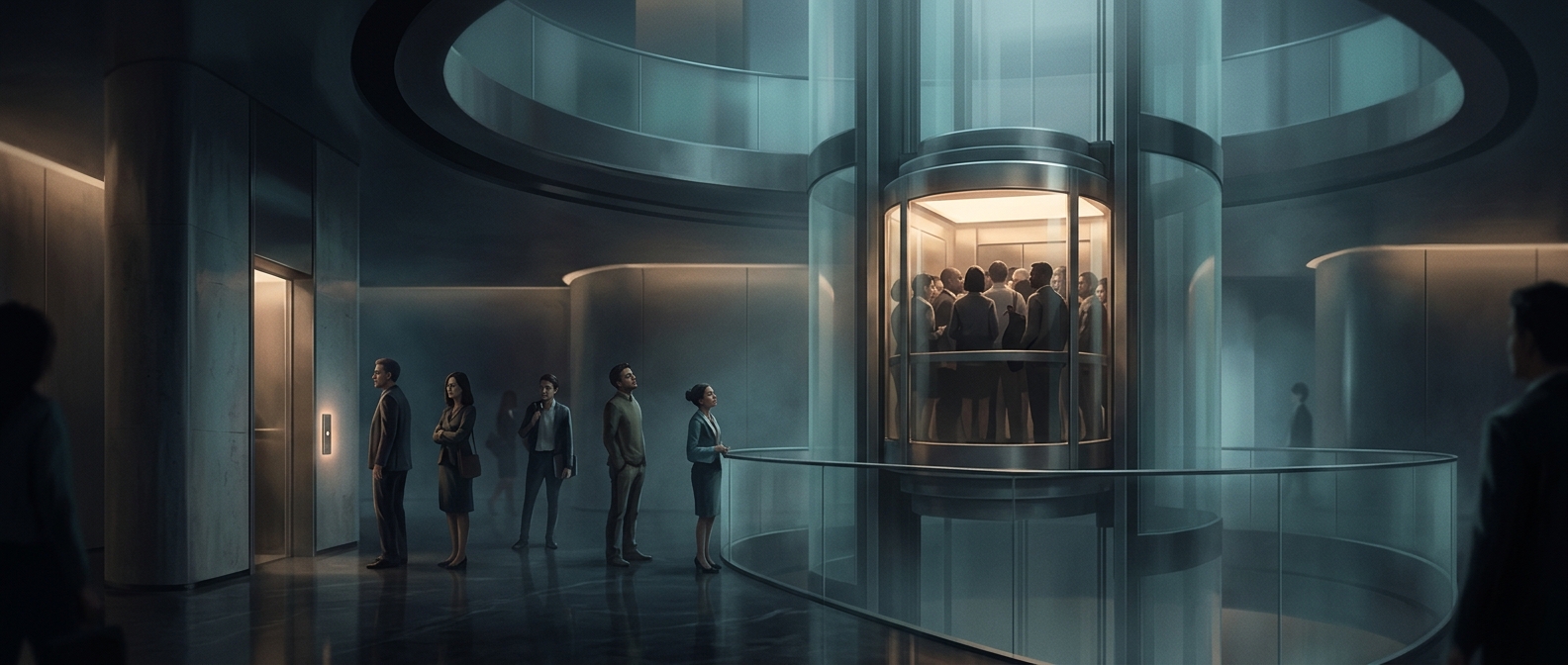
A full elevator can deliberately skip people waiting outside
An automatic-bypass feature lets a loaded car ignore hall calls while delivering the passengers already aboard. That is different from an overload condition,…
Discover more
Parallel parking spaces occupy premium asphalt
Parallel parking uses the narrow strip beside the curb instead of carving deep bays into the street. That leaves more room for traffic—and asks each driver to…
Discover more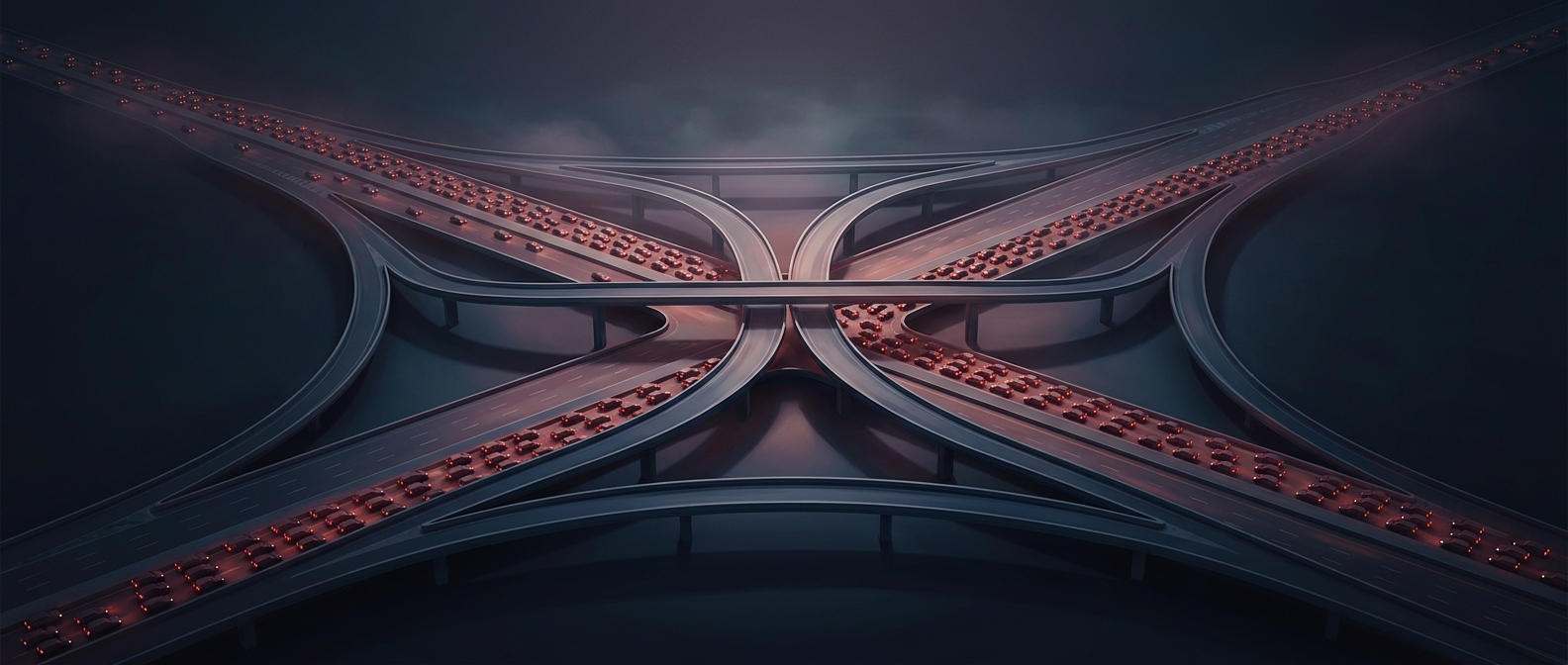
Diamond interchanges force traffic to halt
At a diamond interchange, traffic from the ramps meets cross traffic at a small set of intersections. Those crossing and turning paths need traffic lights to…
Discover more
Concrete bollards ruthlessly defend physical spaces
Bollards mark the boundary between cars and people, and their mass makes that boundary hard to ignore. A painted line asks drivers to behave; a concrete post…
Discover more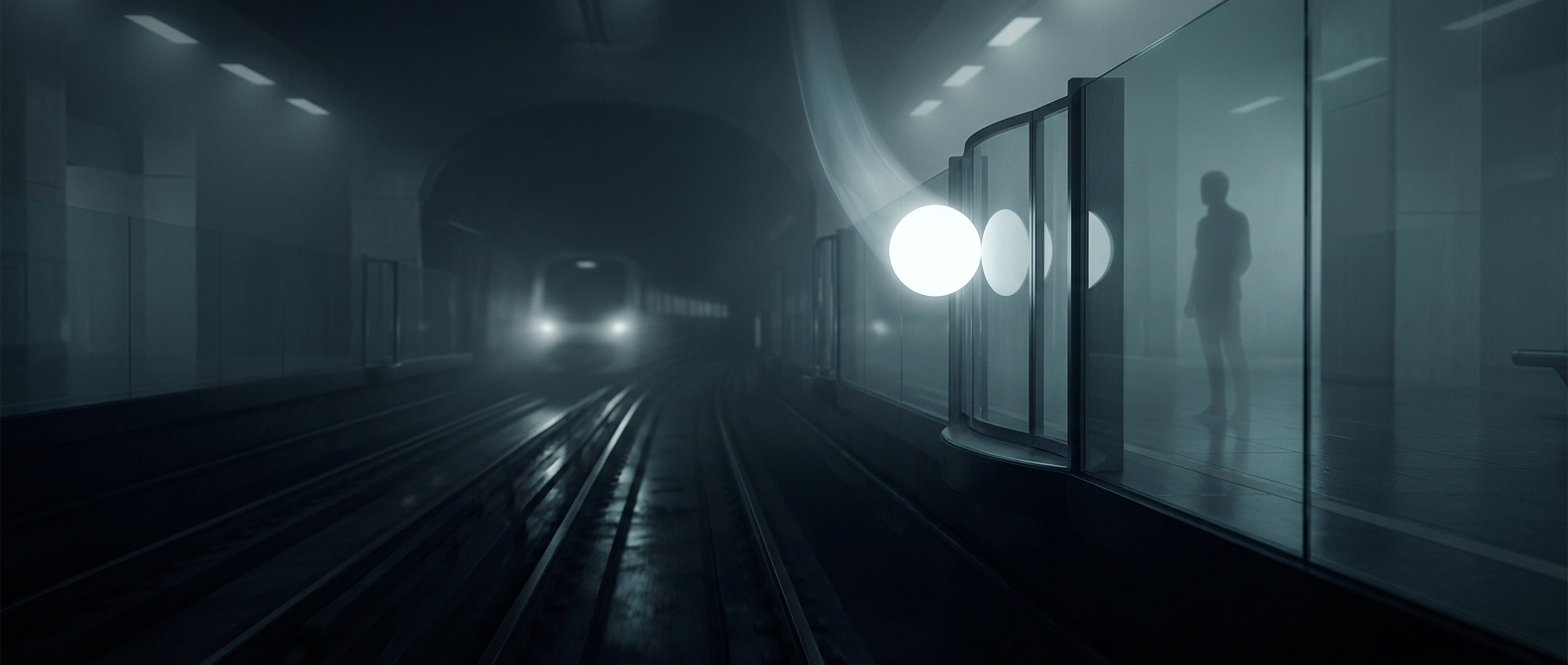
Platform edge doors stop objects falling on tracks
The doors form a barrier between the platform and the tracks, opening only when a train is in place. A dropped phone stays on the safe side; so does the…
Discover more
Longitude degrees cover less ground near the poles
Lines of longitude squeeze together as they approach the poles, so a degree east-west covers less ground there. A map grid that looks evenly spaced on paper…
Discover more
The family photo left behind on the Moon
Apollo 16 astronaut Charles Duke left a family photo on the lunar surface, sealed in plastic to protect it. His family got a portrait on Earth; the Moon got…
Discover more
Air traffic radar updates sweep every few seconds
Radar antennas sweep around, sending pulses and listening for echoes as they turn. Each sweep gives controllers a fresh snapshot, not a live video…
Discover more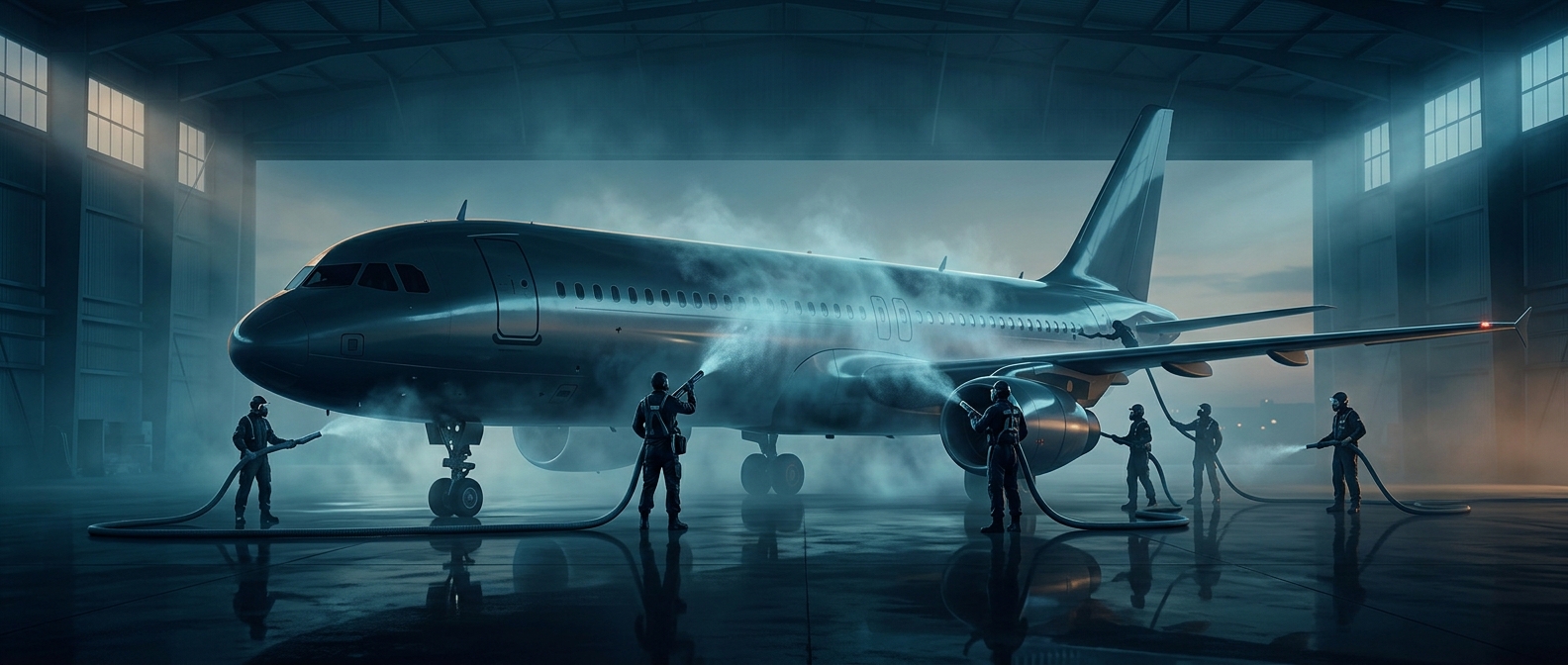
How planes get washed without water
A dry-wash cleaner loosens and traps grime on the aircraft’s skin, then workers lift it away with microfiber cloths. No hose, no pool of runoff—just a lot of…
Discover more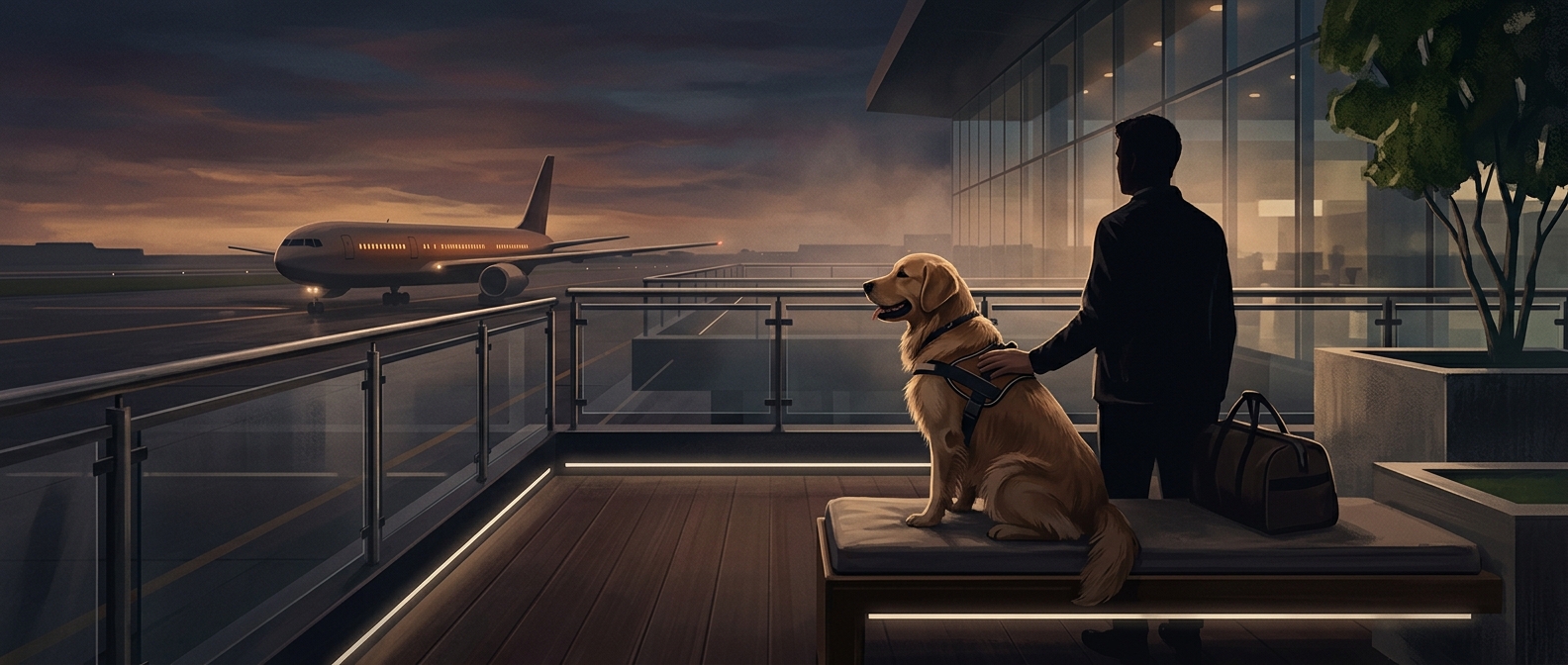
Some airports give dogs a final patch of grass
A pet relief area gives dogs a place to pee before a flight, when the next convenient patch of grass is nowhere in sight. Airports bring a tiny piece of the…
Discover more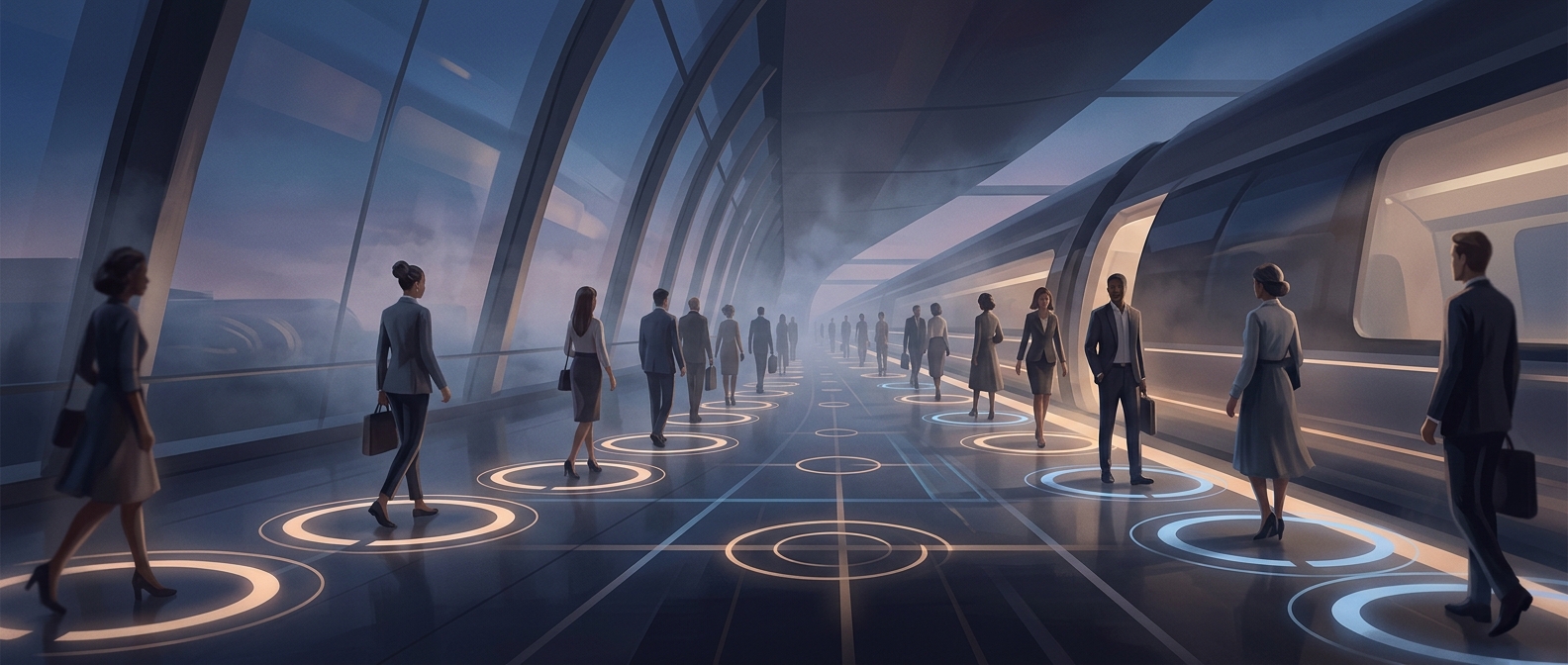
Boarding zones mathematically stagger passenger entry
Boarding groups send passengers in a planned sequence instead of releasing the whole queue at once. That spreads the rush toward the narrow aisle and overhead…
Discover more
Airport lounges deploy thick doors to block terminal noise
A thick door adds mass that sound waves struggle to shake, and tight seals close the gaps where noise sneaks through. Shut it, and the terminal’s roar loses…
Discover more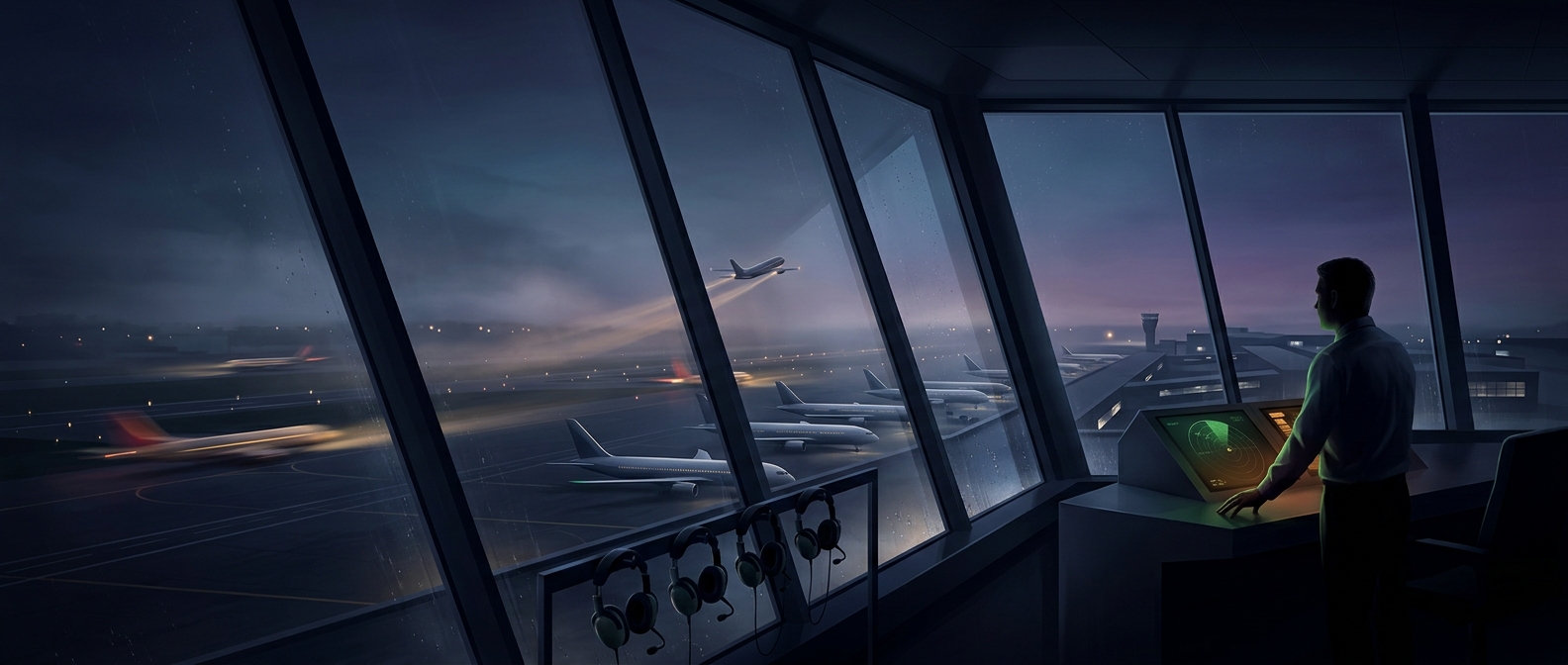
Why airport control-tower windows tilt outward
Control-tower windows tilt outward to keep reflections from the room from bouncing back into the controllers’ view. The glass leans so the runway stays…
Discover more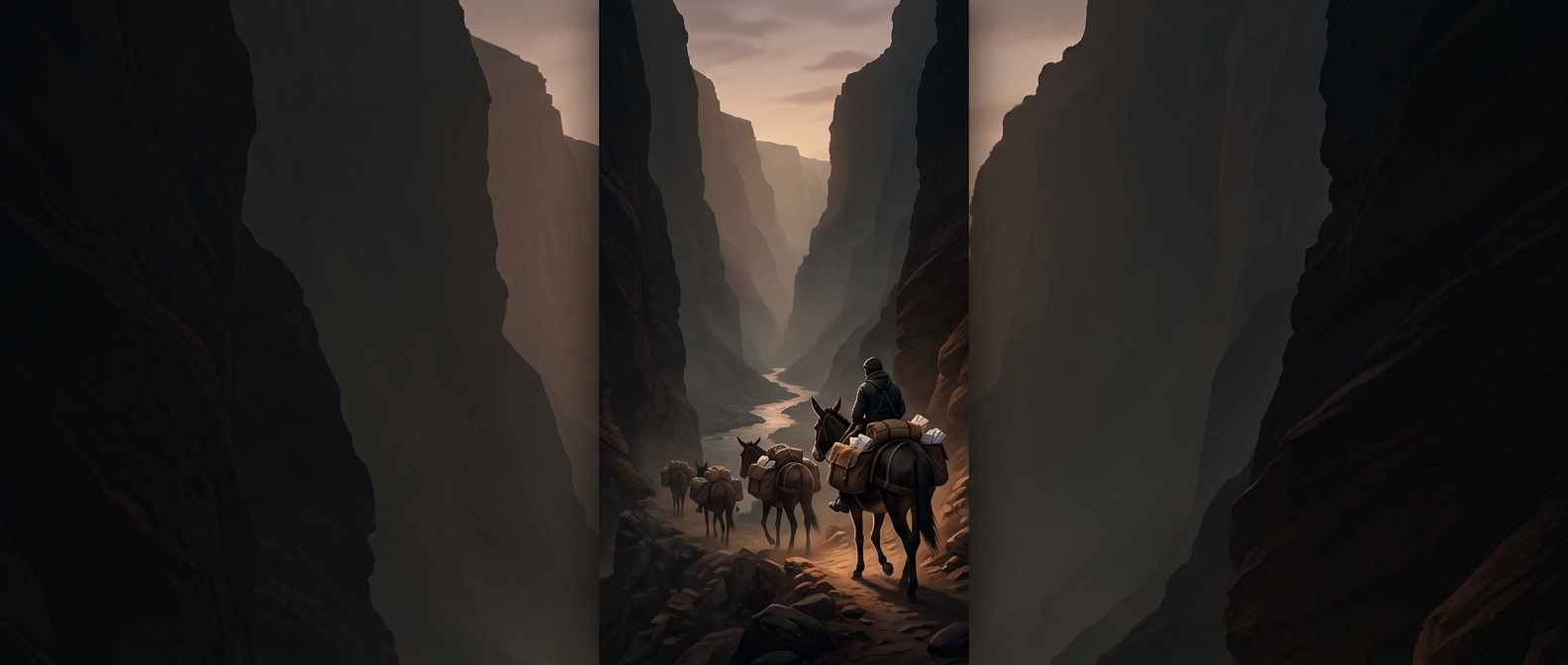
The Grand Canyon has a mule-powered mail route
Mail and supplies reach Supai by a nine-mile trail that delivery vans cannot use. USPS says each mule can carry up to 200 pounds, balanced across its sides,…
Discover more
Apollo 11 celebrated with bacon squares
Bacon squares gave the astronauts a compact, bite-sized breakfast without a plate full of loose crumbs. In weightlessness, crumbs float into equipment and…
Discover more
Passports expand physically when extra pages are added
When extra pages are added, the passport grows thicker because every new sheet has to fit inside the same bound booklet. The result is a tiny travel document…
Discover more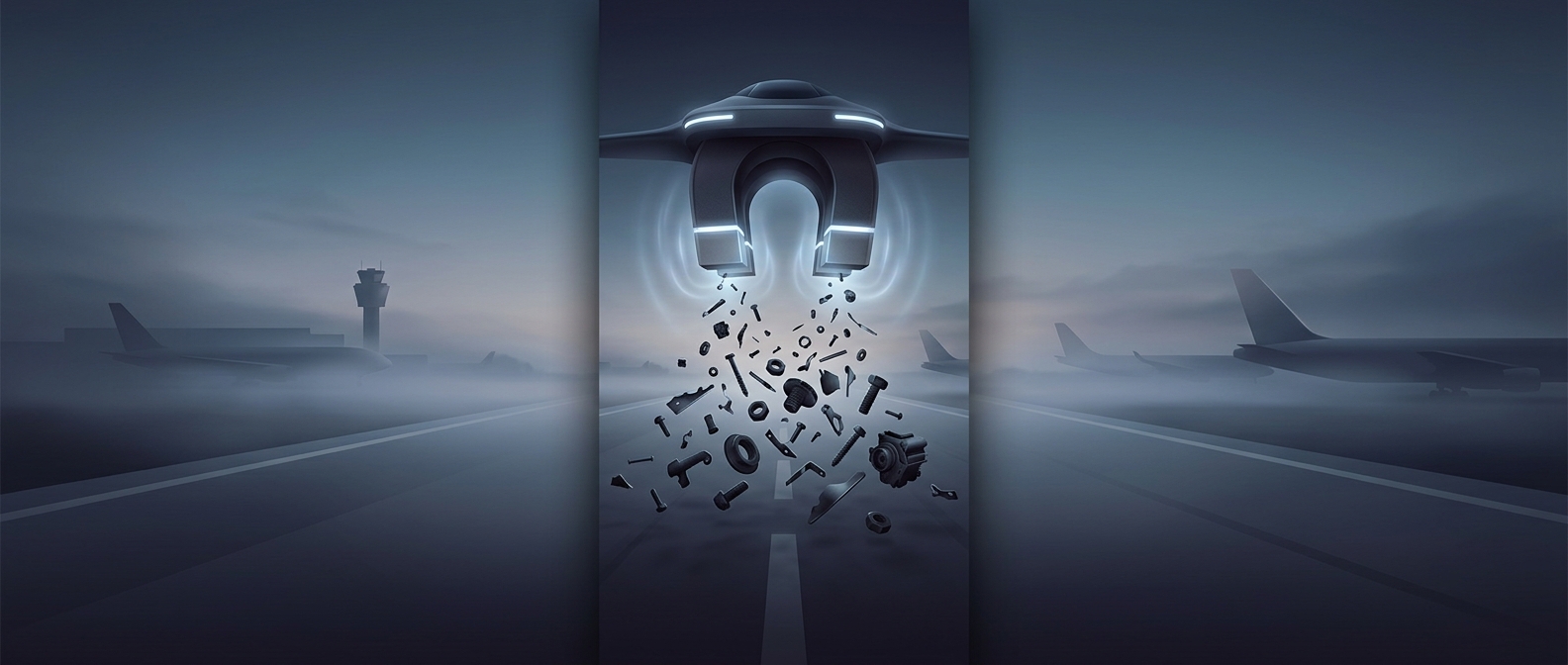
Why airport crews sweep runways with magnets
Magnets under runway sweepers collect screws, nails, and other iron scraps before aircraft tires run over them or engines suck them in. It’s a tiny cleanup…
Discover more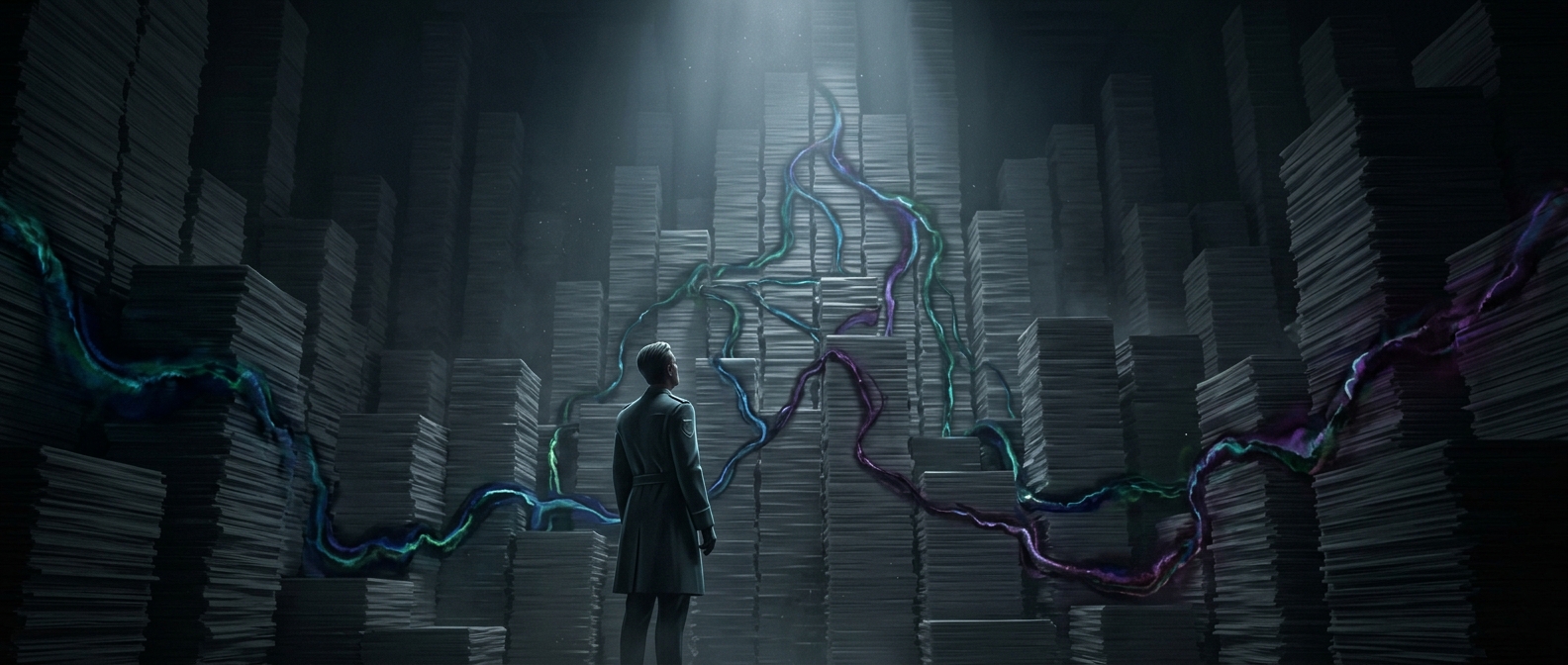
Customs declaration forms use chemically treated paper
Those multi-copy forms use pressure-sensitive paper: writing bursts tiny dye capsules on one sheet, and the color marks the sheet below. One pen stroke…
Discover more