Transport
Discover facts about transport. Small discoveries that change the way you see familiar things.
Transport
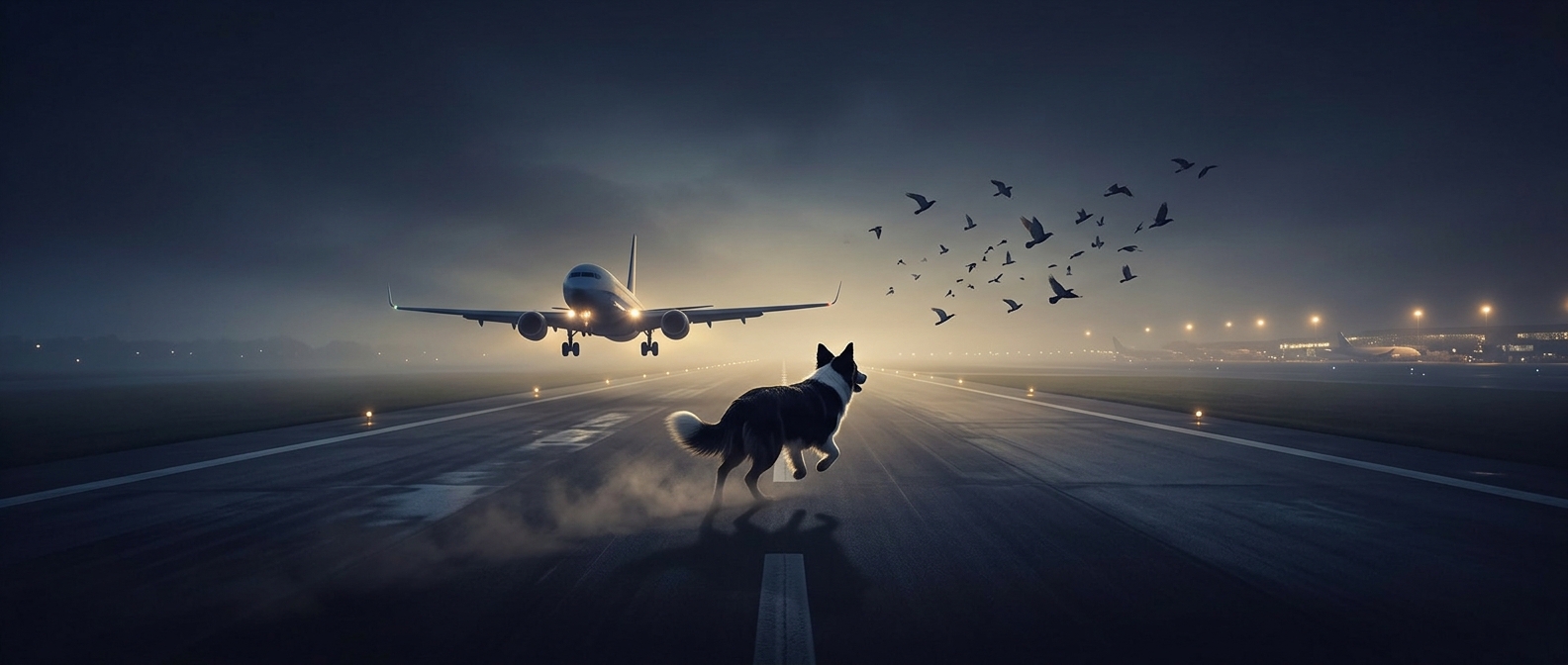
Airports use dogs to chase birds off runways
Instead of relying on high-tech deterrents, many modern travel hubs just employ a very energetic dog to run around barking at seagulls. It is hilariously…
Discover more
Why jet doors have no outside keyholes
There is no keyhole on the outside of a massive jet. Once it is parked and powered down, anyone with a staircase could theoretically just pull the handle, but…
Discover more
First-class cabins use heavy curtains for isolation
That thin piece of fabric isn't keeping out the ambient engine noise. It serves the sole purpose of preventing the rest of the passengers from making direct…
Discover more
Luggage gets misplaced mostly during terminal transfers
Your bag rarely vanishes into thin air. It almost always gets abandoned on a sorting cart while transitioning between connecting flights because someone took…
Discover more
How luggage handlers stop suitcases from shifting
They do not just toss your bag into a dark void. They play a high-stakes game of 3D logic, building interlocking walls of synthetic fabric so things do not…
Discover more
Commercial drones require strictly filed flight plans
You can't just send a remote-controlled plastic quadcopter to deliver a package whenever you want. Operators have to submit paperwork as if they were flying a…
Discover more STACKY FOR IPHONE
A bigger world.
One discovery
at a time.
Keep discovering with Stacky. Interesting facts in an app that is always within reach.
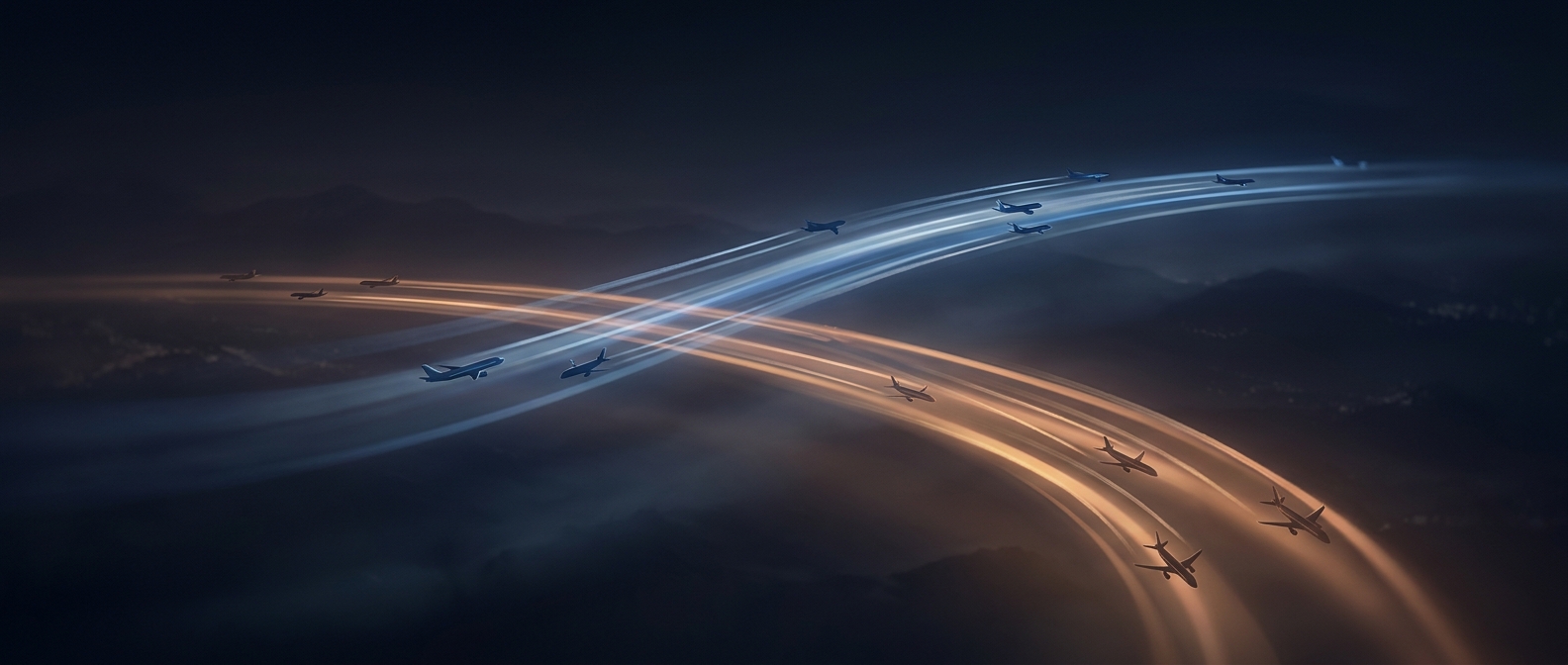
Why planes use different altitude layers
To keep planes from kissing mid-air, westbound routes take even altitudes while eastbound take odd ones. It is a giant invisible layer cake of organization in…
Discover more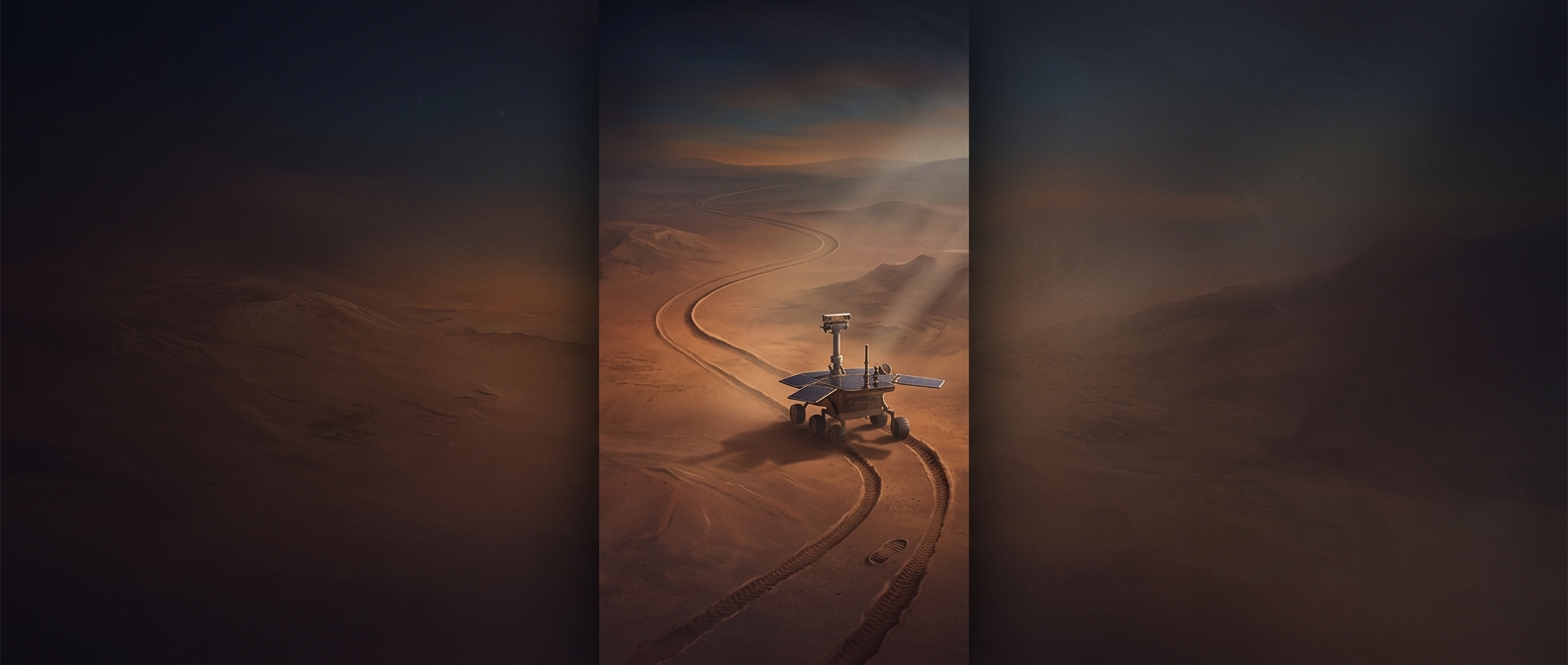
NASA's Opportunity crawled 28 miles across Mars
It took an advanced robotic rover over fourteen years to travel the distance of a mediocre marathon. It slowly crawled across barren red dirt until a massive…
Discover more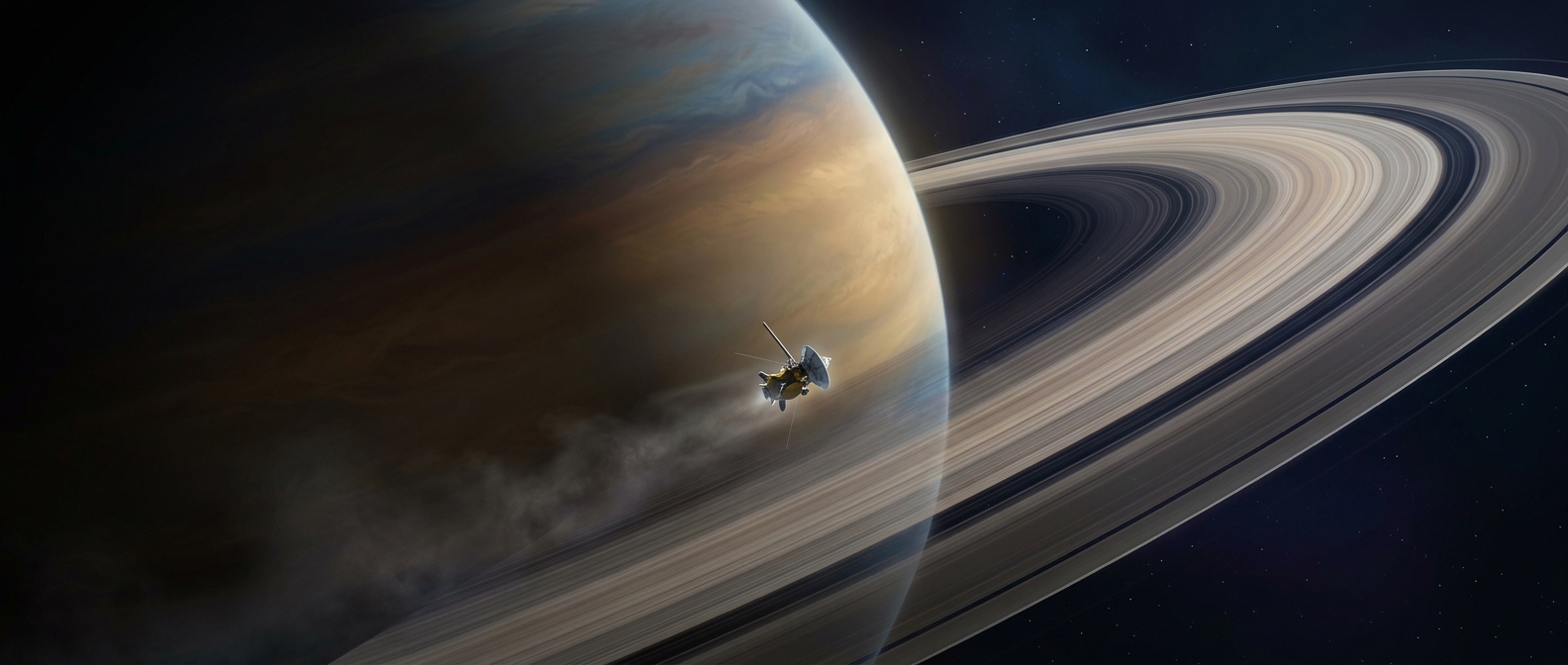
Cassini threaded the gap between Saturn and its rings
In a brilliant display of cosmic recklessness, scientists steered their beloved billion-dollar camera right through the rocky debris of Saturn's rings. They…
Discover more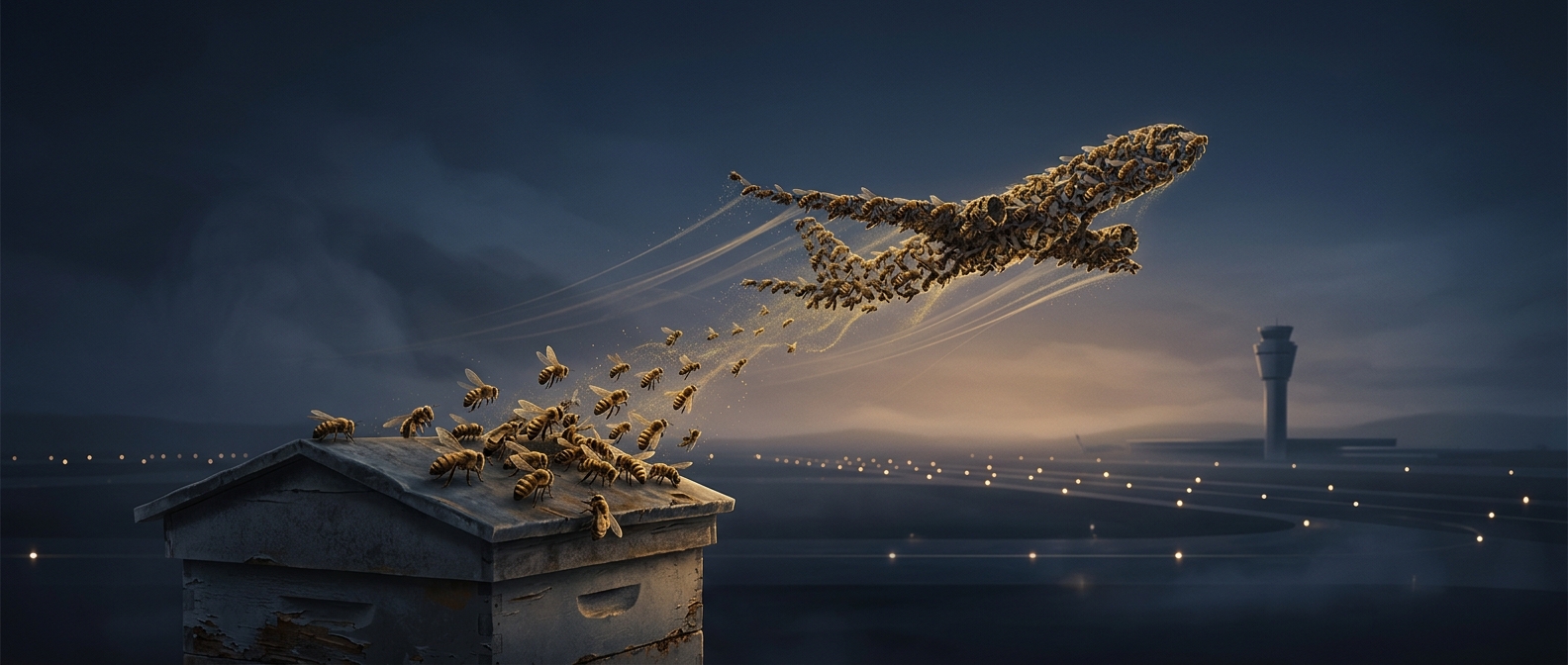
Why some airports keep beehives
Because managing thousands of frustrated travelers isn't enough, some hubs decide to keep millions of stinging insects on the property. It supposedly helps…
Discover more
Why domestic baggage carousels run counterclockwise
Apparently, making suitcases travel in a clockwise circle was just too radical for regional hubs. It is an entirely arbitrary standard that we all just…
Discover more
Ham the chimpanzee pulled levers in space
Rather than risk a human, we strapped a terrified ape into a rocket and conditioned him to pull mechanical levers while experiencing terrifying G-forces. His…
Discover more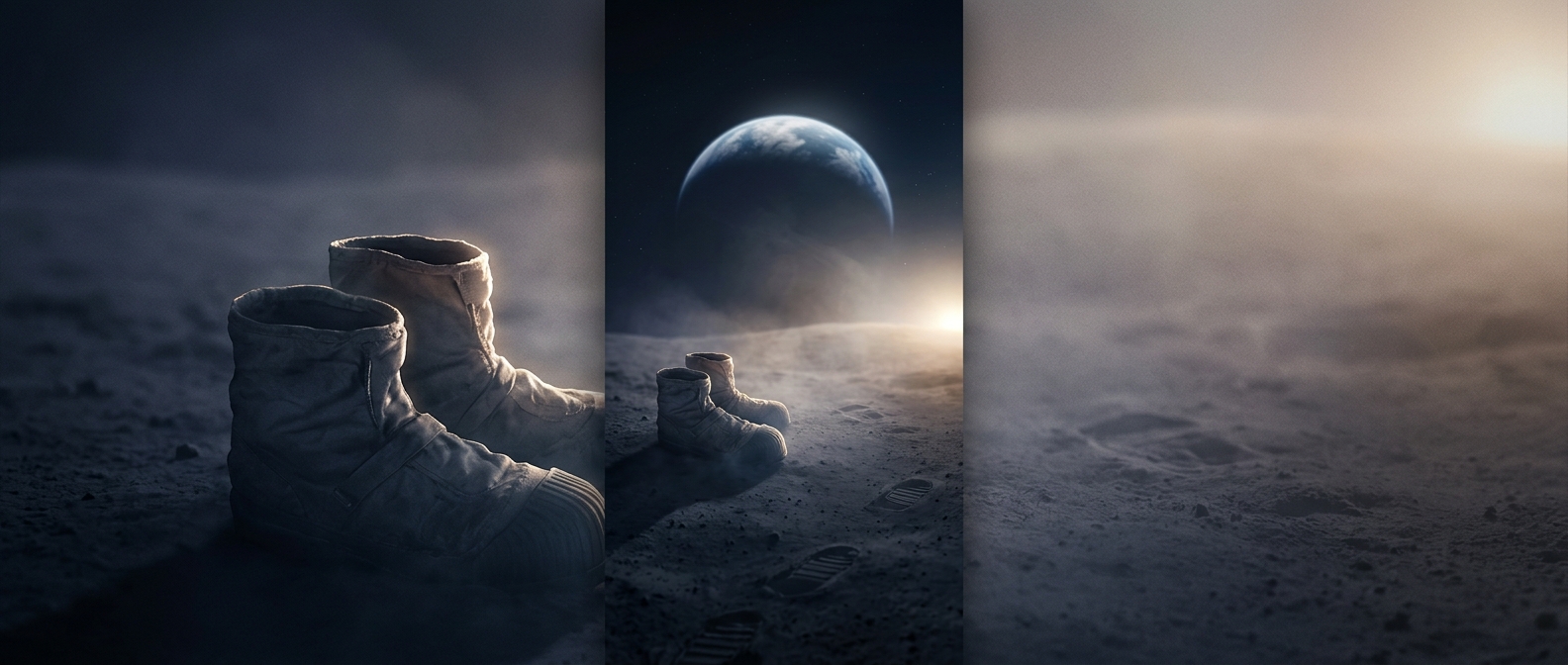
Neil Armstrong’s Moon boots are still on the lunar surface
The most famous footwear in human history wasn't brought back for a museum display. They were chucked out the airlock to save weight for rocks, meaning the…
Discover more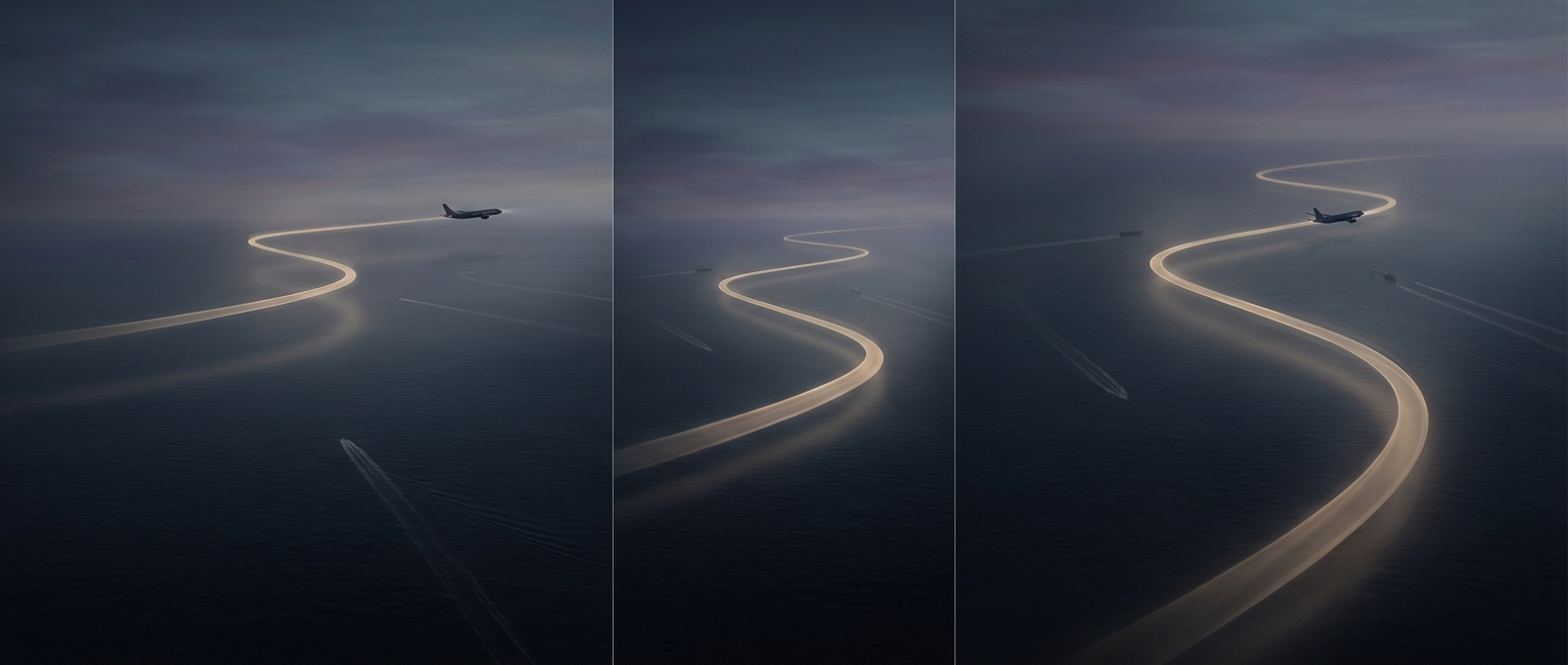
Why long flights don't follow the shortest route
Routes are meticulously plotted to ensure the aircraft is always within a calculated distance of a landing strip, meaning the shortest path is entirely…
Discover more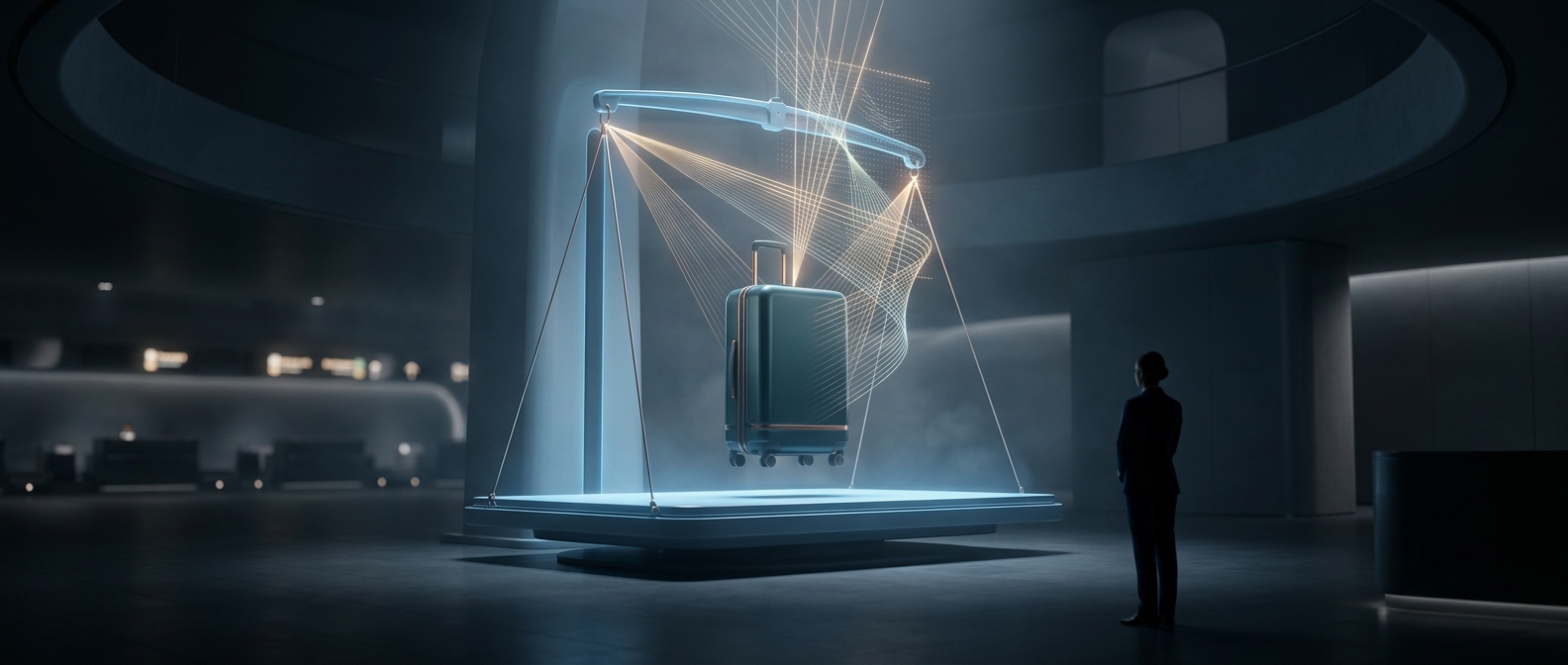
Check-in luggage scales receive daily recalibration
That terrifying digital readout at the counter isn't arbitrarily adding pounds to your bag. It is obsessively tuned every morning to ensure you get charged…
Discover more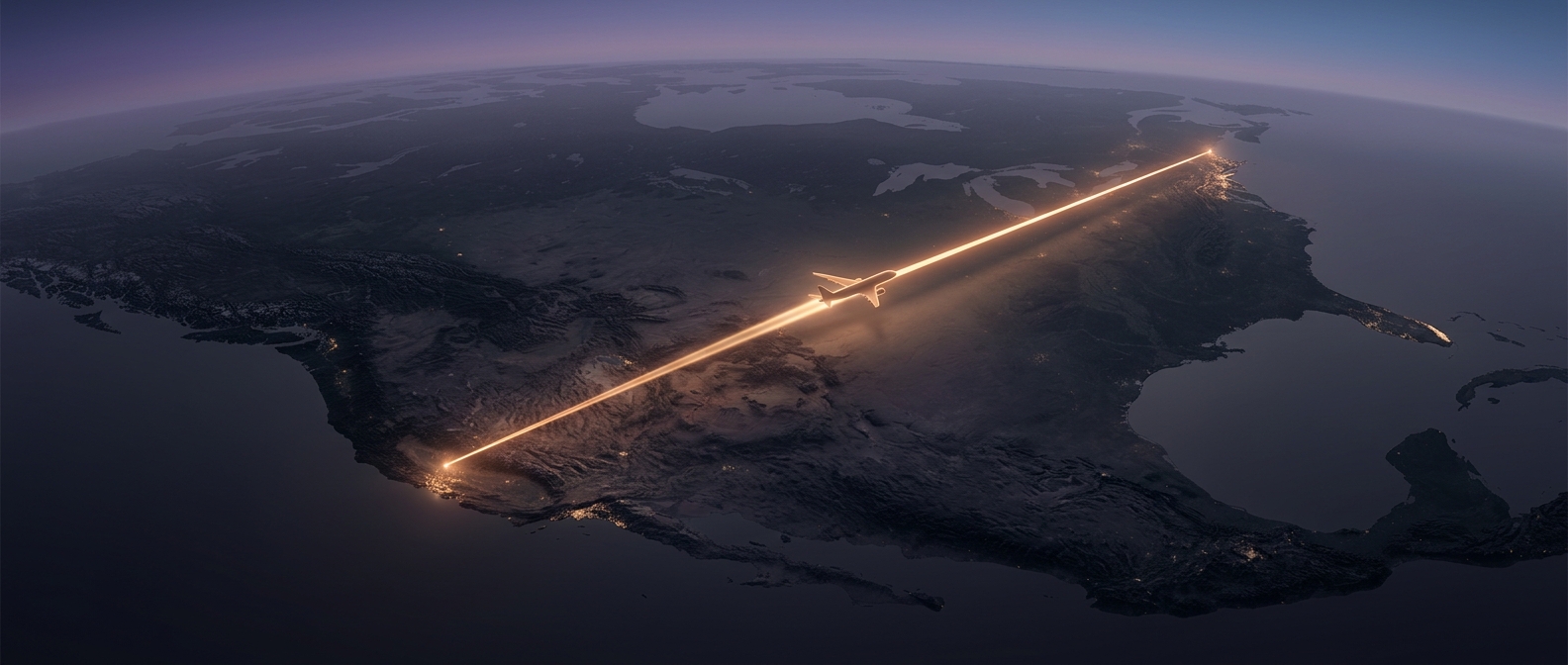
Domestic flight routes operate as essentially straight lines
While international travel bows to the curvature of the Earth, a quick hop across a country is just a literal point A to point B dash. No fancy spherical…
Discover more
Your seatback map hides the turbulence
The little animated screen on the back of your seat shows borders, oceans, and cities, but hides the patches of rough air. Ignorance is bliss when you are…
Discover more
Probe Juno studies the deep interior of Jupiter
Because a surface full of unending storms wasn't bad enough, we sent a heavily shielded robot to peek under the chaotic clouds. It swoops in aggressively…
Discover more
Electronic luggage tags use low-energy digital ink
Instead of wasting sticky paper, premium bags now have built-in screens that update destinations via wireless connection. It is wildly advanced, right up…
Discover more
Chang'e 4 was the first spacecraft to land on the far side
Because the near side was getting too crowded with dead robots and human waste, a lander decided to explore the dark side of the moon. It successfully touched…
Discover more
Pioneer 10 is currently heading toward the star Aldebaran
After snapping some blurry photos of Jupiter, this plucky spacecraft was essentially abandoned to drift into the abyss. It will reach a dead star in about two…
Discover more
Commercial helicopters follow distinct routing corridors
They cannot just fly wherever they want like oversized gnats. Choppers are forced into invisible highways in the sky to keep them out of the way of much…
Discover more
Airplane overhead bins have curved interior ceilings
The sloping roof of the luggage compartment is perfectly designed to make sure your slightly oversized carry-on almost fits, but ultimately fails by a single…
Discover more
Why passport stamps glow under UV light
Your souvenir ink smudge from vacation is actually a highly regulated biometric marker. Border control hits it with ultraviolet light to make sure you didn't…
Discover more