The world is more interesting than you think.
Unexpected facts, big ideas, and little discoveries. Find something that sparks your curiosity today.
A little more wonder
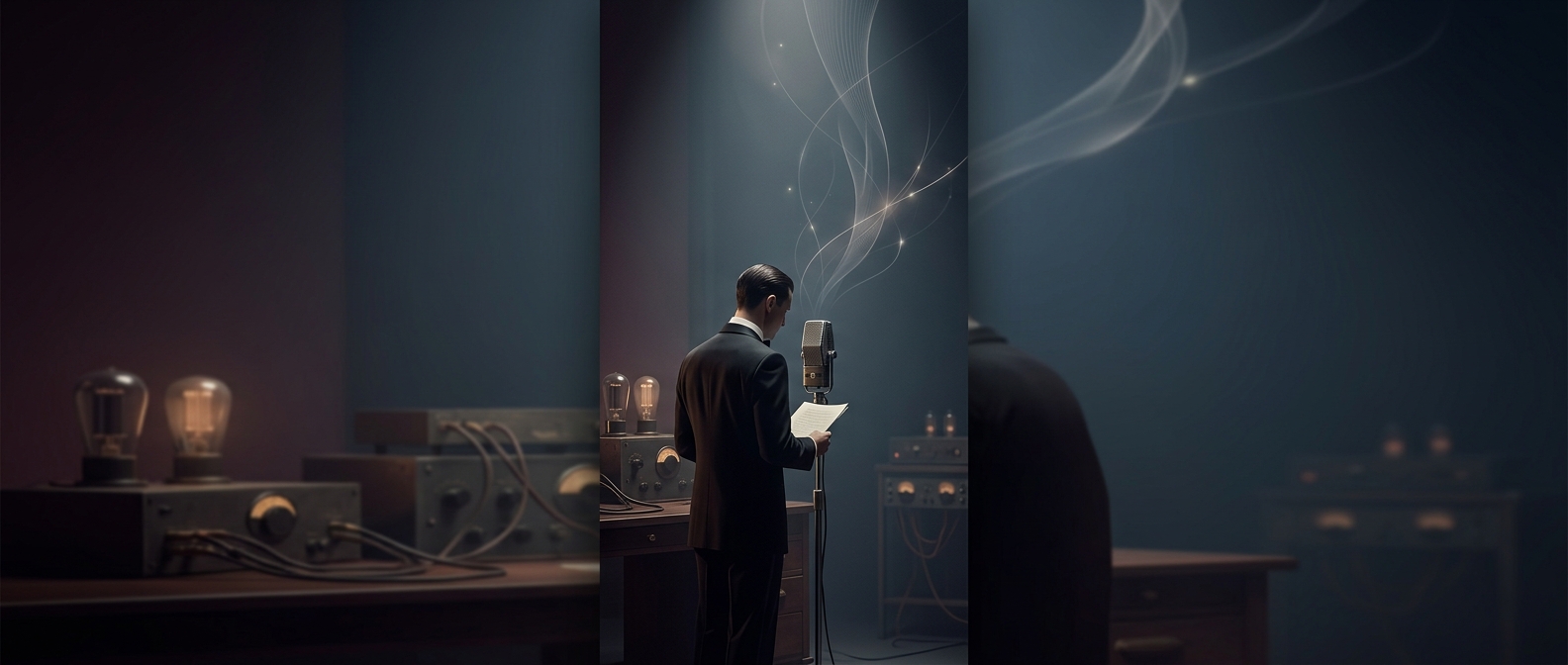
Why early radio hosts wore tuxedos
Early network rules required announcers to wear formal evening clothes on air, even though listeners could hear—but not see—them. The tuxedos helped preserve…
Discover more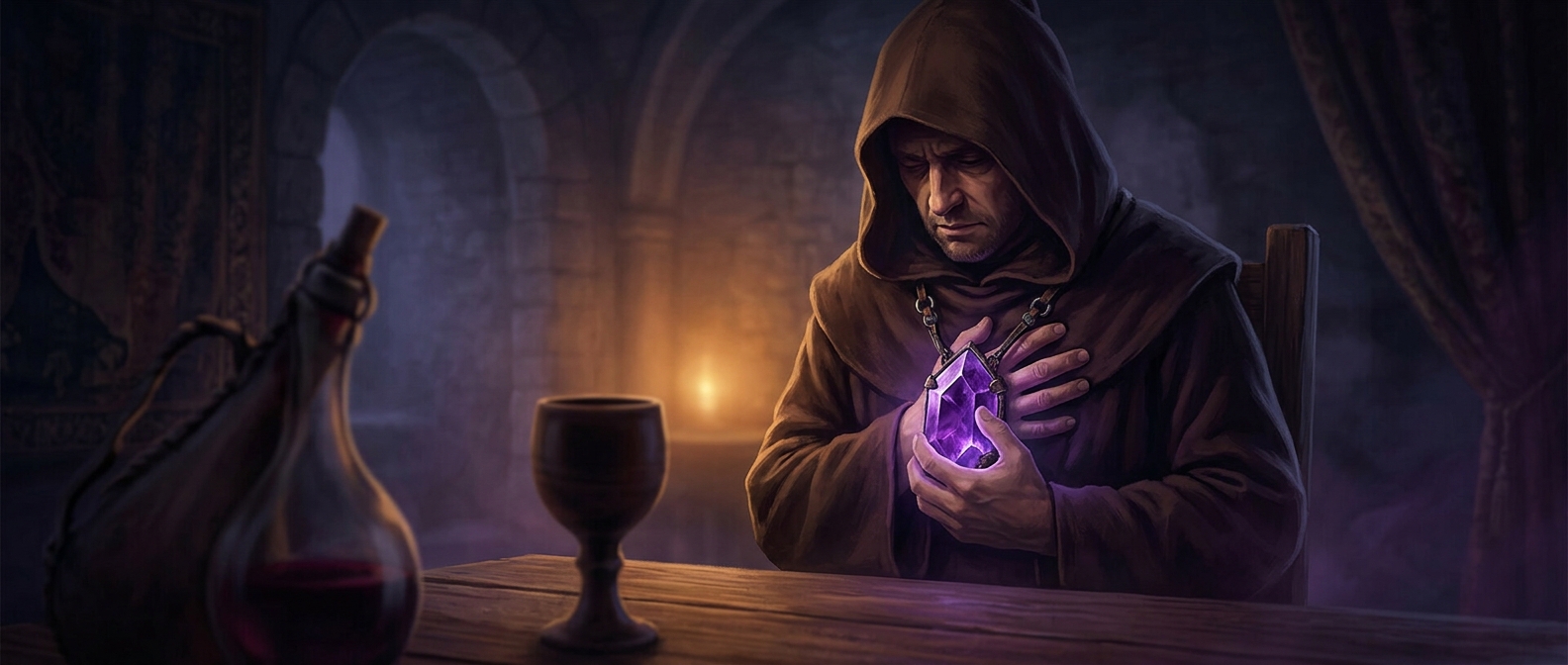
Medieval monks believed wearing amethyst crystals prevented you from getting blackout drunk
The name comes from the Greek amethystos, meaning “not intoxicated.” Medieval monks and nobles wore amethyst rings or drank from amethyst goblets, believing…
Discover more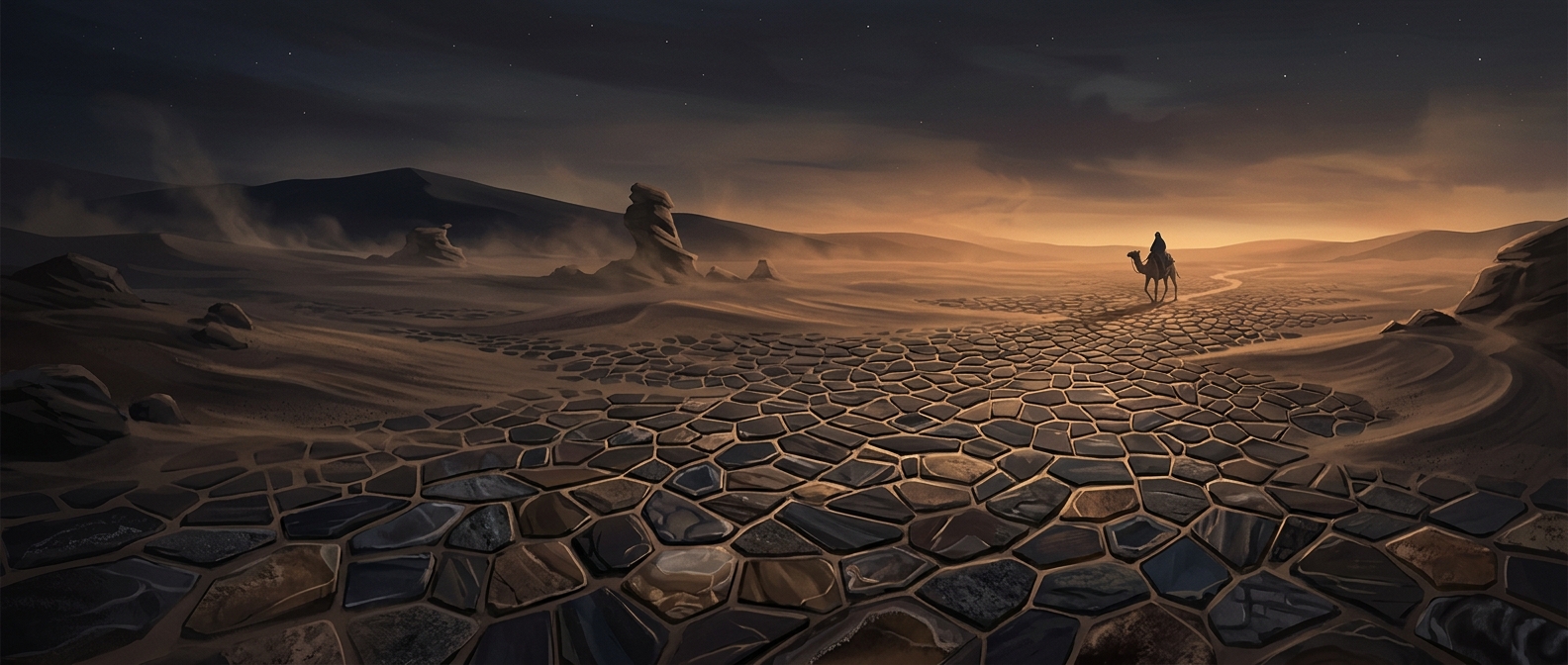
Some deserts are paved with tightly packed stones
The wind sorts the ground grain by grain: sand and dust are light enough to travel, while larger stones are left behind. Those leftovers crowd together into…
Discover more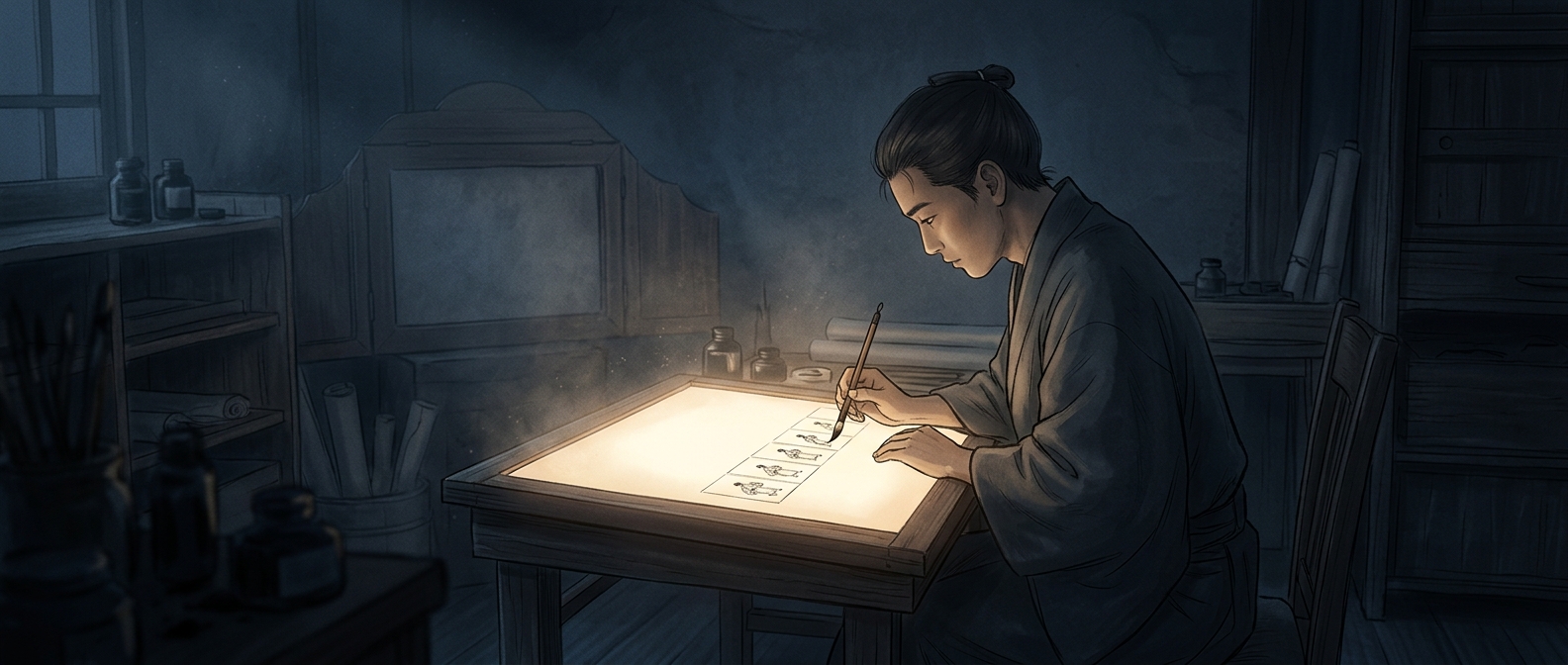
The first Japanese animation lasted only three seconds
Katsudo Shashin consists of 50 frames showing a boy writing on a board.
Discover more
Looking cheerful at work can be a second job
Researchers call it surface acting when someone displays an emotion they do not feel. Studies link that kind of emotional labor with exhaustion and poorer…
Discover more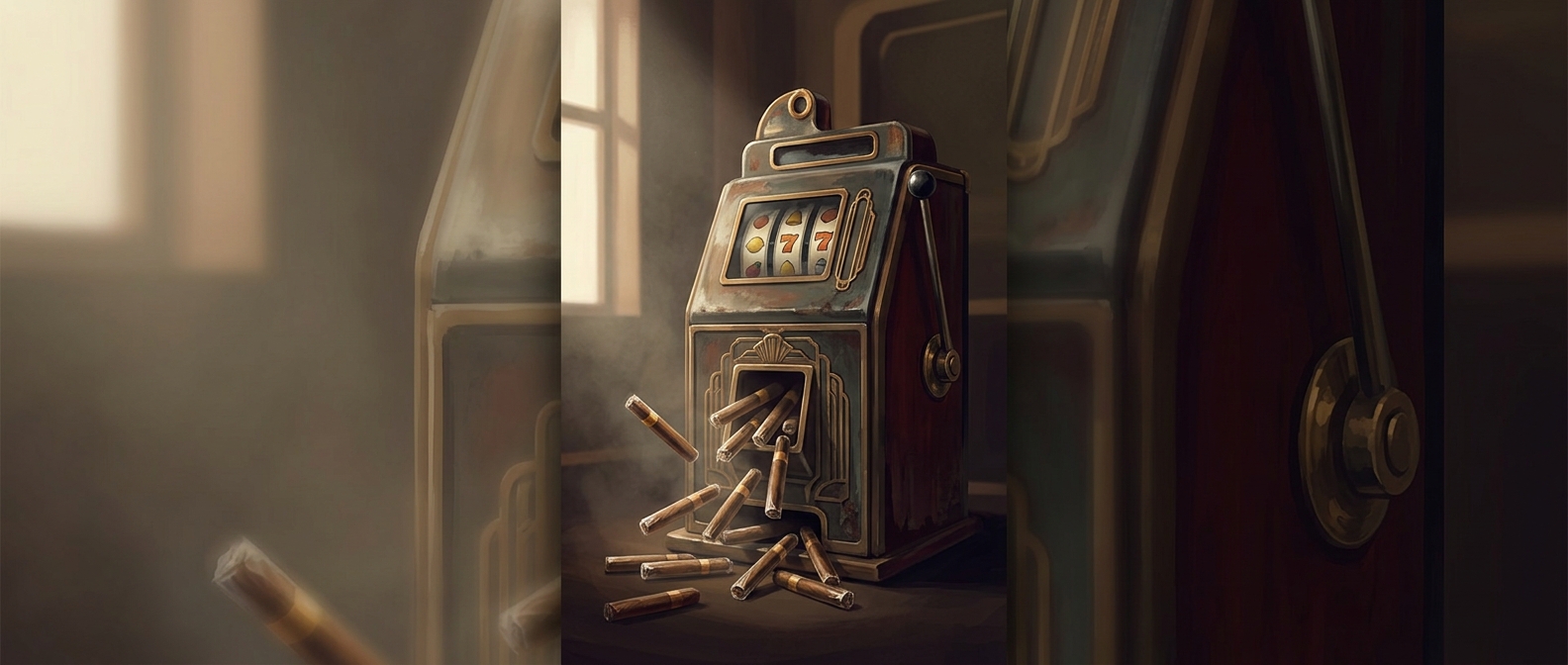
When slot machines paid out in cigars
Because cash payouts were illegal, early machines awarded tokens redeemable at a bar for cigars or drinks.
Discover more STACKY FOR IPHONE
A bigger world.
One discovery
at a time.
Keep discovering with Stacky. Interesting facts in an app that is always within reach.
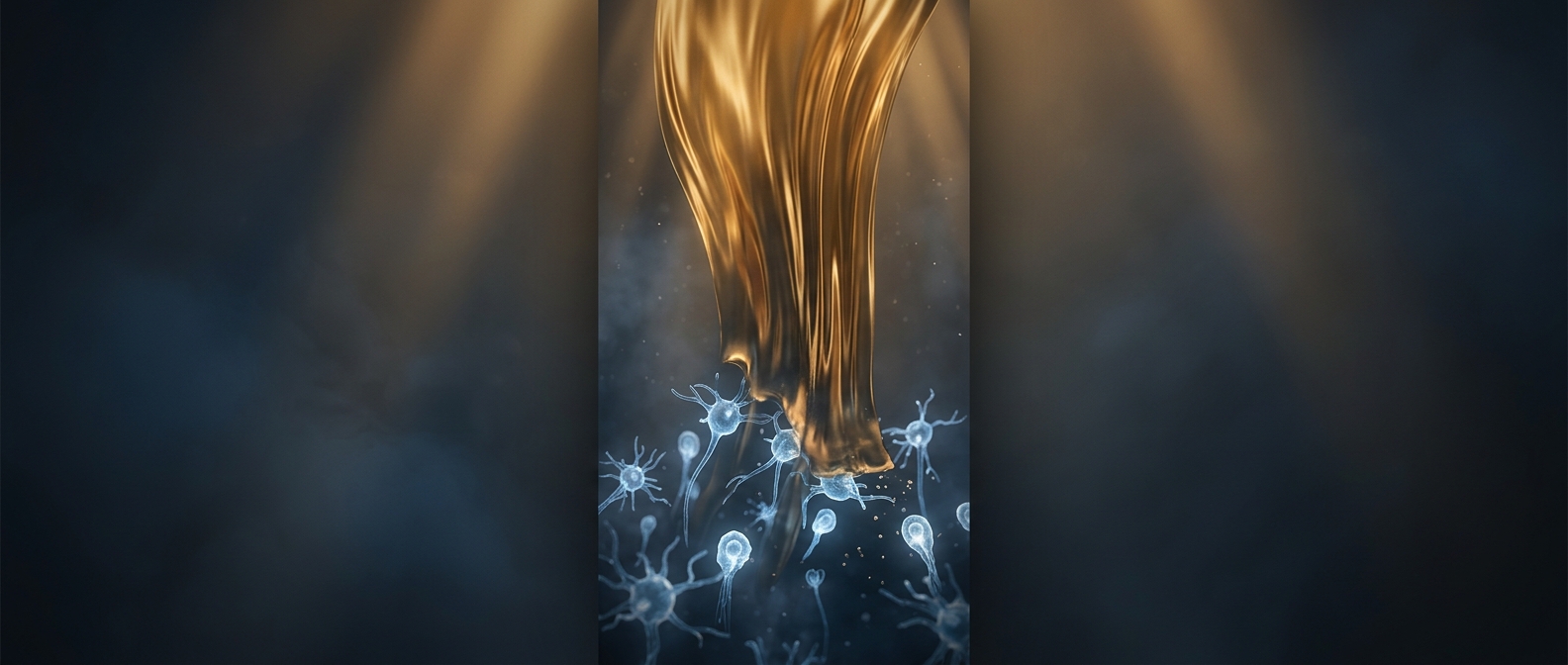
Cortisol actively suppresses immune responses
Cortisol helps make energy available for immediate demands, but it also turns down some immune activity. When cortisol stays elevated, that short-term…
Discover more
Jeremy Bentham's display contains a real skeleton and a wax head
At UCL, the philosopher's preserved skeleton is dressed in his clothes and topped with a wax replacement head. Bentham requested this 'auto-icon' before his…
Discover more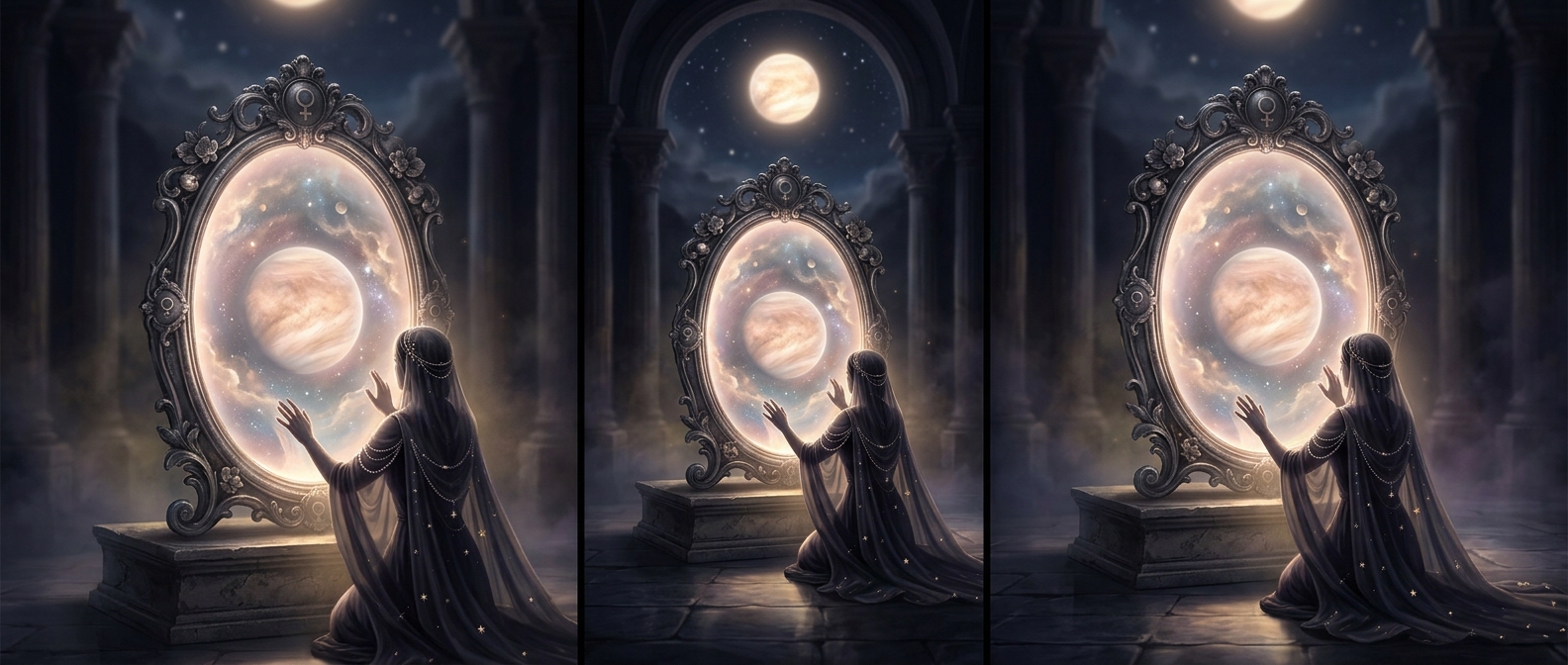
Mirrors absolutely belong to Venus
In astrology, Venus governs beauty and vanity, so mirrors fit its symbolism—and the self-scrutiny that comes with them.
Discover more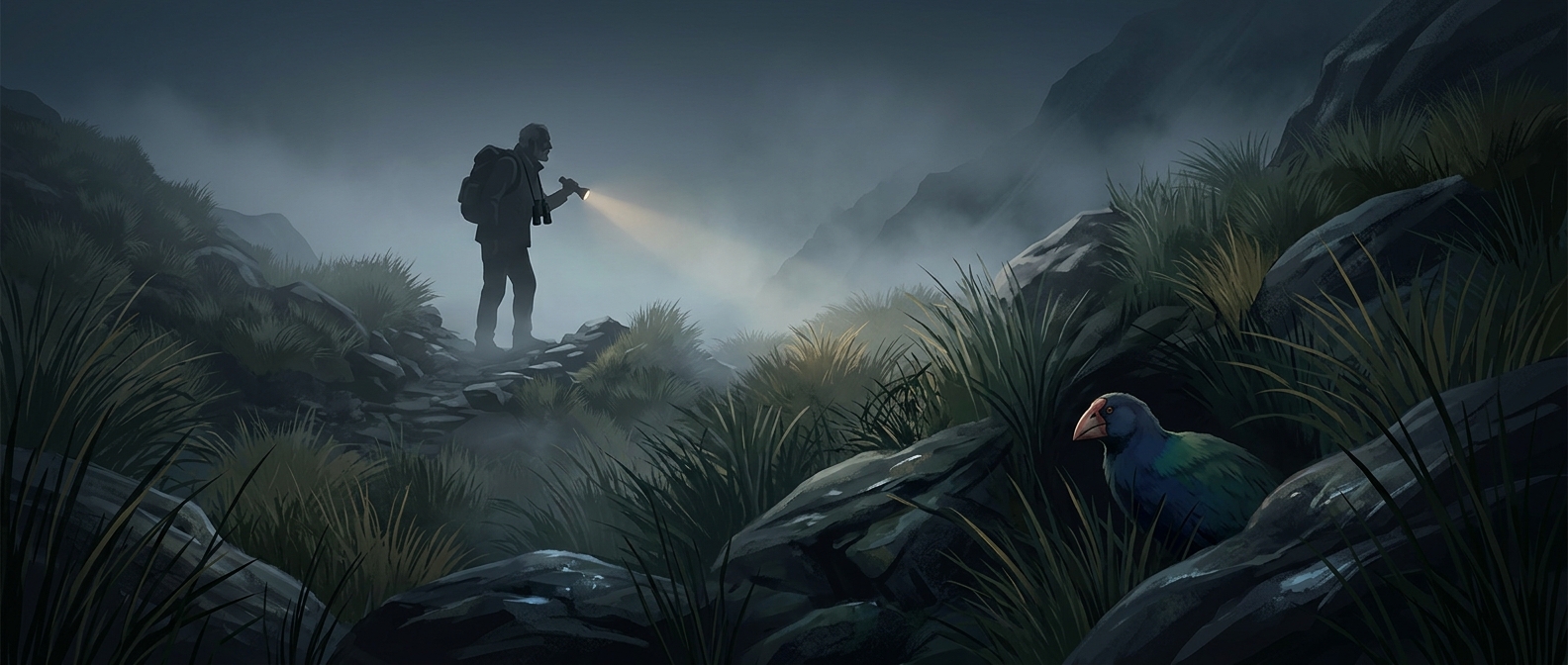
The bird declared extinct that was hiding in the mountains
The takahē is a flightless bird, but that didn’t make it easy to track down. It lived in remote, rugged parts of New Zealand’s mountains, where people could…
Discover more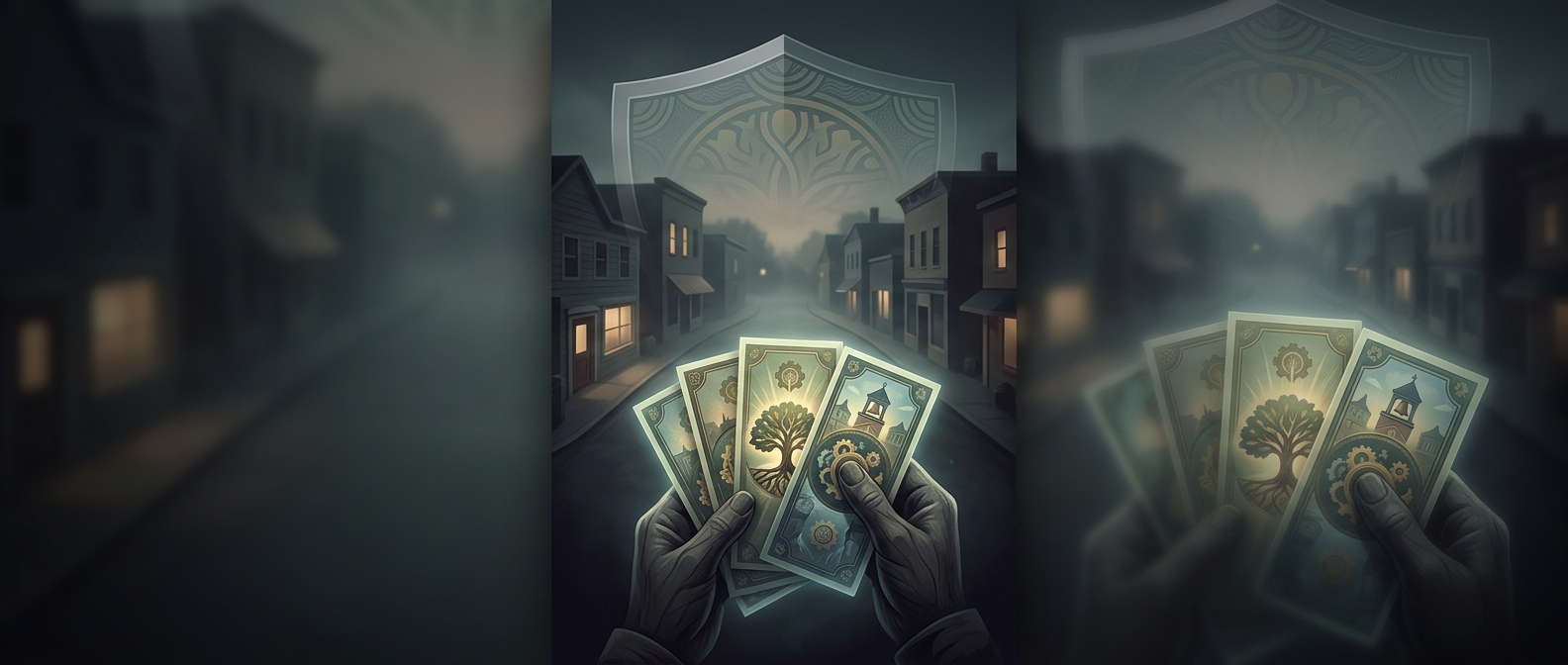
Why some US towns print their own local currency
A local currency gives participating businesses another way to accept payment, with the goal of keeping that spending nearby. Ithaca, New York, introduced one…
Discover more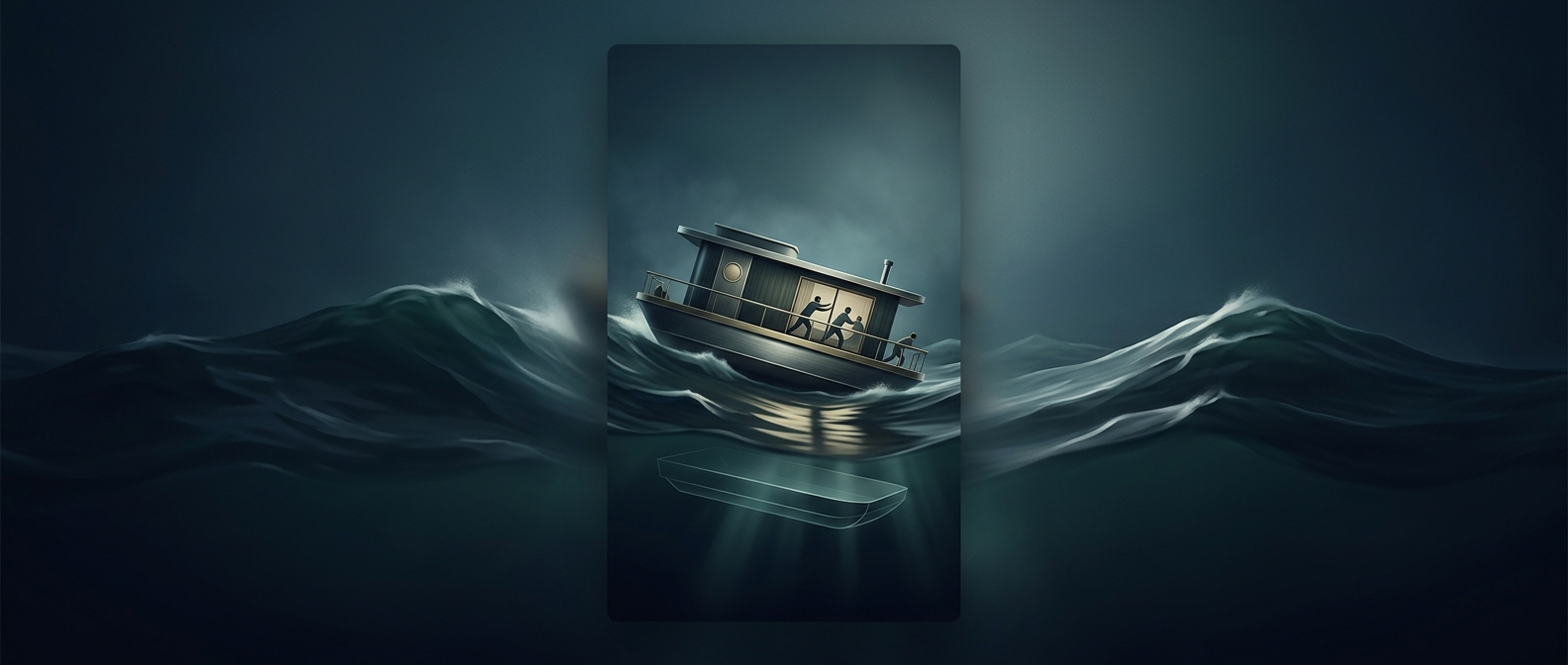
Why houseboats bob like corks in rough water
A houseboat floats because its hull pushes water aside; waves lift that floating hull, then gravity brings it down again. A broad hull helps resist tipping,…
Discover more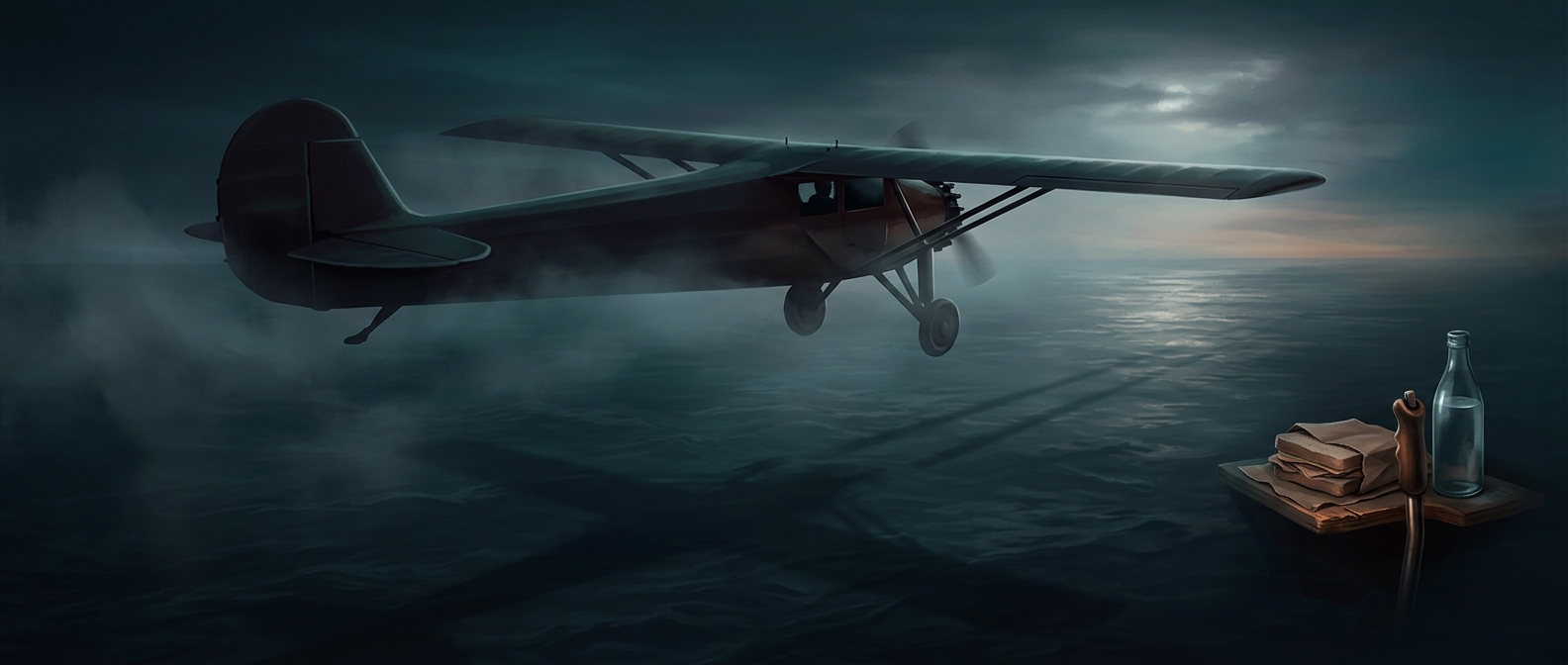
Lindbergh packed five sandwiches for the Atlantic
For his 1927 solo crossing, Charles Lindbergh carried a small supply of food while spending more than 33 hours flying the Spirit of St. Louis. There was no…
Discover more
Yakuza 0 lets players buy a solid gold statue of themselves
In the game's 1980s boom, players can spend their accumulated wealth on a useless solid-gold likeness of themselves—a monument to their in-game fortune.
Discover more
Why some rocket engines have no bell-shaped nozzle
Unlike bell nozzles optimized for one atmospheric pressure, an aerospike uses the surrounding air as a virtual outer wall, helping it work efficiently across…
Discover more
Velociraptors were feathered, turkey-sized hunters
Velociraptor was far smaller and more feathered than the movie monster: fossils show large feathers on its forearms, though the arms couldn’t lift it into…
Discover more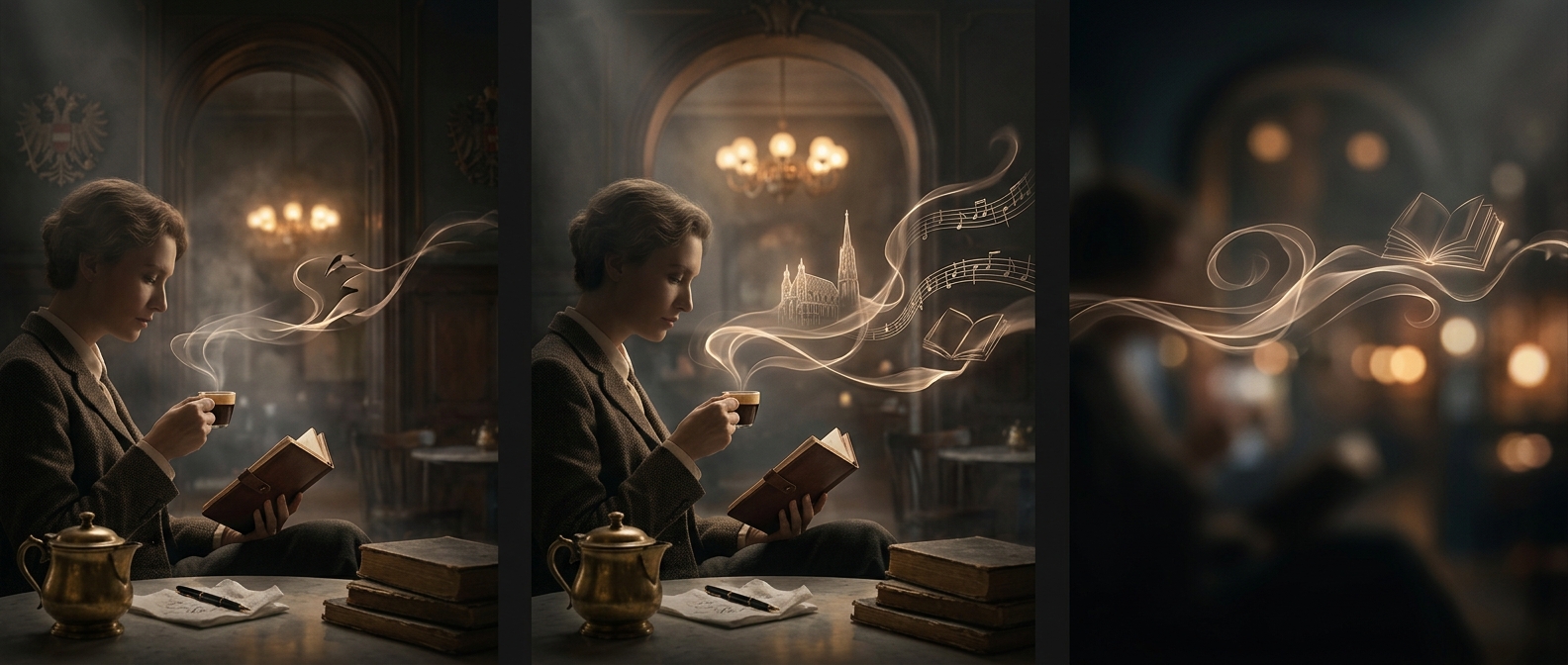
Vienna coffee houses encourage hours of sitting
Traditional Viennese coffeehouses don't rush customers out; one espresso can keep you at a table for hours, even around four.
Discover more
Plucking one gray hair won't make two grow back
A plucked hair comes from one follicle; its neighbors do not respond by growing two hairs apiece. The real risk is to the follicle you keep pulling from,…
Discover more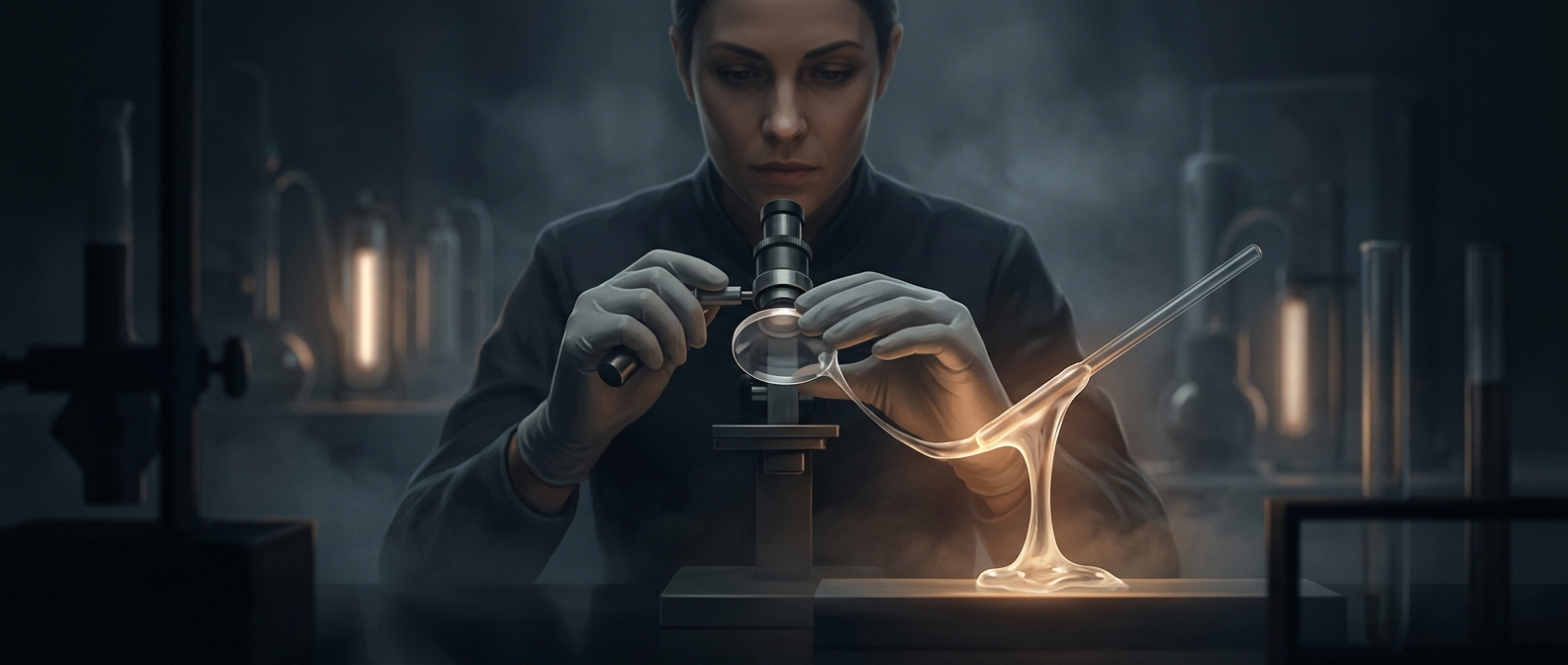
Superglue began as a failed lens material
The formula was a disaster for optical sights because it stuck to everything. Researchers later turned that unwanted grip into the product—and marketed it as…
Discover more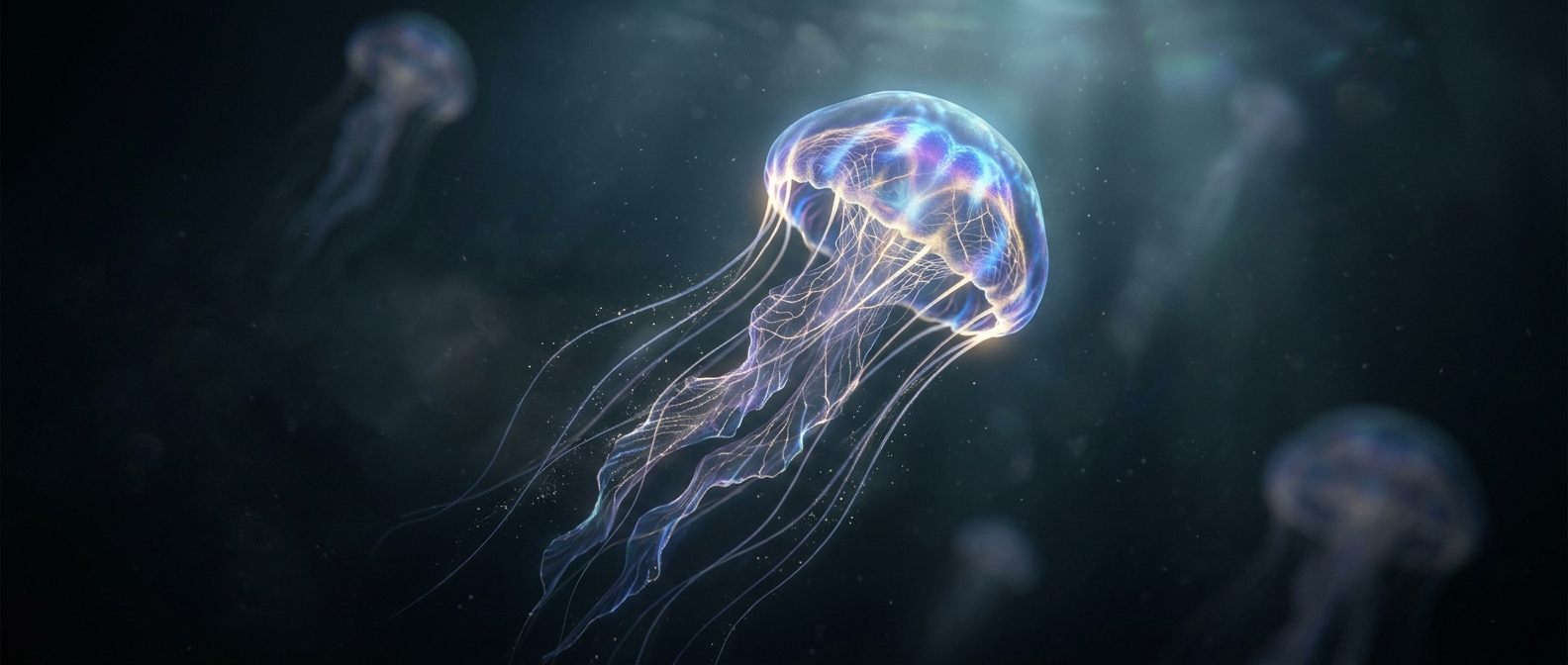
Jellyfish have no brain or heart
A jellyfish doesn’t need a heart to pump blood because its thin body lets oxygen and nutrients pass in directly from the surrounding water. A spread-out nerve…
Discover more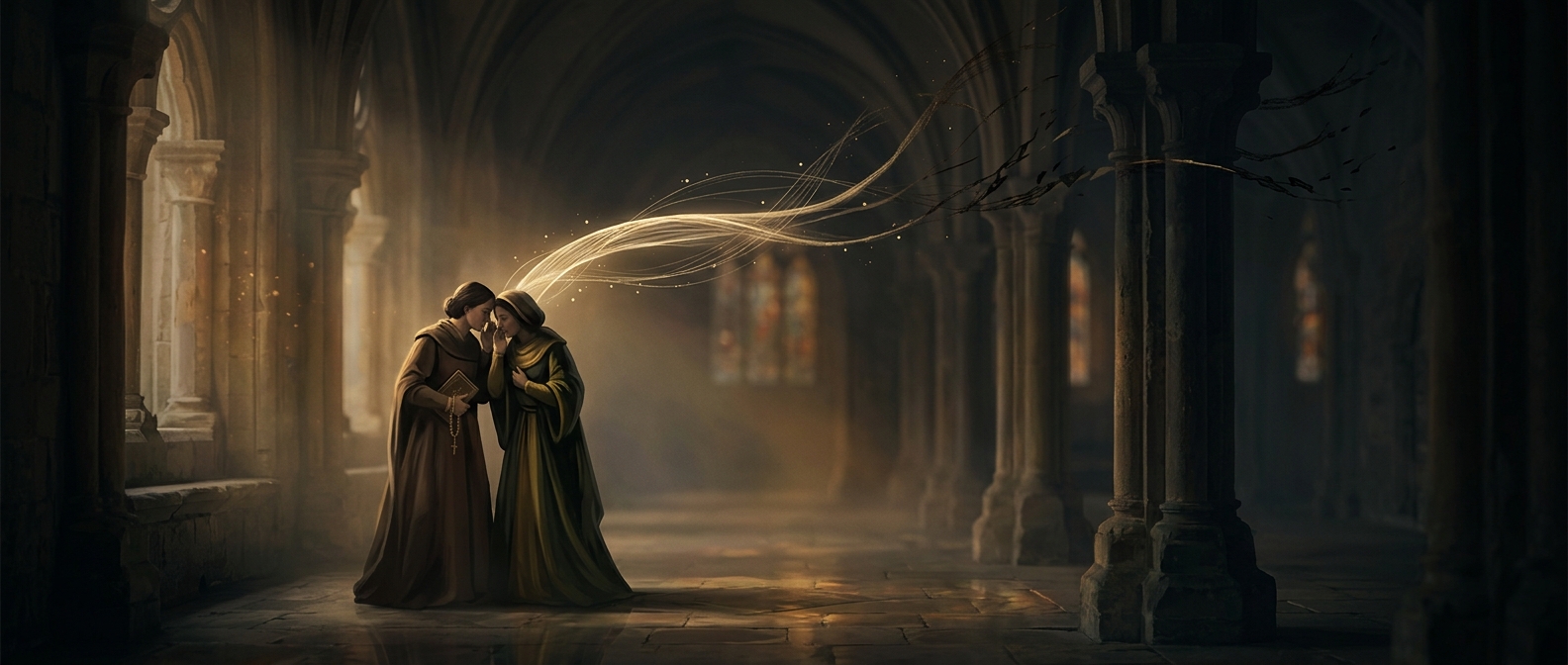
Gossip once meant a trusted godparent
In Old English, godsibb meant a godparent or close spiritual relation. The word later shifted from family ties to close friends, then to idle talk and,…
Discover more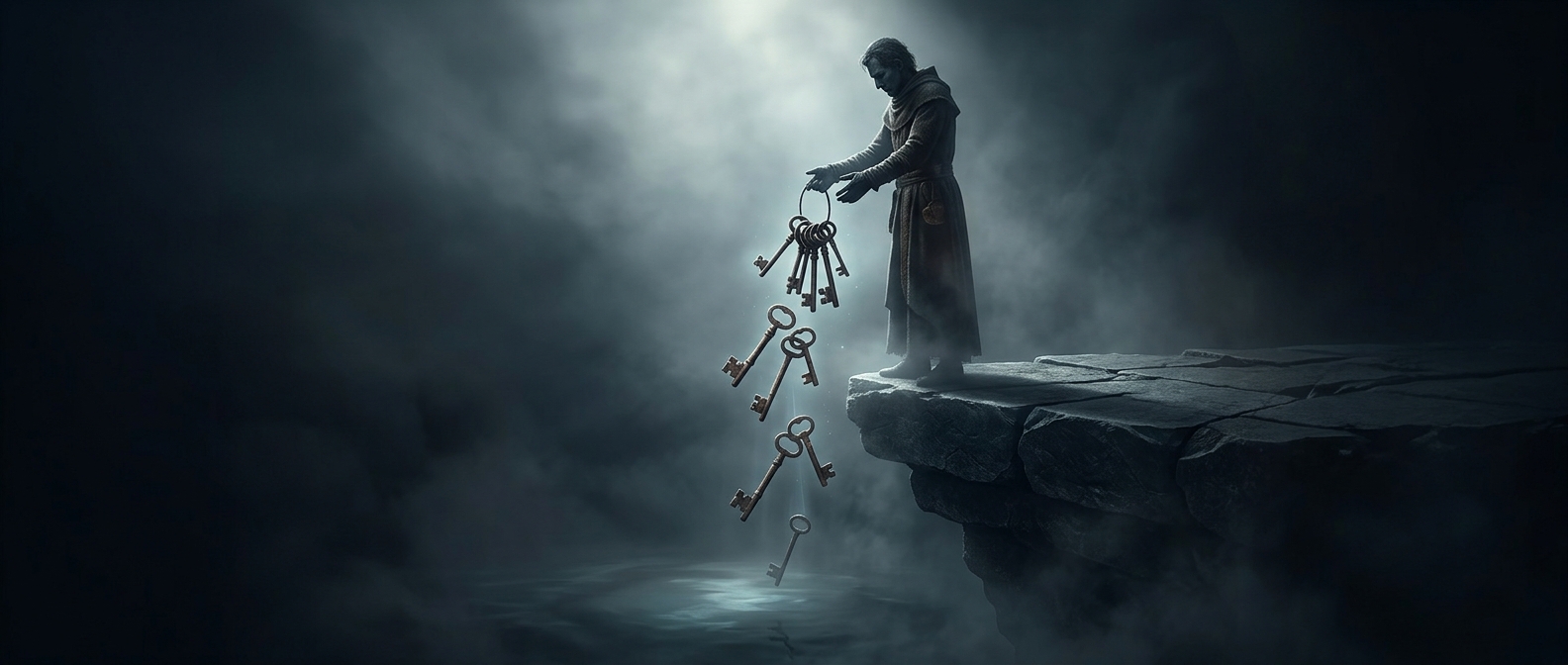
Foretelling doom by dropping heavy iron keys
Practitioners tied a key to a holy book and watched for it to move; if it shifted during a particular verse, they took it as a warning of disaster.
Discover more
Sleep on a ferry and wake in another country
An overnight ferry keeps moving while you sleep, carrying you and your luggage across a sea border before breakfast. Book a cabin, shut the door and let the…
Discover more
Rom-coms hit maximum revenue in mid-February
Valentine’s Day gives couples a reason to choose a romantic comedy for date night, helping make the second week of February a peak time for the genre.
Discover more