The world is more interesting than you think.
Unexpected facts, big ideas, and little discoveries. Find something that sparks your curiosity today.
A little more wonder
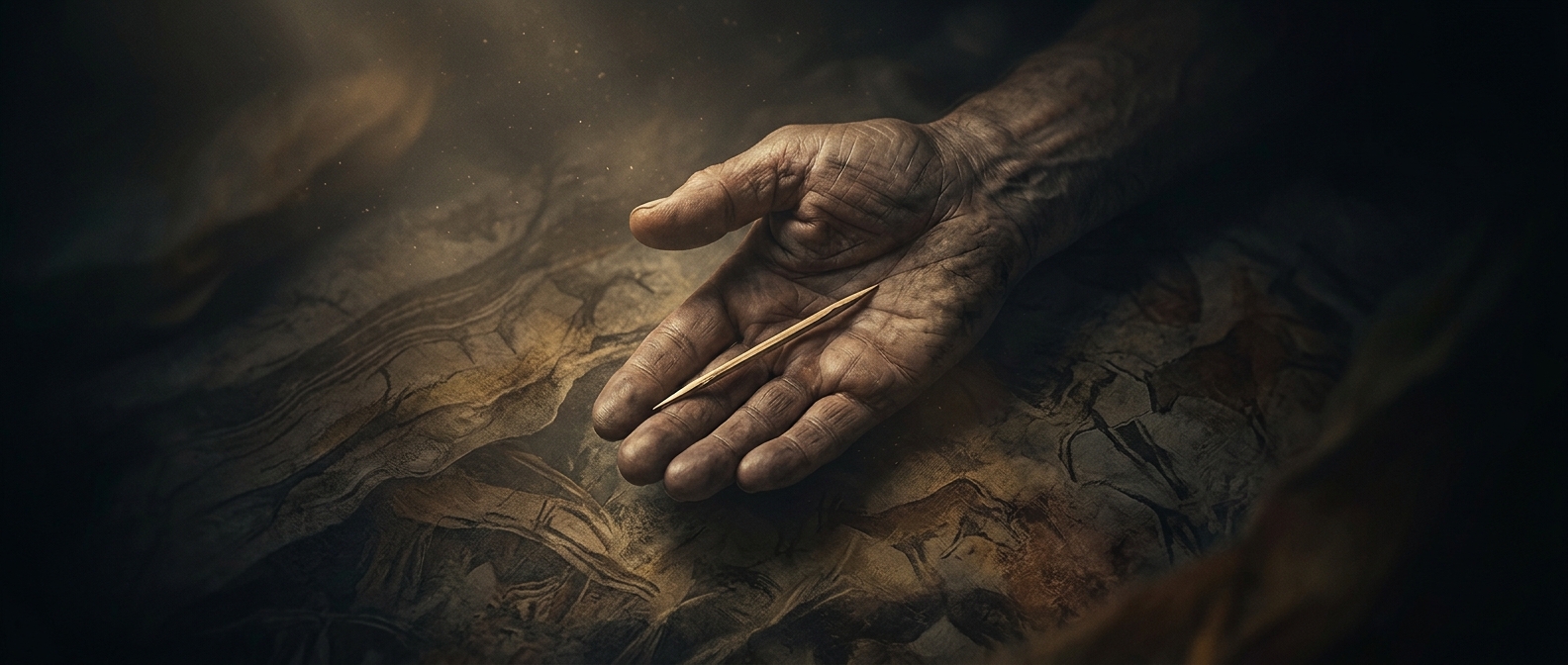
A Neanderthal left toothpick marks in its teeth
Grooves on teeth from Cova Foradà in Spain were interpreted as evidence of repeated probing between them. The individual also had heavy wear and gum disease,…
Discover more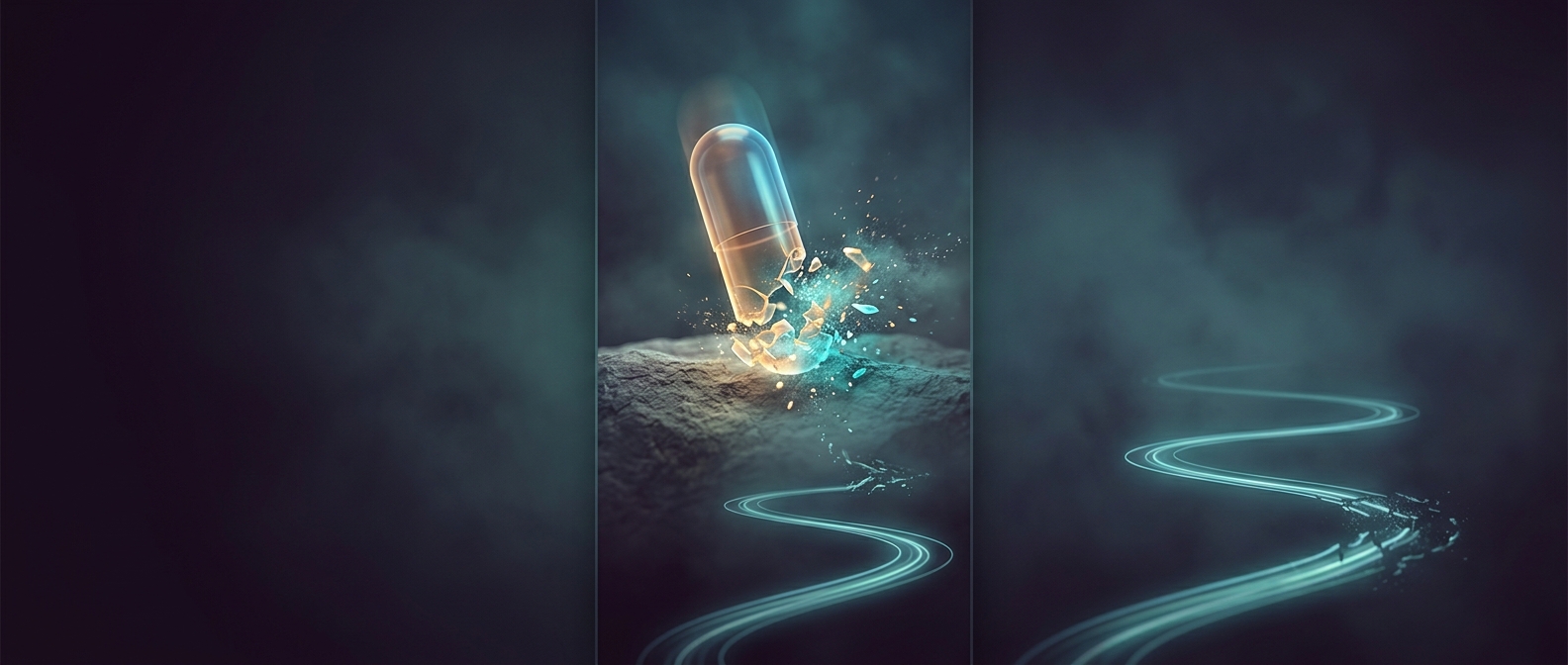
Why you should never crush extended-release pills
An extended-release pill is built to let medicine out gradually. Crushing it can break that delivery system, allowing too much medicine to enter your body at…
Discover more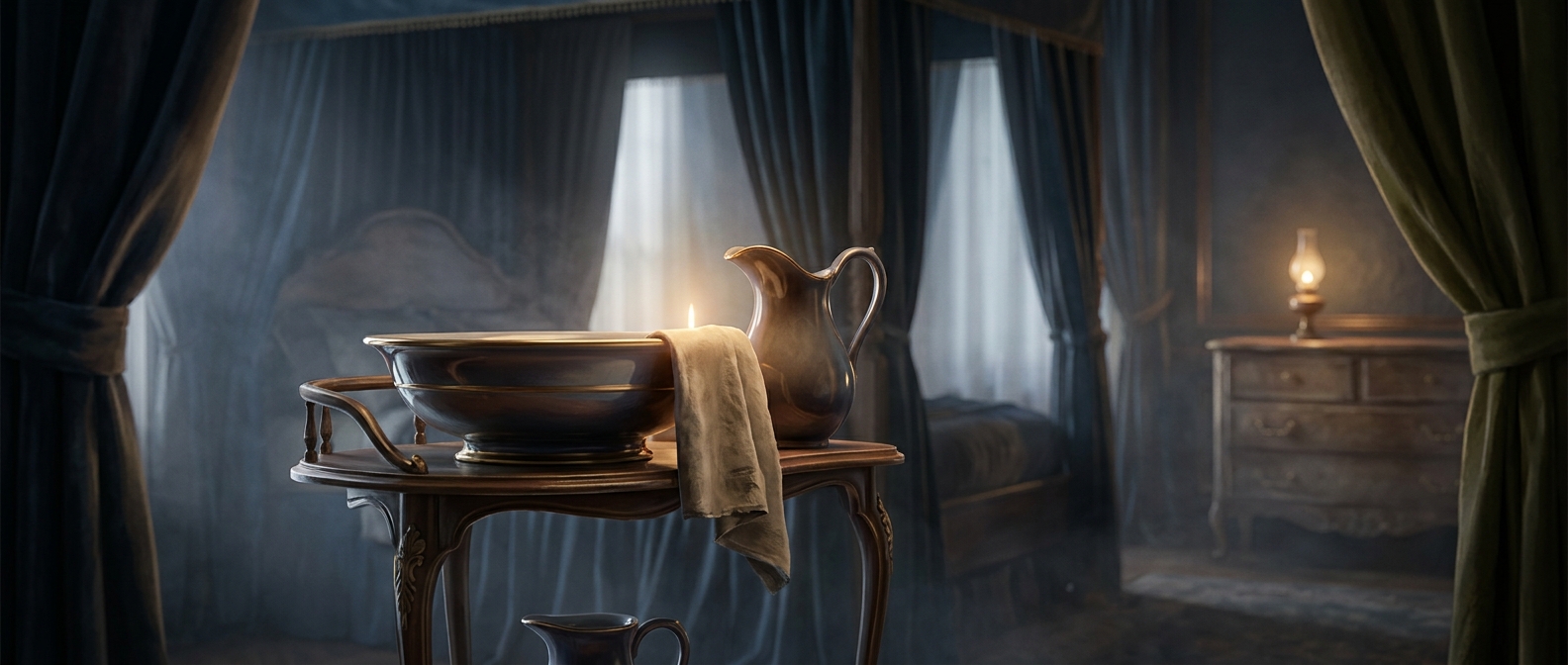
When bidets were portable bedroom basins
Early bidets were portable bowls kept beside the bed, often on wooden stands. The built-in bathroom fixture came later; the original setup was more bedside…
Discover more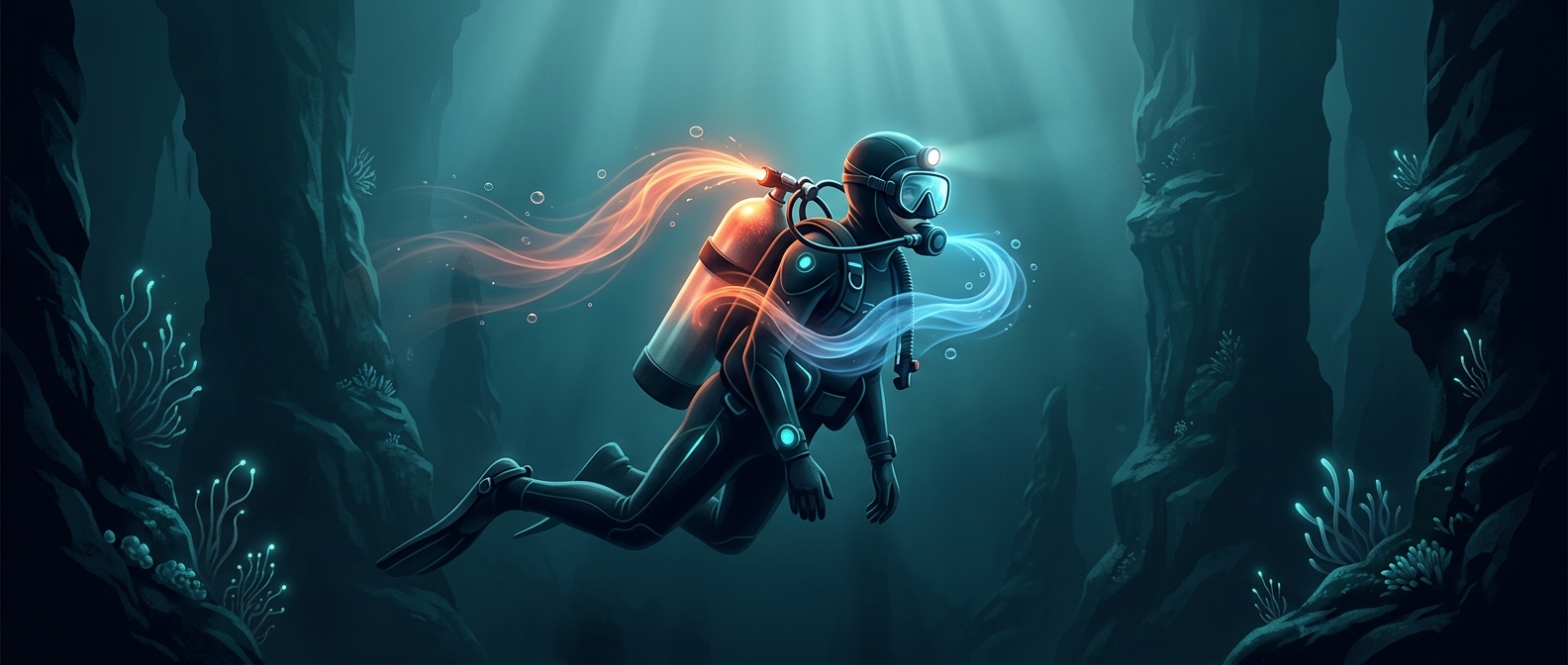
How scuba gear lets you breathe underwater
A two-stage regulator reduces the tank's pressure and delivers breathing gas at the surrounding water pressure, so divers don't inhale a direct blast from the…
Discover more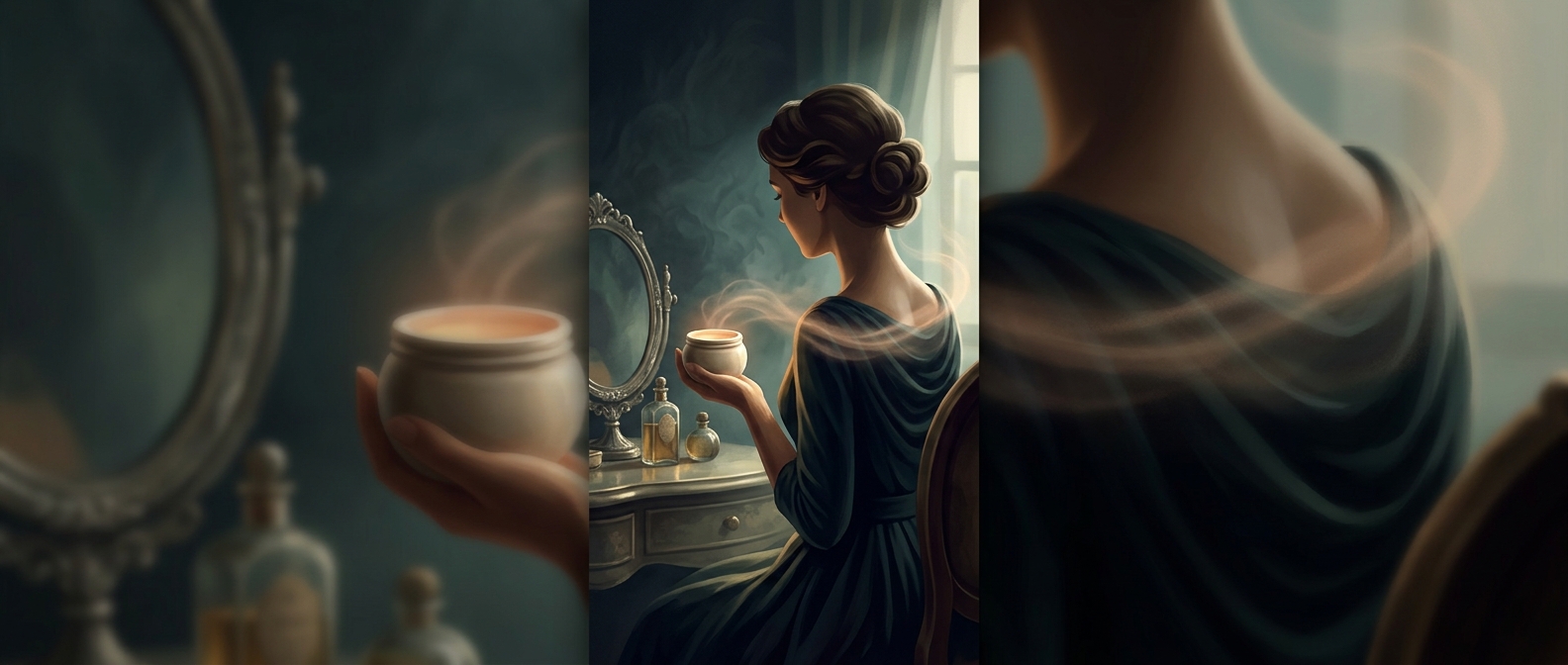
The first deodorant brand was literally called Mum
Mum was among the earliest products made to control body odor, long before deodorant ads learned to make the subject sound glamorous. The problem was old; the…
Discover more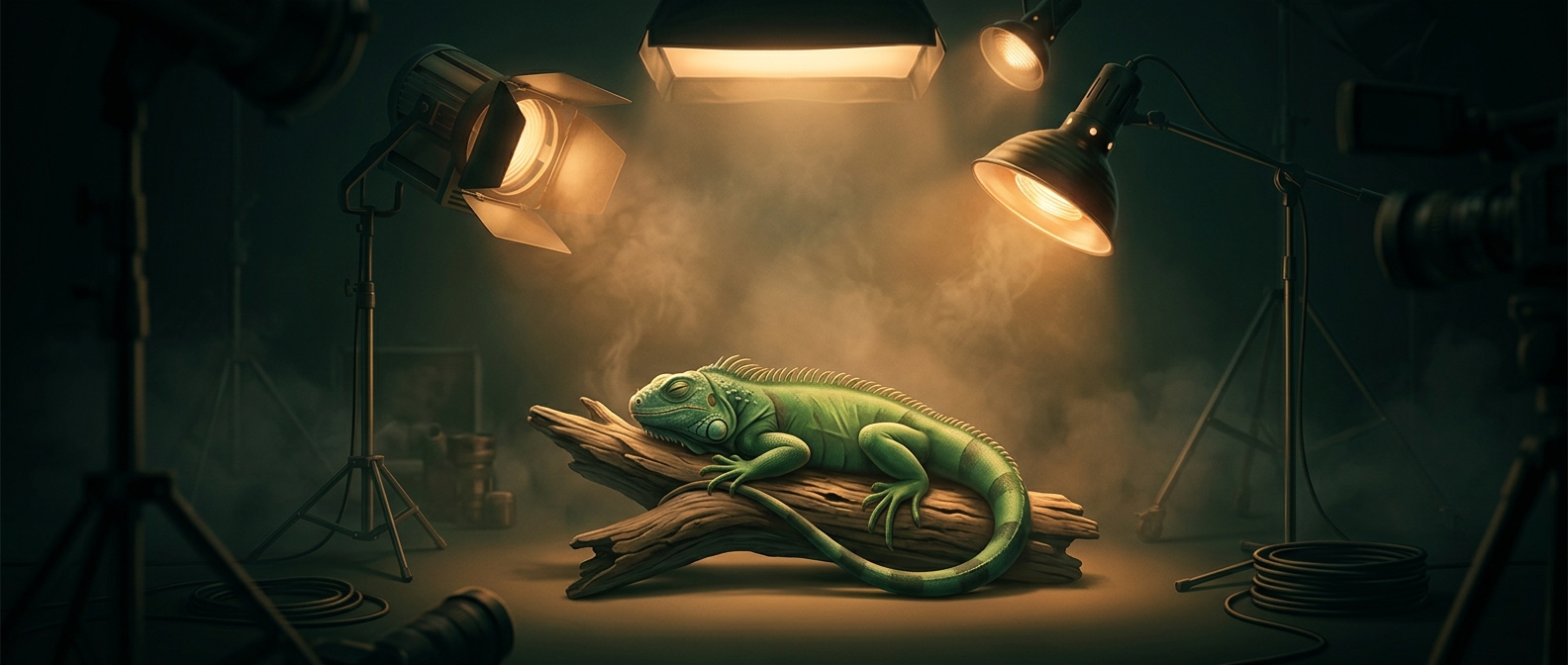
Why movie sets turn tropical for reptiles
Because reptiles rely on external heat to stay active, crews sometimes raise studio temperatures so a snake will keep moving during a scene.
Discover more STACKY FOR IPHONE
A bigger world.
One discovery
at a time.
Keep discovering with Stacky. Interesting facts in an app that is always within reach.

Cotton swabs once had the bizarre name Baby Gays
The swabs were first designed for infants, so “Baby Gays” was a literal name, not a joke. As the product reached a wider market, the branding changed; the…
Discover more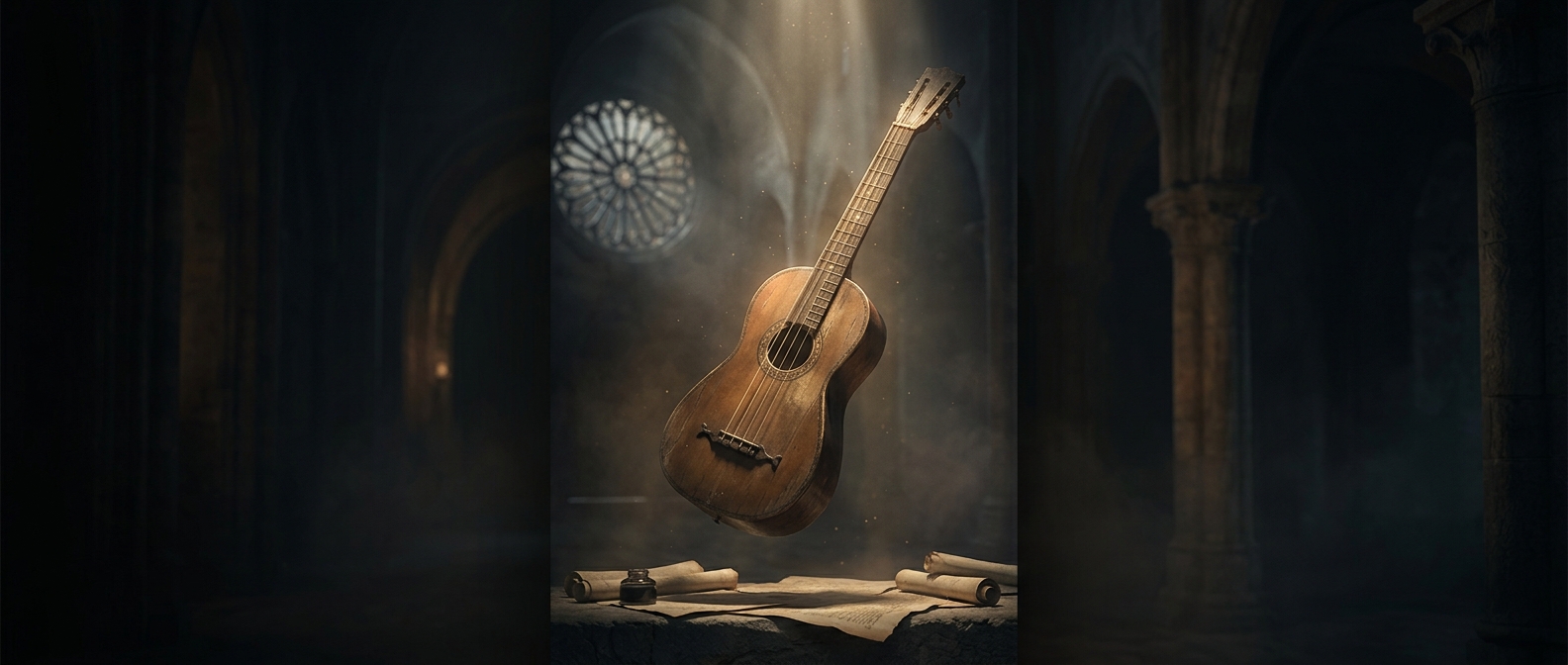
The earliest guitars had only four strings
The earliest guitars had four strings, unlike the six-string instruments often associated with rock solos.
Discover more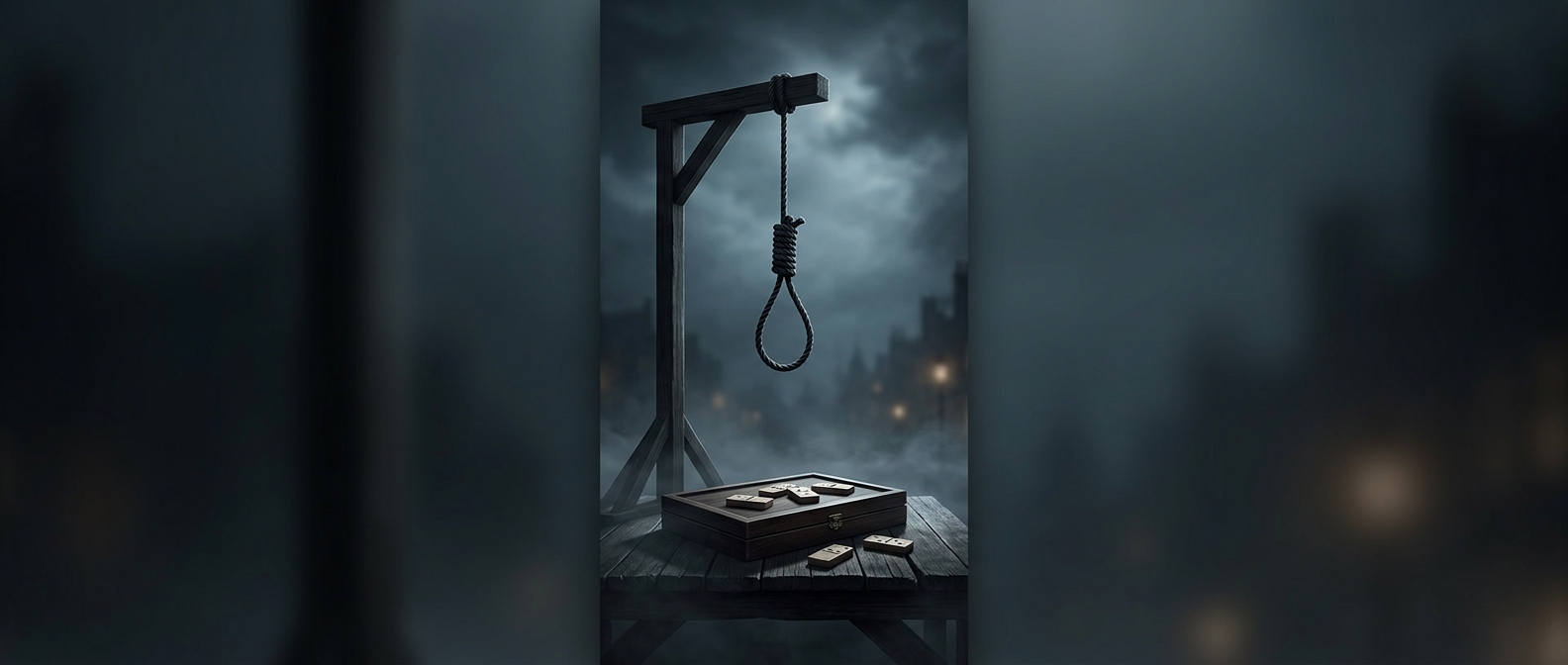
Hangman began with a fascination with executions
The game dates to the 19th century, when public executions drew crowds. Early versions turned that grim spectacle into a word puzzle.
Discover more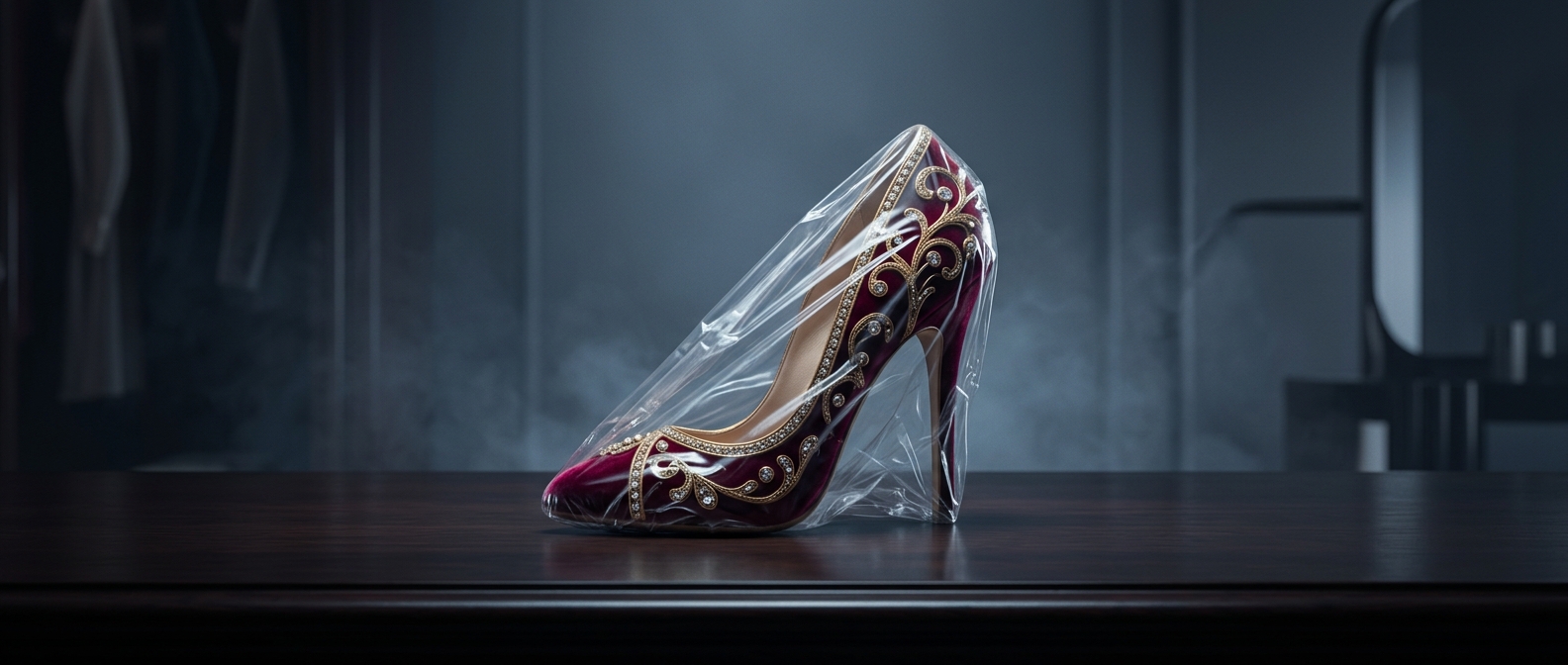
Why film crews wrap rented shoes in plastic
Productions often rent designer shoes, so costumers wrap the soles in clear tape to prevent scuffs before returning them.
Discover more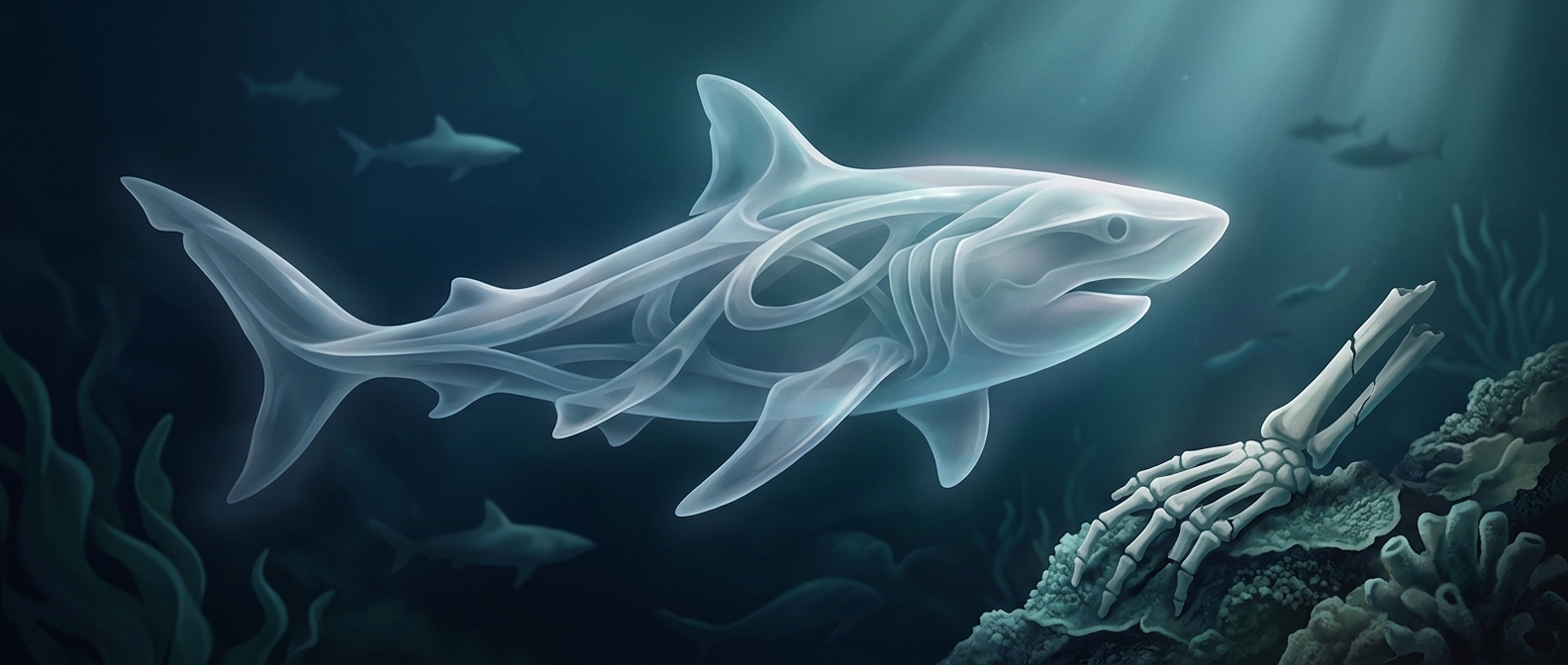
Sharks feature skeletal structures made strictly of cartilage
A shark’s skeleton is cartilage, but it isn’t all floppy. In high-stress spots such as the jaws, calcium salts stiffen the cartilage, while the rest stays…
Discover more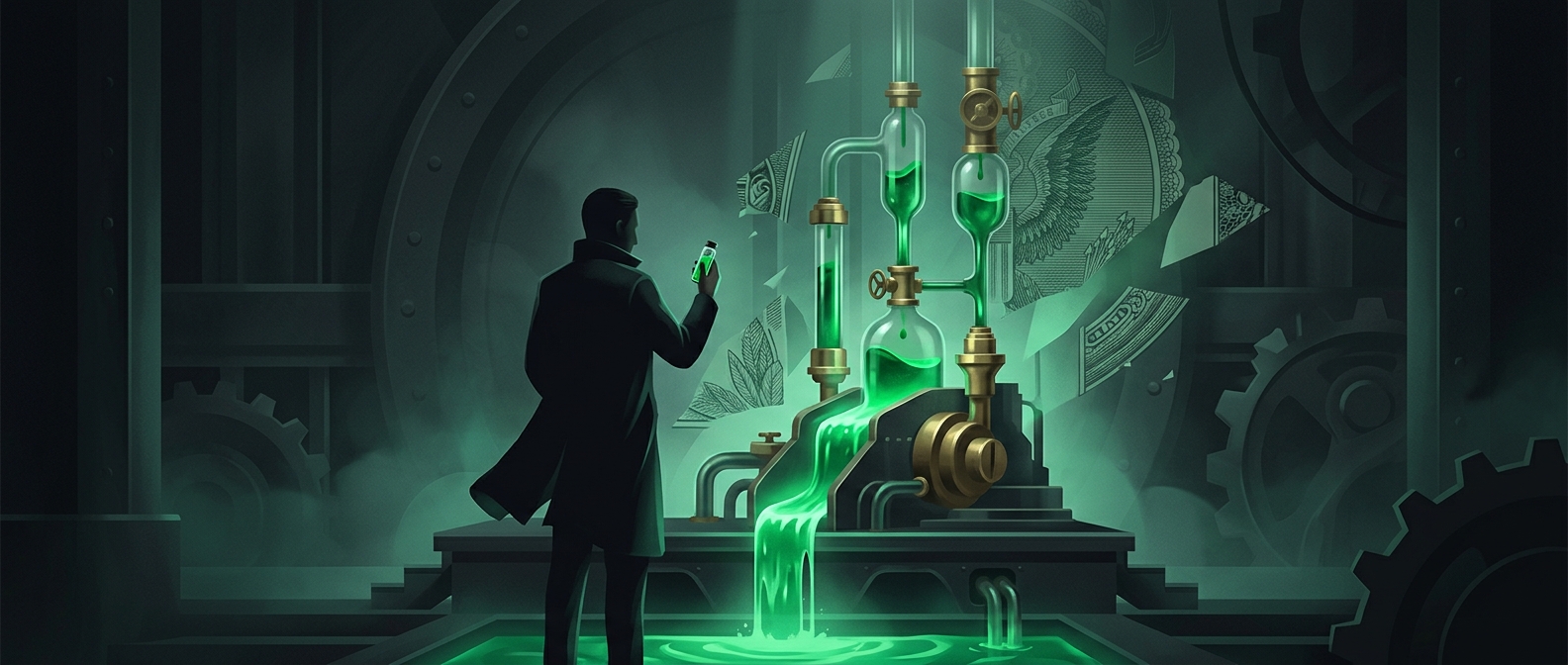
Why dollar bills use secret ink
The ink on a dollar bill has a job beyond making it readable: it must resist fading and help foil unauthorized copies. The exact formula stays under wraps so…
Discover more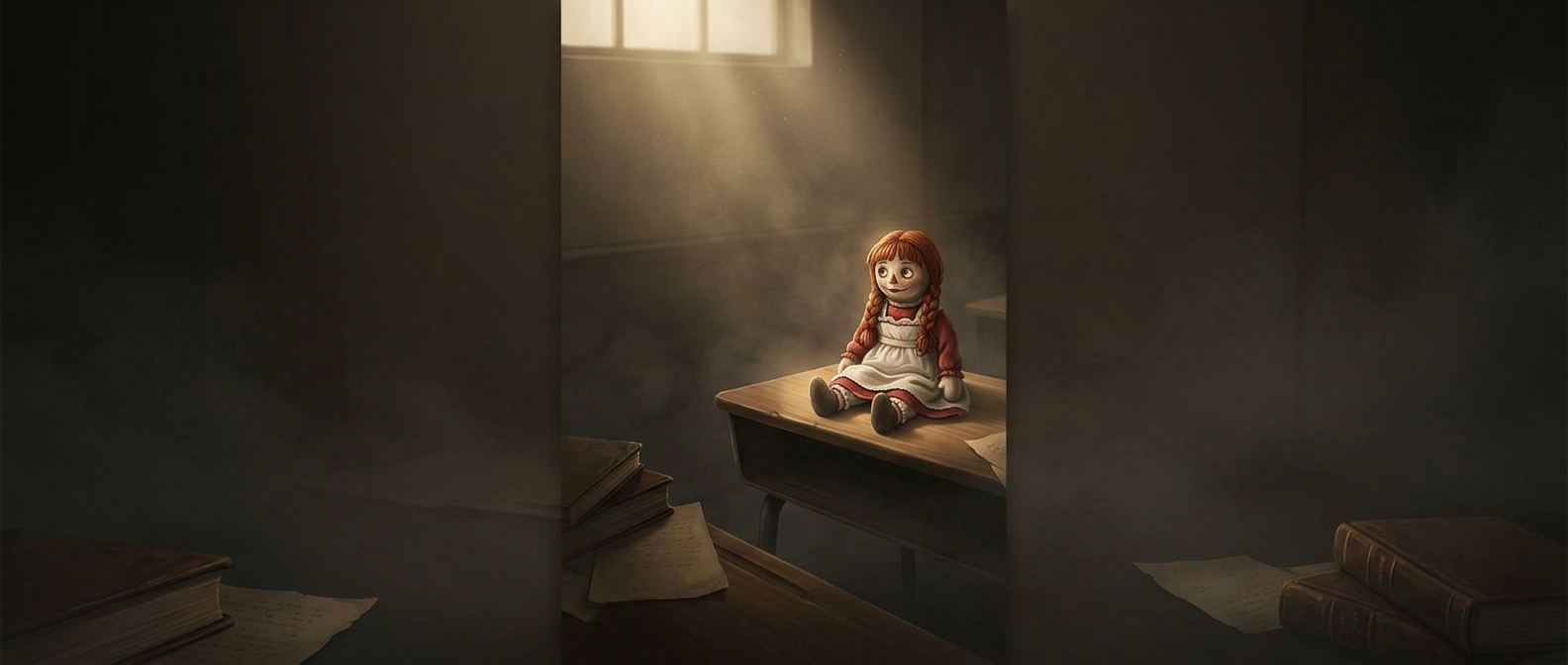
Annabelle the doll terrorized naive students
According to the students, the doll moved around their apartment and left notes; it is now kept in a locked case.
Discover more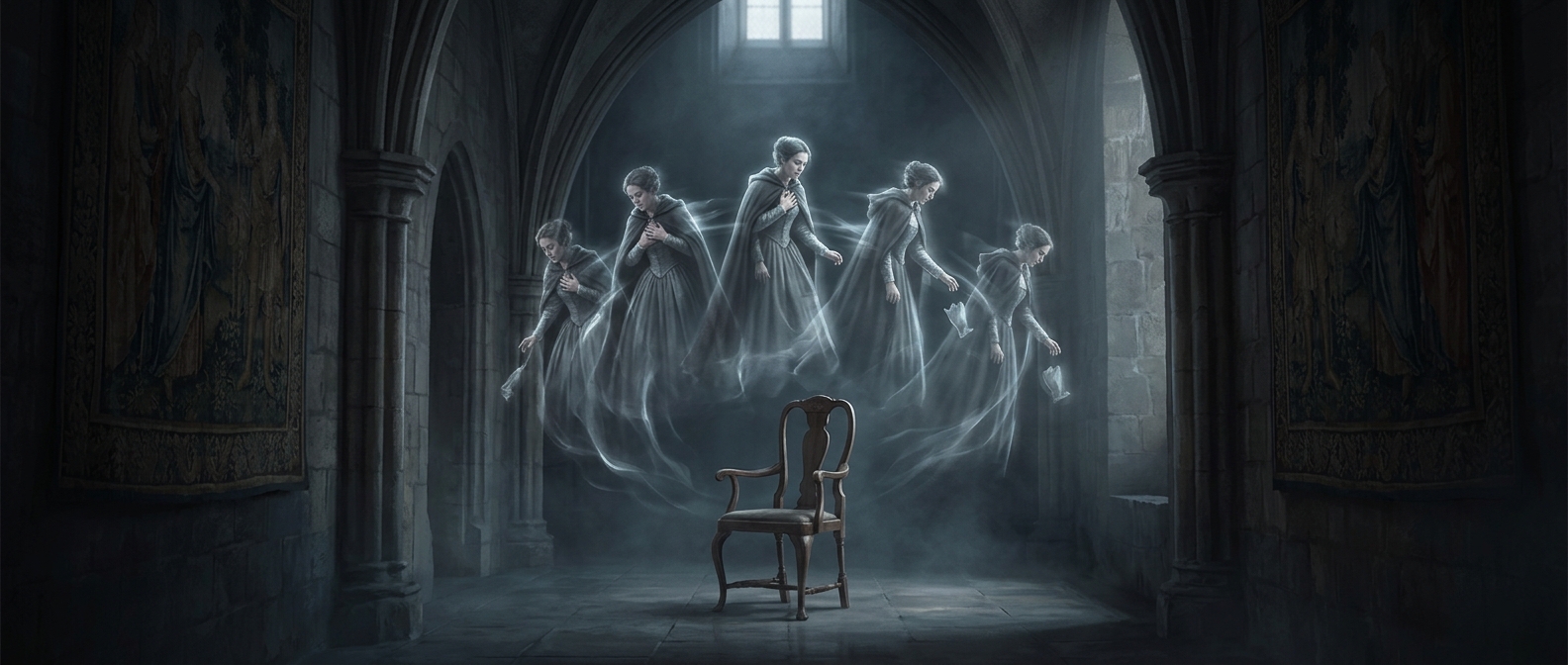
Residual hauntings replay events like broken tapes
In this theory, emotionally charged events leave an imprint on a place that replays without an intelligent ghost—like a recording stuck on loop.
Discover more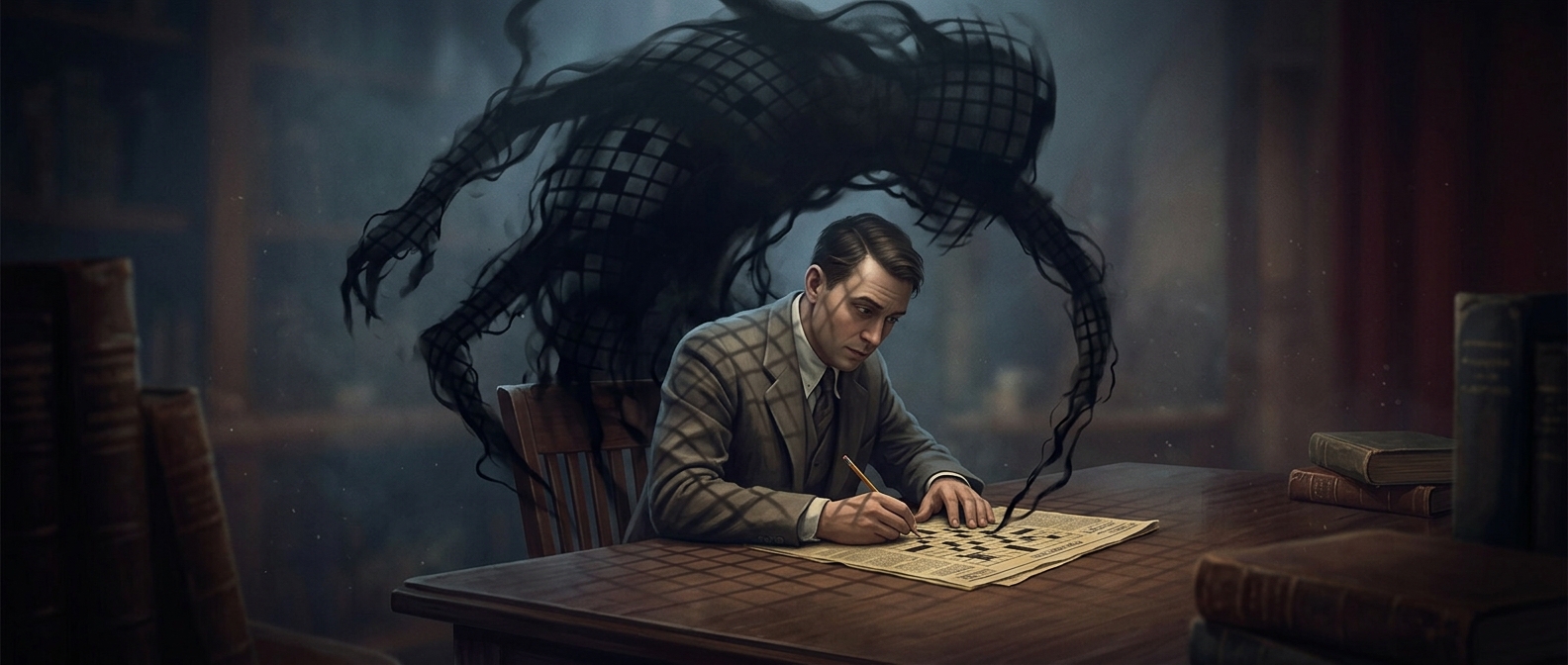
Crosswords were once called a threat to society
In the 1920s, major publications such as The New York Times condemned crosswords as a sinful waste of time that undermined productivity. They later began…
Discover more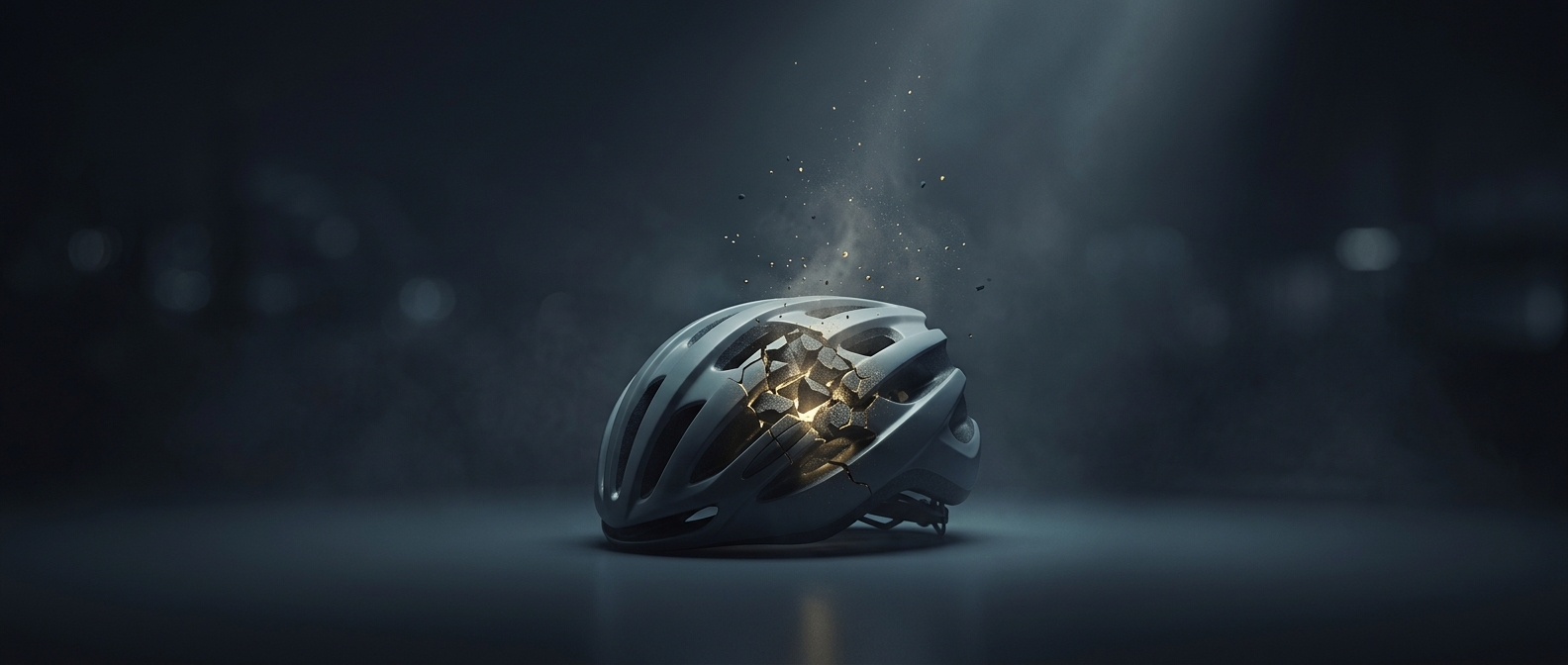
Bicycle helmets crush once to absorb deadly impacts
The foam liner crushes in a crash to absorb energy and slow the head's deceleration. Once crushed, it can't protect you the same way.
Discover more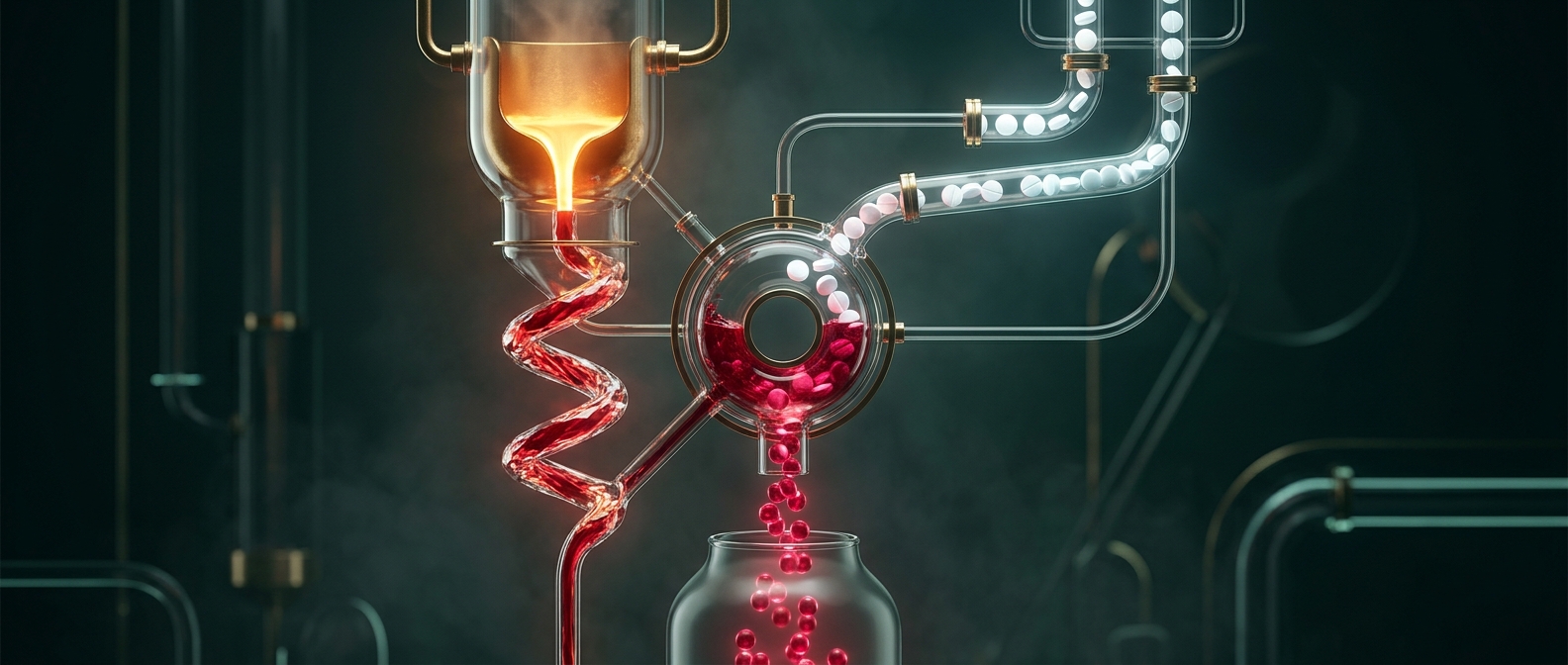
The rust-colored ingredient in your medicine
Some pills get their red or yellow color from synthetic iron oxides, stable pigments used in the outer coating. They help distinguish one formulation from…
Discover more
Most of the Sahara isn't sand
About 75% of the Sahara is gravel plains and rocky plateaus, not dunes.
Discover more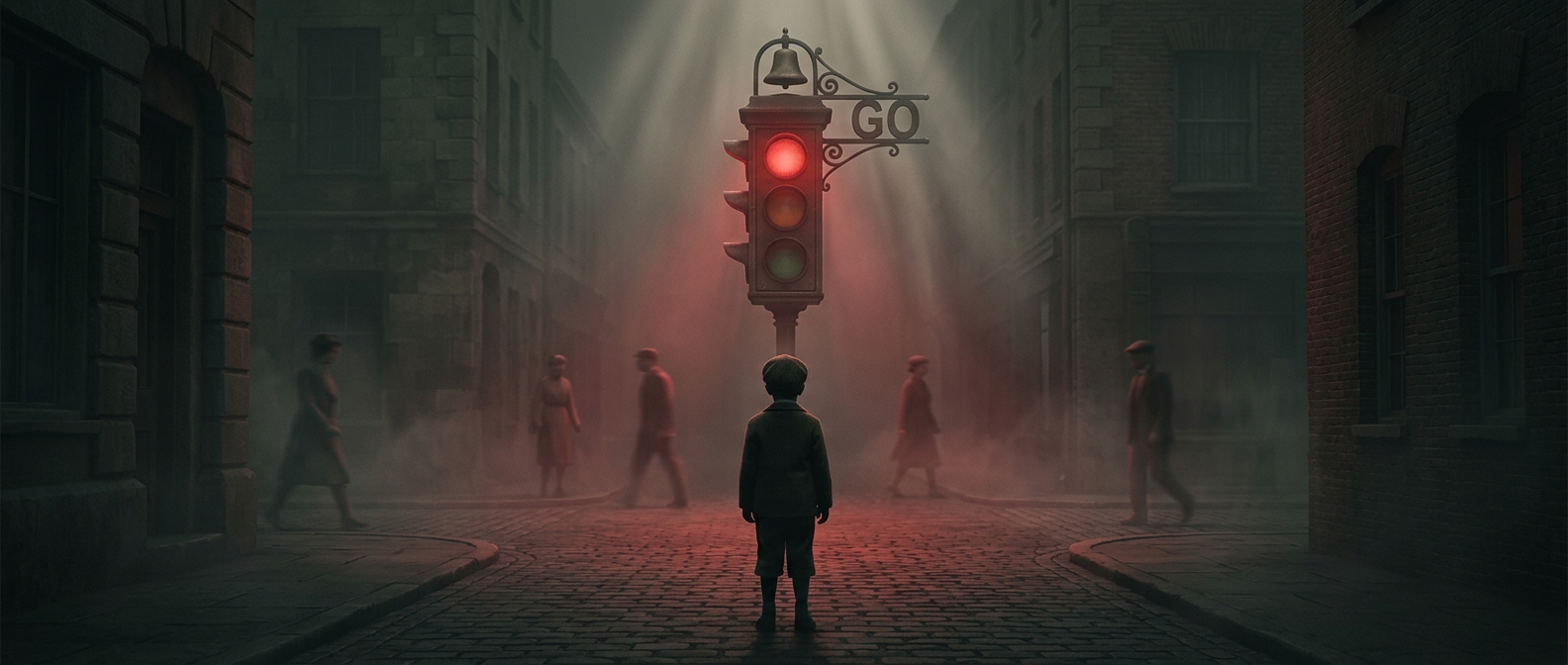
Why Red Light, Green Light became a safety lesson
The game was popularized as cars became common, turning “stop” and “go” into a memorable lesson about not stepping into traffic.
Discover more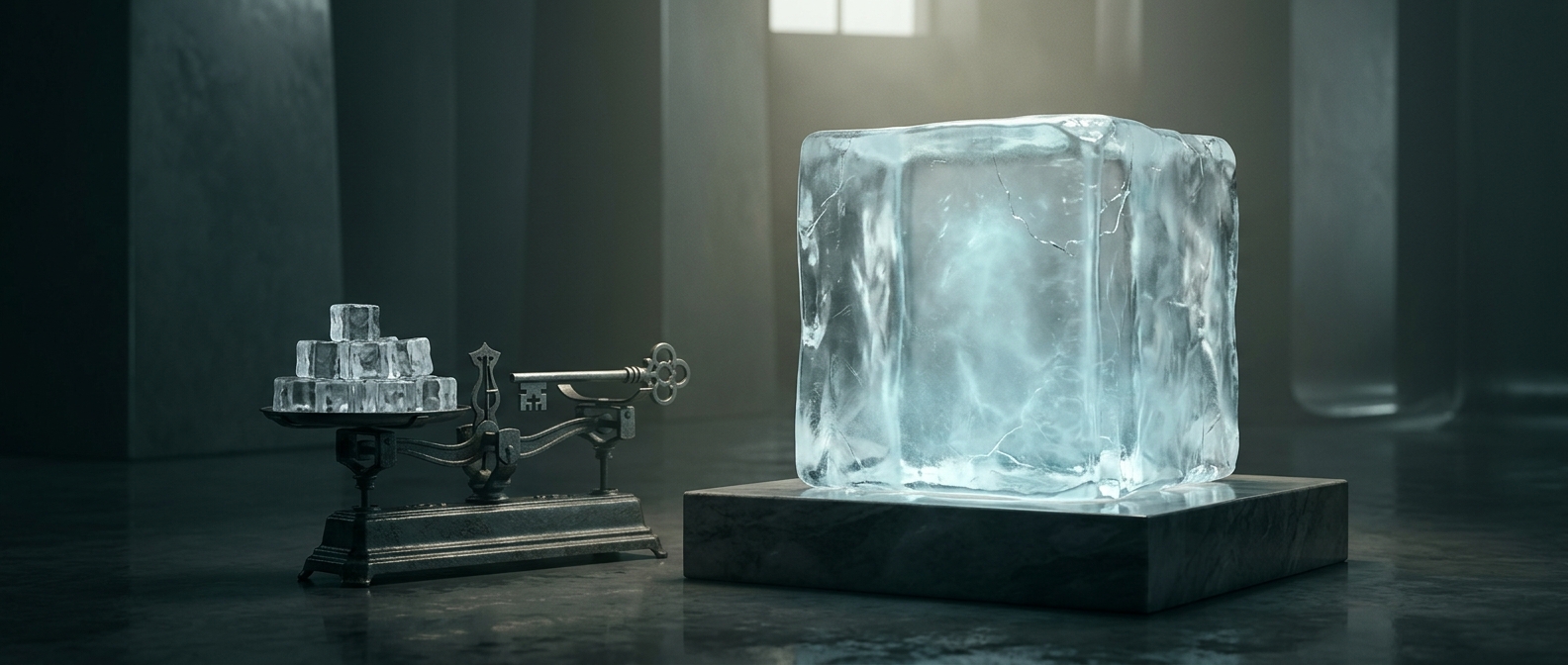
In Wisconsin, the shape of ice changes its tax treatment
Wisconsin’s grocery guidance treats ice cubes as food and ice blocks as taxable items. The distinction follows intended use: ice for a drink versus ice…
Discover more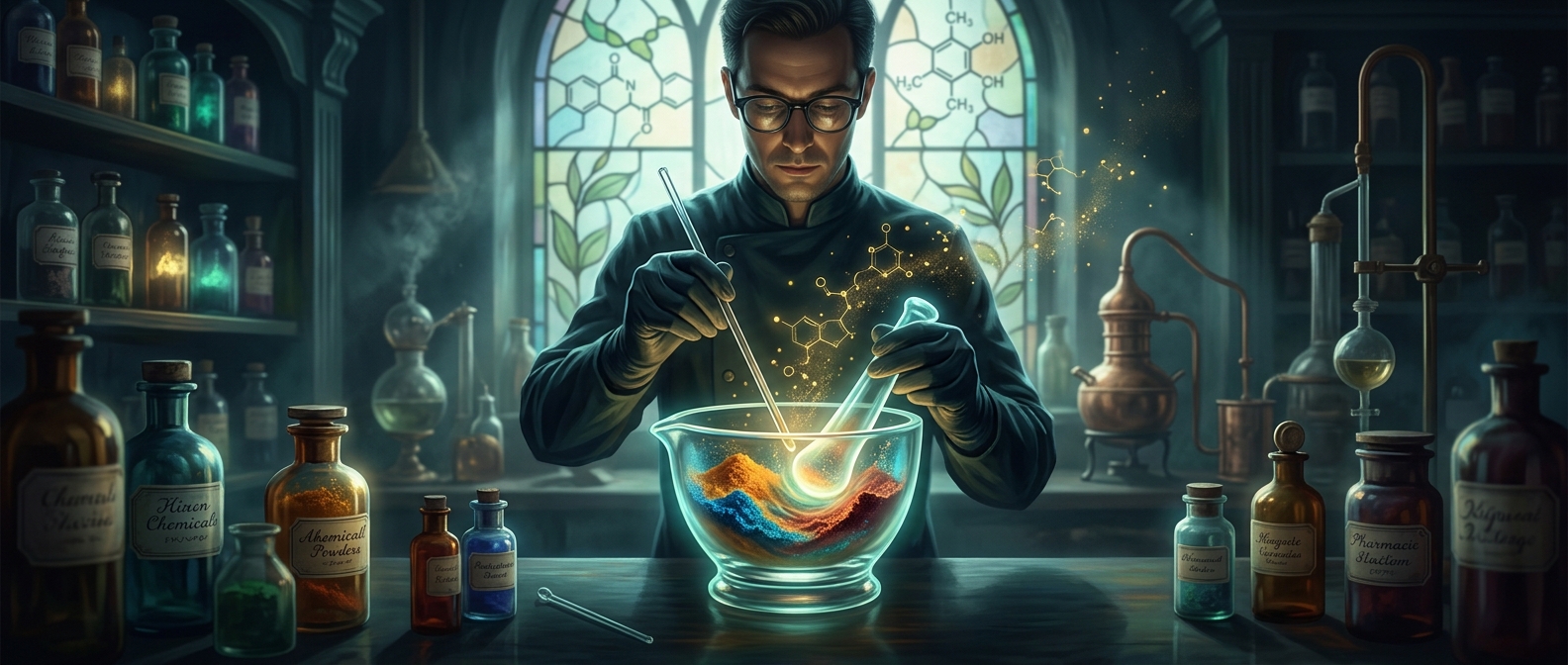
Compounding pharmacies custom-mix raw chemical powders
Compounding pharmacists weigh and blend active ingredients to make a medication tailored to a particular need, such as a custom dose or a formula without an…
Discover more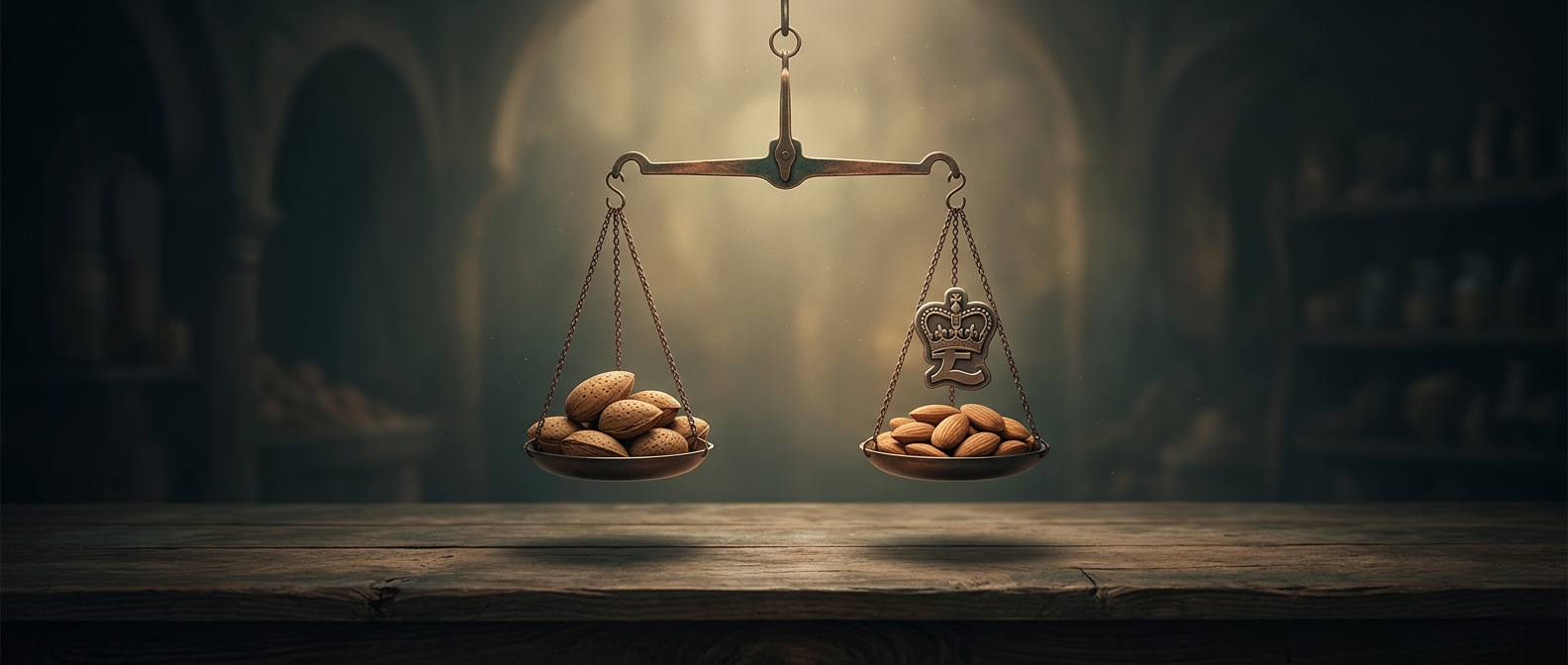
A nut's shell can change its British VAT treatment
HMRC generally puts roasted or salted nuts in the standard-rated category, but makes an exception for those supplied in their shells, along with specified…
Discover more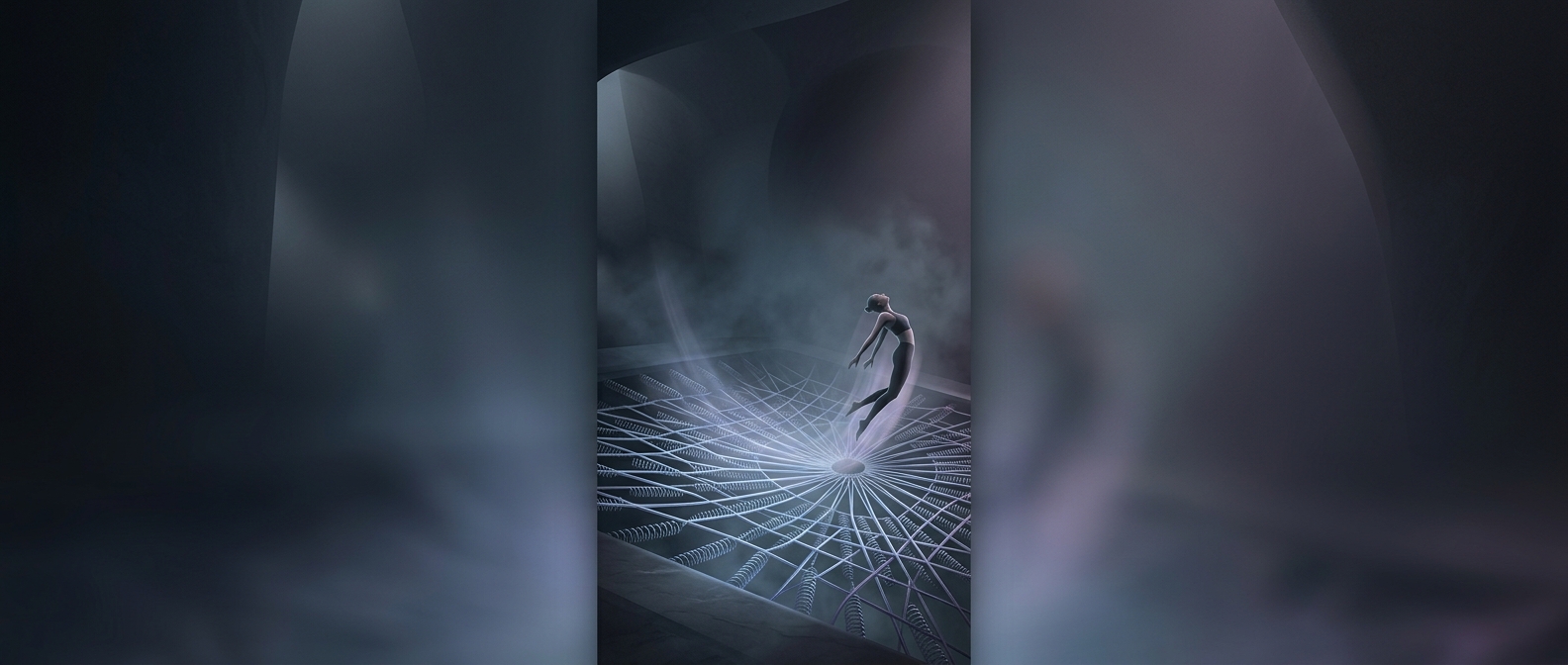
Modern trampolines cross springs for balanced bouncing
On some high-end models, crossed springs distribute tension more evenly across the mat, helping steer off-center jumpers back toward the middle instead of…
Discover more
Burying terrible experiences deep in the unconscious
Pushing a terrible experience out of awareness can mean avoiding the reminders that bring it back. The event may not be on your mind, but the fear attached to…
Discover more