Games
Discover facts about games. Small discoveries that change the way you see familiar things.
Games

The PlayStation 2 that could record live TV
The PSX combined a PlayStation 2 with a TV recorder, using a built-in hard drive to save live broadcasts. Its high price kept it from becoming a mainstream hit.
Discover more
Why the PS4 controller has a bright light
Sony designed the light bar so a PlayStation Camera could track the controller’s position, including for virtual reality. The trade-off was extra battery drain.
Discover more
The Wii sensor bar is basically two infrared lights
The bar only supplies infrared light; the Wii Remote tracks the two points. Two lit candles can even stand in for it.
Discover more
Xbox 360's movie add-on lost a format war without taking the games with it
Microsoft sold an external HD DVD drive while Sony put Blu-ray inside the PlayStation 3. When HD DVD lost the contest, the Xbox accessory was discontinued.…
Discover more
Switch Lite literally cannot connect to a television screen
Unlike the standard Switch, the Lite lacks the video-output hardware needed to send a picture to a TV, so it works only as a handheld.
Discover more
Microsoft dropped Xbox One's mandatory camera before launch
The announced design required Kinect to remain connected even if players weren't using motion controls. Microsoft reversed that requirement in August 2013,…
Discover more STACKY FOR IPHONE
A bigger world.
One discovery
at a time.
Keep discovering with Stacky. Interesting facts in an app that is always within reach.

The original PlayStation 3 borrowed Spider-Man's lettering
Designer Teiyu Goto said Ken Kutaragi insisted on the typeface used for Sony's Spider-Man films. The console therefore carried a visual link to a movie…
Discover more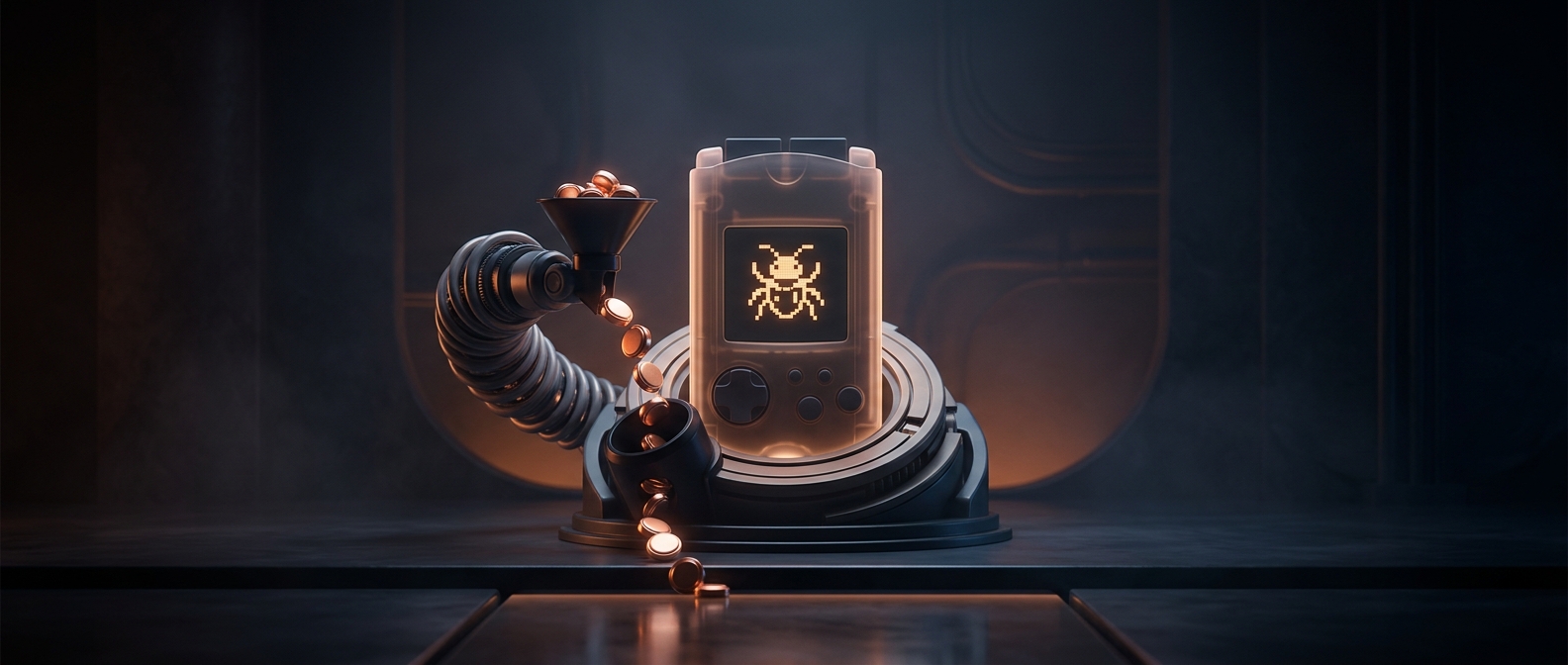
Why Dreamcast memory cards screamed at startup
The Dreamcast's VMU memory card had its own screen and ran on watch batteries. When its batteries were dead, it could beep loudly at startup to warn you.
Discover more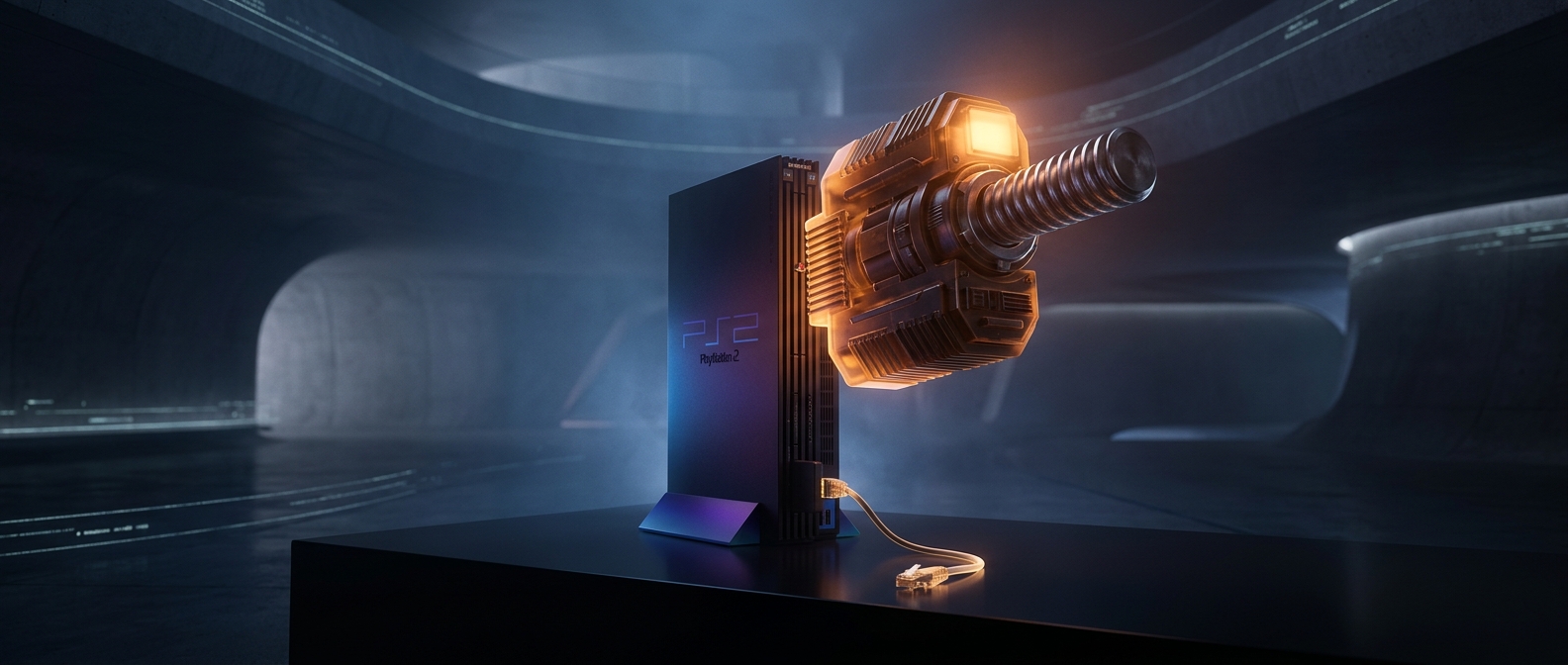
PlayStation 2 required a bulky screw-on internet attachment
A chunky Network Adapter bolted onto the console's expansion bay, and you could tighten it with a coin. It gave the PS2 access to dial-up and broadband…
Discover more
Nintendo once sold a USB stick for handheld internet
Nintendo’s USB dongle plugged into a computer and created a local wireless connection for a handheld, letting it get online.
Discover more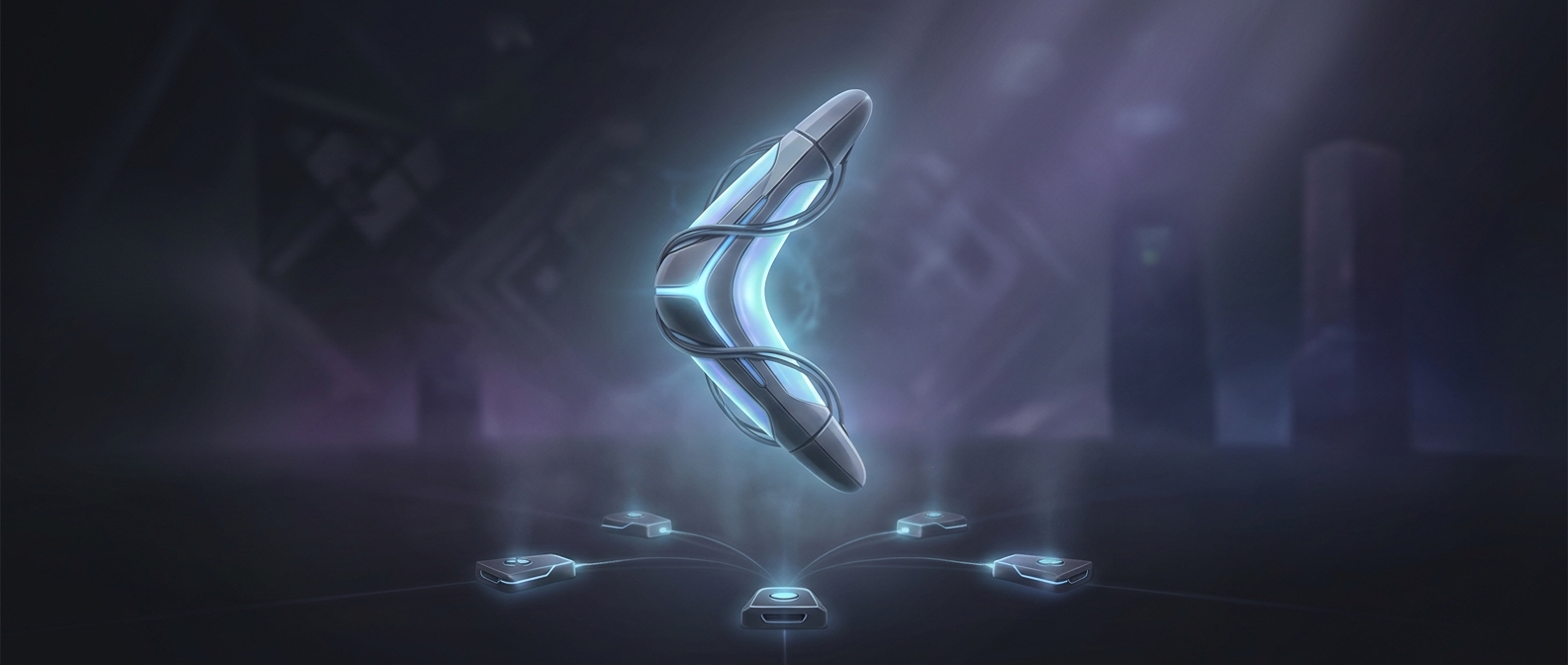
PlayStation's Multitap let one controller socket host a crowd
The accessory expanded a controller port into several connections, letting supported games offer local matches with more than two players. The console could…
Discover more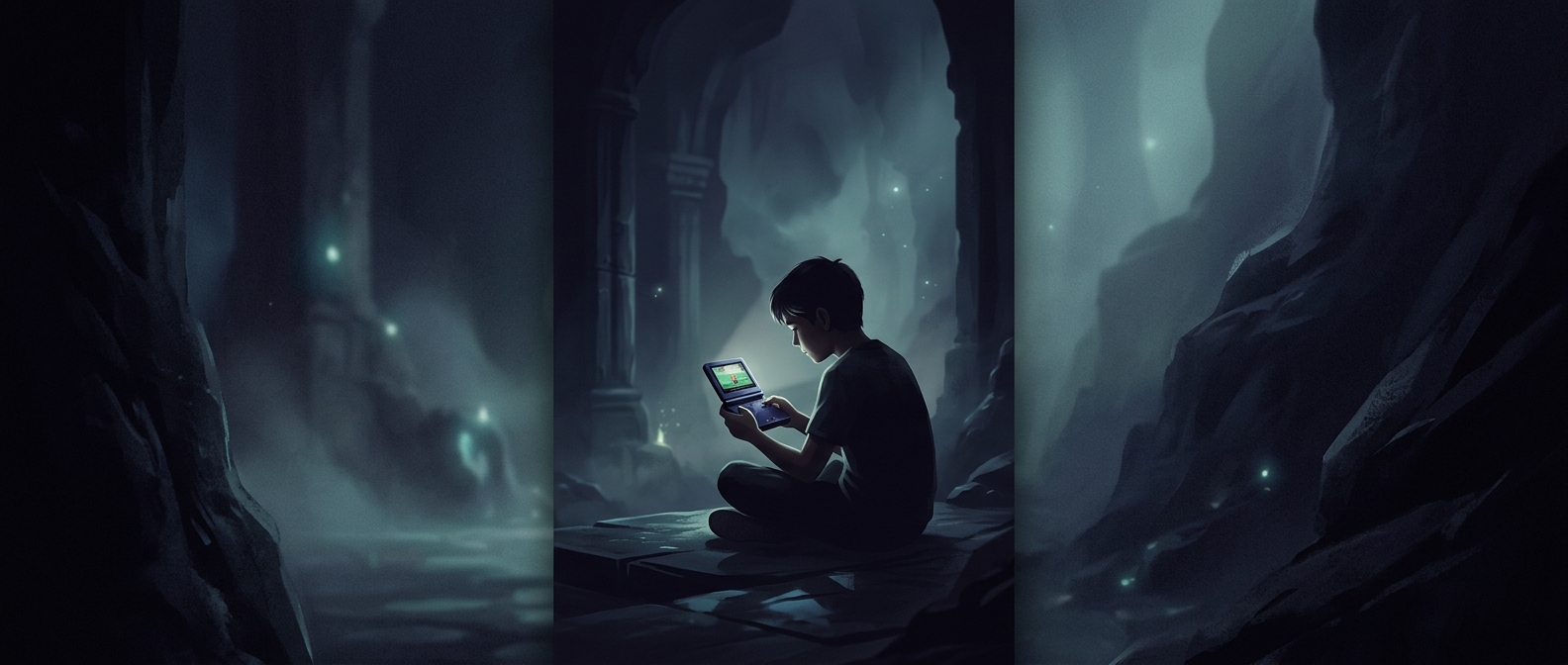
Game Boy Advance SP finally added backlighting to handhelds
Its clamshell design and built-in screen light let kids play under the covers without an external worm light.
Discover more
Sony forced Vita owners to use exclusive memory cards
The Vita couldn't use standard SD cards, so owners had to buy Sony's proprietary memory cards, which cost a premium.
Discover more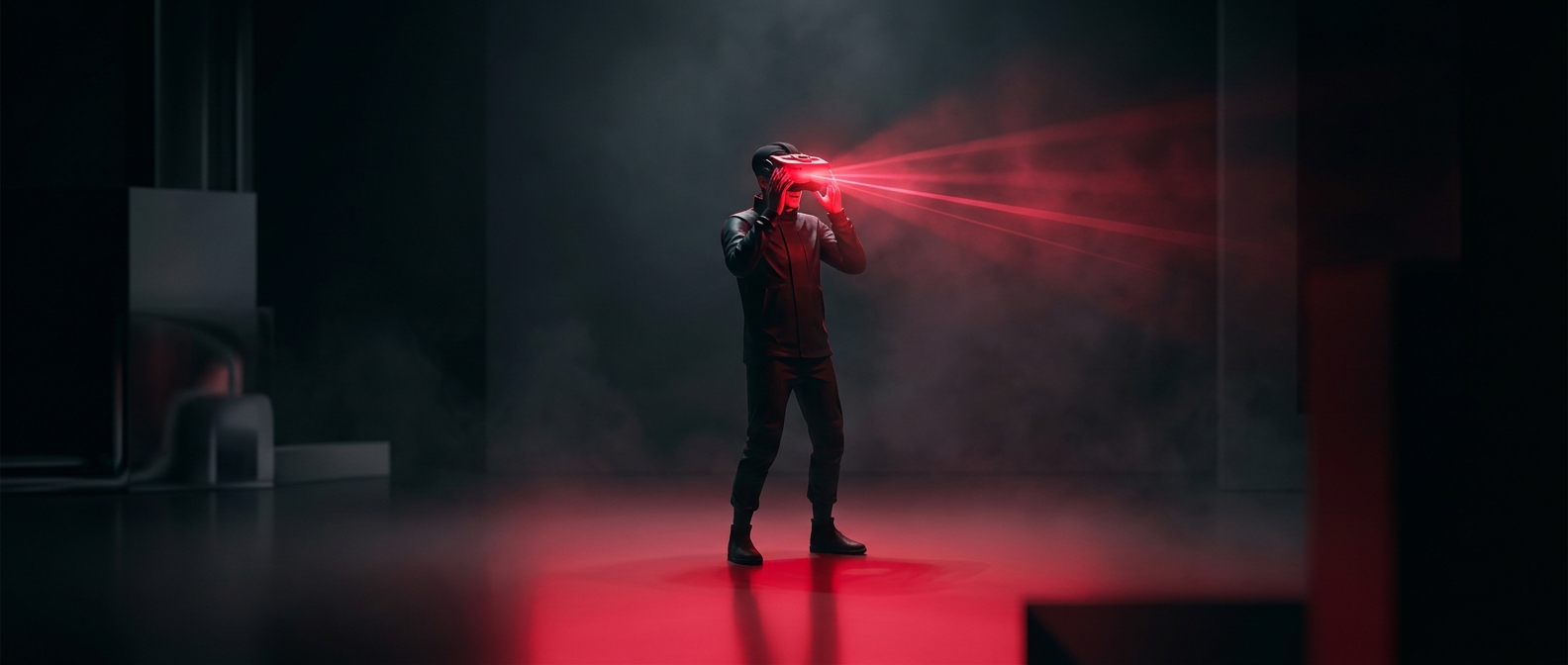
Virtual Boy's red-and-black world came with a comfort problem
Nintendo's headset-style system presented a separate image to each eye, creating depth on red LED displays. Its warnings included breaks during play. The…
Discover more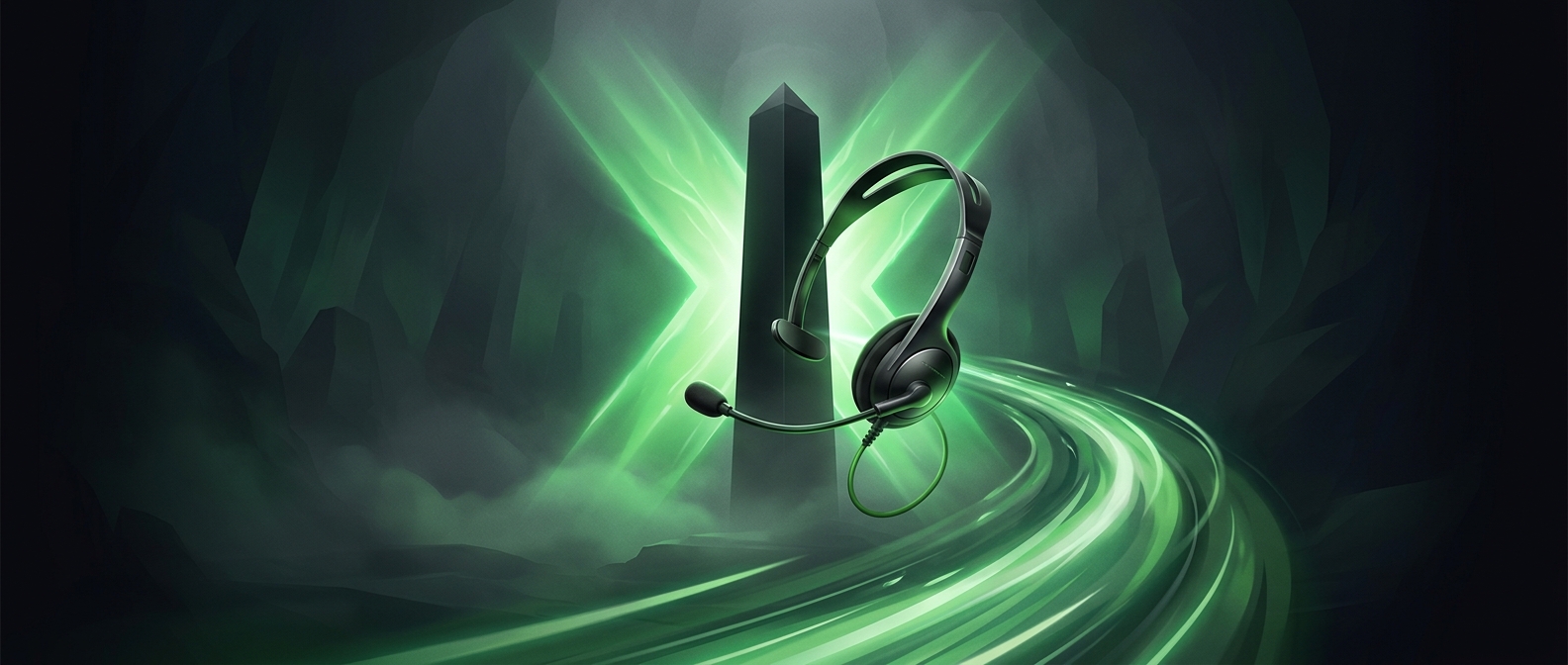
Original Xbox shipped with a communicative headset default
Every Xbox came with a cheap microphone, making voice chat a standard part of online lobbies rather than an optional accessory.
Discover more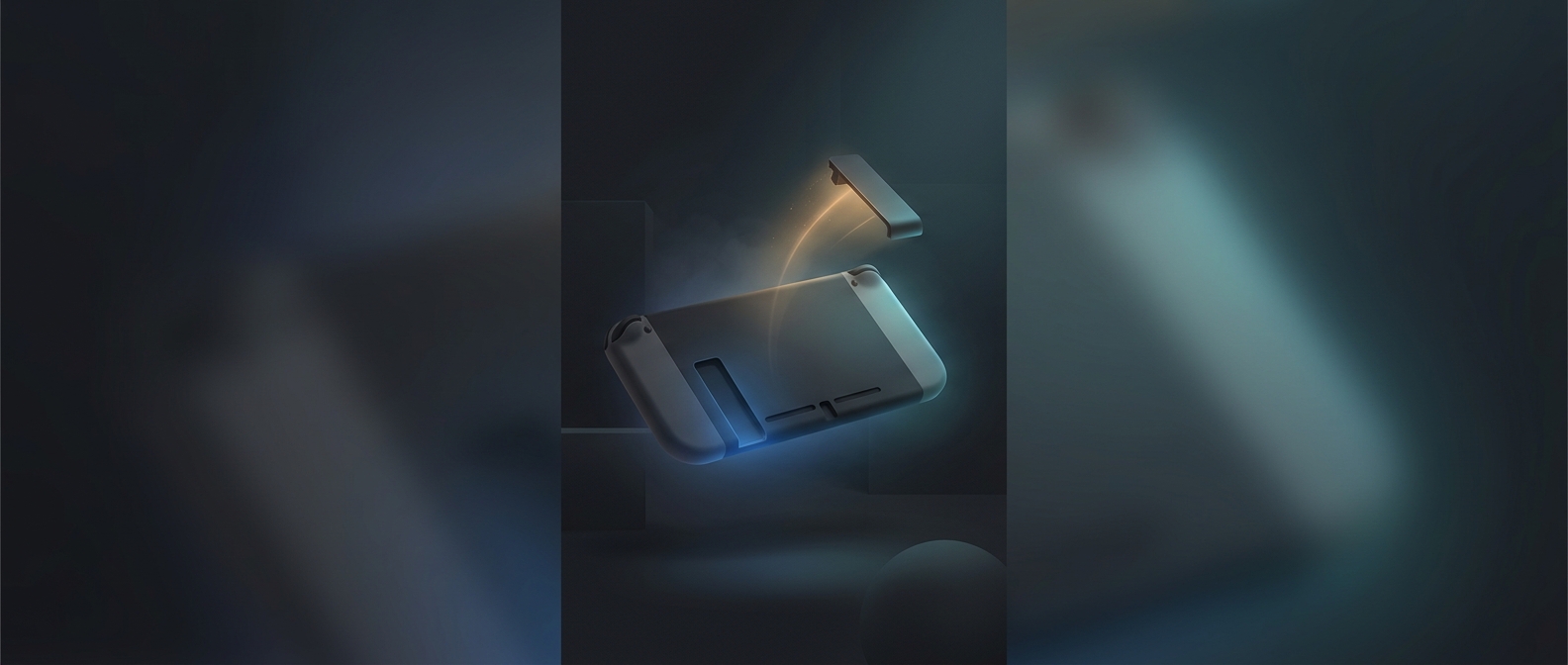
Why the Nintendo Switch kickstand pops off
The kickstand is designed to pop off its hinge under too much pressure, so it can be snapped back into place instead of breaking permanently.
Discover more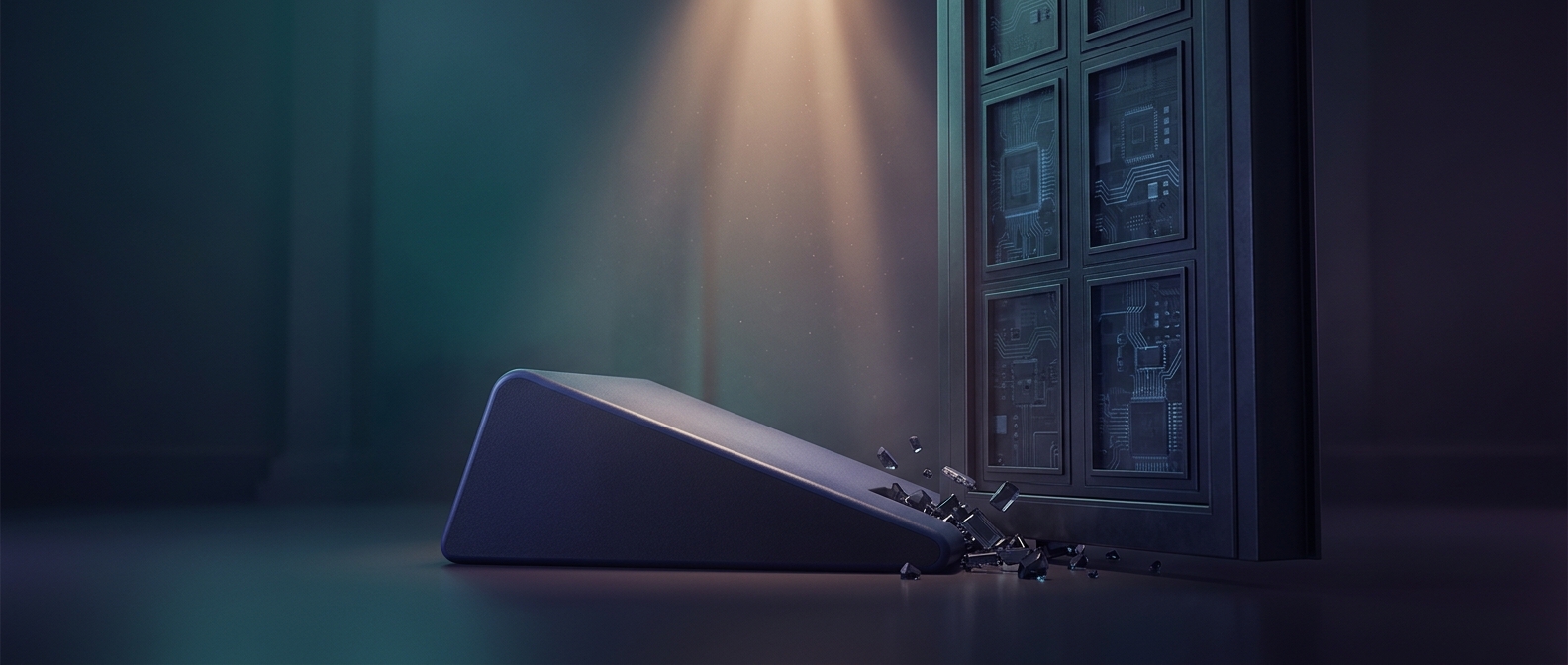
Why the Nintendo 2DS looked like a doorstop
Nintendo removed the 3D screen and folding hinge, making the 2DS a flat plastic wedge that cost less and had no hinge for toddlers to snap.
Discover more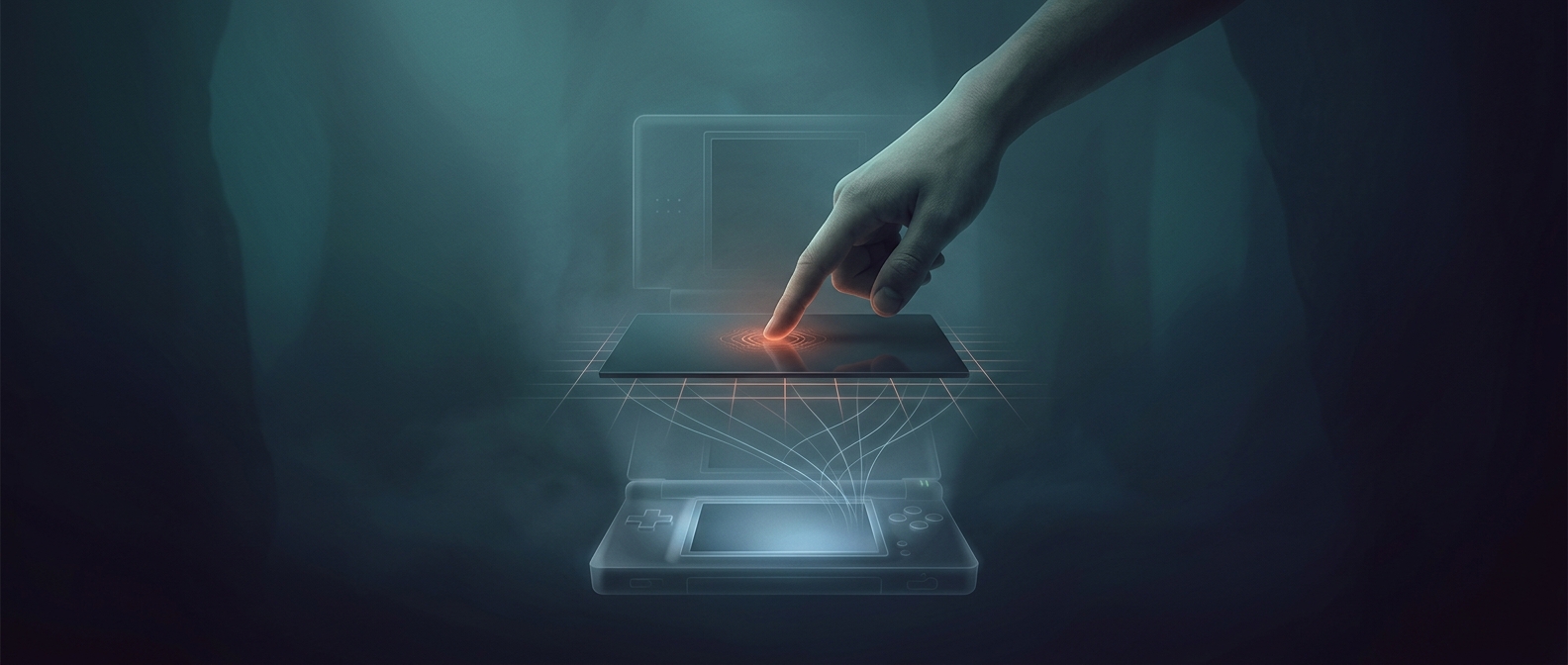
Nintendo DS utilized resistive touch instead of capacitive
Its resistive screen registered pressure when two plastic layers touched, so the included stylus worked better than a light fingertip tap.
Discover more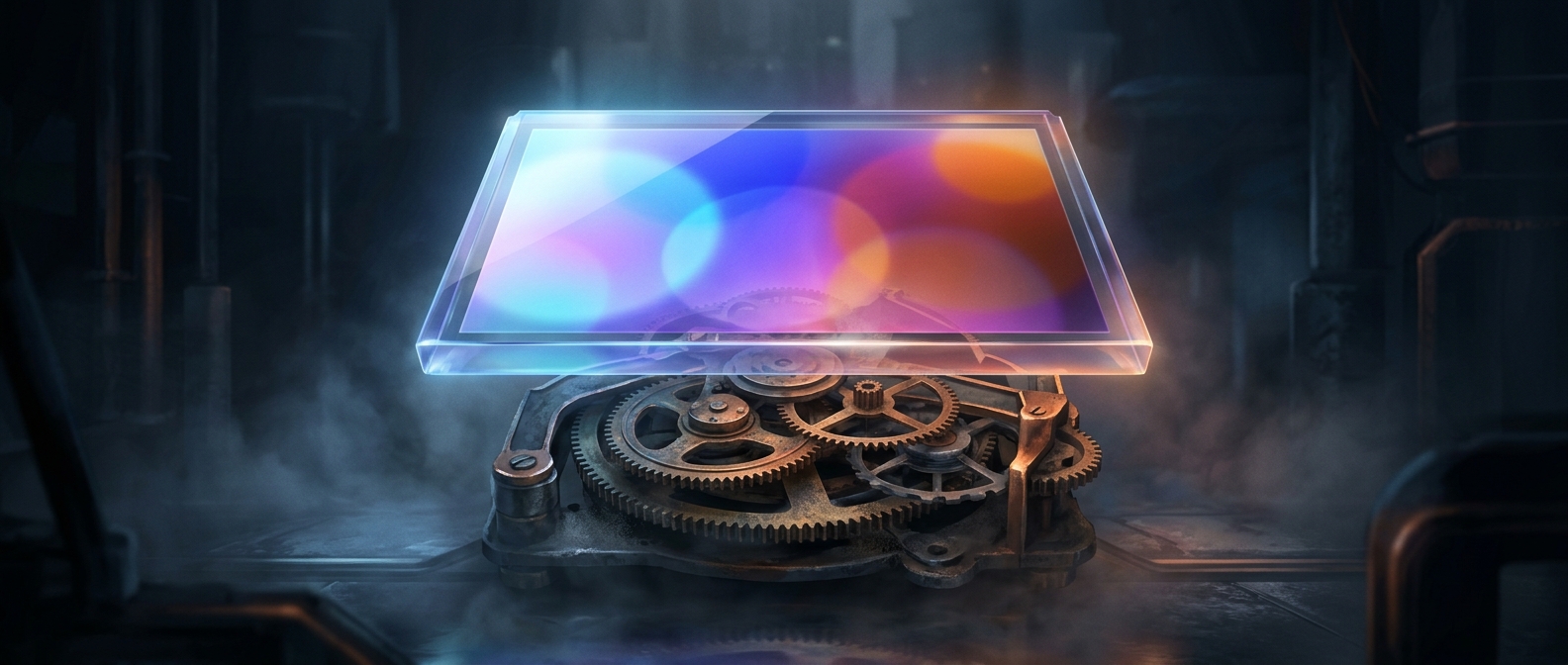
Switch OLED upgraded the screen but kept the exact same chip
The upgrade was largely visual: it kept the original Switch's processor, so the more vibrant screen didn't bring a performance boost.
Discover more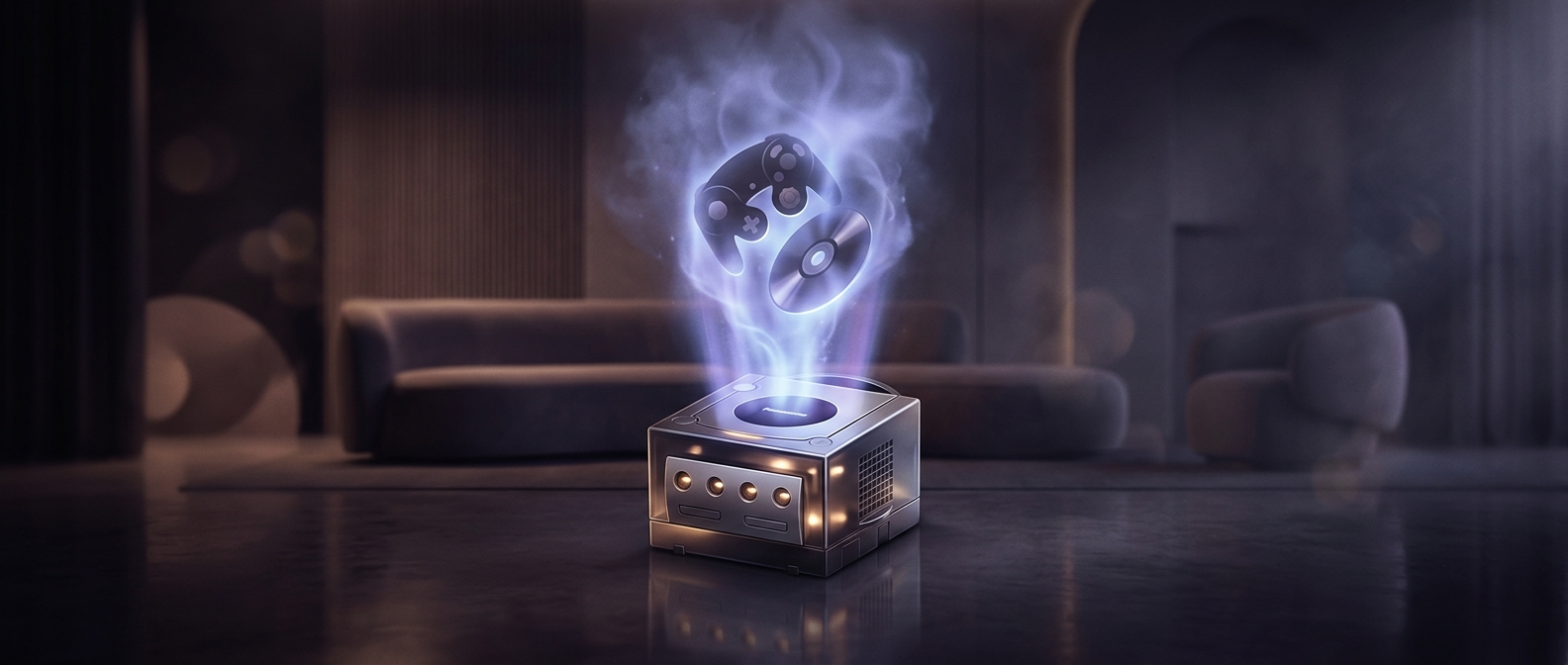
Panasonic built the GameCube Nintendo would not: one that played DVDs
The Q combined GameCube games with full-size movie-disc playback in a shiny metal case. When production ended in 2003, it still cost 34,800 yen while…
Discover more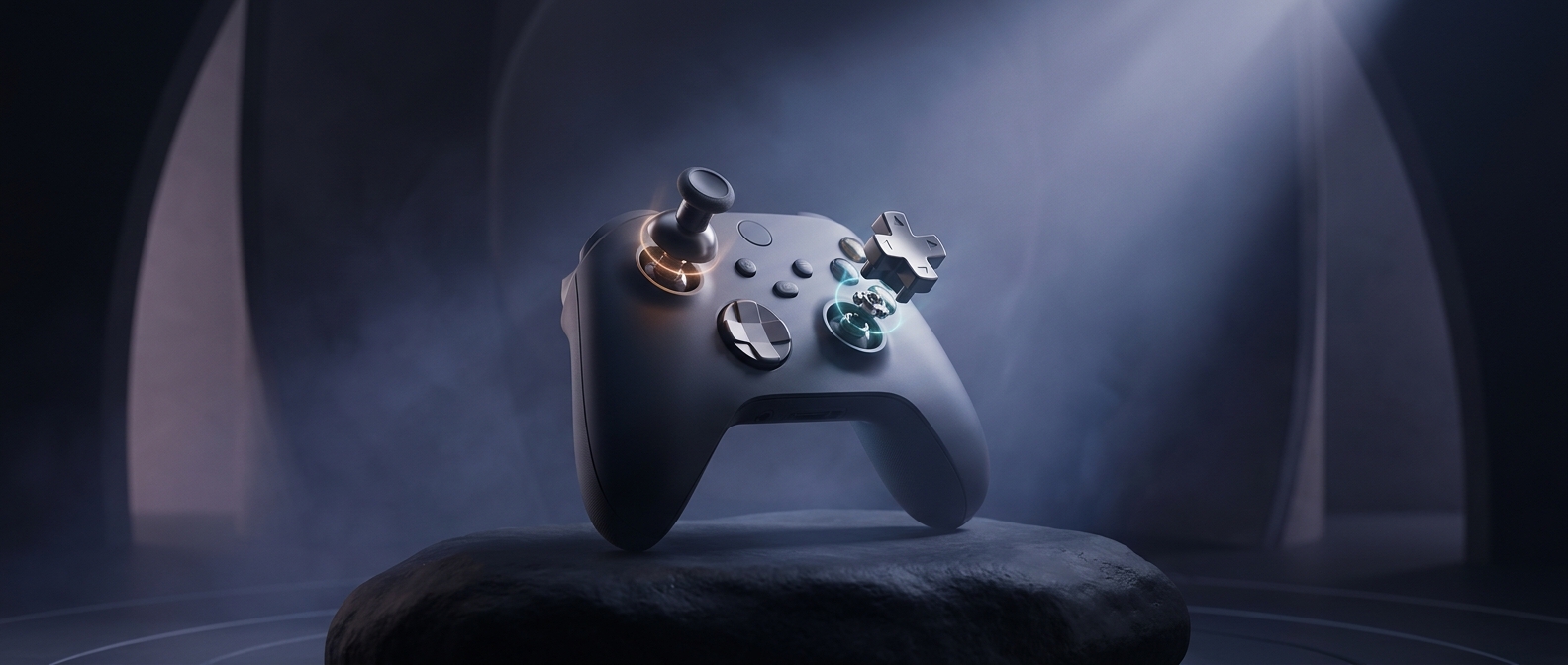
Microsoft sells a controller with interchangeable magnets
The Elite controller’s thumbsticks and rear paddles attach with magnets, so you can swap them without tools—but there are more small pieces to lose in the…
Discover more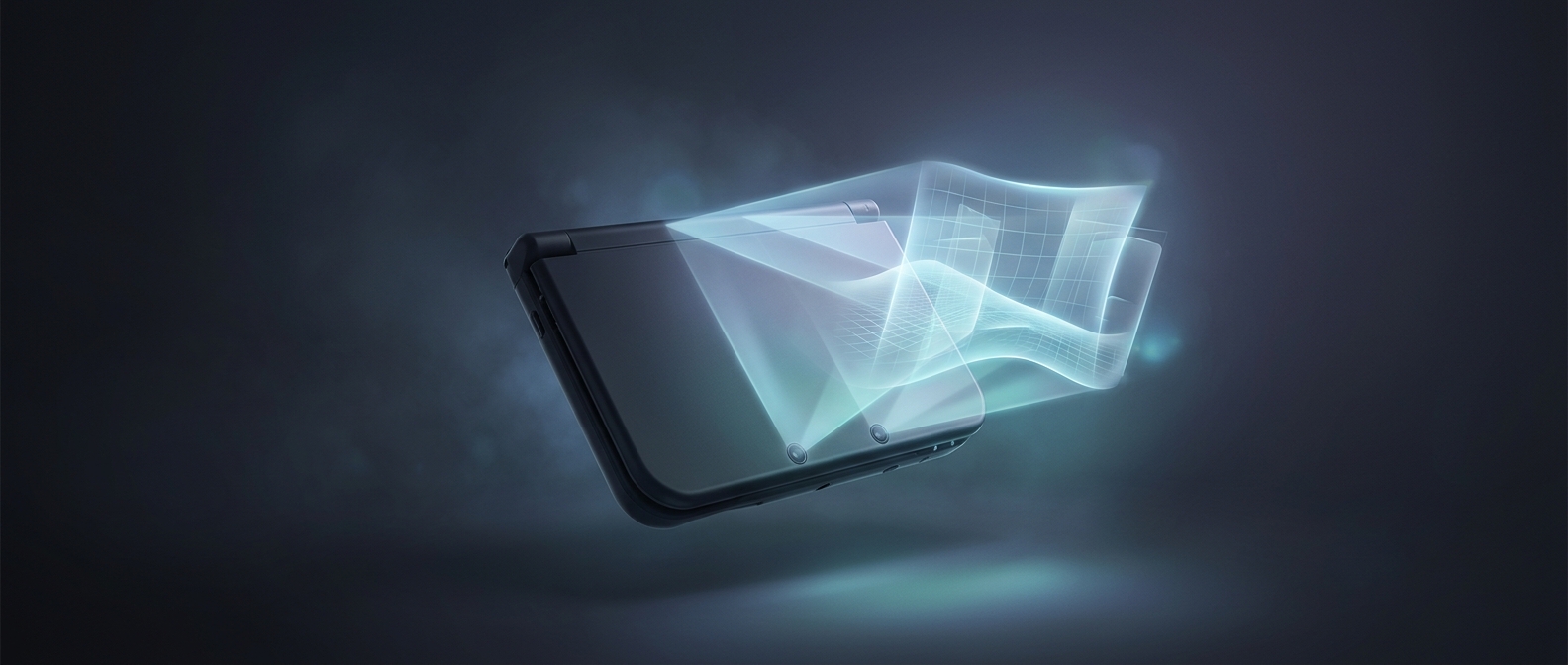
Nintendo 3DS utilized cameras to project stereoscopic depth
The camera tracked your face so the screen could keep sending the right image to each eye as you moved; the effect could still make some players nauseous.
Discover more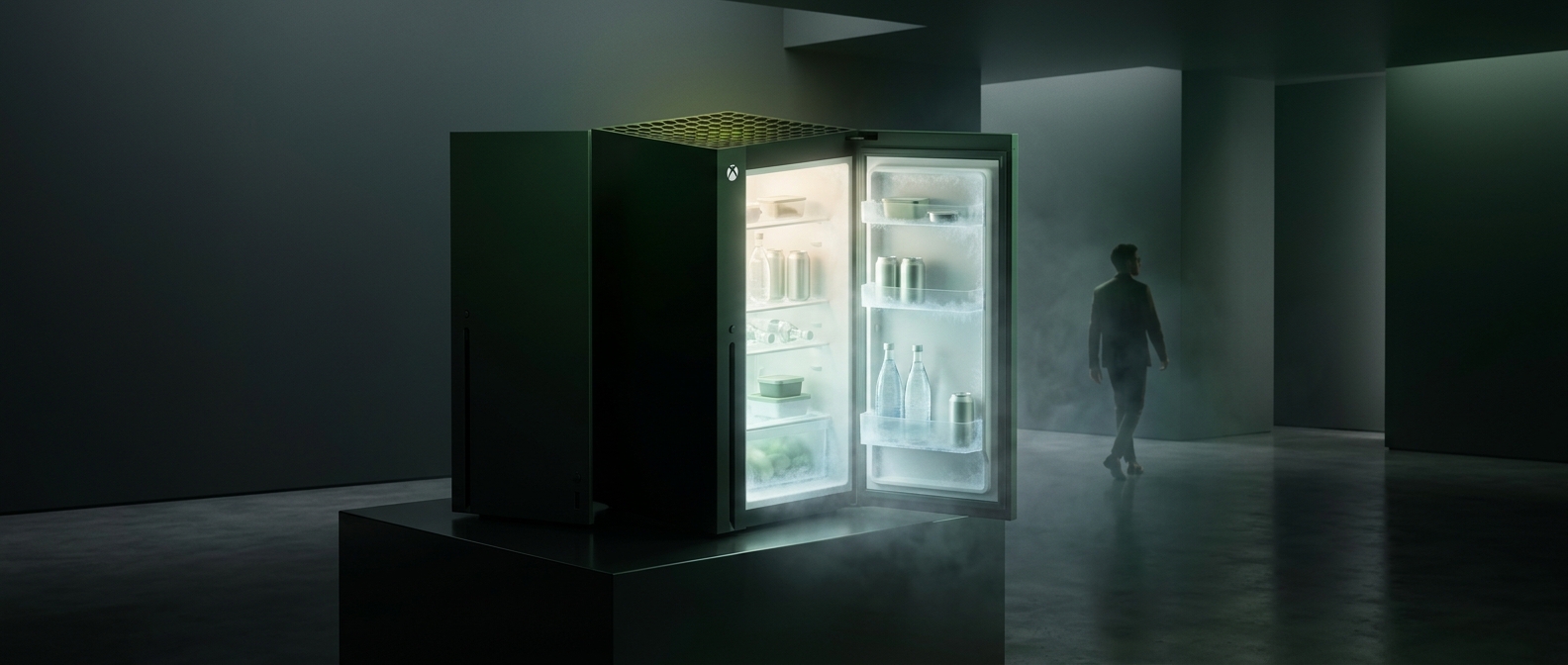
Xbox turned a console joke into a real mini-fridge
After people joked that its black tower console looked like a kitchen appliance, the company leaned into the comparison by making working mini-fridges shaped…
Discover more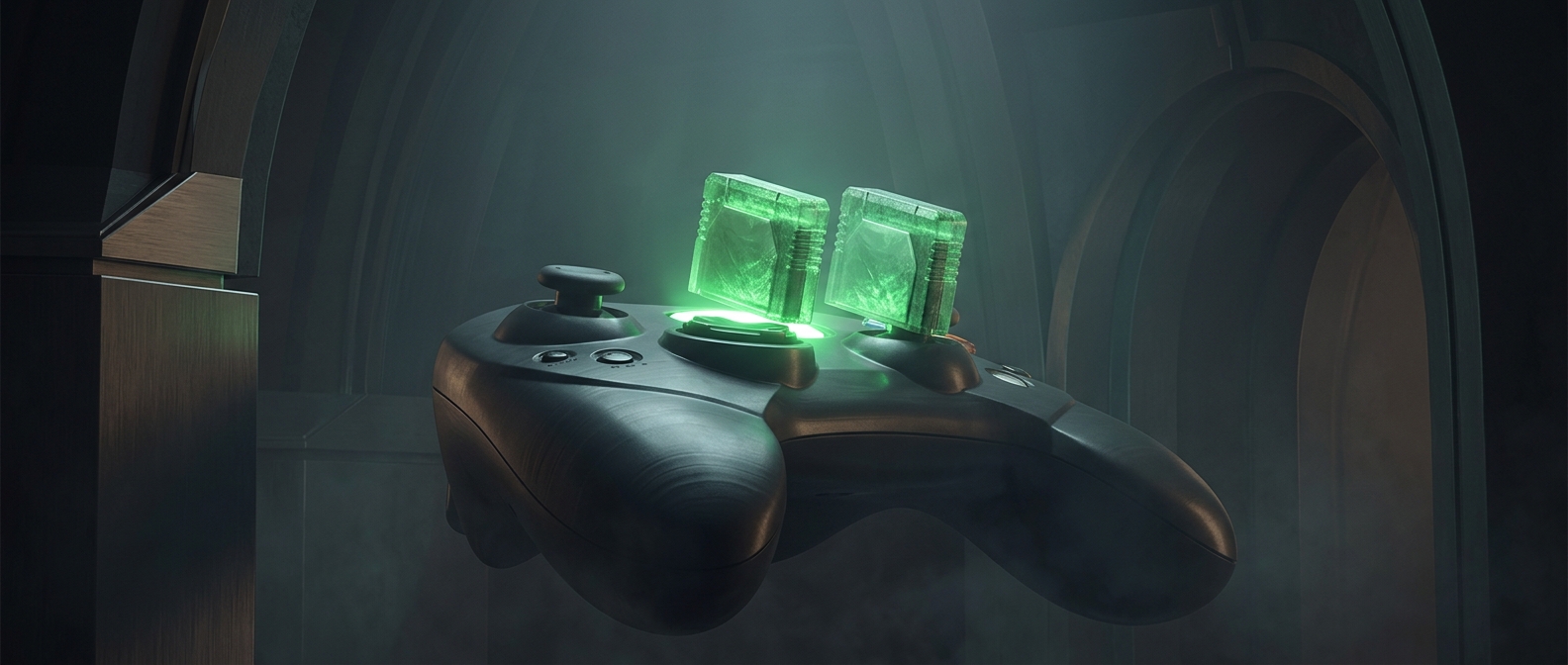
Why old Xbox controllers had memory-card slots
The slots let players carry their profiles to another house on a memory card, even though the console had a hard drive. The cards made an already bulky…
Discover more