Games
Discover facts about games. Small discoveries that change the way you see familiar things.
Games
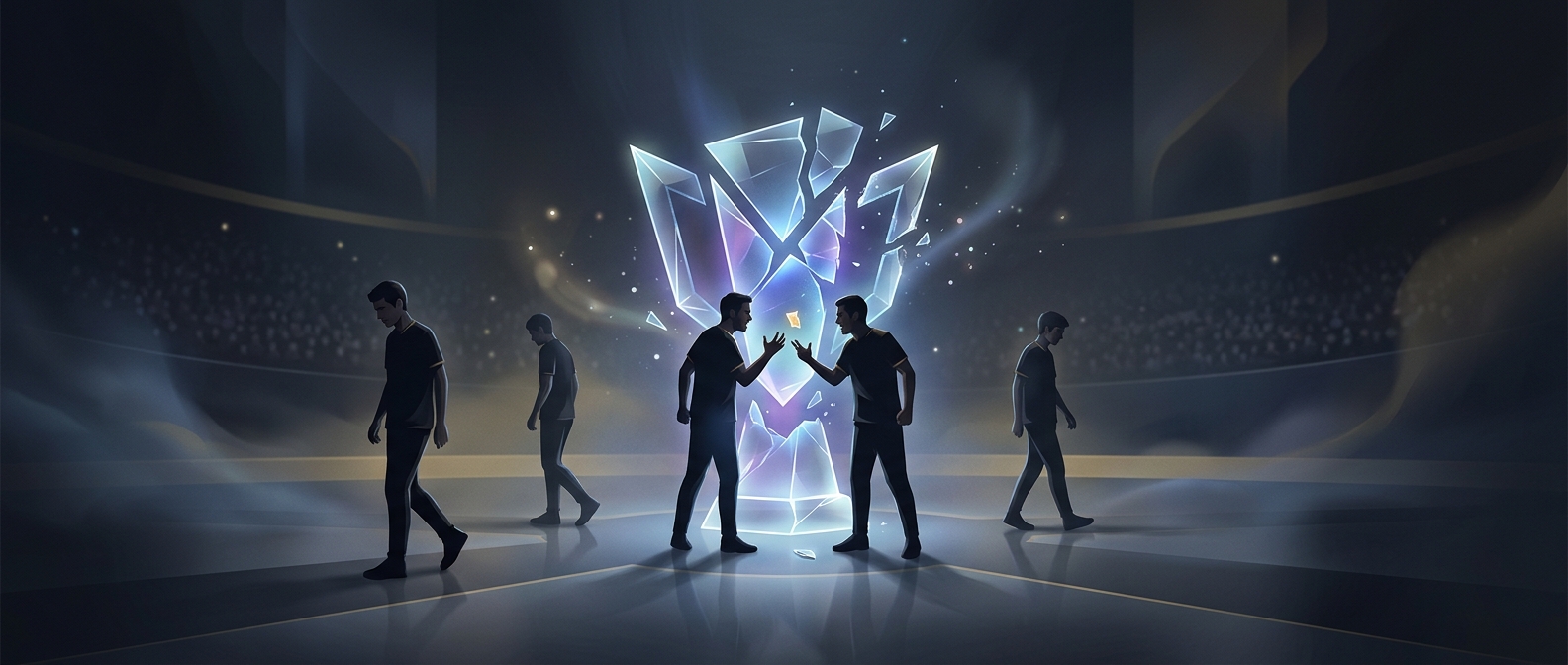
When roommate drama destroys a professional team
Even elite teams can fall apart over ordinary roommate conflicts: one player refusing to share snacks or taking an inside joke too far can become a bigger…
Discover more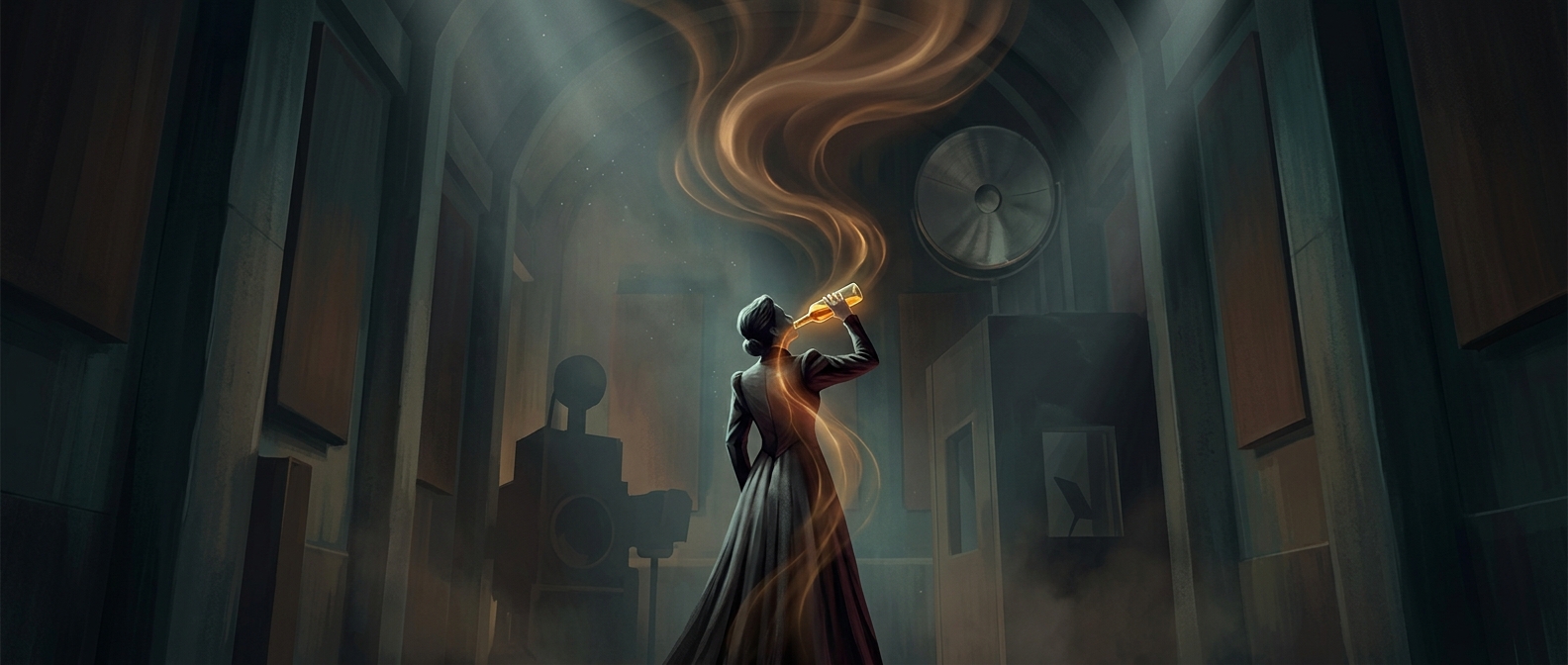
A voice actor's instrument is living tissue that needs recovery
The vocal folds vibrate as air passes between them, and sustained talking or shouting can strain the voice. Hydration, breaks, and avoiding vocal overuse…
Discover more
Regional localizations alter character names
Localization teams sometimes change character names to better suit another market’s language or cultural context, so the same character may have different…
Discover more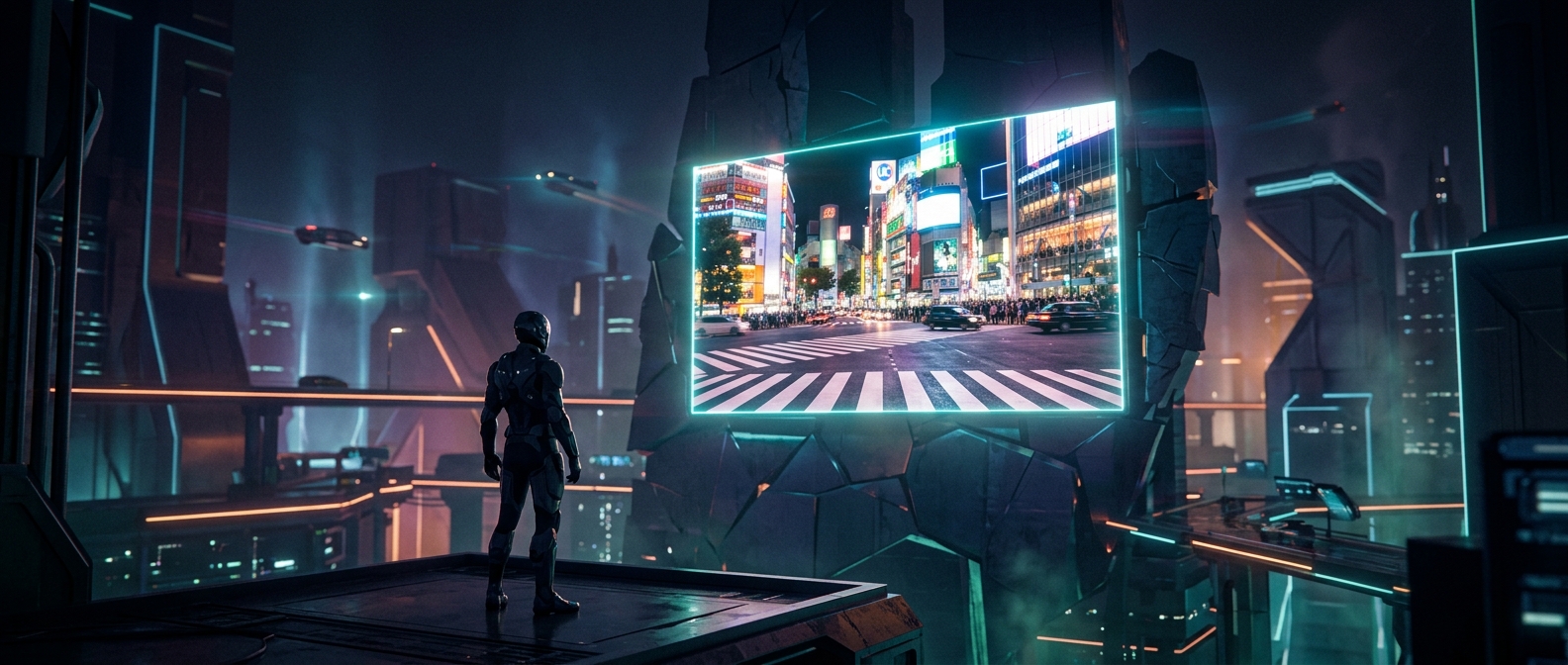
Virtual billboards serve real world advertisements
Game publishers can swap billboard textures dynamically, so a virtual street can carry real-world ad campaigns—sometimes jarringly breaking immersion.
Discover more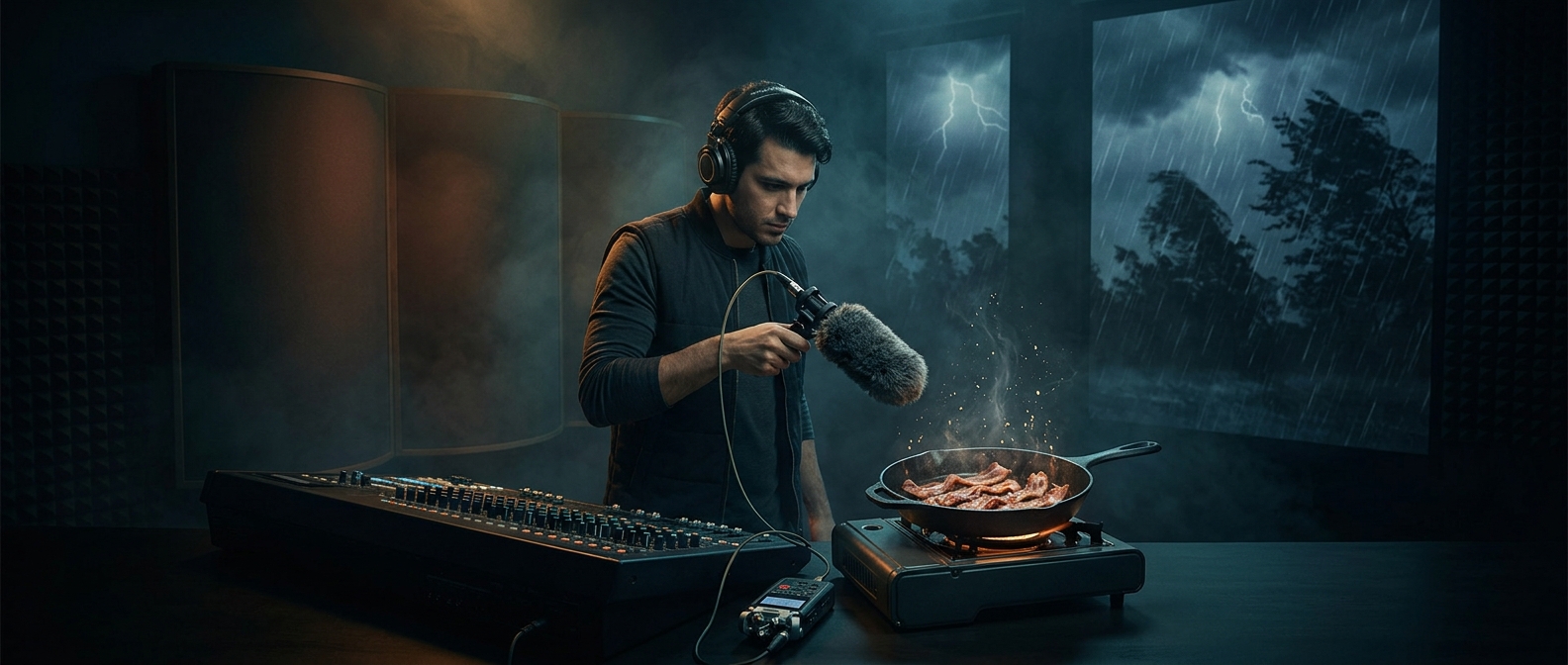
The sound of rain might be frying bacon
Audio technicians found that frying pork in a hot pan sounds like rain hitting a roof—so that cozy downpour in your digital window may actually be breakfast.
Discover more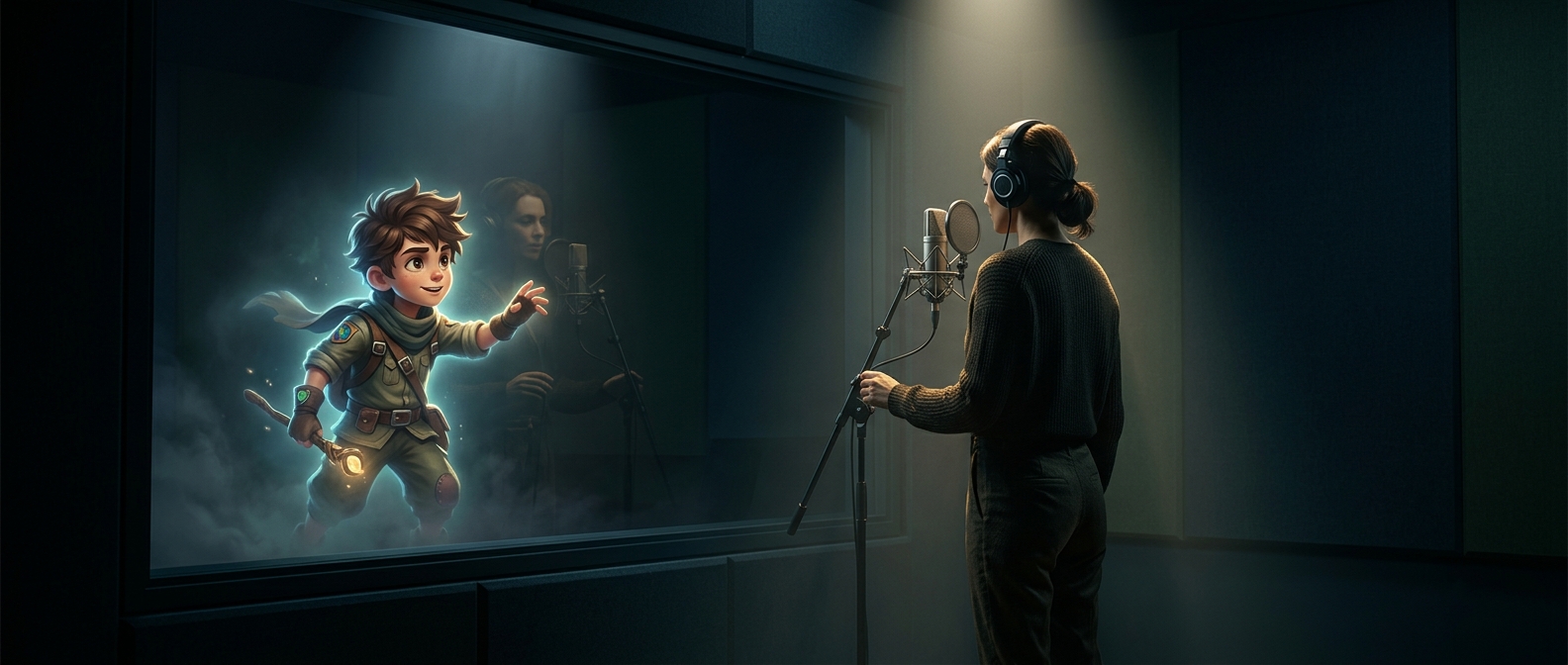
Why adult women voice so many child characters
Recording with children can be complicated by labor laws and unpredictable behavior, so studios often hire adult actresses to voice child characters. Skilled…
Discover more STACKY FOR IPHONE
A bigger world.
One discovery
at a time.
Keep discovering with Stacky. Interesting facts in an app that is always within reach.
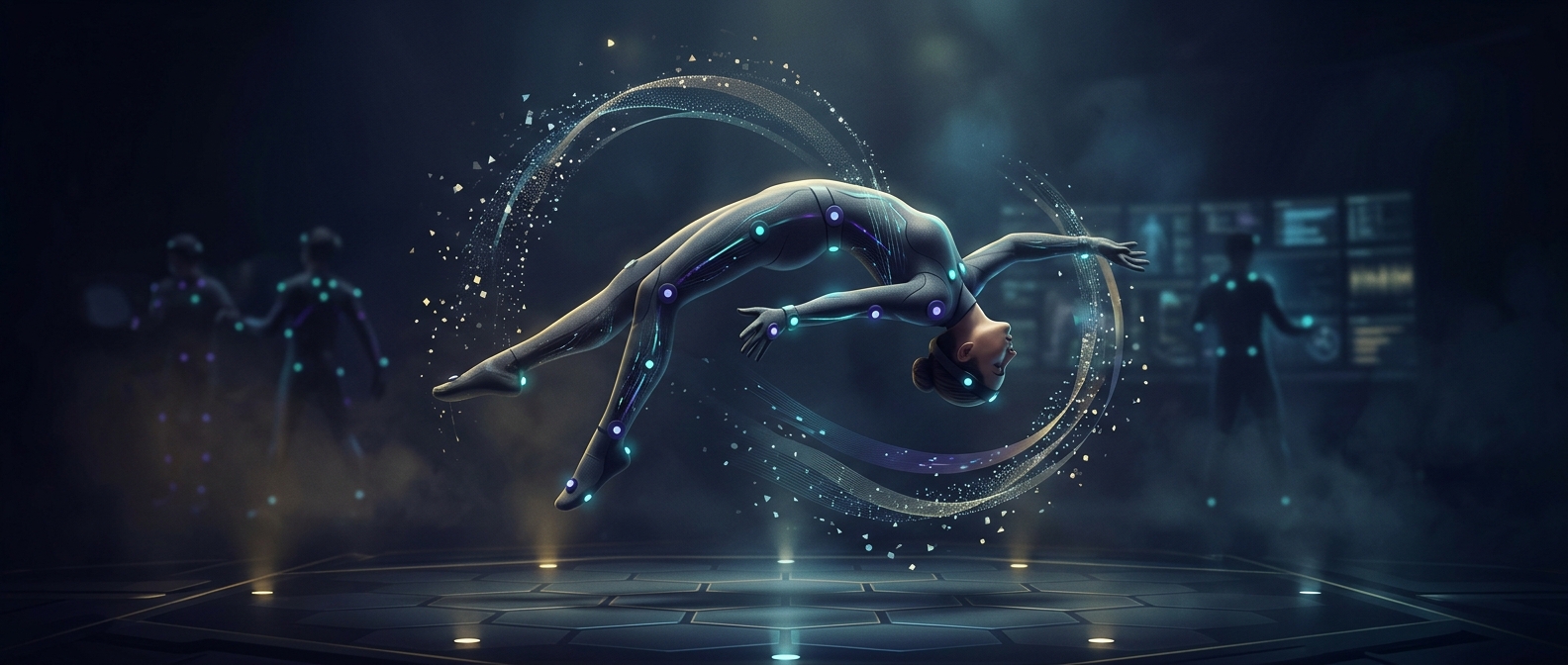
Stunt doubles perform digital backflips in tight suits
Professional stunt performers wear tracking suits to do the flips and kicks, supplying the movement for a digital character instead of the actor performing…
Discover more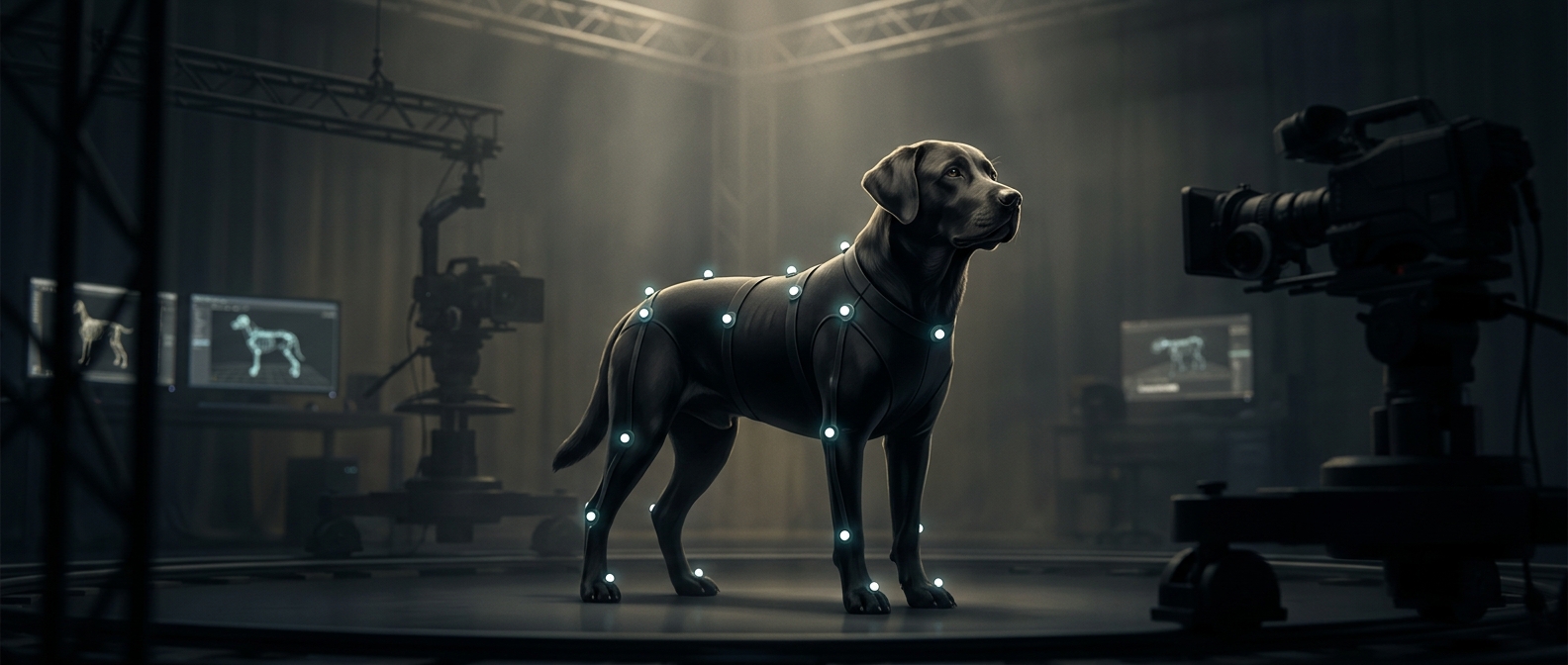
Why movie dogs wear tracking suits
Tracking markers on a snug suit let production teams capture a dog’s movements, including its tail wag, for animation.
Discover more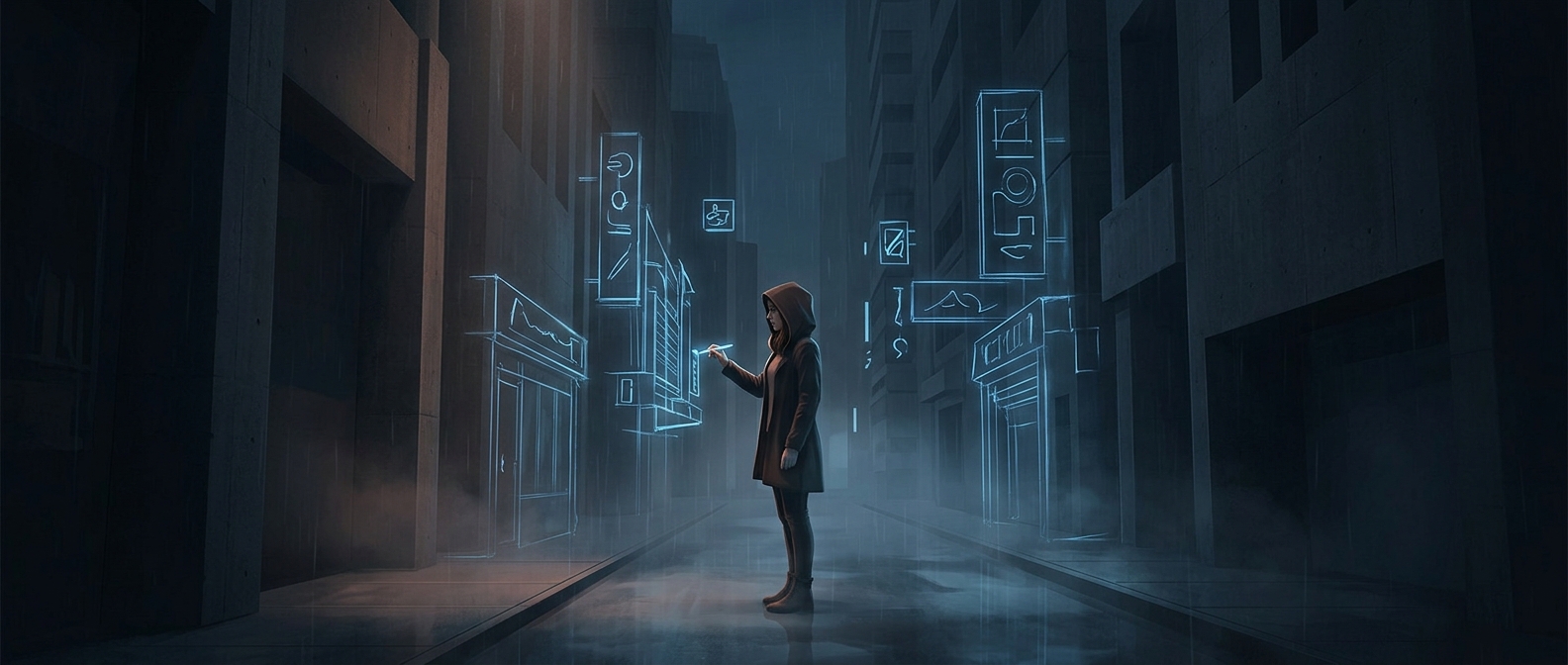
Why video games invent fake brands
Invented ads let game makers fill billboards with realistic-looking clutter without paying licensing fees.
Discover more
How a coffee cup became a monster's breath
Sound designers can make a monster’s breath by whispering into a paper coffee cup and distorting the recording. A break-room cup can become a creature…
Discover more
Colorblind accessibility options change entire palettes
Games may replace red- and green-coded warnings or team markers with more distinguishable colors, helping players spot hazards and tell allies from enemies.
Discover more
Resident Evil 7's artists went shopping for real animal organs
Capcom's team used photogrammetry: photographs from different angles became detailed 3D models. To give the horror game's objects convincing surfaces, they…
Discover more
Diablo became itself when its creator stopped waiting for turns
David Brevik originally wanted turn-based combat and resisted the push toward real time. Once he tested the change, clicking a monster and immediately…
Discover more
Some N64 games needed a red RAM upgrade
Some demanding N64 games required players to install a red Expansion Pak in the console’s top slot to add four megabytes of RAM.
Discover more
The Sega CD turned a console into a bulky stack
It needed its own large power supply, turning the console into a bulky stack that could barely fit on a standard entertainment center shelf.
Discover more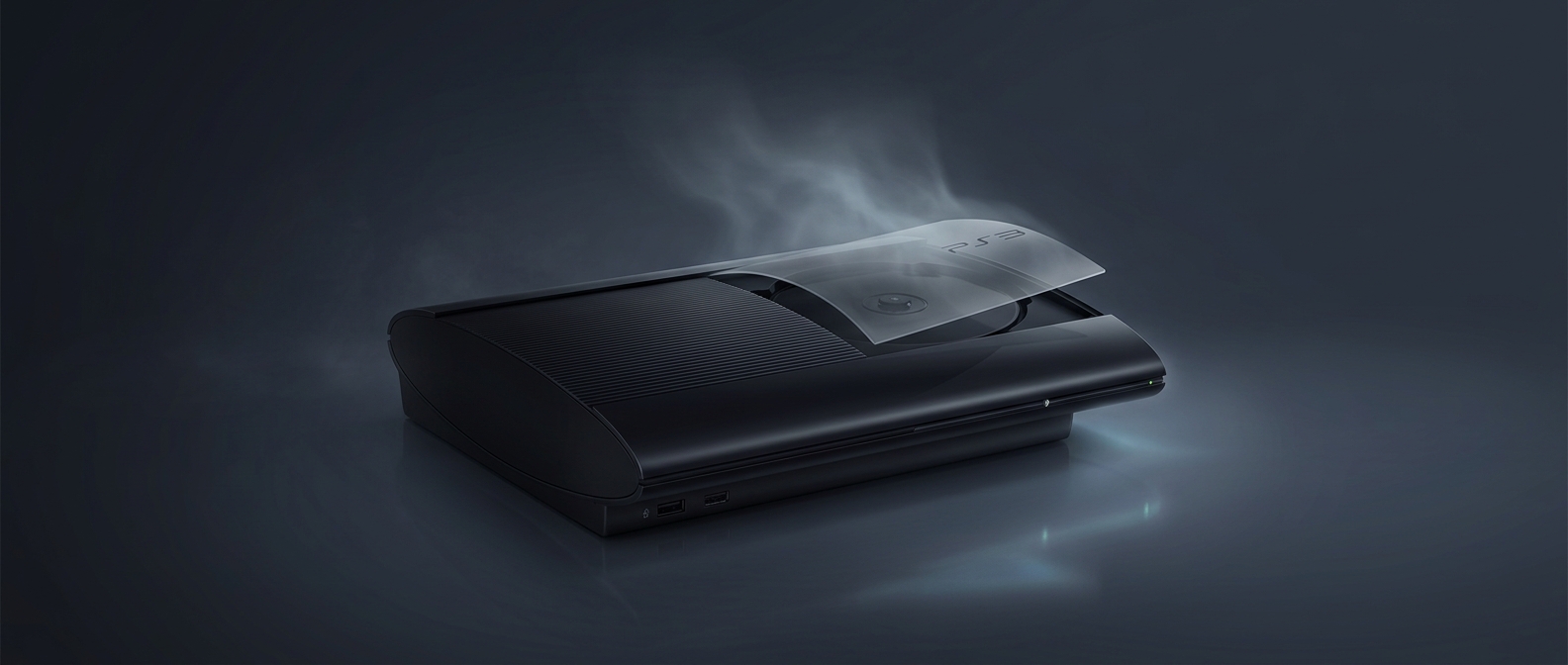
PlayStation 3 Super Slim possessed a flimsy sliding cover
The Super Slim swapped the motorized disc slot for a manually sliding, ribbed-plastic cover.
Discover more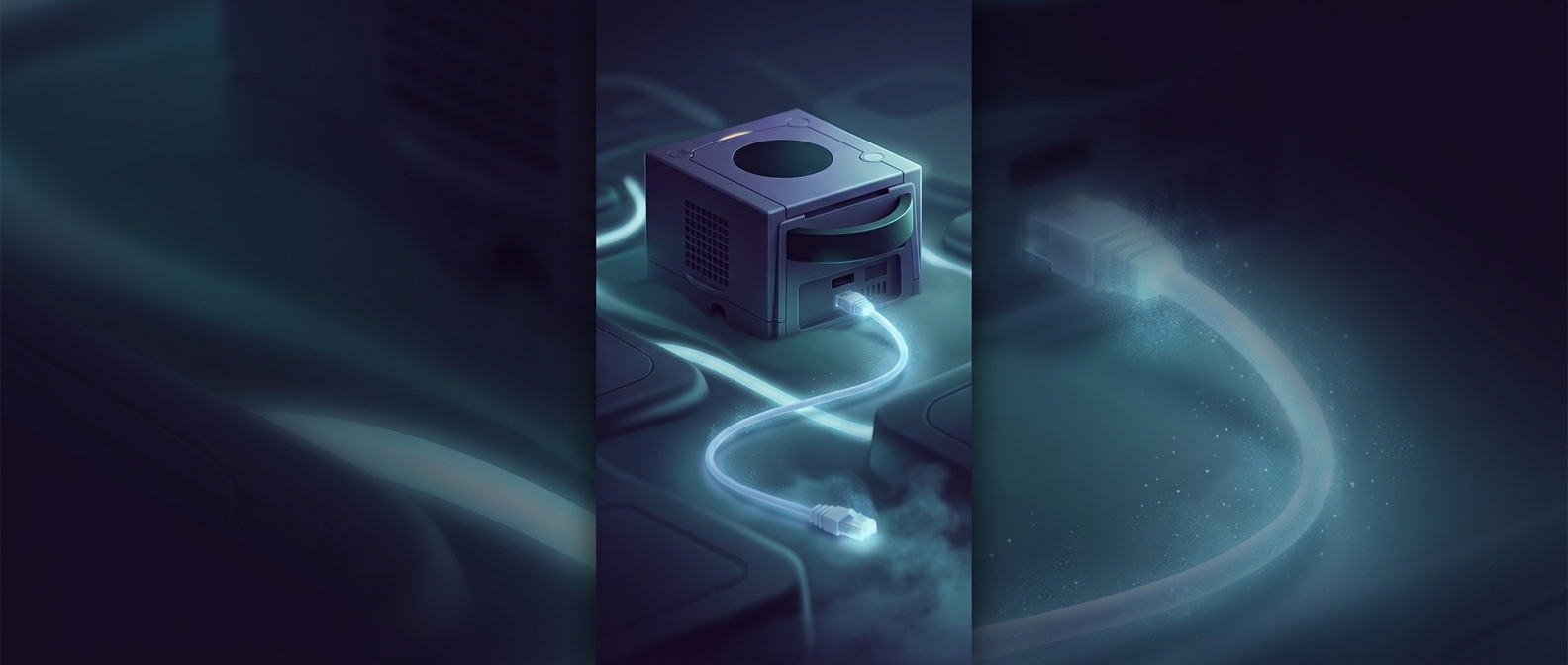
Mario Kart could turn eight GameCubes into one race
Double Dash's LAN mode could connect eight consoles through broadband adapters and a network hub. Each station could have its own TV, with up to eight…
Discover more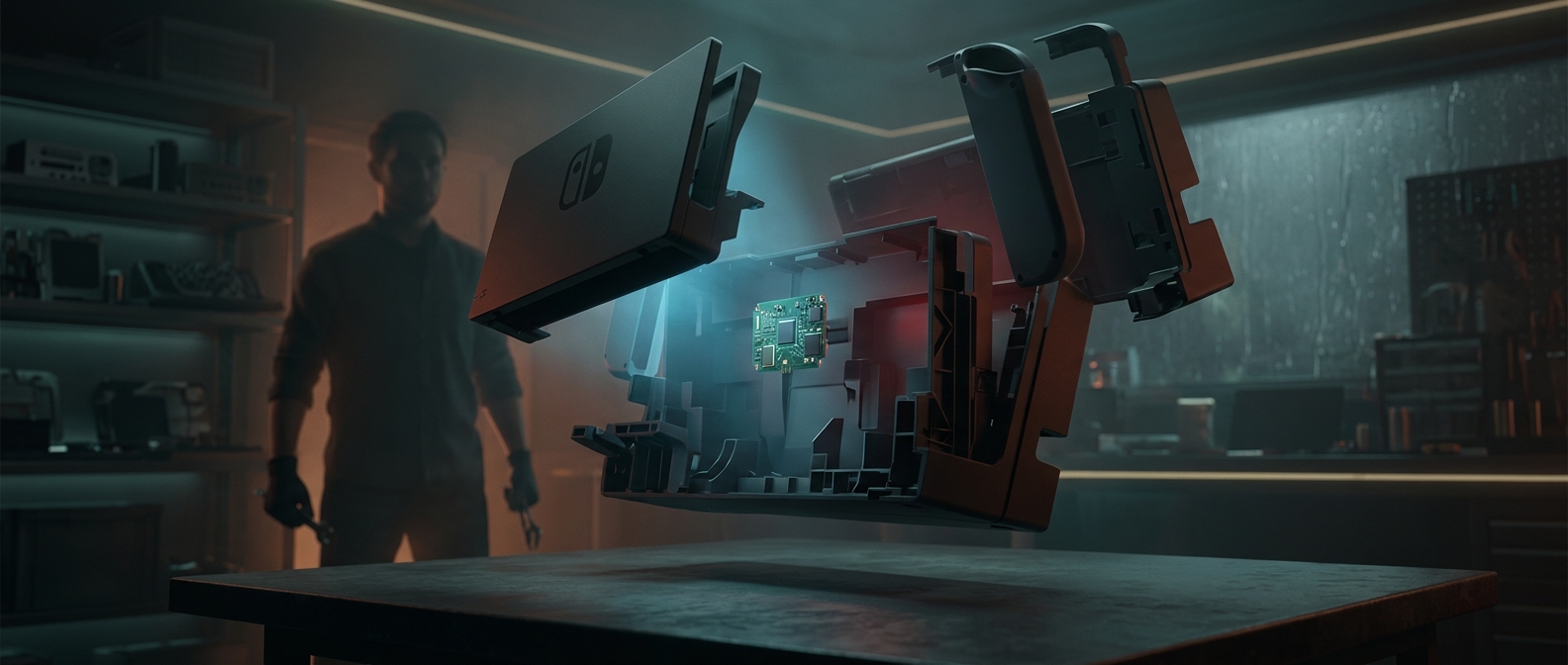
The Switch dock lets the console keep doing the computing
The original Switch runs the game inside the handheld unit even when you play on a TV. The dock supplies power and routes video to HDMI; it isn't a second…
Discover more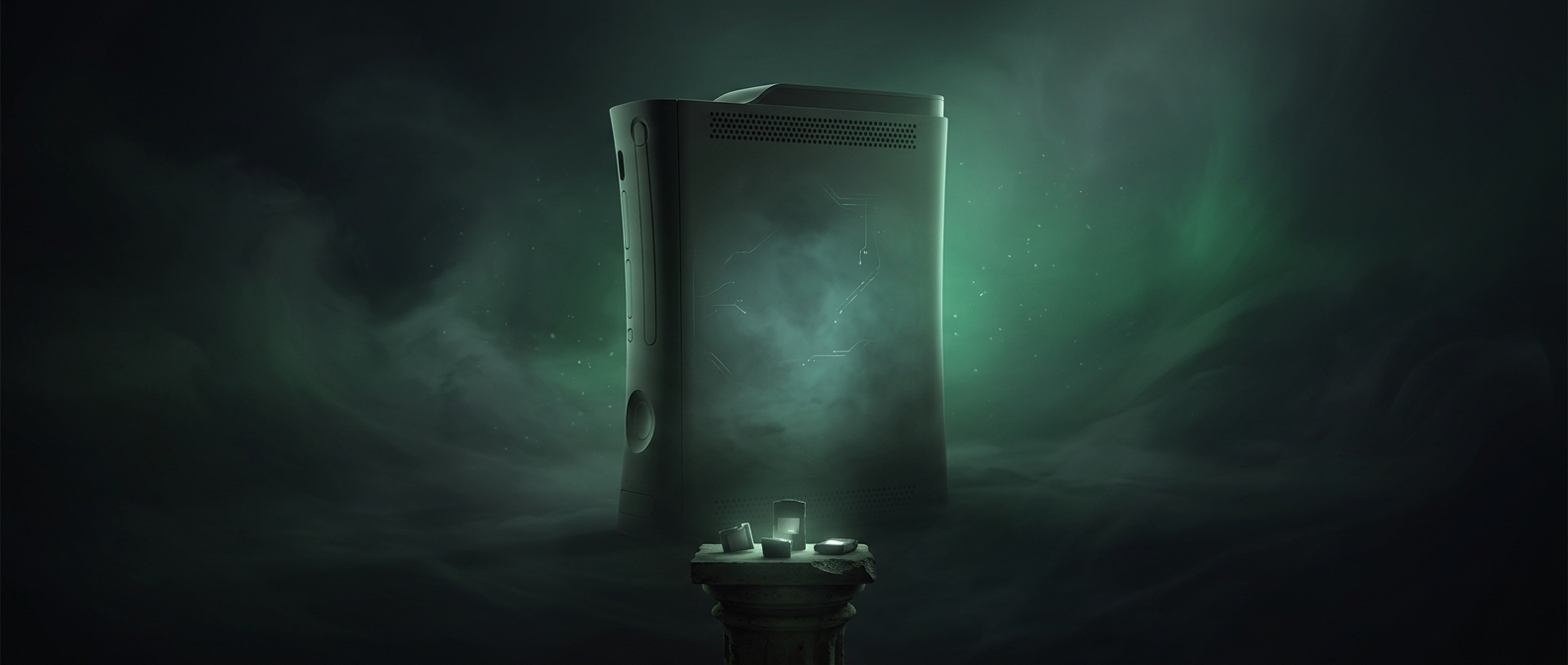
The Xbox 360 that could not save your progress
The cheapest model shipped without a hard drive, so players with nowhere else to save had to leave the console running to preserve their progress.
Discover more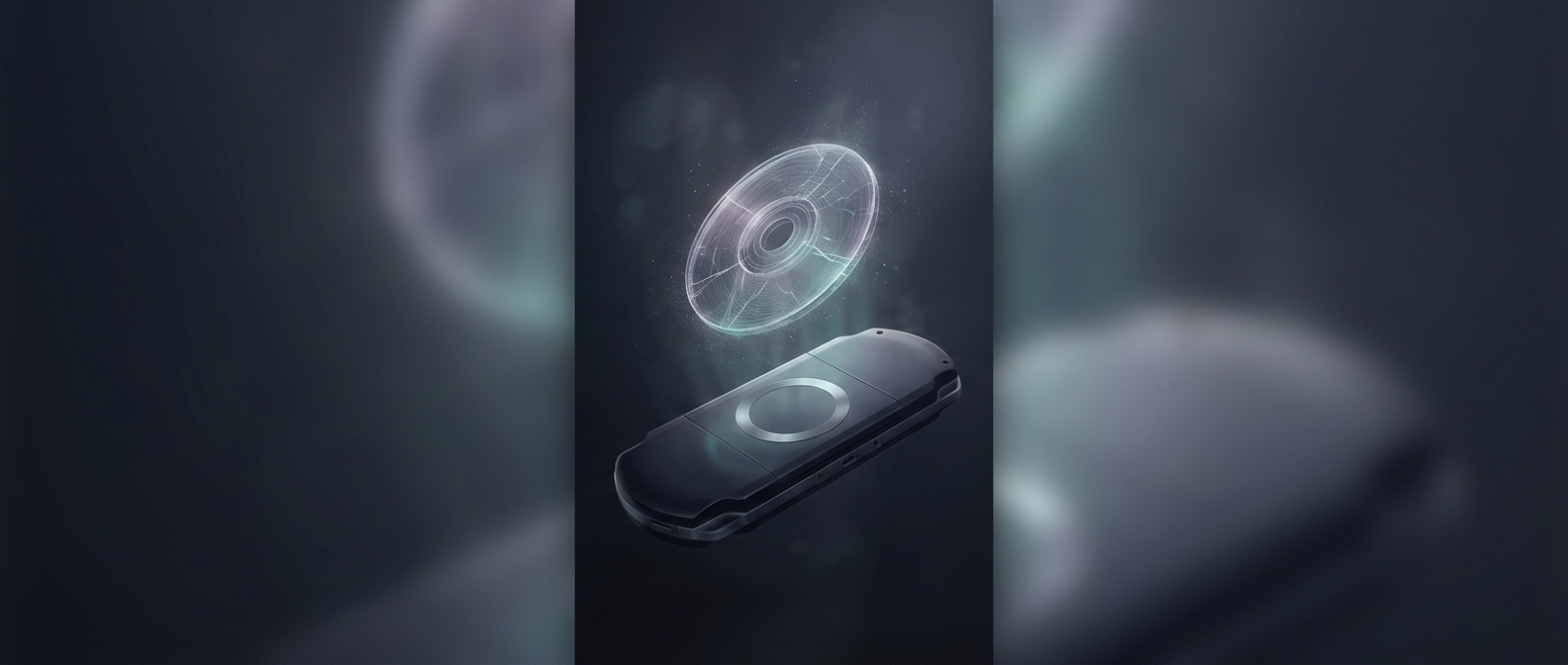
The PlayStation disc that lived inside a plastic shell
Sony's Universal Media Disc put a small optical disc inside a plastic shell for the PlayStation Portable. The shell could snap open and expose the disc to…
Discover more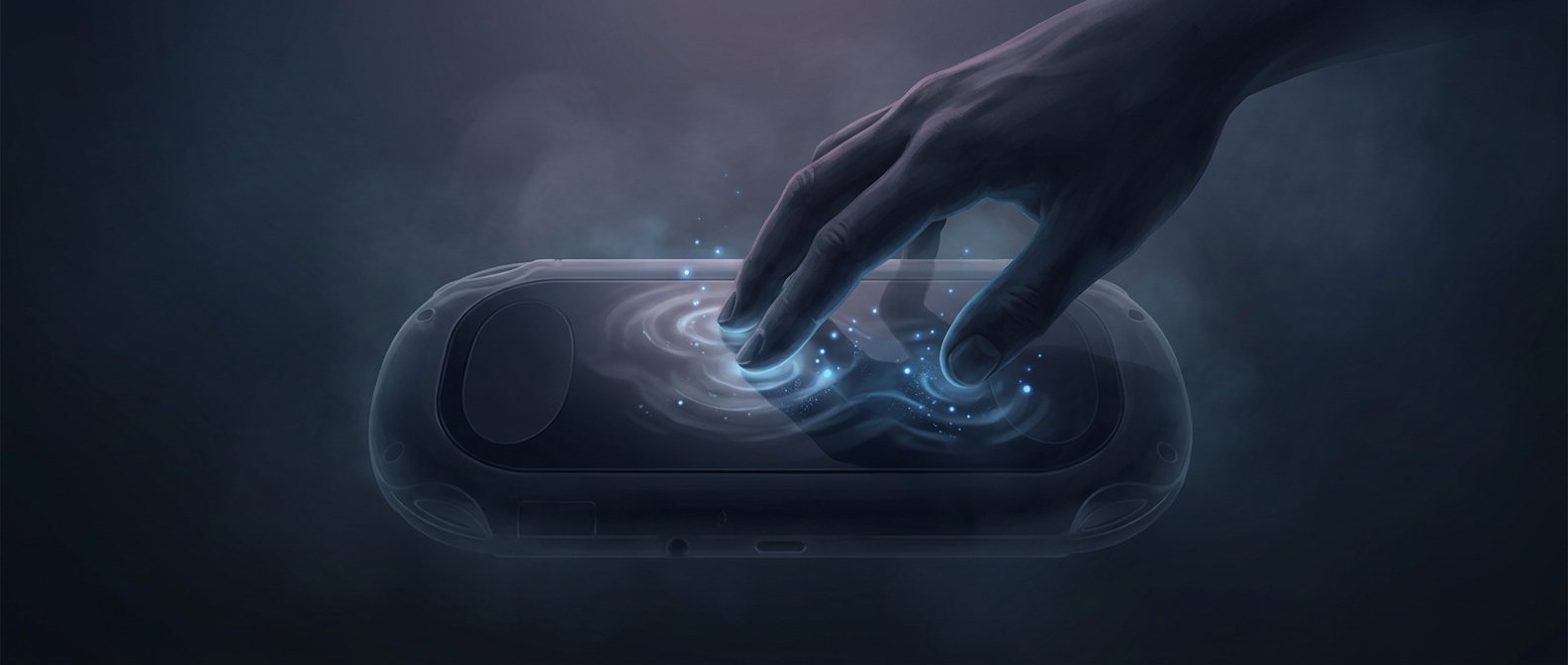
The PlayStation Vita had a touchpad on its back
A capacitive touchpad covered the back of the Vita, so players could trigger accidental inputs just by resting their fingers on the system.
Discover more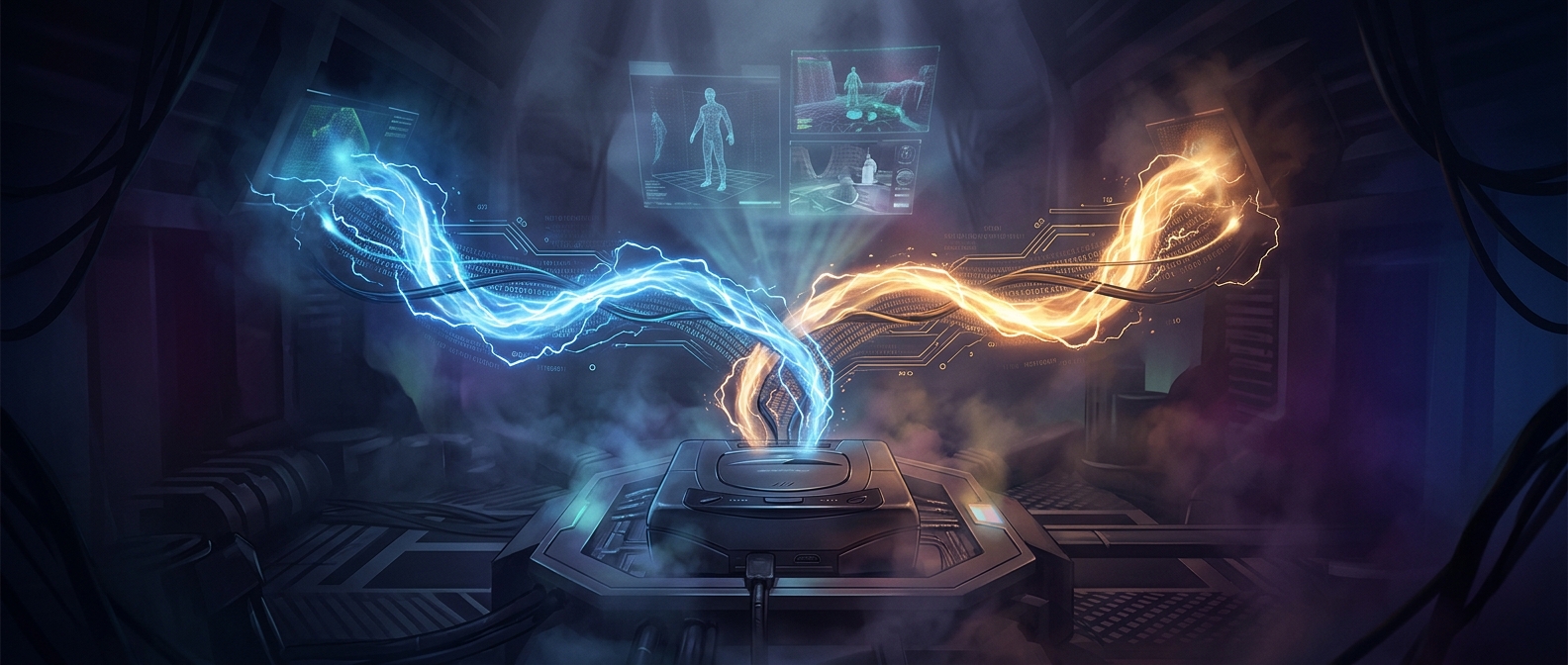
Why the Sega Saturn had two processors
Sega added a second processor to improve the Saturn's 3D capabilities, but the complicated design made the console difficult to program efficiently.
Discover more
Game Boy Micro was inexplicably tiny and lacked features
Released as a late-life redesign, it was about the size of a candy bar, with bright metal faceplates but no backward compatibility with older cartridges. Its…
Discover more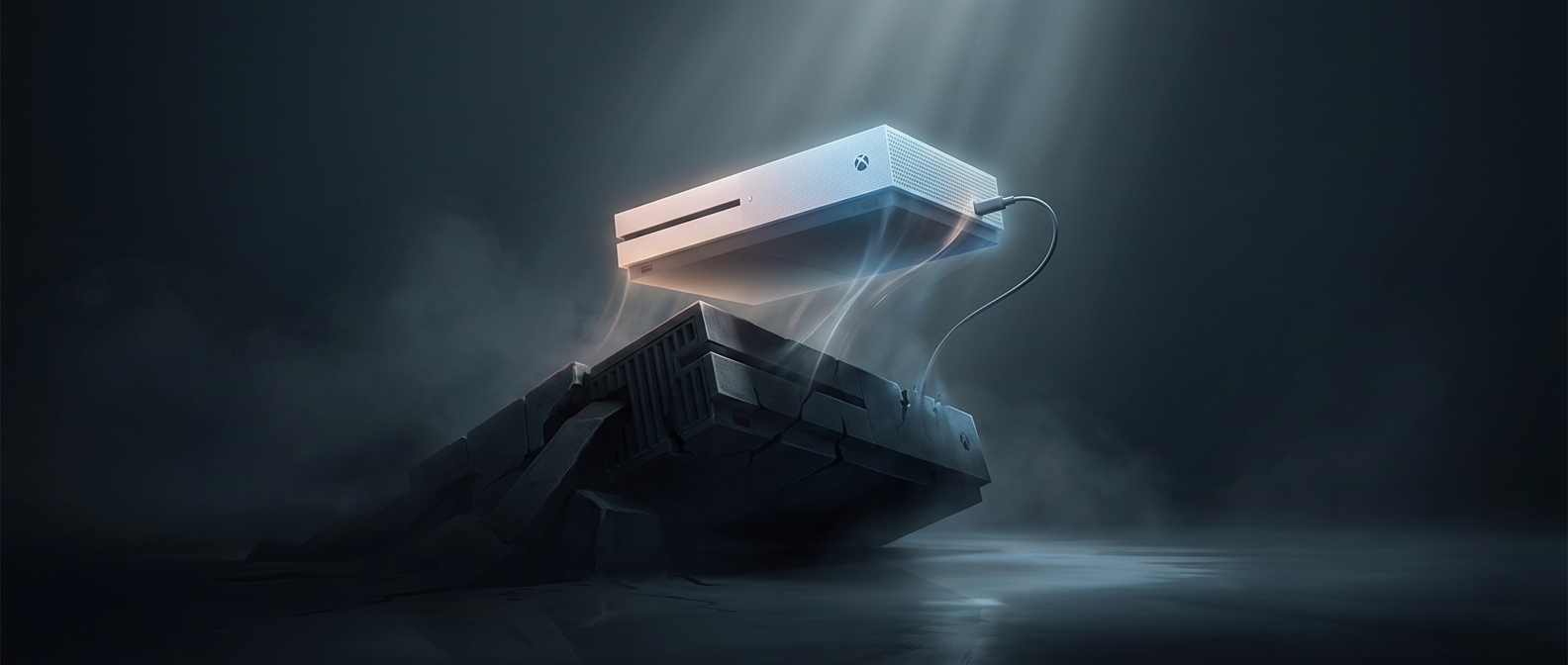
Xbox One S removed the massive proprietary power brick
The redesign moved the power supply inside the console, eliminating the bulky brick that had hung from earlier Xbox power cables.
Discover more