The world is more interesting than you think.
Unexpected facts, big ideas, and little discoveries. Find something that sparks your curiosity today.
A little more wonder
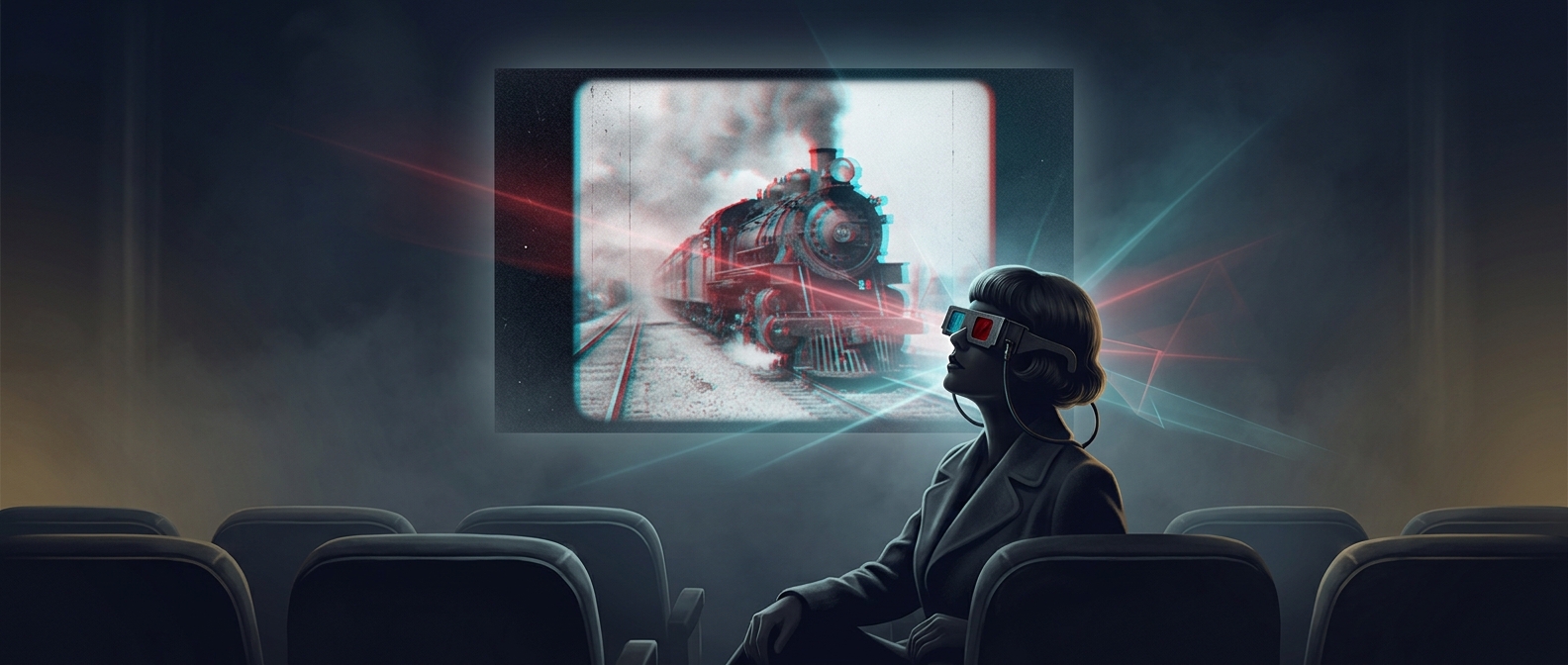
Three dimensional cinema is a century old
The first commercial film to use red-and-green anaglyph glasses debuted in 1922.
Discover more
Why brilliant people still believe bizarre things
Being clever gives you more tools for building an argument; it doesn’t guarantee you’ll use those tools to challenge yourself. If a strange belief feels…
Discover more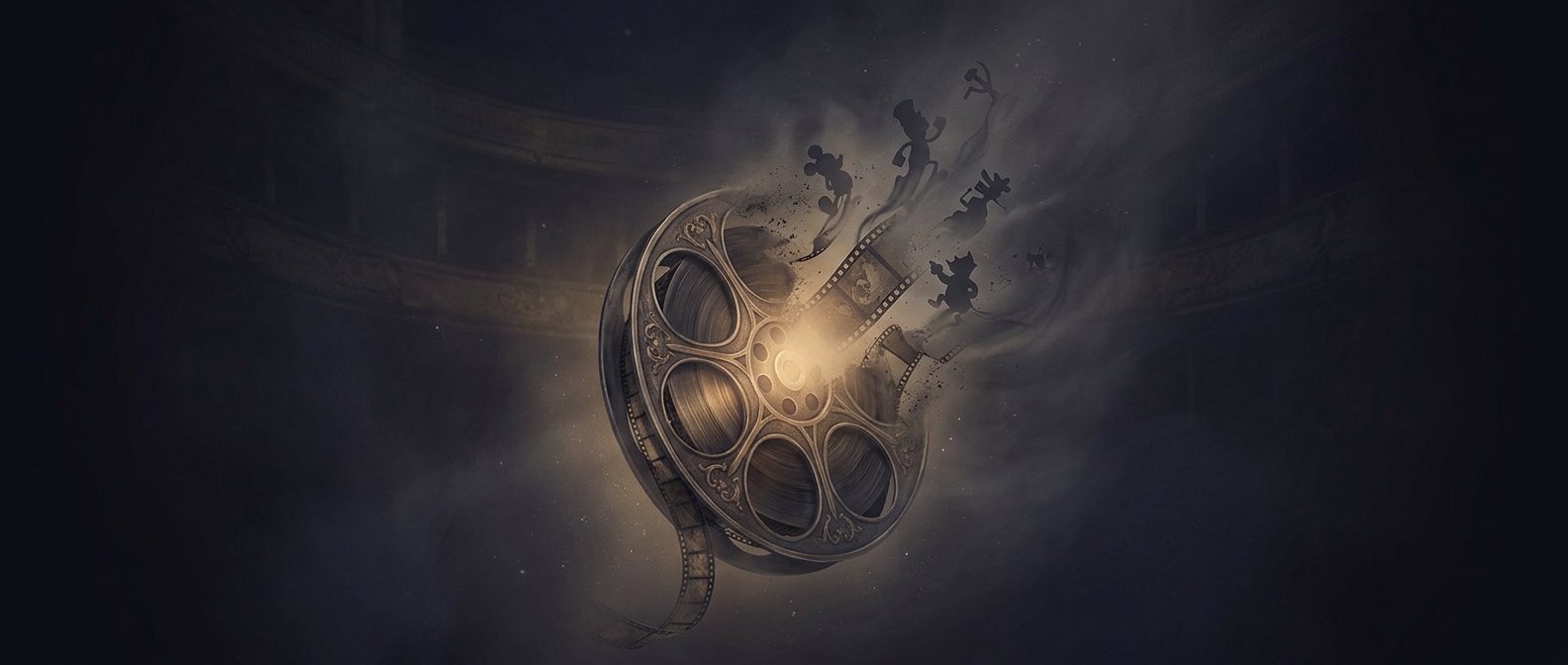
The first feature-length animated film came from Argentina
An Argentine filmmaker made the 70-minute political satire El Apóstol in 1917 using cutout animation—20 years before Snow White. Every reel was later…
Discover more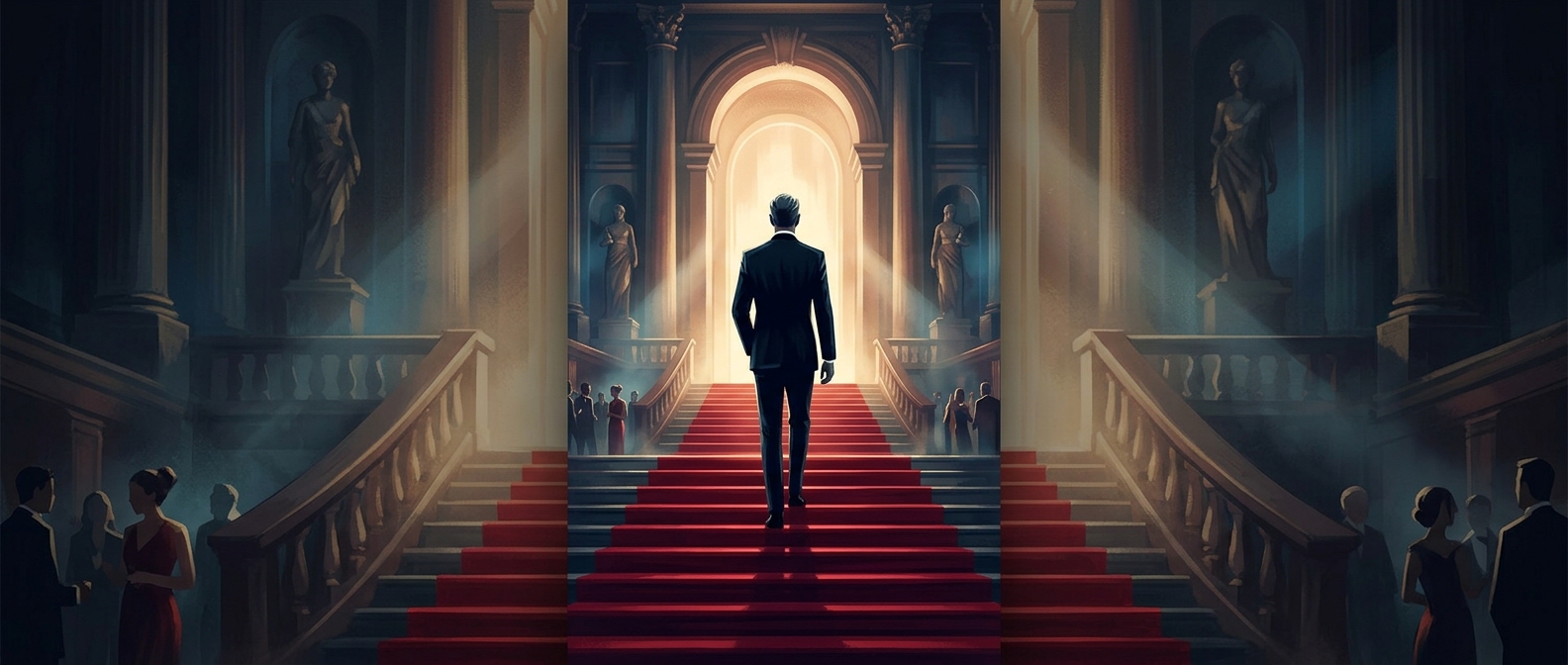
The Oscars turned their red carpet into a sunset scene
For the 2023 ceremony, organizers replaced the familiar red with champagne, breaking a carpet tradition dating to 1961. Designer Lisa Love explained the…
Discover more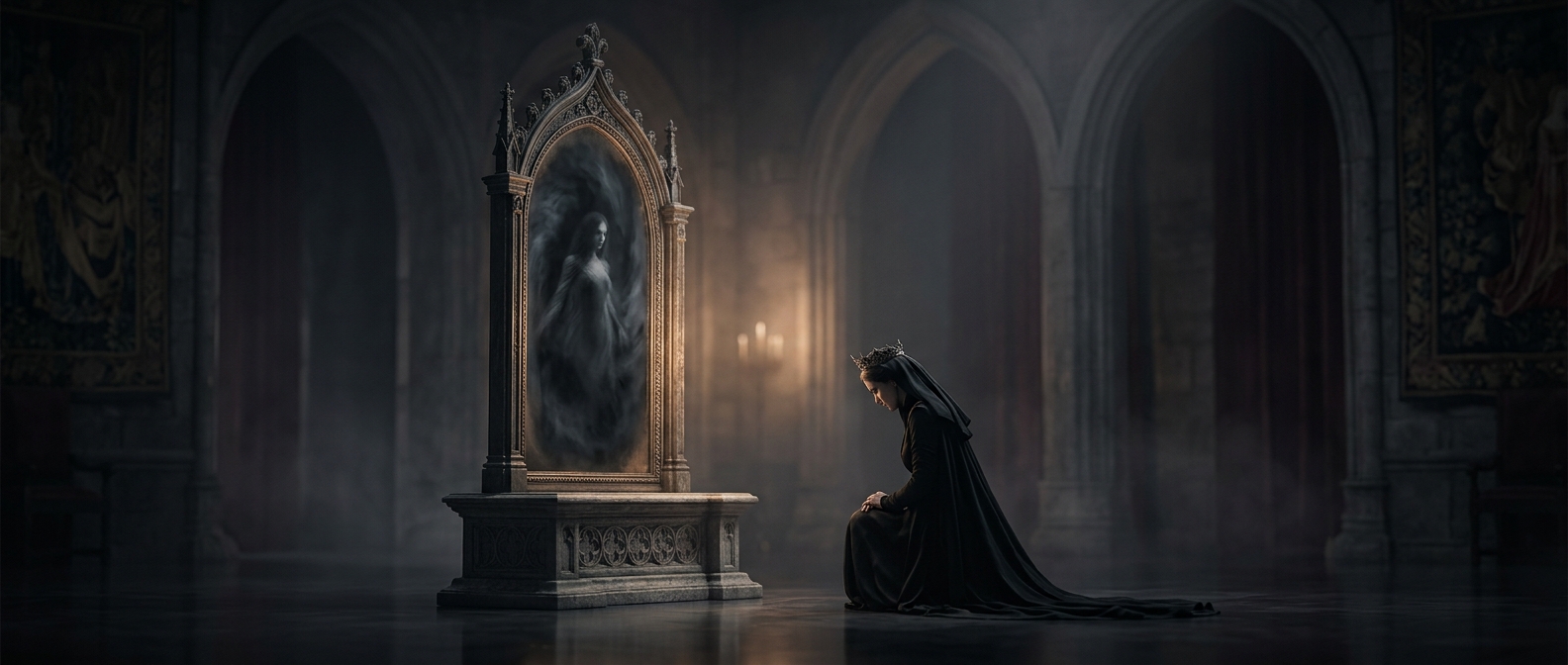
A mirror summoning legend stems from a grieving queen
The nickname was attached to a paranoid monarch who suffered repeated miscarriages; rumors claimed she killed enemies to preserve her youth.
Discover more
Why the mouse wheel was invented
An impatient software developer wanted to navigate large arrays of corporate financial data without repeatedly dragging narrow, pixelated scrollbars.
Discover more STACKY FOR IPHONE
A bigger world.
One discovery
at a time.
Keep discovering with Stacky. Interesting facts in an app that is always within reach.
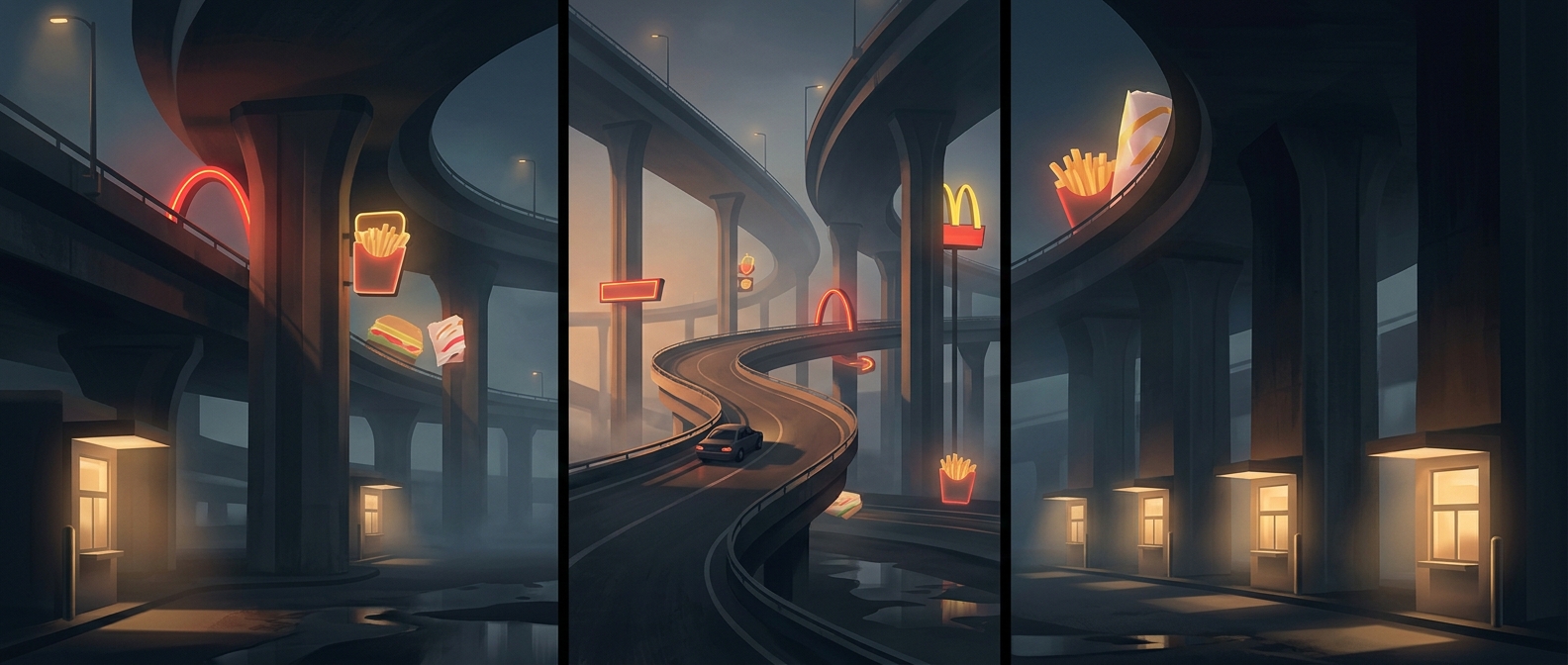
McDonald's earns money from the ground beneath its restaurants
Its franchise model can make the corporation both brand owner and landlord: franchisees pay rent as well as fees tied to operating under the name. The…
Discover more
A spoiler once robbed people of more than a movie ending
The word originally described a plunderer. Later uses included competitors who wrecked another person's chance of winning, and eventually information that…
Discover more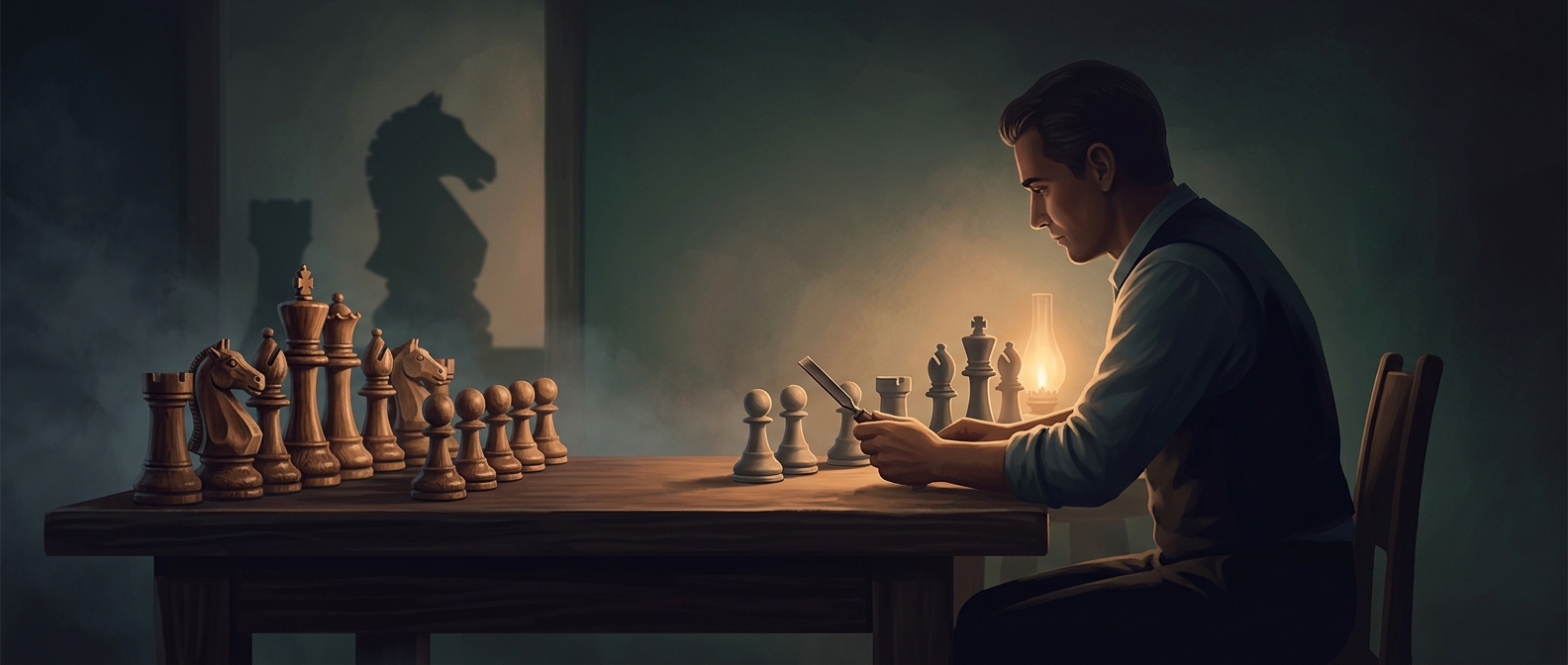
Chess pieces got simpler so players could read the board
The Staunton pattern, introduced in 1849, gave each piece a distinct silhouette and a stable base. Earlier decorative sets could make opponents stop to…
Discover more
Ancient players rolled little pyramids instead of cubes
The Royal Game of Ur used tetrahedral dice, with marked corners determining the result. Examples excavated from Ur's royal cemetery date to around 2600 BCE. A…
Discover more
A child's brain can adapt after one hemisphere is disconnected
For some severe epilepsy cases, surgeons disconnect or remove much of one hemisphere to stop seizures spreading. The remaining side can support surprisingly…
Discover more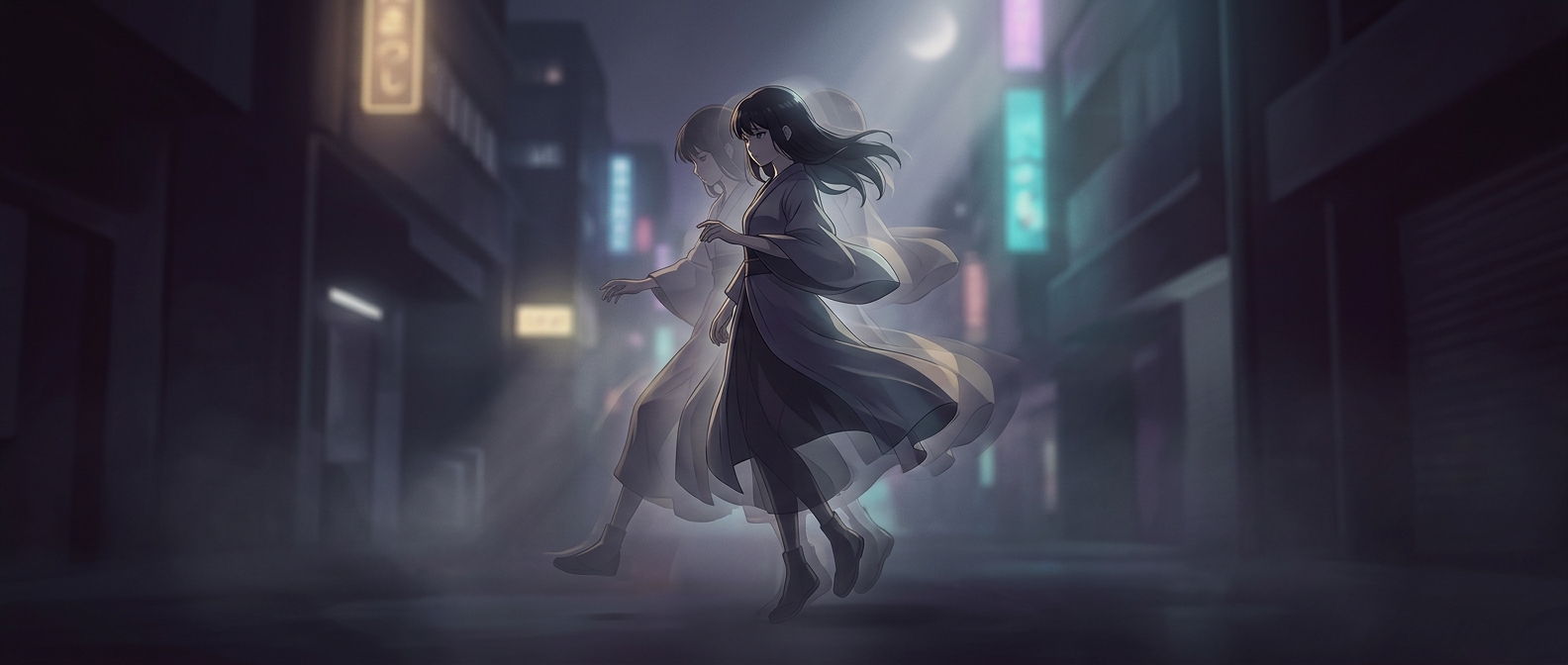
Why anime often looks deliberately choppy
Holding one drawing for three consecutive frames reduces the number of images needed, creating the deliberately choppy rhythm associated with many traditional…
Discover more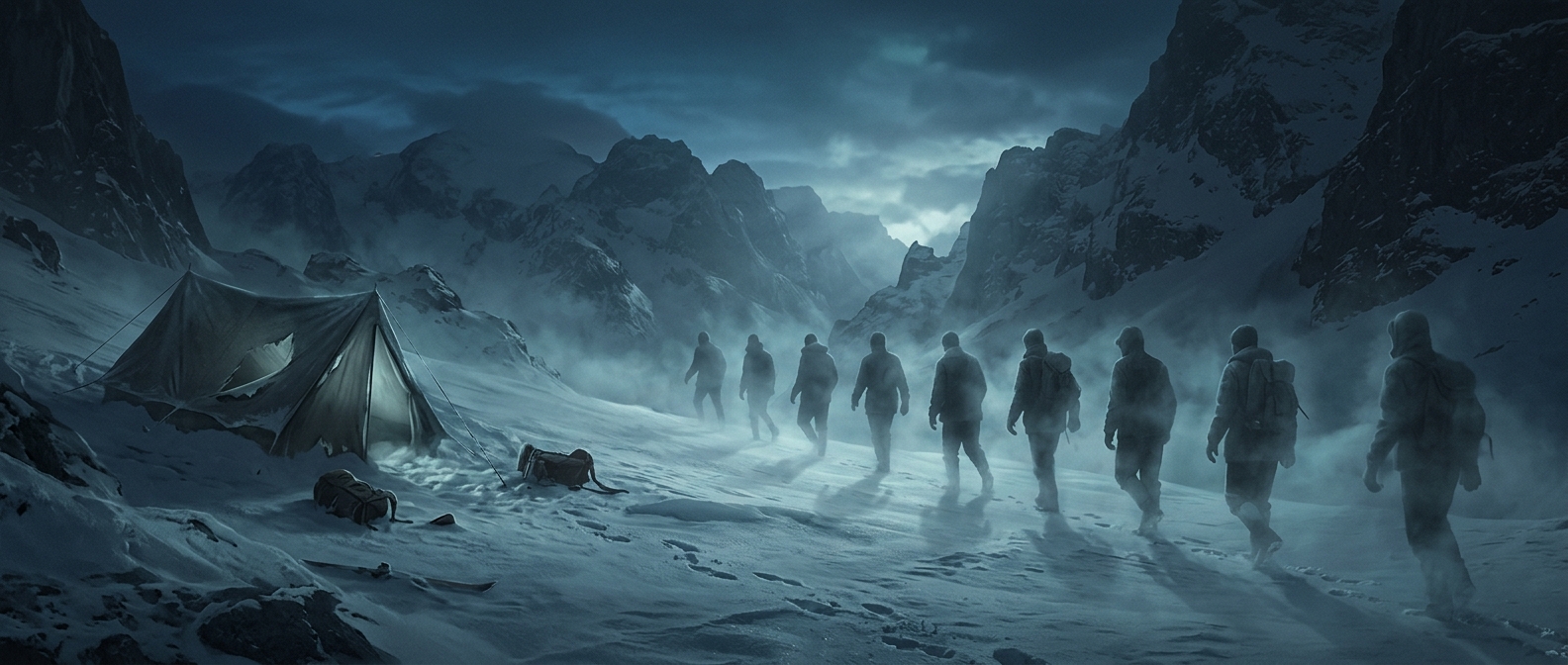
Nine experienced hikers vanished in Dyatlov pass
In 1959, nine Soviet mountaineers fled their tent into a blizzard; some were later found without shoes, and traces of radioactivity were detected on some of…
Discover more
A seaworthy naval ship was found entirely abandoned
The lifeboat was gone, yet there was no sign of violence or catastrophic flooding to explain why the crew left.
Discover more
Why dry food won't go down without saliva
Saliva wets dry food and binds it into a soft, slippery lump that can travel safely down your throat. Without that coating, crackers stay scratchy and pills…
Discover more
Montana has a river you can walk past in a minute
The Roe River runs just 201 feet from Giant Springs to the Missouri River. It has a source, a channel, and a mouth like a much larger river; the entire…
Discover more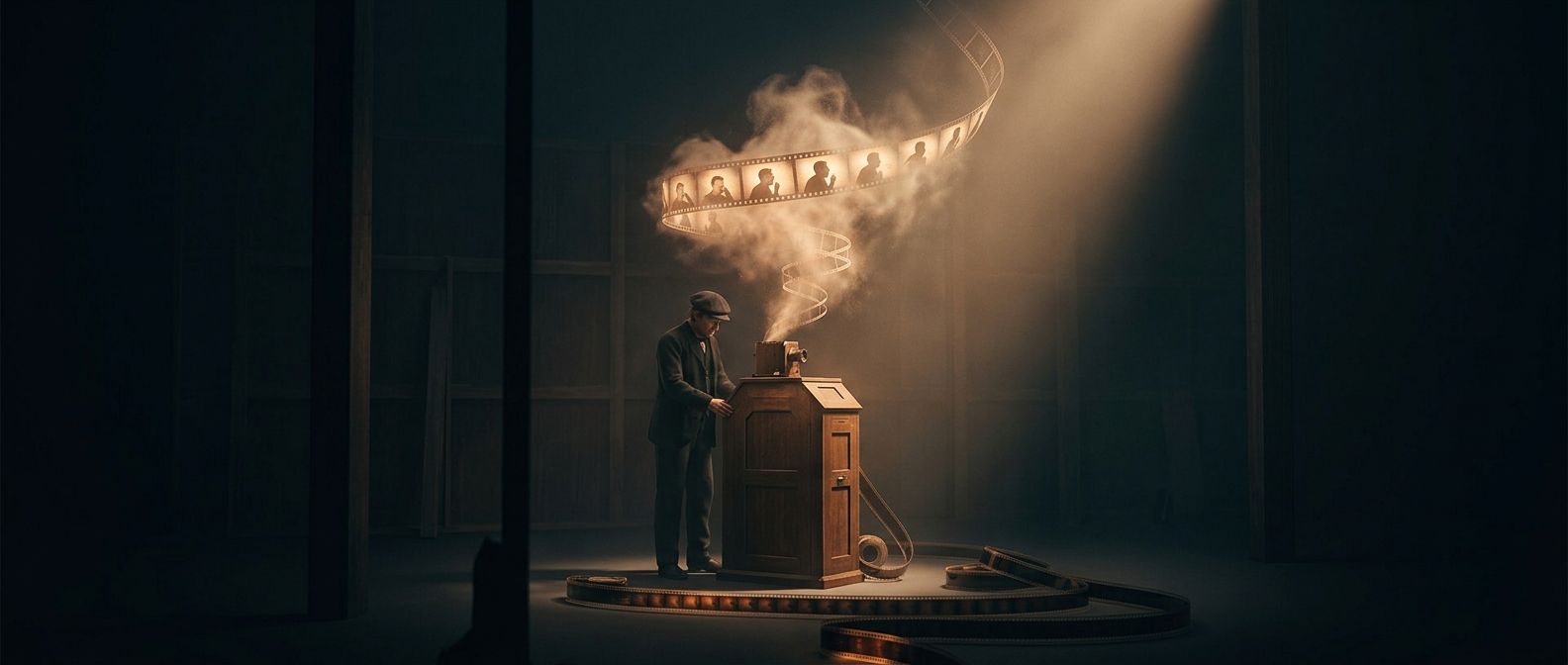
A sneeze helped put movies into copyright history
In 1894, Edison's team filmed Fred Ott sneezing and submitted a sequence of frames as a still picture for copyright. The Library of Congress describes it as…
Discover more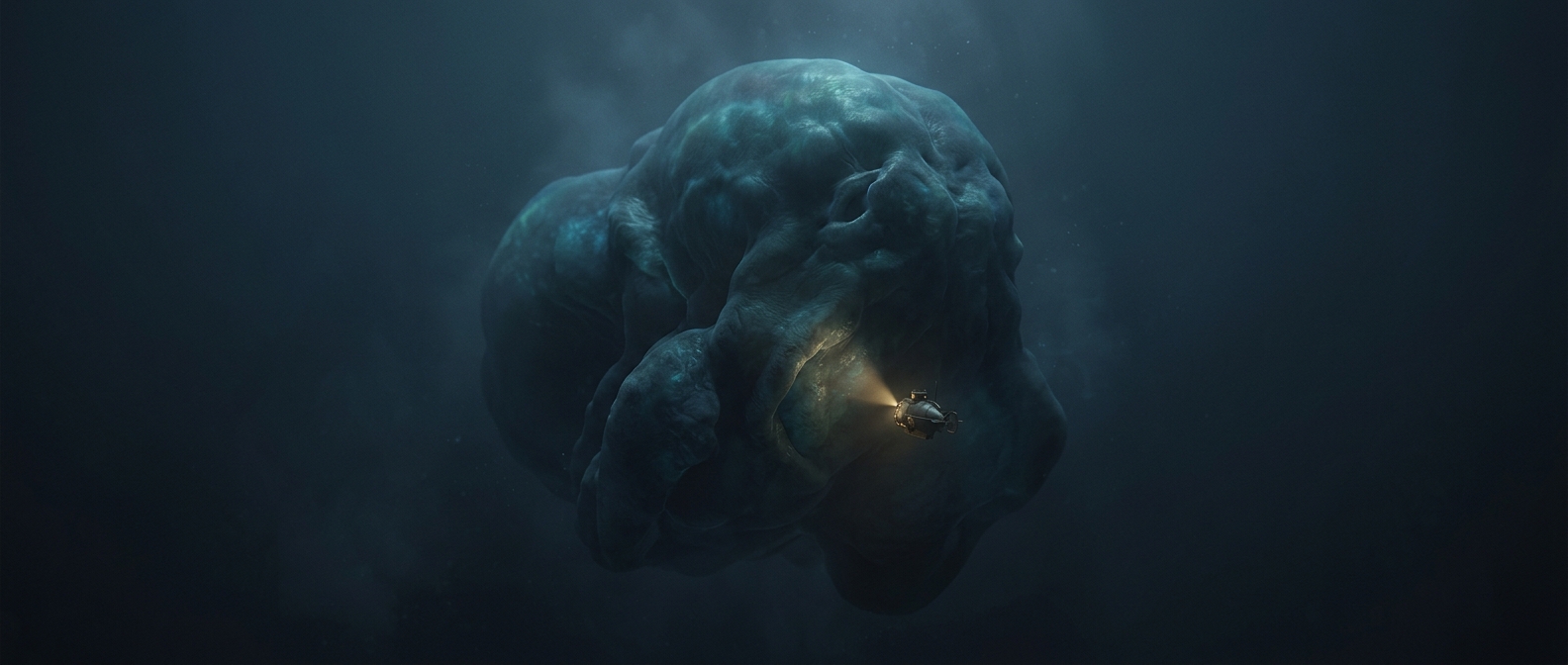
St. Augustine monster was a fleshy blob from the deep
Biologists once guessed it was an undiscovered prehistoric octopus, but later microscopy identified the mass as sperm-whale blubber.
Discover more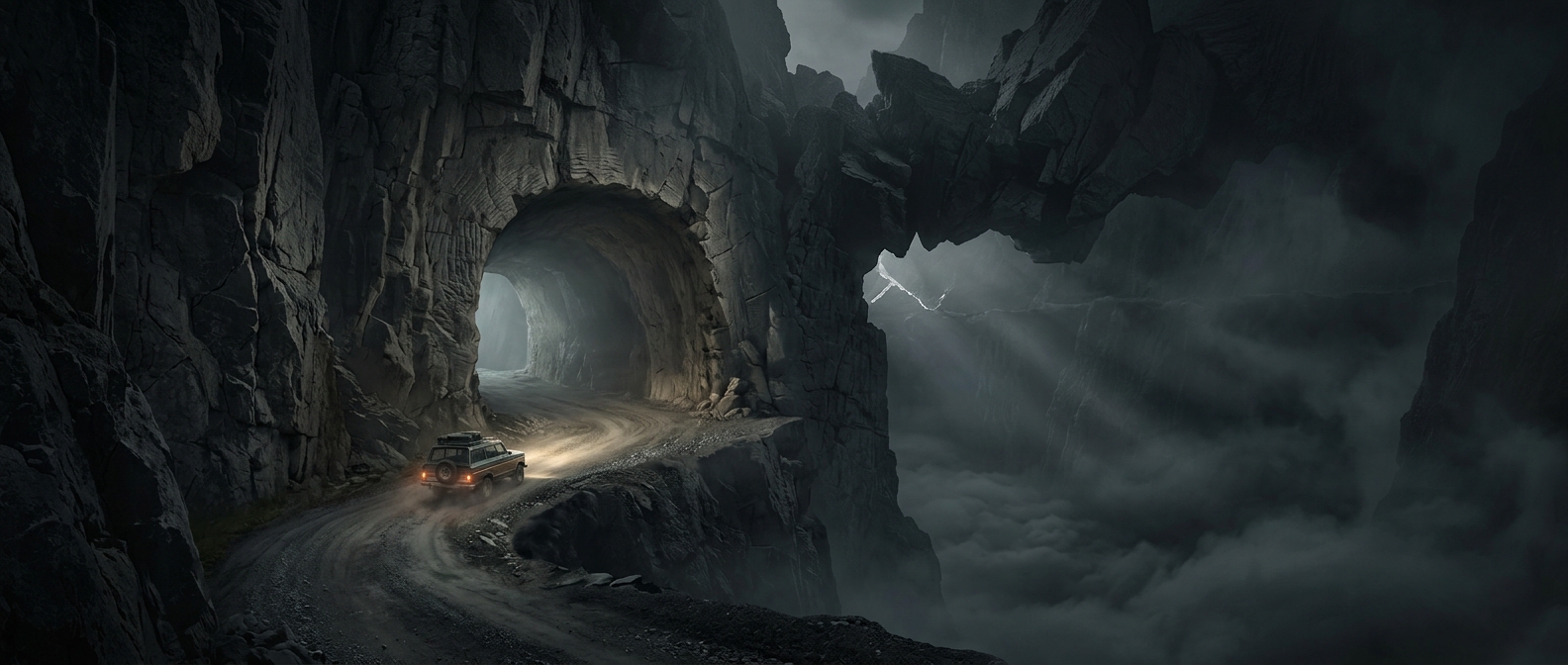
Guoliang's road runs through the cliff that isolated the village
Villagers in China's Taihang Mountains carved a tunnel route through rock in the 1970s. Openings along its side admit light and reveal the drop outside.…
Discover more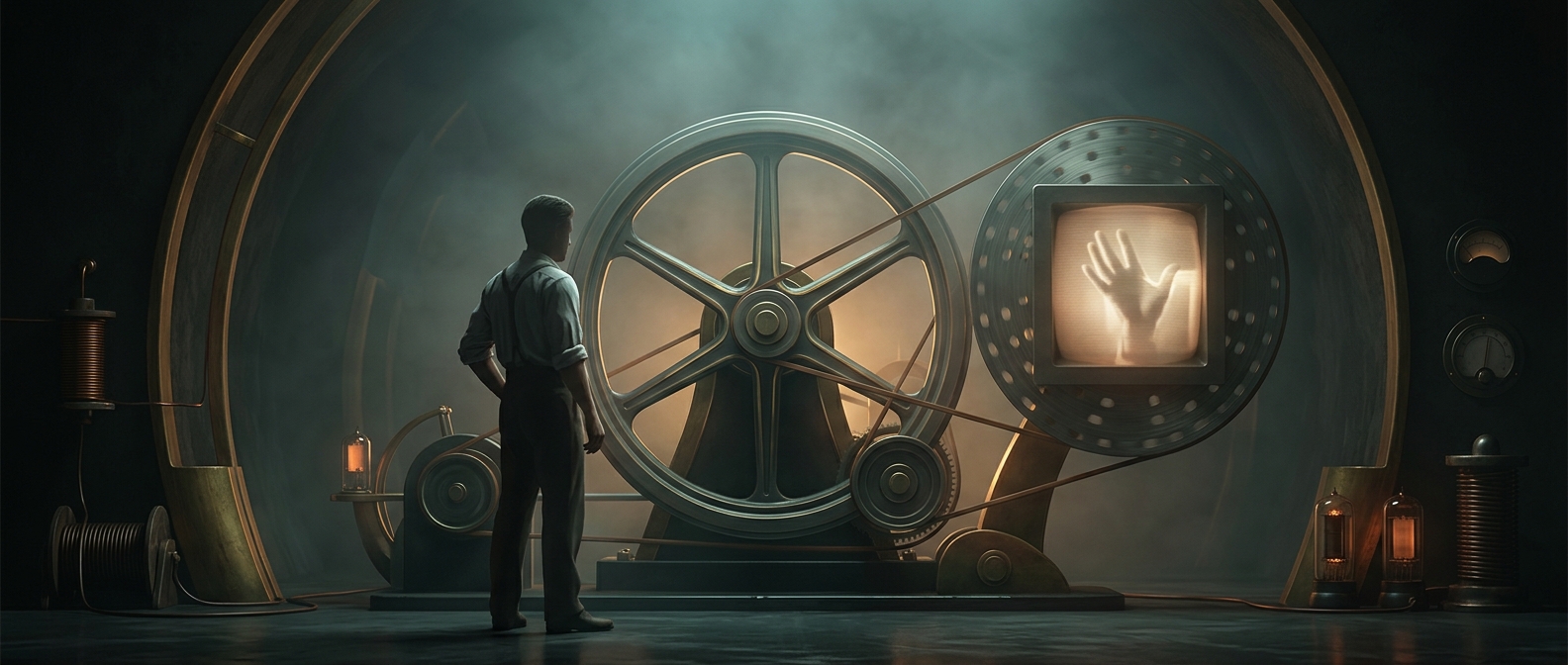
Early TV worked with spinning metal discs
Early experimental TVs used rapidly spinning metal discs with precisely cut holes to scan scenes line by line, producing blurry, flickering silhouettes.
Discover more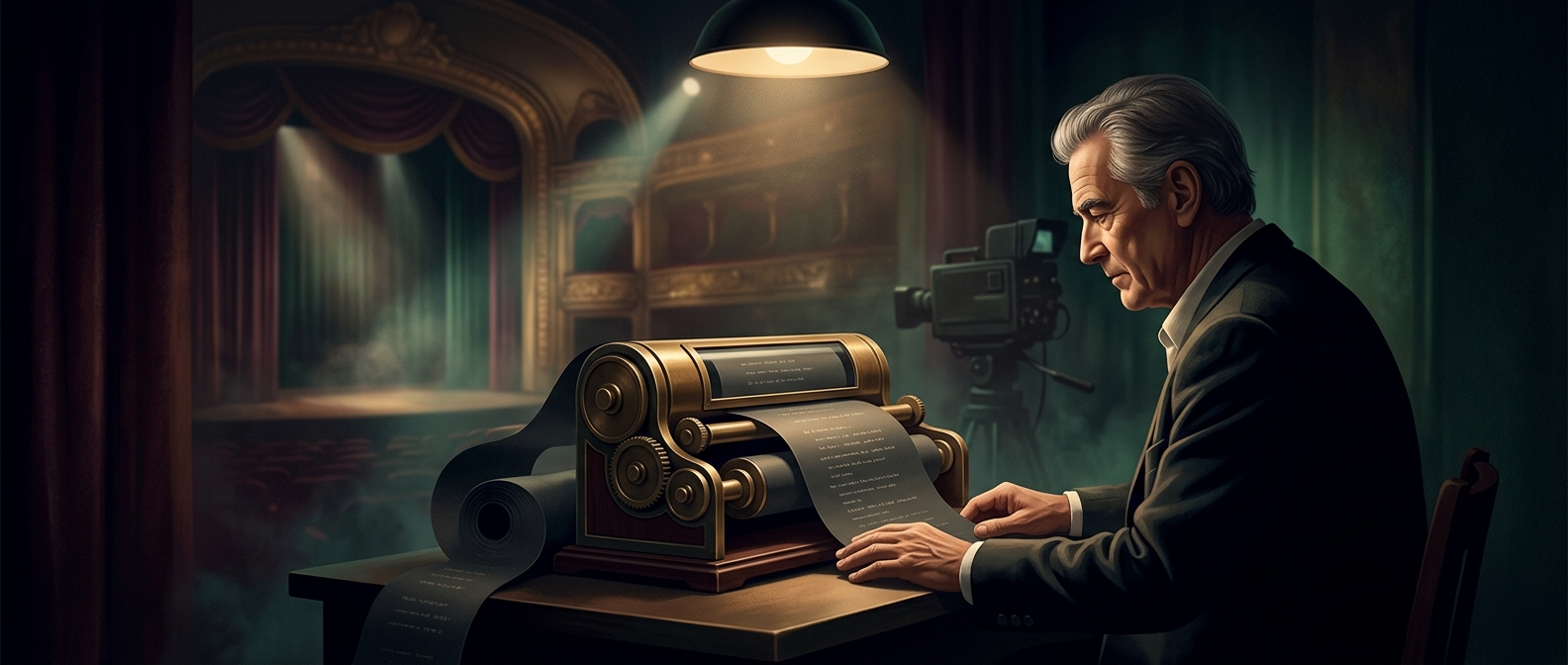
An actor's memory problem helped create the teleprompter
Actor Fred Barton Jr. wanted a way to avoid memorizing so many television scripts. Engineer Hubert Schlafly built a motorized paper-scroll prompter, working…
Discover more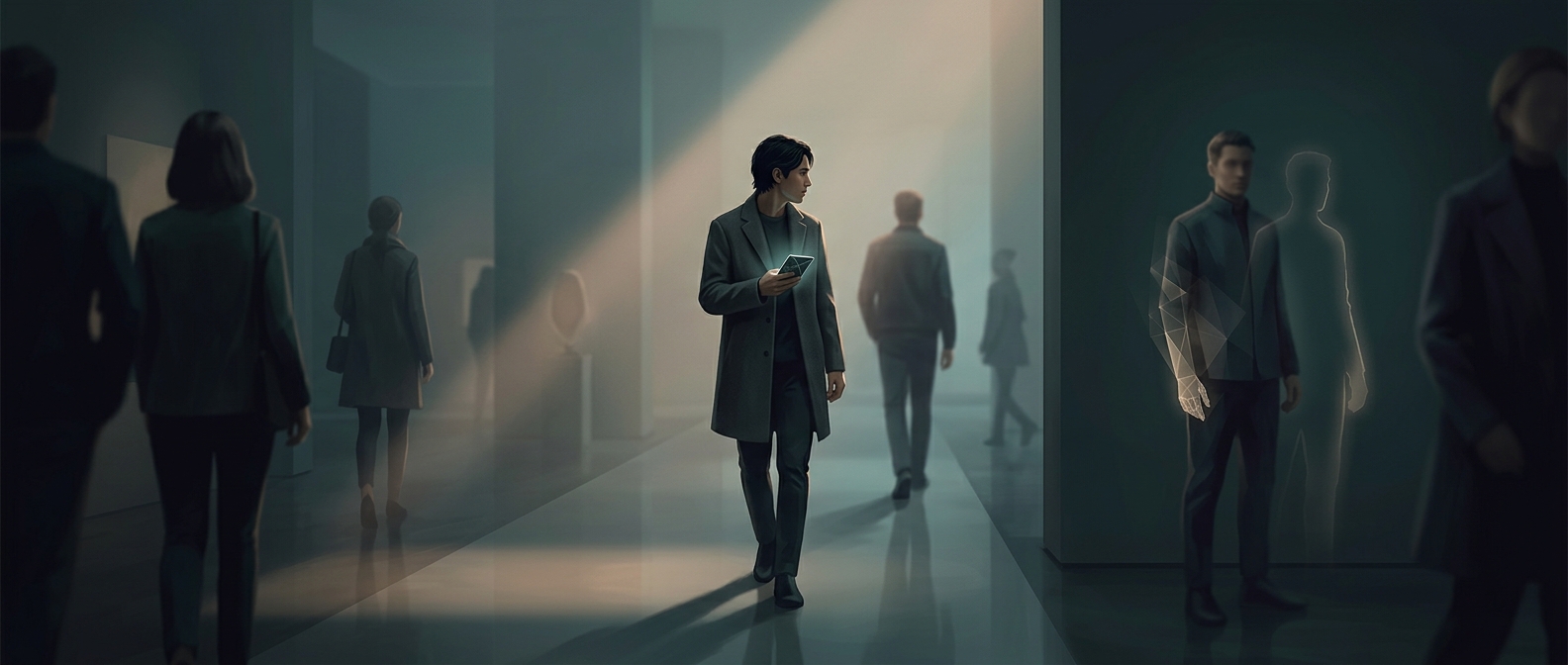
You may not notice when someone is replaced
You don’t inspect every face every second; you rely on the assumption that the person in front of you is still the same person. If your attention is…
Discover more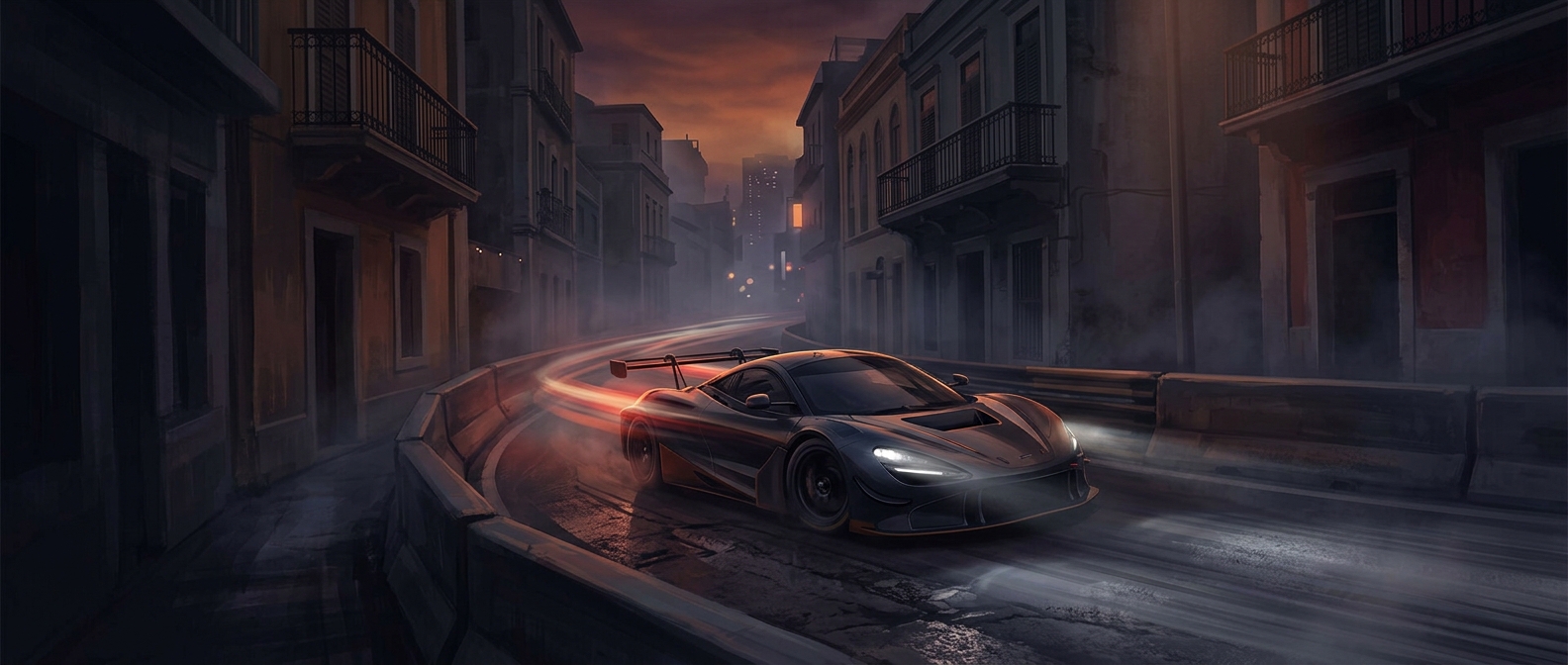
Treacherous racing circuit winding through Macau
Macau’s Guia circuit squeezes racing cars through narrow city streets lined with barriers. There’s almost no room to correct a mistake, so drivers thread…
Discover more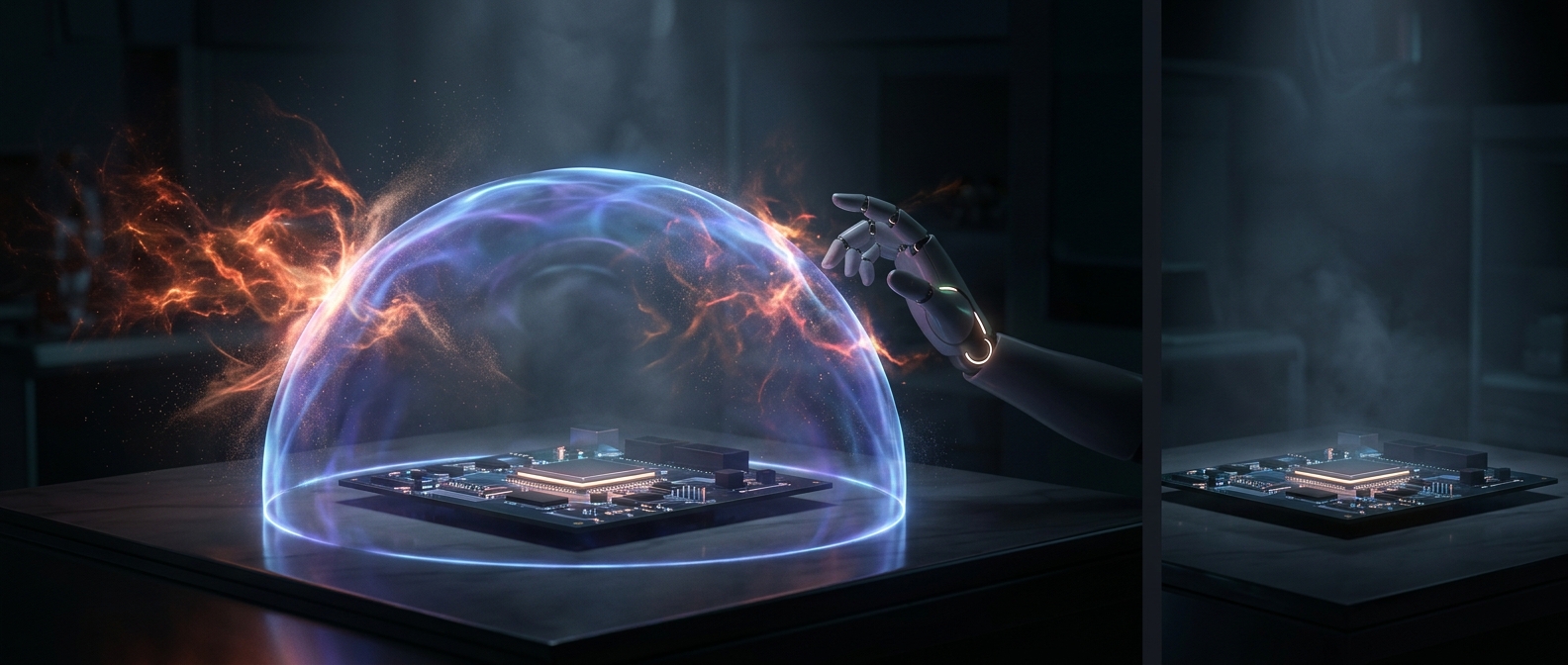
Invisible light barrier protecting electronics
An opto-isolator turns an electrical signal into light, sends it across a gap, then converts it back—letting circuits communicate without a direct electrical…
Discover more