The world is more interesting than you think.
Unexpected facts, big ideas, and little discoveries. Find something that sparks your curiosity today.
A little more wonder

The tiny garage where HP got its start
Hewlett and Packard started the company in a 12-by-18-foot Palo Alto shed with $538 in startup capital.
Discover more
Why train travelers wore dark clothes
Coal dust from trains could leave travelers filthy, so brown and dark gray hid the grime. White clothes could arrive looking like a coal miner’s.
Discover more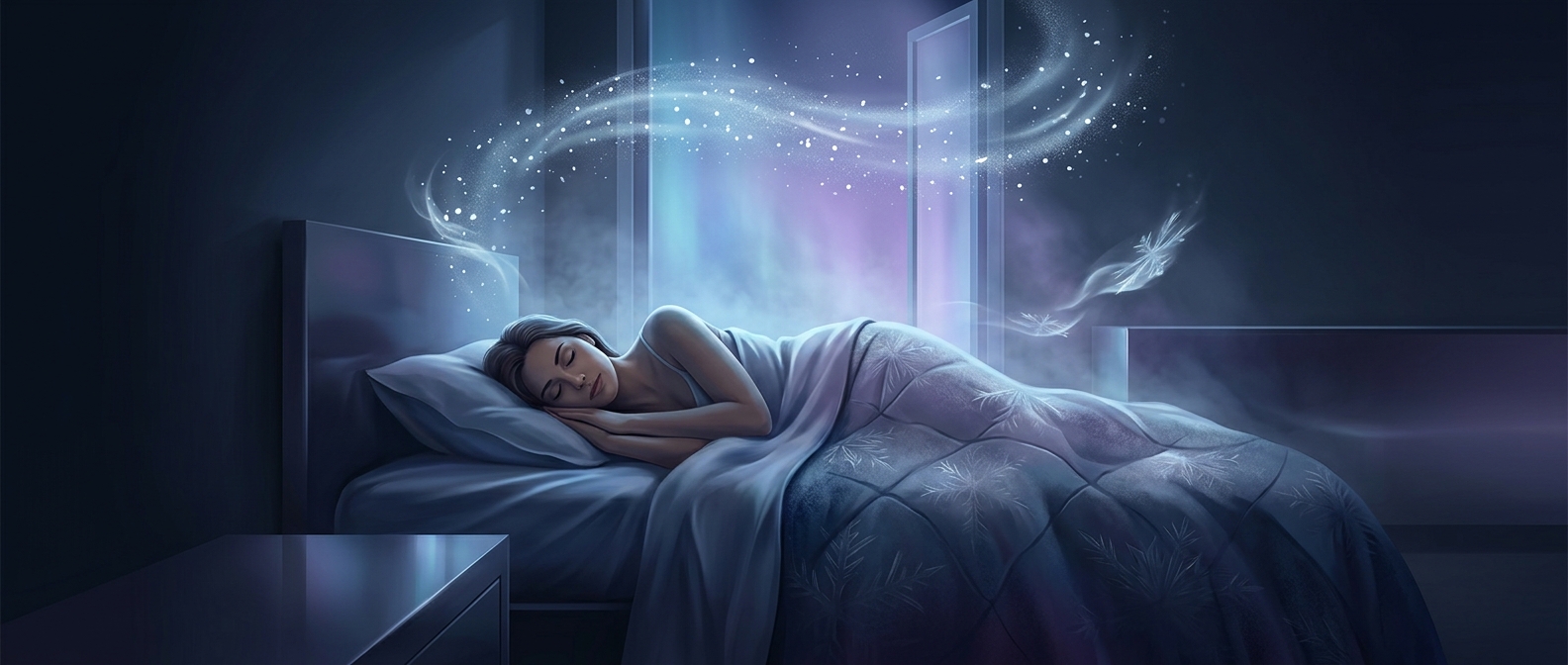
A cooler bedroom can help you sleep
As bedtime approaches, your body sheds heat and lets its core temperature drift downward. A cooler room helps that heat escape, so your body can make the drop…
Discover more
Enneagram personalities were invented in a dream
Rather than emerging from clinical research, the Enneagram drew heavily on a mystic’s esoteric visions.
Discover more
An airplane cabin can make the same meal taste different
Fraunhofer tests under simulated cabin conditions found salt tasted about 20–30% less intense and sugar about 15–20% less intense. Pressure and dryness change…
Discover more
Mass Effect traded driving across planets for scanning them
The first game let players explore many planetary surfaces in the Mako vehicle. Mass Effect 2 shifted resource gathering toward orbital scanning and probes,…
Discover more STACKY FOR IPHONE
A bigger world.
One discovery
at a time.
Keep discovering with Stacky. Interesting facts in an app that is always within reach.
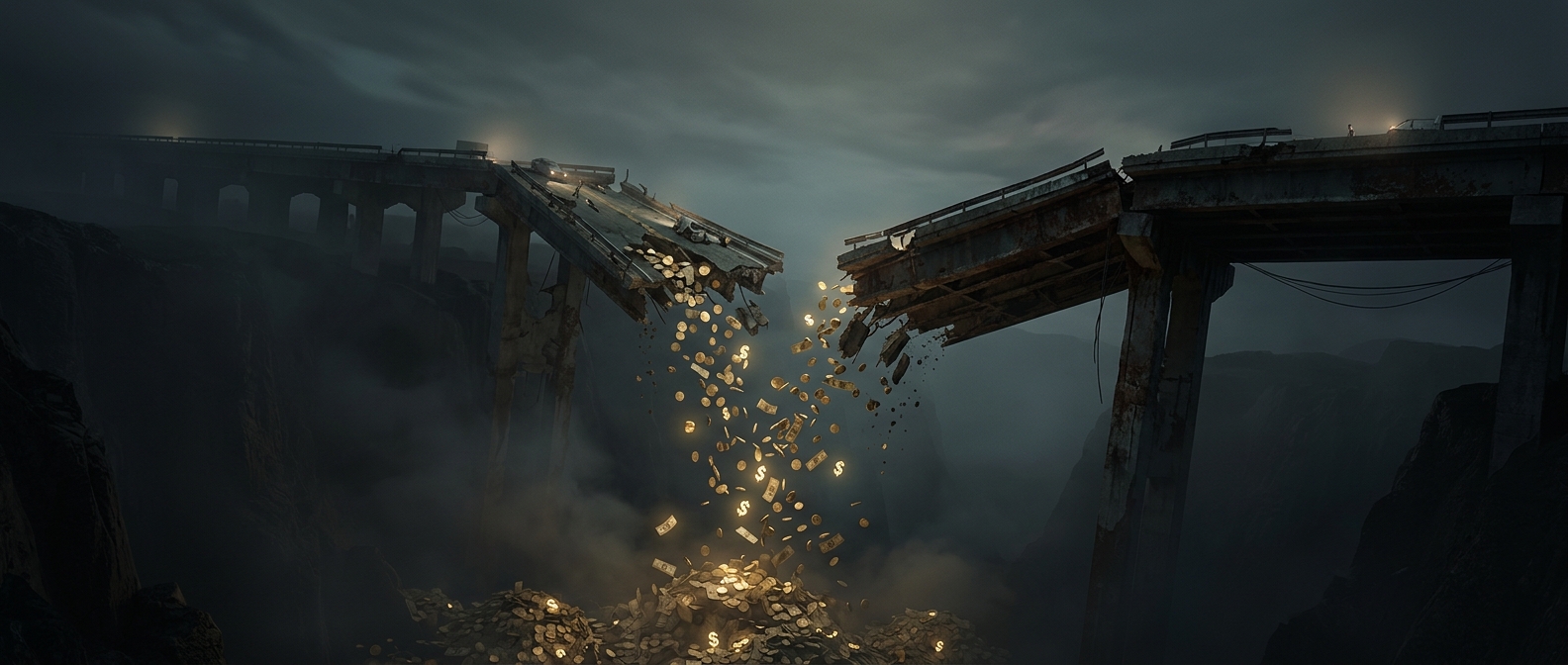
Ignoring infrastructure costs trillions
A tiny crack can be cheap to fix, but leaving it alone gives it time to grow. What could have been routine maintenance can become a much larger repair bill.
Discover more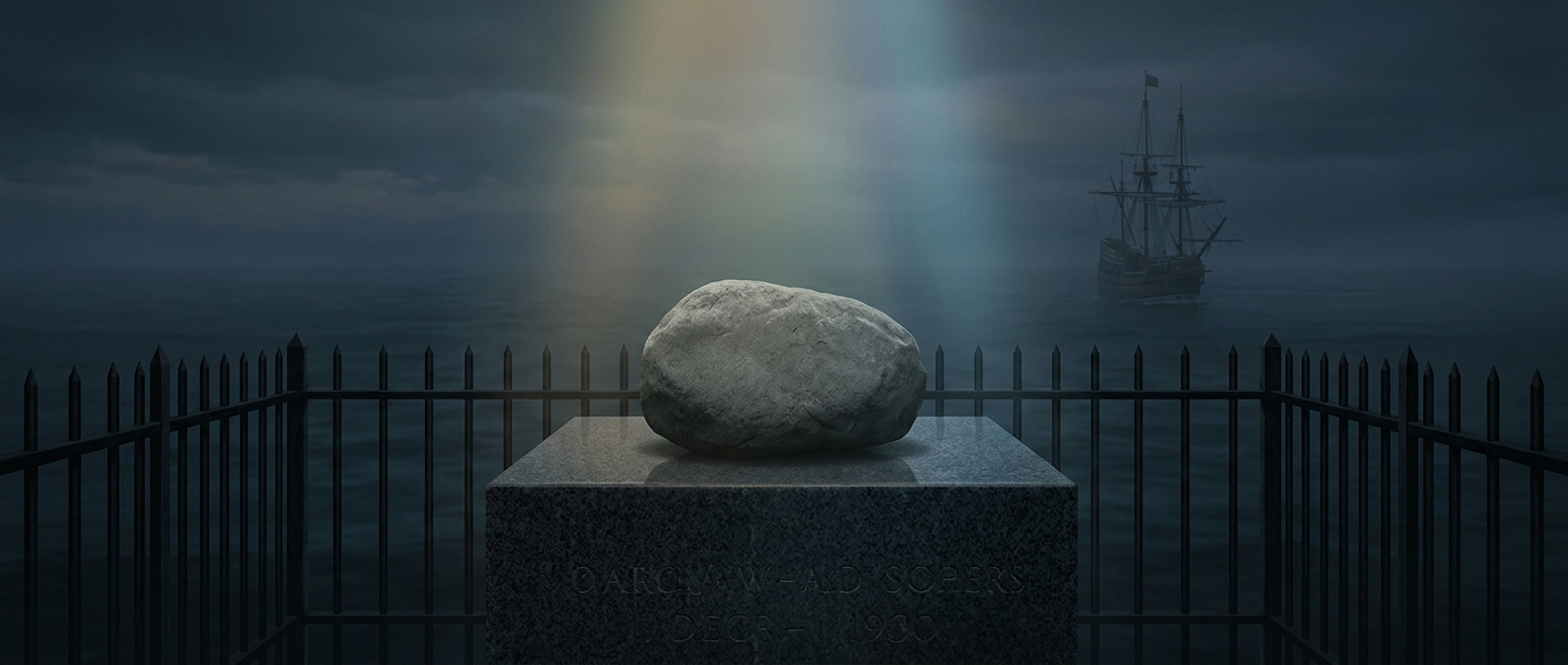
Plymouth Rock has been chipped down by its own fame
The famous landmark is a modest, fractured boulder, not a monumental cliff. Over the years it was split, moved, and chipped for souvenirs. Visitors arrive…
Discover more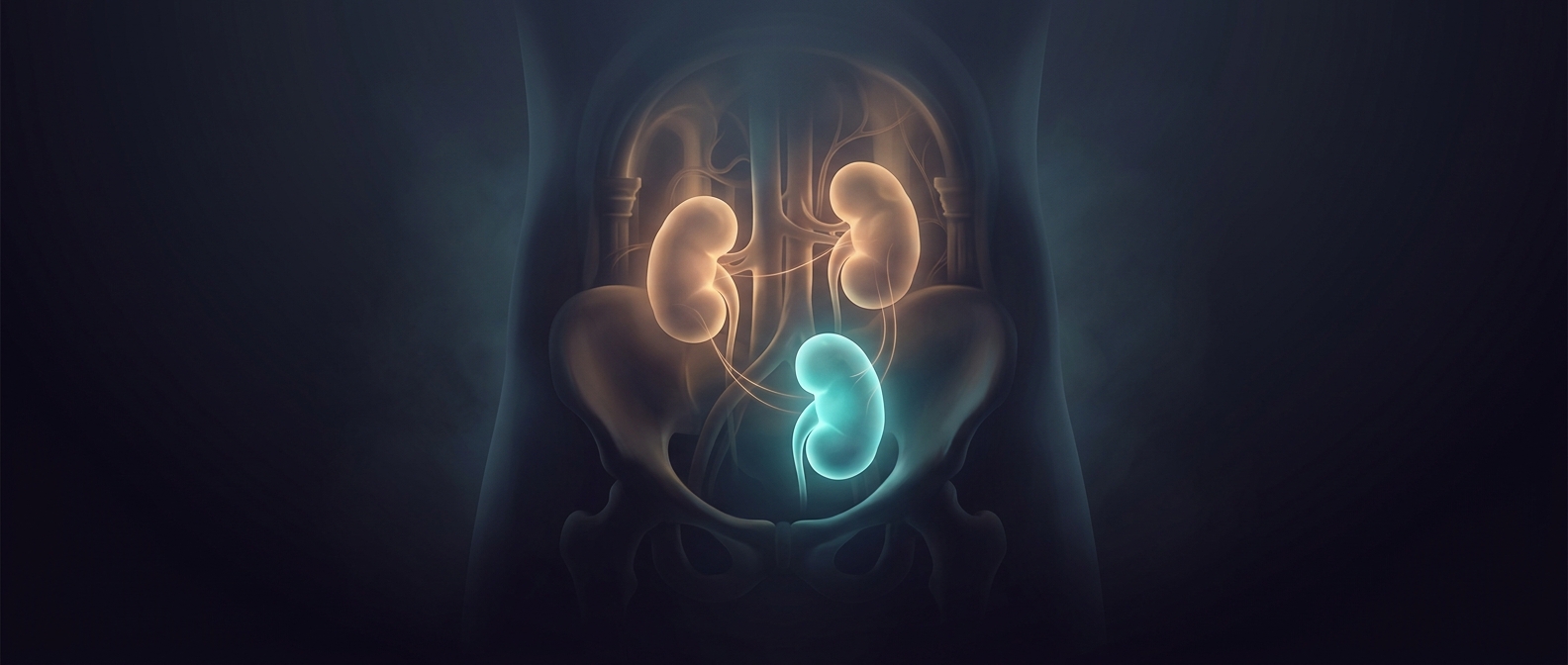
Why surgeons usually leave failed kidneys in place
Surgeons place the donor kidney low in the pelvis and connect it to the body’s circulation and bladder. Since the original kidneys can stay where they are,…
Discover more
Early typewriter ribbons were literally soaked in wet ink
Early typewriters used a fabric ribbon soaked in ink that had to be threaded through the machine—and could leave typists’ fingers stained.
Discover more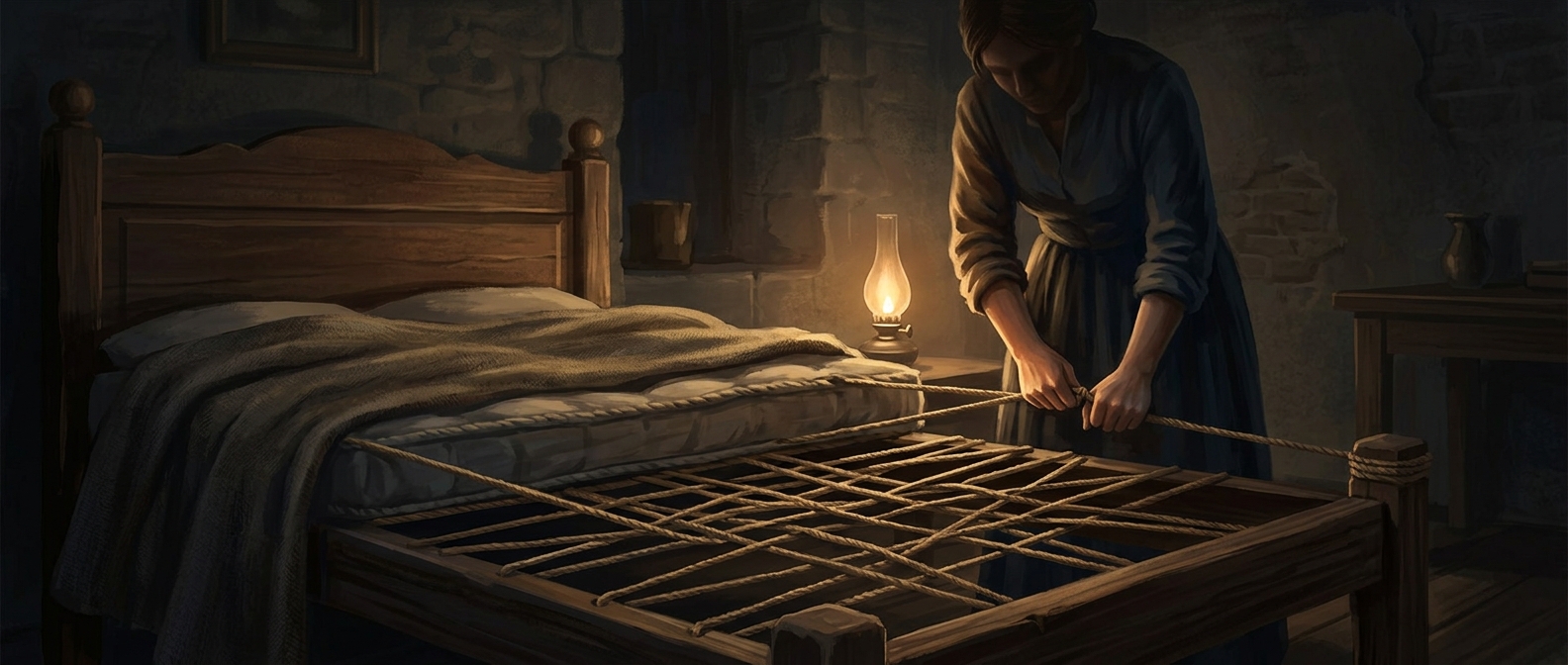
A rope bed needed tightening, just like an instrument
Instead of a modern spring base, a lattice of rope supported the bedding. As it stretched and sagged, tightening restored a firmer sleeping surface.…
Discover more
An electric car can make noise specifically for people outside it
At low speeds, an electric drivetrain produces less of the engine sound pedestrians expect. An external warning sound makes the vehicle easier to notice, even…
Discover more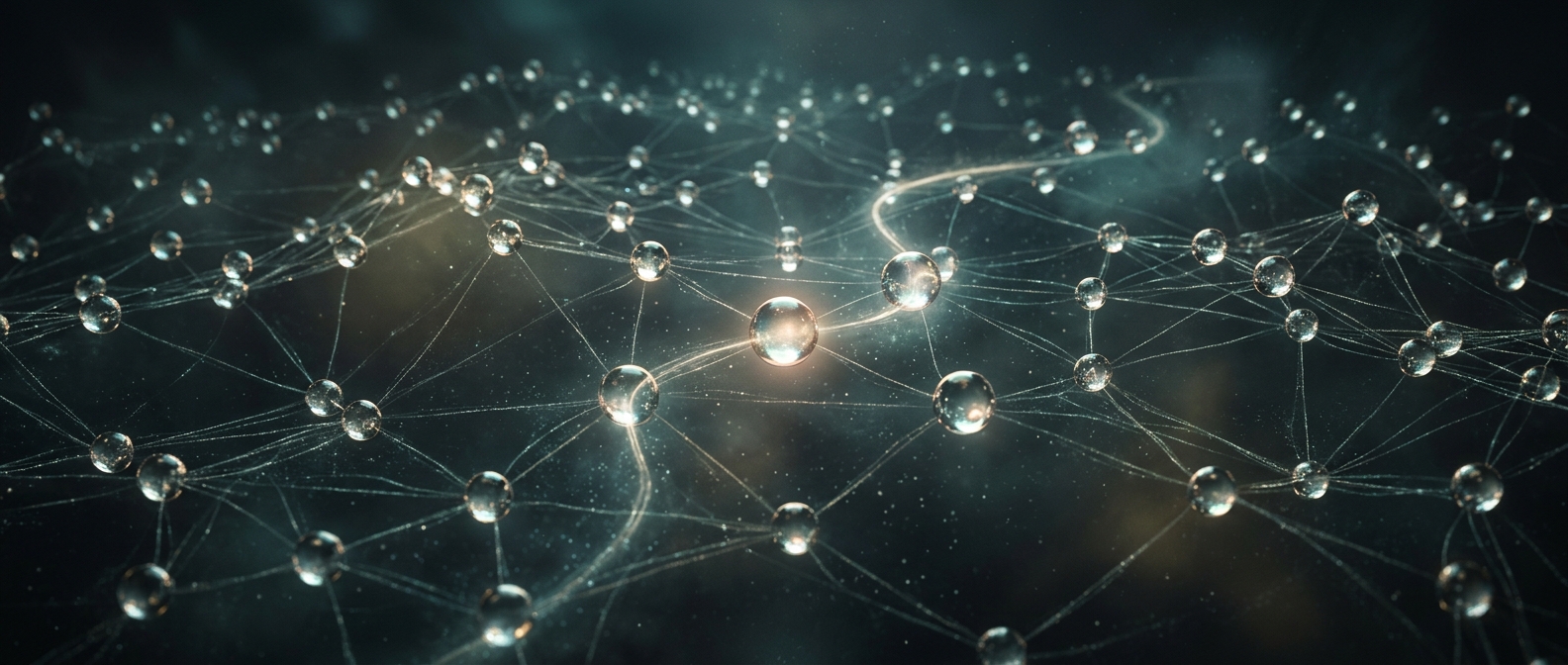
Indra's net is an infinite web of reflective nodes
In Hua-yen Buddhism, each jewel reflects every other one, making the net an image of how no person or action exists in isolation.
Discover more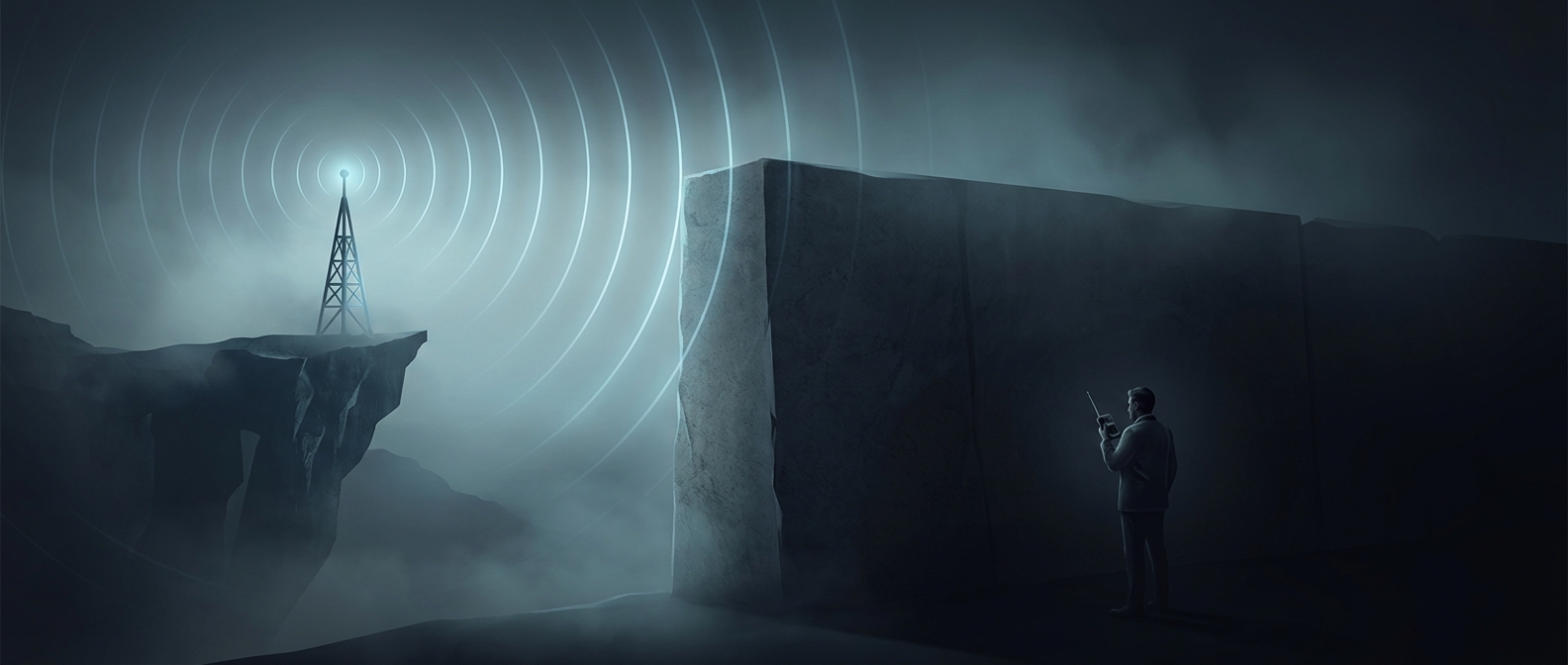
FM radio signals die immediately behind obstacles
FM signals generally travel by line of sight, so hills and buildings can weaken or block reception. They don't simply disappear the moment an obstacle gets in…
Discover more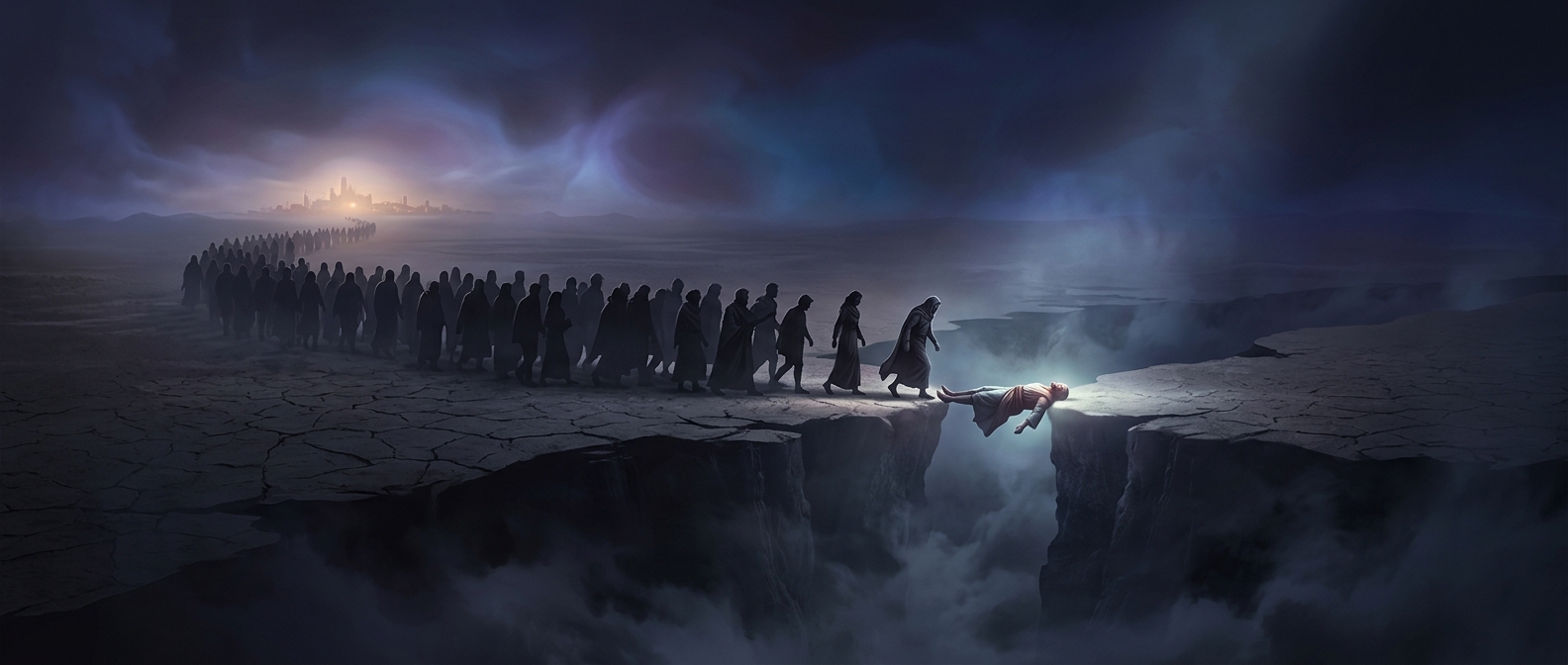
Why groups wait for someone else to act
Imagine a group project where everyone gets credit whether they do the work or not. Each person has a reason to hang back and hope someone else contributes;…
Discover more
Why roundabouts make deadly crashes far less likely
A roundabout replaces high-speed crossings with a curve that makes drivers slow down and travel in one direction. That cuts the chance of a car hitting…
Discover more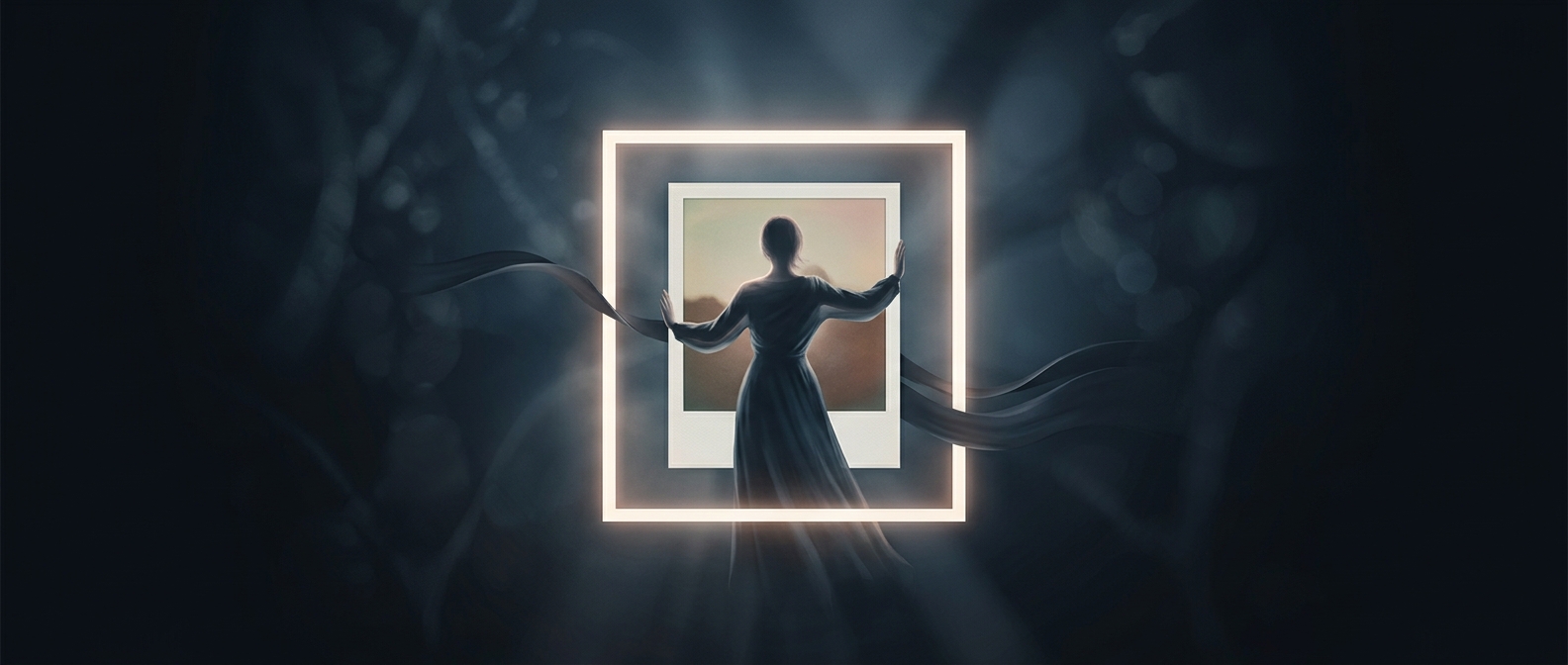
Why Instagram photos were once square
The square format was meant to evoke old-school instant cameras. Instagram kept it until 2015, when it began allowing other image shapes.
Discover more
Ephemerides accurately track exact sweeping celestial points
An ephemeris lists where celestial bodies are at specific times, giving astrologers planetary positions without requiring them to calculate each one from…
Discover more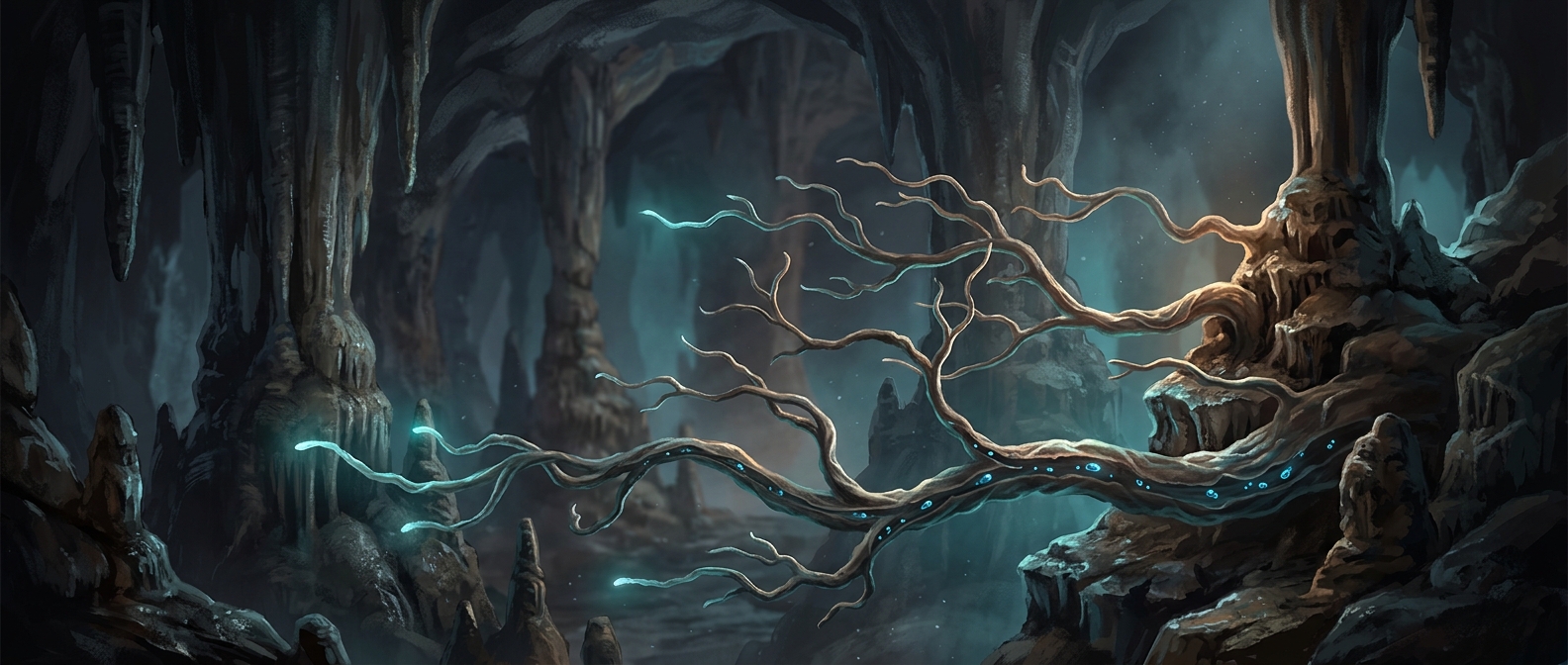
How cave formations grow sideways
Helictites begin when water seeps through tiny channels and leaves minerals behind. Capillary forces and growing crystals can steer the deposit sideways,…
Discover more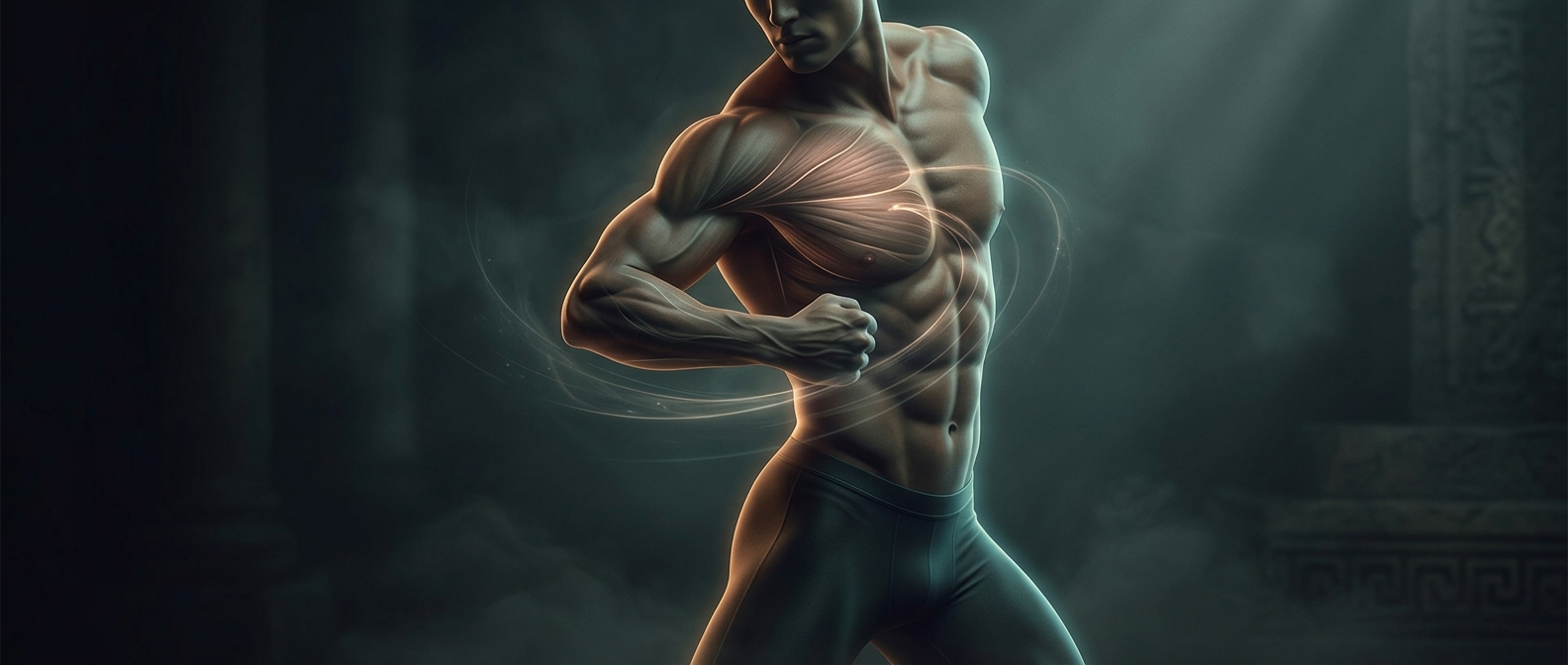
Pectoralis major primarily forces internal arm rotation
The pectoralis major spans the chest and attaches to the upper arm, so when it contracts it pulls that arm toward the torso and rotates it inward. Those…
Discover more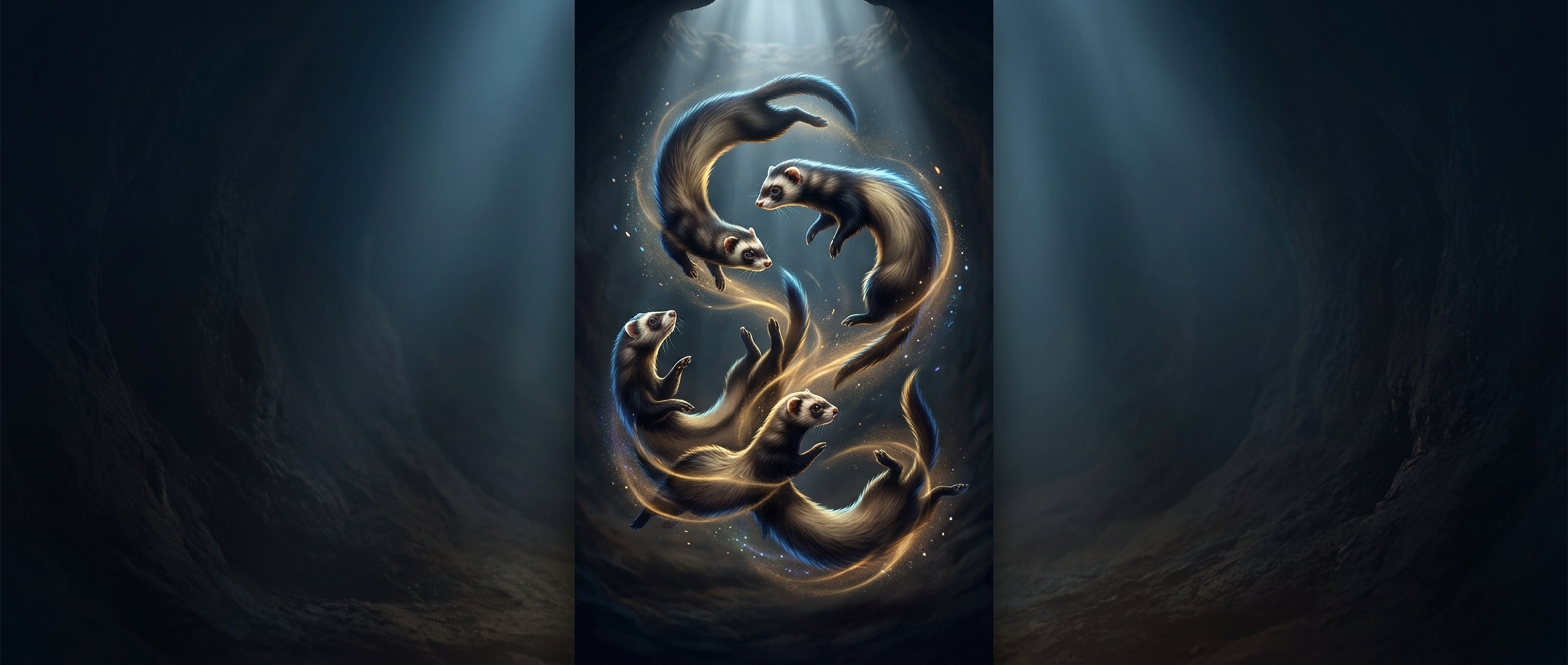
The bizarre dance ferrets do when excited
An excited ferret may twist, hop, and crash around in what’s called the “weasel war dance.” It looks like a tiny fight scene, but it’s usually play or extra…
Discover more
Algol is notorious for causing intense physical danger
Astrology links Algol with danger and catastrophe, even blaming it for disasters like fires.
Discover more
Why a piano and guitar sound different on one note
A note isn’t just one pitch; it comes with smaller overtones that give it its character. Piano strings are struck while guitar strings are plucked, so each…
Discover more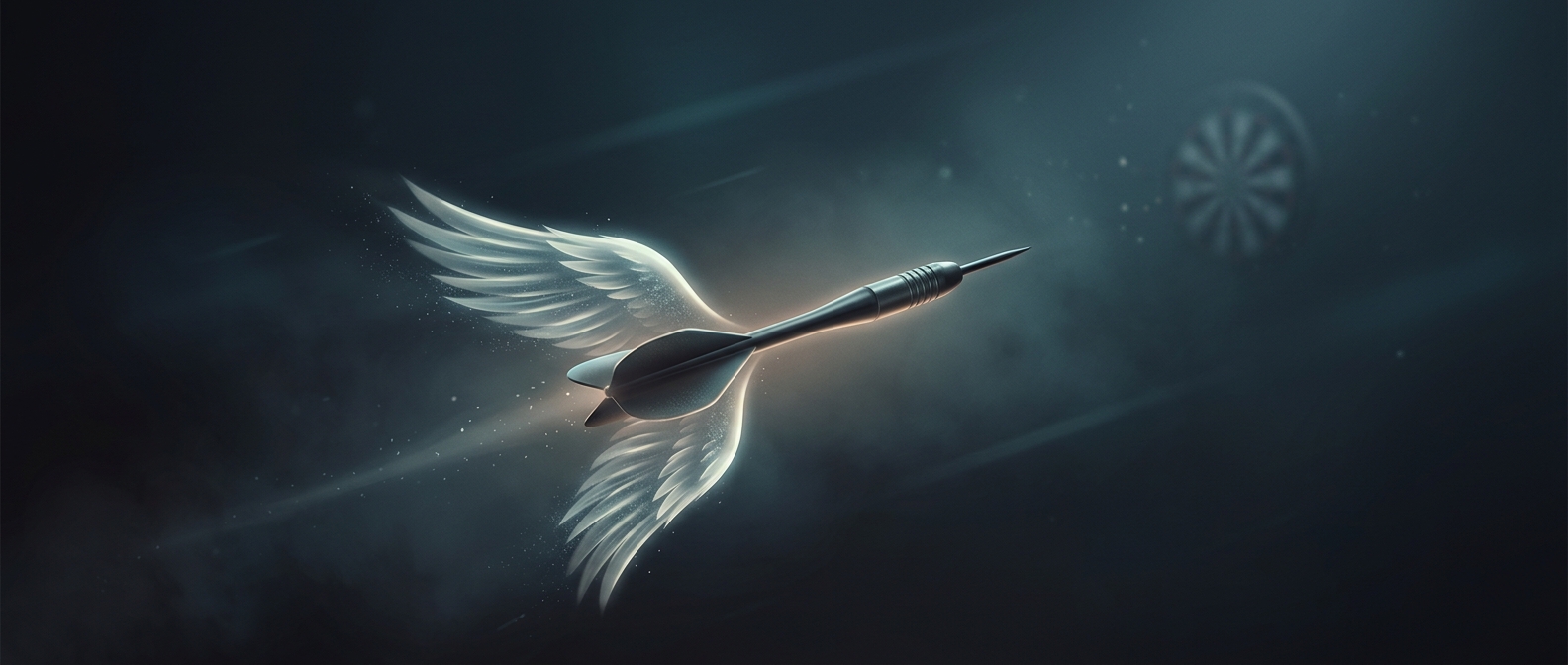
Dart flights stabilize trajectory like tiny wings
A dart’s fins do more than look like tiny wings: air resistance acts on them behind the dart, helping steer its point forward as it flies.
Discover more