Health
Discover facts about health. Small discoveries that change the way you see familiar things.
Health

MEWS protocol stops deadly postpartum blood poisoning
During labor, a faster heartbeat can be normal, so a postpartum warning system cannot rely on pulse alone. MEWS tracks several vital signs—including breathing…
Discover more
A tiny sensor can spot heart trouble early
The implanted sensor measures pressure in the pulmonary artery, where changes can signal that fluid may be building up before it becomes obvious in the lungs.…
Discover more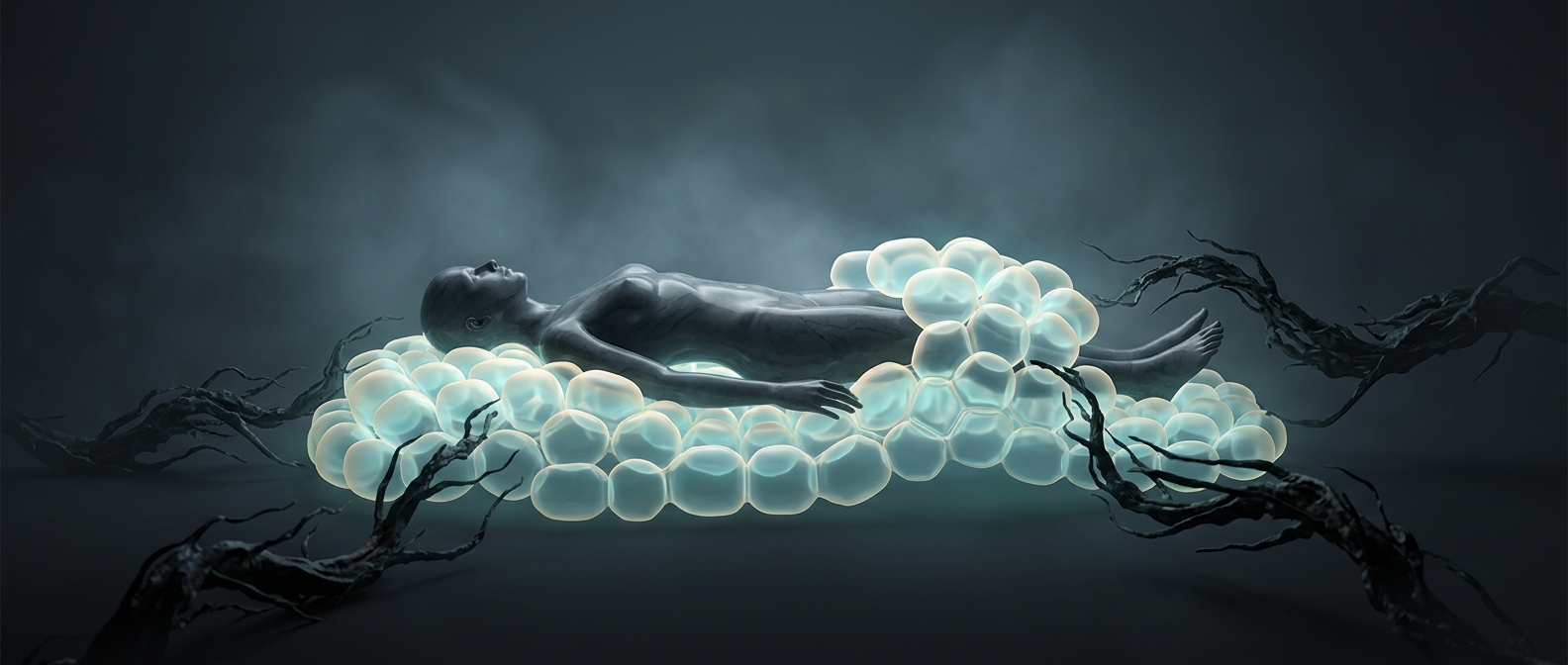
Roho air cells block deadly paralyzed tissue rot
When someone sits in one position for a long time, pressure over the sitting bones can squeeze blood vessels and reduce blood flow to the skin. Roho cushions…
Discover more
Glasses and hearing aids can help prevent hospital confusion
After surgery, blurred faces and muffled voices can make an unfamiliar room harder to understand. Returning a patient's usual glasses and hearing aids…
Discover more
Some flu vaccines use an oil emulsion to sharpen the immune response
MF59 contains purified squalene in an oil-and-water mixture. It acts as an adjuvant, helping the immune system respond more strongly to the vaccine's target.…
Discover more
Why harmless urine bacteria may not need antibiotics
Some older adults have bacteria in their urine without signs of illness. Antibiotics can harm helpful gut microbes along with their target, leaving room for…
Discover more STACKY FOR IPHONE
A bigger world.
One discovery
at a time.
Keep discovering with Stacky. Interesting facts in an app that is always within reach.

Mupirocin blocks deadly kidney machine pathogens
The catheter’s exit site is a tiny doorway between skin and the tubing used for abdominal dialysis. Mupirocin is an antibiotic placed around that doorway to…
Discover more
Agilent Seahorse machines detect cellular suffocation
Mitochondria use oxygen as living cells make energy, and the Seahorse machine measures how quickly the cells consume it. When researchers add a chemical,…
Discover more
What your grip strength can reveal about your health
Squeezing a handle gives doctors a quick read on how much force your muscles can produce. Because grip strength often reflects broader muscle function, it can…
Discover more
How sewage and drought helped fuel an encephalitis outbreak
With severe drought and open sewage, infected Culex mosquitoes found breeding grounds in St. Louis. Their bites spread the virus among residents; once it…
Discover more
Pompeii's surgeons had surprisingly advanced tools
A screw-operated vaginal speculum, bone forceps, and scalpels were all recovered from Pompeii. The speculum could be expanded with a screw to hold tissue…
Discover more
The disorder that turns injuries into bone
With FOP, even minor muscle injuries can trigger bone to grow in places that should stay soft. The new bone does not replace the skeleton; it builds unwanted…
Discover more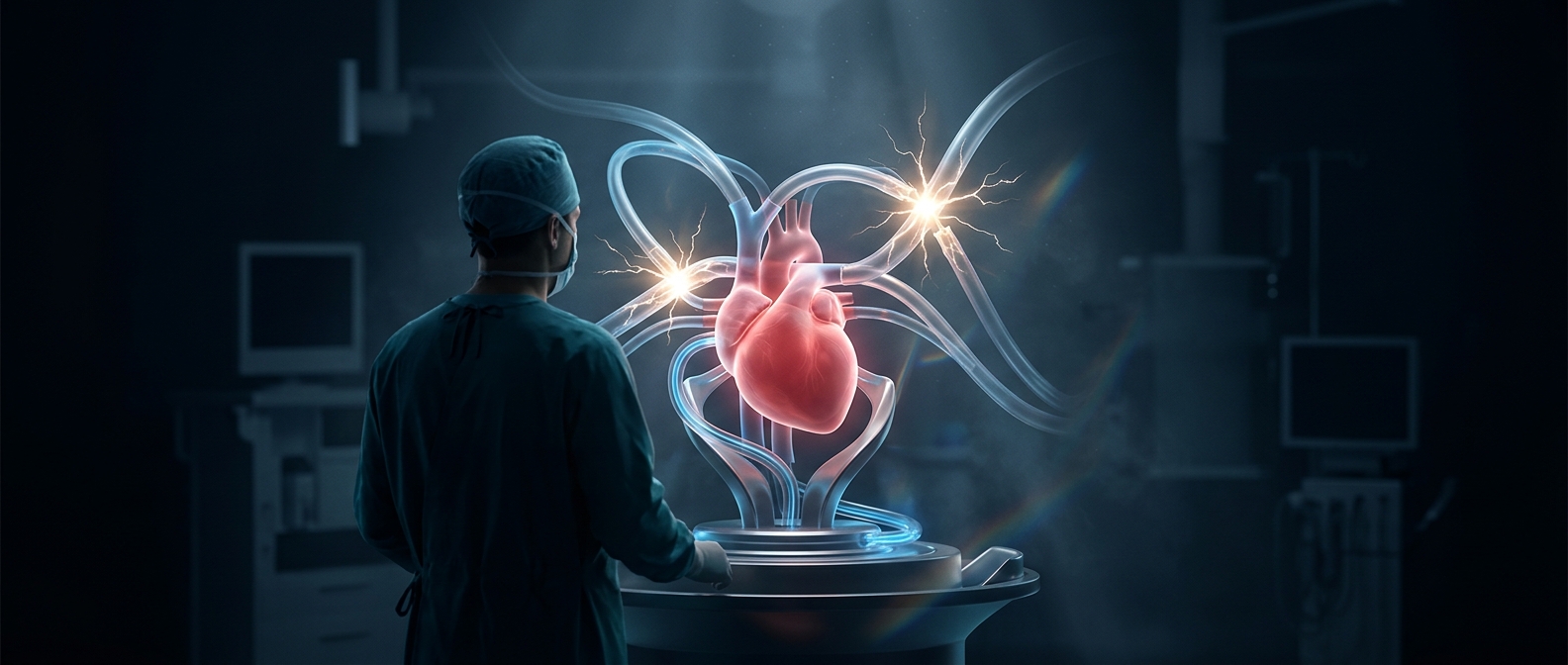
A roller pump can move blood without blades touching it
The rollers squeeze flexible tubing from the outside, pushing the fluid ahead of them. That principle is useful in heart-lung equipment because the blood…
Discover more
The neurologist who tested nerve pain on himself
Patients struggled to describe nerve pain, so British neurologist Henry Head had a surgeon cut his radial nerve. For four years, he pricked himself and logged…
Discover more
A sticker on your glasses can correct double vision
When the eyes point slightly differently, they can send the brain two images that don’t match. A thin Fresnel prism on the glasses bends light before it…
Discover more
Dentists once removed teeth by turning a key
The dental key, used in the 18th and 19th centuries, hooked a claw around the tooth and used a turning motion to lever it out. That force could also damage…
Discover more
The gas leak that poisoned Bhopal overnight
When the pesticide plant released methyl isocyanate, the toxic gas spread into Bhopal while much of the city slept. People had little warning before they…
Discover more
Love Canal put homes beside a buried chemical dump
More than 21,000 tons of hazardous waste had been deposited in the abandoned canal before the surrounding residential development. Investigators later found…
Discover more
A mob tried to keep Edinburgh's women medical students out of an exam
In 1870, opponents gathered at Surgeons' Hall to obstruct the Edinburgh Seven. The women reached the examination, and the riot drew publicity to their…
Discover more
A cheap sweetener substitute became a fatal pharmacy mix-up
In Bradford in 1858, arsenic was supplied instead of the inexpensive filler intended for peppermint sweets. Around 200 people were poisoned and about twenty…
Discover more
Paper index cards held all medical knowledge
Before medical information lived in searchable databases, Clarence Taber used hundreds of thousands of paper cards to build an encyclopedia. Cross-references…
Discover more
A rare side effect stopped America's 1976 flu campaign
Surveillance detected an increased risk of Guillain–Barré syndrome after that year's swine-flu vaccine—about one additional case per 100,000 recipients. The…
Discover more
The bleach drink sold as a miracle cure
When acid is added to sodium chlorite, it produces chlorine dioxide, a harsh chemical that can injure tissue rather than treat disease. Drinking the product…
Discover more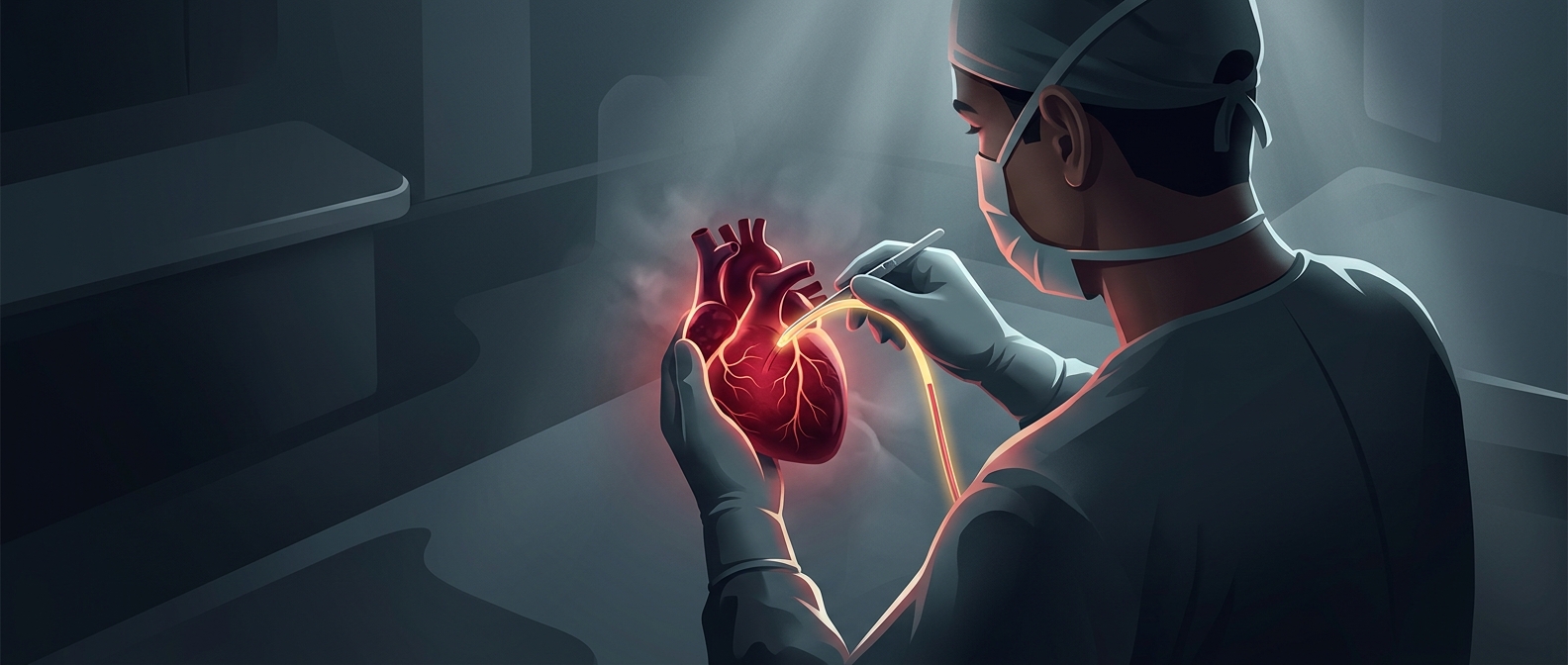
He threaded a tube into his own beating heart
Werner Forssmann threaded a two-foot catheter through a vein in his own arm into his right atrium, then walked to the X-ray department to photograph it. He…
Discover more