Culture & entertainment
Discover facts about culture & entertainment. Small discoveries that change the way you see familiar things.
Culture & entertainment
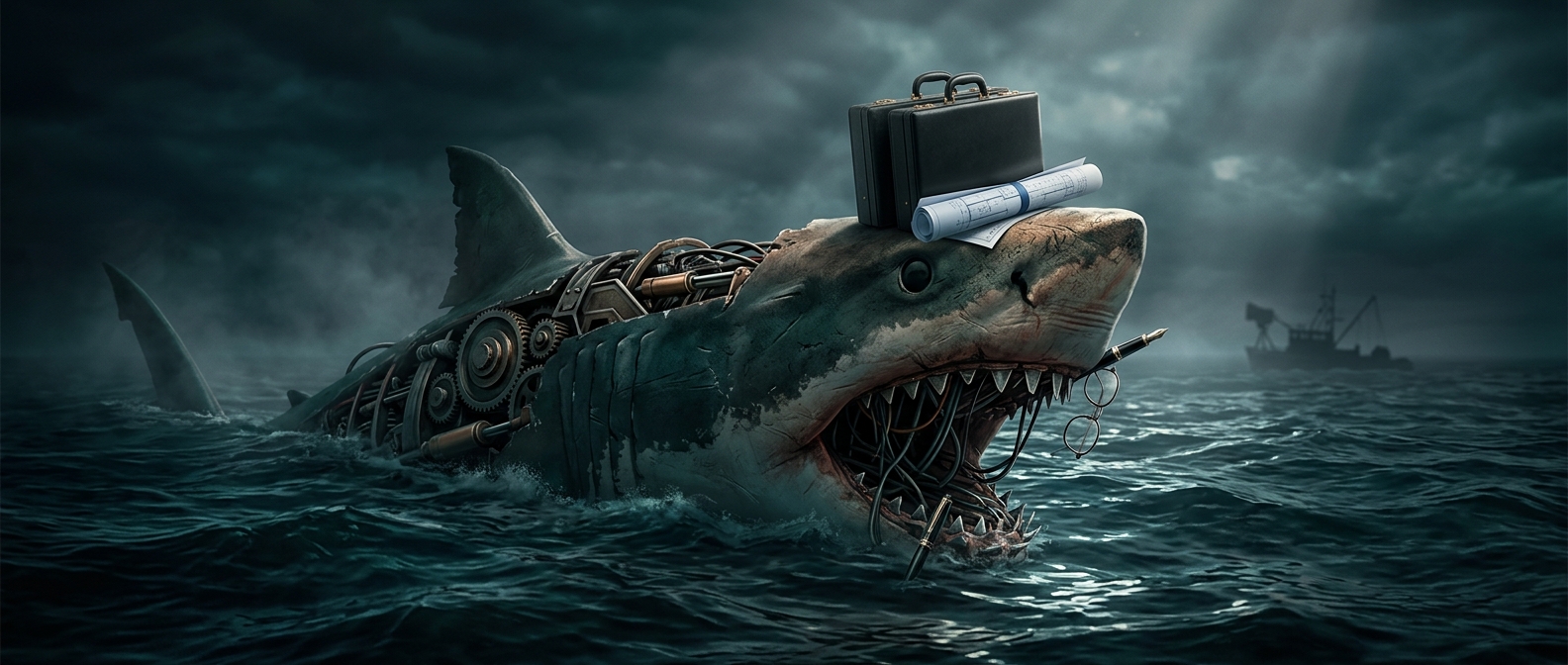
Why the Jaws shark was named Bruce
What better way to honor your dedicated legal representation than naming a dead-eyed, cold-blooded killing machine after him? The notoriously buggy…
Discover more
How a tabloid bought scandals to bury them
Why bother publishing a juicy scandal when you can use it as leverage? The infamous tabloid frequently engaged in a practice called 'catch and kill,' where…
Discover more
How mirror mazes hide their glass edges
Walking into your own reflection repeatedly requires some very clever geometry. Designers construct the maze using a perfect 60-degree equilateral triangle…
Discover more
Reader's Digest was founded in a basement in New York
The magazine your grandparents relentlessly forwarded to you started in the most clichéd entrepreneurial way possible. DeWitt Wallace and his wife Lila…
Discover more
First public aquarium was established in Victorian London
Keeping fish in glass boxes for public amusement is a shockingly recent development. The London Zoo opened the 'Fish House' in 1853, marking the first time…
Discover more
The three-acre maze hidden in a Hawaiian plantation
Forget haunted corn stalks and confusing hedges. The Dole Plantation in Hawaii features a massive, record-breaking labyrinth spanning over three acres,…
Discover more STACKY FOR IPHONE
A bigger world.
One discovery
at a time.
Keep discovering with Stacky. Interesting facts in an app that is always within reach.
Guinness World Records began with pub arguments
The definitive catalog of human achievement was literally born out of drunken arguments. The managing director of the Guinness Brewery commissioned the…
Discover more
The first Forbes rich list was meant to shame the wealthy
Before the billionaire index became a highly coveted status symbol, it was used as a weapon of public humiliation. B.C. Forbes created the initial list of…
Discover more
Planetariums project stars using heavy optical spheres
Those peaceful indoor stargazing sessions require brutally complex mechanical engineering. The traditional star projector is an intimidating, massive…
Discover more
Madame Tussaud made death masks to survive
The global empire of unsettlingly realistic celebrity figures has intensely gruesome origins. During the French Revolution, Marie Tussaud literally proved her…
Discover more
Vogue began as a newspaper for wealthy men
Before it became the ruthless global dictator of women's fashion, it was just a gossip rag for rich dudes. Launched in 1892, it targeted elite New York men…
Discover more
Ripley's bizarre empire began with a sports cartoon
Before it became a chain of dusty museums filled with shrunken heads, it was just filler material. Robert Ripley was a sports illustrator scrambling for…
Discover more
Why Playboy’s first issue had no date
Confidence is key, unless you are launching a controversial men's lifestyle empire. Hugh Hefner famously omitted the date on the cover of his inaugural 1953…
Discover more
How farmers draw corn mazes without high-tech tools
Wandering aimlessly through a freezing field is the result of painstaking agricultural mathematics. Before high-tech tools existed, farmers would…
Discover more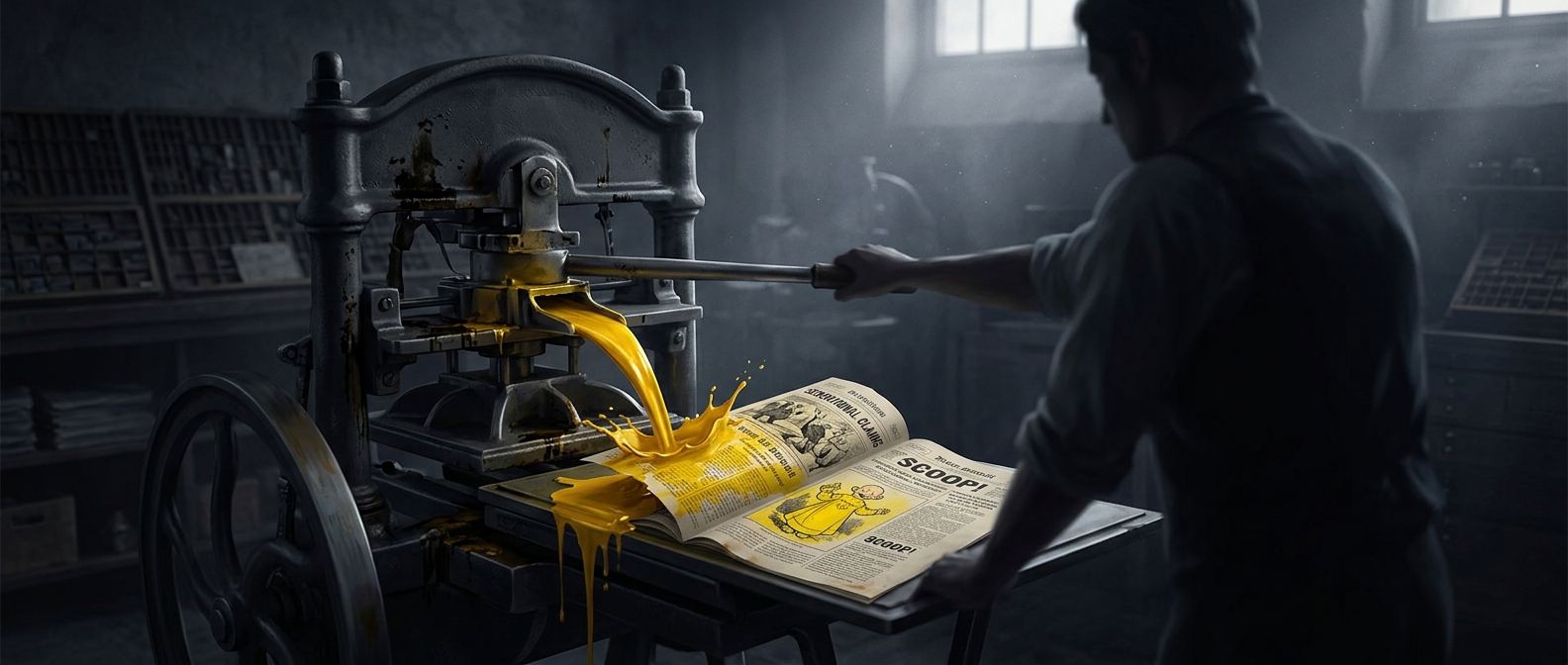
Yellow journalism began with a comic strip
The term for sensationalized, unethical reporting comes from a squabble over a child in a yellow nightgown. In the 1890s, rival newspaper publishers fiercely…
Discover more
Adult coloring books caused a colored-pencil shortage
When stressed-out adults suddenly decided that coloring inside the lines of intricate mandalas was the ultimate form of therapy, the art supply supply chain…
Discover more
Why magazine retouchers erase belly buttons
The quest for flawless aesthetic presentation in fashion magazines reaches bizarre anatomical extremes. Editors and retouchers are so obsessed with creating…
Discover more
Thick comic collections use flexible glue so their pages do not tear
When combining dozens of thin comic issues into one massive collection, standard paperback bindings will snap in half instantly under the weight. Publishers…
Discover more
That bestseller sticker may be printed on the cover
That shiny gold sticker announcing a book's massive success is almost never a physical sticker. To save a fraction of a cent on manufacturing costs,…
Discover more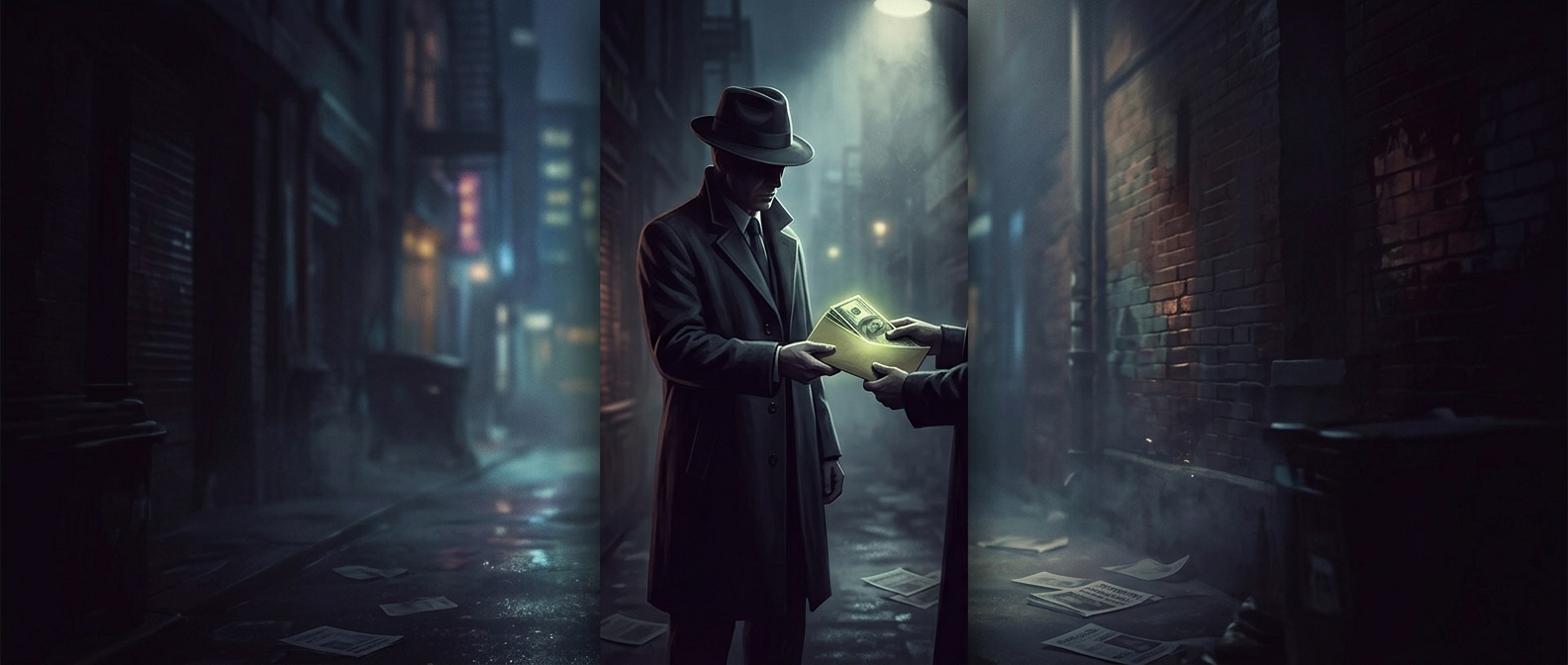
Tabloids pay sources for celebrity dirt
While respectable journalism strictly forbids exchanging money for tips to prevent fabricated narratives, the tabloid magazine industry treats information…
Discover more
How cliffhangers sell the next chapter
When publishing rapid-release digital installments, writers rely on cheap psychological tricks to guarantee returning customers. Rather than crafting…
Discover more
Why paparazzi provoke celebrities
A photograph of a celebrity calmly walking to their car sells for a fraction of the price of a photo showing them screaming in rage. To maximize their payout,…
Discover more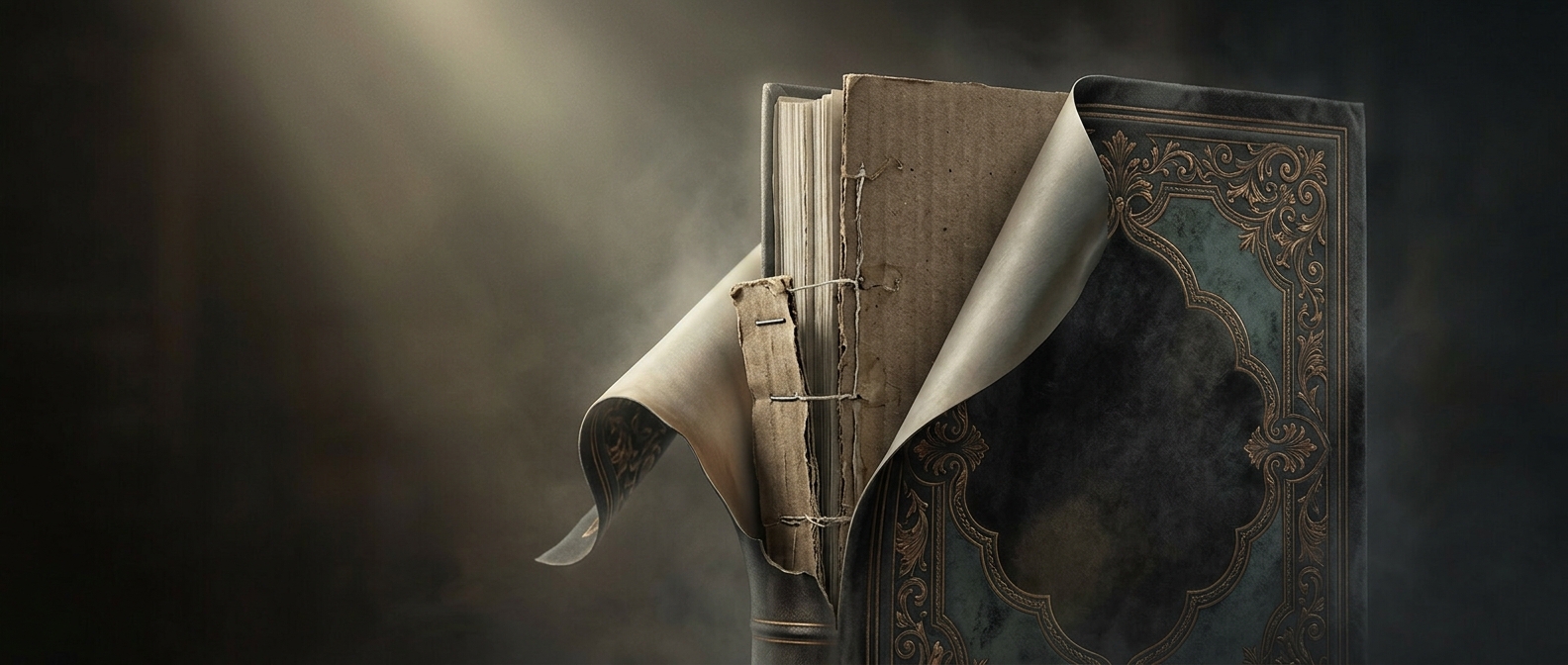
Why hardcover books wear paper jackets
Underneath that gorgeously illustrated, beautifully textured paper dust jacket, almost every modern hardcover is bound in a lifeless, cheap slab of grey…
Discover more
Mainstream bookstores return nearly half of their inventory
The publishing industry operates on a remarkably inefficient consignment model. Bookstores essentially borrow their stock, meaning they have the right to box…
Discover more