Culture & entertainment
Discover facts about culture & entertainment. Small discoveries that change the way you see familiar things.
Culture & entertainment
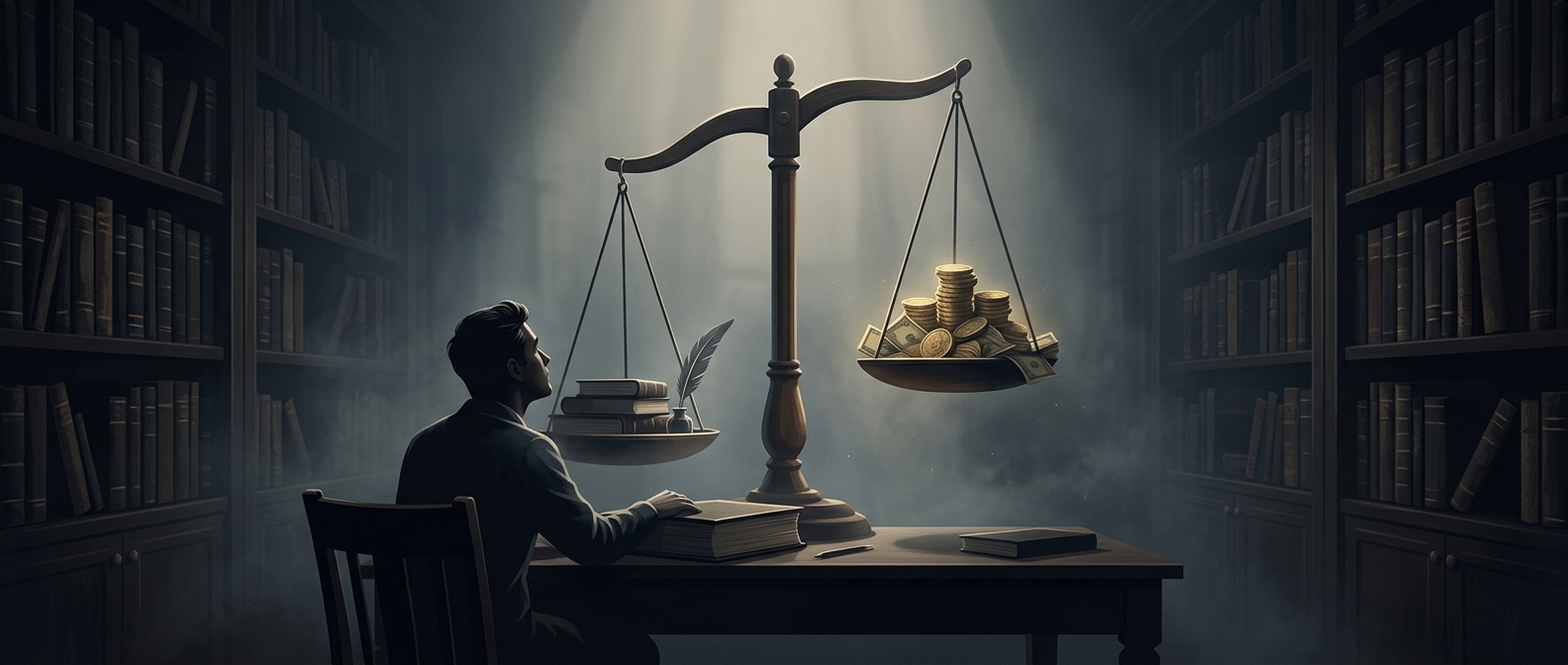
An author can earn royalties without receiving another check
A publisher's advance is paid against future royalties. Sales first earn down that advance; additional royalty payments start after it earns out. A book can…
Discover more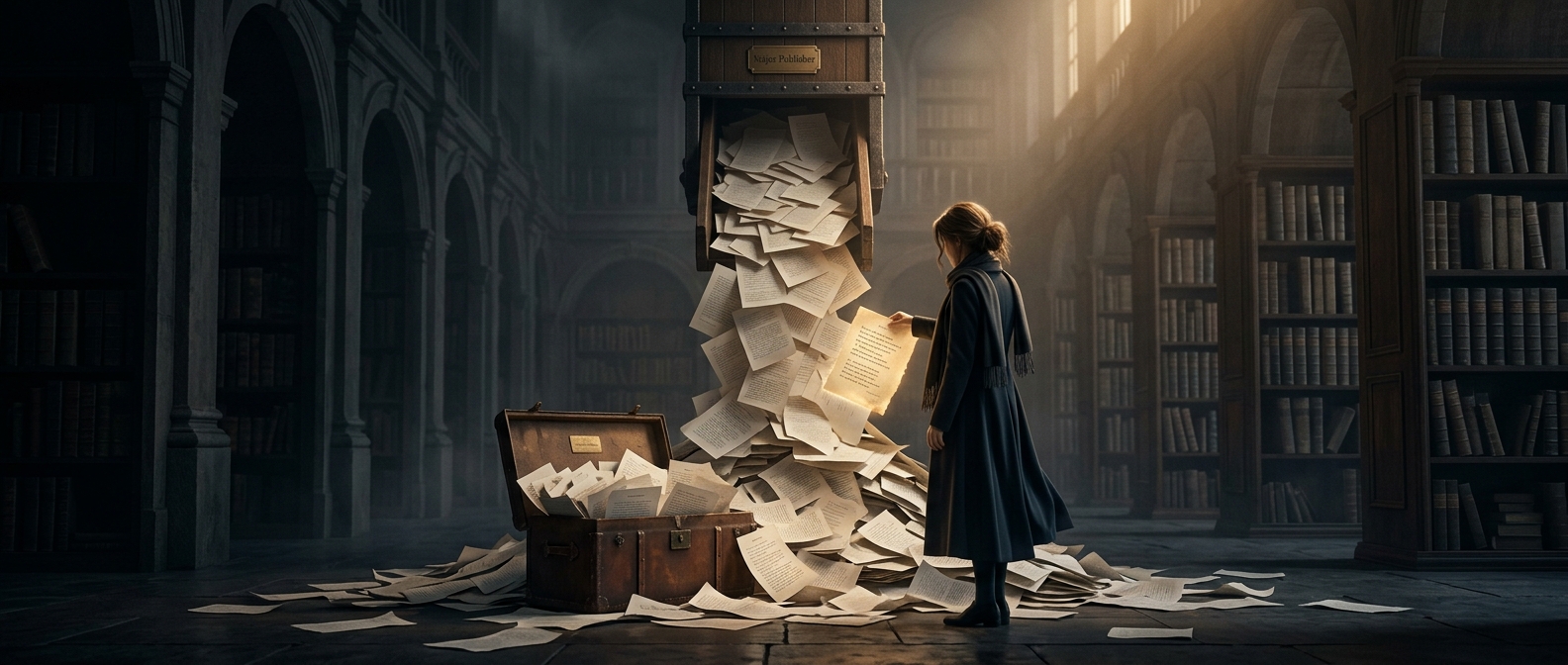
Why big publishers steer clear of poetry
Major publishers often avoid poetry because they see it as a poor commercial bet. Many poets turn to small independent presses or self-publishing to get their…
Discover more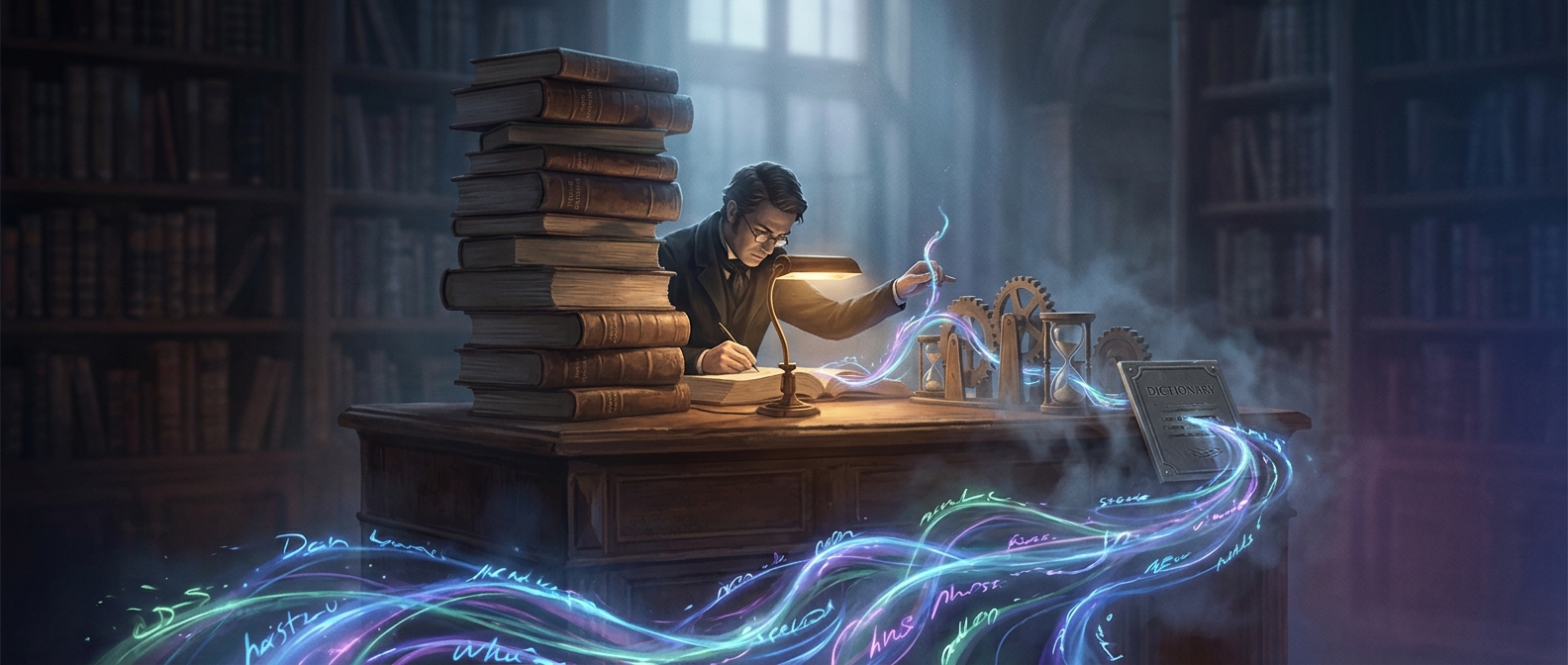
Why print dictionaries lag behind slang
Print lexicographers may wait years for evidence that a slang term is used across multiple regions before adding it to a dictionary. That slow process can…
Discover more
Why books sometimes end with blank pages
Printers fold large sheets into bundles called signatures, often in groups of 16 or 32 pages. If the text doesn’t fill the final bundle, blank pages may be…
Discover more
Why romance novels keep publishing afloat
Romance paperbacks sell in such high volumes that their profits help subsidize other books, including literary hardcovers.
Discover more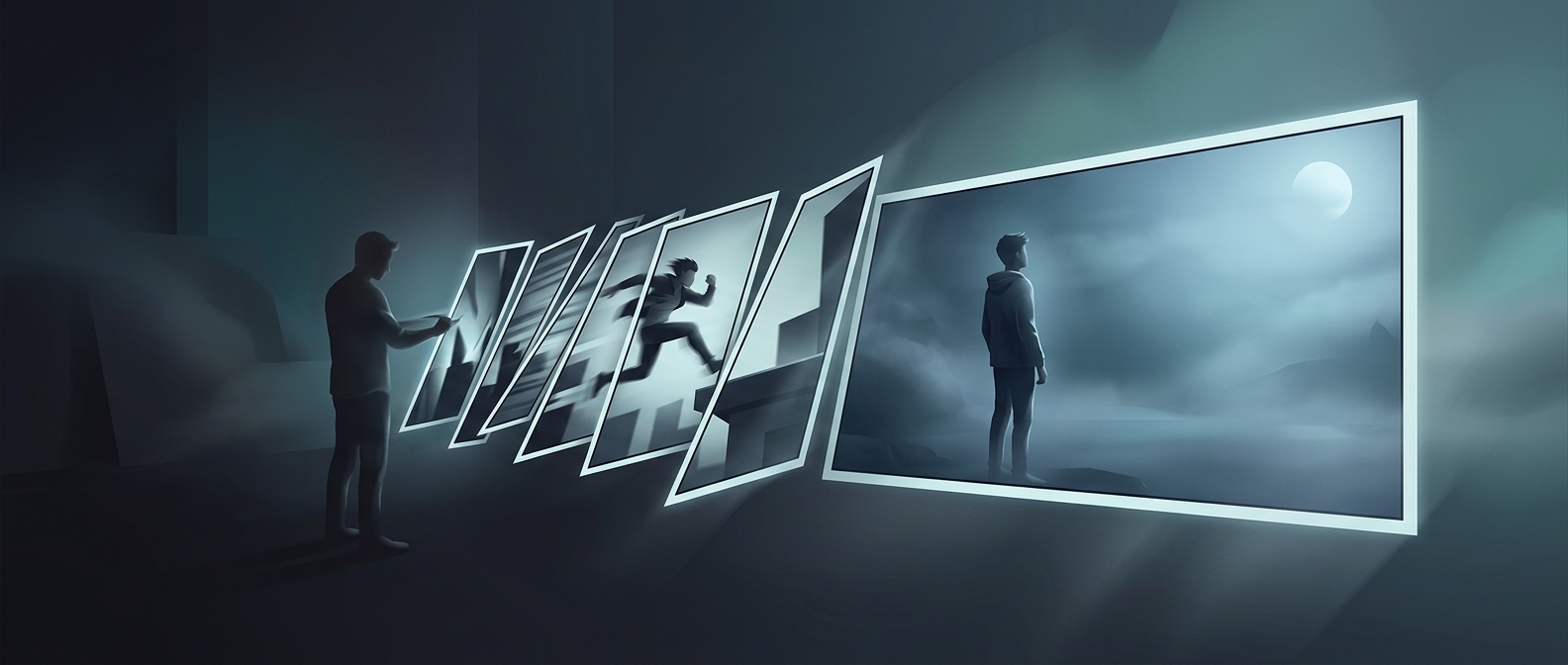
How comic panels make time speed up or slow down
Narrow, jagged panels make action feel faster, while a full-page image gives a tragic moment room to slow the reader down.
Discover more STACKY FOR IPHONE
A bigger world.
One discovery
at a time.
Keep discovering with Stacky. Interesting facts in an app that is always within reach.
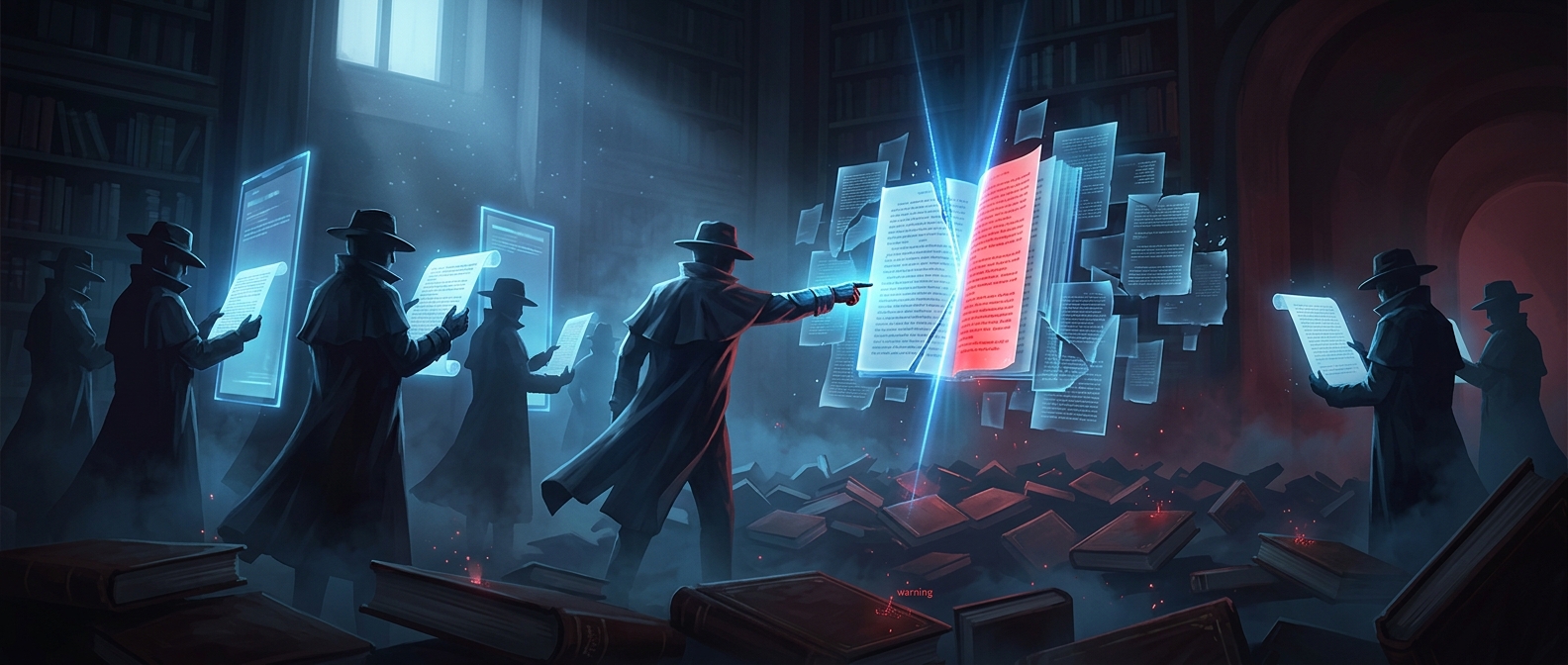
Romance readers are unusually good at spotting copied passages
Because romance readers often read quickly and widely, they may recognize familiar phrasing or passages and flag suspected plagiarism.
Discover more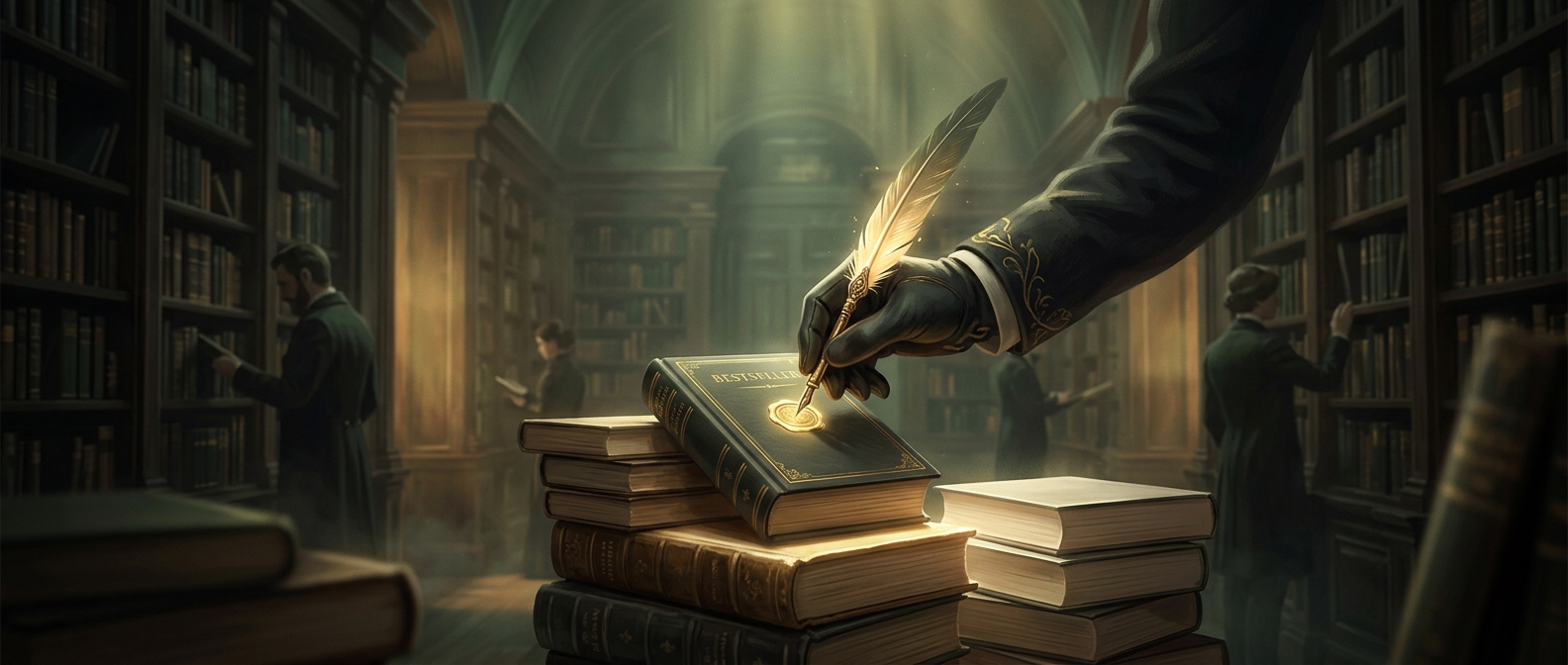
A bestseller list is not a checkout counter for the whole country
The New York Times builds its rankings from reported sales at a range of retailers, using its own methodology rather than counting every sale everywhere. It…
Discover more
Traditional publishers take years to print a finished novel
Even after a manuscript is finished, a traditionally published novel can take up to two years to reach bookstores. Editorial schedules, cover design, overseas…
Discover more
Why your publisher gets the final say on your book cover
Unless an author is a major industry star, a traditional contract often gives the publisher’s marketing team final say—even if the cover misrepresents the…
Discover more
How variant covers make collectors buy the same comic
Publishers release limited alternate covers of the same comic to create scarcity. Collectors may buy several copies of the identical story to get the…
Discover more
Board books are built to survive being chewed
Board books use thick cardboard pages and non-toxic inks to withstand toddlers' chewing, biting, and saliva.
Discover more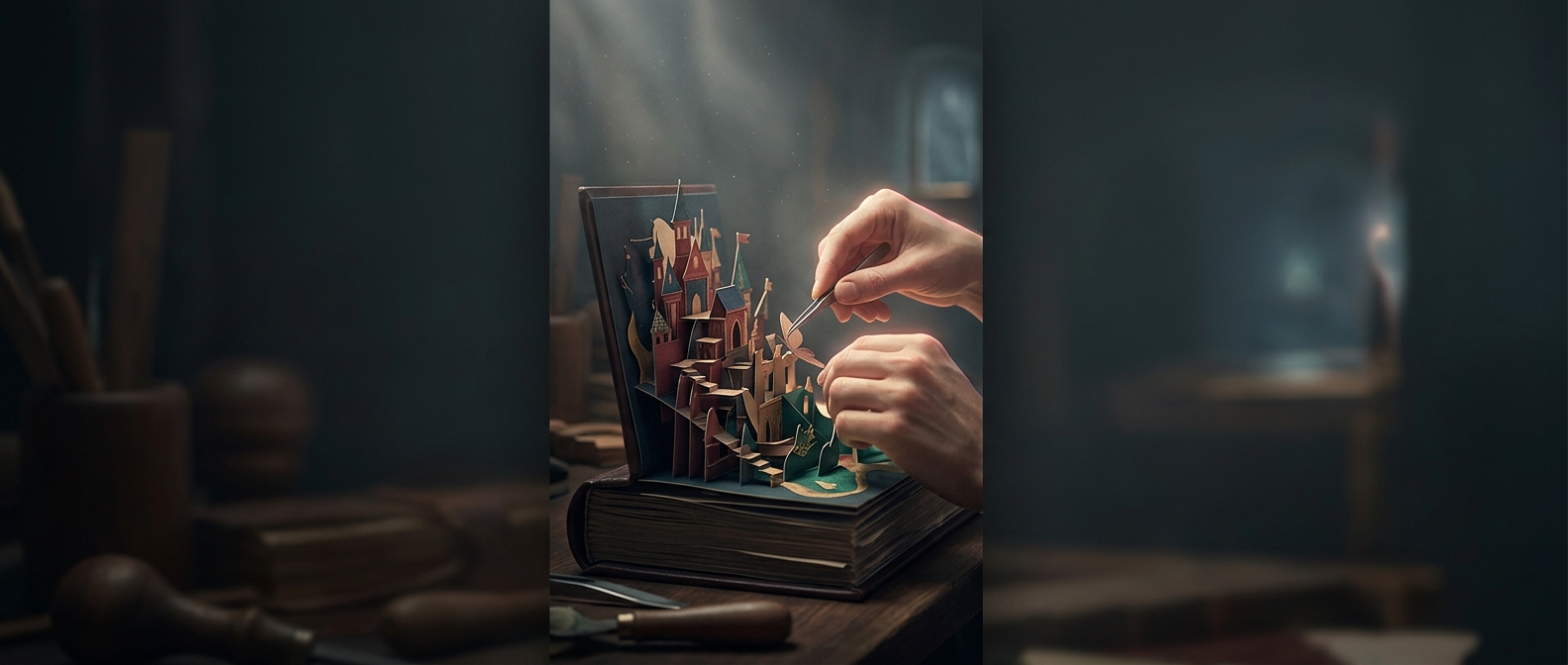
Pop-up books still have to be assembled by hand
The intricate paper mechanisms in premium pop-up books still require workers to glue, fold, and interlock the tiny cardboard pieces by hand, making the books…
Discover more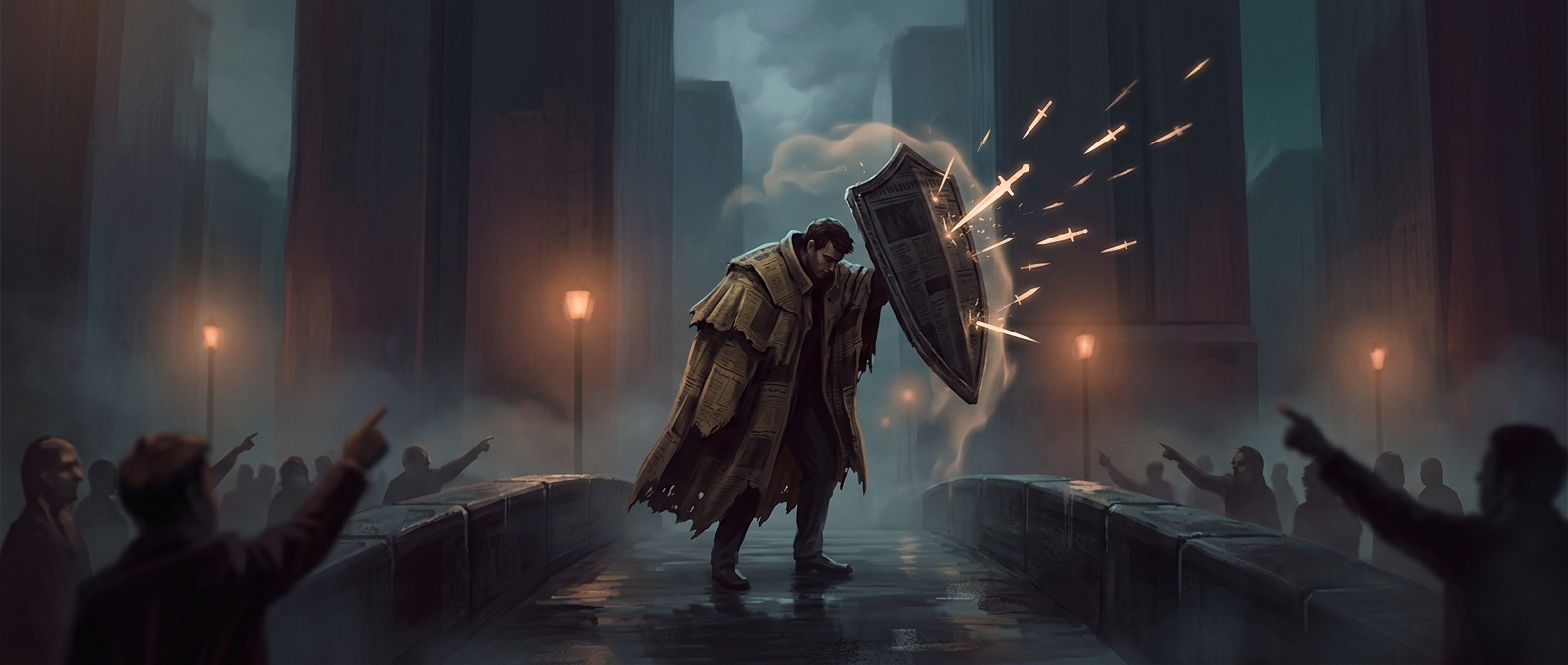
How tabloids hide behind the word allegedly
The word lets editors frame a damaging claim as a report of a rumor rather than state it as fact, creating a layer of plausible deniability.
Discover more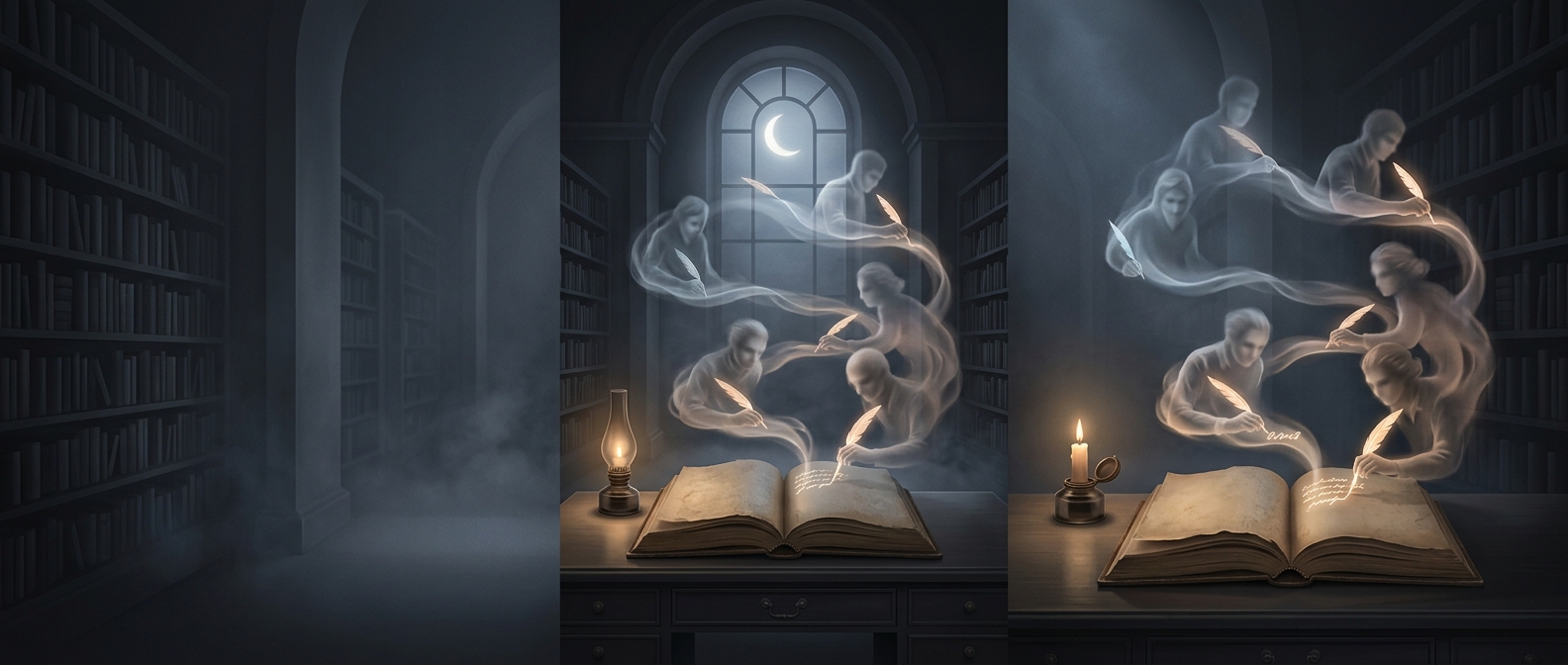
Why some book series outlive their authors
Publishers can keep a series going after its creator retires by hiring other writers to produce books under the original author’s name, which becomes a brand…
Discover more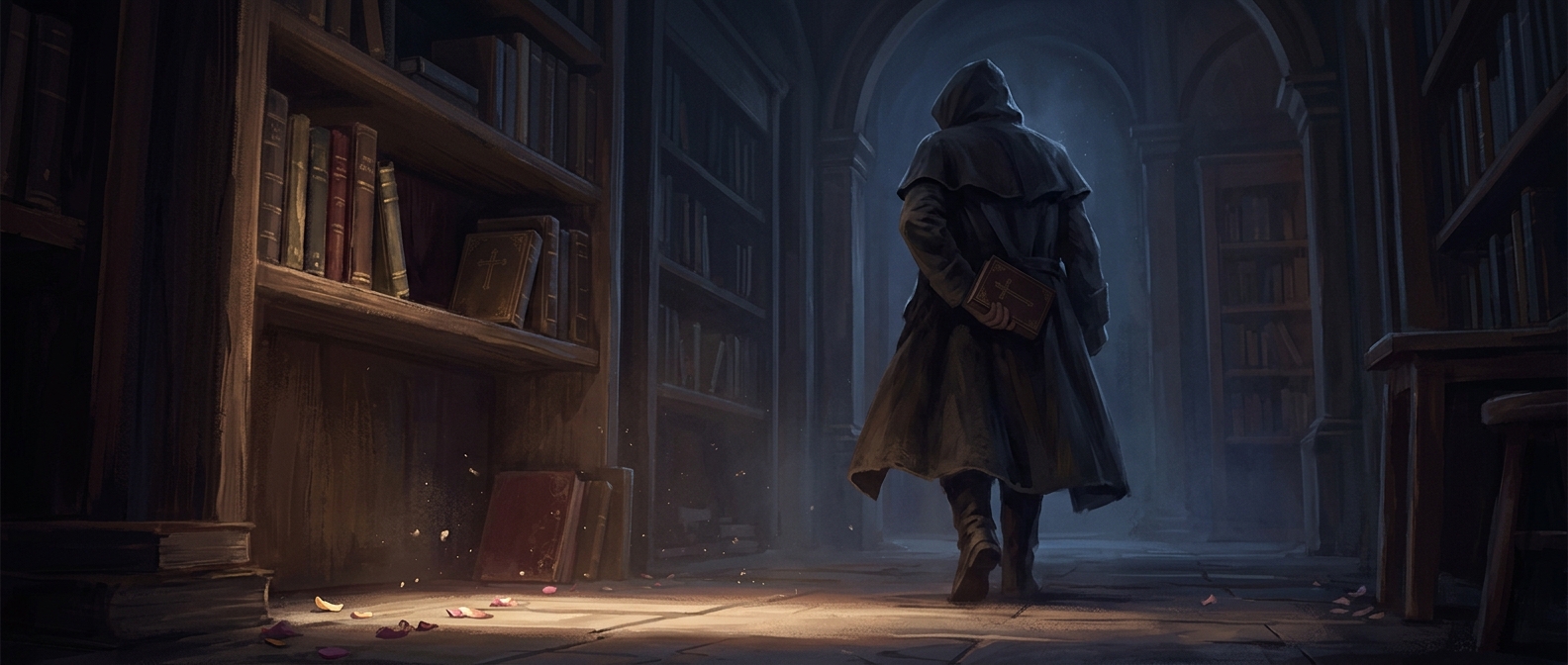
Why Bibles are among the most shoplifted books
Possible motives include taking a Bible out of religious need or stealing one for resale because of its high retail price.
Discover more
Why novels have strict word-count limits
Publishers often expect thrillers to stay below 90,000 words, while epic fantasy may need to top 100,000. Manuscripts far outside a genre's usual range can be…
Discover more
How comics make screams visible
Jagged lettering and burst-shaped speech balloons make a scream look louder and more distressing without disrupting the flow of the page.
Discover more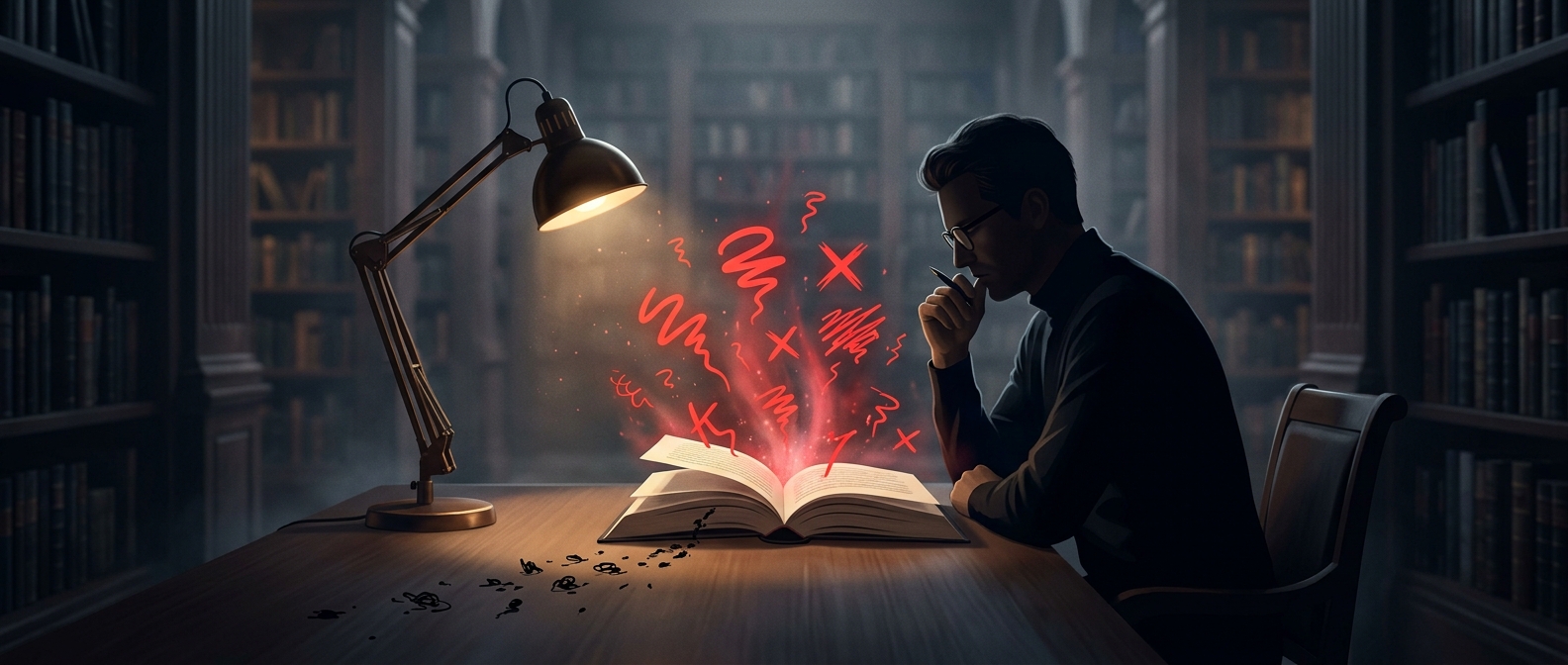
Advance review editions are distributed with blatant typos
Advance reader copies go out before final proofreading is finished, so reviewers may encounter typos or missing chapters. Publishers warn them that the text…
Discover more
Why book titles aren't protected by copyright
U.S. copyright generally doesn't protect titles or other short phrases, so two different books can legally have the same title.
Discover more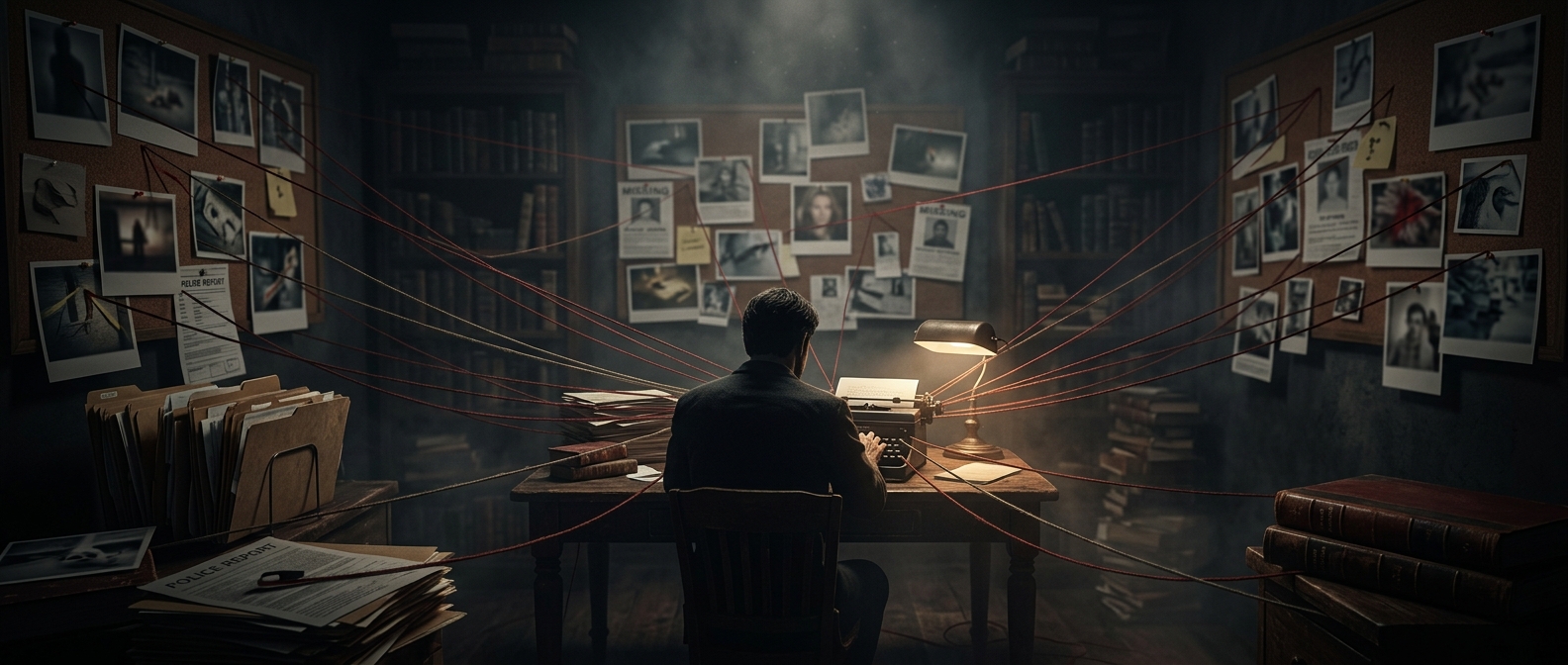
True crime authors heavily depend on unresolved tragedies
Ongoing cases can keep readers wondering what happened, so authors look through police records for unresolved mysteries that can sustain a book-length…
Discover more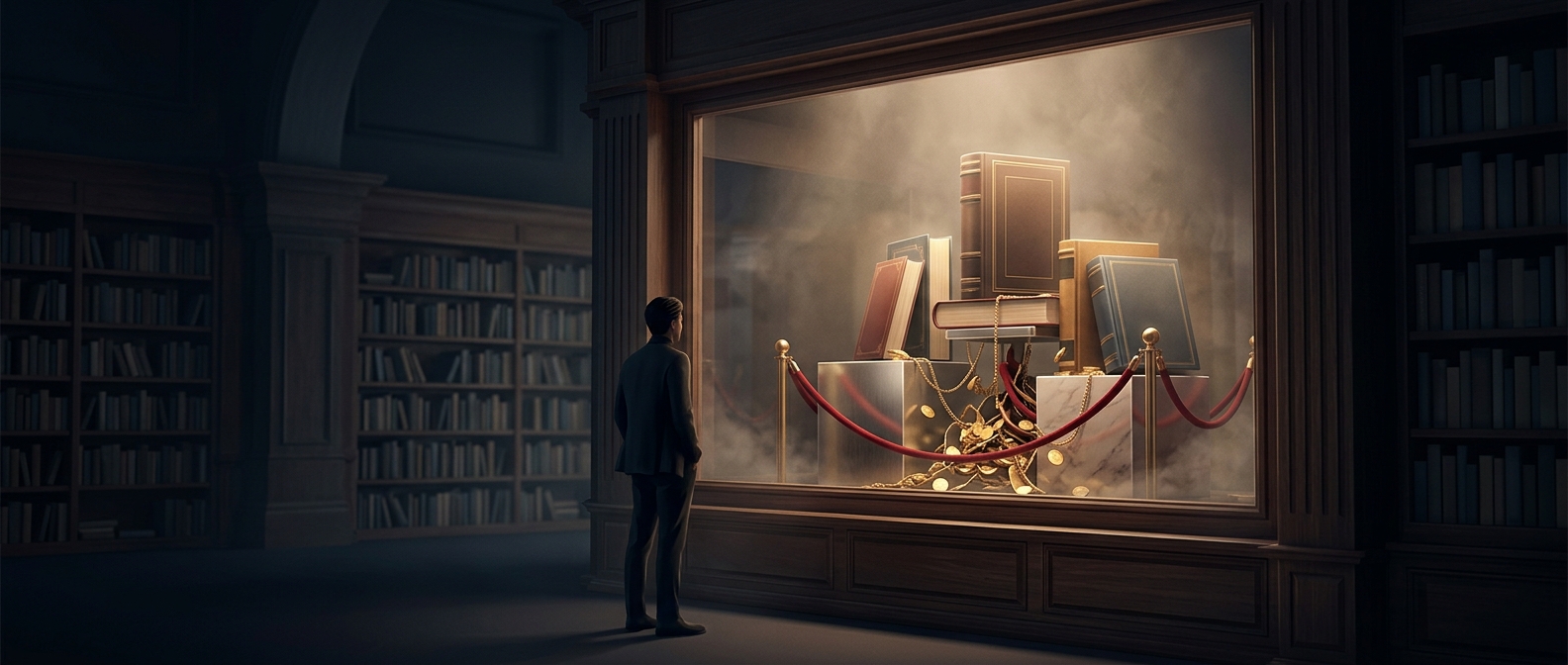
Book publishers pay for the best window displays
Those prominent displays are paid advertising: major publishers pay bookstore chains for prime window space, often at a monthly premium.
Discover more
Publishers aggressively time diet book releases for January
Publishers time diet-book releases for the first week of January, when post-holiday guilt can send readers looking for quick fixes like cleanses and diet…
Discover more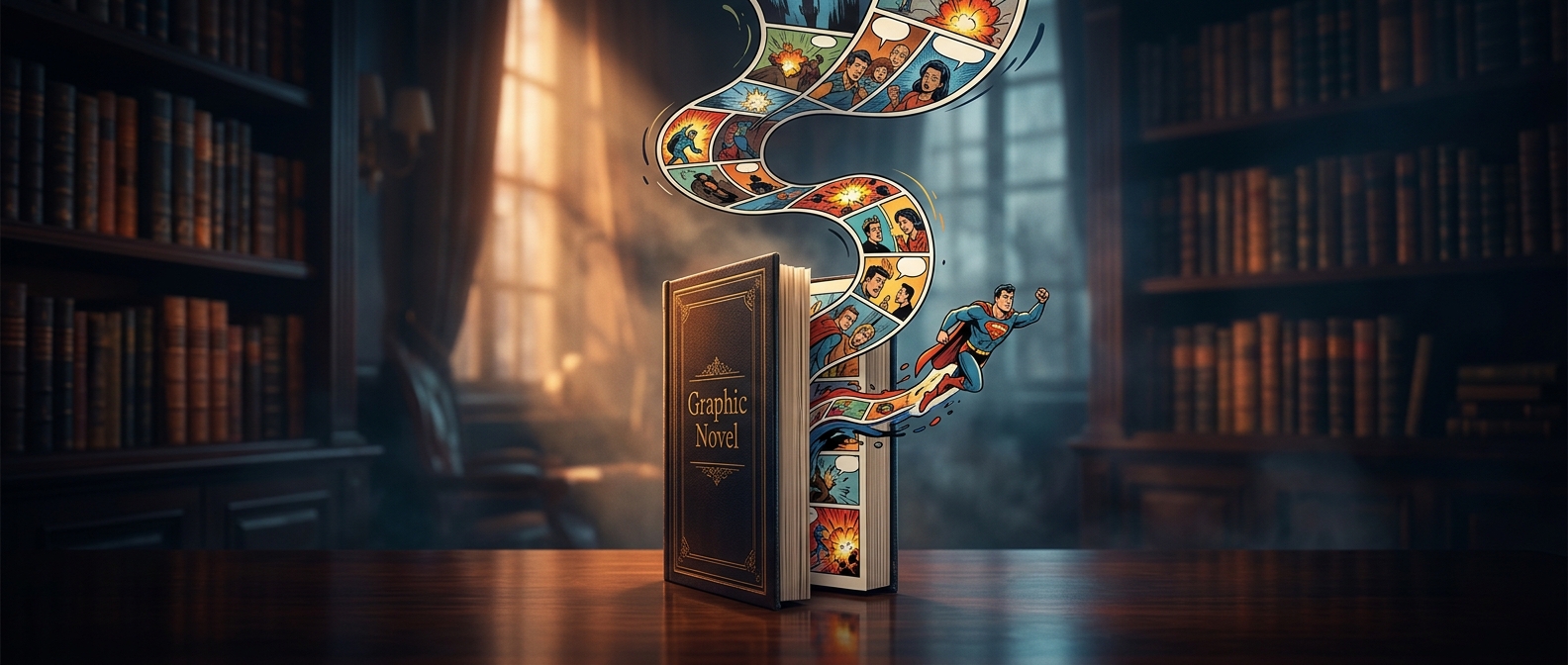
A graphic novel is still a comic
The term “graphic novel” helped make longer comics seem more appealing to adult readers. Structurally, they’re still comics.
Discover more