Culture & entertainment
Discover facts about culture & entertainment. Small discoveries that change the way you see familiar things.
Culture & entertainment
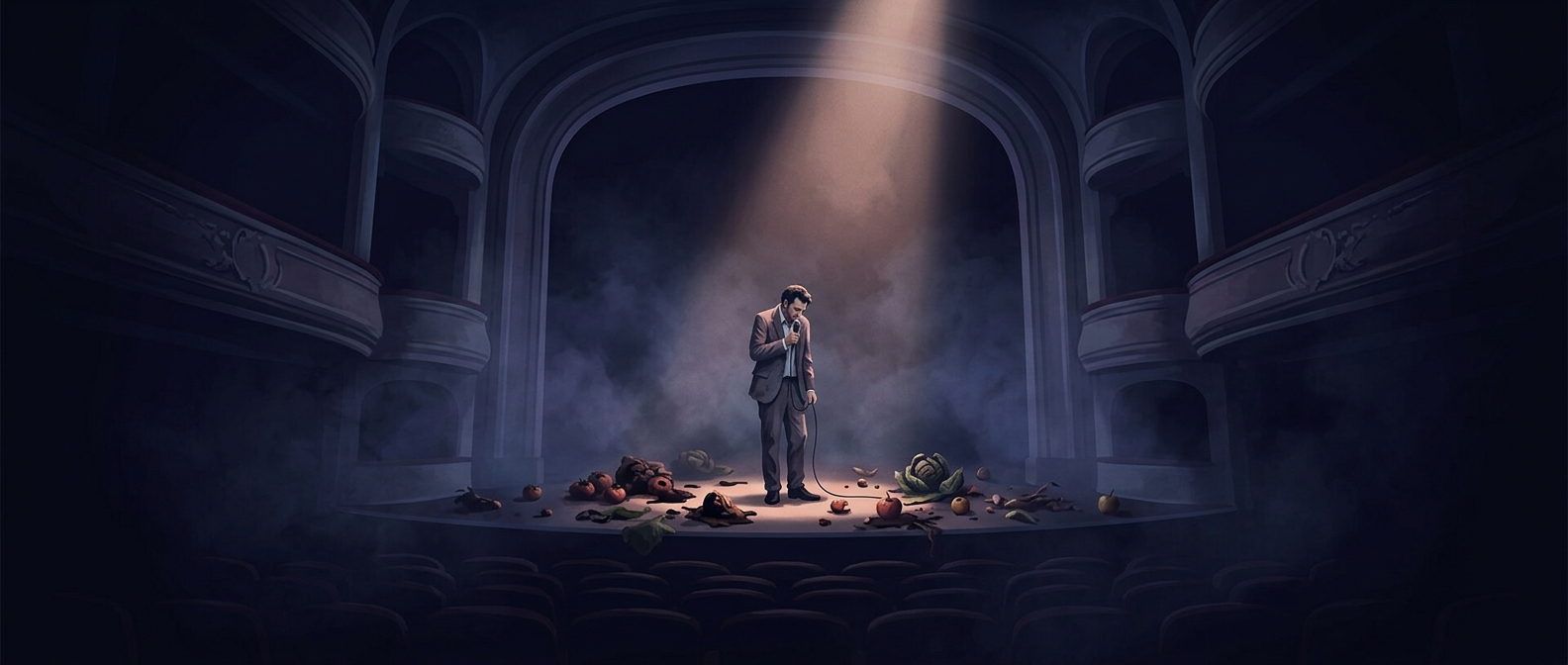
When bad jokes were answered with rotten fruit
Ancient audiences could answer a joke they hated by hurling rotten fruit and other garbage at the performer.
Discover more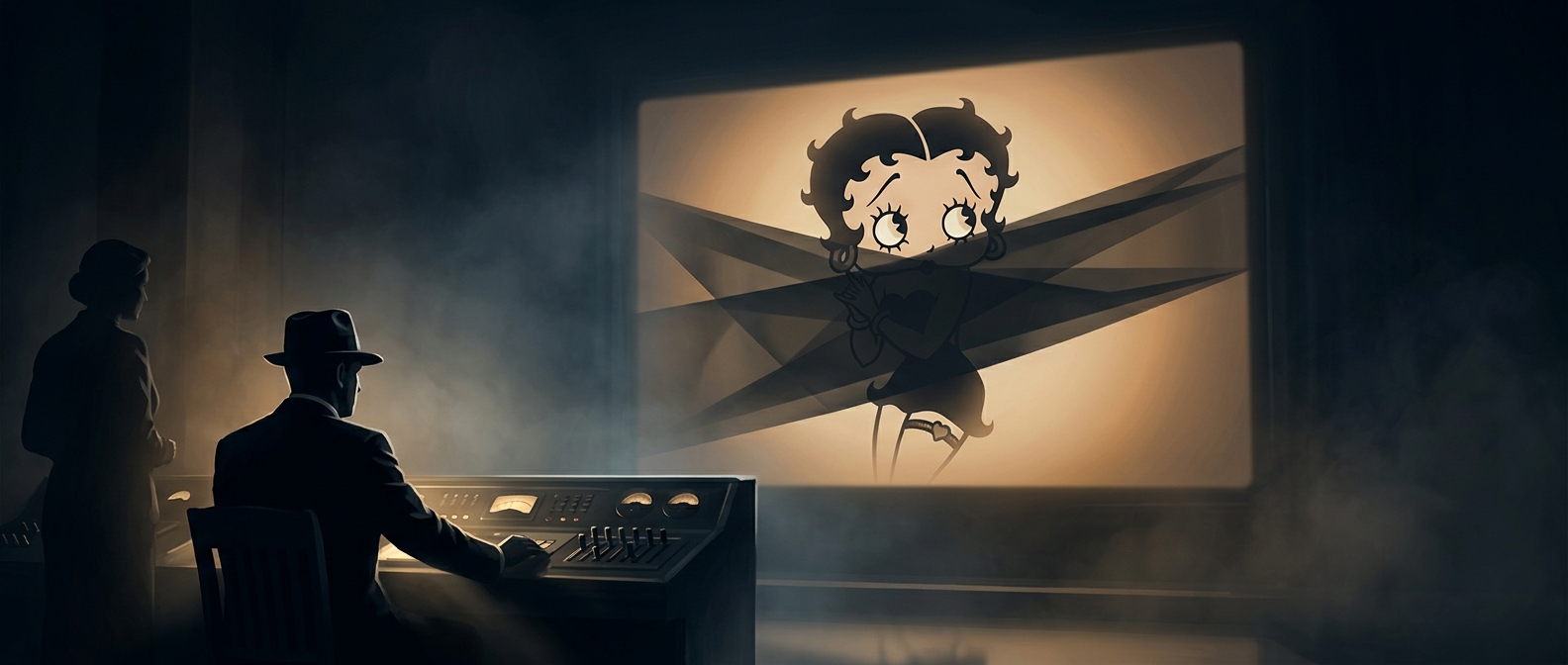
How Betty Boop was tamed for the screen
Production codes forced Betty Boop’s creators to lengthen her skirt and tone down her rebellious behavior, turning the jazzy flapper into a more subdued…
Discover more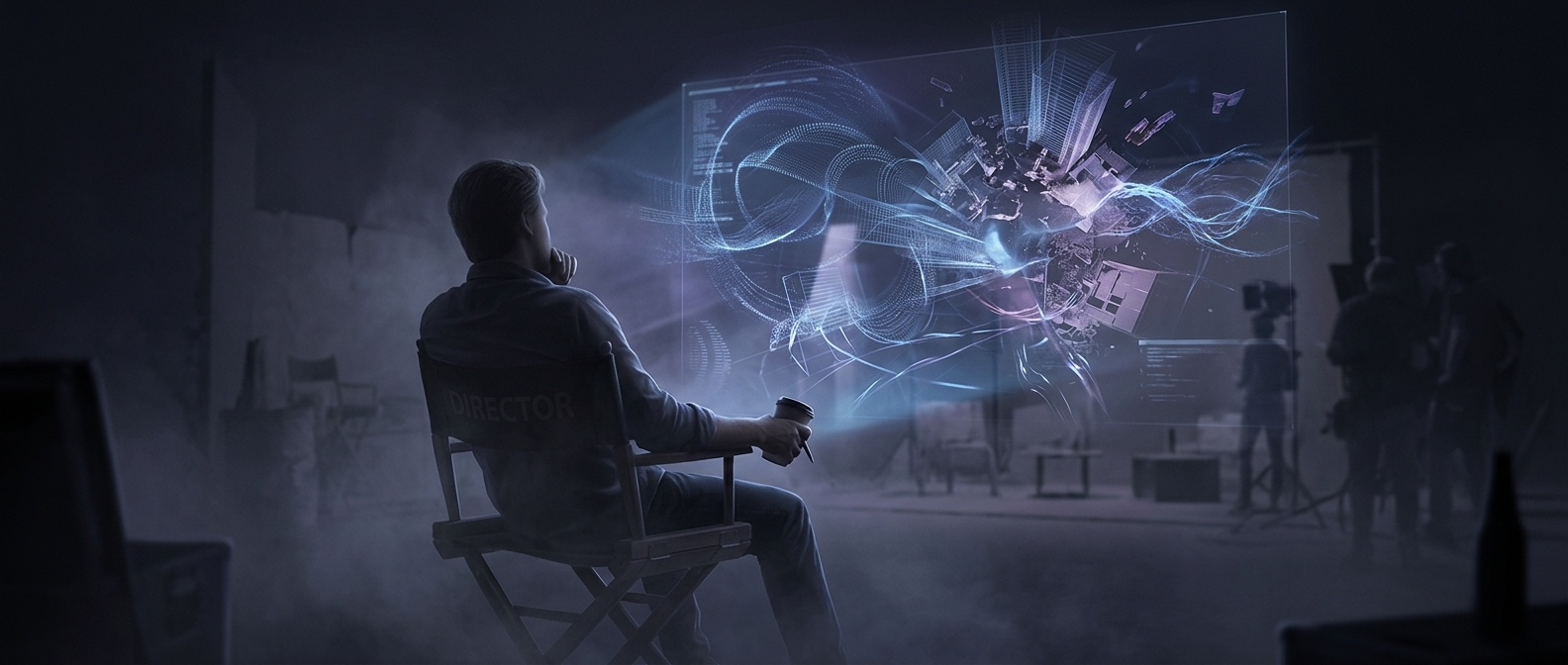
Why movies rely on CGI for difficult action
Green screens and visual effects let filmmakers build action that would be difficult to stage with real props, though heavy reliance on CGI can leave scenes…
Discover more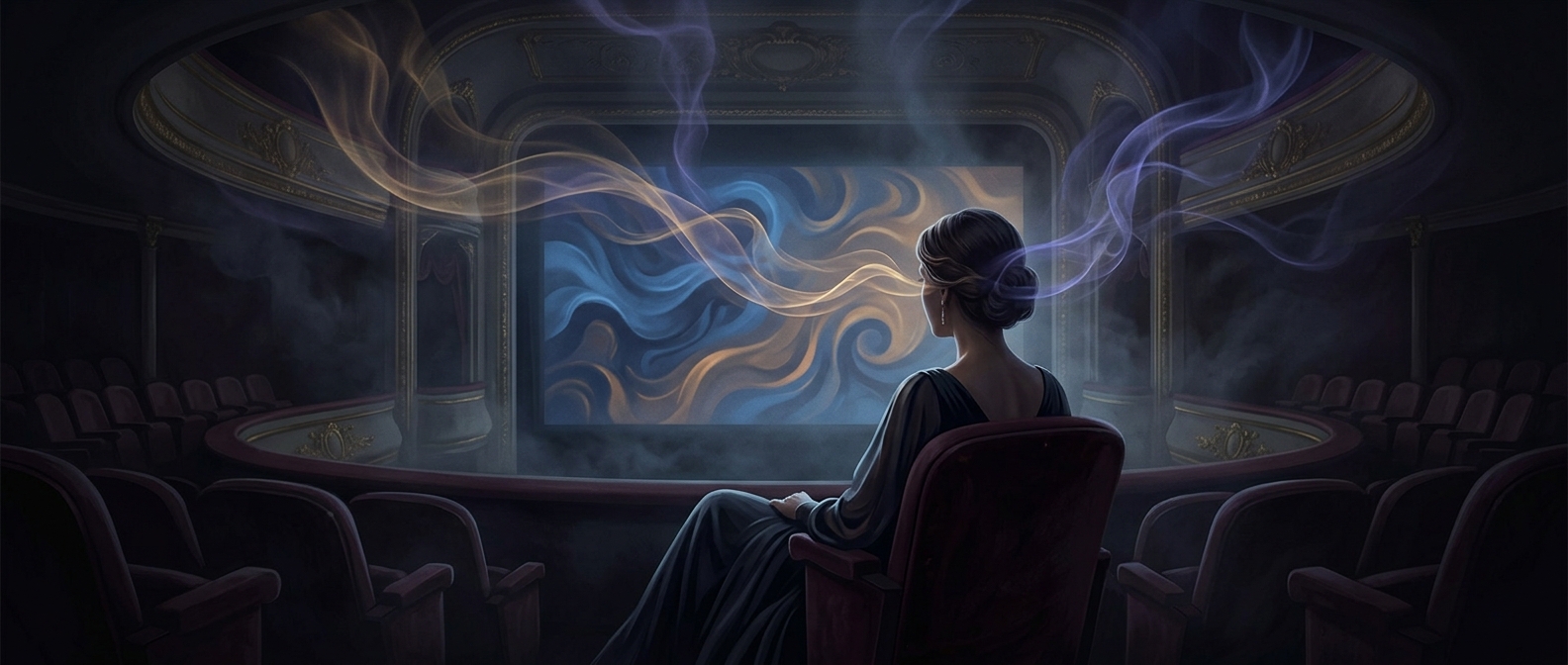
How theaters use scent to change the mood
Some live shows use hidden vents to release scents such as fresh pie or burning wood, helping create a cozy or ominous mood.
Discover more
Why circus safety nets can leave rope burns
The net prevents a fatal impact, but its ropes can scrape a falling performer’s skin and send them bouncing.
Discover more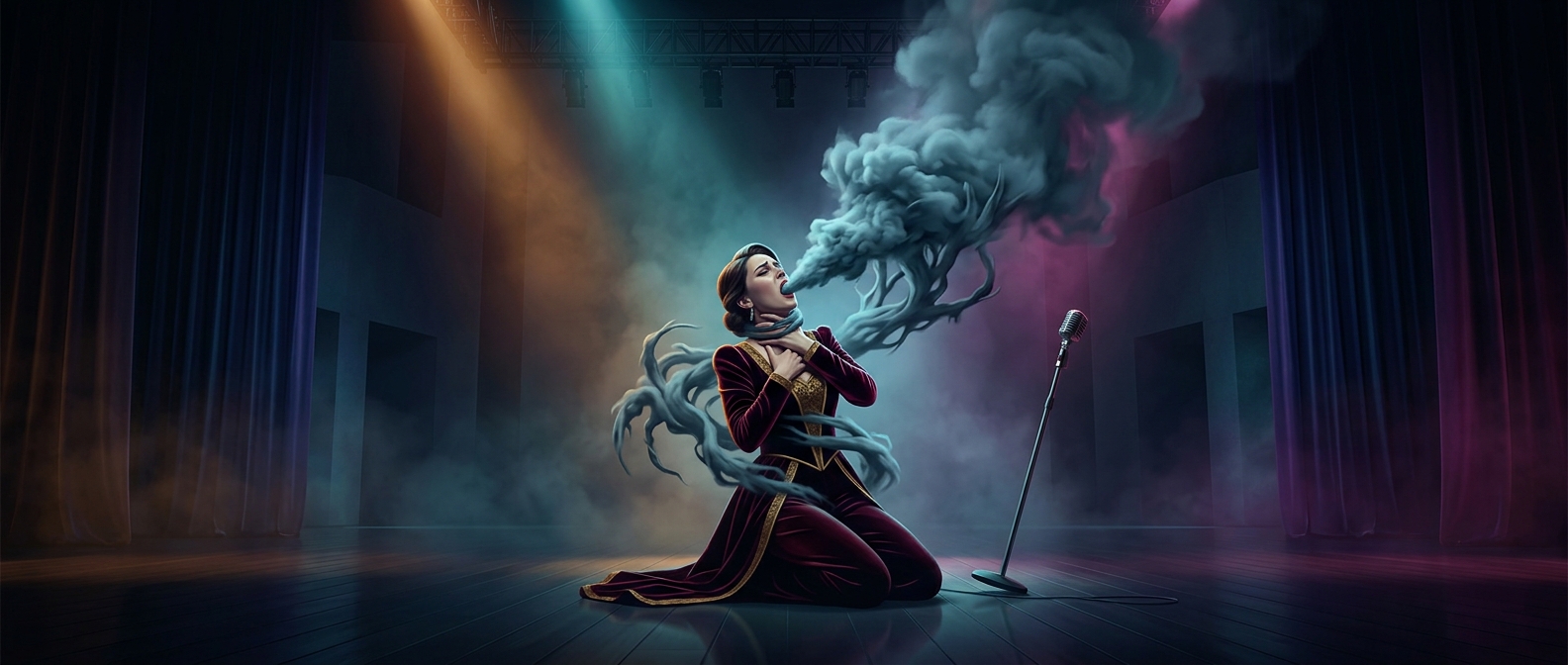
Stage fog has to pass more than a visual test
The cloud that makes a spotlight visible also enters performers' breathing space. Repeated exposure to some theatrical fogs can irritate the nose and airways,…
Discover more STACKY FOR IPHONE
A bigger world.
One discovery
at a time.
Keep discovering with Stacky. Interesting facts in an app that is always within reach.
Marvel gave its own actors fake storylines to protect spoilers
For Avengers: Infinity War, Joe Russo described distributing misleading scripts, while Paul Bettany recalled rehearsing material containing false scenes and…
Discover more
When test audiences demand happy endings
Test-audience surveys can push studios toward happier endings, even when that means changing a tragic story.
Discover more
Box office bombs often miraculously gain huge cult followings
Some box-office flops later find devoted audiences through midnight screenings.
Discover more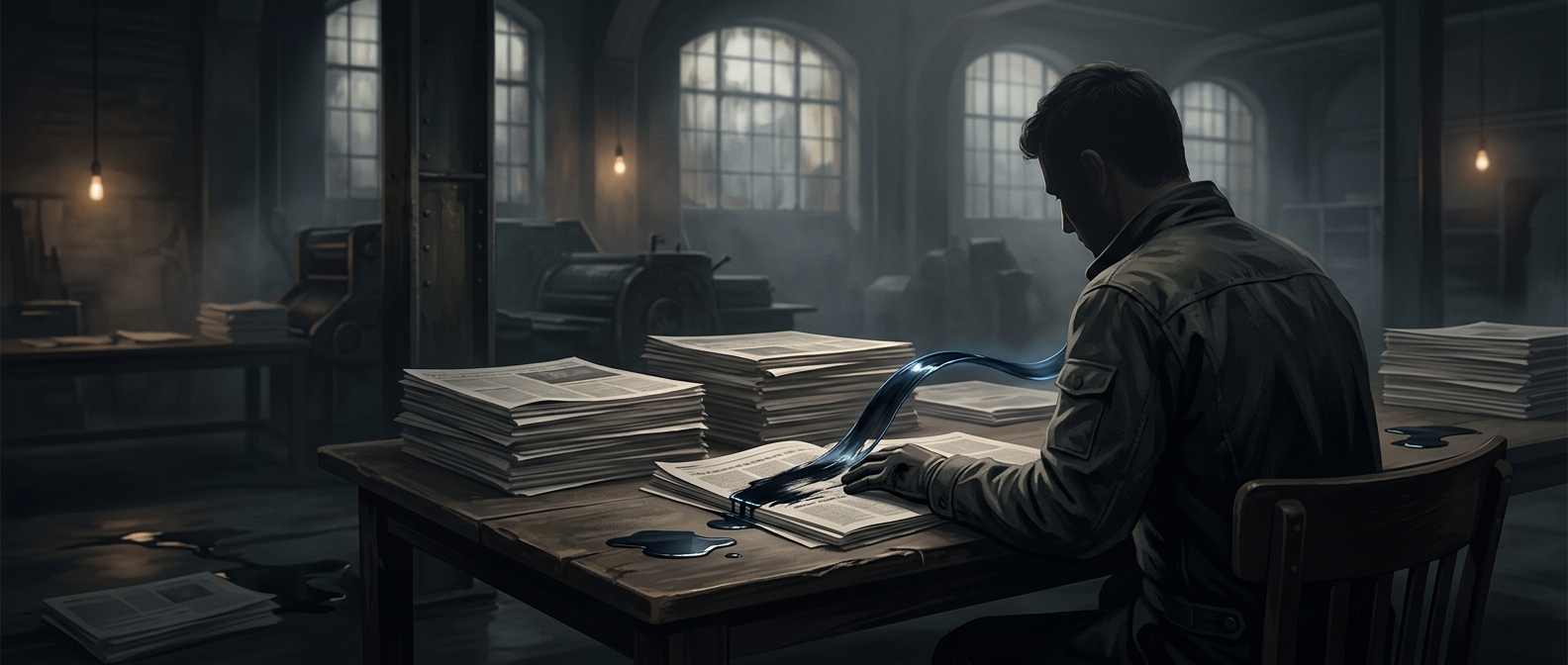
Why newspaper ink smudges your hands
Inexpensive petroleum-based newspaper ink dries slowly, so it can rub off on your hands while you read.
Discover more
Radio silence is heavily monitored by broadcasters
A commercial transmitter that goes silent for more than a few seconds can trigger alarms, and fail-safes may play emergency recordings to fill the dead air.
Discover more
Computer graphics often just remove unwanted shadows
Visual-effects artists also erase practical details such as boom microphones and unwanted reflections from glossy surfaces.
Discover more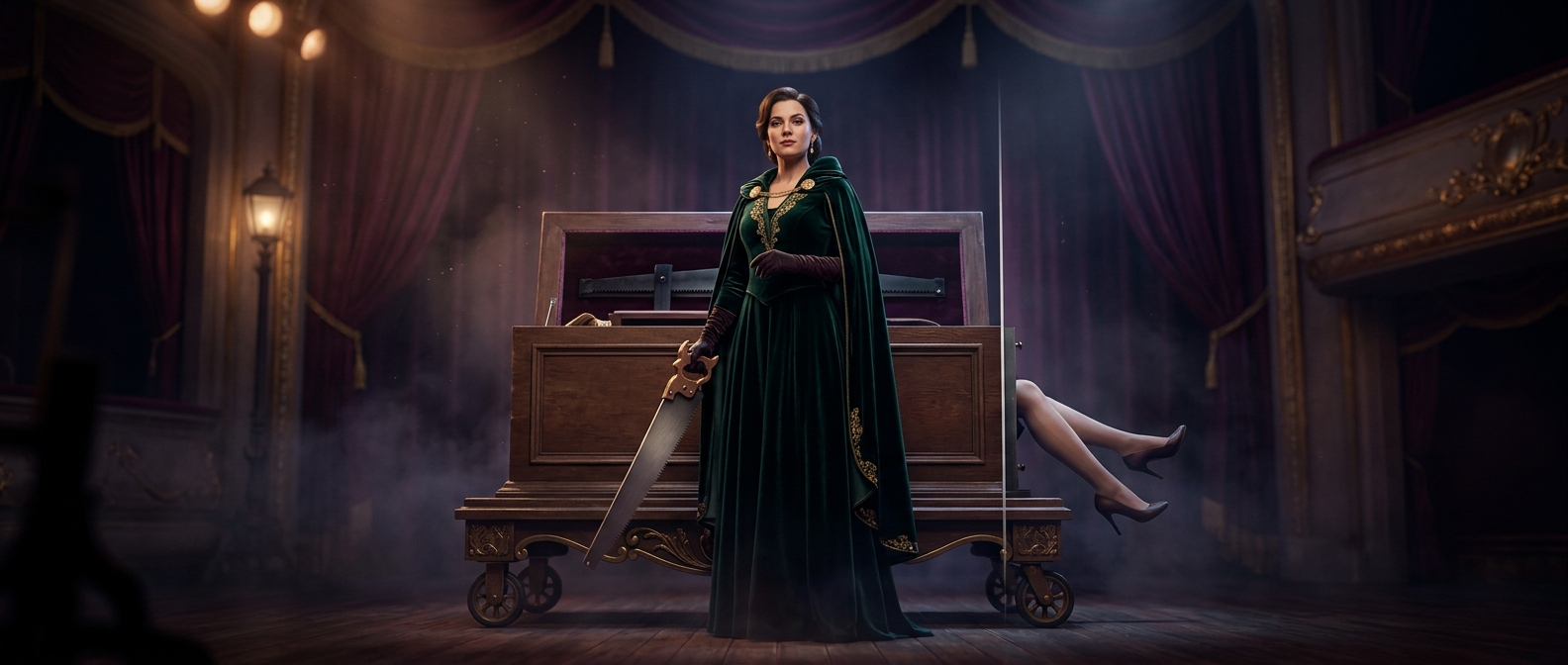
Sawing ladies in half originally shocked audiences
When the illusion debuted, medical staff were stationed in the lobby to treat viewers who fainted.
Discover more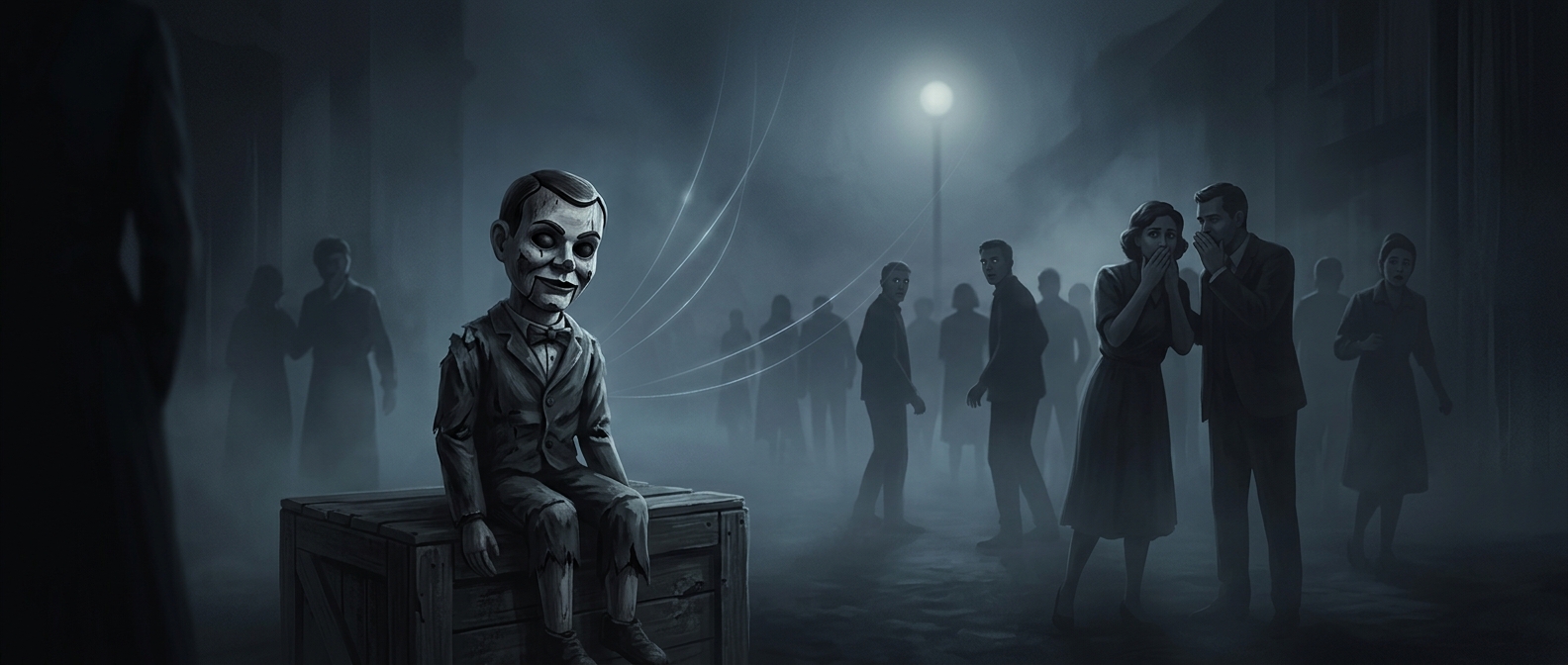
A ventriloquist became a radio star with a dummy nobody could see
Edgar Bergen and Charlie McCarthy found a huge audience on radio, where the visual trick of throwing a voice was invisible. Listeners stayed for Charlie's…
Discover more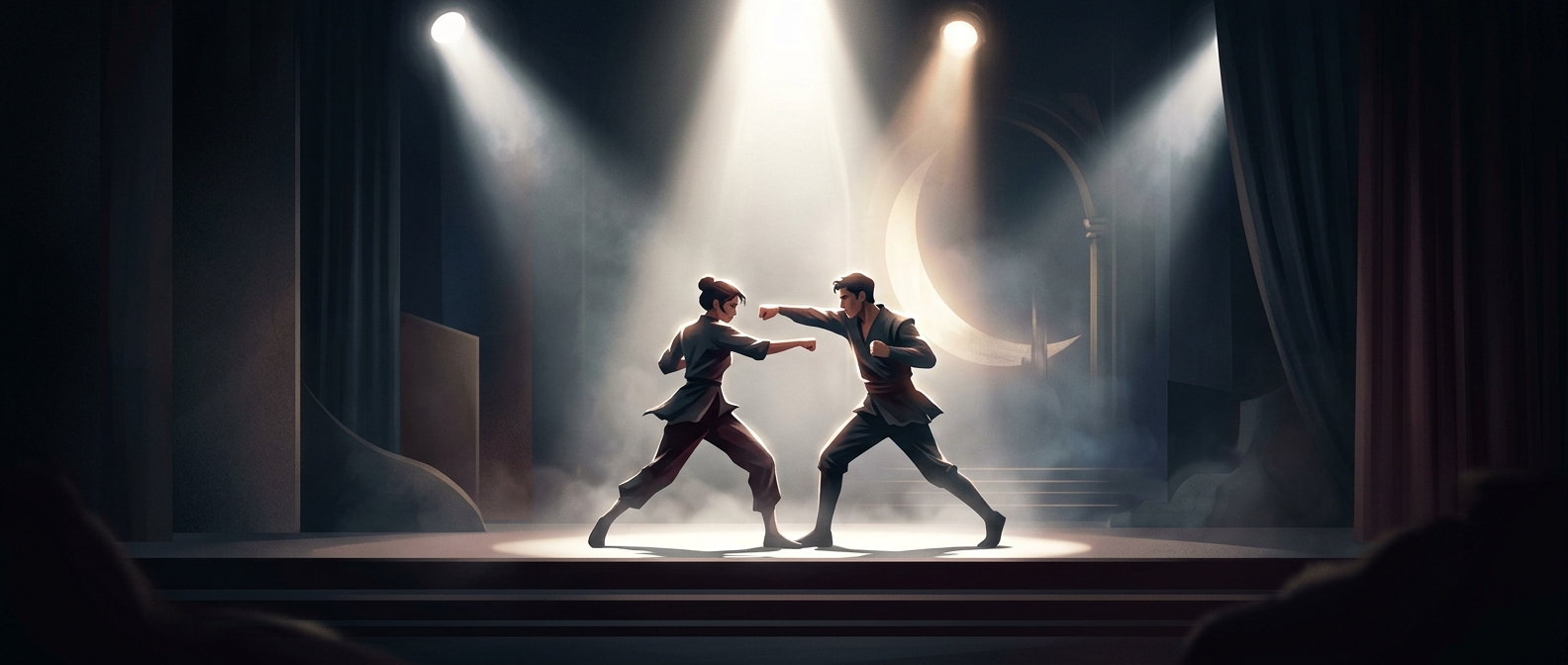
Throwing fake punches under extremely bright lights
Performers miss by several inches and slap their own legs to create the sound of impact, so up close the violence can look more like choreographed dancing.
Discover more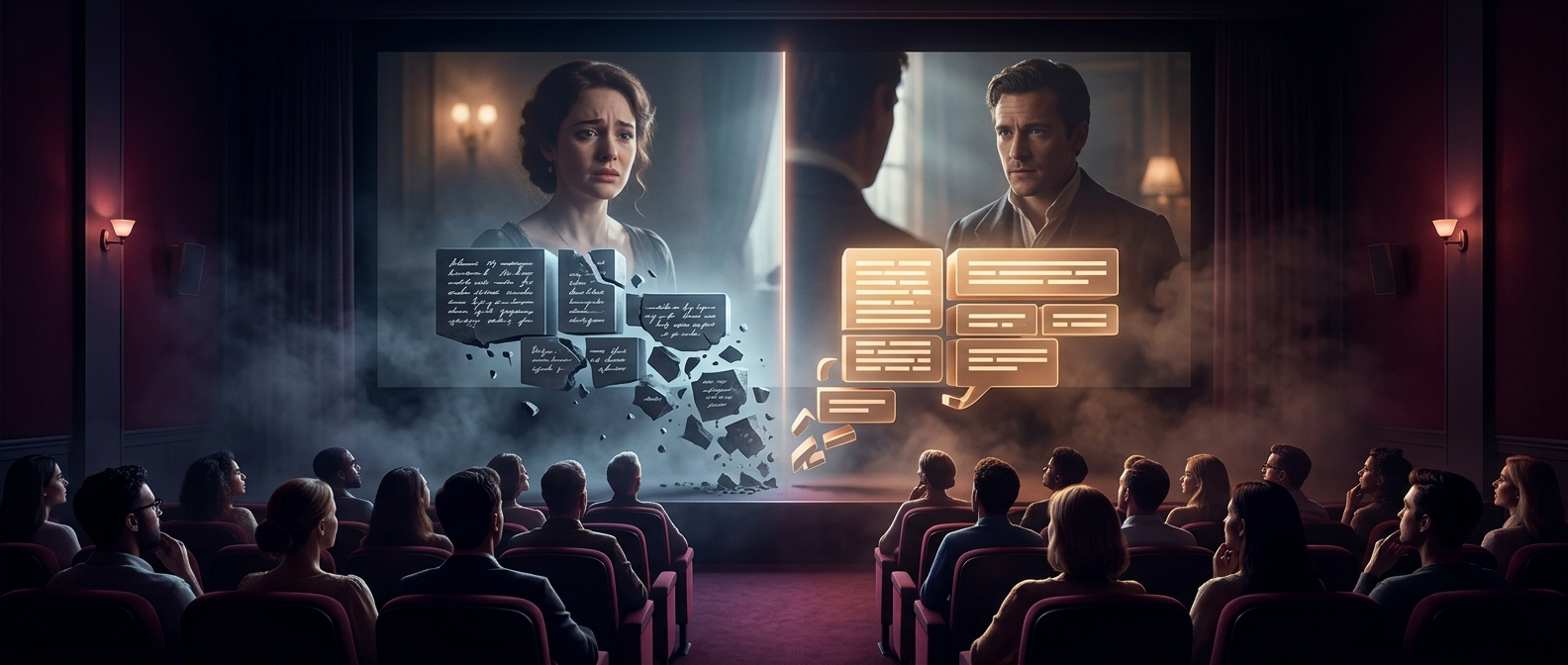
Changing dialogue entirely in translated text blocks
Localizers often rewrite jokes to fit another culture, so subtitles may deliver a different script from the dialogue spoken onscreen.
Discover more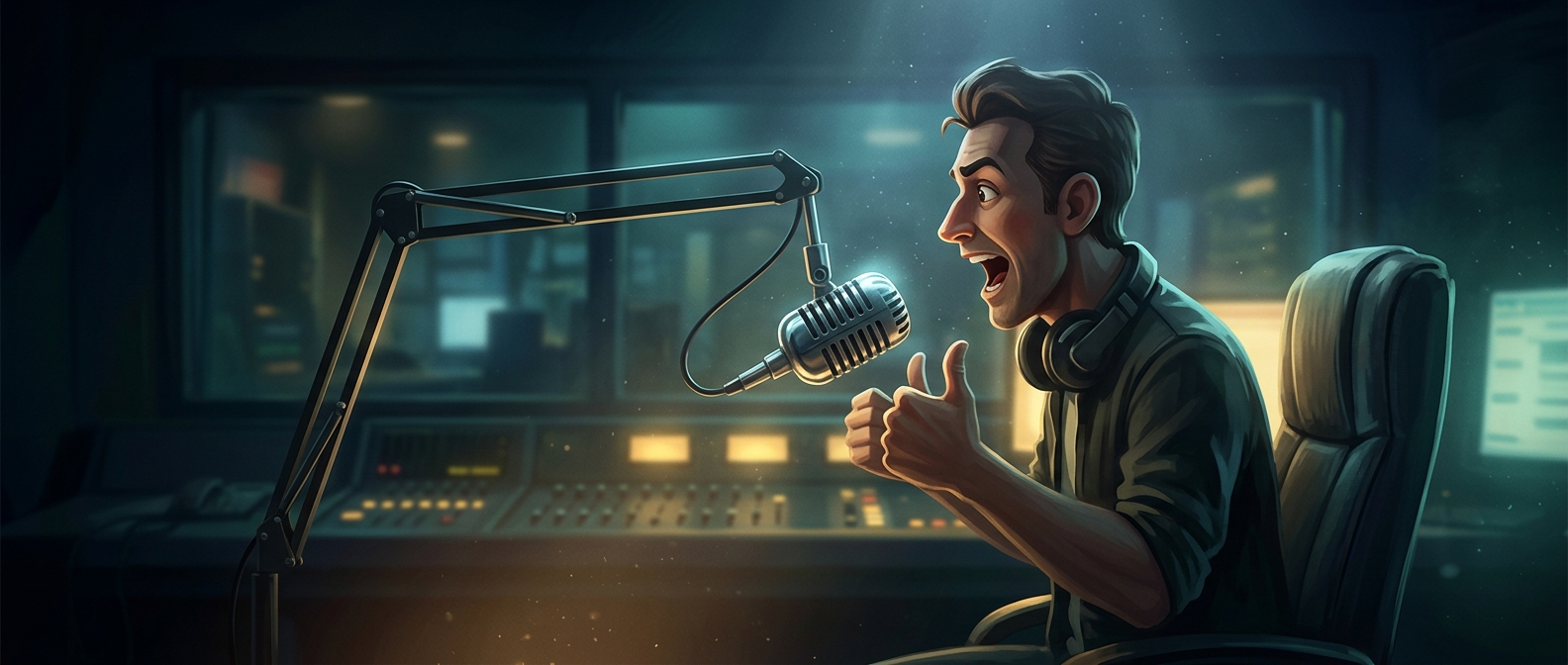
Radio hosts deploy fake enthusiasm
Forced laughter and sound effects make a morning show sound lively, even when listeners are stuck in a dreary commute.
Discover more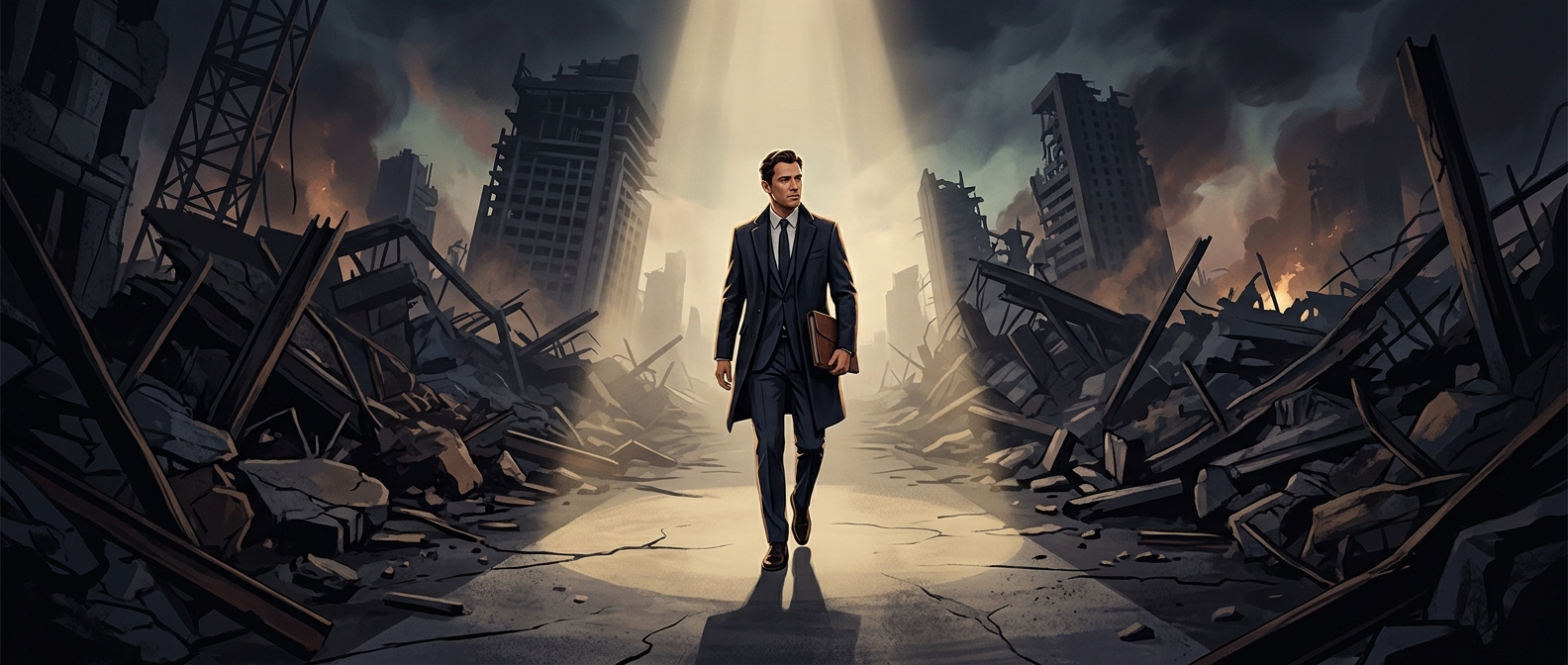
Surviving utter destruction solely by being the lead actor
The joke is that the top-billed star survives a chaotic explosion unscathed while highly trained stunt performers are dispatched in seconds.
Discover more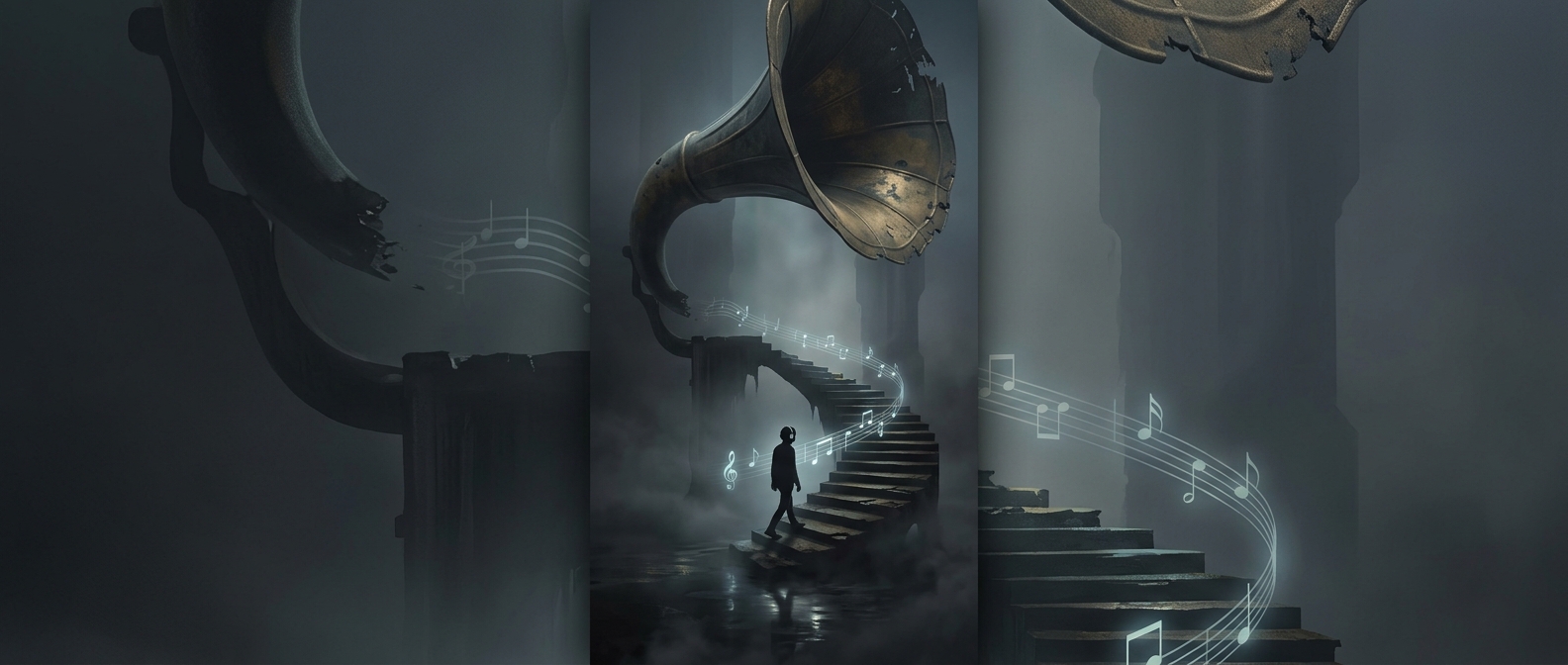
riding a single catchy tune into obscurity
A song can dominate radio for a summer, then leave its performer struggling to recreate the success of that one hit.
Discover more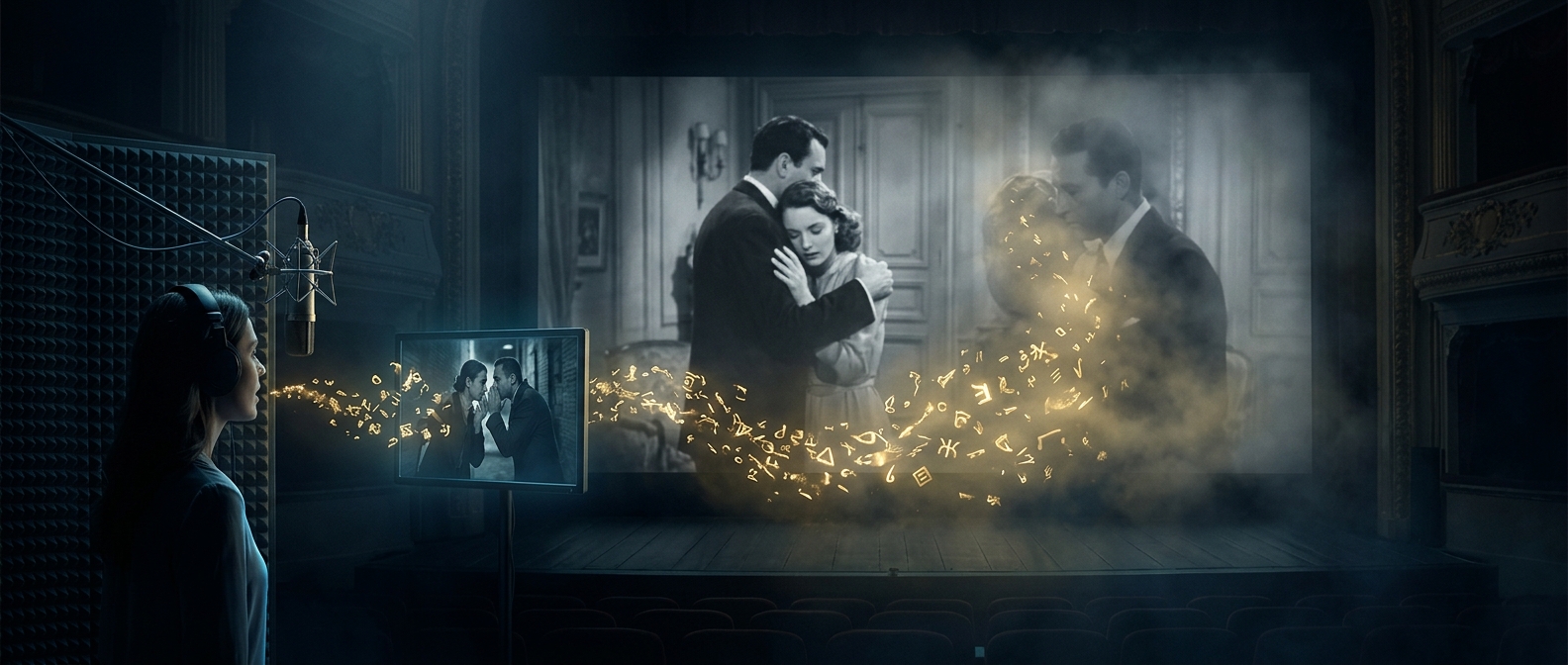
Why dubbing can change the original dialogue
Voice actors may have to change lines to match the movements of an actor’s mouth. That can alter the original dialogue’s tone or meaning.
Discover more
On talent shows, a sad story can beat talent
On some talent shows, a moving backstory can shape a contestant’s reception as much as the performance itself—even when their singing is only moderate.
Discover more
Why binge-watching kills the suspense
Rapidly watching dramatic twists leaves little time to speculate with friends between episodes, which is a big part of the suspense.
Discover more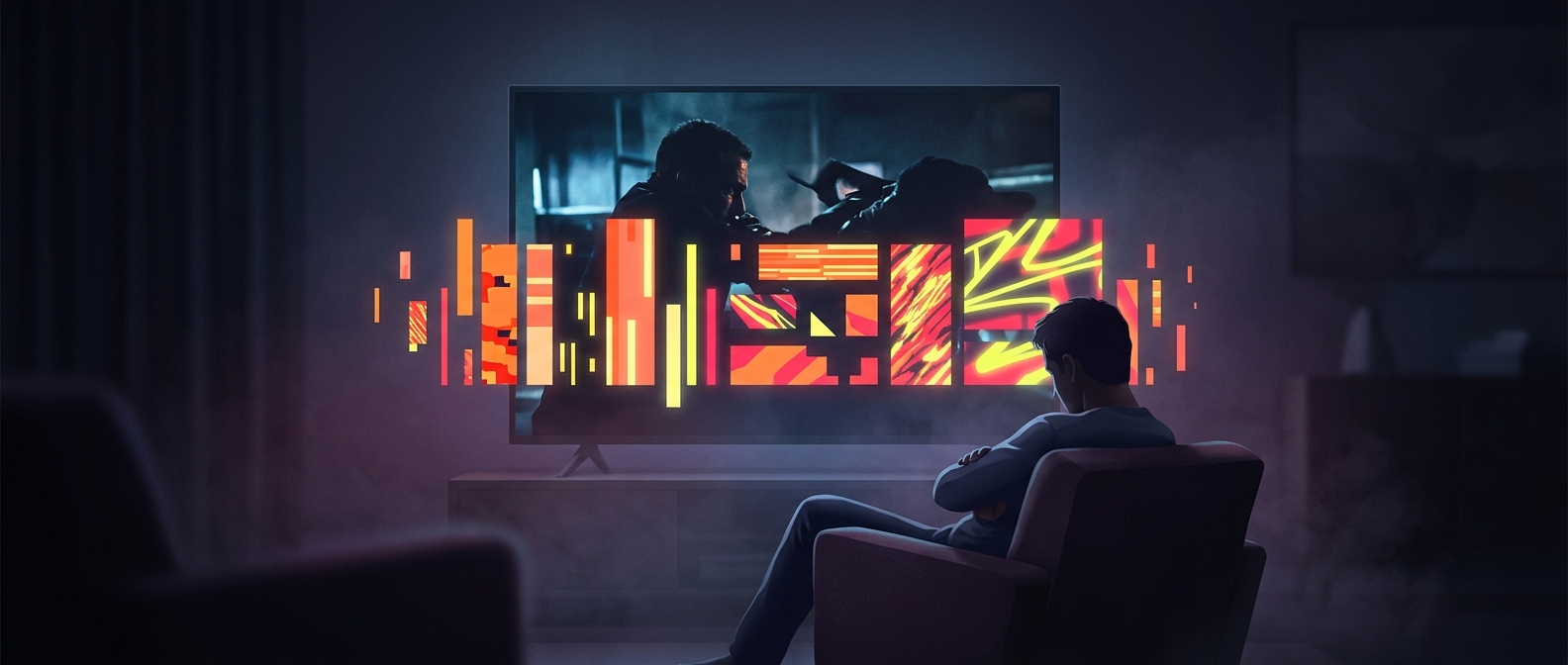
Why TV shows put cliffhangers before ad breaks
Writers place a tense moment just before commercial breaks to keep viewers watching through the ads for the resolution.
Discover more
Why quiz shows make contestants forget everything
Spotlights, buzzing sounds, and sudden silence can throw contestants off, making even basic trivia harder to recall.
Discover more