Culture & entertainment
Discover facts about culture & entertainment. Small discoveries that change the way you see familiar things.
Culture & entertainment
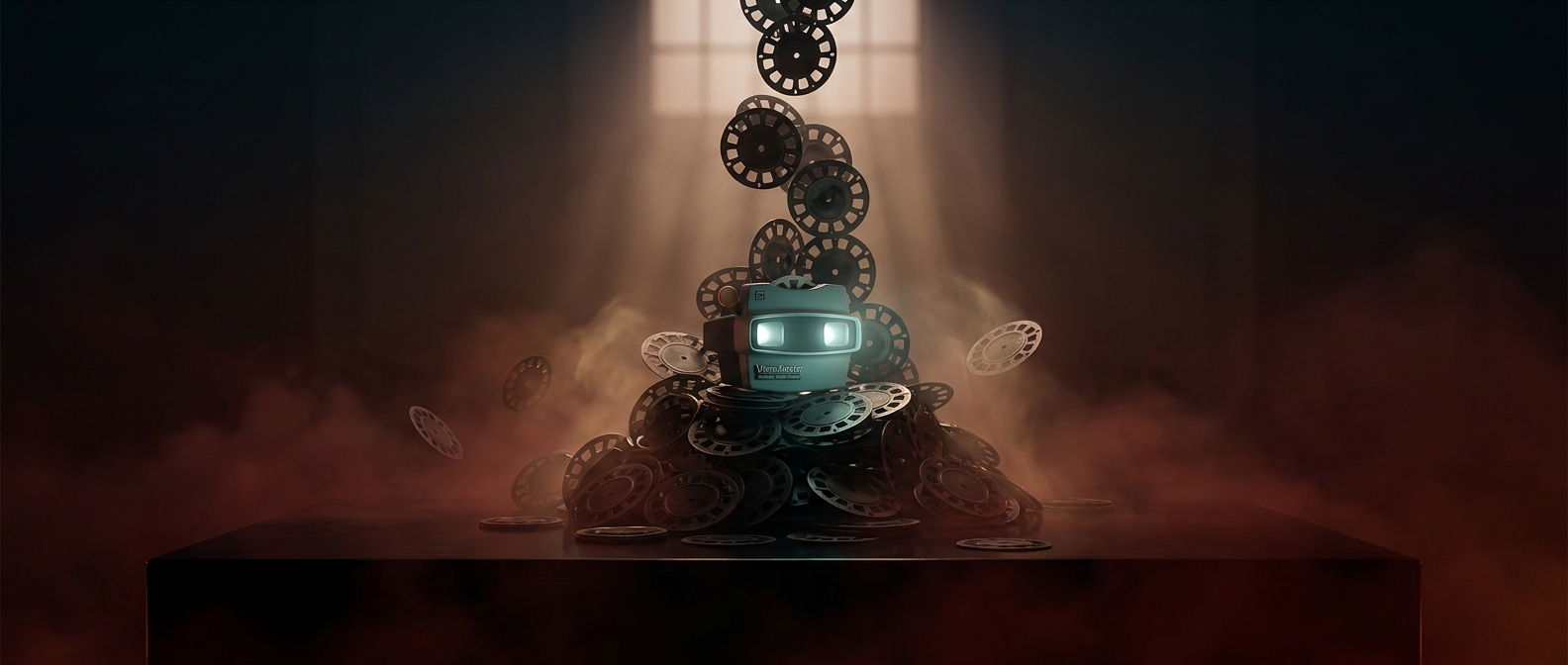
The 3D camera families abandoned after one vacation
The 1952 View-Master Personal camera was heavy and expensive, and turning its film into viewable reels required a technician to cut tiny frames and mount them…
Discover more
When Deep Throat became an elite Hollywood event
In 1972, *Deep Throat* became a must-see among the cultural elite, with stars including Jack Nicholson, Warren Beatty, and Johnny Carson attending screenings.
Discover more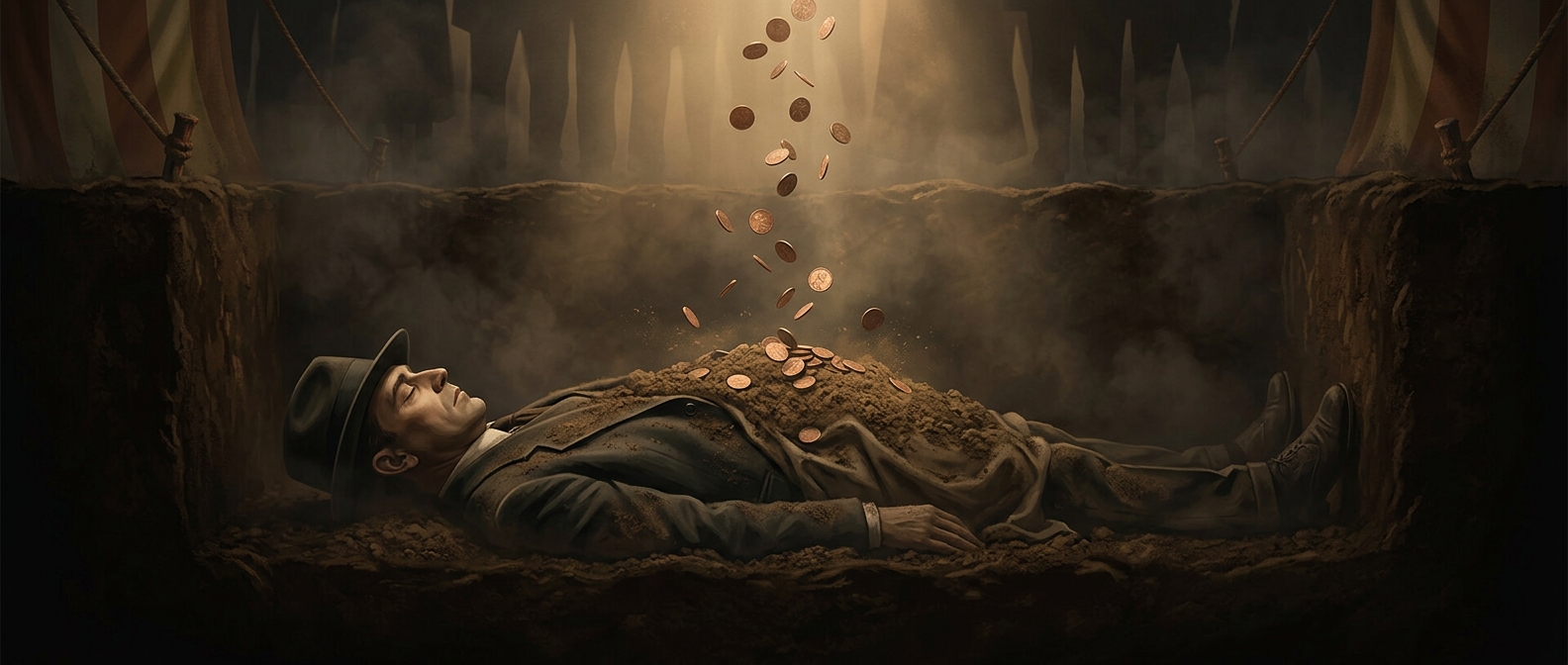
Dracula's director had a past as a living corpse
Before his film career, Tod Browning worked in carnival entertainment. Accounts of his early act describe him performing as a hypnotized corpse, buried in a…
Discover more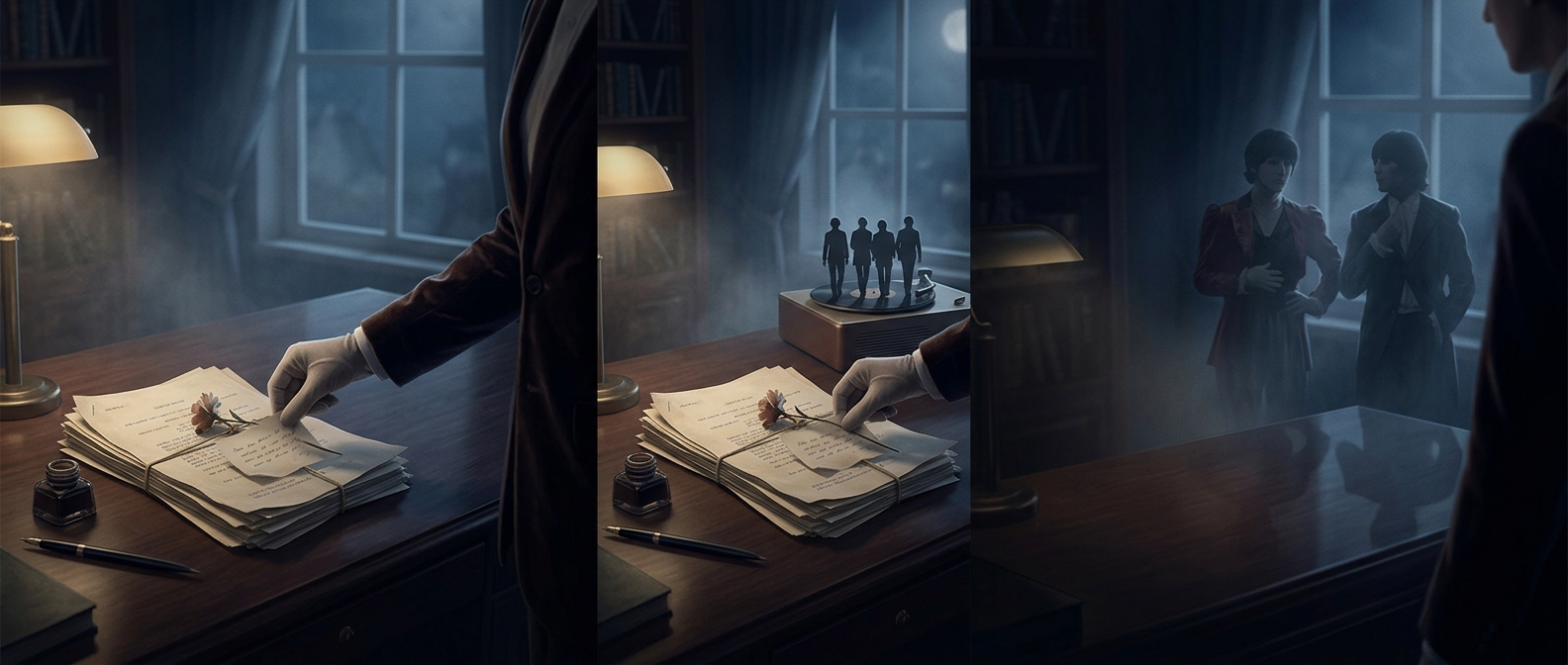
The Beatles rejected a script involving political assassination
Joe Orton's Up Against It offered the band a much darker comic adventure than Help!, mixing political intrigue with sexual farce. It was never made as their…
Discover more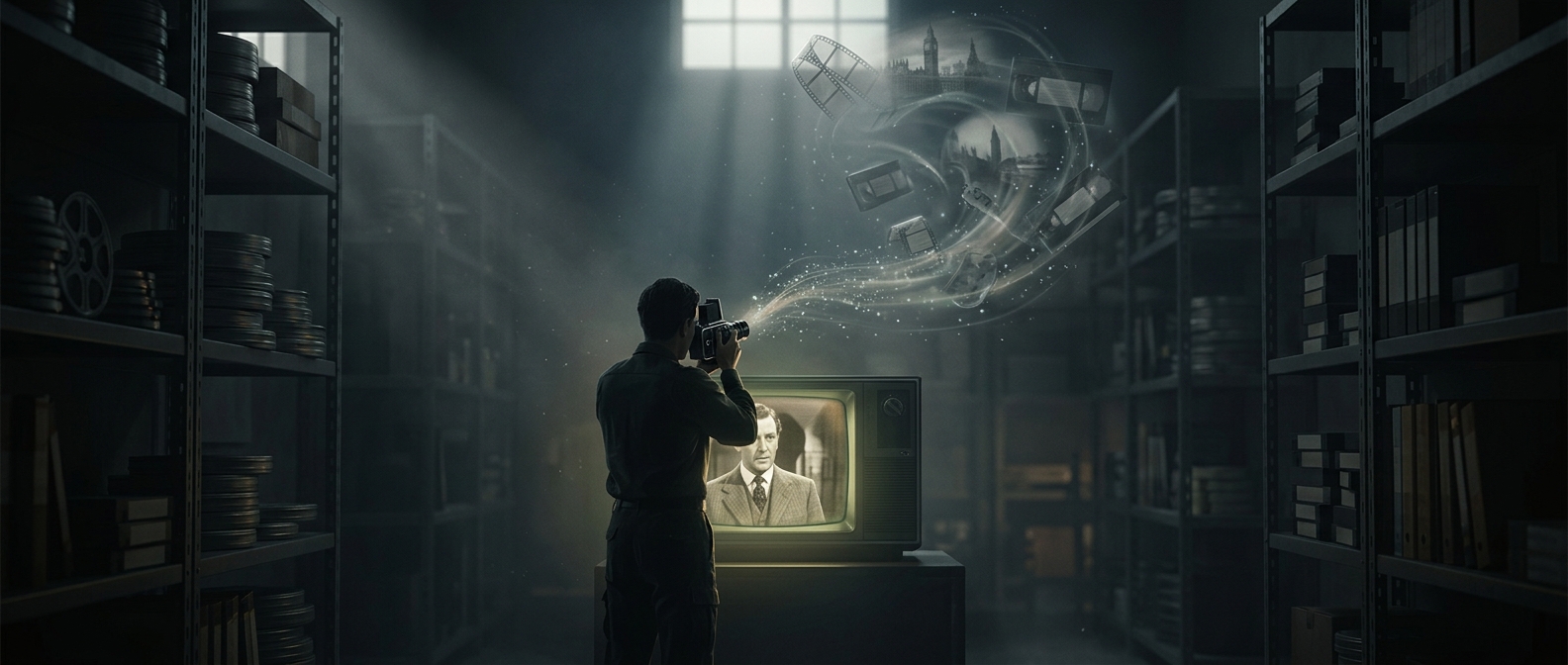
TV screen photos rescued lost BBC episodes
Before home video, John Cura photographed TV screens as programs aired, selling the resulting “Tele-Snaps” to actors and directors. The BBC later erased many…
Discover more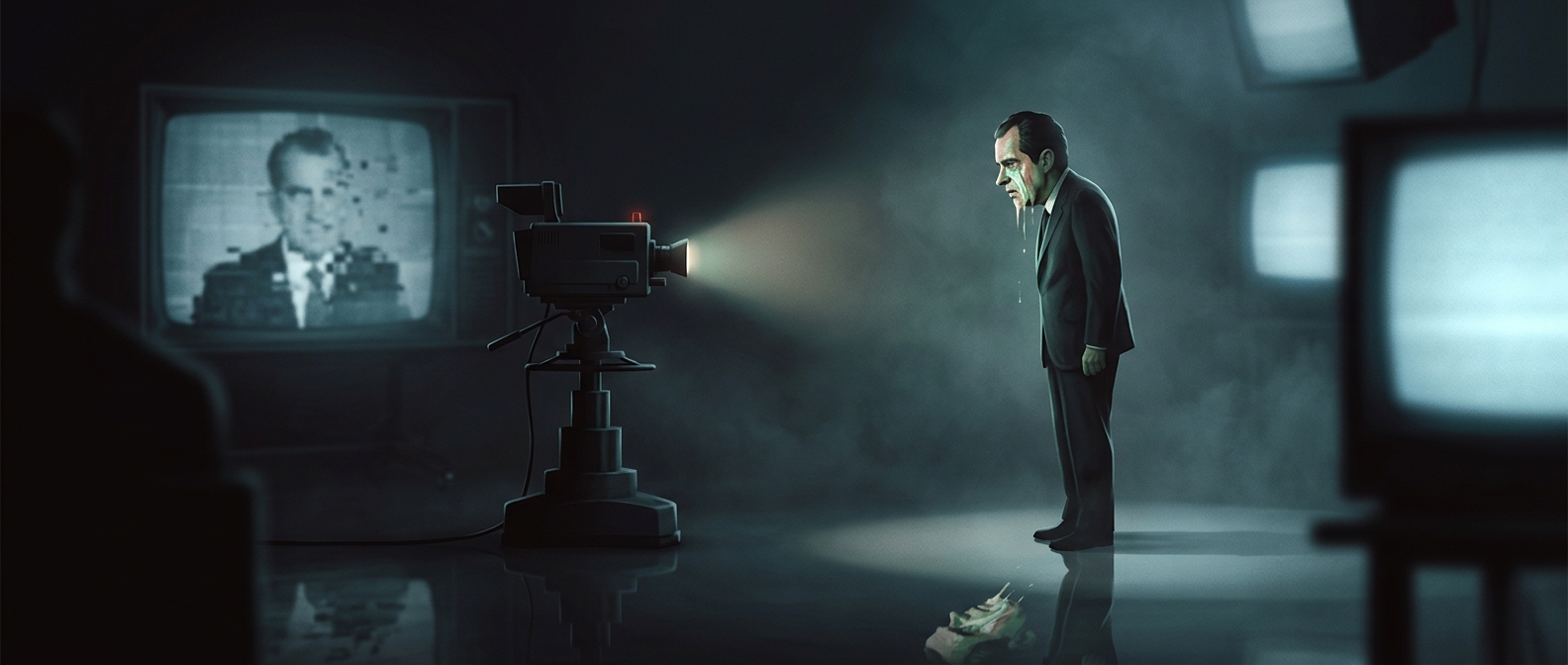
Nixon’s makeup melted during the first TV debate
Nixon used a drugstore product called Lazy Shave instead of professional TV makeup. Radio listeners were said to favor him, while television viewers favored…
Discover more STACKY FOR IPHONE
A bigger world.
One discovery
at a time.
Keep discovering with Stacky. Interesting facts in an app that is always within reach.
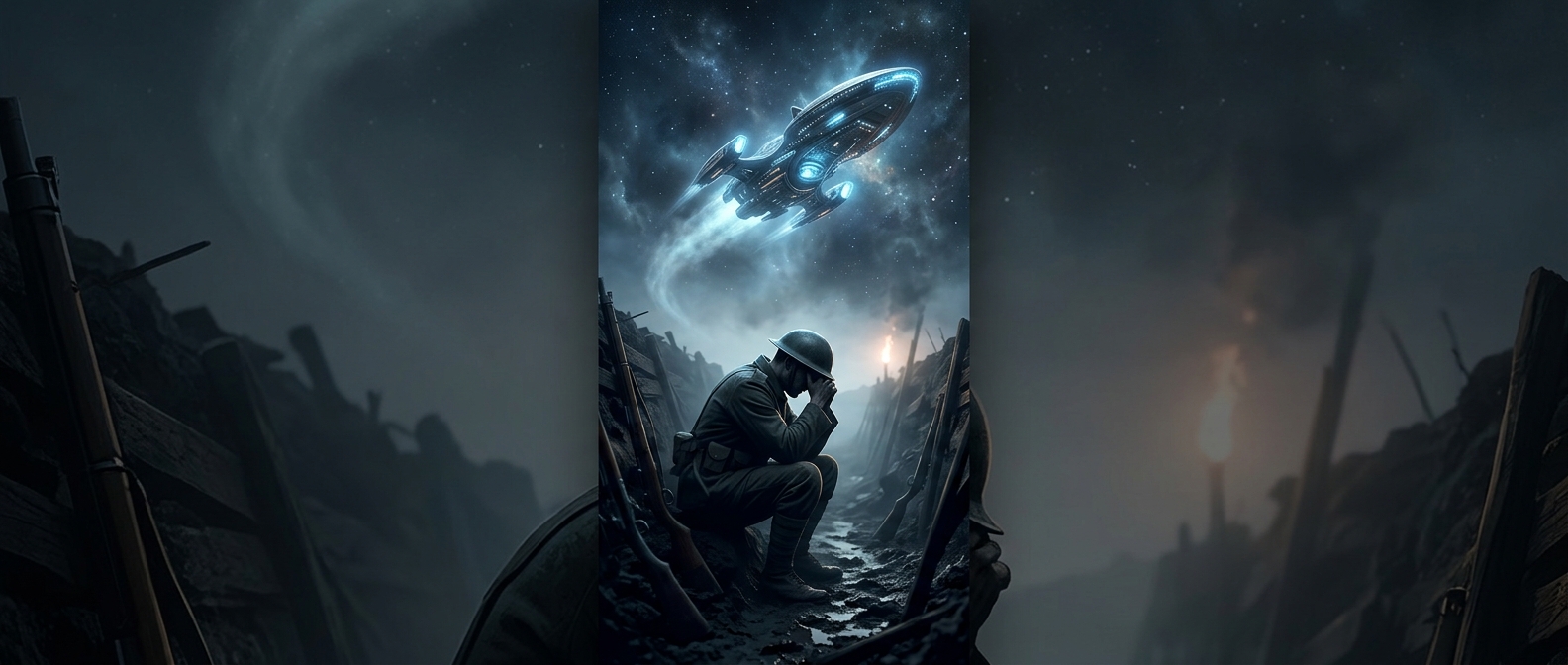
How combat trauma shaped The Twilight Zone
Serling drew on nightmares and trauma from his World War II service in the Philippines, channeling the experience into the show’s psychological horror and…
Discover more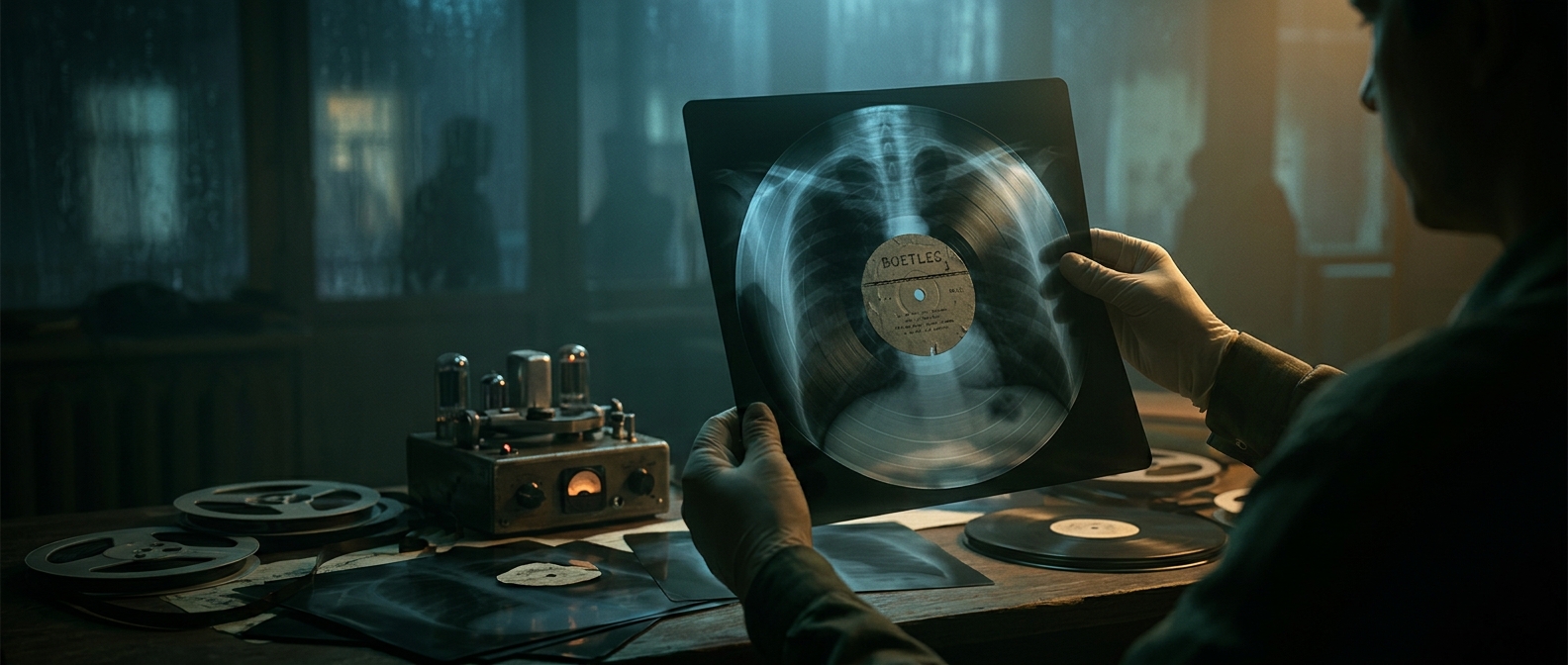
Soviet teens pressed rock music onto discarded X-rays
With vinyl scarce and controlled, bootleggers cut Elvis and Beatles songs onto discarded X-rays, turning images of rib cages and skulls into playable records.
Discover more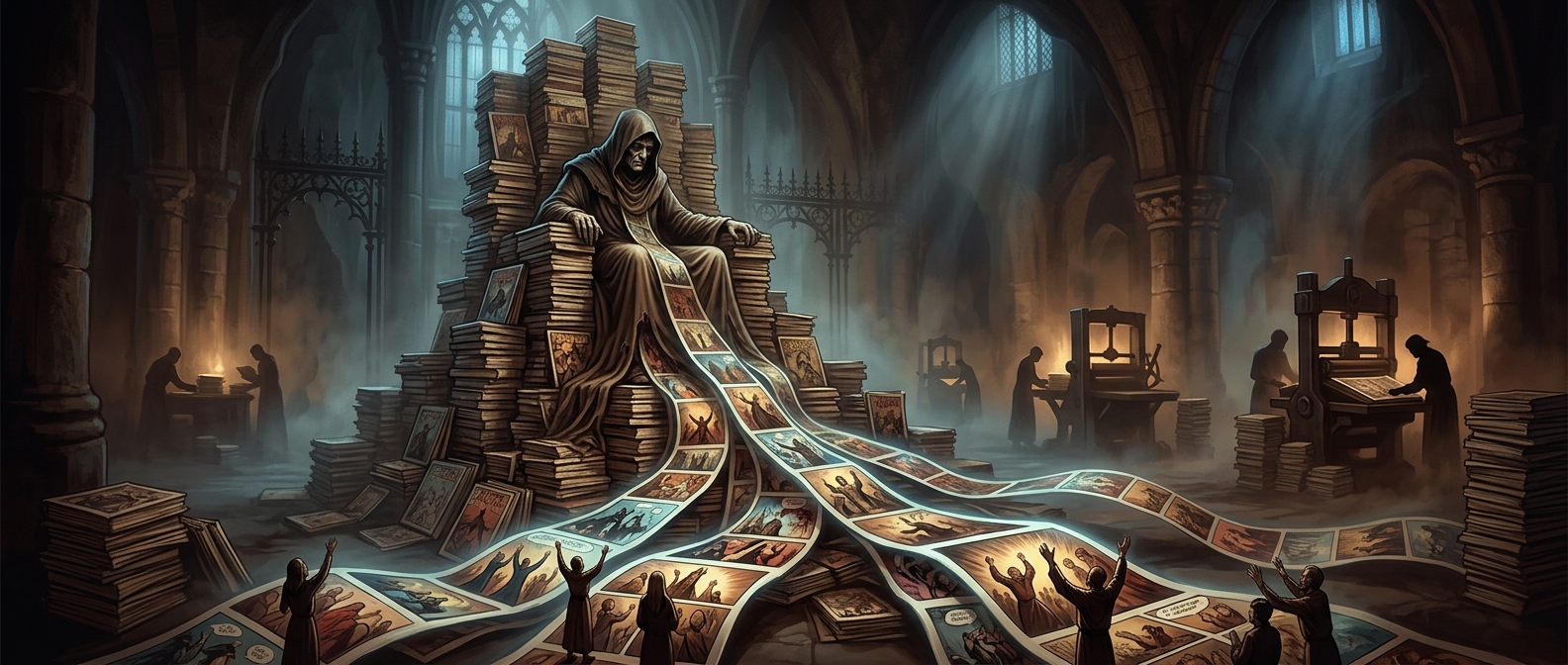
Jack Chick built a comic empire out of warnings about damnation
His small evangelical tracts turned subjects such as rock music and Dungeons & Dragons into stories of spiritual danger. They were cheap to distribute and…
Discover more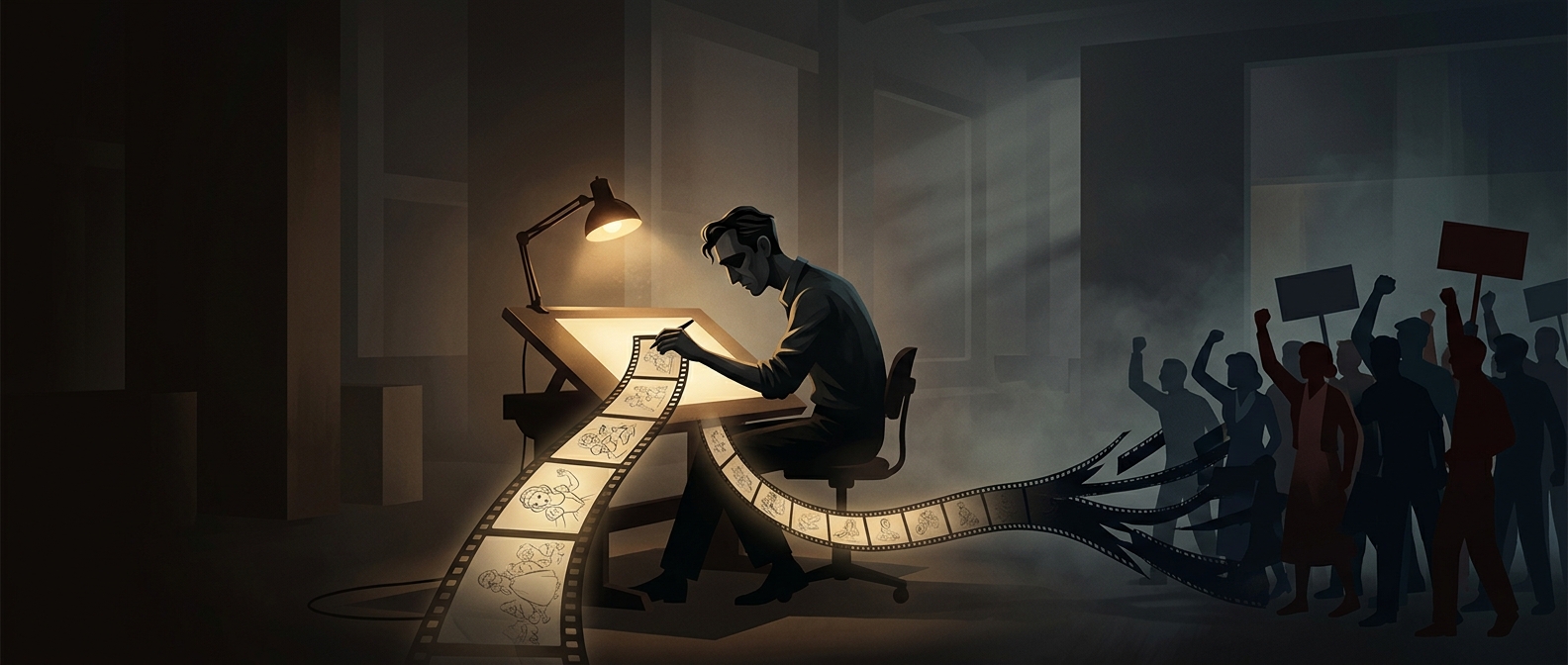
Disney's artists walked out of the happiest-looking workplace
The 1941 strike grew from disputes over wages, unpaid overtime, bonuses, and union recognition. Animator Art Babbitt became a prominent organizer and was…
Discover more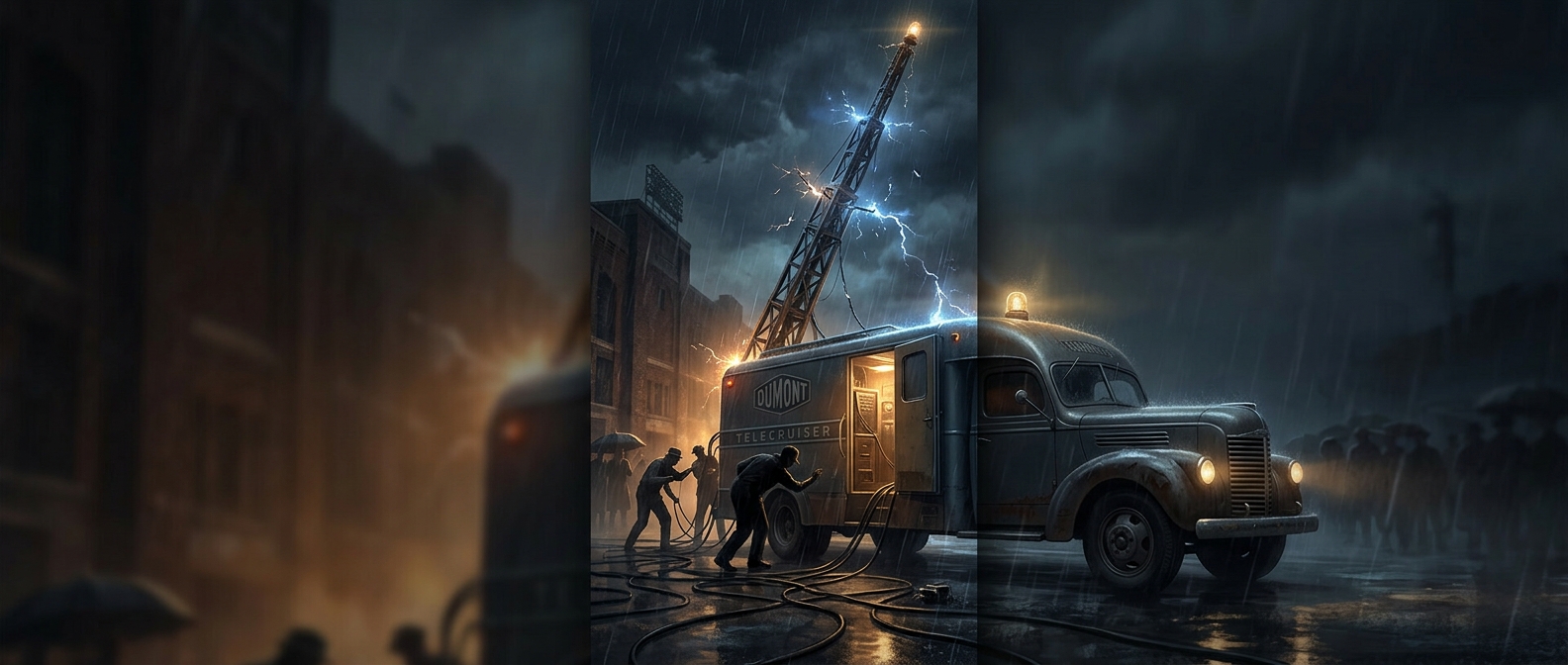
The TV studio on wheels that nearly cooked its crew
The Telecruiser packed a live TV studio into a bus, but its miles of heavy cabling and power-hungry vacuum tubes made it hot enough to nearly cook the…
Discover more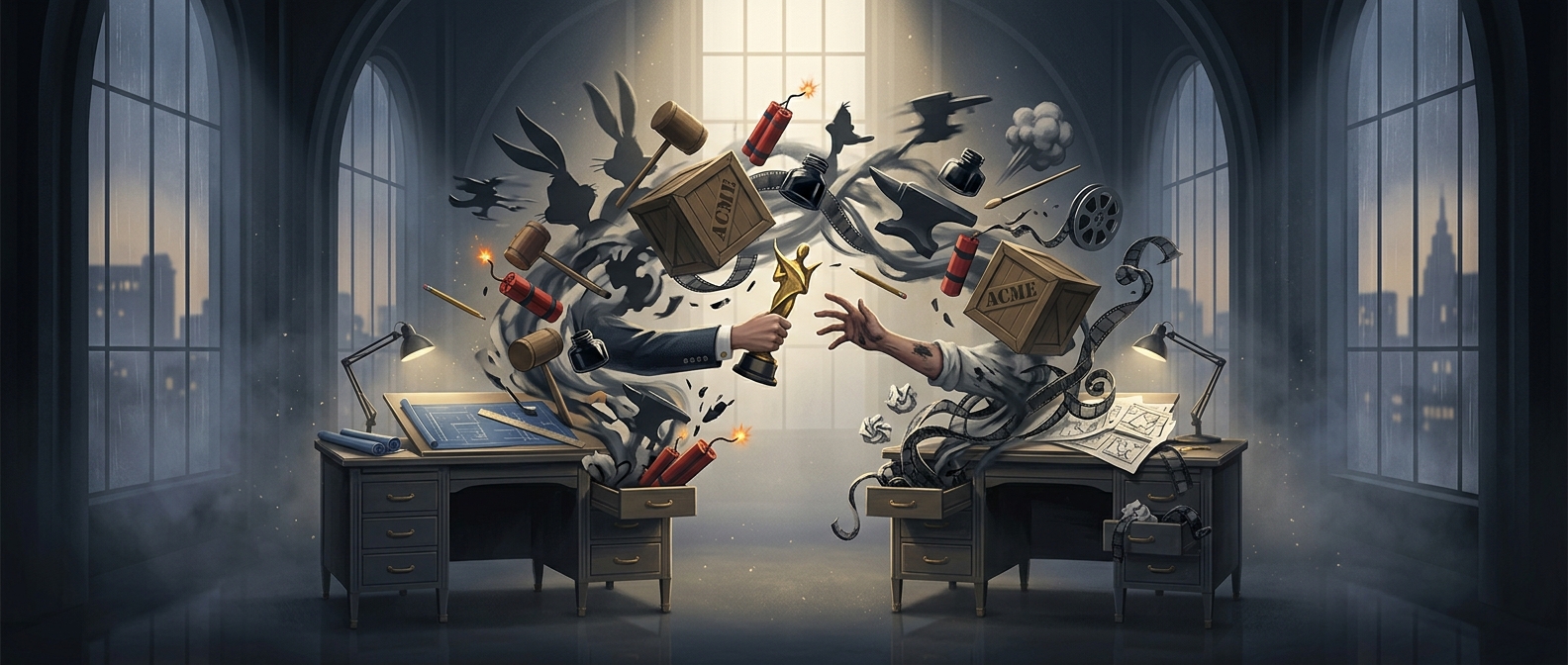
The bitter feud behind Looney Tunes
Bob Clampett’s claims of credit for creating Bugs Bunny and Daffy Duck angered Chuck Jones and other former colleagues, who answered with public letters and…
Discover more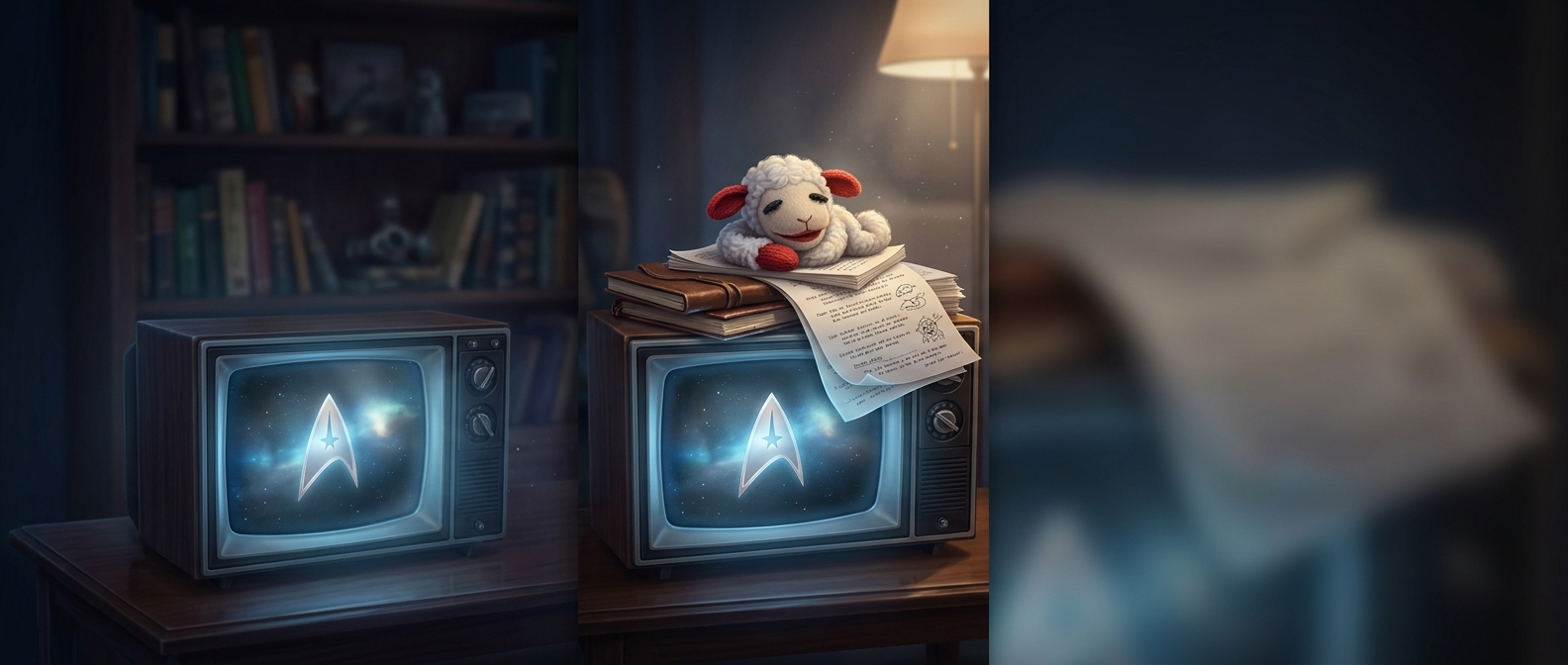
Lamb Chop's creator wrote a Star Trek episode
Shari Lewis co-wrote The Lights of Zetar with her husband, Jeremy Tarcher, for the original series' third season. The performer best known for a sock-puppet…
Discover more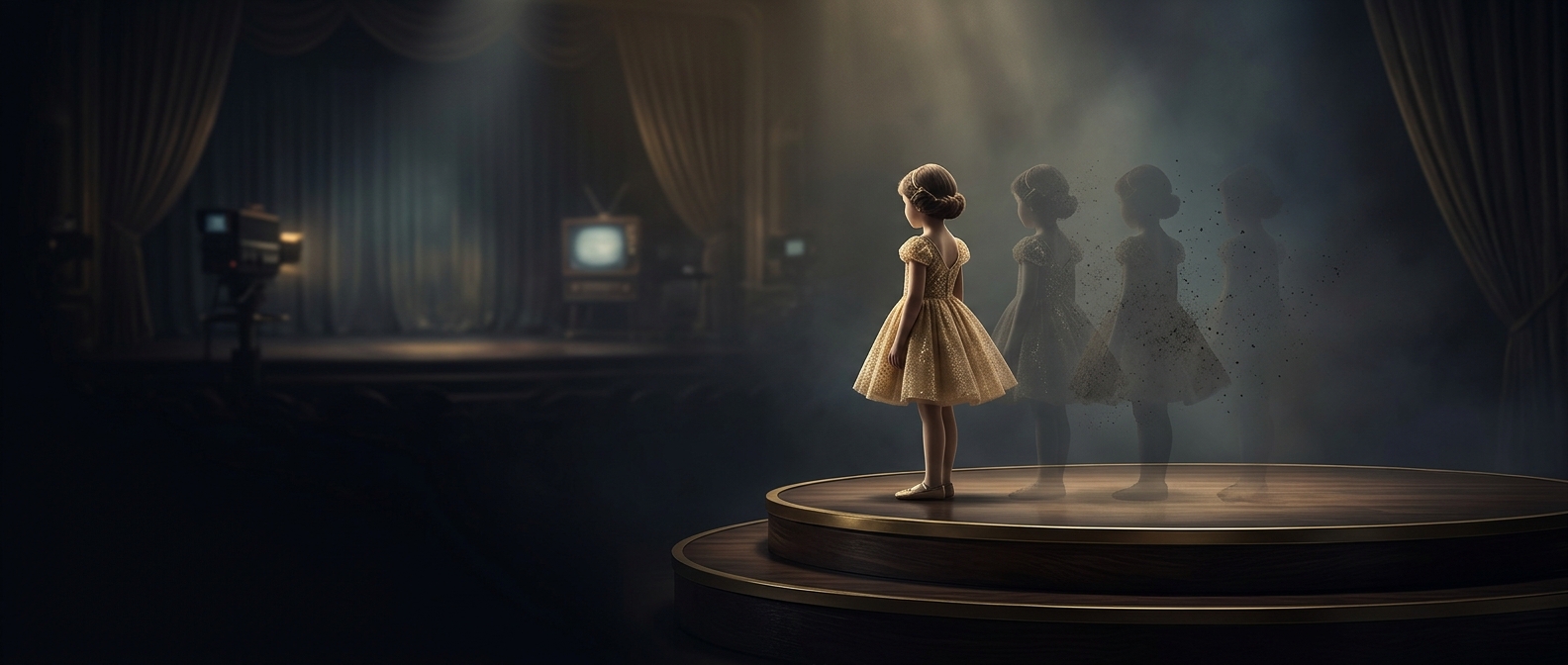
How live TV made child stars replaceable
Early live-TV child hosts had to perform around hot studio lights, live animals, and exhausted crews. After a major on-air mistake—or when a young host hit…
Discover more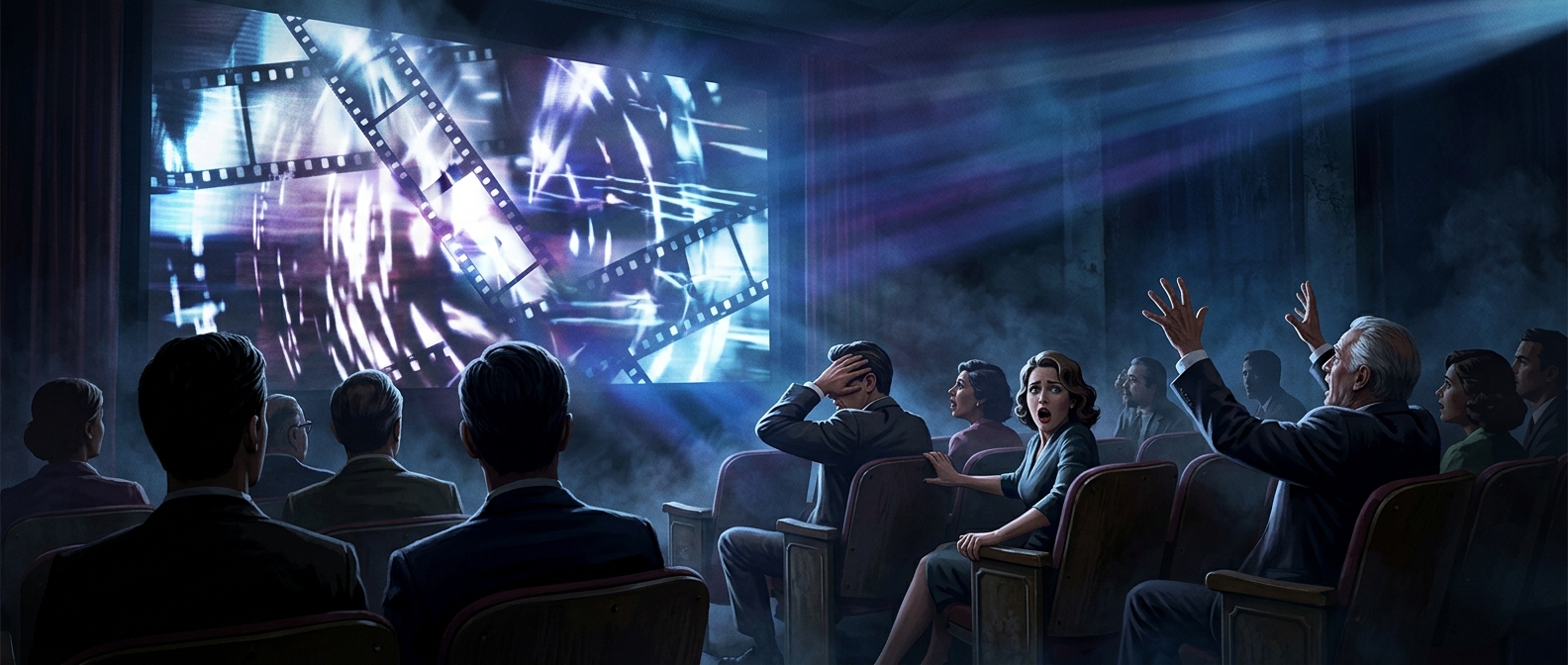
The teenager who shook up New York’s avant-garde
At 17, Barbara Rubin made an explicit, double-projected underground film that drew Andy Warhol, Bob Dylan, and the Velvet Underground into her orbit in 1963.…
Discover more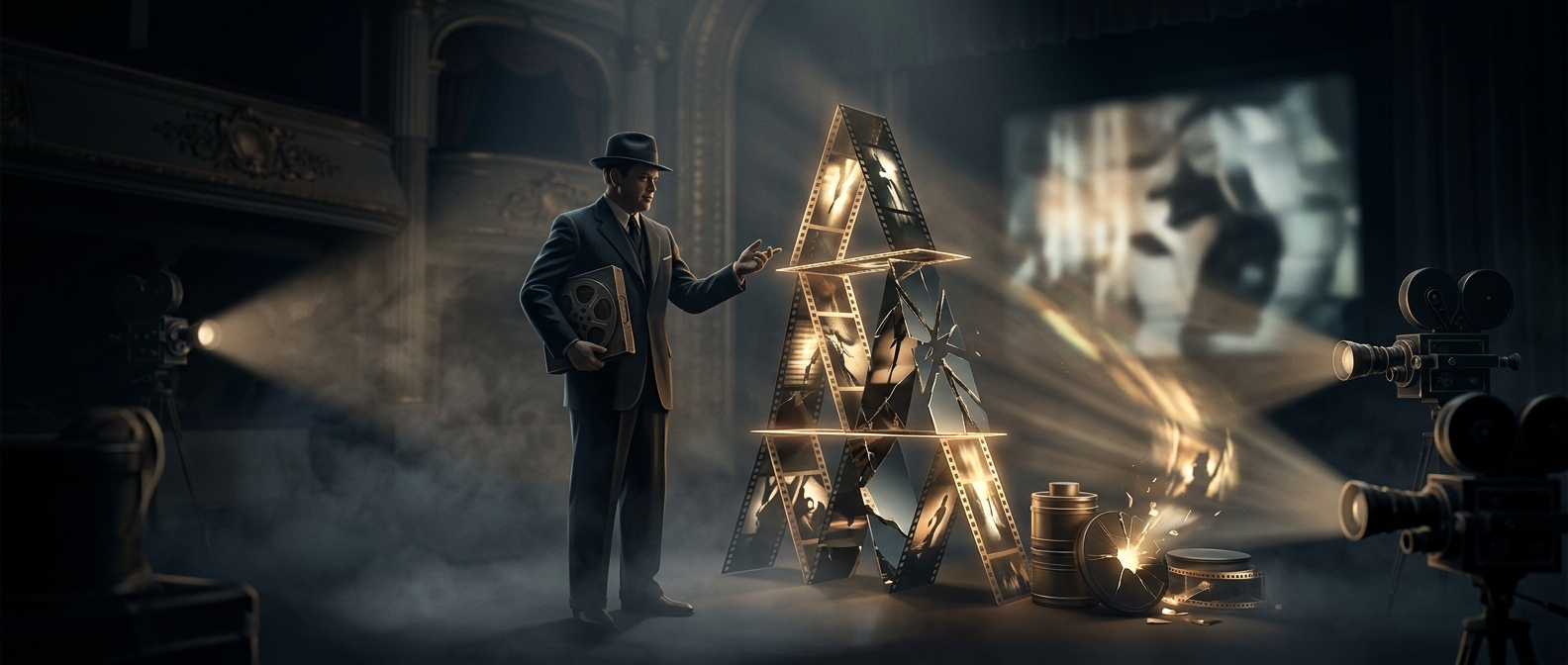
The fake Picasso story Orson Welles told
In his 1973 film F for Fake, Orson Welles closes with an entirely fabricated story about Picasso, using a documentary frame to blur fact and invention.
Discover more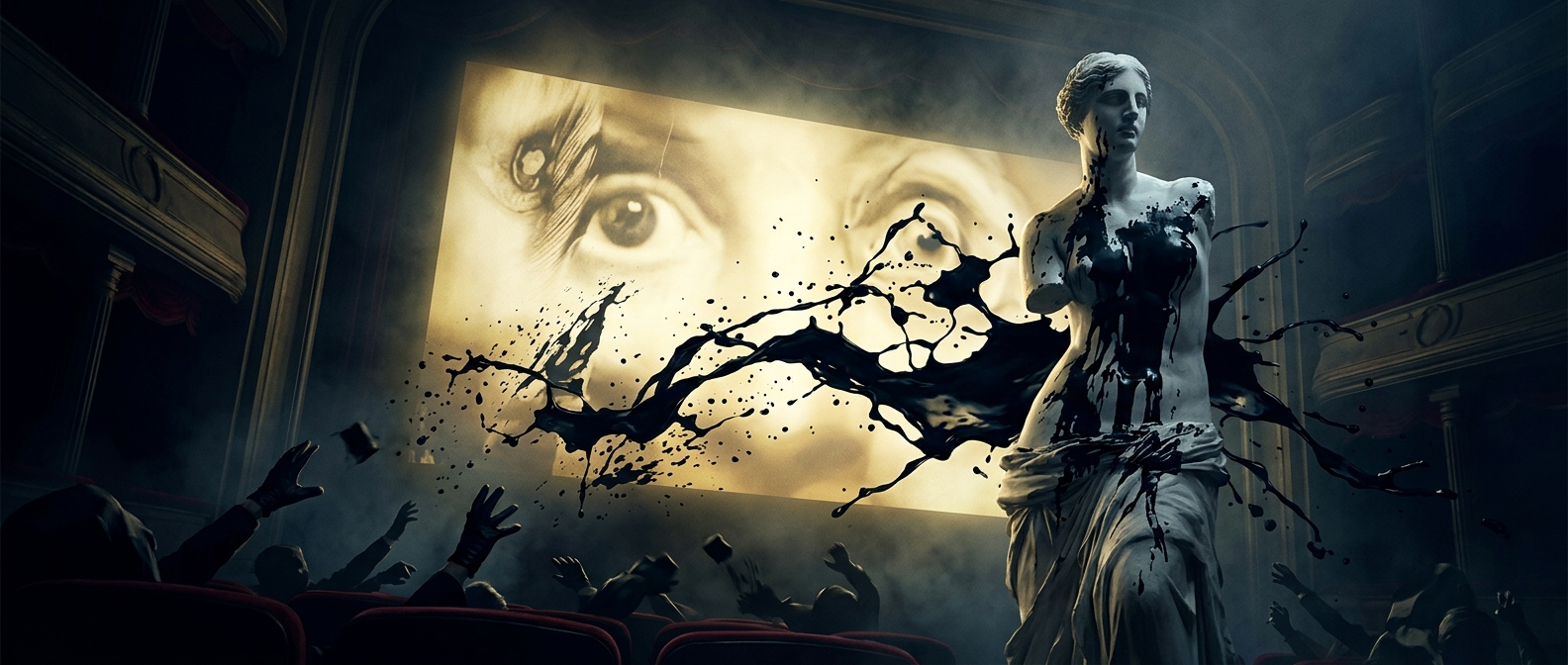
A screening of L'Âge d'Or ended in ink and smashed artworks
In December 1930, right-wing groups attacked a Paris showing of Luis Buñuel's film, throwing ink at the screen and wrecking the accompanying surrealist…
Discover more
The Nazi exhibition that drew the bigger crowd
The 1937 'Degenerate Art' show crammed modern artworks together with mocking slogans. More than two million visitors came to its Munich run, compared with…
Discover more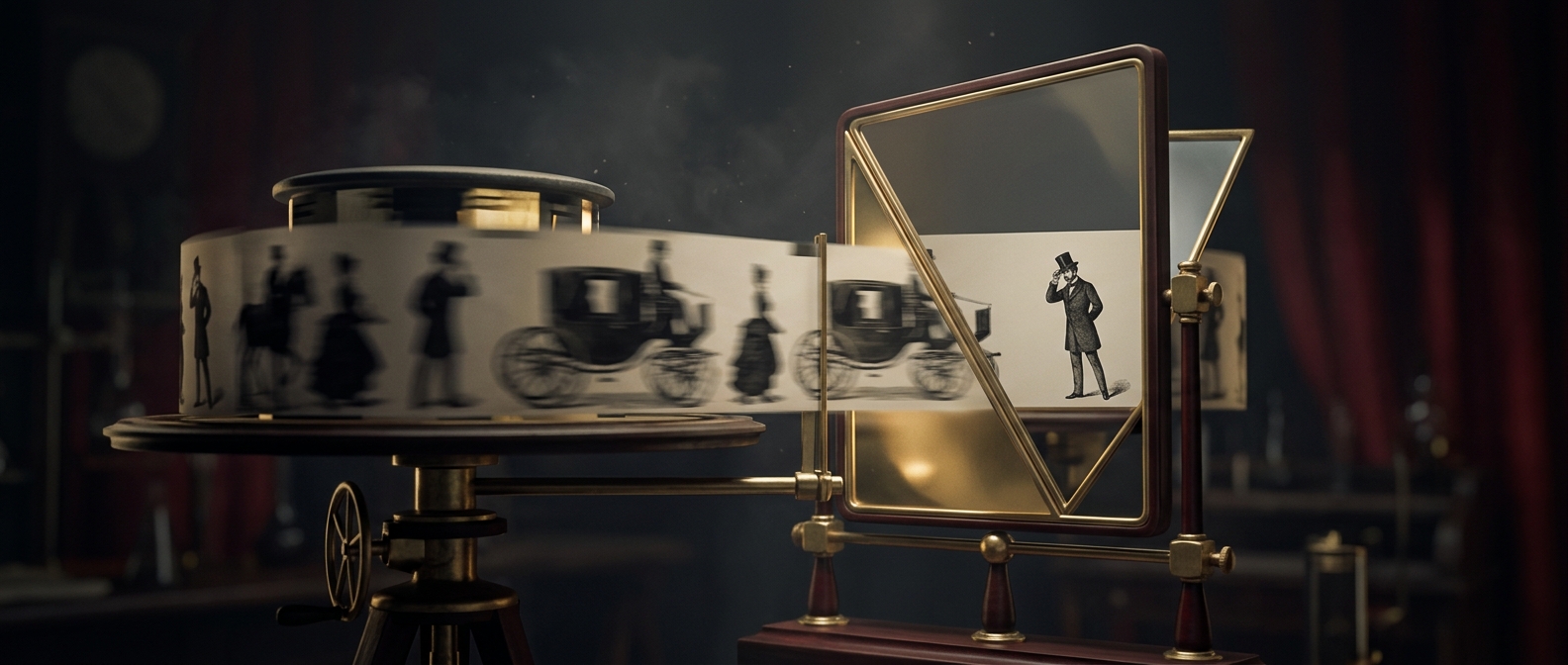
Mirrors made early animation smoother
Émile Reynaud’s 1877 Praxinoscope used mirrors instead of viewing slits, making the animated images brighter and steadier. He later built the images into a…
Discover more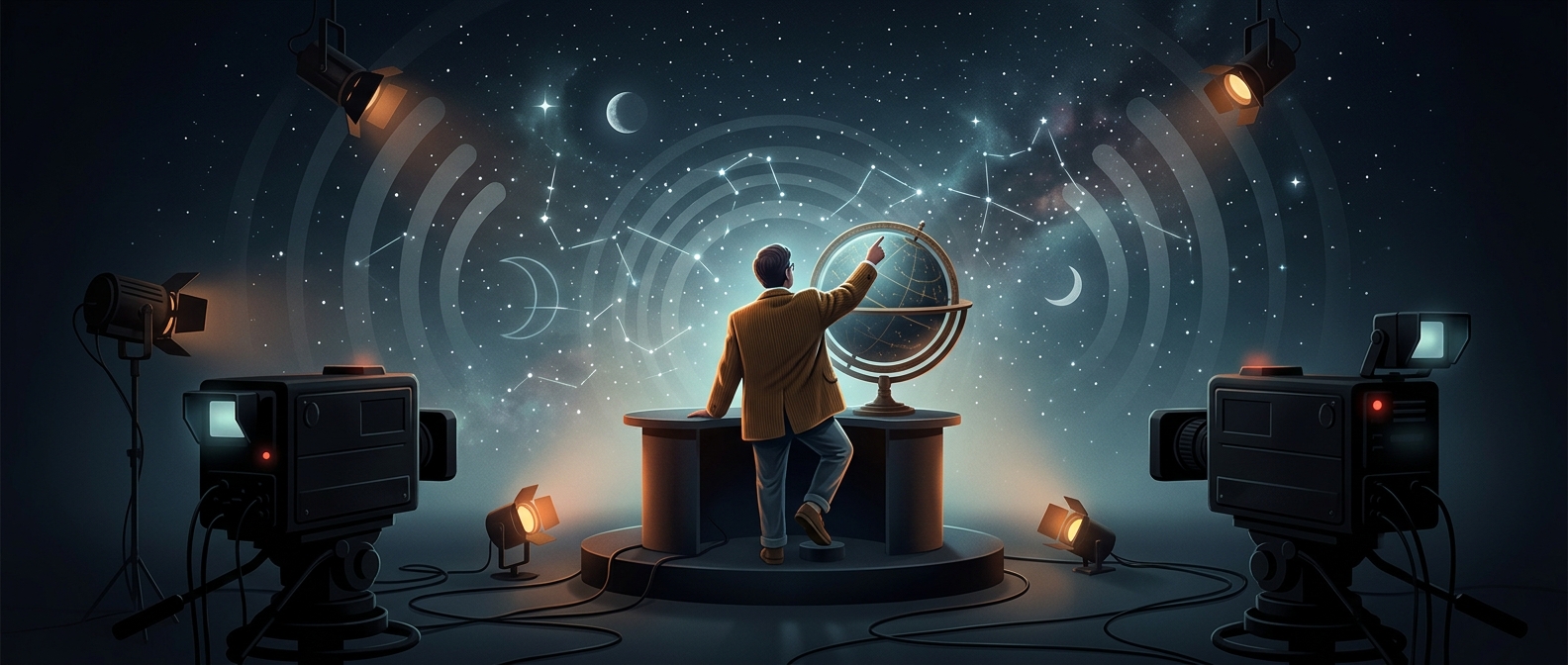
How Jack Horkheimer turned astronomy into late-night camp
He hosted Star Hustler with a used-car-salesman's energy, pairing cosmic explainers with cheap green-screen effects and memorable catchphrases. His…
Discover more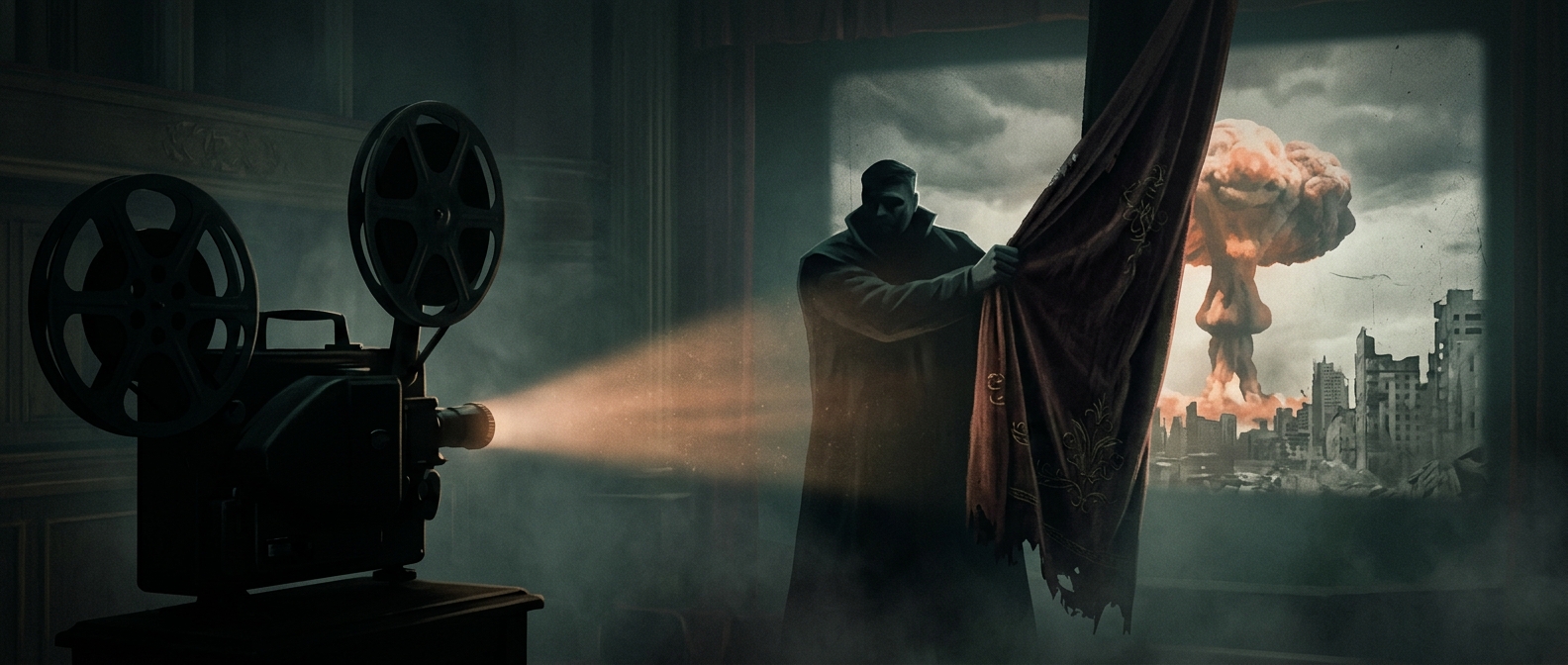
A nuclear-war film won an Oscar while British TV kept it off air
Peter Watkins made The War Game for the BBC in 1965, using a documentary style to portray a nuclear attack and its aftermath. The BBC withheld the broadcast,…
Discover more
Those glowing 1970s TV logos could be bent live on a screen
Scanimate manipulated analog video on a special CRT, letting operators stretch, rotate, and distort artwork in real time. A camera recorded the transformed…
Discover more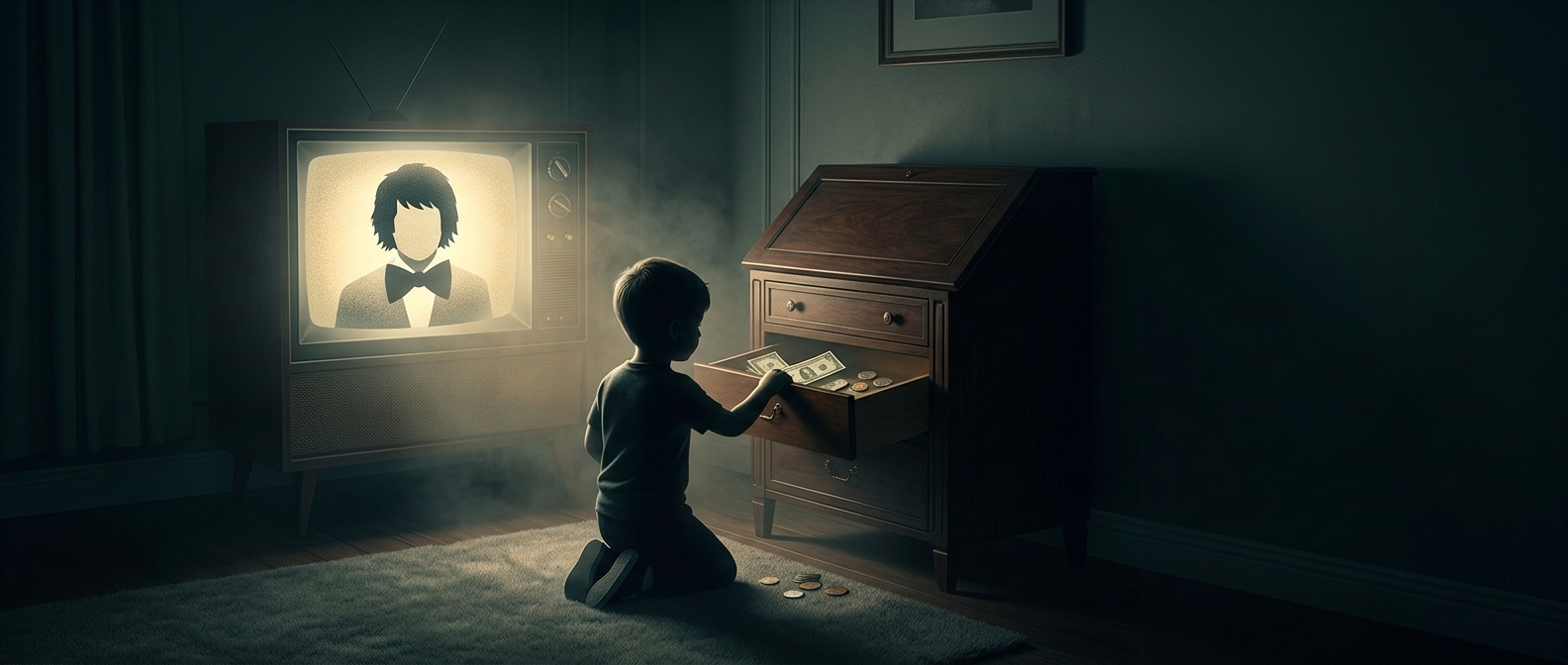
The TV joke that made children rob their parents
In 1965, Soupy Sales joked that children should take cash from their sleeping parents’ wallets and mail it to him. Some viewers actually did.
Discover more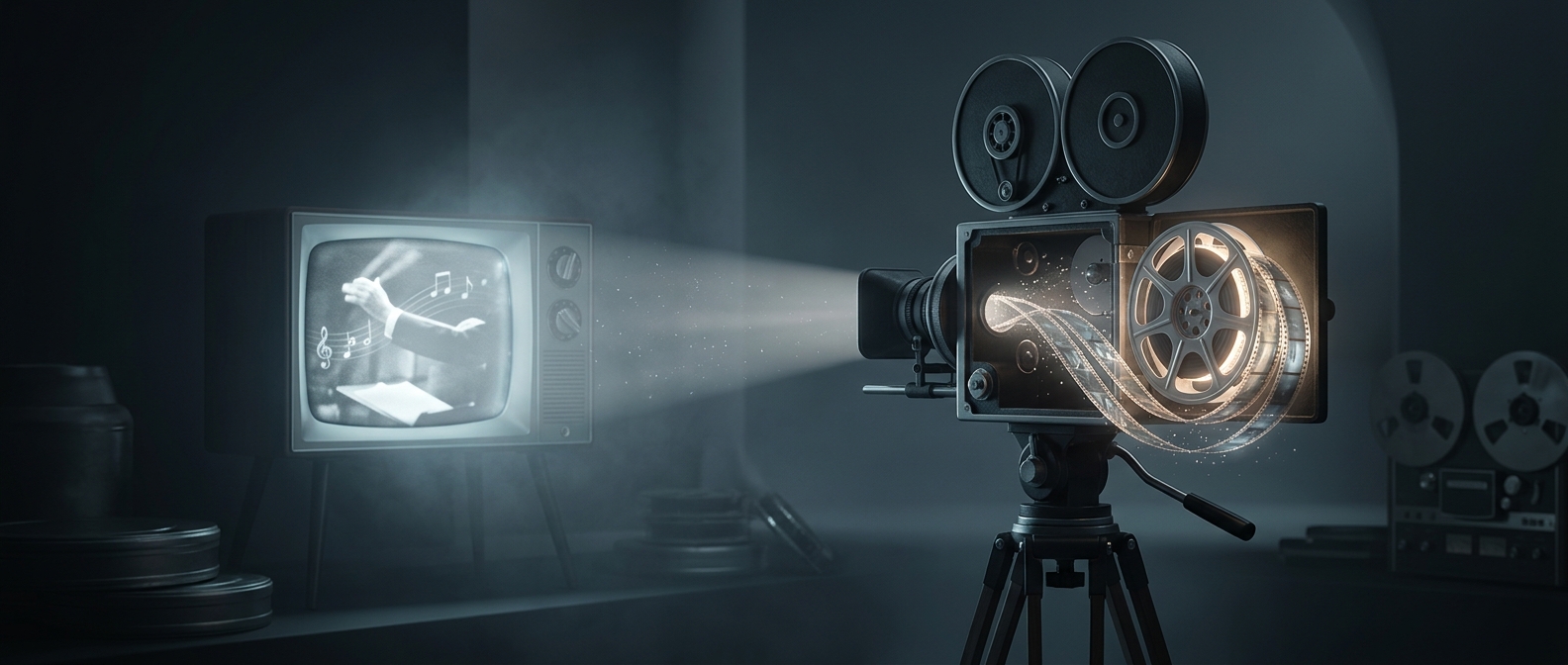
Early television saved broadcasts by pointing a film camera at a screen
A kinescope recorded the picture from a television monitor onto motion-picture film. That gave live programs a physical copy that could be shipped, replayed,…
Discover more