Culture & entertainment
Discover facts about culture & entertainment. Small discoveries that change the way you see familiar things.
Culture & entertainment
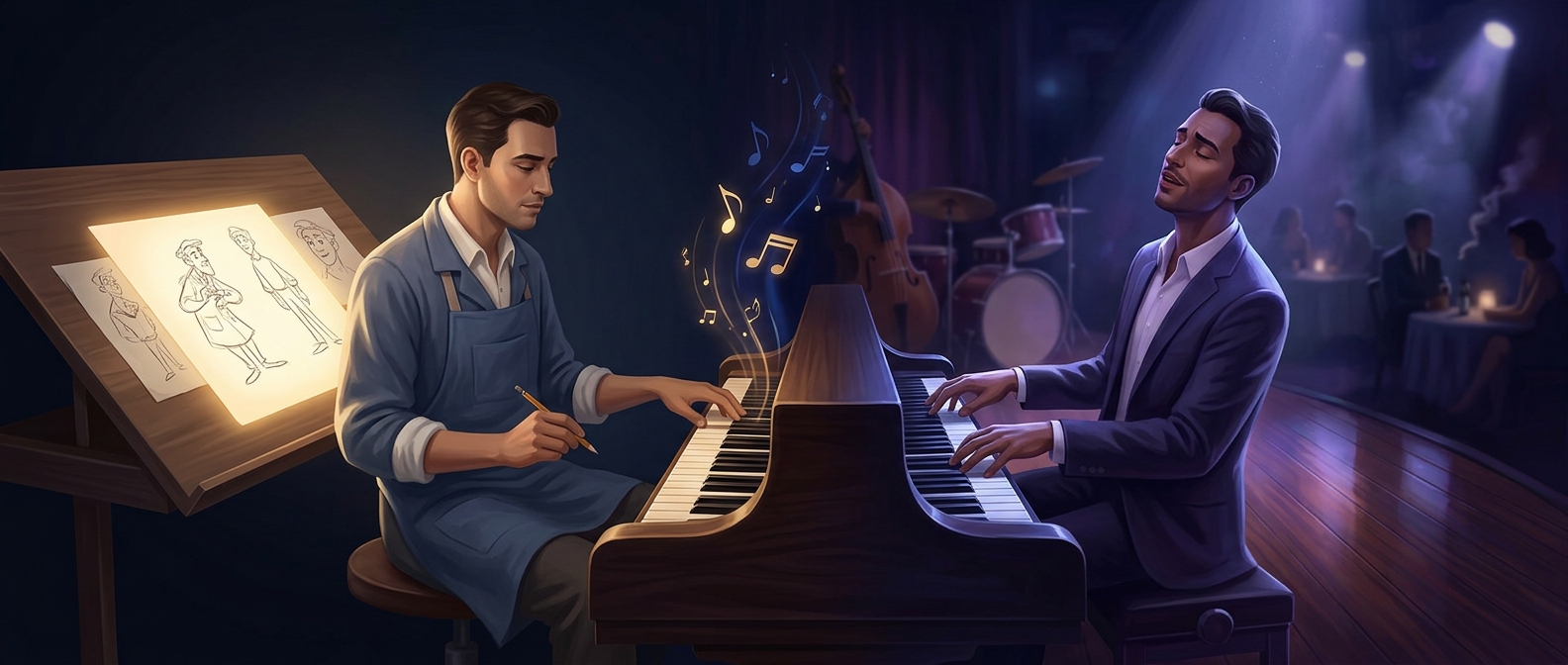
Disney's artists formed a band that escaped the studio
Ward Kimball led the Firehouse Five Plus Two, a Dixieland group drawn from studio personnel. They made records, appeared on television, and were even…
Discover more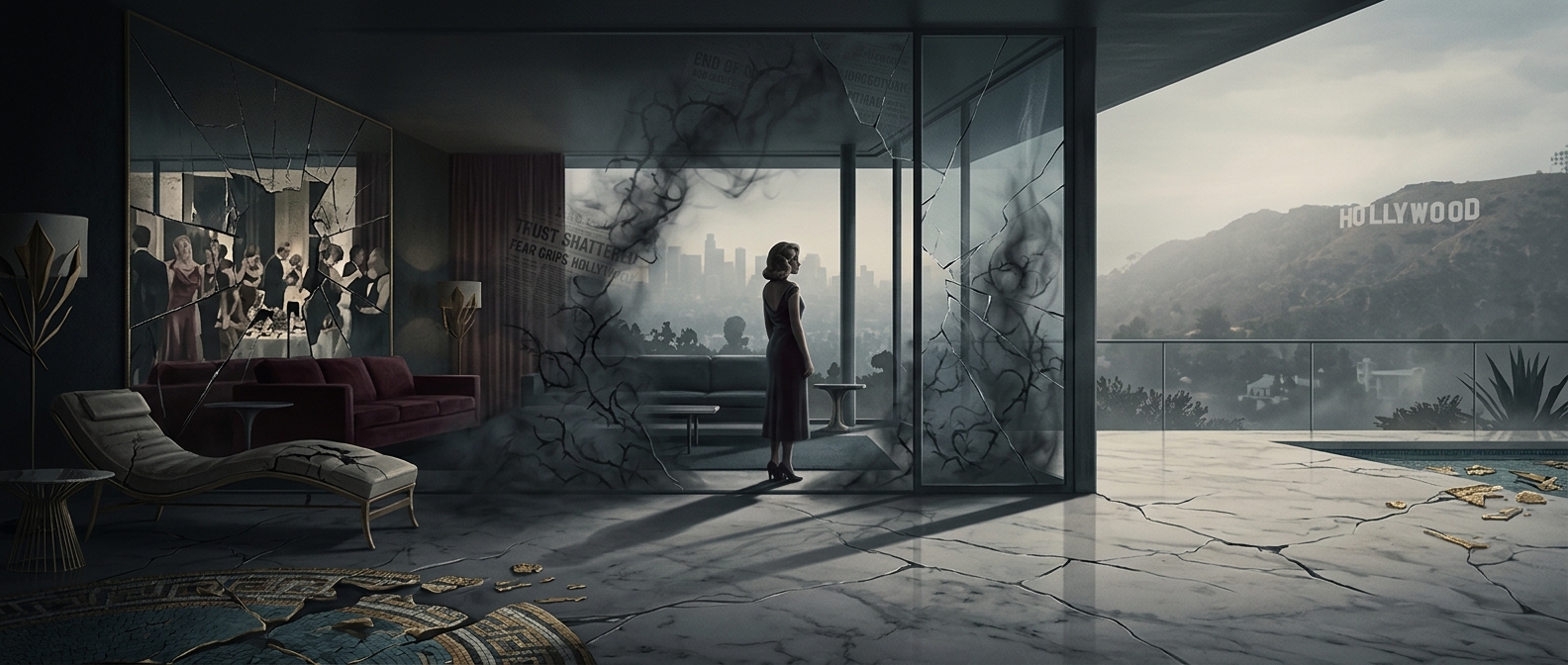
Folger and Frykowski deaths ruined celebrity trust
The murders of Abigail Folger, Wojciech Frykowski, and Sharon Tate shattered the era's sense of celebrity openness. Within 48 hours, security companies were…
Discover more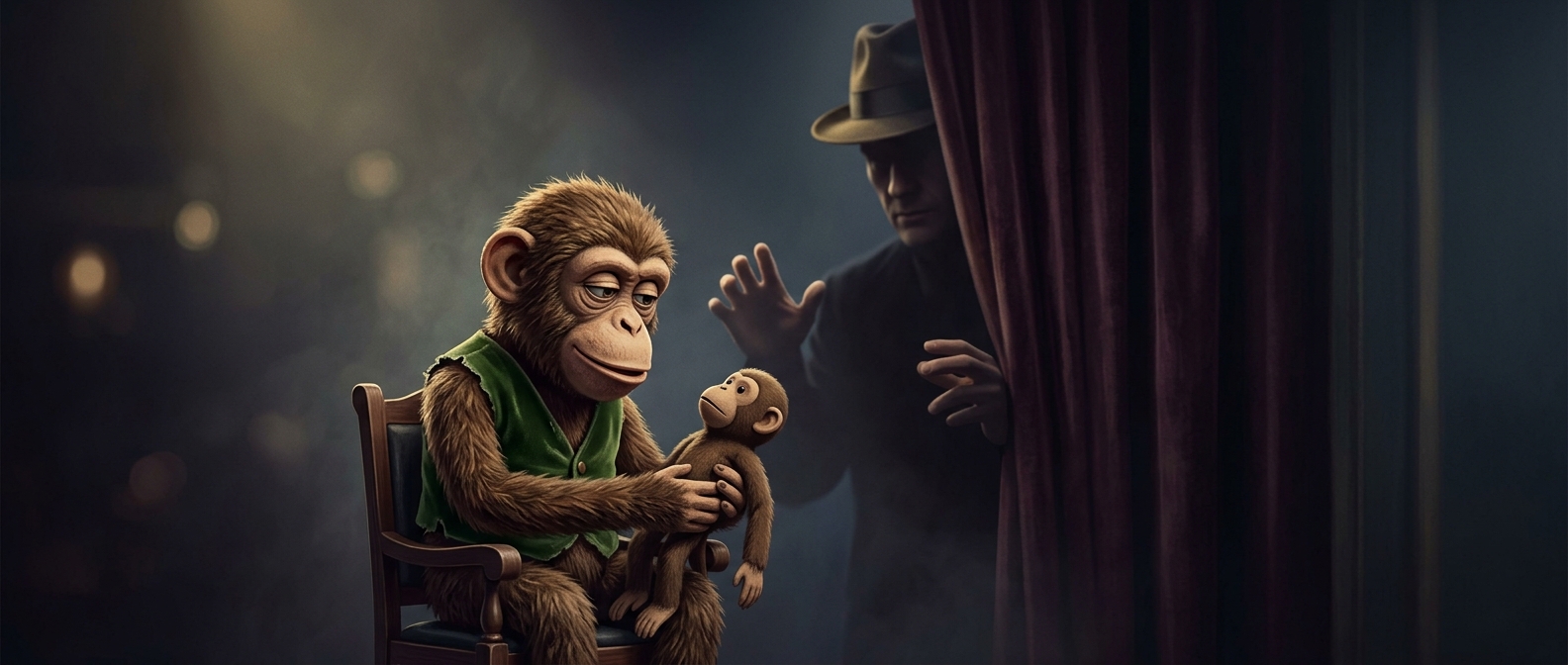
Existential monkey puppet mocks ventriloquism art
Nina Conti turns ventriloquism into meta-comedy with Monk, a deadpan, foul-mouthed monkey puppet who psychoanalyzes her onstage. The act makes the oddity of…
Discover more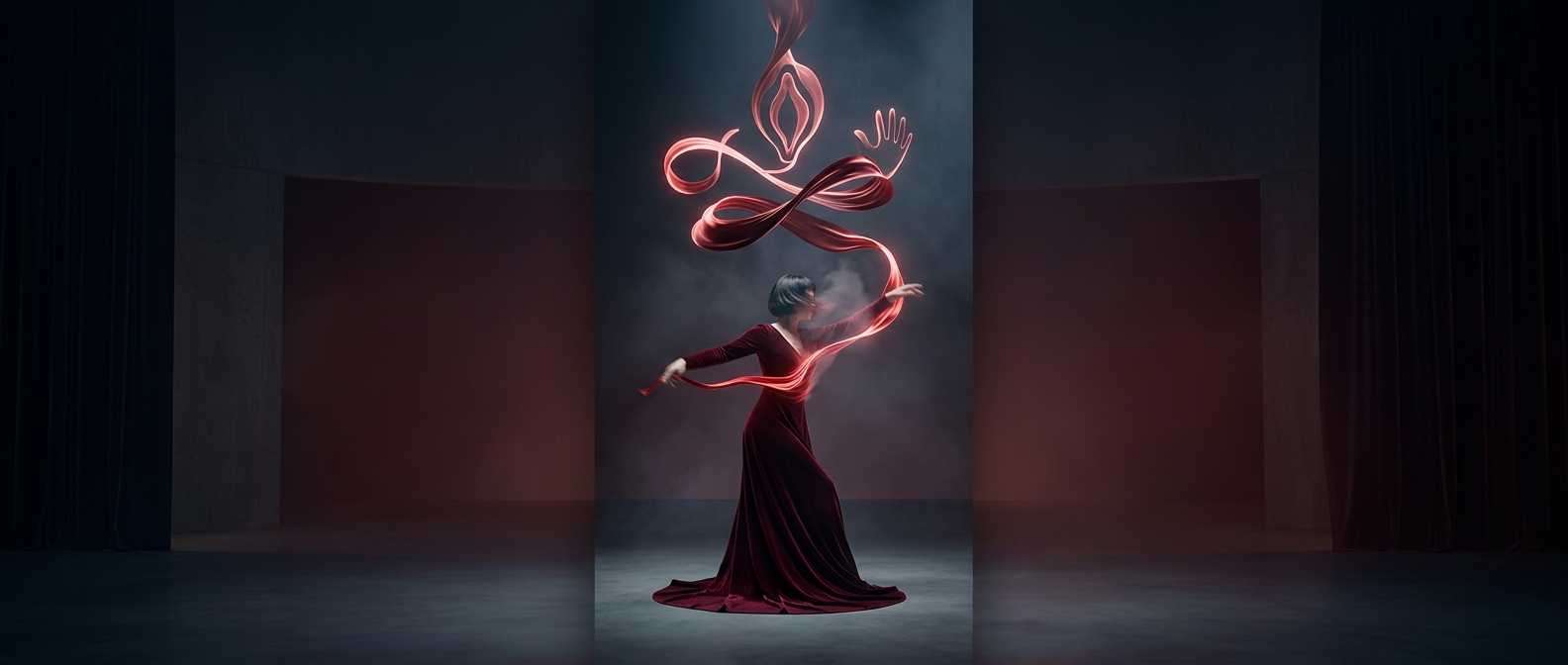
An artist made a scroll emerge from inside her body
In Interior Scroll, first performed in 1975, Carolee Schneemann drew a narrow strip of text from her vagina and read it aloud. Her body became the source of…
Discover more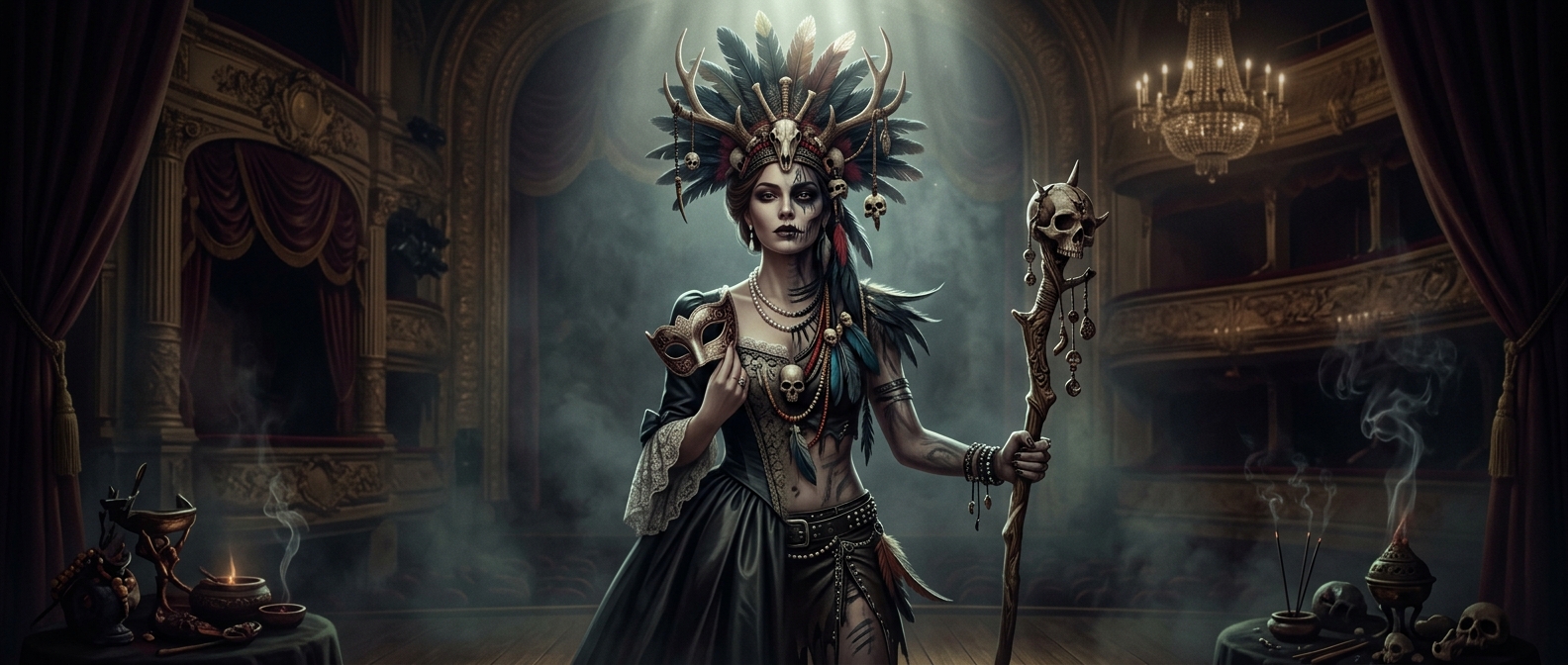
Screamin' Jay Hawkins made a coffin his entrance cue
The aspiring opera singer became famous for I Put a Spell on You and a stage act built around theatrical horror. He emerged from a coffin and carried a skull…
Discover more
Shirley Clarke turned video feedback into a shared performance
Her Tee Pee Video Space Troupe experimented with cameras, monitors, and live video in the early 1970s. Participants could see themselves and respond to the…
Discover more STACKY FOR IPHONE
A bigger world.
One discovery
at a time.
Keep discovering with Stacky. Interesting facts in an app that is always within reach.
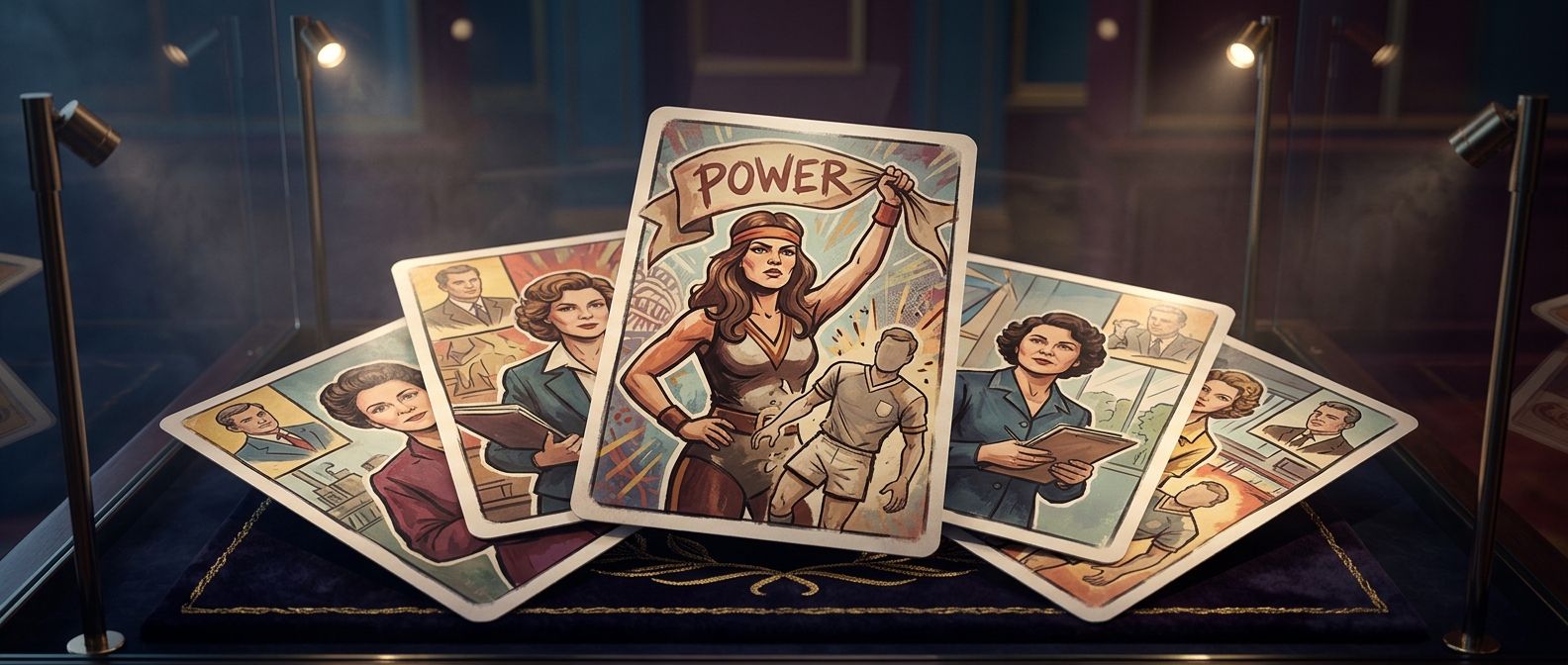
A 1979 card set gave accomplished women the baseball-card treatment
The 72 Supersisters cards featured women from politics, science, sports, and other fields. Their achievements appeared on the backs like a different kind of…
Discover more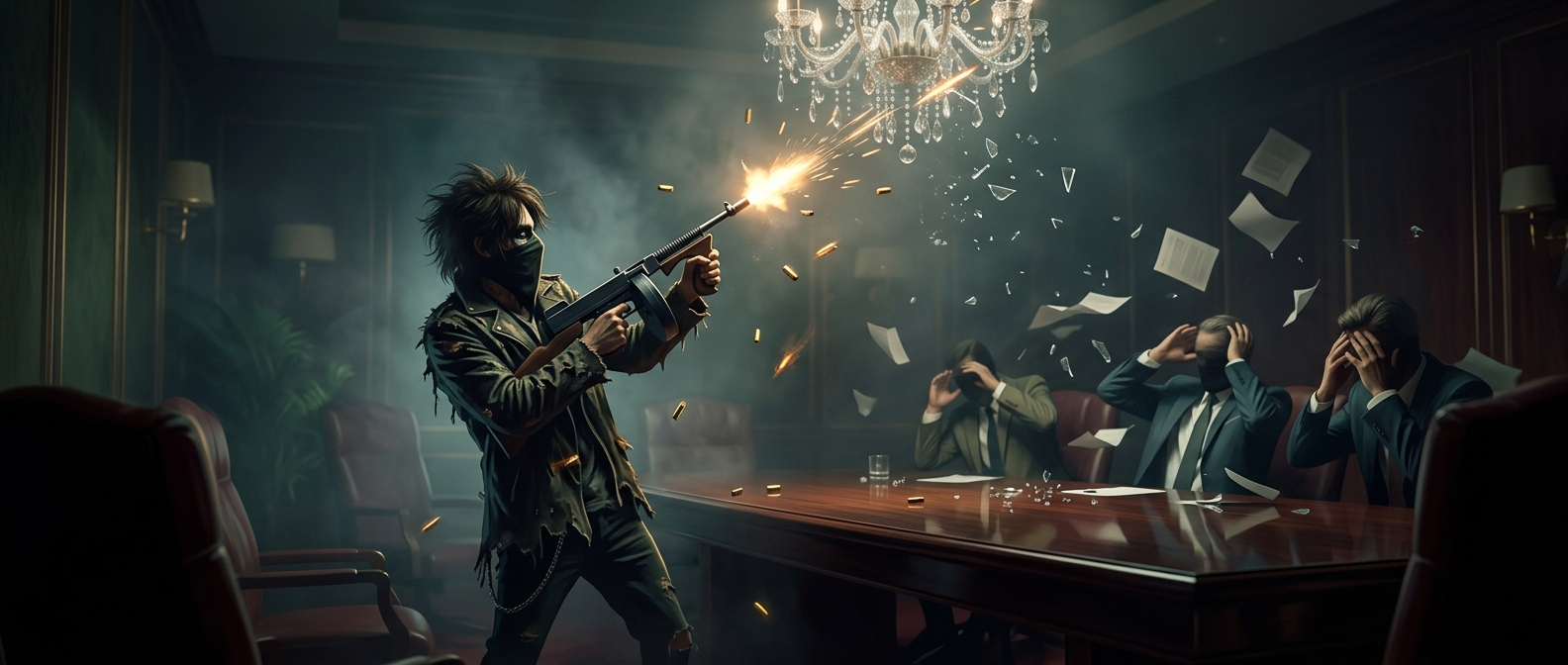
The band that fired blanks at music executives
At the 1992 BRIT Awards, The KLF performed a thrash-metal version of their hit and fired blanks from an automatic weapon toward the audience of music…
Discover more
Hitchcock stretched a kiss by repeatedly interrupting it
In Notorious, Cary Grant and Ingrid Bergman break their embrace to talk and move, then resume it. The sequence keeps intimacy going while navigating an era of…
Discover more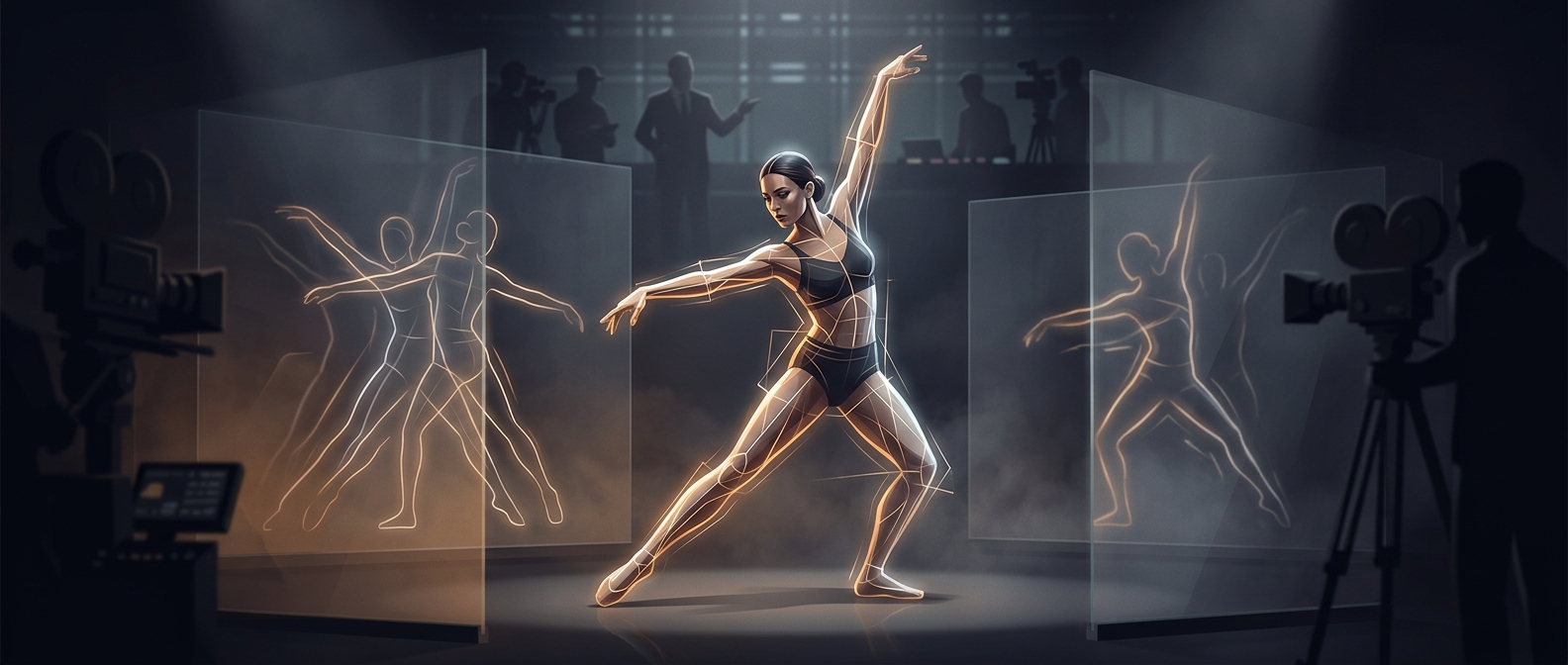
Hollywood jazz dance borrowed a vocabulary from Jack Cole
Cole combined influences including Indian dance, sharp isolations, and a low, grounded stance into choreography for stage and screen. A dancer could move one…
Discover more
John Waters gave moviegoers scratch-and-sniff cards
For Polyester in 1981, numbered cues told viewers when to scratch matching spots on an Odorama card. Smells became part of the film rather than something the…
Discover more
The color films that made audiences nauseous
Kinemacolor projected alternating red- and green-filtered frames, creating a strobe effect that could leave theatergoers with headaches and nausea.
Discover more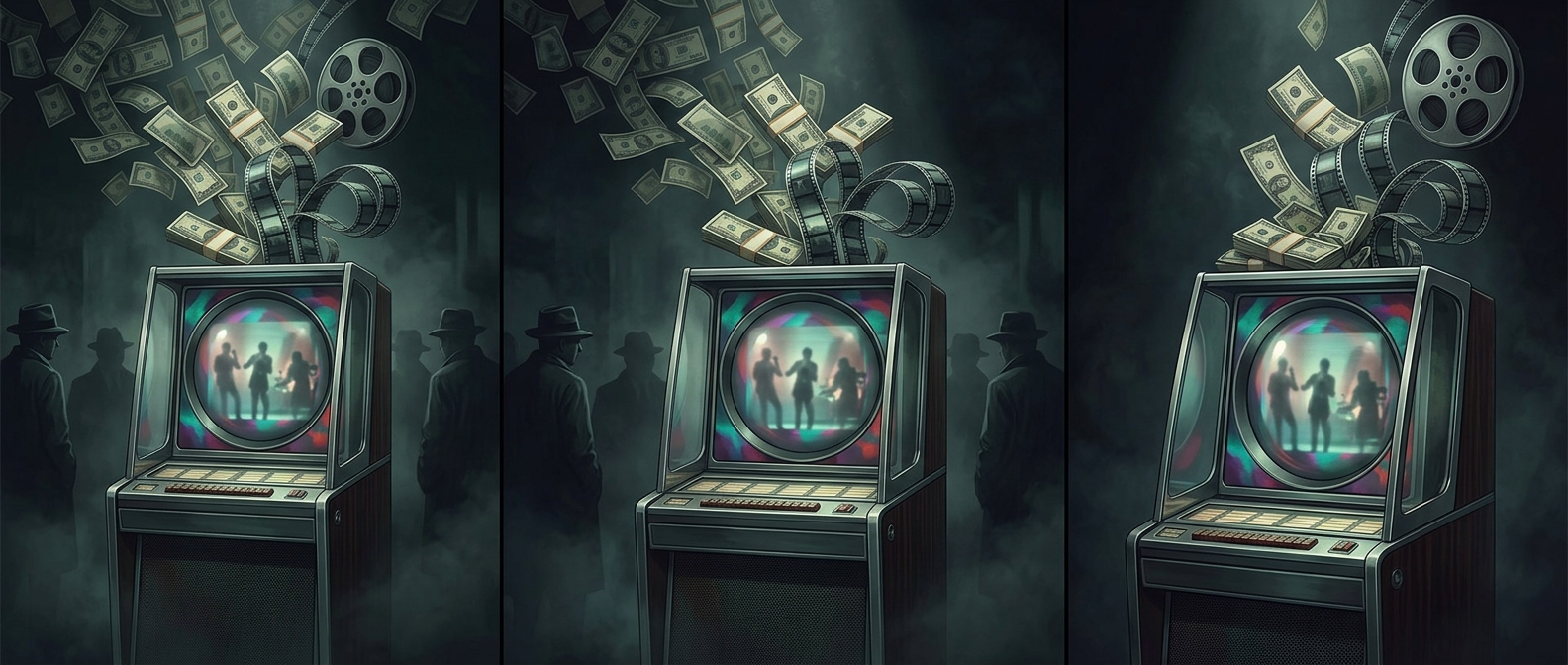
Music videos once played inside a coin-operated jukebox
Scopitone machines let customers select short 16mm color films of singers, sets and dancers. Popular in the 1960s, they paired a song with a visual…
Discover more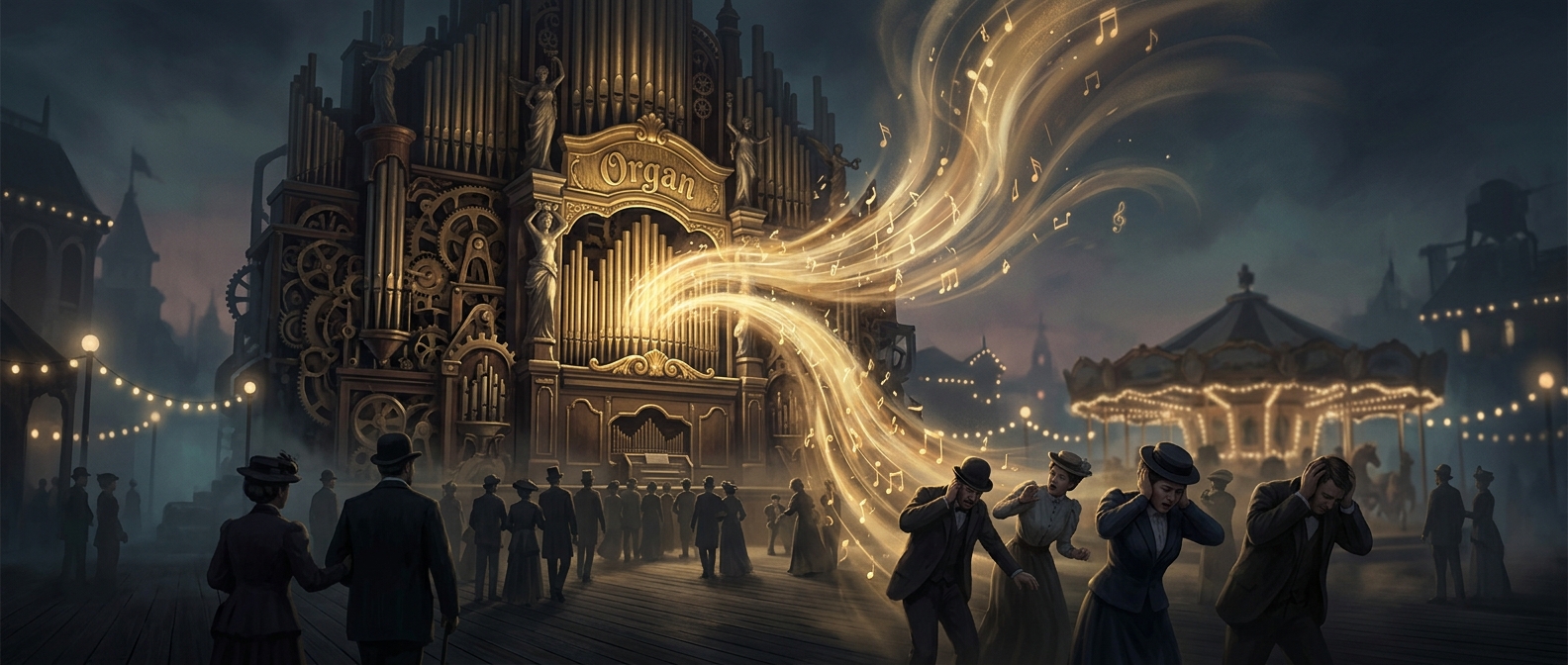
A Wurlitzer band organ could play a fairground's music from paper
Punched rolls controlled the instrument, turning an encoded pattern into an automatic performance. The surviving Style 105 documented by the Musical Box…
Discover more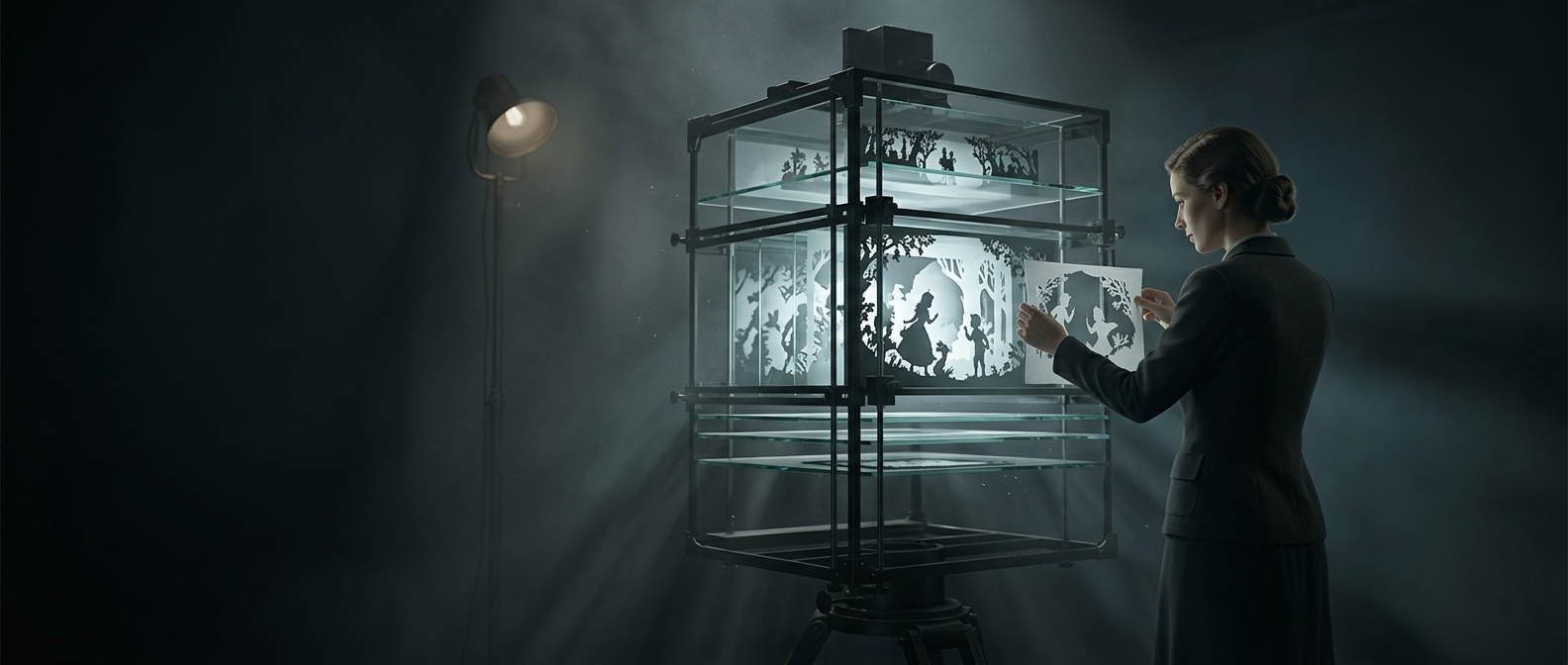
Lotte Reiniger built an animated world out of silhouettes
For The Adventures of Prince Achmed in 1926, Reiniger animated carefully cut figures against illuminated backgrounds. Layered staging created depth without…
Discover more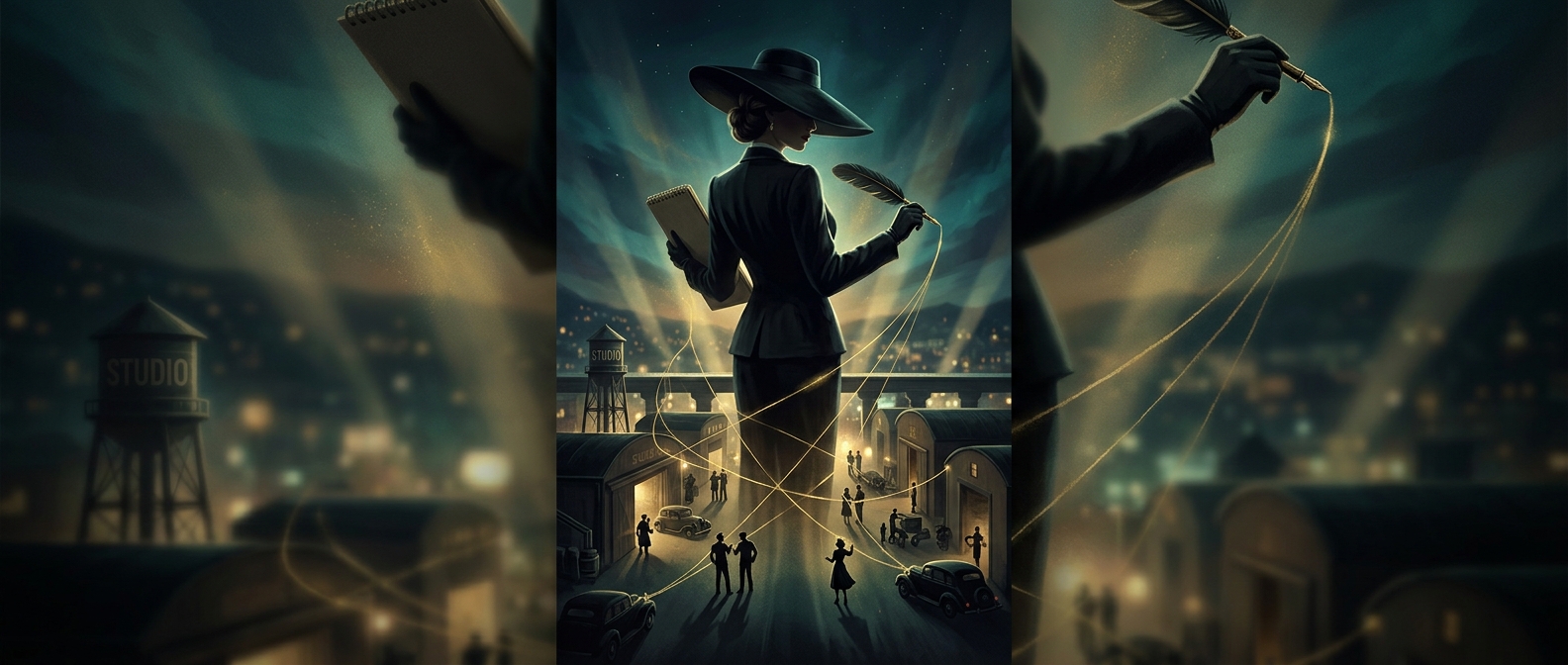
Gossip columnists practically governed Hollywood
With 35 million readers, her columns could help studios punish actors who crossed political or moral lines. Studios fed her exclusive rumors to keep their…
Discover more
The woman who directed Charlie Chaplin
Mabel Normand often directed her male co-stars, including a rookie Charlie Chaplin, during the Keystone comedy era. She also performed her own stunts, but her…
Discover more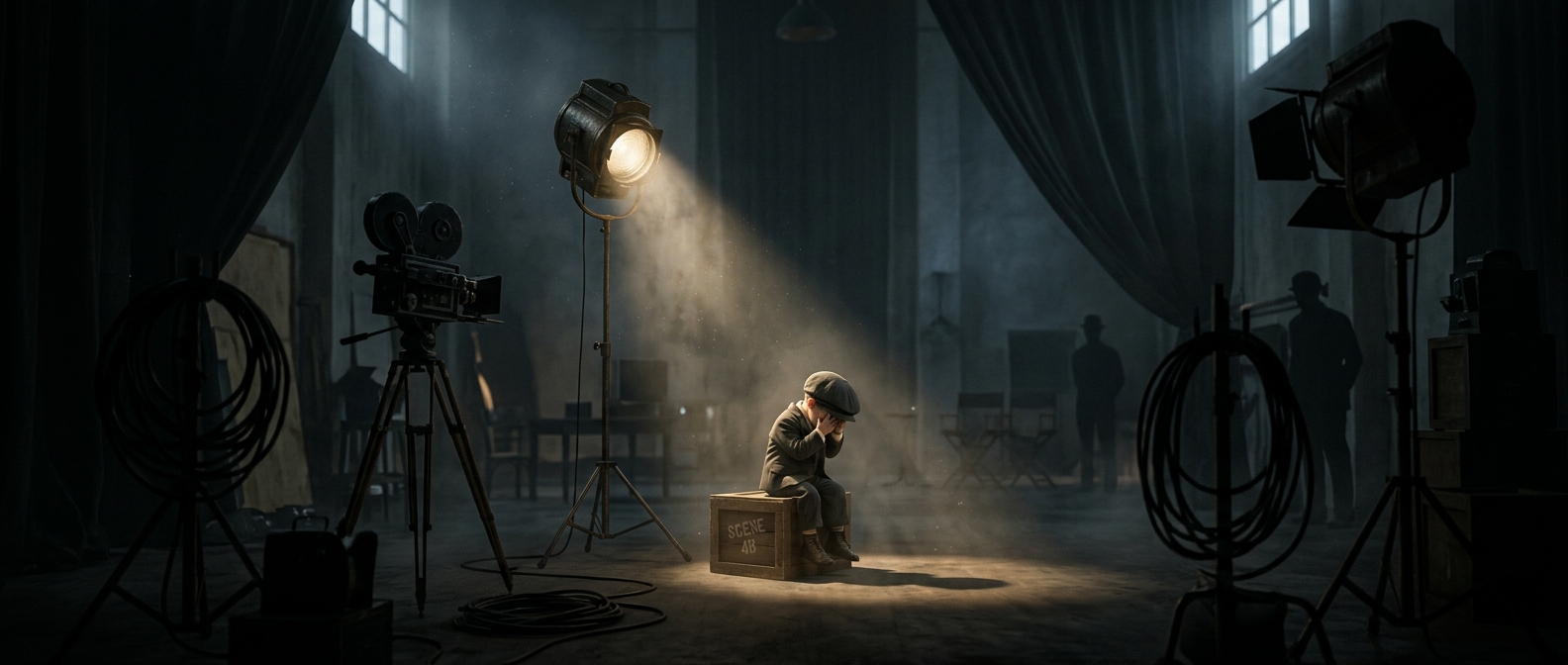
Baby Peggy grew up to document the child-star world that used her
Diana Serra Cary became famous in silent films as a very young child, then later wrote about Hollywood and its young performers. Her adult work gave her a…
Discover more
When the FCC froze new TV stations for four years
The FCC froze new station licenses from 1948 to 1952 to sort out signal interference caused by its channel-allocation plan. Cities that already had stations…
Discover more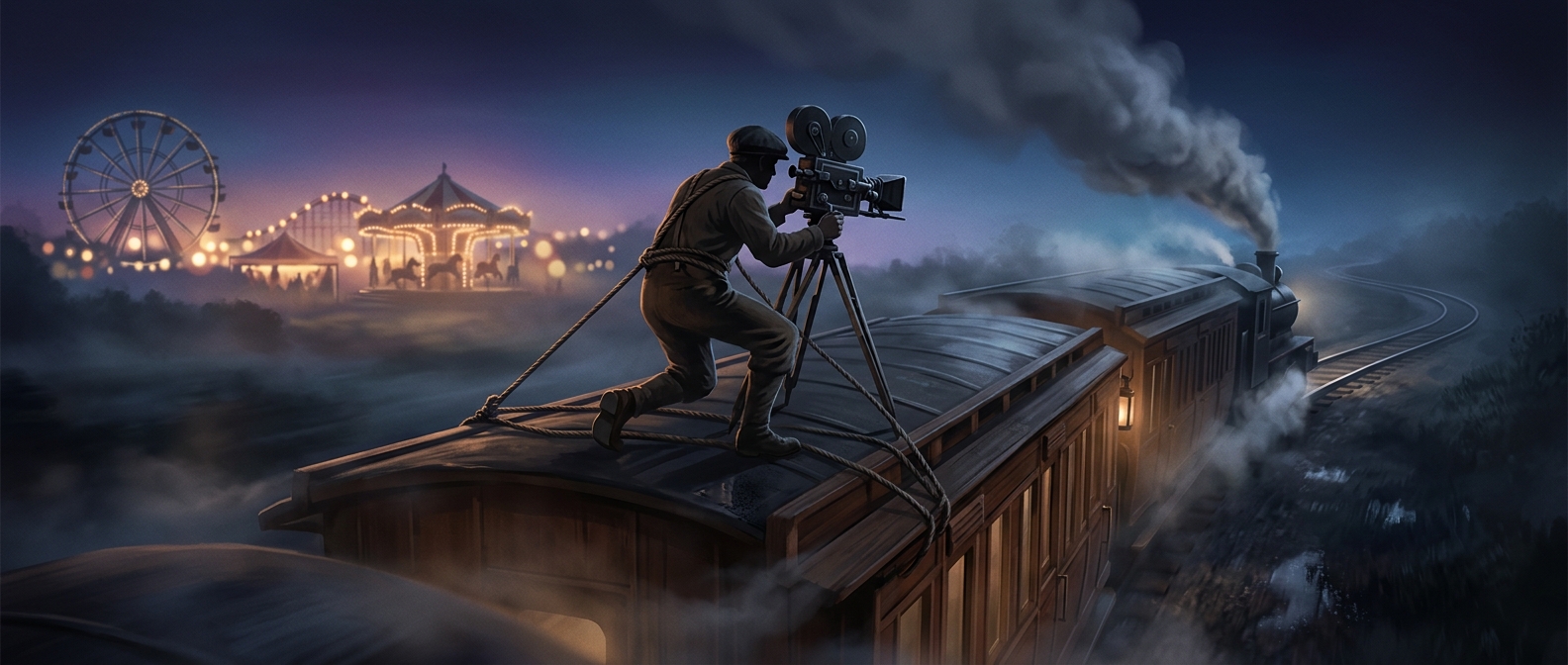
Early movies gave audiences a train driver's view
For phantom rides, filmmakers mounted a camera at the front of a moving train. Tracks rushed toward the audience without an actor or narrator to explain the…
Discover more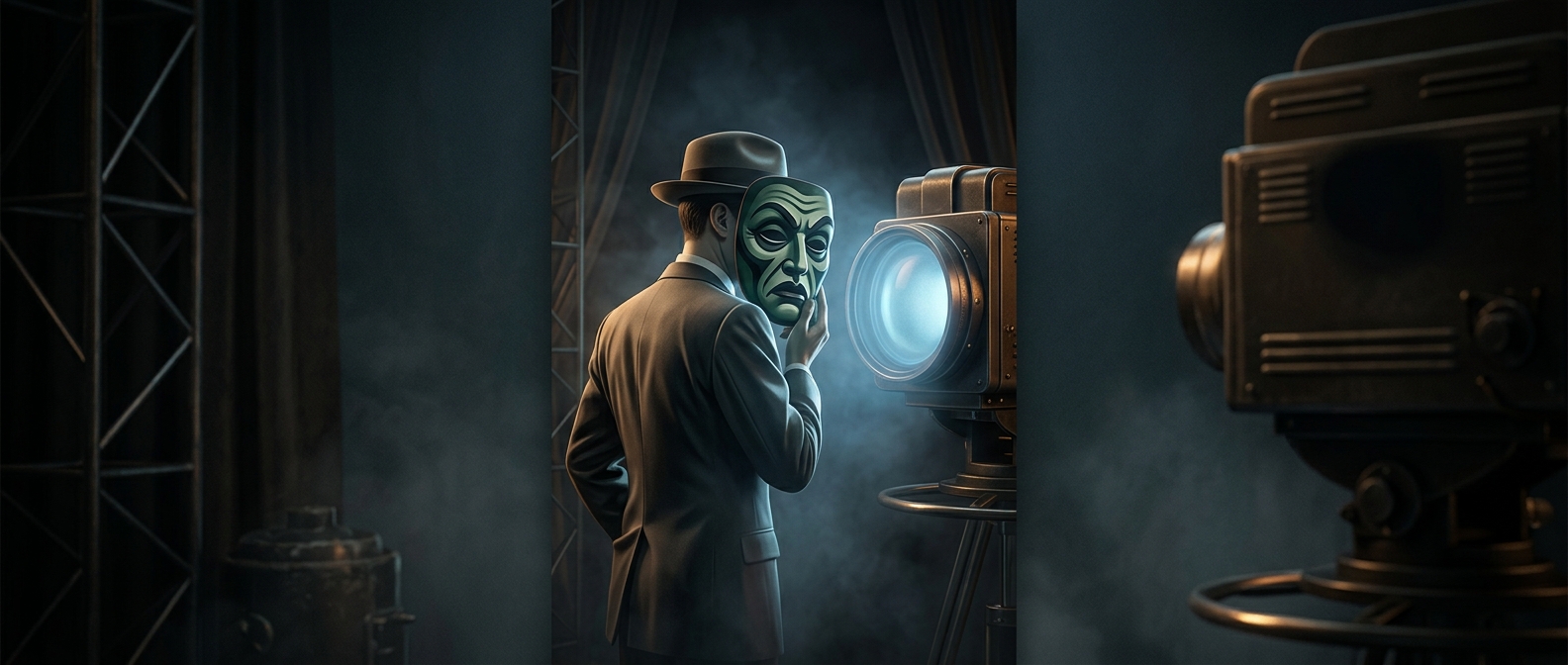
Why early TV actors wore black-and-white makeup
Baird's 30-line mechanical television blurred faces so badly that actors painted them in stark black and white to make their features visible.
Discover more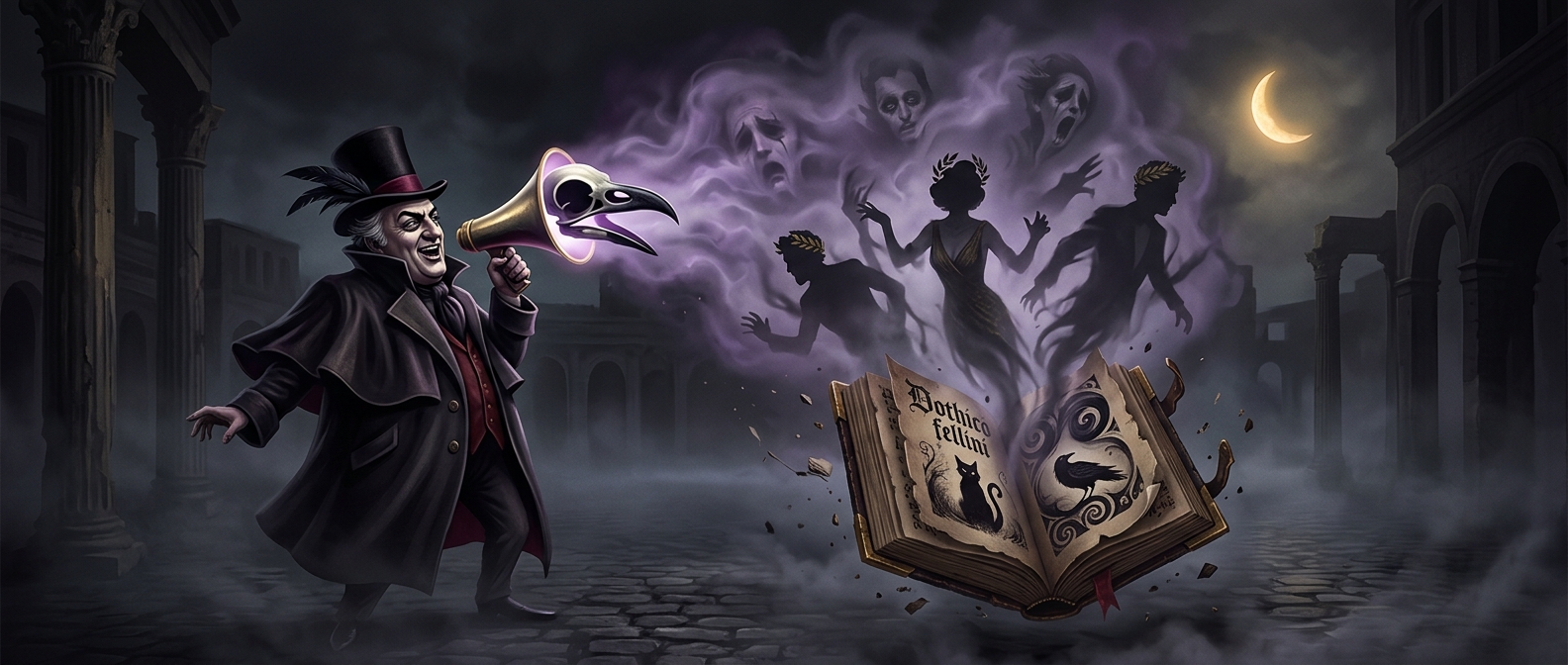
Fellini turned a Poe film into a celebrity roast
Instead of closely adapting Poe, Fellini used his segment to skewer vapid actors and the film industry’s soullessness.
Discover more
The lawsuit that got 30 minutes cut from Freaks
The woman claimed the film’s shock had caused her miscarriage, prompting MGM to remove nearly 30 minutes from the 1932 release.
Discover more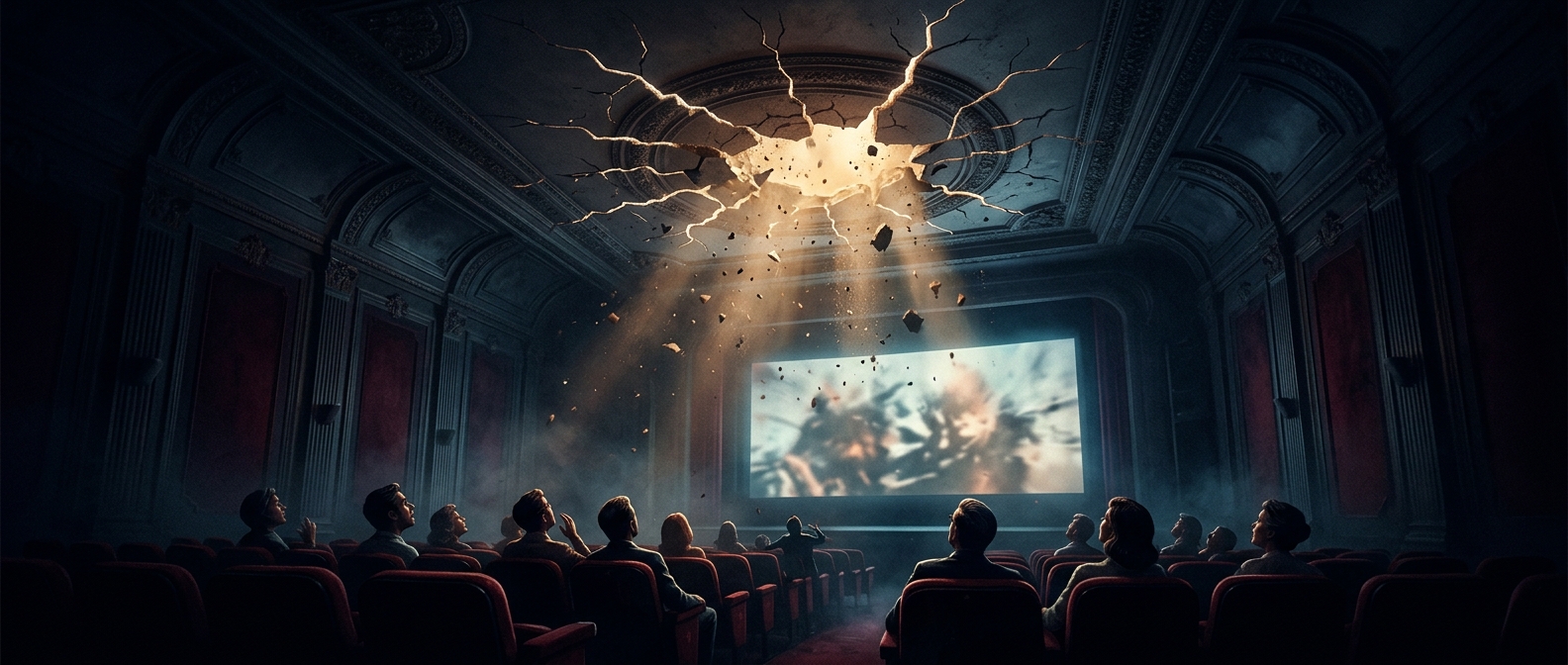
The movie theater effect that shook plaster loose
Universal's Sensurround system used powerful vibrations to simulate the earthquake. The shaking could loosen ceiling plaster and disrupt screenings in…
Discover more