Culture & entertainment
Discover facts about culture & entertainment. Small discoveries that change the way you see familiar things.
Culture & entertainment
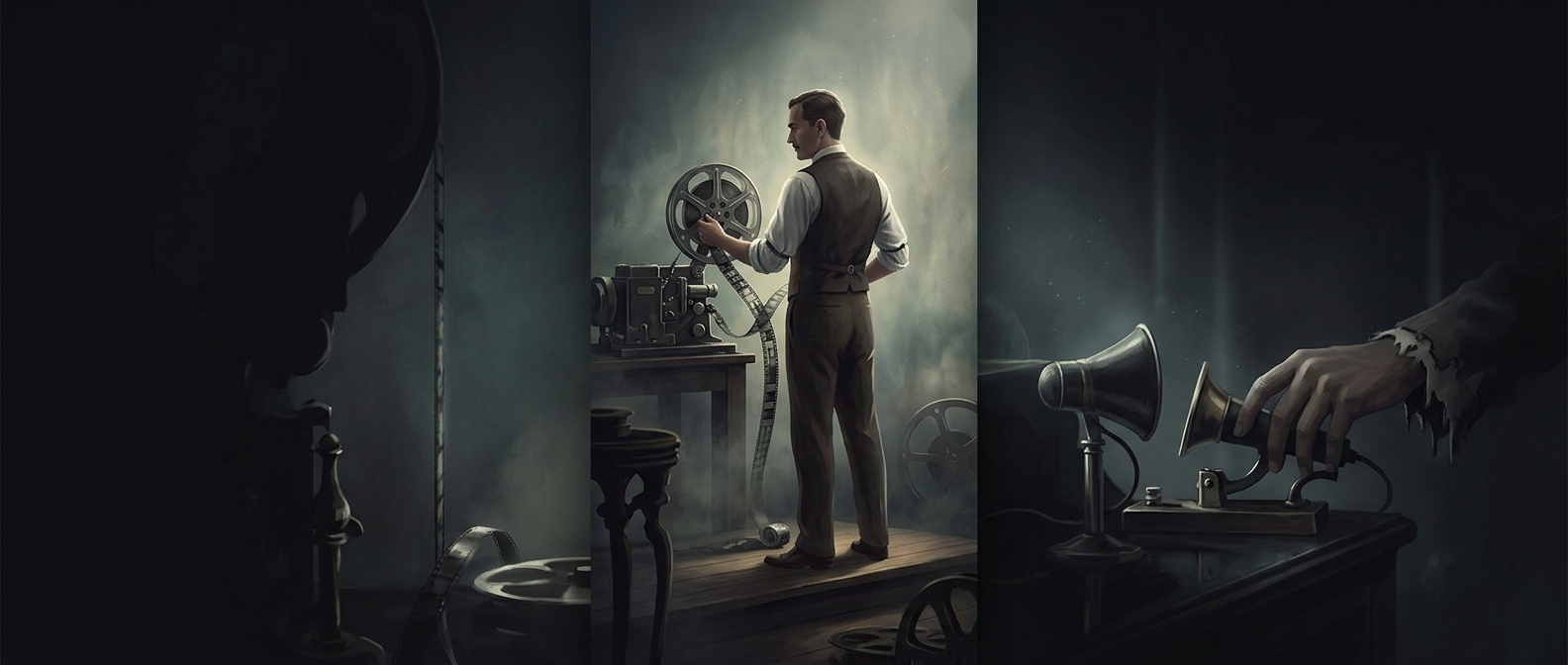
The controversial inventor who put sound in movies
He commercialized sound-on-film technology and brought synchronized sound to movies years before Hollywood adopted it, but the industry disliked him enough to…
Discover more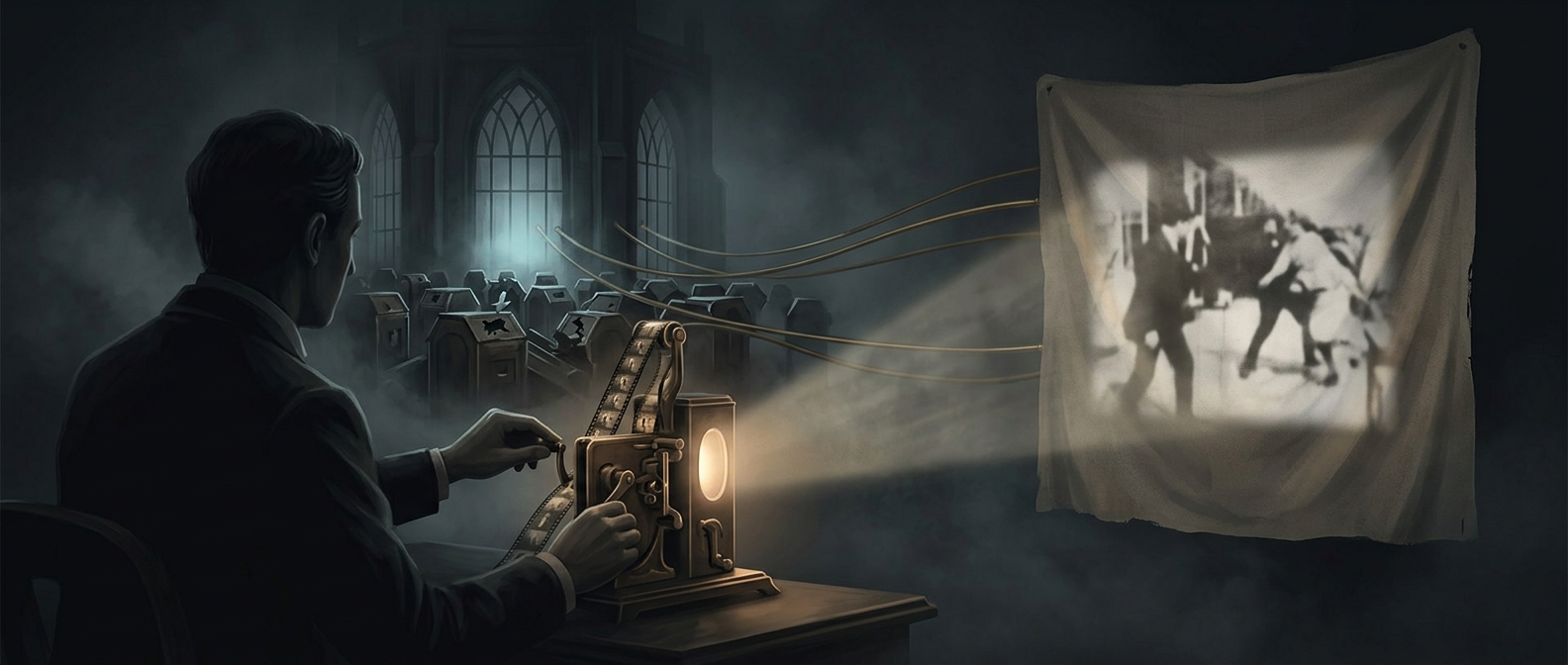
How Edison let a rival put films on a screen
Edison declined to pay $150 to patent his motion-picture device in Europe, letting British instrument maker Robert W. Paul reverse-engineer it legally. Paul…
Discover more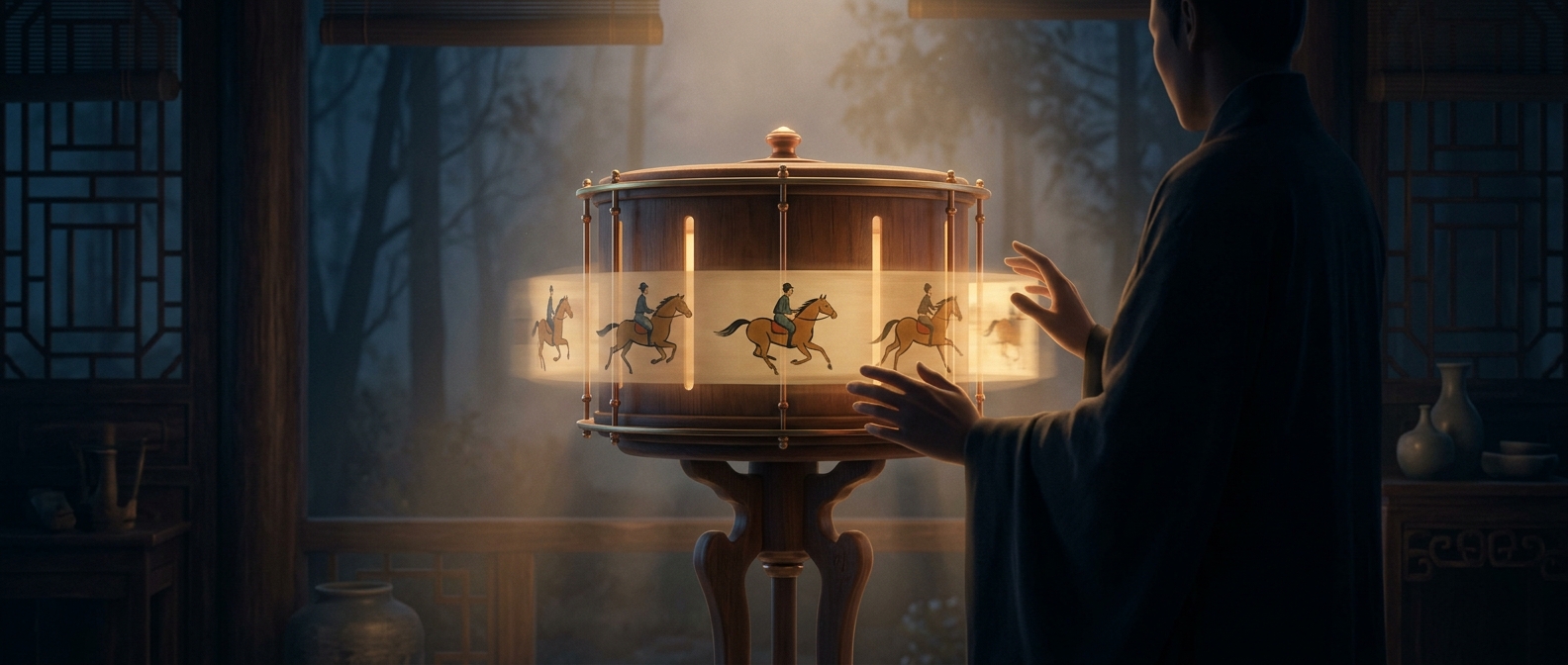
Chinese inventors built the first zoetrope in 180 AD
Ding Huan’s Han Dynasty device used a lamp’s rising hot air to spin painted birds and animals, making them appear to move.
Discover more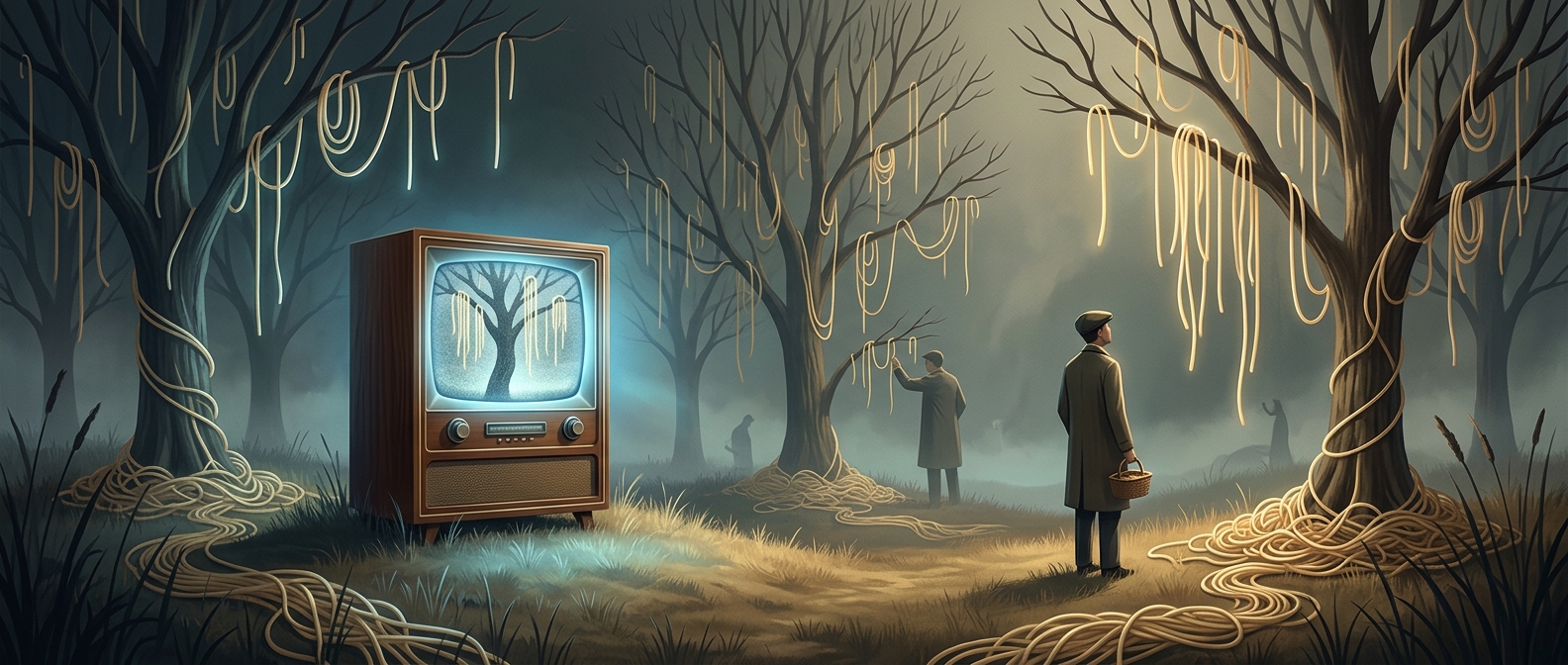
The BBC's spaghetti-tree hoax fooled Britain
In 1957, the BBC showed Swiss farmers harvesting strands of spaghetti from trees. Viewers called the broadcaster asking how they could grow their own pasta.
Discover more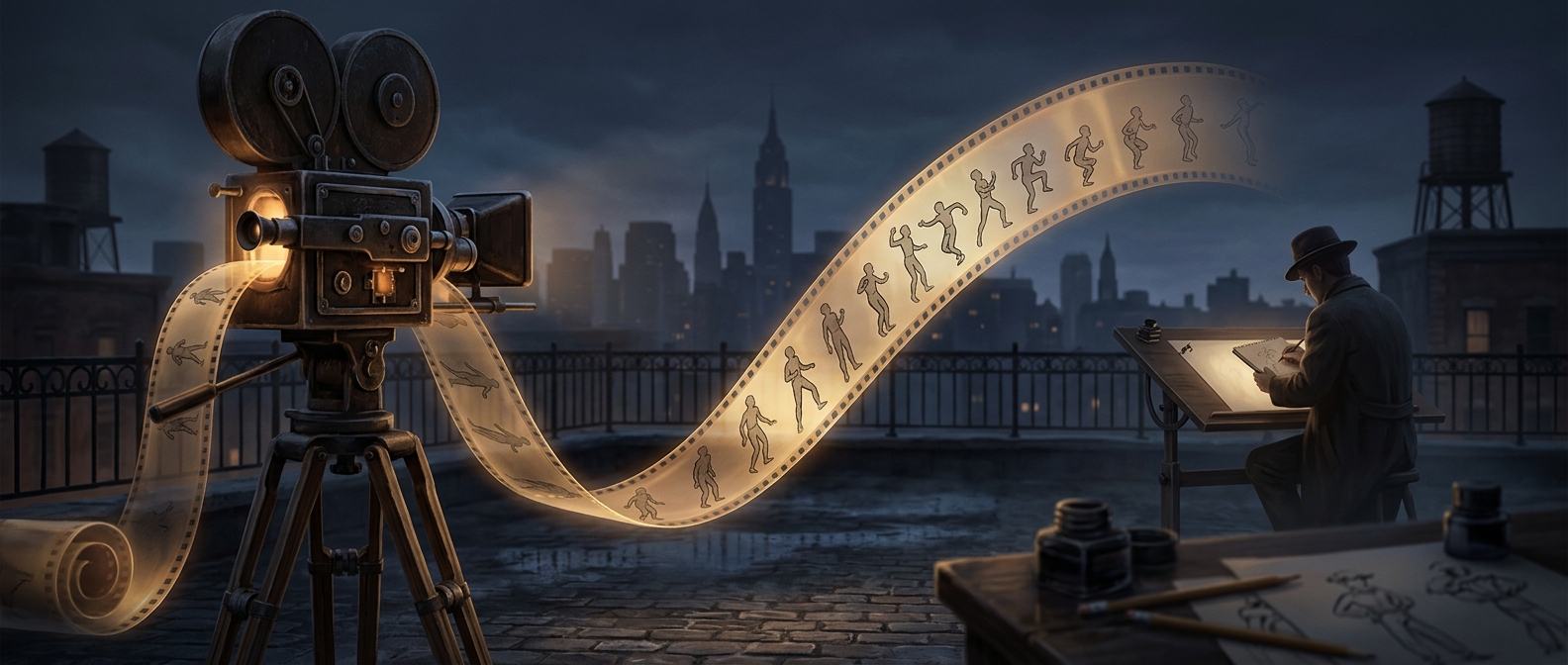
The animation trick born on a New York rooftop
Max Fleischer invented rotoscoping by projecting live-action footage of his brother prancing in a clown suit on a New York rooftop onto glass, then tracing it…
Discover more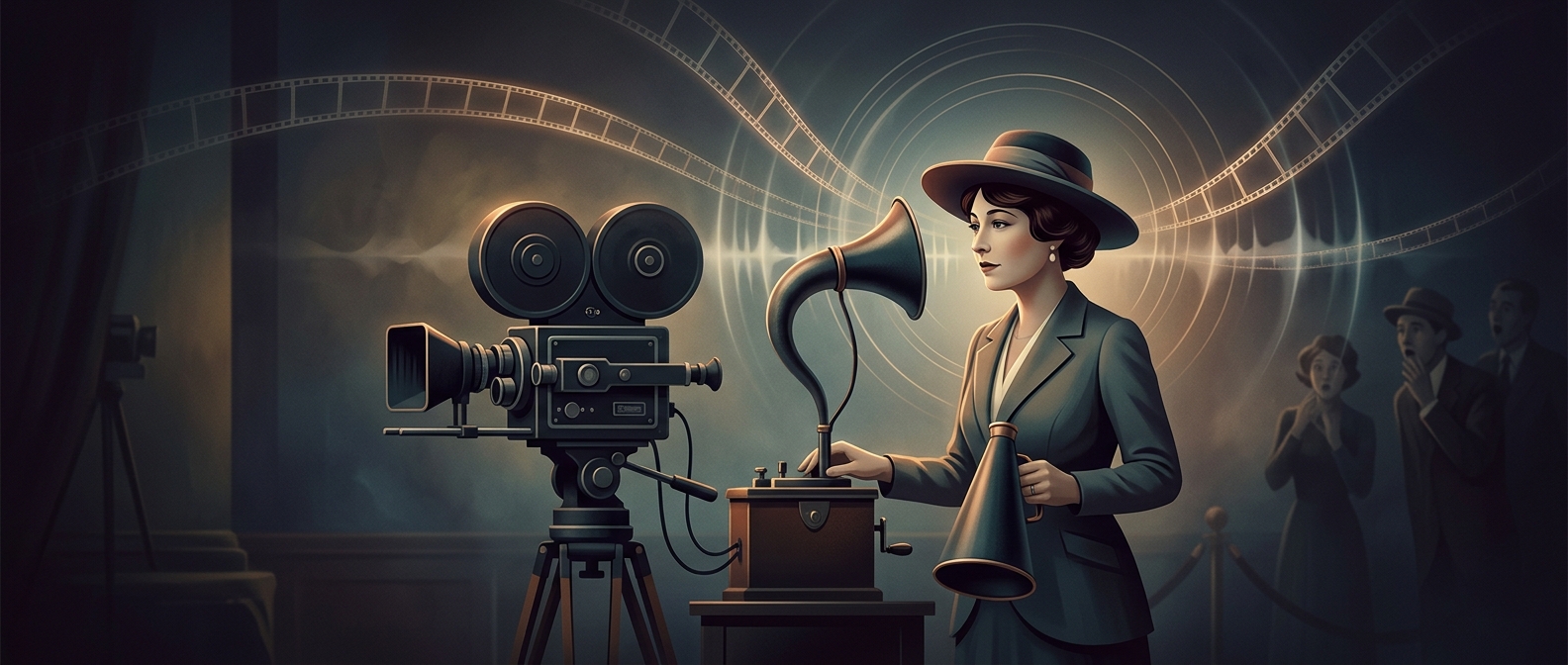
Alice Guy made synchronized sound films decades before The Jazz Singer
In the early 1900s, she directed phonoscènes for Gaumont's Chronophone system, filming performers in synchronization with recorded sound. The voice and moving…
Discover more STACKY FOR IPHONE
A bigger world.
One discovery
at a time.
Keep discovering with Stacky. Interesting facts in an app that is always within reach.
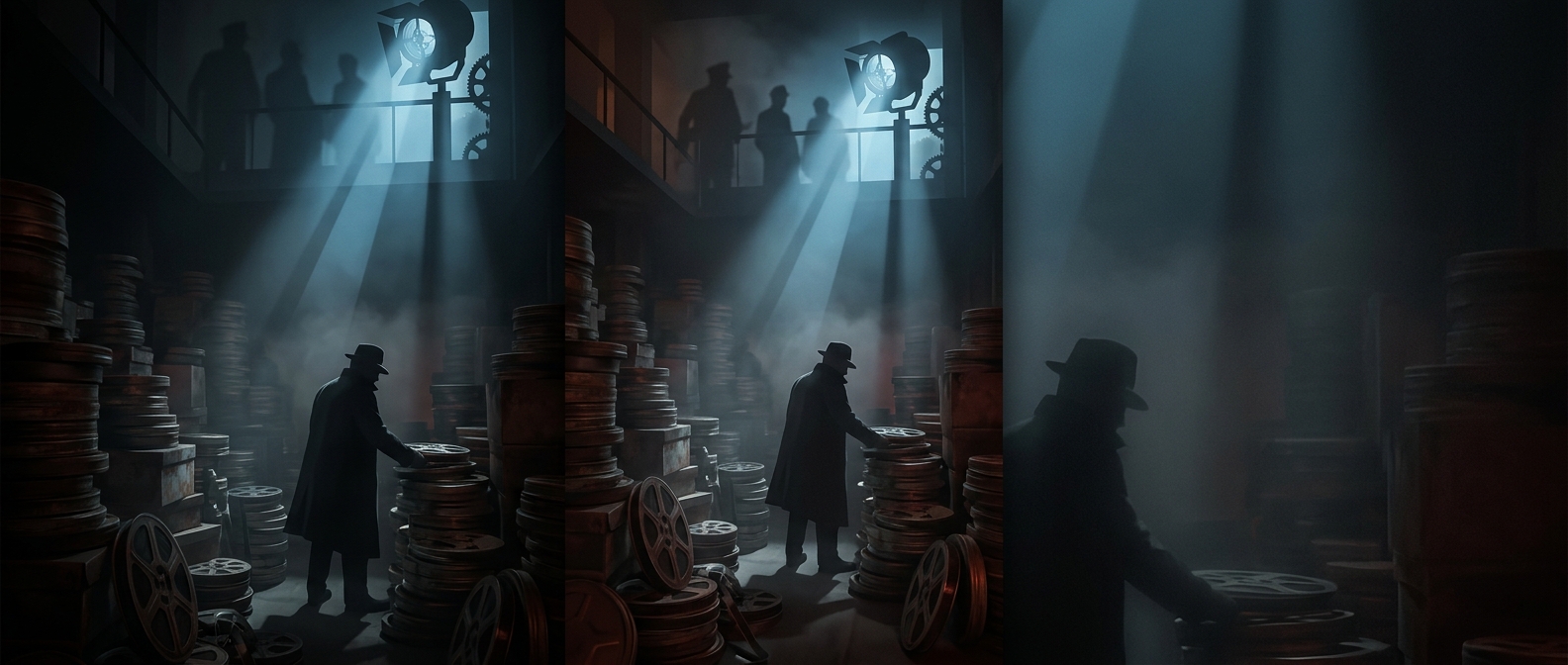
How one man hid films from the Nazis
During World War II, Henri Langlois smuggled banned film reels out of Paris and hid them in bathtubs and at country estates. Those films became part of the…
Discover more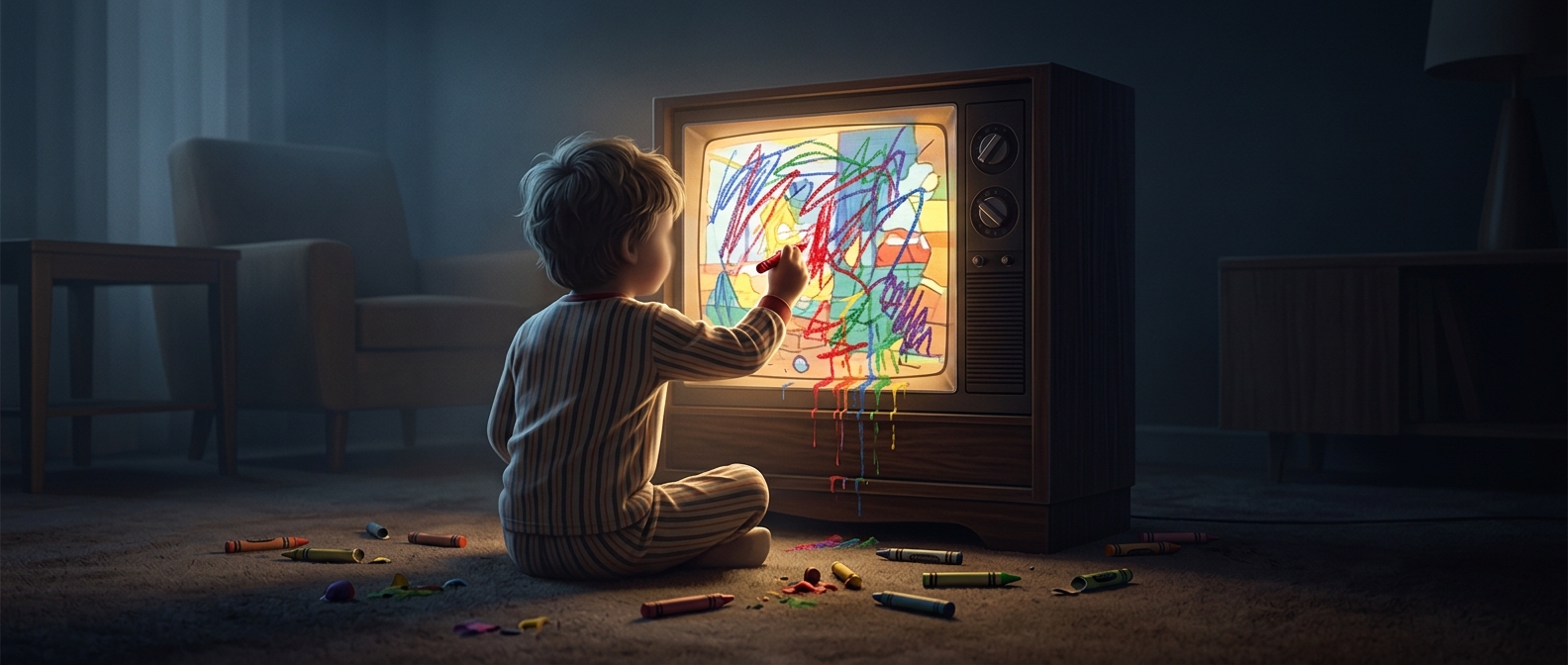
A children's show asked viewers to draw on their TVs
Winky Dink and You invited children to complete pictures that helped the character through an adventure. The drawings were meant to go on a transparent…
Discover more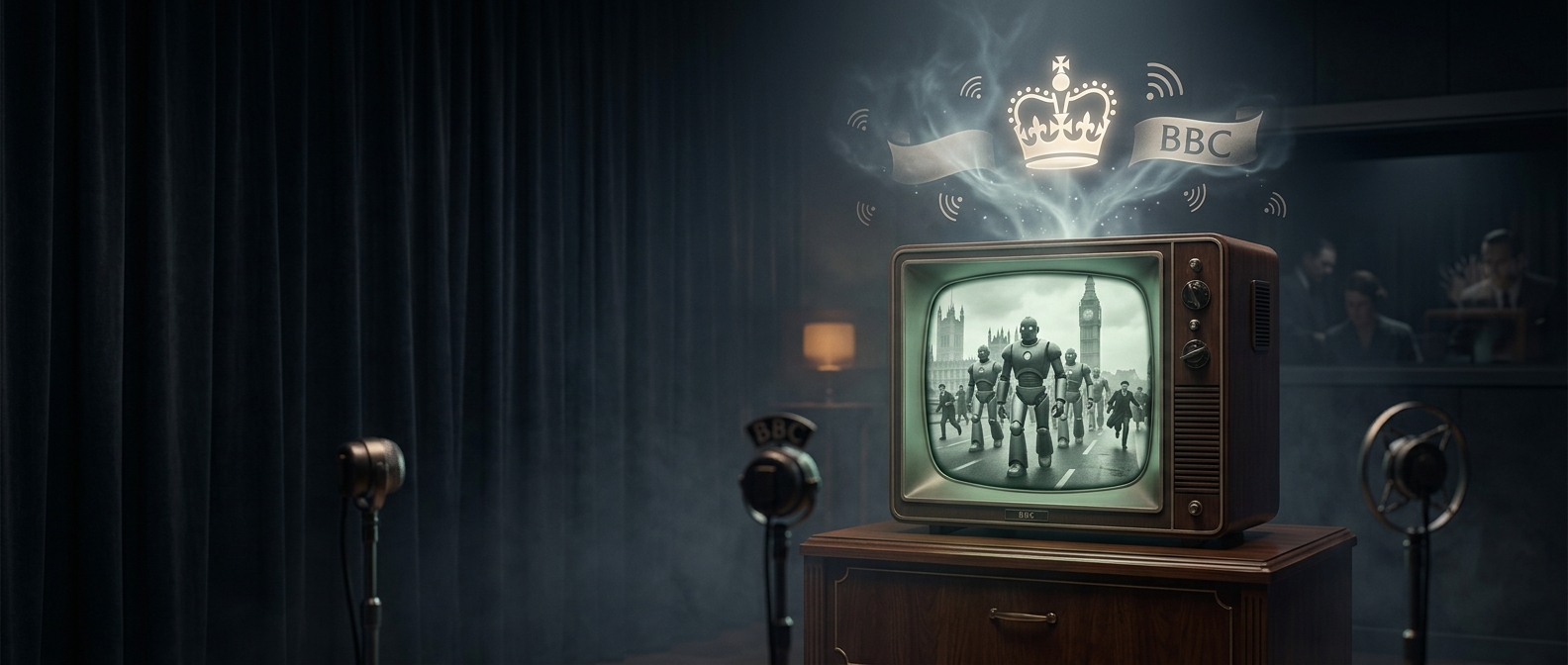
The BBC aired a robot apocalypse in 1937
Because television was so new, the BBC had no way to record the broadcast. The robot rebellion vanished as soon as it aired.
Discover more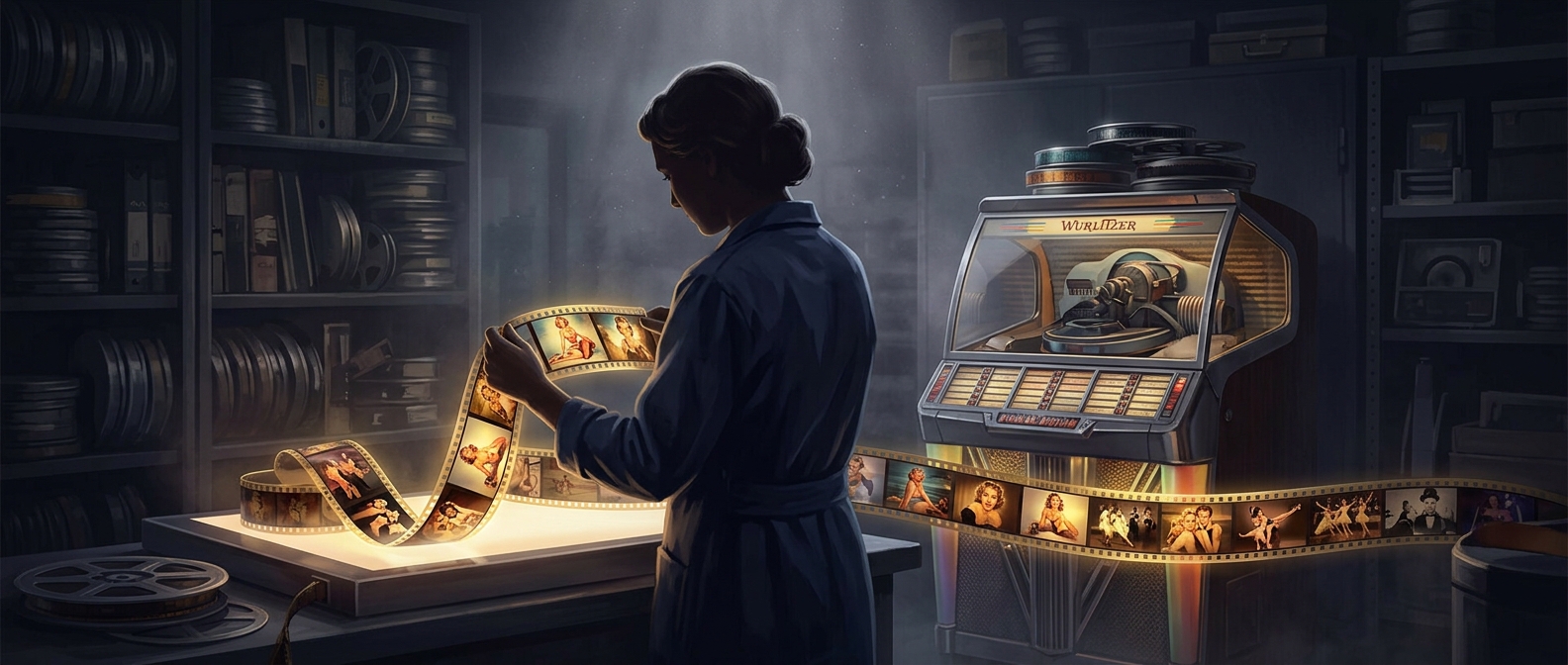
A 1960s jukebox could play a miniature music video
Scopitone machines showed short color films on 16mm reels, complete with singers, dancers, costumes, and sets. Customers selected a performance instead of…
Discover more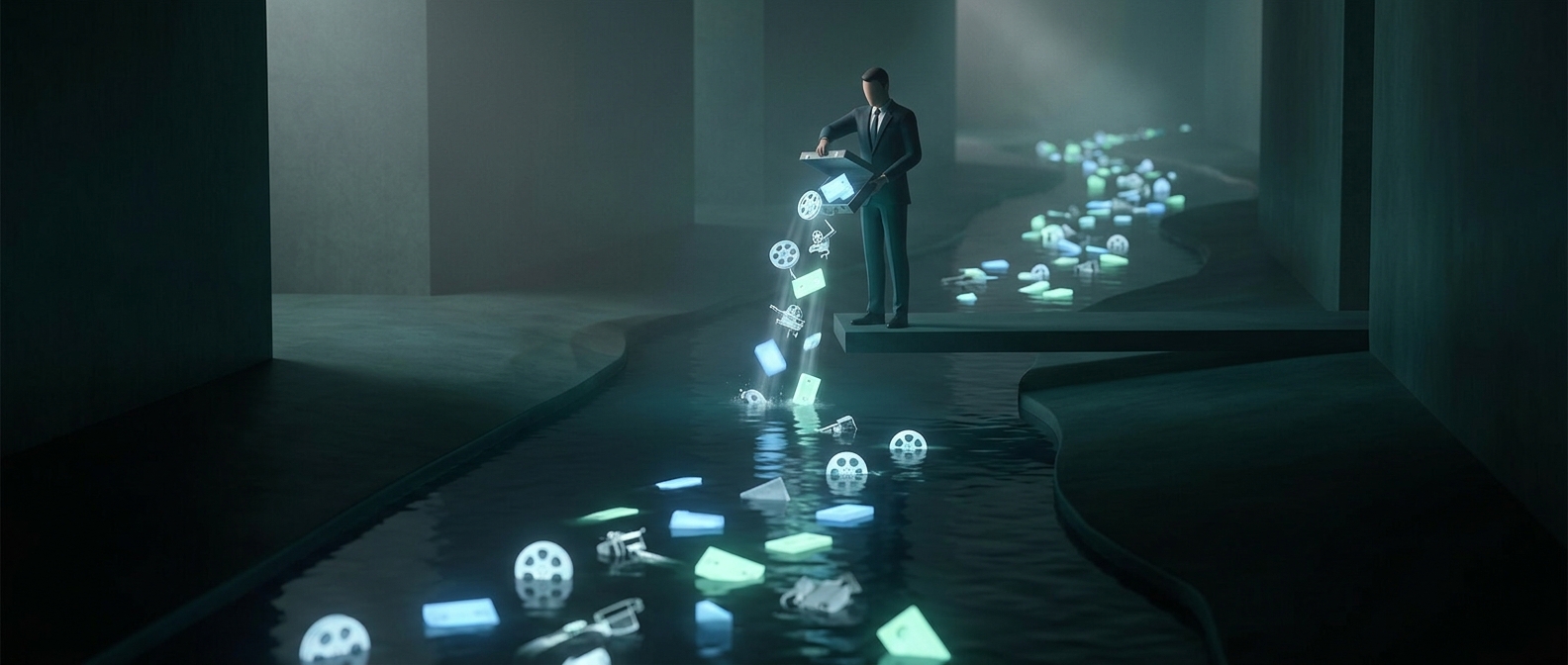
Lawyers dumped DuMont's TV archive in the East River
In the 1970s, the network’s legal successors dumped the kinescope reels into the East River to avoid paying warehouse storage fees.
Discover more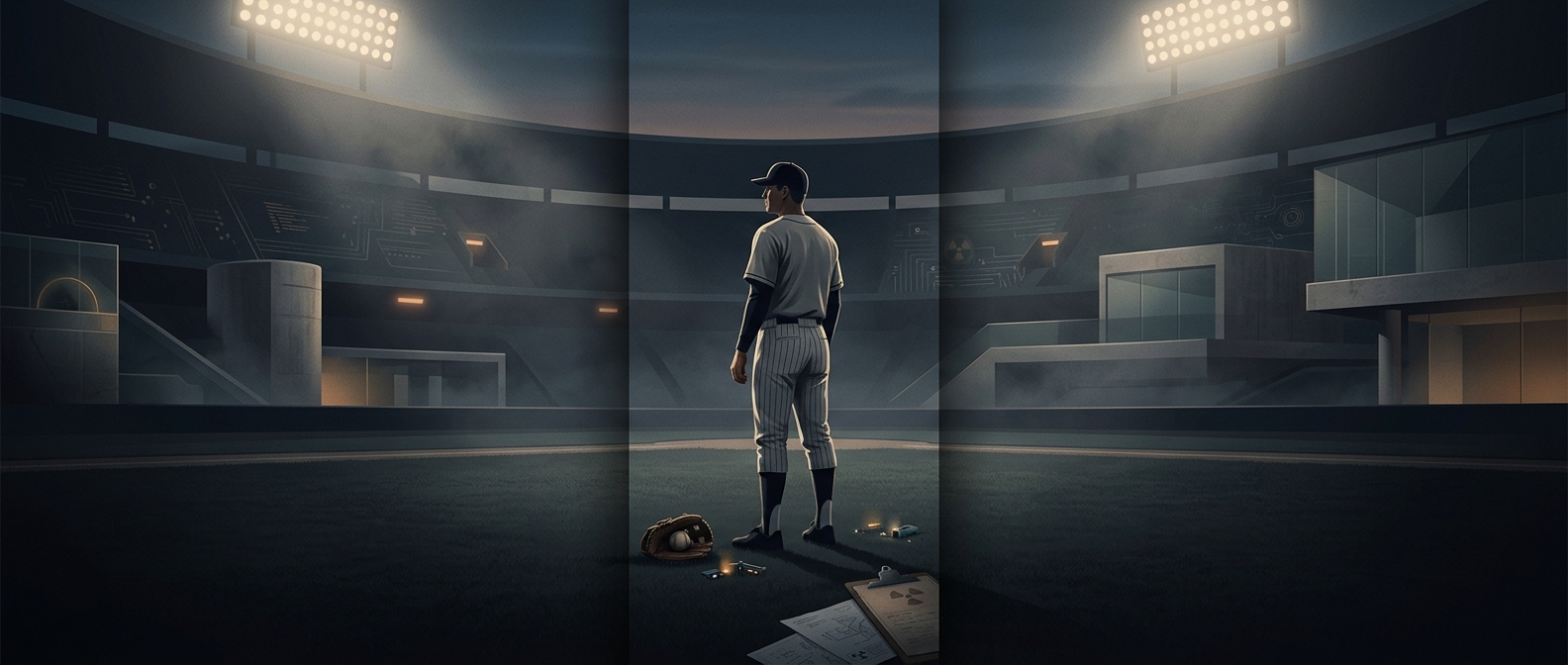
A baseball catcher carried a gun to Heisenberg's lecture
In 1944, former major-league player Moe Berg attended the German physicist's talk in Switzerland as an American intelligence operative. He had orders to act…
Discover more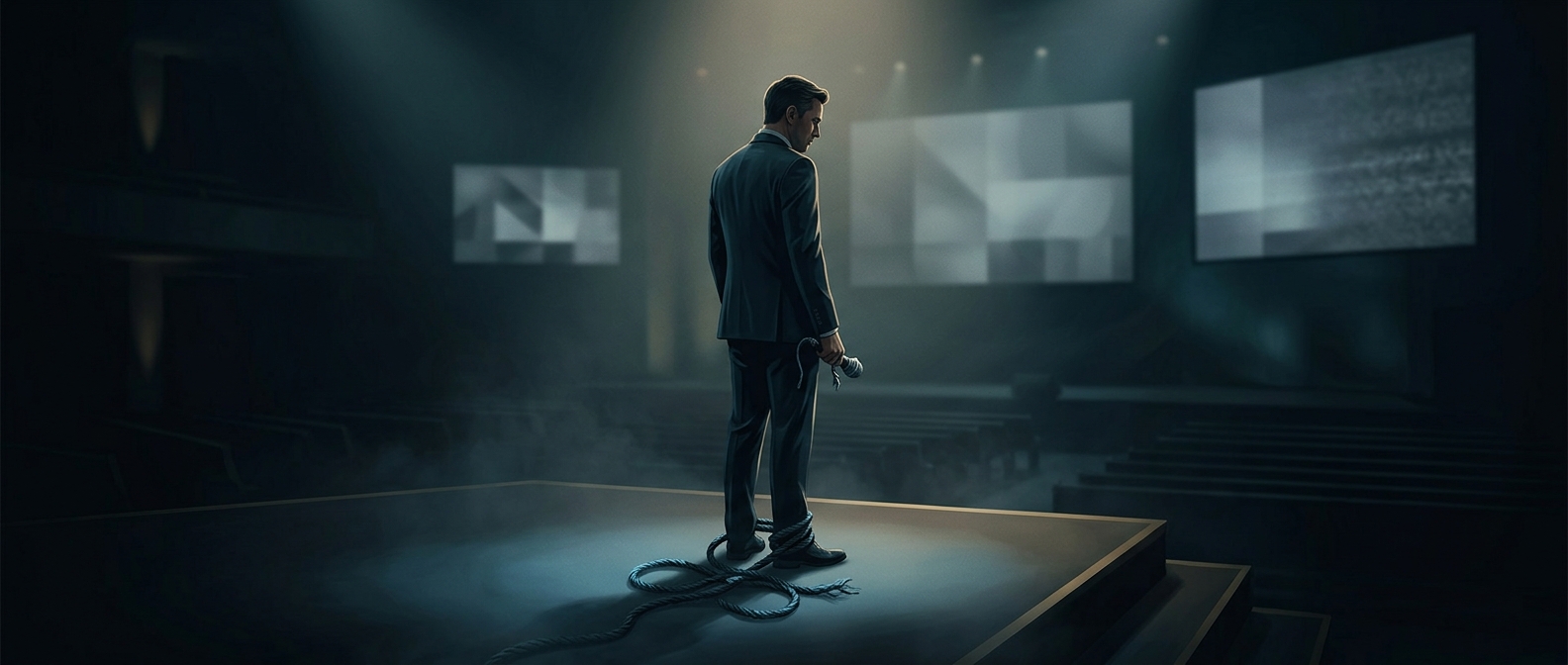
A vanished evangelist returned with a kidnapping story
Aimee Semple McPherson disappeared in 1926 and reappeared weeks later, saying she had escaped abductors. Investigators suspected a fabricated account,…
Discover more
The BBC performed its disturbing 1984 adaptation twice—live
The first broadcast of Nineteen Eighty-Four went out on December 12, 1954, and provoked demands to stop the repeat. Four days later, the actors performed it…
Discover more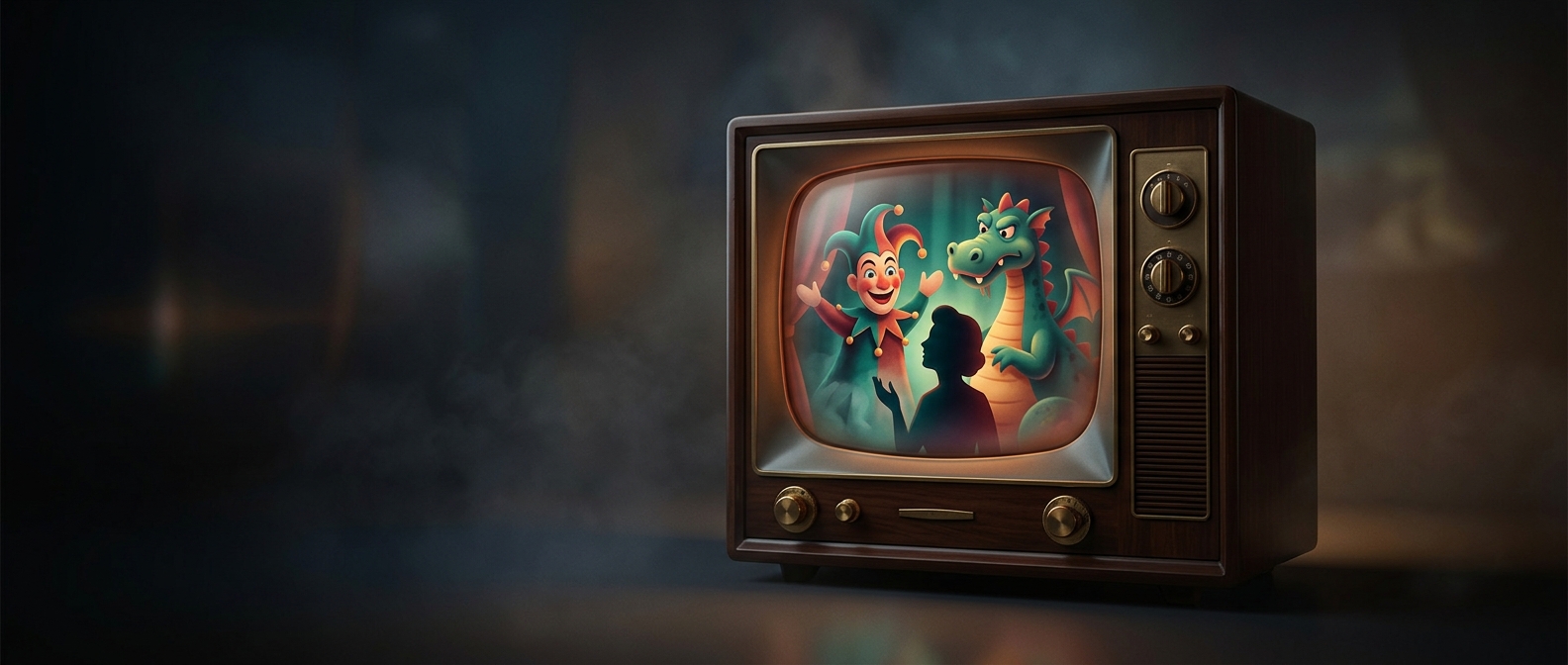
A puppet show helped demonstrate color television
Kukla, Fran and Ollie appeared in RCA's early color tests and a 1953 demonstration of its revised system. The familiar performers gave engineers a moving…
Discover more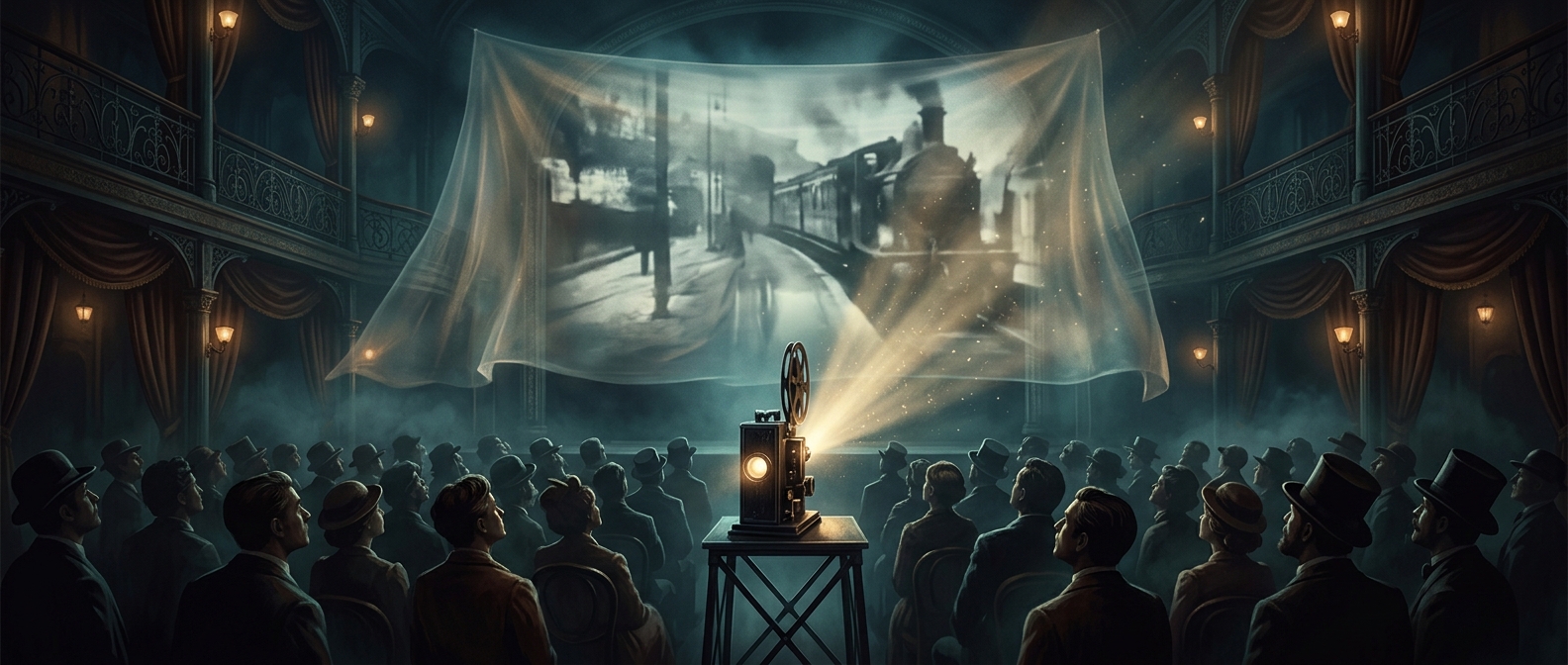
Robert Paul's Animatograph birthed the cinema hall
In 1896, Robert W. Paul used the Animatograph to project moving images onto a screen for a British music hall audience, instead of showing them one viewer at…
Discover more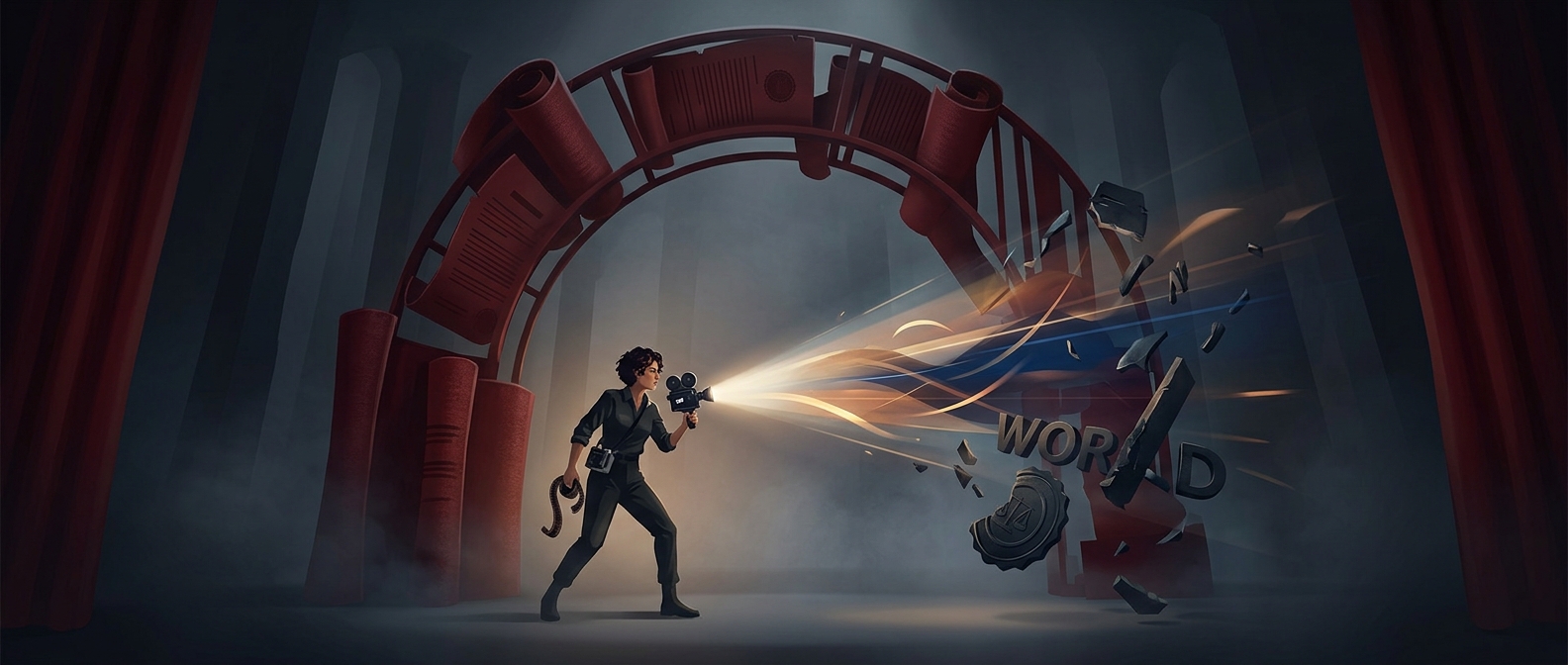
The four-letter word that got a film banned
The New York censor board banned The Connection for its repeated use of a four-letter curse word, not its depiction of jazz musicians waiting for heroin.…
Discover more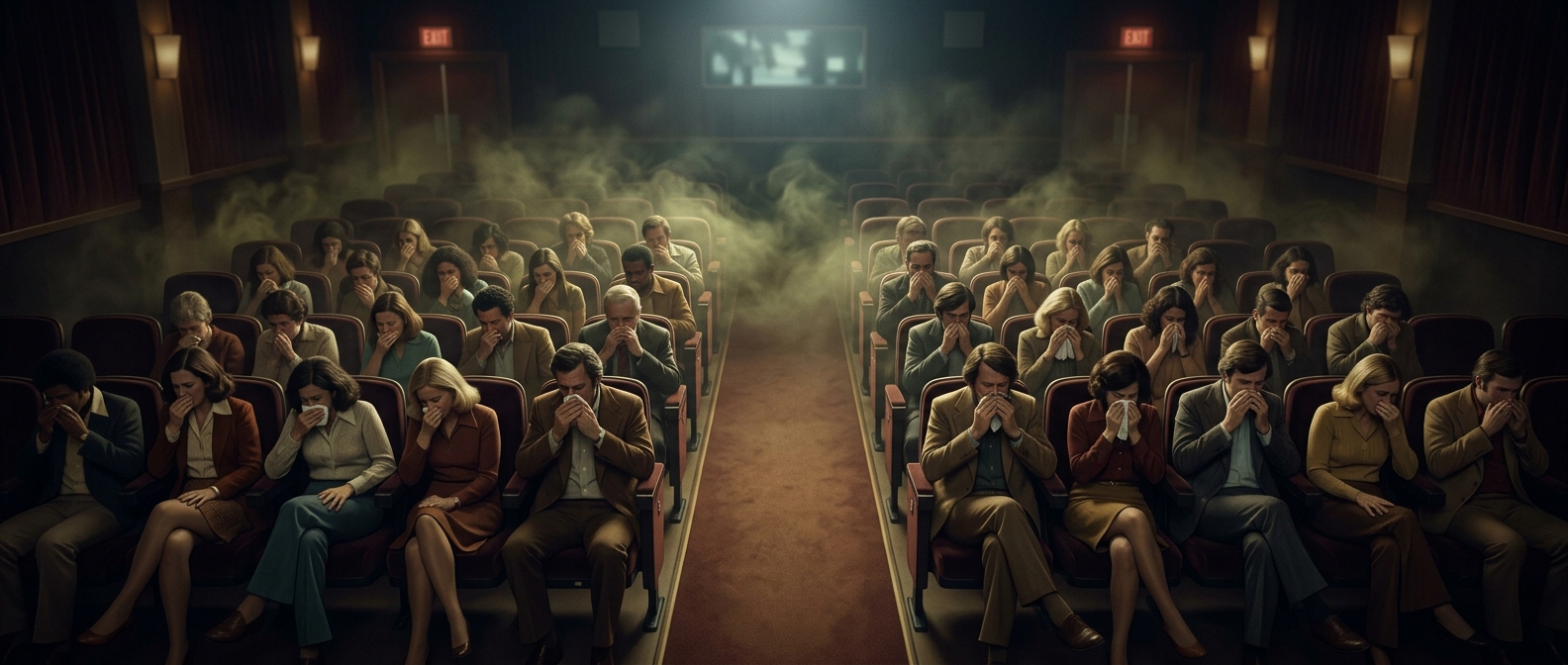
The film that made audiences smell flatulence
For his 1981 film *Polyester*, John Waters gave theatergoers scratch-and-sniff cards with scents including old sneakers, skunks, and flatulence.
Discover more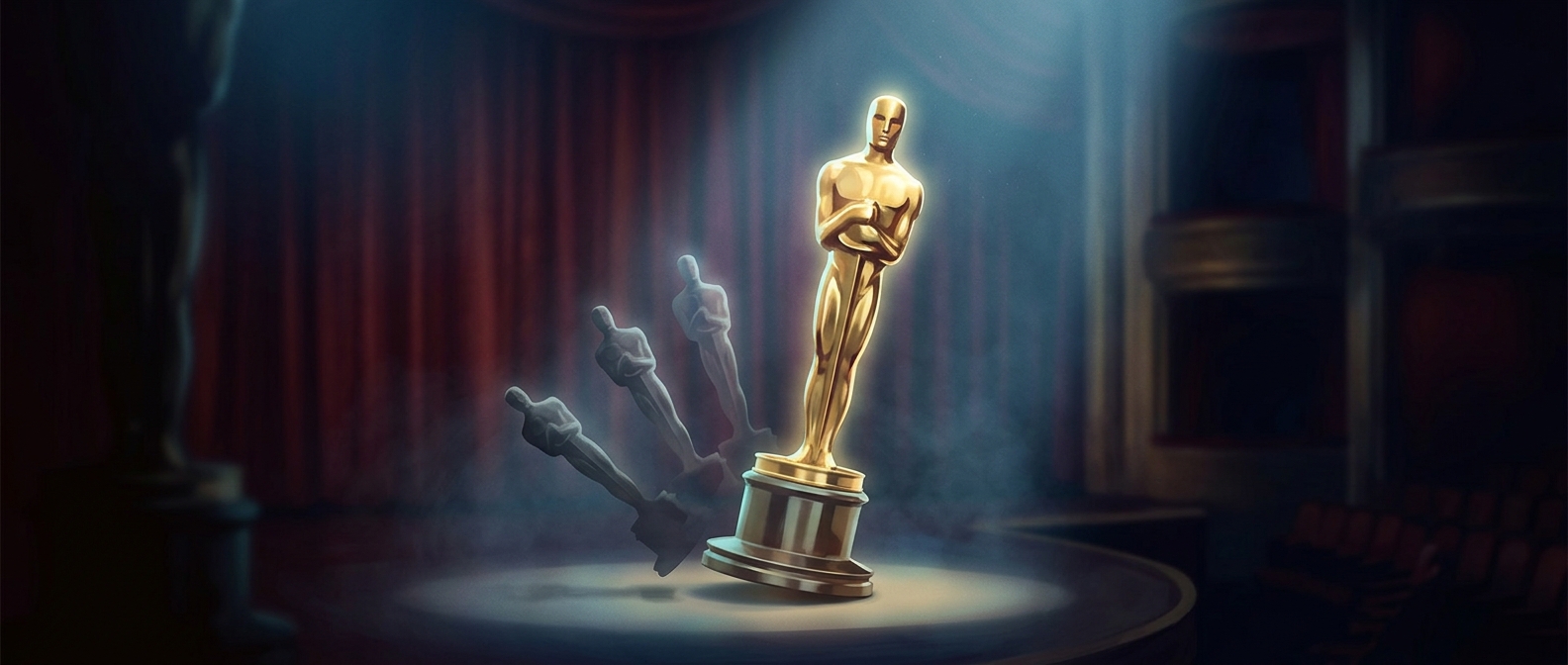
An actor lost the Oscar vote—and won the Oscar
At the 1932 awards, Wallace Beery finished one vote behind Fredric March. The Academy then treated a margin of three votes or fewer as a tie, so both received…
Discover more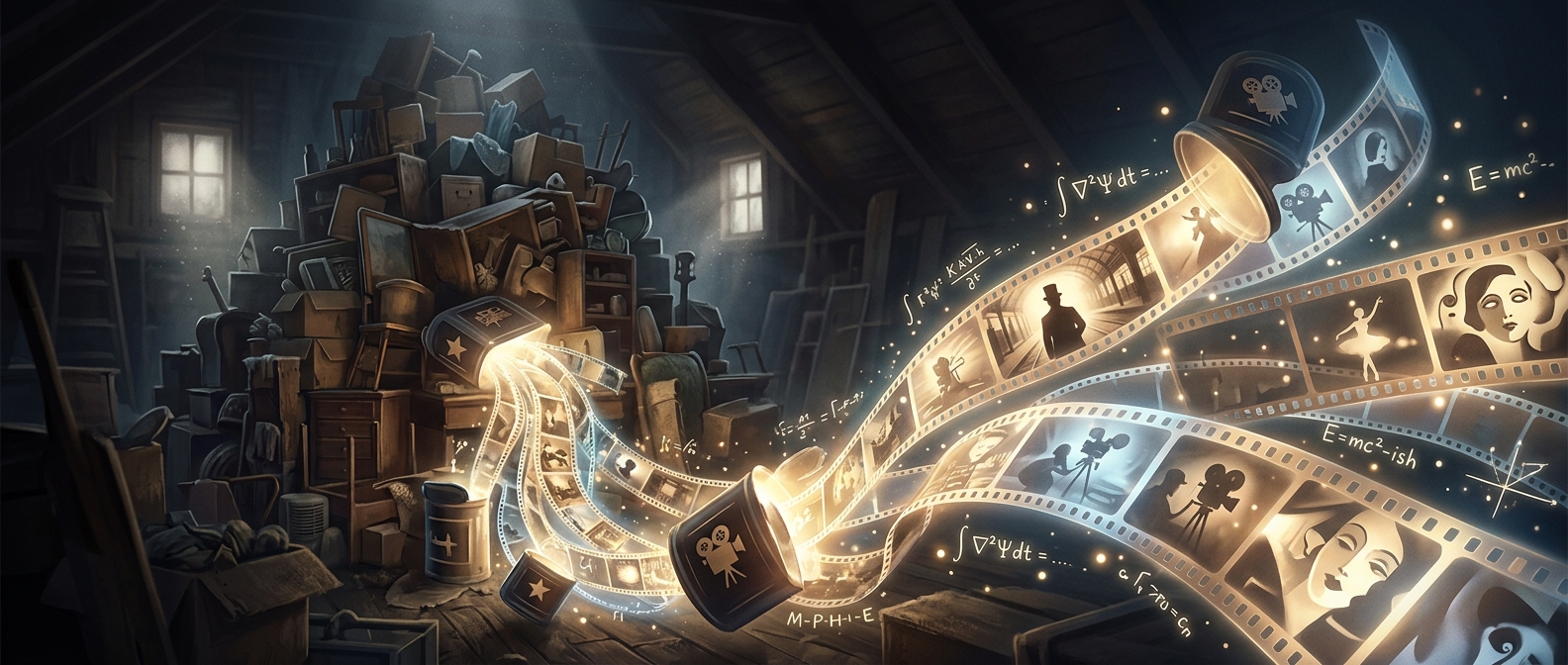
Edison's lost Frankenstein survived in a bedroom
Wisconsin archivist Alois F. Dettlaff kept a copy of Edison’s 1910 Frankenstein in his bedroom for decades, despite the film’s highly flammable stock.
Discover more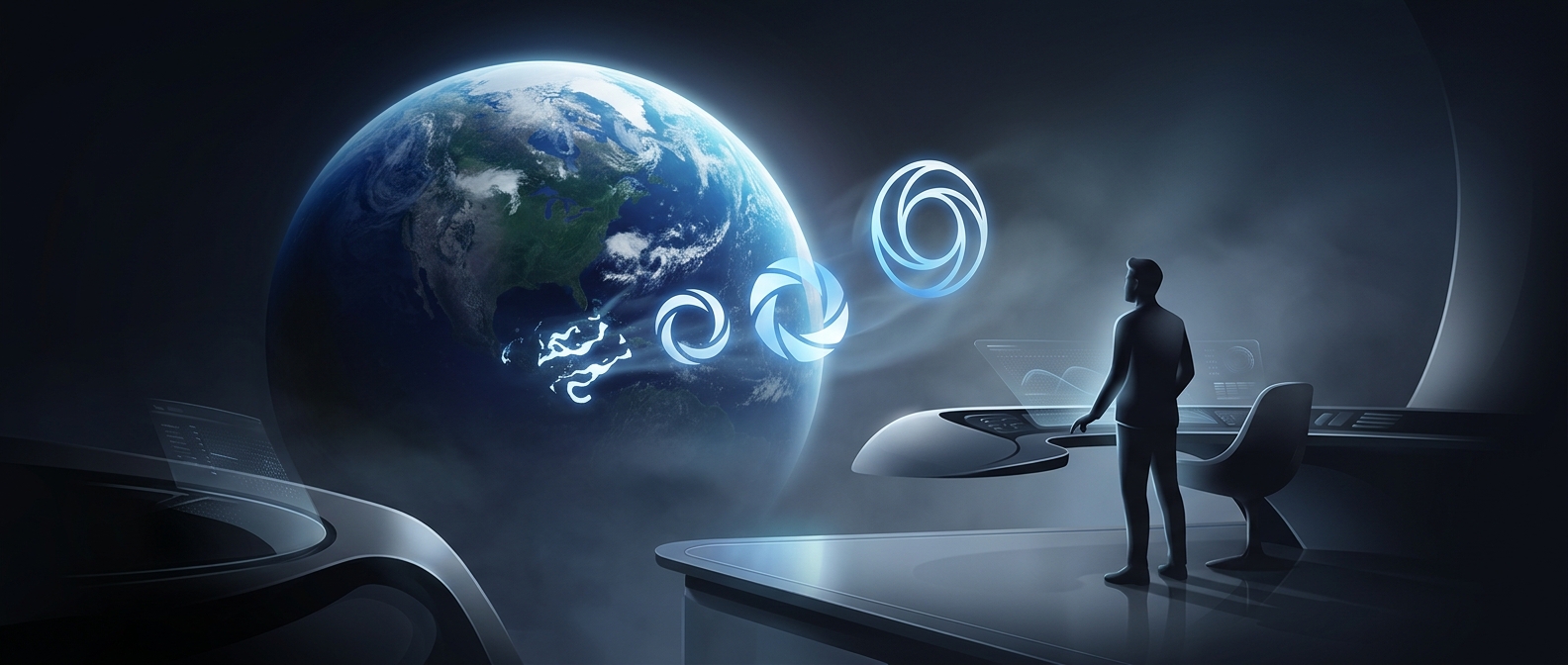
How one Earth photo became TV logos
Apollo 17’s 1972 “Blue Marble” photo was in the public domain, making it an easy choice for television networks seeking a globe-themed broadcast logo.
Discover more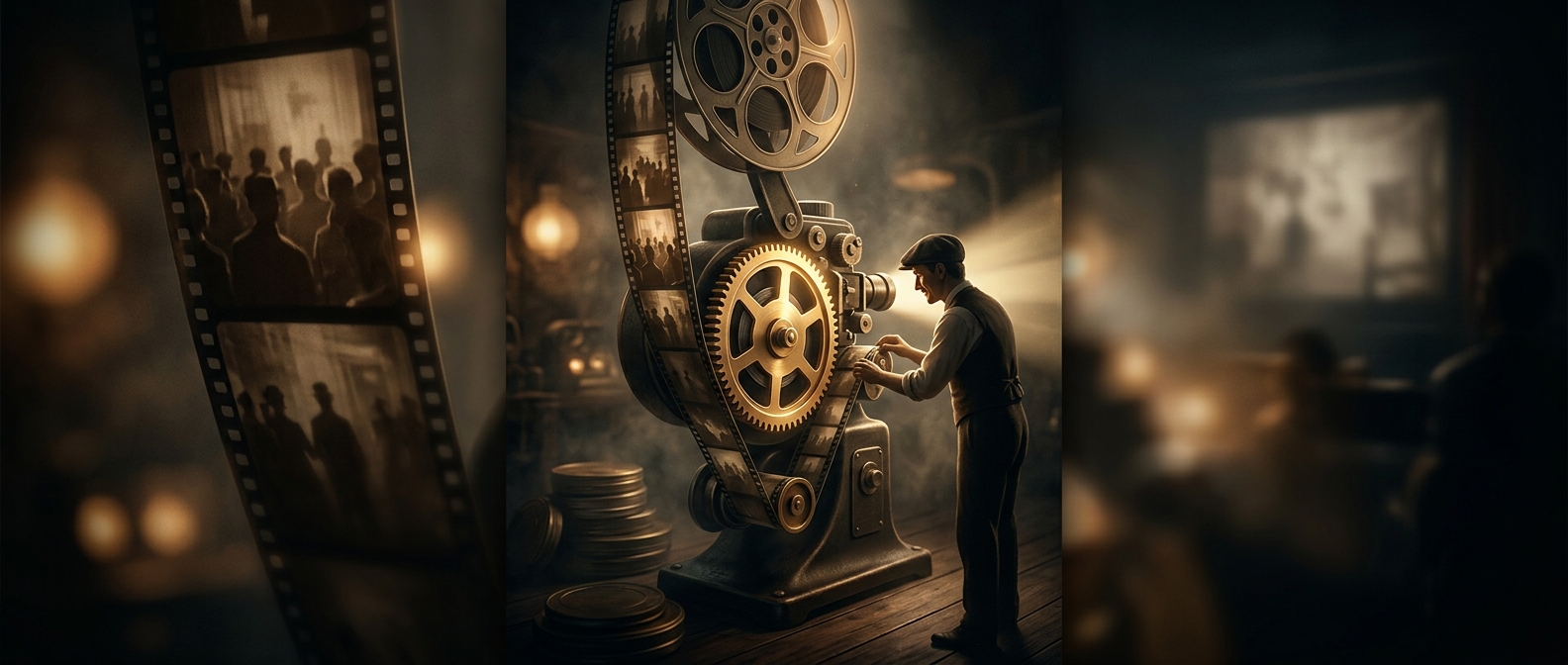
A movie projector has to stop the film to make it move
An intermittent mechanism advances a frame, then holds it still while light projects it. A shutter hides the movement to the next frame. The Maltese-cross…
Discover more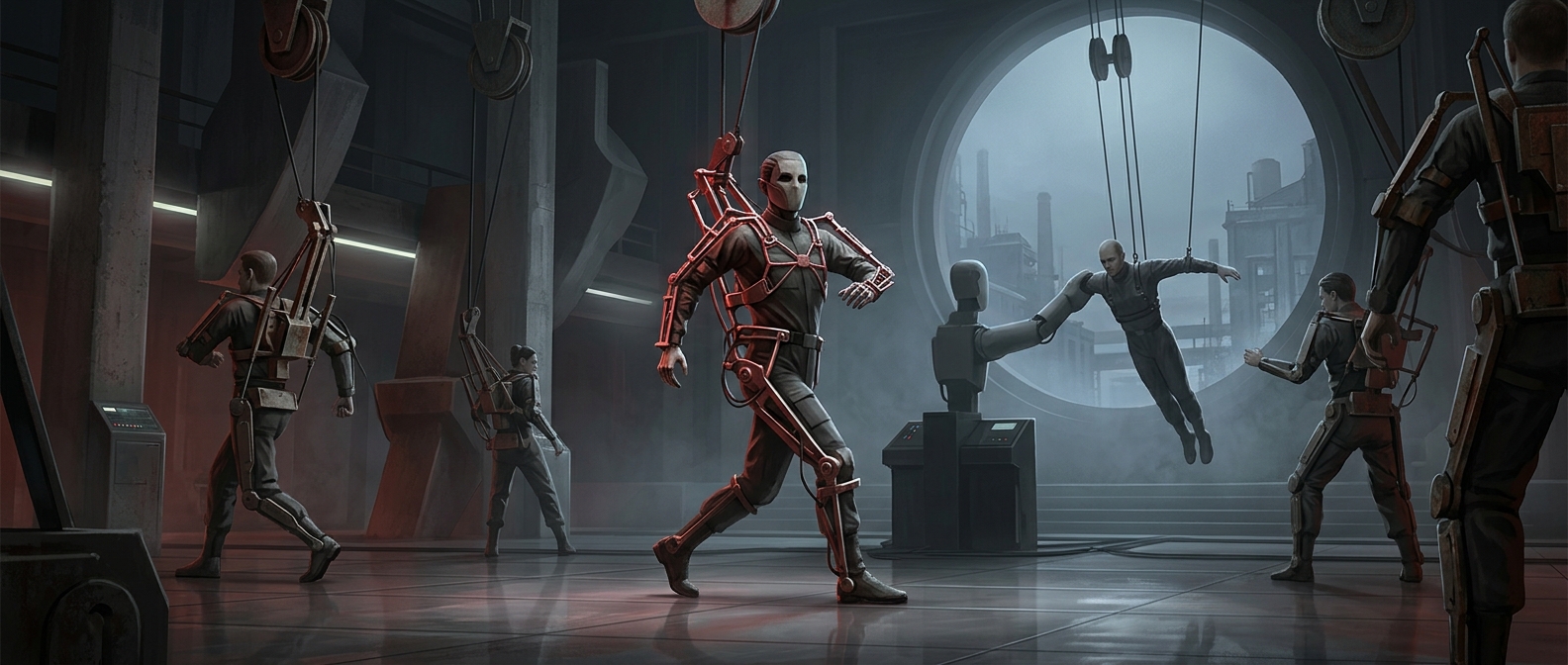
When Soviet artists trained workers like machines
In the 1920s, Aleksei Gastev used metronomes to synchronize workers’ movements, hoping to engineer a more productive workforce.
Discover more
Hedy Lamarr's Ecstasy became a battle at the US border
Customs authorities objected to the 1933 film's sexual content, and imported copies were seized and destroyed. Court fights and edited versions followed.…
Discover more