Culture & entertainment
Discover facts about culture & entertainment. Small discoveries that change the way you see familiar things.
Culture & entertainment
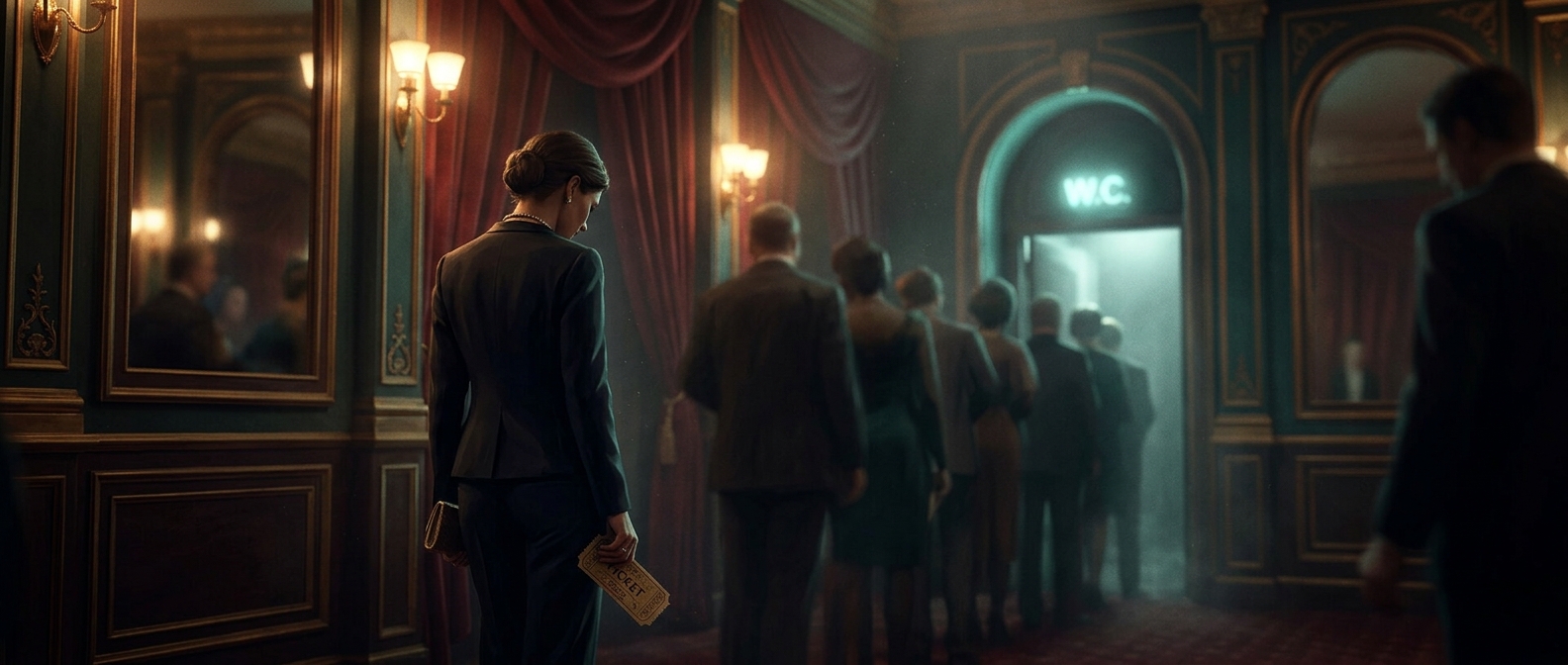
Why the theater intermission bathroom line is so brutal
Hundreds of patrons have only a brief pause to use the venue’s cramped restroom, so they all arrive at once and the line quickly builds.
Discover more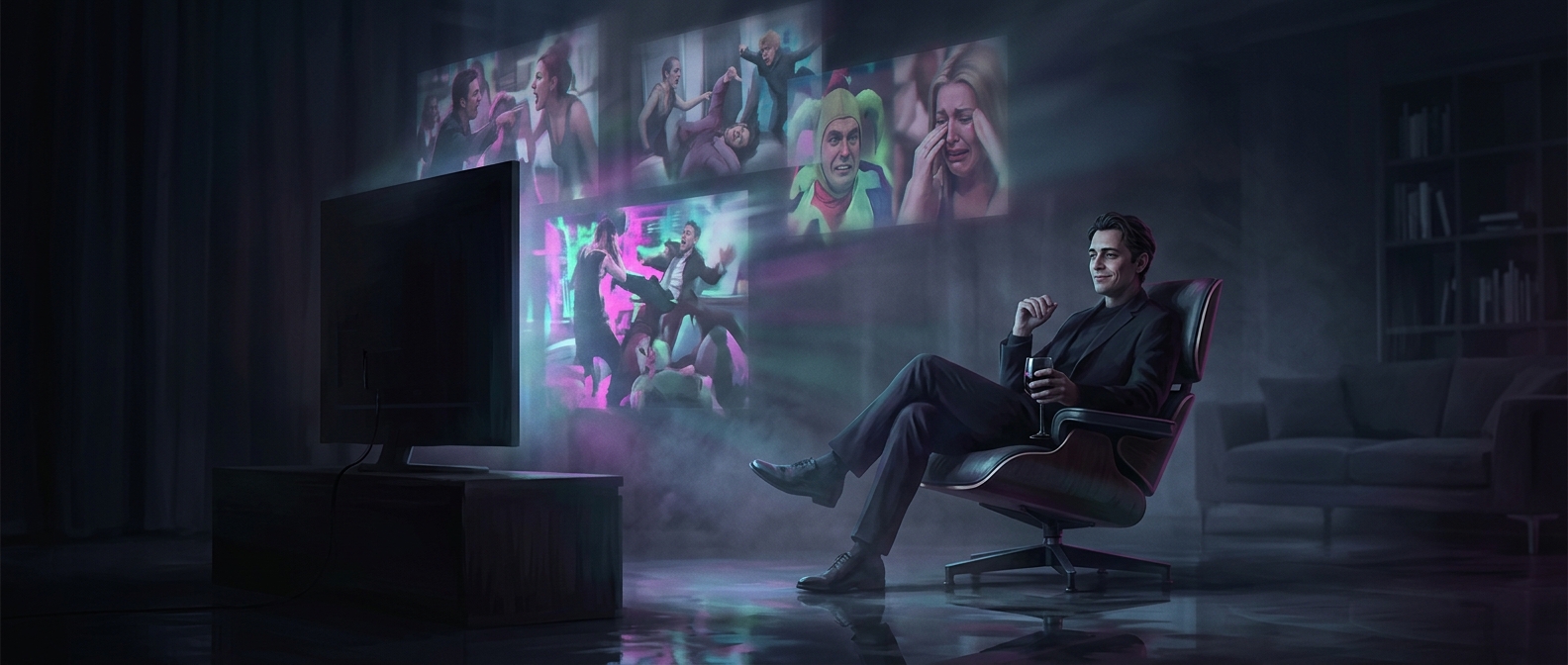
Why we hate-watch terrible TV
Chaotic, unscripted shows can offer a comforting distraction from the predictability of everyday life.
Discover more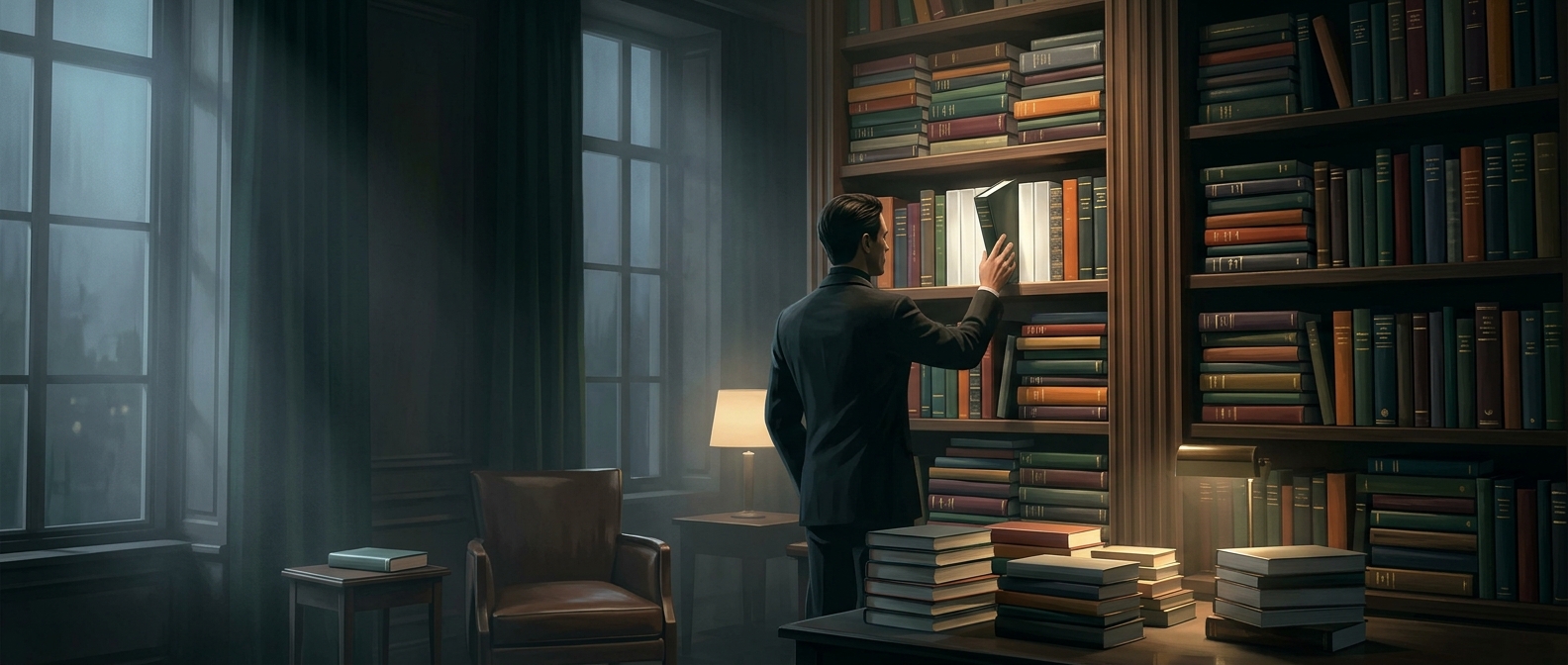
Why we buy books we never read
Buying a dense classic can deliver an instant feeling of sophistication without the effort of reading it—a personal library can display the intellect we wish…
Discover more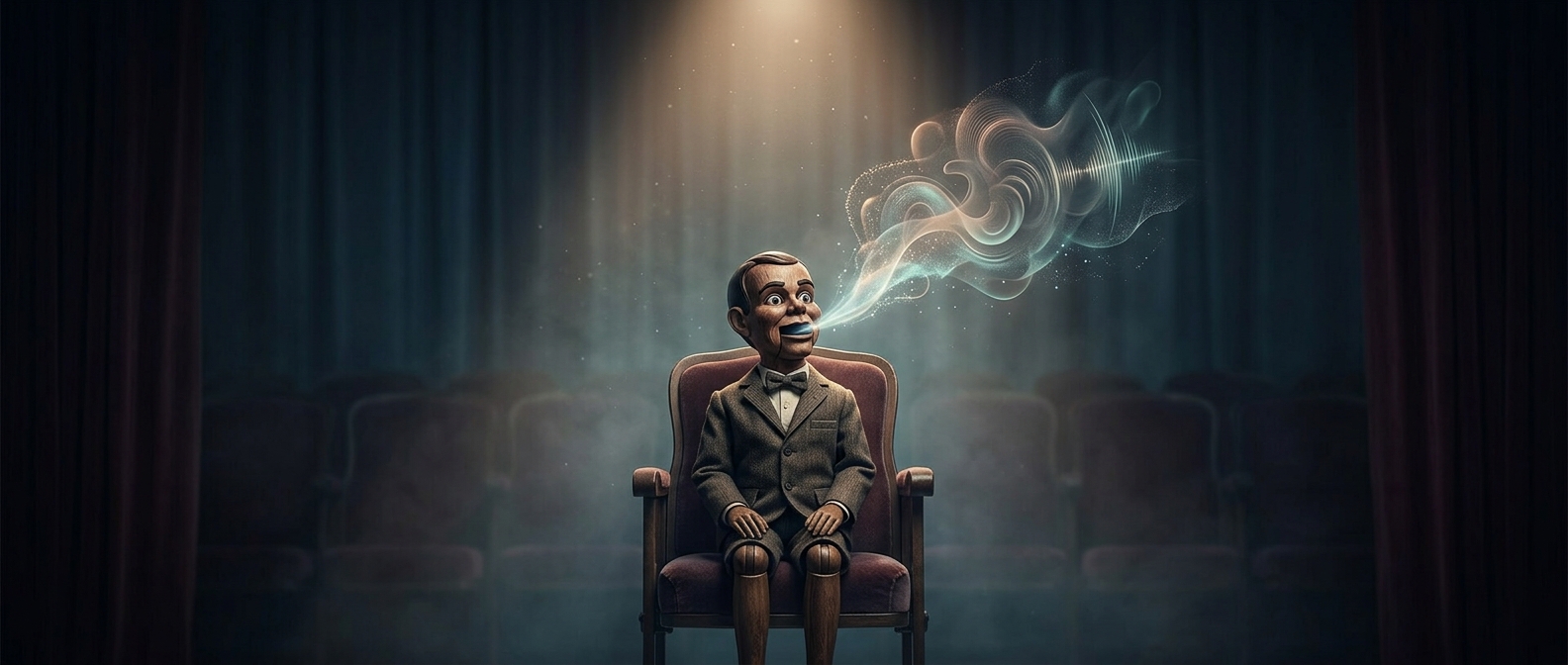
Projecting your vocal cords to make a hollow wooden dummy appear incredibly conversational
Ventriloquists make the voice seem to come from the dummy by speaking with little visible lip movement while animating its mouth and gestures.
Discover more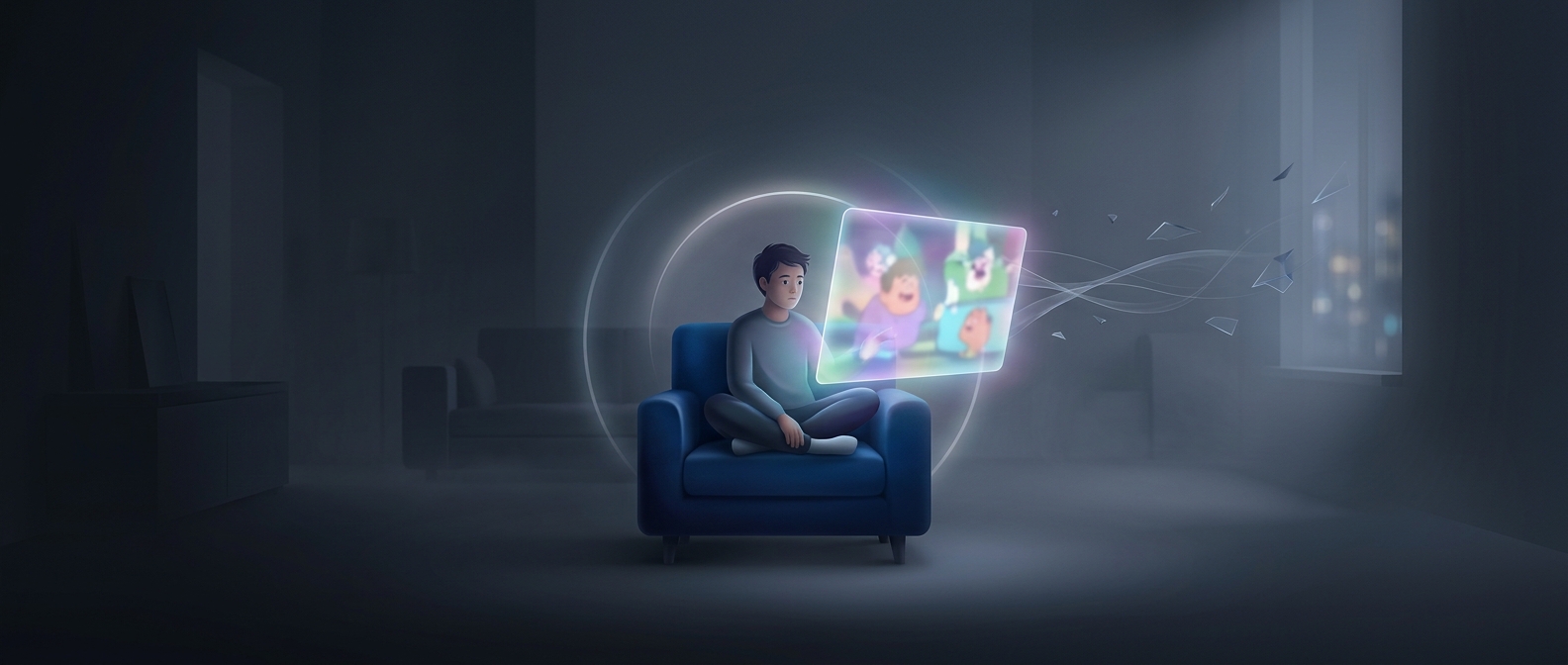
Why a cartoon marathon can leave you feeling empty
Hours in a dark room can scramble your sense of time, so when the marathon ends, the sudden return to ordinary life can feel disorienting and oddly hollow.
Discover more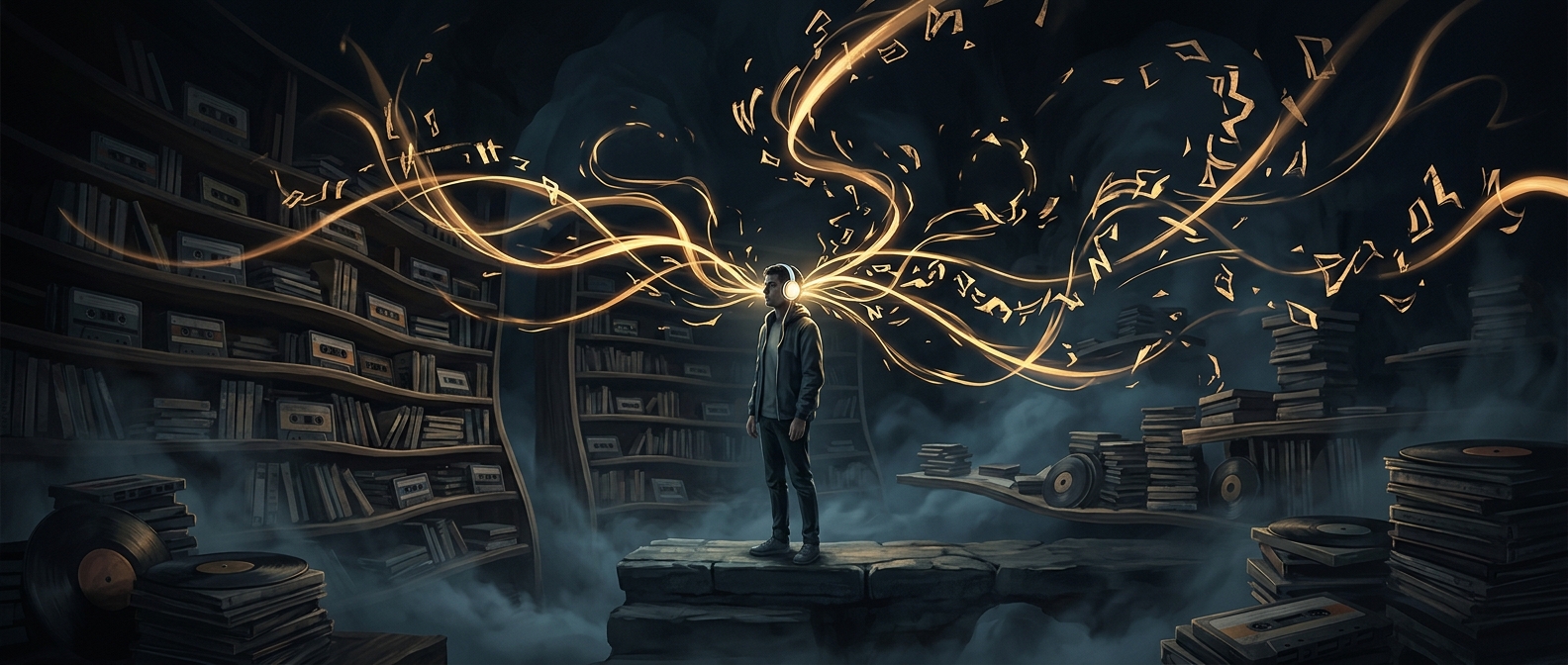
Why podcasts sound deranged at double speed
Speeding up playback compresses casual conversation into rapid-fire speech, making hosts sound breathless and oddly chipmunk-like.
Discover more STACKY FOR IPHONE
A bigger world.
One discovery
at a time.
Keep discovering with Stacky. Interesting facts in an app that is always within reach.
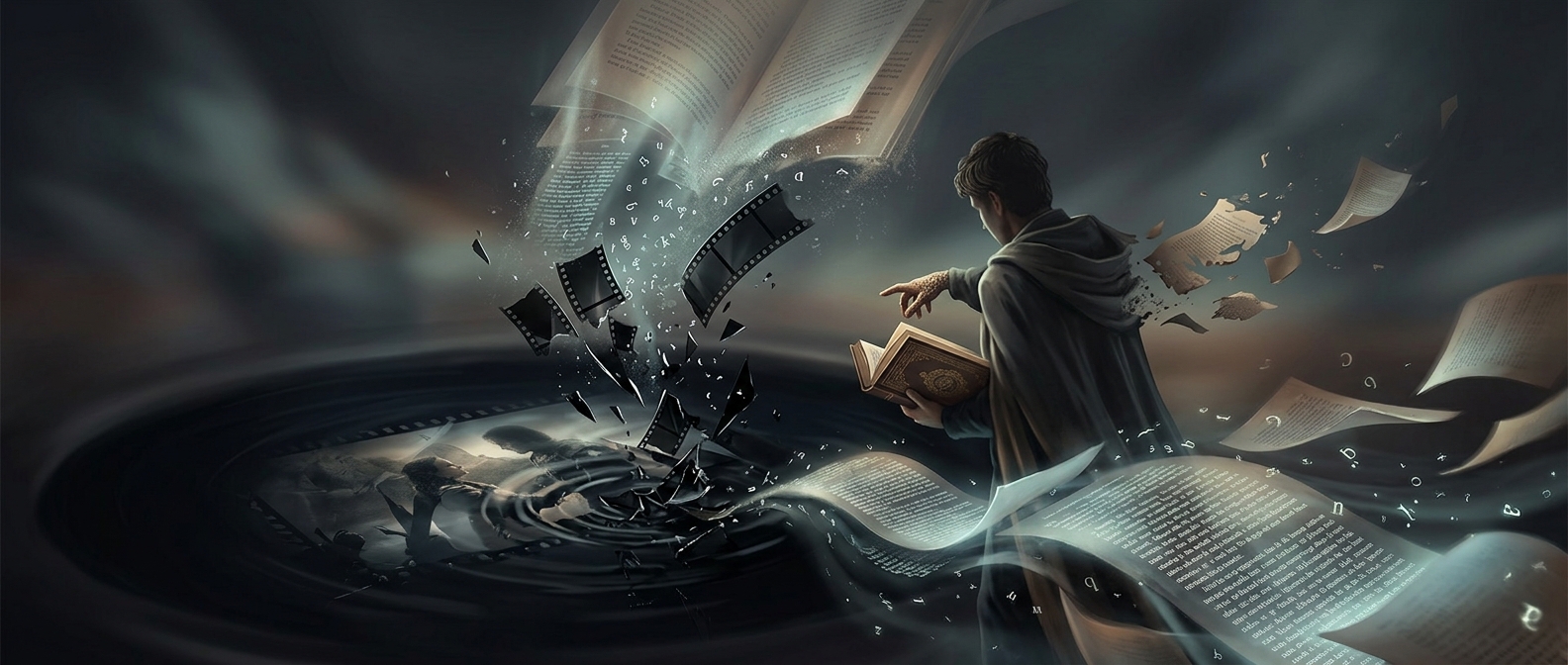
Enthusiastic readers will perpetually complain that a cinematic adaptation ruined their favorite book
Even a faithful adaptation can disappoint devoted readers when it cuts a minor subplot, prompting the familiar verdict: “The book was better.”
Discover more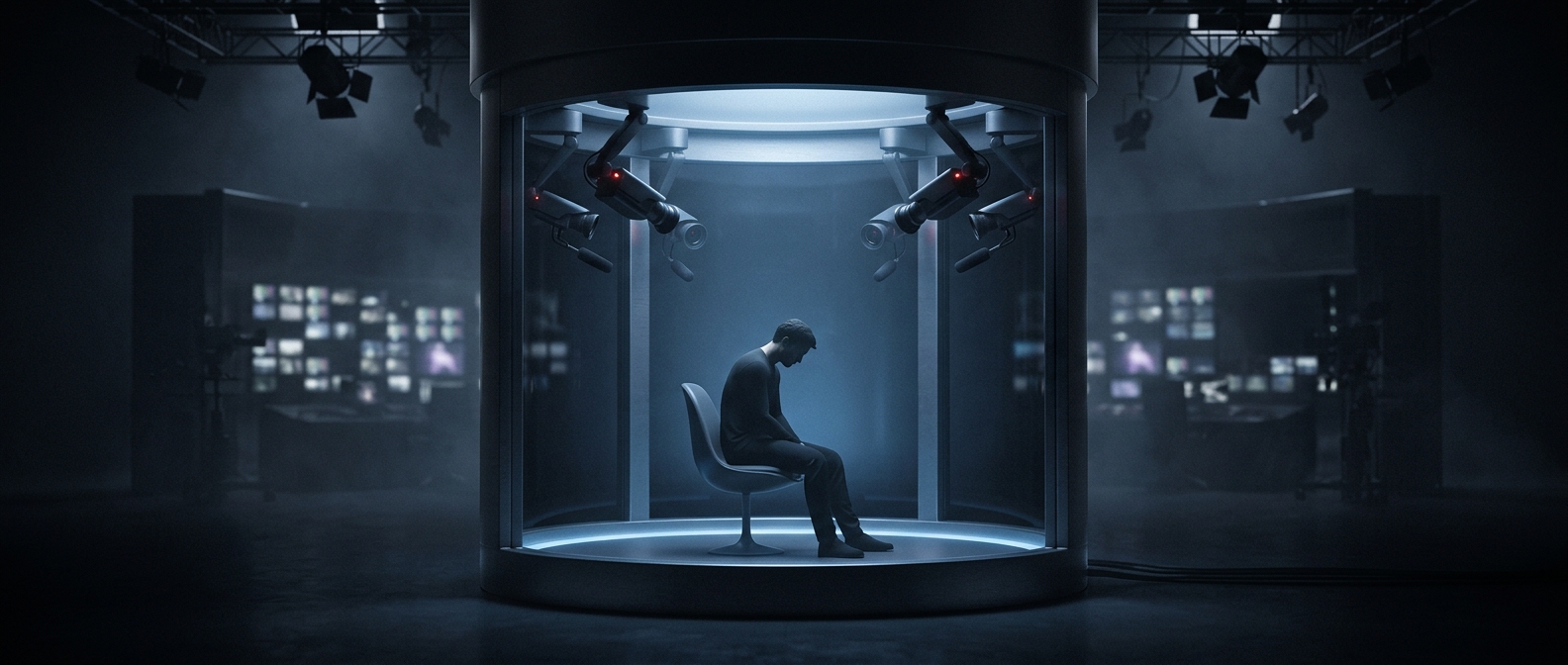
Put loud strangers together and reality TV follows
Cut off from the outside world, housemates can end up screaming over dirty dishes—a steady supply of reality-TV drama.
Discover more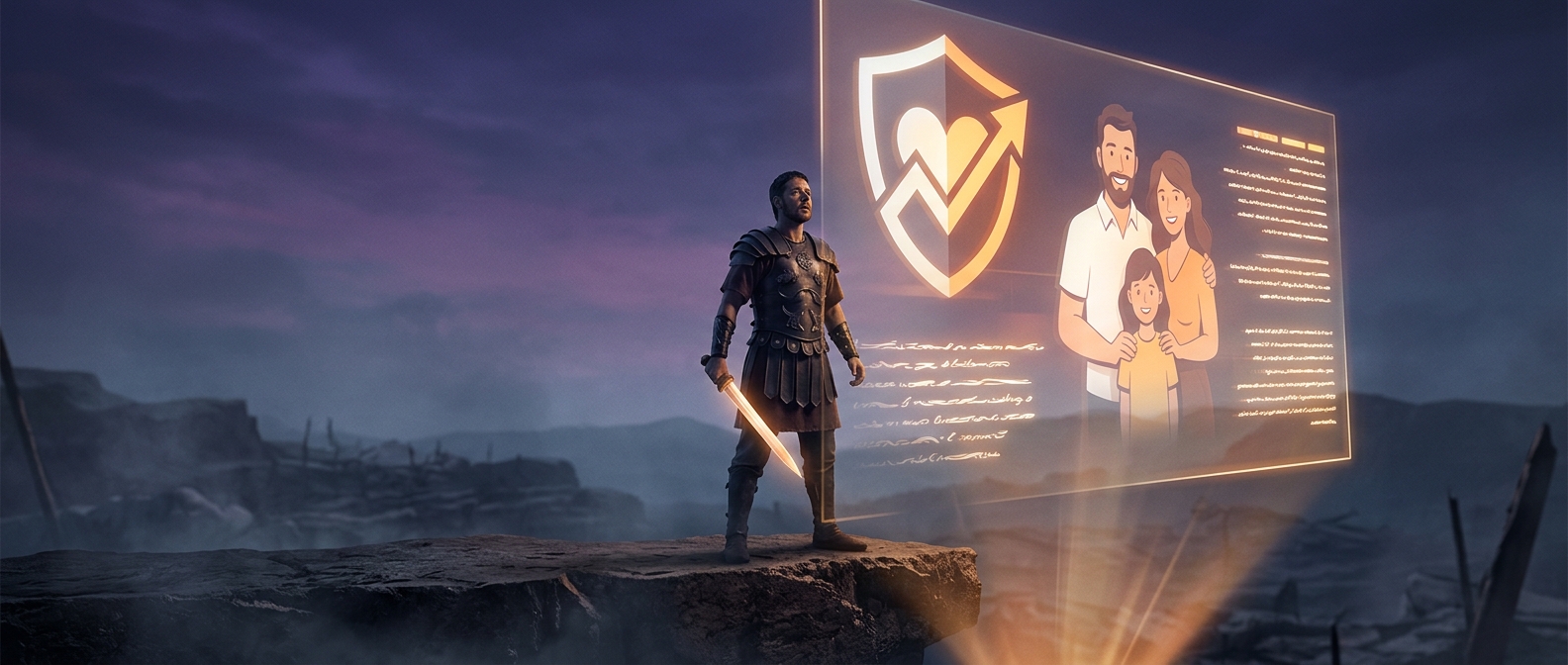
Purposefully interrupting an incredibly intense narrative moment to aggressively sell you premium life insurance
The interruption trades suspense for ad attention: viewers are already tuned in at the climax, and a cheerful mascot makes the insurance pitch an abrupt…
Discover more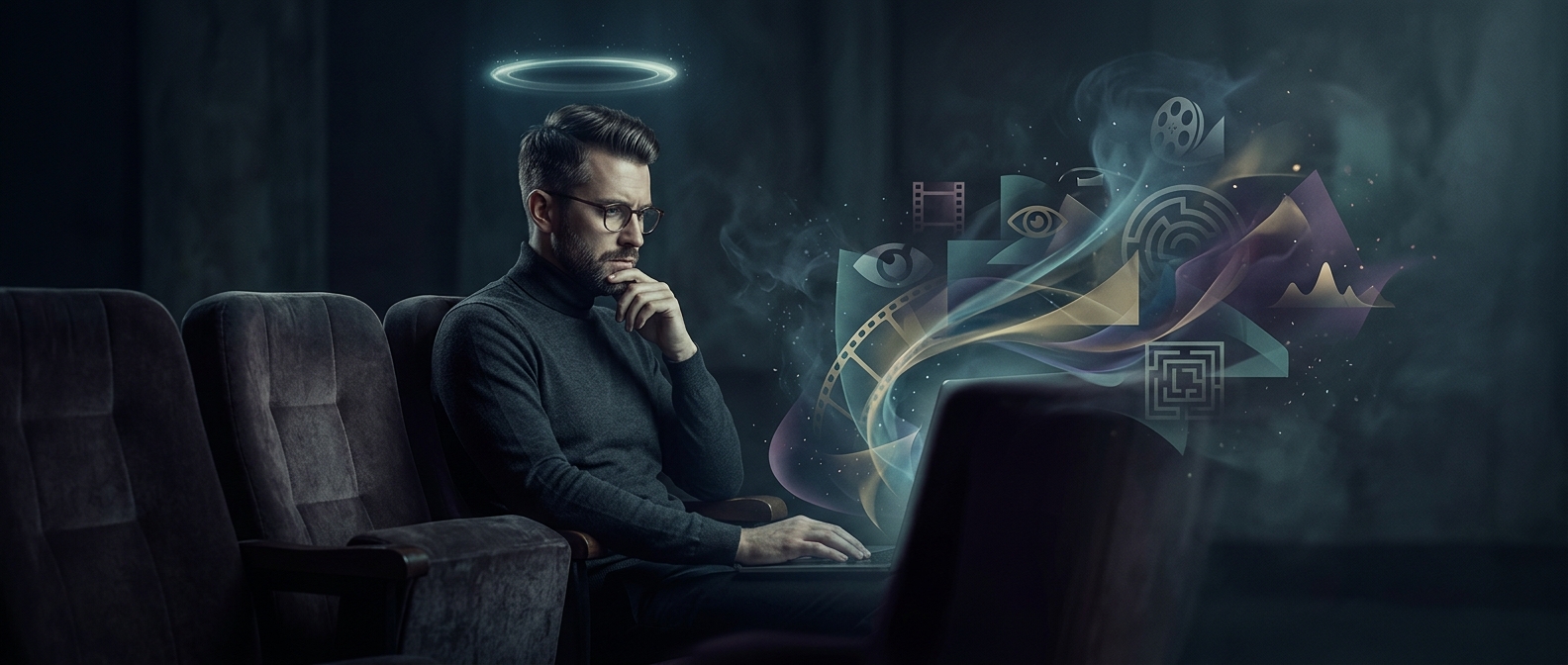
Why people pretend to understand confusing films
People may nod along and call a confusing film a masterpiece to avoid admitting they don’t understand it—or being asked to explain what it means.
Discover more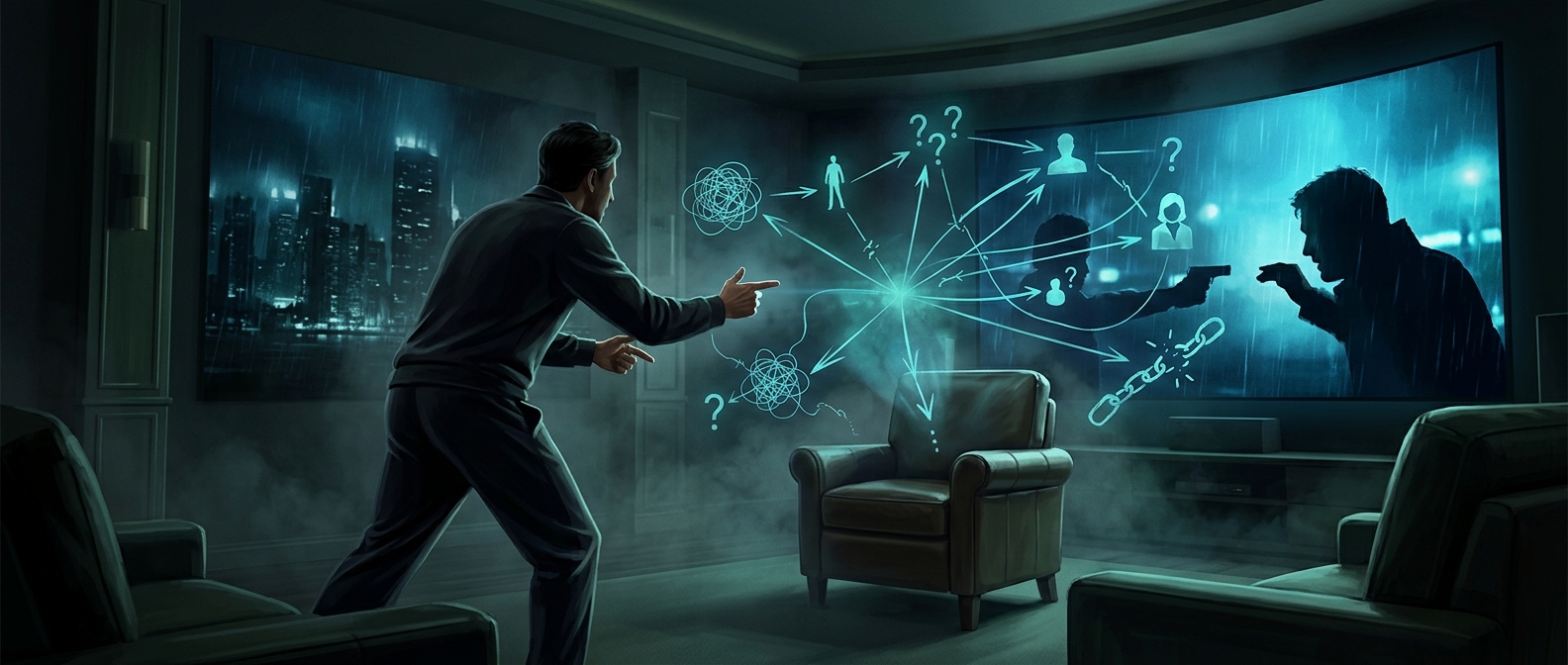
Why plot holes make you pause the movie
A glaring inconsistency can pull you out of the story: you stop the movie to point out the flaw, breaking the suspense.
Discover more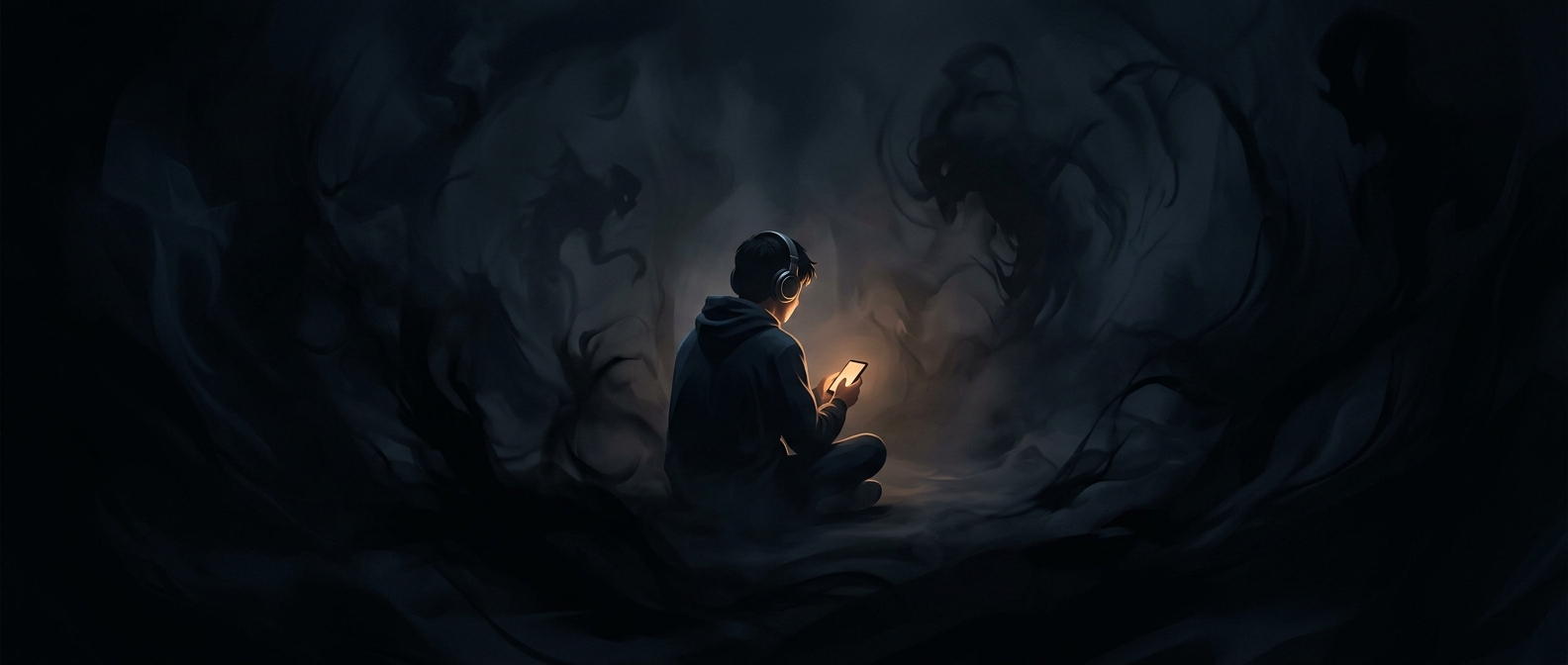
Why you keep a podcast playing when you’re alone
Familiar voices can make an empty room feel less quiet, while keeping you from sitting with your own thoughts.
Discover more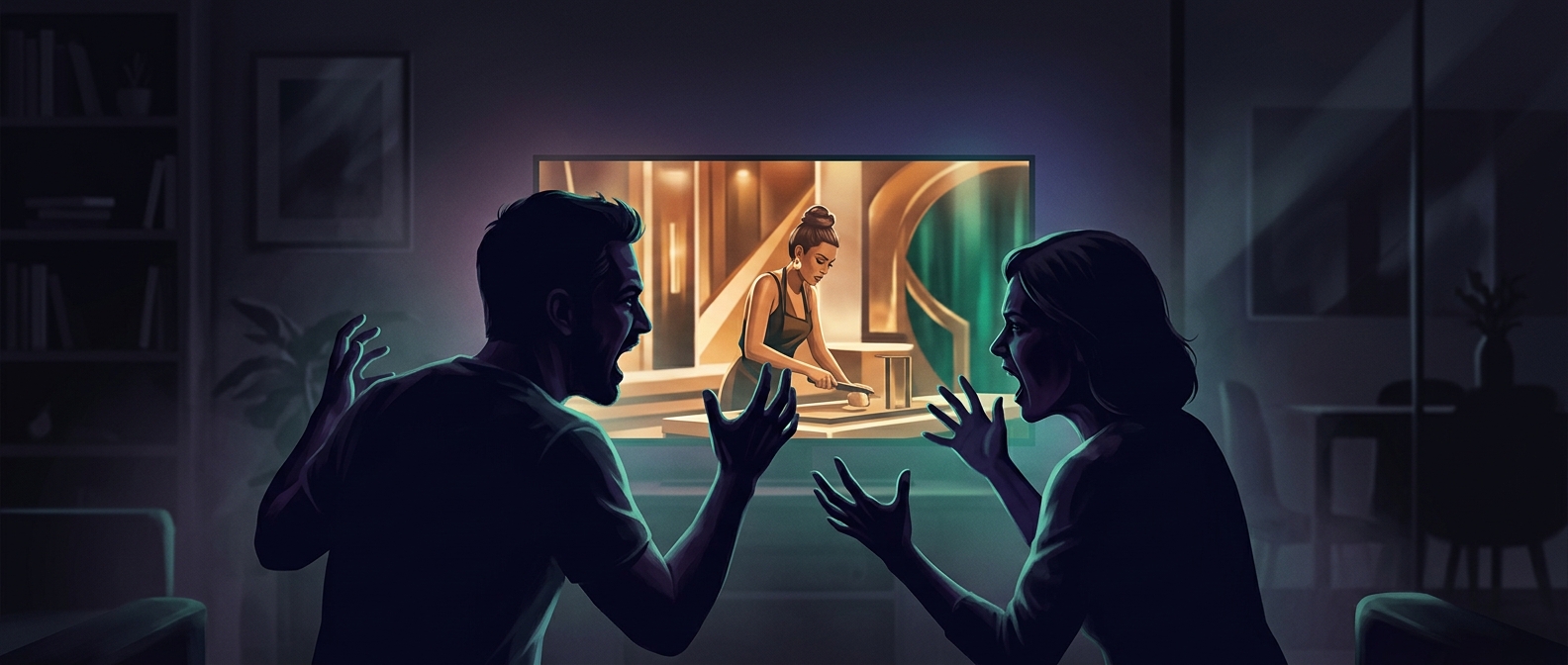
Why reality TV makes viewers yell at the screen
Viewers can form intense parasocial bonds with contestants, so a bad decision or failed challenge can feel personal enough to provoke shouting at the screen.
Discover more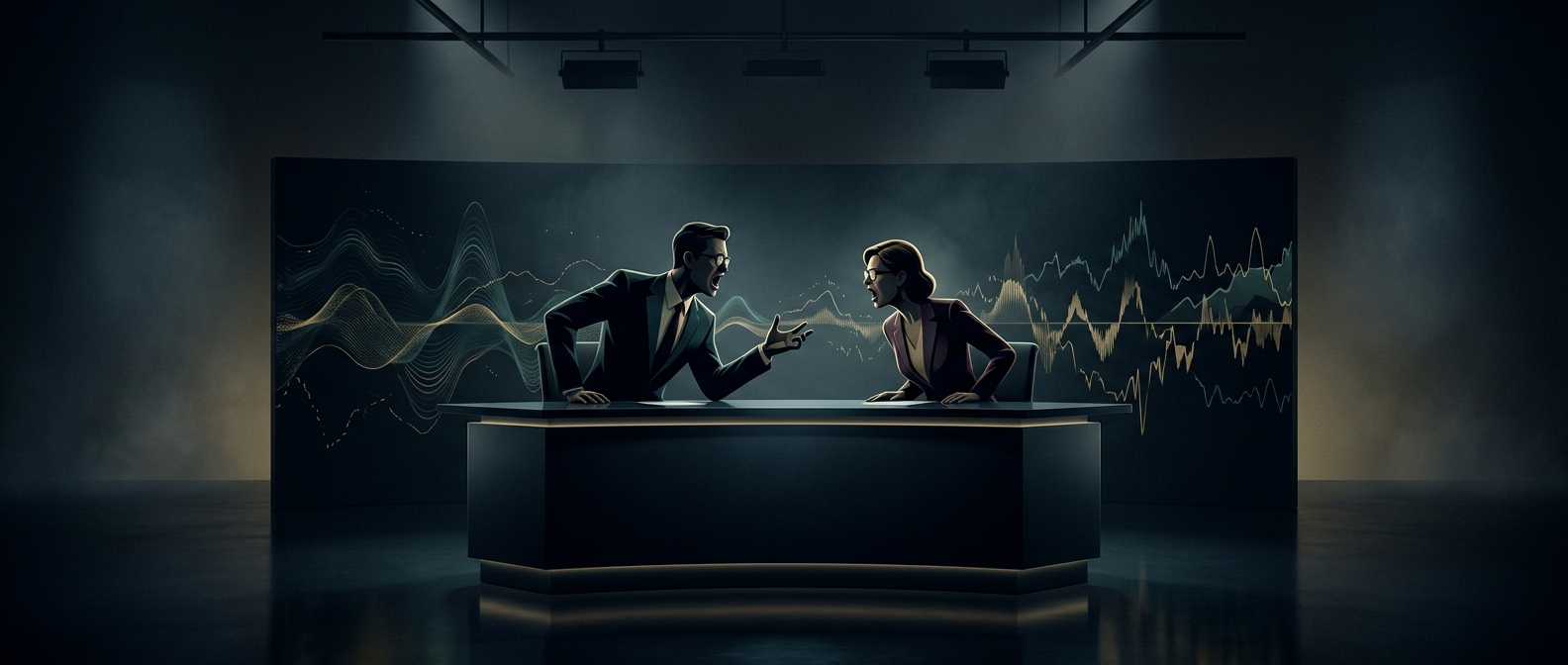
Why news anchors sound like that
Newsreader delivery uses exaggerated inflections and stretched-out vowels to project authority and cut through background noise, making even a routine traffic…
Discover more
Why some movie franchises require homework
Their stories span multiple phases, so understanding even a minor post-credits cameo can require keeping up with plot points from earlier films.
Discover more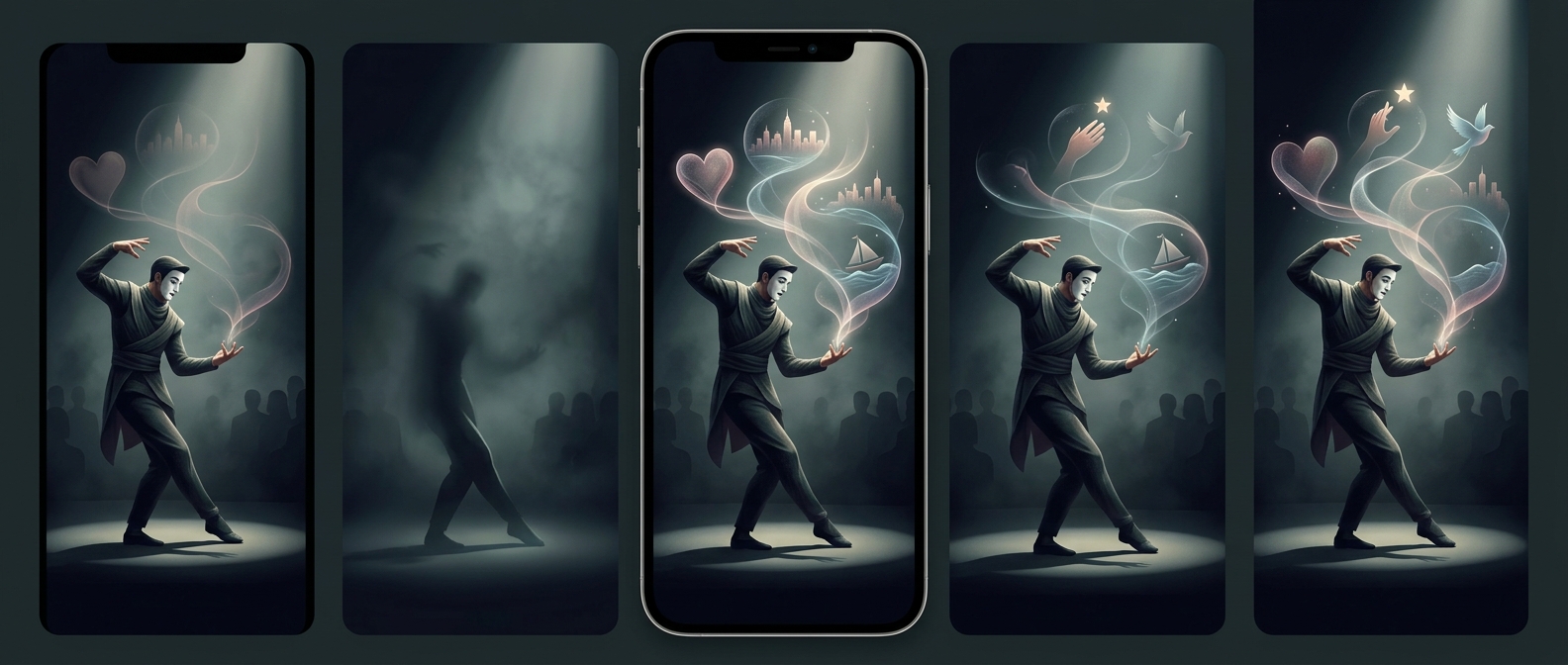
Conveying intricate narratives exclusively through exaggerated silent bodily gestures
By miming a box’s weight or an invisible wall’s surface, performers make the audience imagine objects that aren’t there—all without spoken dialogue.
Discover more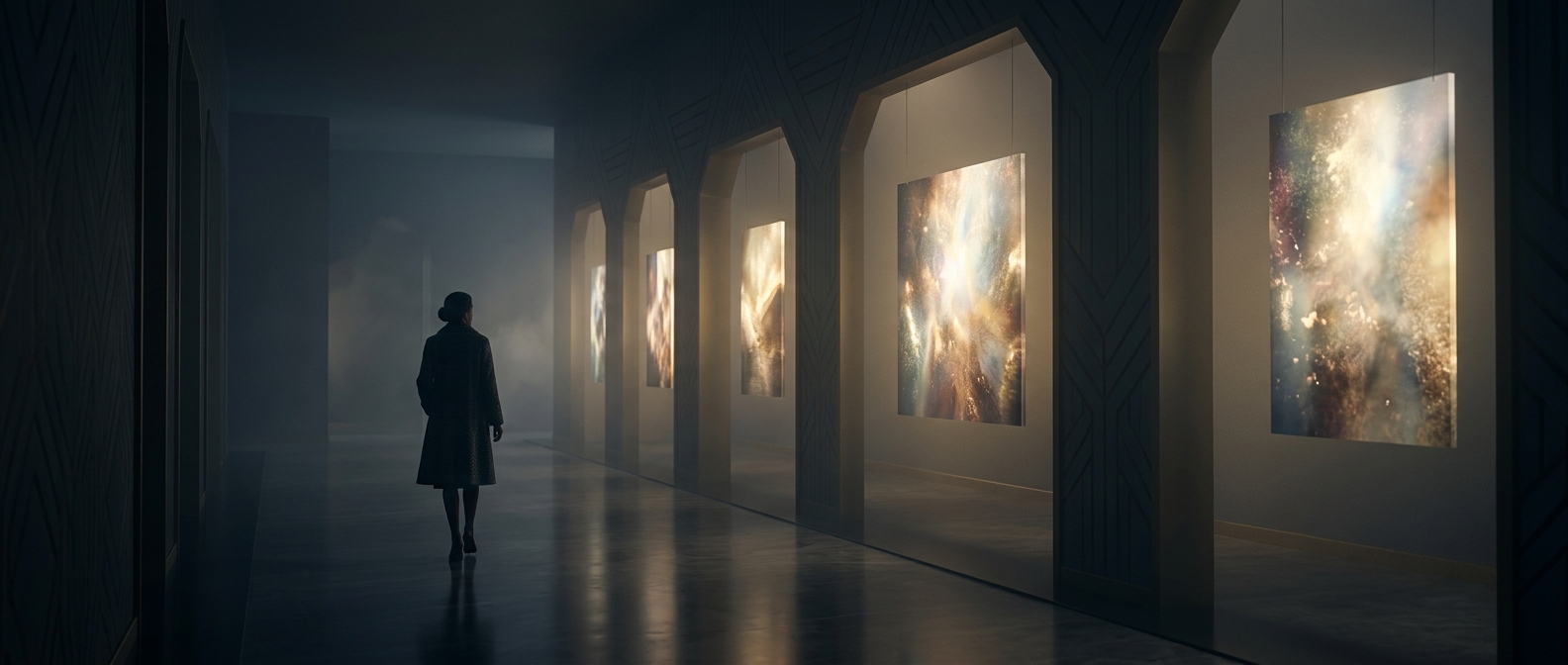
Curating distinct visual masterpieces within dedicated halls invites public appreciation
Curators arrange works to guide visitors through a particular theme, while gallery lighting lets people get close enough to see details such as an artist's…
Discover more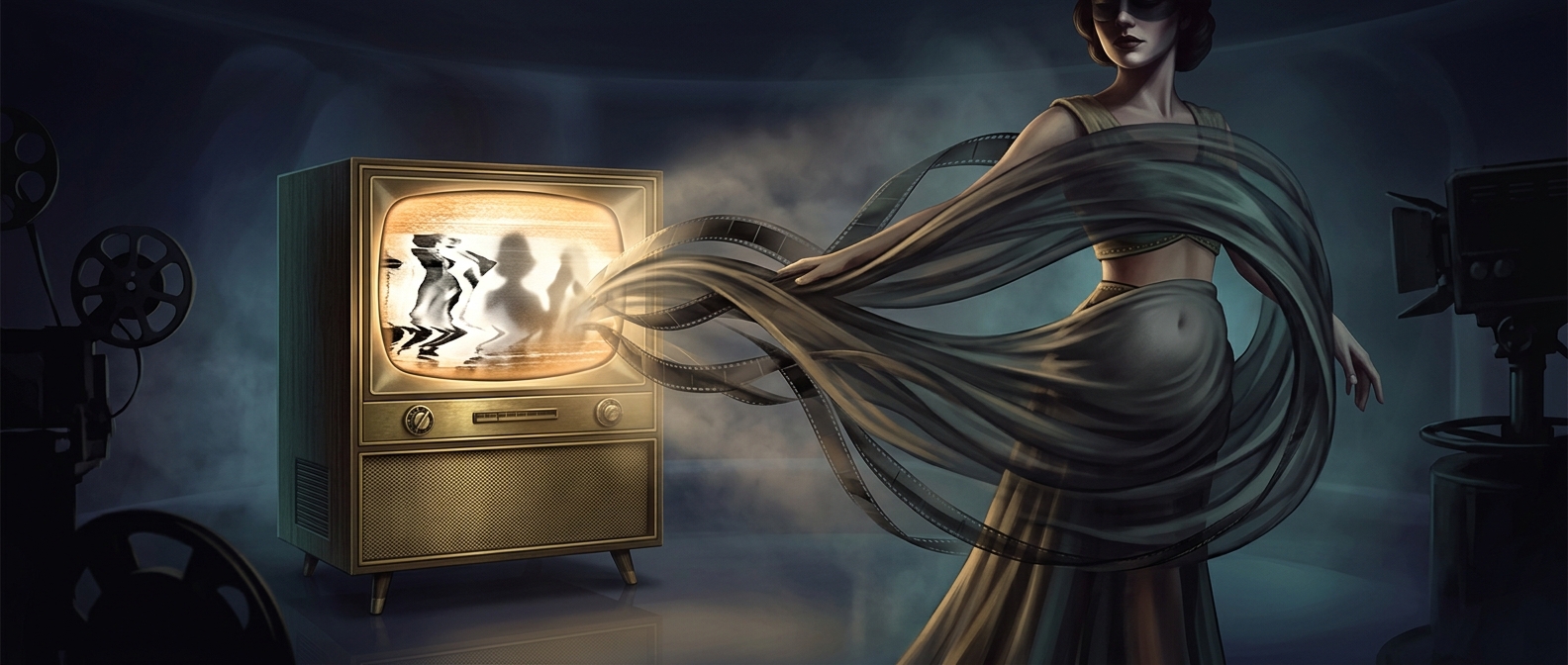
A TV costume could show a midriff but hide the navel
On shows such as I Dream of Jeannie, costume choices kept the belly button covered despite an otherwise revealing outfit. The tiny anatomical detail became a…
Discover more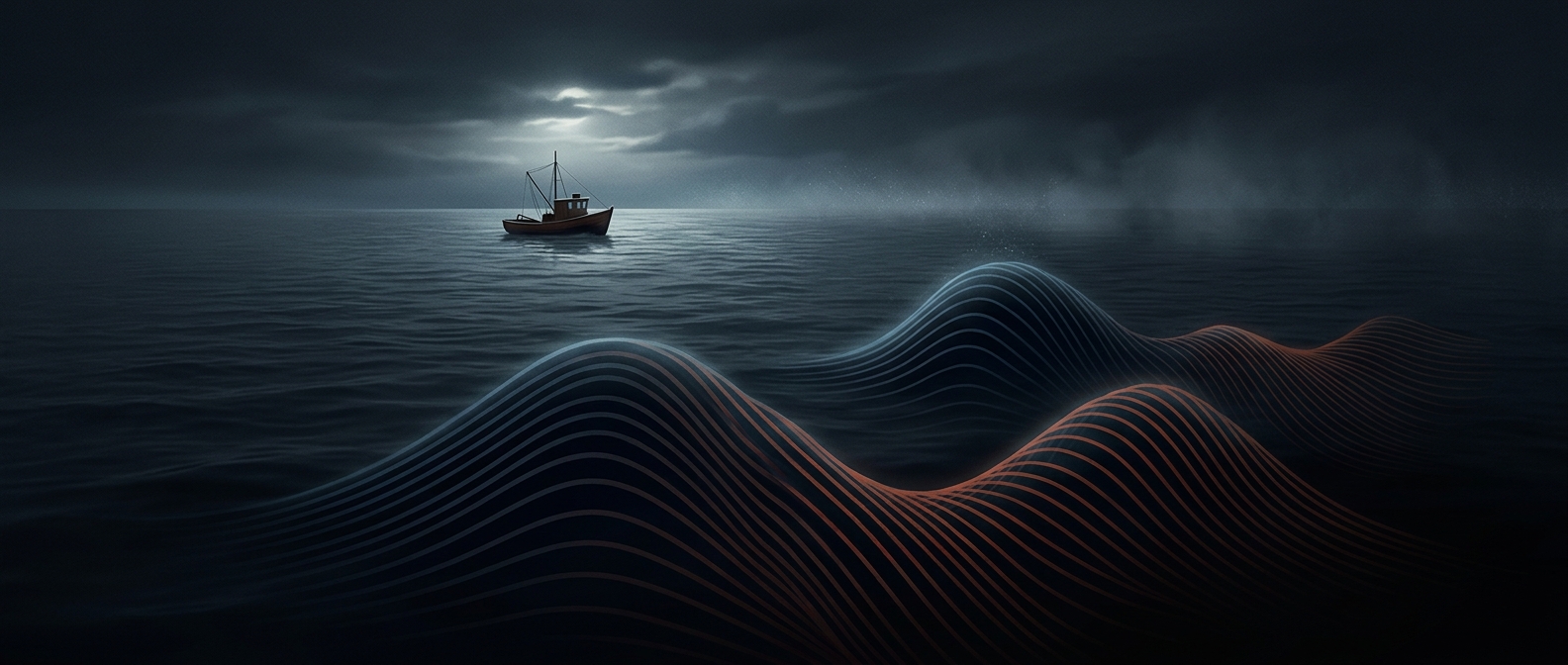
The Jaws theme uses just two notes
The pulsing E and F notes were meant to evoke a racing heartbeat, turning a minimal motif into a source of suspense.
Discover more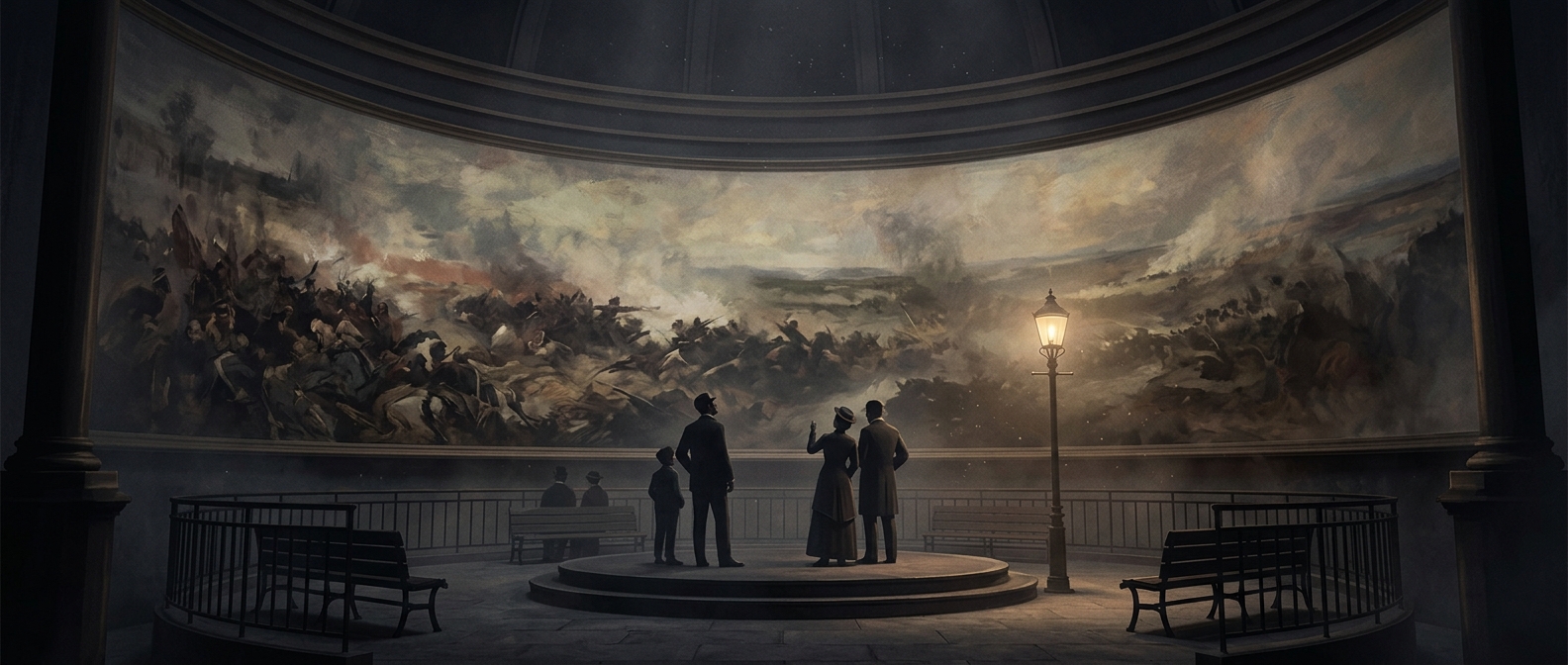
Before movies, audiences stepped inside giant paintings
The canvases wrapped 360 degrees around a central platform, often showing battlefields or distant cities; theatrical lighting and live orchestras made the…
Discover more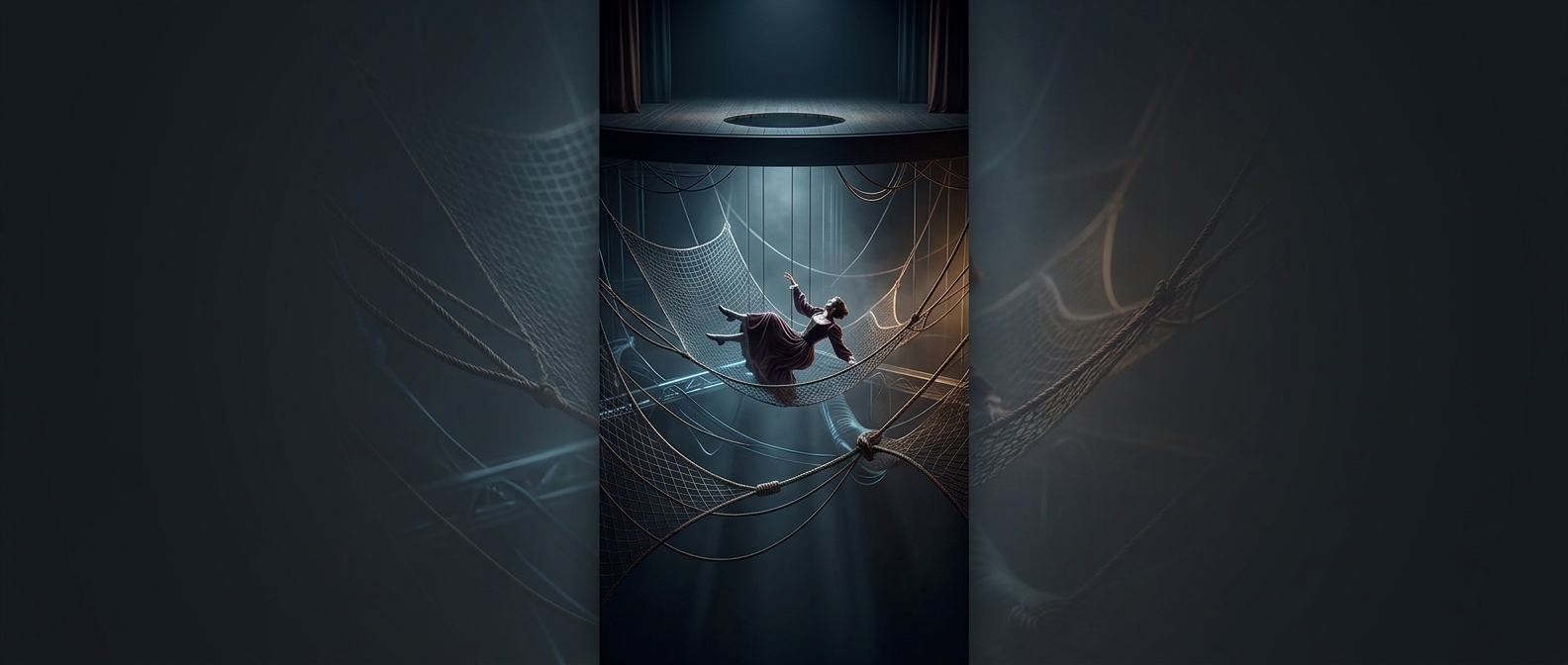
What catches actors when they vanish through the stage
Padded hydraulic platforms catch performers and lower them into the space beneath the stage, cushioning their descent.
Discover more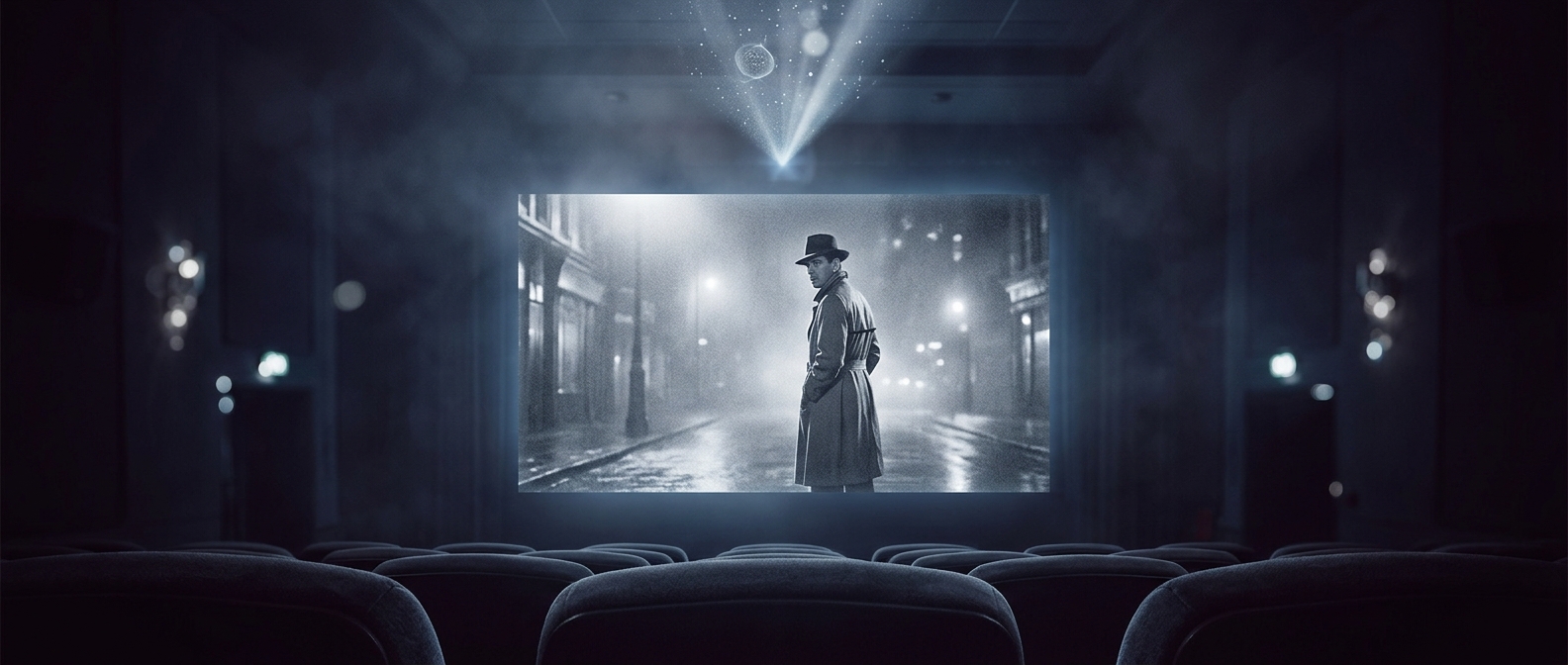
Why digital movies add fake film grain
Digital footage can look so clean that audiences find it artificial, so editors add synthetic grain to give the image a more familiar film texture.
Discover more
The FCC objected to subliminal broadcasts because they were deceptive
Its policy described messages aimed only at subconscious perception as inconsistent with serving the public interest, regardless of whether they worked. That…
Discover more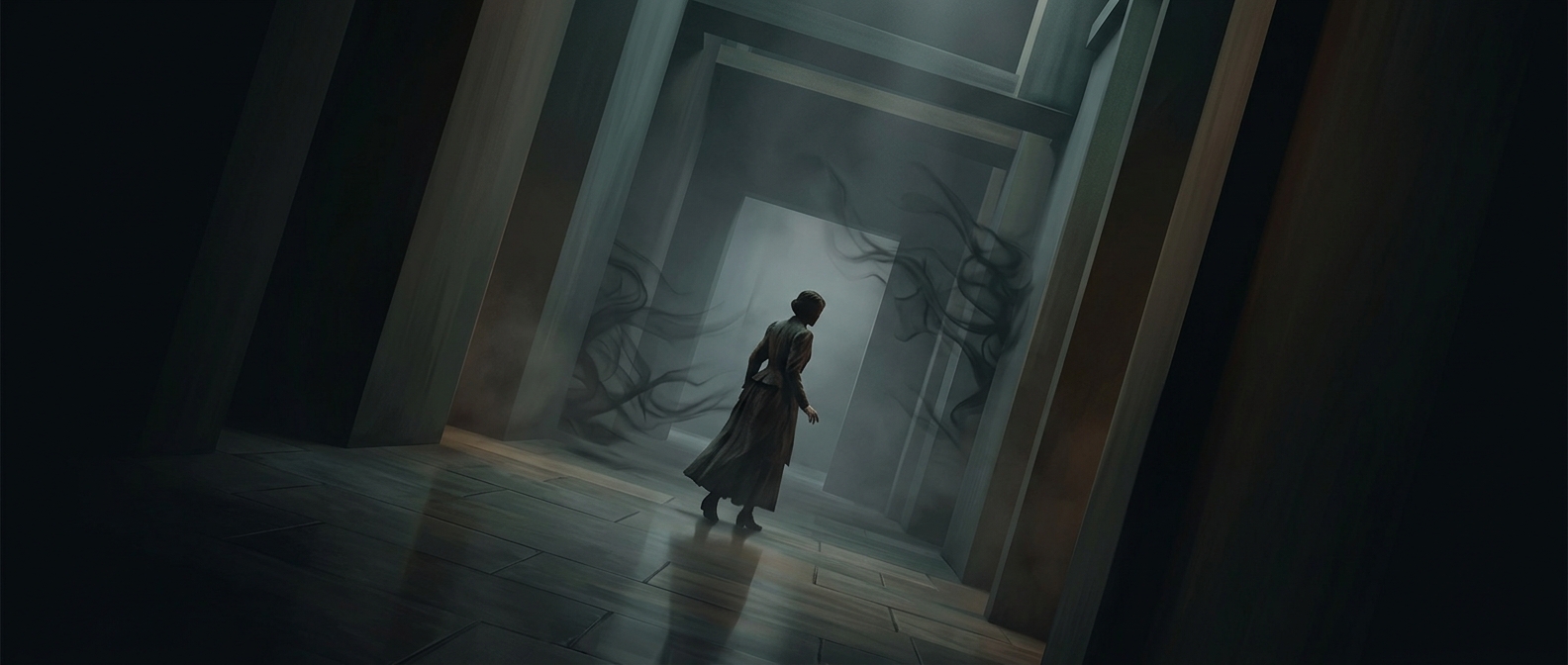
Why horror films tilt the camera
Tilting the camera creates a Dutch angle, making the horizon look wrong and the scene feel unsettling.
Discover more