Culture & entertainment
Discover facts about culture & entertainment. Small discoveries that change the way you see familiar things.
Culture & entertainment

The wartime paperback made for soldiers' pockets
The Armed Services Editions were inexpensive, lightweight books sized to fit uniform pockets, letting the military ship reading material to troops without…
Discover more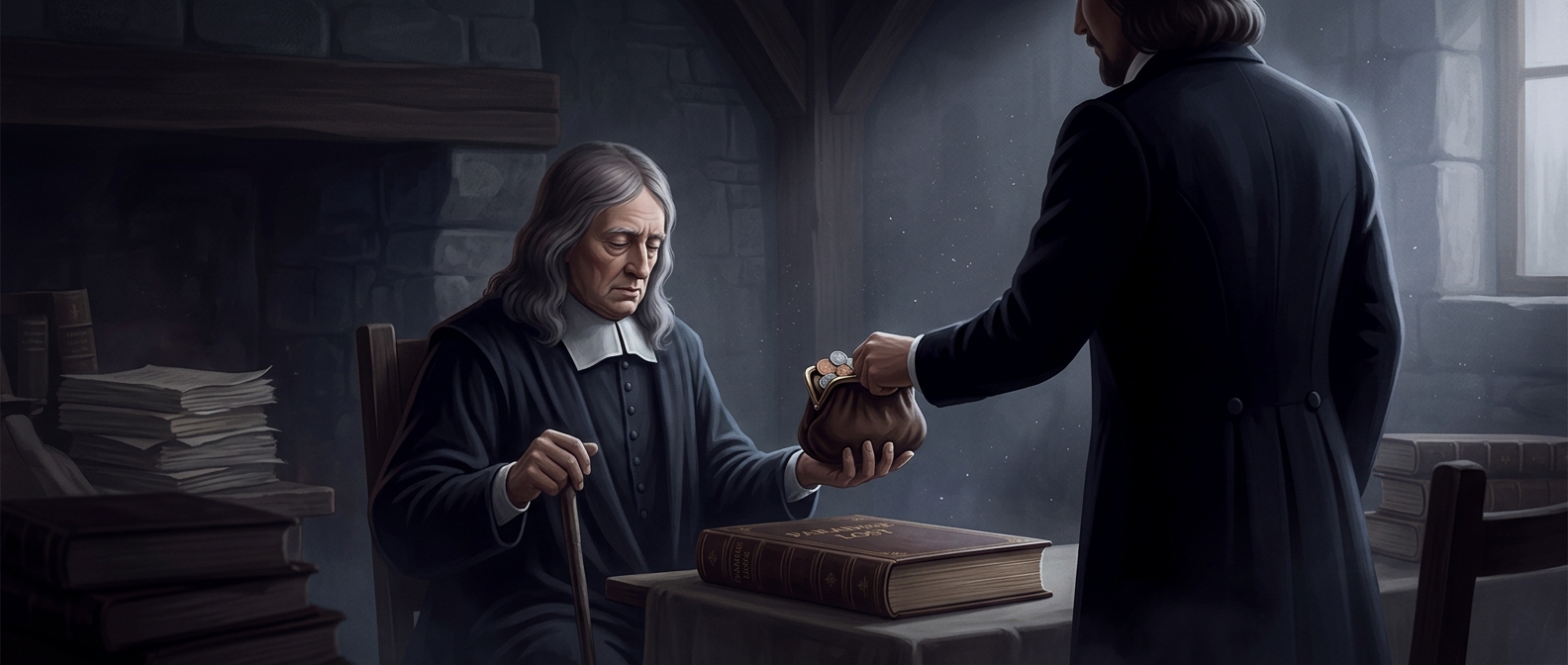
Milton's first payment for Paradise Lost was five pounds
His 1667 contract with Samuel Simmons included further payments tied to sales. The initial fee was therefore the start of an arrangement, not the poem's…
Discover more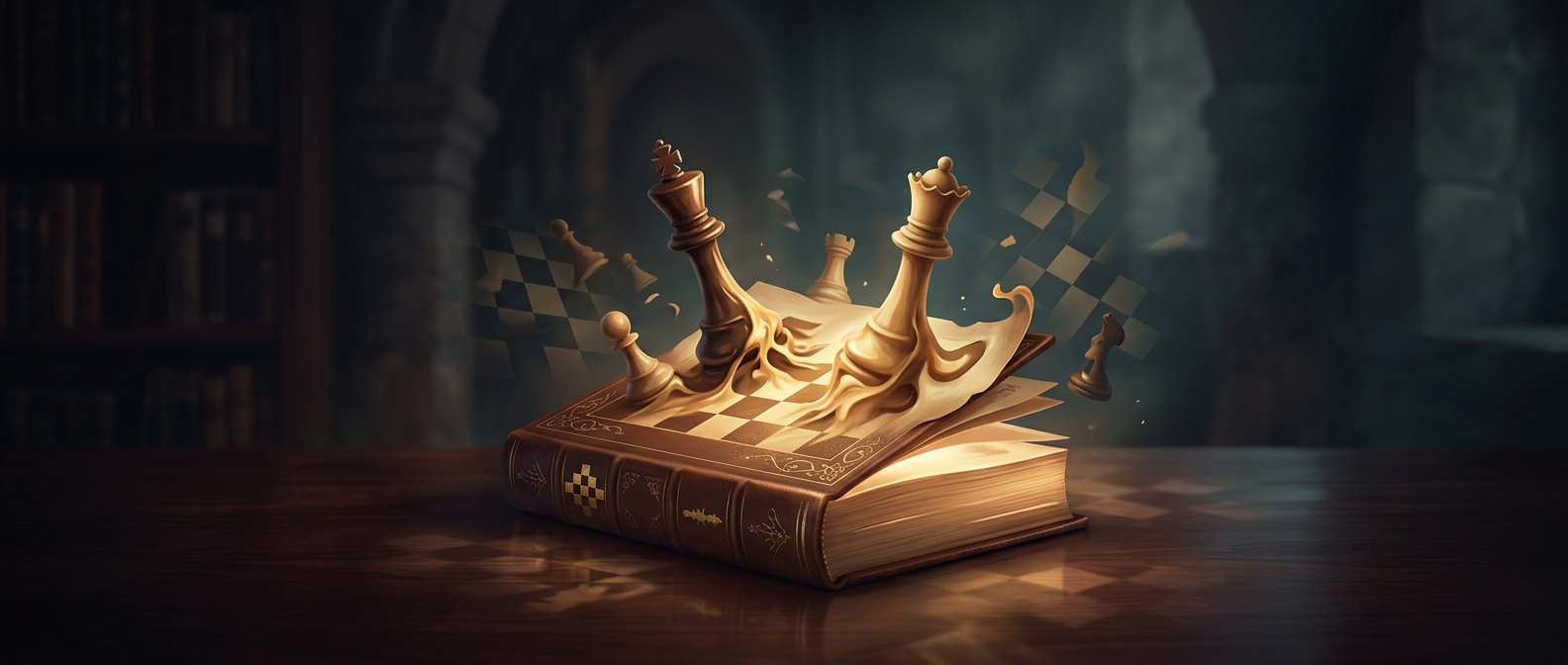
Caxton's chess book was really a lesson in society
The Game and Playe of the Chesse, printed in English in the 1470s, used the game to discuss duties and moral conduct. Kings, other pieces, and pawns offered a…
Discover more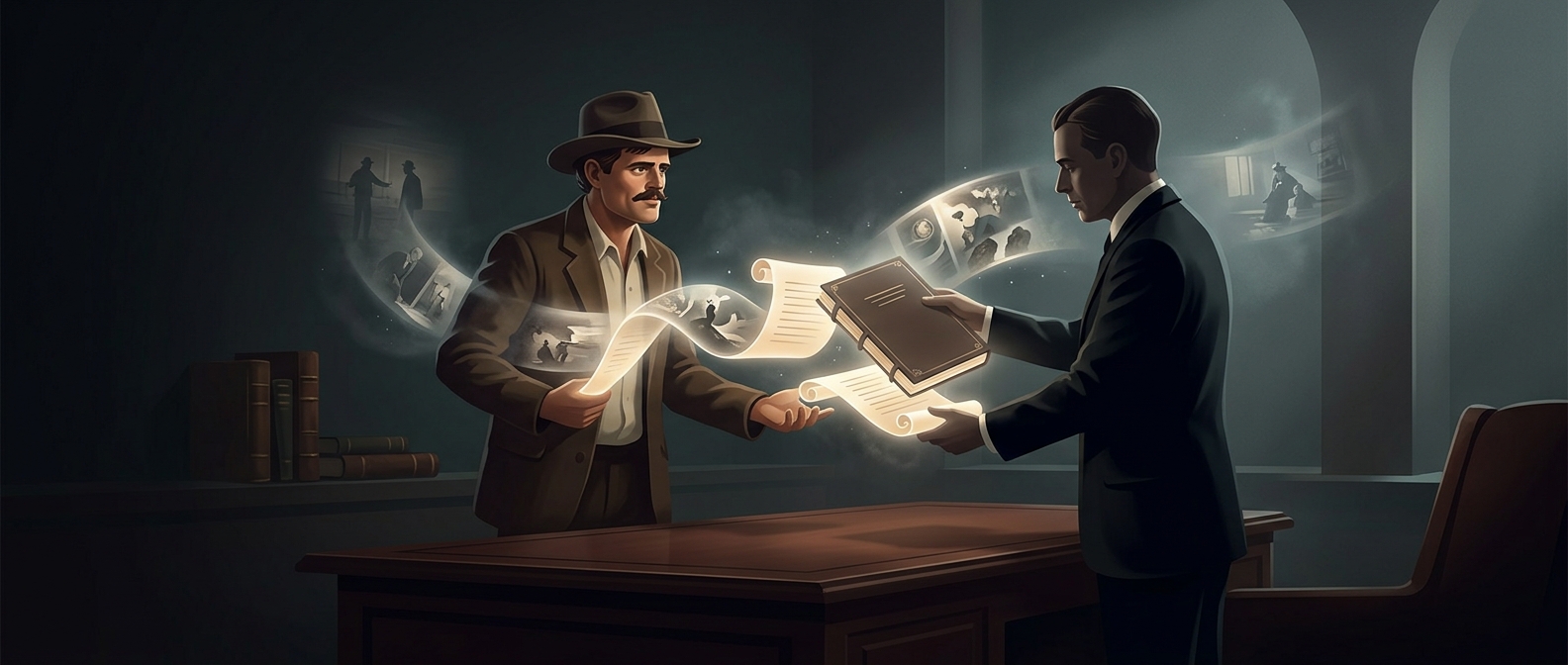
Jack London bought story plots from a future Nobel laureate
In 1910, London bought an initial batch of fourteen outlines from the younger Sinclair Lewis for $5 each. Lewis had not yet published a novel; London was…
Discover more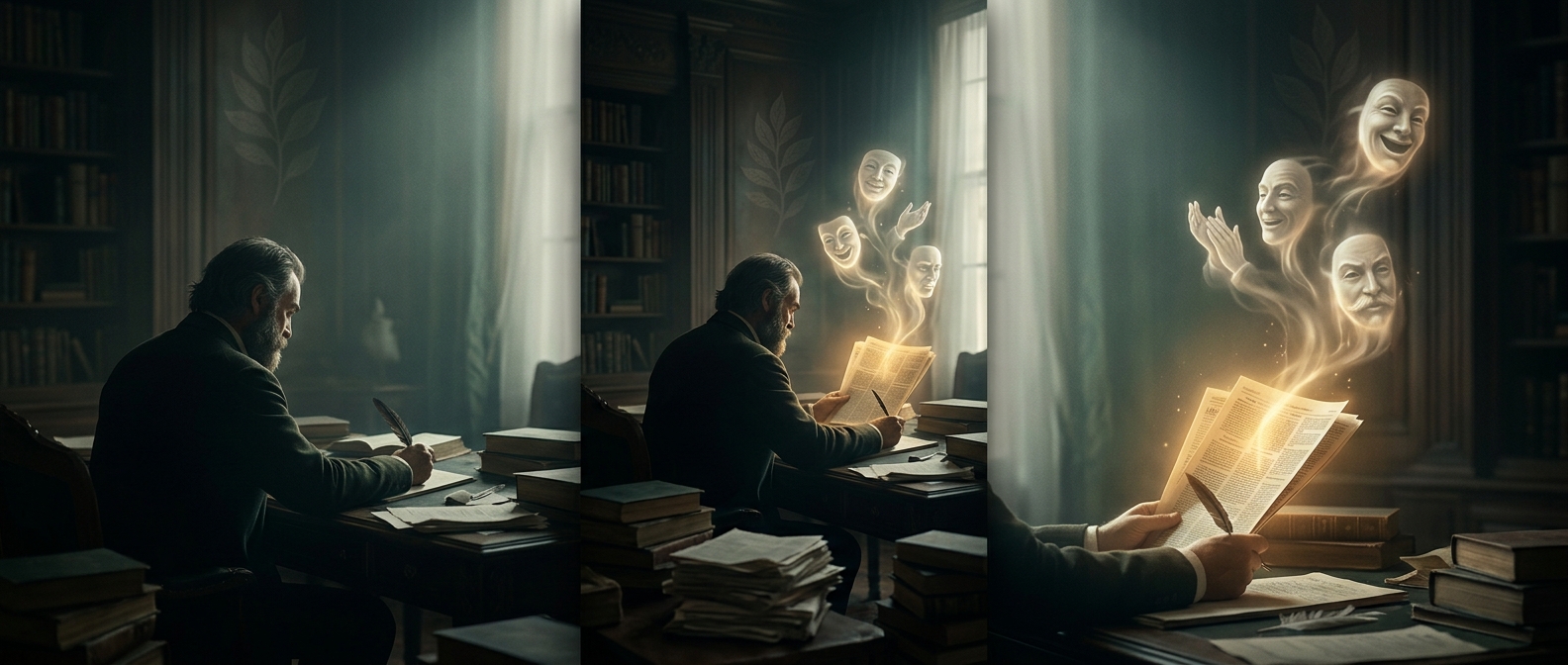
Walt Whitman secretly reviewed his own poetry
After publishing “Leaves of Grass” in 1855, Whitman anonymously submitted three glowing reviews of his own book to local newspapers, describing himself as a…
Discover more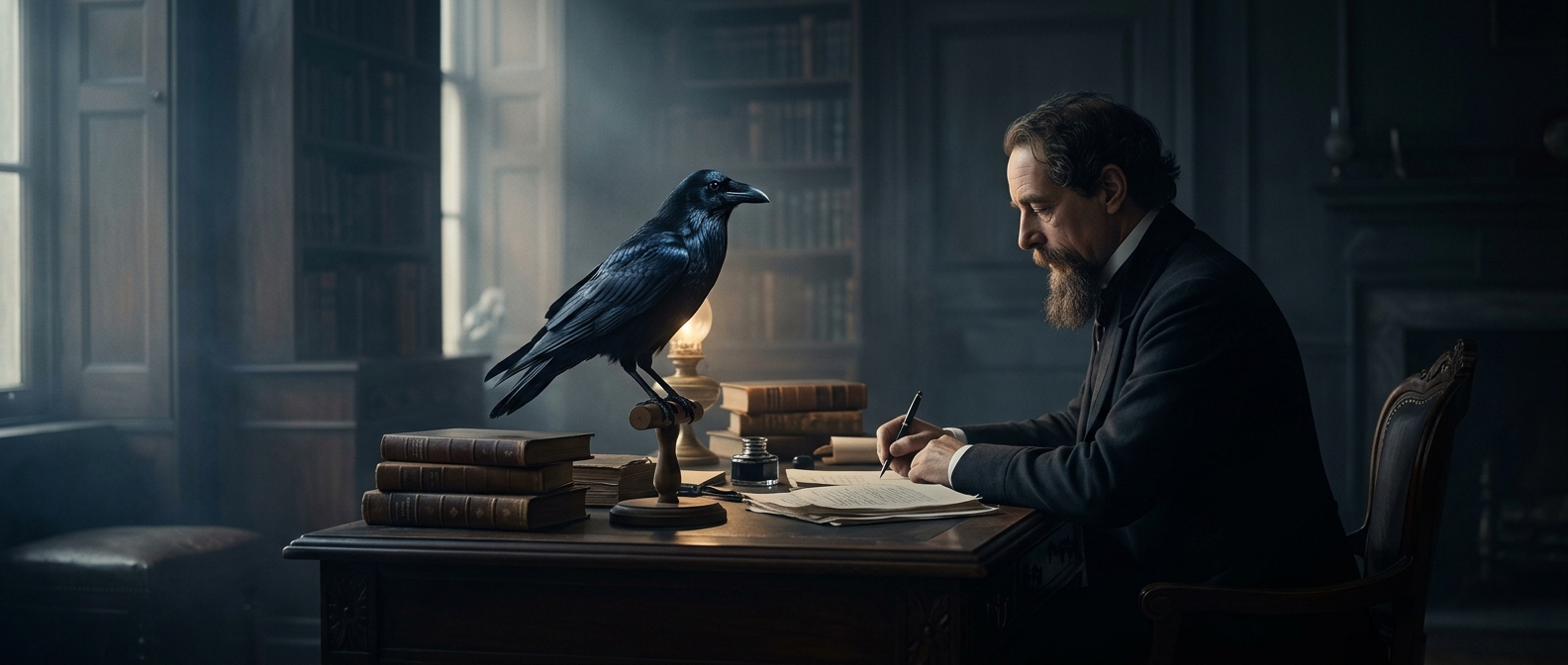
Charles Dickens kept his dead raven in his study
His pet raven, Grip, could mimic human speech. After it died, Dickens had it taxidermied and displayed in his study; the bird later helped inspire Edgar Allan…
Discover more STACKY FOR IPHONE
A bigger world.
One discovery
at a time.
Keep discovering with Stacky. Interesting facts in an app that is always within reach.
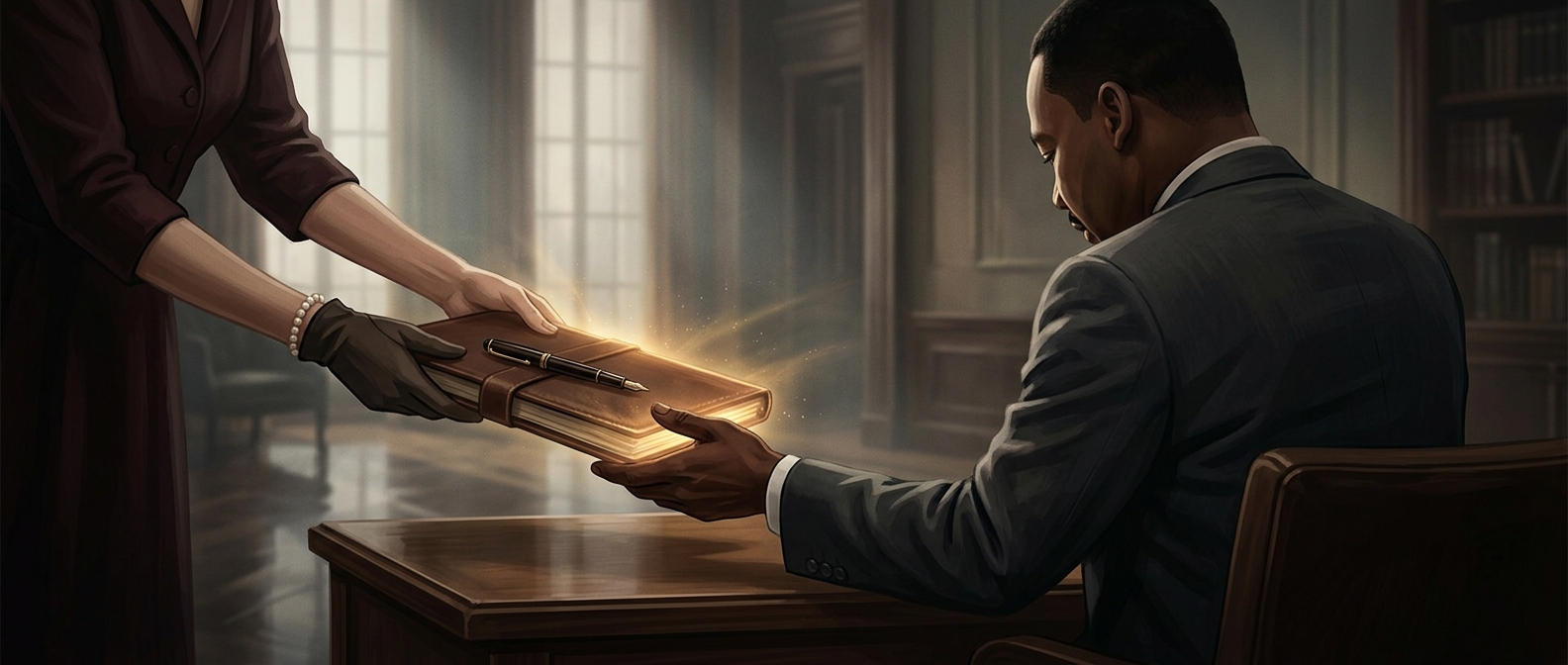
Dorothy Parker left her estate to Martin Luther King Jr
Though they had never met, Dorothy Parker left her estate and literary copyrights to Martin Luther King Jr. in 1967. After his assassination, the rights…
Discover more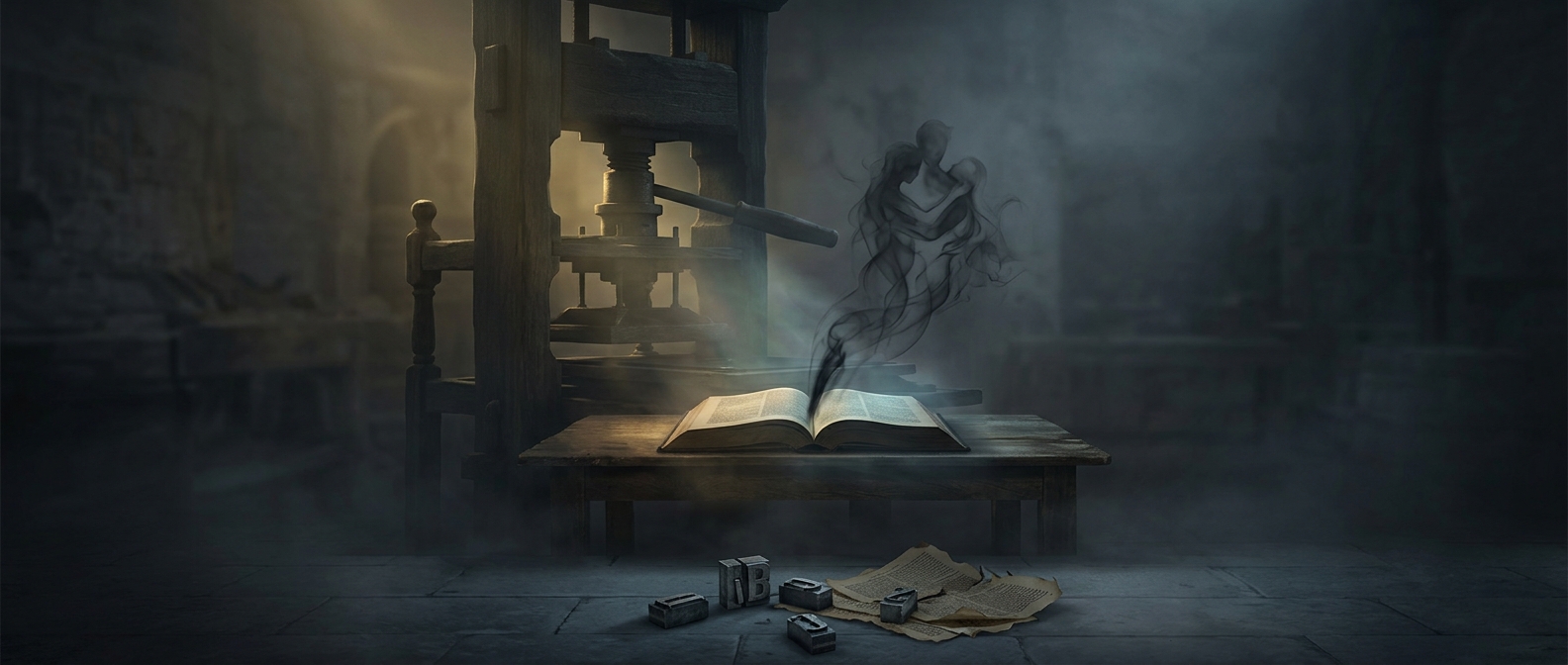
The missing word that told readers to commit adultery
In 1631, London printers accidentally left “not” out of the Seventh Commandment in a reprint of the King James Bible, changing it to “Thou shalt commit…
Discover more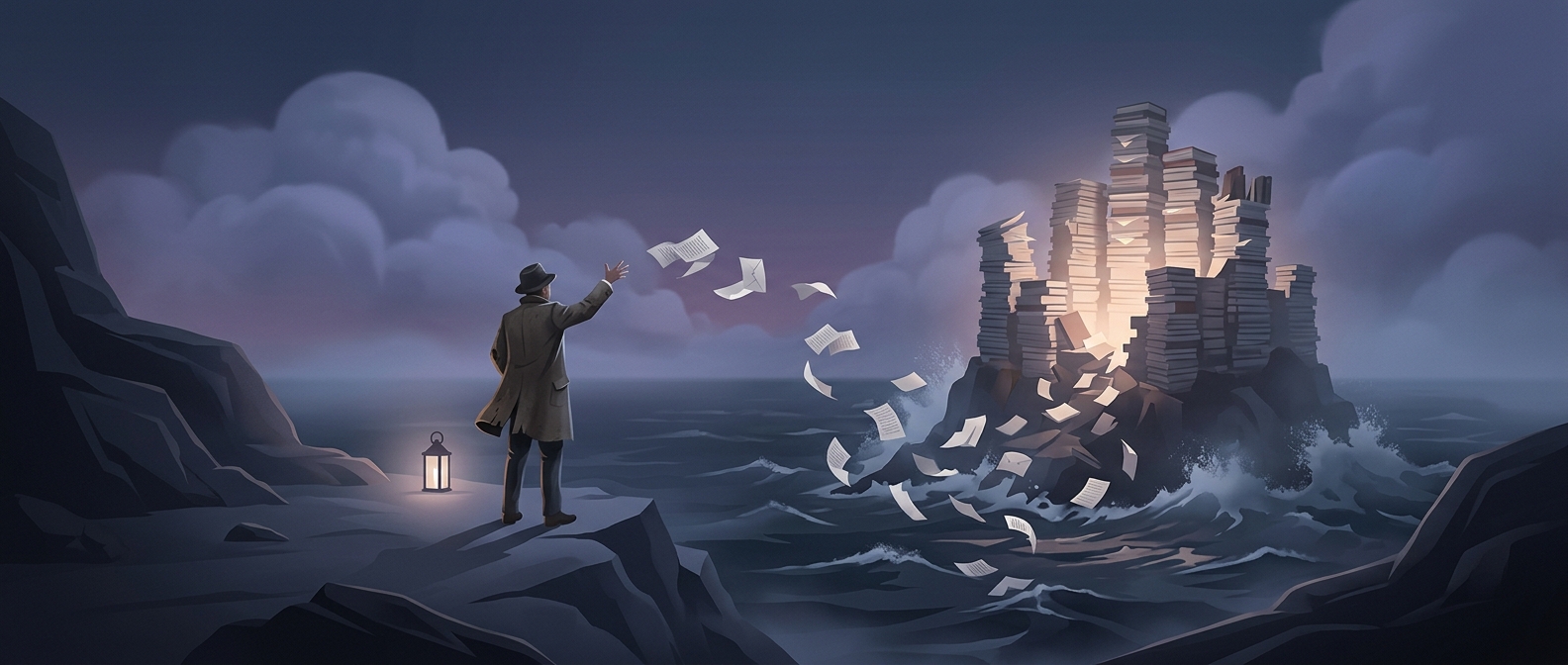
E. E. Cummings turned rejection into an urn
After 14 publishers rejected No Thanks, Cummings borrowed money from his mother to self-publish it in 1935. He dedicated the book to the publishers, arranging…
Discover more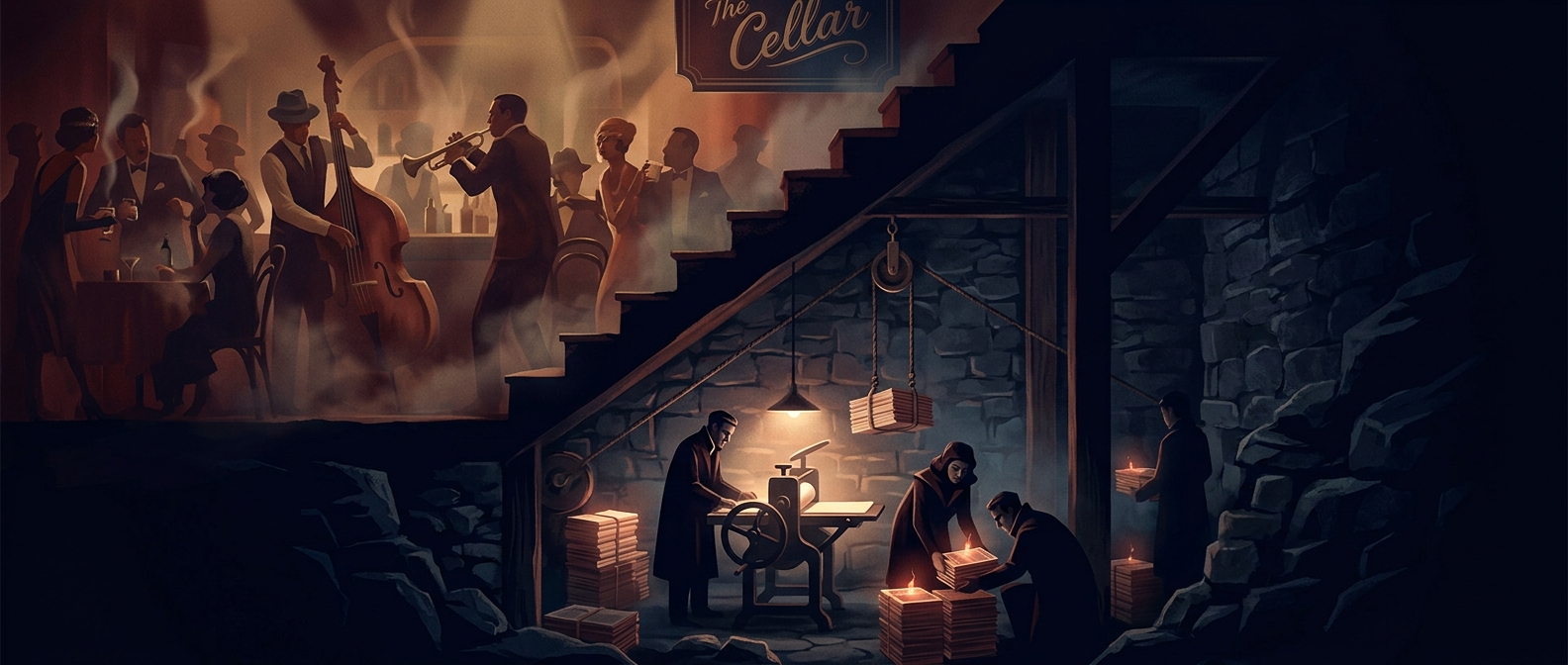
Reader's Digest began under a speakeasy—with subscriptions mailed on a wedding day
DeWitt and Lila Wallace rented a Greenwich Village basement and prepared a magazine of condensed articles. They mailed promotional circulars on their wedding…
Discover more
The word bestseller is older than you think
The word “bestseller” appeared in a Kansas newspaper in 1889 to describe popular books. Sales themselves had become part of the pitch.
Discover more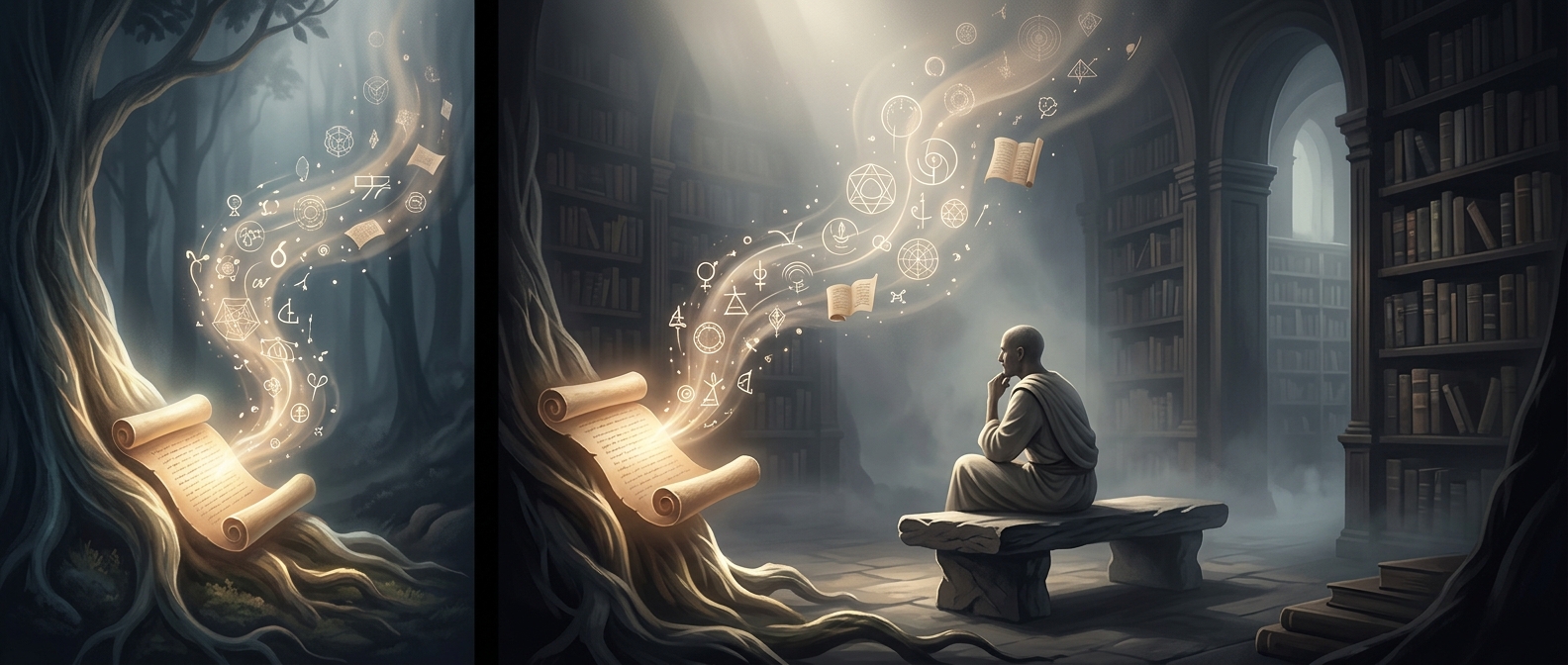
The first magazine was basically a theology argument
Published in Germany in 1663, Edifying Monthly Discussions was theologian Johann Rist's collection of philosophical and theological essays.
Discover more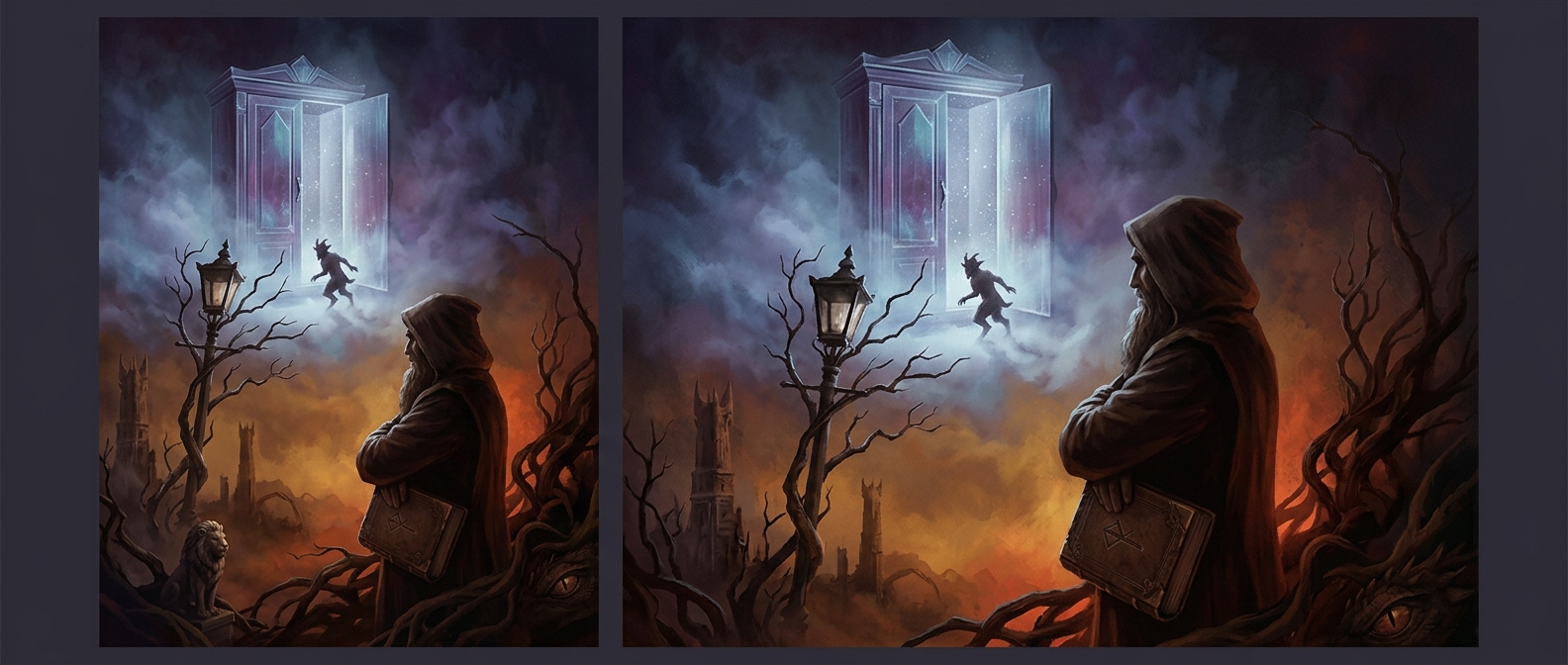
Tolkien absolutely hated Narnia
He objected to Lewis’s mash-up of mythologies, especially the presence of Father Christmas alongside Greek fauns and talking beavers.
Discover more
In Cold Blood ends with a conversation that never happened
Capote's research notebooks document extensive reporting, but the Library of Congress also highlights invented scenes. One is the closing cemetery…
Discover more
Harper Lee published one novel, then disappeared
After To Kill a Mockingbird appeared in 1960, Lee kept a low public profile for decades, turning down opportunities and avoiding the press.
Discover more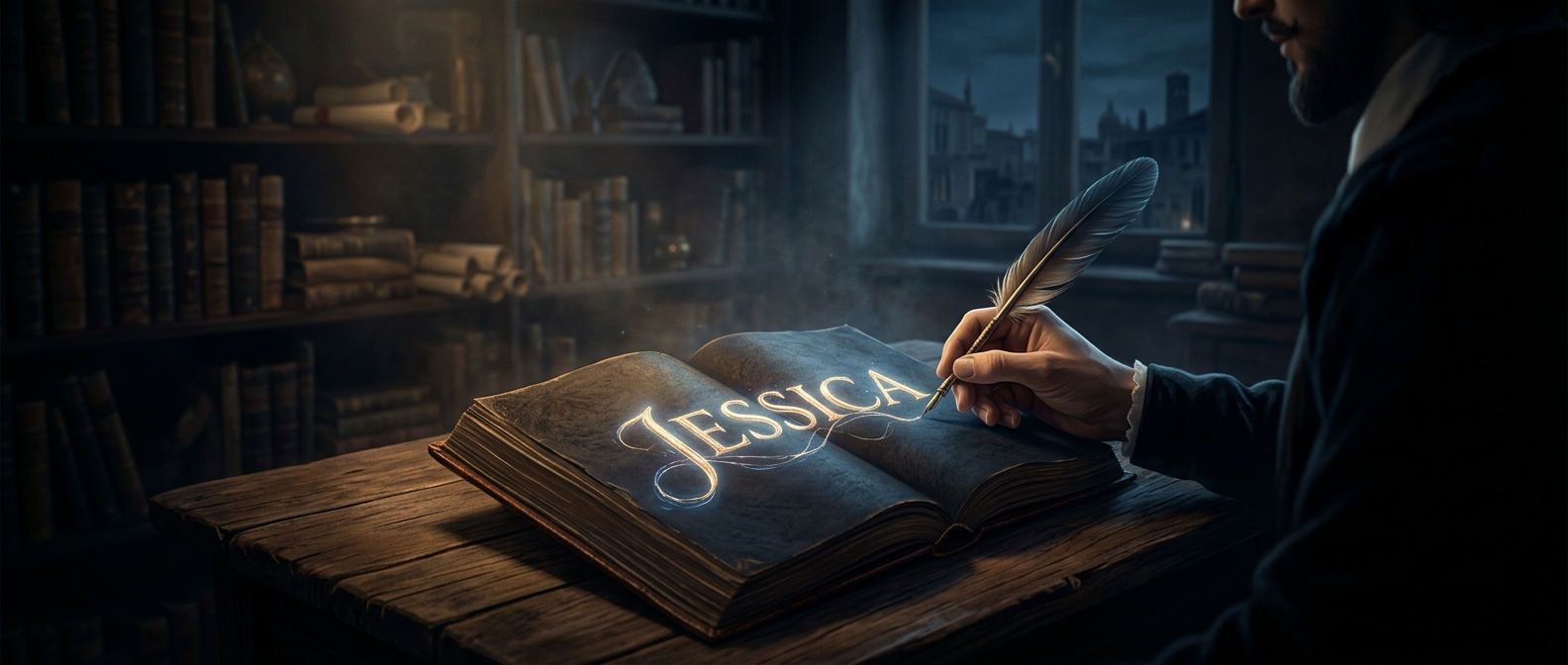
Shakespeare helped put Jessica on the name list
Shakespeare appears to have introduced the name Jessica in The Merchant of Venice, likely adapting the biblical name Iscah.
Discover more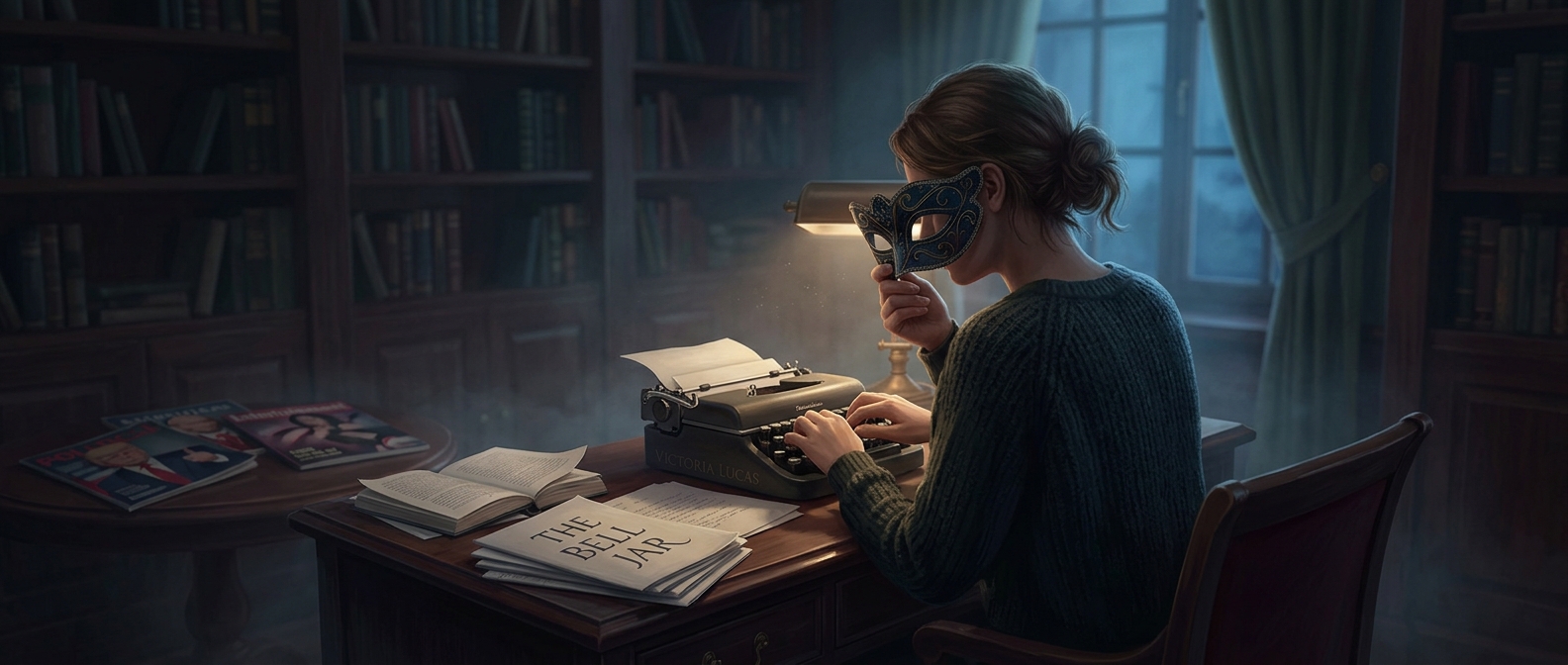
The Bell Jar reached readers before Sylvia Plath's name appeared on it
The novel was first published in Britain in 1963 under the name Victoria Lucas. Later editions used Plath's own name, changing how openly readers connected…
Discover more
Jane Eyre reached readers under the name Currer Bell
Charlotte Brontë published the novel in 1847 using an ambiguous pen name. Her sisters used Ellis and Acton Bell for their own writing, preserving their…
Discover more
The novel that helped save Notre-Dame
Hugo’s 900-page novel, The Hunchback of Notre-Dame, renewed public interest in the crumbling cathedral and helped spur funds for its restoration.
Discover more
T.S. Eliot reportedly wore green makeup
At Harvard and in his early years in Europe, Eliot reportedly dusted his face with pale green powder to look sickly, interesting and haunted.
Discover more
The oldest recipe book was carved into clay
The oldest known collection of recipes dates to around 1700 BC. Inscribed in cuneiform on clay tablets from ancient Mesopotamia, the Yale Culinary Tablets…
Discover more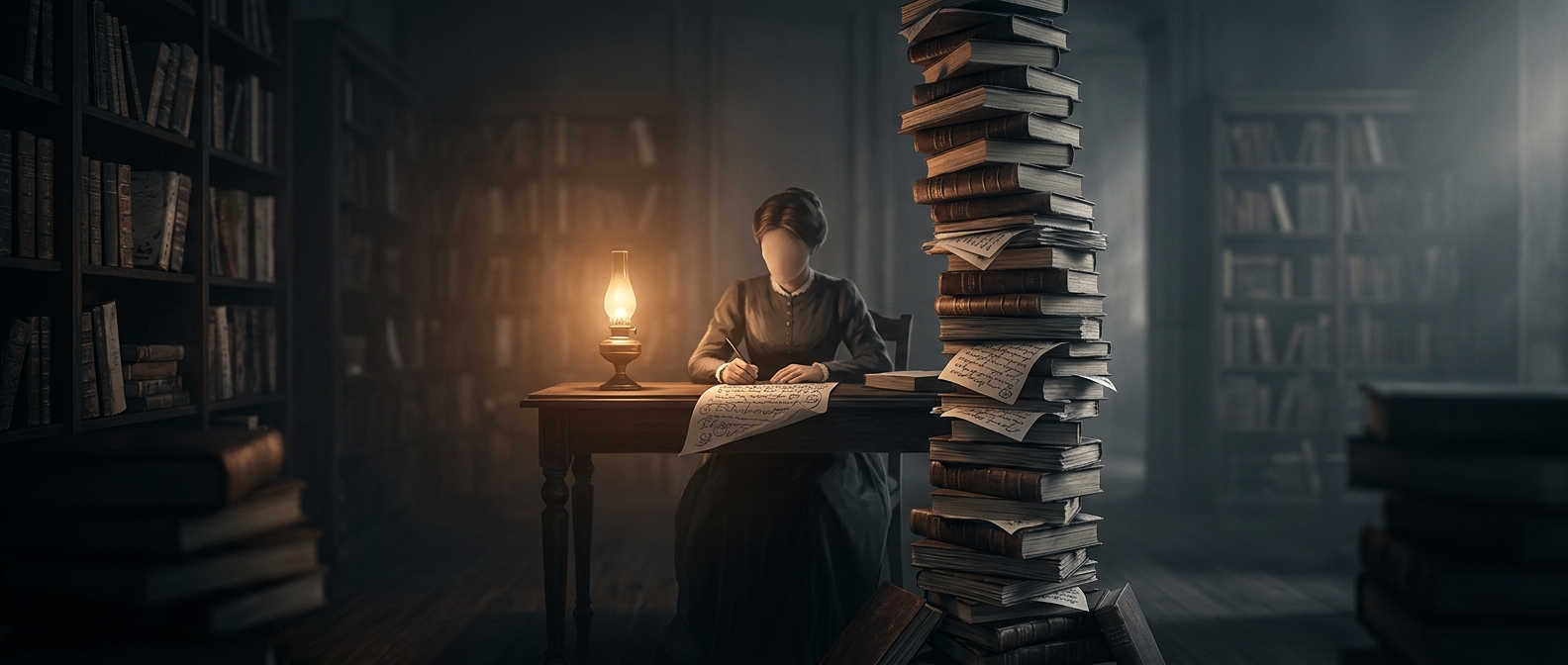
Sophia Tolstoy helped turn War and Peace into readable manuscripts
She deciphered Leo Tolstoy's difficult handwriting and repeatedly copied and revised sections as the novel developed. That labor made an enormous, changing…
Discover more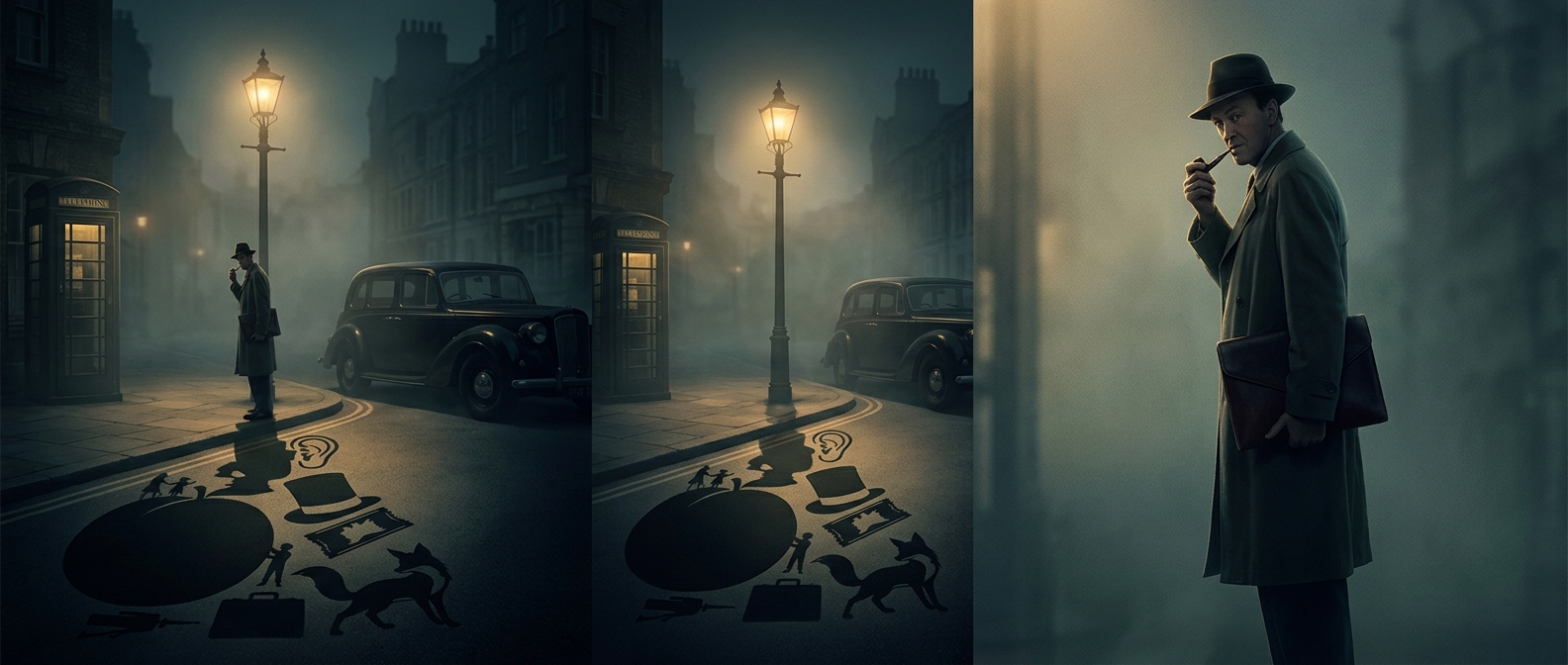
Roald Dahl was a spy before writing children’s books
During World War II, Dahl worked for the British Security Coordination in Washington, feeding propaganda to American journalists and gathering political…
Discover more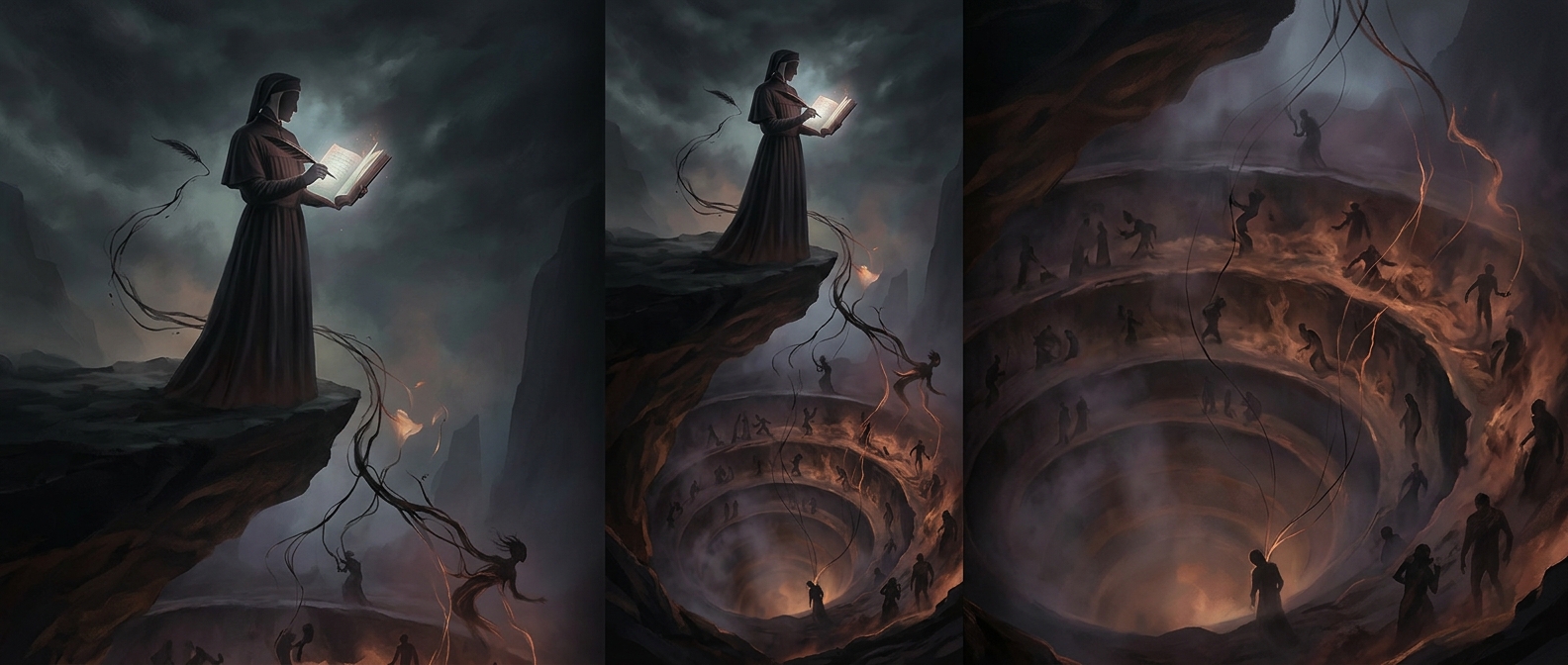
Dante put his enemies in Hell
After his 1302 exile from Florence, Dante placed real politicians, popes and other local adversaries in specific circles of torment in the Inferno.
Discover more