Culture & entertainment
Discover facts about culture & entertainment. Small discoveries that change the way you see familiar things.
Culture & entertainment
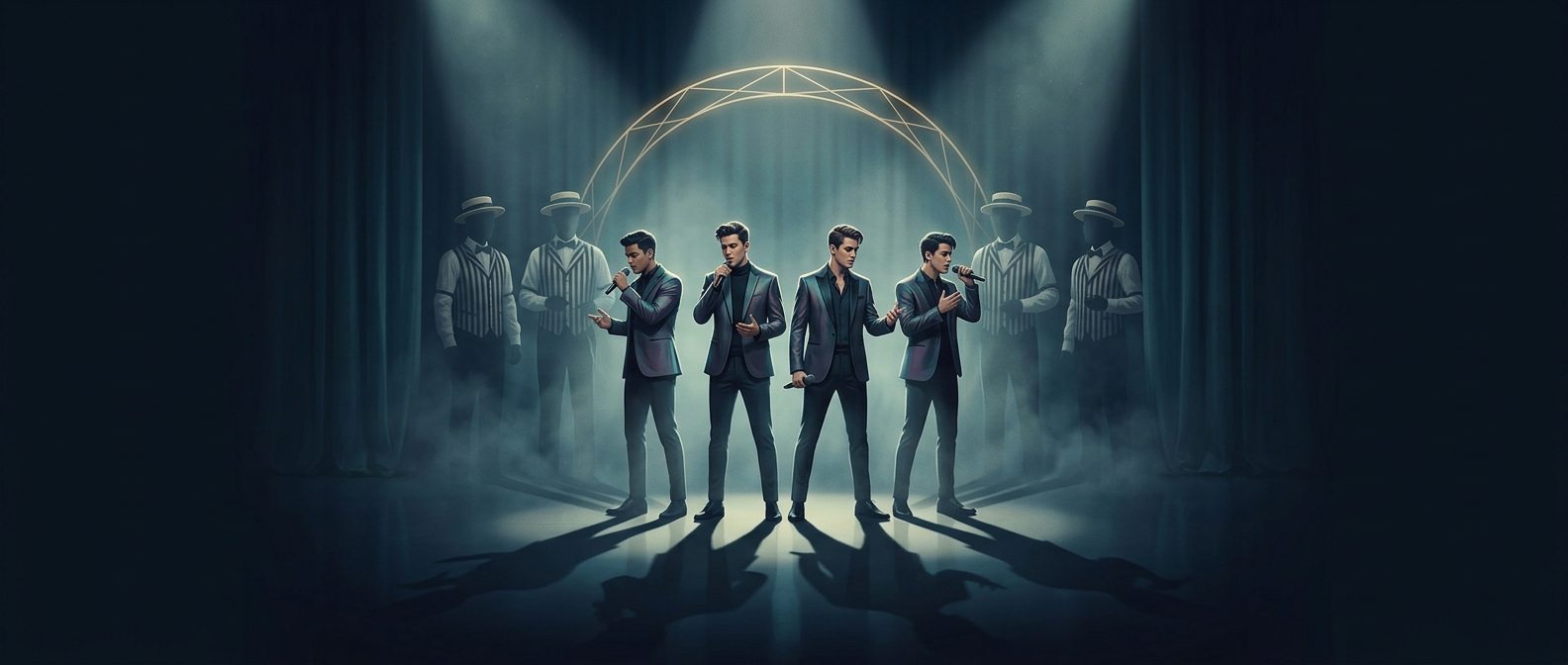
A pop group's harmonies can divide one melody into several jobs
One singer can carry the tune while others provide notes above or below it, creating chords with voices alone. The arrangement makes several performers sound…
Discover more
Why dark-ride vehicles slowly turn
The turns rotate your view away from bright exit doors and backstage clutter—like employees' water bottles—and toward the animatronics.
Discover more
Jeopardy! can punish you for buzzing too early
Contestants must wait for the signal that the buzzers are active. Press too soon and a brief lockout can hand the opening to someone else. Knowing the…
Discover more
Why sitcom furniture faces an empty wall
The furniture is angled toward the open side of the set, where cameras can film the actors. That leaves the sitcom family facing the audience—and the camera…
Discover more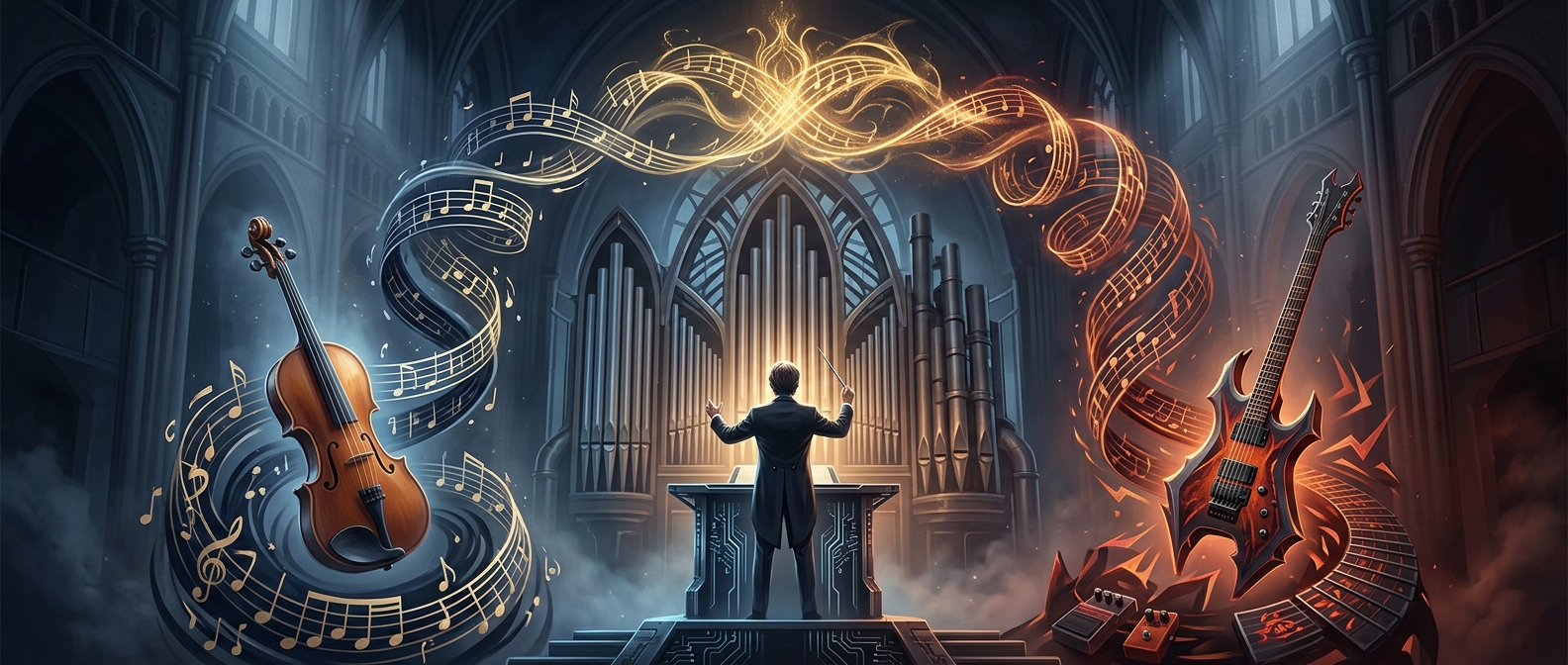
Why heavy metal sounds like Mozart
Heavy metal often borrows classical music’s complex arpeggios, counterpoint, and dramatic chord progressions—then turns them up with distorted electric guitars.
Discover more
Why your TV makes movies look like soap operas
Many TVs use motion interpolation, generating frames between real ones to make movement look smoother. That can give movies the hyper-smooth look associated…
Discover more STACKY FOR IPHONE
A bigger world.
One discovery
at a time.
Keep discovering with Stacky. Interesting facts in an app that is always within reach.
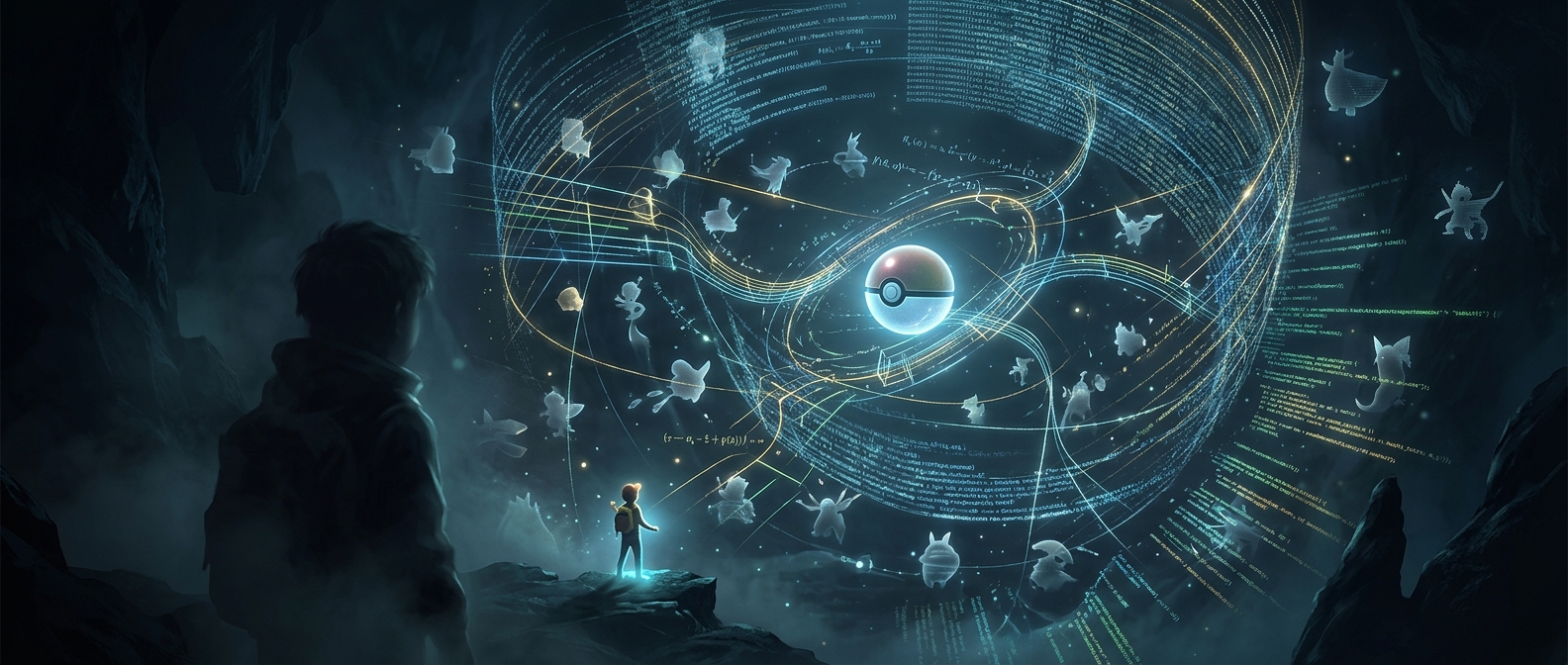
Pokémon catches depend on more than button mashing
Capture odds depend on a creature’s species catch rate, its current health, and status conditions, with a random number generator determining the outcome—not…
Discover more
Why a bass drop can trigger fight or flight
Deep sub-bass can resemble the rumbles of earthquakes or approaching predators, putting your body on alert. The resulting adrenaline rush can feel like…
Discover more
SimCity 2000 can make a power plant's mistake last generations
A nuclear meltdown spreads radiation across nearby land and water, blocking construction on contaminated ground. The manual warns that this damage lasts for…
Discover more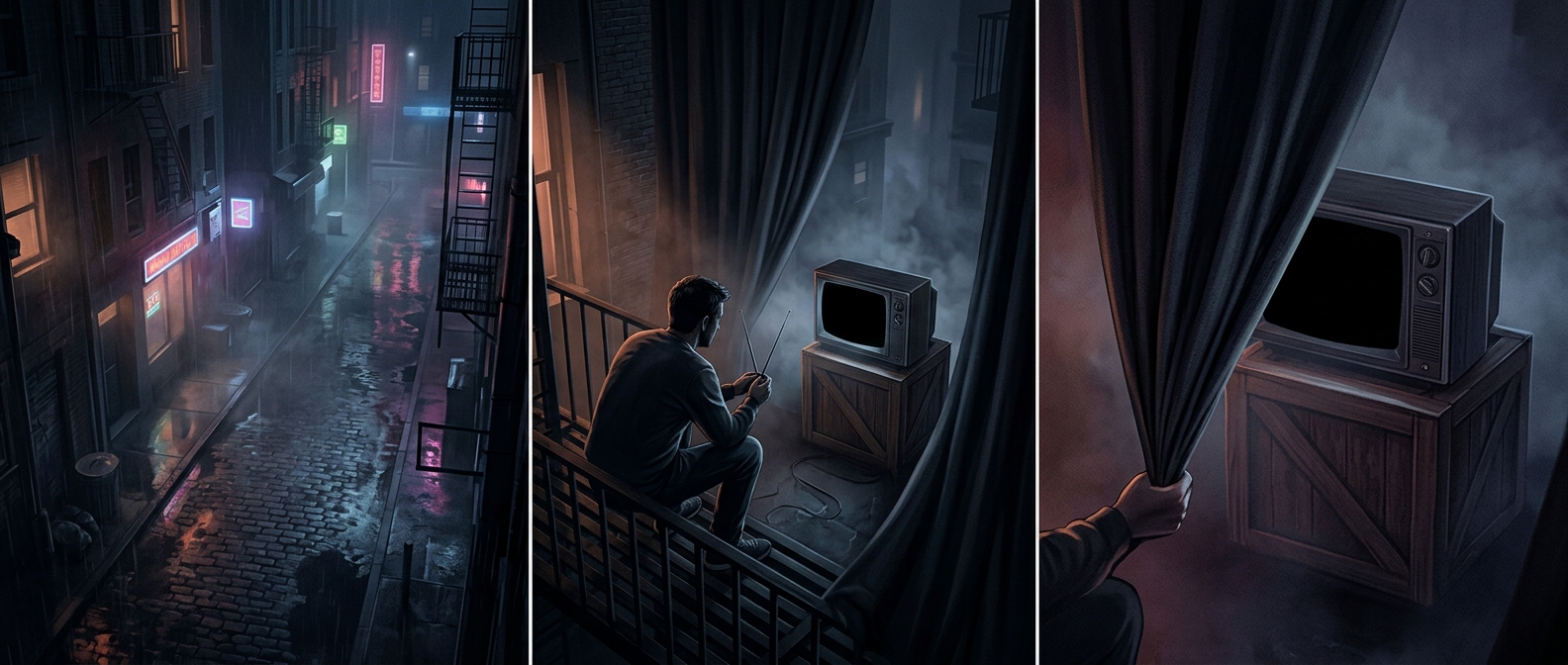
Sports leagues strictly blackout local television broadcasts
A premium sports package may still block a local game: blackout rules can restrict broadcasts for viewers in the team's home market.
Discover more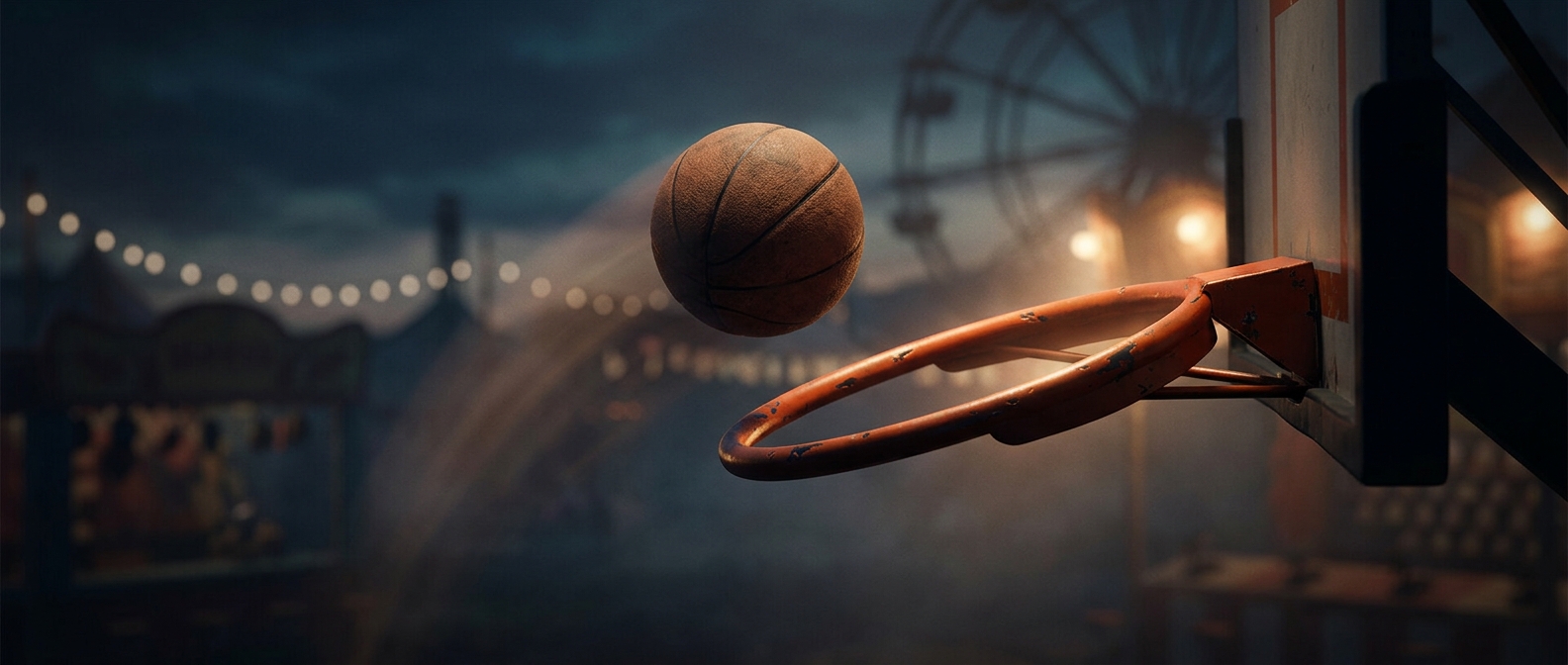
Why carnival basketball hoops are hard to score on
Some carnival operators use slightly oval rims and overinflated basketballs, making shots harder to sink and rebounds less predictable.
Discover more
Why game show audiences seem impossibly excited
Game shows screen audience hopefuls for outgoing, high-energy personalities; quieter applicants may be seated farther back, away from the cameras.
Discover more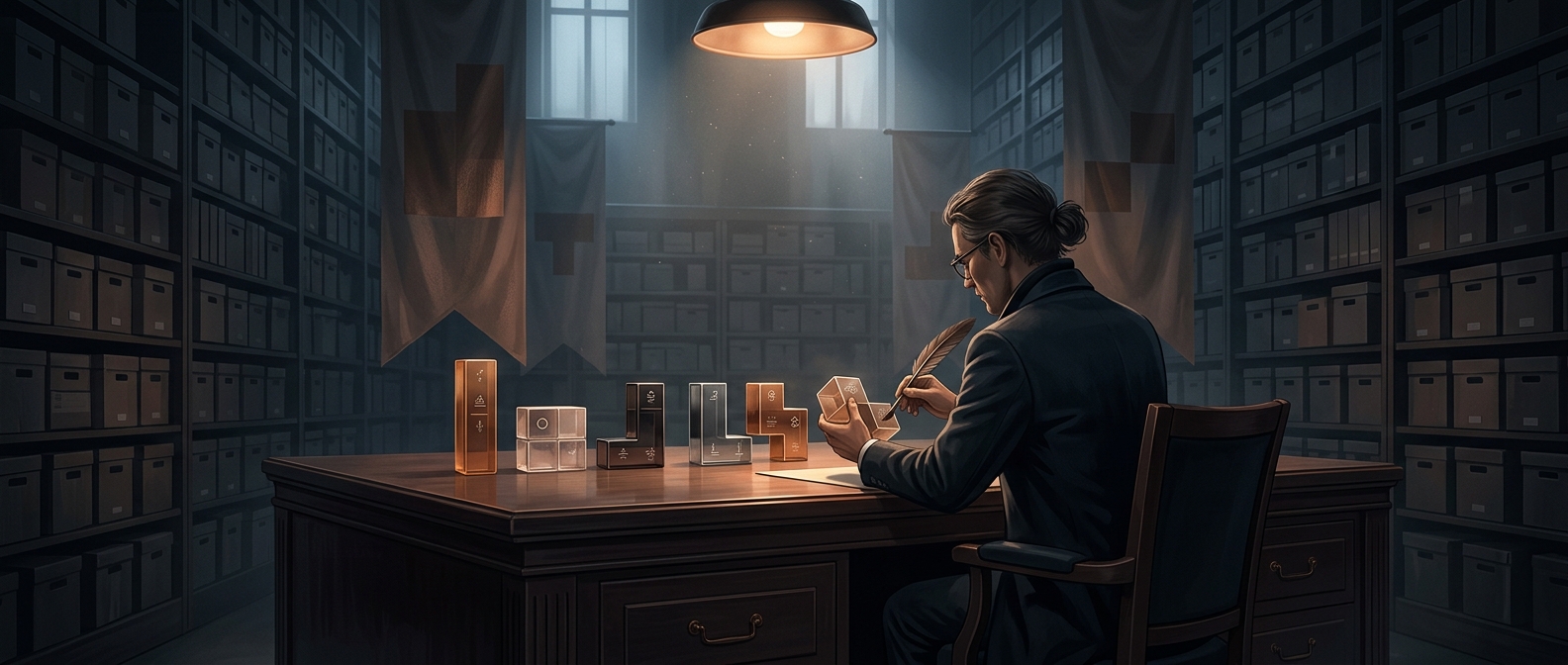
The 'tetra' in Tetris is a clue to every piece
Each standard piece contains four connected squares, and 'tetra' means four. Rotate them as much as you like: the shapes change orientation, not their block…
Discover more
Final Fantasy VII lets damage charge a comeback
Taking hits fills a character's Limit gauge, unlocking a powerful special move. That creates a temptation to tolerate danger long enough to build the attack.…
Discover more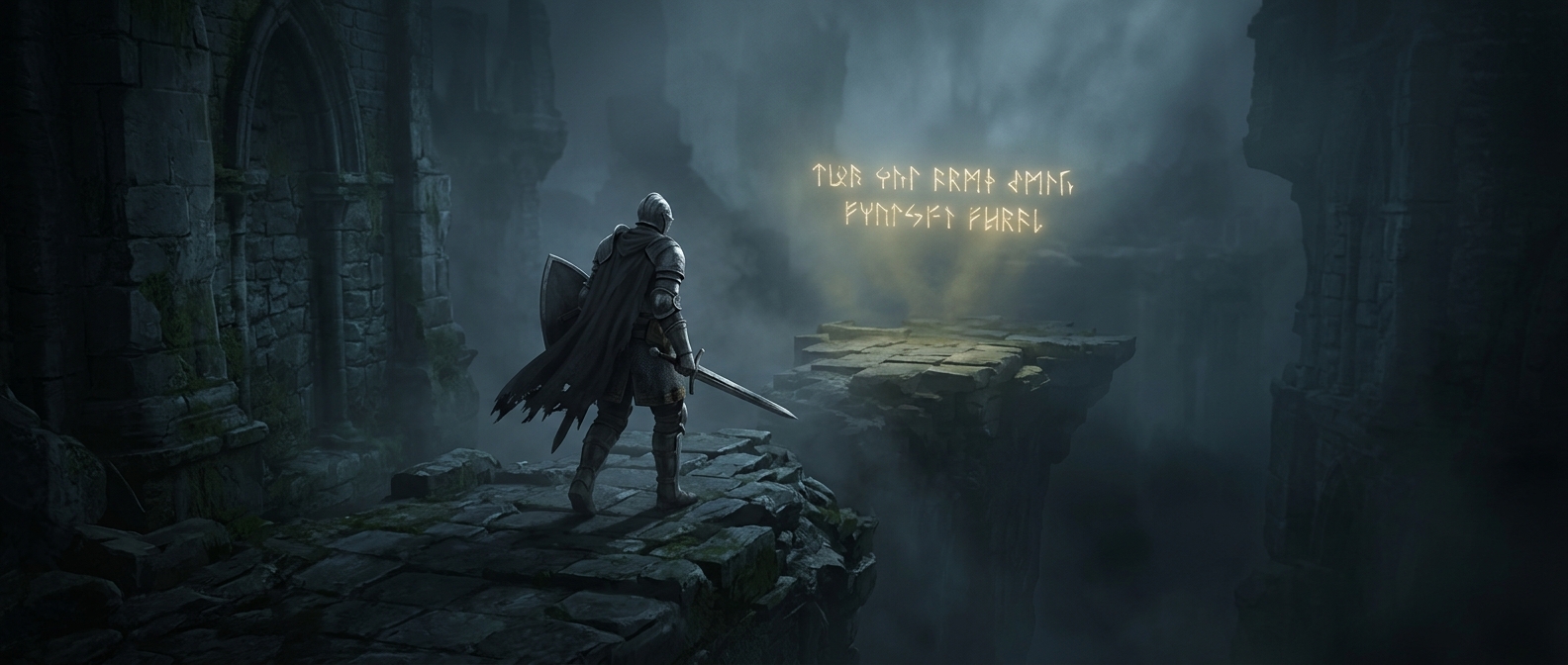
Dark Souls lets players lure strangers off cliffs
Players can leave glowing messages in other people’s worlds, and veterans exploit that trust with fake “Treasure ahead” warnings beside bottomless cliffs.
Discover more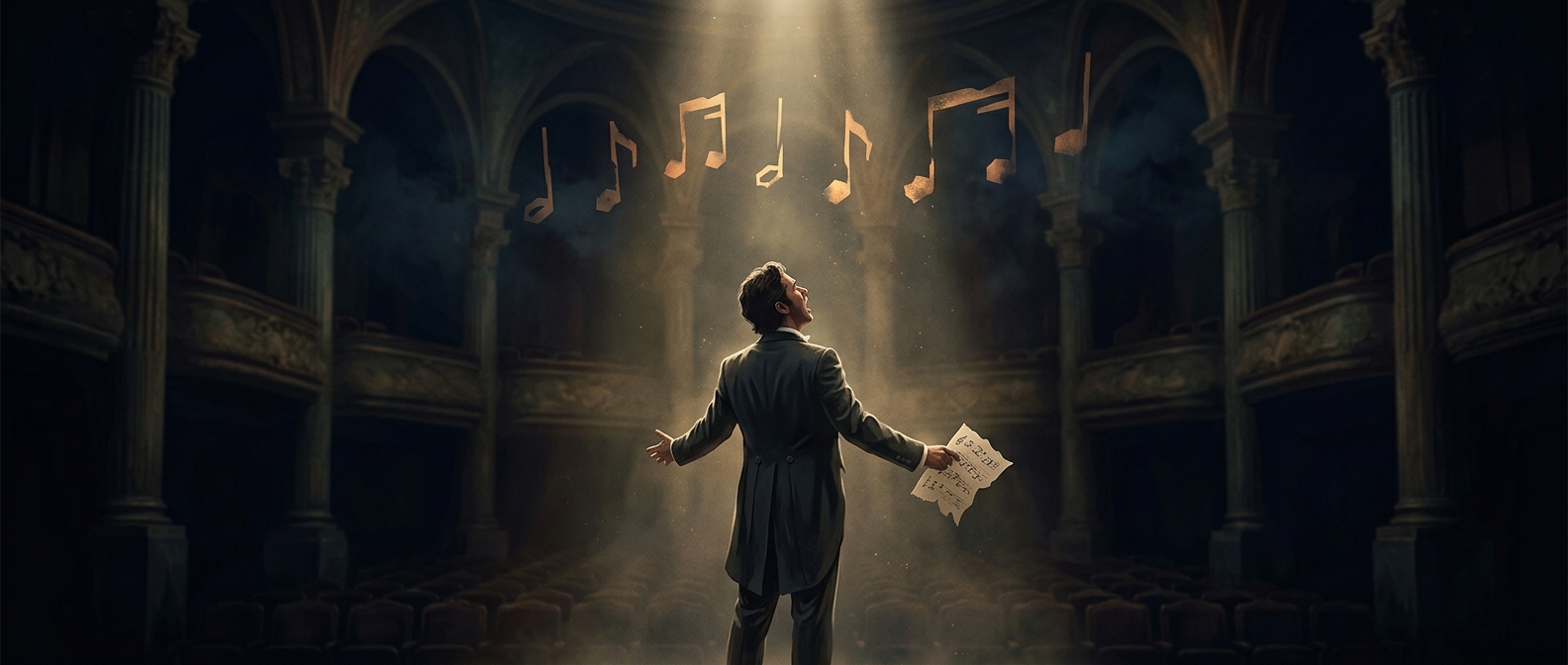
Why everyone can sing along to a national anthem
National anthems are often written within a narrow vocal range so crowds can sing along, even when thousands of voices are off-key.
Discover more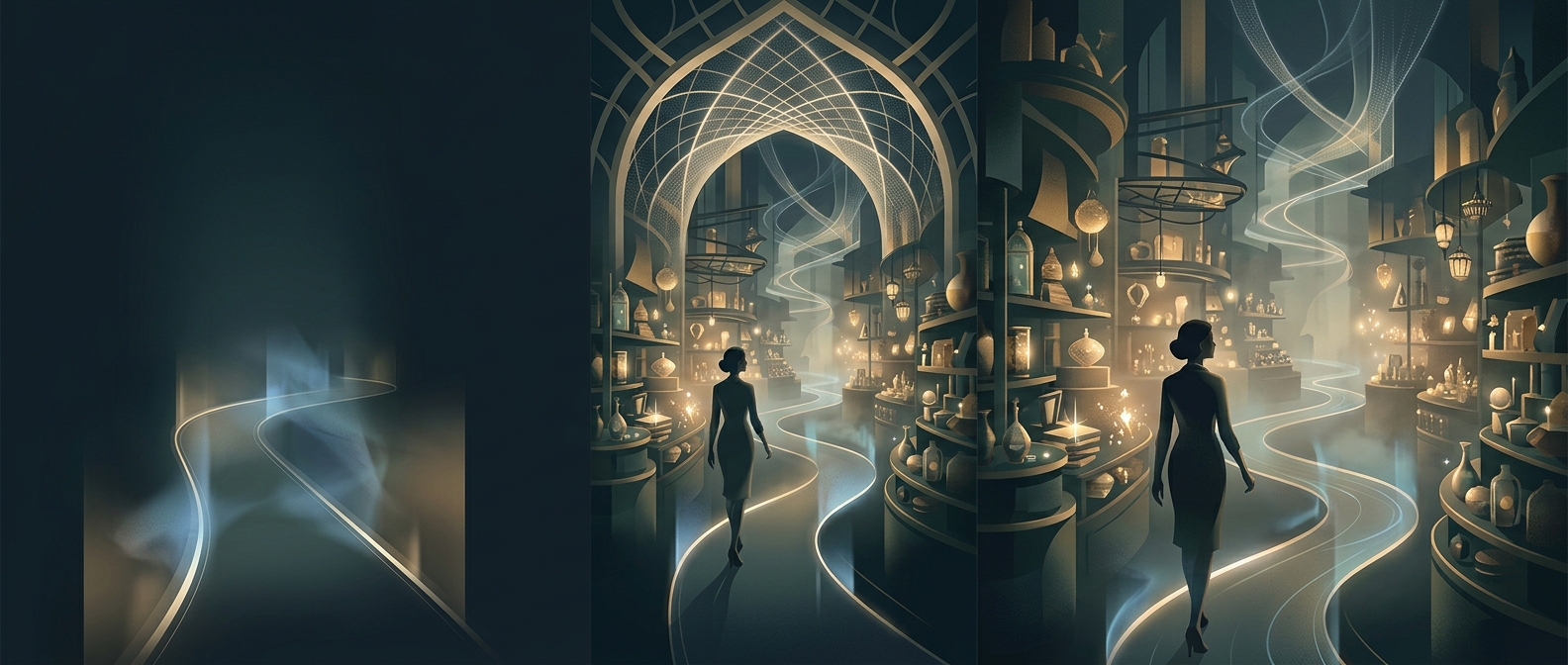
A virtual queue frees your body, not necessarily your time
A return-time system lets a theme-park visitor go elsewhere while their place waits electronically. That creates room for another attraction, a meal or a shop…
Discover more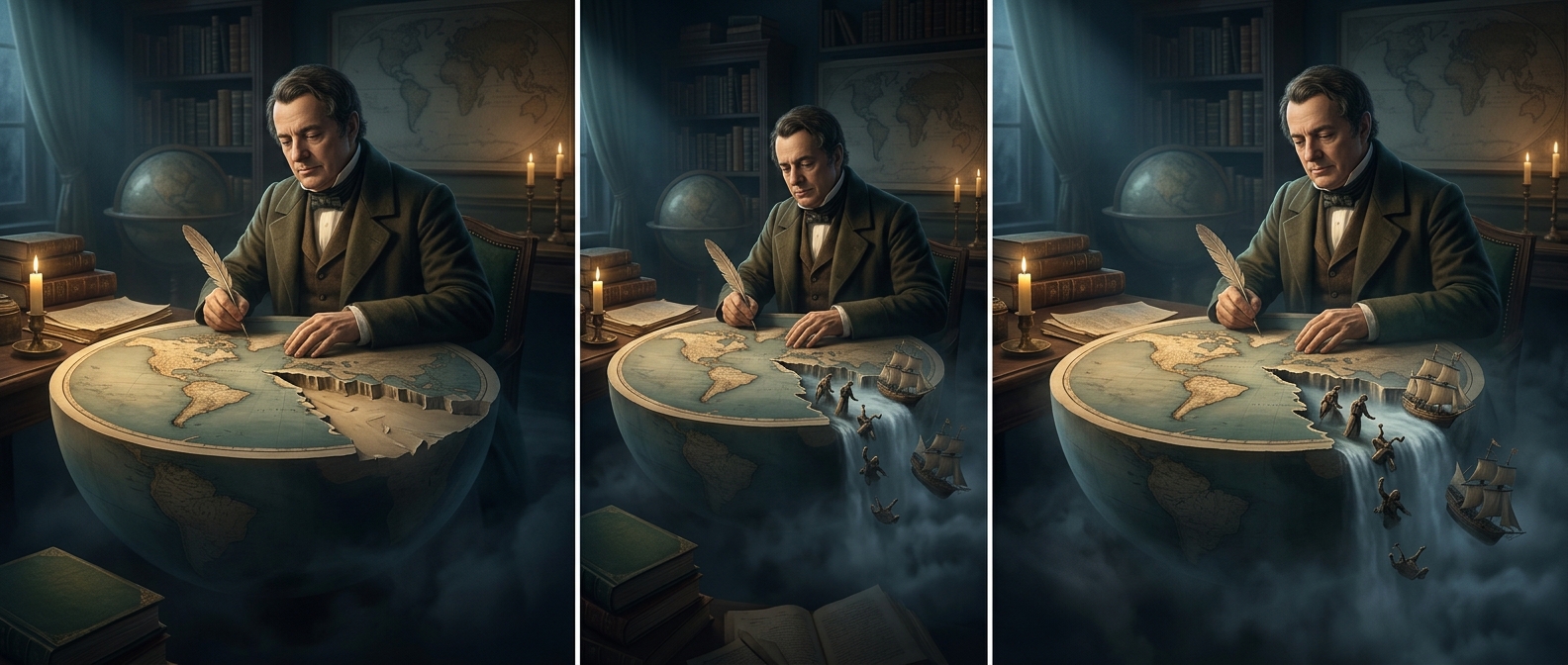
A famous storyteller helped give Columbus a fictional enemy
Washington Irving's influential 1828 biography helped popularize the picture of Columbus confronting fears of a flat Earth. The real learned debate centered…
Discover more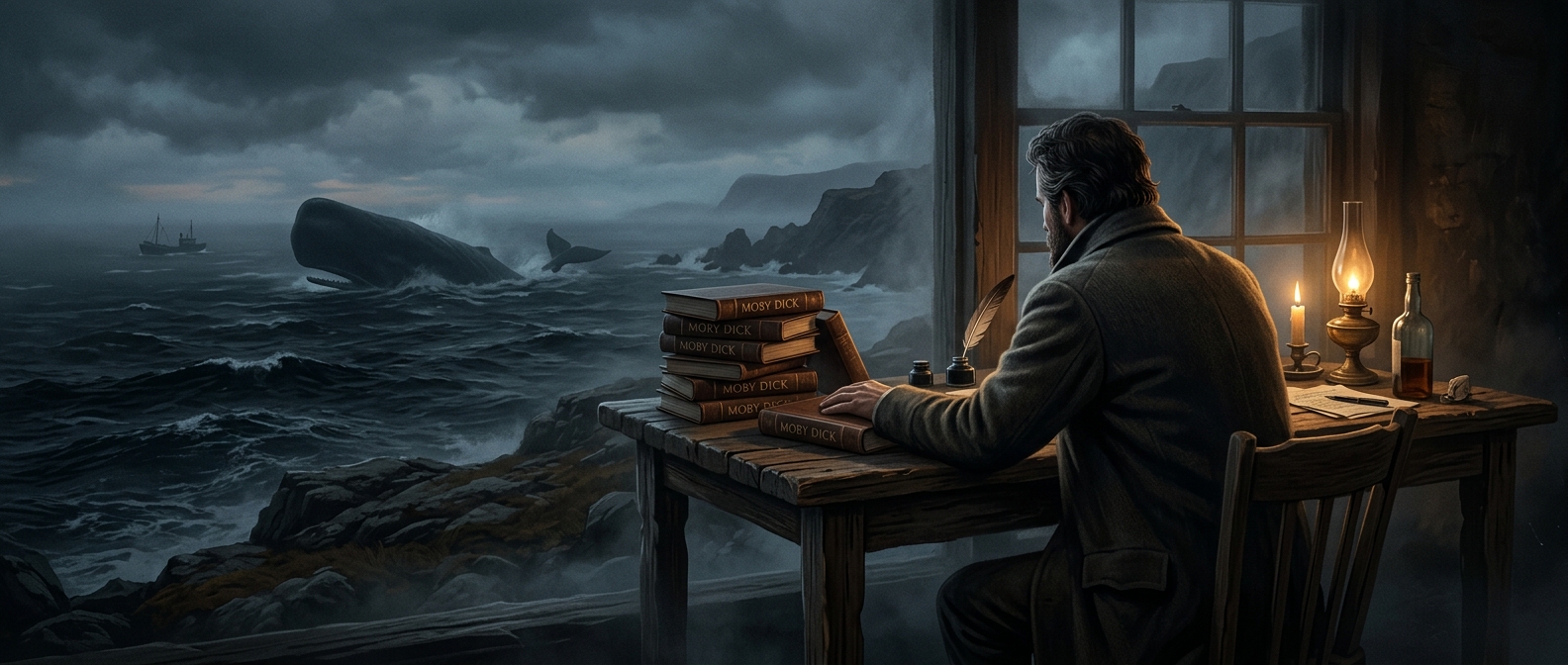
Moby-Dick was a flop during Melville’s lifetime
Published in 1851, it drew harsh reviews and sold fewer than 3,200 copies during Melville’s lifetime. He later stopped writing novels and worked as a New York…
Discover more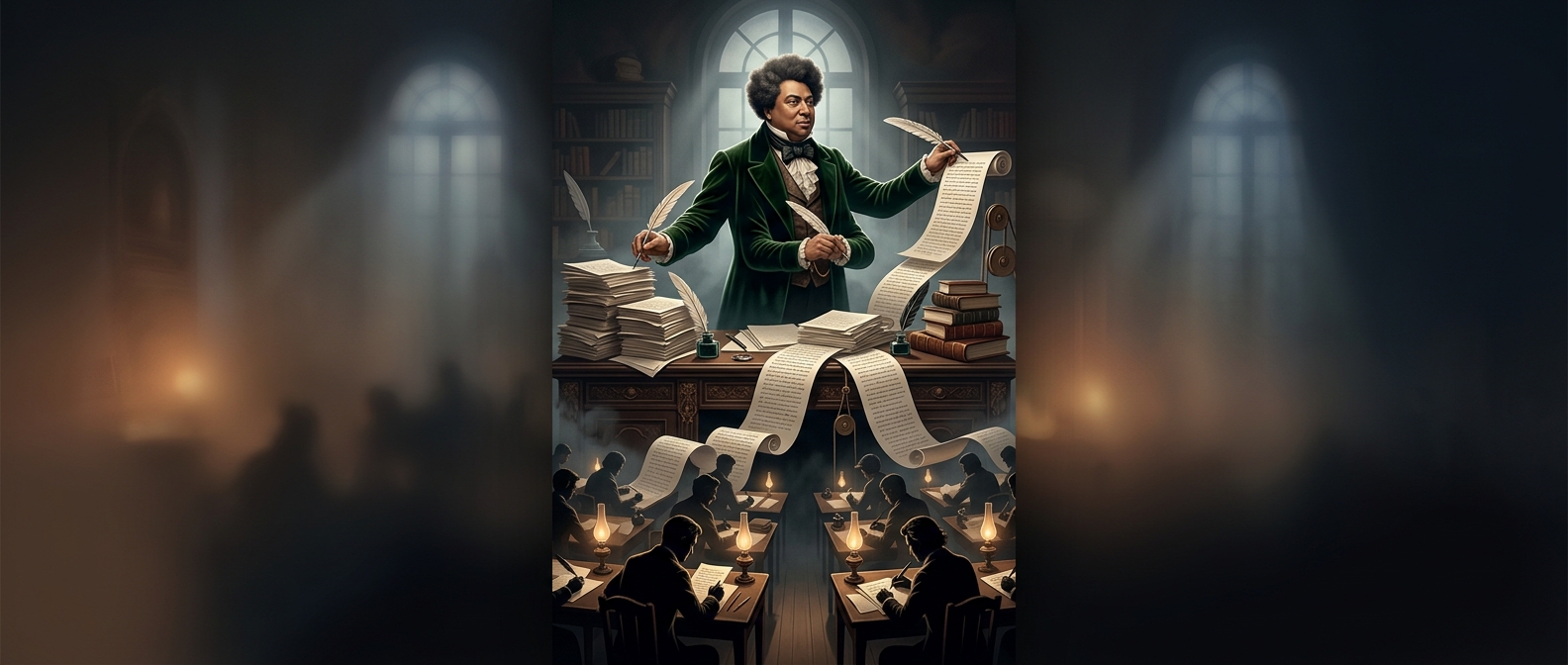
Alexandre Dumas had a writing team
Auguste Maquet supplied plot outlines and first drafts, while Dumas added his signature flair. Dumas published more than 100,000 pages in his lifetime.
Discover more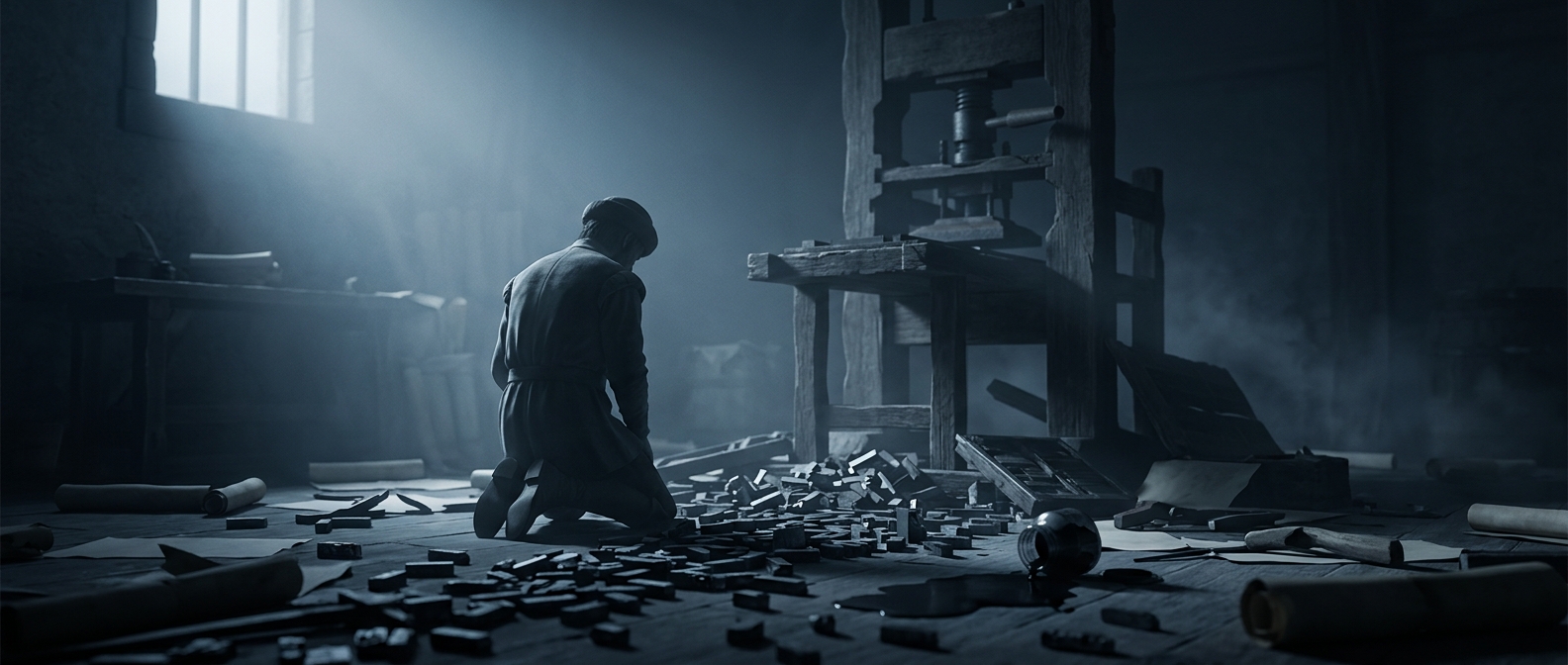
Gutenberg's later-life reward included grain, wine, and tax relief
In 1465, Archbishop Adolf of Nassau appointed him a courtier and granted an allowance. The documented benefits complicate the familiar image of an inventor…
Discover more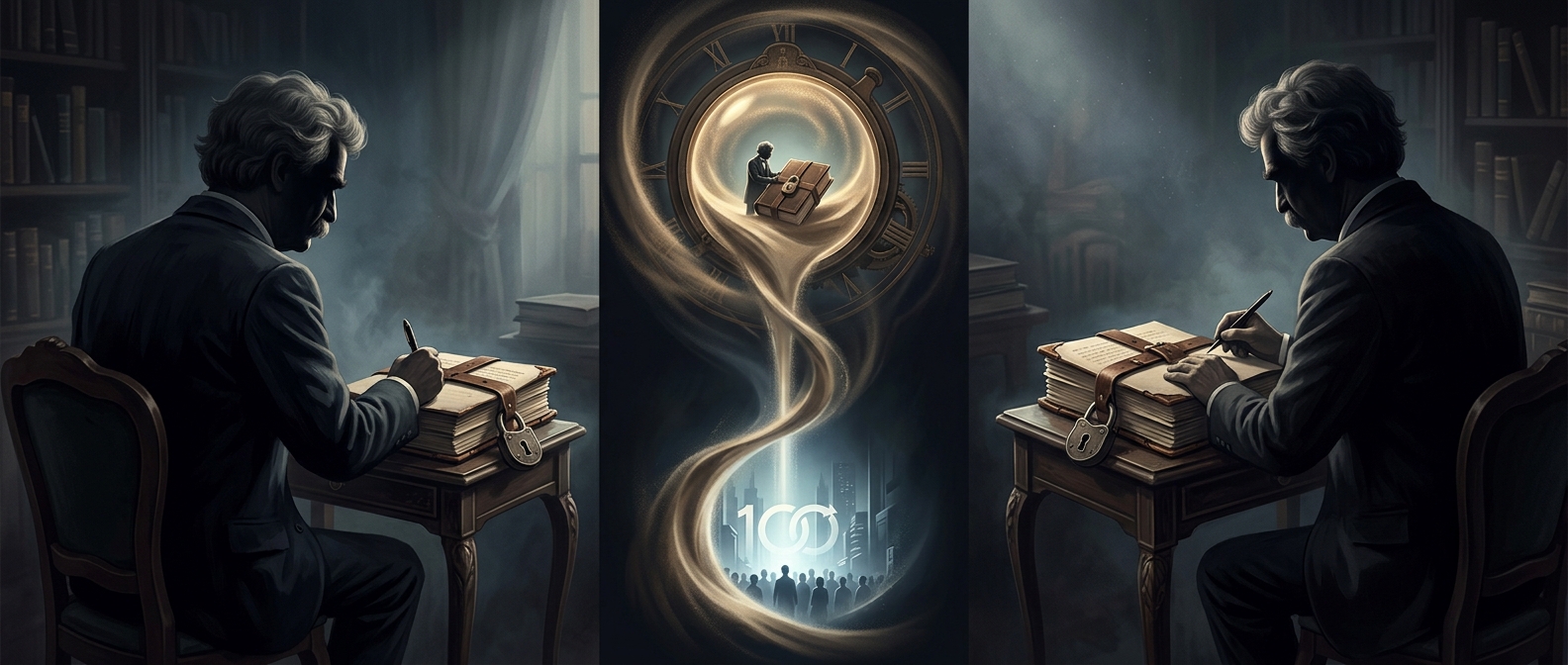
Mark Twain kept part of his autobiography waiting a century
He instructed that the full work should wait until 100 years after his death. Earlier selections appeared, but the complete uncensored edition began…
Discover more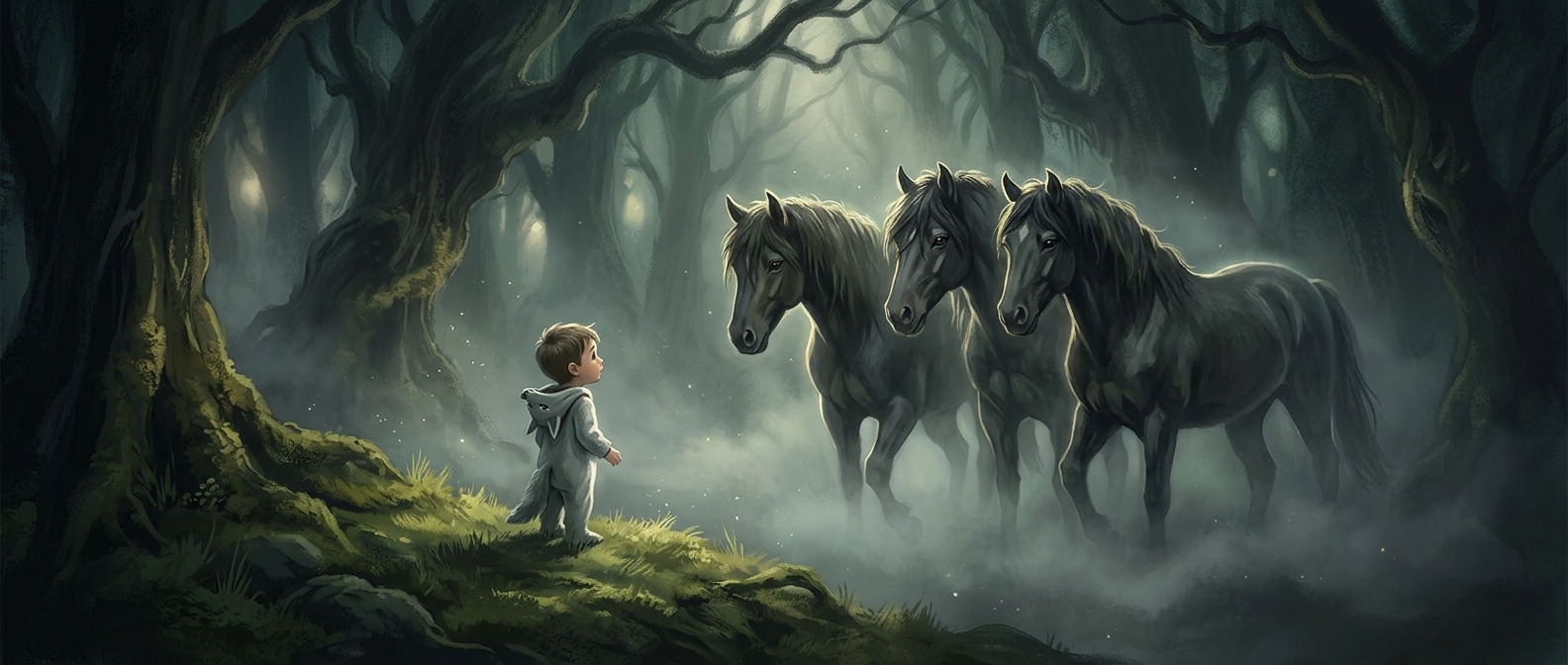
Where the Wild Things Are began with bad horse drawings
Sendak first pitched a book called “Where the Wild Horses Are,” but struggled to draw horses. He replaced them with the strange creatures that became the Wild…
Discover more
Why Maya Angelou wrote in bare motel rooms
She rented a cheap, generic motel room and asked management to remove the artwork from the walls. She arrived at 6:30 a.m. with legal pads, a Bible, a…
Discover more