Transport
Discover facts about transport. Small discoveries that change the way you see familiar things.
Transport
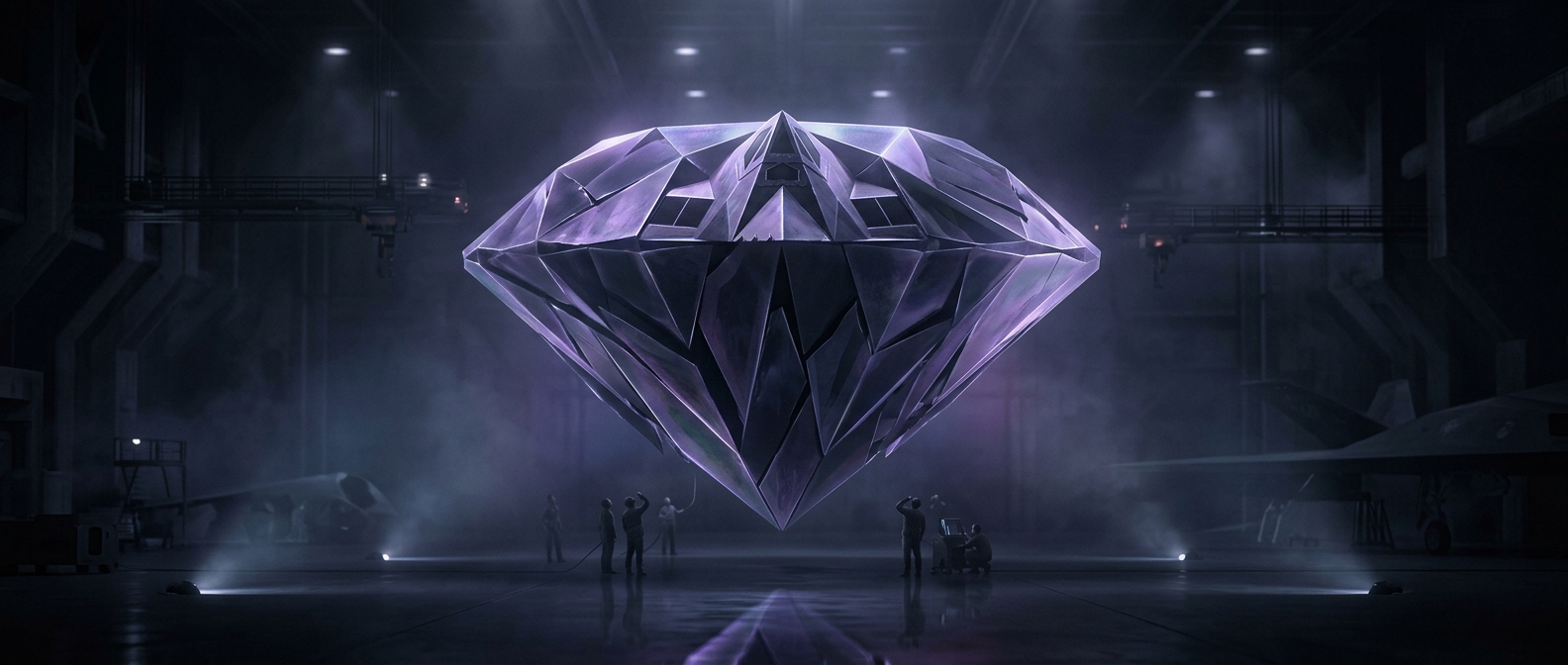
Why stealth jets looked like flying diamonds
Stealth designers used flat, angled surfaces to bounce radar energy away from its source instead of sending a strong echo back. The diamond-like shape traded…
Discover more
Chicago's 1893 moving walkway had a faster lane with benches
Visitors could step onto a platform moving at about two miles per hour, then transfer to a four-mile-per-hour section with seats. The slower stage eased the…
Discover more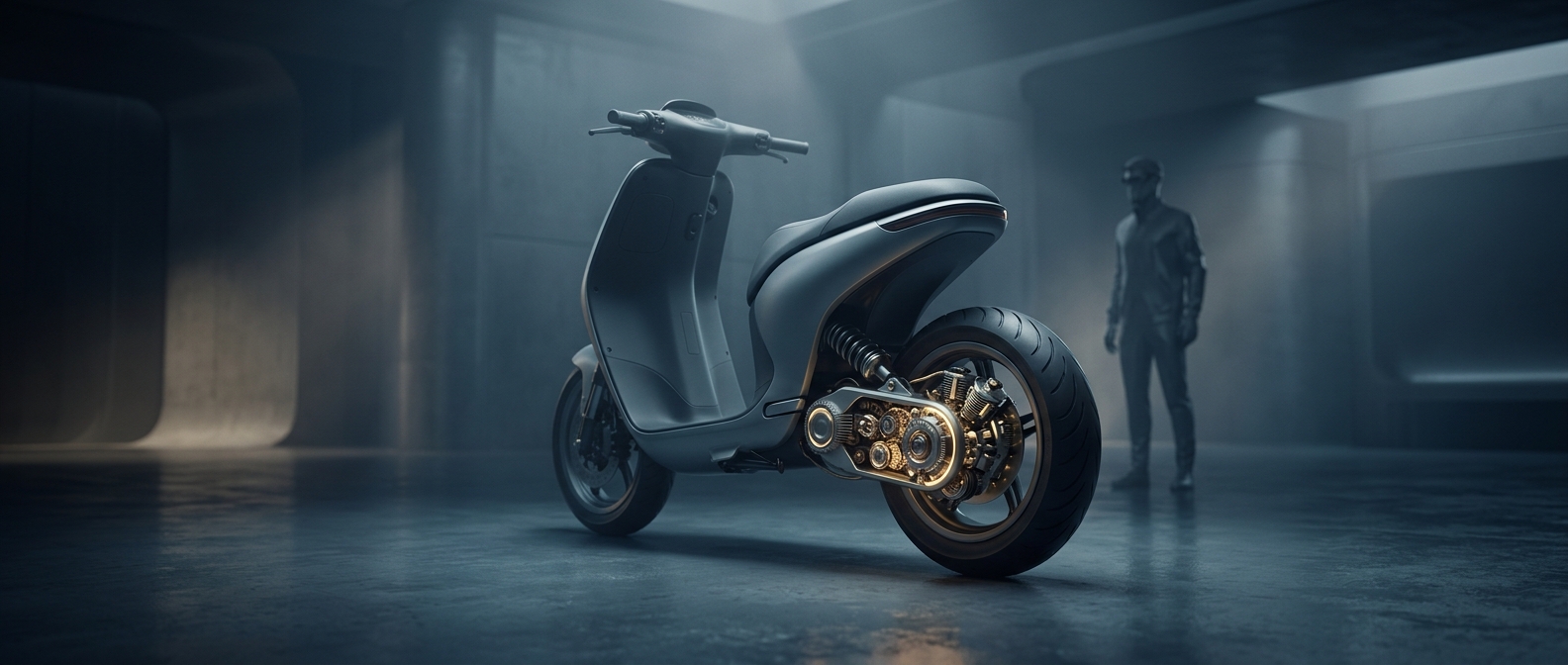
Why a scooter’s engine bounces with its rear wheel
The rear wheel and engine are linked in one swinging assembly, so the motor moves up and down with the wheel. That keeps the belt drive in line, though it…
Discover more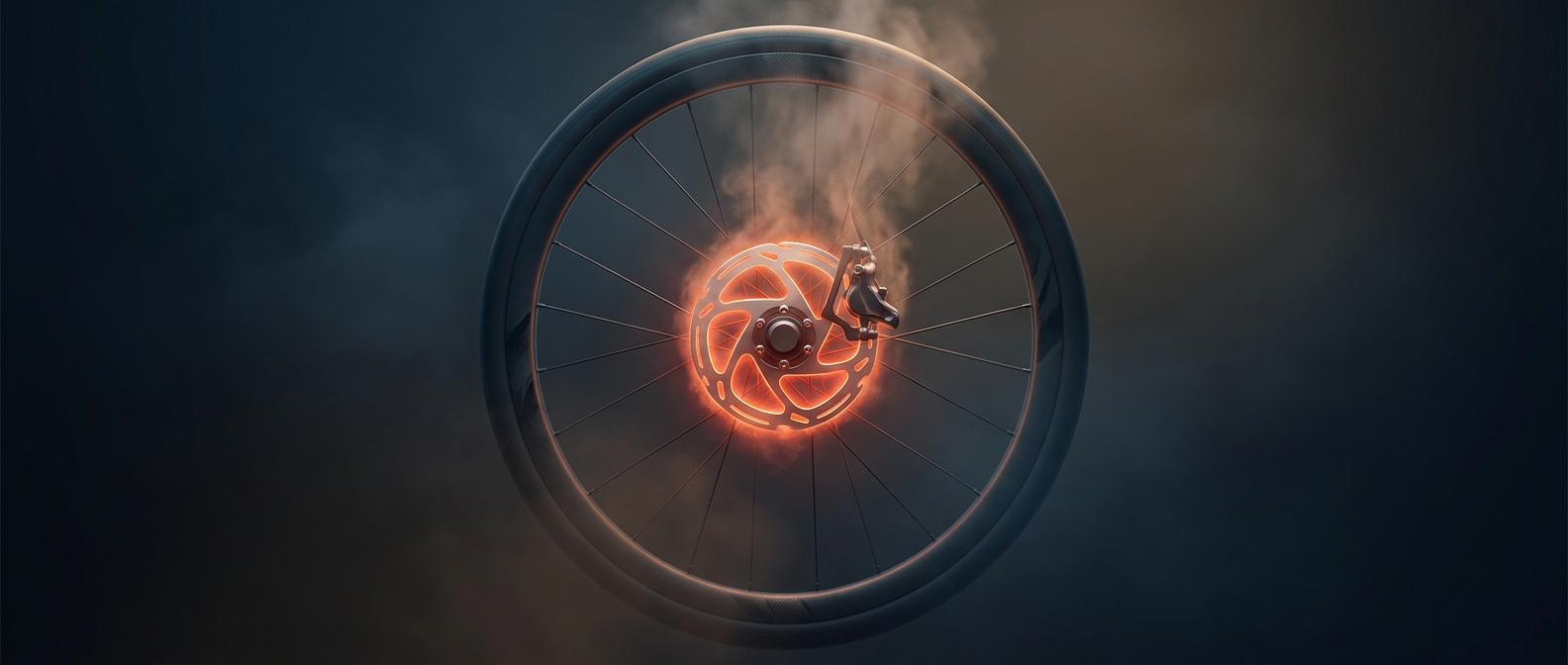
Disc brakes use friction on a central rotor
Brake pads squeeze a metal rotor attached to the wheel, and friction turns the vehicle’s motion into heat. The rotor sits in the airflow to shed that heat,…
Discover more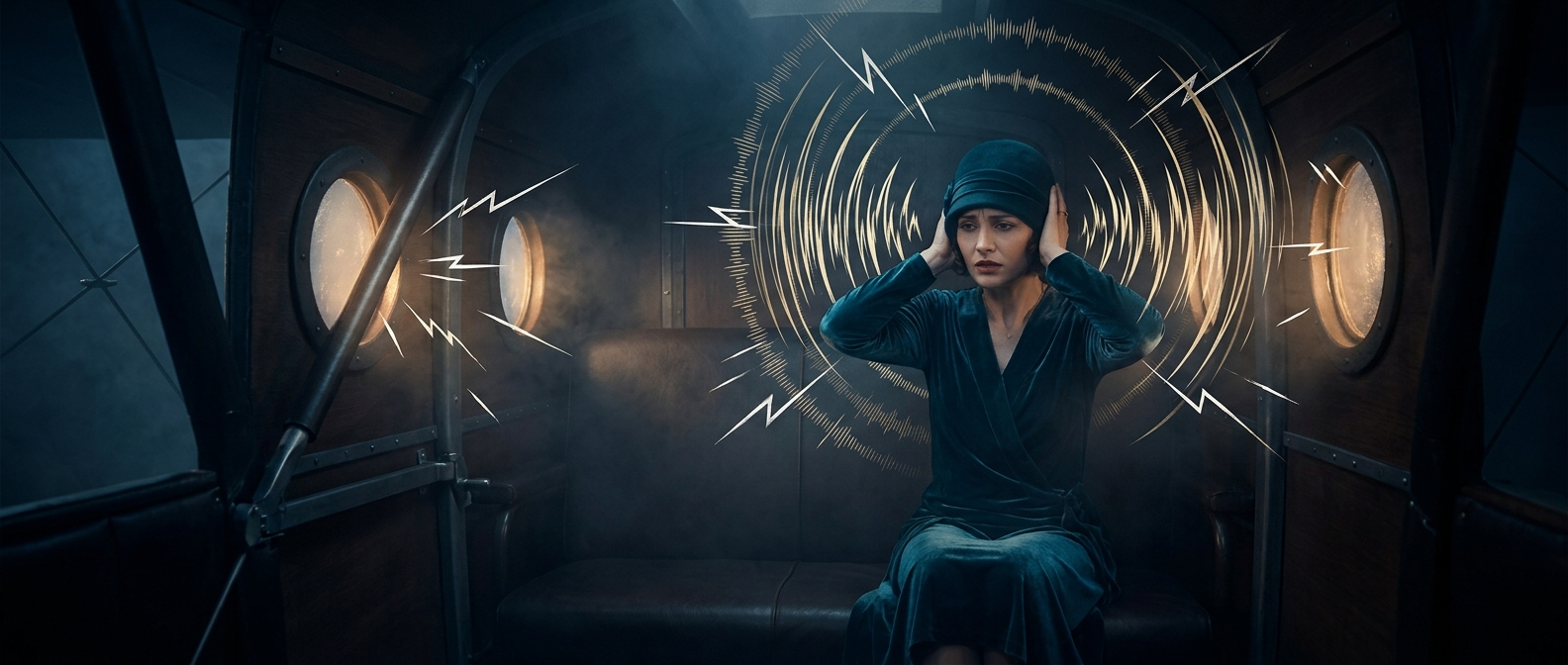
Why 1920s passengers stuffed cotton in their ears
A propeller’s roar traveled straight through the thin walls of early aircraft cabins. Passengers stuffed cotton in their ears to take the edge off—aviation’s…
Discover more
Queen Victoria took separate day and night rooms by train
Her 1869 royal saloon included a blue-silk day compartment, a red night compartment and a washroom, with space for attendants. It turned railway travel into a…
Discover more STACKY FOR IPHONE
A bigger world.
One discovery
at a time.
Keep discovering with Stacky. Interesting facts in an app that is always within reach.
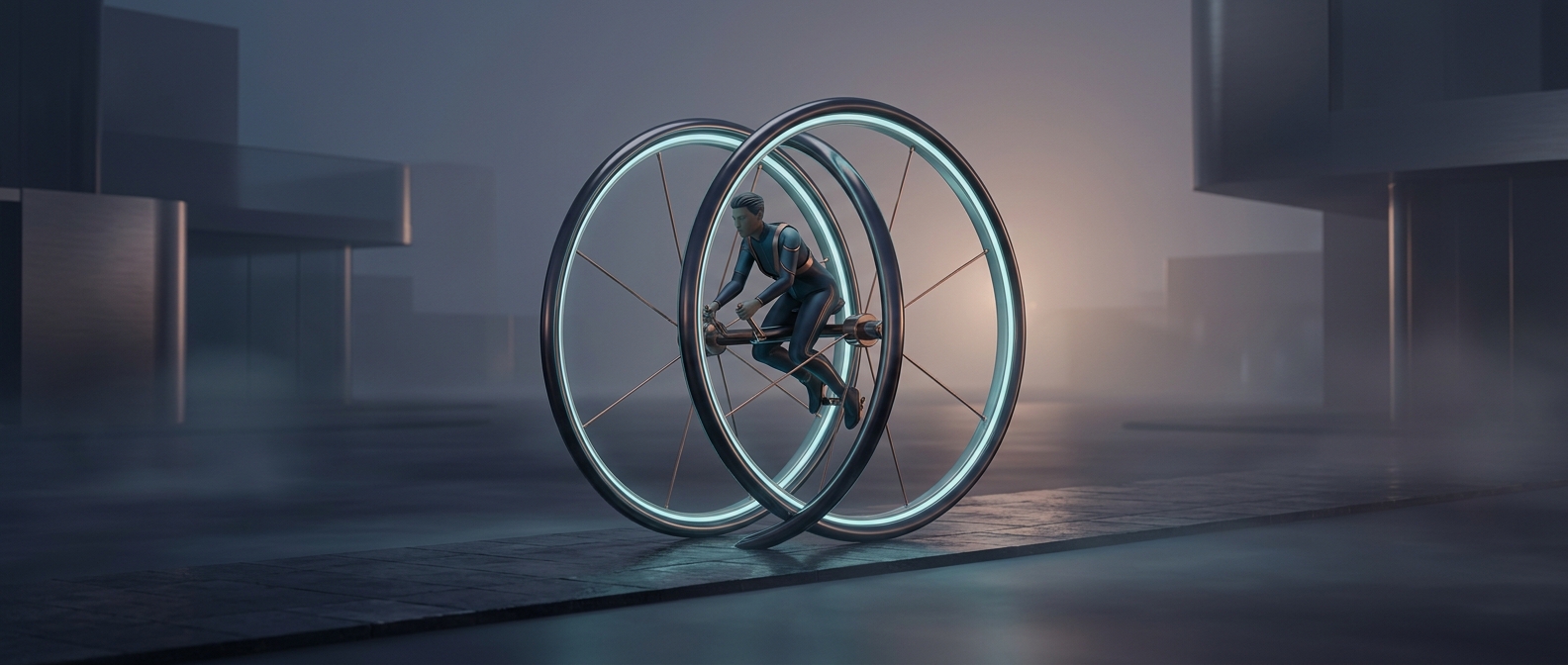
The bicycle with wheels on both sides
Small side wheels catch the bike before it tips, giving a new rider time to learn steering and pedaling without mastering balance first. They turn the first…
Discover more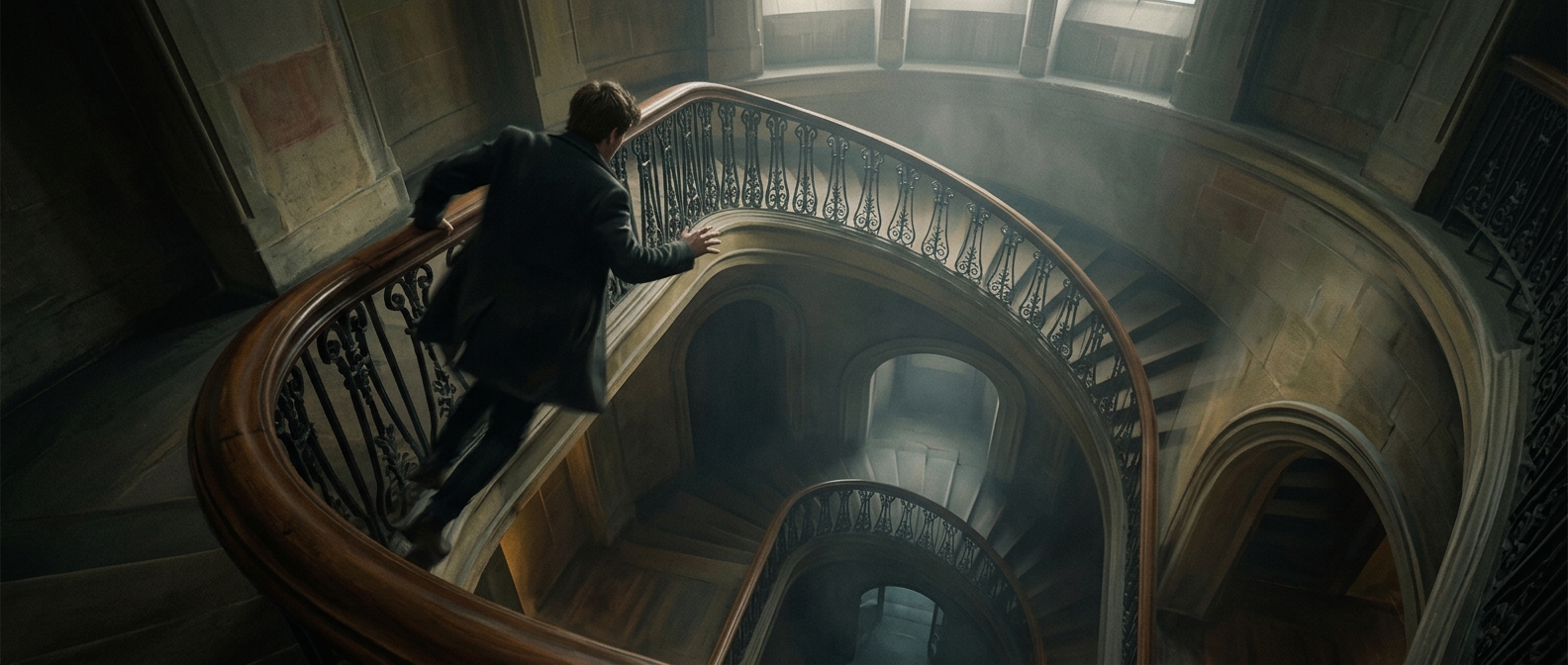
Why sliding down a banister can end badly
A smooth banister gives you little friction to slow down, while gravity keeps adding speed. At the bottom, a hard floor or a sudden turn takes over as the…
Discover more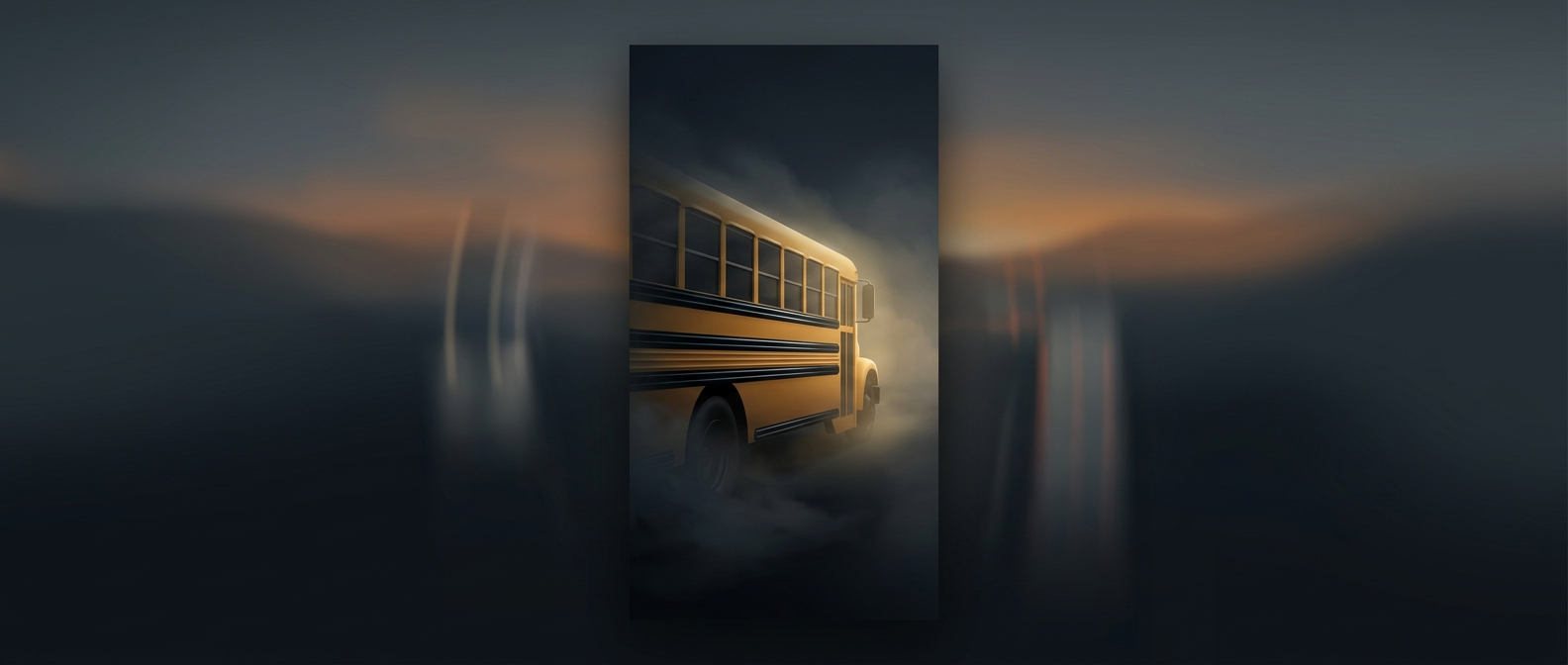
School bus side panels feature rigid black metal rub rails
The metal rub rails protect the bus body and add strength along its sides, where a collision could crush panels inward. They are not decorative pinstripes;…
Discover more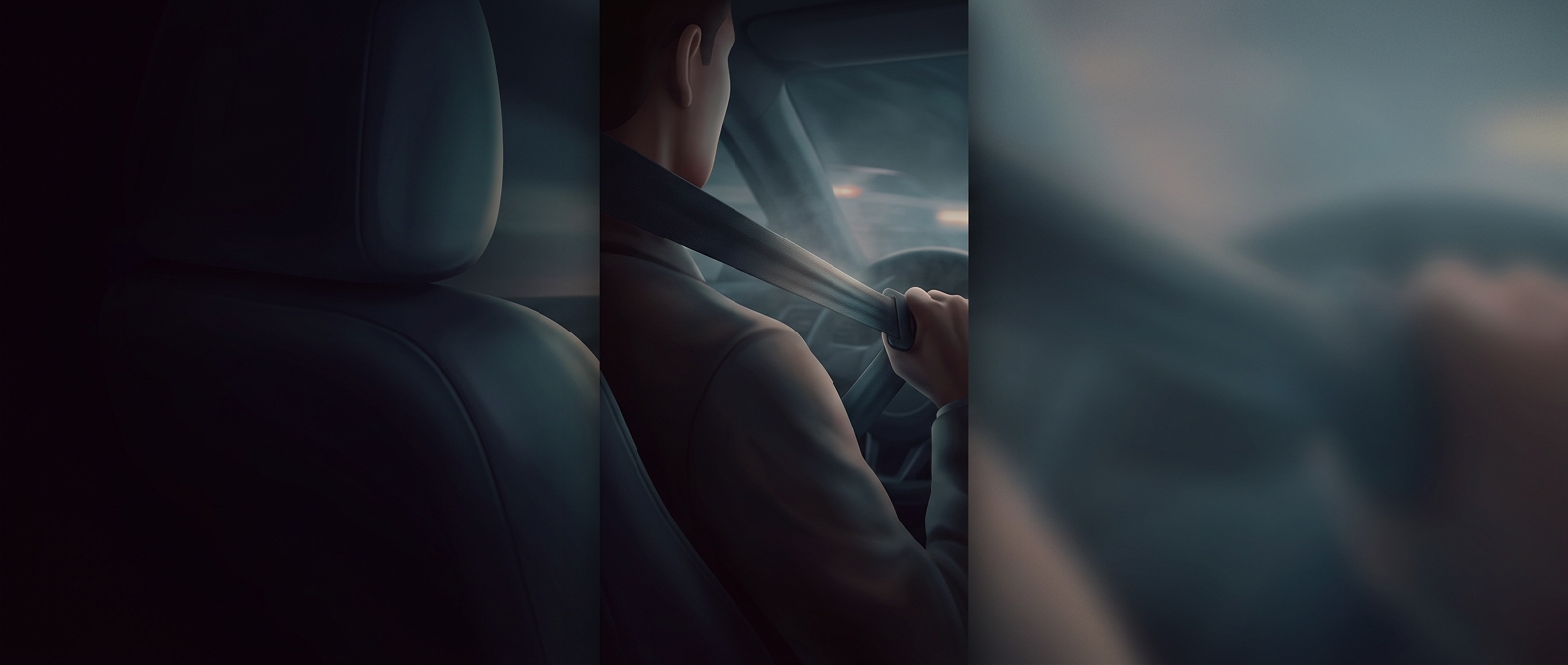
Your seatbelt has a ratchet waiting for a sudden pull
The reel normally pays out webbing so you can move. A quick pull triggers a locking mechanism that engages the reel's teeth; many belts also respond to sudden…
Discover more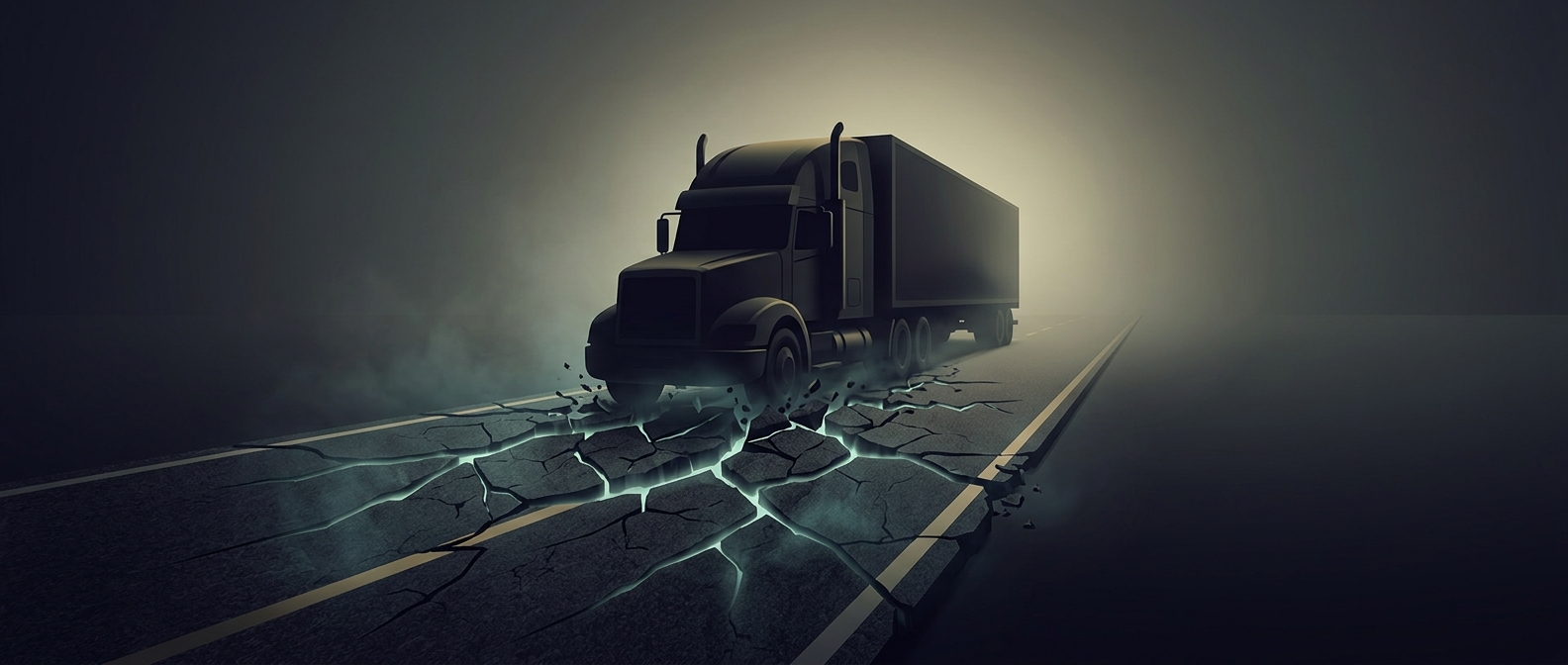
Doubling an axle load can mean 16 times the road damage
A widely used road-engineering rule relates pavement damage roughly to the fourth power of axle load. Double that load and the estimated damage becomes 2 × 2…
Discover more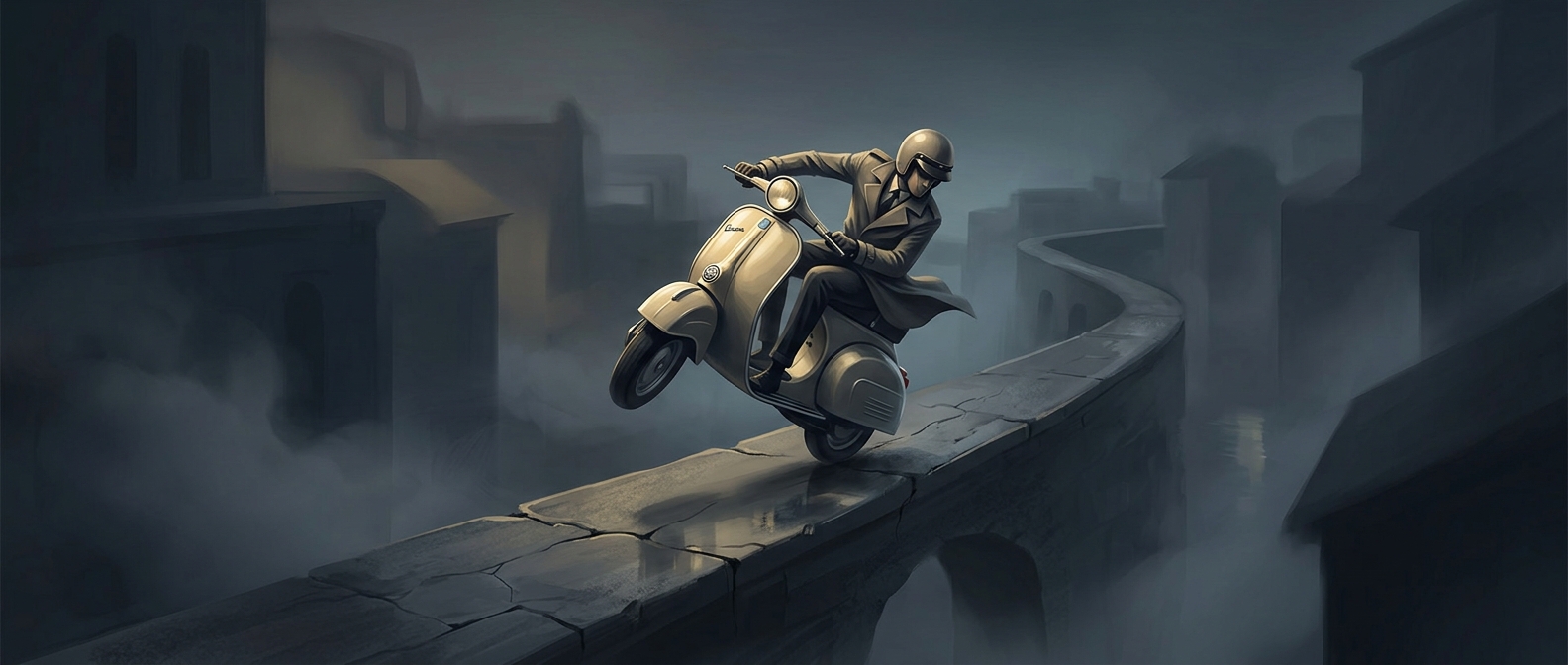
Vespas feature a notoriously unbalanced design
A Vespa packs its engine and transmission beside the rear wheel, making the machine asymmetrical. The spare wheel on the opposite side helps balance the…
Discover more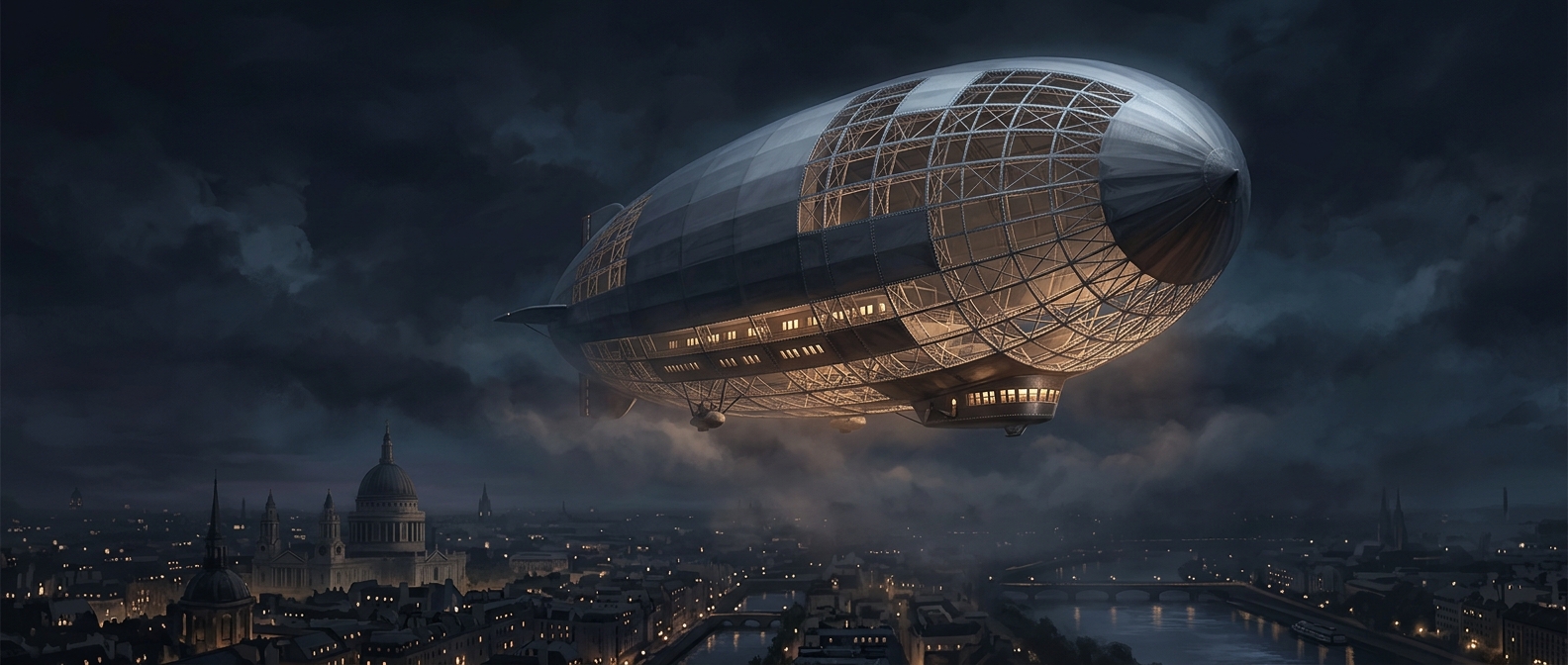
Passenger airships utilized lightweight aluminum frames
A passenger airship needed a frame to hold its long shape, but every extra pound stole lifting capacity. Aluminum offered strength without steel’s weight,…
Discover more
Why submersibles need a ship to reach the sea
Submersibles trade speed and range for the strength to withstand deep-water pressure. Their support ship hauls them to the dive site and handles launch and…
Discover more
Easter Island's airstrip has nowhere nearby to divert
Mataveri Airport occupies a remote island, so the nearest runway lies a long way off across open ocean. Flight plans must account for distant alternates…
Discover more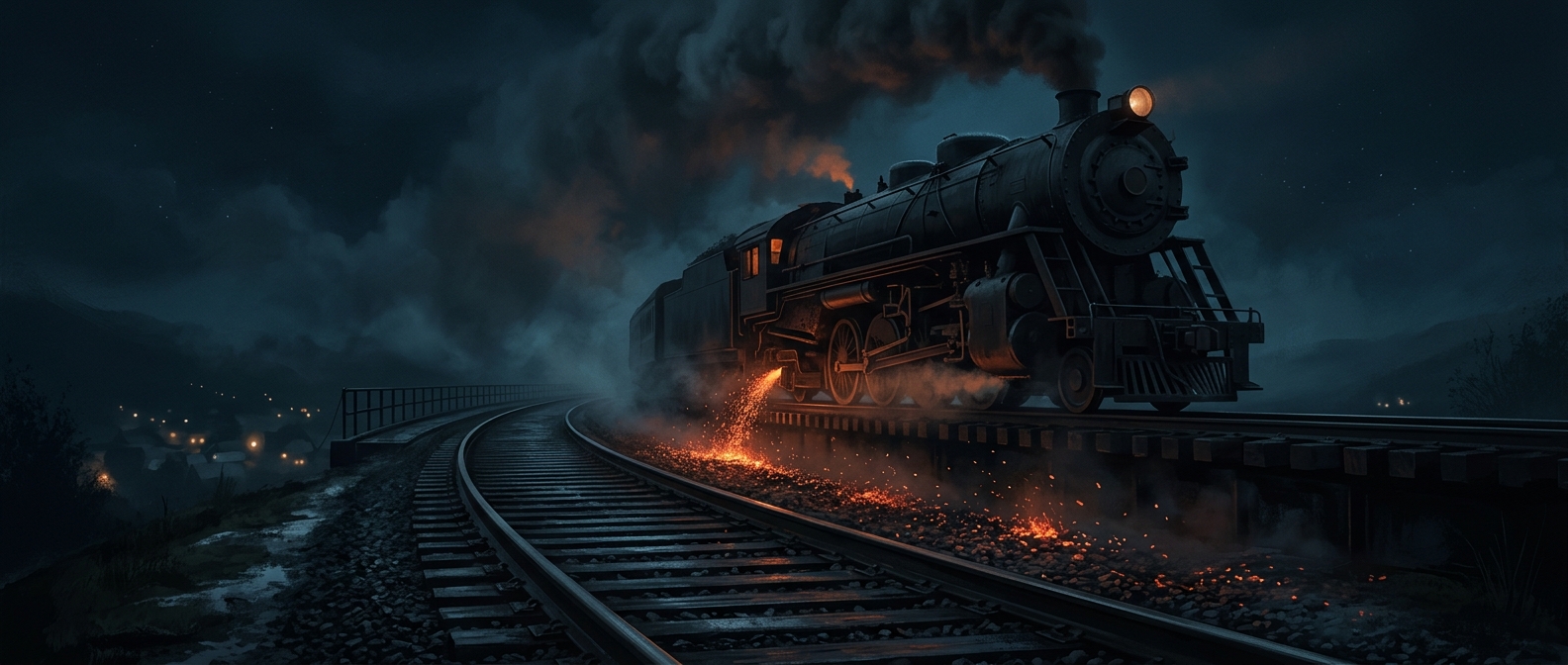
Steam trains left hot ash on the tracks
A steam locomotive’s firebox sent sparks and hot cinders out through the exhaust, and ash could spill from the firebed beneath it. Those embers landed beside…
Discover more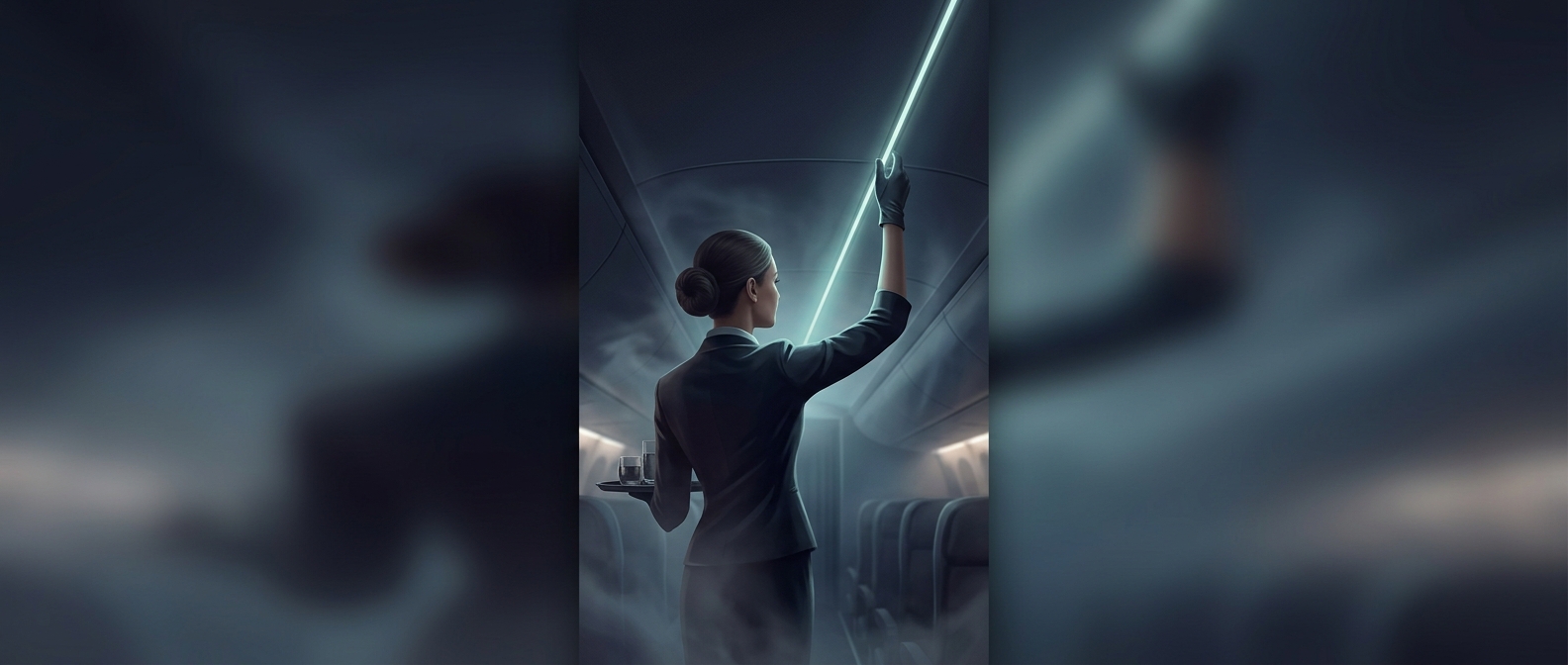
The hidden handrail flight attendants use
A continuous handrail runs beneath the overhead bins, giving flight attendants something to grip as they move through the cabin during turbulence.
Discover more
Hot air balloons use a top parachute valve to descend
Pull the control line and the fabric valve at the balloon’s crown opens, letting hot air escape. Less hot air means less lift, so the balloon descends;…
Discover more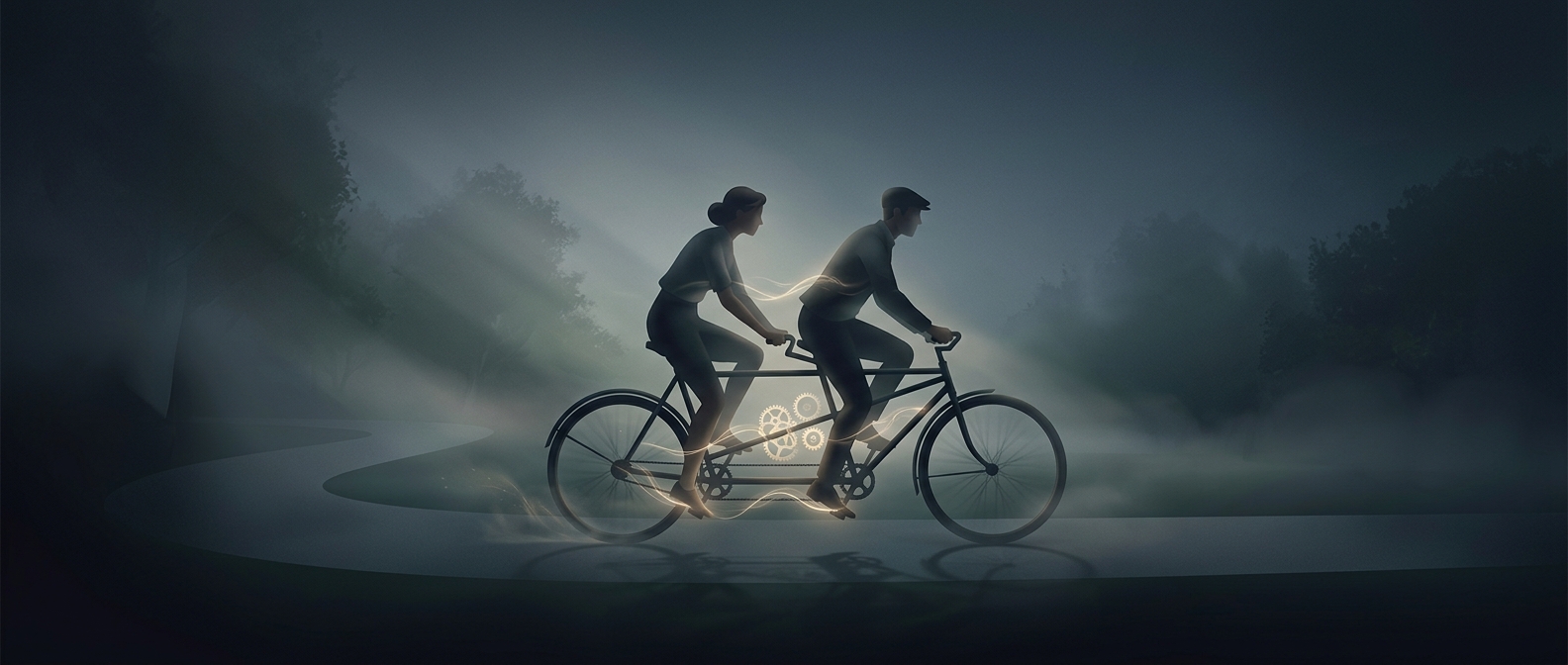
Tandem bikes force riders to pedal in unison
The timing chain keeps the front and rear pedals rotating in sync, while each rider adds power to the same trip. One rider sets the cadence and the other…
Discover more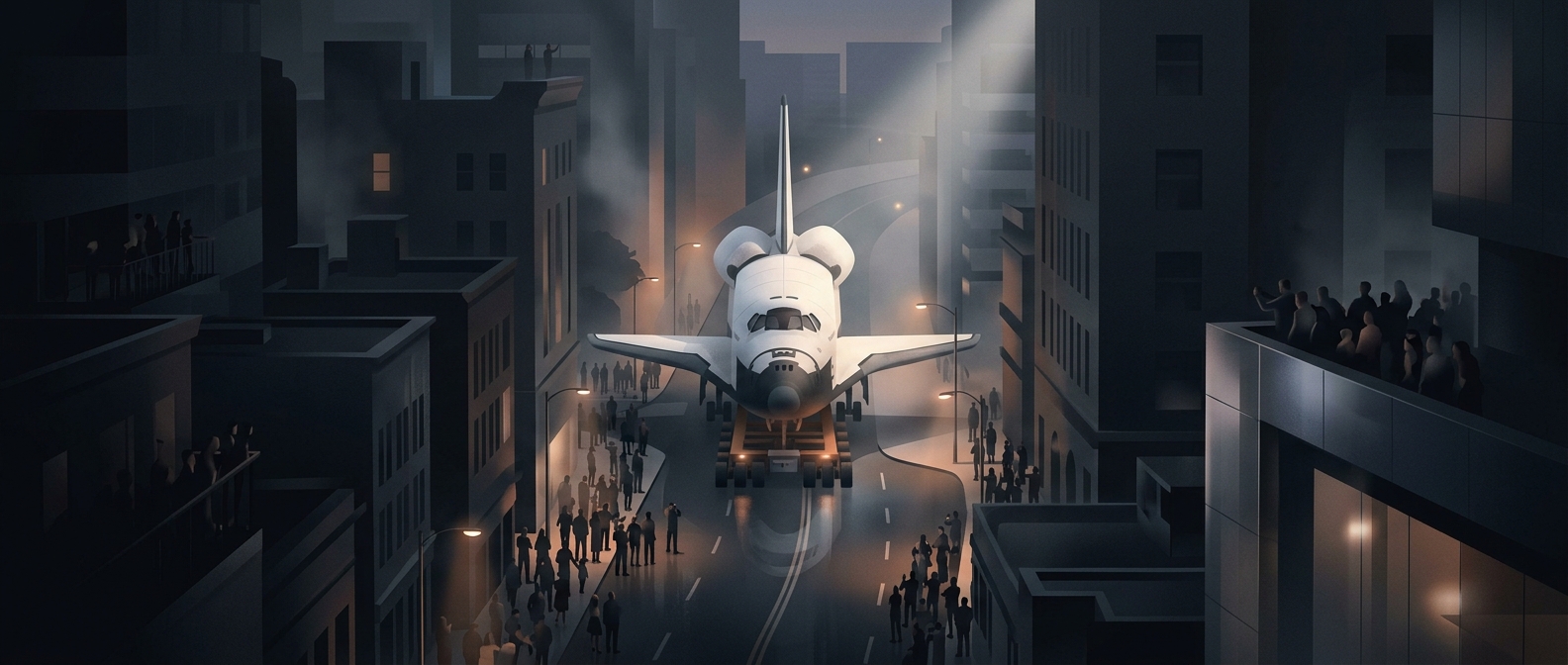
How Endeavour became an LA traffic problem
Endeavour was too large to slip through Los Angeles streets unnoticed, so crews carried the shuttle on a special transporter and cleared its route of…
Discover more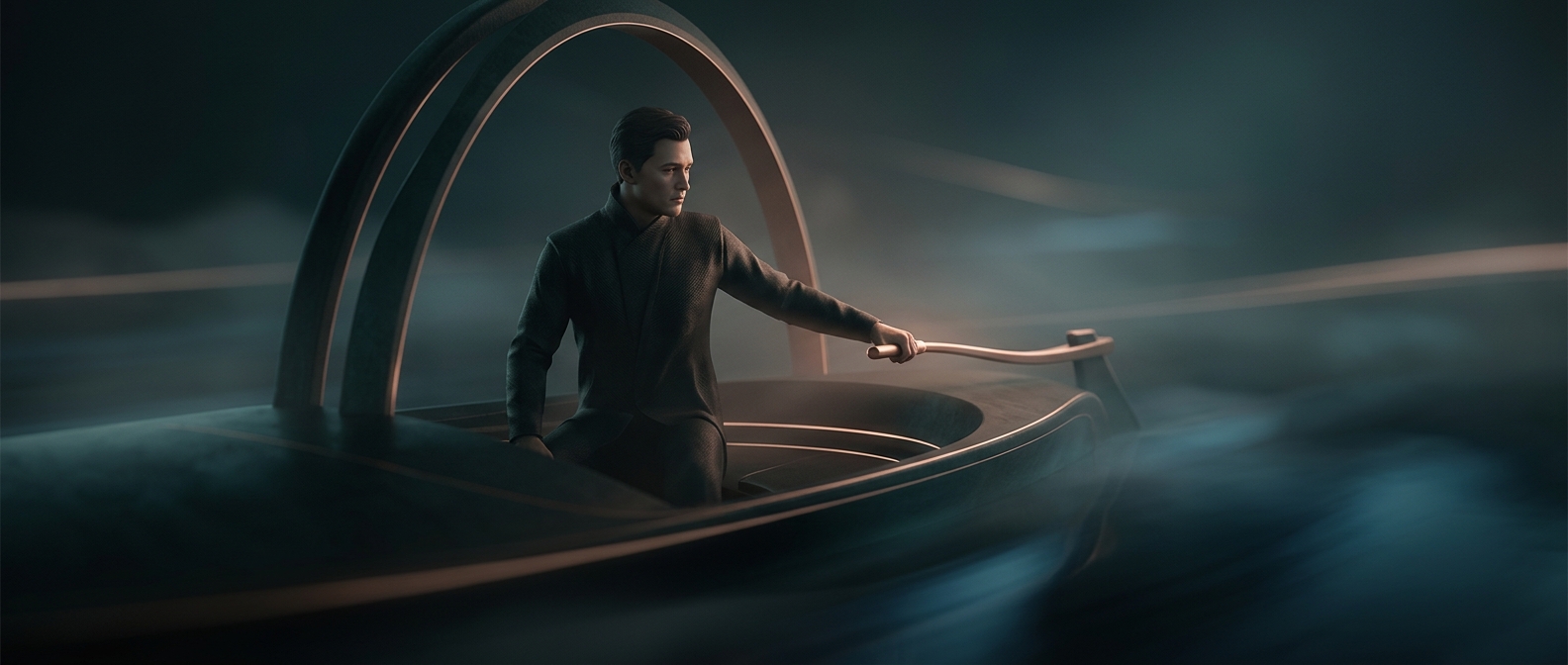
Tiller steering forces operators to think backward
A tiller moves the rudder, but the bow turns the opposite way: push the handle left and the boat turns right. Steering becomes a small exercise in telling…
Discover more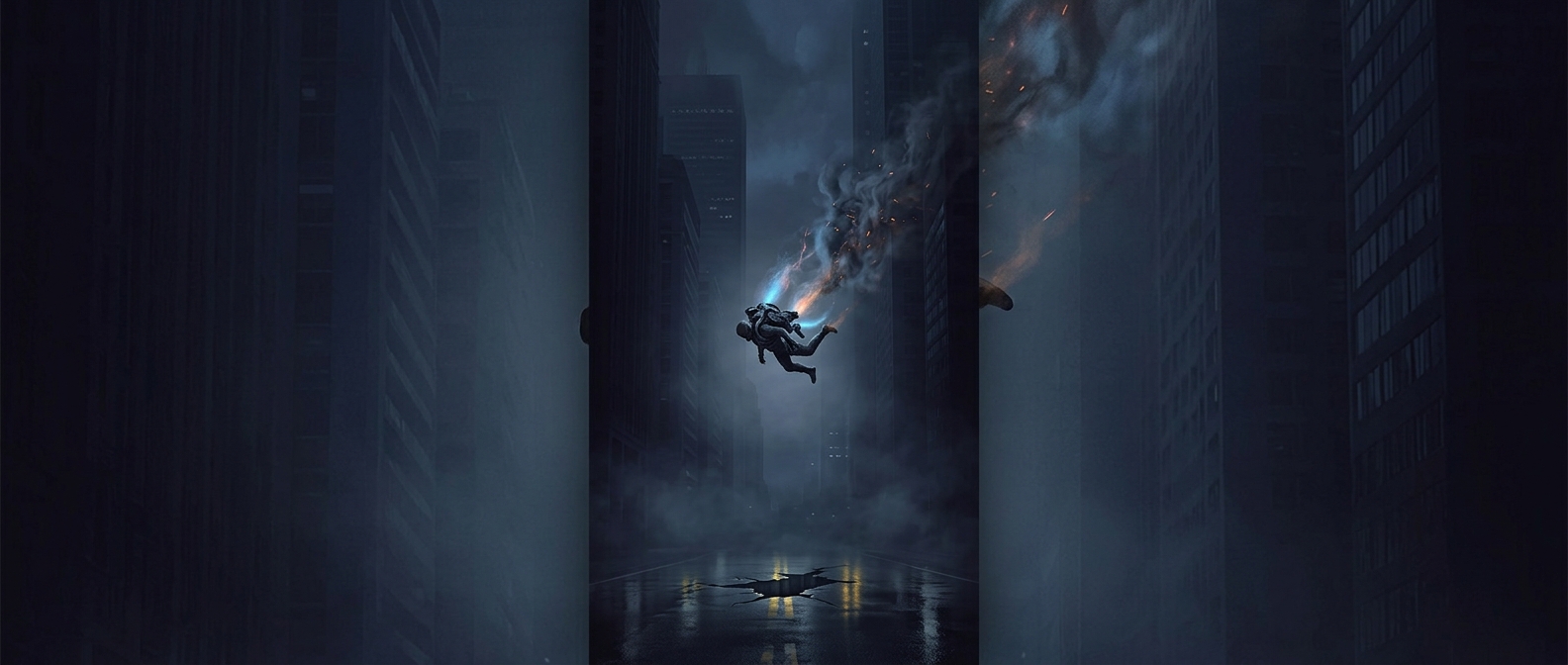
Jetpack flights risk catastrophic low altitude crashes
A jetpack pilot needs room to correct a wobble or steer away from trouble. Close to the ground, there’s no time or altitude to recover before impact—an…
Discover more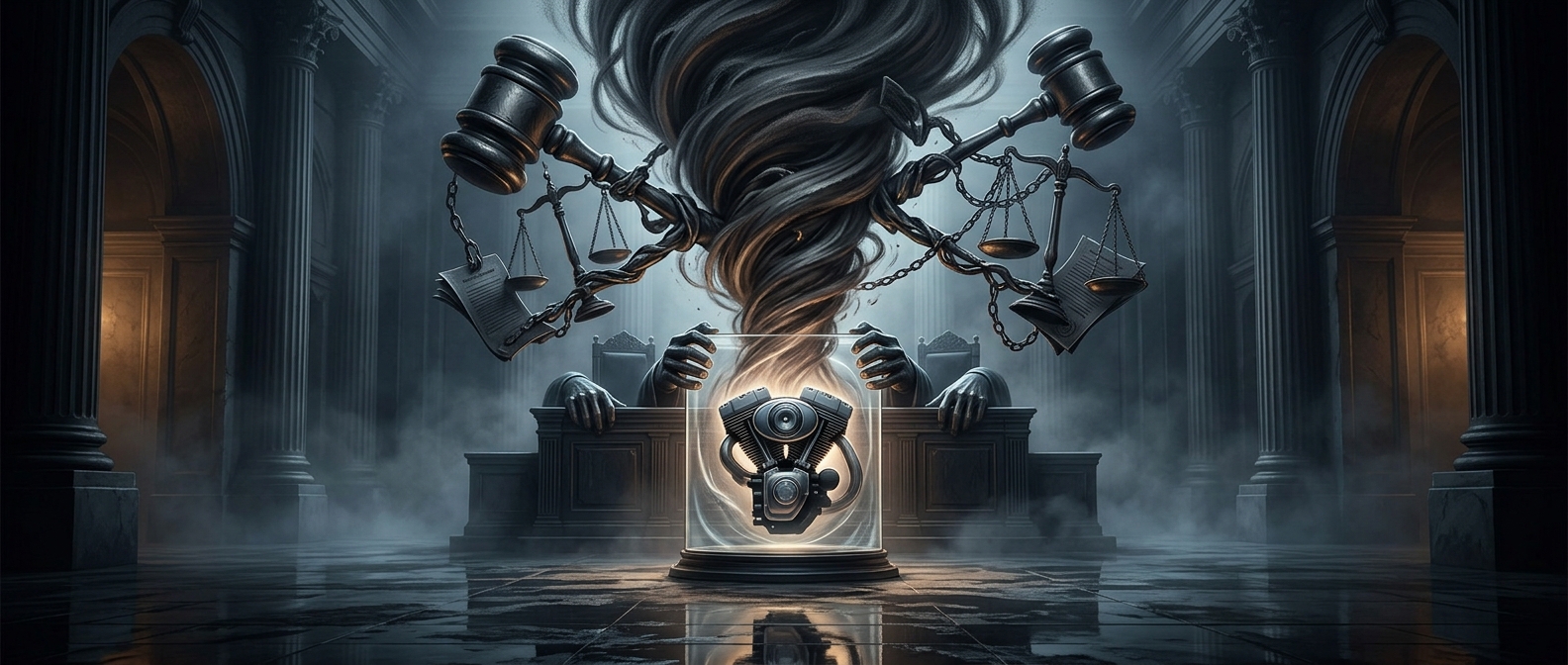
The motorcycle company that tried to trademark an engine sound
Harley-Davidson tried to register the distinctive exhaust sound of its V-twin motorcycles as a trademark. Rivals objected, and the company eventually withdrew…
Discover more
Slapping devices together to exchange bytes
The devices' antennas create a short-range electromagnetic link when brought close together, sending a small packet of data between them. That tap is the…
Discover more