The world is more interesting than you think.
Unexpected facts, big ideas, and little discoveries. Find something that sparks your curiosity today.
A little more wonder
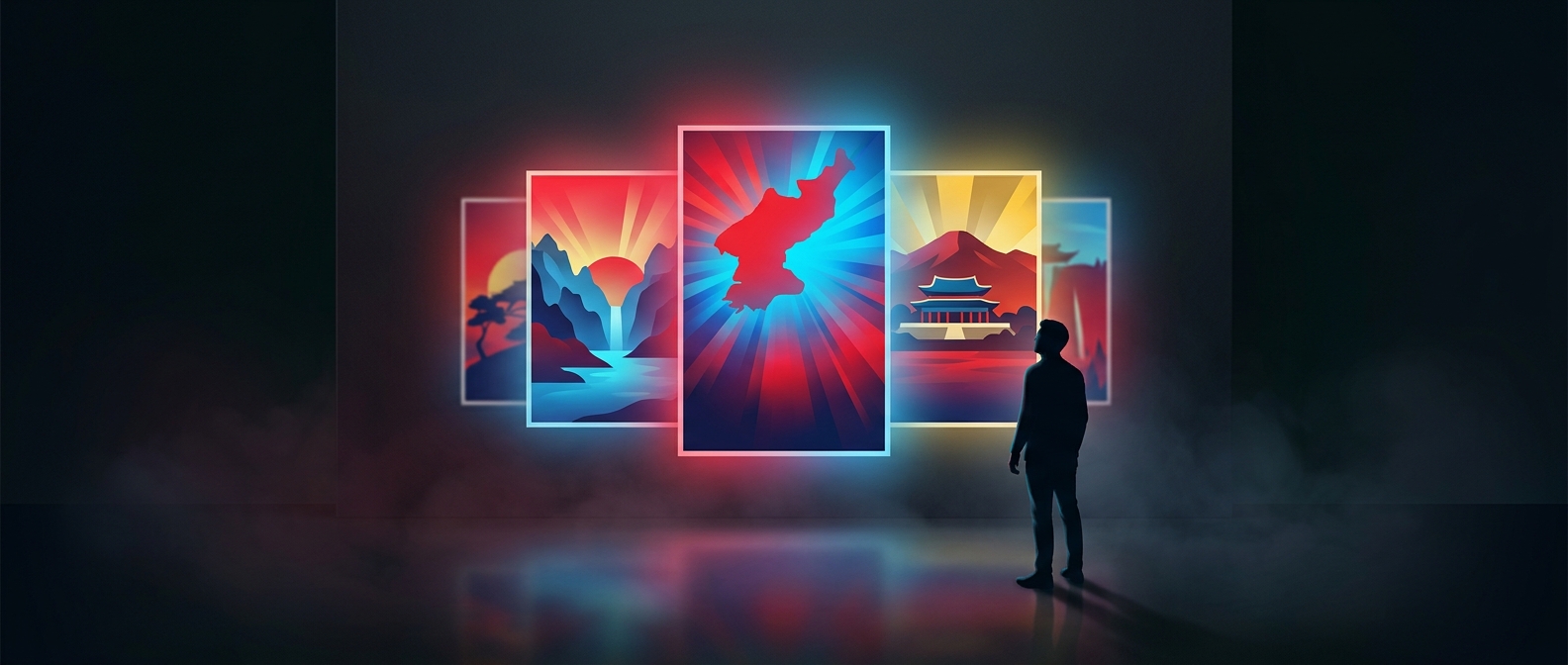
How North Korean posters use color to shape perception
The saturated colors in North Korean travel posters do more than decorate a scene: bright skies and vivid reds give it a polished, nostalgic mood. That makes…
Discover more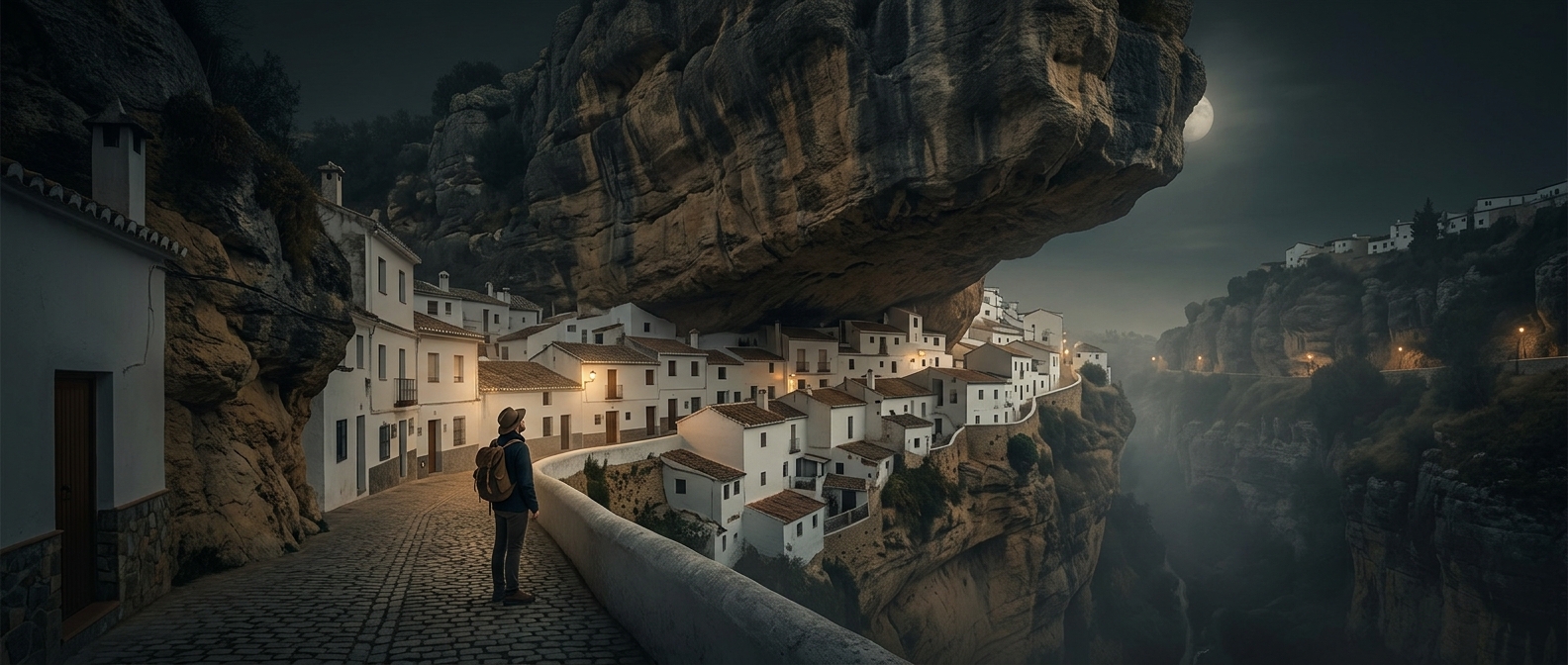
The Spanish town built beneath giant rock overhangs
In Setenil de las Bodegas, buildings fit beneath the rock lining the river gorge. The overhang becomes part of the roof instead of an obstacle to clear away.…
Discover more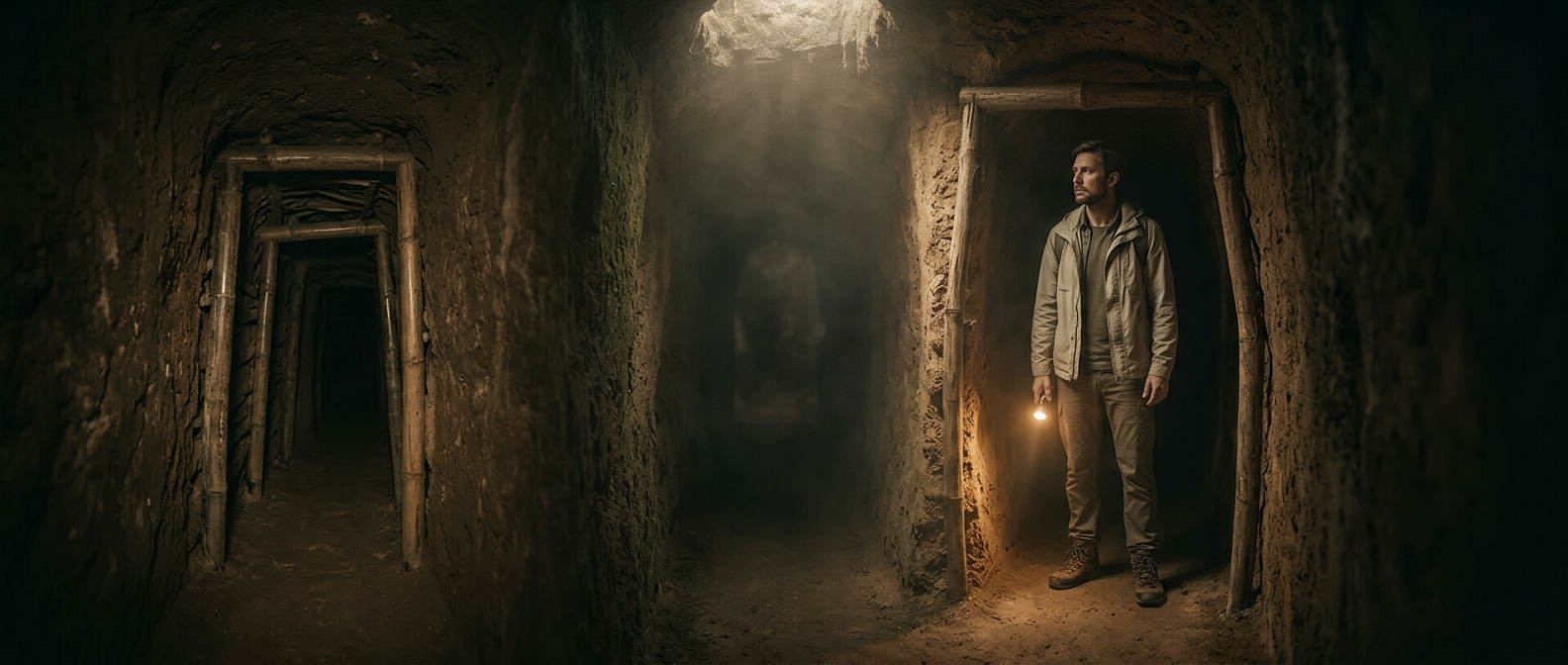
Cu Chi tunnels were widened for tourists
Select sections were enlarged for visitors, making the original narrow guerrilla-warfare tunnels easier for tourists to crawl through.
Discover more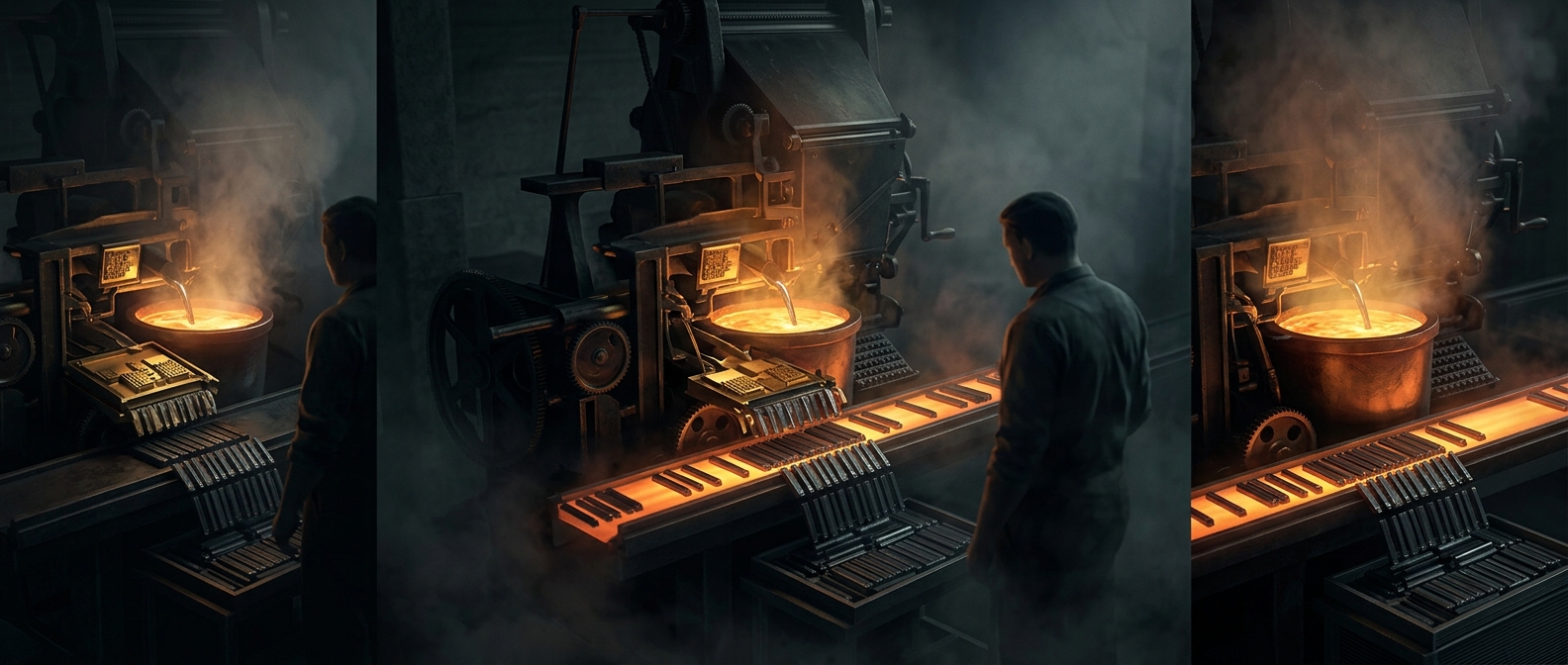
A Linotype turned keyboard strokes into solid lines of metal
Pressing the keys assembled molds for the letters and spaces. Molten lead alloy was cast against them to make a complete line of type, after which the molds…
Discover more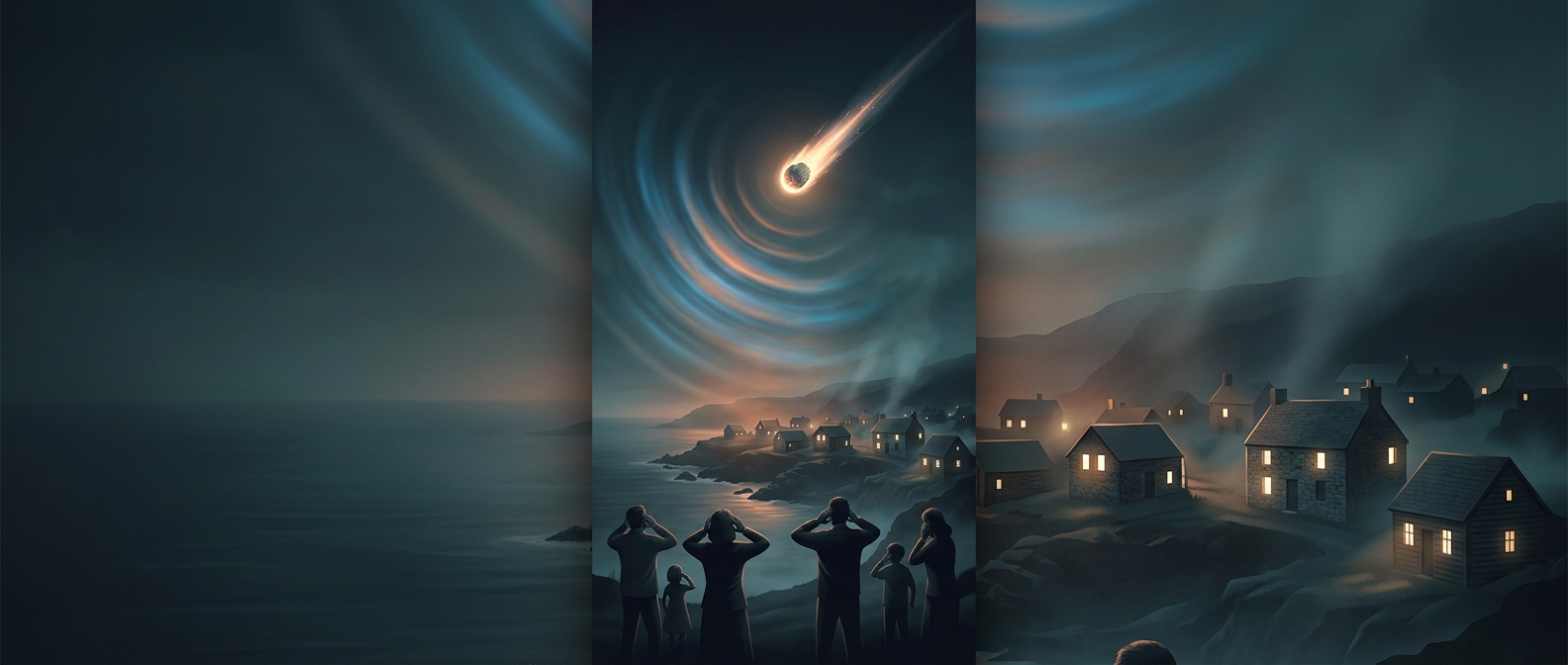
The meteorite people heard before it struck
The sound of a meteor should lag behind its light because sound crawls through air more slowly. But reports of hissing before impact may have another…
Discover more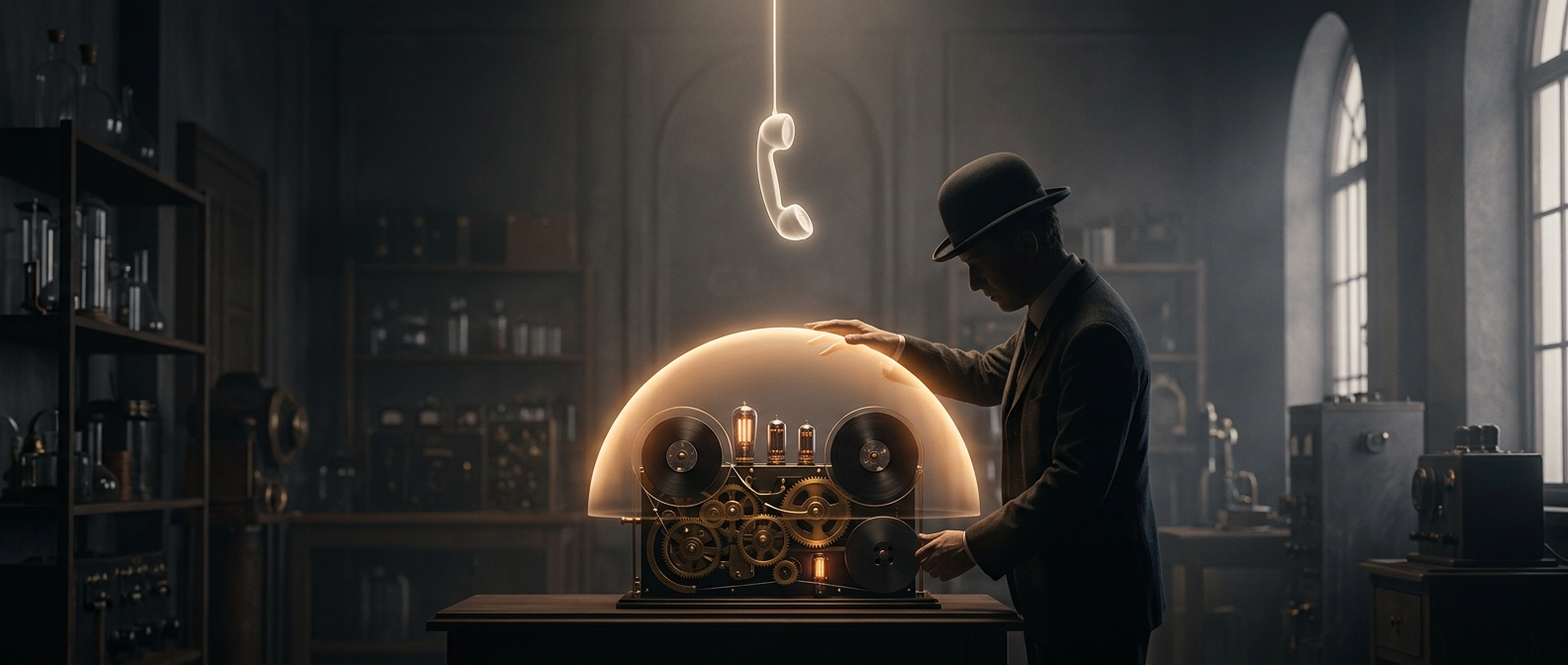
Why AT&T hid the answering machine
In 1934, Bell Labs engineer Clarence Hickman built an automatic answering machine, but AT&T hid the prototype. Executives feared that recording calls would…
Discover more STACKY FOR IPHONE
A bigger world.
One discovery
at a time.
Keep discovering with Stacky. Interesting facts in an app that is always within reach.
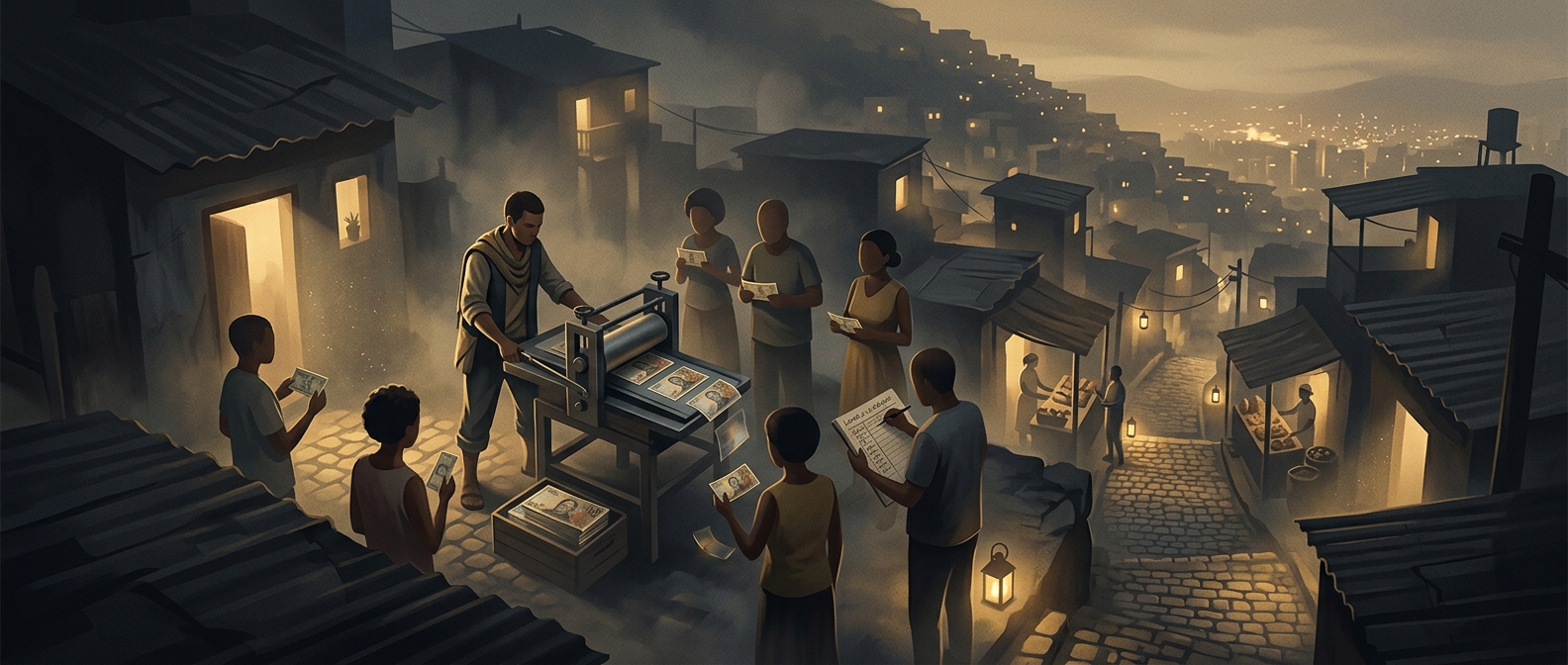
A neighborhood built the bank that would lend to it
Residents of Conjunto Palmeiras in Brazil founded Banco Palmas in 1998 after struggling to obtain conventional credit. Its local currency, the Palma, could be…
Discover more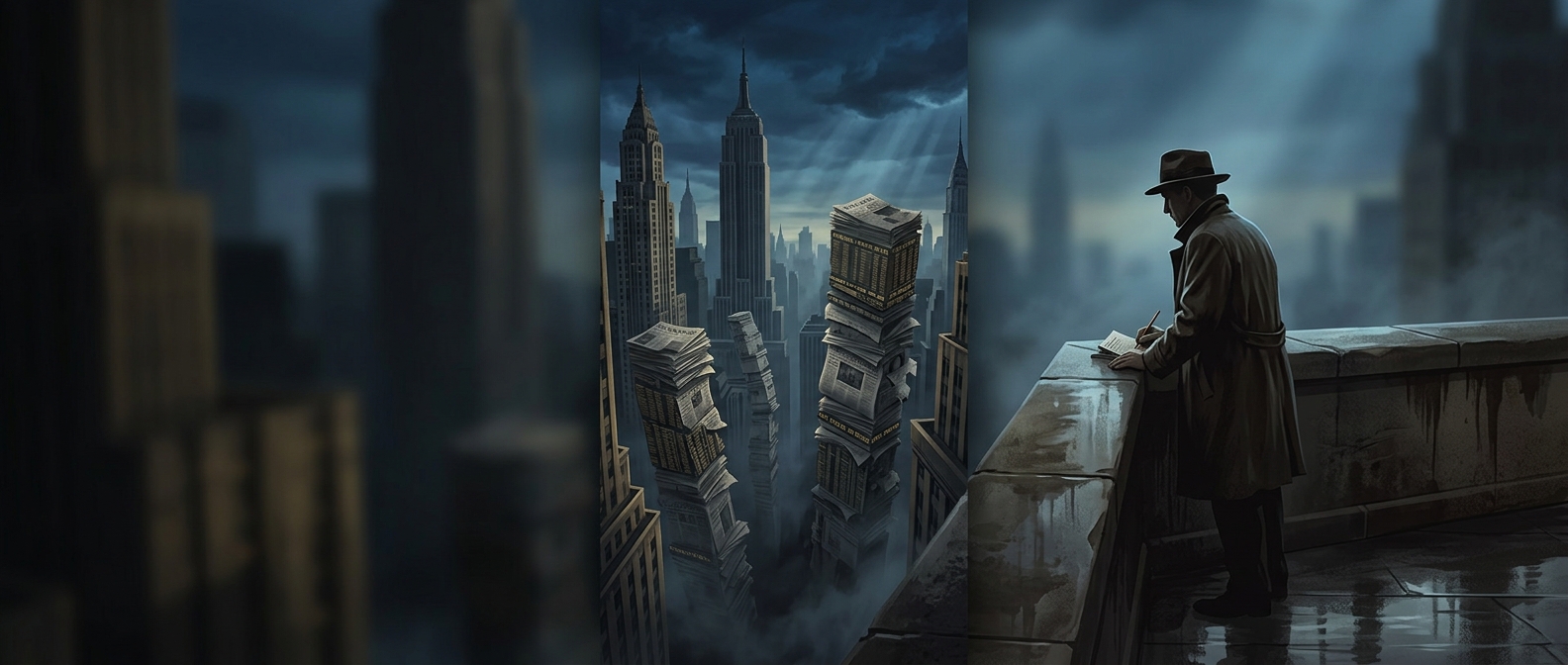
The journalist who saw the 1929 crash coming
Borrowers used banks’ call-money loans to buy stocks, then used the rising market to keep the speculation going. Noyes warned that if the loans were called,…
Discover more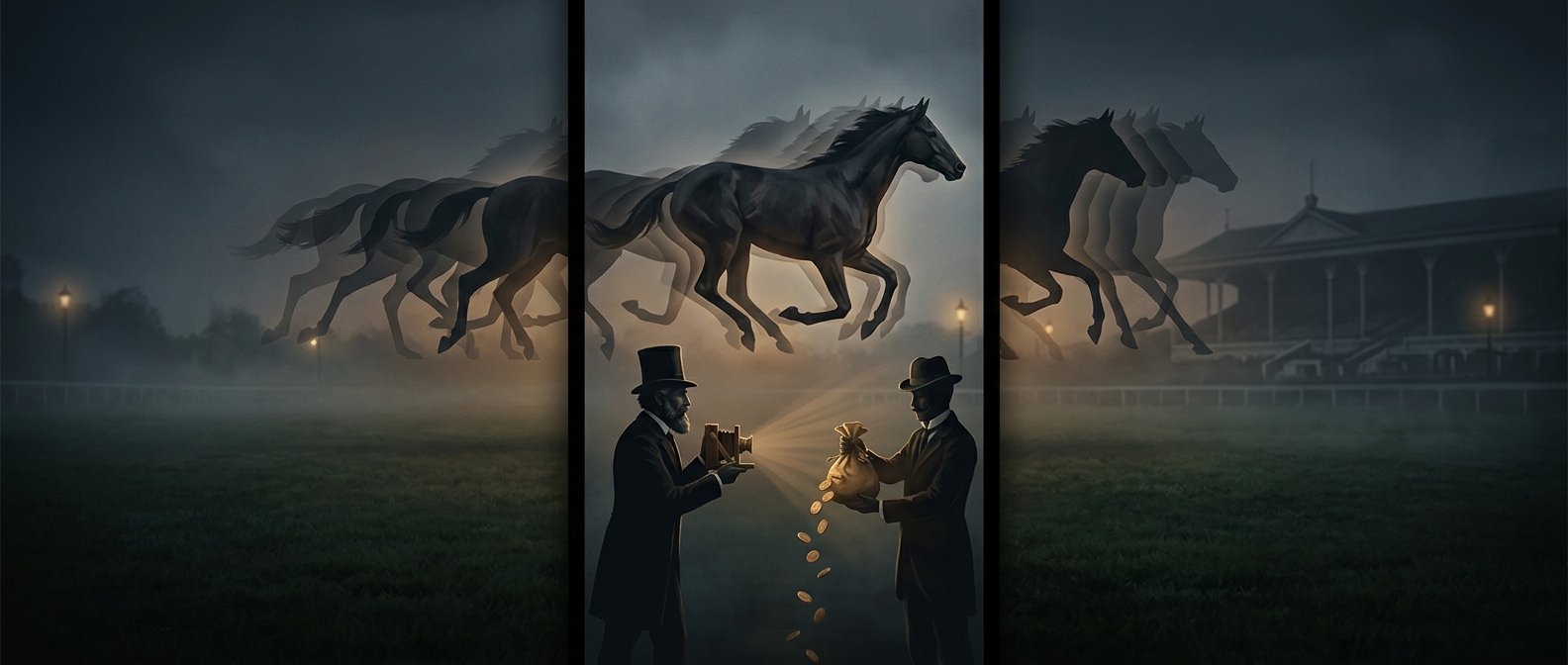
A galloping horse helped photography catch what eyes miss
In 1878, Eadweard Muybridge photographed a horse for Leland Stanford using a sequence of cameras triggered along its path. The images showed all four hooves…
Discover more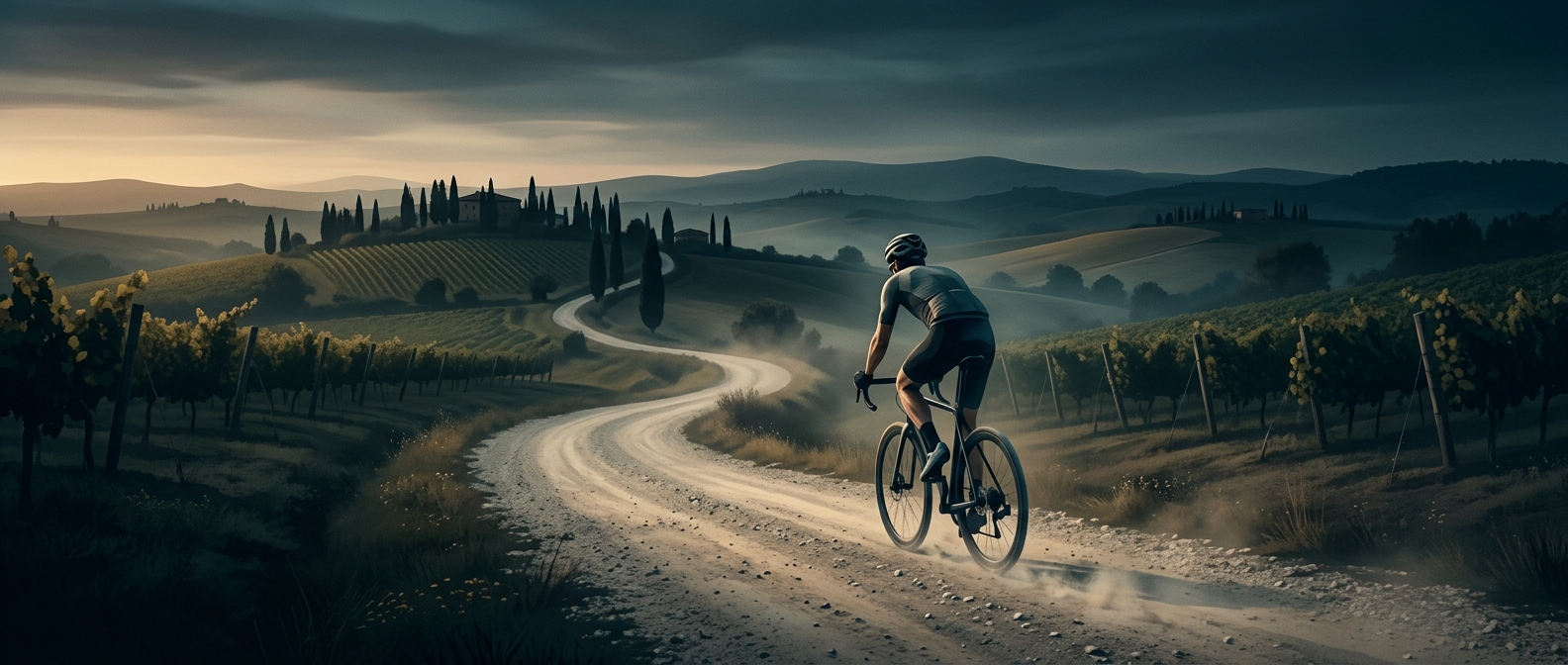
Cyclists helped save Tuscany’s gravel roads
Local cyclists campaigned to keep the Strade Bianche’s unpaved roads from being modernized. Preserving them turned the gravel routes into a destination for…
Discover more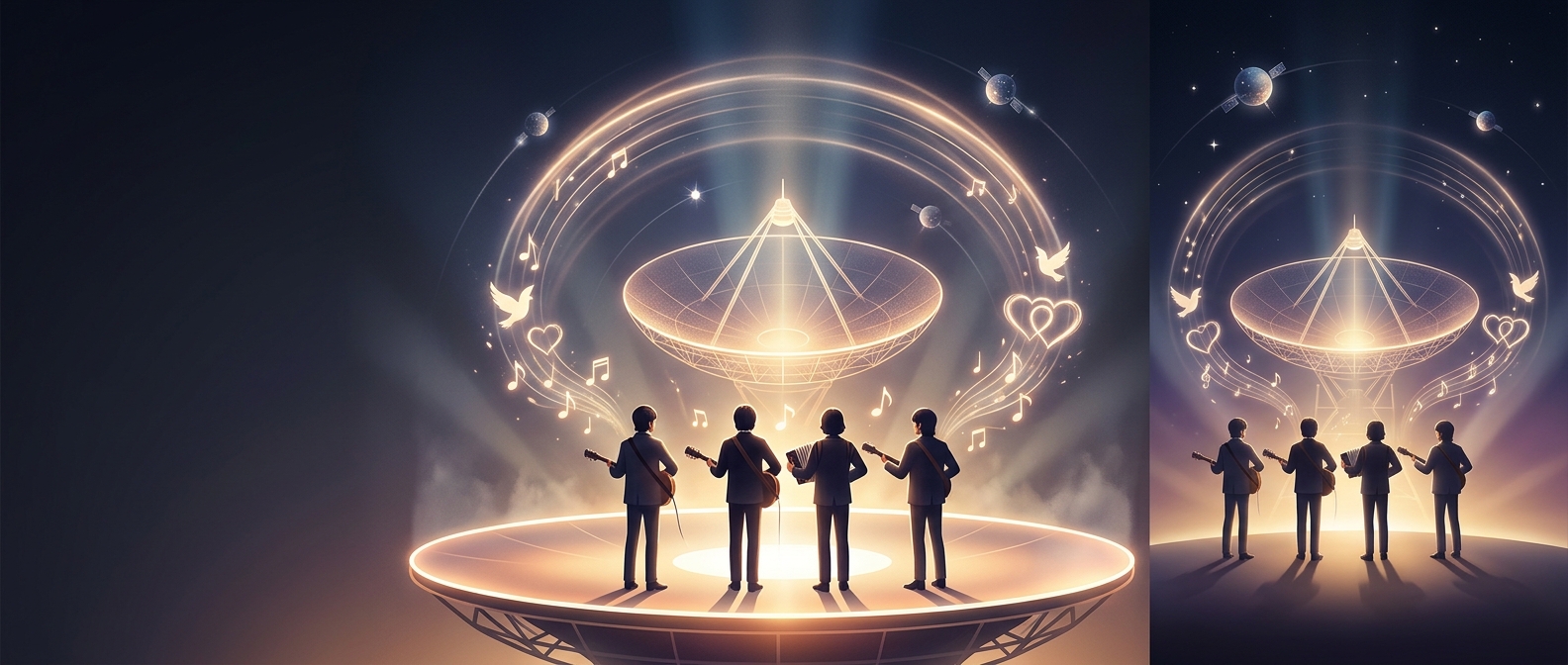
The Beatles wrote All You Need Is Love for live satellite TV
For a 1967 live satellite broadcast spanning fourteen countries, the BBC asked the Beatles for a song simple enough for a global audience. They performed “All…
Discover more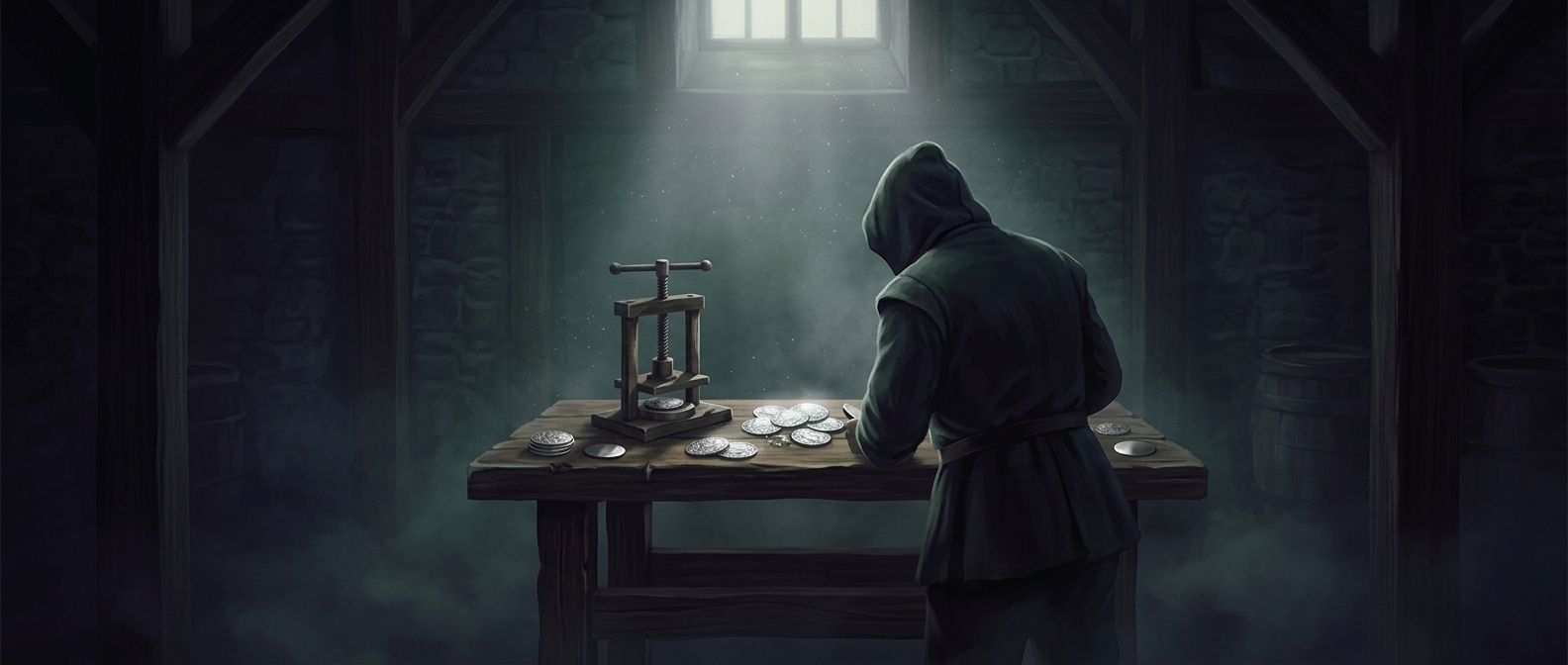
A coin dated 1652 could have been minted decades later
Massachusetts Bay's mint continued putting 1652 on most of its silver coins long after that year. Colonial Williamsburg holds a pine-tree shilling bearing the…
Discover more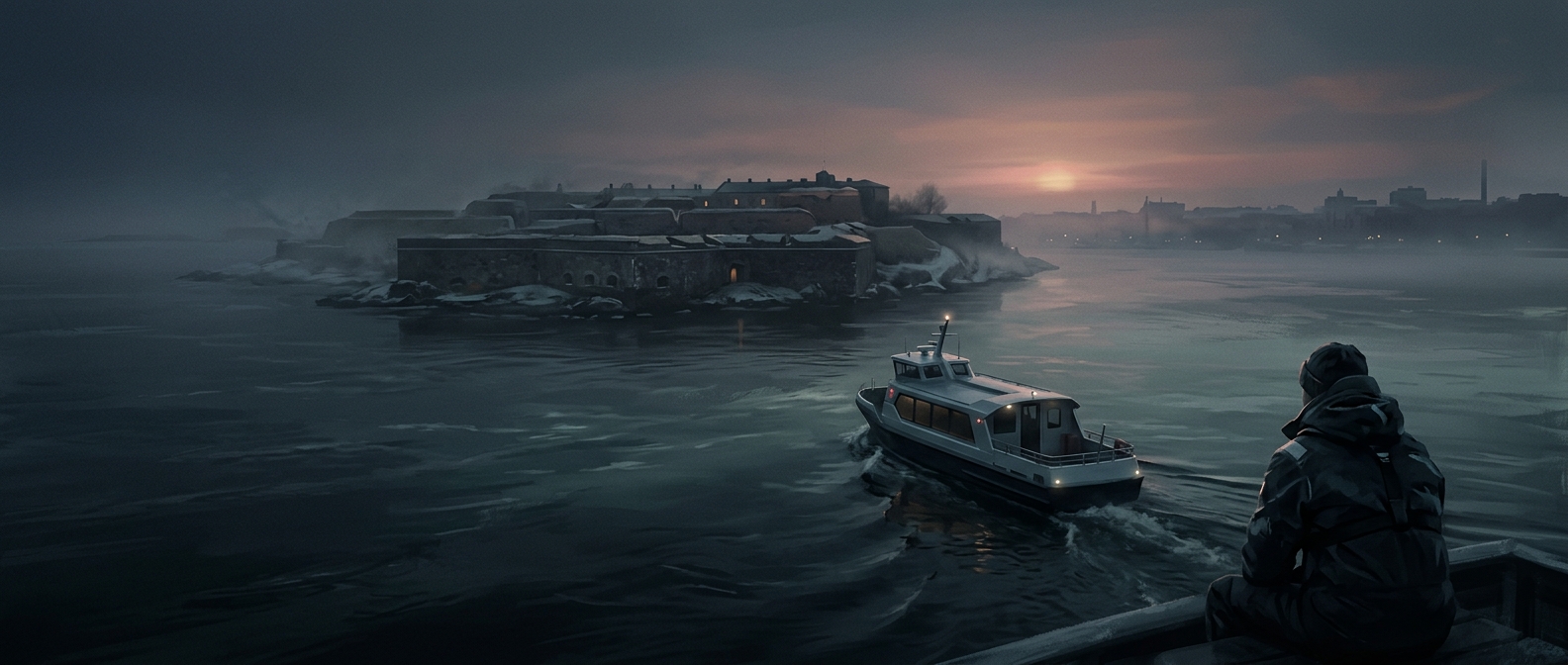
A Swedish fortress became home to Finnish residents
Built by the Swedish crown to defend against Russia, Suomenlinna still has functioning dry docks and artillery bunkers alongside ordinary homes.
Discover more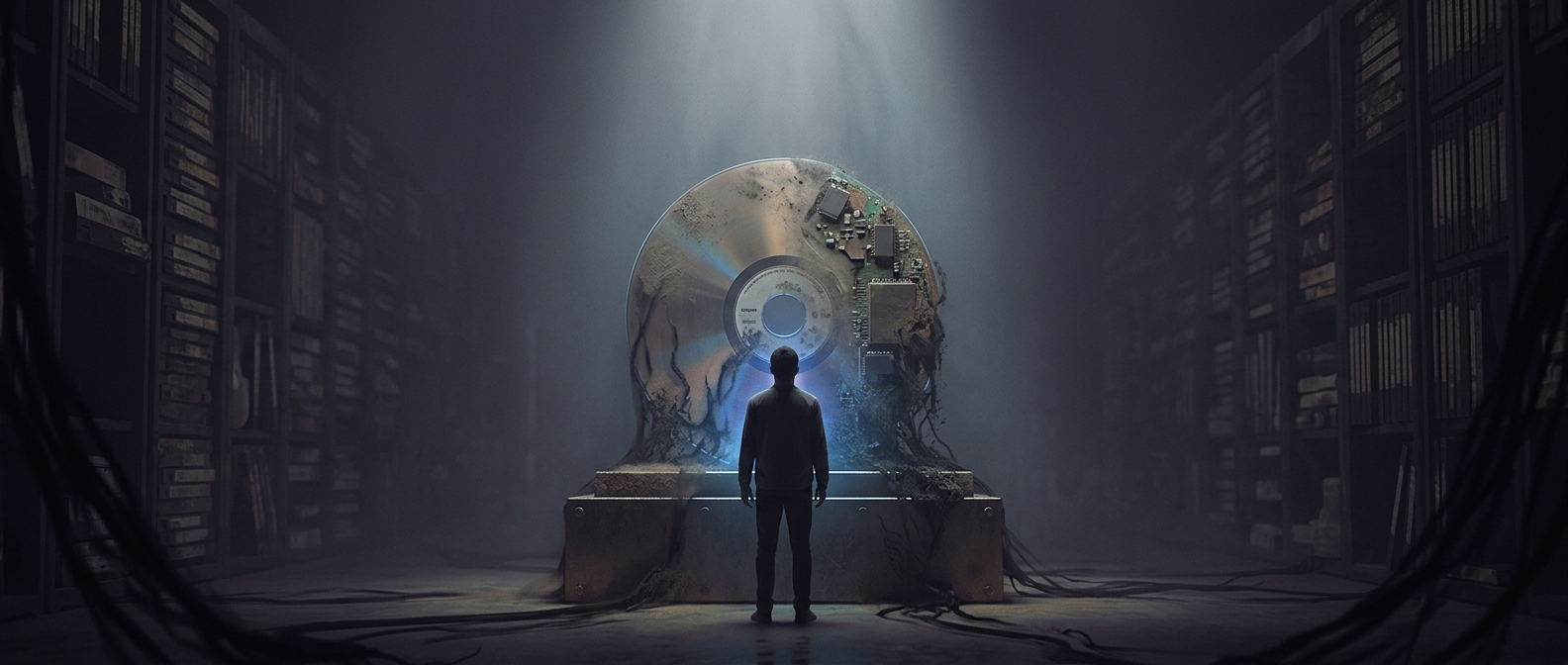
The BBC built a time capsule nobody could read
The BBC intended its 1986 archive of photos, maps, and text to last 1,000 years, but stored it on proprietary interactive LaserDiscs that were inaccessible by…
Discover more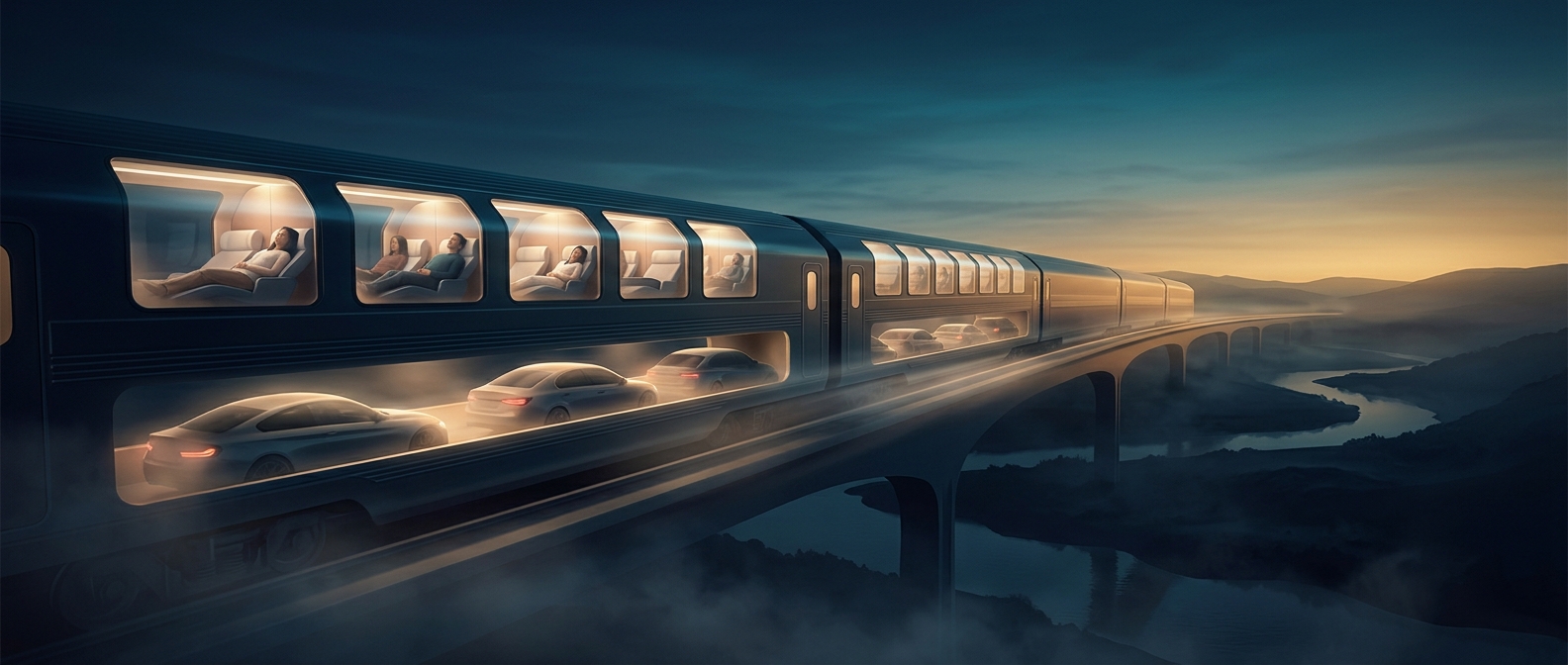
The Australian train designed to let drivers sleep
On remote Australian mining railways, automation handles routine driving tasks such as keeping speed and braking, easing the burden on crews over long,…
Discover more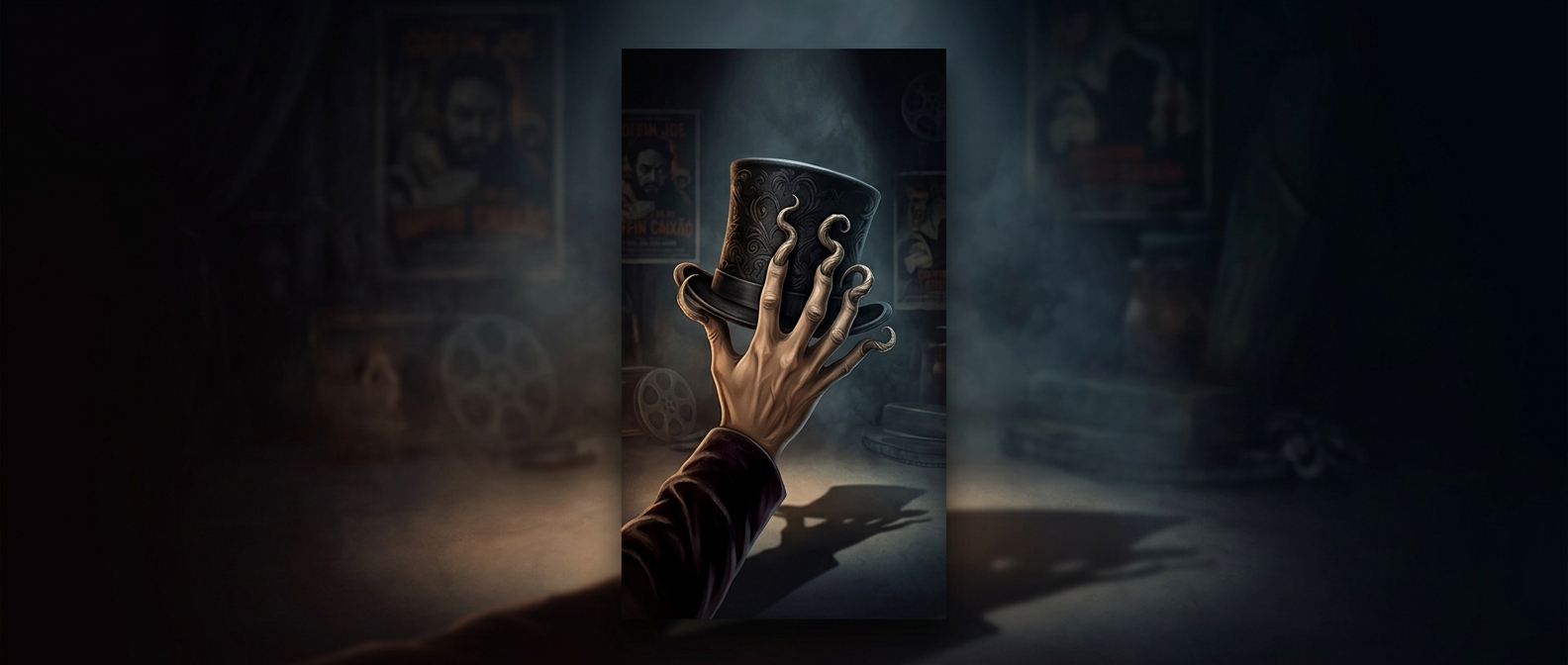
He grew curling nails to play Coffin Joe
Marins grew his thumbnails for decades to create Coffin Joe’s talon-like look, and even sold his furniture to finance his films.
Discover more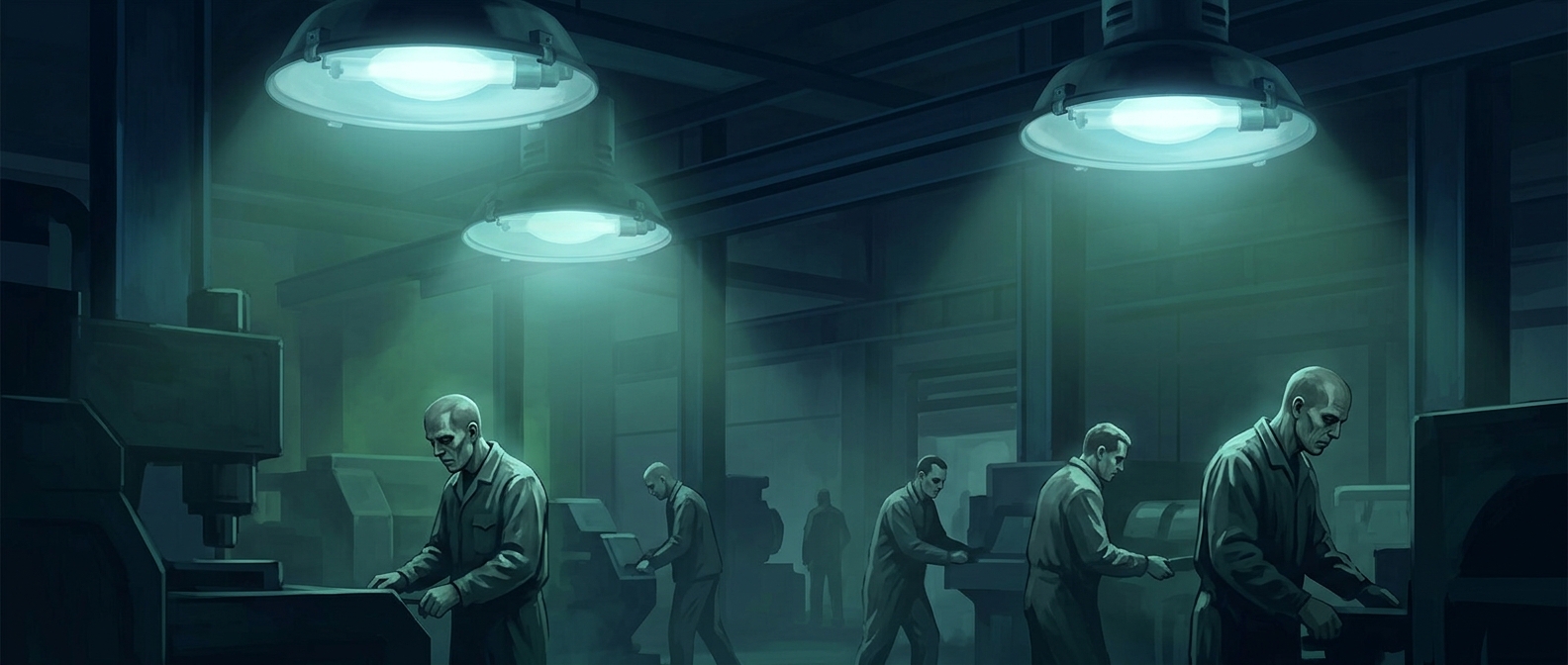
An early mercury lamp made red objects look nearly black
The Cooper Hewitt mercury-vapor lamp produced efficient light with very little red in its spectrum. Without much red light to reflect, red surfaces could look…
Discover more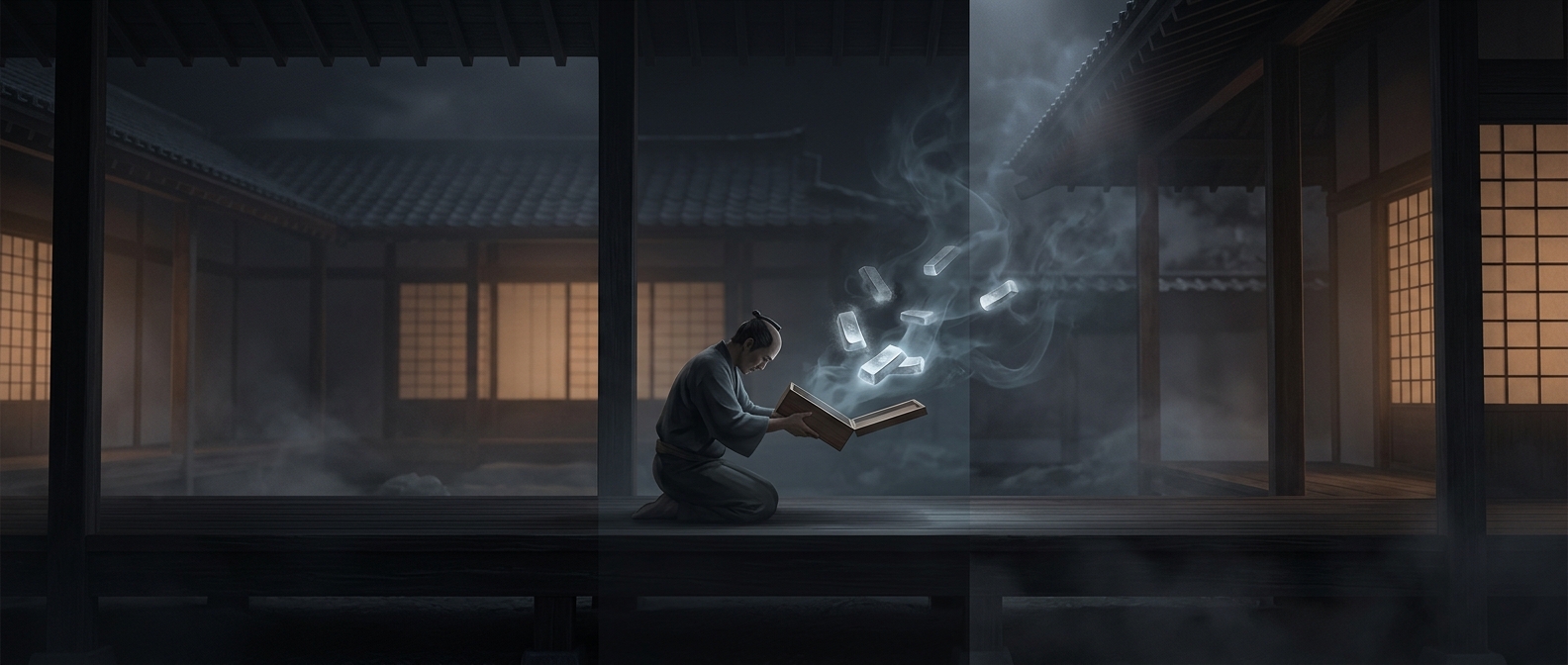
Japanese warlords put a money value on farmland
Under the kandaka system, land was assessed in monetary units associated with copper coins. That made different fields comparable on a ruler's accounts, even…
Discover more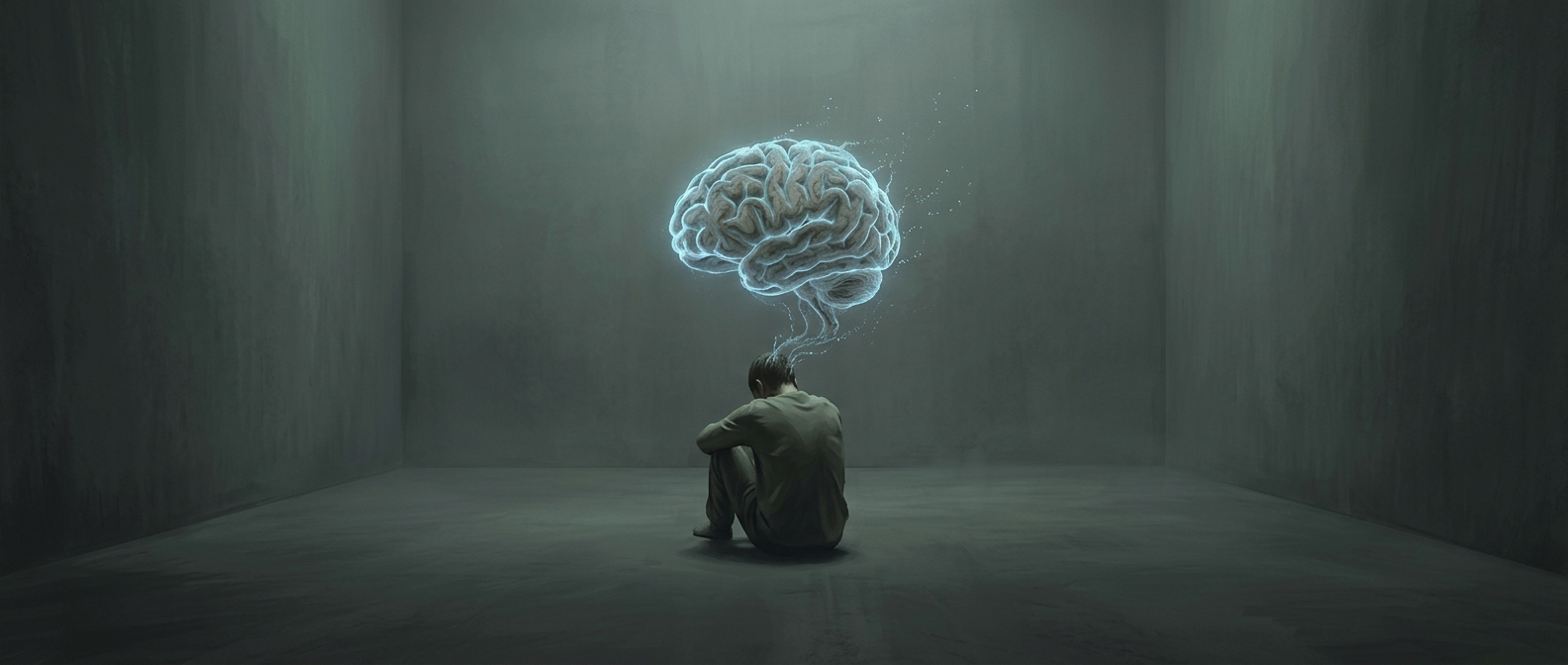
A richer environment can physically reshape the brain
Give an animal a more varied, stimulating environment and its brain can develop differently from one in a bare enclosure. The brain is not a fixed lump:…
Discover more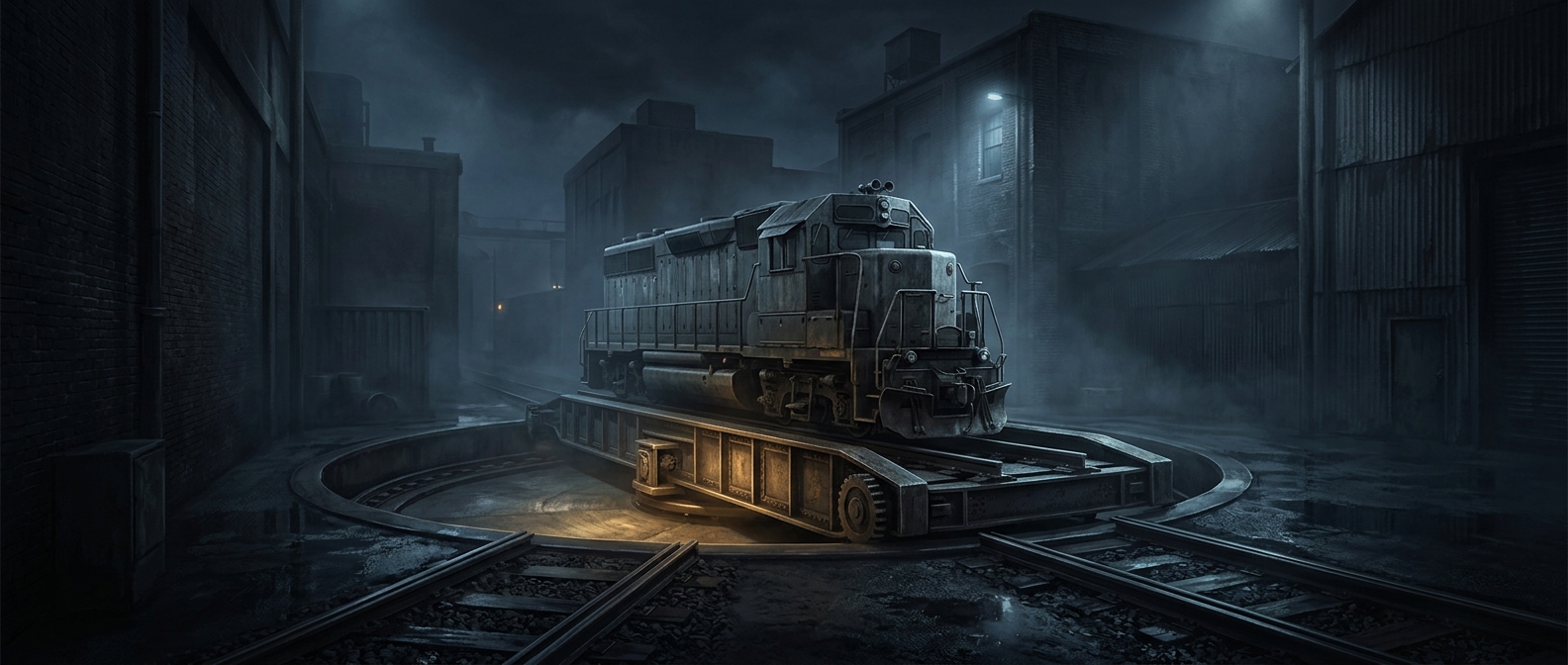
Shrinking massive train turntables for tiny yards
A turntable pivots a locomotive onto another track, so a yard needs room for the rotating bridge, not a sprawling loop of rail. Shrink the bridge and the…
Discover more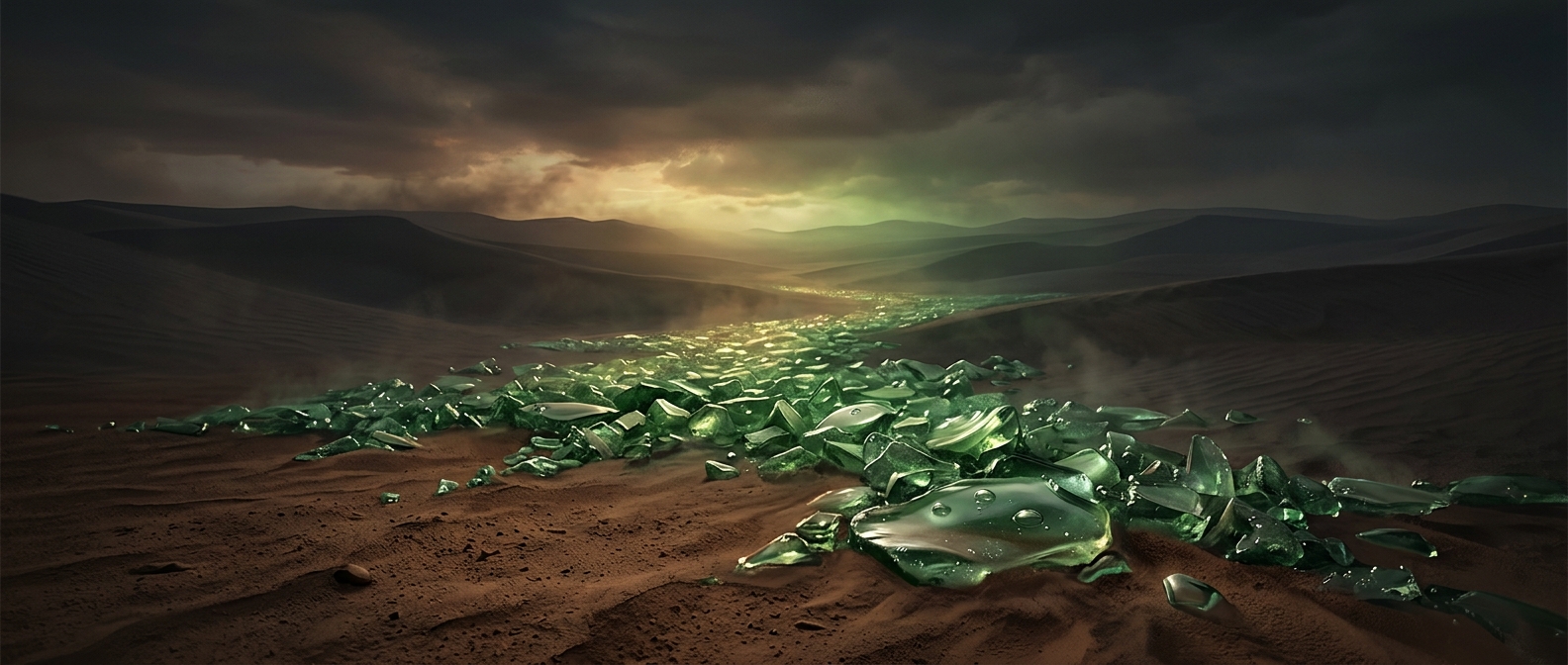
The first atomic bomb turned desert sand into green glass
The blast fused sand with debris from the tower and device, making a hot mixture that cooled into green glass called Trinitite. Some radioactive material got…
Discover more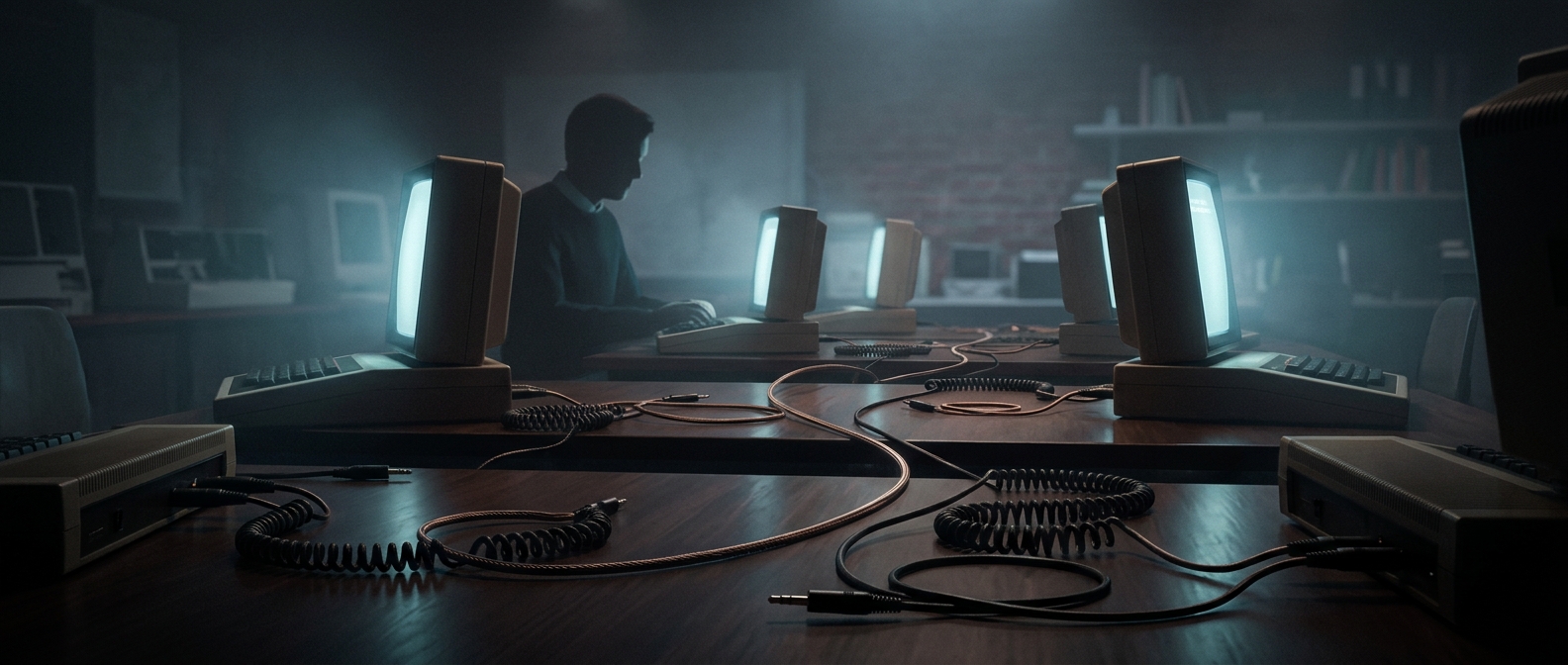
Econet used a familiar plug for a very different signal
Acorn's school-computer network used five-pin DIN connectors, a shape also familiar from audio equipment. Its installation guide specified shielded…
Discover more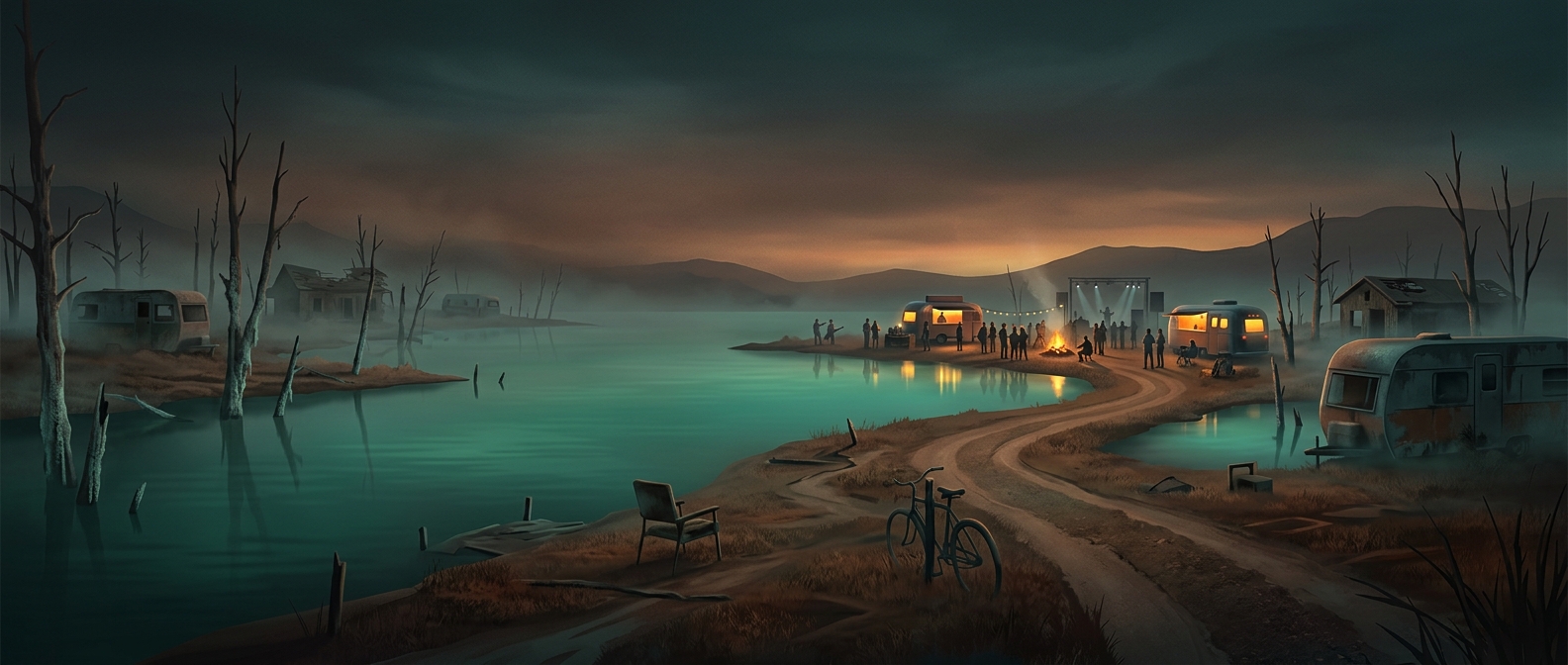
The resort that became a toxic wasteland
A 1905 Colorado River engineering failure flooded the desert and created the Salton Sea. It later became a celebrity resort; now its hyper-saline waters smell…
Discover more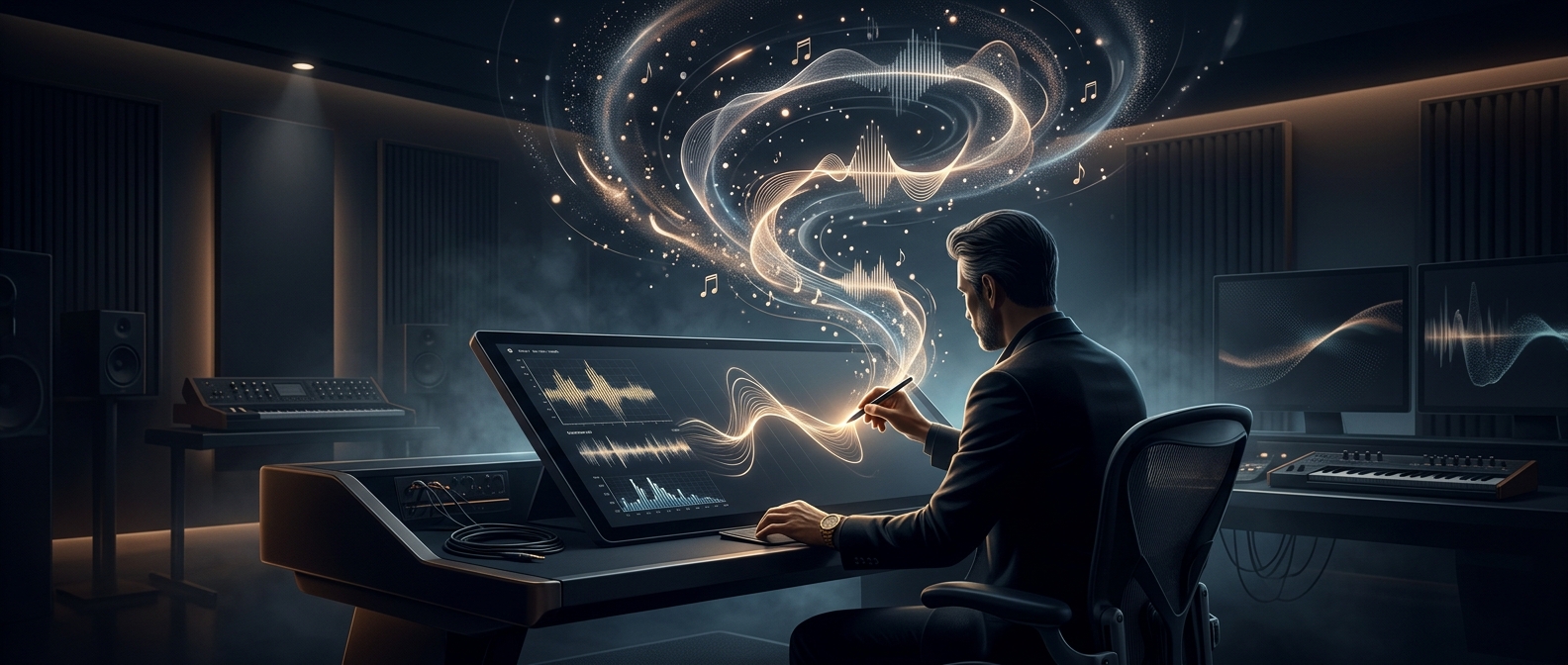
The computer that let pop stars draw sound
Producers drew sound waveforms directly on a green CRT with a light pen; the Fairlight CMI cost roughly as much as a suburban home. Peter Gabriel was among…
Discover more