The world is more interesting than you think.
Unexpected facts, big ideas, and little discoveries. Find something that sparks your curiosity today.
A little more wonder

A temperature inversion can lift a mountain's apparent image
Warmer air above colder air bends incoming light along a curved path. Your visual system interprets the rays as if they had traveled straight, placing the…
Discover more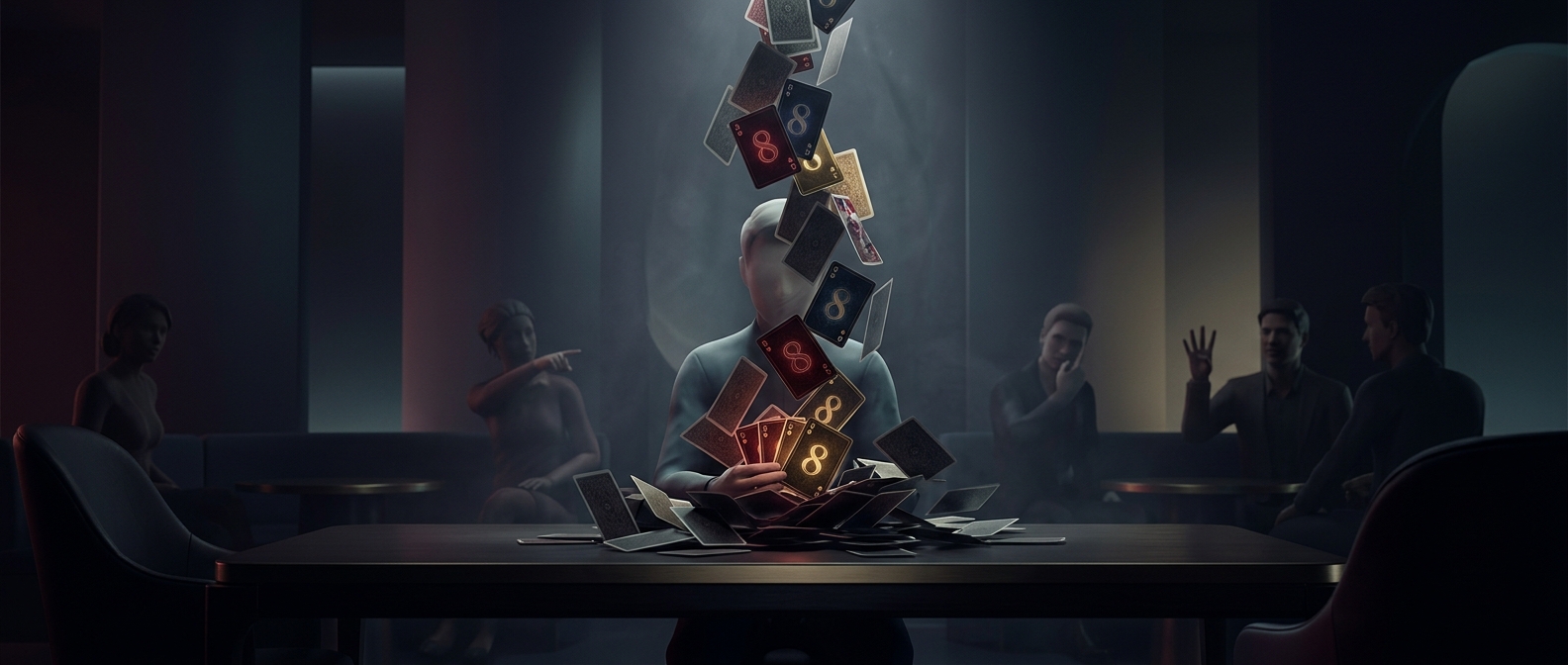
Crazy eights penalizes players who forget to declare
When you have one card left, you must announce it; if an opponent catches you staying silent, they can make you draw extra cards.
Discover more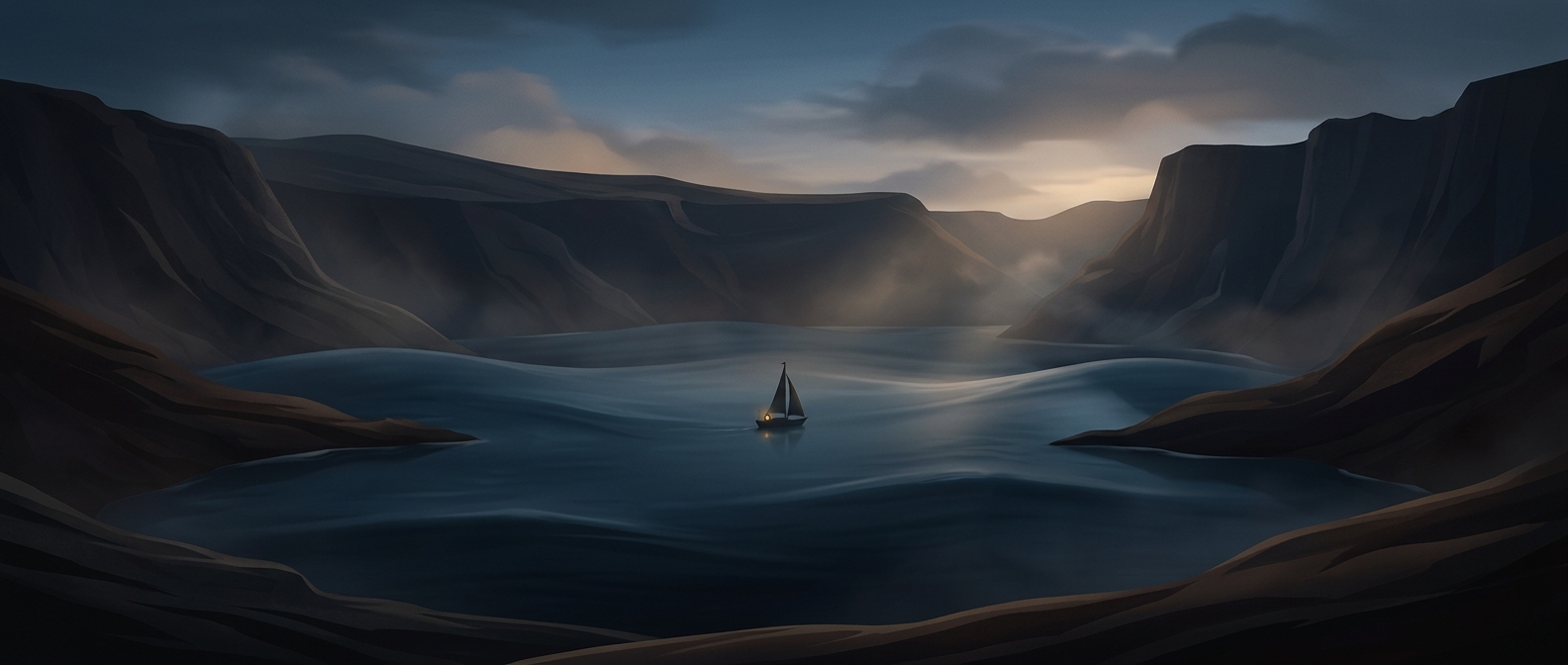
Seiches make completely enclosed lakes slosh
Wind or a sudden air-pressure change can shove lake water toward one end, even when the lake has no outlet. Gravity pulls the piled-up water back, but its…
Discover more
Zombie cells never divide—but still disrupt the body
These cells have stopped dividing, but they have not gone silent. They can release signals that stir nearby cells and disrupt how tissues work, so a cell that…
Discover more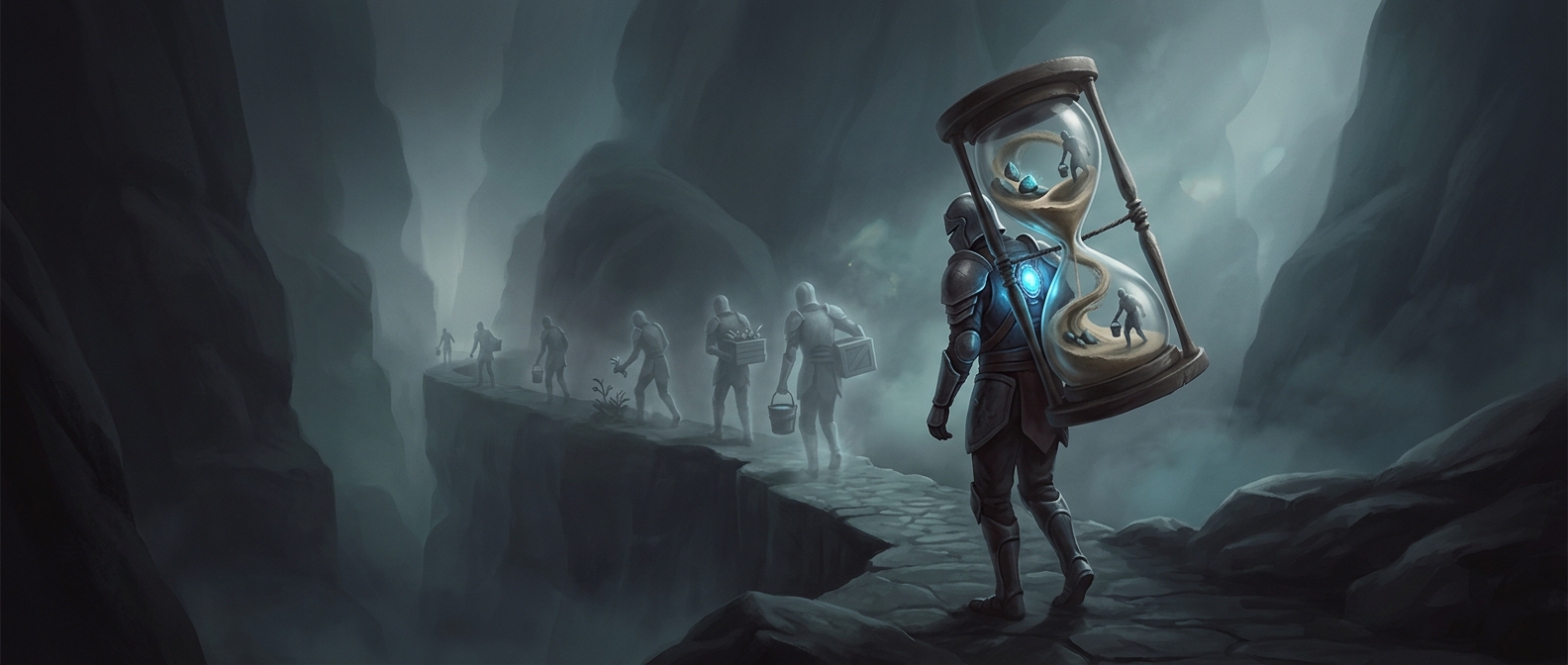
Why video games make you fetch twenty pelts
Some games pad quests with repetitive collection tasks—like gathering 20 bear pelts before the king will even speak to you.
Discover more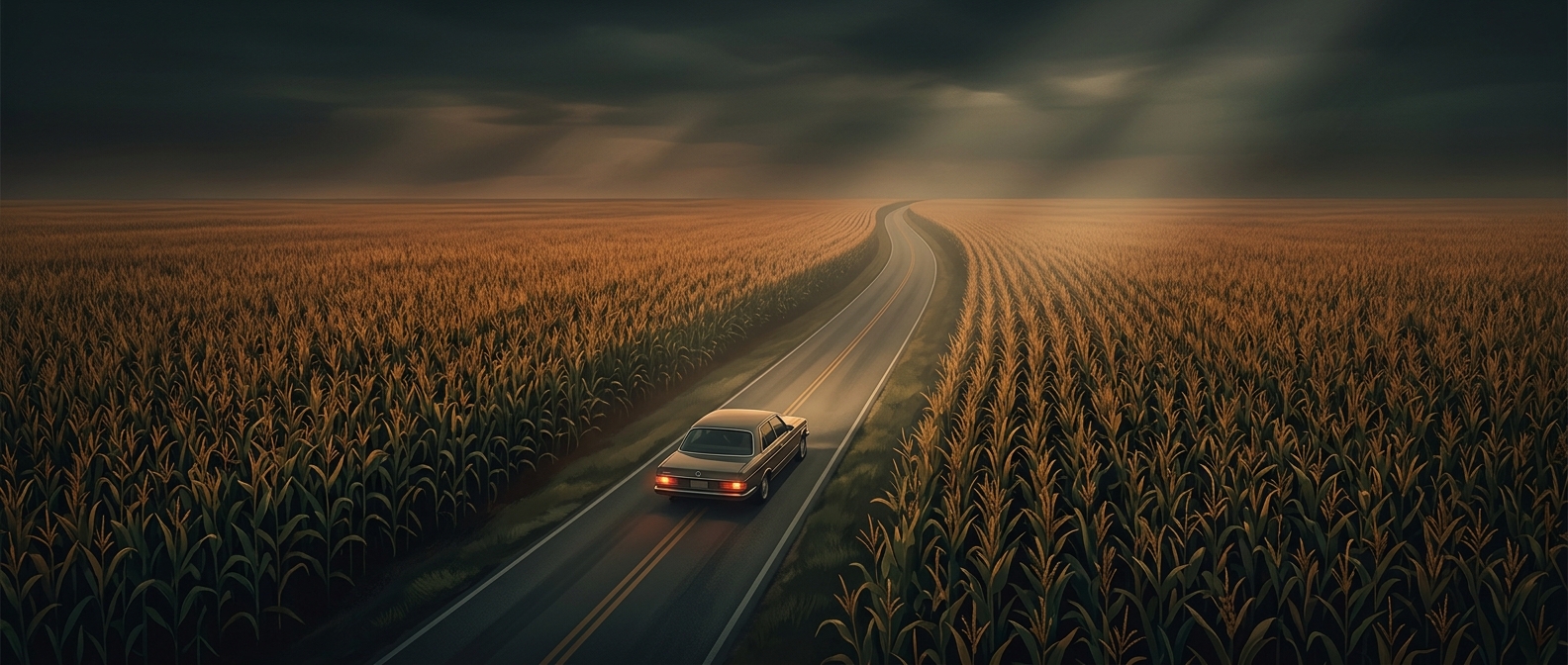
Driving through Nebraska guarantees infinite corn fields
Long stretches of flat farmland can make the drive feel like a repeating view of cornfields on both sides.
Discover more STACKY FOR IPHONE
A bigger world.
One discovery
at a time.
Keep discovering with Stacky. Interesting facts in an app that is always within reach.

Milarepa ate so many nettles that his skin turned green
After a destructive youth, Milarepa sought redemption in a freezing cave, where he reportedly lived on nettle soup until he became thin and green.
Discover more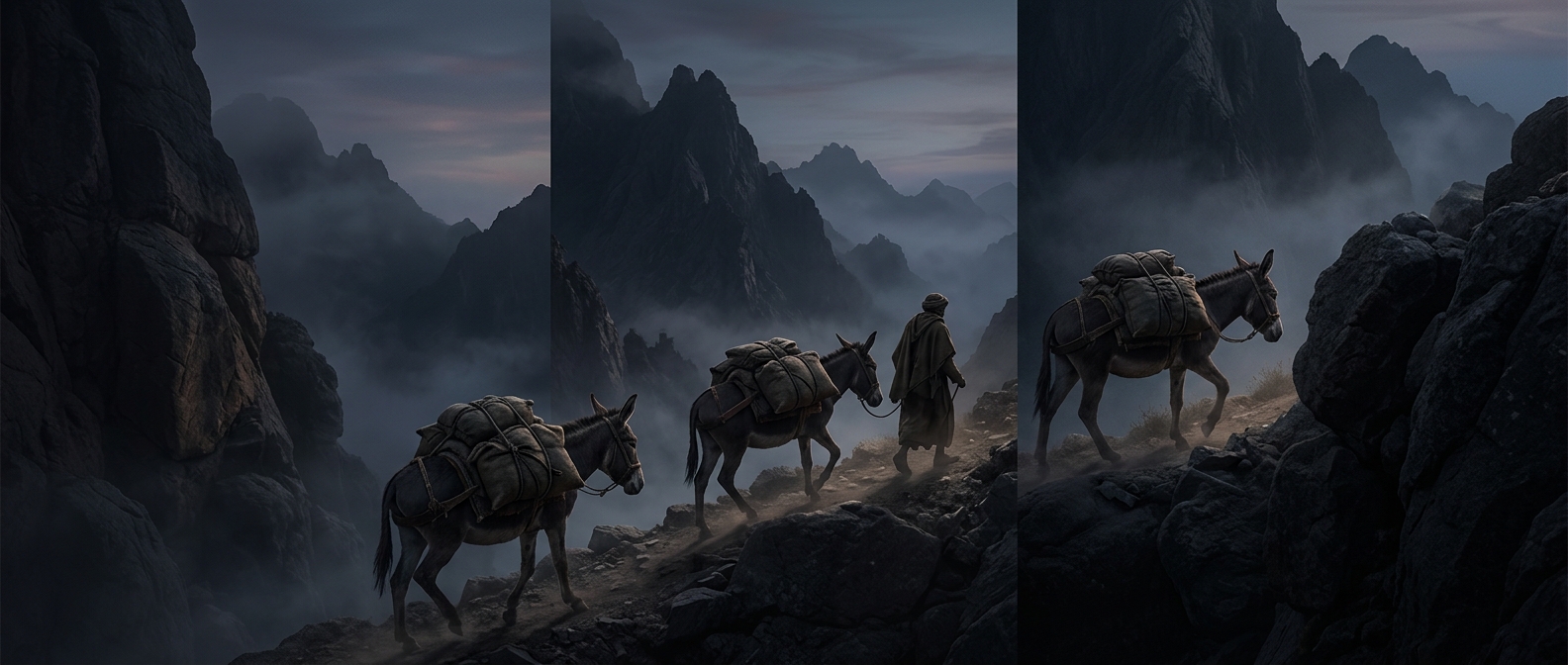
Donkeys were historically utilized as the primary mode of moving heavy cargo across rugged mountain terrains
Donkeys carried packs along narrow, steep paths where carts had no room to pass and wheels had little use. Their sure footing made them mountain freight…
Discover more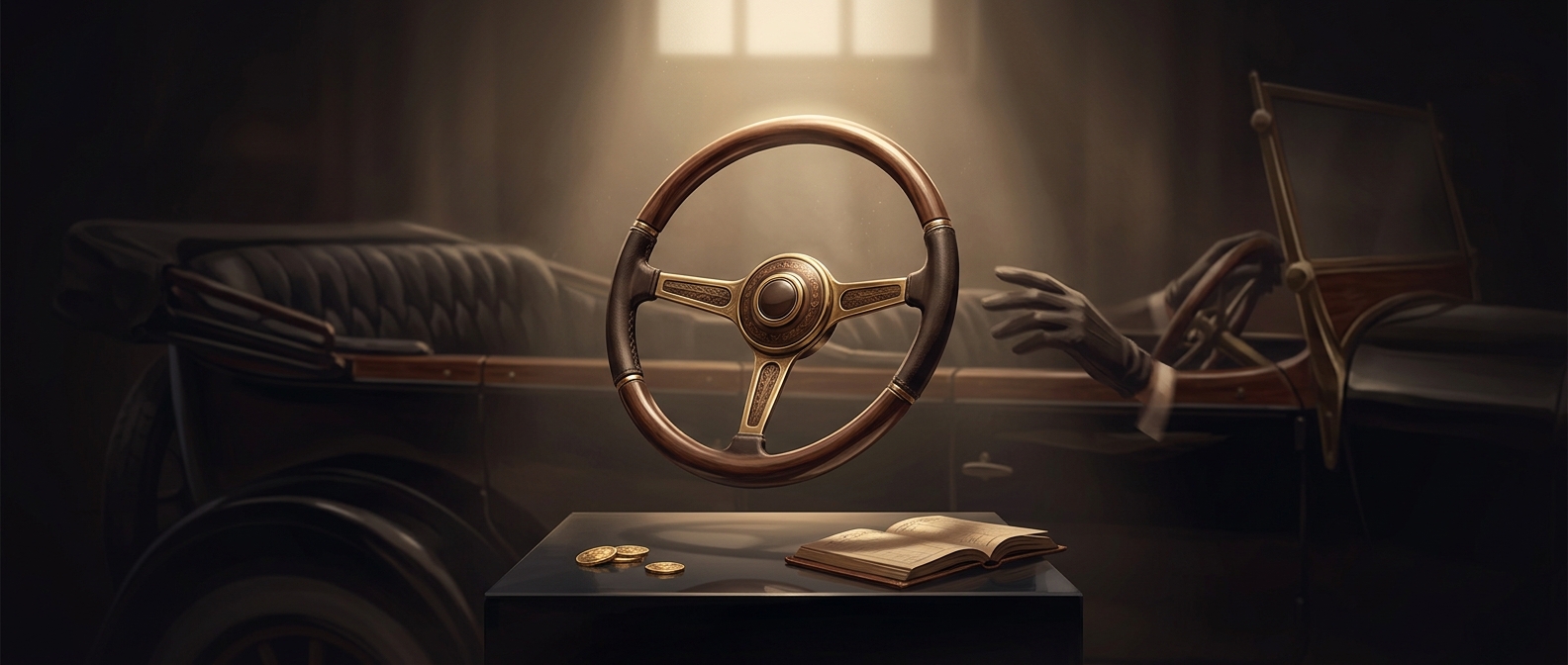
A racing car helped introduce the steering wheel
Alfred Vacheron's Panhard used a wheel in the 1894 Paris–Rouen event, when tillers and levers were still familiar steering controls. Rotating a wheel offered…
Discover more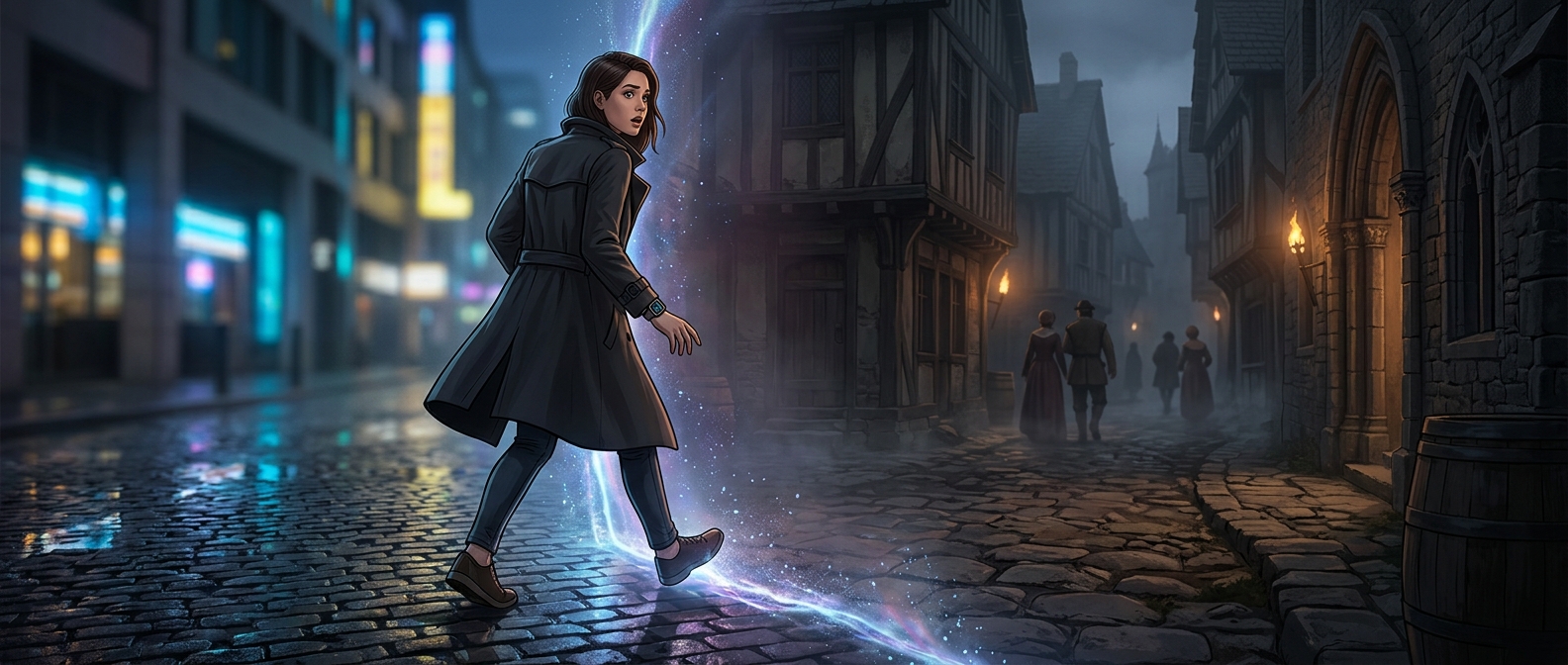
Walking into a different century by accident
Stories of temporal rifts describe people who believe they've stepped into the past for a few minutes, though the supposed encounters are often just confused…
Discover more
Why voice directors dodge invisible lasers
When actors record action scenes before the animation is finished, directors use big gestures to show the pacing. They may wave their arms and pretend to…
Discover more
Throat chakra imbalances cause a deep fear of speaking
In chakra traditions, fear of speaking is attributed to an underactive throat chakra; suggested remedies include humming and wearing turquoise.
Discover more
Ships strictly utilize port and starboard terminology
Port always means the vessel's left when facing forward, and starboard means its right. Those directions stay fixed even when a sailor turns around.
Discover more
Could a poppy-seed bagel trigger a drug test
A poppy-seed bagel can leave more than seeds between your teeth: trace morphine compounds from the seeds may enter your body and pass into urine. Some…
Discover more
Chrono Trigger's ending music came to its composer in a dream
Yasunori Mitsuda said he used to sleep at the studio with his equipment left on. If a melody arrived in a dream, he could jump up and work on it before it…
Discover more
How gases can make a sealed casket burst
As a body decomposes, microbes produce gases. If those gases build up inside a tightly sealed casket, pressure can strain the lid or seals. But caskets are…
Discover more
Craps began with a game called Hazard
Over time, French and American gamblers streamlined Hazard’s complicated rules into the faster dice game played today.
Discover more
Earth's English name started under our feet
The English word grew from terms for ground or soil, unlike planetary names such as Mars and Jupiter that invoke Roman gods. A word for the ordinary surface…
Discover more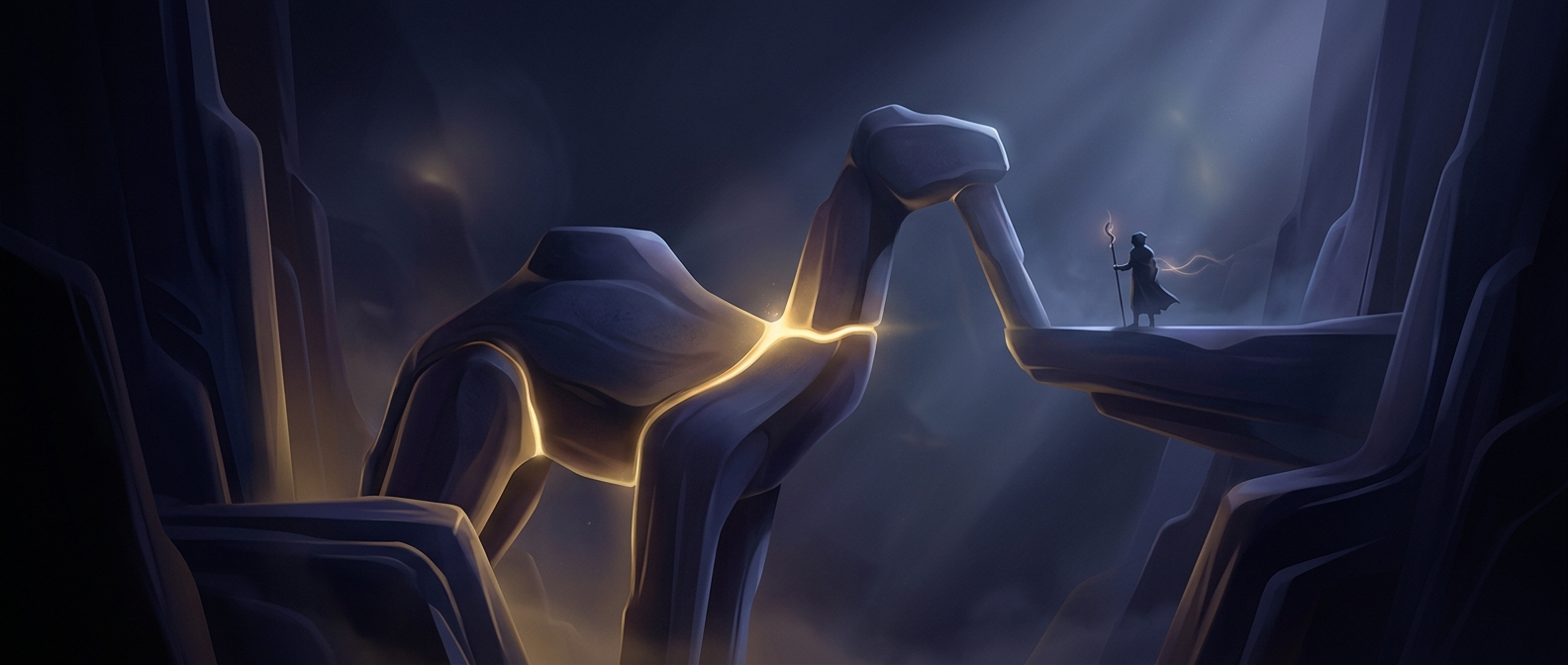
Camel casing glues words together with capital letters
Many programming languages don’t allow spaces in identifiers, so camel case marks word boundaries with capital letters, as in “myVariableName.”
Discover more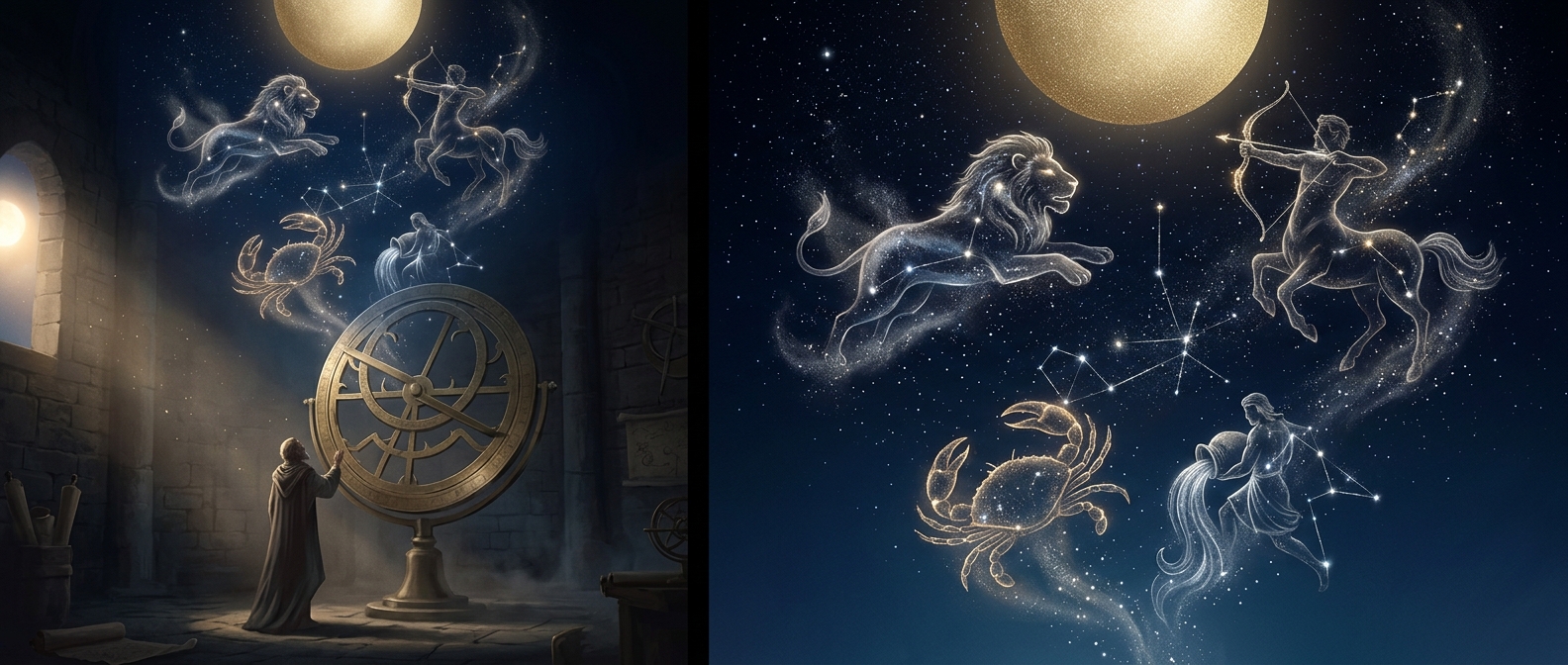
Star signs are named after animals and mythological figures because ancient people had wildly vivid imaginations
Ancient stargazers connected stars into patterns and named the constellations for figures they thought they saw—like Leo, the lion.
Discover more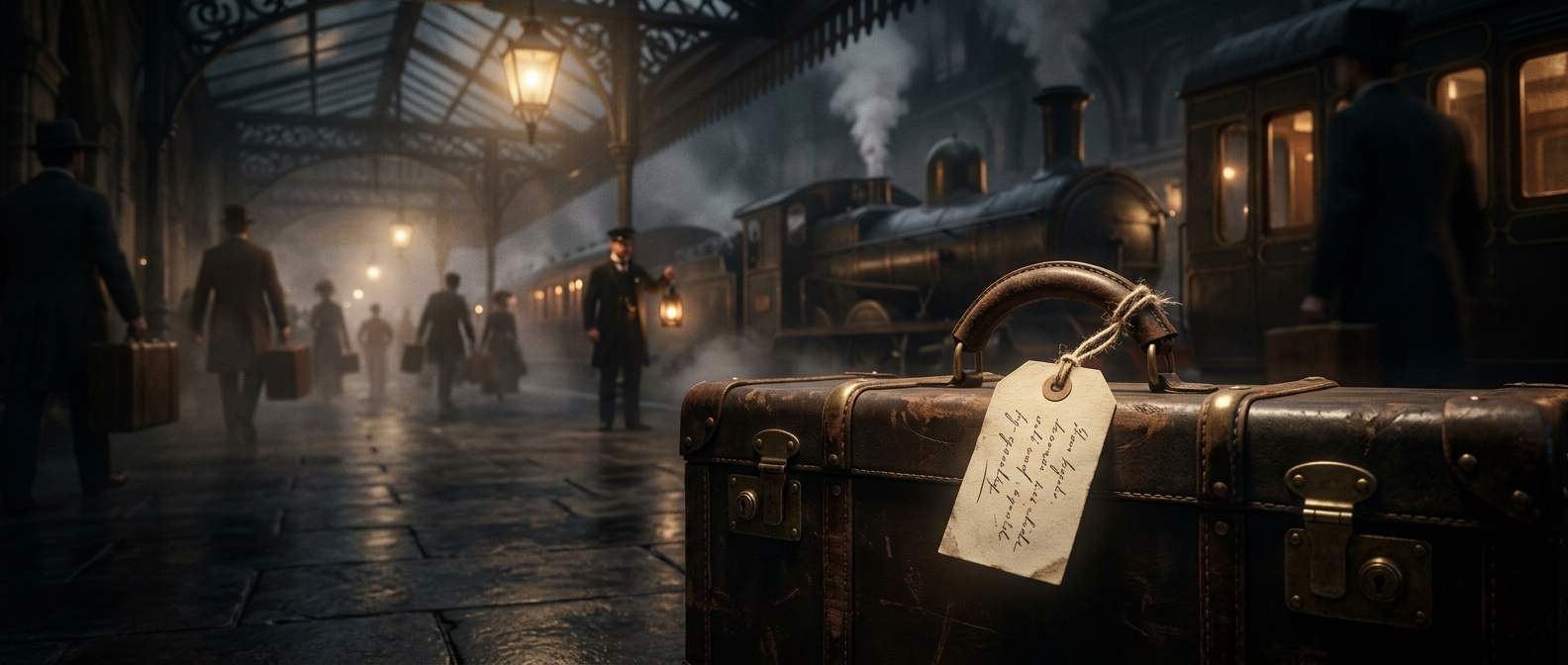
Luggage tags started as simple paper strings tied to handles
Flimsy paper tickets tied loosely to bag straps helped handlers identify luggage before rigid plastic sleeves became common.
Discover more
Why pain is harder to understand when you're comfortable
When you’re comfortable, your body isn’t supplying the signals that make pain feel real. To imagine someone else’s pain, your mind has to build the sensation…
Discover more
Quadripoints are geographic anomalies
A quadripoint is where exactly four borders meet. Unlike a three-way tripoint, such intersections are rare and can be disputed on maps.
Discover more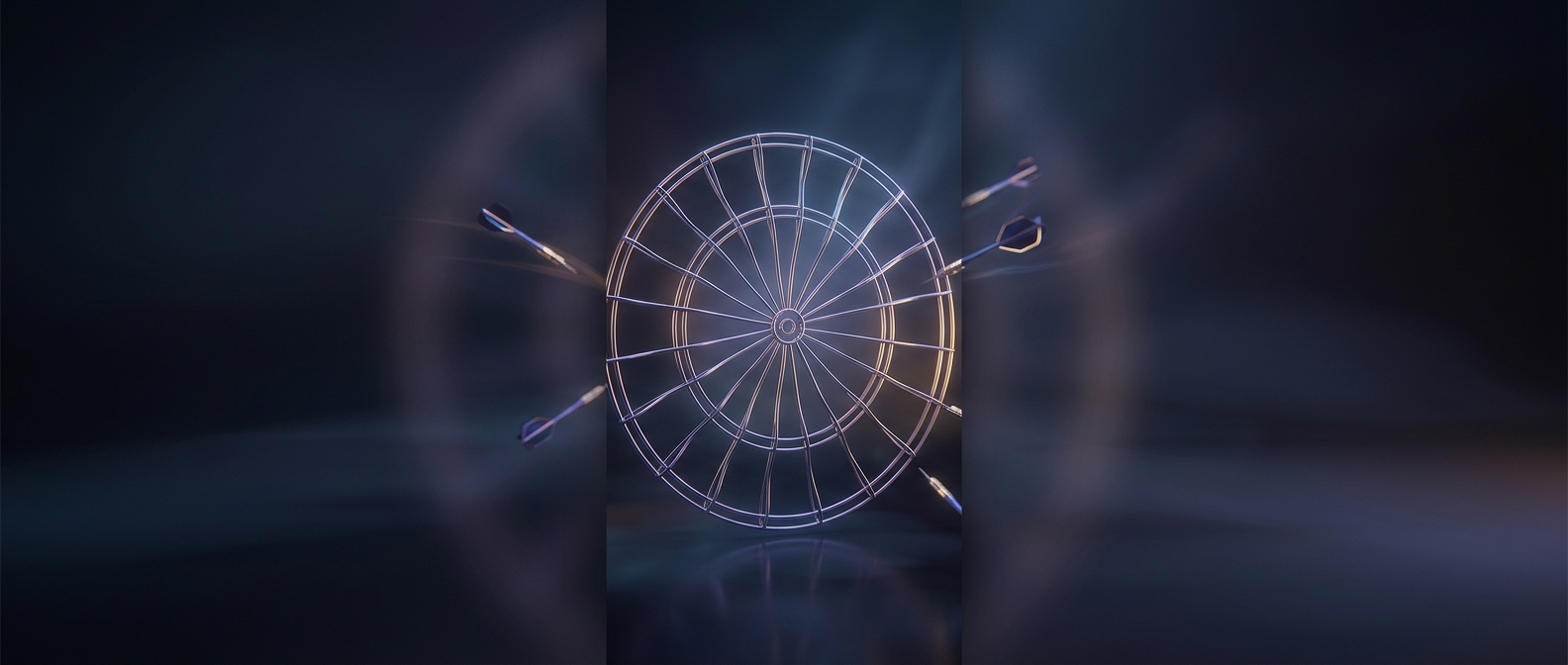
Dartboards use a bent wire spider to divide scoring sections
Thin metal wires are hammered over the bristle surface, and a dart that hits one can ricochet off the board—sometimes straight into the drywall.
Discover more