History
Discover facts about history. Small discoveries that change the way you see familiar things.
History

Oxygen tank explosion crippled a lunar landing mission
A wiring flaw ruptured an oxygen tank, forcing the crew to abandon the Moon landing and focus on survival. With carbon dioxide building up, they improvised a…
Discover more
Roman writers described snow as a luxury for drinks
Pliny credited Nero with cooling boiled water by surrounding its container with snow. That kept the snow itself out of the drink while using it as a…
Discover more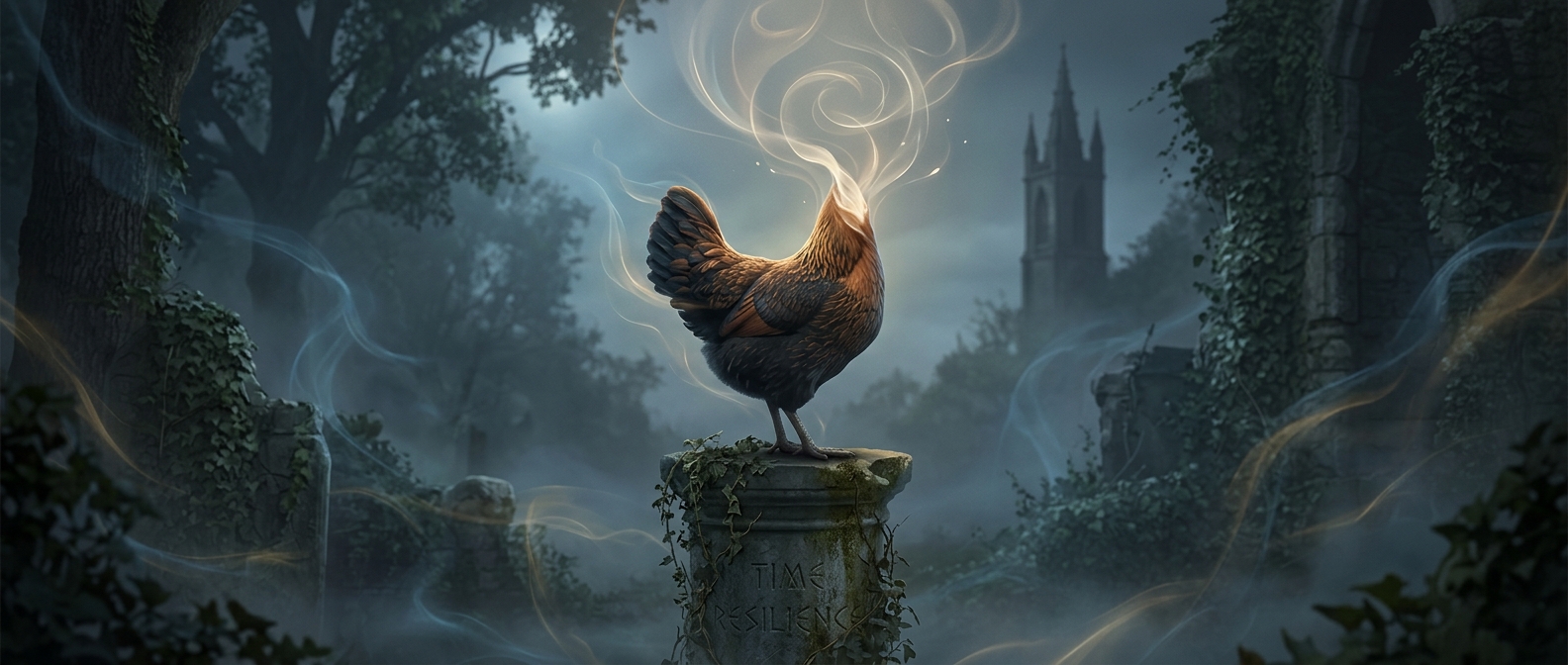
The chicken that lived 18 months without a head
The blade missed Mike’s brain stem, leaving enough basic function intact for him to survive. His owner kept him alive by feeding liquid food through his…
Discover more
Mongolian travelers made meat lighter by drying it
Borts is meat preserved by drying, then broken up or ground for use in meals such as soup. Removing water reduces the load and helps food keep, a practical…
Discover more
Japanese bullet train network revolutionized commuting
Dedicated tracks kept bullet trains clear of slower traffic, letting them run at high speeds even across mountainous terrain. The result was a much shorter…
Discover more
The word silly once meant blessed or pious
The word began as praise for innocence and holiness; over time, “innocent” slid toward “easily fooled,” then toward foolish. English kept the word and…
Discover more STACKY FOR IPHONE
A bigger world.
One discovery
at a time.
Keep discovering with Stacky. Interesting facts in an app that is always within reach.
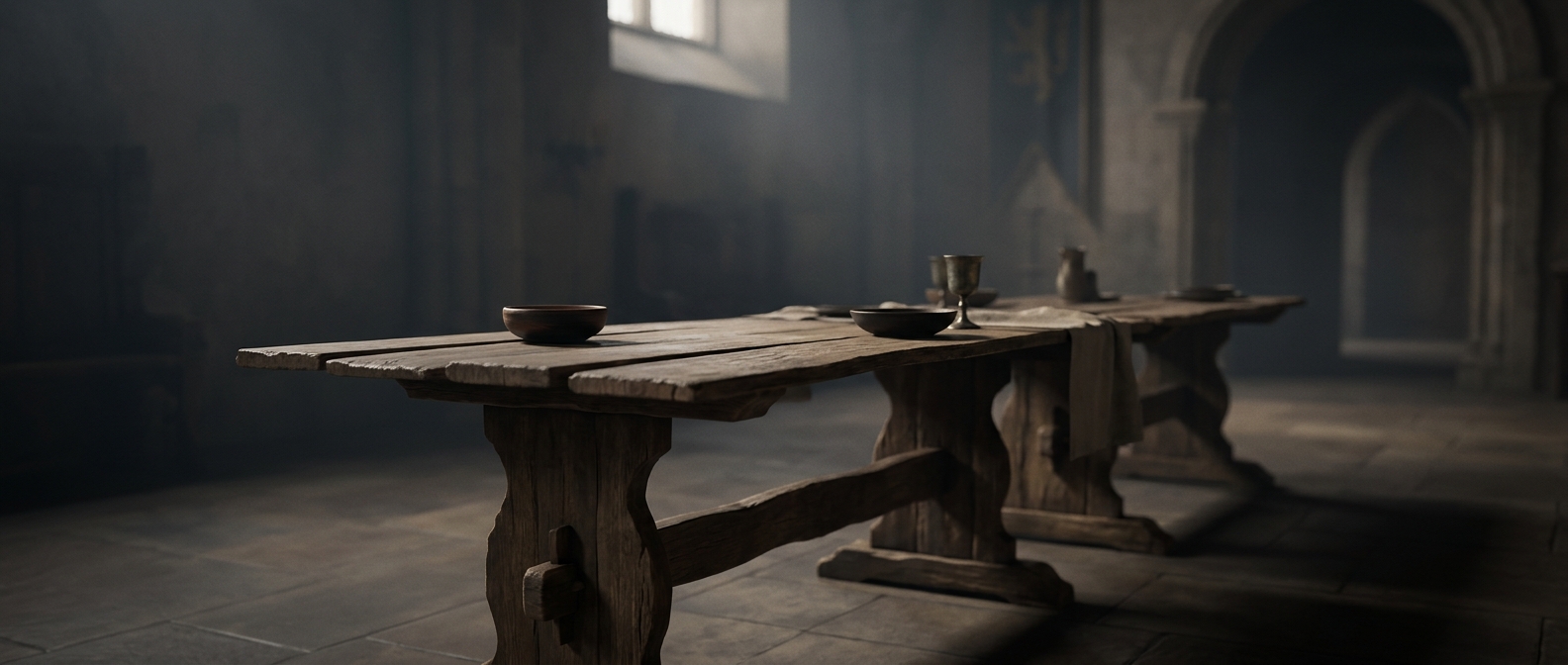
Your table once had to be assembled before dinner
A “table” could be boards laid across supports, set up for a meal and taken down afterward. That portable arrangement is often linked to the phrase “turning…
Discover more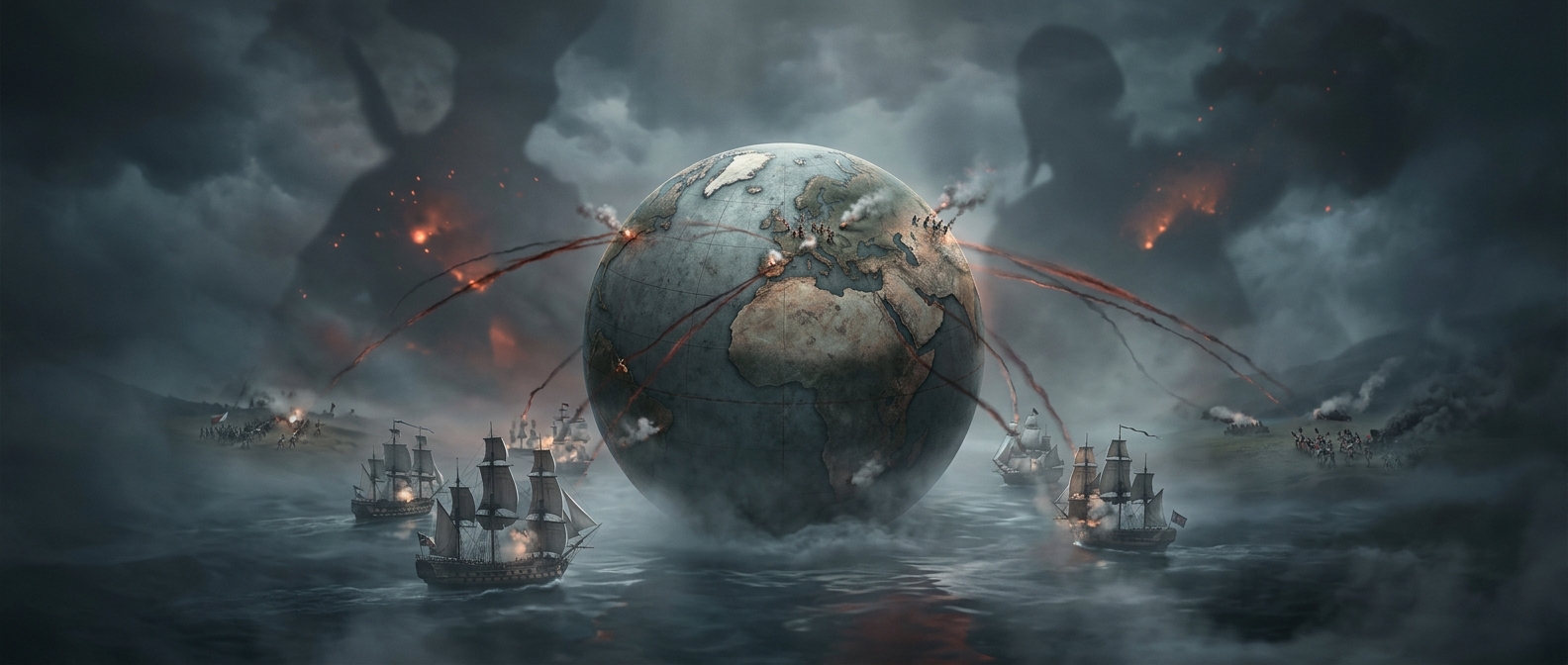
The Seven Years’ War was a global conflict
Britain and France fought across multiple continents as they competed for control of trade and territory. A war with a seven-year name had a worldwide map.
Discover more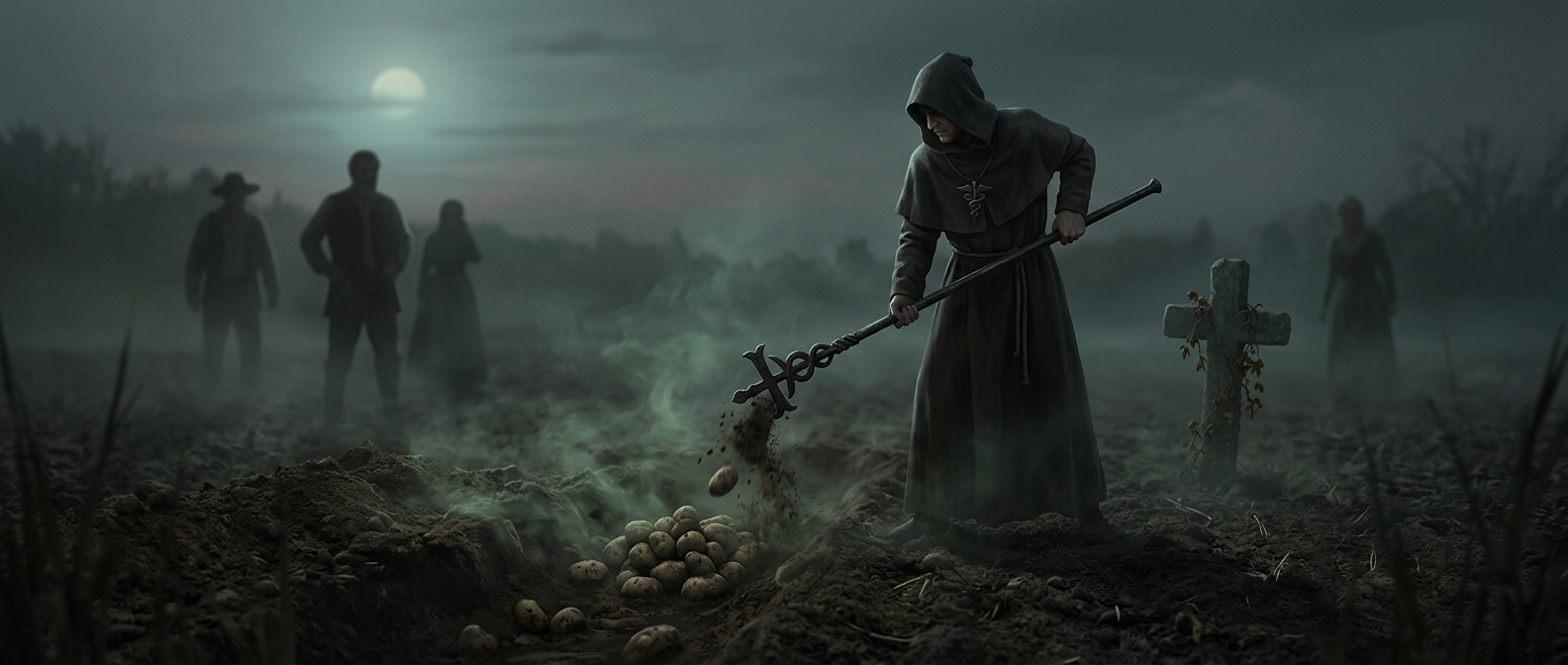
France once banned potatoes over fears of leprosy
Authorities treated fears that potatoes were poisonous and caused leprosy as grounds to ban their cultivation. The result was a ban on a useful food, prompted…
Discover more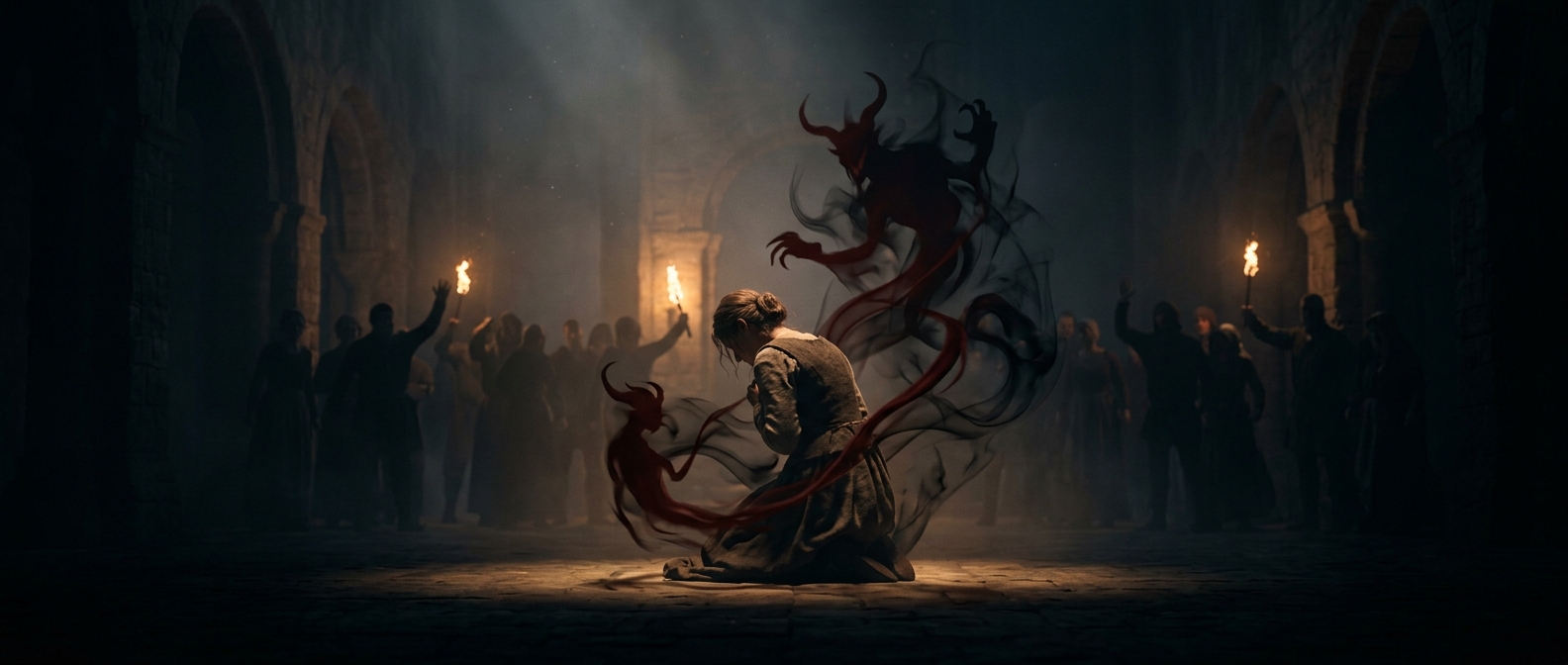
Demonic possession was blamed for unexplainable behavior
When people couldn’t explain unusual behavior, some blamed a spirit. The prescribed exorcism turned that diagnosis into a ritual of Latin prayers spoken or…
Discover more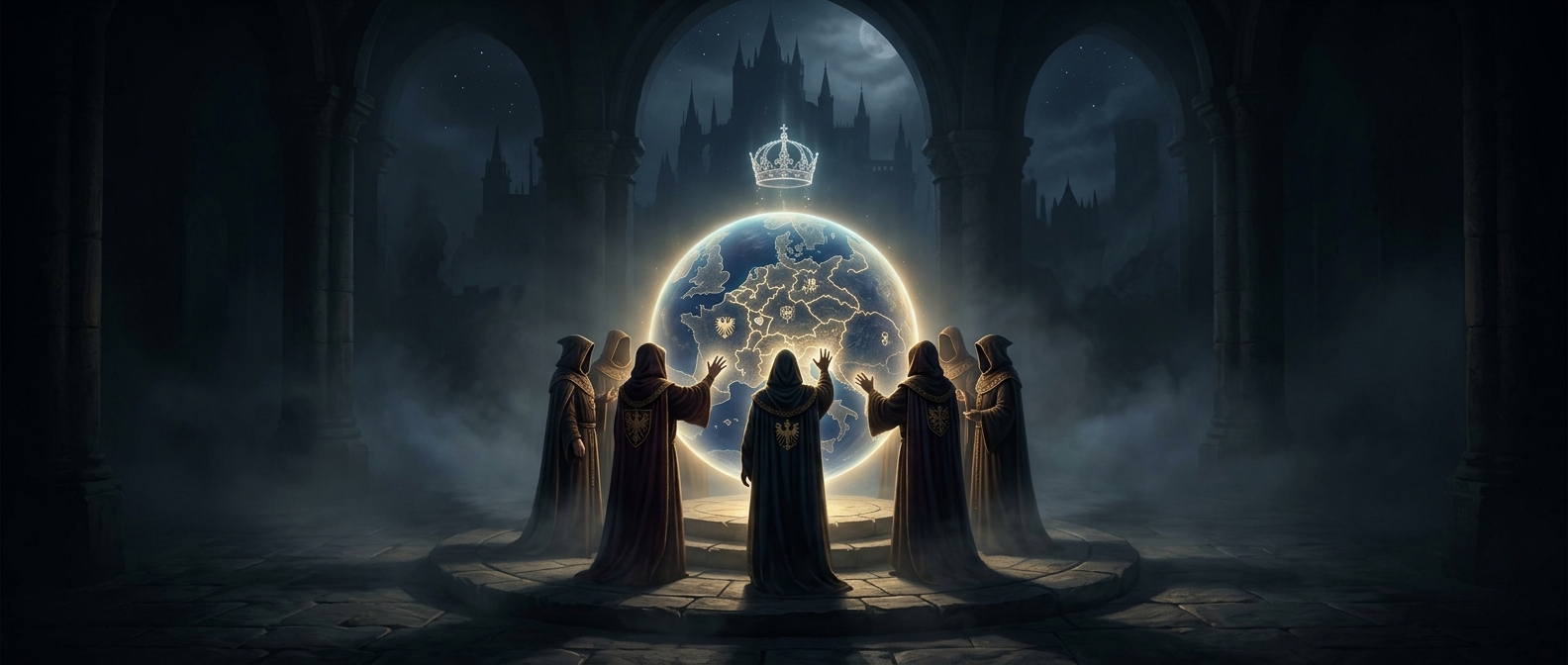
Seven electors held the key to the Holy Roman throne
The Golden Bull of 1356 formalized an electoral college of three archbishops and four secular rulers. A majority could choose the king who would rule the…
Discover more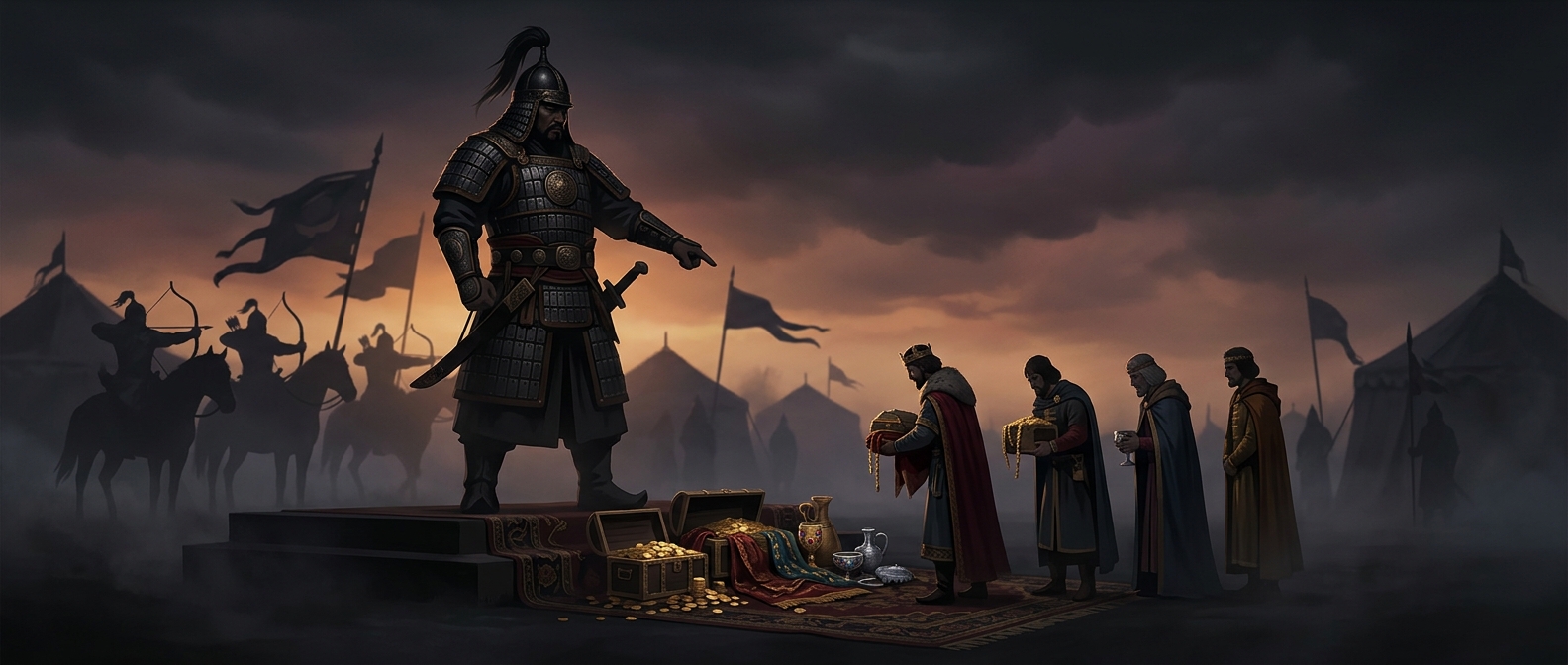
Mongol warlords simply extorted massive tribute from princes
The Golden Horde left local rule to the princes: they collected silver from their own subjects and delivered it each year. The conquerors got tribute without…
Discover more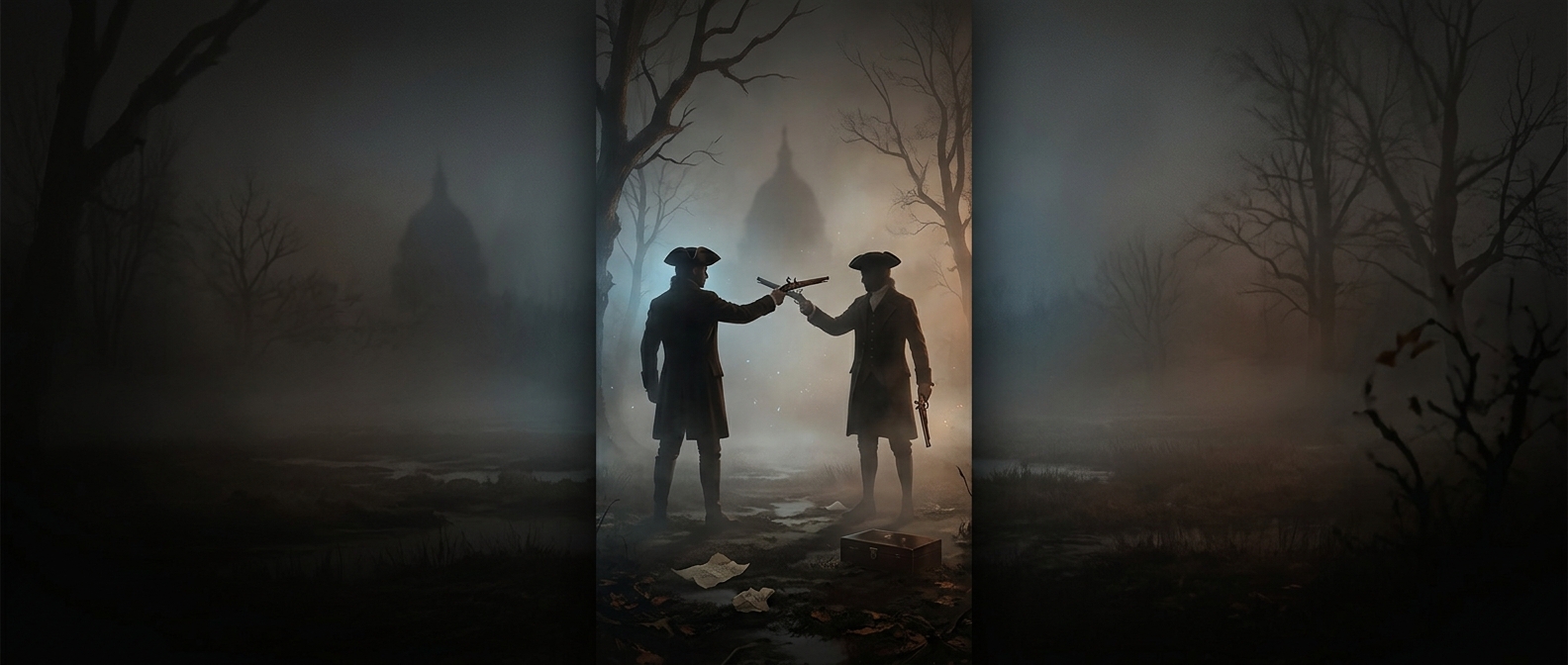
When American politicians settled arguments with pistols
In a political culture where an insult could be treated as an attack on personal honor, some lawmakers took disputes to dueling grounds. Others skipped the…
Discover more
A museum bought Van Meegeren's fake as a remarkable Vermeer
Han van Meegeren painted The Supper at Emmaus in 1937, and Museum Boijmans acquired it believing it was a major discovery. His confession after World War II…
Discover more
Heated pipeline transported crude oil across frozen tundra
The crude had to stay hot enough to flow, but heat could thaw the permafrost beneath the line. Elevated supports helped keep the heat from destabilizing the…
Discover more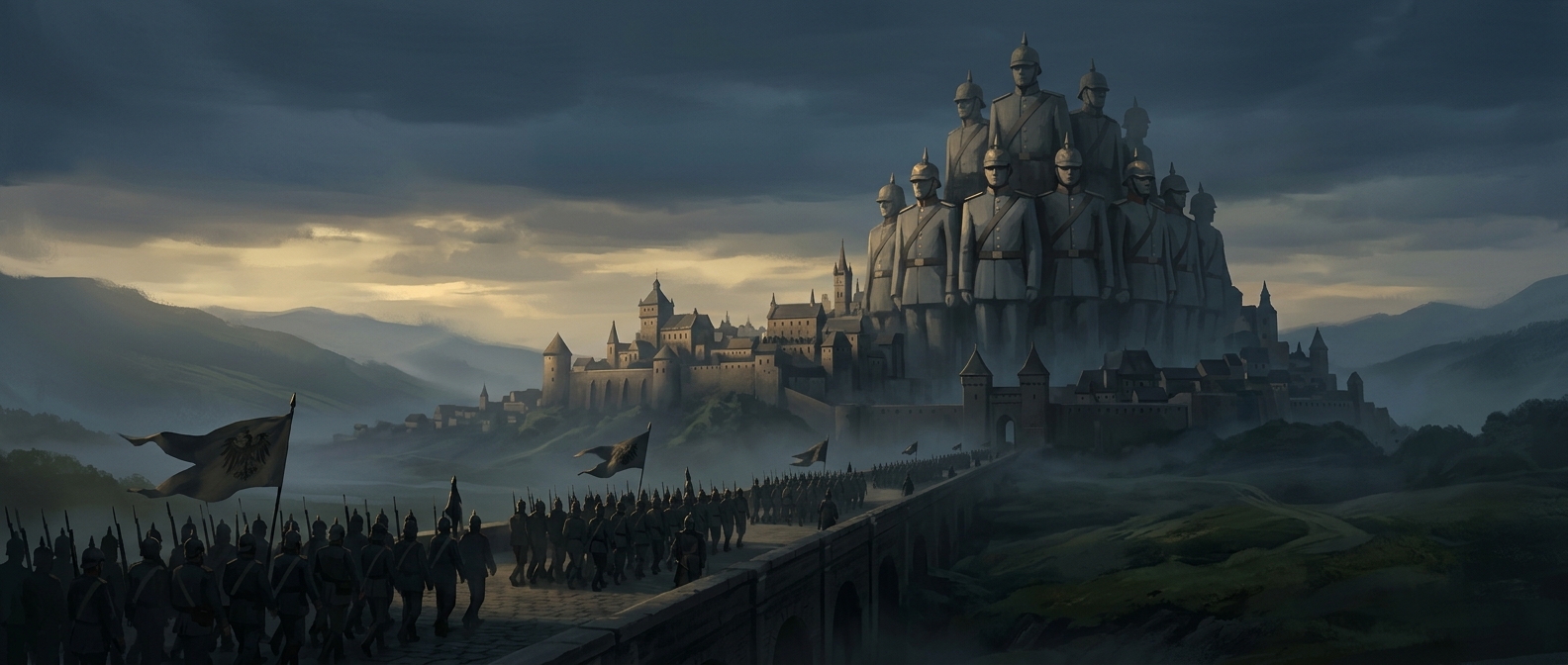
Prussia: an army with a state attached
Prussia built its society around keeping the army supplied: its bureaucracy, economy, and public status all reinforced military power. The result was a…
Discover more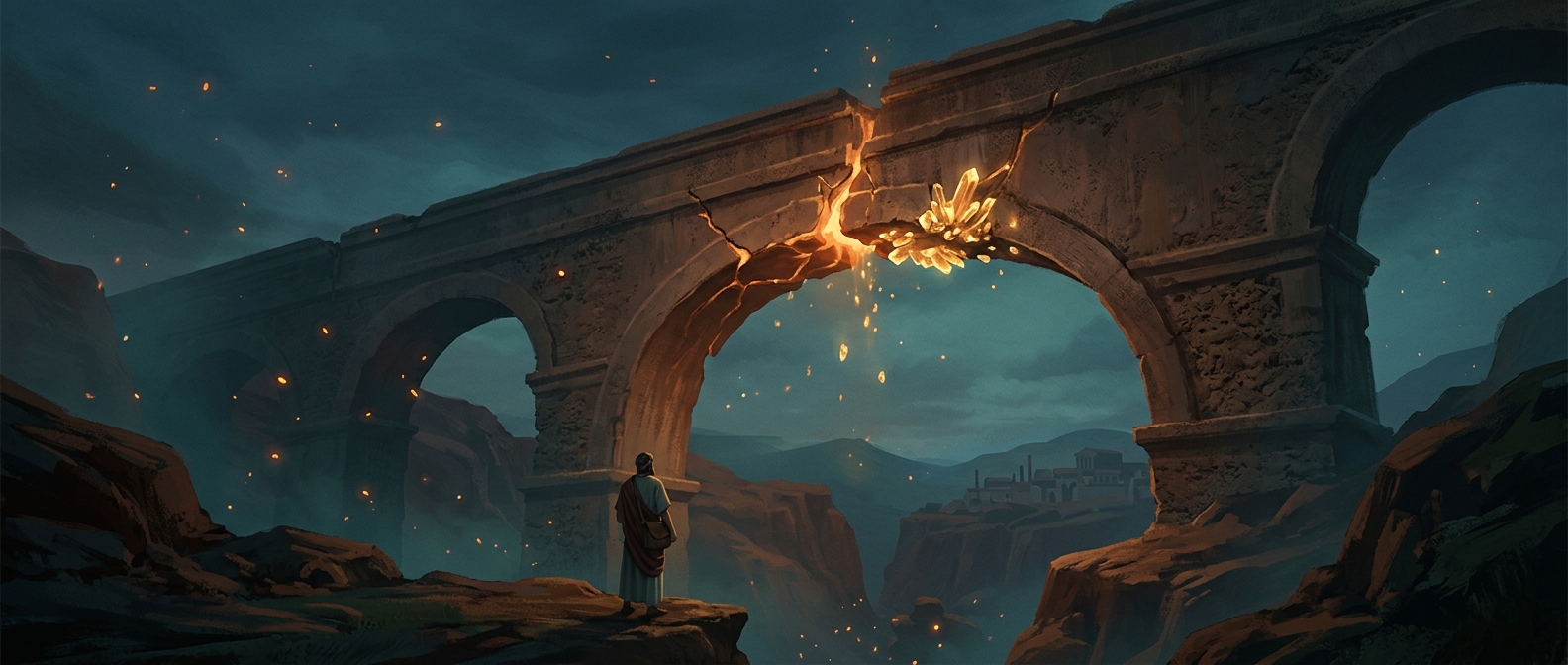
Roman concrete kept ingredients for future repairs
Research published in 2023 linked bright lime-rich fragments in Roman concrete to hot mixing. When water enters a crack, reactive lime can help form new…
Discover more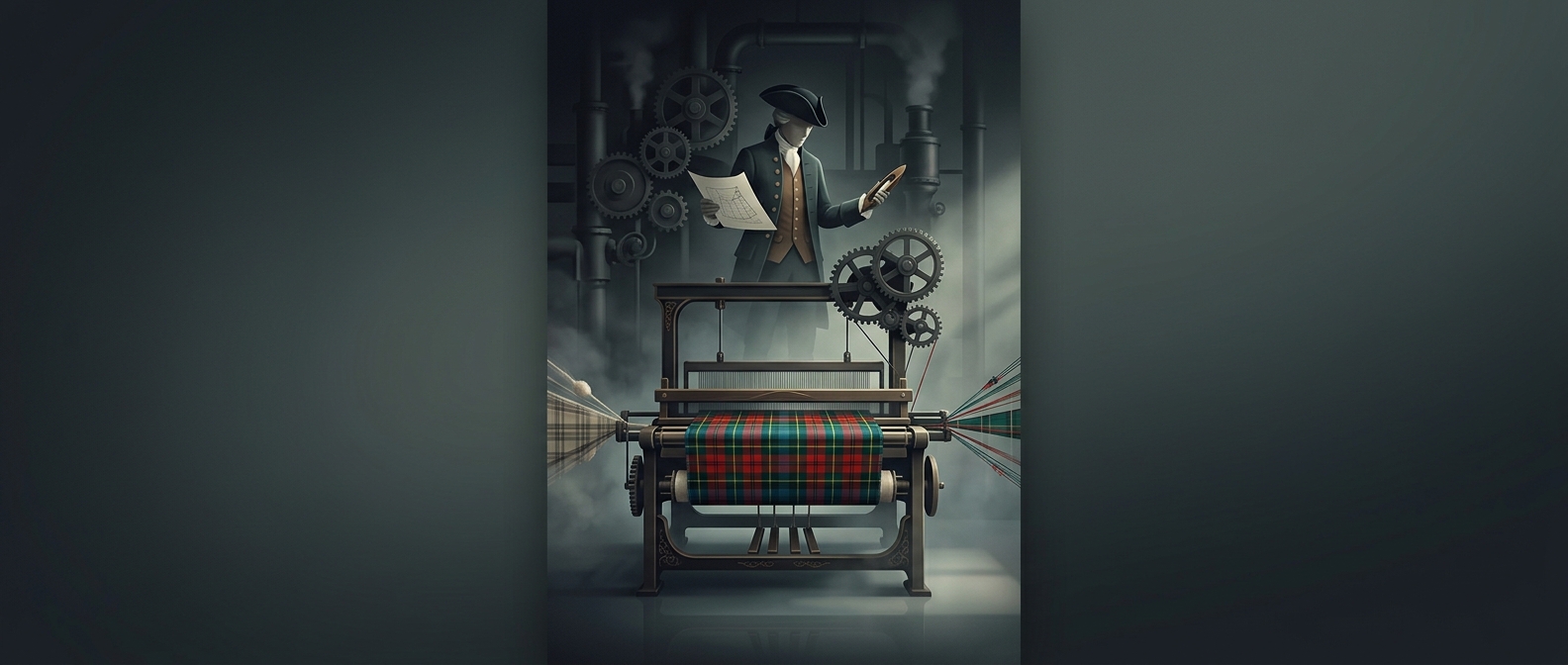
The modern kilt was invented by an English industrialist
The old belted plaid was cumbersome around machinery, so ironworks owner Thomas Rawlinson devised a shorter, pleated garment for Scottish factory workers in…
Discover more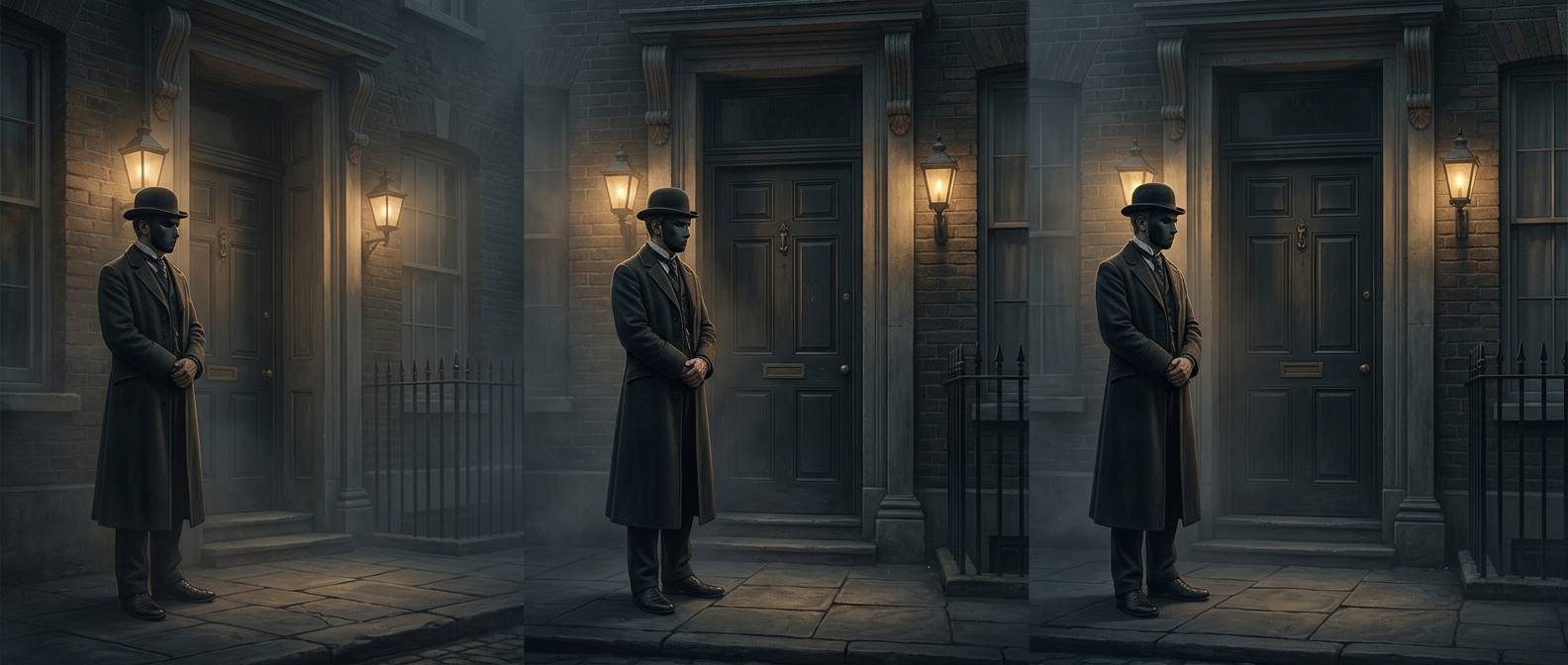
Why wealthy families hired silent mourners
Wealthy households hired solemn men in broad black sashes to stand outside, making private grief visible to the neighborhood. Mourning became a public…
Discover more
How flirt went from swatting to teasing
The word once meant a quick flick or toss; over time, it came to describe playful romantic teasing.
Discover more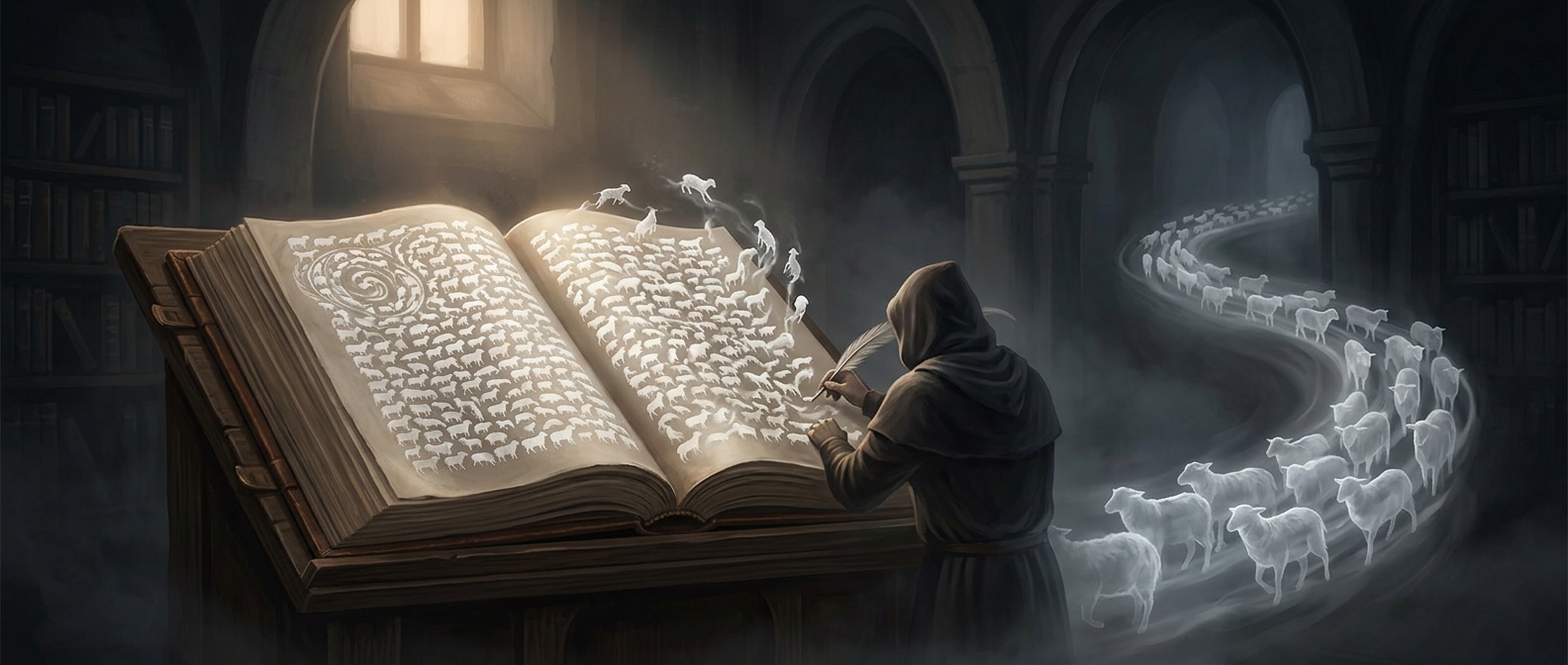
One medieval manuscript could require hundreds of animals
Vellum was made from animal skin, and a single large illuminated manuscript could require the skins of hundreds of sheep or calves.
Discover more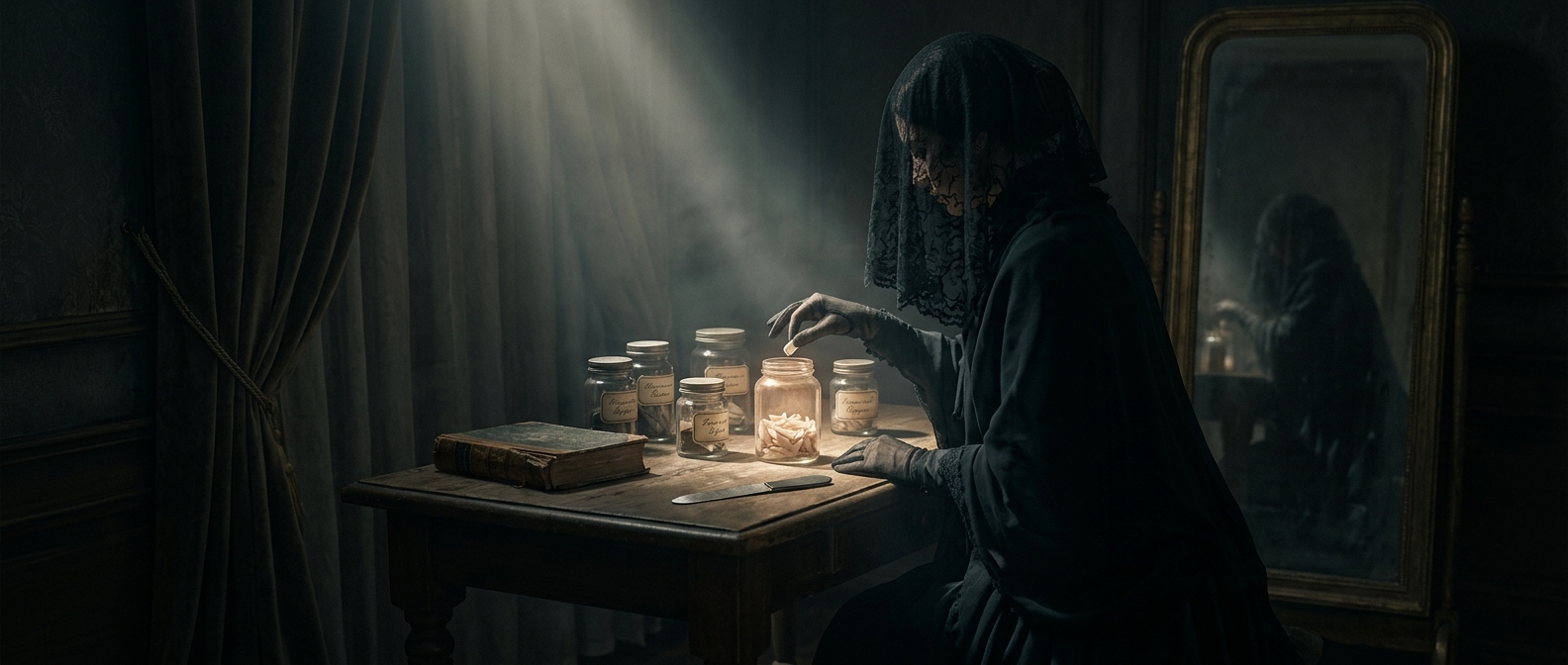
Some old bottles were buried with urine and sharp metal
Seventeenth-century witch bottles combined bodily material with objects such as pins or nails and were hidden as protective charms. A sealed example found in…
Discover more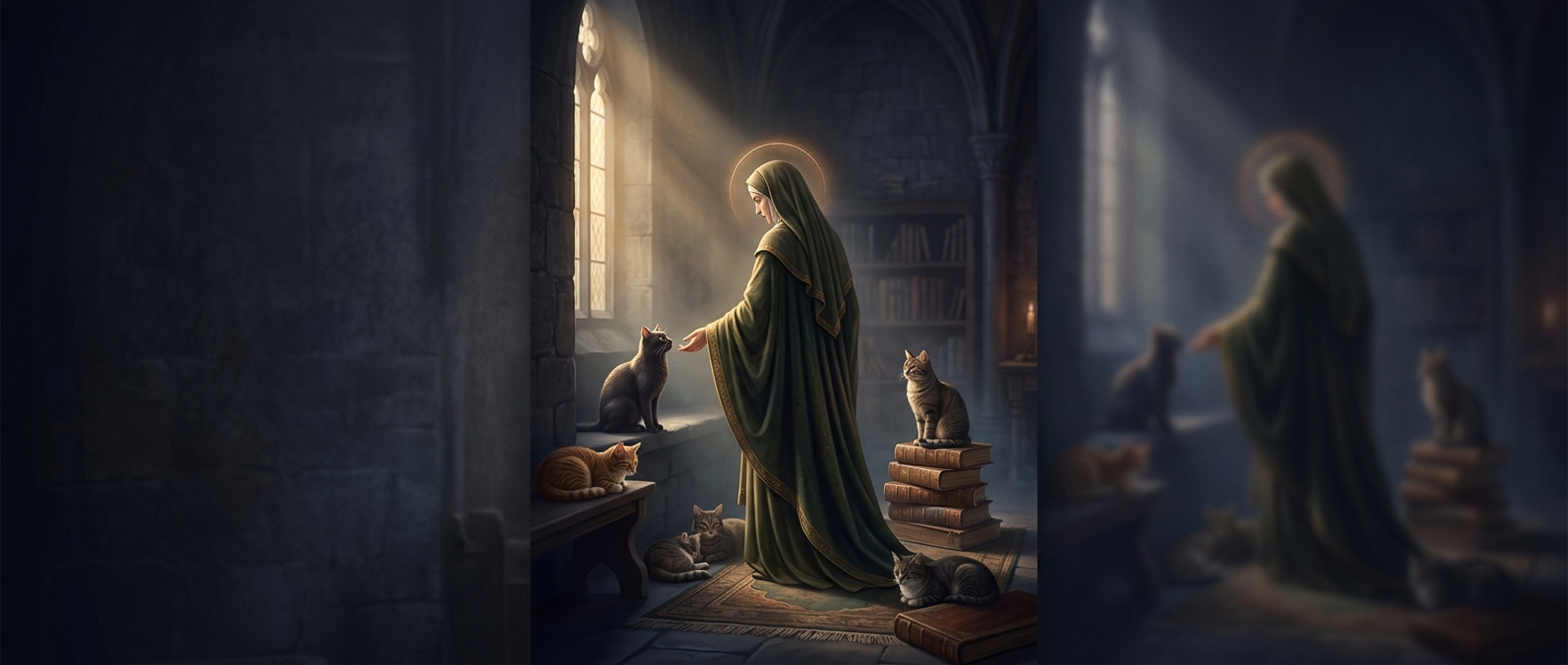
The patron saint claimed by cat lovers has a much older connection to mice
Medieval images of Gertrude of Nivelles show rodents around her feet or staff. Her modern association with cats appears much later, and its origin is…
Discover more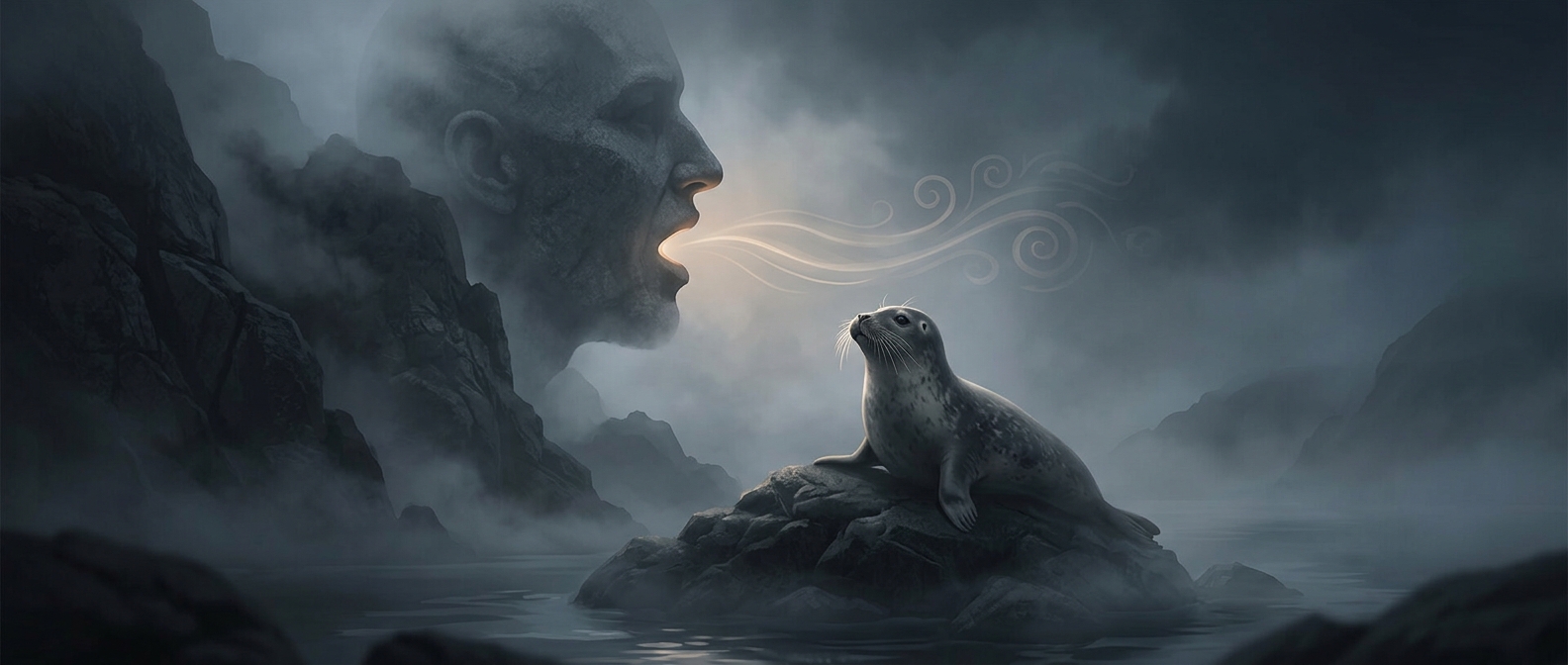
The seal that sounded like a New England dockworker
He even yelled phrases like “Get over here!” in a gravelly voice that sounded like an angry New England dockworker.
Discover more