Culture & entertainment
Discover facts about culture & entertainment. Small discoveries that change the way you see familiar things.
Culture & entertainment
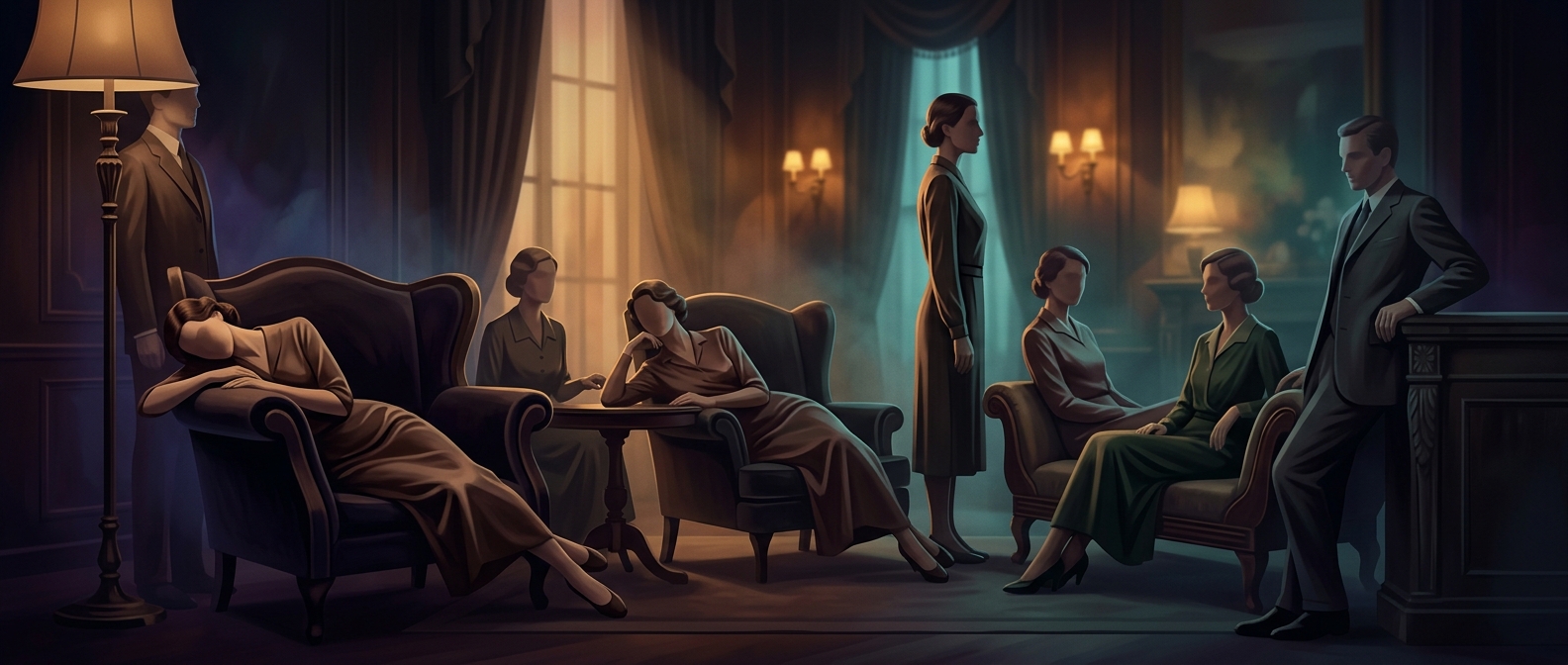
What movie extras really do in the background
Extras mime conversations, avoid looking at the main camera, and pretend to sip from empty cups—sometimes for 14 hours.
Discover more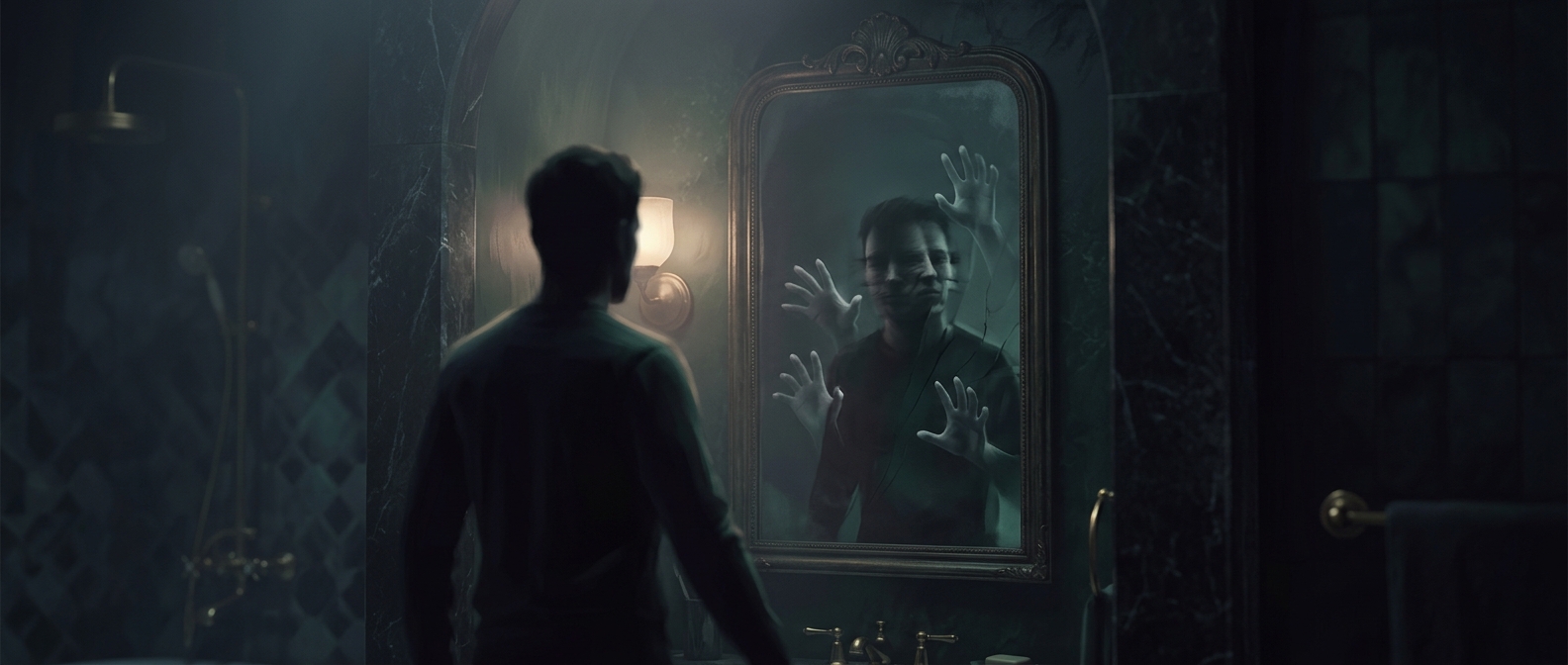
Why horror movies keep sending you to the bathroom mirror
A medicine-cabinet mirror gives filmmakers a built-in reveal: when the door swings shut, a threat may appear behind the character.
Discover more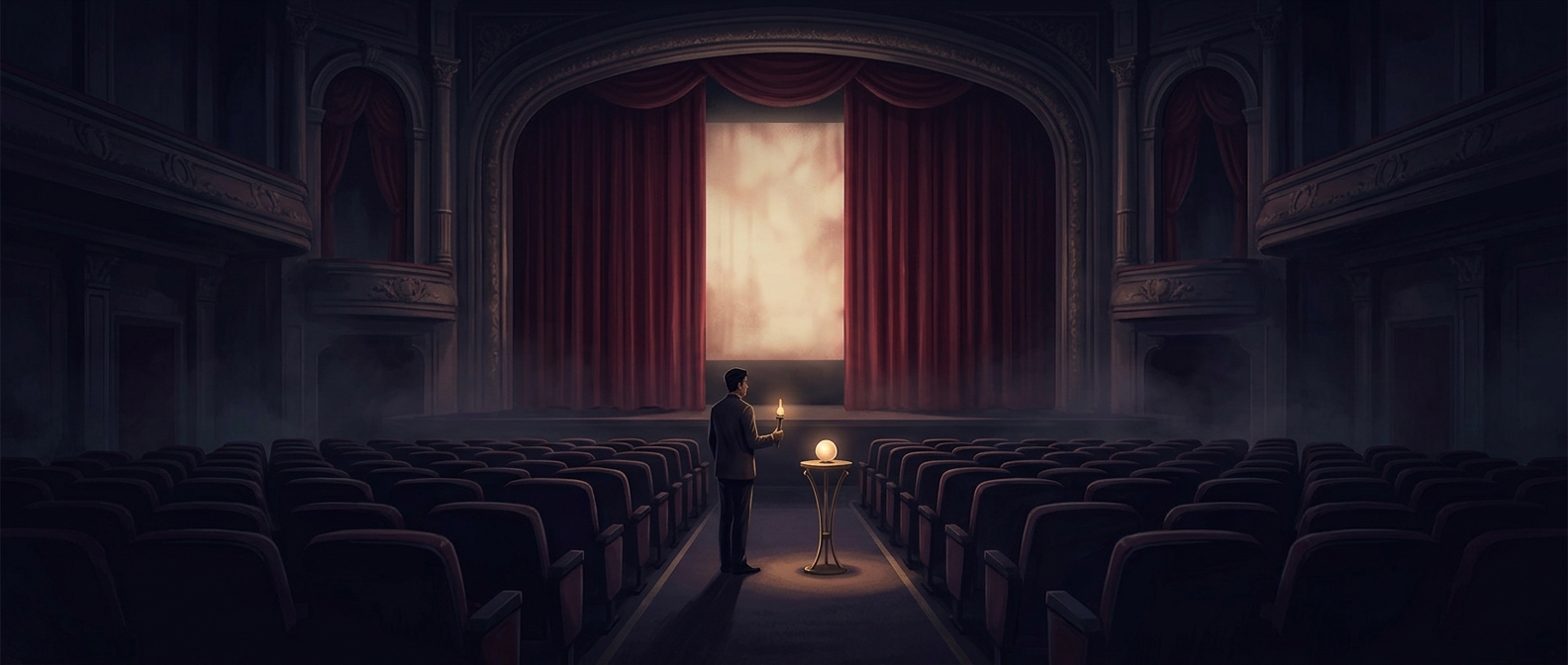
Why Bollywood movies need an intermission
Because some films run past three hours, Indian cinema traditionally builds in an intermission, giving audiences time to stretch and buy snacks.
Discover more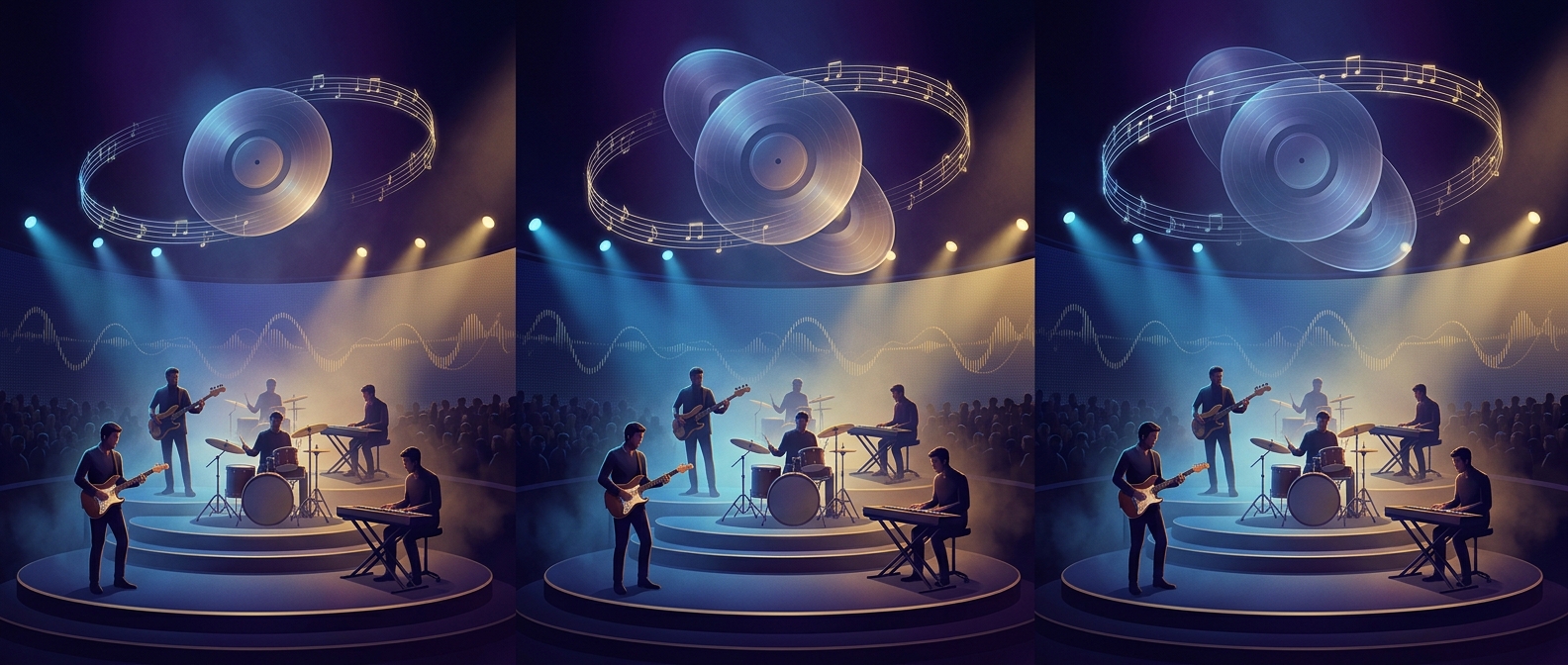
Why late-night house bands repeat the same music
Some house bands spend years repeating the same short instrumental transitions during commercial breaks, looping about 30 seconds of music.
Discover more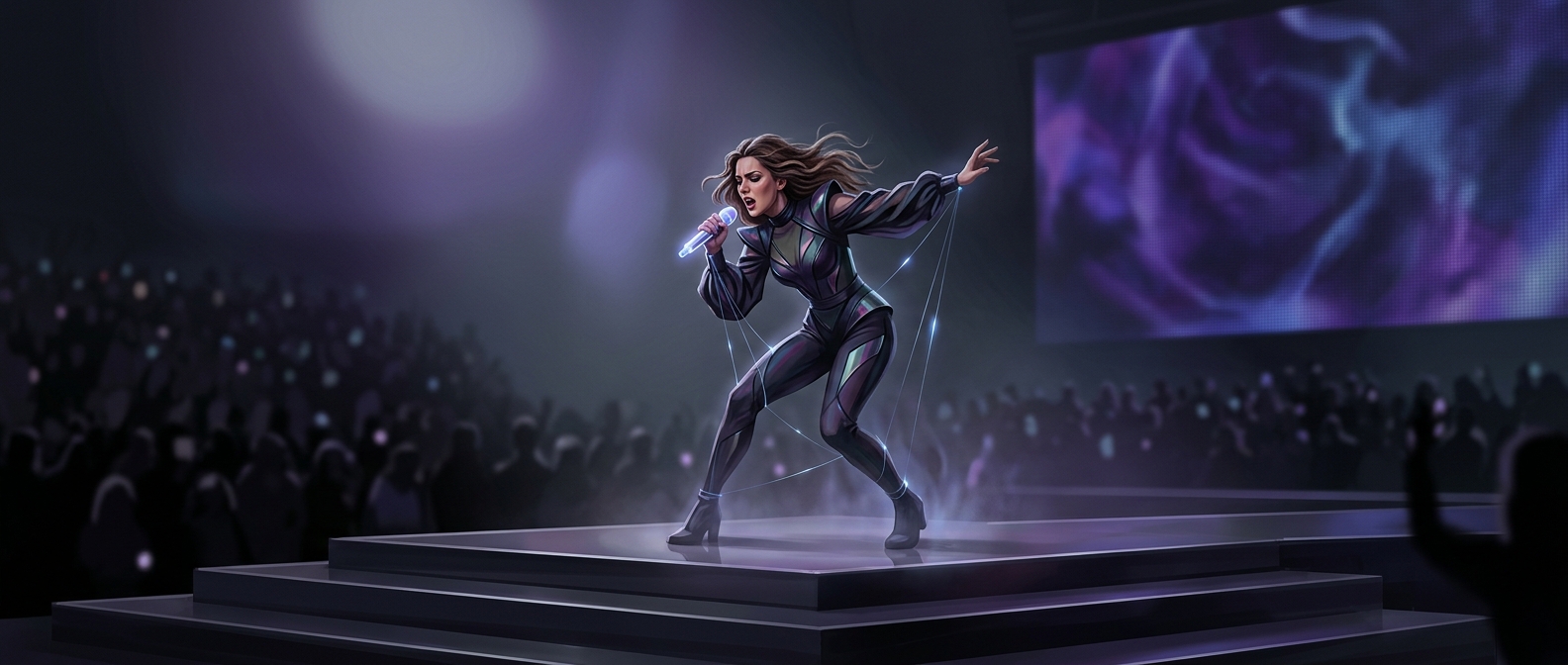
Why pop stars lip-sync during acrobatics
Strenuous choreography can make live singing difficult, especially during high notes and acrobatics. Stadium performers may rely on prerecorded vocals to get…
Discover more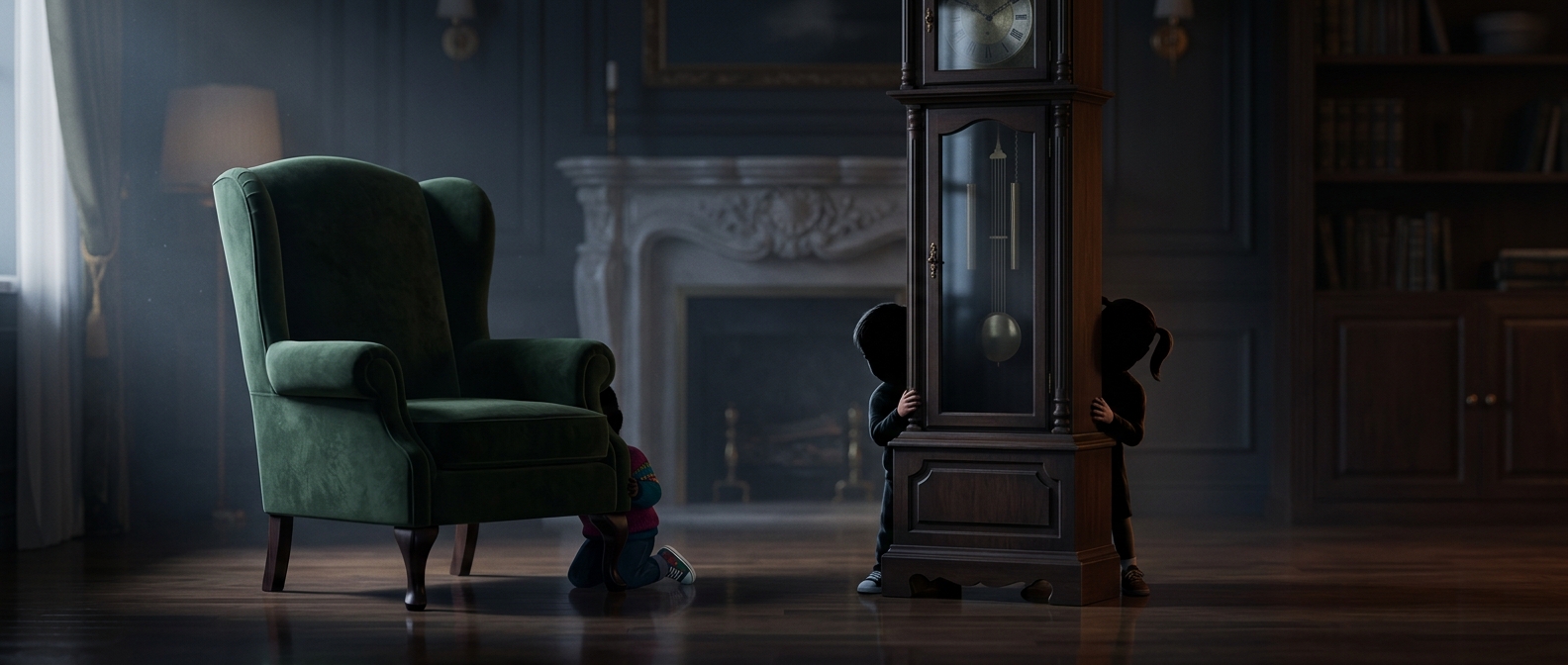
How sitcoms hide a child's growth spurt
Crews hide a young actor’s sudden height changes behind kitchen islands, couches, or tall plants, sometimes for an entire season.
Discover more STACKY FOR IPHONE
A bigger world.
One discovery
at a time.
Keep discovering with Stacky. Interesting facts in an app that is always within reach.
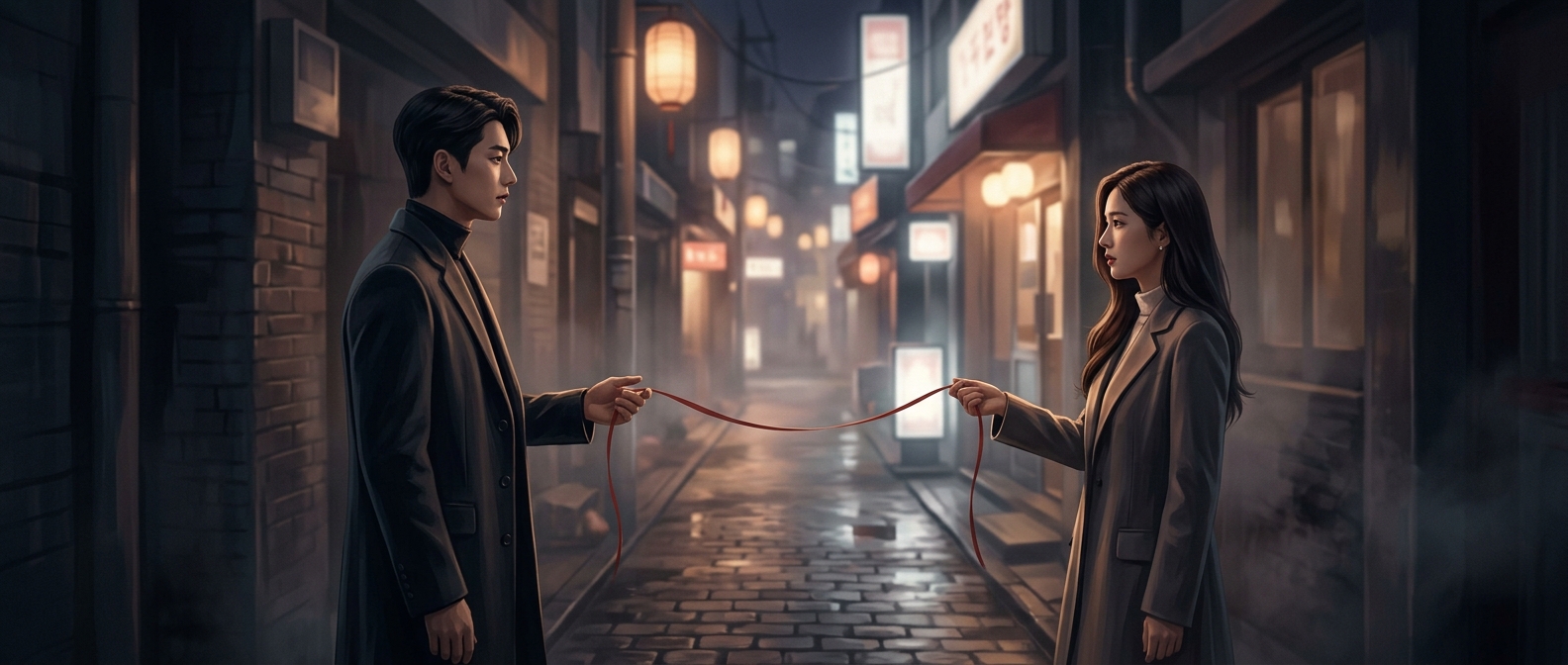
Why Korean dramas make a hand-hold feel momentous
They stretch out simple physical contact across many episodes, making even a brief brush of fingertips feel like a major romantic milestone.
Discover more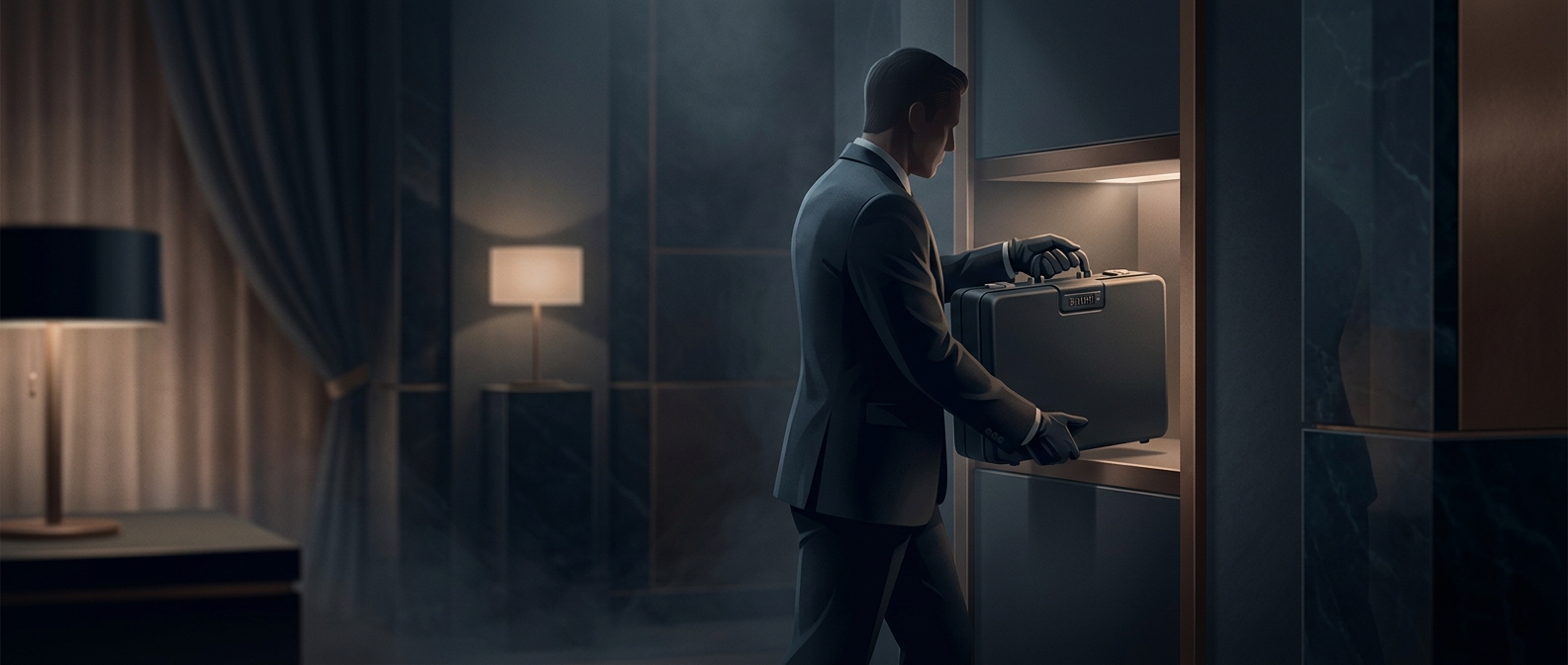
Why accountants carry the Oscars results in briefcases
Accountants memorize the winners and carry the results in briefcases to the ceremony, keeping them secret until they're announced.
Discover more
Reality-show confessionals are often filmed weeks later
Producers may ask contestants to recreate reactions to earlier events weeks or months later, often in the same clothes to preserve continuity.
Discover more
A sitcom catchphrase lets the audience finish the joke
Urkel's 'Did I do that?' works because viewers learn the pattern: disaster first, an absurdly innocent question afterward. Repetition turns the line into a…
Discover more
The Thin Blue Line helped overturn a real murder case
Errol Morris's 1988 documentary challenged the conviction of Randall Dale Adams through interviews and reconstructions. Adams, whose earlier death sentence…
Discover more
How V for Vendetta turned Guy Fawkes into a rebel icon
The mask repurposed the face of 17th-century religious zealot Guy Fawkes, turning a historical figure into a symbol for internet rebels.
Discover more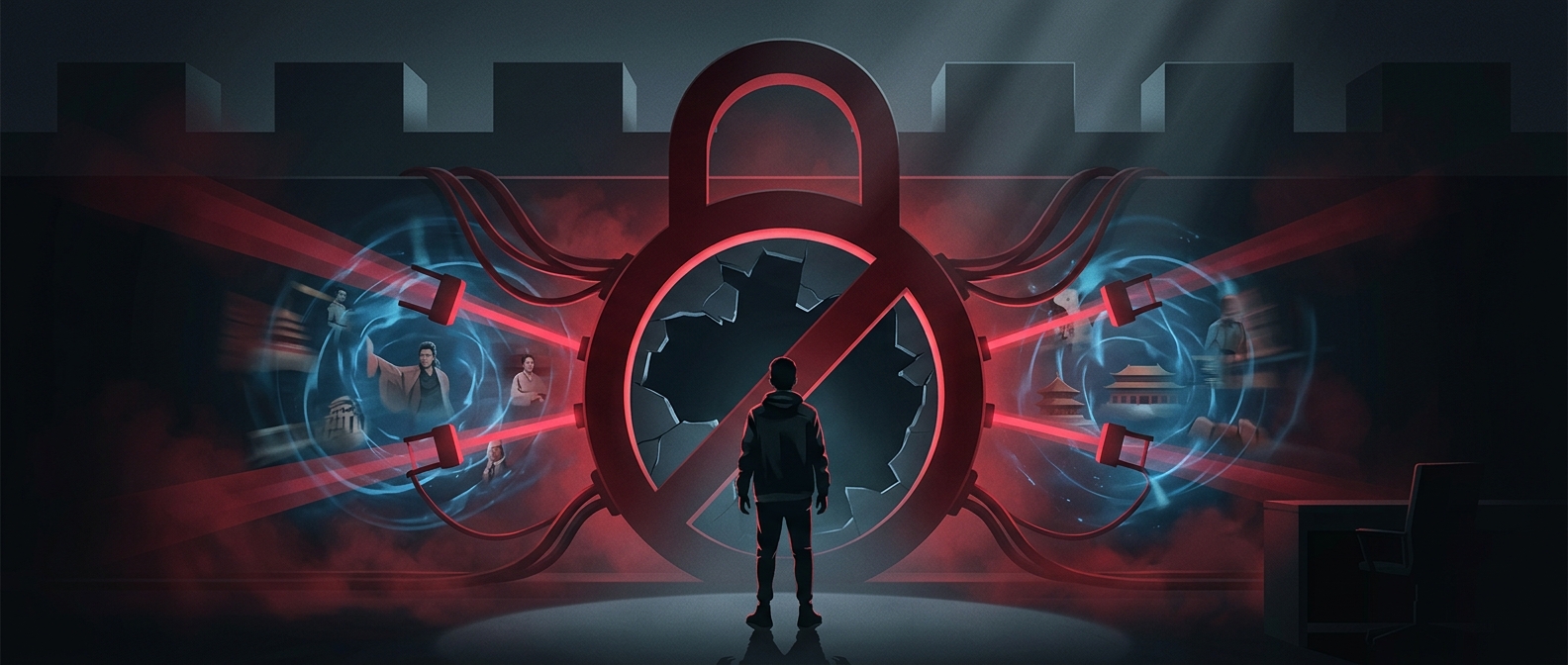
Why China banned time travel in entertainment
Authorities barred time-travel depictions in entertainment, saying they encouraged fatalism and treated serious historical events frivolously.
Discover more
Why PG-13 films get one nonsexual F-word
The rating guidelines generally allow one nonsexual use of the F-word in a PG-13 film; a second use typically pushes it into R territory.
Discover more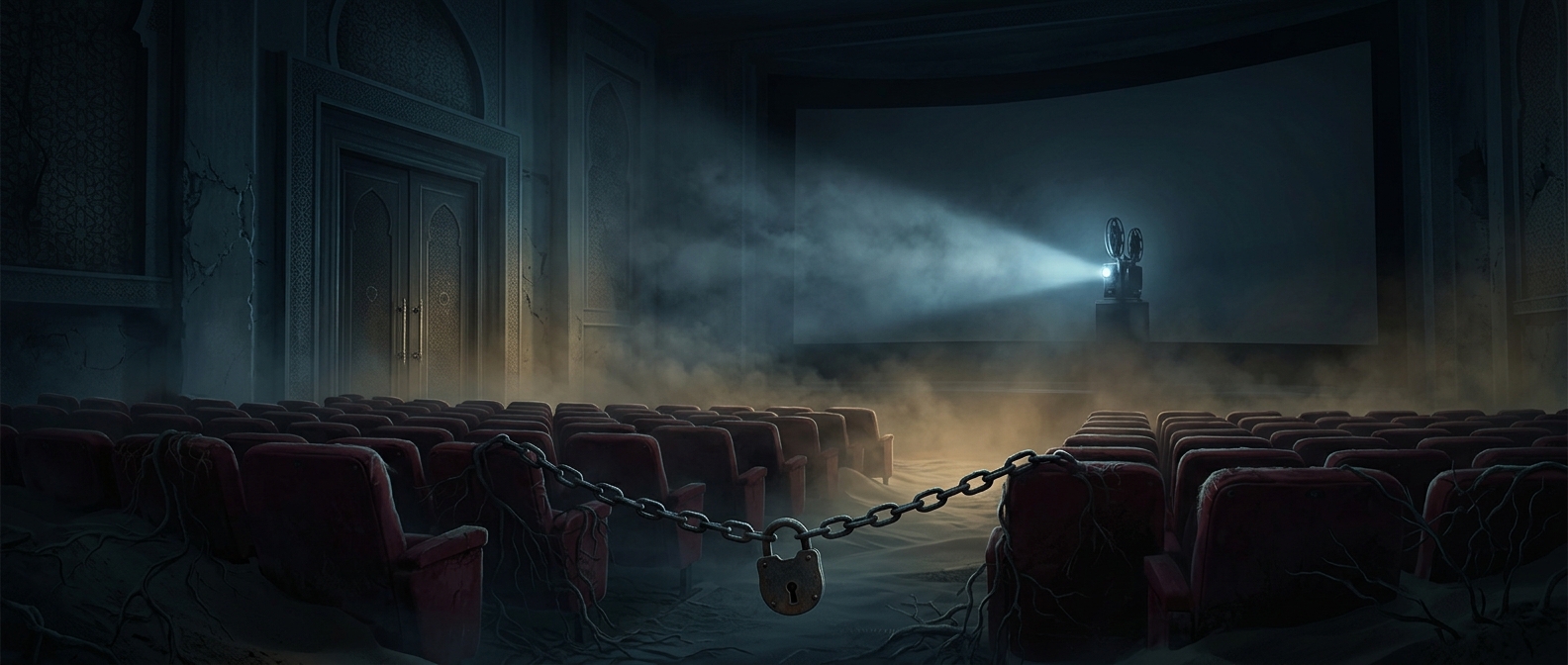
Saudi Arabia's cinemas reopened after a 35-year ban
Cinemas closed in the early 1980s amid religious conservatism, and people relied on satellite TV and smuggled VHS tapes in the years that followed. Theaters…
Discover more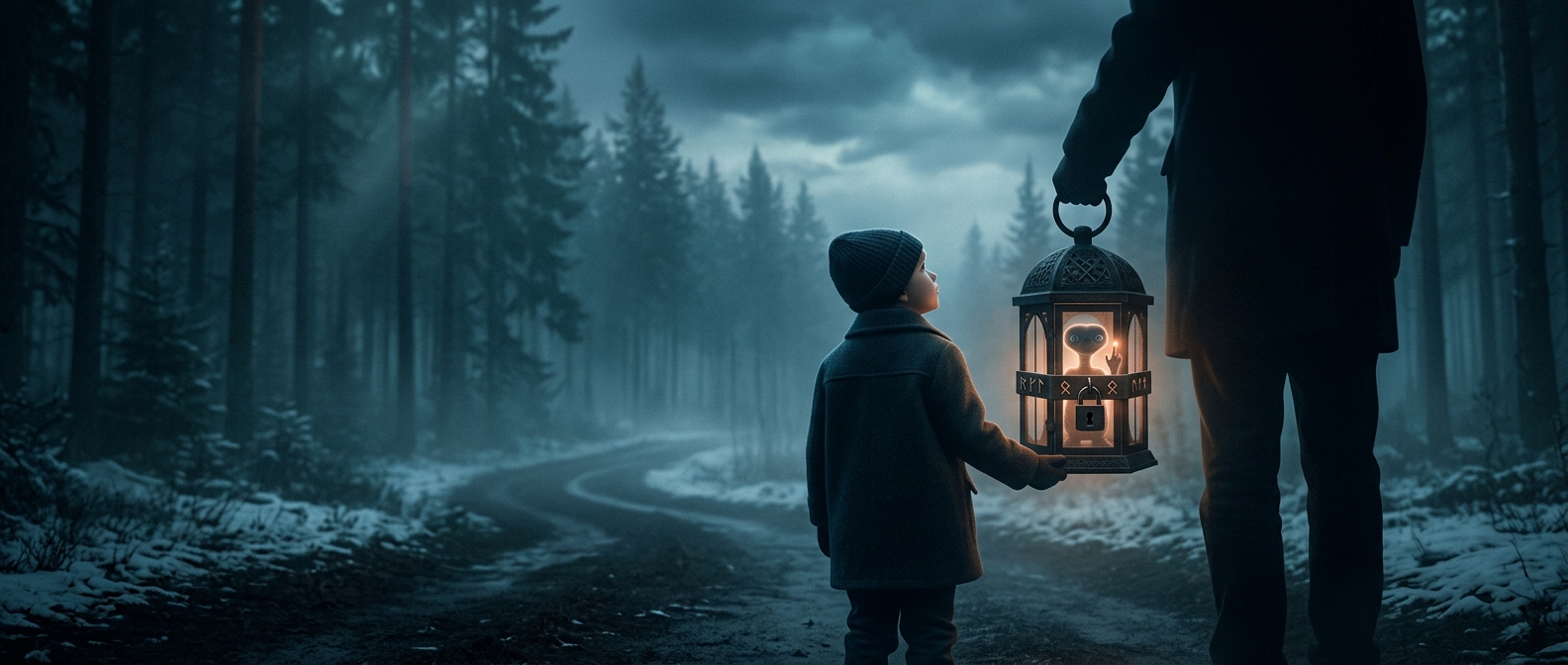
E.T.'s family-film status did not produce one universal age limit
Nordic countries gave the film different age restrictions, with concern about its frightening pursuit scenes and threats. A story can center on children and…
Discover more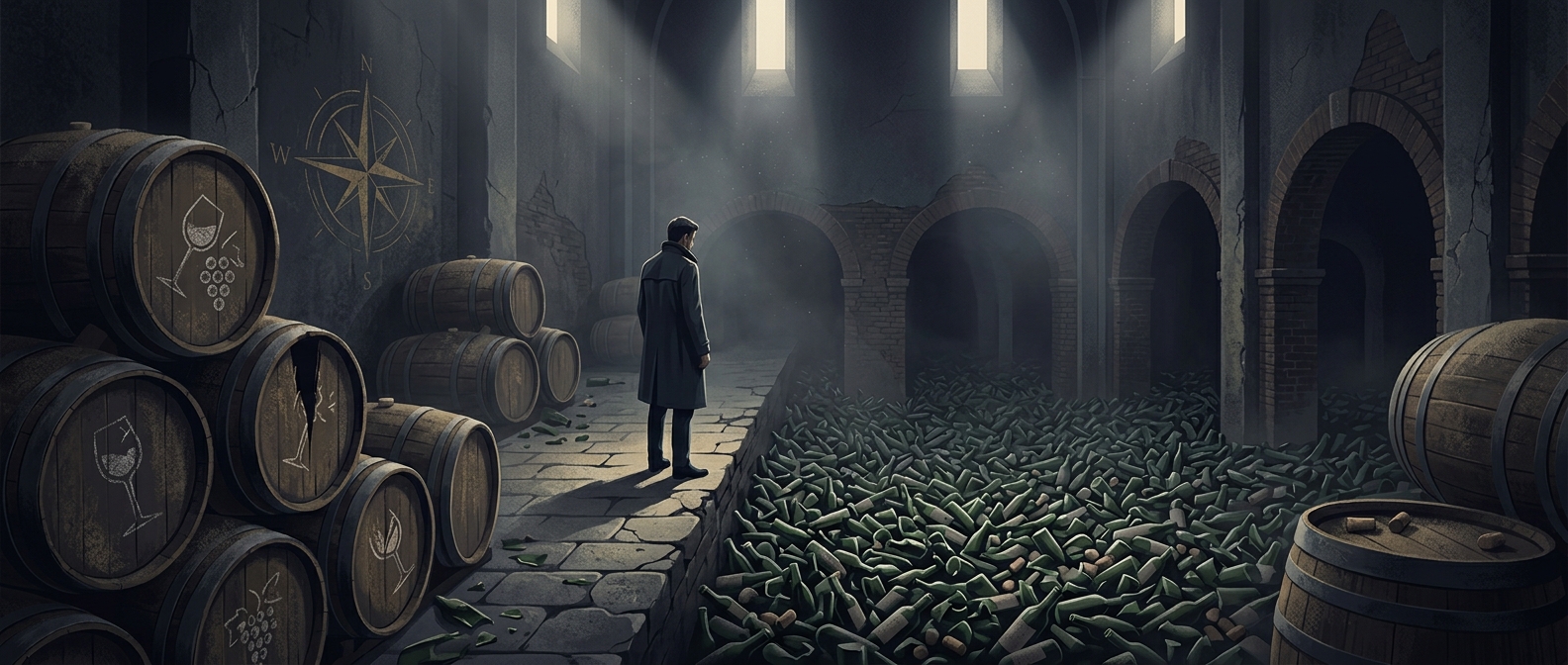
Sideways left a measurable mark on wine buying
A study of the 2004 film's market effects found a boost for Pinot Noir and a smaller negative effect on Merlot. The movie gave viewers a memorable preference…
Discover more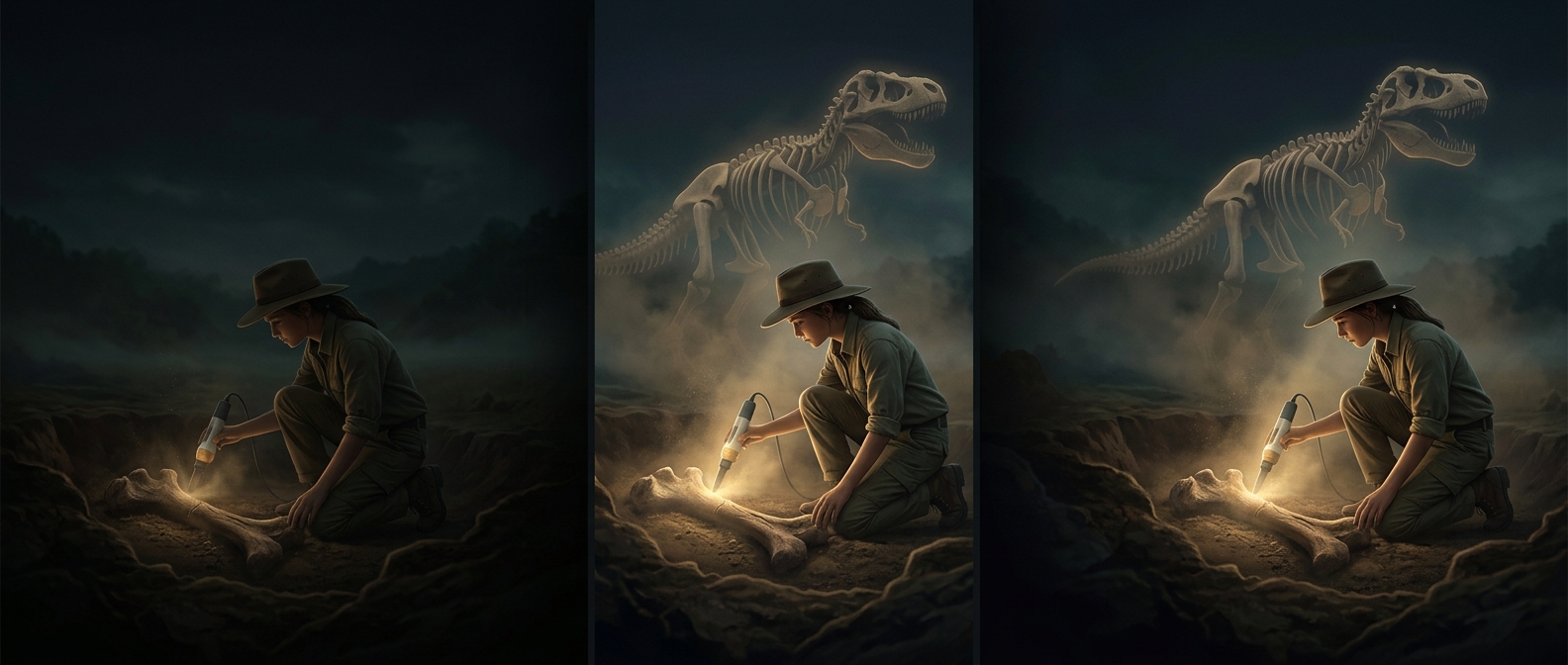
Jurassic Park put a real dinosaur expert behind its dinosaurs
Paleontologist Jack Horner advised the filmmakers, bringing knowledge from fossils to creatures that had to move on screen. His work helped connect a…
Discover more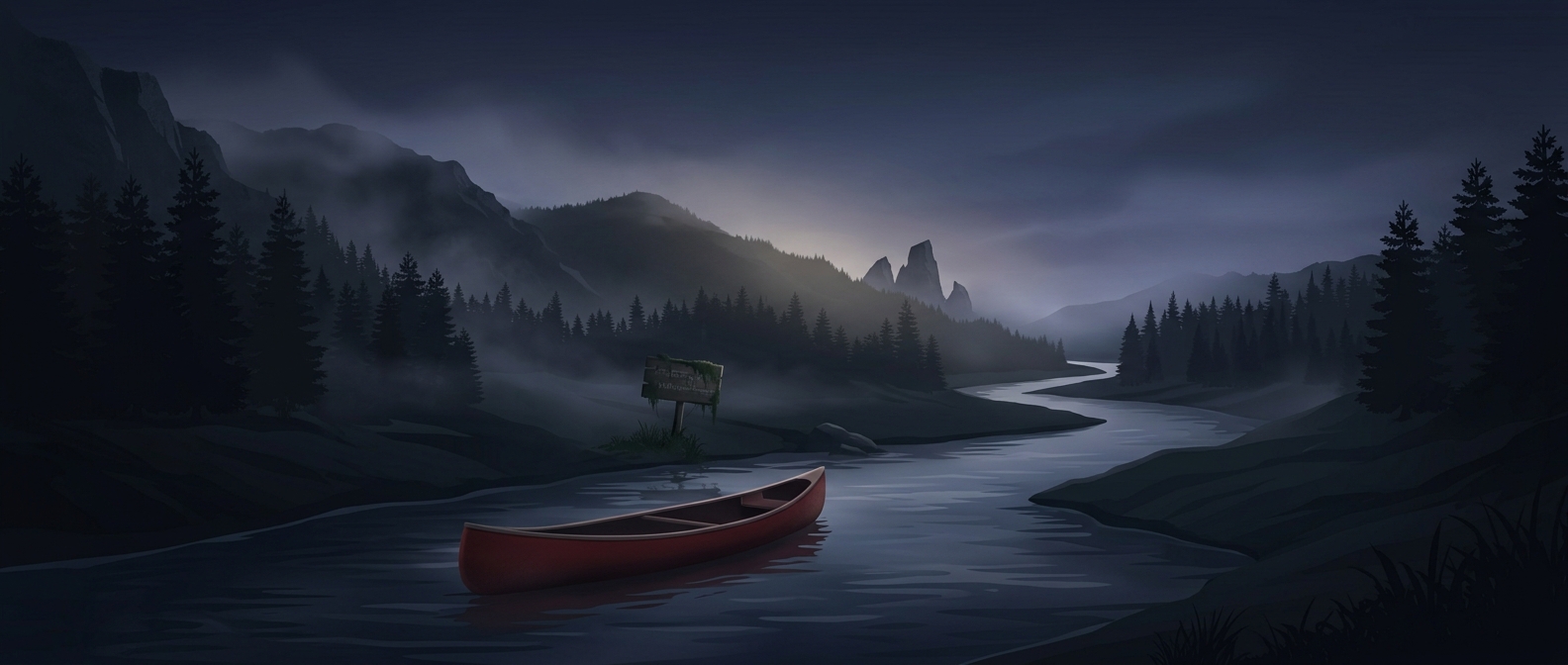
Deliverance made the Chattooga frightening—and more popular
The 1972 film presented a river trip as a nightmare, but boating use on the Chattooga increased after its release. The landscape had become famous along with…
Discover more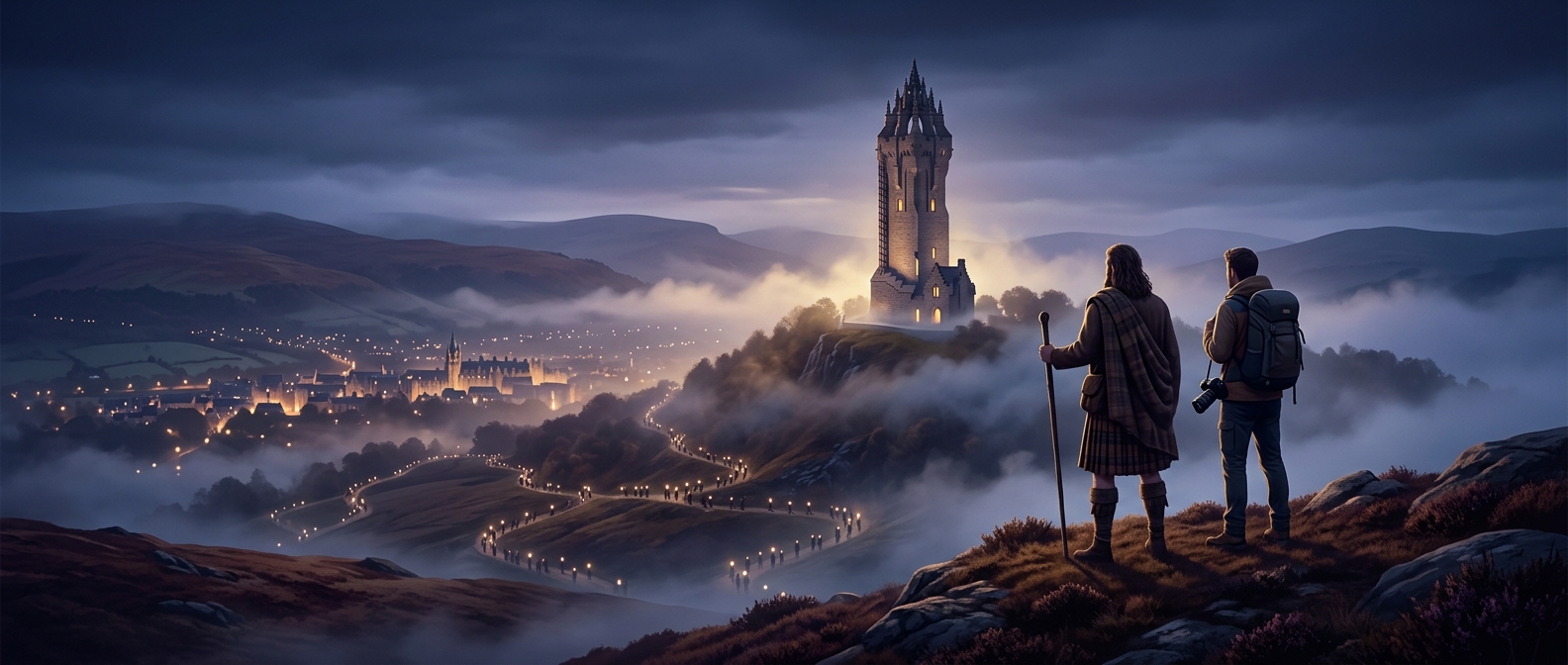
How Braveheart Sent Tourists to a Scottish Monument
The 1995 film sent visits to the real Wallace Monument up 300 percent, prompting the site to expand its parking lot.
Discover more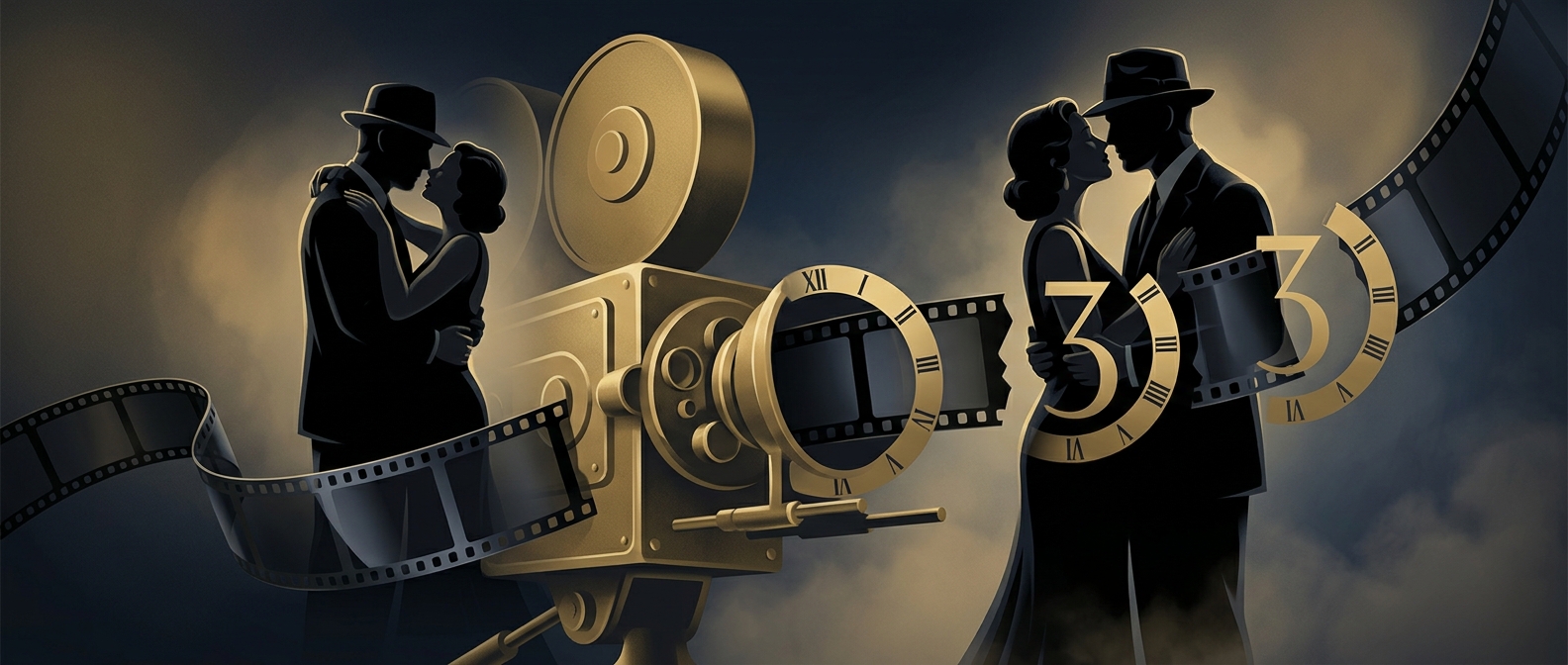
Hollywood once limited kisses to three seconds
From 1934 to 1968, studios got around the limit by having actors break apart to breathe or talk, then kiss again.
Discover more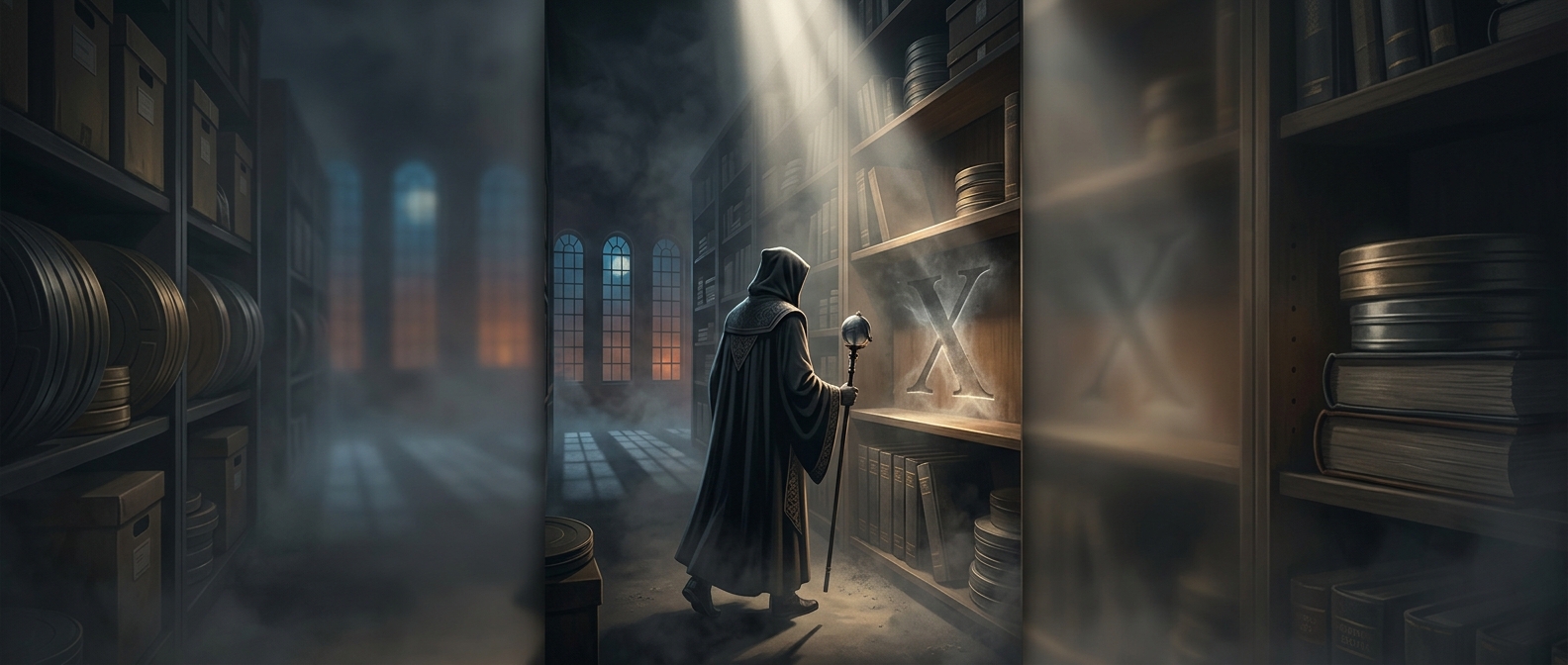
How the MPAA accidentally gave X to pornography
When the MPAA introduced its ratings, it trademarked G, M and R but not X, leaving the letter open for the adult film industry to adopt.
Discover more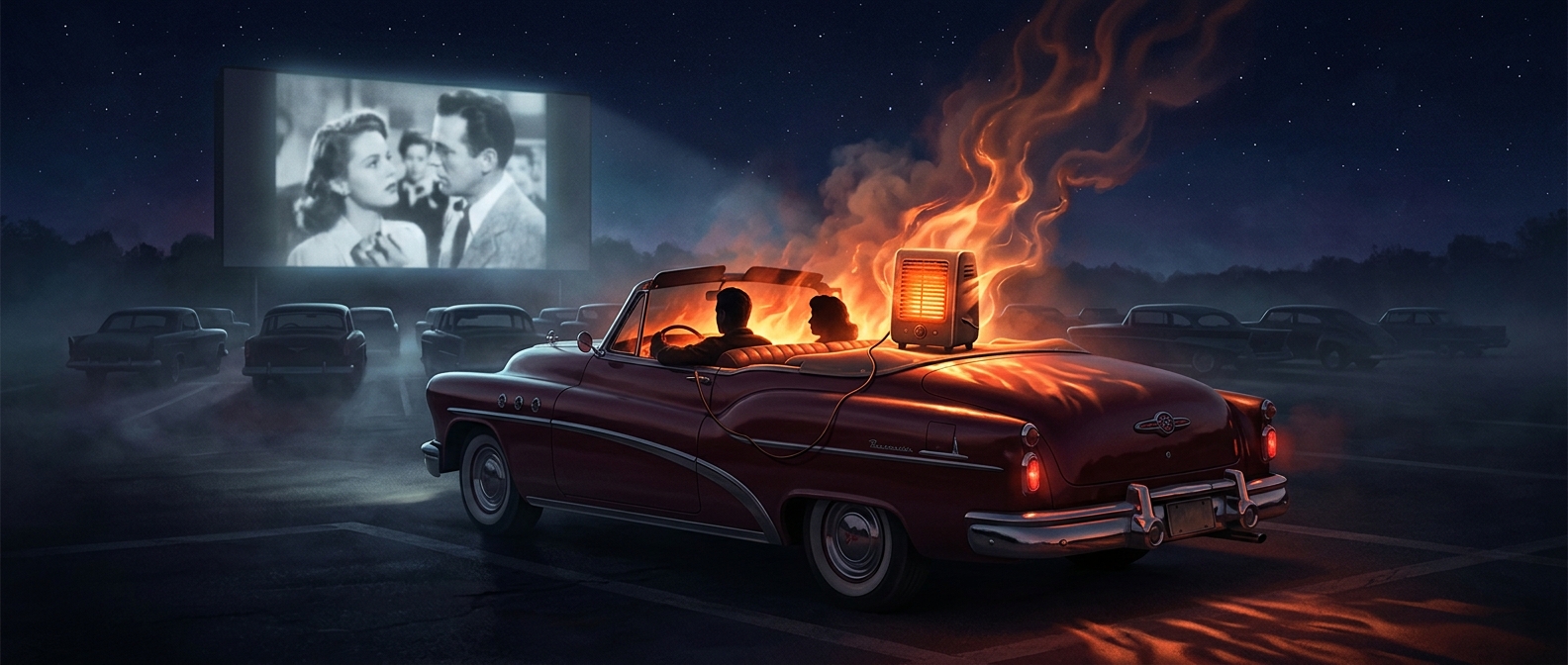
A drive-in heater could hang from your car window
A 1951 US patent proposed electric fan heaters stationed beside drive-in speakers. Customers could suspend a unit from a partly lowered window and activate it…
Discover more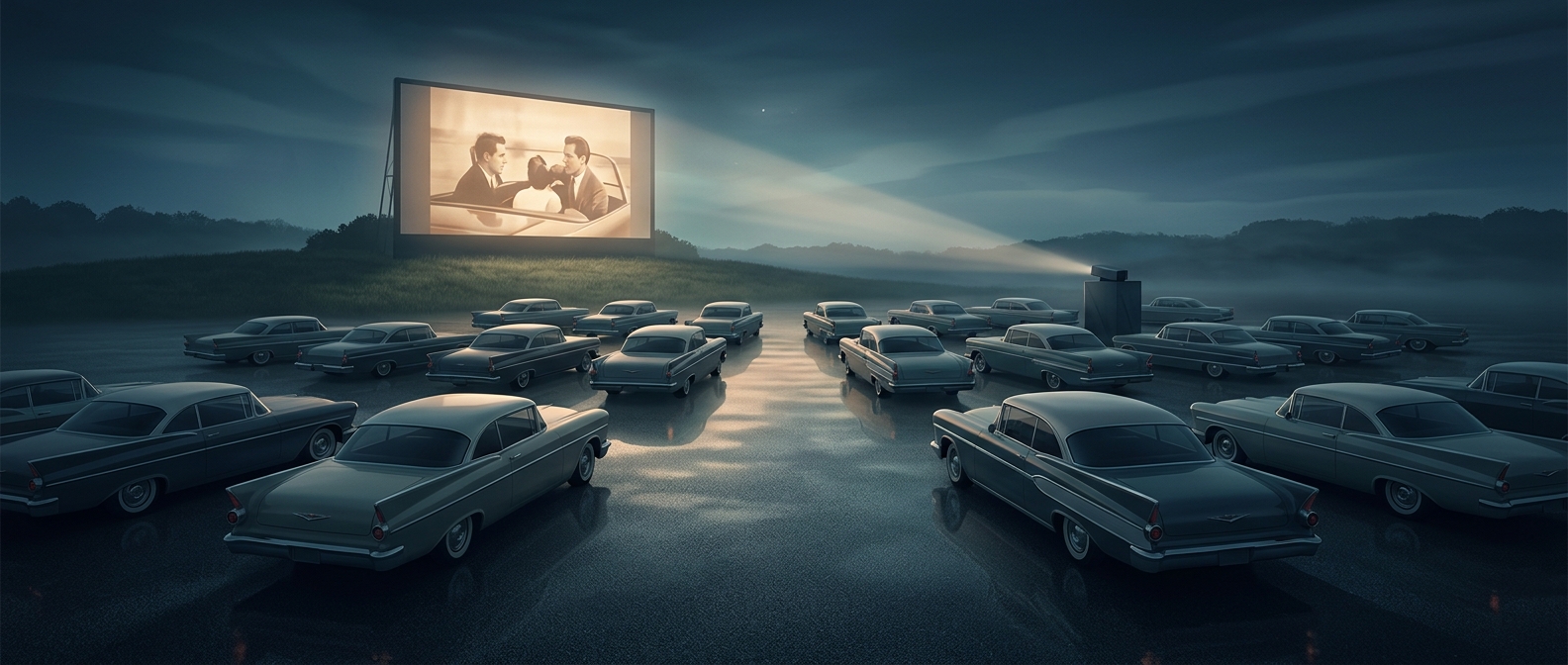
Drive-in theaters once filled America
In 1958, the United States had about 4,000 drive-in theaters. Families paid by the carload, making them an affordable outing for large groups.
Discover more