Technology
Discover facts about technology. Small discoveries that change the way you see familiar things.
Technology
Massachusetts Institute of Technology researchers engineered a specialized camera system that captures terahertz radiation wavelengths sitting precisely between microwaves and…
X-rays are fantastic for looking at broken bones, but they will blast you with ionizing radiation. Microwaves are safe, but they lack the resolution to see…
Discover moreIntel engineers circumvented the physical limitations of copper wires by laser-welding microscopic light-emitting diodes directly onto silicon processors, allowing massive server…
Copper wires are the technological equivalent of a horse-drawn carriage. They generate heat, consume immense power, and face hard physical speed limits. To…
Discover moreAdvanced Micro Devices dismantled the traditional monolithic processor design by utilizing a microscopic bridge called Infinity Fabric to stitch multiple smaller chiplets…
Moore's Law has been dying a slow, expensive death. Trying to manufacture massive, flawless silicon processors was resulting in a ridiculous amount of…
Discover moreGoogle permanently embedded a microscopic custom security module known as the Titan chip into their massive data center motherboards to cryptographically interrogate every single…
If a hacker manages to compromise a computer's low-level firmware, they effectively own the machine before the operating system even has a chance to boot up.…
Discover moreIntel's Loihi 2 neuromorphic chip literally mimics the human brain's olfactory system to digitally smell hazardous chemicals and explosives in real-time, functioning exactly like…
Imagine teaching a rock to smell. Traditional computers are terrible at processing sensory data because they shuffle information back and forth between memory…
Discover more
He played video games by thinking about moving the mouse
An implant in Noland Arbaugh’s motor cortex detects brain activity when he imagines moving his hand and turns it into commands for a computer cursor. That let…
Discover more STACKY FOR IPHONE
A bigger world.
One discovery
at a time.
Keep discovering with Stacky. Interesting facts in an app that is always within reach.

Why Google treats every device as a potential threat
Because BeyondCorp assumes the network may already be compromised, it requires each device to verify its identity, security status, and access rights before…
Discover more
The space computer that filters satellite photos in orbit
Onboard computers can use AI to screen images for clouds or damaged sensor data, sending only useful results to Earth. That cuts the amount of raw data…
Discover more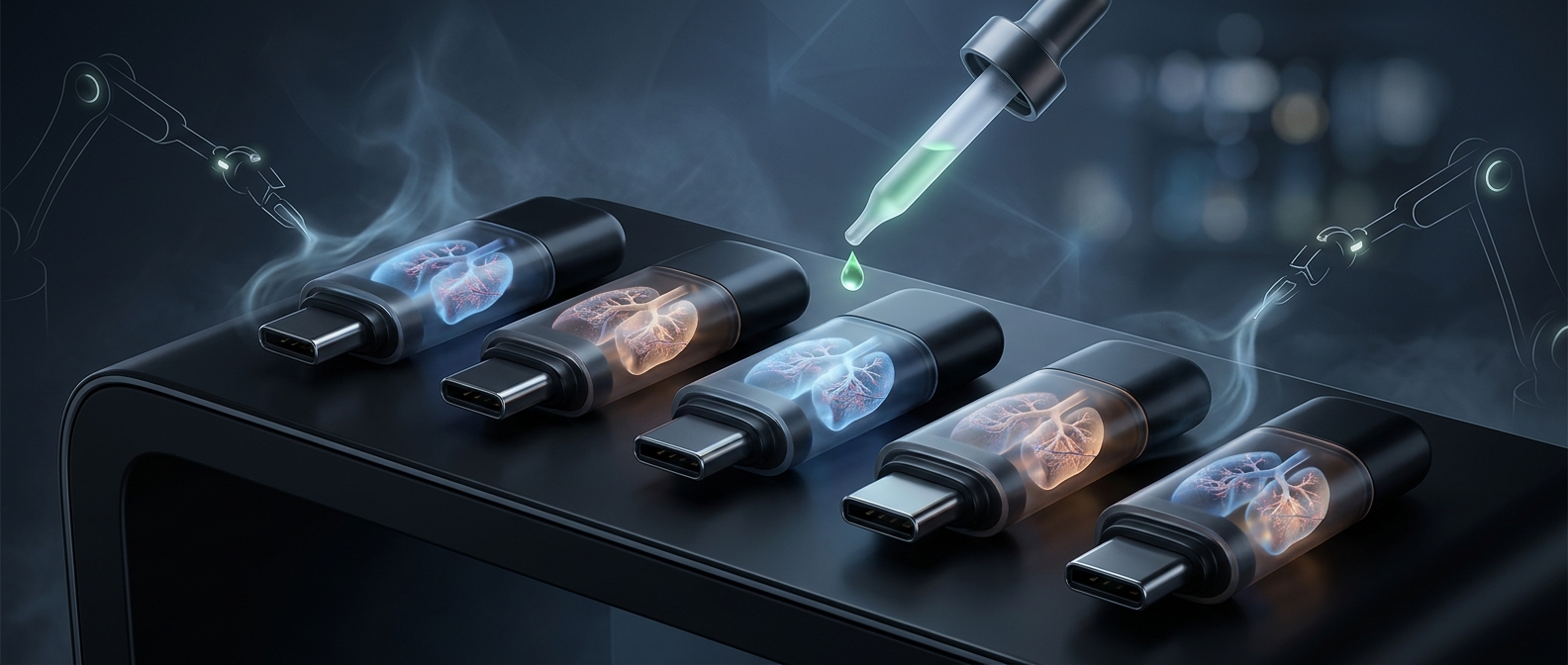
How human cells on tiny chips can test drugs
Tiny flexible polymer chips lined with living human cells can mimic organs that breathe and pump. Researchers flow microscopic drug doses through them to…
Discover more
A 4K microLED TV needs nearly 25 million tiny lights
Each of its roughly 8.3 million pixels needs red, green, and blue emitters. Placing those microscopic parts one at a time would be painfully slow, so…
Discover more
How spacecraft memory survives cosmic rays
Magnetoresistive RAM stores bits as magnetic states rather than electrical charges, making it more resistant to cosmic-ray-induced bit flips that can disrupt…
Discover more
Invisible beams sent electricity a kilometer
In a 2022 demonstration, the U.S. Naval Research Laboratory transmitted power over about a kilometer using microwaves. A receiving array called a rectenna…
Discover more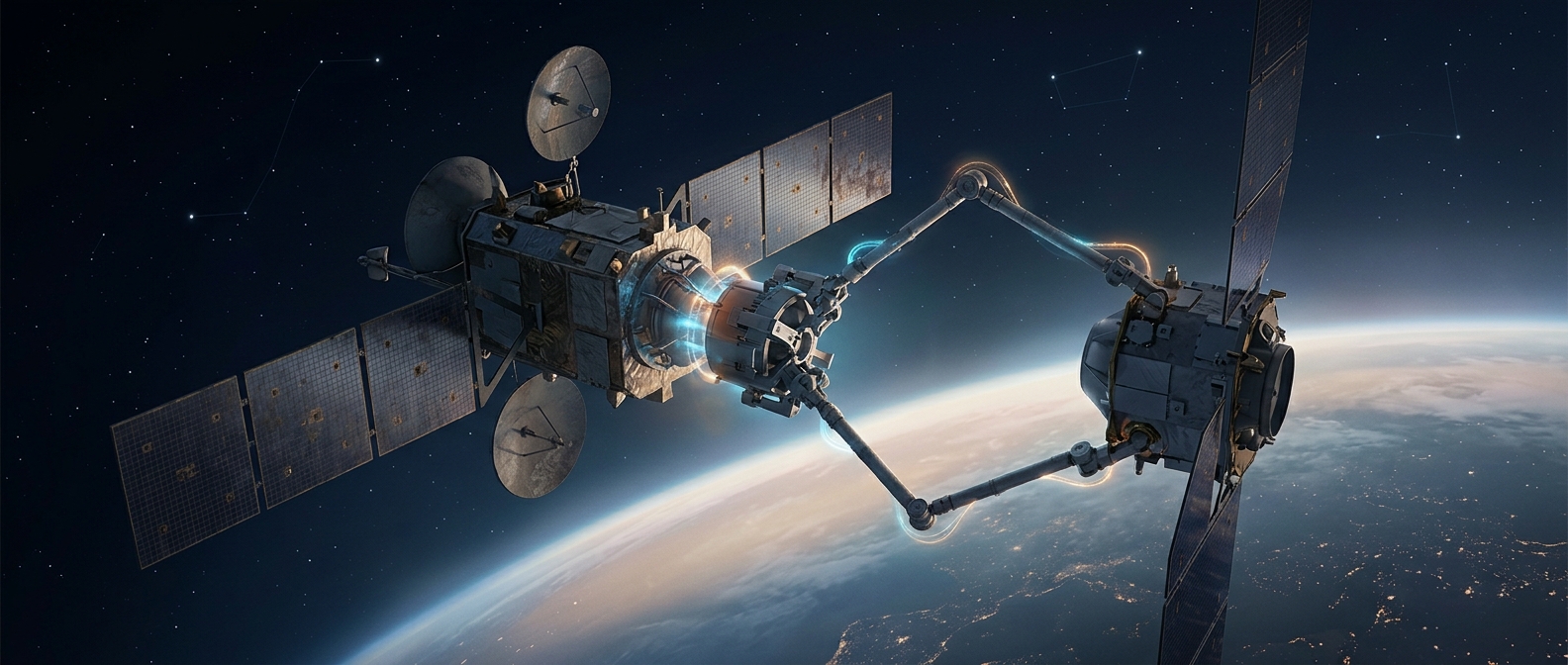
A satellite got a second life by attaching to another spacecraft
In 2020, MEV-1 docked with Intelsat 901 and took over the positioning work needed to keep it operating. The communications payload could still be useful even…
Discover more
The lab where you can run experiments from a laptop
Emerald Cloud Lab lets researchers run experiments remotely using automated lab equipment. A researcher in Paris can program an experiment on a laptop and…
Discover more
Some iPhones measure a room by timing returning light
LiDAR-equipped Pro models send out light and measure its reflections to estimate depth. That helps software understand where surfaces are, so virtual objects…
Discover more
These medical sensors dissolve in your sweat
Made from specialized polymers and conductive iron traces, the sensors are designed to break down in weak acids such as sweat after tracking heart rate and…
Discover more
Rubin's telescope lets software choose the next patch of sky
Its scheduler weighs observing conditions and survey priorities rather than following one rigid nightly list. Moon position and available sky affect which…
Discover more
These industrial batteries store energy in glowing-hot bricks
Rondo's system uses electricity to heat refractory bricks to temperatures up to 1,500°C. Air flowing through the hot material later carries that stored energy…
Discover more
How silicon carbide helped Tesla get more from the same battery
Silicon carbide inverters handle heat and electrical resistance better than standard silicon chips, reducing energy lost before power reaches the motor and…
Discover more
Scientists turned locusts into bomb-sniffing detectors
Researchers recorded activity in locusts' brains as the insects smelled explosive vapors. Different chemicals produced recognizable patterns within about half…
Discover more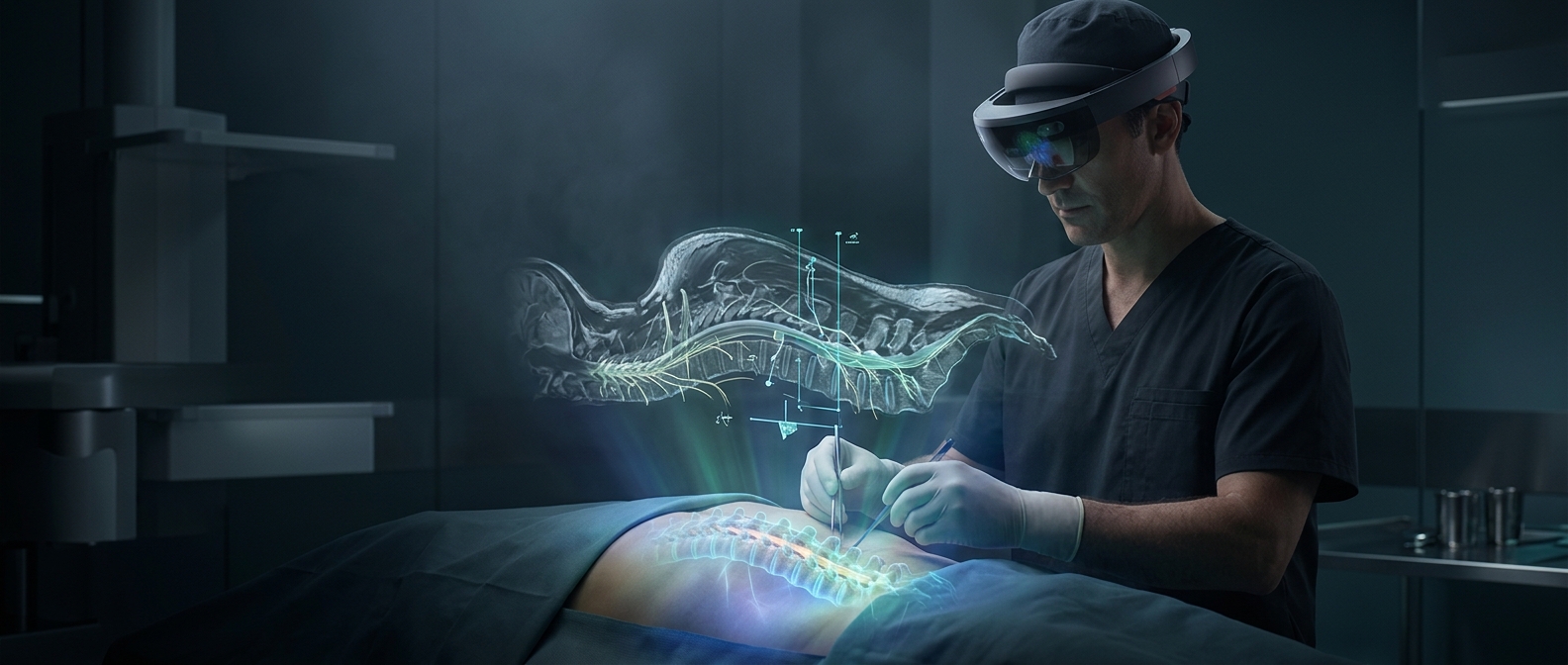
A surgeon's headset can put a scan over the patient
Mixed-reality systems turn scan data into a three-dimensional model that appears in the surgeon's view. The hard part is registration: lining up the virtual…
Discover more
An AI guardrail can check the question, the answer, and the action
Systems such as NeMo Guardrails can apply checks at several stages: before a model receives input, after it responds, or when it calls an external tool. That…
Discover more
Robot hands can feel the texture of Braille dots
Event-based tactile sensors send electrical signals only when pressure or texture changes, rather than streaming constant data. Researchers paired them with…
Discover more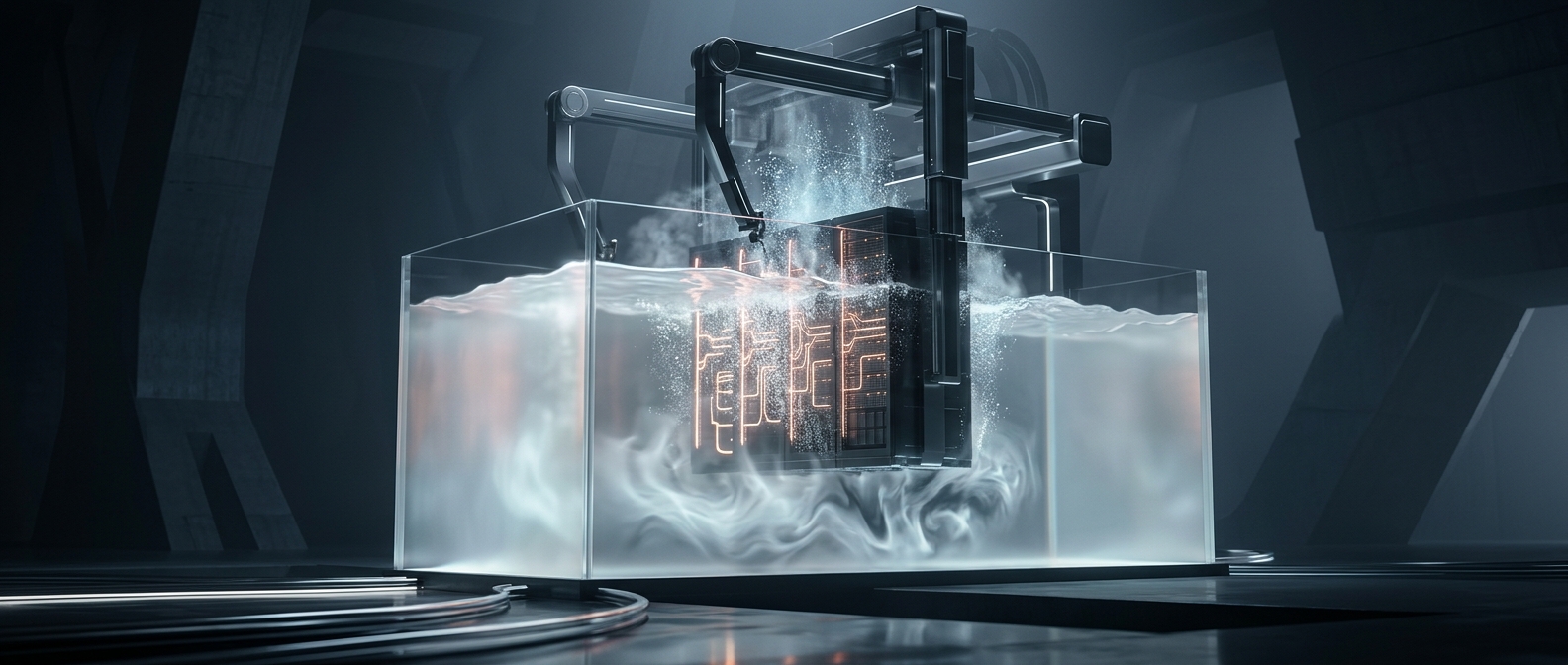
Why Microsoft is dunking servers in boiling liquid
In two-phase immersion cooling, nonconductive fluid boils around hot chips, carrying heat to cool coils before condensing and returning to the servers.
Discover more