The world is more interesting than you think.
Unexpected facts, big ideas, and little discoveries. Find something that sparks your curiosity today.
A little more wonder
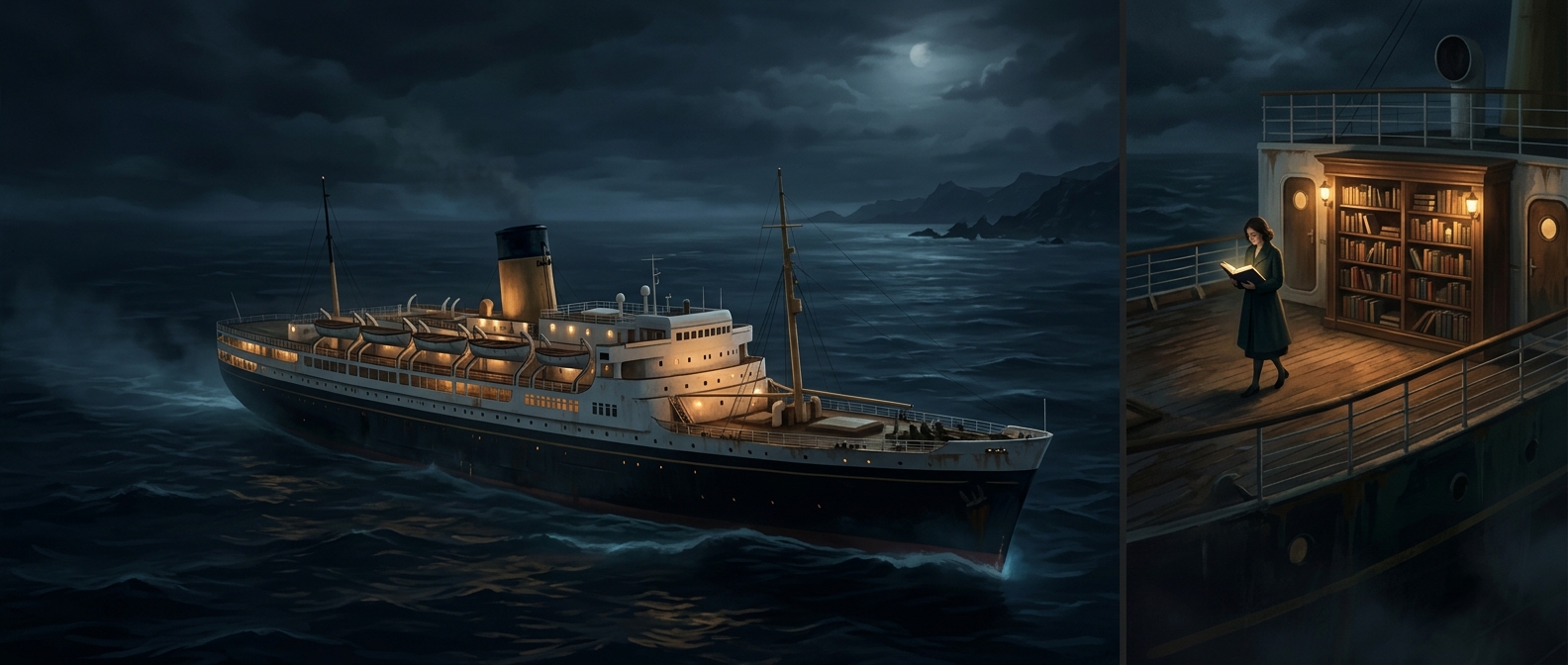
The ocean liner that became a floating bookstore
Built in 1914, the M.V. Doulos survived two world wars before becoming a floating Christian bookstore. Operated by a German charity, it spent three decades…
Discover more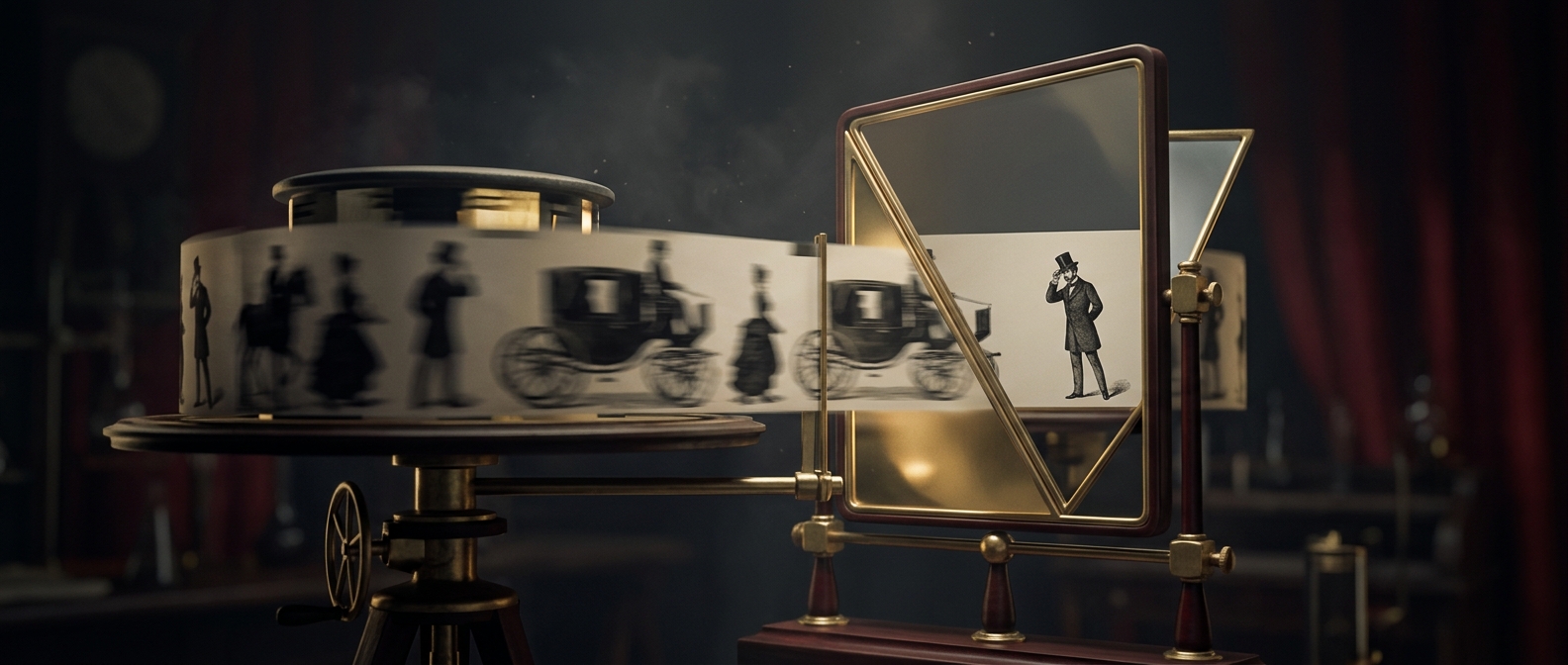
Mirrors made early animation smoother
Émile Reynaud’s 1877 Praxinoscope used mirrors instead of viewing slits, making the animated images brighter and steadier. He later built the images into a…
Discover more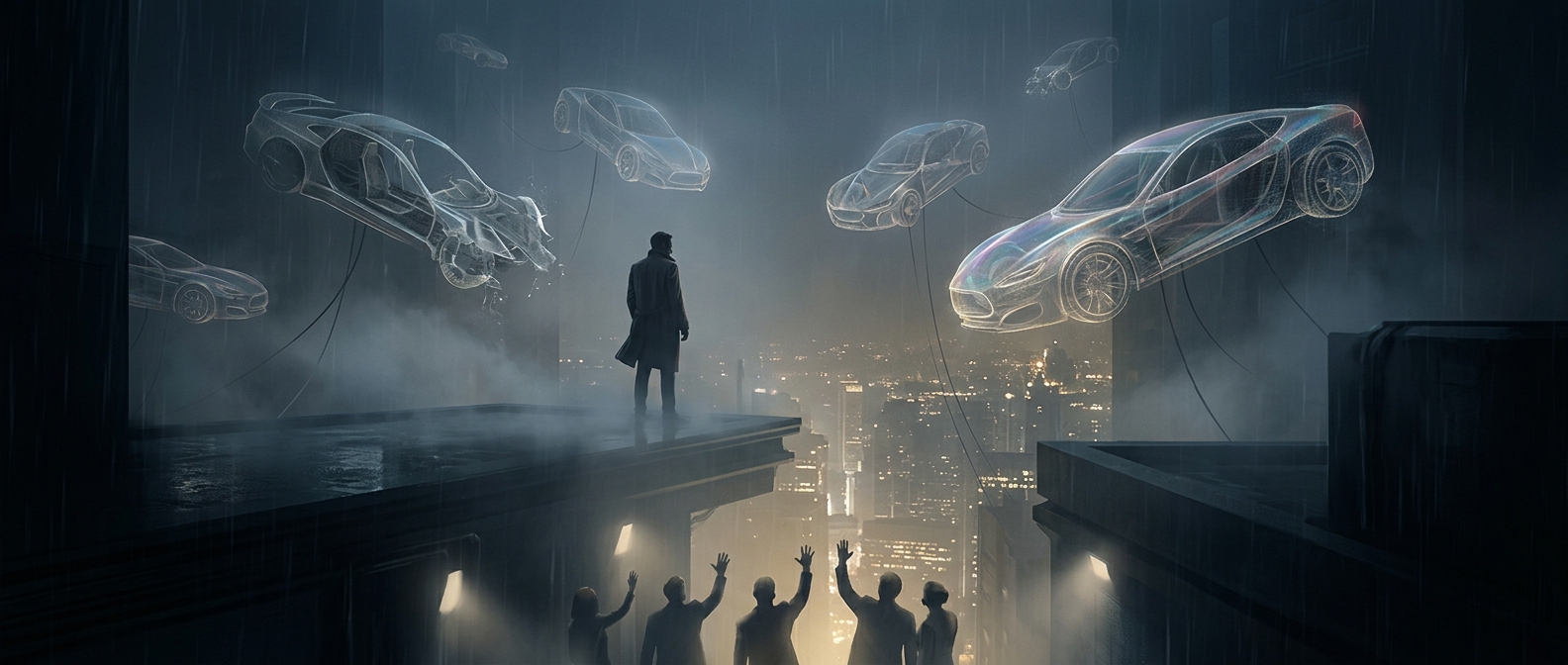
The Skycar pitch led to a securities-fraud case
In 2003, the SEC brought a settled civil action against Moller International and Paul Moller over fundraising claims about the proposed personal aircraft. The…
Discover more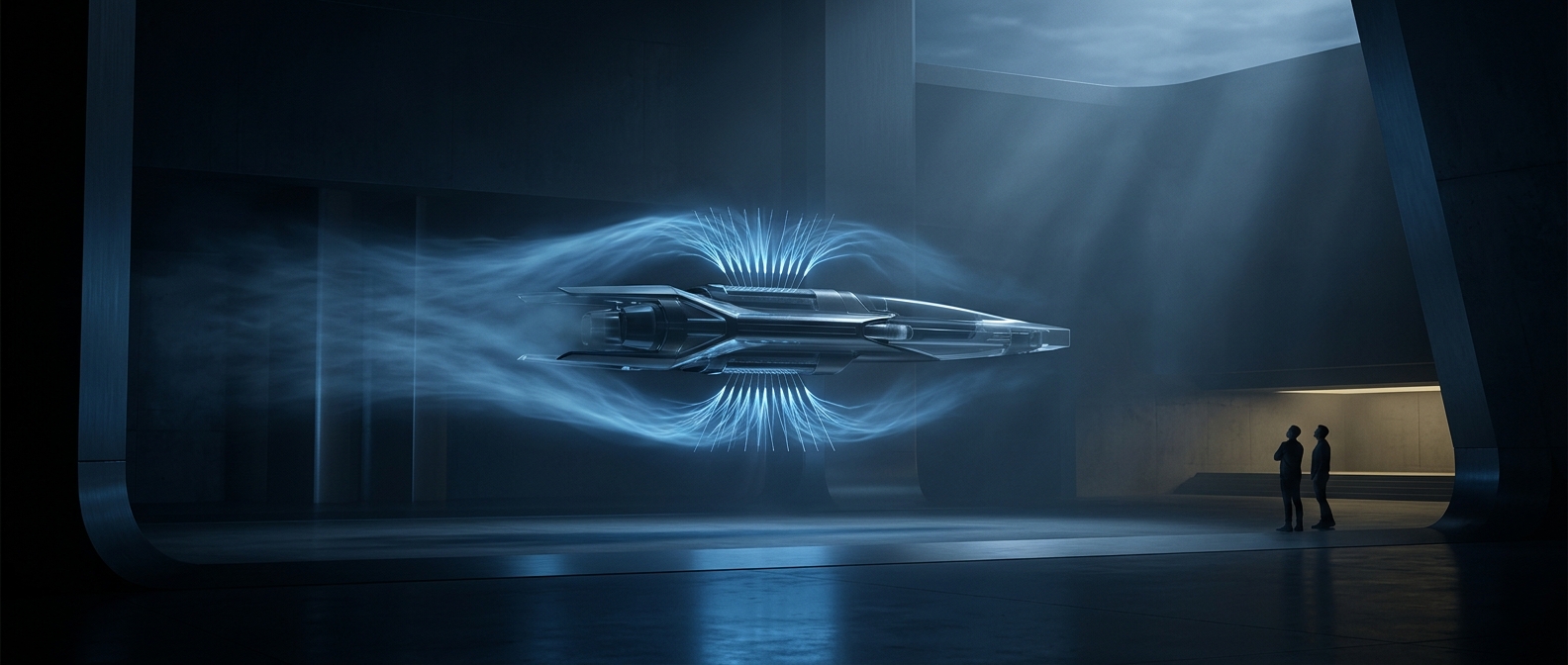
A plane can push air without a propeller
The object doesn’t need to blow air out like a rocket. A strong electric field speeds up ions, which bump into ordinary air molecules and set them moving;…
Discover more
When geopolitics closed the road to Kathmandu
In 1963, border tensions and shifting alliances shut down the original overland route from London to Kathmandu, years before the Hippie Trail became famous.
Discover more
Sven Hedin's desert crossing nearly ended in thirst
During his disastrous 1895 Taklamakan expedition, water ran out and members of the party died. Hedin eventually reached water after continuing with a…
Discover more STACKY FOR IPHONE
A bigger world.
One discovery
at a time.
Keep discovering with Stacky. Interesting facts in an app that is always within reach.

Some radio signals echo back 40 seconds later
A radio echo that takes 40 seconds to return has gone far beyond the quick bounce expected from ordinary reflections in the ionosphere. Such a delay would…
Discover more
How Jack Horkheimer turned astronomy into late-night camp
He hosted Star Hustler with a used-car-salesman's energy, pairing cosmic explainers with cheap green-screen effects and memorable catchphrases. His…
Discover more
How 29 reindeer became 6,000, then almost disappeared
Introduced reindeer multiplied on Alaska's St. Matthew Island, where slow-growing lichens initially supplied abundant food. Heavy grazing depleted that…
Discover more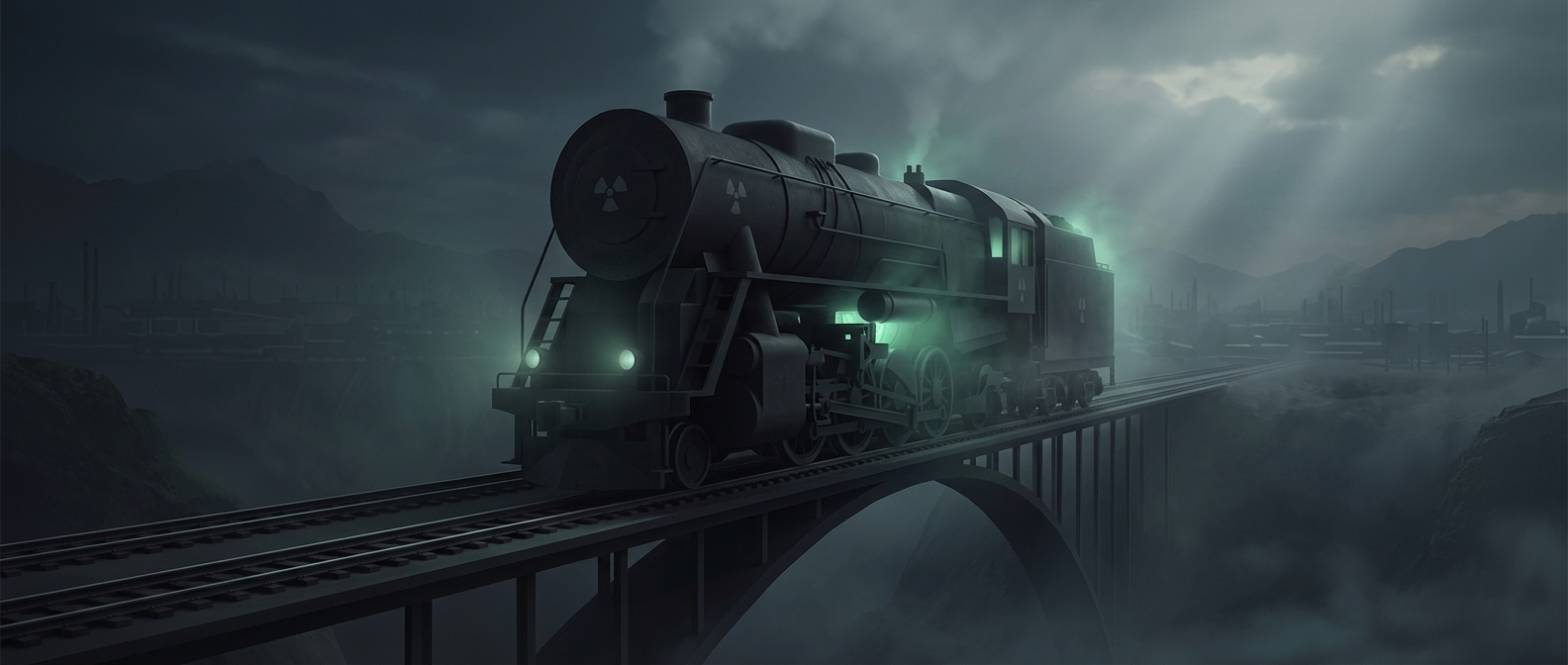
Why nuclear trains never made it to the tracks
A nuclear reactor needs heavy shielding, cooling gear, and protection around its fuel. Put all that on a train and the power source starts eating the…
Discover more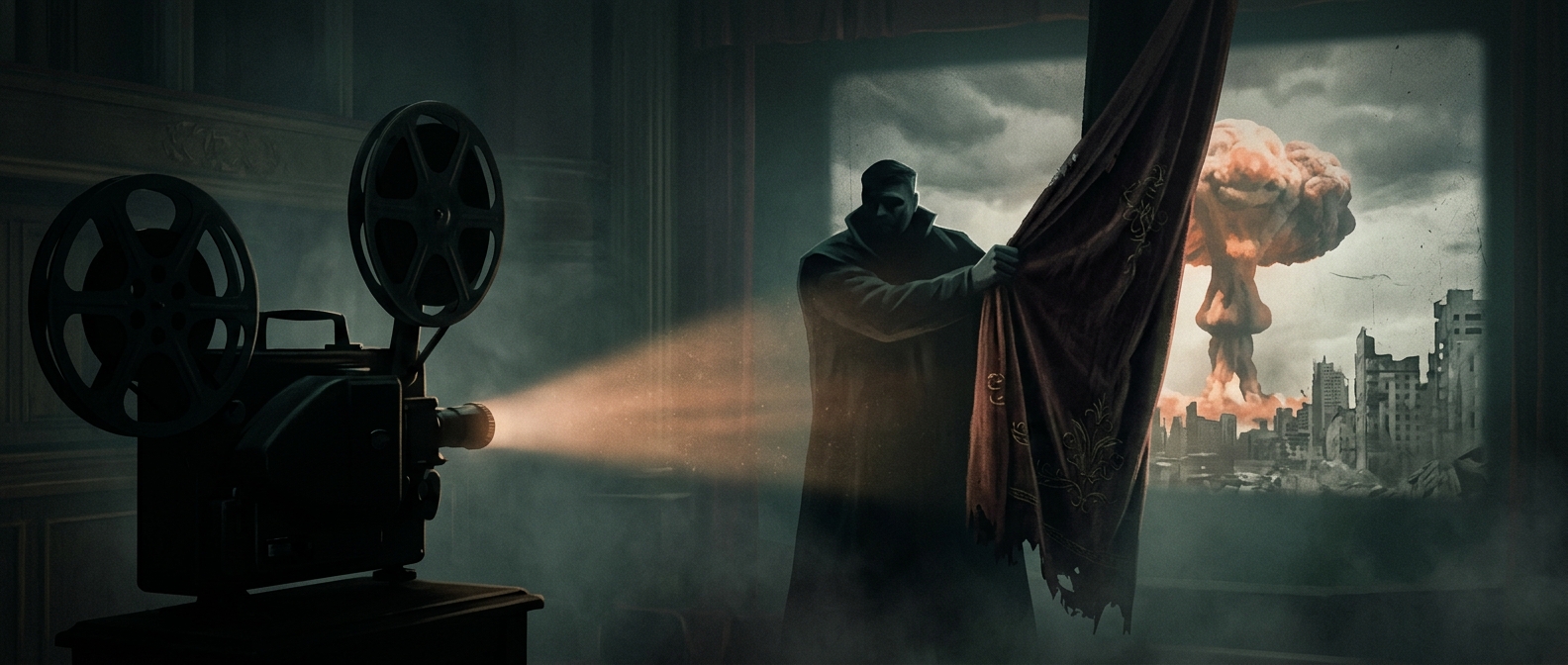
A nuclear-war film won an Oscar while British TV kept it off air
Peter Watkins made The War Game for the BBC in 1965, using a documentary style to portray a nuclear attack and its aftermath. The BBC withheld the broadcast,…
Discover more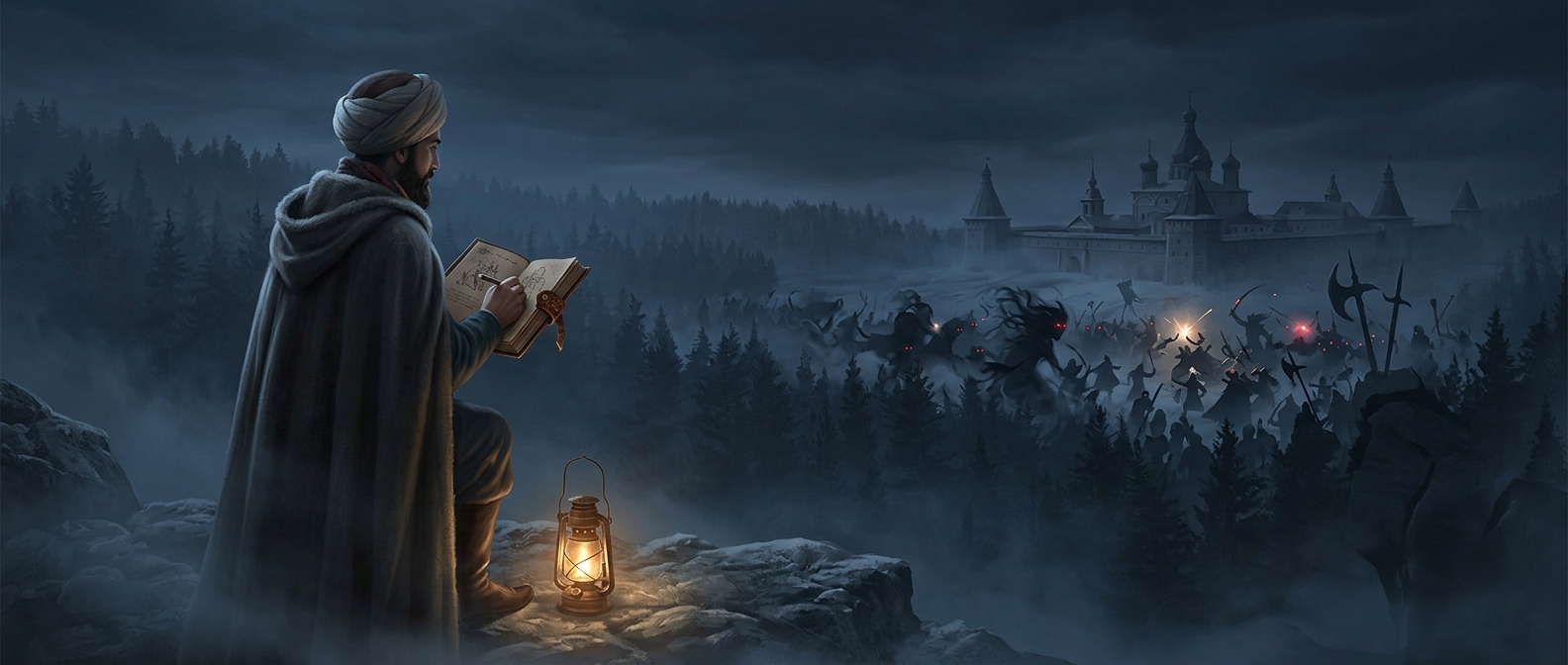
An Ottoman traveler reported vampires fighting witches
Evliya Çelebi’s travelogue could move from useful observations about the Ottoman Empire to Russian vampires battling Circassian witches with uprooted trees.…
Discover more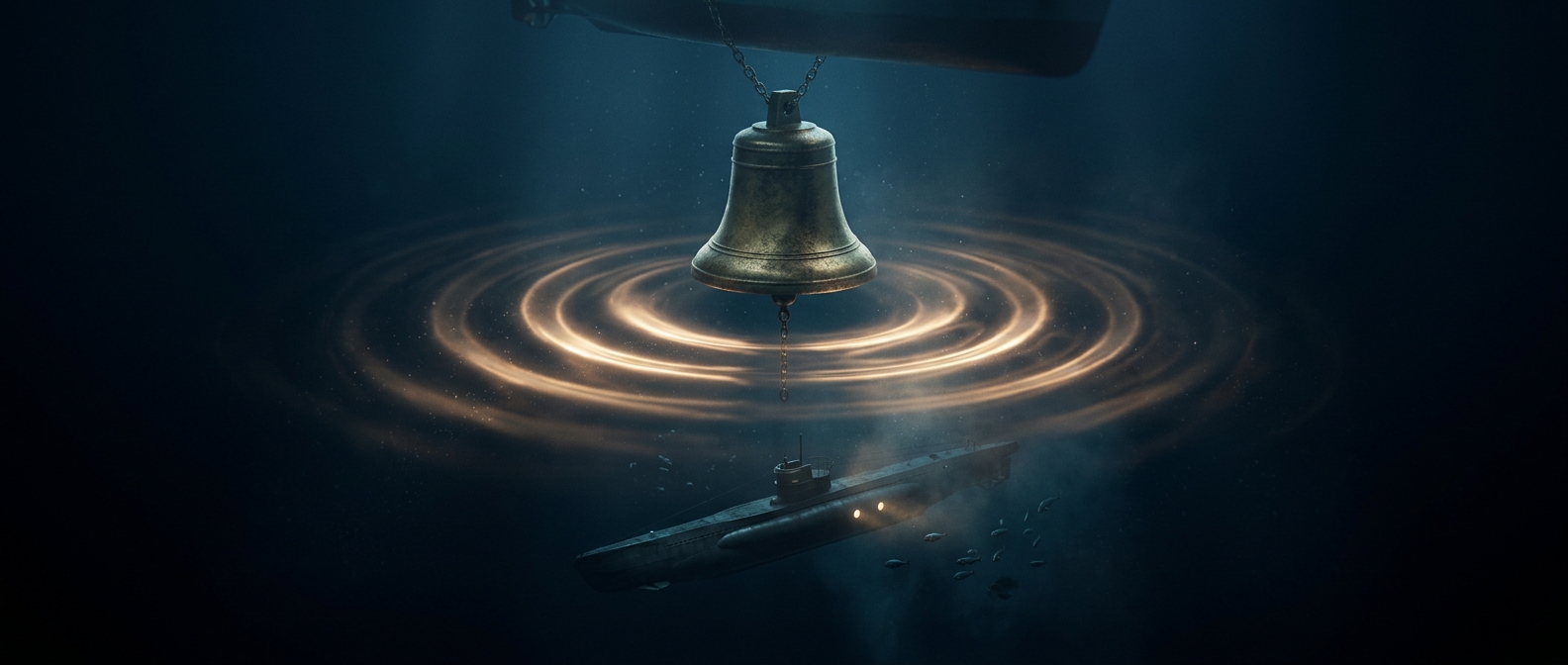
Ships once listened for bells ringing underwater
Submarine signaling meant sound below the surface, not necessarily a submarine vessel. Bells installed beneath lightships or other navigation markers sent…
Discover more
Those glowing 1970s TV logos could be bent live on a screen
Scanimate manipulated analog video on a special CRT, letting operators stretch, rotate, and distort artwork in real time. A camera recorded the transformed…
Discover more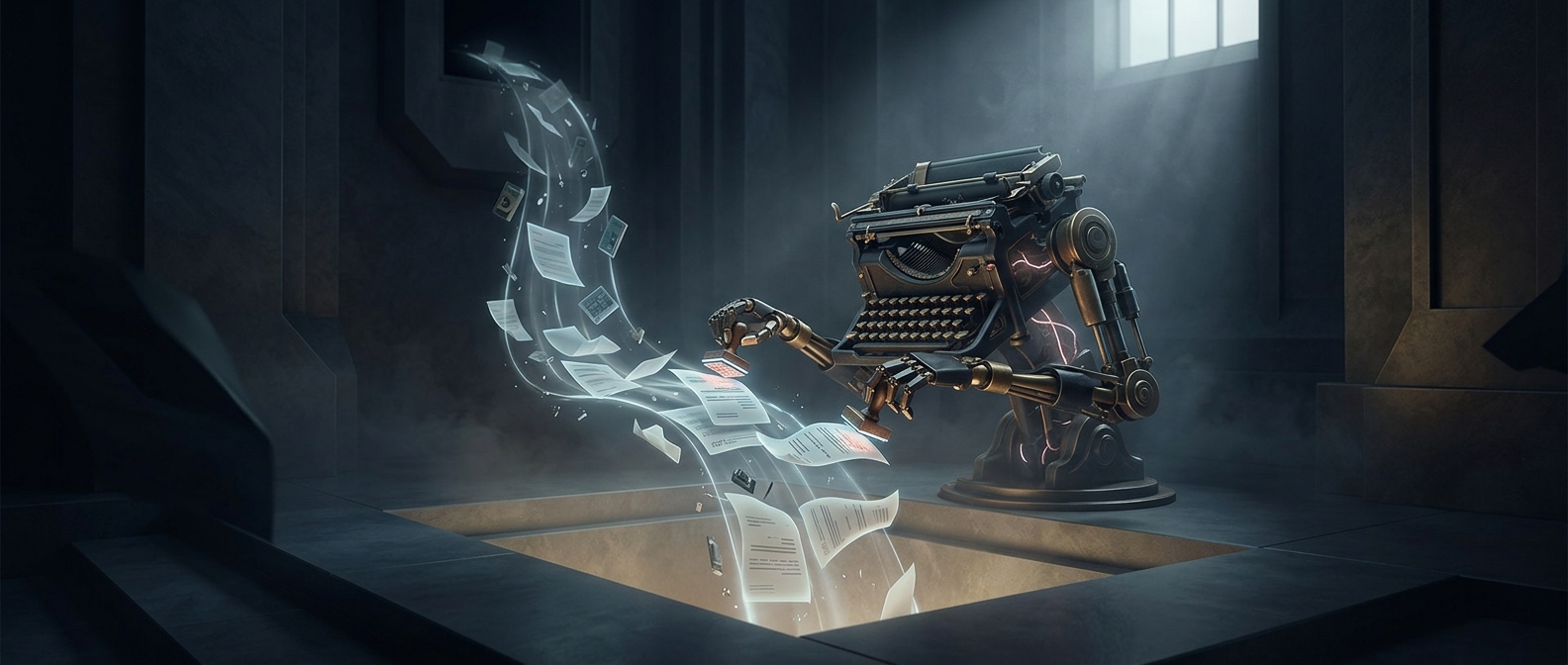
Typewriters could replay letters like player pianos
The Autotypist stored standard paragraphs as holes punched into paper rolls. Press a button, and air valves translated those holes into keystrokes on a…
Discover more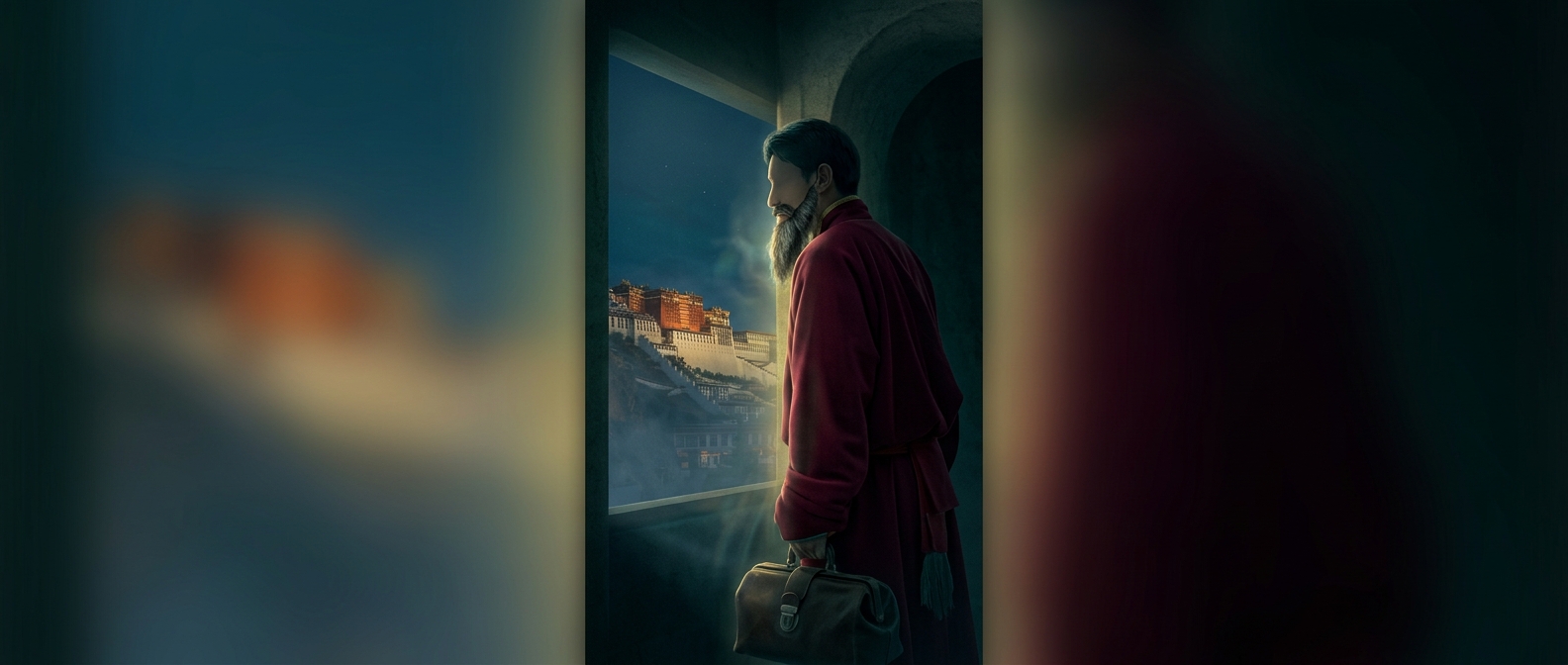
Thomas Manning reached Lhasa and still considered the trip a disappointment
He met the young Ninth Dalai Lama in 1811 and recorded a deeply affecting encounter. But his larger ambition was to reach inland China, and he was sent back…
Discover more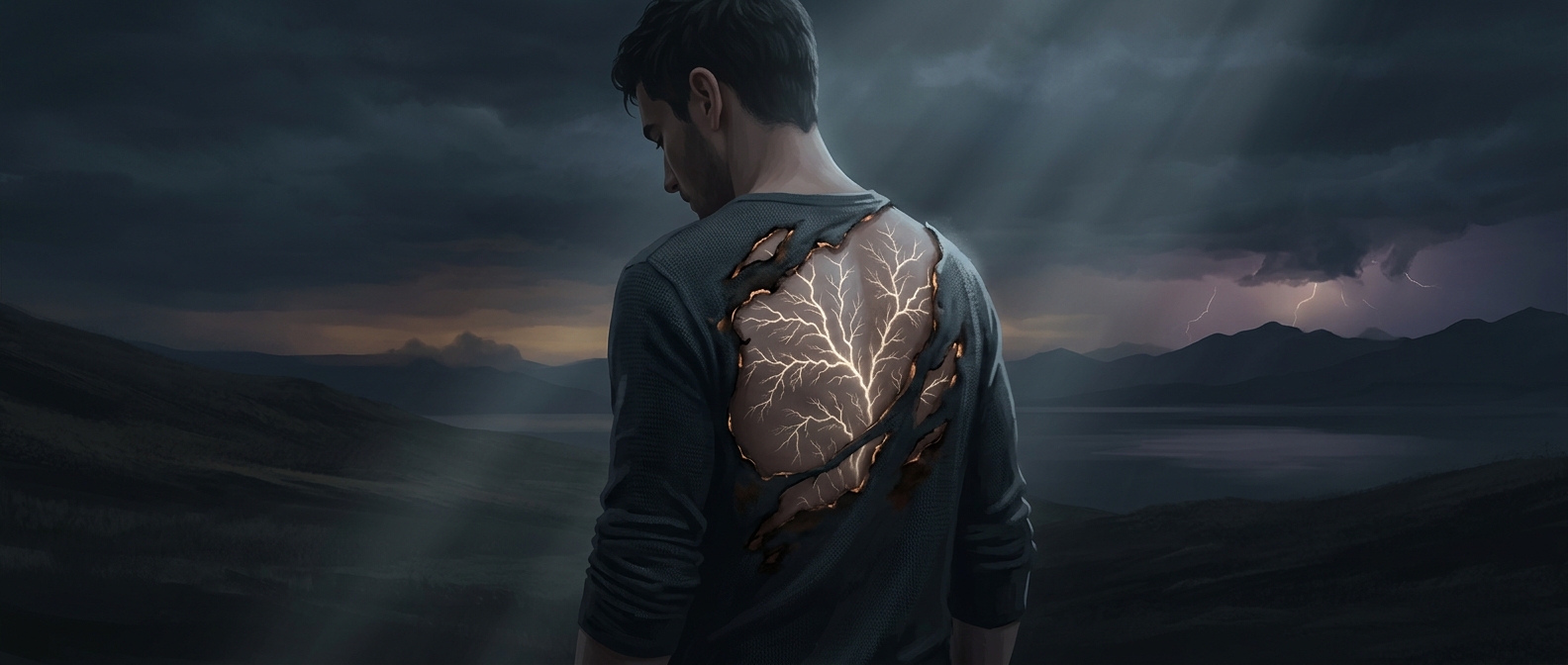
Lightning can leave tree-like marks on your skin
Lightning can damage tiny blood vessels near the skin’s surface, leaving branching marks called Lichtenberg figures. The vessels trace a fern-like pattern…
Discover more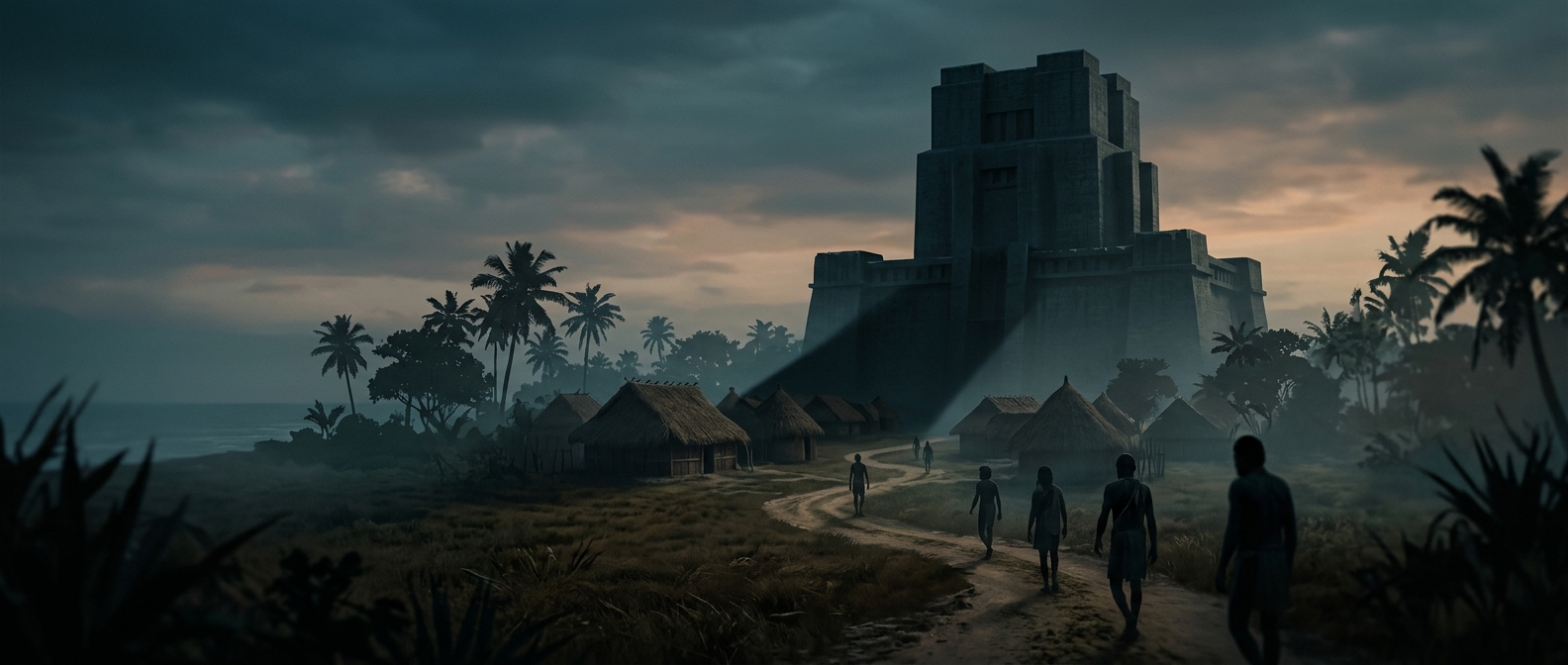
Colonial hut taxes helped force people into cash work
In parts of colonial Africa, households faced taxes payable in money rather than the goods they produced. Obtaining that money could require work for colonial…
Discover more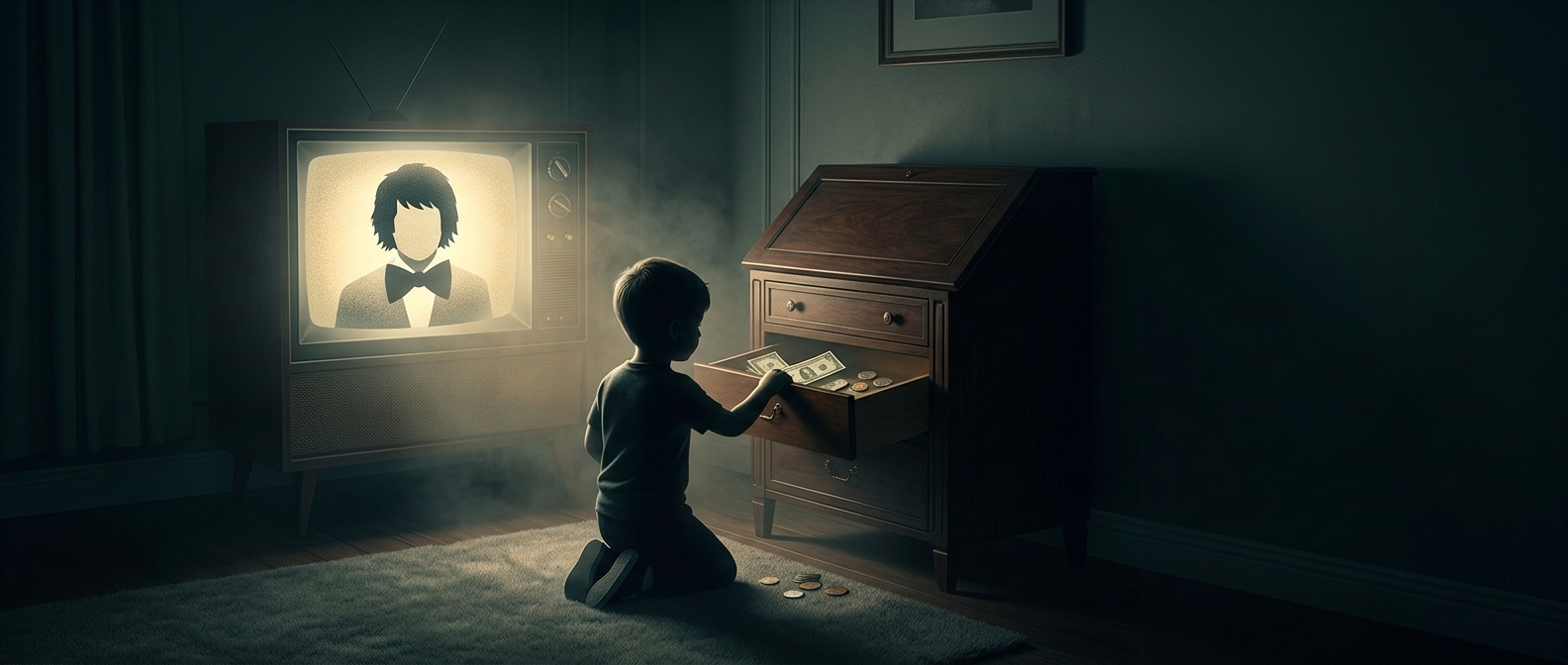
The TV joke that made children rob their parents
In 1965, Soupy Sales joked that children should take cash from their sleeping parents’ wallets and mail it to him. Some viewers actually did.
Discover more
Britain watched the Hajj for political ideas as well as disease
Steamships and the Suez Canal brought more pilgrims together across the Red Sea and Indian Ocean. Late-nineteenth-century colonial officials worried both…
Discover more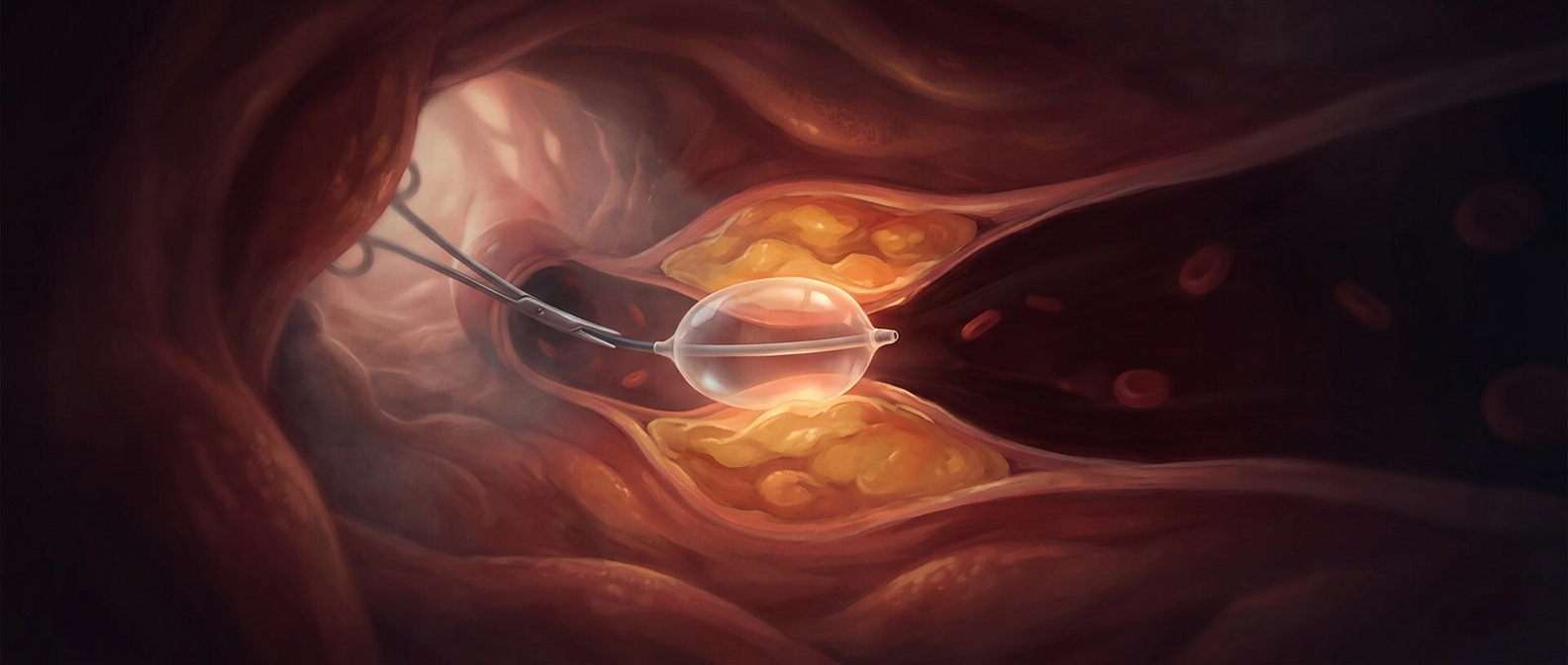
Tiny balloons opened blocked arteries
Instead of reaching a narrowed artery through open-heart surgery, doctors could thread in a thin catheter and inflate a tiny balloon at the blockage. The…
Discover more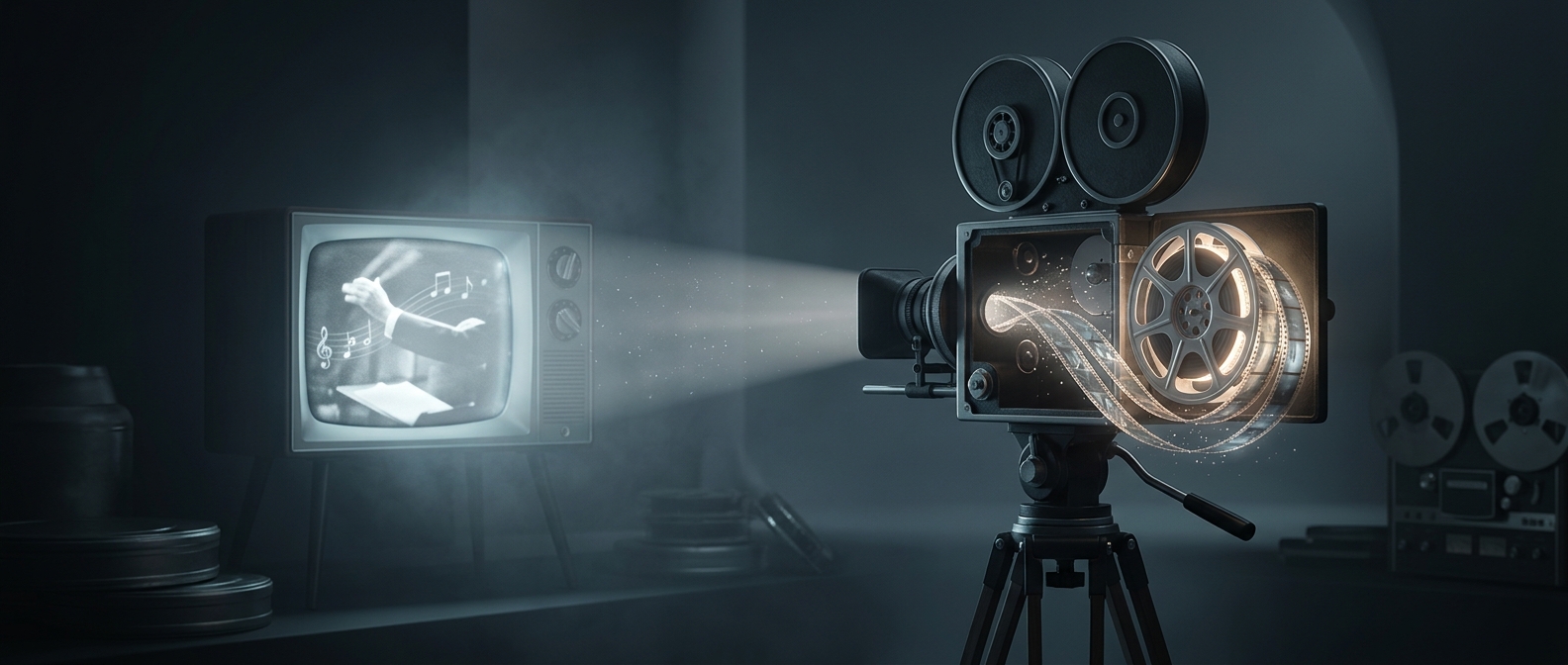
Early television saved broadcasts by pointing a film camera at a screen
A kinescope recorded the picture from a television monitor onto motion-picture film. That gave live programs a physical copy that could be shipped, replayed,…
Discover more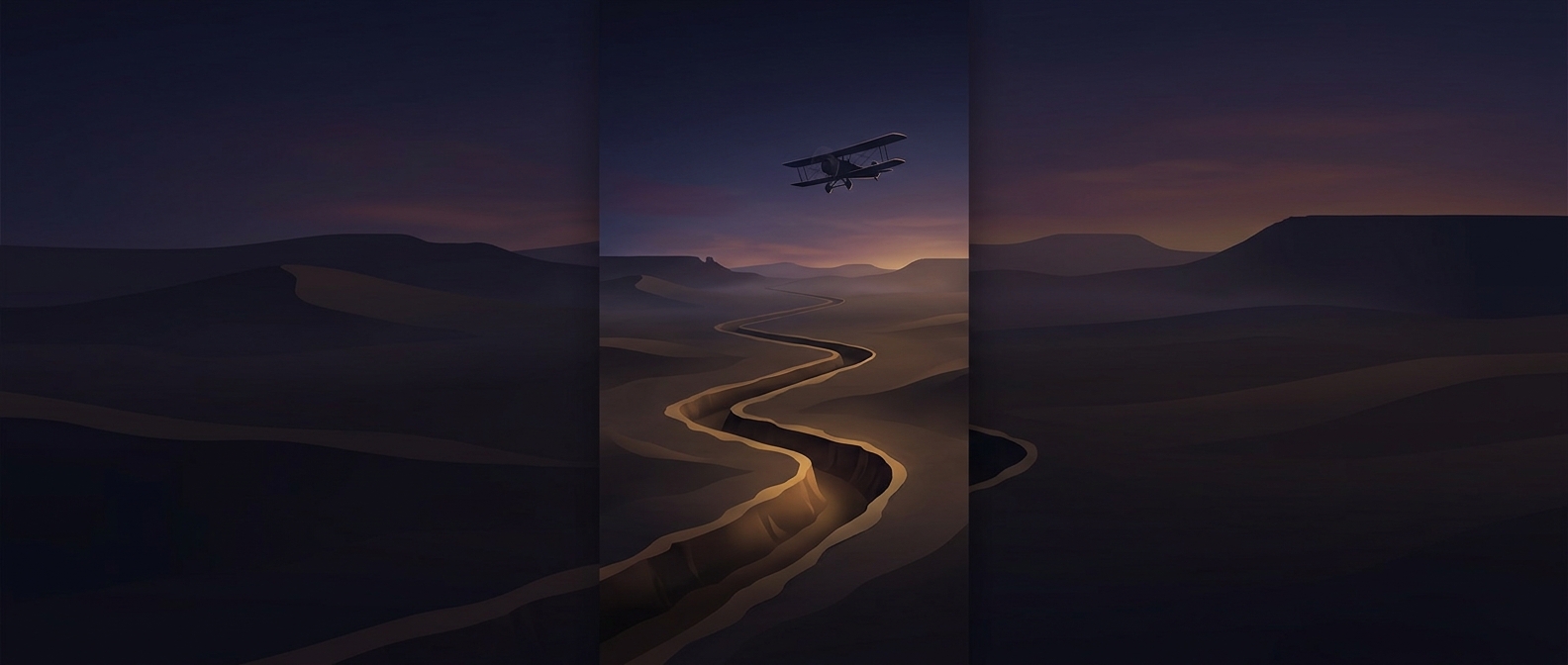
Early desert pilots followed a line plowed in the sand
On the RAF’s Cairo–Baghdad route in the 1920s, a furrow across the featureless desert helped crews navigate between landing grounds. From above, the ground…
Discover more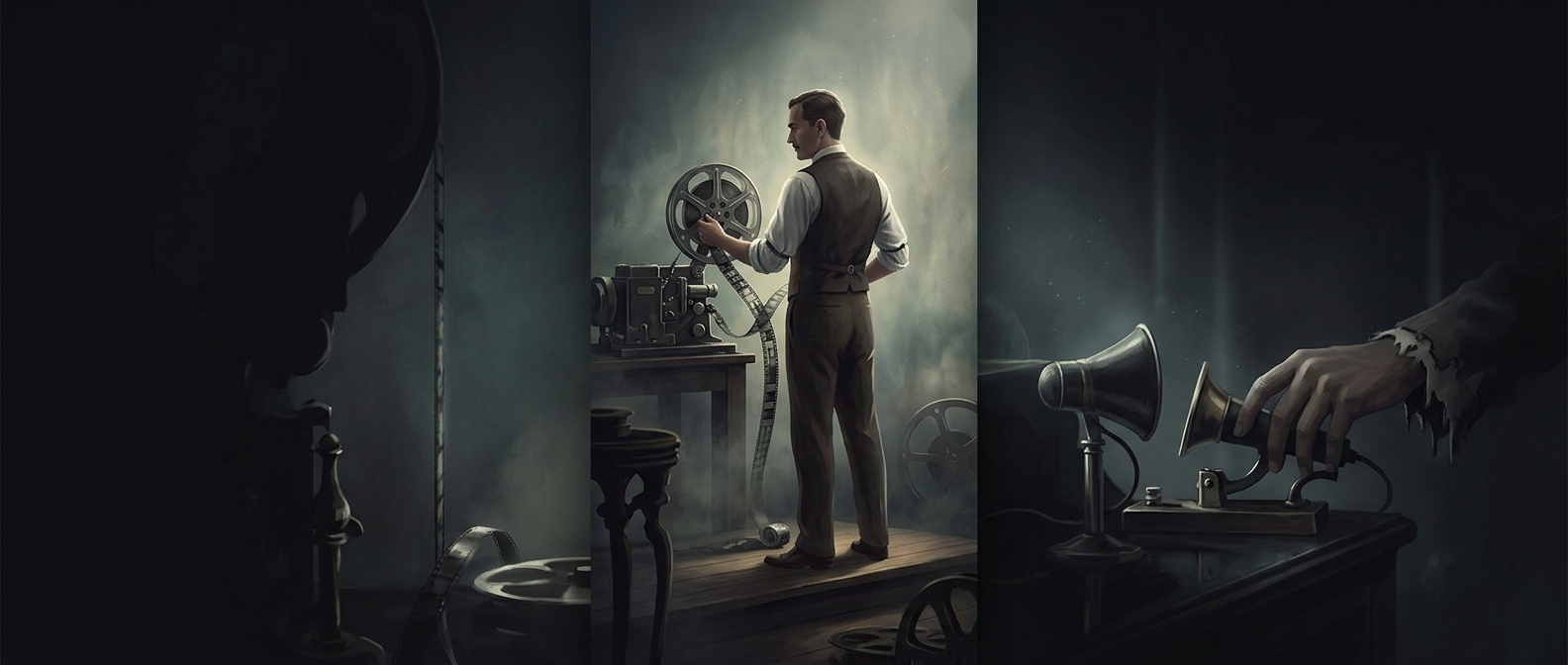
The controversial inventor who put sound in movies
He commercialized sound-on-film technology and brought synchronized sound to movies years before Hollywood adopted it, but the industry disliked him enough to…
Discover more