Games
Discover facts about games. Small discoveries that change the way you see familiar things.
Games
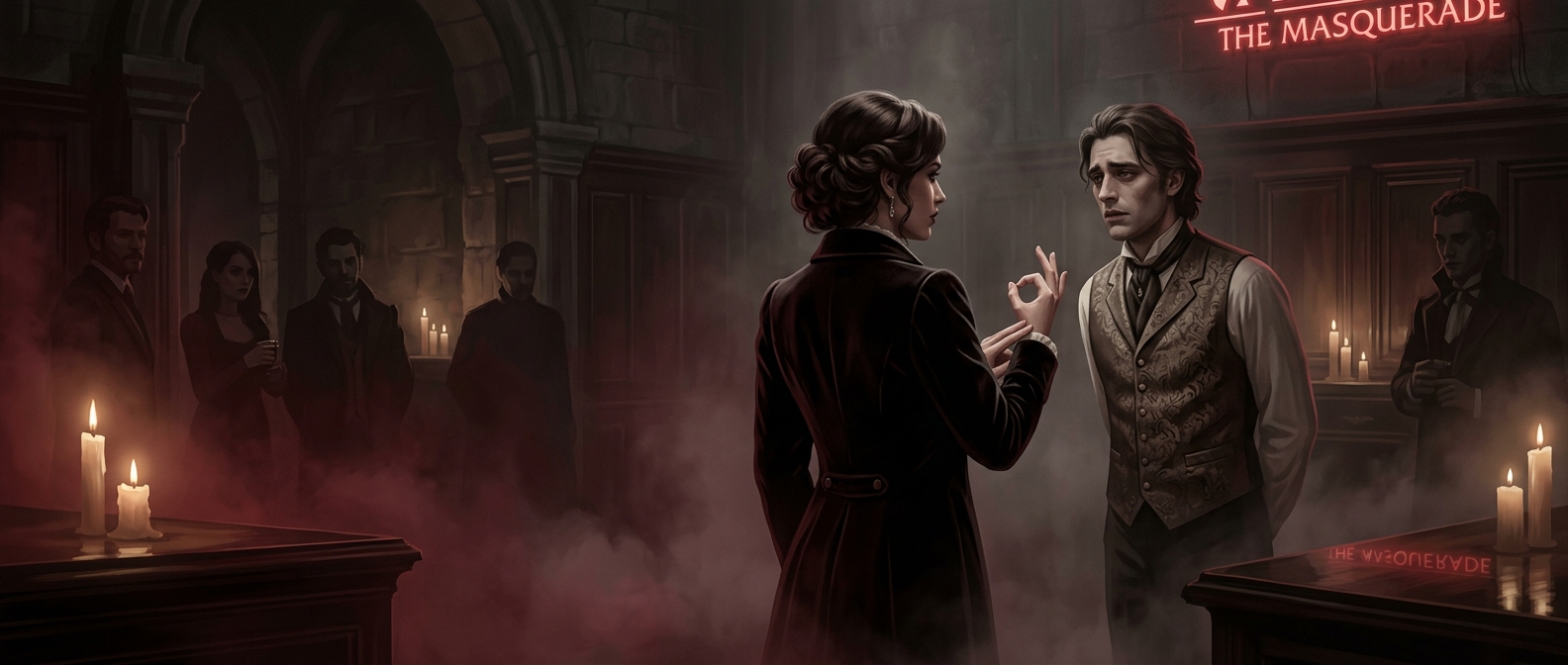
Live-action role-play has an out-of-character check-in
One safety tool lets a player make an OK hand sign to ask whether another participant is comfortable. A thumbs-up, flat hand, or thumbs-down answers without…
Discover more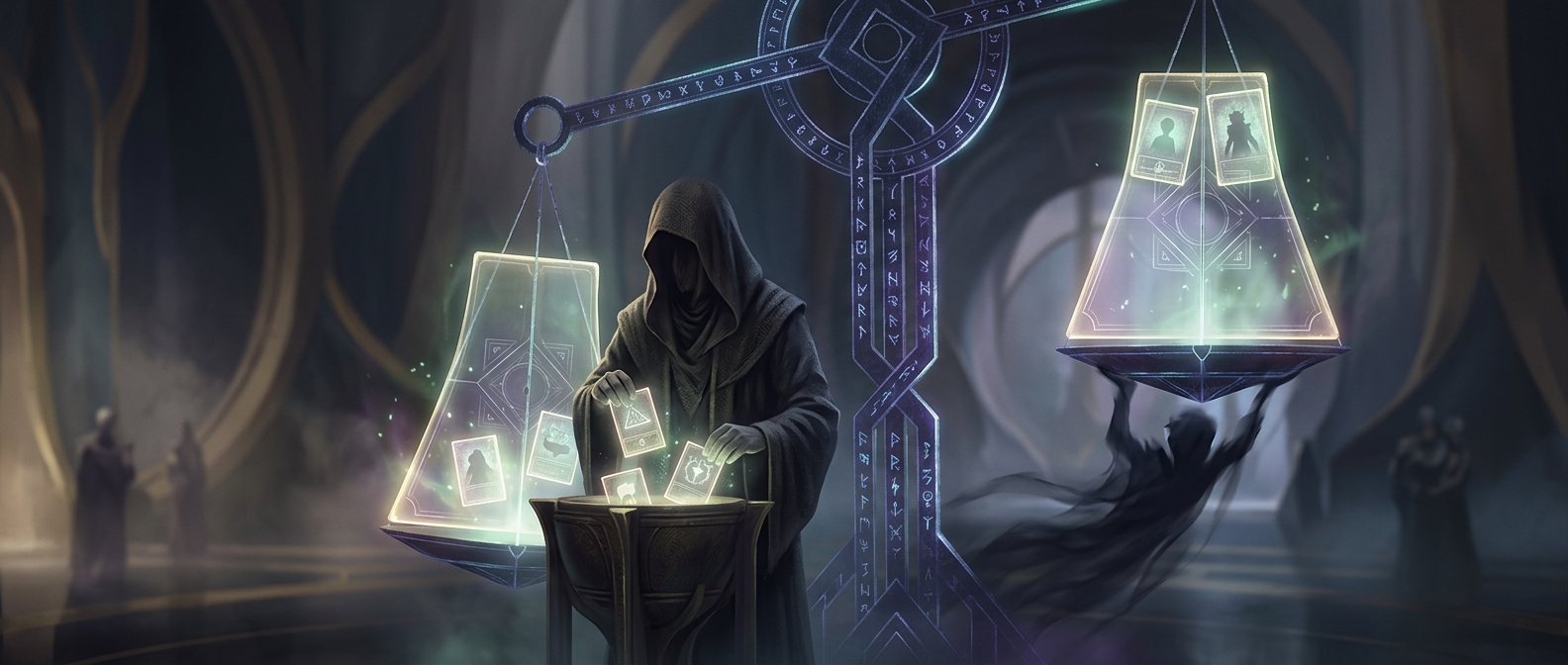
A Yu-Gi-Oh! ban list can turn a cheap card into a prize
Restrictions on powerful cards reshape which decks can win, creating demand for overlooked alternatives and counters. Players who buy before that shift are…
Discover more
In osu!, the next note needn't be where you're looking
Fast patterns can put targets farther apart than the eyes can comfortably follow one by one. Players combine gaze, peripheral vision, and learned timing to…
Discover more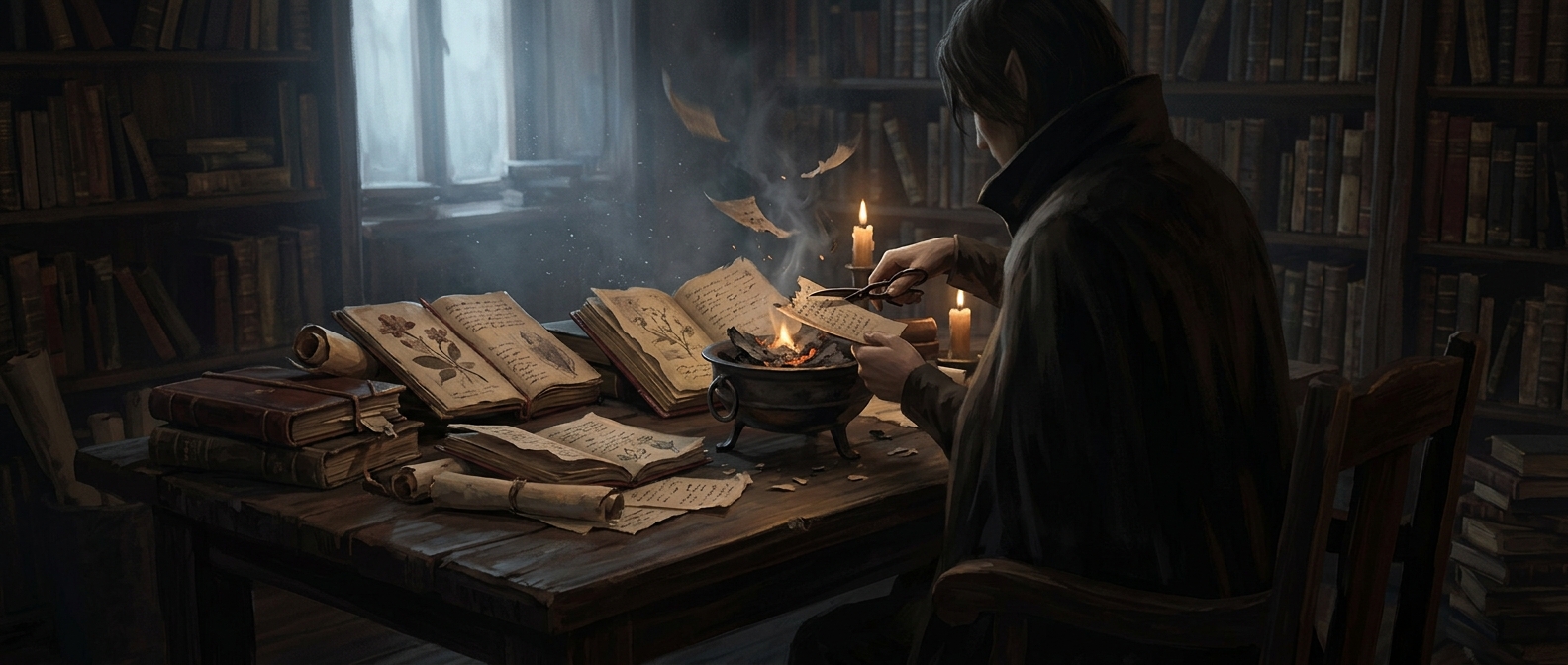
The vampire game where immortality costs your memories
In Thousand Year Old Vampire, a solo player records centuries of experiences while managing limited room for memories. New events force old ones out, and…
Discover more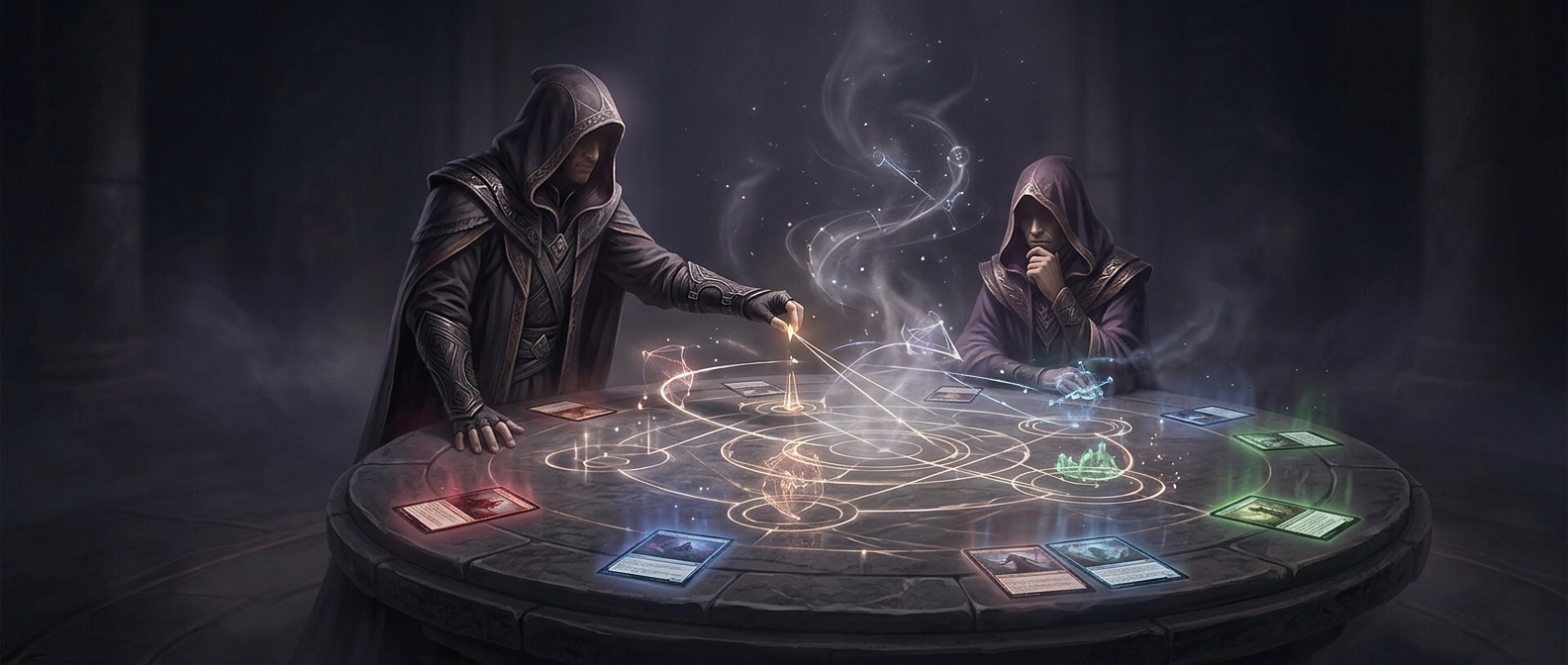
How Magic players turn a random card pack into a strategy
In limited draft, players choose cards from booster packs to build a deck on the fly. BREAD ranks picks as Bombs, Removal, Evasion, Aggro, and Duds—a quick…
Discover more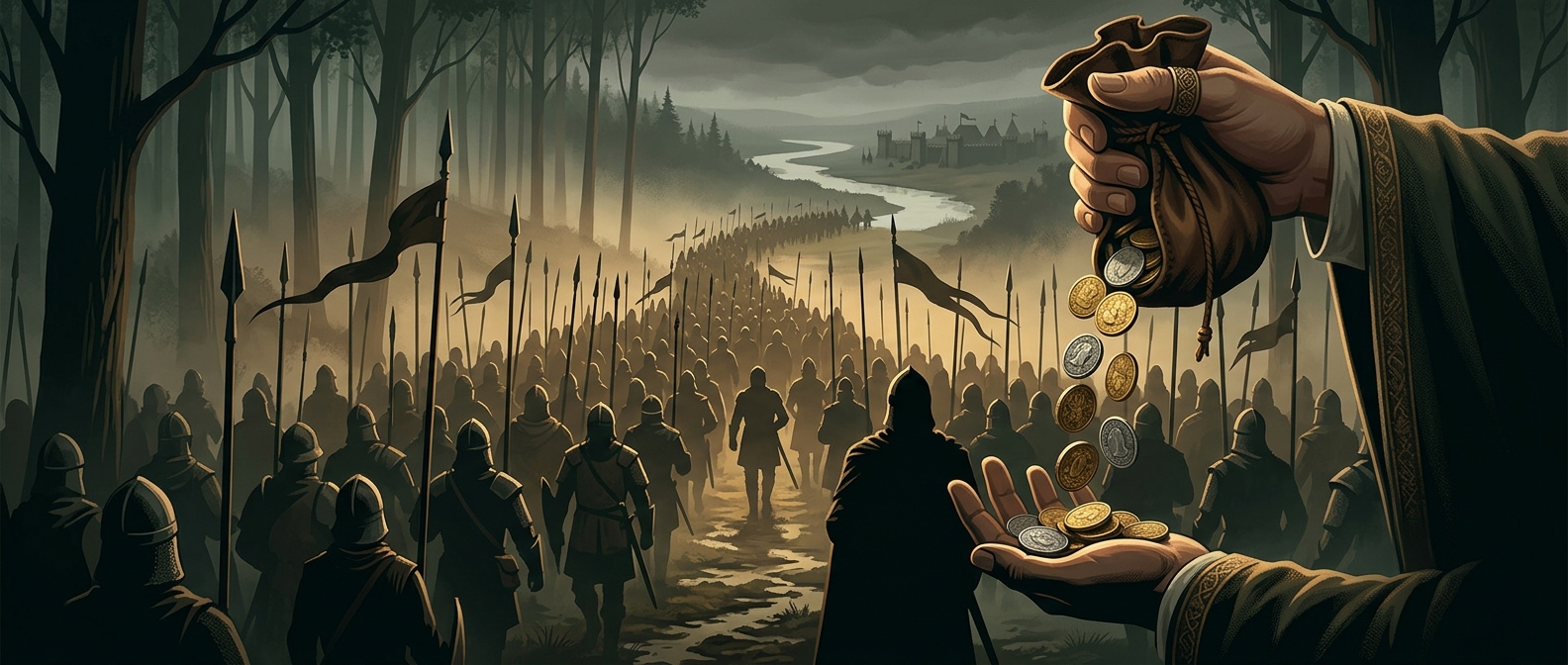
The real-money armies of a fake medieval war
At the Canadian LARP Bicolline, players exchange real money for in-game currency to buy land, secure trade routes, and hire other players as mercenaries for…
Discover more STACKY FOR IPHONE
A bigger world.
One discovery
at a time.
Keep discovering with Stacky. Interesting facts in an app that is always within reach.
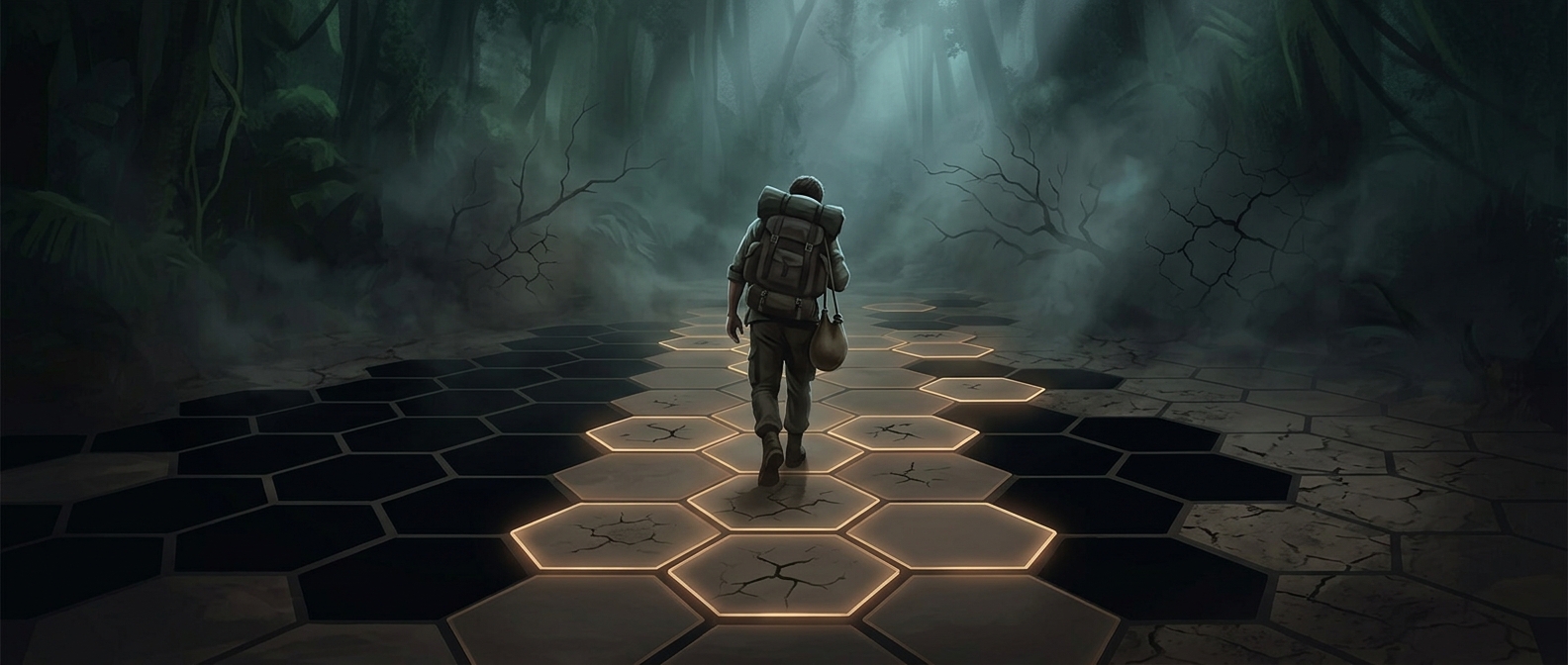
D&D can make a wrong turn more dangerous than a fight
Tomb of Annihilation sends players across the jungle of Chult with an incomplete map. Navigation, water and supplies become problems between encounters, so…
Discover more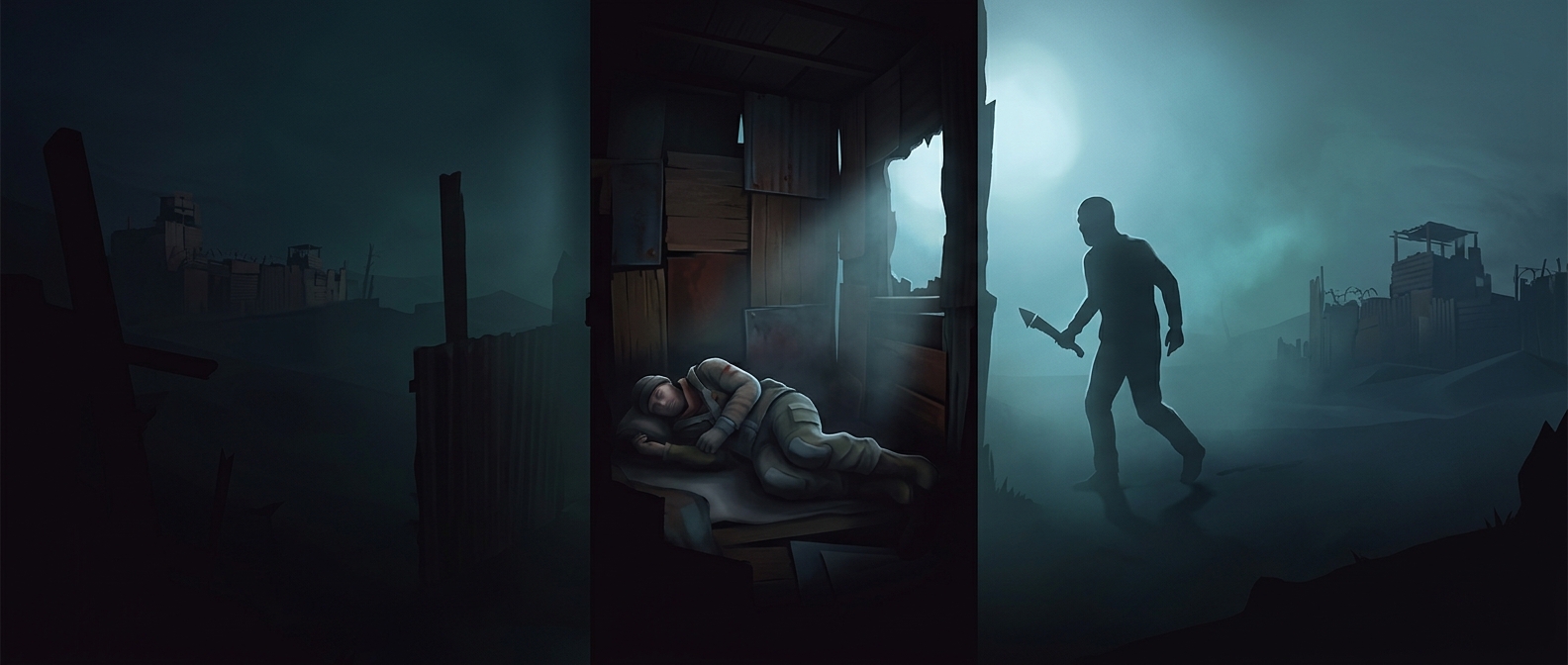
In Rust, logging off leaves you exposed
In Rust, logging out leaves your character unconscious in the game world, where other players can raid your shelter and steal your supplies. That makes…
Discover more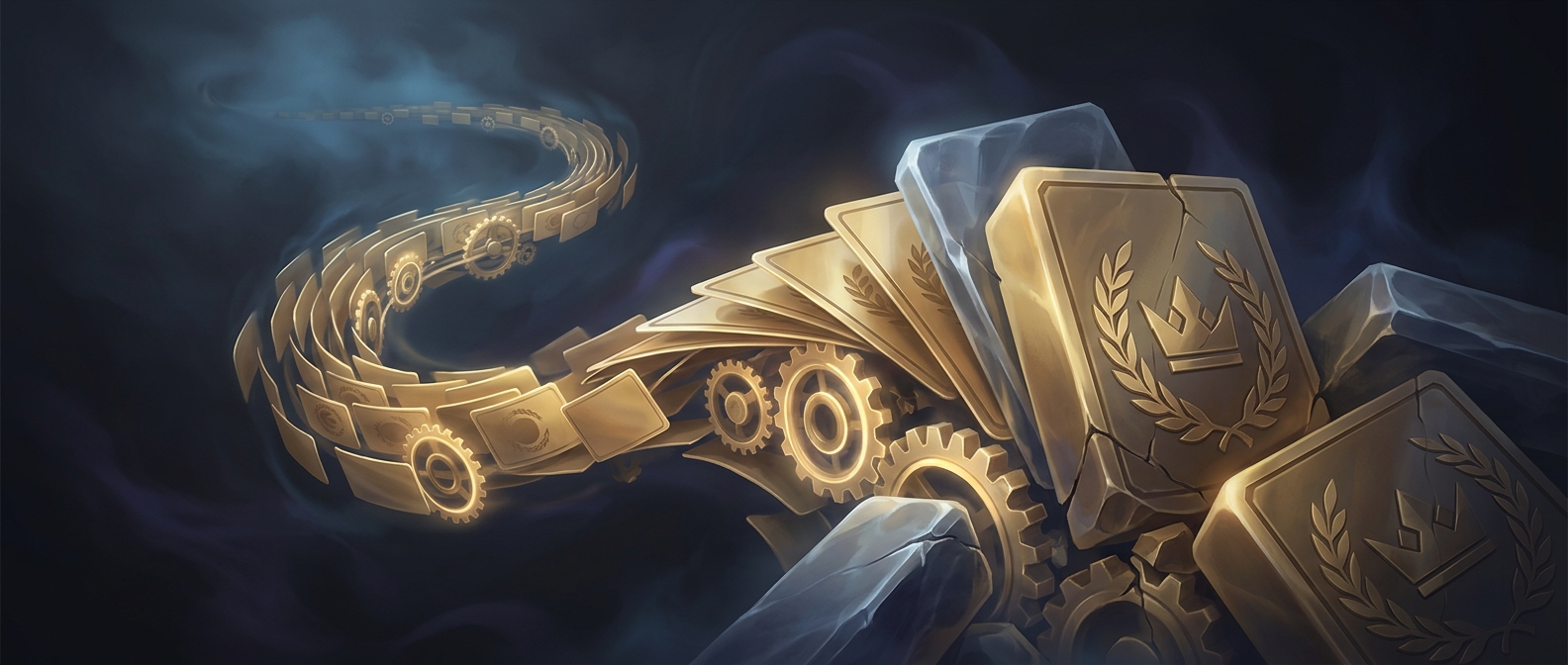
In Dominion, victory cards clog your deck
Victory cards like Estates and Provinces score points but do nothing when drawn, slowing the deck that buys them. Score too early, and your engine can bog…
Discover more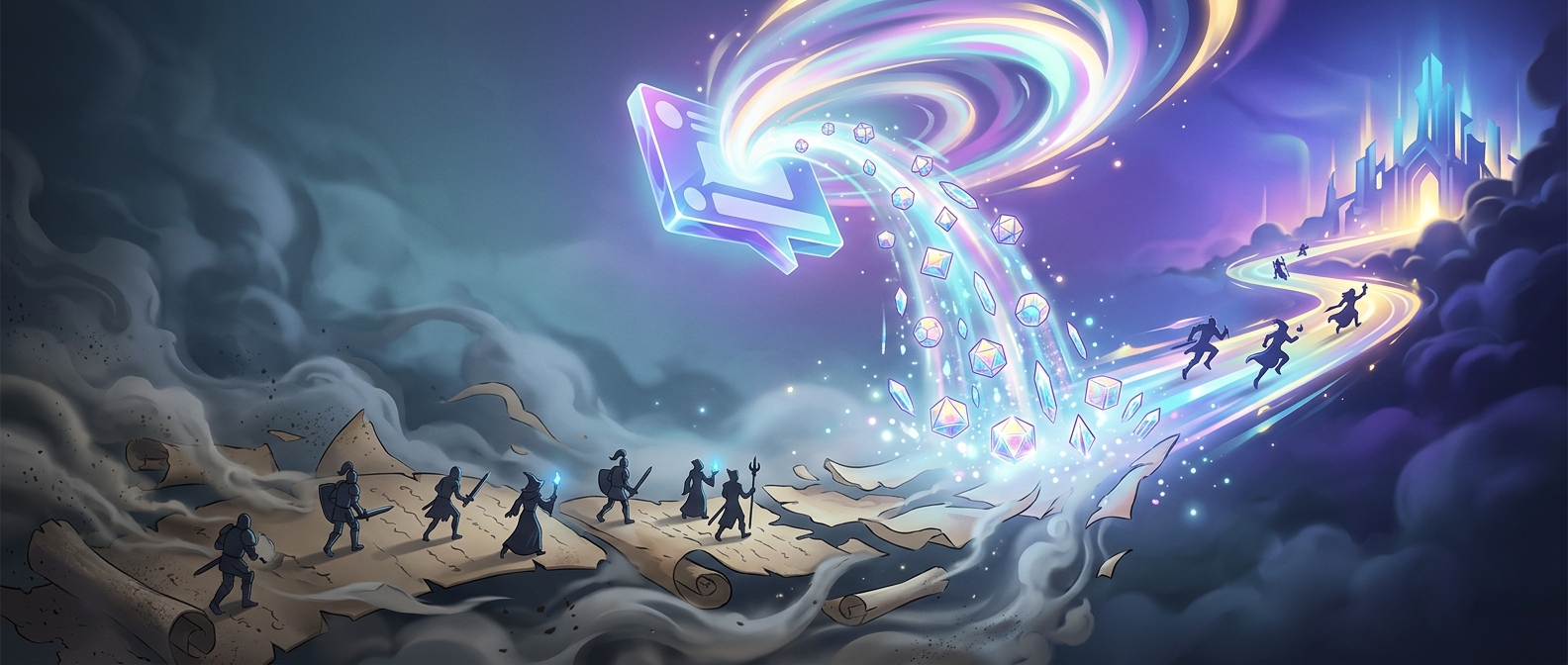
How dice bots sped up text-based D&D
Dice bots post rolls instantly in the chat, replacing honor-system dice rolling and cutting the wait between turns in text-based D&D campaigns.
Discover more
Why Jackbox gives you barely any time to write
A tight countdown leaves little time to overthink, so players are more likely to type the first absurd idea that comes to mind. The pressure helps break…
Discover more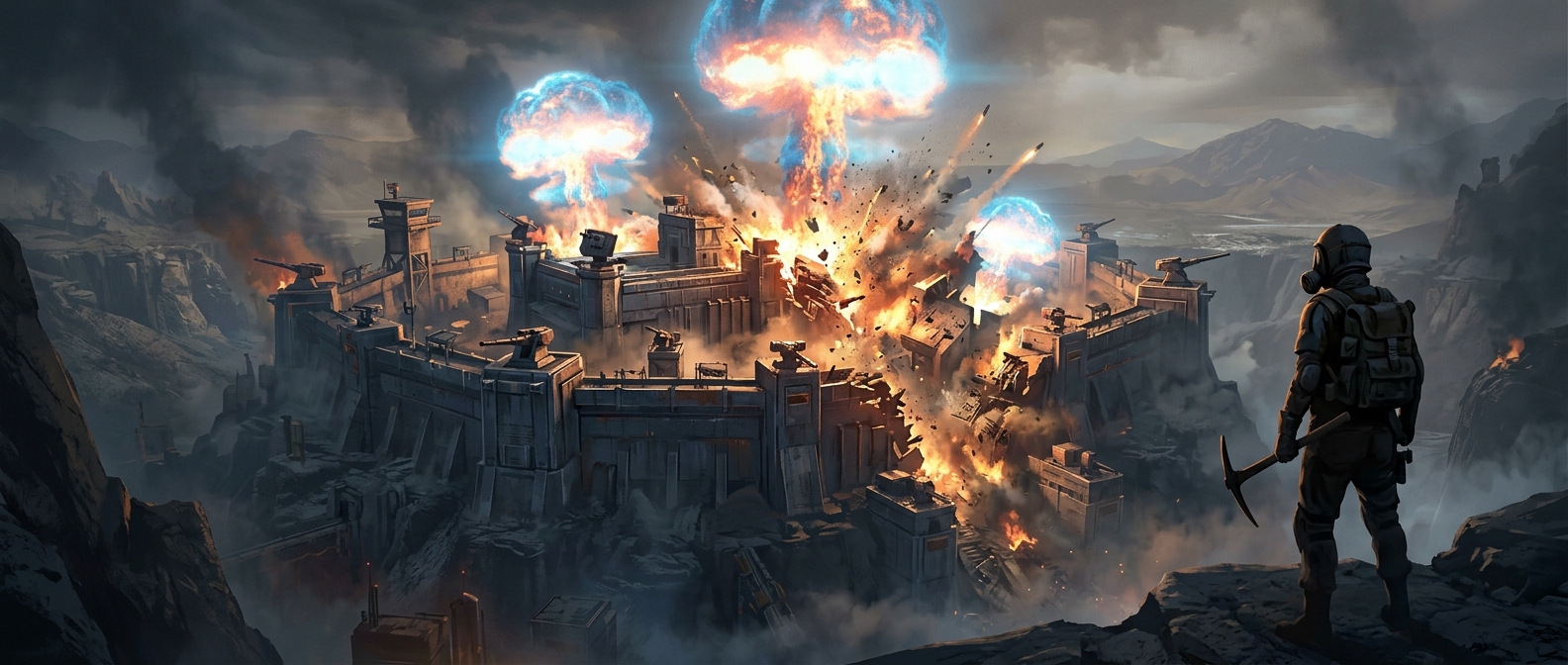
Why Rust servers are regularly wiped clean
Large groups in Rust can hoard resources and raid smaller bases, so developers periodically wipe servers, resetting players’ progress and giving everyone a…
Discover more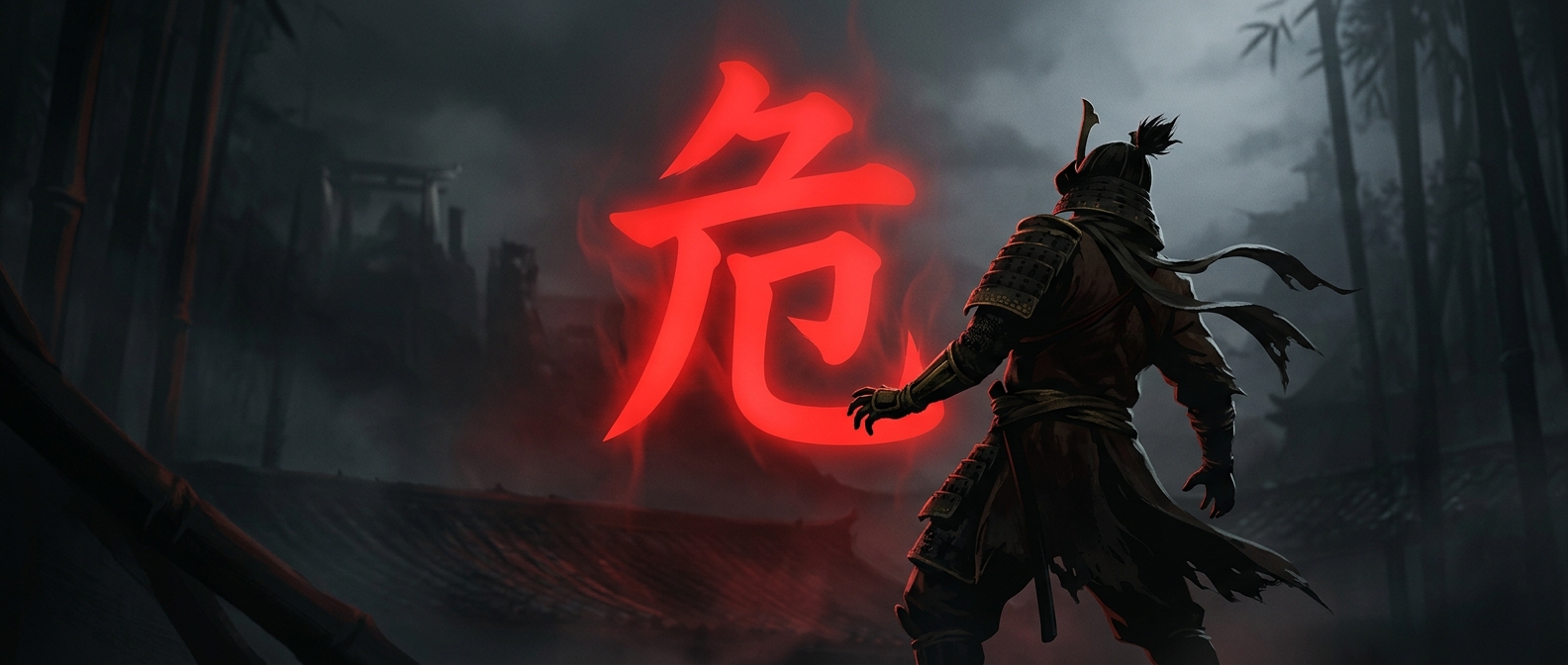
Why Sekiro flashes a red warning before danger
The bright red kanji cuts through the sparks and fast swordplay, warning you to react before an enemy’s attack lands. You still have to recognize whether to…
Discover more
How escape rooms nudge you toward the answer
Game masters may dim lights in irrelevant areas or play a clicking sound near the right lock, nudging players toward a solution without openly giving a clue.
Discover more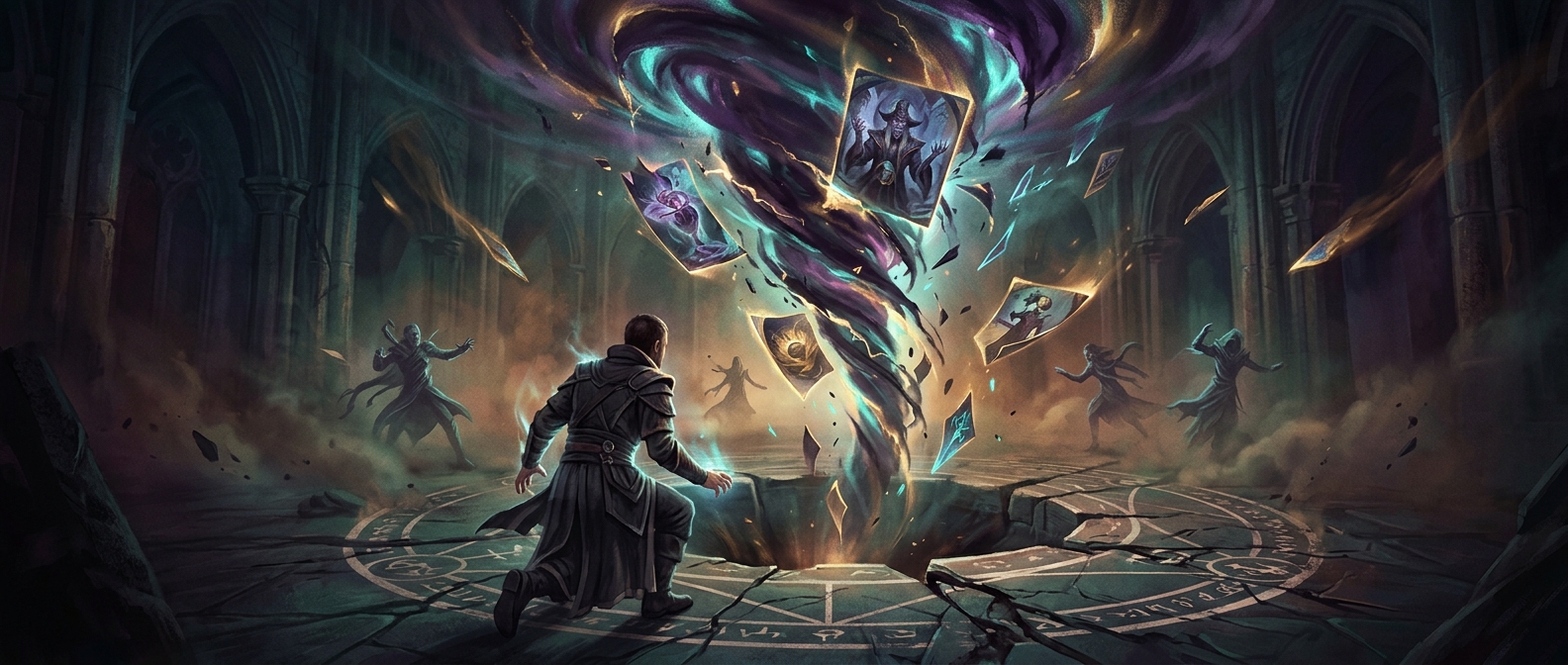
The Magic card combo that broke the first turn
Urza’s Saga introduced card combinations so powerful that, during Magic’s “Combo Winter,” games could end on the first turn—sometimes before an opponent even…
Discover more
The hidden geometry behind Breath of the Wild’s discoveries
The designers used triangular terrain to block players’ sightlines. As players climbed around hills and mountains, hidden points of interest came into view,…
Discover more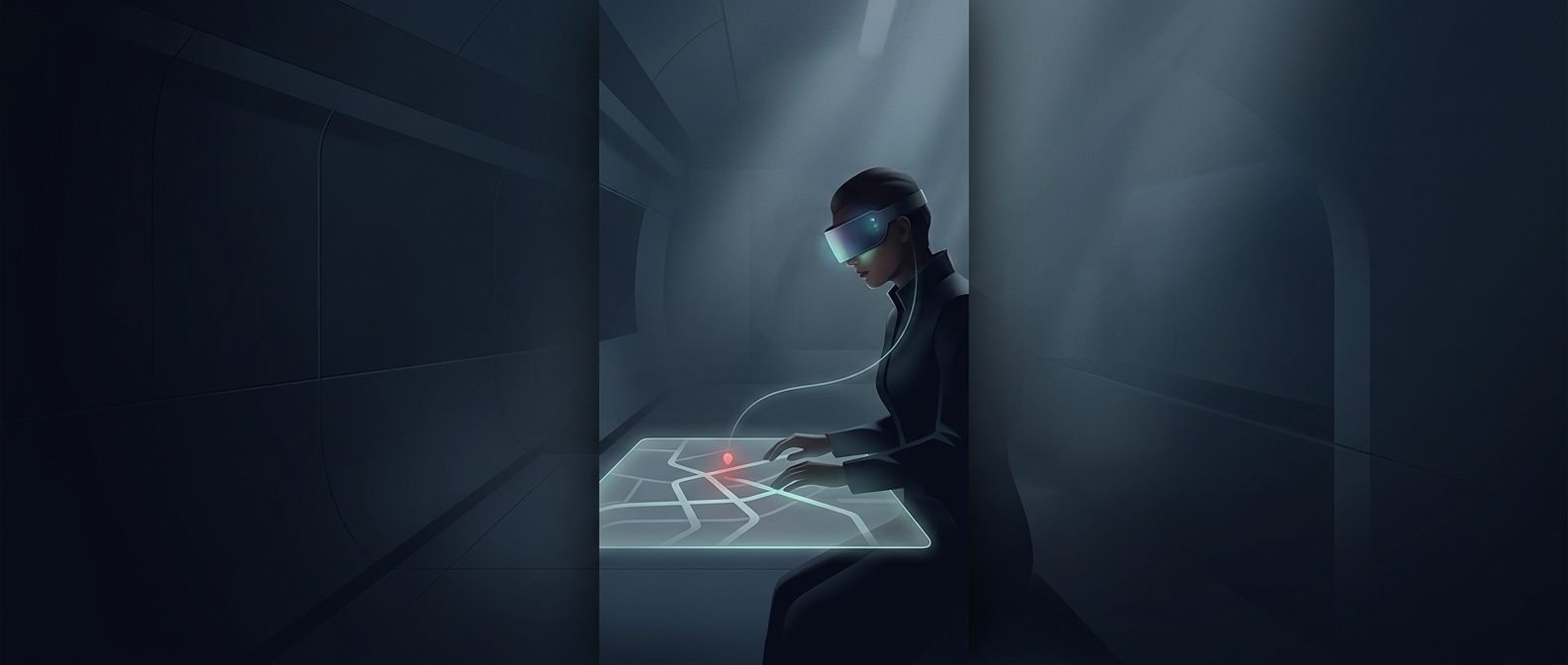
Why Mr. X wears a visor in Scotland Yard
Mr. X's movements are hidden on a pad, but tracking them can make his eyes give away his location. The cardboard visor blocks the other players' view of his…
Discover more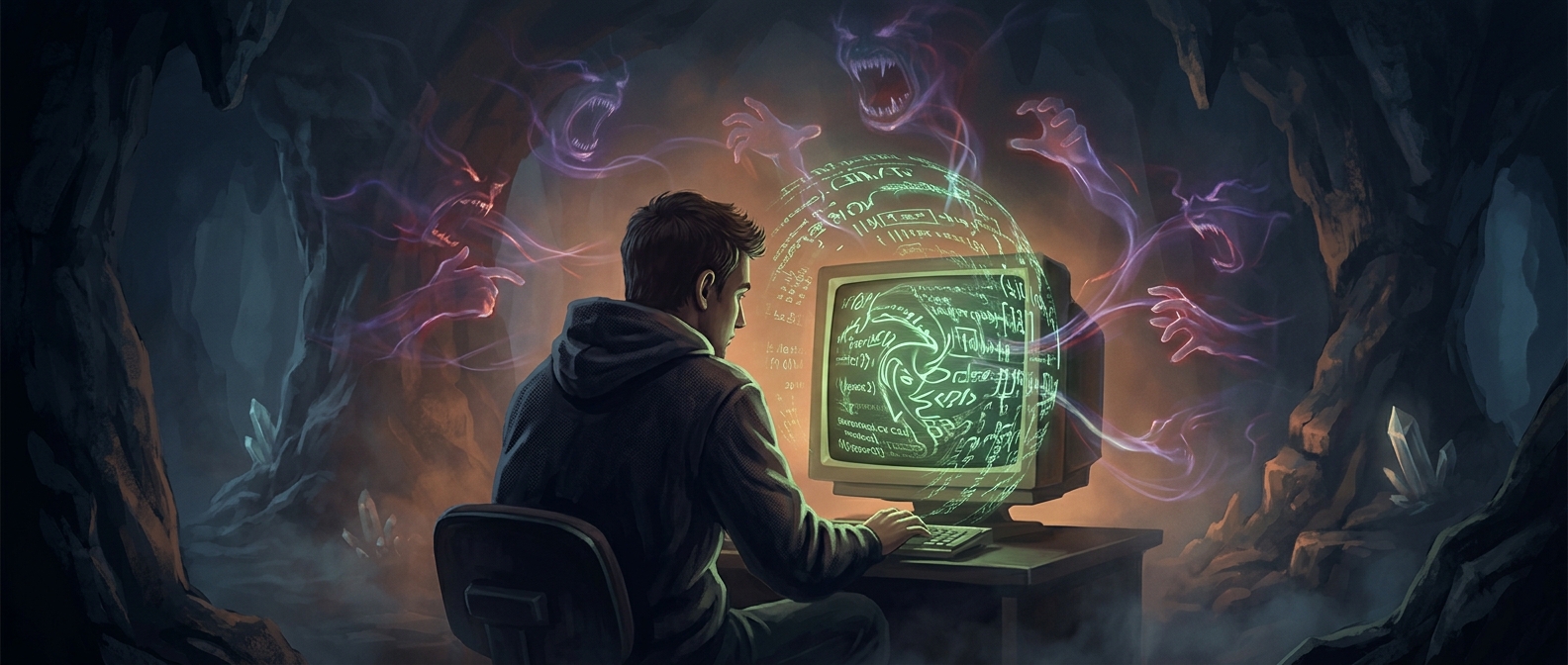
Zork taught computers to talk back to rude players
Zork’s parser could recognize profanity and respond with a sarcastic retort. The feature grew out of players typing elaborate insults into the game instead of…
Discover more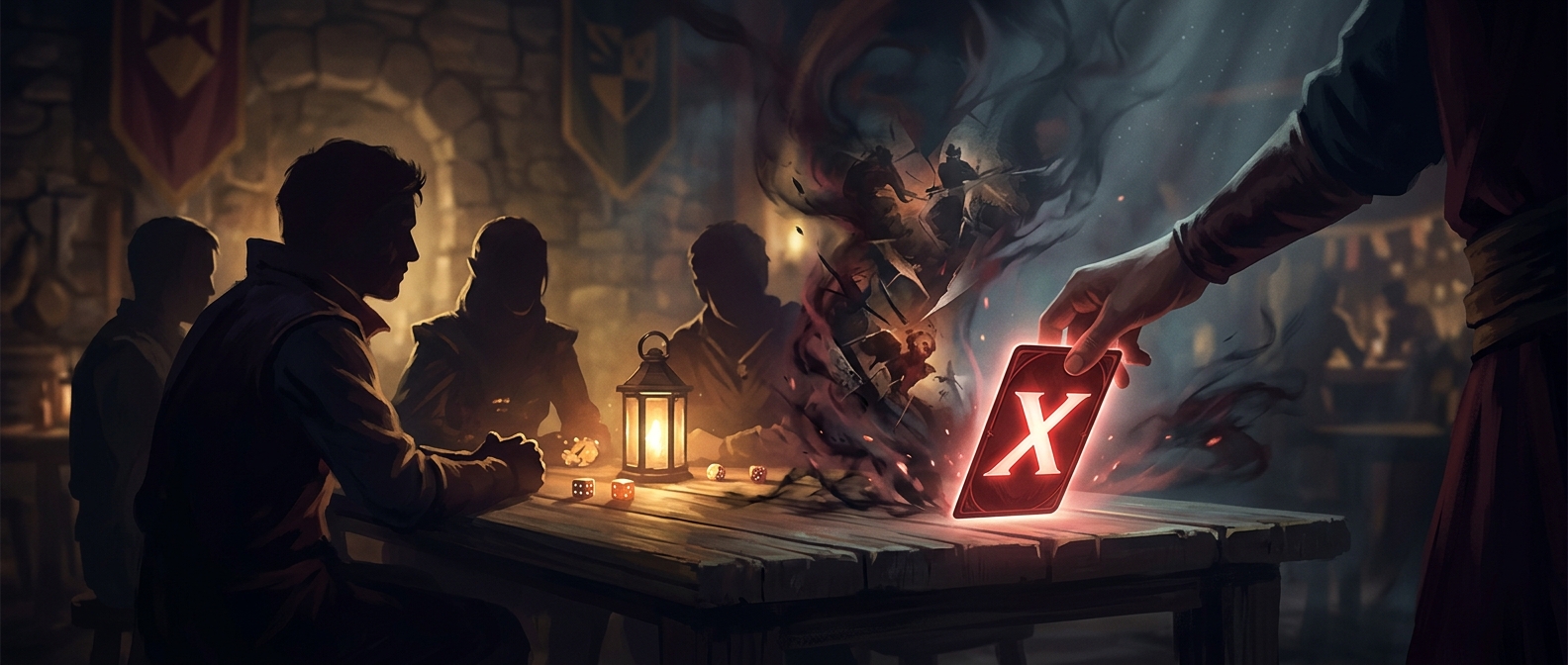
The card that can stop a D&D scene instantly
The X-Card is an index card players can tap when a scene makes them uncomfortable. The group then edits the scene and moves on without asking for an…
Discover more
Slay the Spire can make a deck run like an engine
Cards that draw more cards and generate energy can feed one another, letting a carefully built deck keep a turn going. The challenge is assembling the loop…
Discover more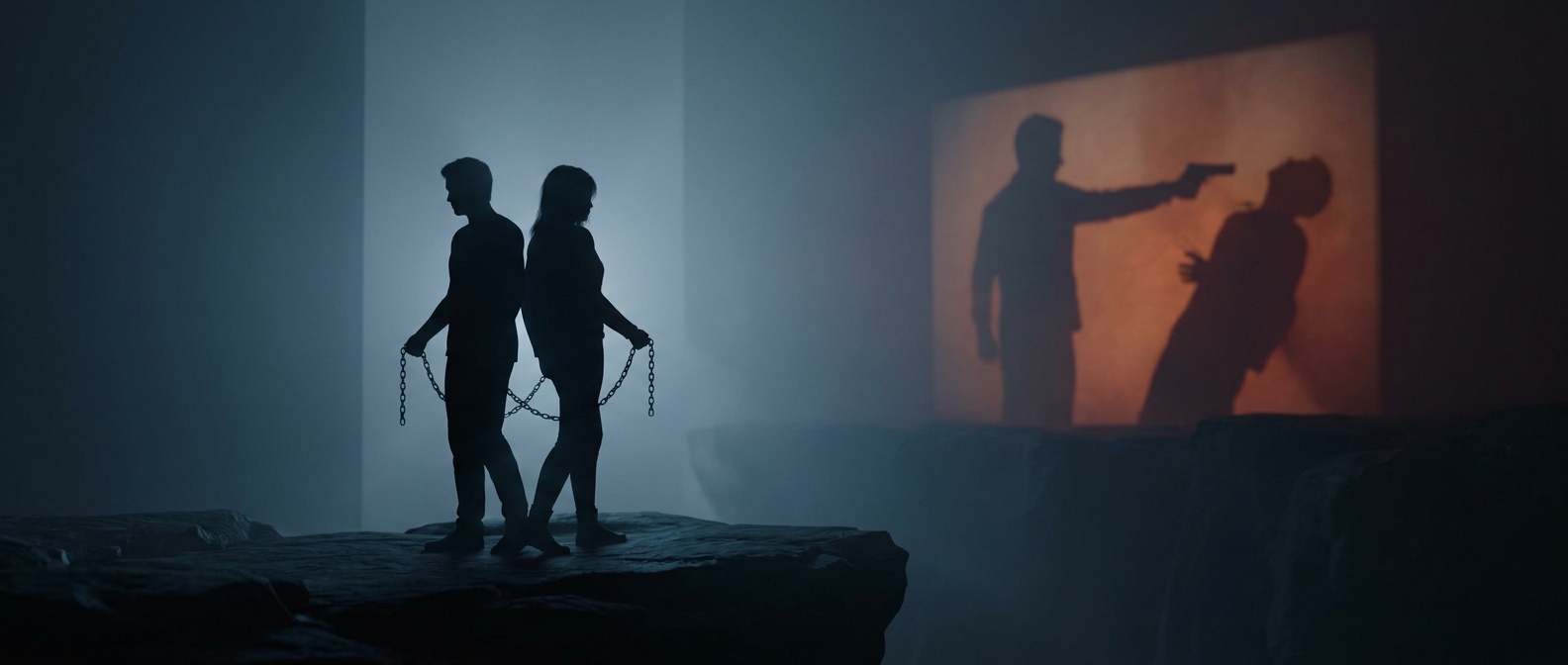
A Way Out turns your co-op partner into your final opponent
The prison-escape story spends most of its time making two players coordinate through split-screen challenges. Its late betrayal then forces them onto…
Discover more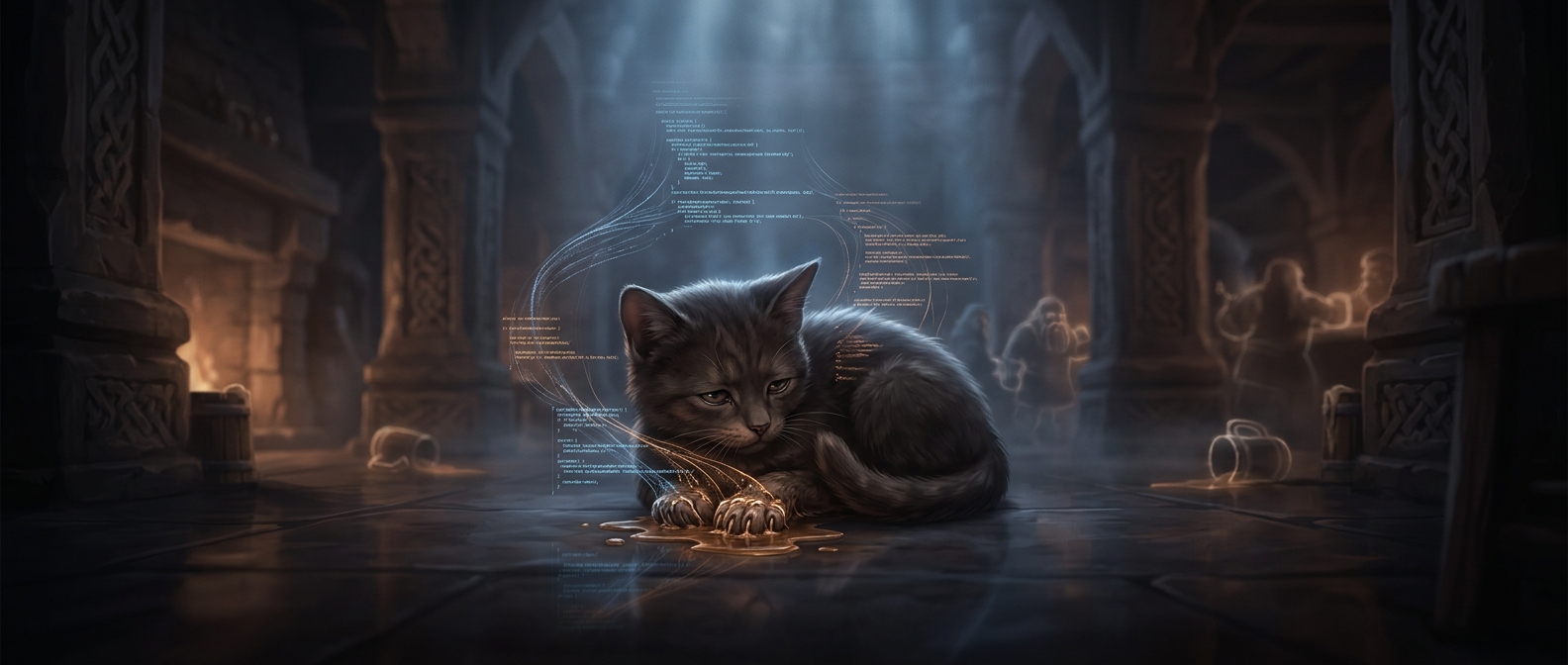
Dwarf Fortress cats got drunk on a software mistake
Cats walked through spilled alcohol, then cleaned it off their fur. The simulation treated the ingested coating as far more alcohol than a cat should have…
Discover more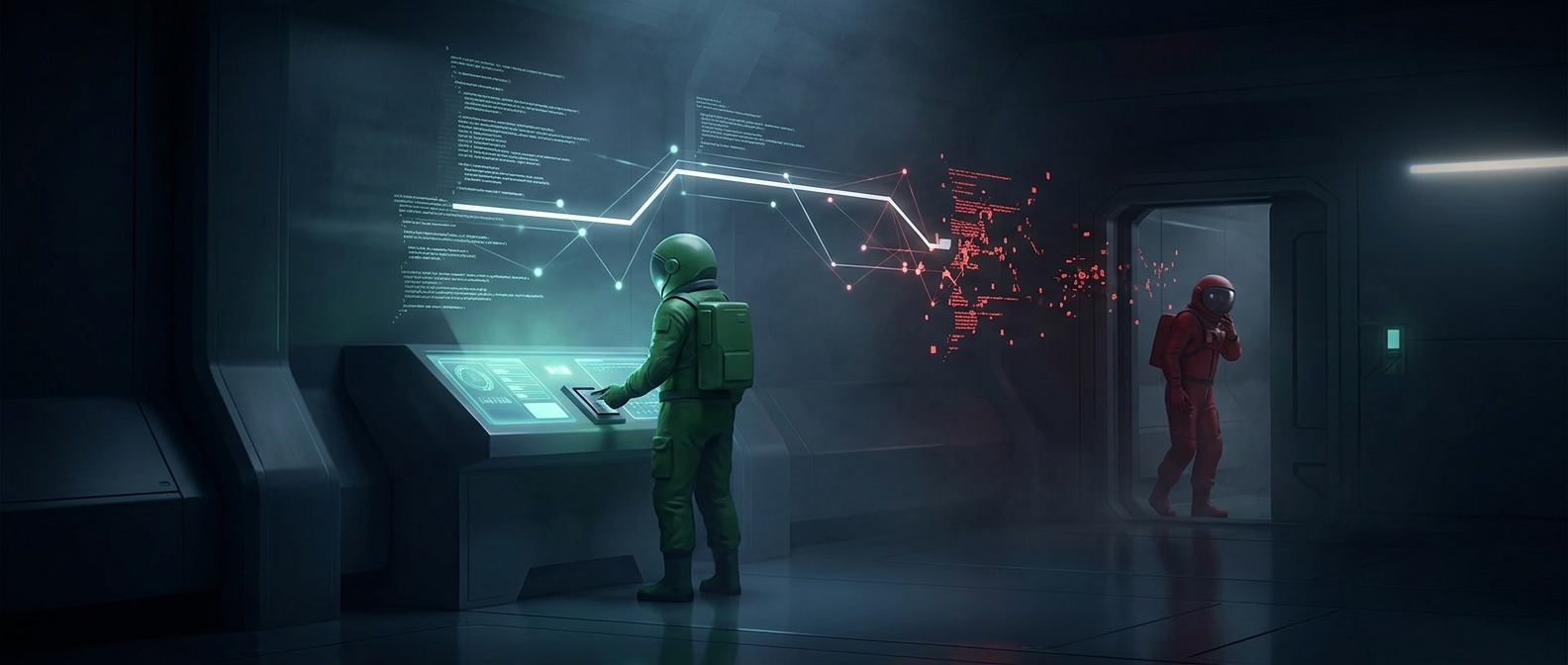
The Among Us task that could expose an impostor
Common tasks are assigned to every crewmate or none, so a player pretending to do one that isn't on the shared list can give themselves away as an impostor.
Discover more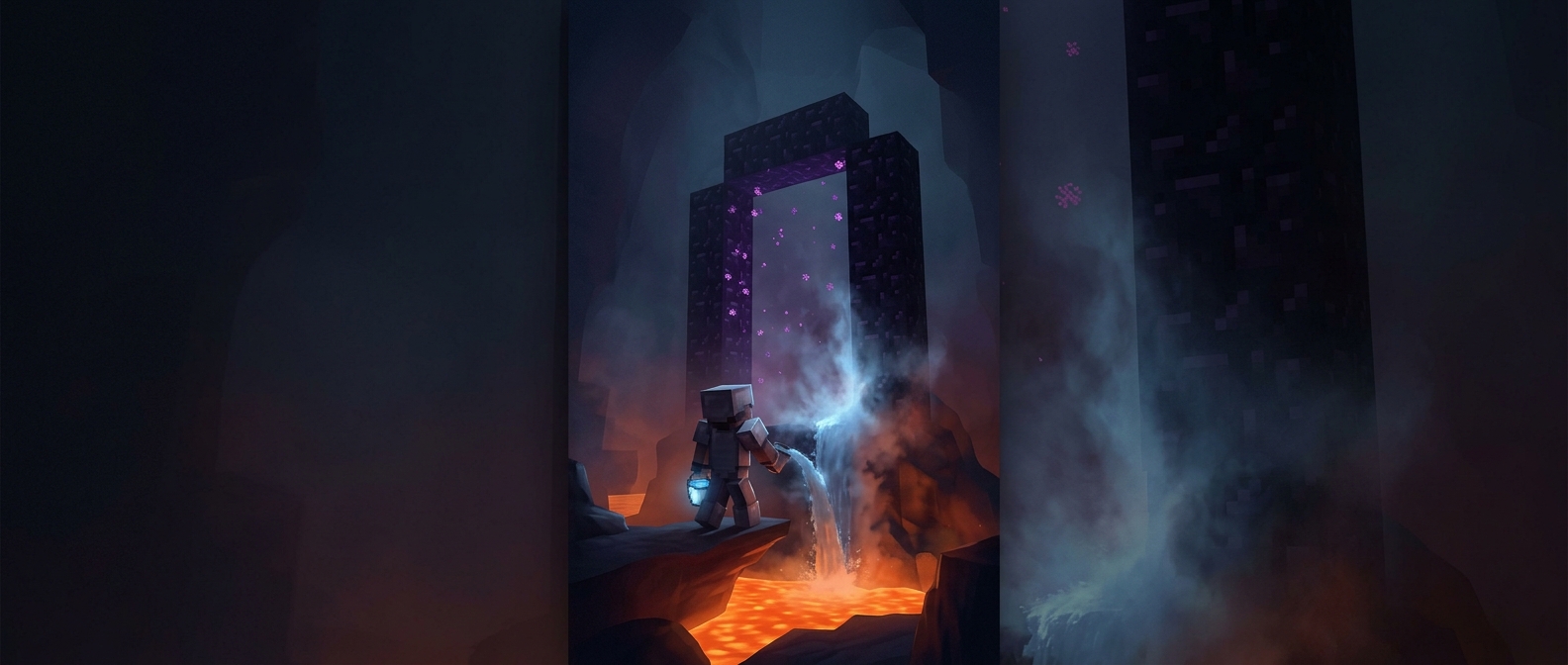
How Minecraft speedrunners build Nether portals from lava
They pour water beside a lava lake to shape the lava into portal blocks, avoiding the time-consuming obsidian mining and pickaxe crafting the game normally…
Discover more