Games
Discover facts about games. Small discoveries that change the way you see familiar things.
Games

One person owns 30,000 board games
A German man has assembled 30,000 board games, the largest collection on record. Storing and organizing thousands of boxes is a challenge in itself.
Discover more
Victorian partygoers were blindfolded and spun around before pinning a donkey’s tail
Players held a sharp tack, and a bad aim could leave it stuck in the wall instead of the donkey.
Discover more
Rugby's origin story centers on a student who picked up the ball
The familiar account credits William Webb Ellis at Rugby School in 1823, though its historical basis is disputed. The school's pupils did help shape and write…
Discover more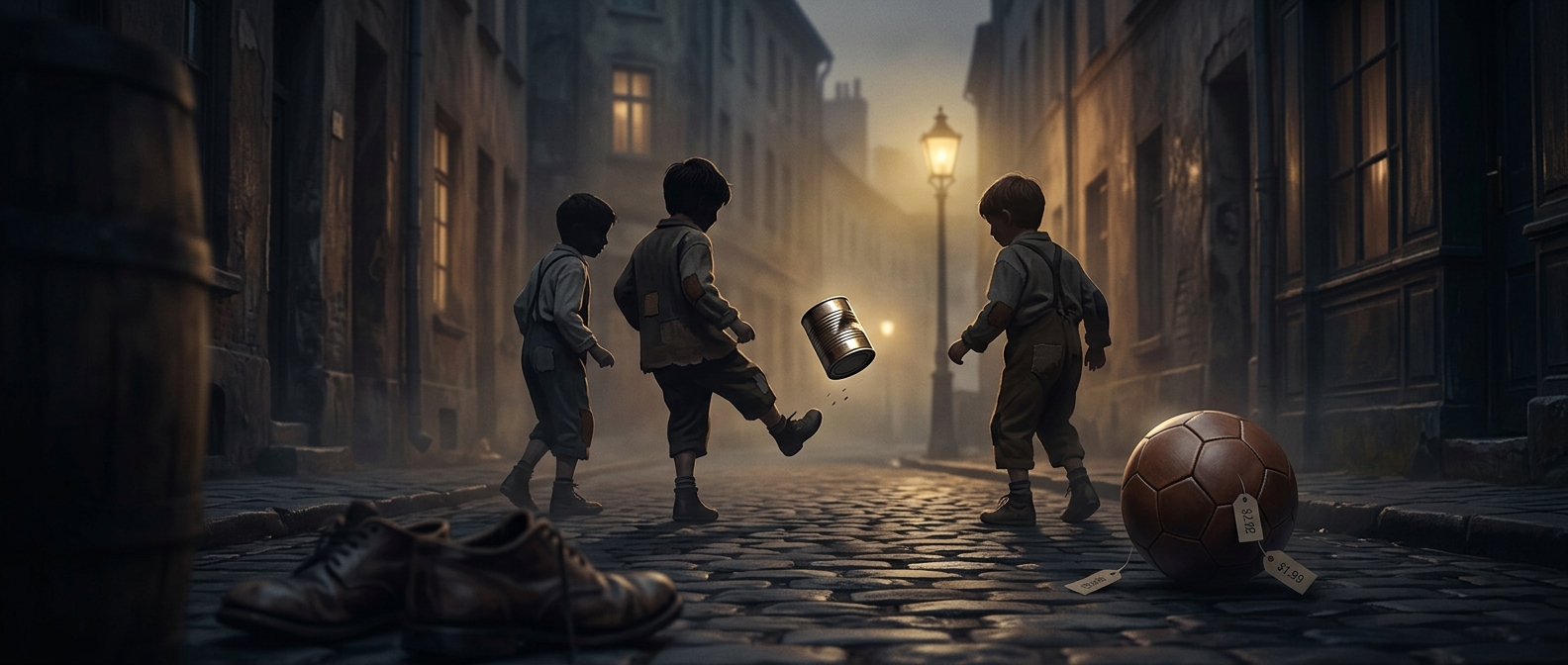
Kick the can thrived because sports equipment cost money
During the Great Depression, children who couldn't afford leather balls made games out of whatever they had—including discarded cans—and turned alleys into…
Discover more
The offensive origins of the telephone game
The old name “Chinese Whispers” reflected a stereotype that foreign communication was unreliable. The game is now commonly called the telephone game.
Discover more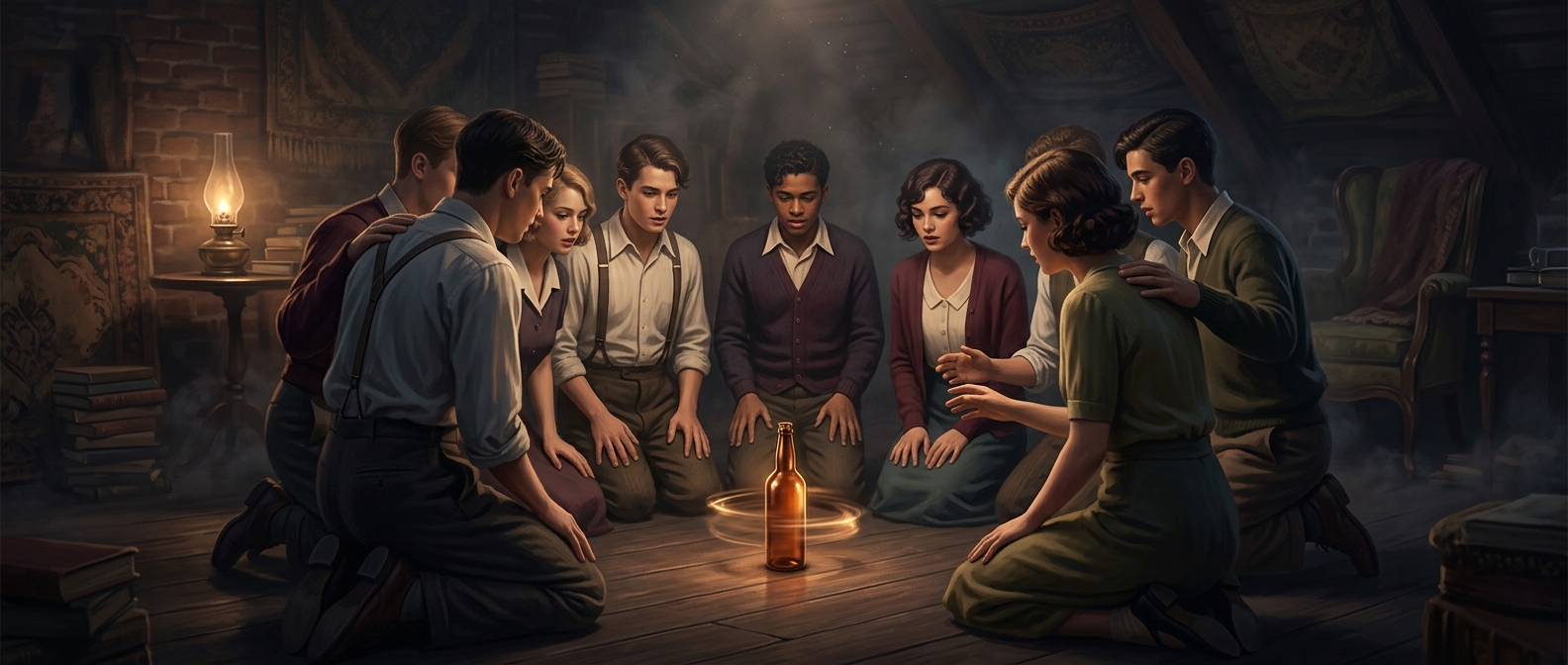
Spin the bottle began as a rebellious teenage kissing ring
Flappers popularized it in the 1920s as a cheeky rebuke to strict chaperoning: the bottle chose who kissed whom, bypassing formal courtship.
Discover more STACKY FOR IPHONE
A bigger world.
One discovery
at a time.
Keep discovering with Stacky. Interesting facts in an app that is always within reach.
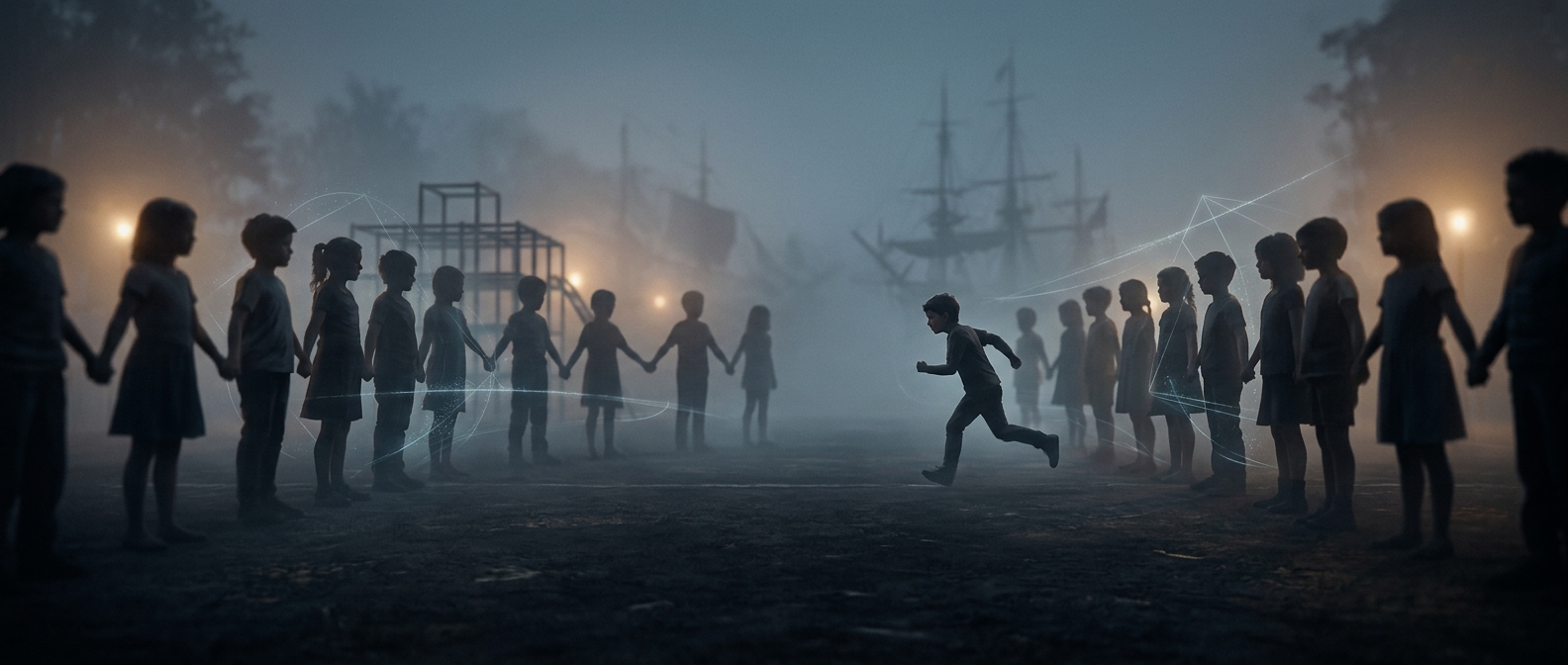
Red Rover began as a game about naval warfare
The game was designed to mimic breaking through enemy ship lines in naval warfare. Today, its linked-arm charge can leave smaller children at a disadvantage.
Discover more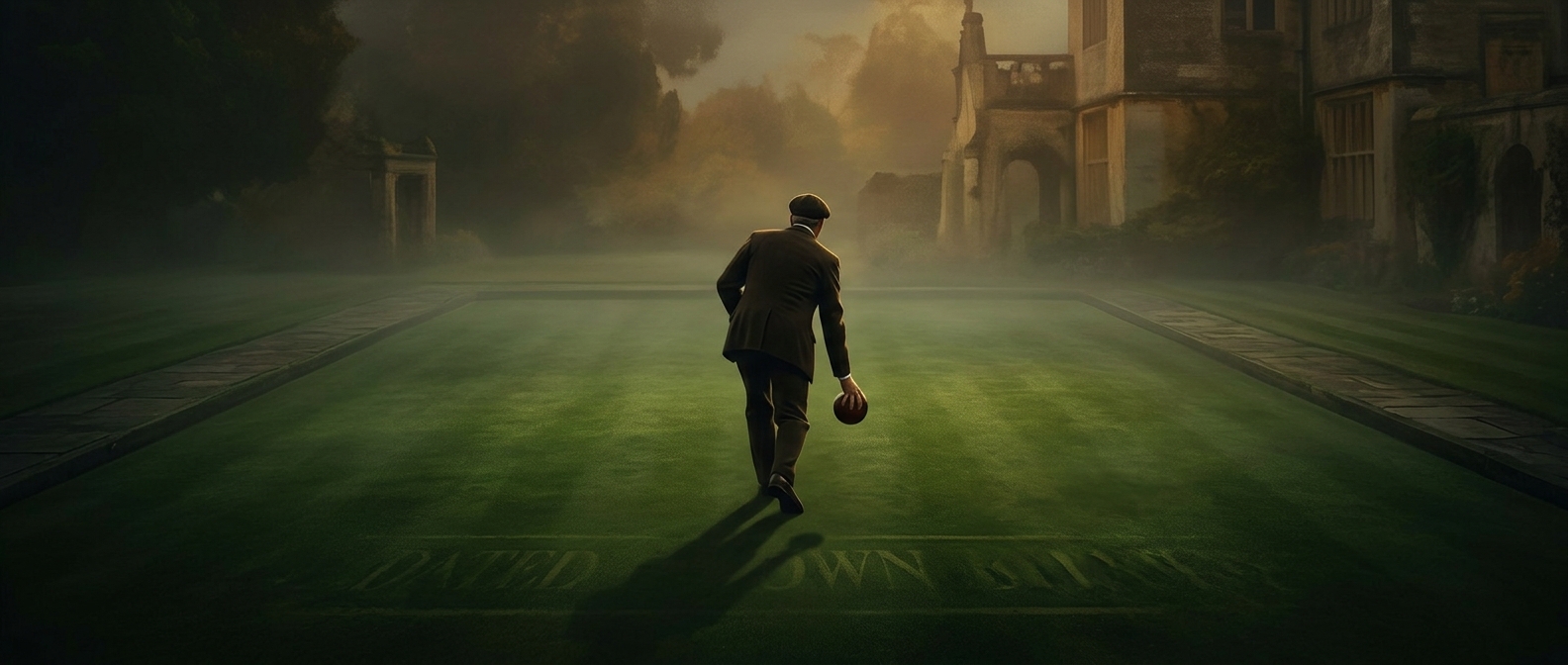
One lawn has been tended for 700 years
At a Southampton club, players roll biased balls across carefully leveled turf that has been maintained for more than seven centuries.
Discover more
In Spud, hearing your number turns you from runner to thrower
One player throws the ball upward and calls a number; the named player must retrieve it while the others scatter. Once the ball is controlled, the chase…
Discover more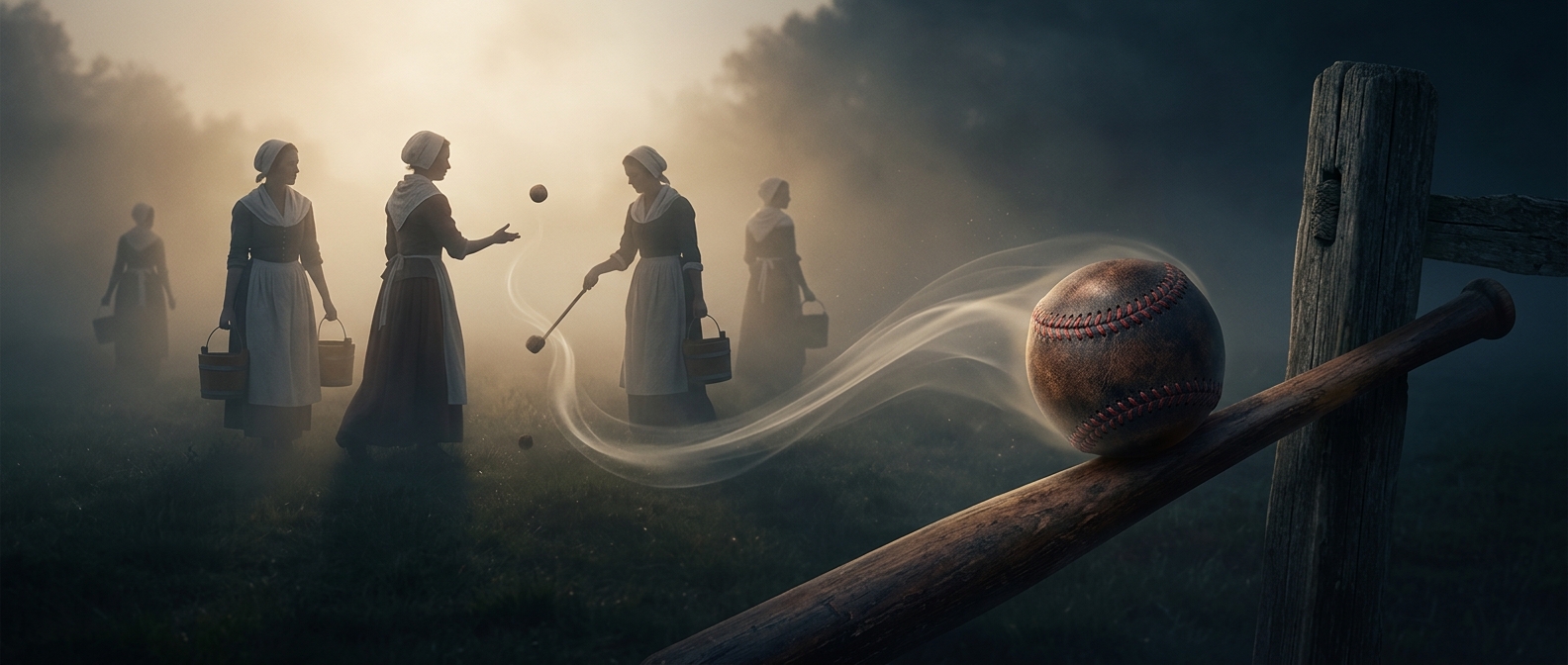
Baseball belongs to an older family of bat-and-ball games
English games such as rounders and stoolball shared the broad idea of striking a ball and running or defending targets. Modern baseball developed its own…
Discover more
Egg-and-spoon races appeared in Queen Victoria's jubilee celebrations
Village events for the 1897 Diamond Jubilee included the balancing race alongside activities such as tug-of-war. It turns running into a conflict between…
Discover more
Henry VIII treated games as competition for military training
The 1541 unlawful-games statute restricted numerous games for working people while promoting archery. The concern was not simply that entertainment was…
Discover more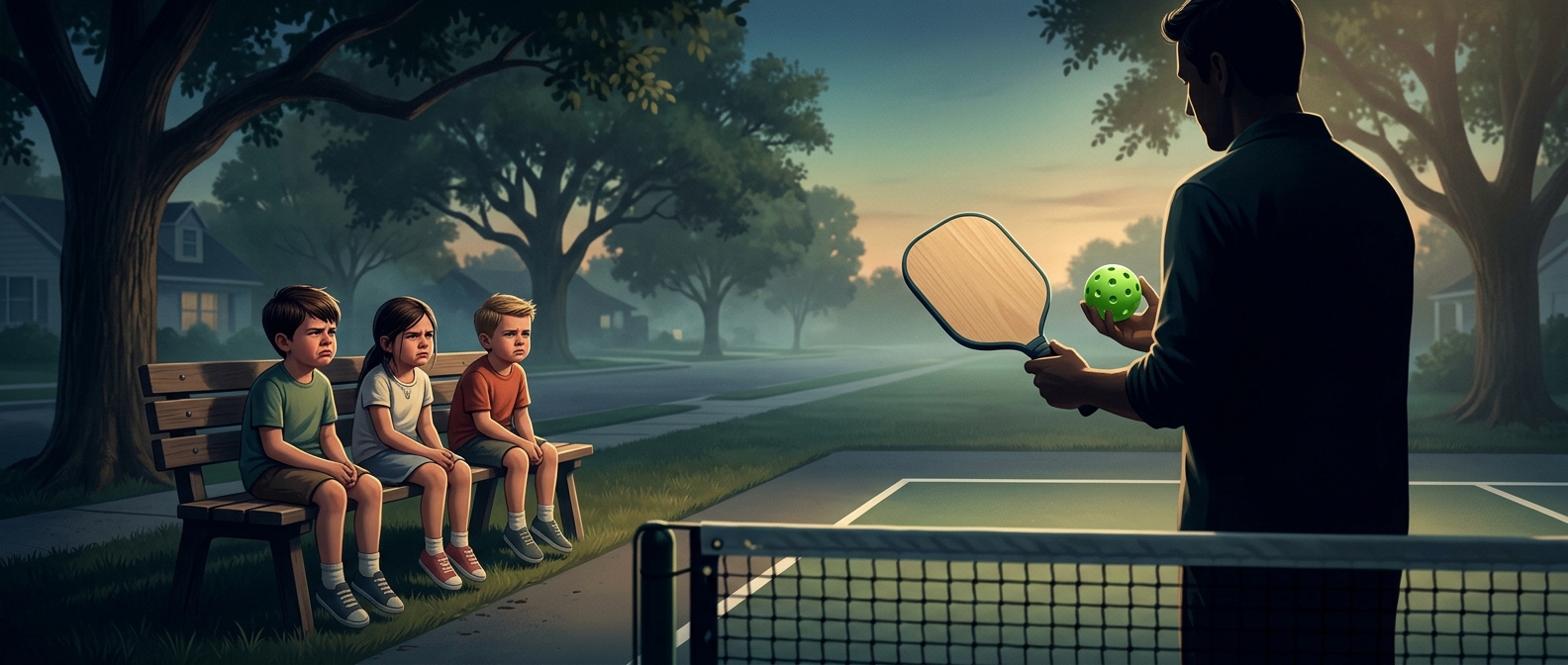
Pickleball began as an answer to bored children
In 1965, Joel Pritchard, Bill Bell, and Barney McCallum developed a backyard game on Bainbridge Island, Washington. They combined paddles, a perforated…
Discover more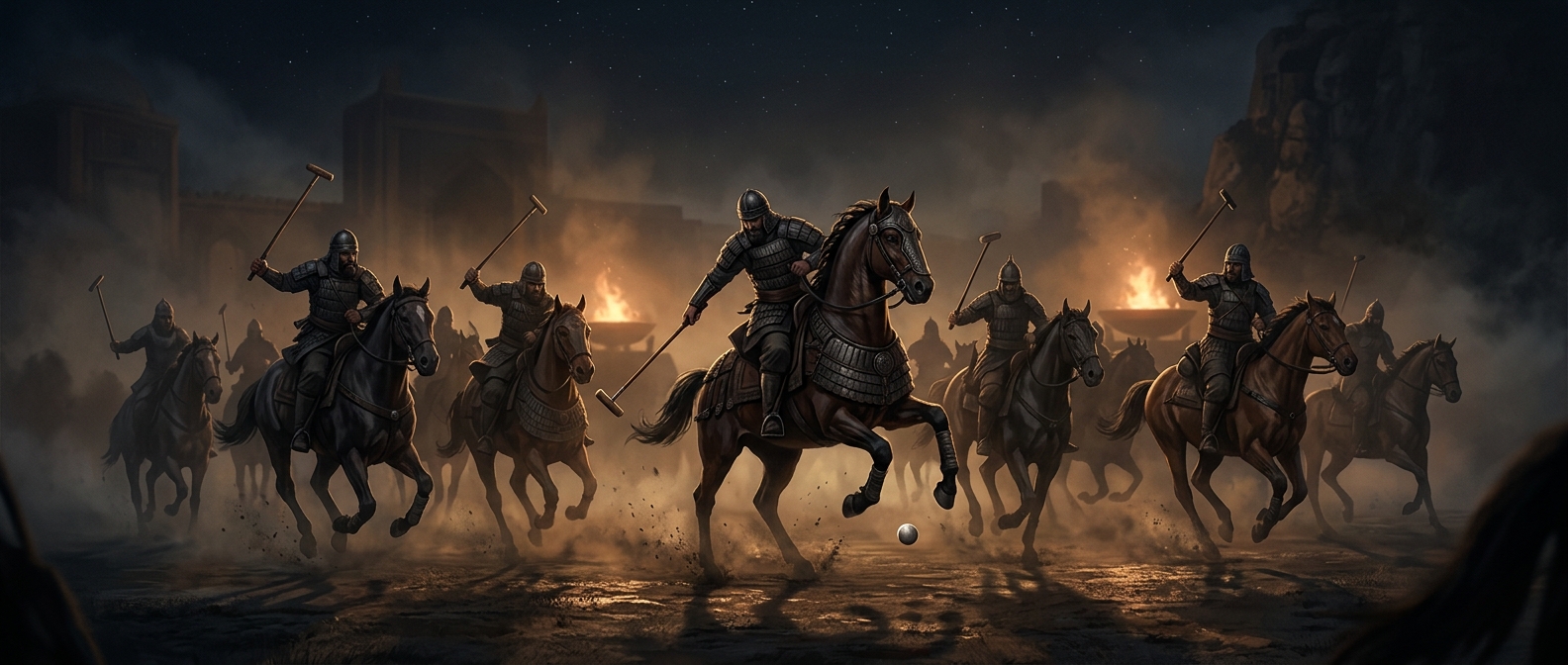
Why ancient soldiers trained with polo
Ancient empires used polo's chaotic horseback play to prepare riders for the confusion and fear of mounted combat. It was training, not a leisurely game for…
Discover more
Kickball began as baseball without the bats
Created in 1917, kickball replaced a bat and pitched ball with a large rubber ball rolled along the ground, avoiding baseball’s specialized hitting skills.
Discover more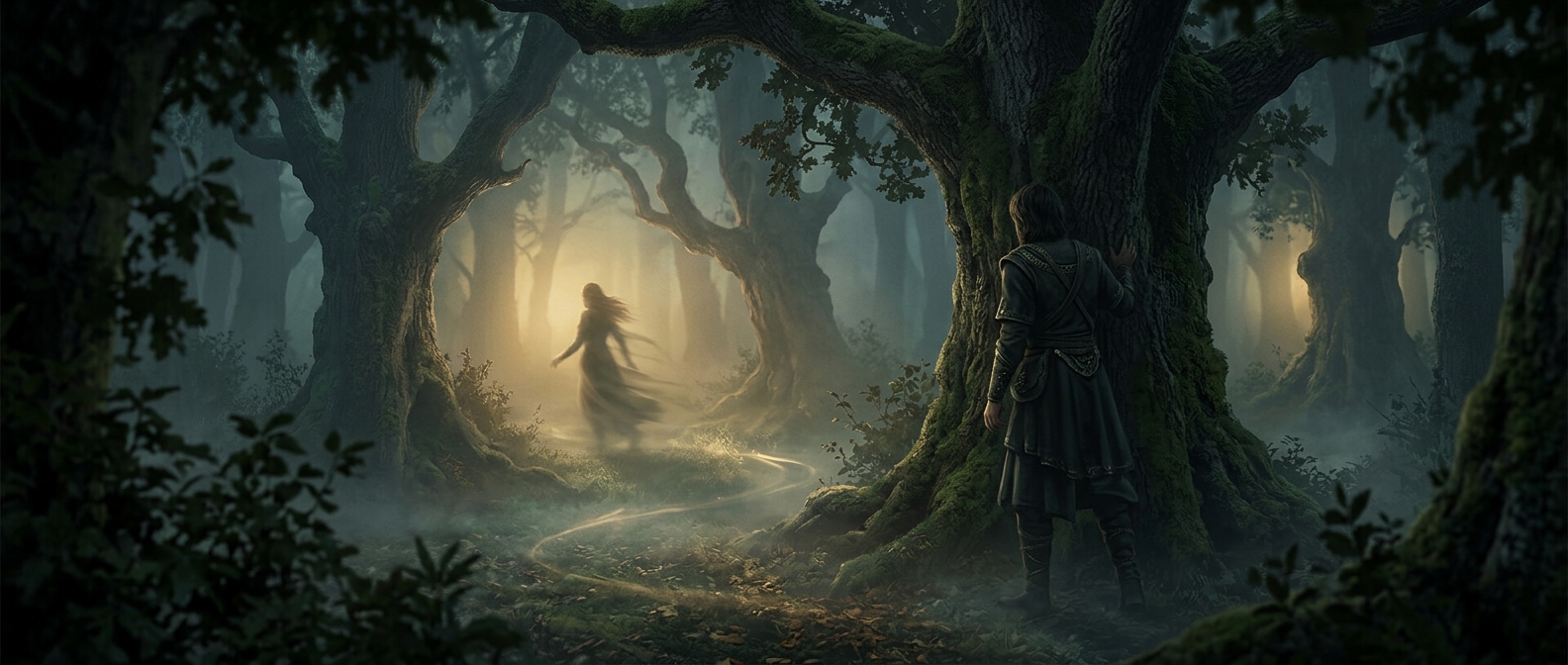
When hide-and-seek was a dating ritual
In parts of Europe, adults played hide-and-seek in the woods to celebrate spring and secretly pair off away from village gossip.
Discover more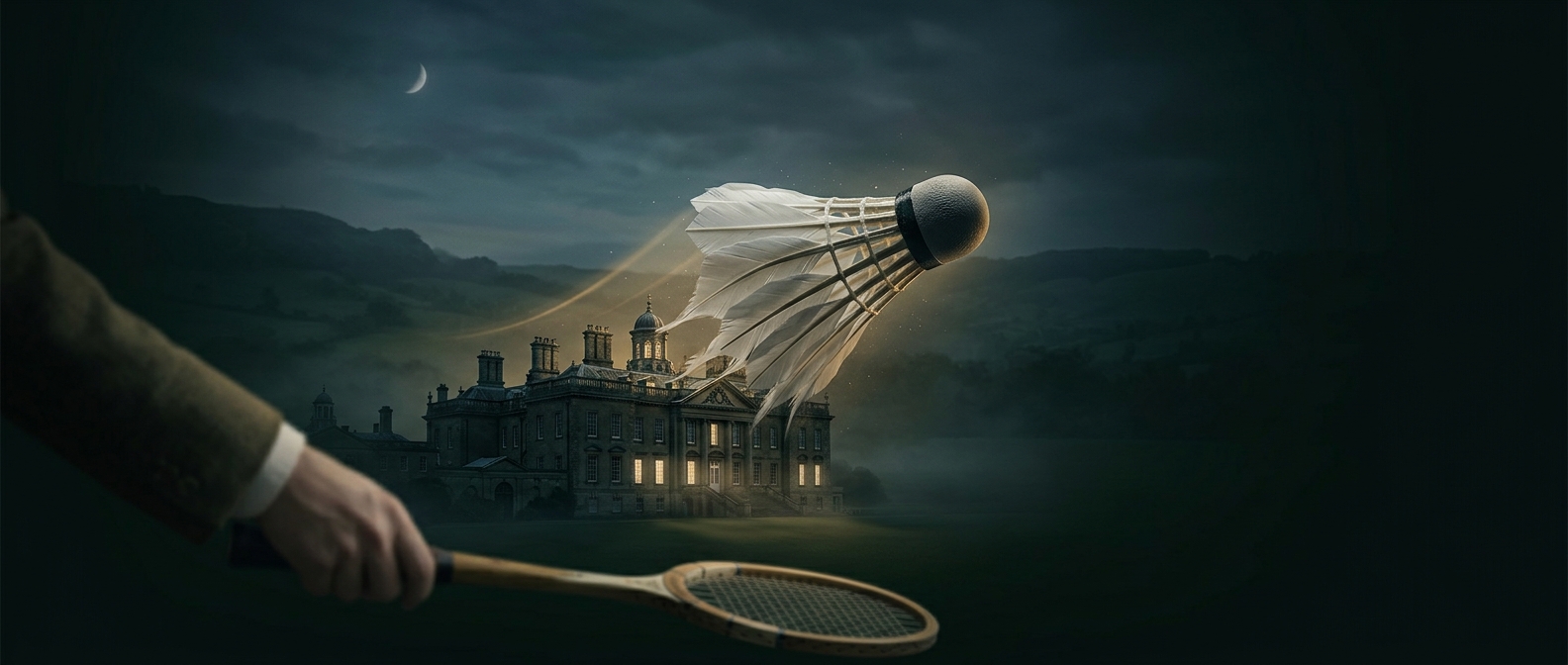
Badminton was named after a duke's estate
The game took its name from Badminton House, the Duke of Beaufort’s estate, where British officers returning from India played it.
Discover more
An early hot-potato-style game passed a lit candle
An 1888 glossary describes players handing around a candle while reciting a verse. Whoever held it when it went out faced the penalty. The object really could…
Discover more
How city kids turned walls into tennis opponents
With little open space, city kids used brick walls—sometimes the side of a convenience store—as their opponent, risking a stray ball in traffic or a broken…
Discover more
Keepy uppy is a desperate battle against gravity
The stakes are imaginary, but everyone scrambles to keep the balloon off the floor; letting it drop can feel oddly shameful.
Discover more
Tetherball has surprisingly pagan roots
Its roots have been linked to ancient Maypole traditions, though the familiar version became a schoolyard game.
Discover more
Racquetball began as a YMCA volunteer's alternative to other games
Joe Sobek developed the sport in Greenwich, Connecticut, in 1950 as an alternative to squash and handball. The YMCA says he received no payment for the…
Discover more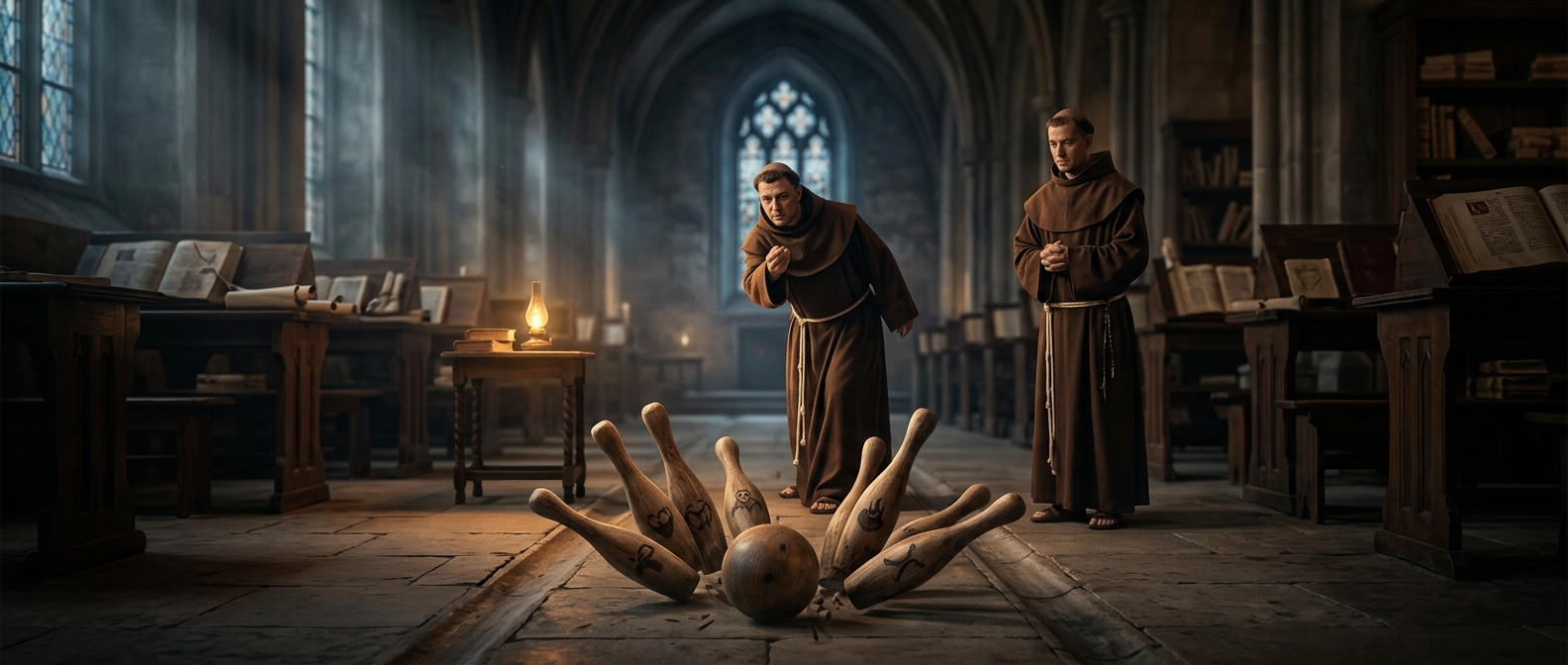
Bowling began as a ritual for smashing sins
German clerics used pins representing pagan temptations; knocking them down symbolized overcoming sin.
Discover more
Squash grew from a ball that would not bounce like the others
Harrow pupils found that a punctured ball used for rackets squashed against a wall and changed the available shots. The awkward equipment helped produce a…
Discover more