Games
Discover facts about games. Small discoveries that change the way you see familiar things.
Games
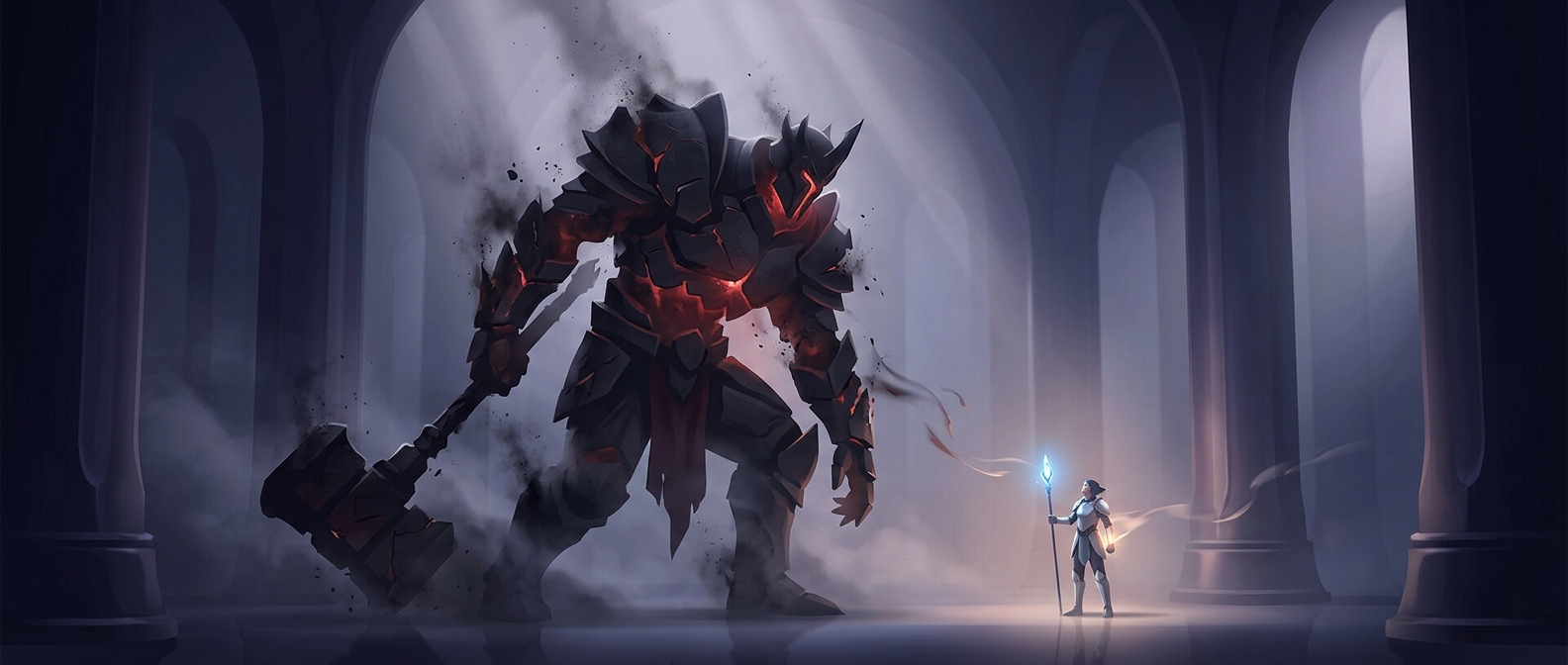
Why video game villains get weaker when they join you
When a formidable boss becomes an unlockable companion, their huge health pool and devastating attacks often shrink, leaving them vulnerable to ordinary…
Discover more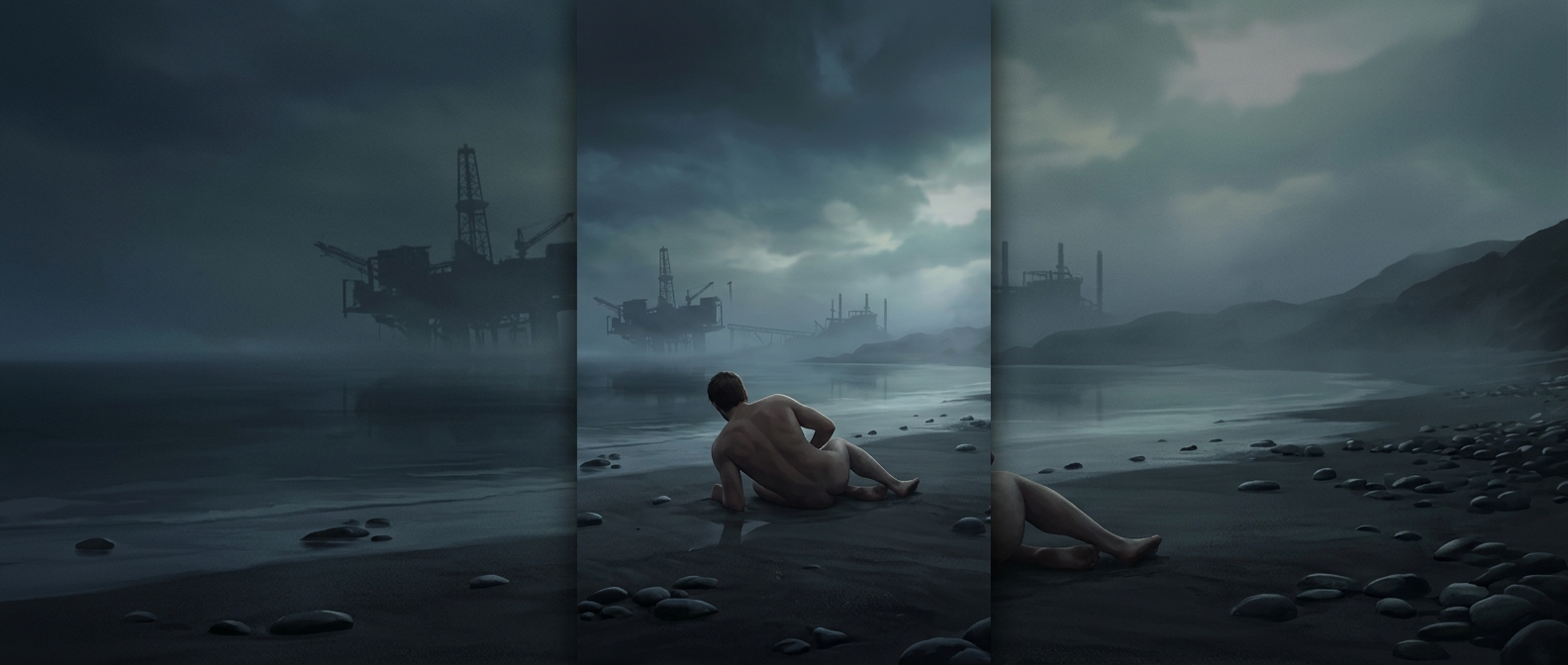
Rust begins by waking up entirely naked on a beach
You spawn with nothing but a rock, then scramble to gather resources while armed players hunt you on the beach.
Discover more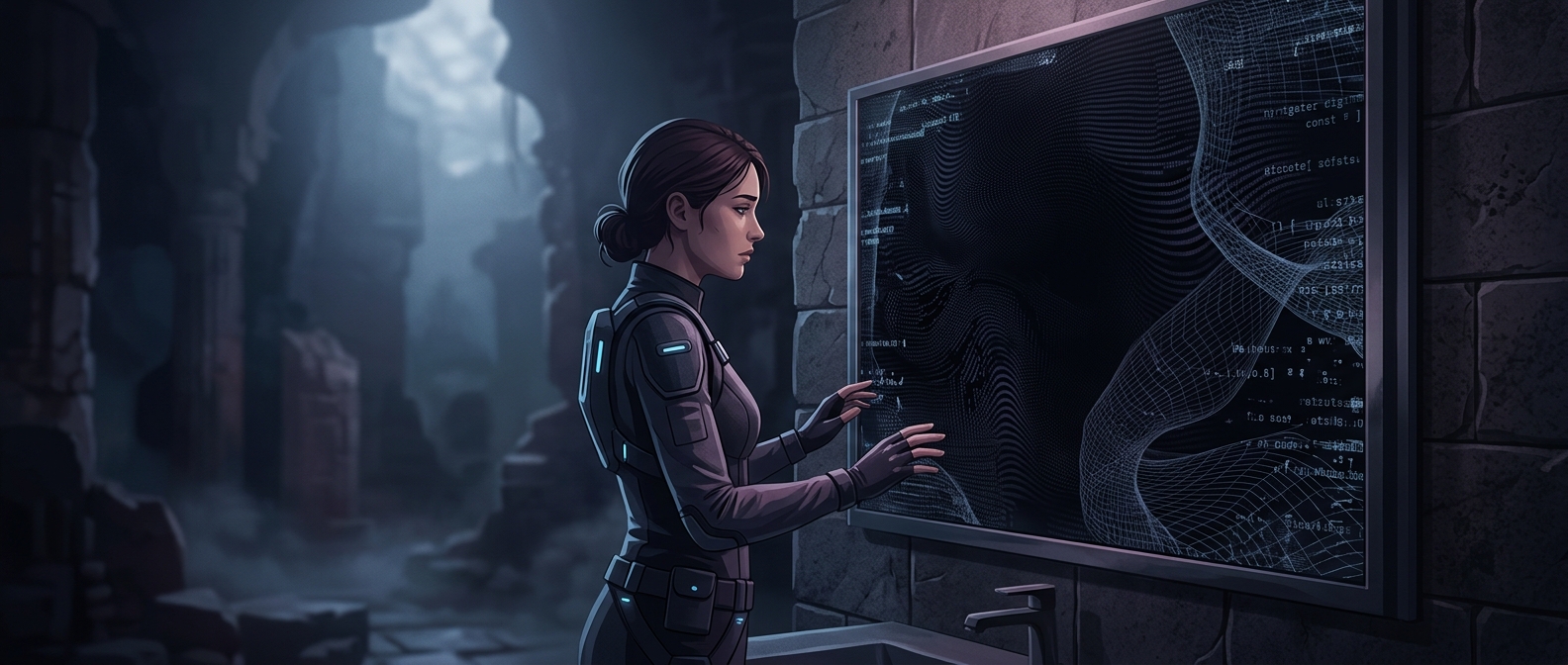
A game mirror can make the computer draw the room twice
A convincing real-time mirror may need another view of the scene rendered from the reflected camera position. That's extra work just to show a room you've…
Discover more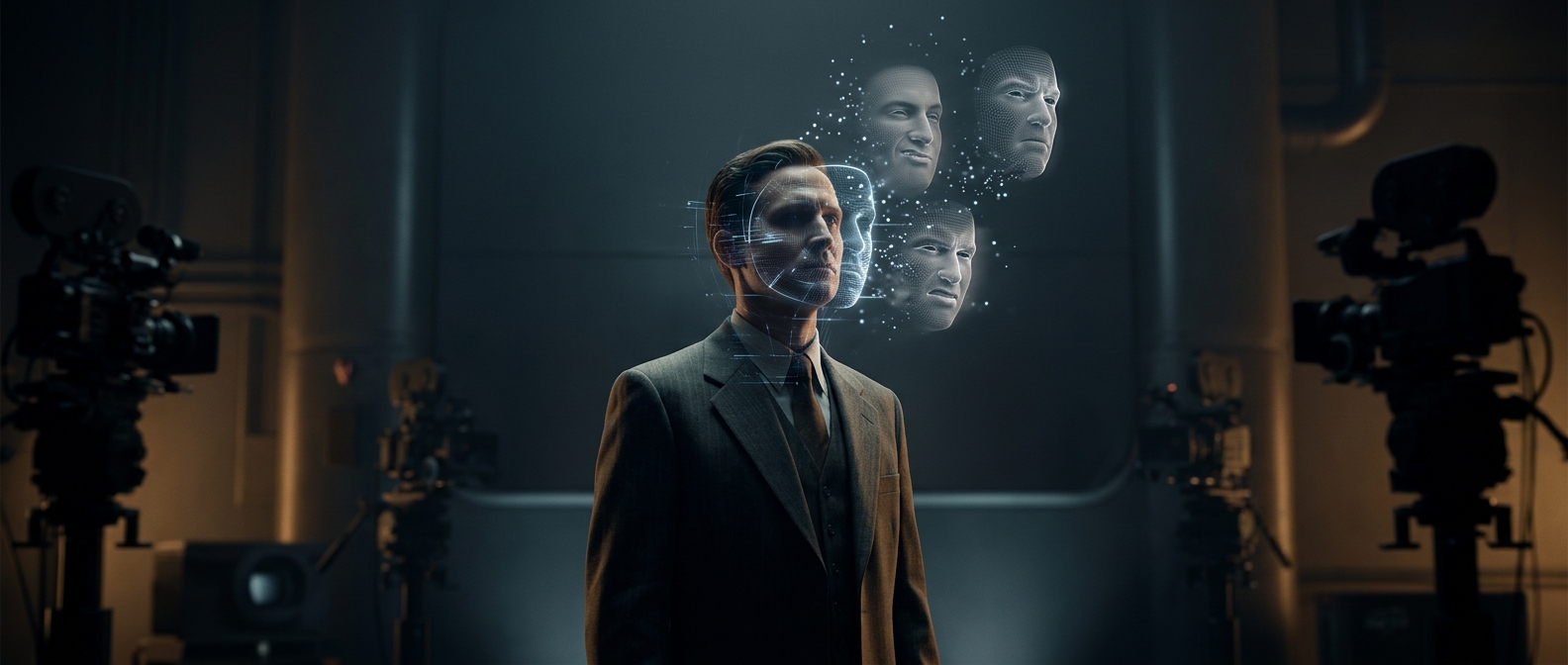
How L.A. Noire captured actors' facial movements
Actors performed in dark rooms surrounded by cameras that captured tiny facial movements. Developers mapped them onto 3D characters, whose realistic faces…
Discover more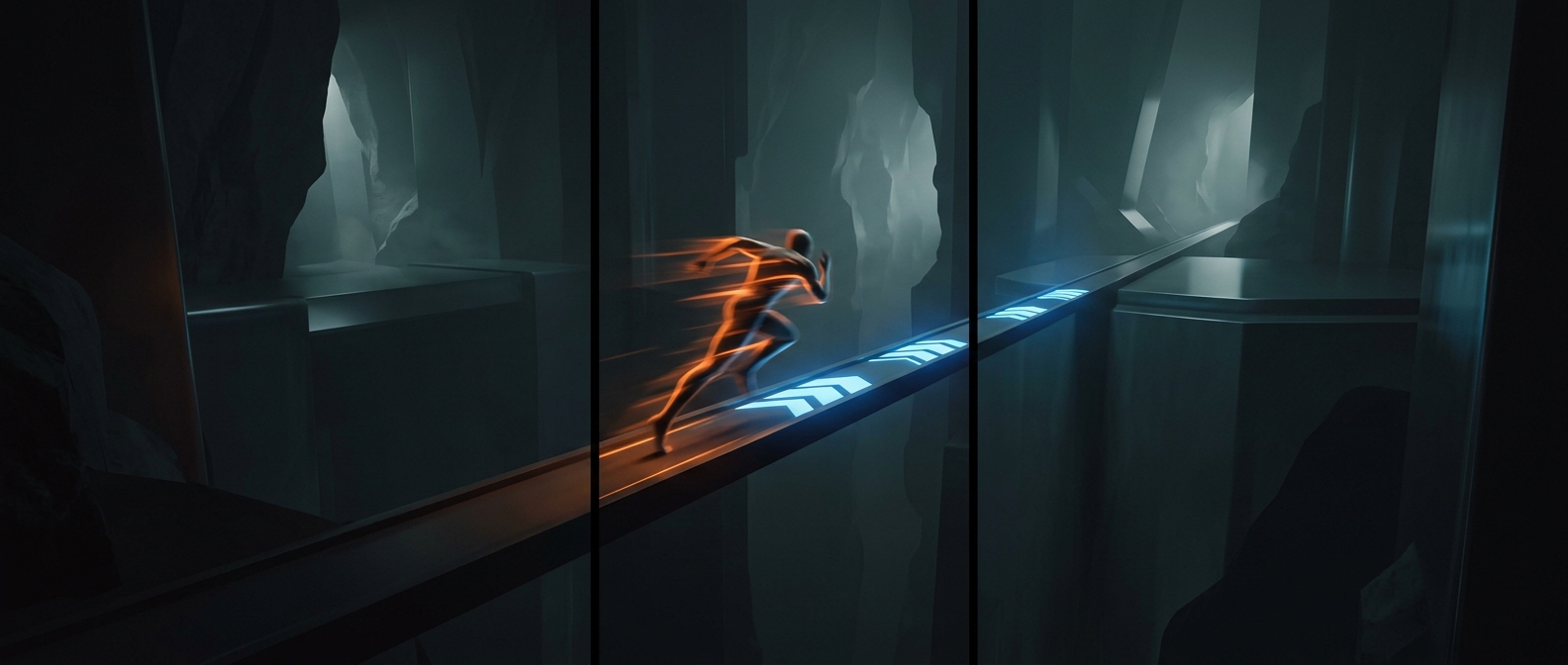
Why game characters never seem to walk
Once players take control, they often hold the run button and jump repeatedly to move faster, even through quiet neighborhoods.
Discover more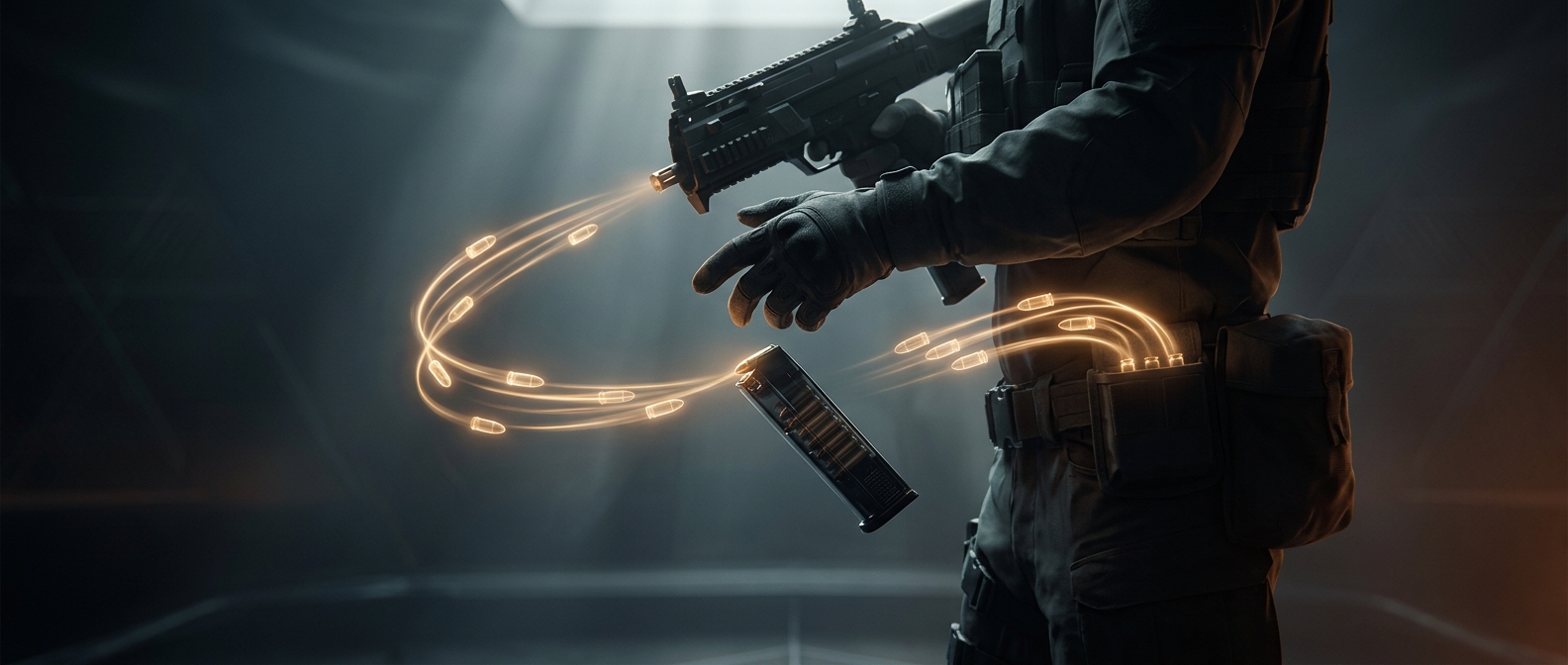
Why reloading can cost you unused bullets
In some games, reloading a 30-round magazine after firing two shots makes the remaining 28 rounds disappear instead of dropping them on the ground.
Discover more STACKY FOR IPHONE
A bigger world.
One discovery
at a time.
Keep discovering with Stacky. Interesting facts in an app that is always within reach.
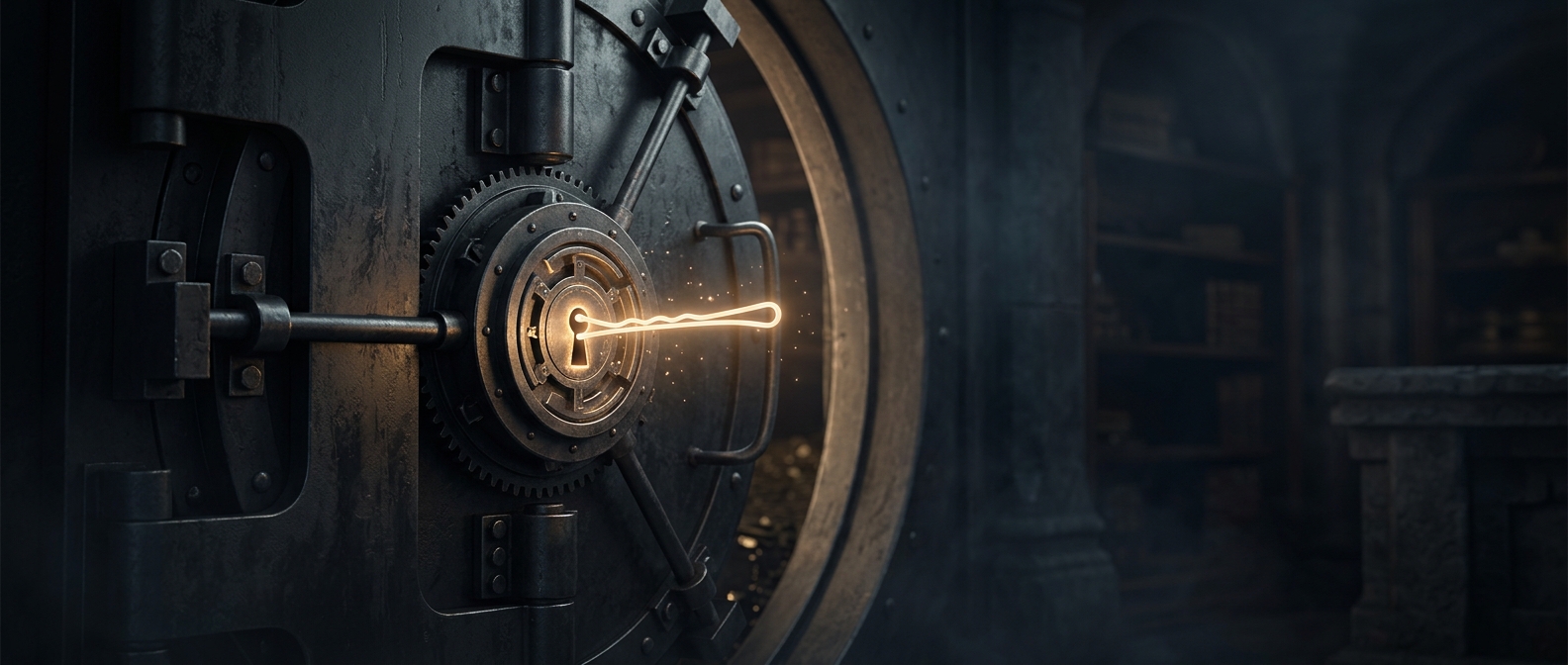
Opening a reinforced steel safe takes one bobby pin
In many games, a bobby pin can pick locks on vaults and military doors that would otherwise call for keys or explosives—a tiny tool treated as a universal…
Discover more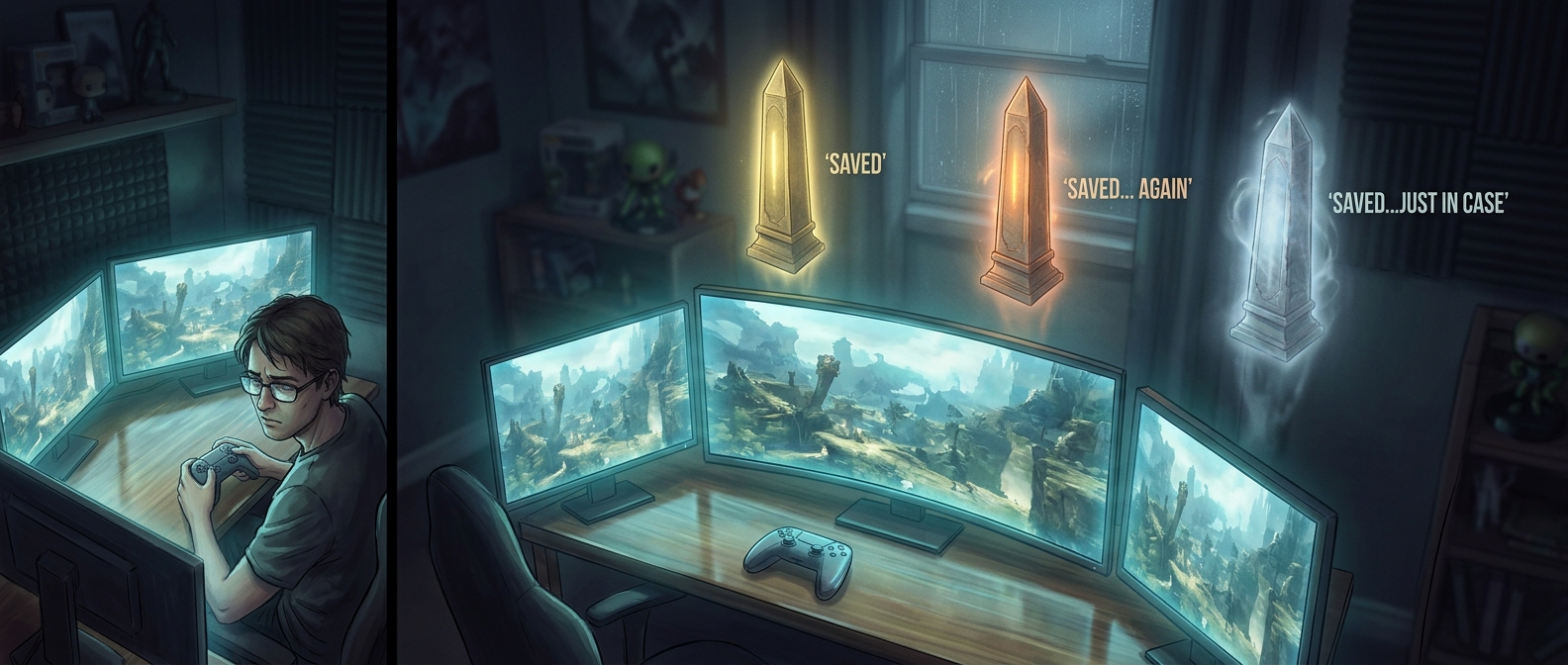
Why gamers save three times
After a tough section, players may save manually even when auto-save is available, then do it again—a habit shaped by years of corrupted files and unexpected…
Discover more
Skip the dialogue, accept the terrible quest
Tapping through dialogue to make it disappear can mean accepting a long fetch quest without realizing what you agreed to.
Discover more
Why some gamers look up by pushing down
Many learned inverted controls from flying digital airplanes in the 1990s, carrying the joystick mentality into games and treating the camera like an aircraft…
Discover more
Why video game health packs stopped using the red cross
The International Committee of the Red Cross has asked game studios not to use its emblem, which is protected under international humanitarian law. Many…
Discover more
Idle games are explicitly meant to play themselves
After a few clicks, the game keeps generating progress in the background while you sleep, making you more of a manager than an active player.
Discover more
DayZ can make an apple more important than a gun
Long journeys between settlements force you to manage food, water, and supplies before the next encounter. A weapon won't fix hunger or contaminated water.…
Discover more
Big box PC titles from the nineties were mostly cardboard
The cartons often held just one floppy disk or CD, surrounded by empty space. The oversized boxes took up shelf space and caught shoppers’ eyes.
Discover more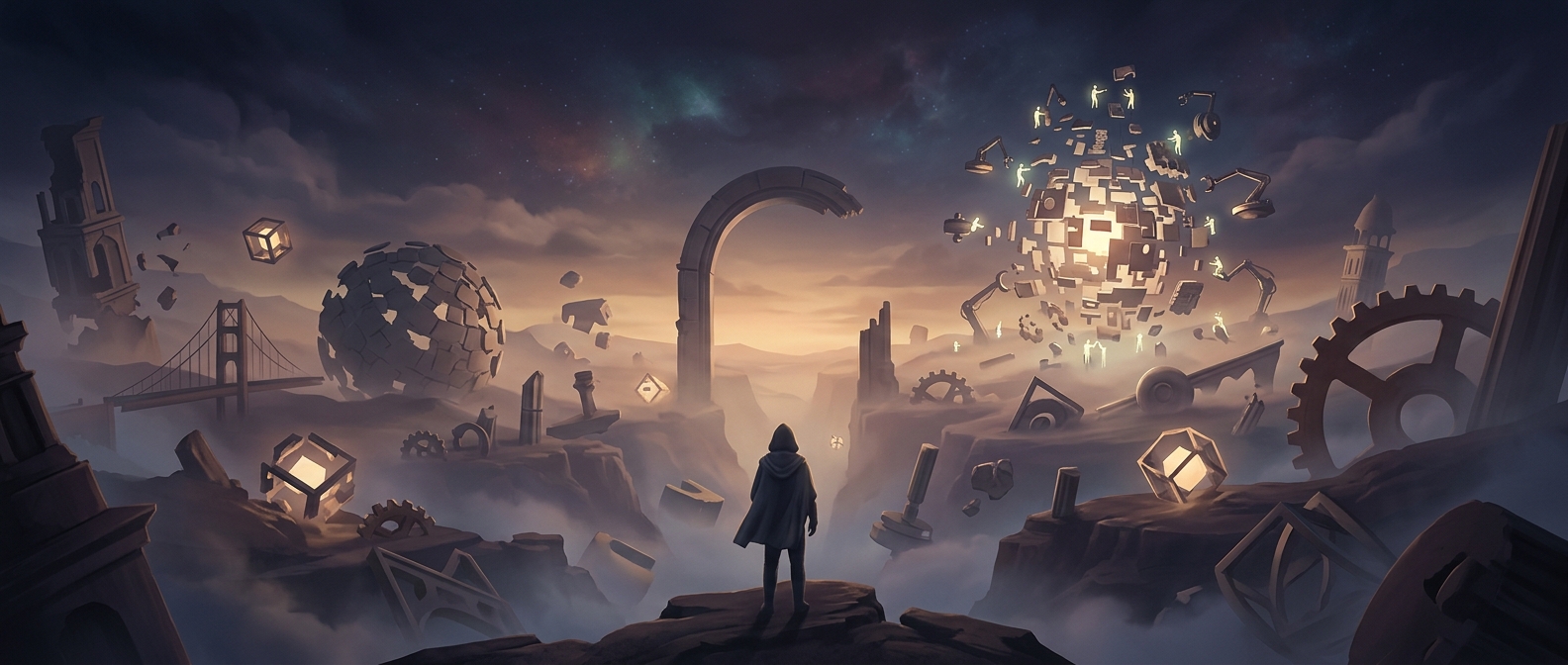
Garry's Mod became a hit without giving you a mission
It hands you physics tools, props, and characters, then lets you decide what the game is. Build a machine, stage a scene, or strap something absurd to a…
Discover more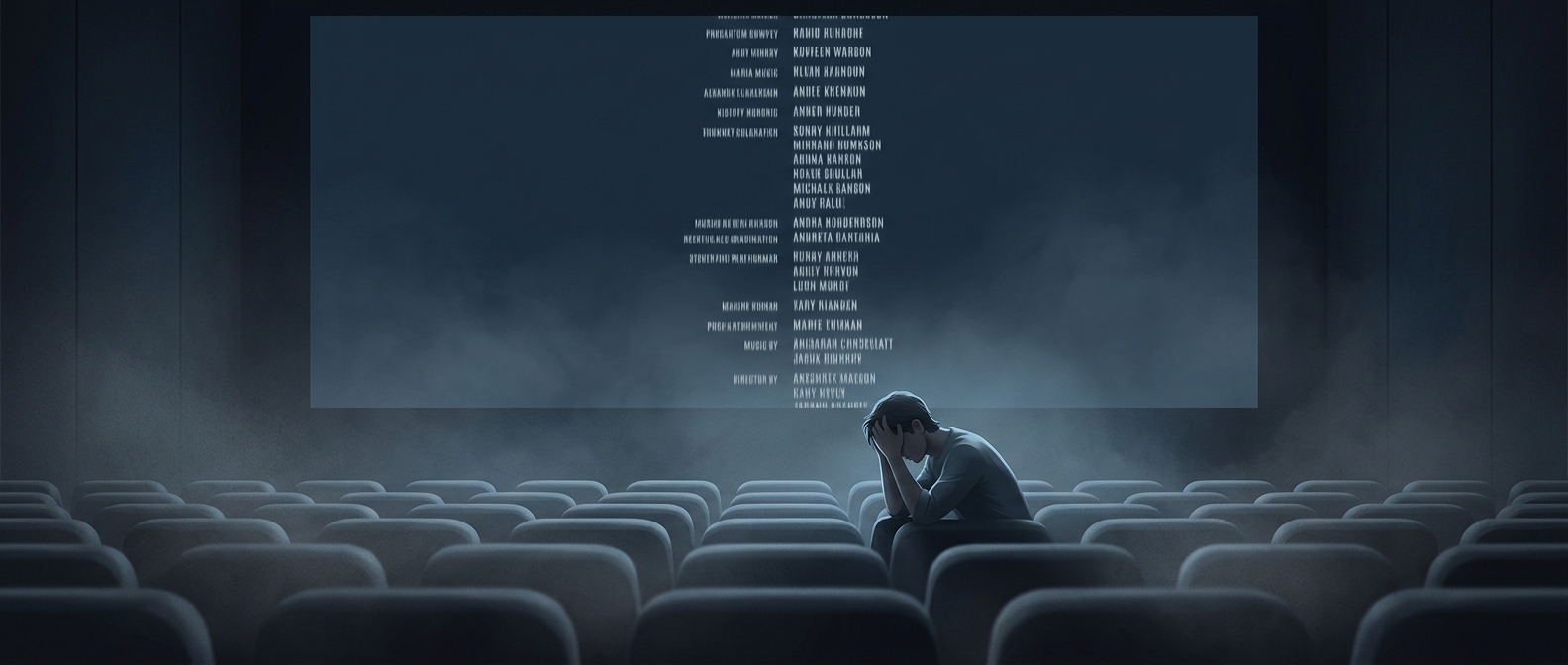
Watching thirty minutes of unskippable credits for nothing
Some players sit through the roughly 30-minute scroll in case it hides a post-credits scene, only to land back at the main menu.
Discover more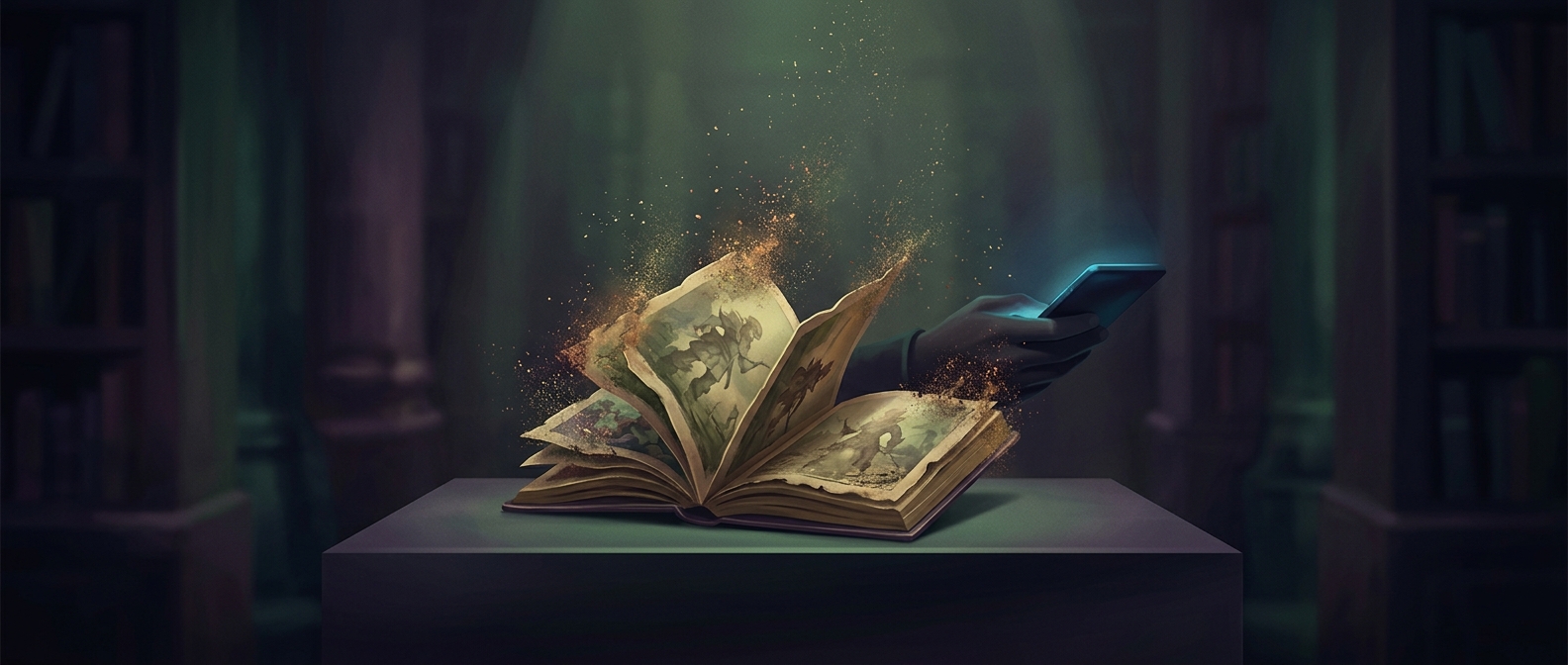
When game cases came with tiny illustrated books
Game cases once came with illustrated booklets full of character backstories, control layouts, and artwork. Today, some contain only a slip with a digital code.
Discover more
Visual novels barely qualify as interactive media
Visual novels rely mostly on reading text alongside static character portraits, with occasional choices that can determine which illustrated character you…
Discover more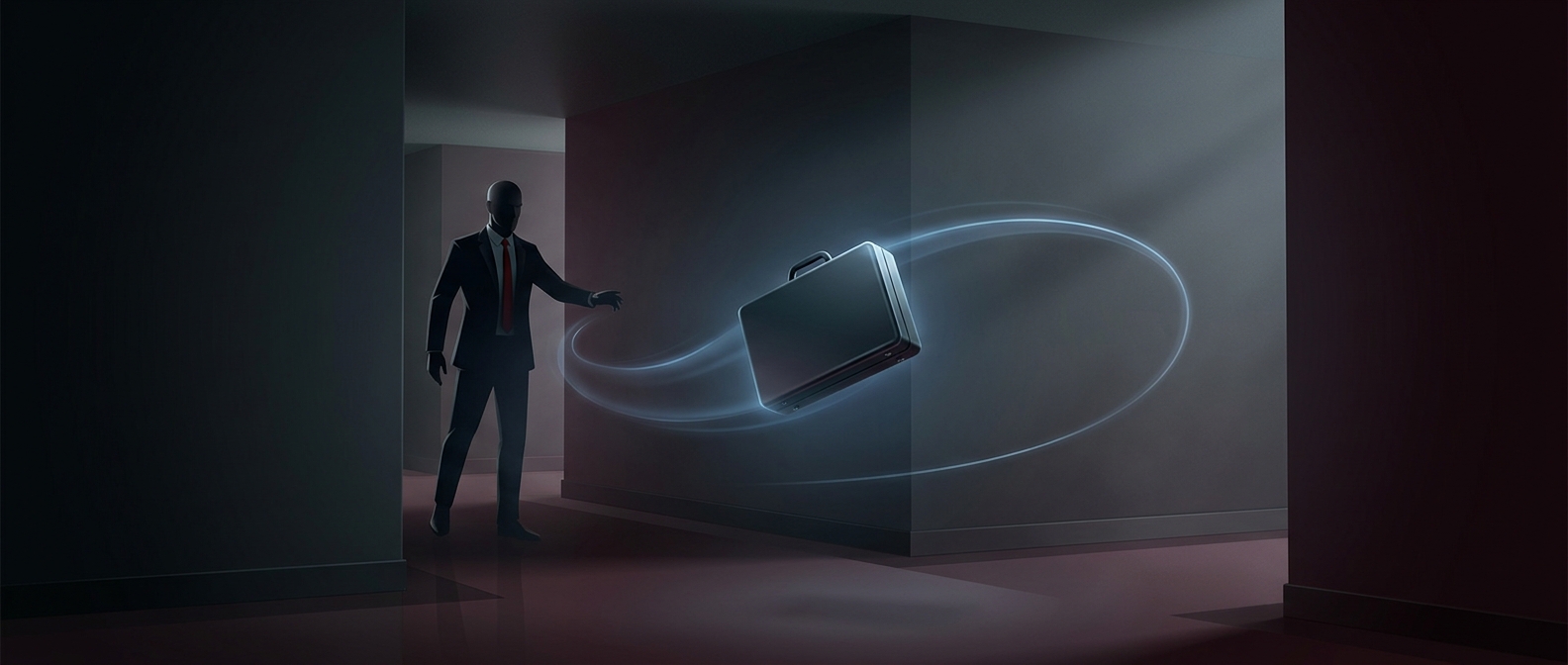
Hitman's homing briefcase started as a bug
In Hitman, a thrown briefcase could lock onto a target’s head and follow it around corners. Developers kept the bug and made the slow-moving, heat-seeking…
Discover more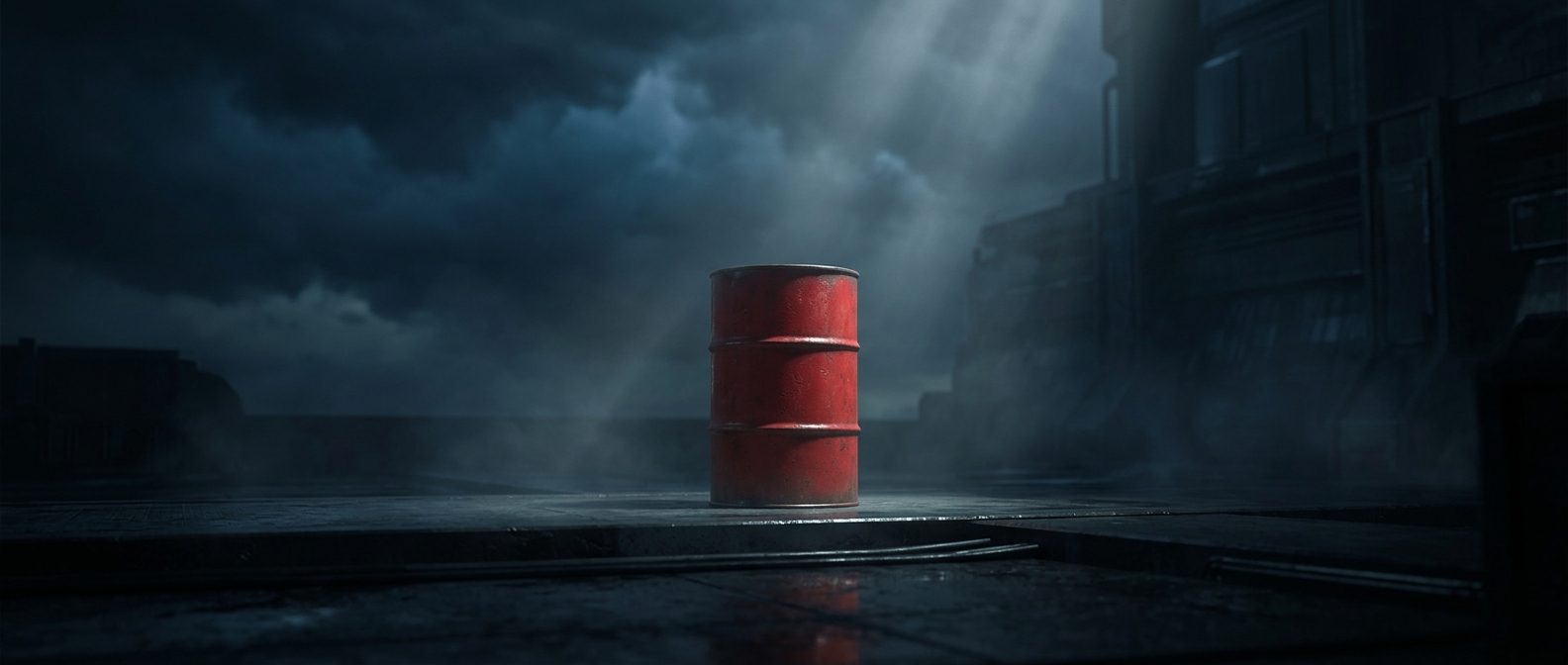
Why red barrels always seem ready to explode
Game designers use bright red barrels to make explosive hazards easy to spot. A shot can set one off, triggering a chain reaction that clears the room—often…
Discover more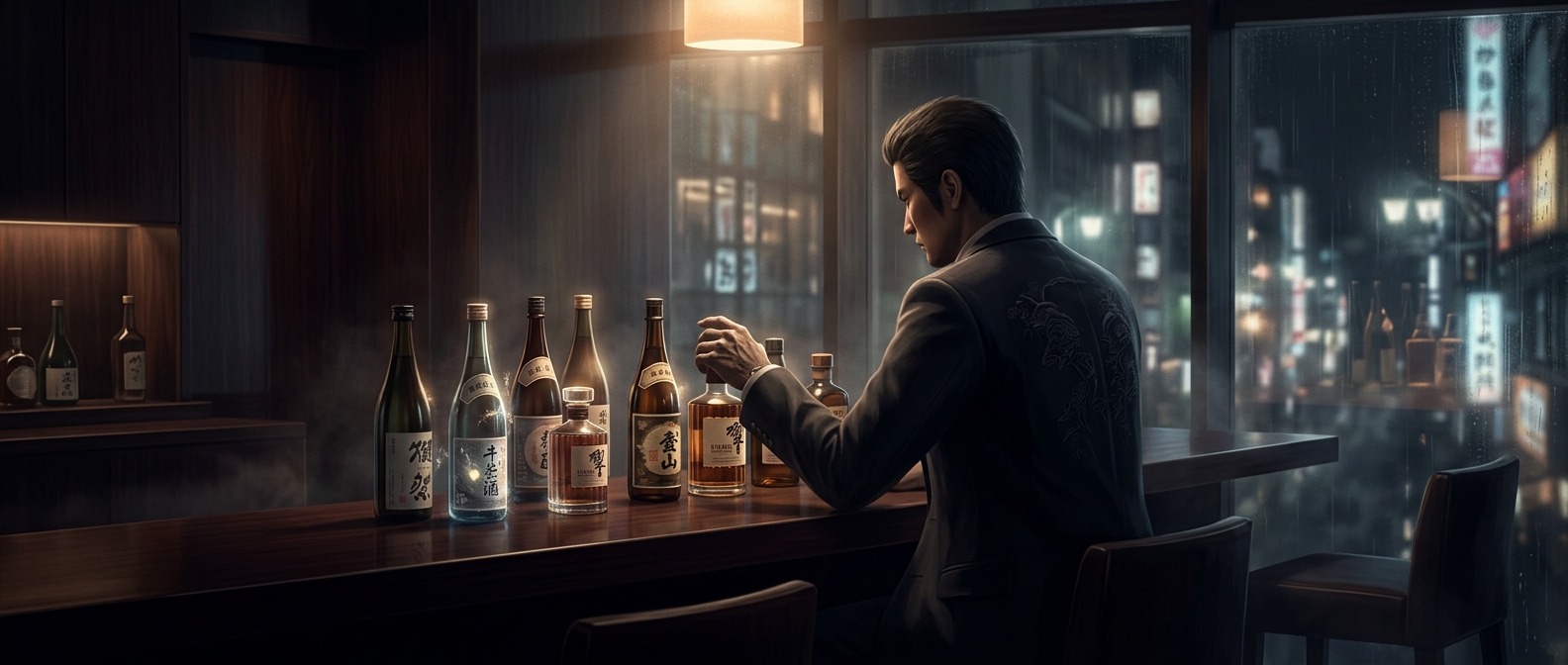
Yakuza lets a crime spree pause for a whiskey menu
Bars in the series serve real branded drinks, including Japanese whiskies, with descriptions alongside the order. Recognizable products help its fictional…
Discover more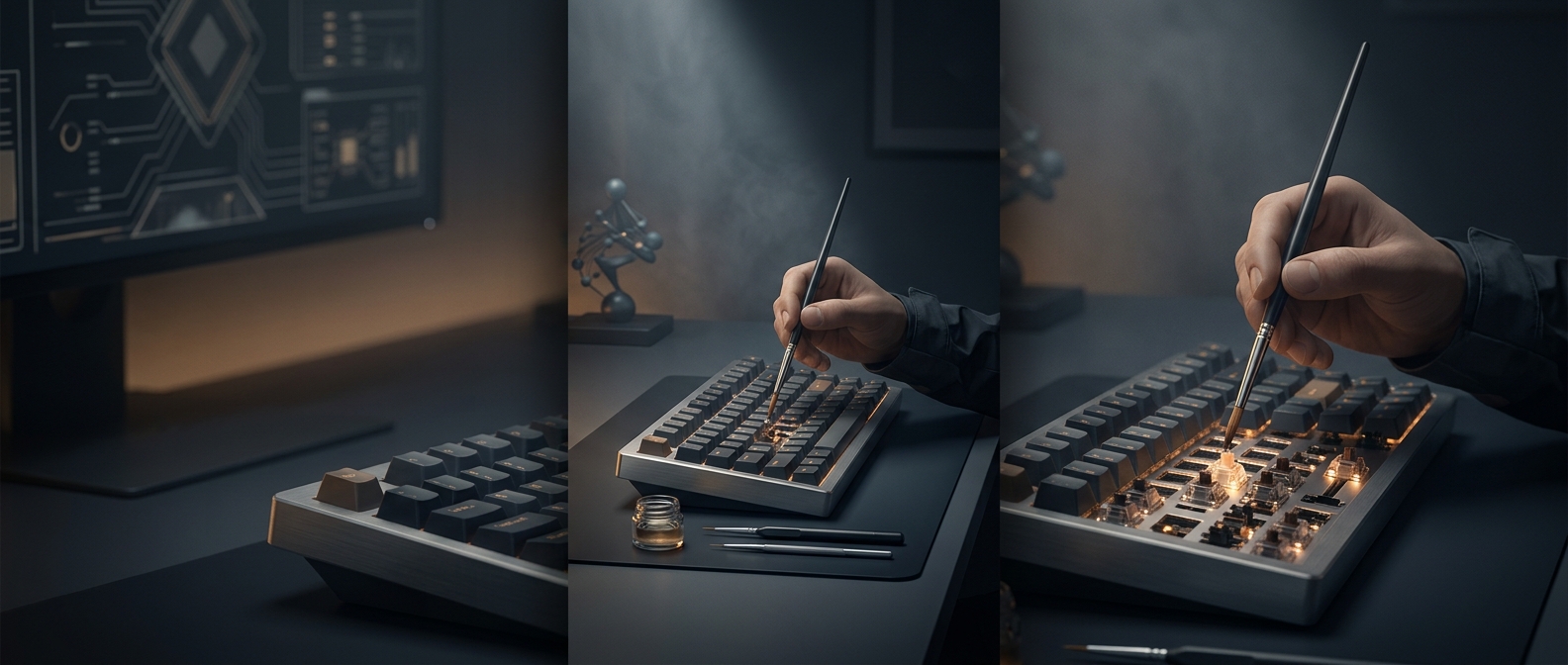
Why keyboard enthusiasts grease their switches
They disassemble the keyboard and brush lubricant onto the switches’ internal springs to replace a hollow clack with a deeper, more satisfying thud.
Discover more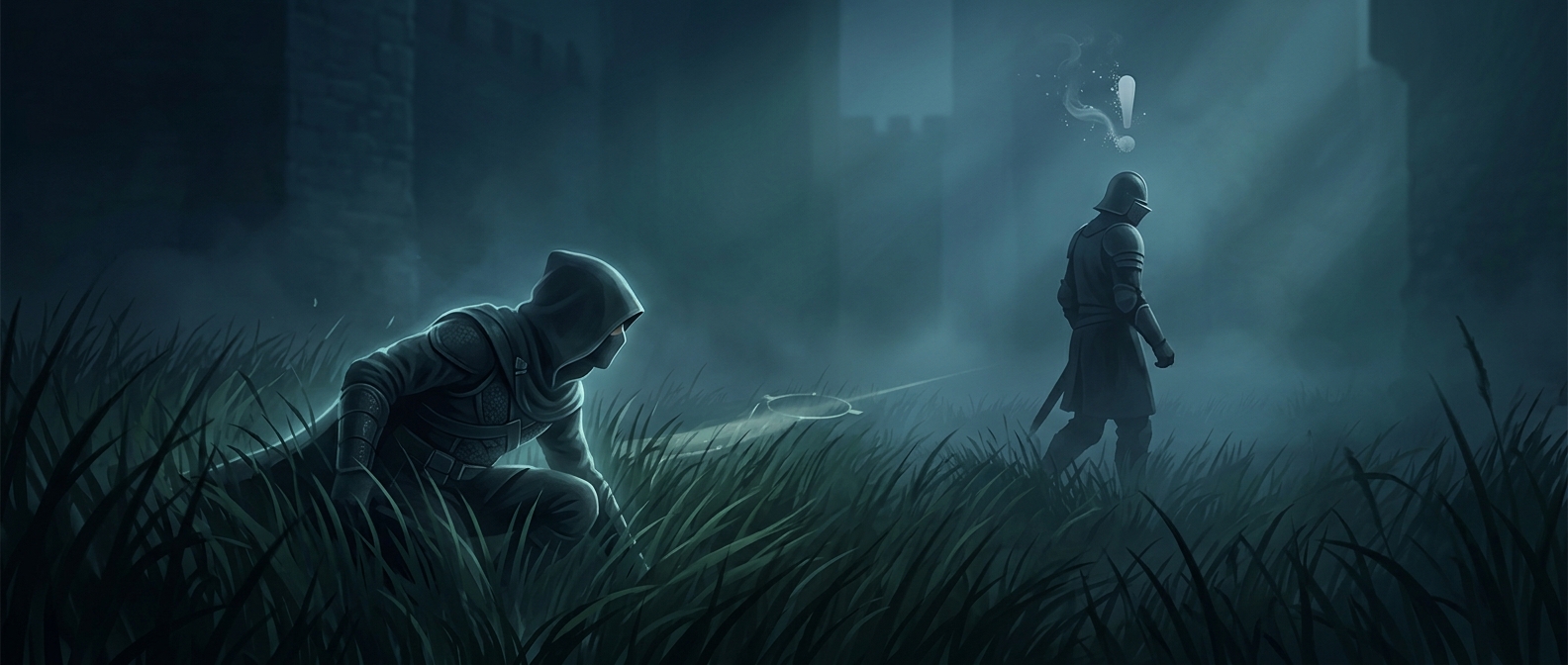
A stealth game's guards need a way to stop searching
Designers often move enemies through alert, search, and patrol states. Letting suspicion fade gives the player a chance to recover from a mistake and try…
Discover more
A Quake champion helped make WASD the default
Dennis “Thresh” Fong helped popularize the layout through high-level Quake play. The four movement keys leave nearby controls such as Shift and Space within…
Discover more