Culture & entertainment
Discover facts about culture & entertainment. Small discoveries that change the way you see familiar things.
Culture & entertainment

Earliest podcasts were basically audio weblogs
Early hosts often uploaded low-fidelity audio diaries for small audiences of tech enthusiasts, before podcasts became studio productions.
Discover more
Printing yesterday tragedies on cheap paper
Newspapers are printed on inexpensive newsprint, and the ink can rub off on readers’ fingers.
Discover more
How producers engineer pop groups to appeal to you
Producers often build vocal acts around specific psychological appeal factors—a calculated attempt to make teenagers spend their allowance.
Discover more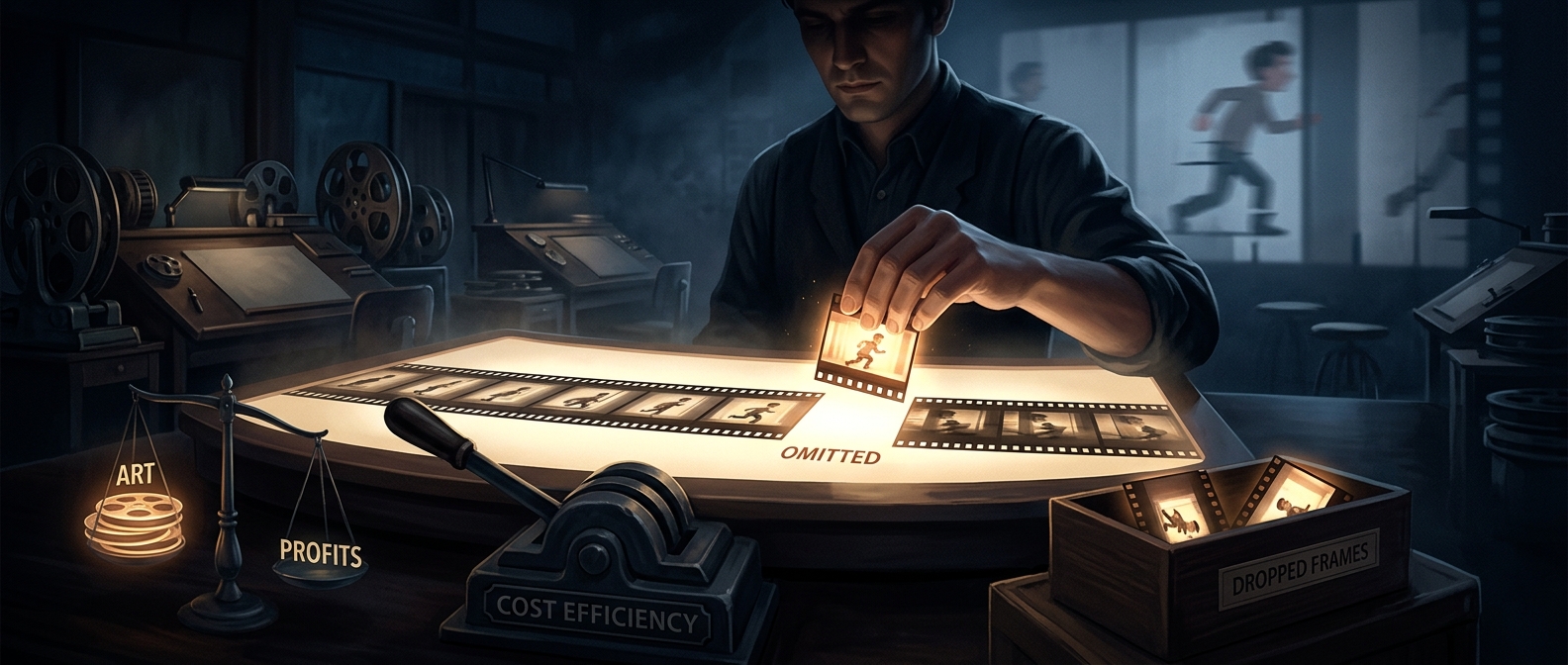
Why cartoons sometimes move in sudden jumps
Instead of drawing the thousands of images needed for fluid motion, studios reuse static poses and slide them across the screen, creating sudden jumps.
Discover more
Paparazzi got their name from a movie photographer
Paparazzo is the pushy photographer in Federico Fellini's 1960 film La Dolce Vita. His name escaped the screenplay and became a label for the profession, with…
Discover more
Monetizing pure narcissism and free hotel stays
Influencers can turn filtered food photos into a lucrative career, earning money and perks such as free hotel stays and clothing.
Discover more STACKY FOR IPHONE
A bigger world.
One discovery
at a time.
Keep discovering with Stacky. Interesting facts in an app that is always within reach.

A perfume ad lets you sample something a screen can't
Open a scented strip and fragrance escapes from the treated paper. The magazine becomes a tiny product demonstration: instead of asking you to imagine a…
Discover more
A novel makes you build the scenery yourself
A film supplies a face, a room, and a voice. A novel gives you words, leaving your mind to fill in details from memory and imagination. Two people can read…
Discover more
Begging a dark room full of strangers for laughter
Stand-up comics rely on making a roomful of strangers laugh, with their income riding on the response.
Discover more
How a bad review becomes a glowing book quote
A publisher might pull a word such as “profoundly” from a sentence calling a novel awful and feature it on the cover.
Discover more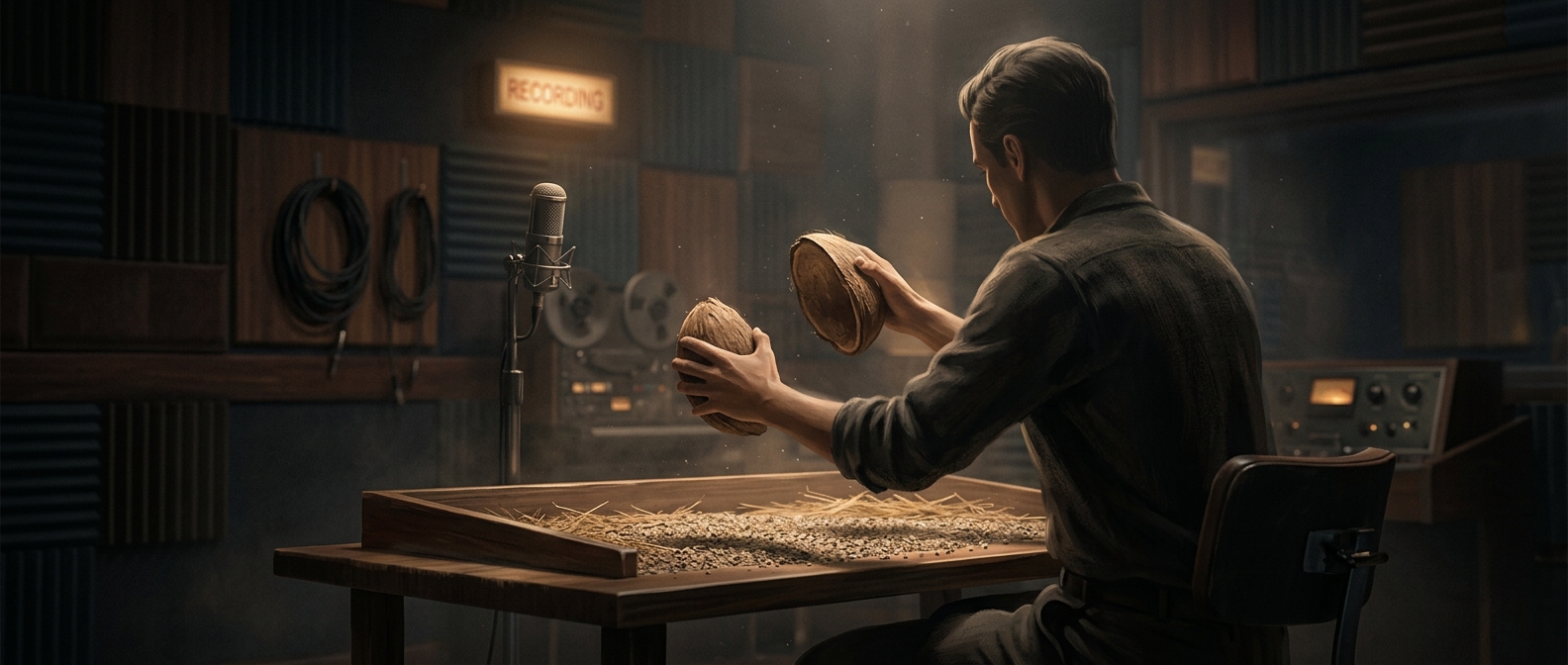
Coconut shells once played the sound of horses
Radio dramas used two dried coconut halves struck against a surface to imitate hoofbeats, creating the sound of a horse without bringing one into the studio.
Discover more
Painting animation cells completely backward on clear plastic
Artists inked the outlines on the front and painted the reverse, keeping the black lines crisp and separate from the colors.
Discover more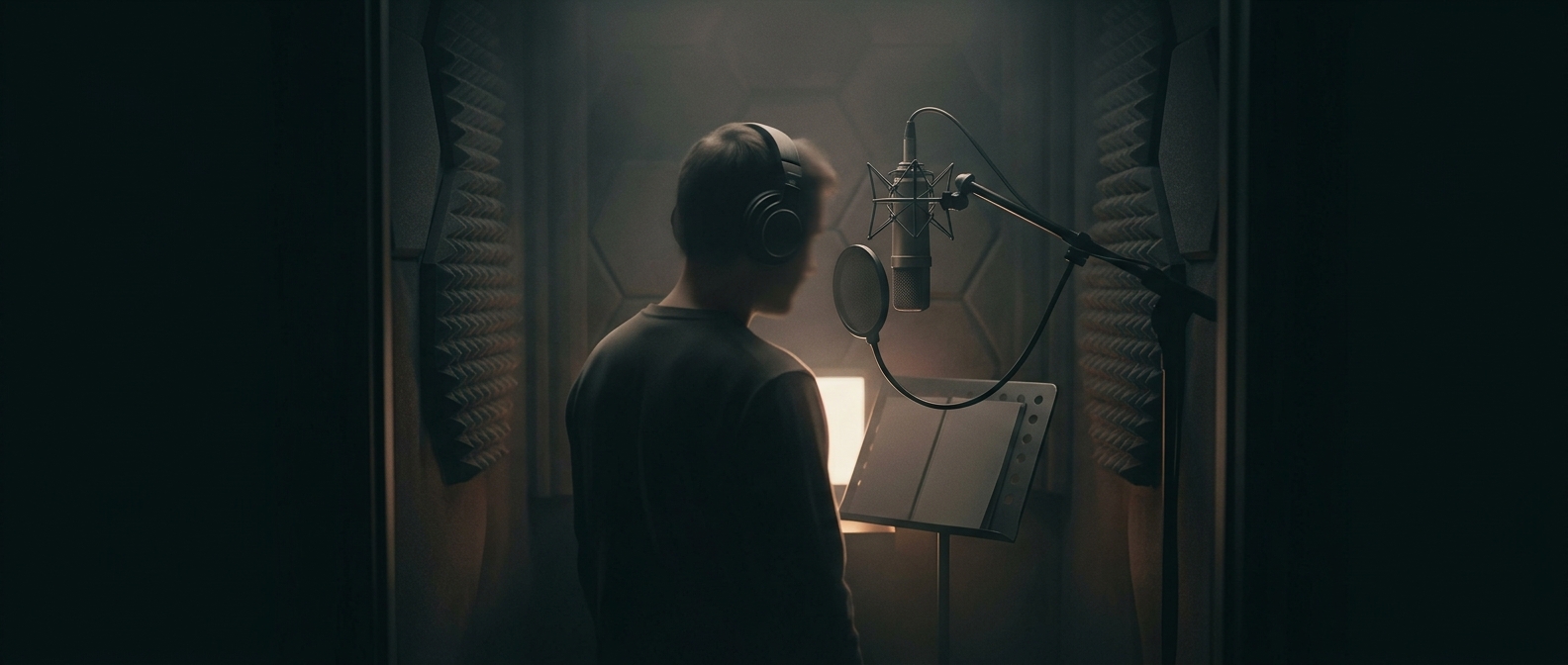
Replacing original actor dialogue in a tiny vocal booth
Because outdoor location sound is often unusable, actors re-record dialogue months later in a padded booth, matching their lip movements while recreating the…
Discover more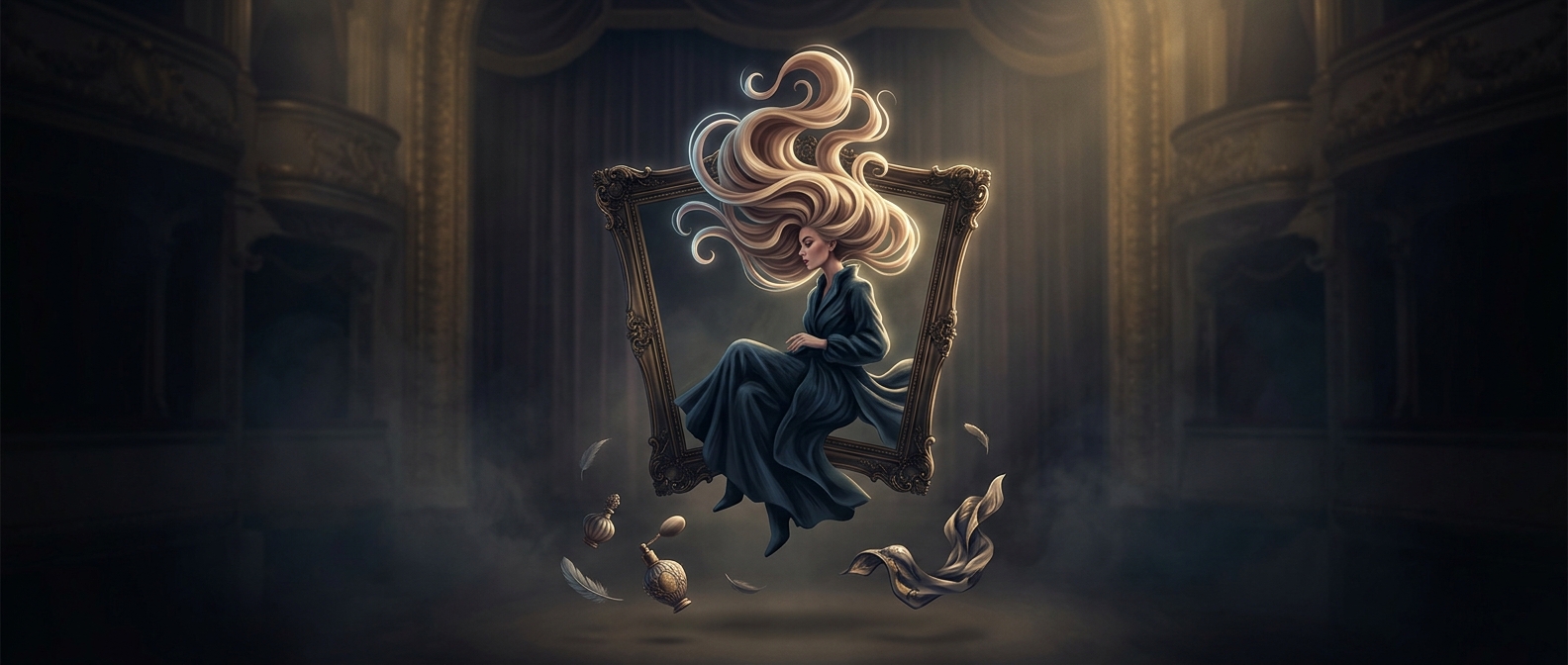
Cartoon hair can identify a character before you see the face
An exaggerated silhouette makes a character recognizable at a distance or in a tiny frame. Spikes, curls, and unusual shapes also remain easy to distinguish…
Discover more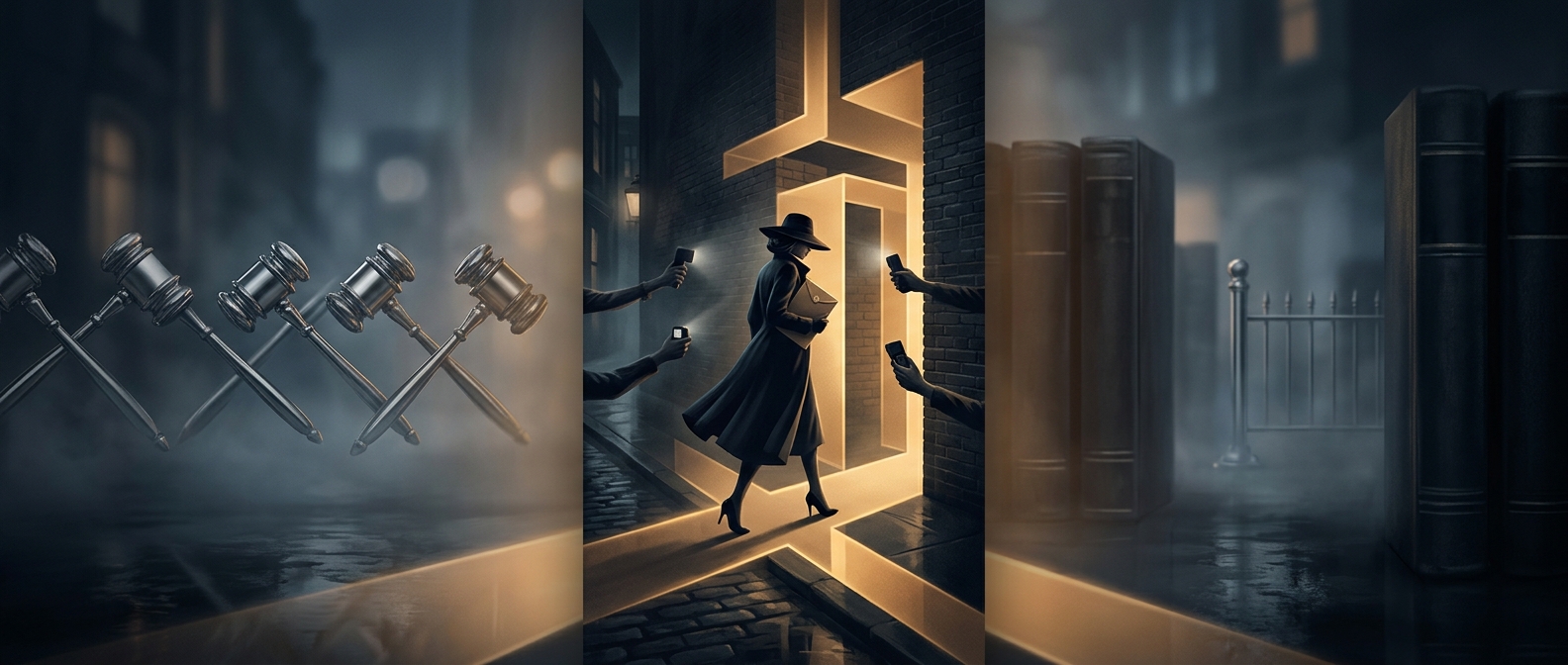
How gossip magazines dodge defamation lawsuits
Framing a rumor as a question doesn’t automatically shield a magazine from a defamation claim; the insinuation can still be damaging.
Discover more
Podcasts let a radio-style conversation wait for you
An episode is available on demand, so the listener can pause, resume, or choose a topic without following a broadcast schedule. That changes the relationship…
Discover more
What circuses taught armies about logistics
The precision needed to move tents, animals, and performers overnight was so useful that early industrial armies studied circus routes to learn how to move…
Discover more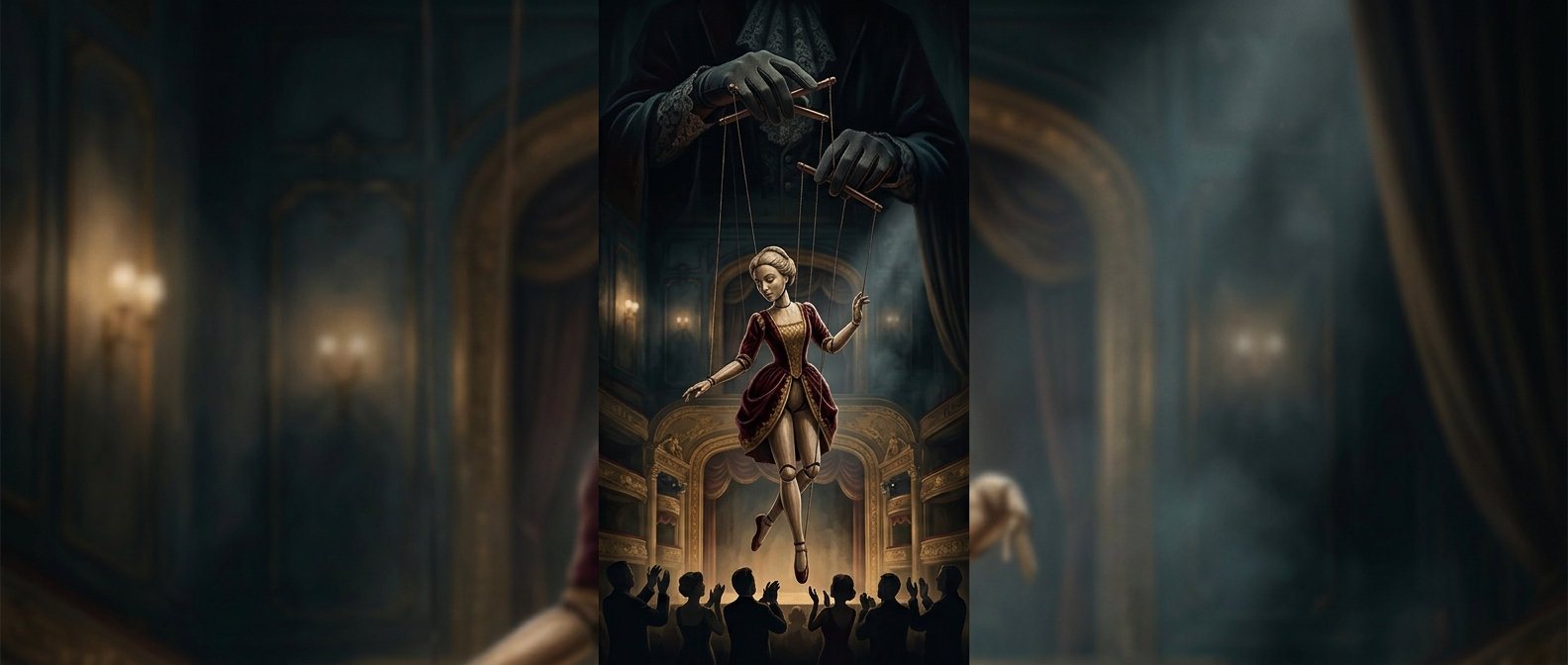
Manipulating wooden dolls is peak prestige
In avant-garde theater, puppetry can be a serious art form: performers dressed in black pull strings to make a wooden figure seem profoundly sad.
Discover more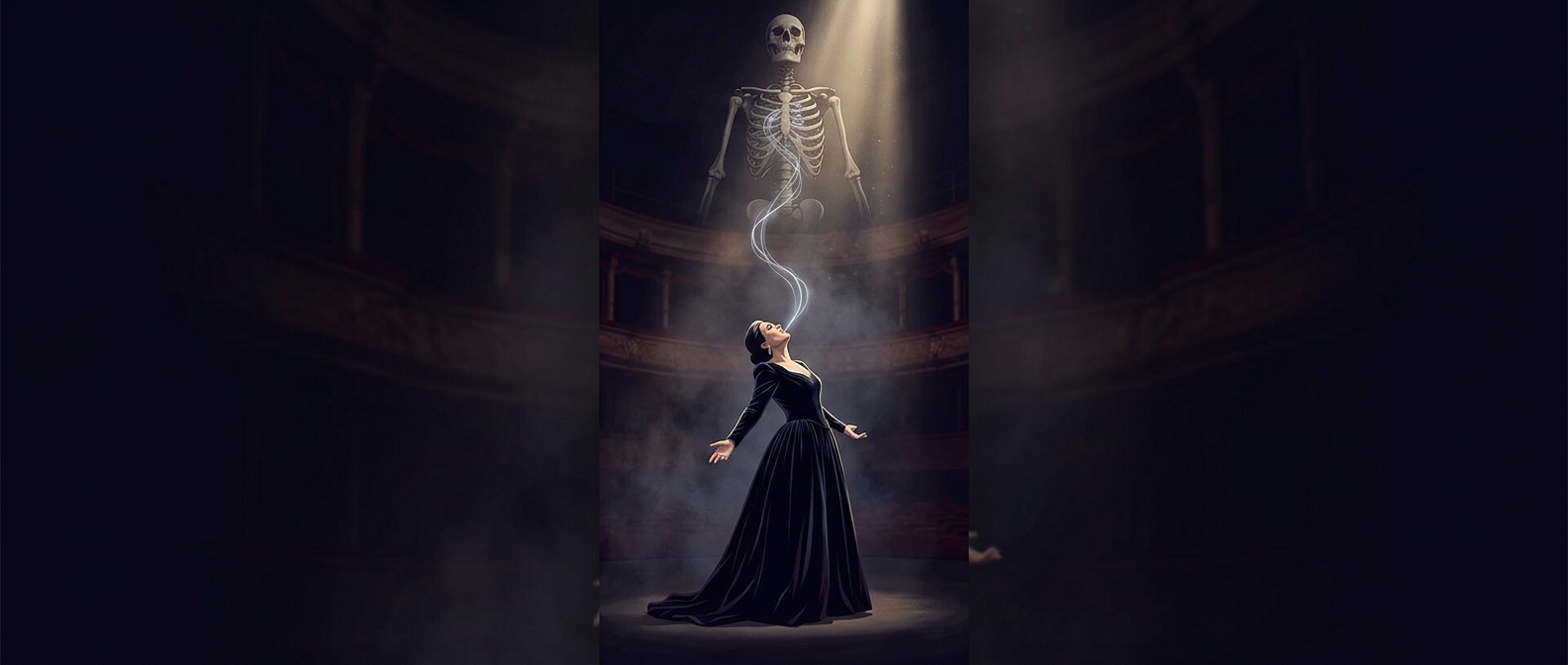
A castrato's voice survived into the recording age
Alessandro Moreschi, a singer in the Sistine Chapel choir, made recordings in 1902 and 1904. He belonged to the now-abandoned tradition of castrating boys…
Discover more
Tricking incredibly gullible readers with false promises
A sensational headline can promise a big revelation, only to lead to a poorly written article that’s over in three sentences.
Discover more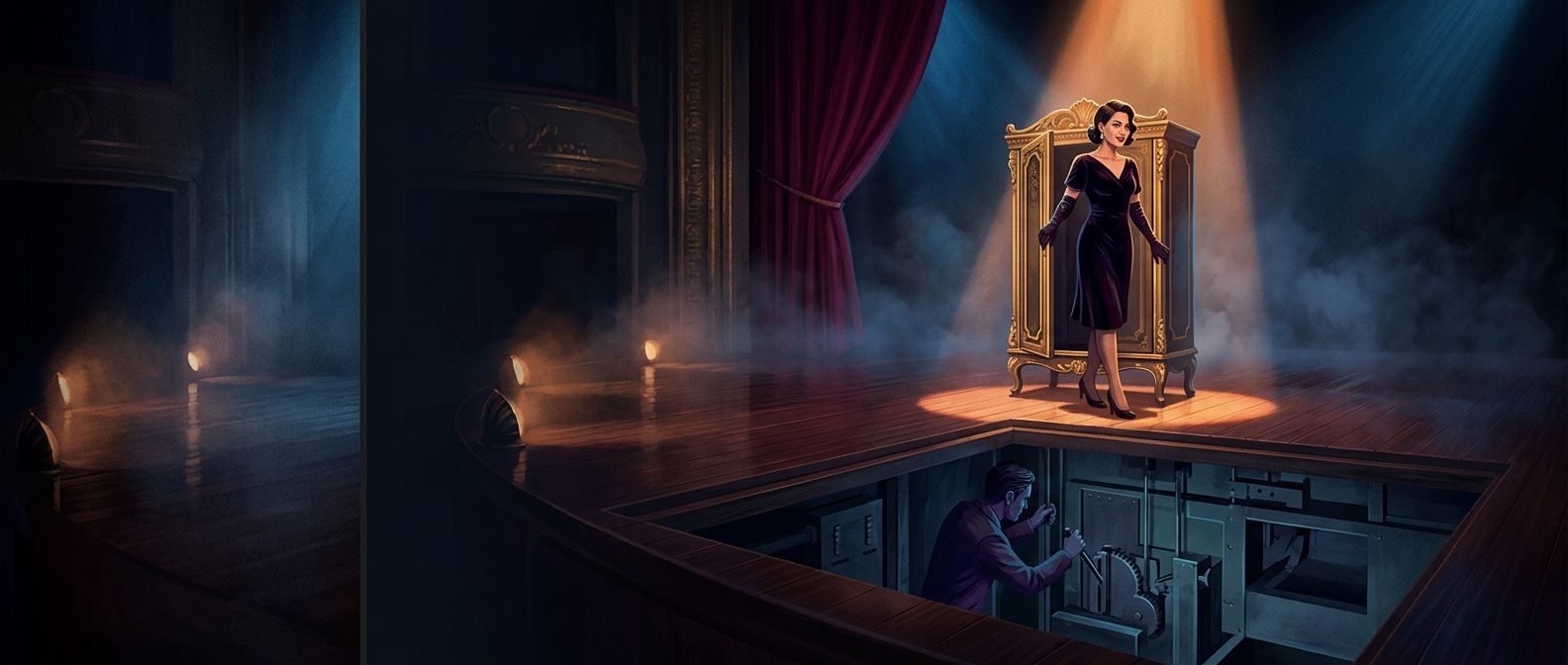
Magic shows relying on hidden compartments
Some stage illusions hide a person inside a hollow wooden compartment. The trick depends on careful carpentry and concealment, not magic.
Discover more
The famous cartoonist may not draw the comic
A famous name on a comic strip doesn’t always mean that person drew it; assistants may handle much of the artwork.
Discover more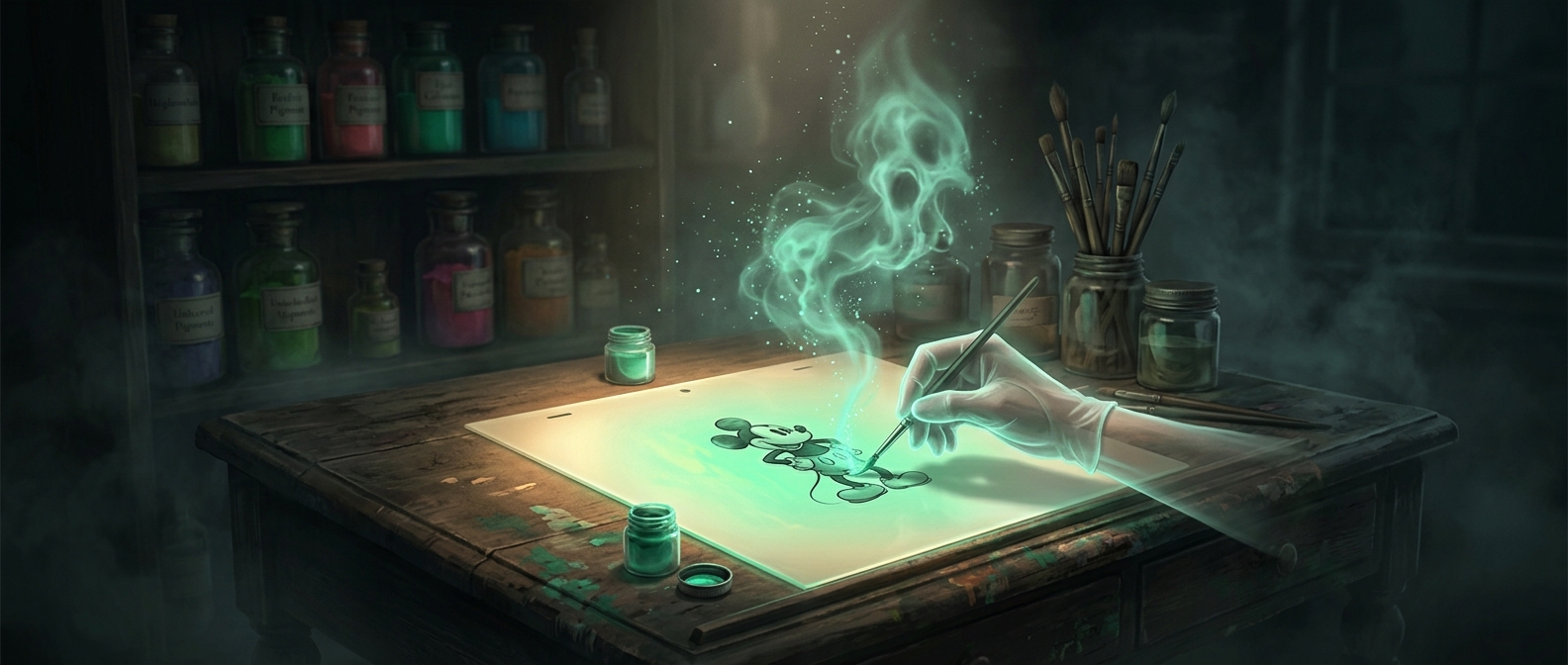
Classic cartoons were painted with lead
Lead-based paints gave classic cartoons their vivid colors, but exposed studio illustrators to a highly toxic material.
Discover more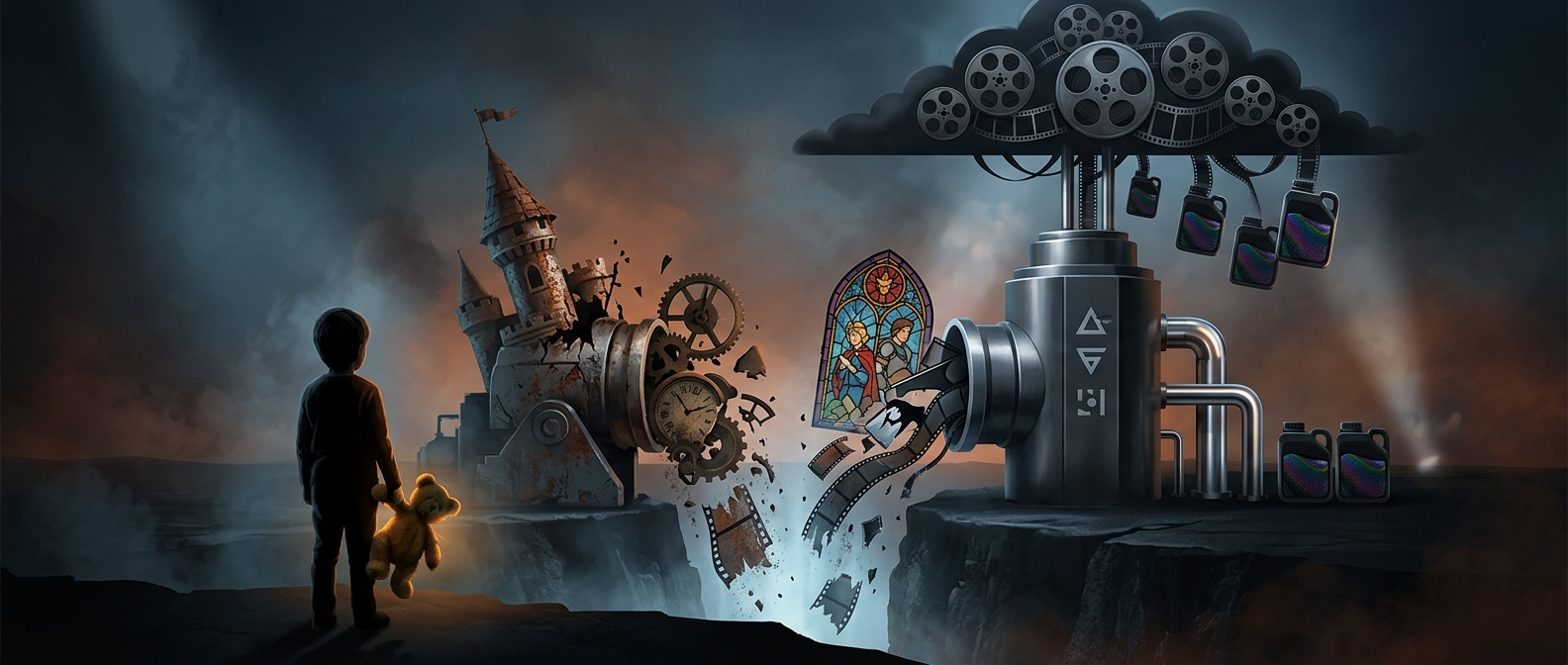
Ruining your childhood with modern remakes
A reboot can trade an original idea for familiar characters and shinier effects, which is why some remakes feel more like franchise upkeep than fresh…
Discover more