Culture & entertainment
Discover facts about culture & entertainment. Small discoveries that change the way you see familiar things.
Culture & entertainment
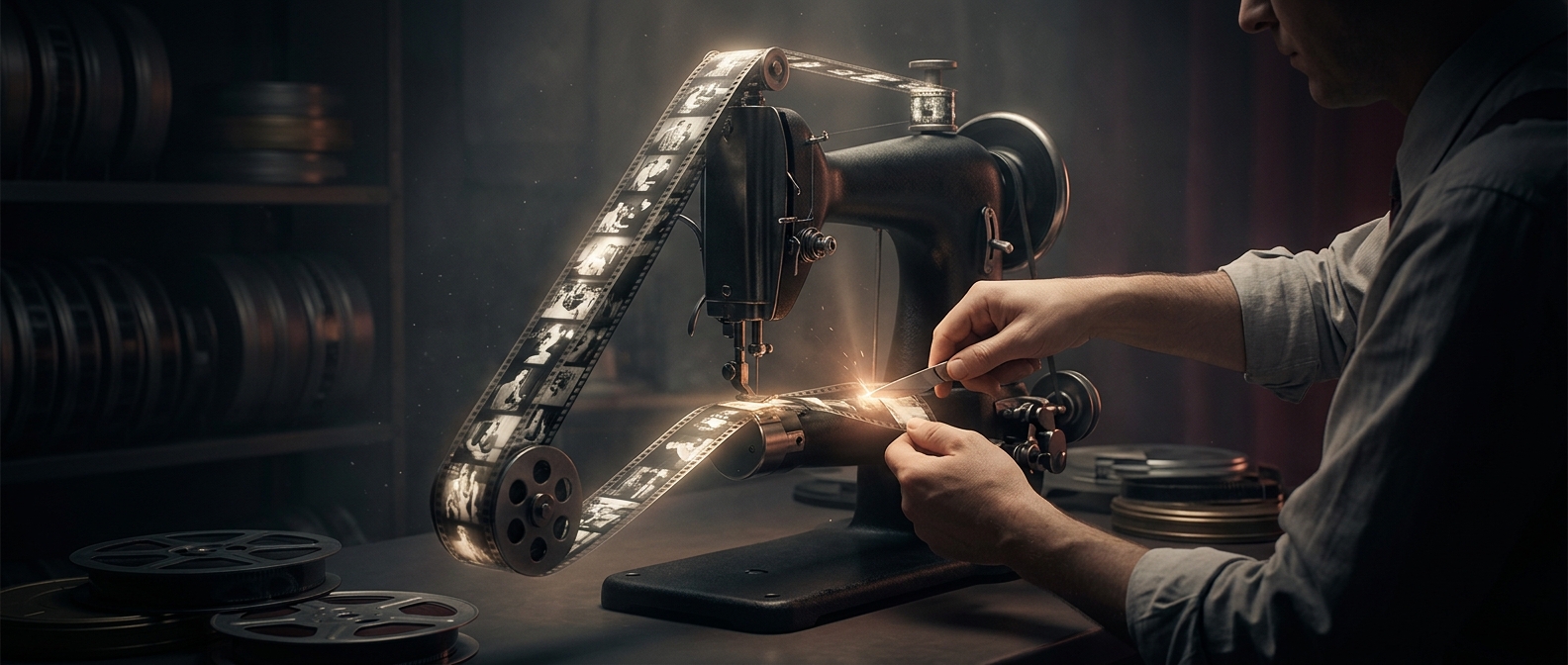
Early film editors wrestled with upright machines
Editors stood to operate the green Moviola with foot pedals, physically controlling the footage as it ran.
Discover more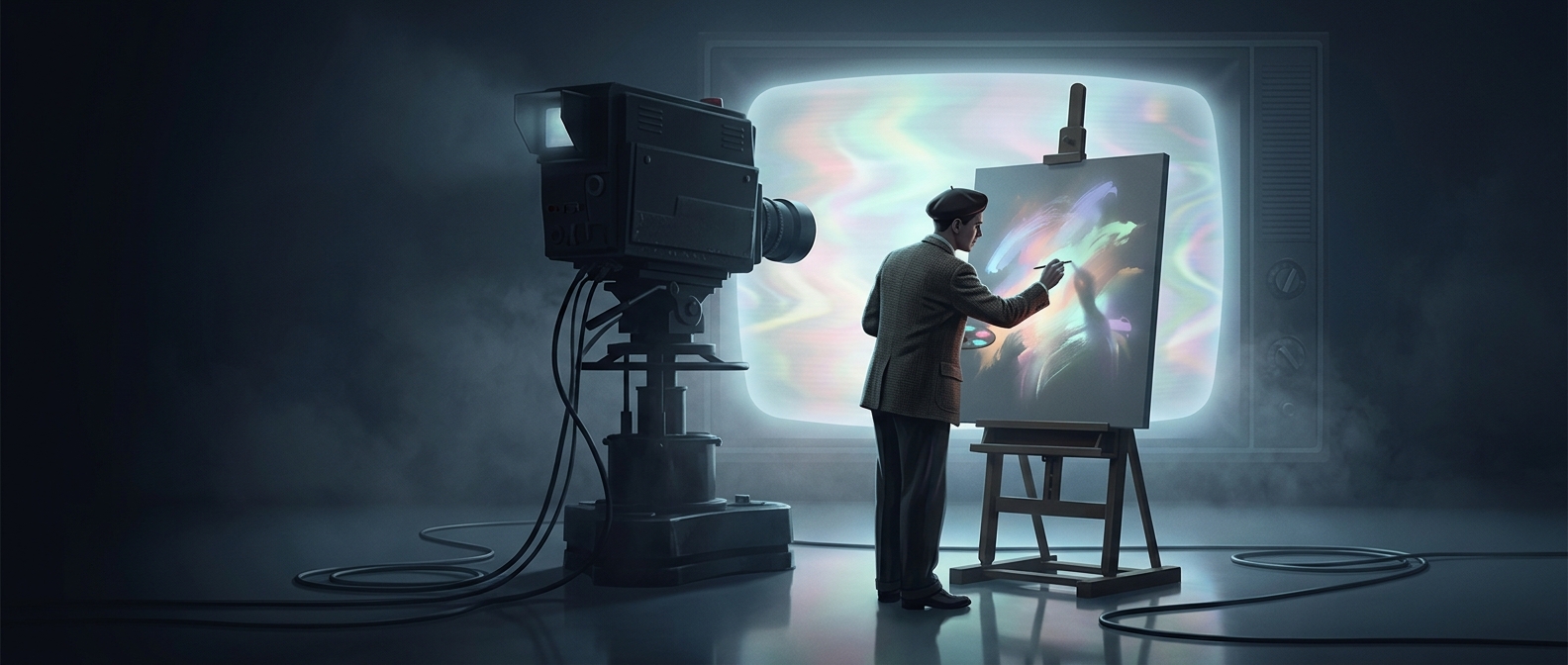
When television filled dead air with wet paint
Early variety shows used giant boards and buckets of paint to create art live, filling airtime with a cheap spectacle while the paint dried.
Discover more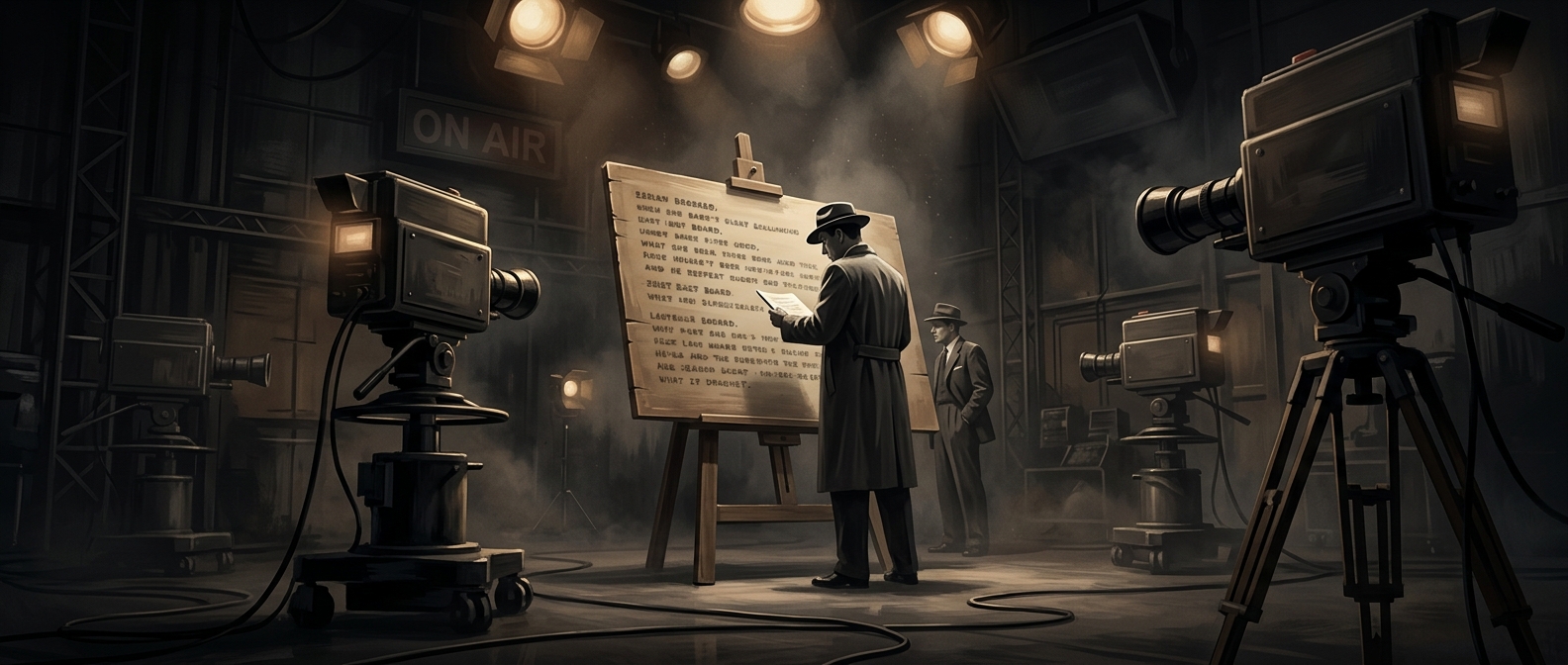
Why Dragnet actors sounded like they were speed-reading
Jack Webb disliked dramatic pauses and emotional acting, so he pushed actors to read their lines quickly from teleprompters.
Discover more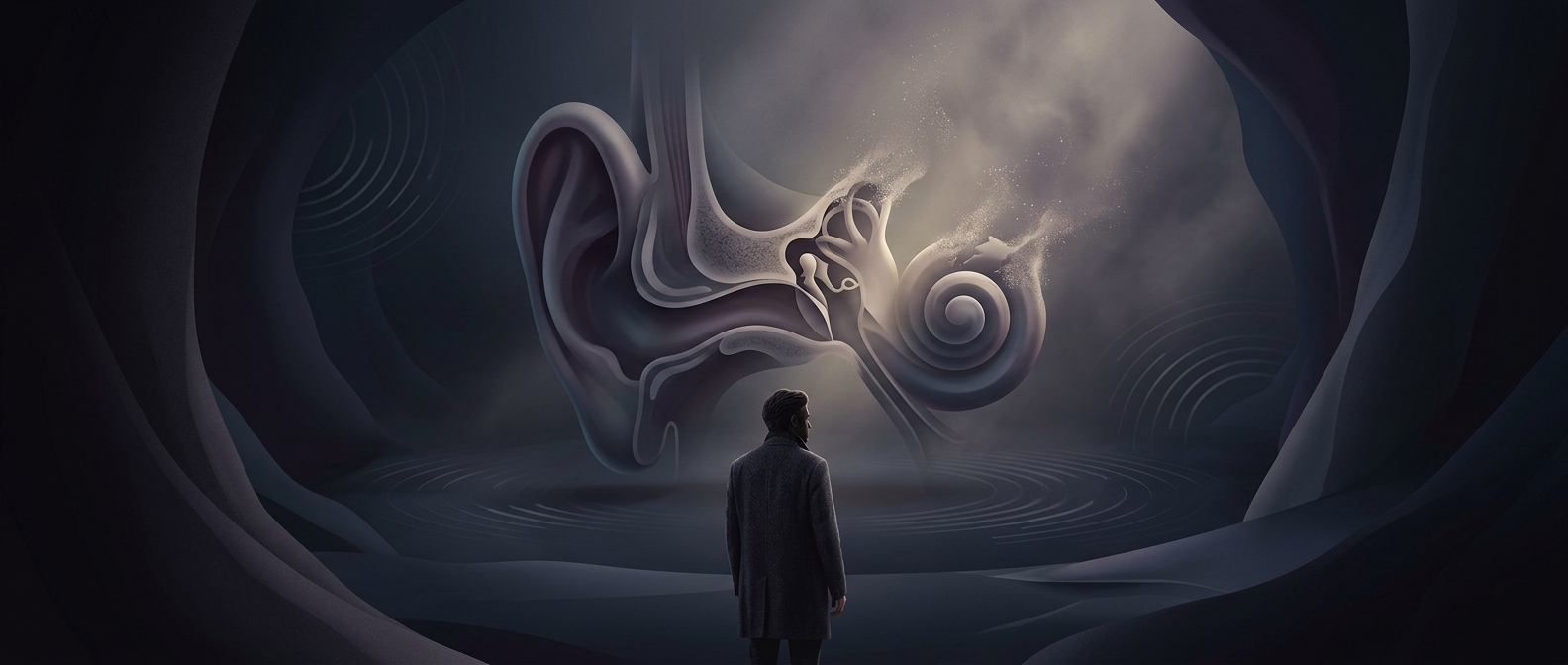
Why some people heard Yanny and others Laurel
The recording contains both high- and low-frequency cues: listeners who picked up more of the higher frequencies heard “Yanny,” while those who heard more of…
Discover more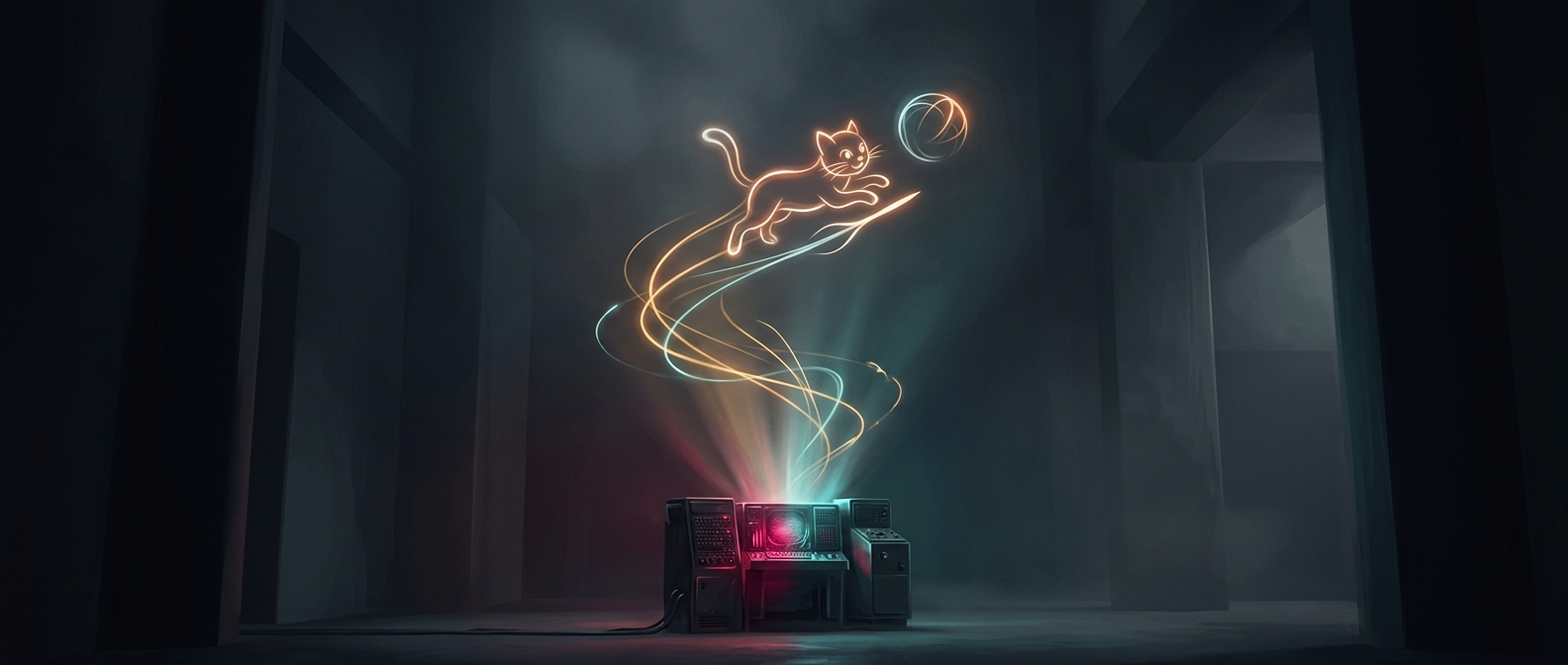
A mathematician crawled around to animate a cat
For the 1968 computer film Kitty, Viktor Minakhin needed equations describing a cat's movement. Colleague Nikolai Konstantinov recalled that an uncooperative…
Discover more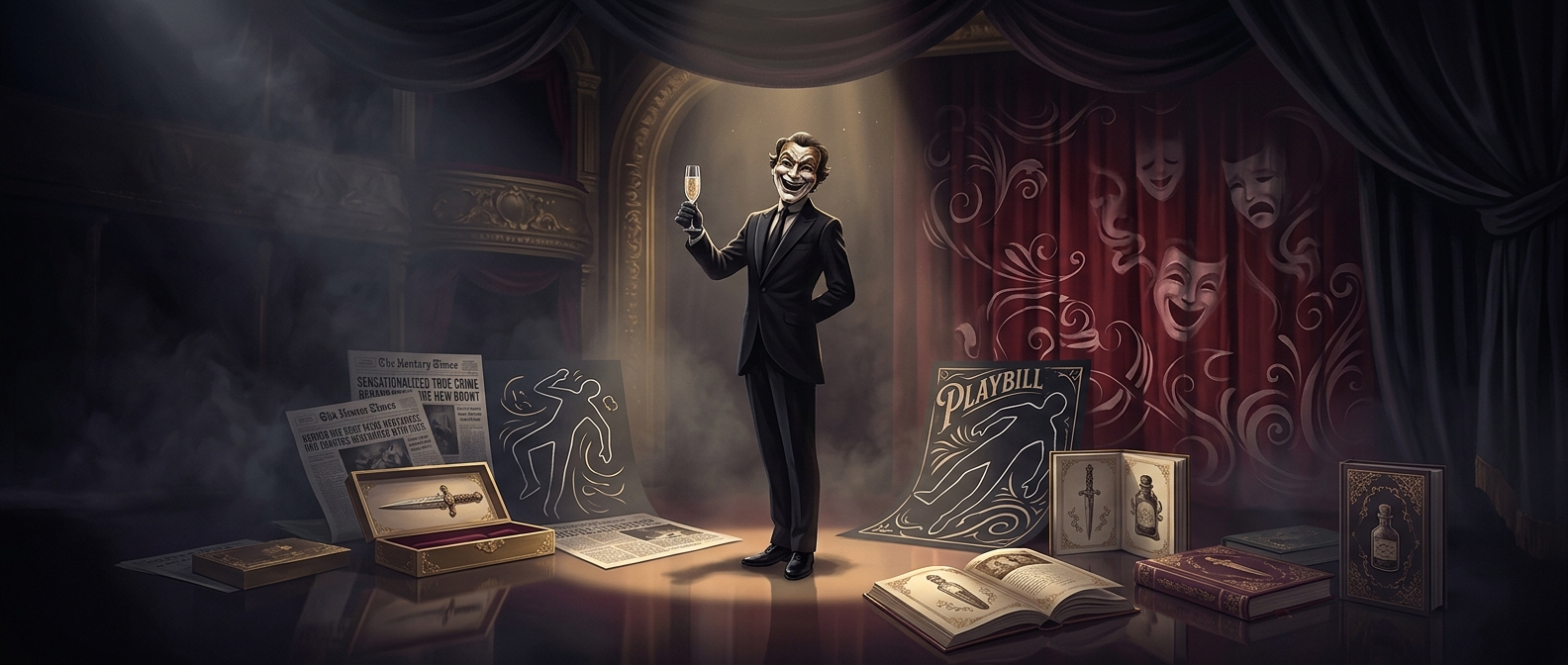
When Charlie Chaplin turned murder into comedy
Monsieur Verdoux casts Chaplin as a man who marries and murders women for money, drawing on the case of French killer Henri Désiré Landru. Instead of the…
Discover more STACKY FOR IPHONE
A bigger world.
One discovery
at a time.
Keep discovering with Stacky. Interesting facts in an app that is always within reach.
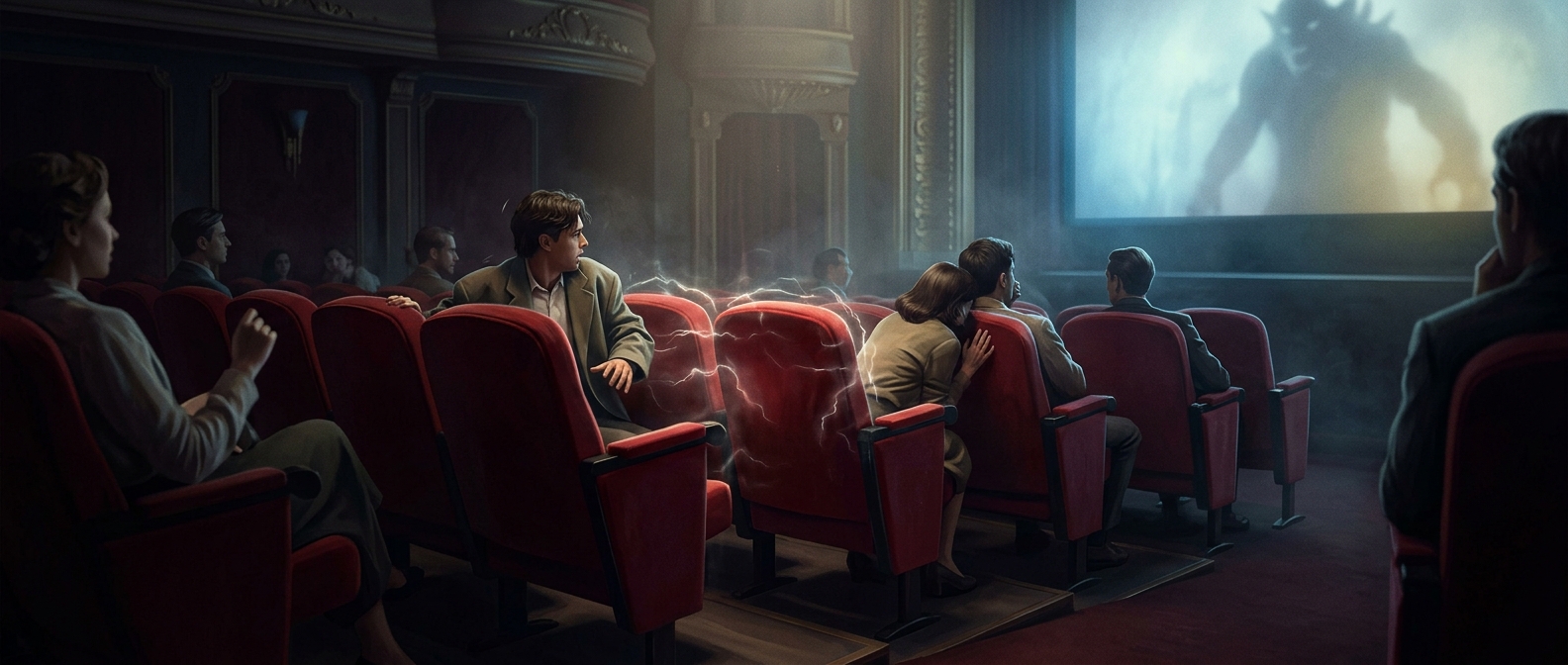
The movie that buzzed theater seats
For The Tingler, William Castle fitted seats with vibrating motors that buzzed during the climax, turning the theater into part of the scare.
Discover more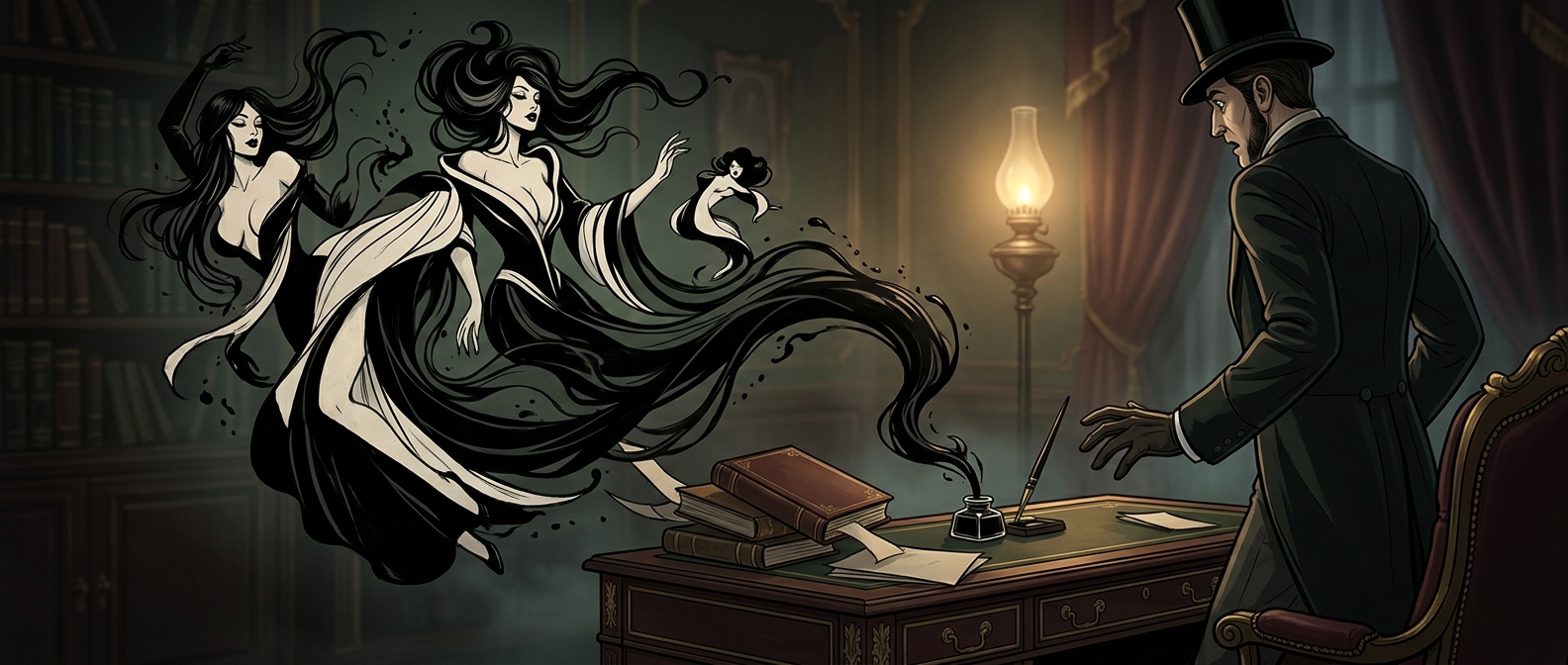
The illustrations that shocked Victorian Britain
Aubrey Beardsley’s stark, Japanese-influenced ink drawings illustrated Oscar Wilde’s *Salome* and scandalized Victorian readers with their erotic, grotesque…
Discover more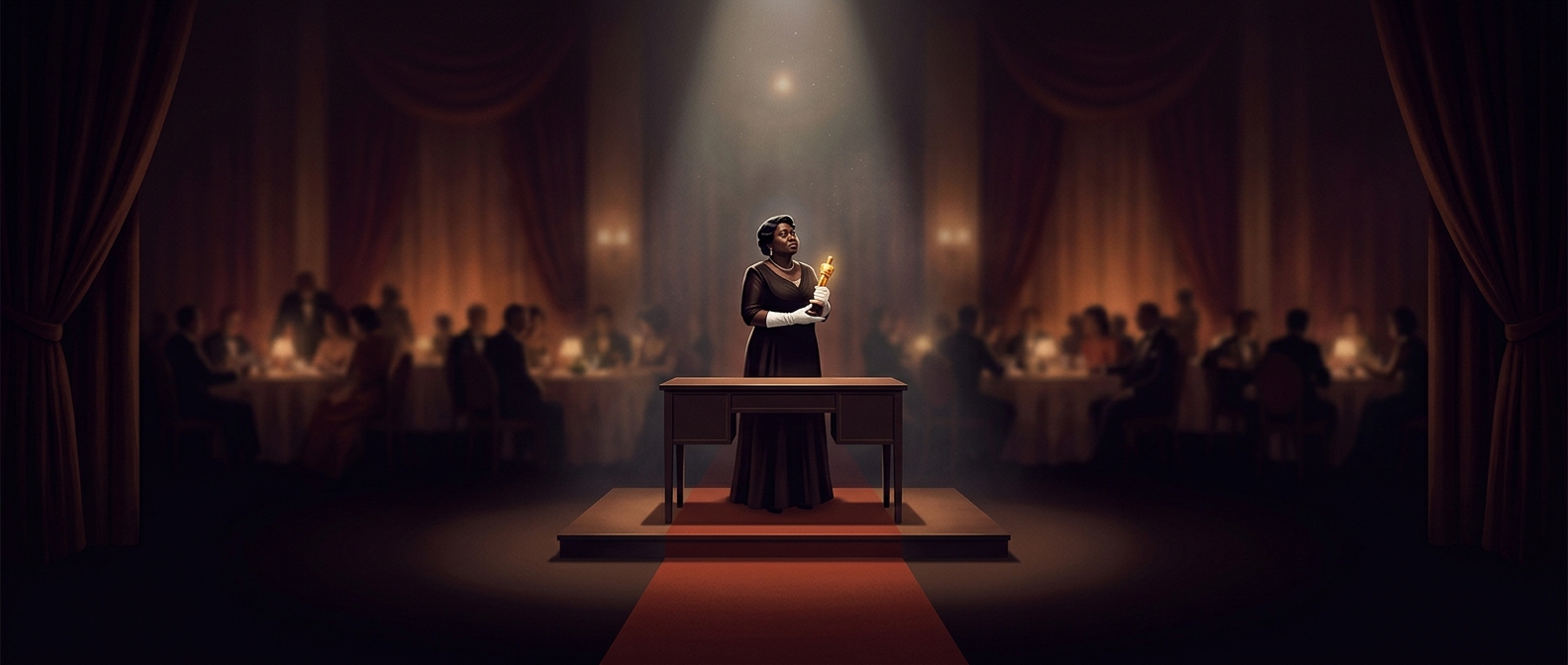
Hattie McDaniel won an Oscar from a segregated table
In 1940, she became the first Black person to win an Academy Award, for Gone with the Wind. Yet the ceremony at the Ambassador Hotel placed her apart from the…
Discover more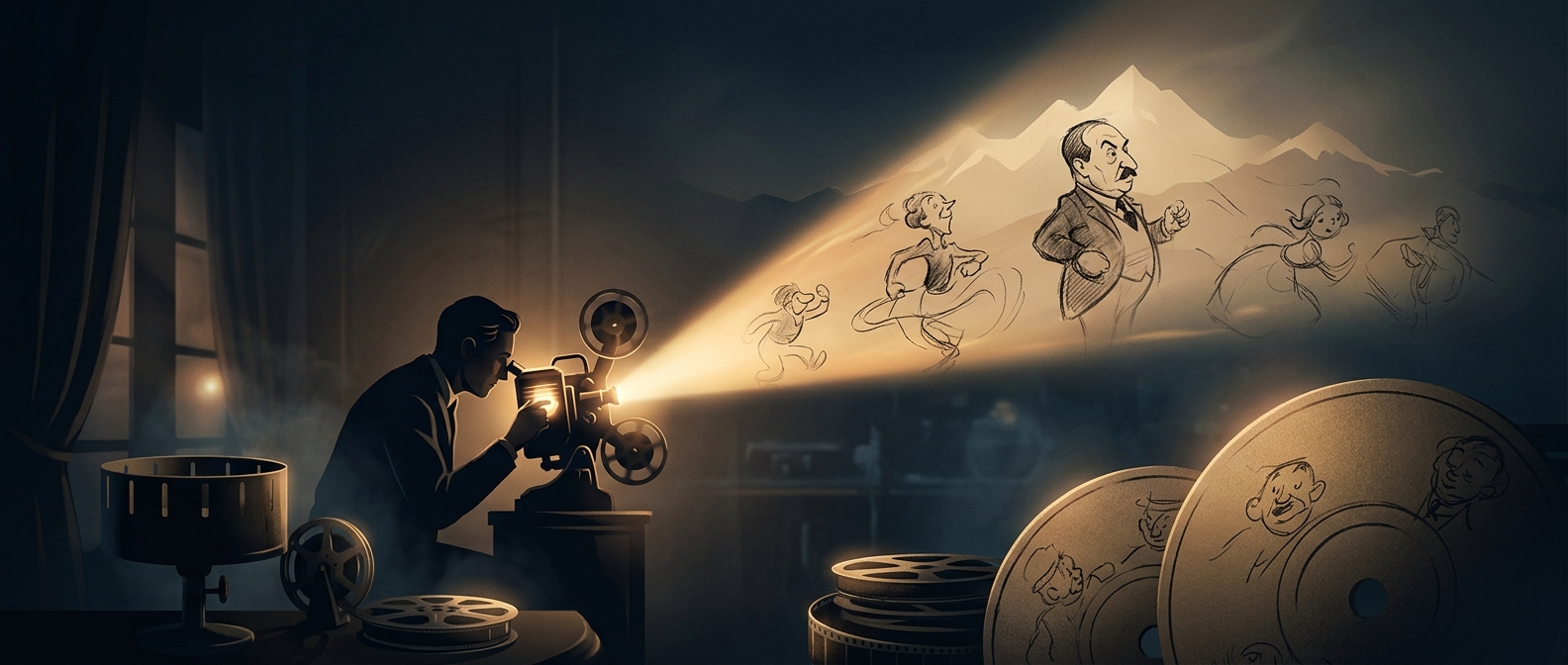
The first animated feature was political satire—and is lost
Quirino Cristiani's El Apóstol premiered in Argentina in 1917, using cutout animation to mock President Hipólito Yrigoyen. It preceded Disney's feature…
Discover more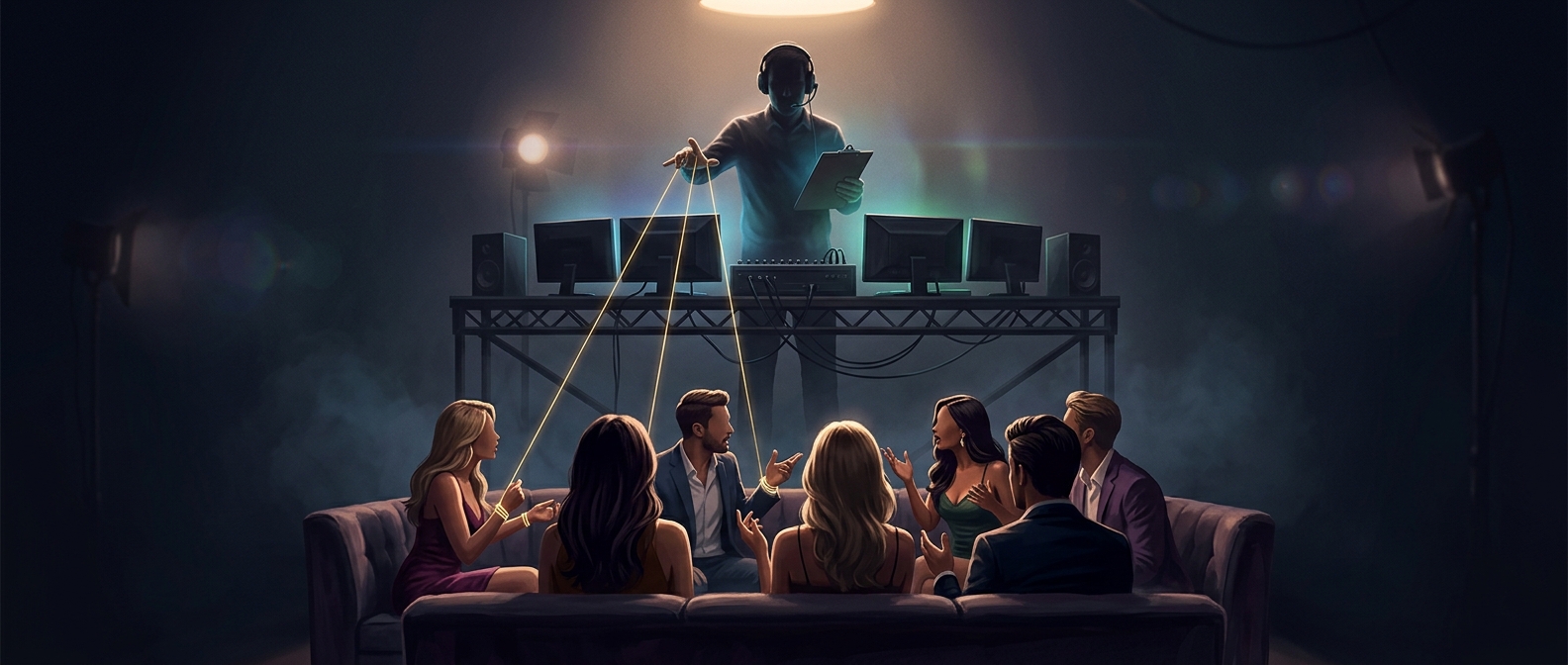
Reality TV fights are more planned than they look
Producers can shape a reality-TV fight by steering confrontations off camera, limiting access to exits, and editing casual remarks into season-long villain…
Discover more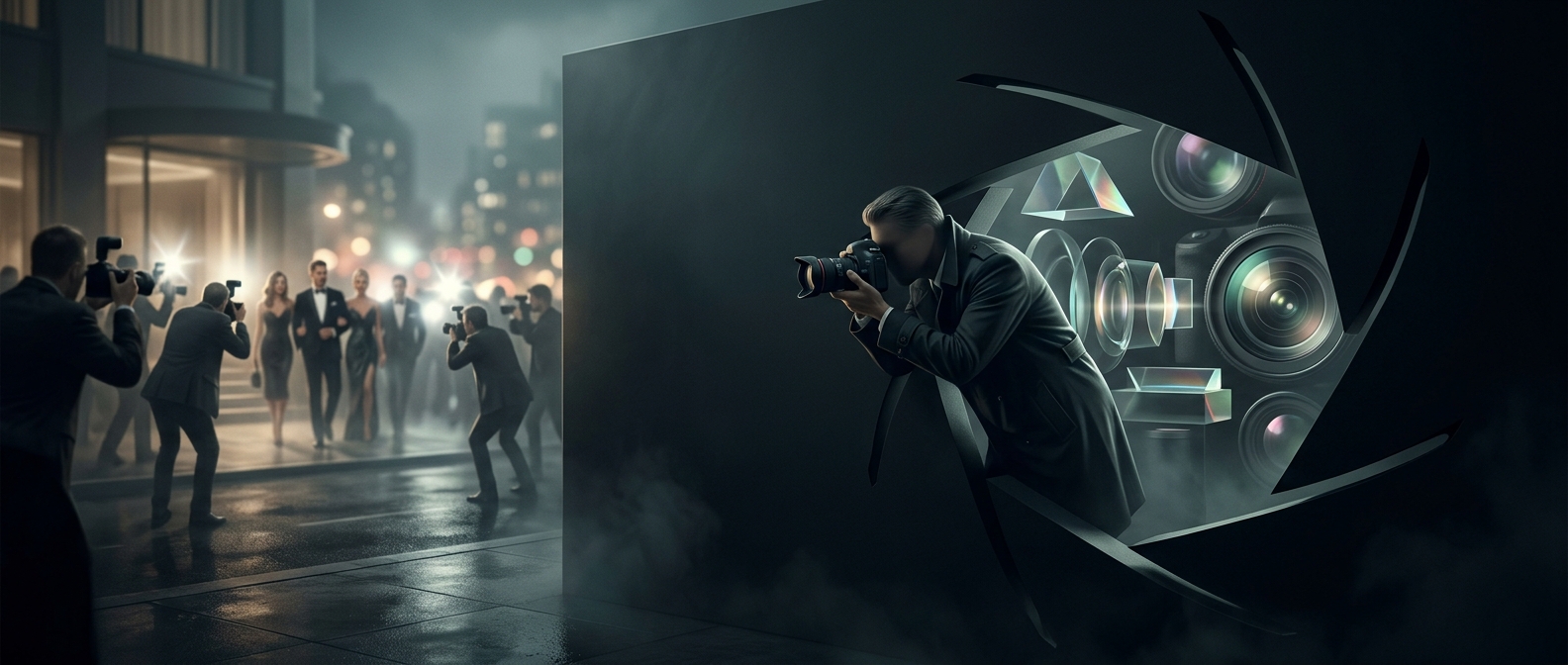
A long lens can make a distant photographer feel close
Telephoto lenses narrow the field of view, filling the frame with a subject far away. A celebrity can therefore appear closely observed without the camera…
Discover more
British pantomime grew from a traveling cast of comic troublemakers
Italian commedia dell'arte supplied characters such as Harlequin, Pierrot, and Columbine. Early English pantomimes used movement and music, then evolved into…
Discover more
When clowns were rebels, not birthday entertainers
Traditional clowns used chaotic, physically aggressive pantomime to mock authority and disrupt formal events—sometimes terrifying the upper class.
Discover more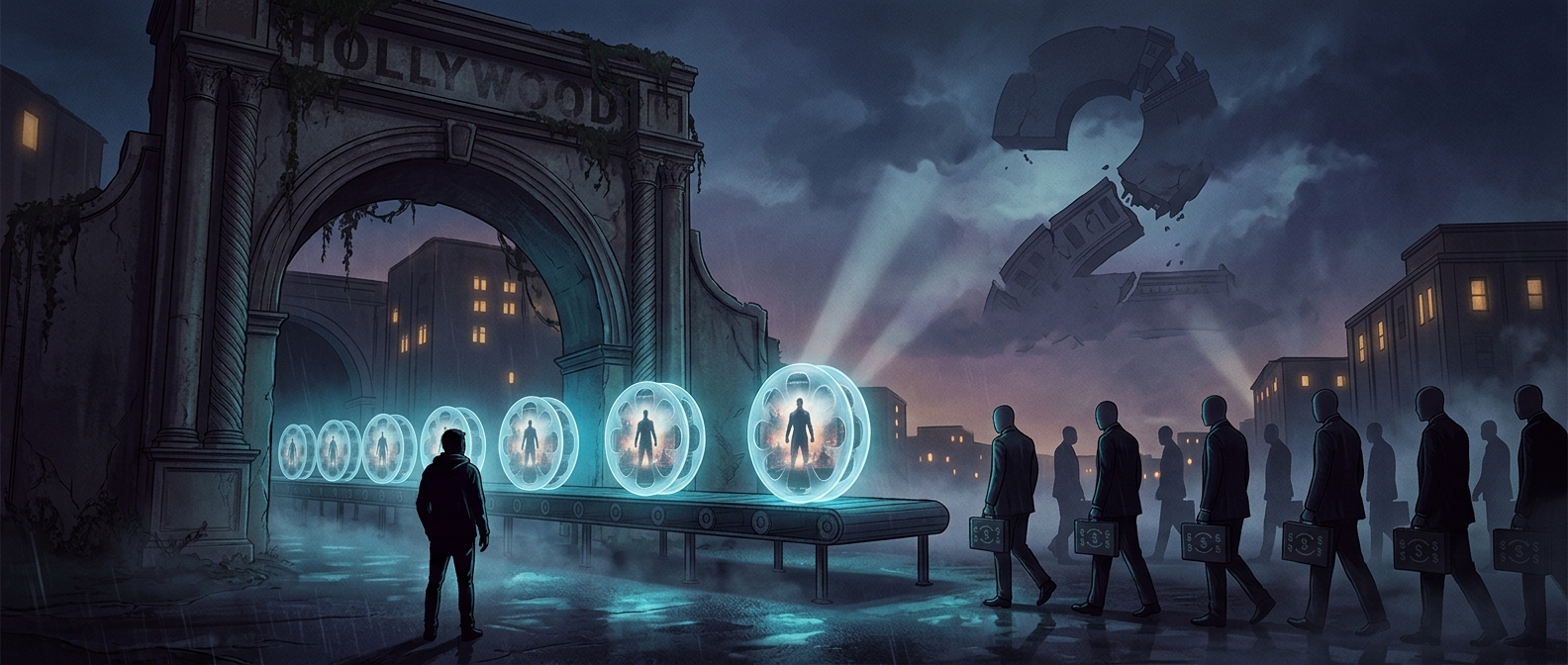
Why Hollywood keeps making sequels
Sequels offer studios a safer bet than unfamiliar stories: the franchise already has an audience, while a new concept is harder to predict.
Discover more
Judging paperbacks by their covers is standard practice
That influence is why publishers invest in eye-catching jackets and typography to attract readers.
Discover more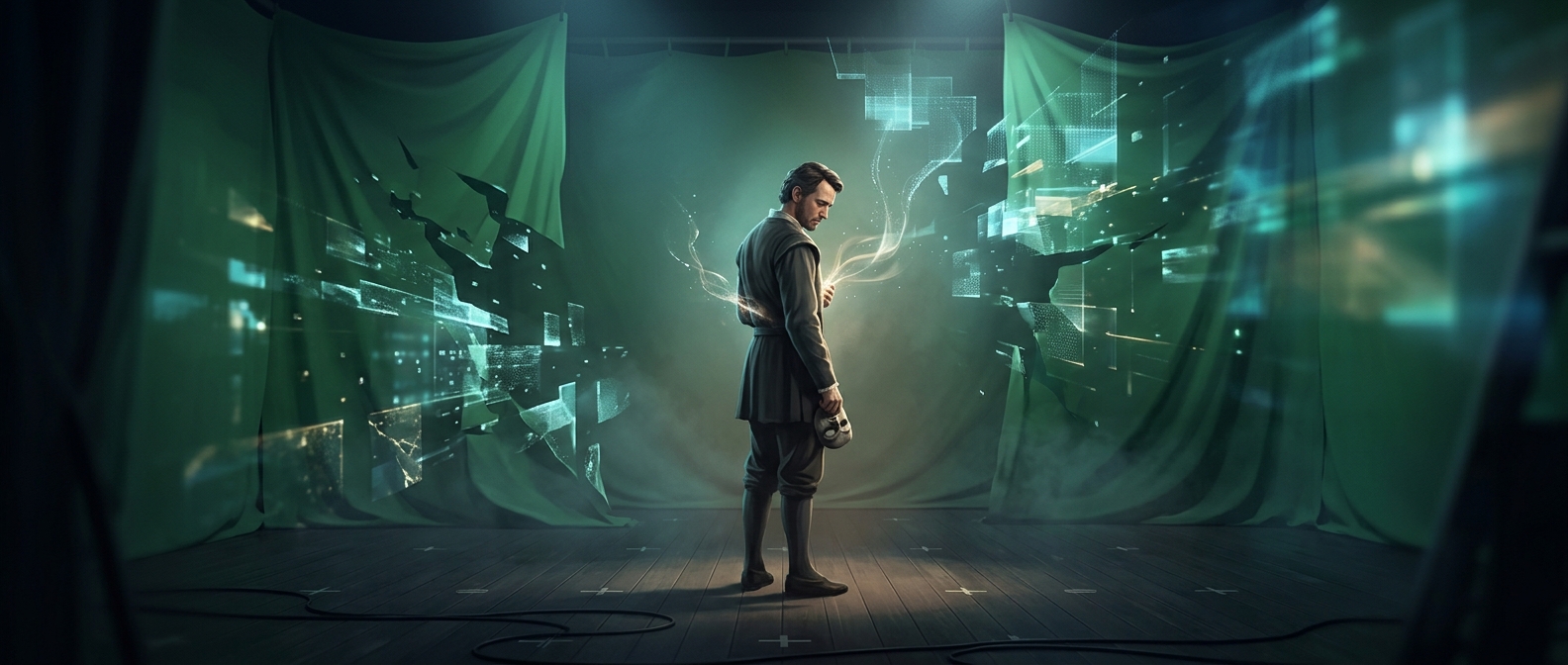
Green fabric screens replaced actual raw acting talent
Actors may stage a fight against tennis balls mounted on sticks, then perform against a green screen while visual effects create the scene around them.
Discover more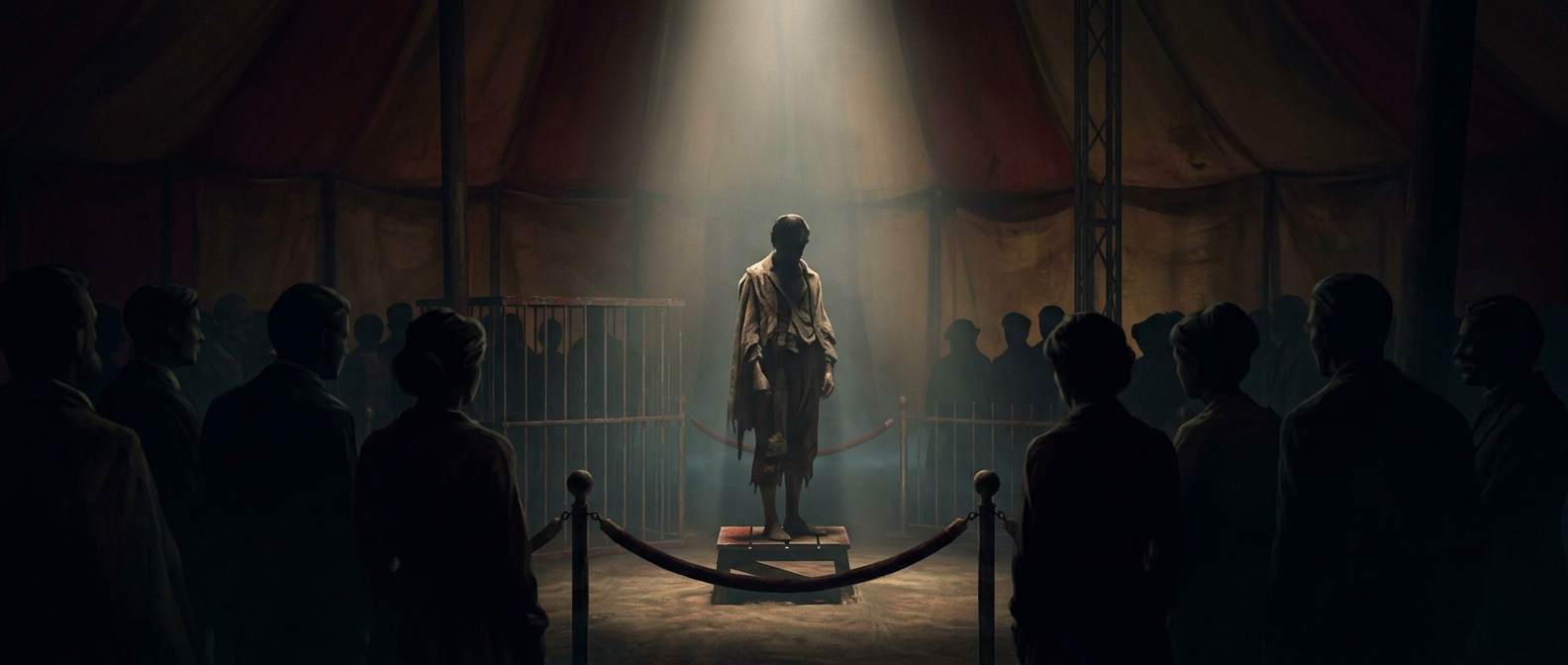
Circuses used to display terrible anomalies
Circuses once exhibited people with physical differences as sideshow attractions; modern shows instead center on acts such as acrobatics.
Discover more
How comics made superhero tights seem normal
Repeated images in comics made brightly colored spandex feel like a plausible crime-fighting uniform—even when it looked like underwear worn on the outside.
Discover more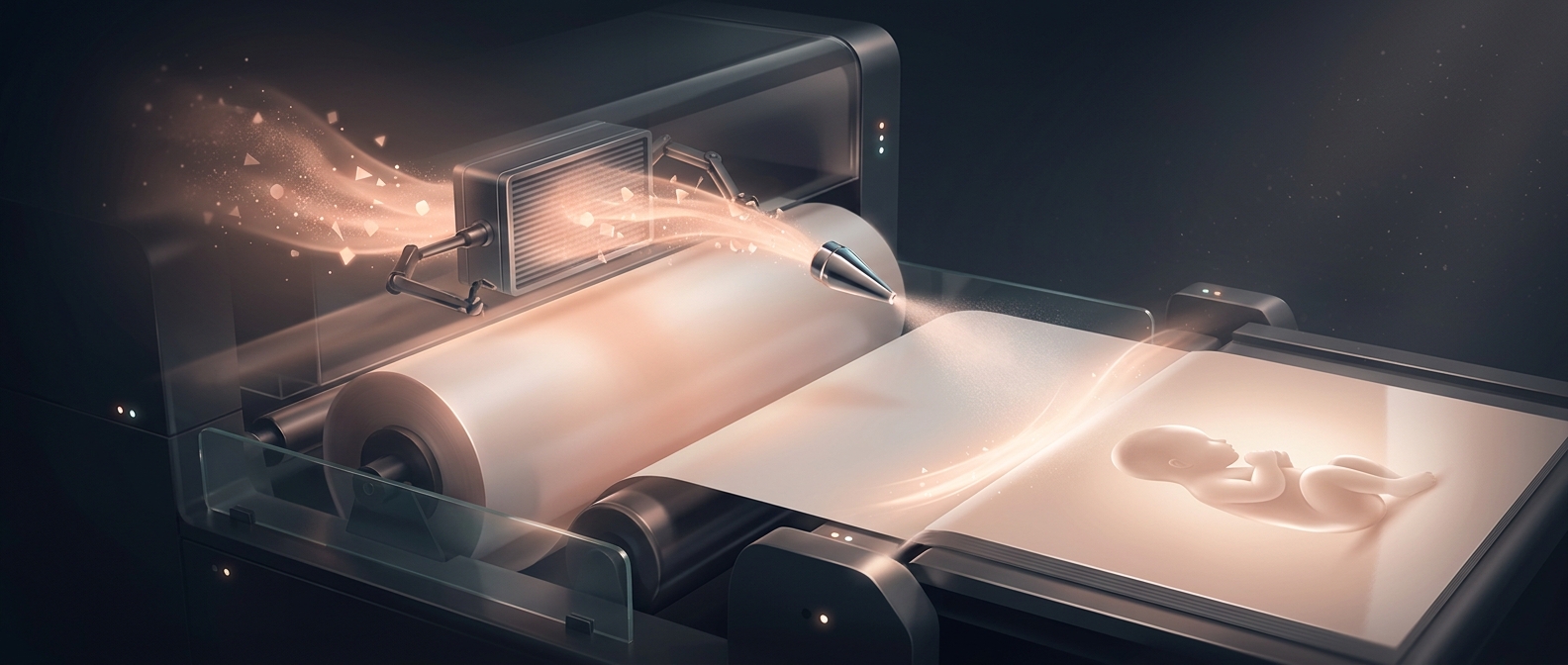
Even newborns get airbrushed in magazines
Editors smooth infants’ pudgy, wrinkled faces in magazine photos, applying the same airbrushing used to erase flaws from adult portraits.
Discover more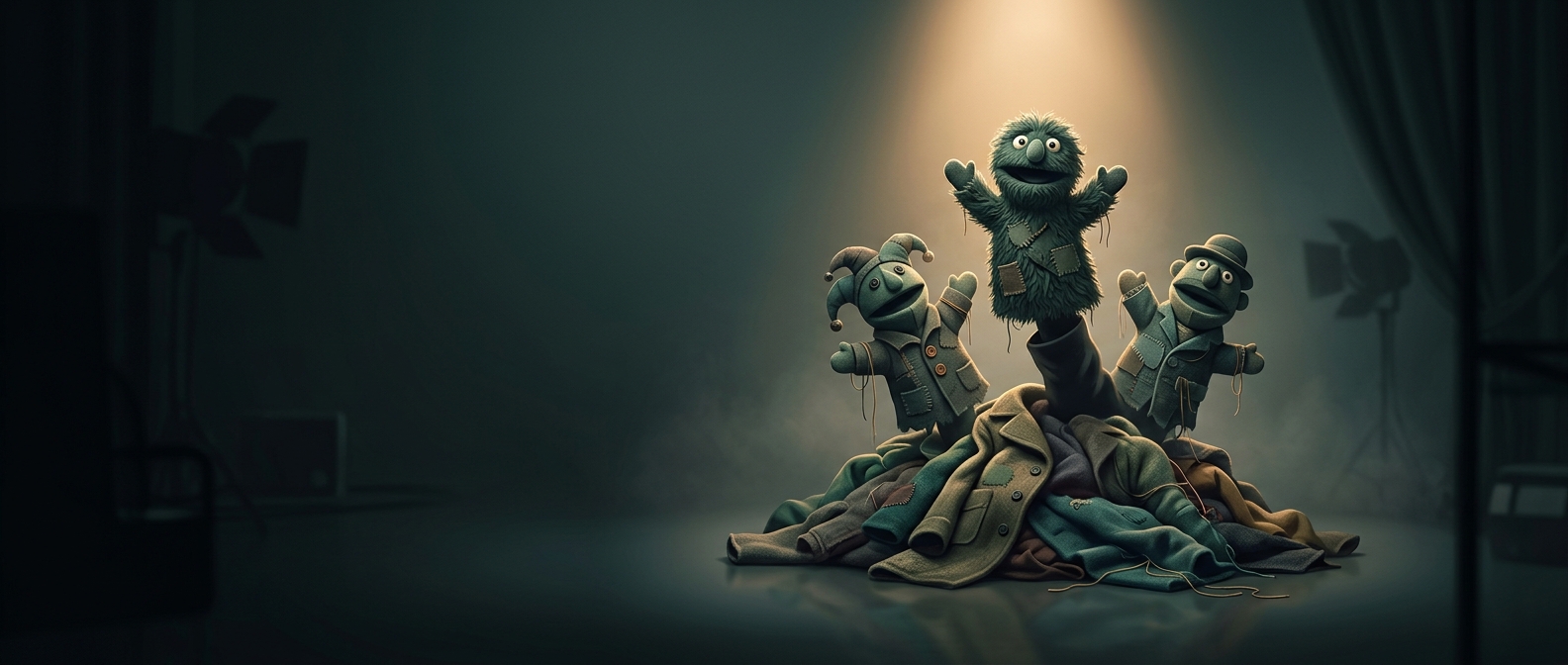
Kermit the Frog began as a discarded coat
Jim Henson made the original Kermit from his mother’s discarded spring coat, adding ping-pong balls for the eyes.
Discover more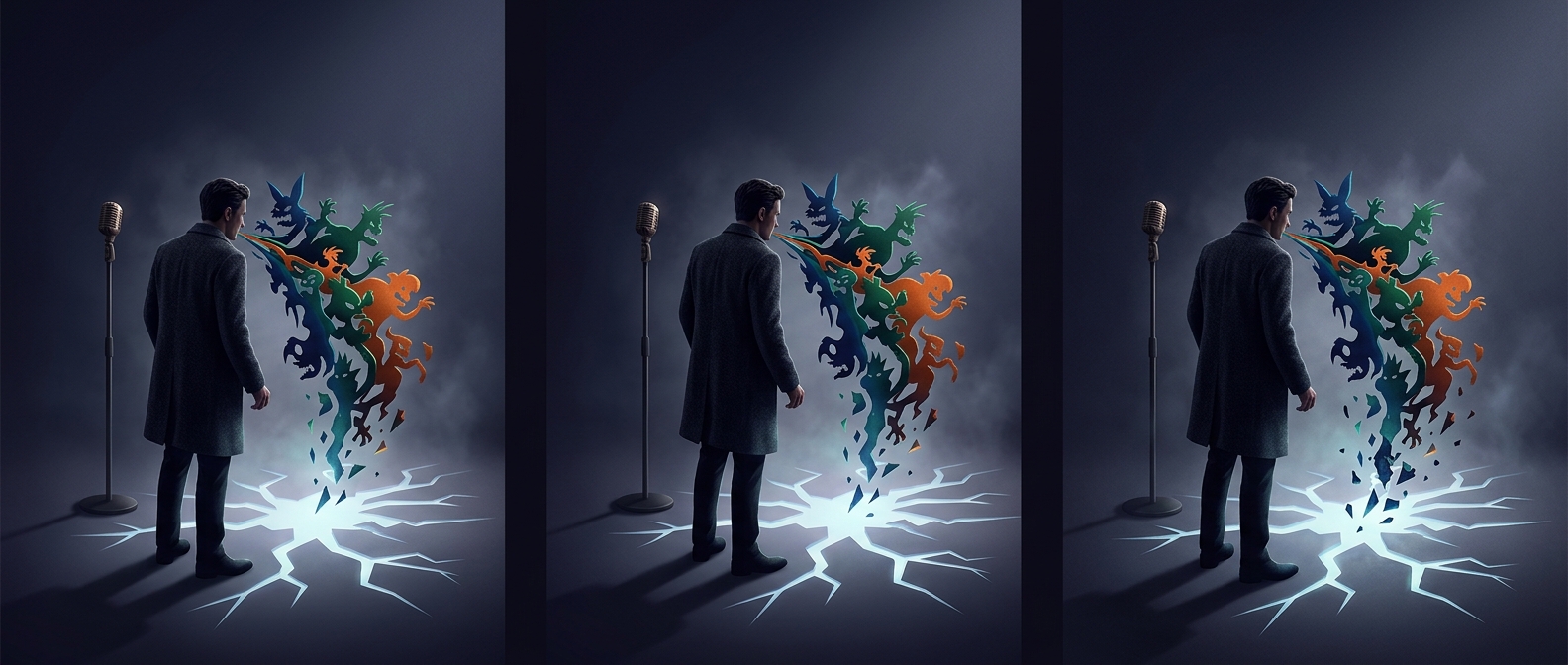
Goku's screams put real strain on the man performing them
Sean Schemmel has described the demanding recording sessions behind Dragon Ball's transformations and warned fans about copying the screams. The animated body…
Discover more
Those spectacular spaceships may be physical models
Some are detailed physical miniatures, laser-scanned and polished with visual effects.
Discover more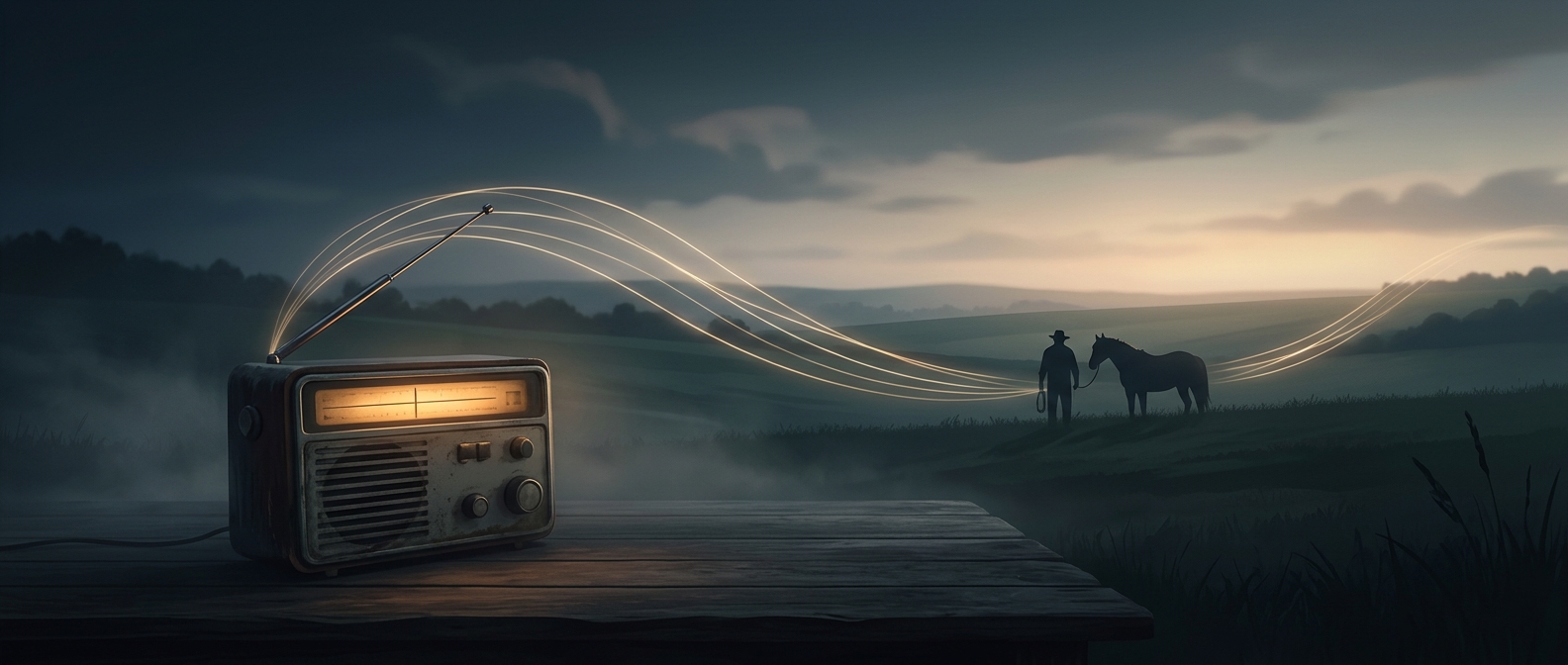
The Grand Ole Opry began as a radio barn dance
WSM launched the program in Nashville in November 1925. What began in an insurance company's radio studio grew into a country-music institution and one of…
Discover more