Culture & entertainment
Discover facts about culture & entertainment. Small discoveries that change the way you see familiar things.
Culture & entertainment
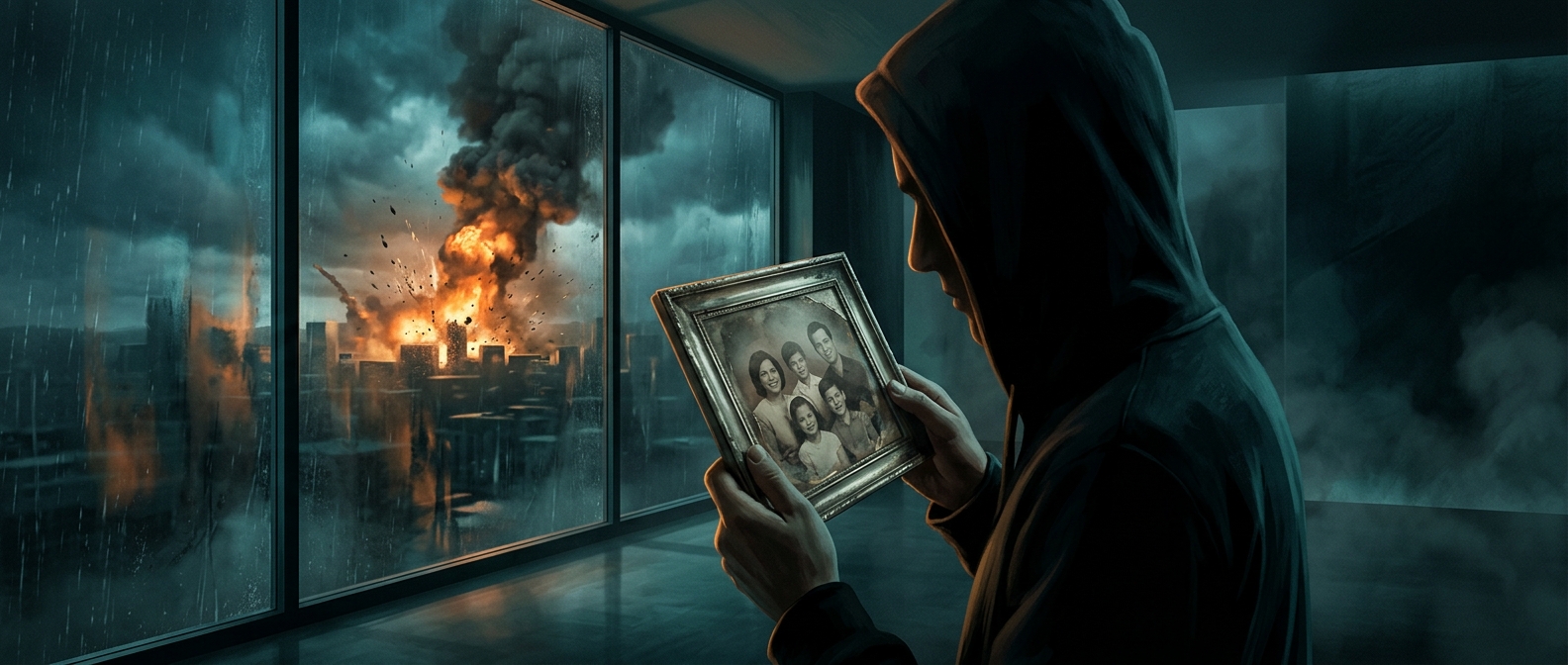
Why movie characters look at family photos before disaster
In movies, a character's tender glance at a family photo often signals that danger is coming: the scene reminds viewers what they stand to lose just before…
Discover more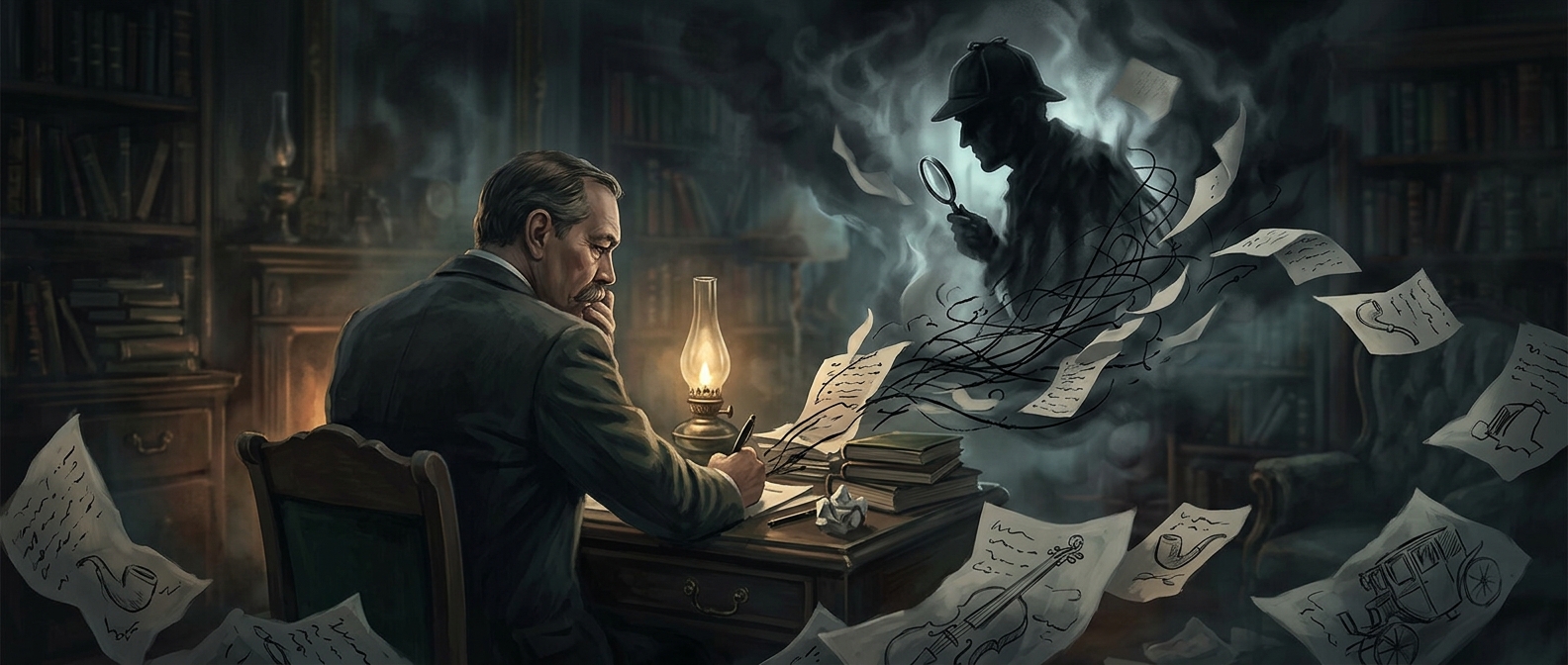
Conan Doyle killed Holmes—and still could not escape him
The detective went over Reichenbach Falls in The Final Problem, giving his creator a way to end the series. Readers wanted him back, and Doyle eventually…
Discover more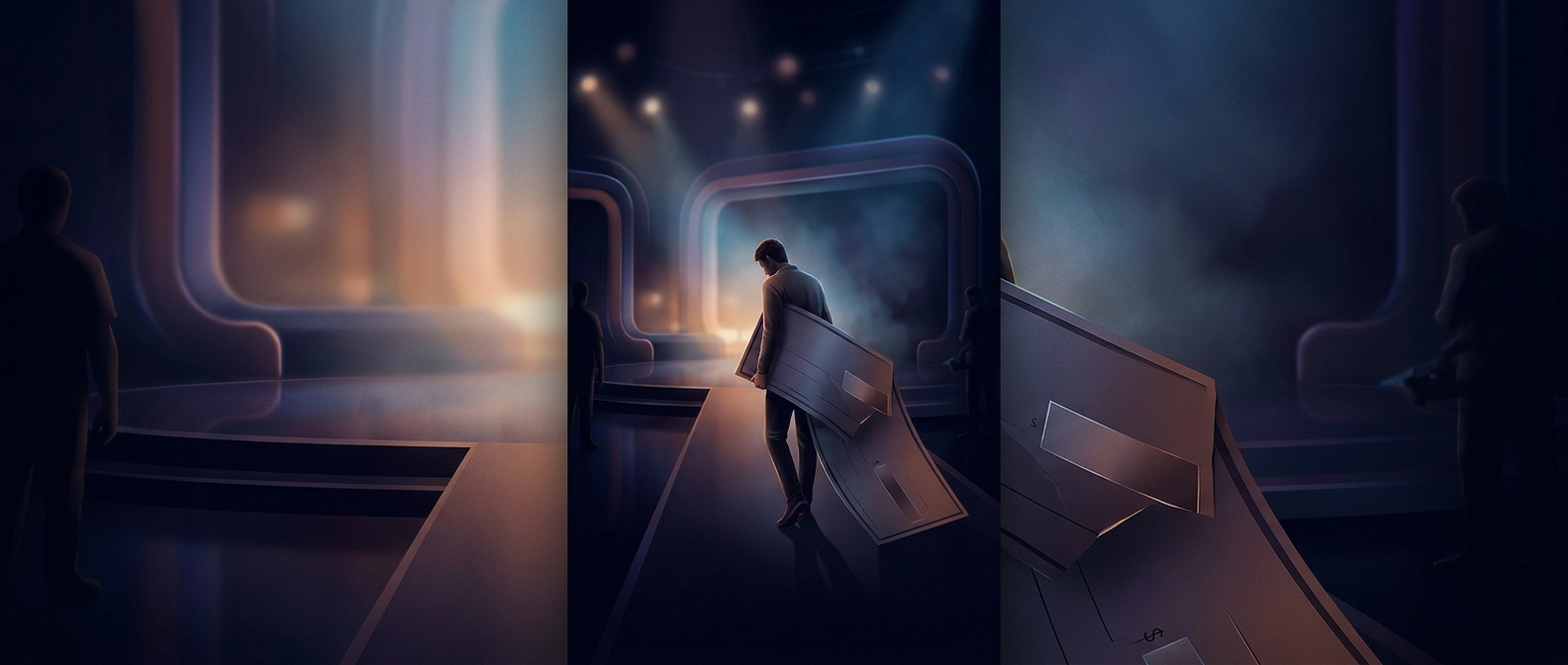
Price is Right losers forfeit giant checks
Contestants who don't win the prize can't take home the oversized cardboard check they held onstage.
Discover more
Why movie dirt can smell like coffee
Movie artists can use sterilized coffee grounds mixed with baby oil to mimic mud, which may contain bacteria and parasites. The result looks like grime but…
Discover more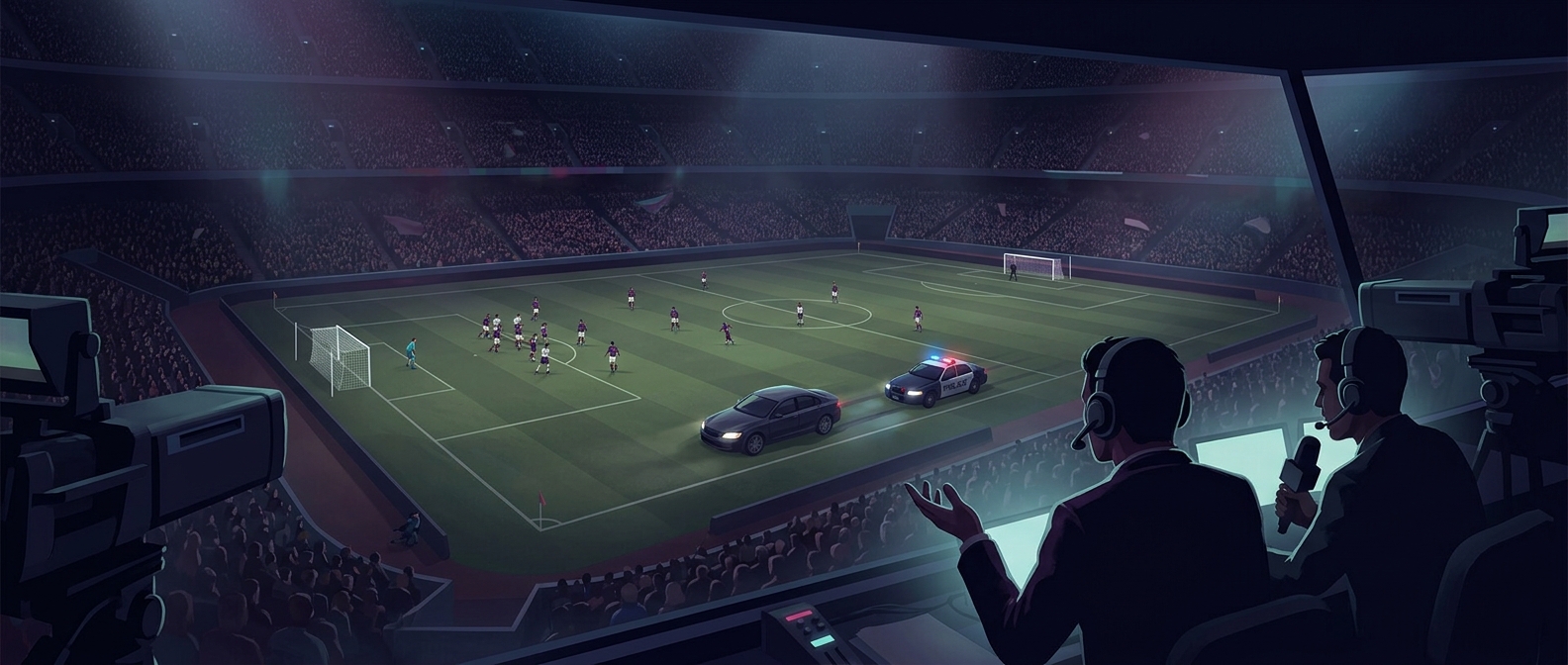
Slow car chase interrupting sports finals
News networks cut away from a major basketball championship to show a white Ford Bronco crawling along at the speed limit during a highway pursuit.
Discover more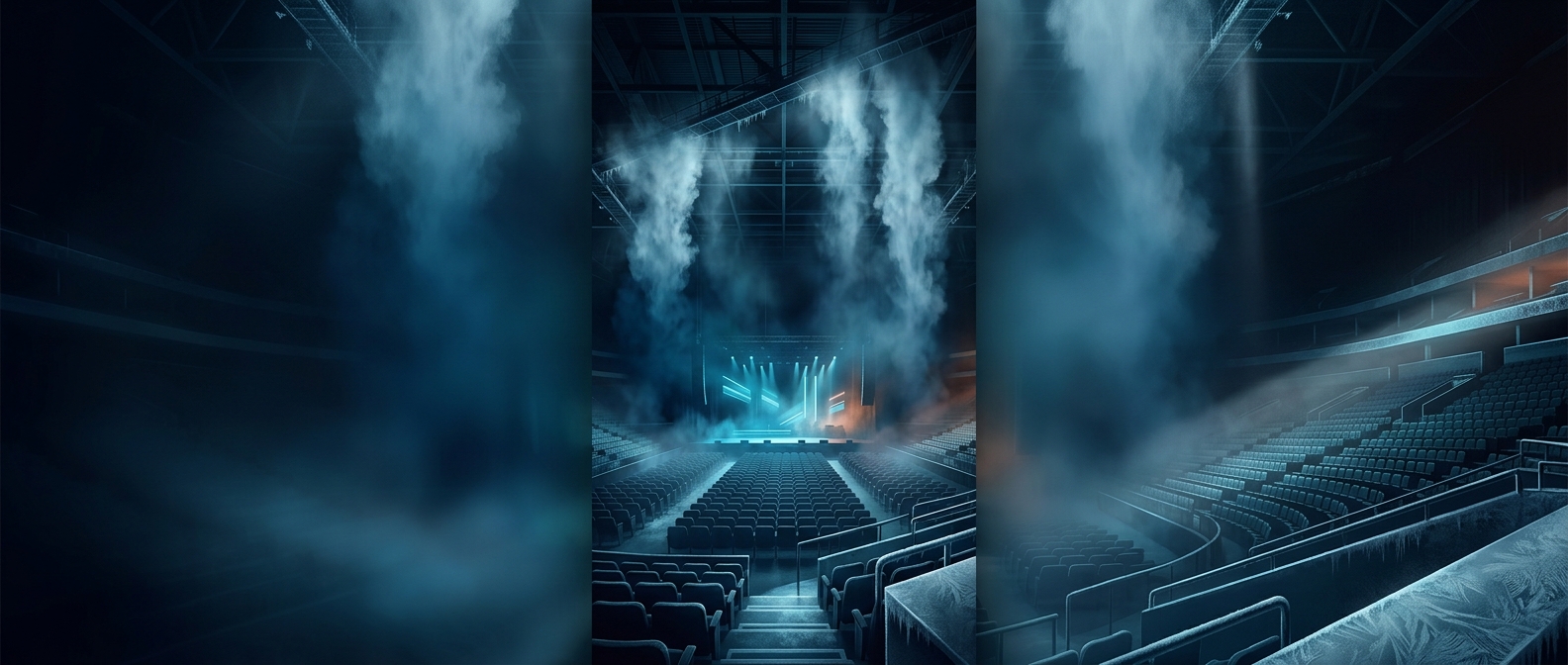
Concert venues intentionally drop temperatures before crowds
A packed arena can heat up quickly as thousands of people jump, shout, and sweat, so staff cool it before the doors open.
Discover more STACKY FOR IPHONE
A bigger world.
One discovery
at a time.
Keep discovering with Stacky. Interesting facts in an app that is always within reach.

Before rock, folk singers made concept albums
Woody Guthrie’s 1940 Dust Bowl Ballads grouped songs around the American Dust Bowl, rather than presenting unrelated singles.
Discover more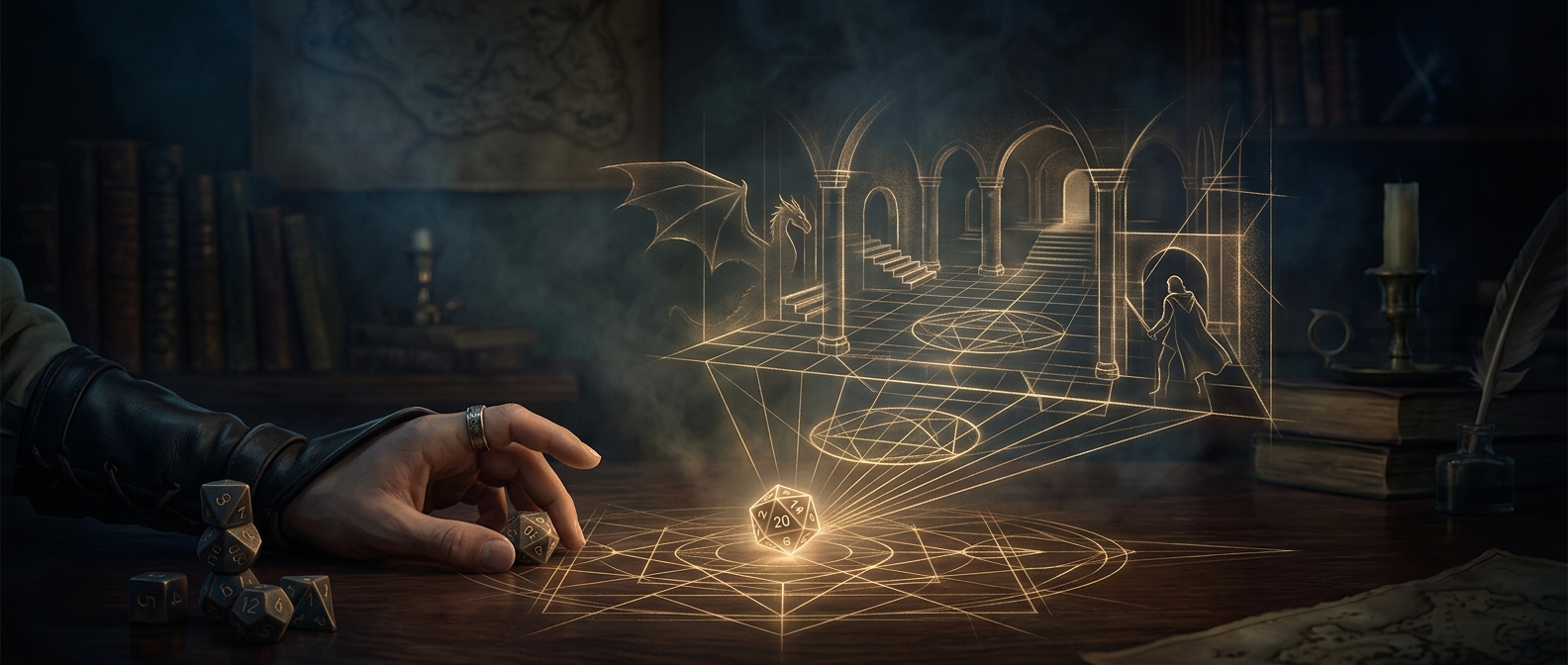
Dungeons and Dragons relies on imaginary geometry
On a grid, players may have to work out whether a circular spell's radius reaches creatures on square spaces—turning a dragon fight into a quick geometry…
Discover more
Aladdin was redesigned to look like Tom Cruise
Disney first modeled Aladdin on Michael J. Fox, but executives thought he looked too boyish for adult audiences. They switched to Tom Cruise's smirk and…
Discover more
A Maury audience member described being coached to react louder
A first-person report of a taping recounts staff prompting cheers, boos and exaggerated responses to the guests. The family dispute supplied the subject, but…
Discover more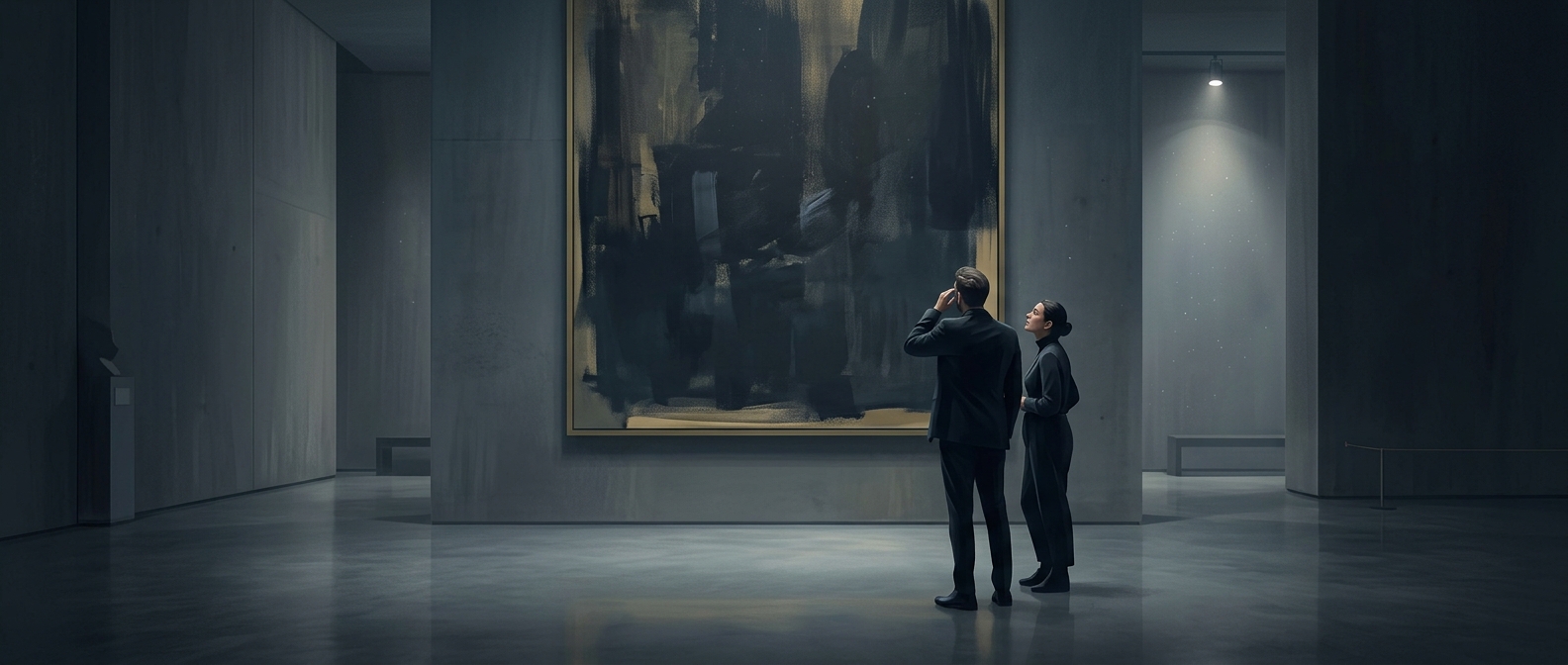
A visitor spotted a Matisse hanging upside down at MoMA
In 1961, Genevieve Habert noticed that the apparent reflection in Le Bateau looked more detailed than the boat above it. She checked the catalog and persisted…
Discover more
The music industry once called folk music hillbilly
In the 1920s, record catalogs used “hillbilly music” to market acoustic folk and string-band recordings.
Discover more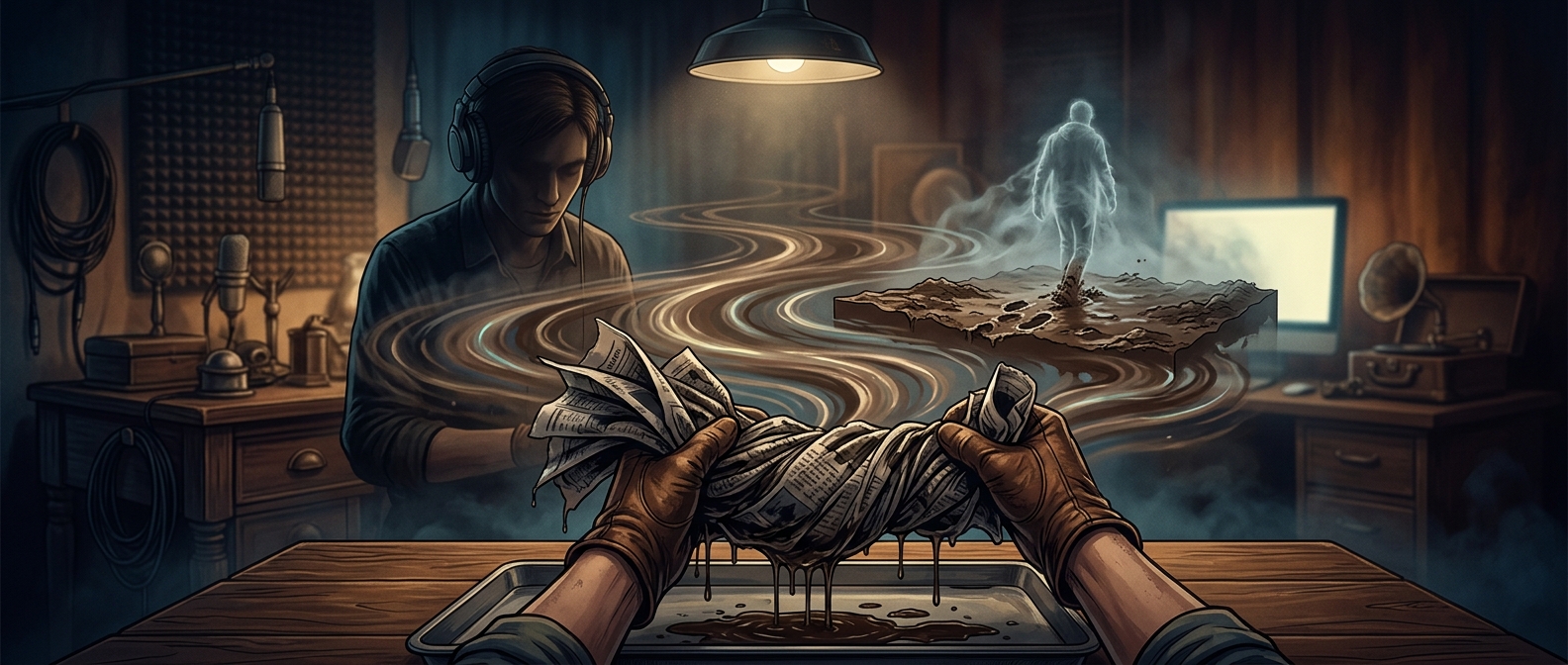
Wet newspapers can fake muddy footsteps
Soaked newspaper kneaded by hand or shoe can mimic the squelch of footsteps in mud—no swamp recording trip required.
Discover more
Club Penguin really let players tip an iceberg
For years, players believed that gathering on one side of the floating iceberg could tip it. The creators finally made that possible just before the servers…
Discover more
A reality-show confessional is an interview edited into a monologue
The questions usually disappear, leaving only the contestant's answers. Editors decide which reactions to include and where to place them alongside events in…
Discover more
Television feeds are delayed for local time zones
Networks use tape delays to make evening shows air at 8 p.m. in each time zone, whether viewers are in New York or Los Angeles.
Discover more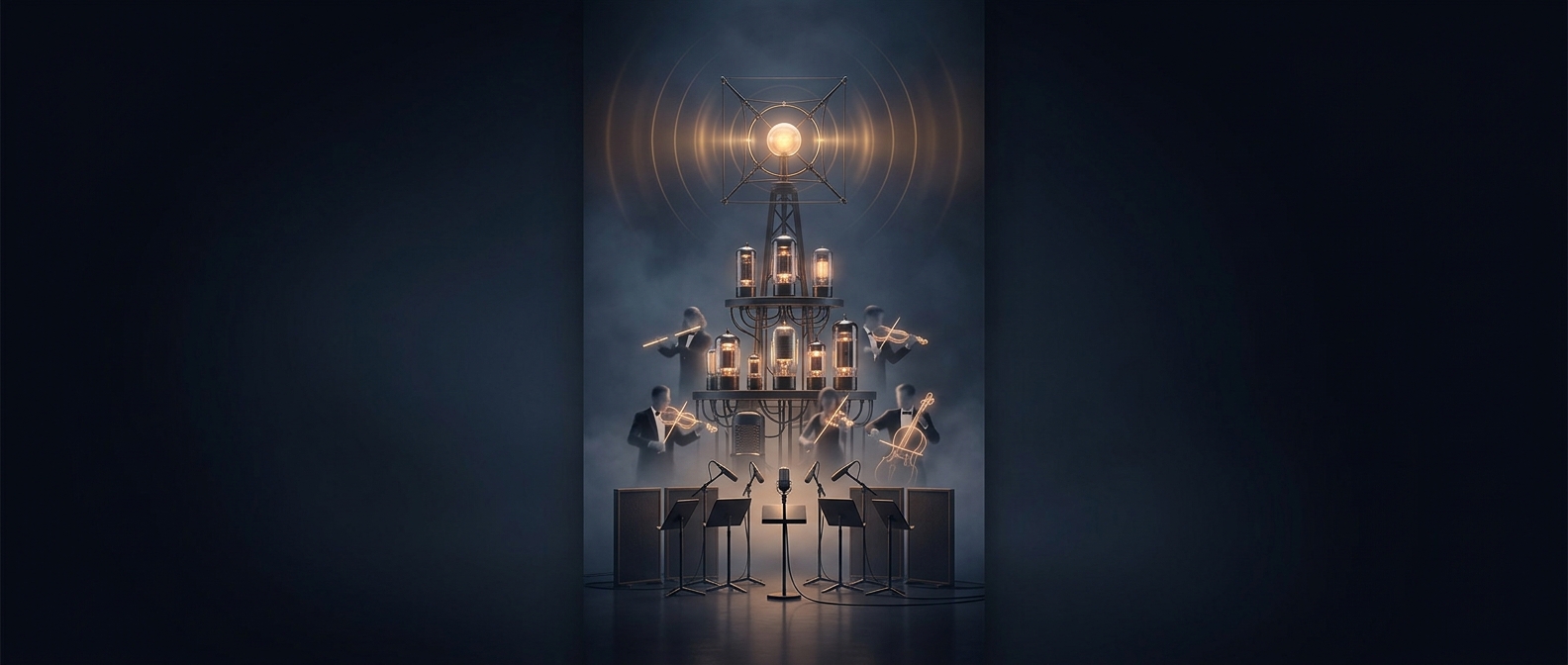
Early radio exclusively featured live studio orchestras
Recorded music faced licensing restrictions, so stations often used live musicians instead—sometimes squeezing large orchestras into small studios.
Discover more
Villain monologues only happen to pad the runtime
The pause gives the hero time to escape, even though the villain could have acted instead of explaining the plan.
Discover more
Why game-show losers got bizarre consolation prizes
Sponsors gave losing contestants odd prizes, such as a year’s supply of floor wax, giving networks extra time to promote their products.
Discover more
In movies, one cough can be a death sentence
In movies, a character's cough can signal that they're doomed, especially if they cough into a pristine white handkerchief. The trope often leads to a…
Discover more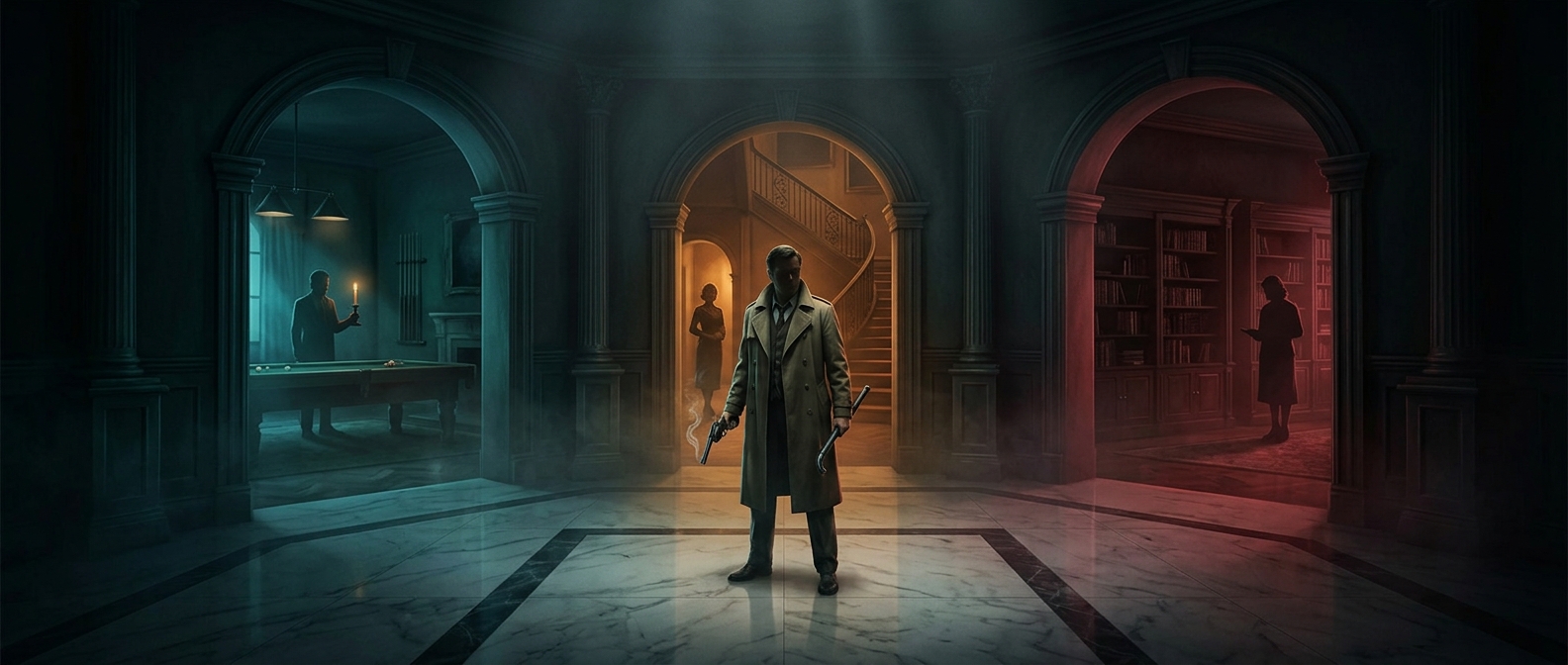
Clue once had three different endings
Different theaters received reels with different culprits, so audiences got one of three endings. The confusing gimmick hurt the film at the box office,…
Discover more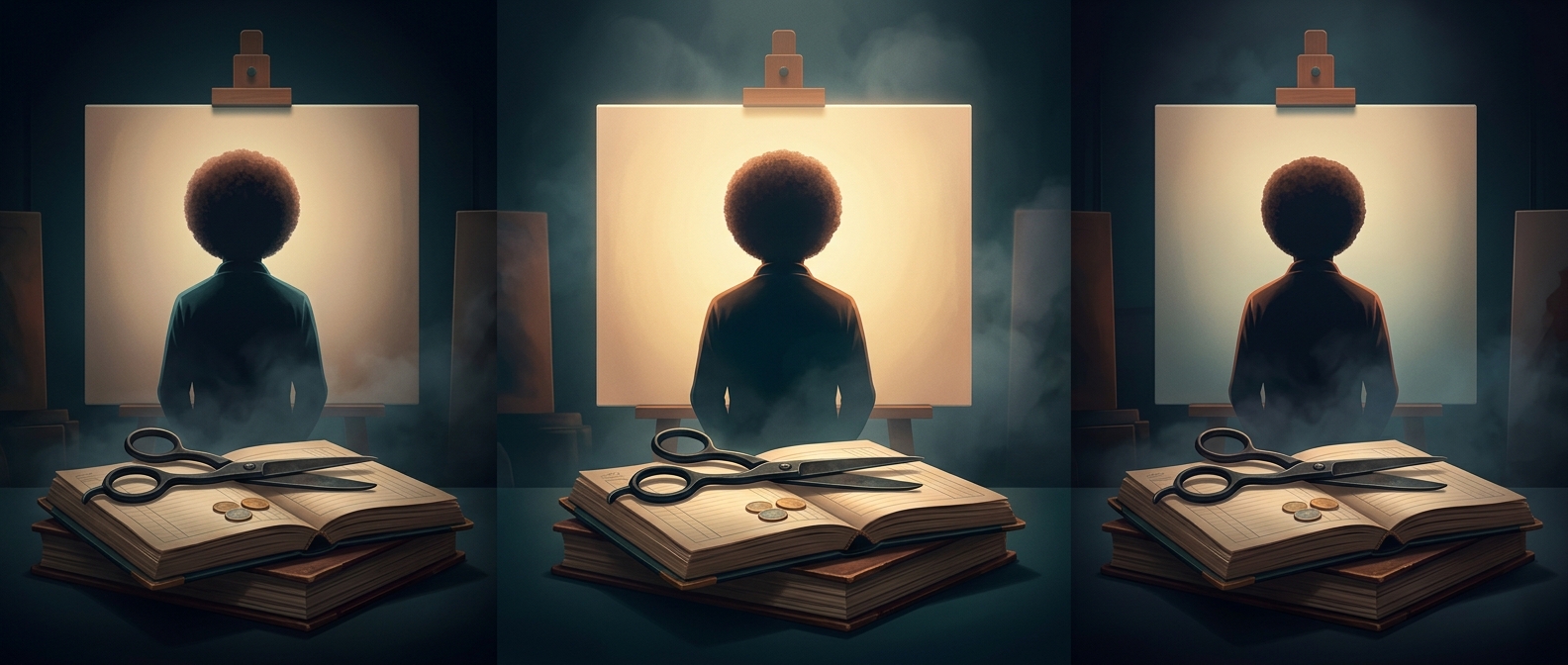
Bob Ross hated the perm that made him famous
He got a perm to avoid frequent haircuts, but once his afro became part of his TV image, his contract required him to keep it—even though he hated it.
Discover more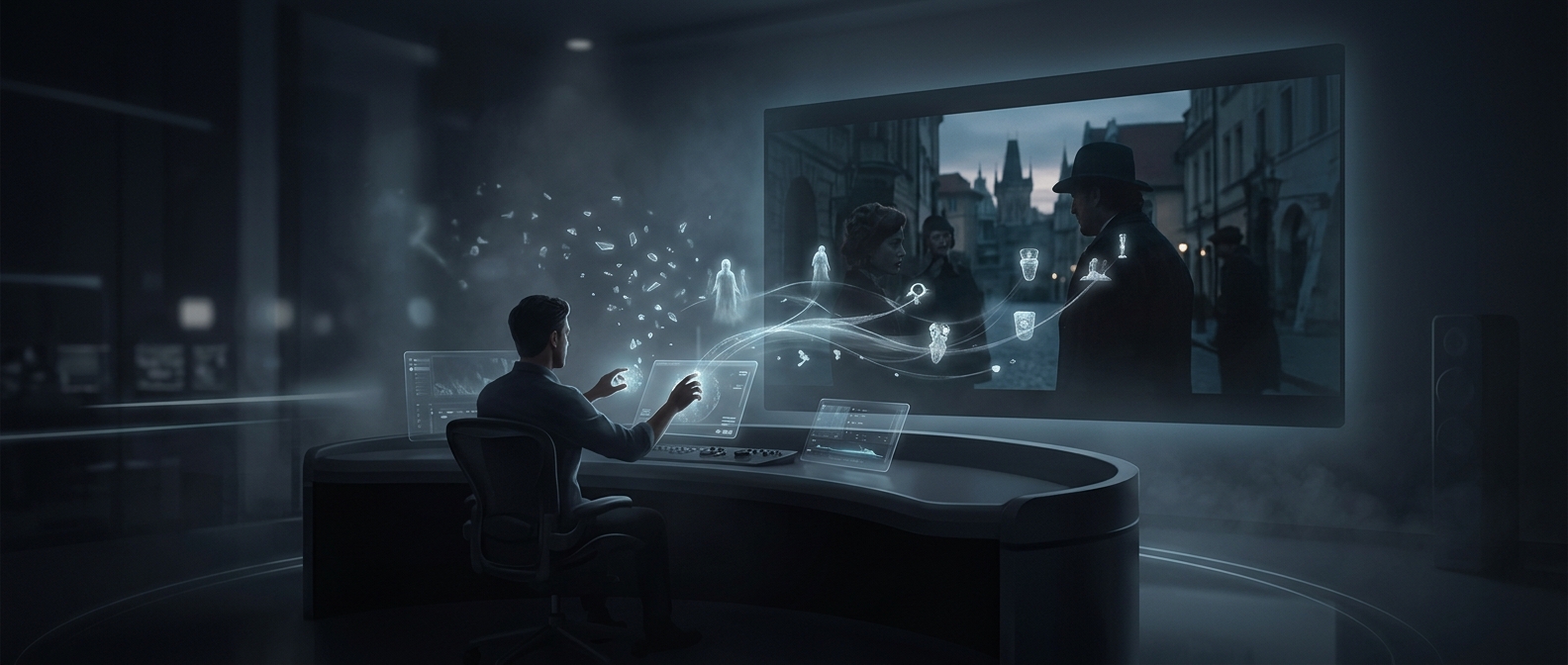
Editing can plant a clue earlier than it was discovered
Once a film's ending takes shape, editors can emphasize an earlier glance, object, or line so it prepares the audience for what follows. Additional filming…
Discover more
Digital filters overlay geometric meshes onto human faces
The filter maps a 3D mesh onto facial features, then alters the geometry to reshape features such as the jaw.
Discover more