Travel
Discover facts about travel. Small discoveries that change the way you see familiar things.
Travel

Brazilian statues are coated in soapstone triangles
Christ the Redeemer is covered in six million tiny, hand-cut soapstone tiles. They form a close-up mosaic that looks smooth from a distance.
Discover more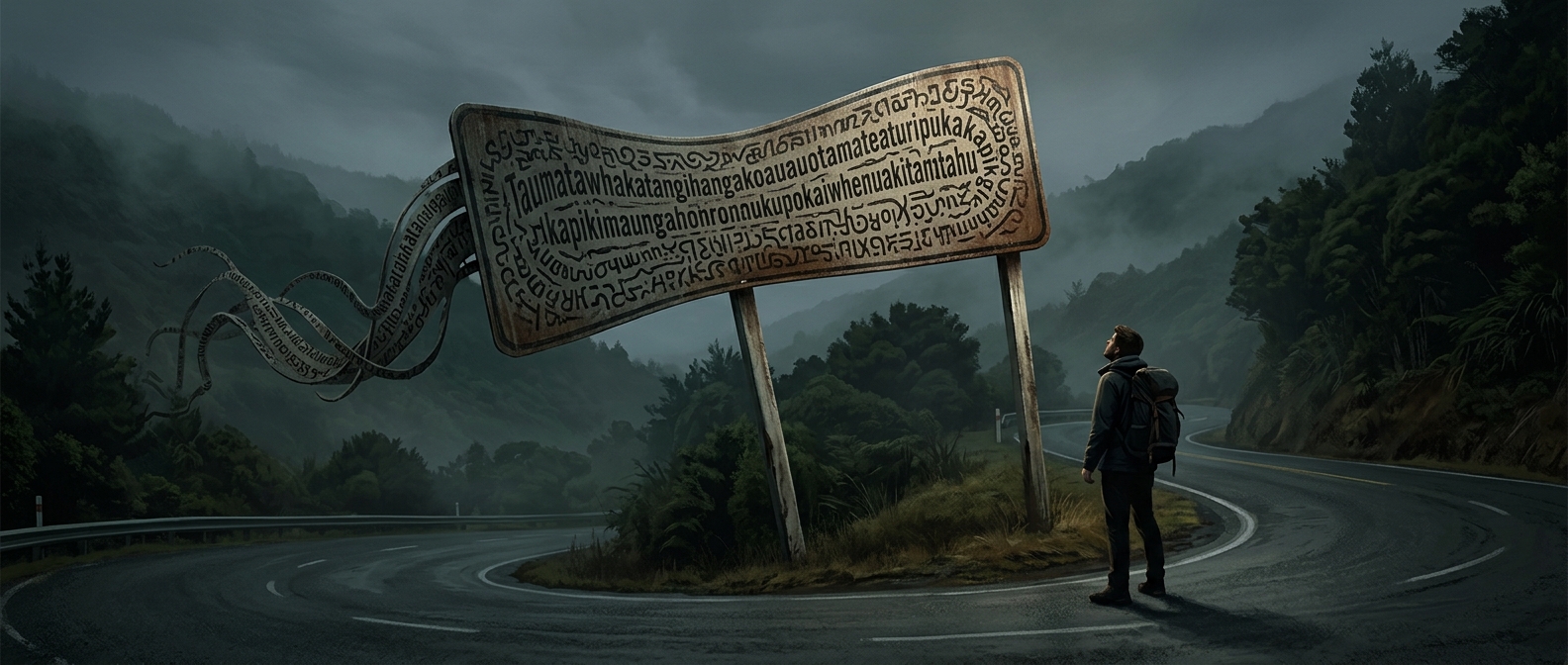
New Zealand has an 85-letter hill name
The 85-letter name is listed by Guinness as the world's longest place name; it roughly tells of a Māori chief playing a flute for his loved one.
Discover more
China’s stone pillars disappear into the clouds
At Zhangjiajie, some sandstone columns rise through low clouds, and the view from their summits can induce vertigo.
Discover more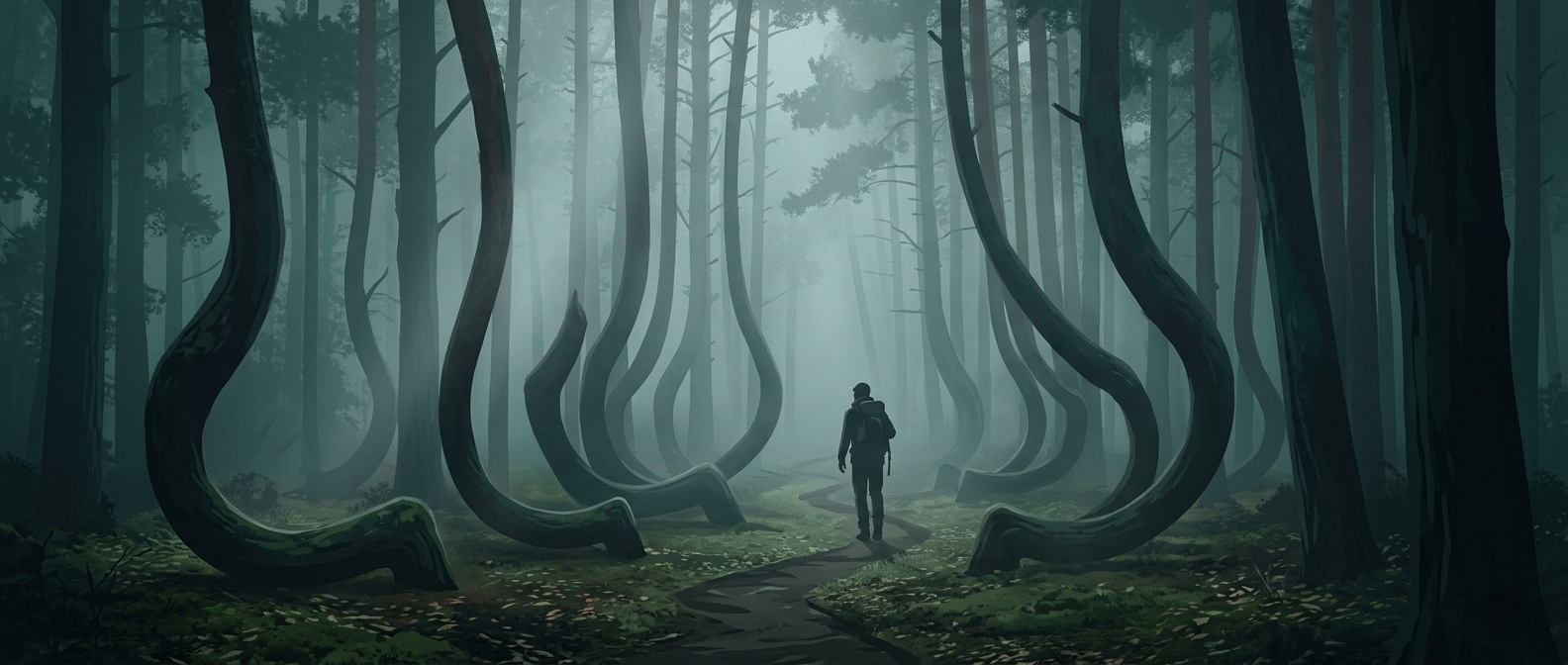
Poland has a forest where the trees bend before growing upward
In the Crooked Forest near Gryfino, a group of pines curves sharply near the ground, then rises vertically. Their shared shape suggests an influence early in…
Discover more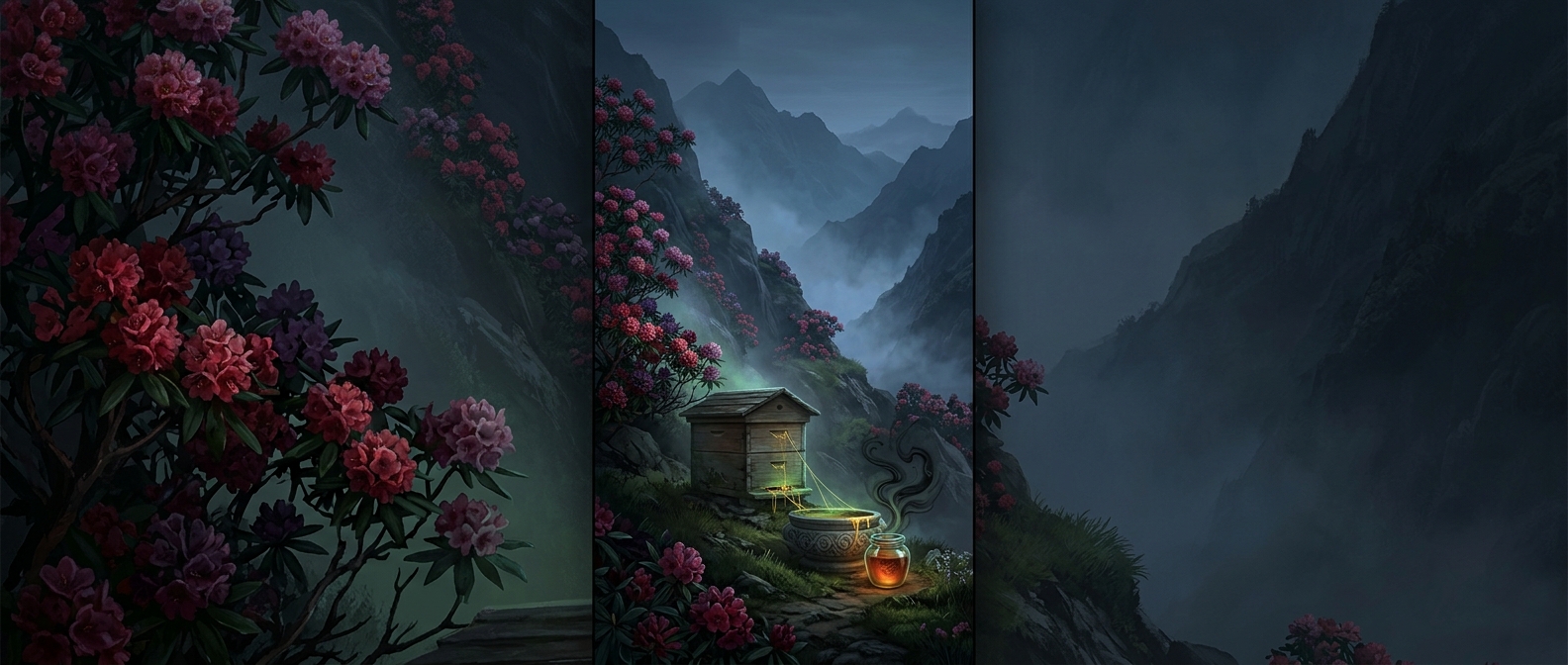
Mad honey can slow the heart instead of sweetening the mood
Grayanotoxins from plants such as rhododendrons can reach honey through nectar. They interfere with normal nerve and muscle activity, causing symptoms…
Discover more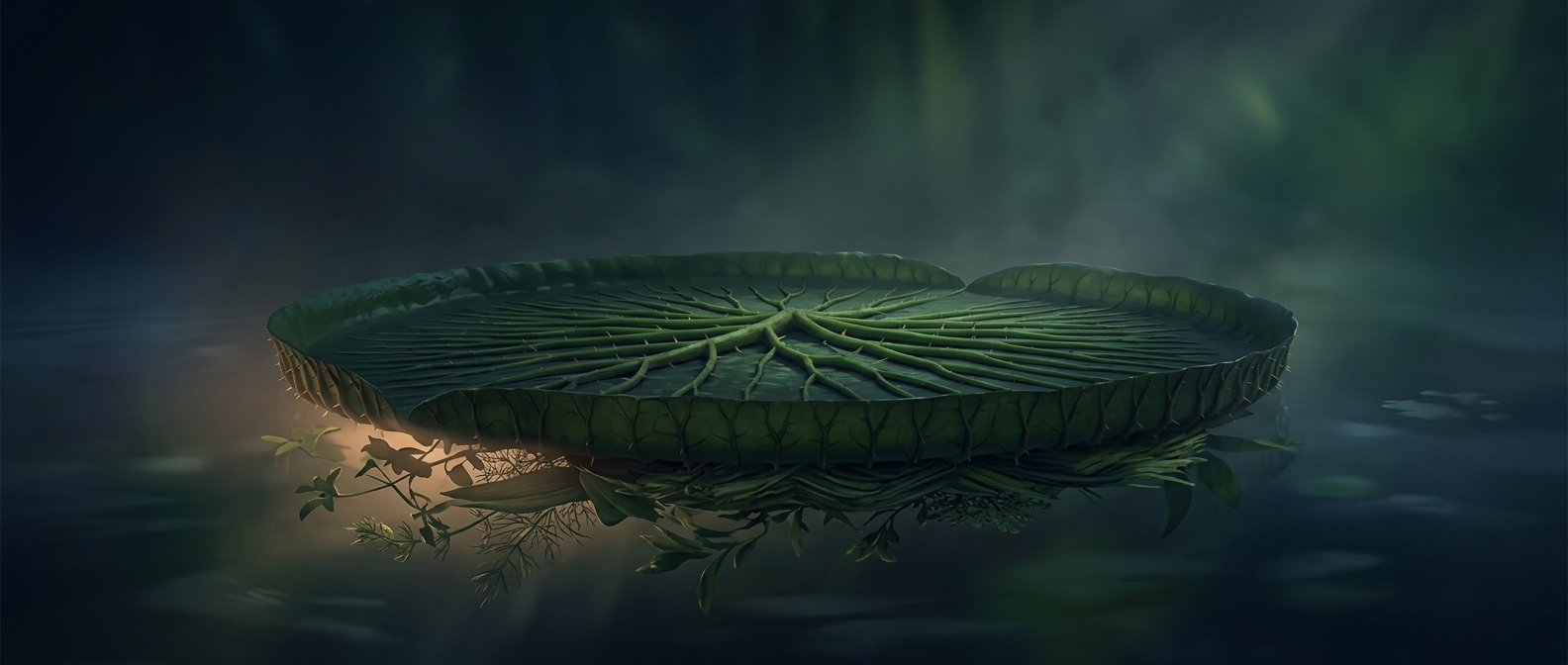
A giant lily pad gets its strength from the ribs underneath
Victoria amazonica leaves spread over the water like enormous trays, supported by a network of ribs below. With weight distributed appropriately, a large leaf…
Discover more STACKY FOR IPHONE
A bigger world.
One discovery
at a time.
Keep discovering with Stacky. Interesting facts in an app that is always within reach.
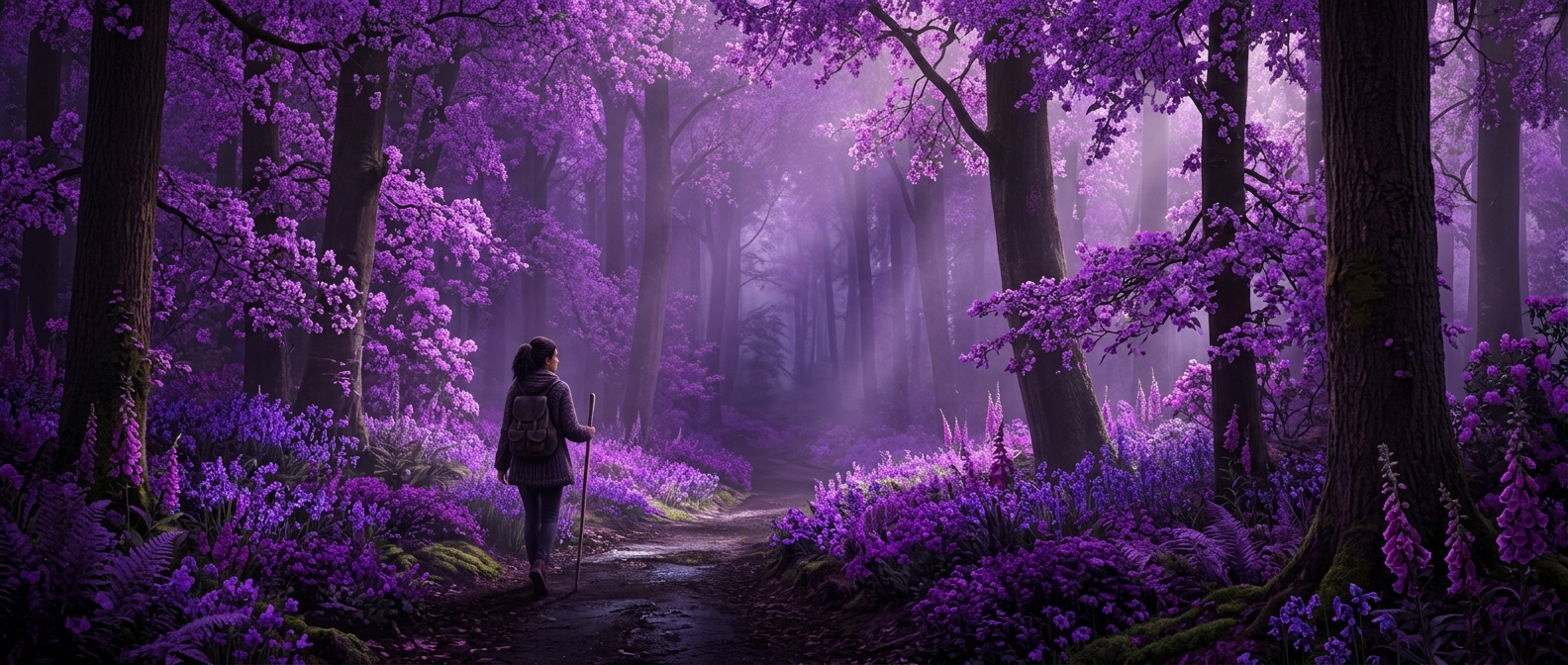
A Belgian forest turns blue before its canopy closes
Each spring, bluebells carpet the floor of Hallerbos, creating a blue-purple layer beneath the trees. Visitors must stay on marked paths because footsteps…
Discover more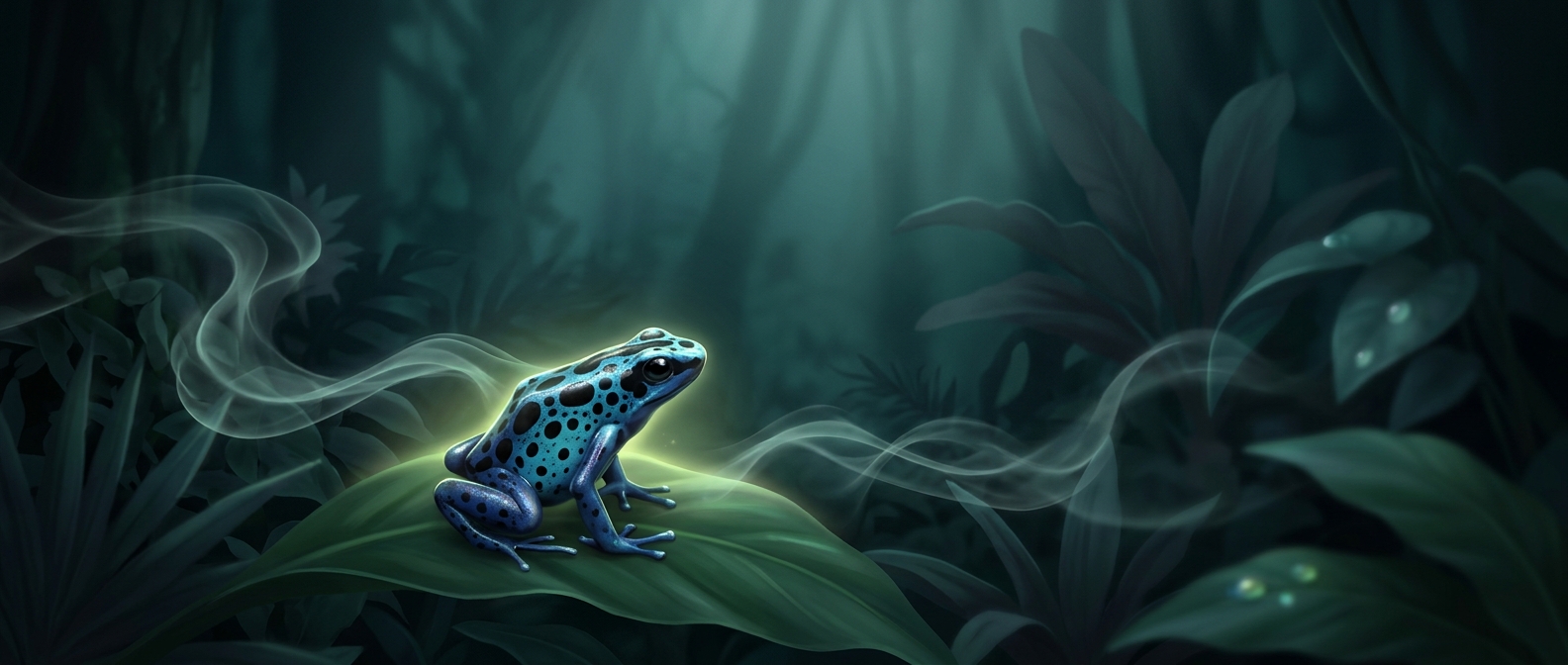
Poison frogs advertise a chemical defense with bright colors
In toxic species, skin alkaloids can make an attack dangerous or unpleasant for a predator. Many of those compounds come from the frogs' diet, which helps…
Discover more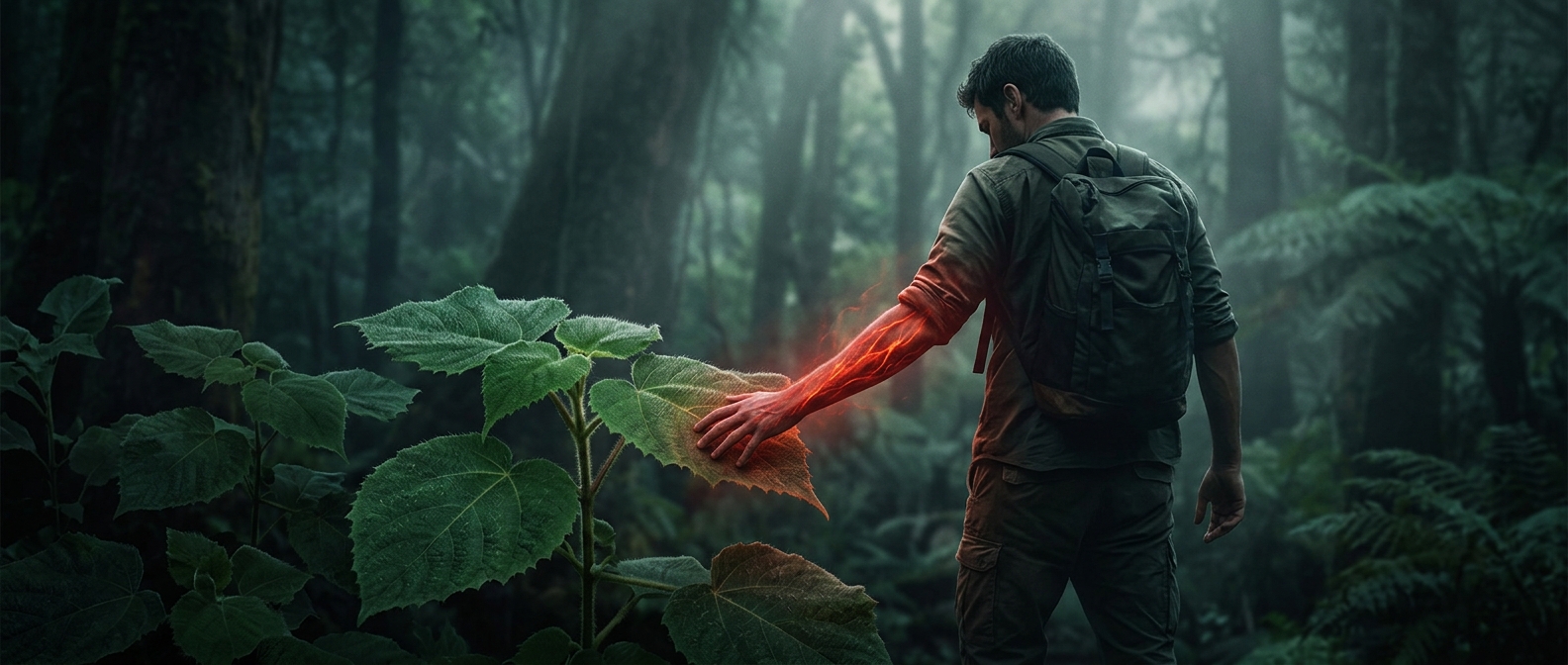
Australia’s gympie-gympie delivers venom through its leaves
Tiny stinging hairs inject toxins that act on pain-signaling nerves. Researchers found that these plant toxins resemble some animal venoms in their structure…
Discover more
Some snake toxins struggle to latch onto a honey badger
Researchers found changes in a muscle receptor targeted by snake neurotoxins. Those changes make it harder for particular toxins to bind and disrupt the…
Discover more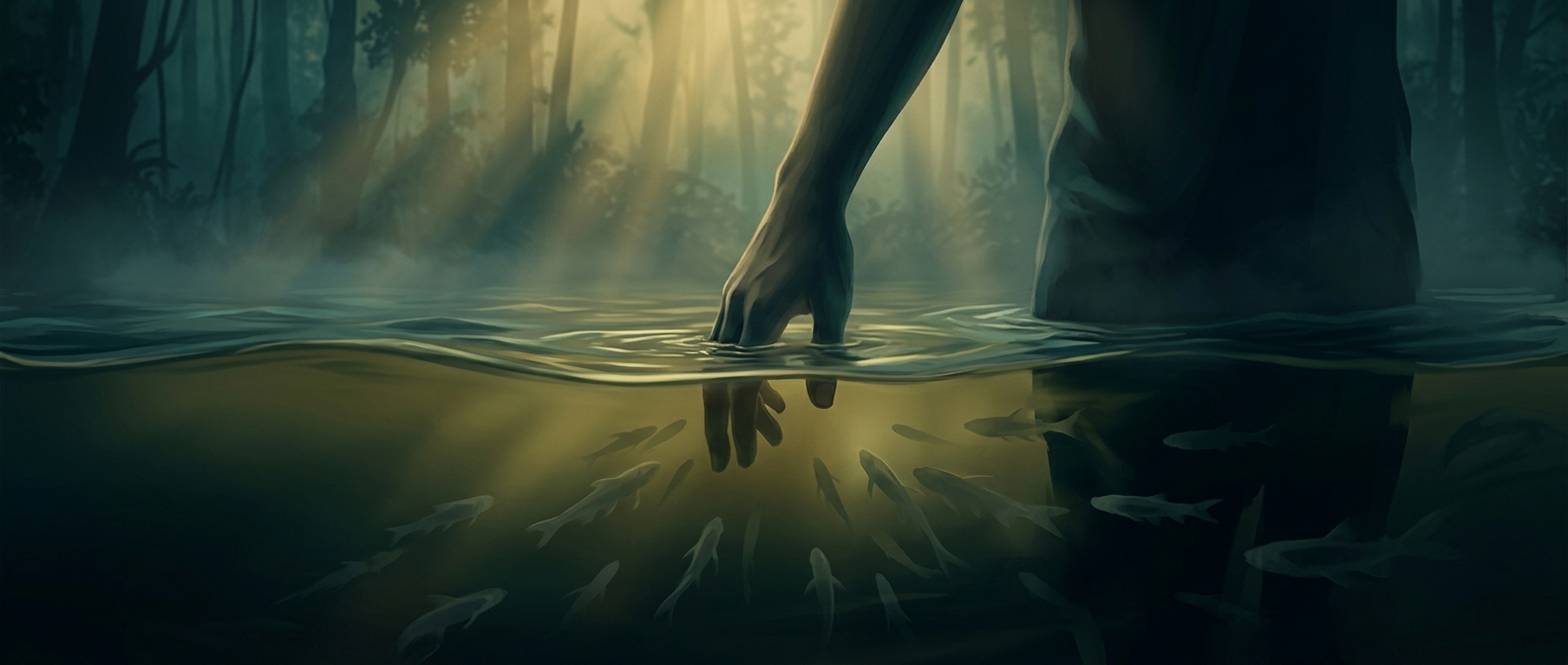
The candiru is a vampire of other fishes' gills
This small Amazonian catfish enters a larger fish's gill chamber and feeds on blood. There, delicate tissue and an active blood supply provide a very specific…
Discover more
The invisible tentacles hiding behind box jellyfish
Their nearly transparent tentacles can trail far from the jellyfish, and stinging cells in them deliver venom that can affect the heart.
Discover more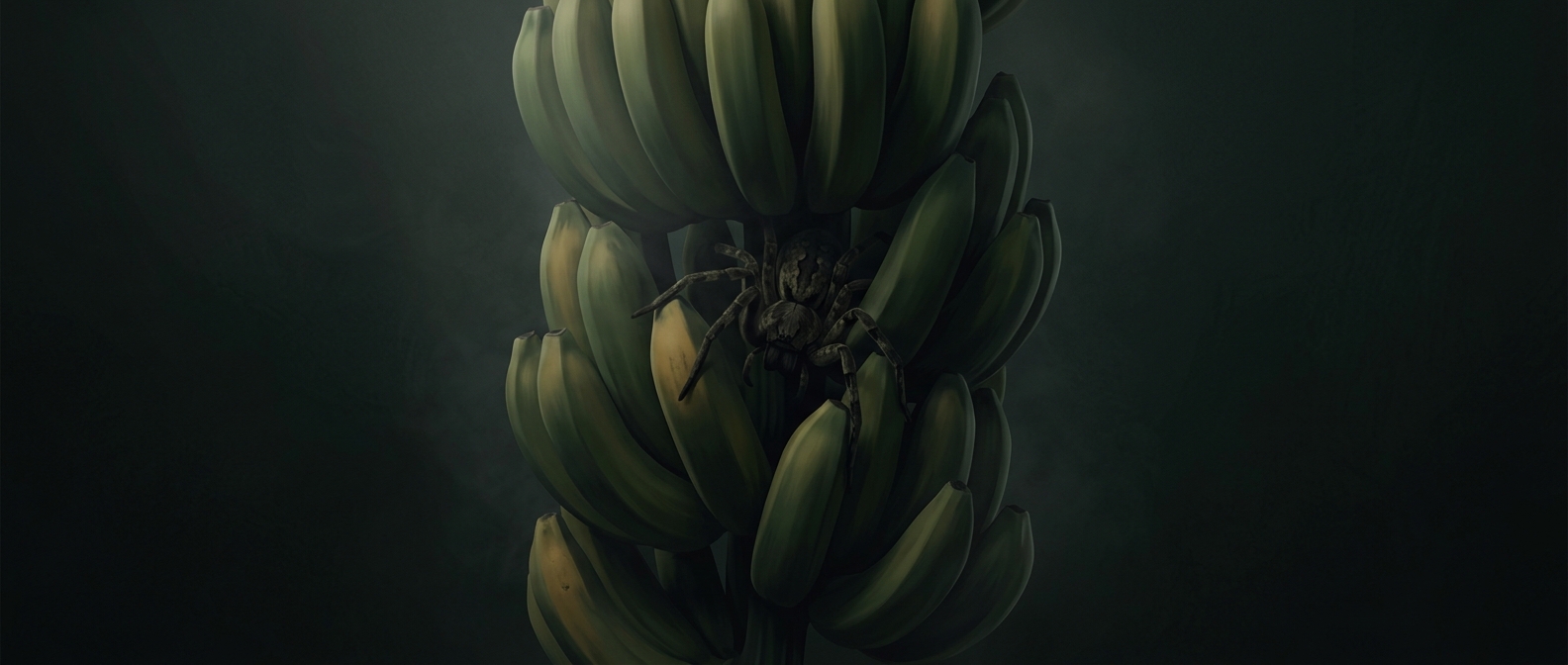
A banana bunch can look like shelter to a wandering spider
Brazilian wandering spiders hunt rather than sit in prey-catching webs, then seek sheltered places to rest. Dense leaves and bunches of fruit provide dark…
Discover more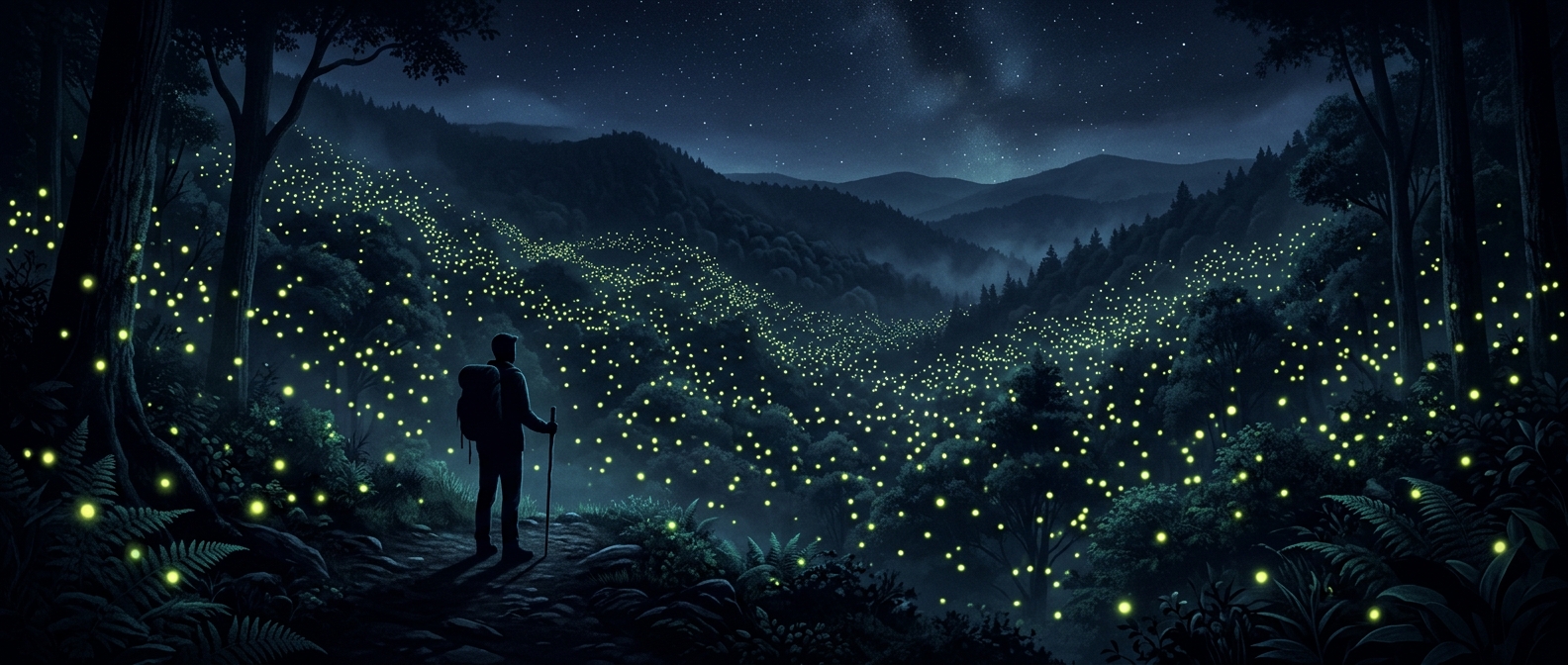
Appalachian fireflies turn forests into light shows
Synchronous fireflies flash together, turning dark Appalachian woods into a pulsing light show that can make the forest seem to breathe.
Discover more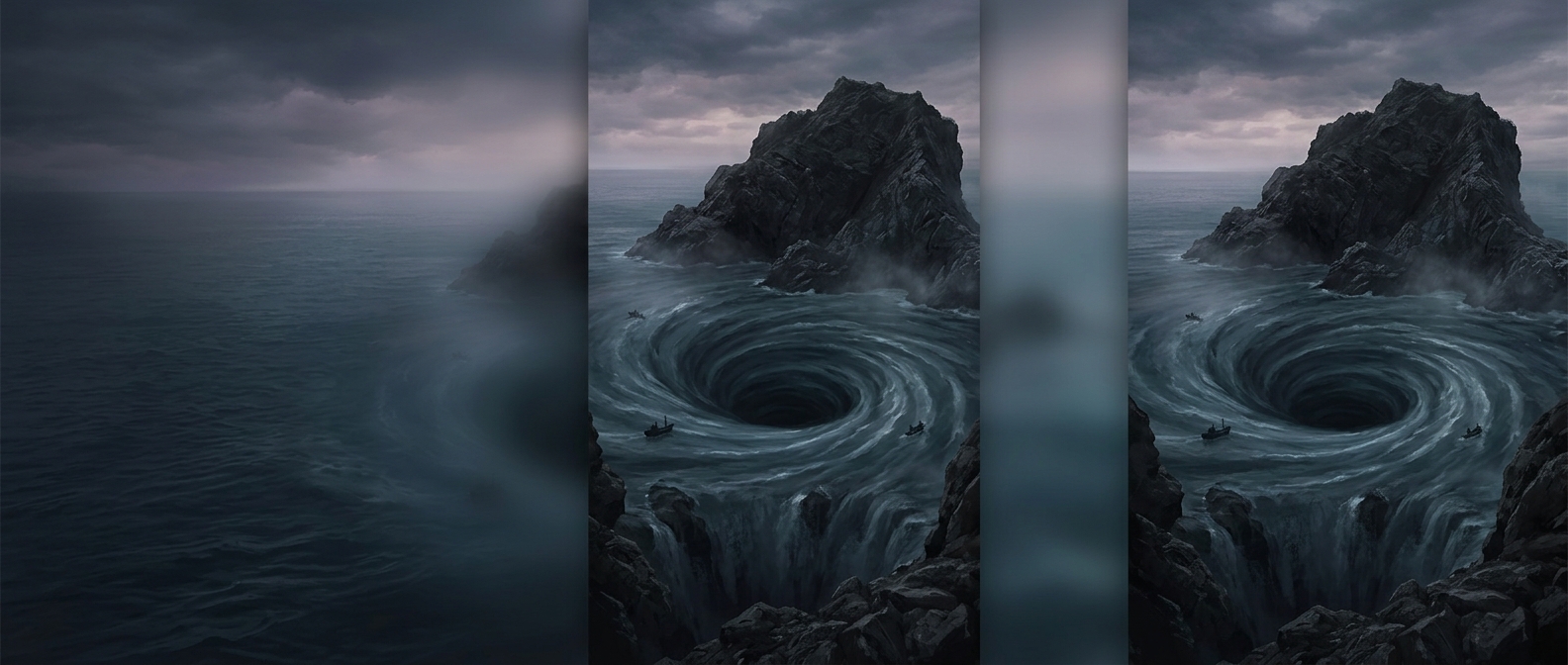
Oregon’s Thor’s Well swallows the incoming tide
Water surges through the rocky opening as the tide comes in, creating the illusion of a bottomless drain. Getting too close can be dangerous.
Discover more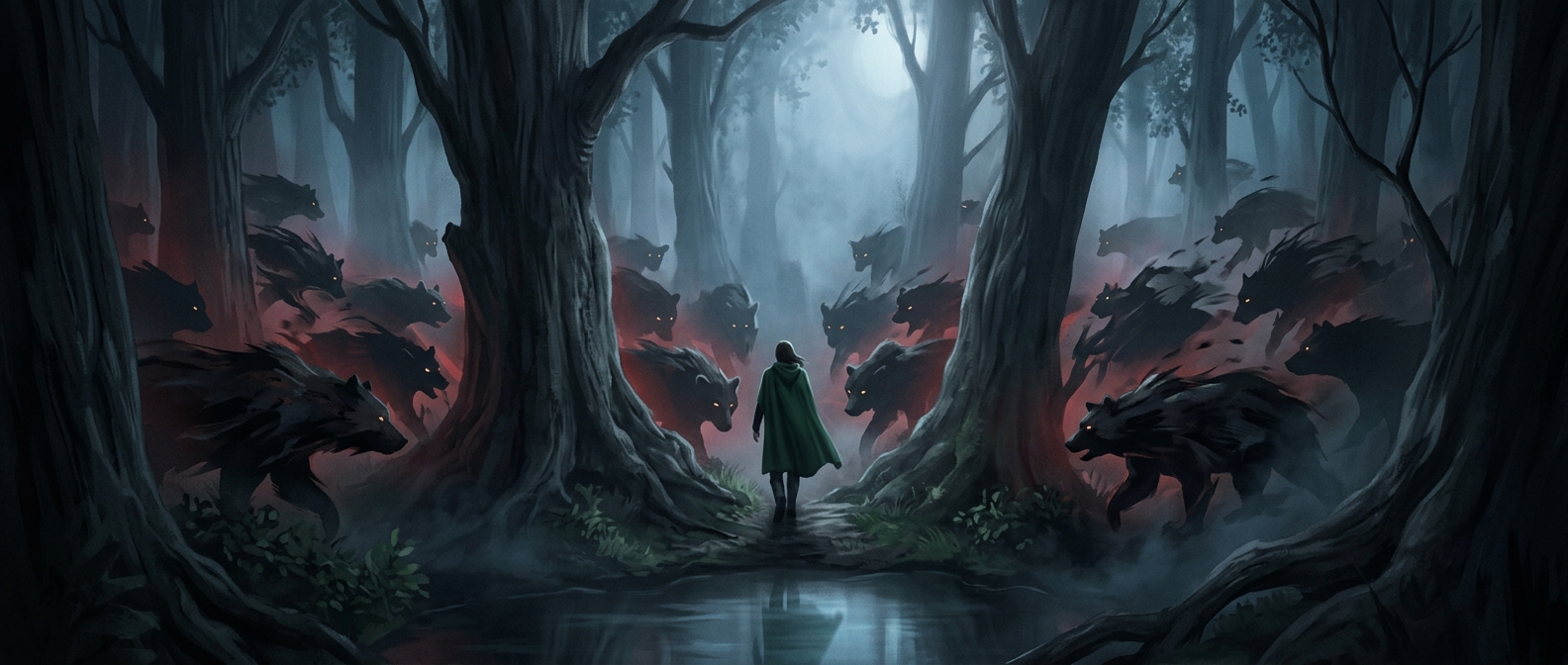
Romania has Europe's densest brown-bear population
Romania has Europe’s densest brown-bear population, so hikes through its forests can take you into bear country.
Discover more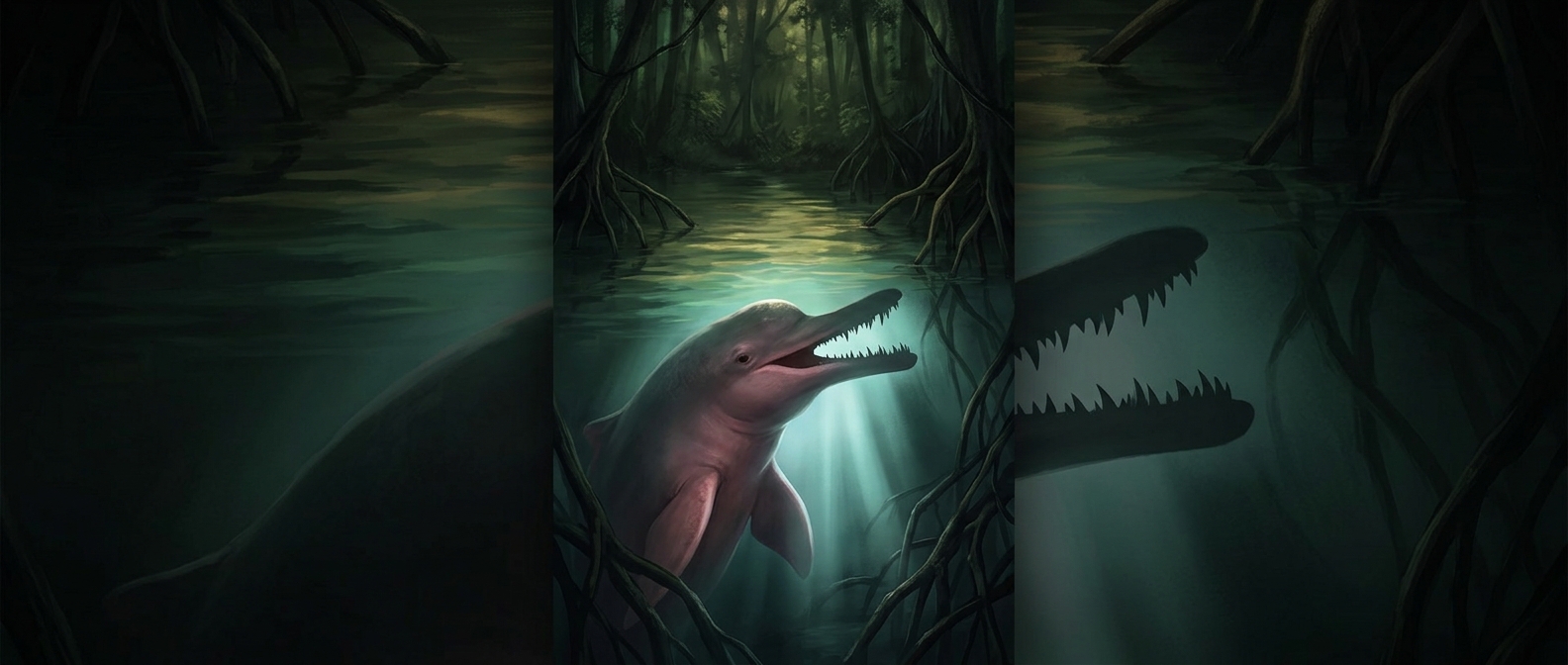
This dolphin has teeth for grabbing—and crushing
The Amazon river dolphin has pointed front teeth for catching prey and broader, ridged teeth farther back. Researchers link those rear teeth to tackling…
Discover more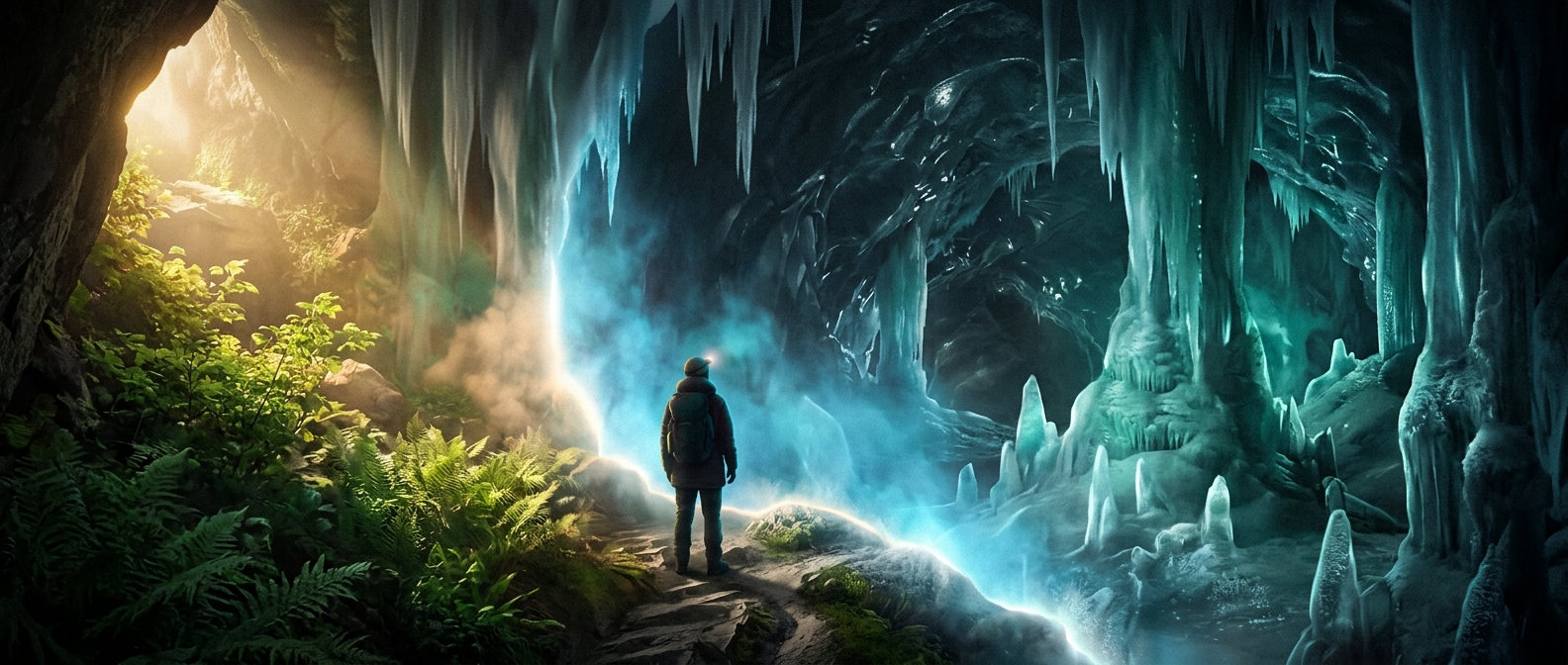
An Austrian cave stores winter's cold for the thaw
Eisriesenwelt cools during winter, leaving rock and ice cold enough to freeze incoming meltwater in spring and early summer. Its ice formations grow from…
Discover more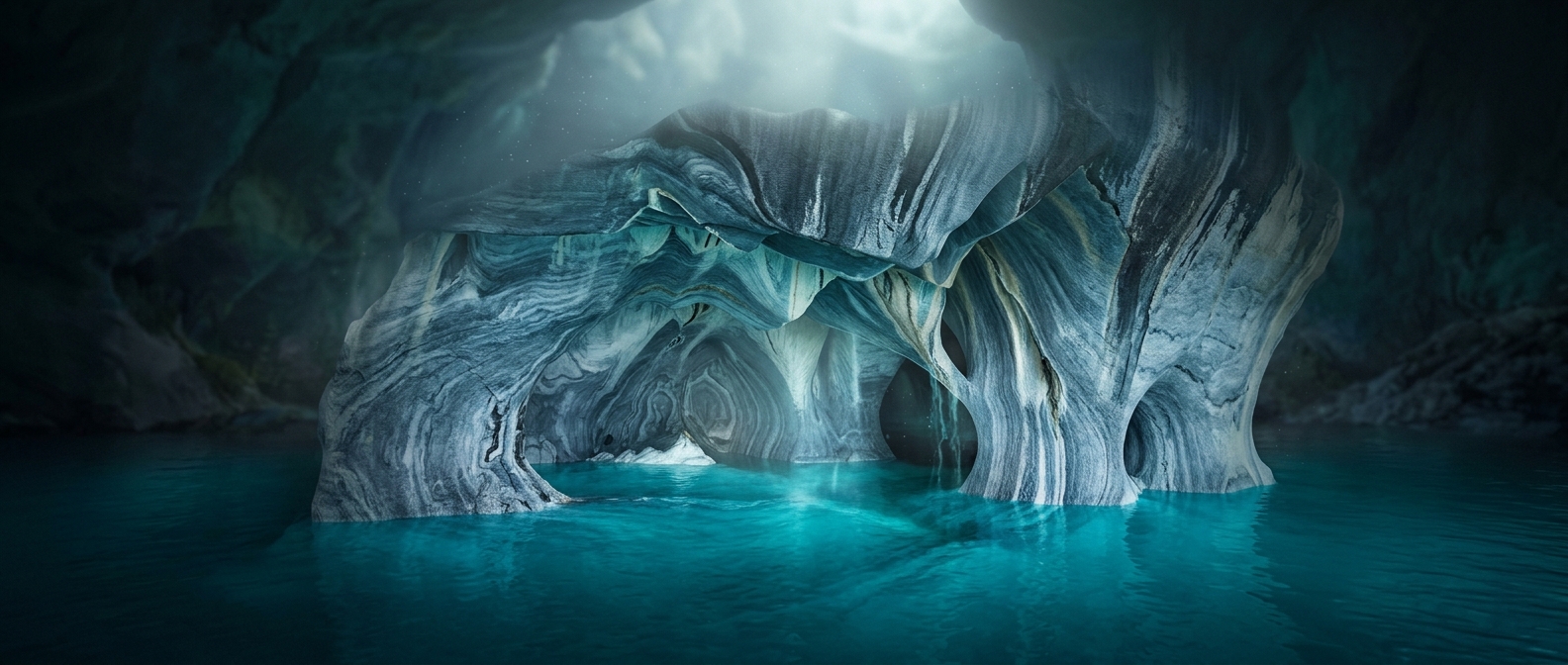
Chilean marble caverns dissolve in turquoise lakes
Water erosion carved the marble into caves and pillars, which reflect the vivid turquoise water below.
Discover more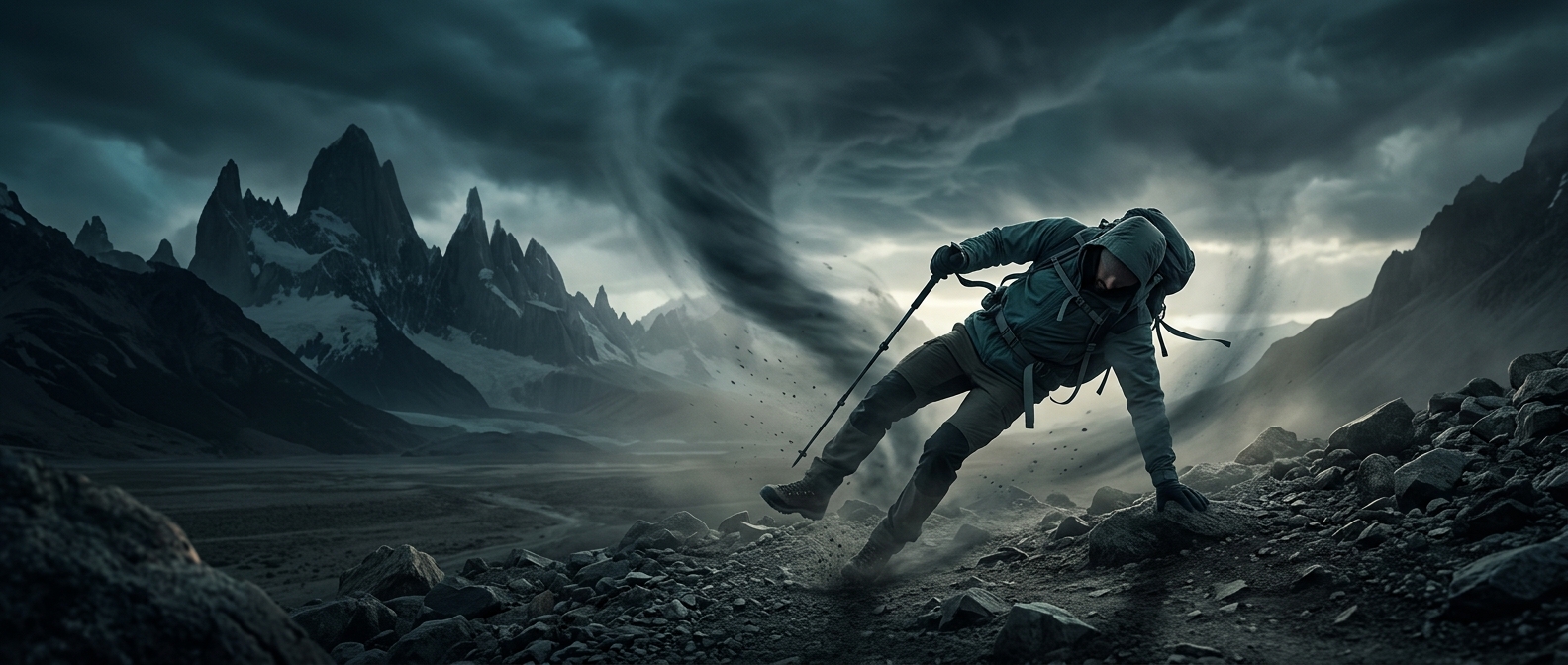
Winds in Patagonia can knock adults off their feet
Gales funneled through Patagonia’s southern mountains can knock adults off their feet and rip doors from hinges, making tents difficult to pitch.
Discover more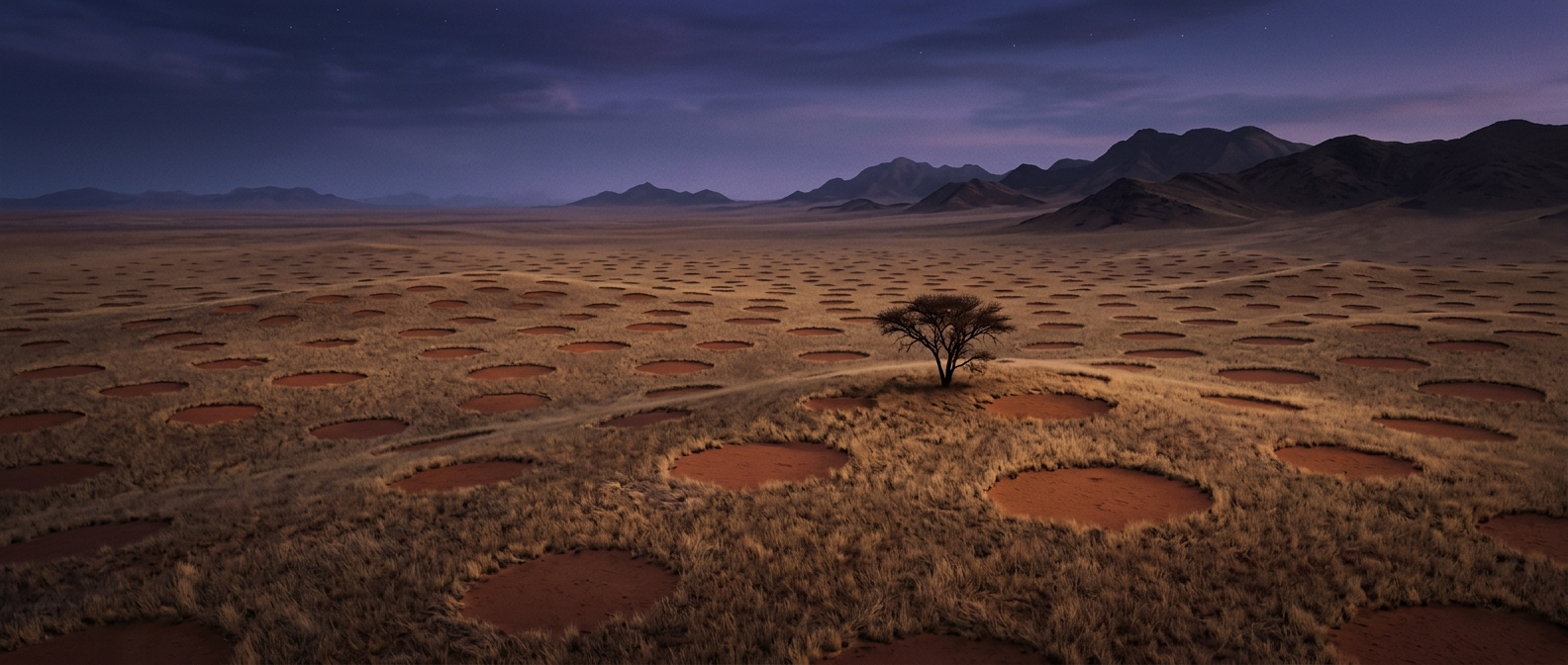
Namibia's fairy circles turn missing grass into a repeating pattern
Bare circles sit among grasslands, often with taller growth around their edges. Researchers test explanations involving water competition and termites, with…
Discover more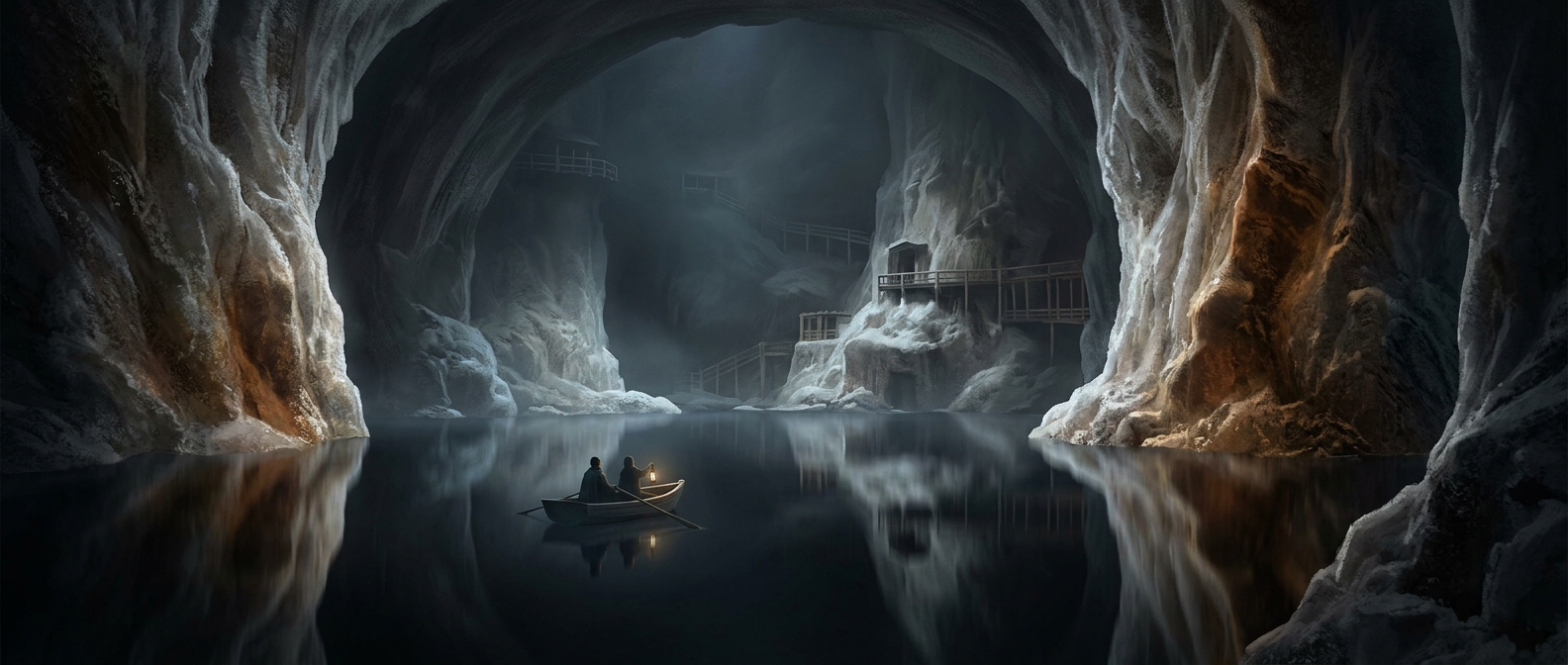
Romania put a lake inside a chamber carved out for salt
At Salina Turda, miners left a bell-shaped chamber roughly 90 meters high and 75 meters across. Water now covers about 80 percent of its floor, surrounding an…
Discover more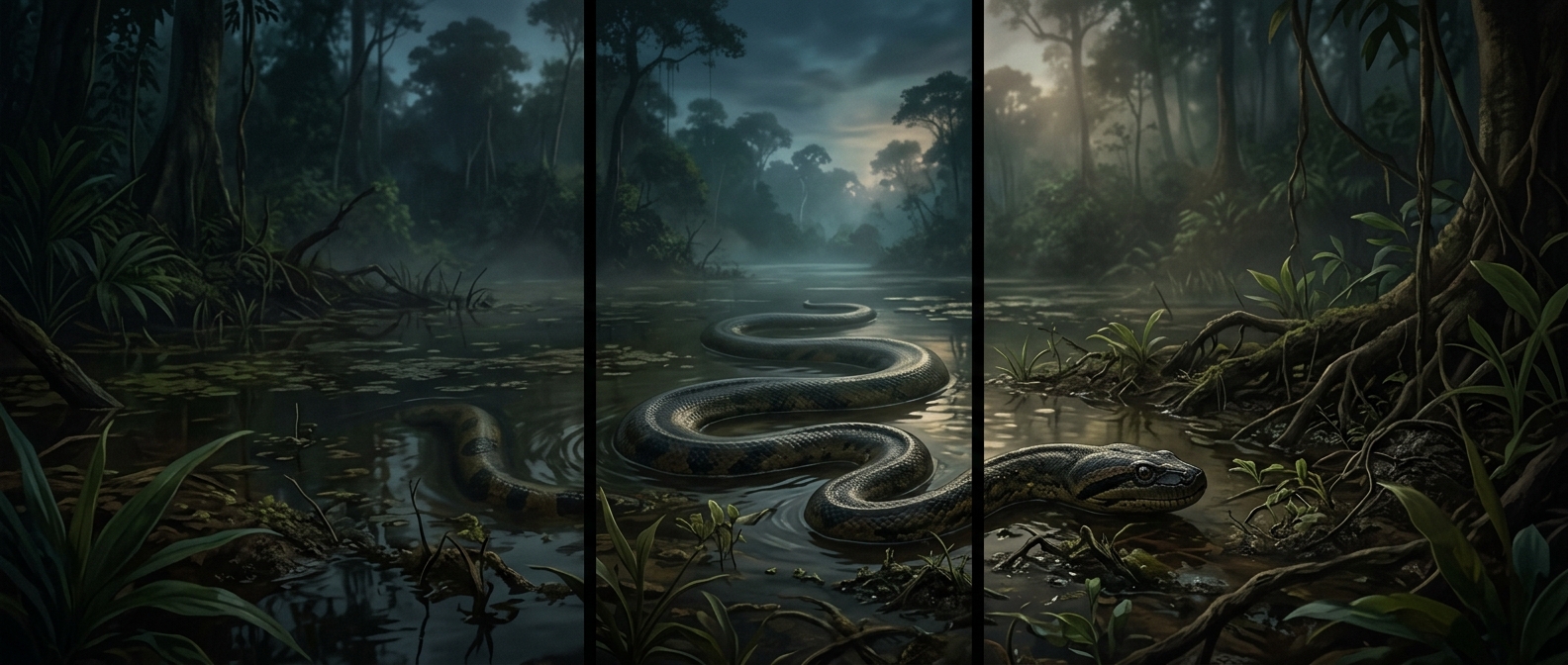
Why muddy shallows are dangerous around anacondas
Anacondas can hide in cloudy shallows and ambush animals coming to drink, using their powerful coils to seize them.
Discover more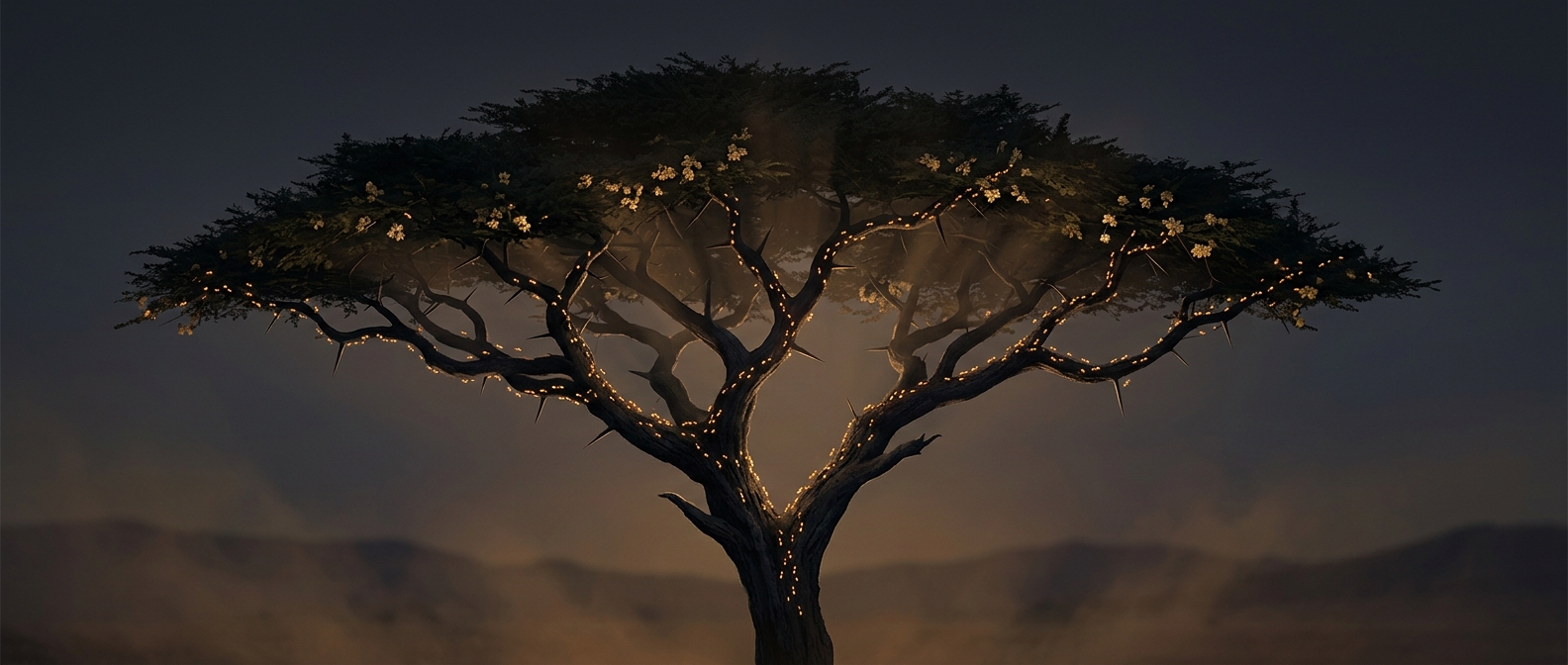
How acacia trees hire ants as bodyguards
In return, the ants get hollow thorns to nest in and sugary nectar to eat. They attack herbivores that try to feed on the leaves.
Discover more