Games
Discover facts about games. Small discoveries that change the way you see familiar things.
Games
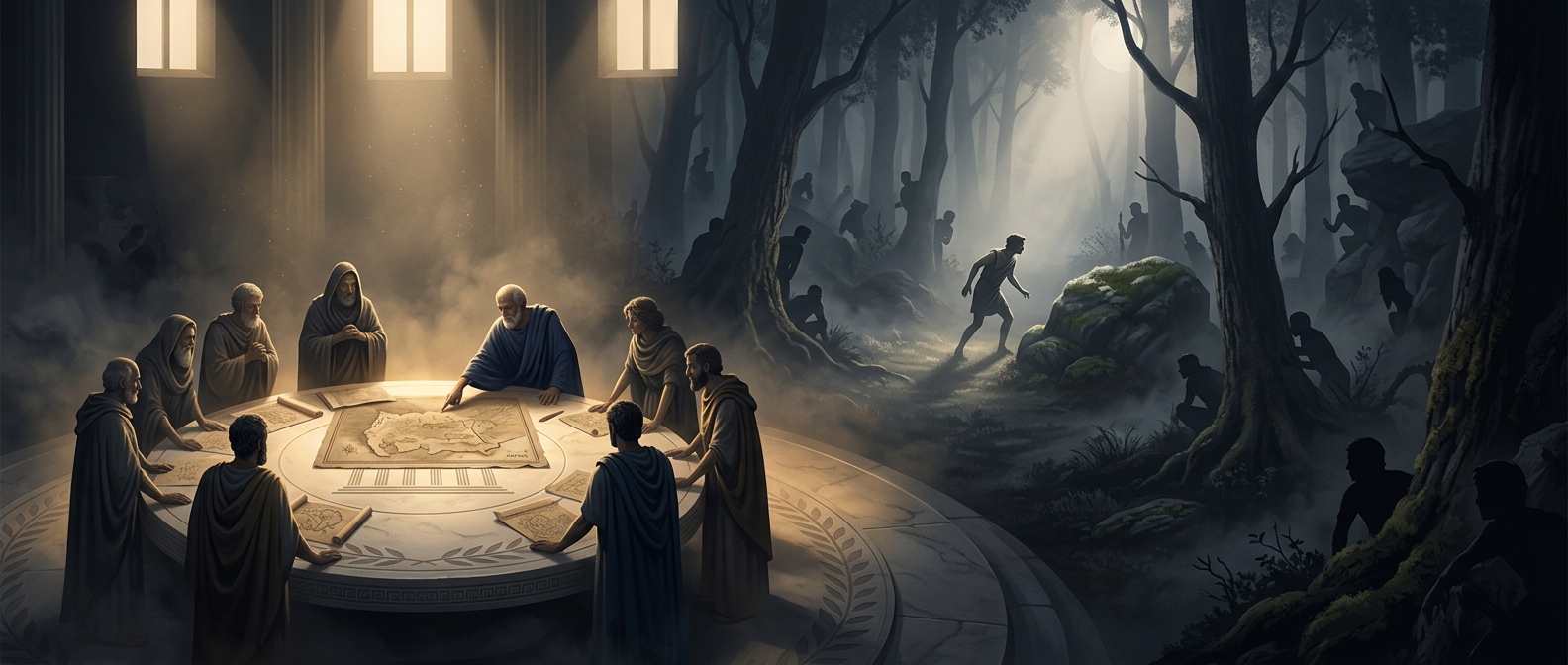
The Olympics once considered adding hide-and-seek
The proposal died because invisible competitors would have been a logistical nightmare to broadcast.
Discover more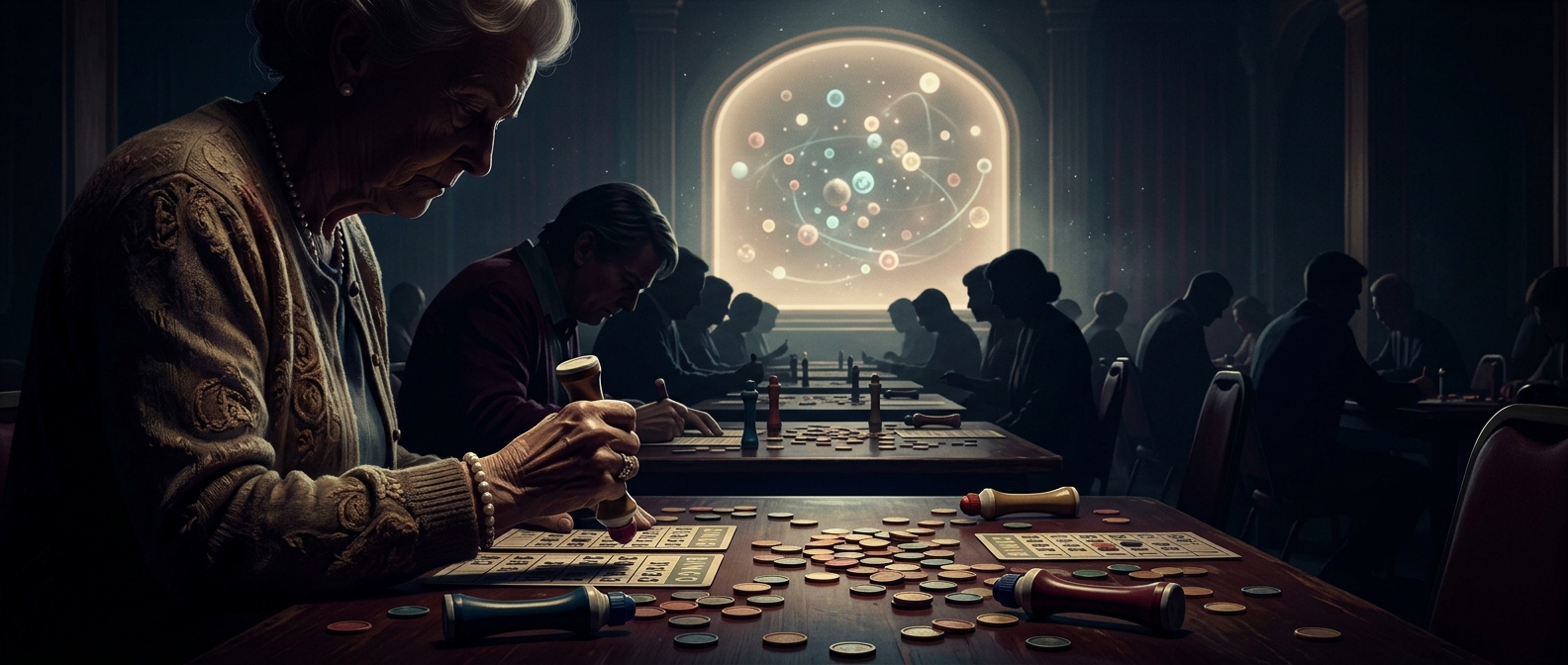
Bingo halls are no place for small talk
Players trying to hear the called numbers may sharply shush anyone who talks—or even coughs—during a game.
Discover more
Why poker players hide behind sunglasses
Dark lenses conceal where a player is looking and make the eyes harder for opponents to read. They do not turn pupil size into a reliable detector of a good…
Discover more
Chess stalemate turns a winning position into a draw
A stalemate occurs when a player has no legal move and their king isn’t in check, so even a winning position can end in a draw.
Discover more
Why Scrabble still has 1930s letter odds
The tile distribution reflects letter frequencies from the front page of a 1930s broadsheet, which can make some common modern words awkward to spell.
Discover more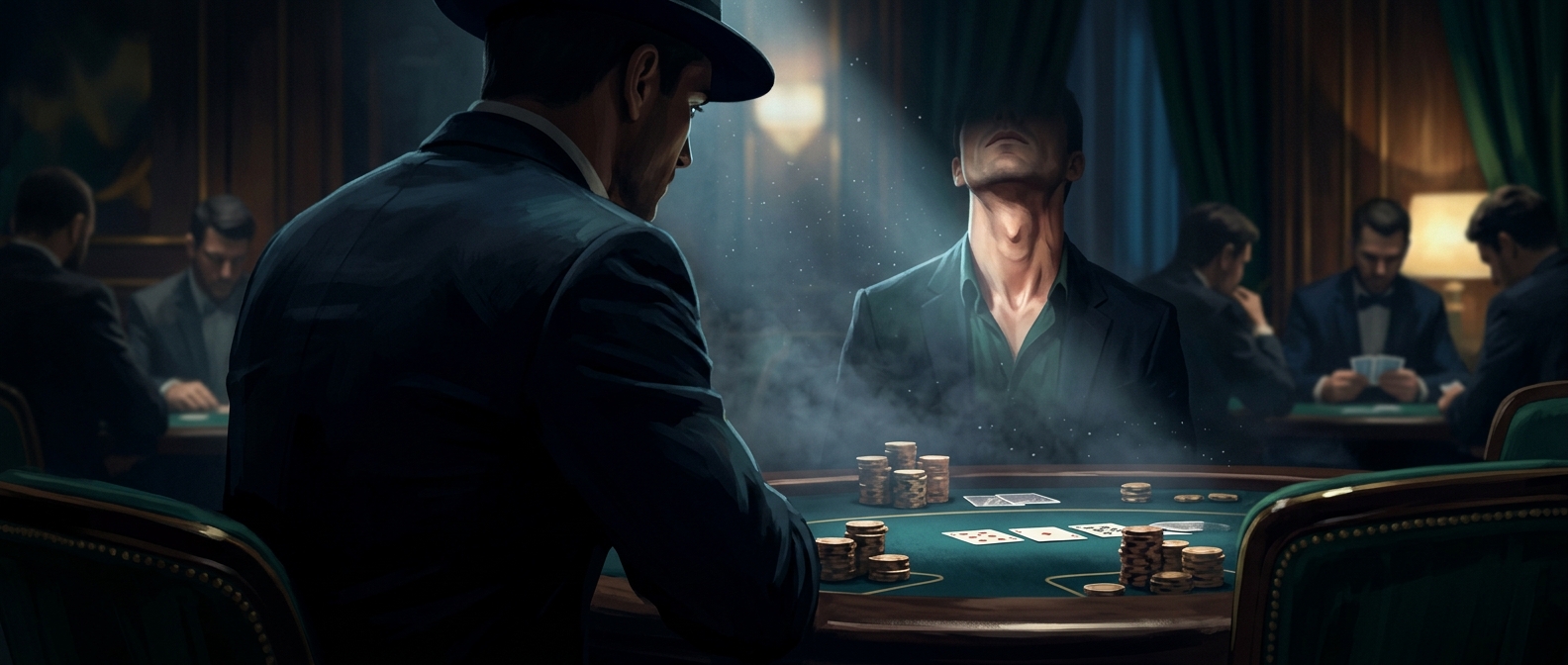
A poker face can be betrayed by the arms below it
In experiments using footage of professional players, observers judged hand strength from arm movements while chips were placed. Faces alone were less…
Discover more STACKY FOR IPHONE
A bigger world.
One discovery
at a time.
Keep discovering with Stacky. Interesting facts in an app that is always within reach.
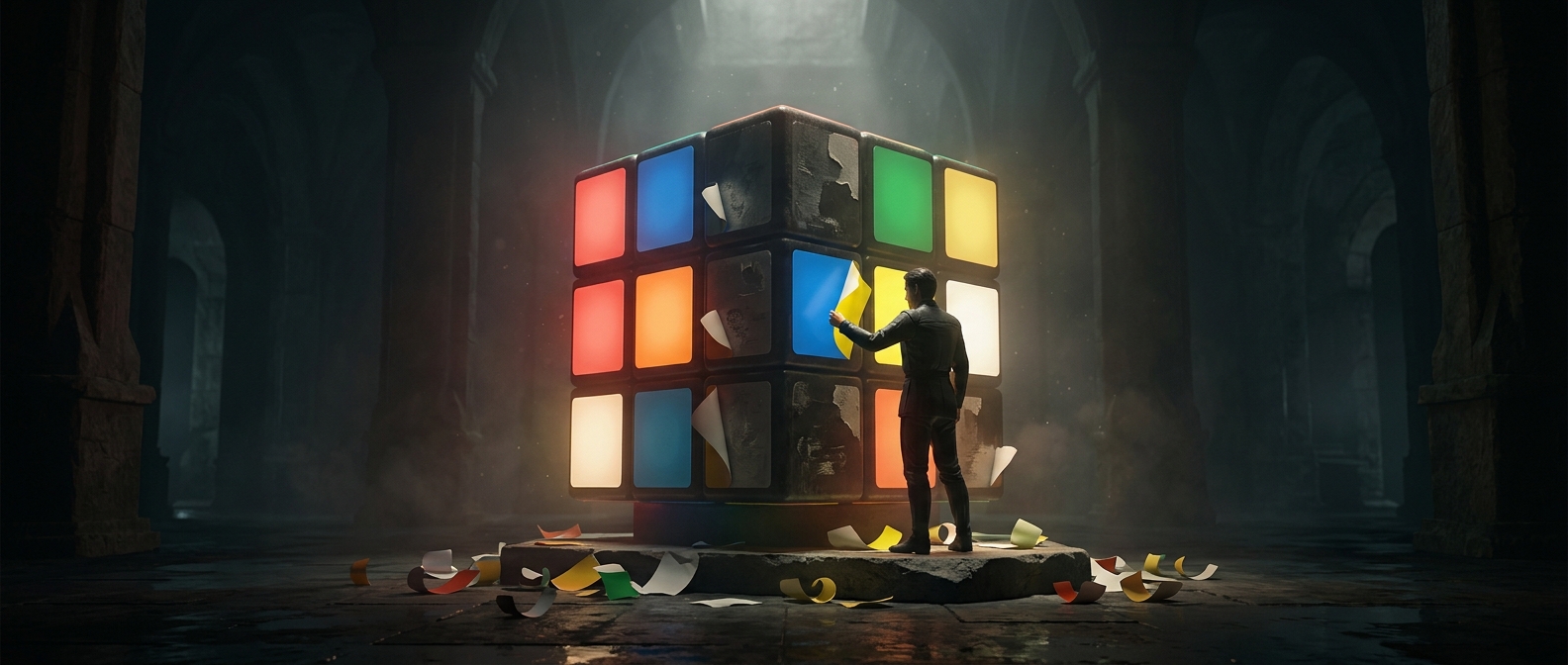
Peeling stickers off cubes is not solving
Rather than solve the cube by turning its segments, some frustrated kids peeled off the colored stickers and rearranged them to make it look solved.
Discover more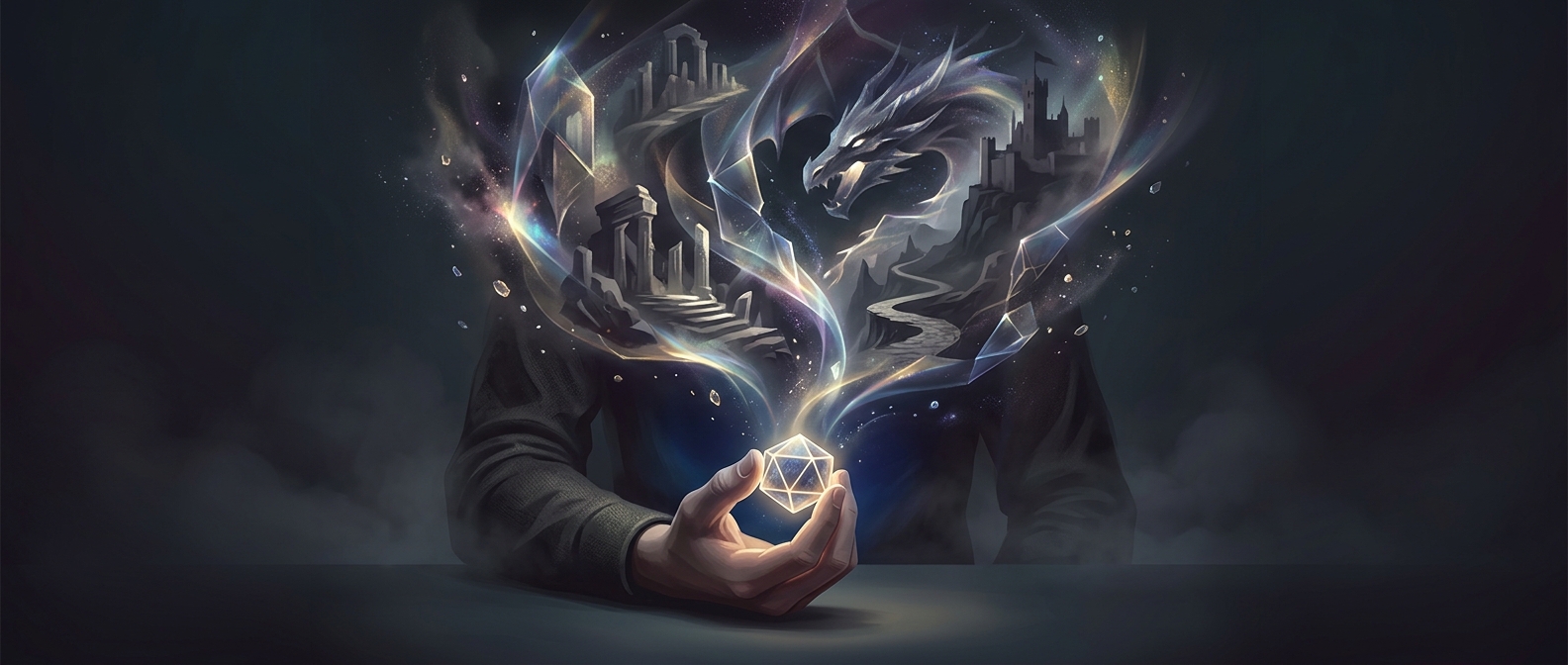
Roleplaying campaigns rely entirely on raw imagination
One player usually serves as the storyteller, describing dangers and settings; everyone else says what their character tries to do. The shared world exists in…
Discover more
Minigolf windmills block victory
A spinning windmill can turn a simple putt into a frustrating wait for an opening.
Discover more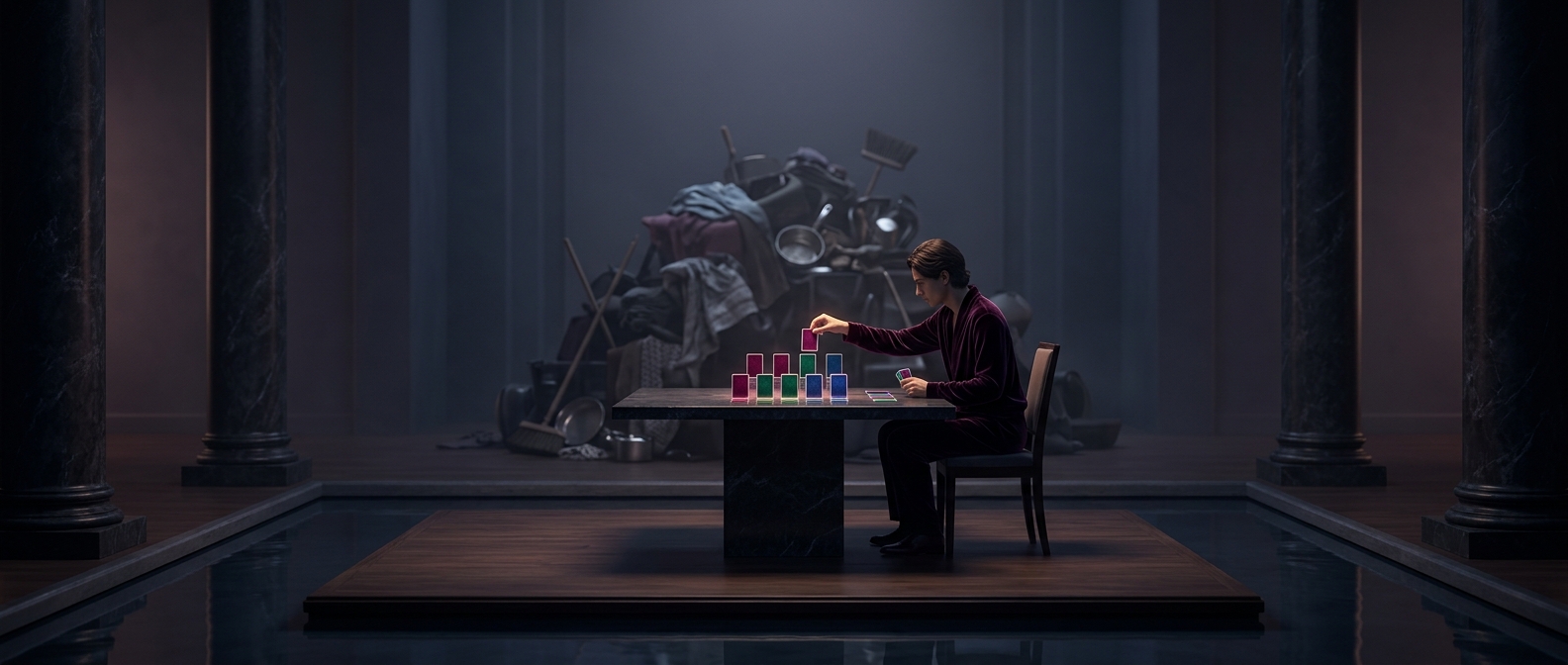
Stacking colored cards alone to avoid chores
Before the internet, it was a ready-made procrastination loop: keep moving red and black cards instead of tackling your to-do list.
Discover more
Why the last sliver of health lasts longer
The last sliver of a health bar can be secretly made tougher to drain, letting players survive dramatic encounters with almost no health.
Discover more
Checkpoints turn failure into information you can use
When a game sends you back to a recent checkpoint, the lost attempt still taught you where the enemy hides or when the trap fires. You retry with knowledge…
Discover more
Why video-game characters heal by hiding
In many modern shooters, health regenerates after you take cover, replacing the health packs used in earlier games.
Discover more
Defying downward forces by jumping twice
In many video games, a character can jump again in midair, as if kicking off empty space for a second boost.
Discover more
When board-game rules become courtroom arguments
A confusing translation can turn a friendly game into a rules dispute, with players even digging up obscure forum posts to defend a move.
Discover more
Smashing colorful plastic balls with a wooden stick on a massive green felt table
Chalk on a pool cue helps its tip grip the cue ball, reducing the chance of a miscue.
Discover more
A natural 20 can turn a D&D attack into a celebration
In Dungeons & Dragons, rolling 20 on the attack die scores a critical hit, letting you roll extra damage dice. One visible number produces an immediate turn…
Discover more
Why we build puzzles just to put them back in the box
The reward is a brief burst of triumph when the final piece clicks into place; soon after, the finished picture goes back in the box.
Discover more
Escape rooms turn a locked door into a team sport
The attraction is a staged problem with a deadline: clues become useful only when players notice how they connect. One person finds a number, another…
Discover more
A controller can drift without anyone touching the stick
Many analog sticks use a moving contact to measure position through electrical resistance. Wear or contamination can distort that signal, so the controller…
Discover more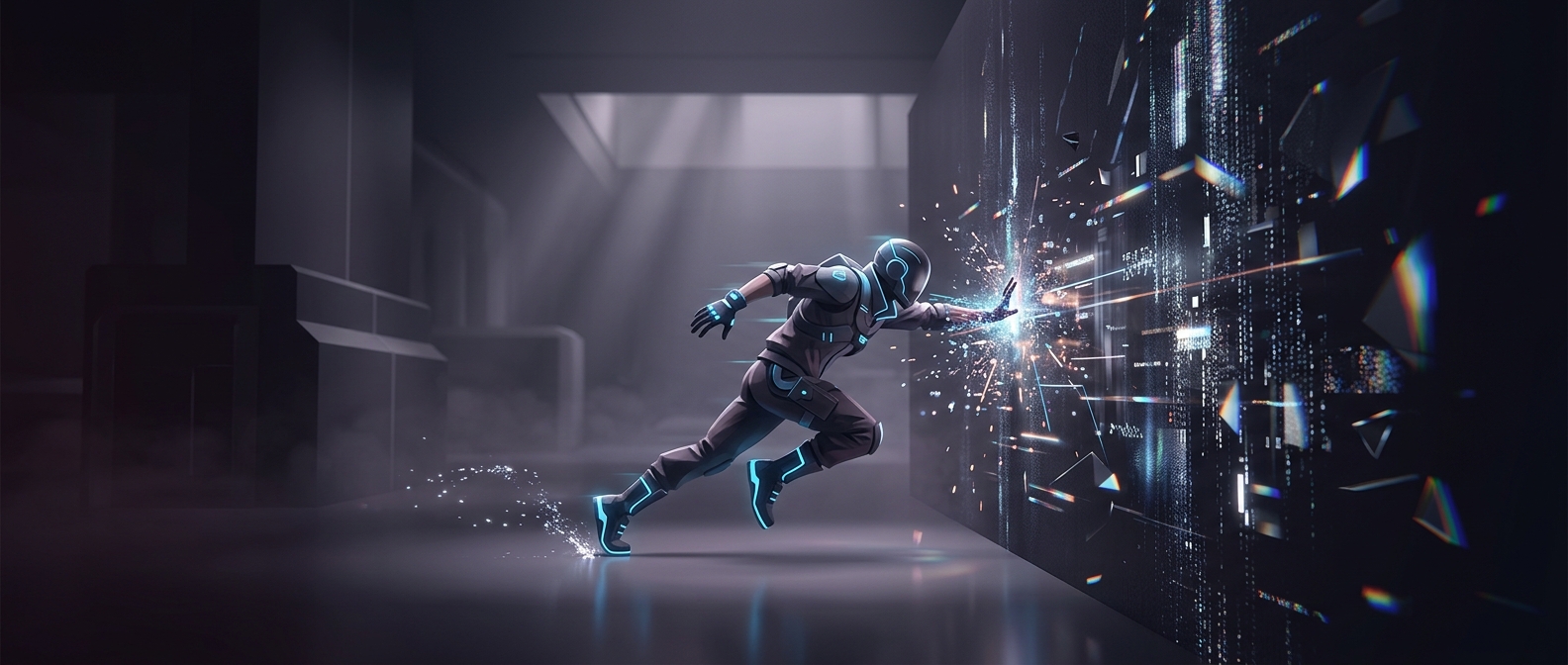
Why speedrunners deliberately break through walls
Speedrunners can force an avatar into a corner until it clips through the map, breaking the game’s intended boundaries. It’s a shortcut achieved through…
Discover more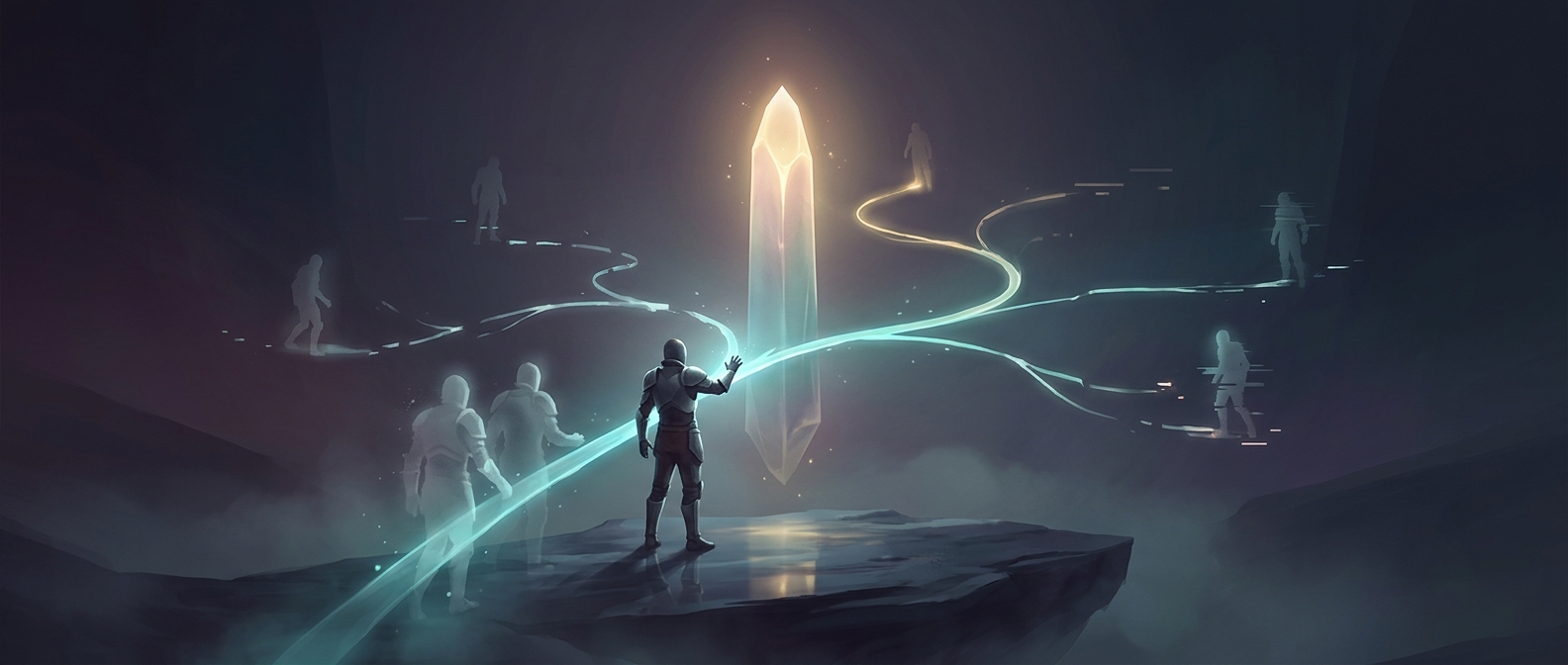
Why gamers reload after every bad decision
Reloading lets players erase the consequences of a choice and try again until they get the outcome they want—even in low-stakes conversations with game…
Discover more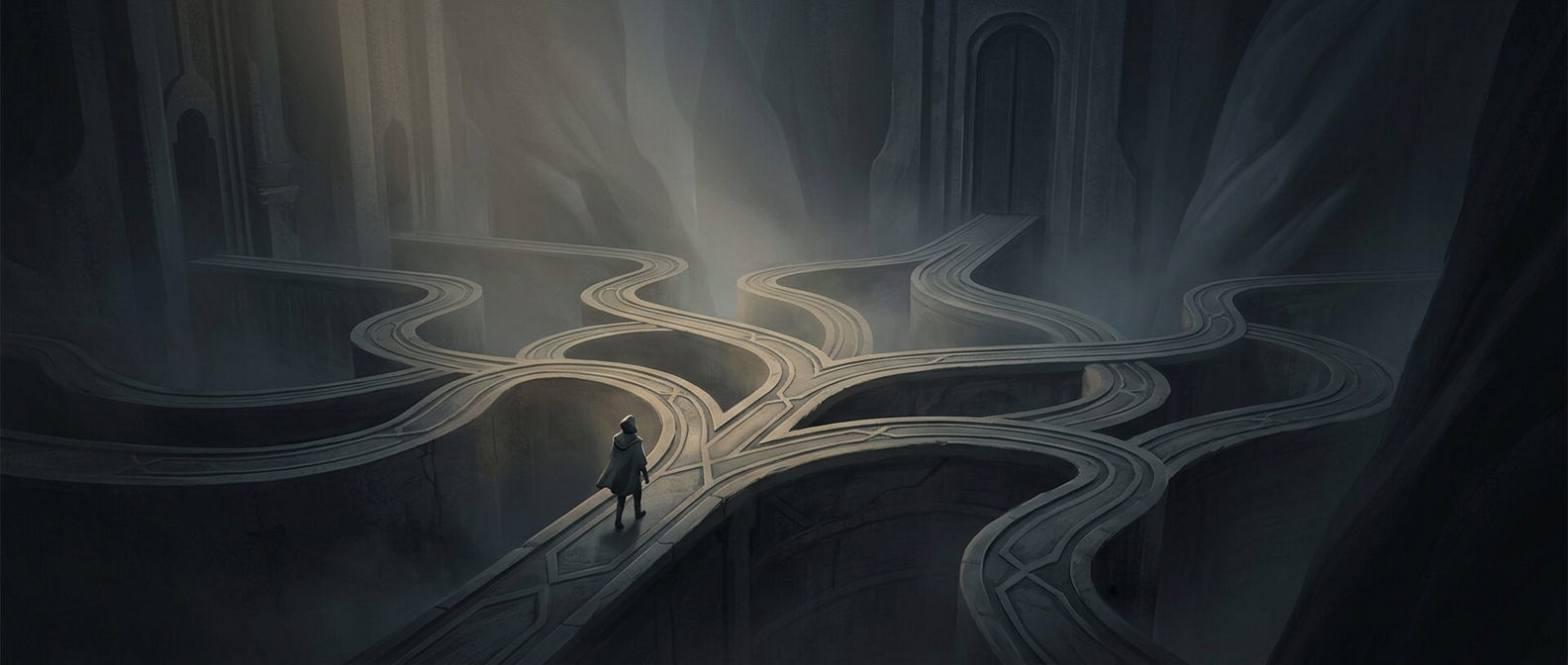
When every dialogue choice leads to the same ending
Some games let dialogue choices change the tone of a conversation but still funnel every path toward the same predetermined ending.
Discover more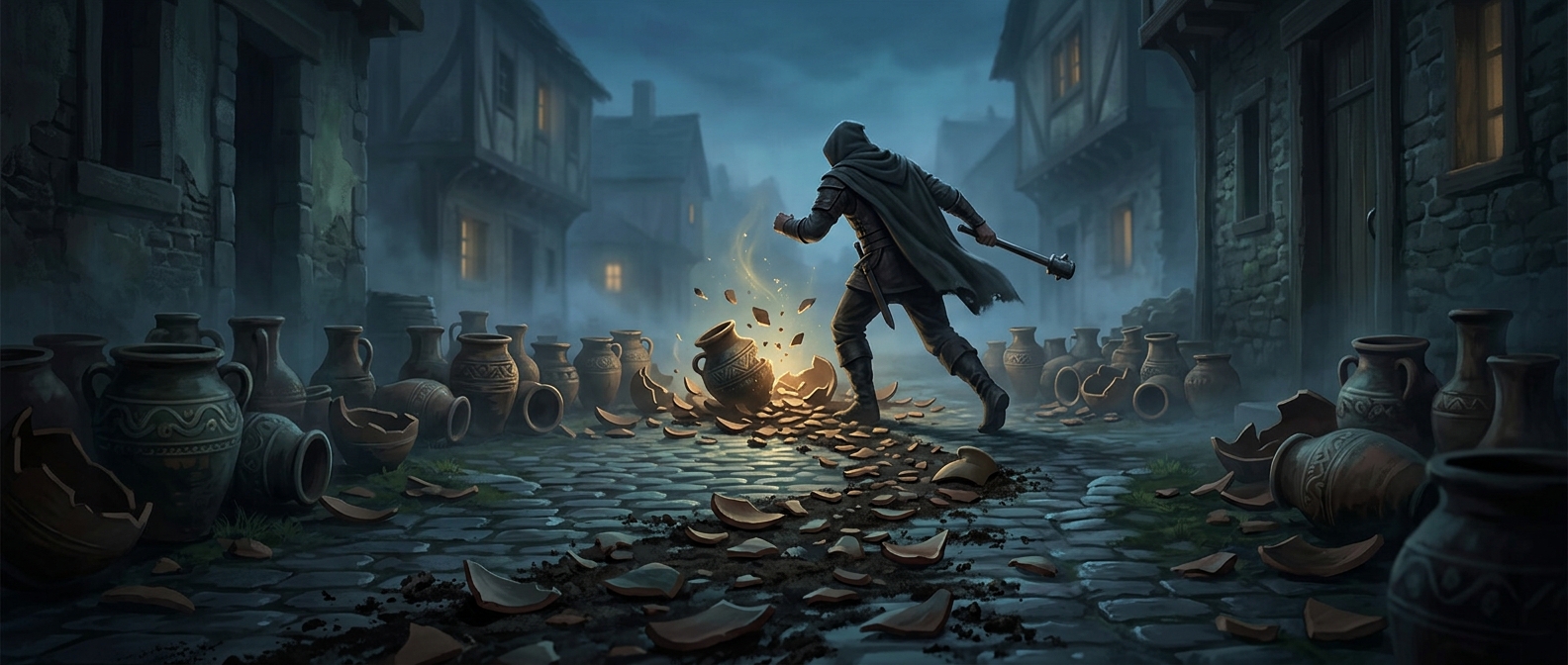
Why video games teach us to smash every pot
Games often hide small rewards in breakable pots, teaching players to smash every container just in case.
Discover more