Culture & entertainment
Discover facts about culture & entertainment. Small discoveries that change the way you see familiar things.
Culture & entertainment
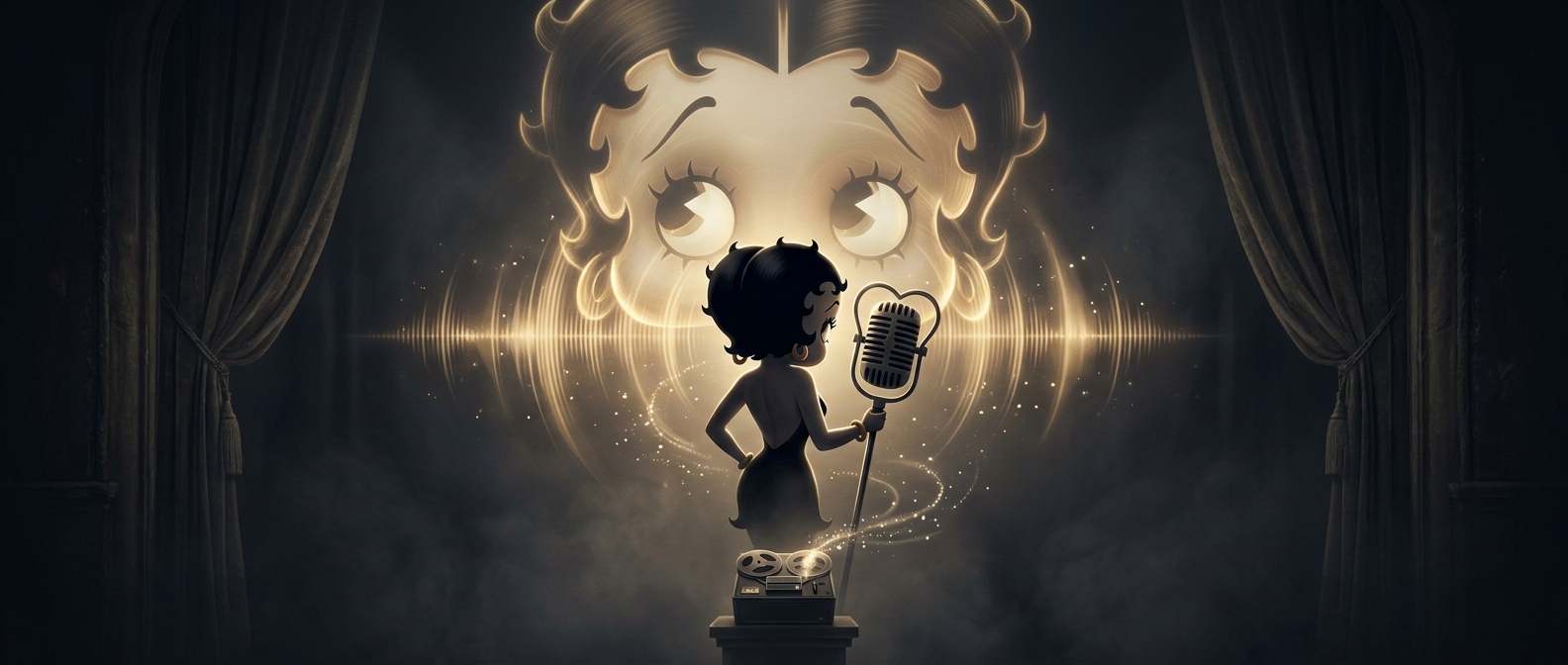
Original Betty Boop returned fifty years later
Mae Questel first voiced Betty Boop in 1931. At 79, she returned for a cameo in *Who Framed Roger Rabbit* (1988), delivering the same squeaky voice.
Discover more
A studio faked a star's death for publicity
Because actors were often kept anonymous to limit their bargaining power, Carl Laemmle promoted Florence Lawrence by inventing a report of her death, then…
Discover more
The Beatles’ TV debut coincided with a drop in US crime
The 1964 Ed Sullivan broadcast drew 73 million viewers, and major U.S. cities reported a dip in juvenile crime during the hour—though the timing alone doesn't…
Discover more
Agnes Varda birthed the modern video essay
She pioneered essay films by mixing personal reflection and philosophy with documentary footage, decades before video essays became an internet genre.
Discover more
Jack Chambers made a film by watching his backyard for a year
For Circle, he mounted a camera through a hole in his home's wall and recorded a few seconds each day. Changes in light, weather, and family life accumulate…
Discover more
Ken Burns makes a still photograph unfold like a scene
A slow pan can reveal one detail after another, while a zoom directs attention toward a face. Music, narration, and sound make those camera choices feel like…
Discover more STACKY FOR IPHONE
A bigger world.
One discovery
at a time.
Keep discovering with Stacky. Interesting facts in an app that is always within reach.
Movie footsteps became a performance of their own
Jack Foley helped add synchronized effects to Show Boat as cinema moved into sound. Watching the picture, performers supplied noises that matched what the…
Discover more
In 1969, a TV broadcast became an experimental art gallery
WGBH's The Medium Is the Medium presented work by six artists, including Nam June Paik and Allan Kaprow. Instead of using television only to show another art…
Discover more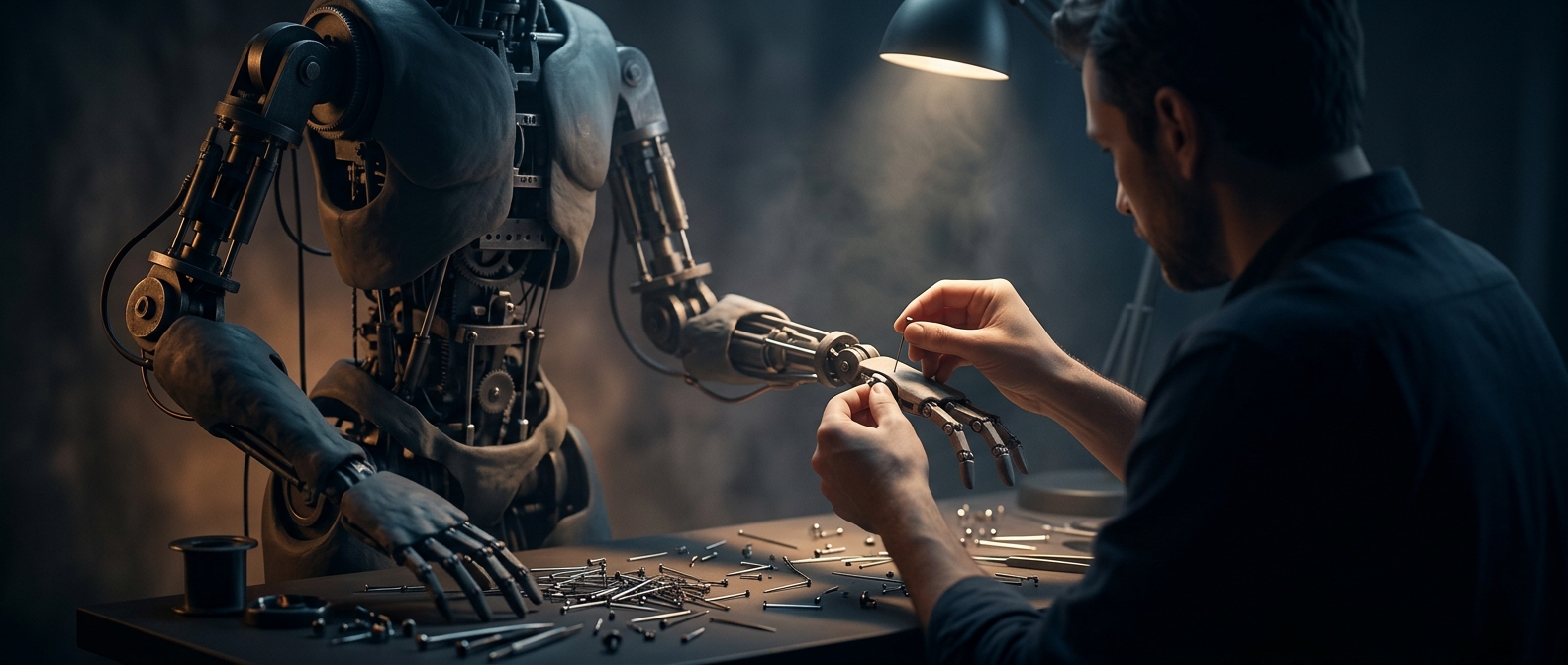
Pinscreen animation draws with shadows instead of ink
Artists push thousands of pins to different depths in a board and light them from the side. The shadows form an image that can be changed slightly for each…
Discover more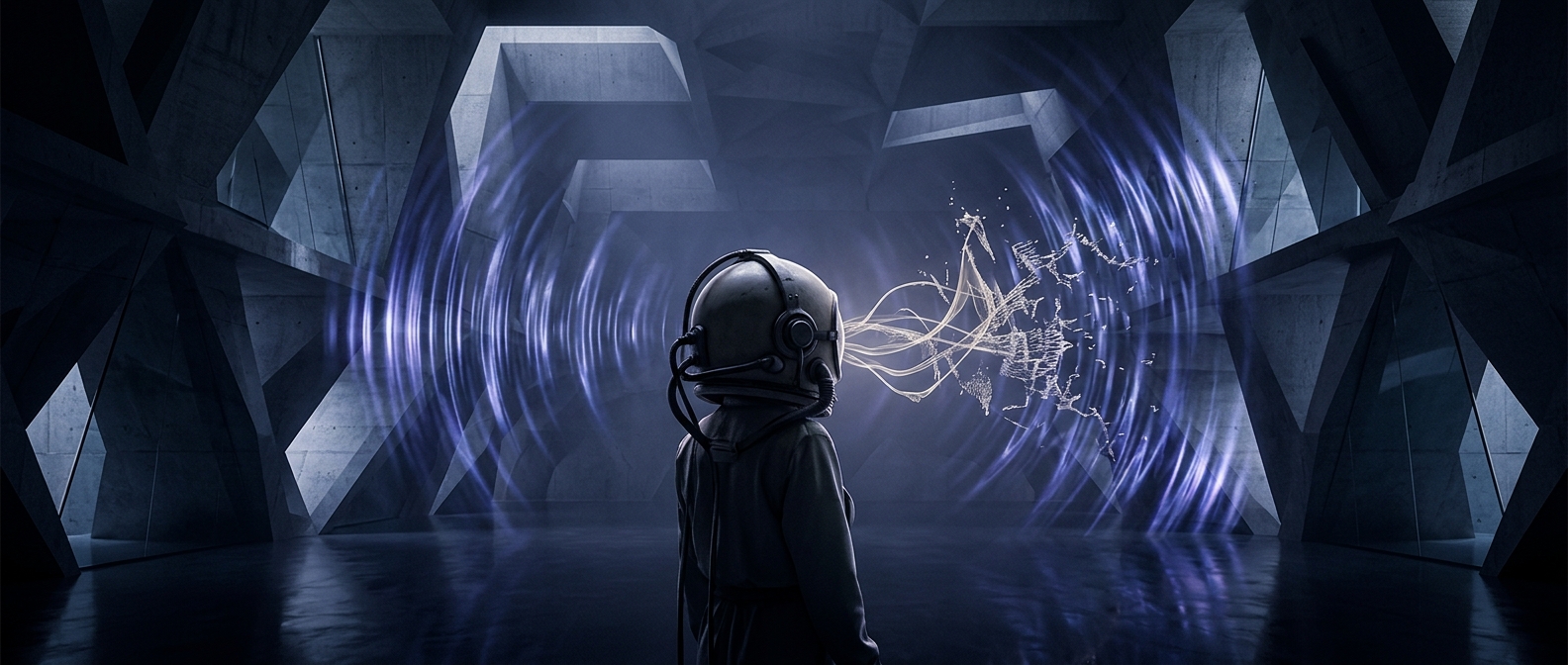
The artwork that makes a voice disappear
Alvin Lucier’s 1969 piece begins with him recording himself speaking, then repeatedly playing and rerecording that recording in the same room. The room’s…
Discover more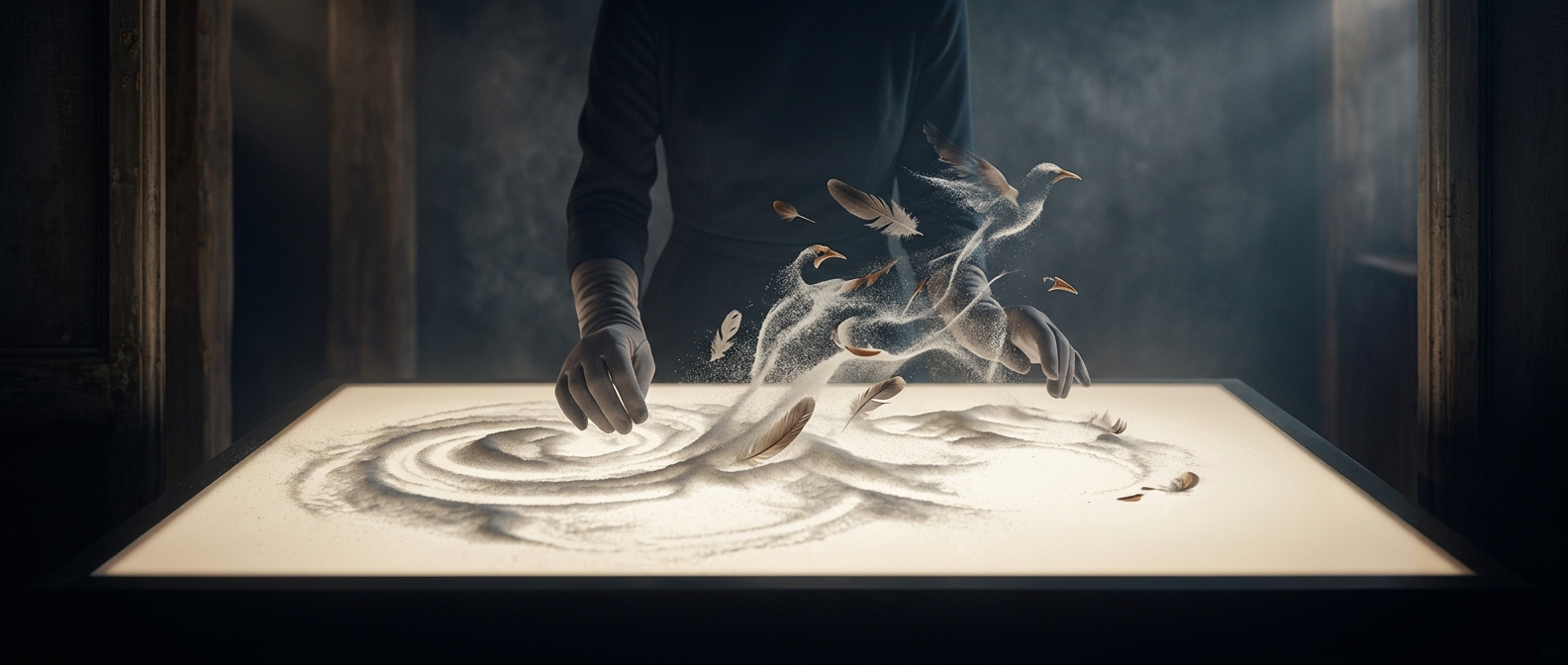
The animator who made films with salt and feathers
Aleksandra Korejwo made animations by moving dyed salt across a backlit glass plate with condor feathers. She had to photograph each frame before the salt…
Discover more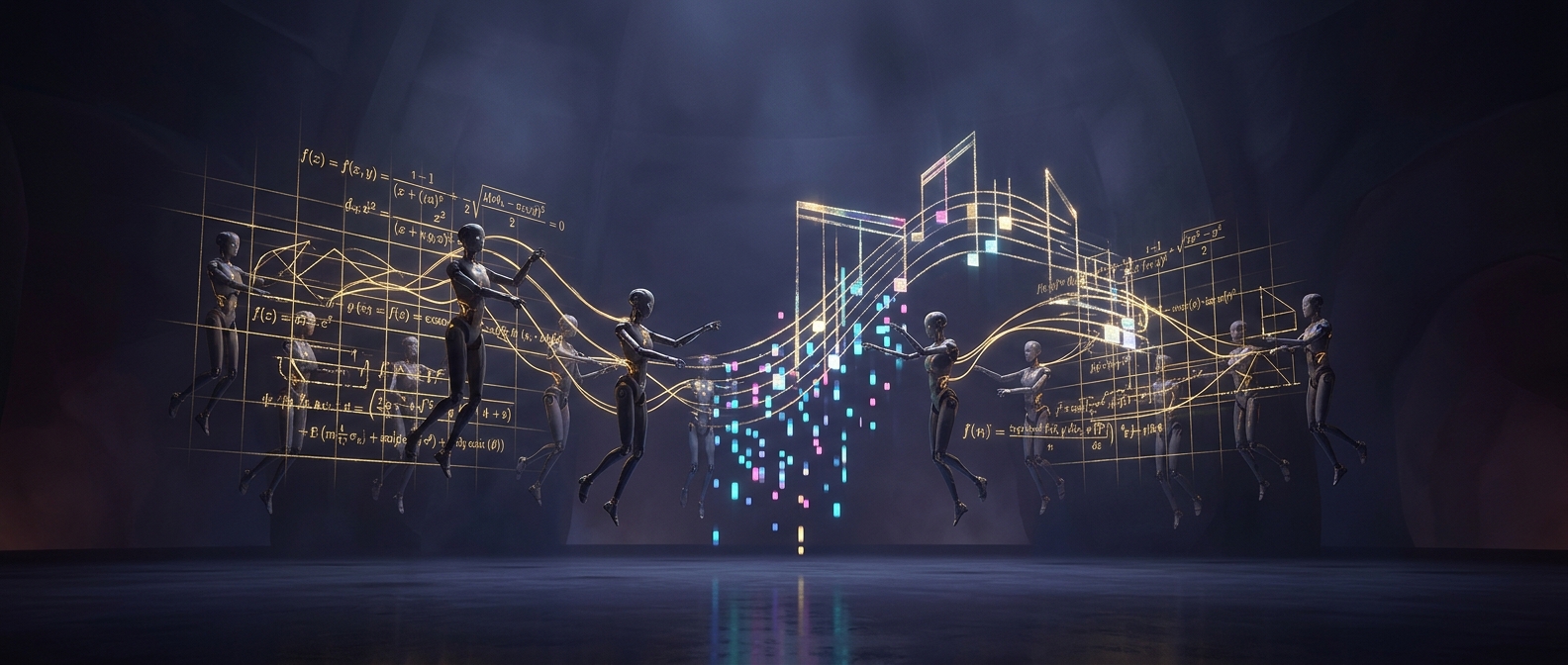
How math made virtual robots play MIDI music
Animusic used custom software to make MIDI data drive the physics of 3D objects, so each note triggered a matching movement—like a robot striking a xylophone.
Discover more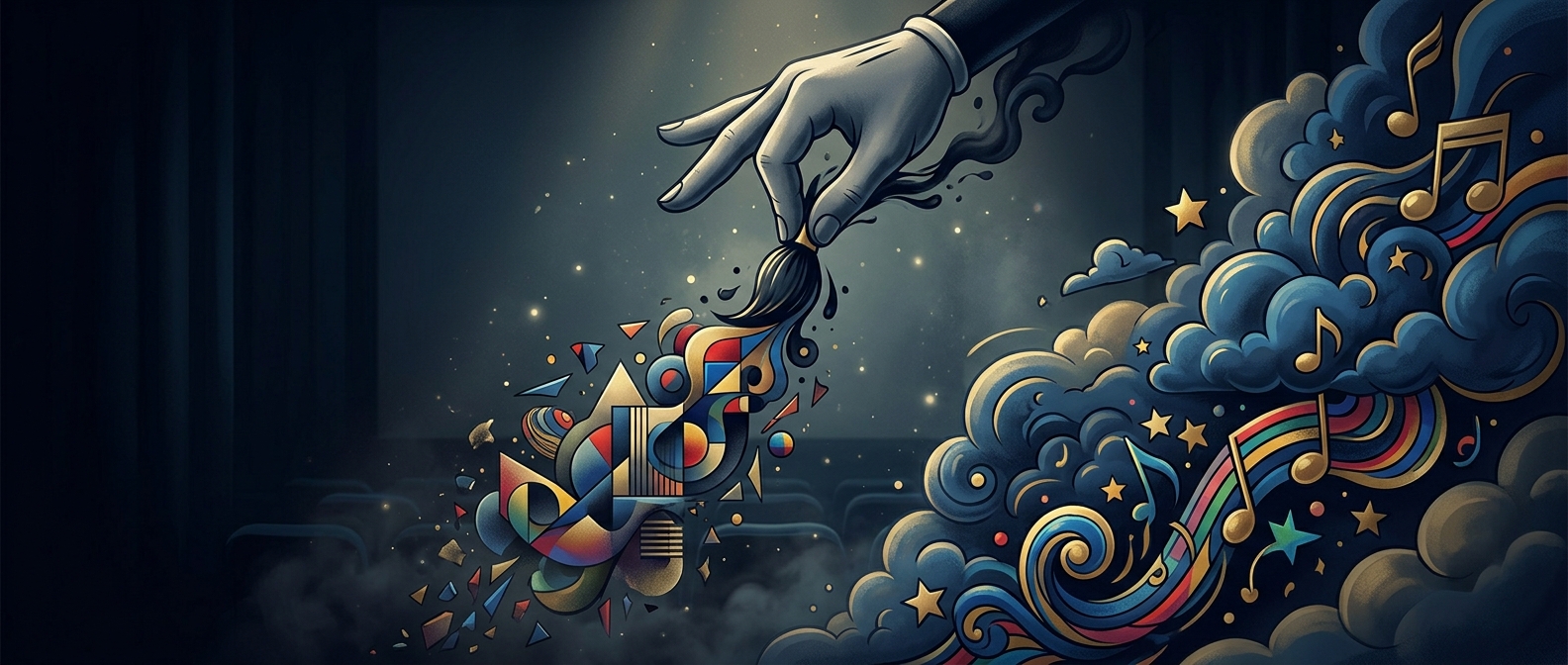
How Disney softened Oskar Fischinger’s wildest ideas
For Fantasia, Oskar Fischinger developed geometric animations to accompany Bach, but Disney’s team softened the abstract shapes into recognizable forms such…
Discover moreAgnès Varda turned film reels into houses
She turned 35mm prints from less successful films into walk-through “cinema shacks,” with light shining through the celluloid frames.
Discover moreSuper Mario Bros. 3 is staged like a theater show
Shigeru Miyamoto treated the game like a stage production: it opens with a rising red curtain, and platforms appear bolted to the backdrop with visible screws.
Discover more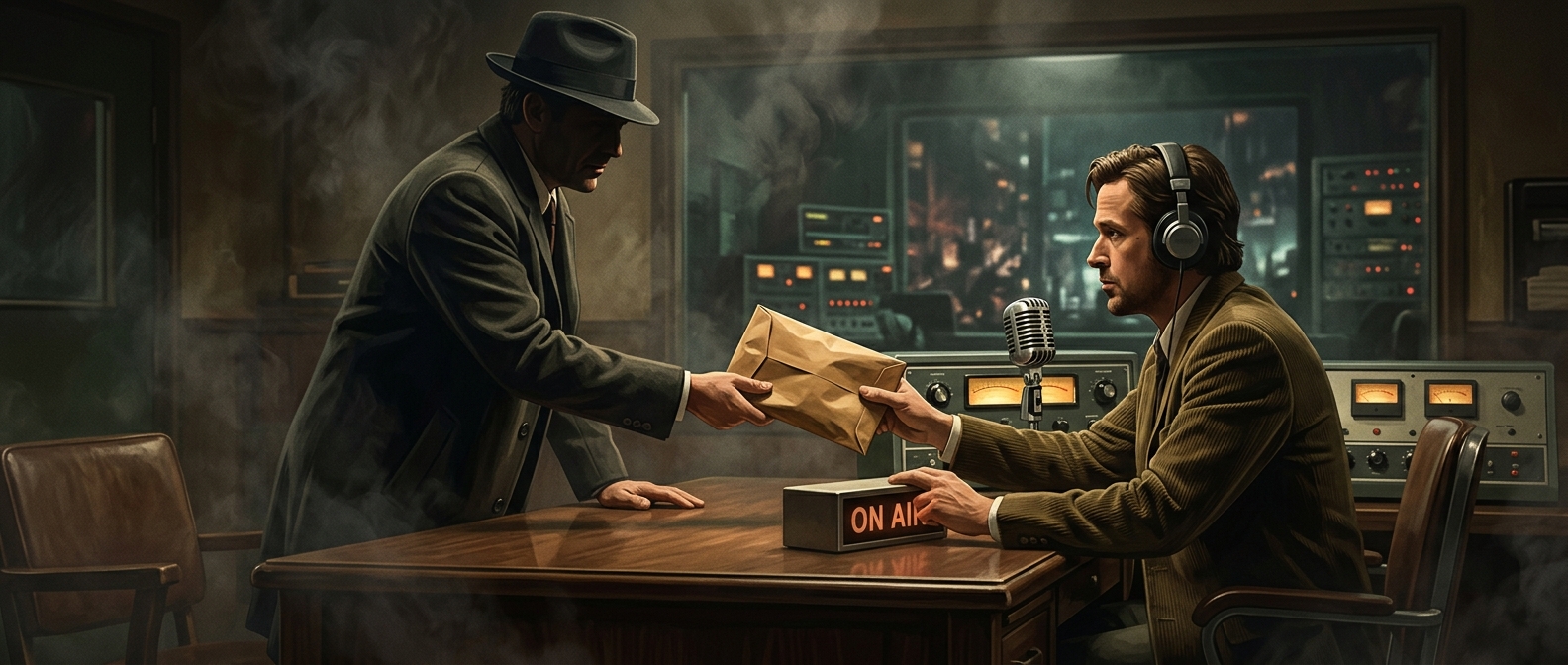
How record labels bought rock's radio time
In the late 1950s, labels paid DJs, offered writing credits, and even provided vacations to get specific singles played. Congress held televised hearings over…
Discover more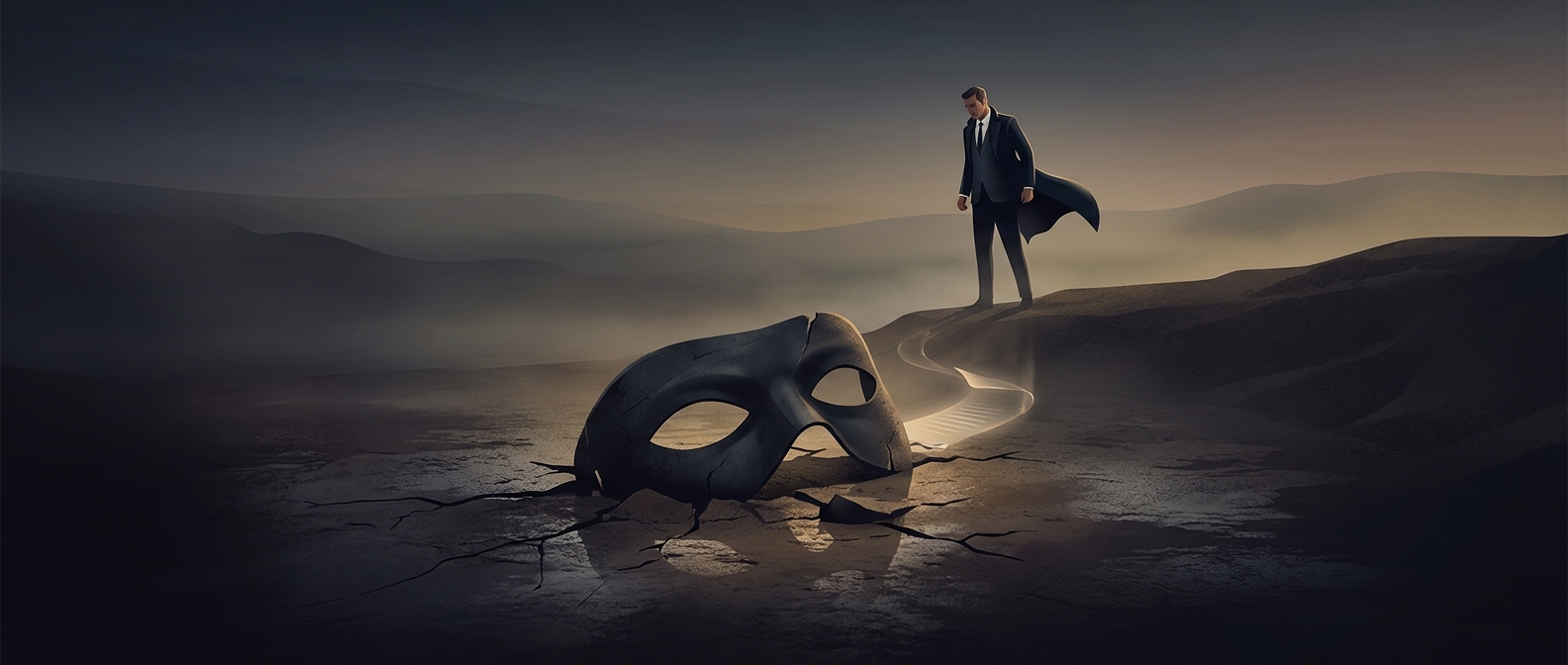
The Lone Ranger actor fought to keep his mask
When Jack Wrather bought the Lone Ranger rights and planned a 1981 reboot, he obtained a restraining order against Clayton Moore, who had played the character…
Discover more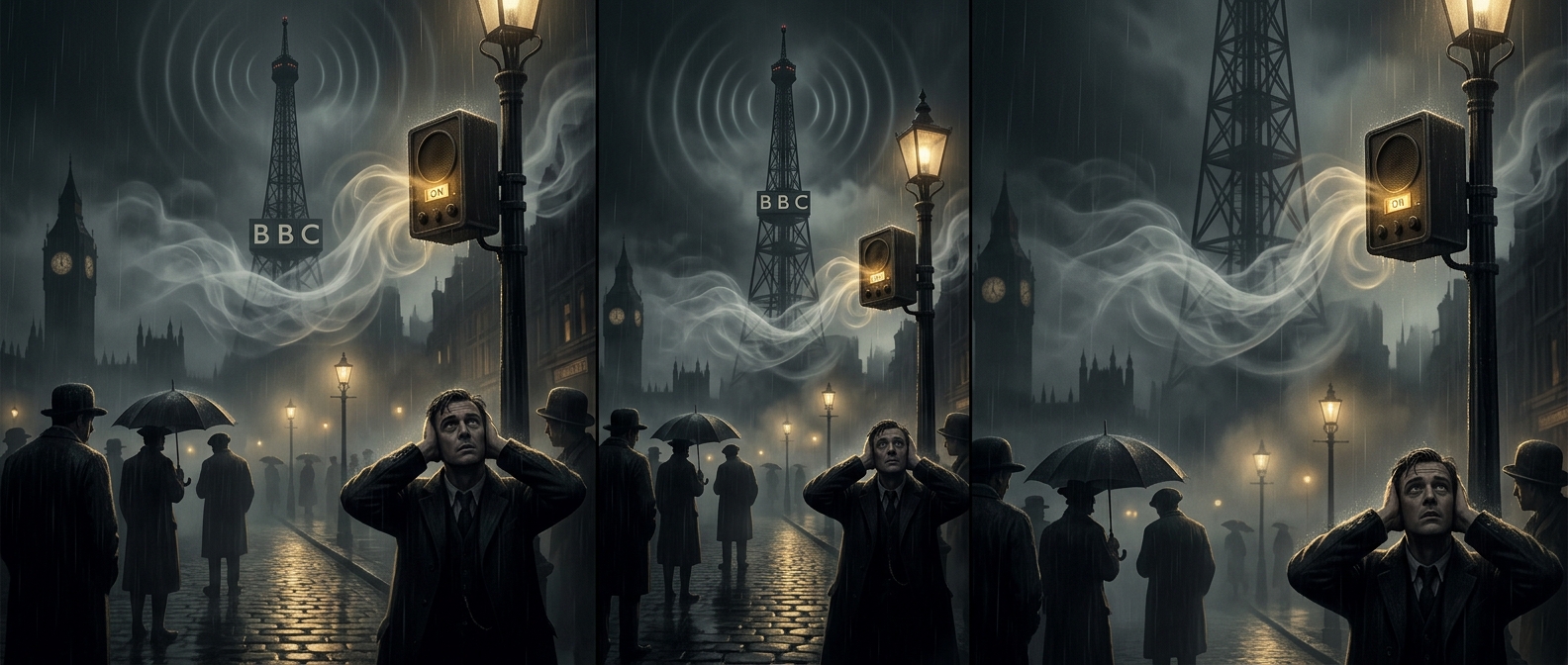
A Scottish TV party became a national New Year's ritual
The White Heather Club brought songs, dancing, and performers such as Andy Stewart into BBC viewers' homes. Its regular series ran from 1958 to 1968,…
Discover more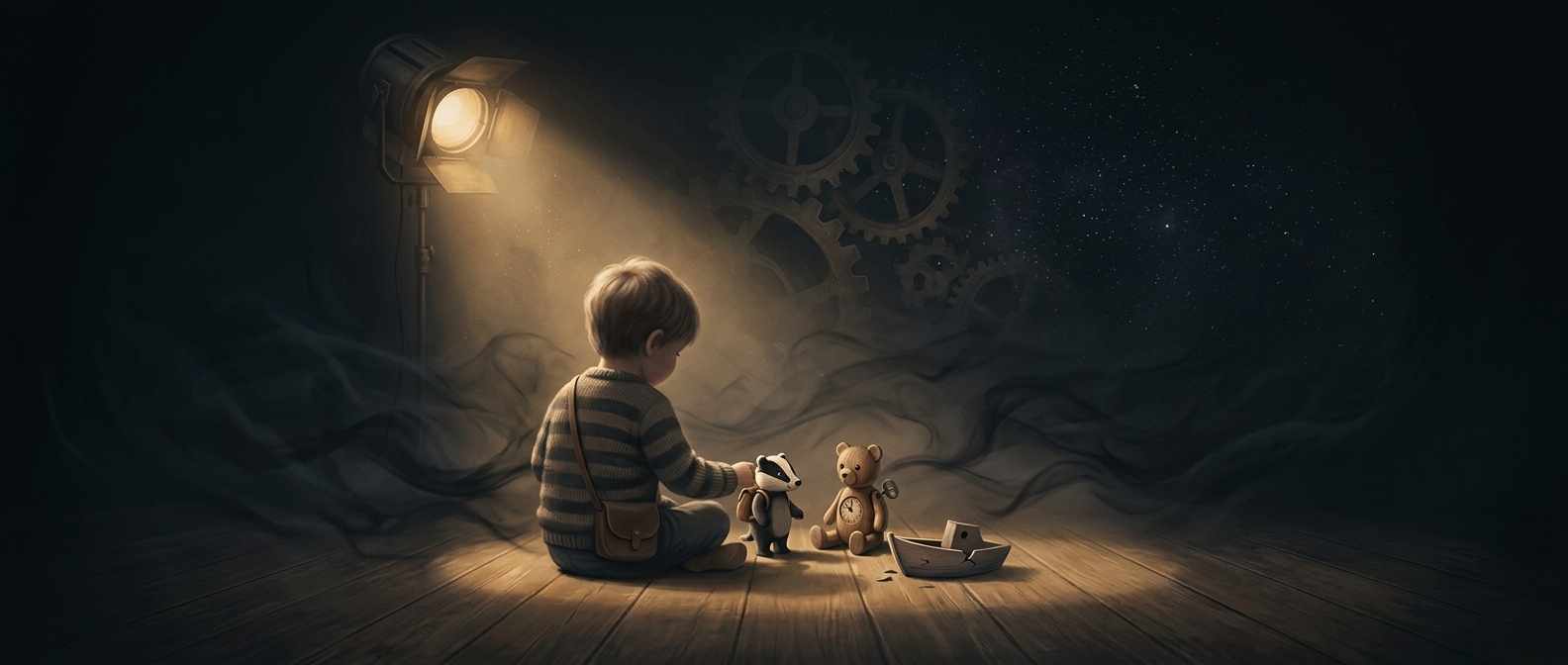
The author of Frances the Badger also wrote after the apocalypse
Russell Hoban's Riddley Walker follows life in a shattered future through deliberately altered English. Readers have to reconstruct meaning from the language…
Discover more
How Bing Crosby turned German tape tech into golf time
After World War II, American soldier Jack Mullin brought German magnetophon tape recorders to the U.S. and demonstrated them to Bing Crosby. Crosby invested…
Discover more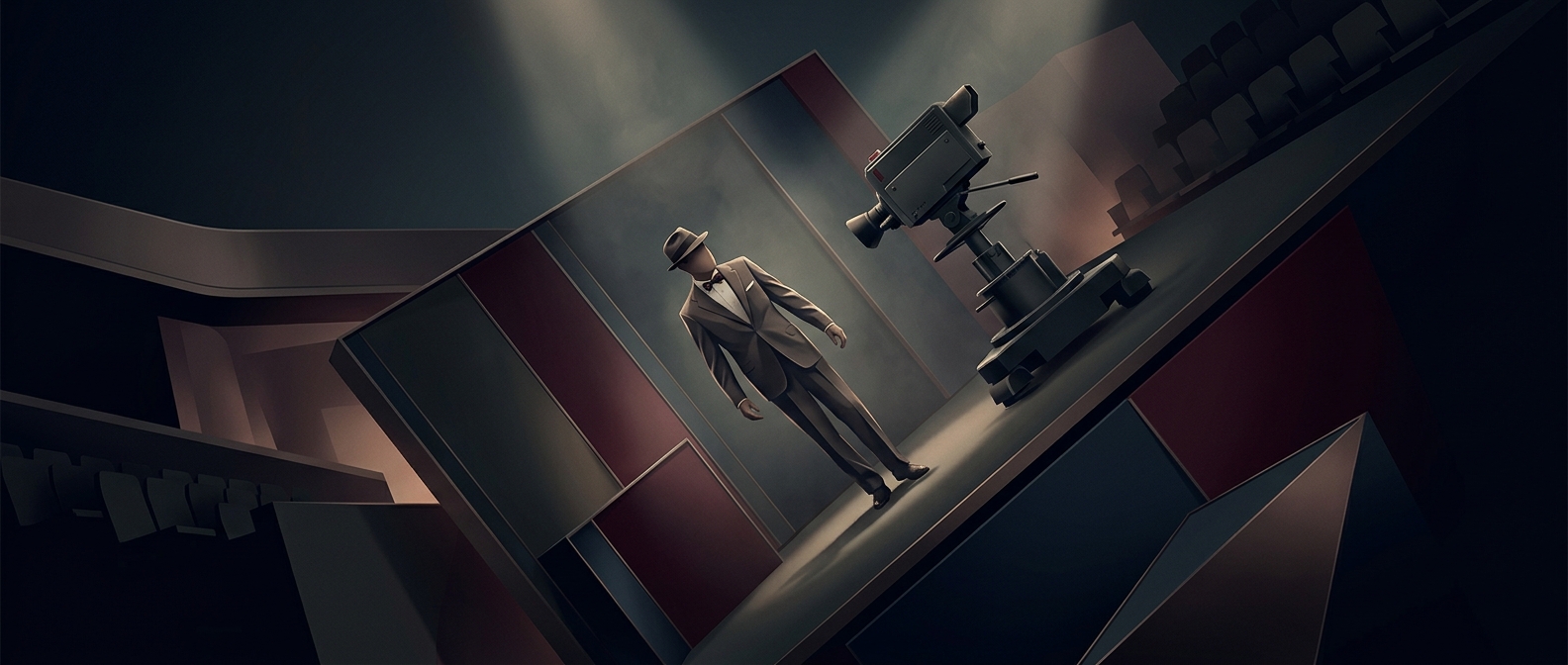
Ernie Kovacs made milk fall sideways by tilting the camera too
He tilted the table and the camera together, preserving an apparently normal scene on the television screen. Gravity still pulled the milk downward in the…
Discover more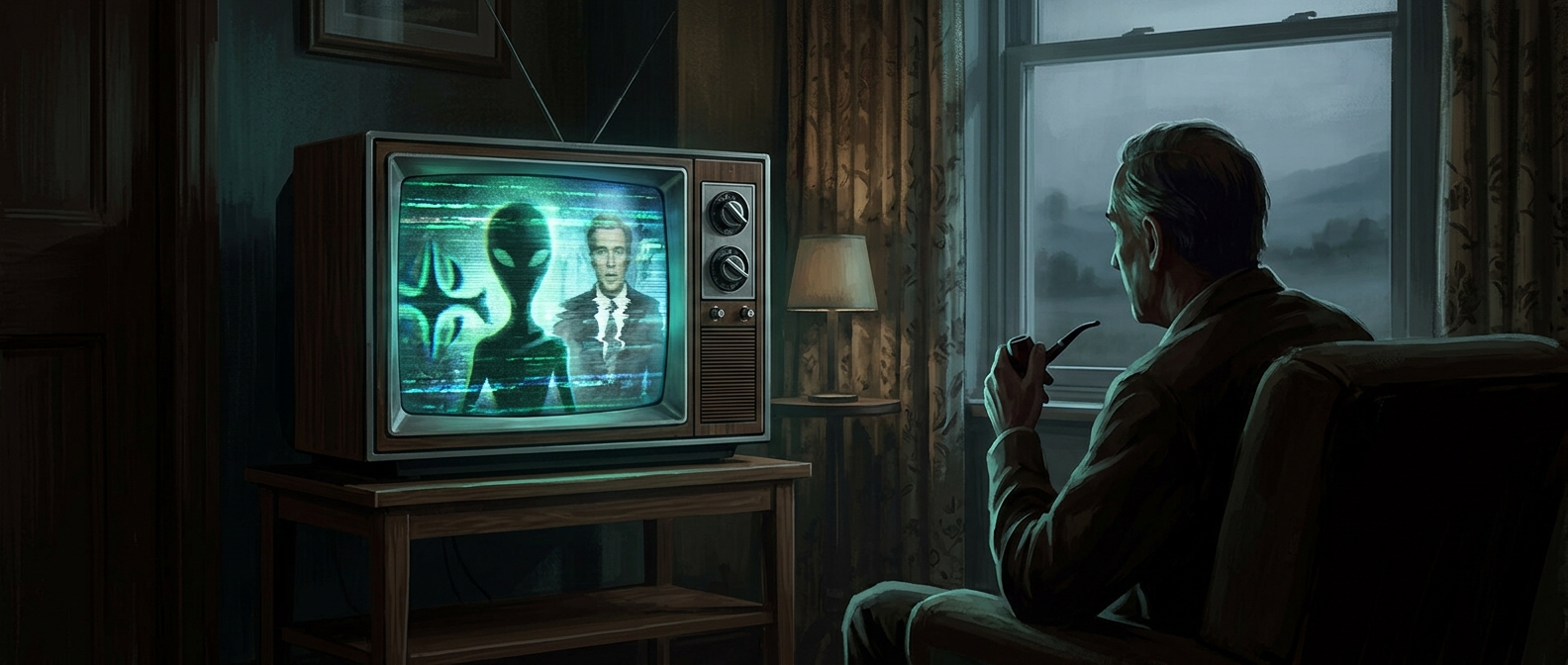
A fake alien hijacked British television in 1977
In 1977, a prankster hijacked the audio of a regional British TV broadcast with a six-minute message from “Vrillon of the Ashtar Galactic Command.” The voice…
Discover more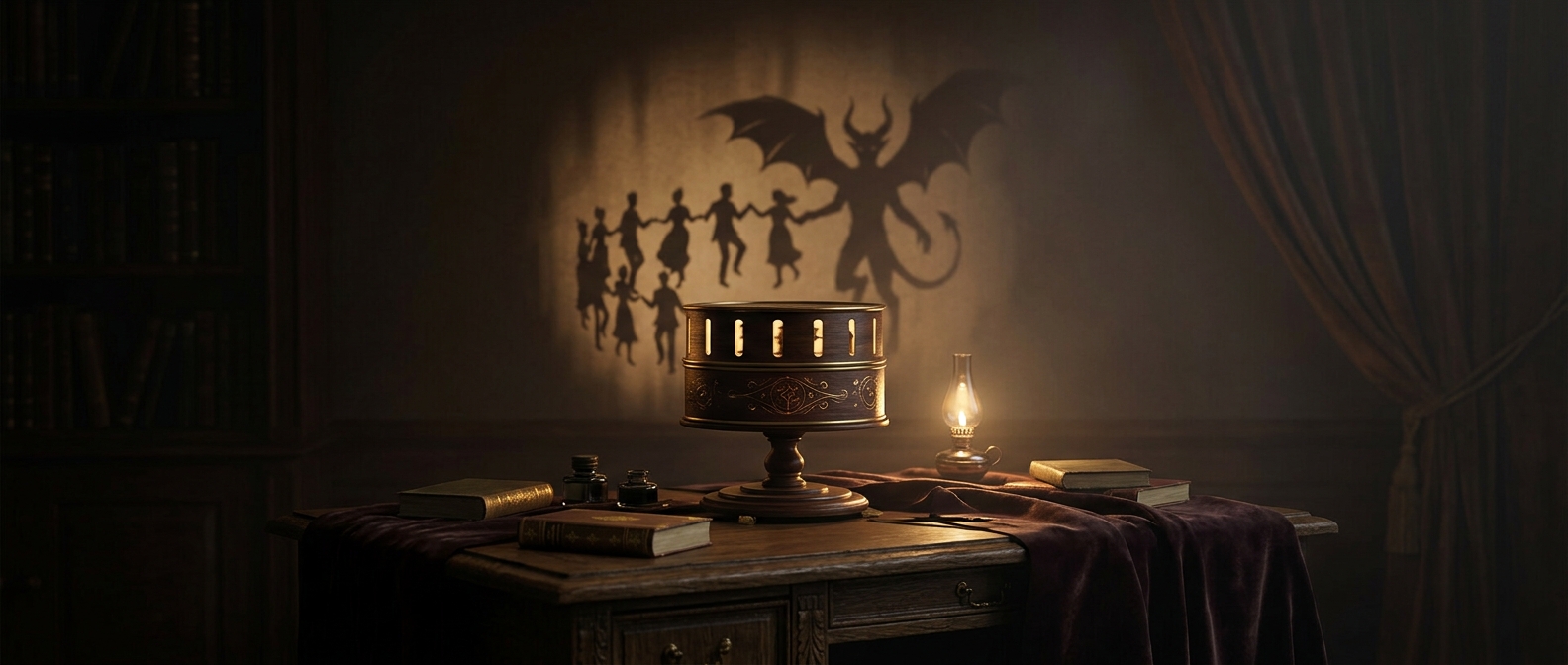
A spinning drum made drawings appear to move
The zoetrope shows a sequence of pictures through narrow slits in a rotating cylinder. The slits interrupt the view so the images do not simply blur together.…
Discover more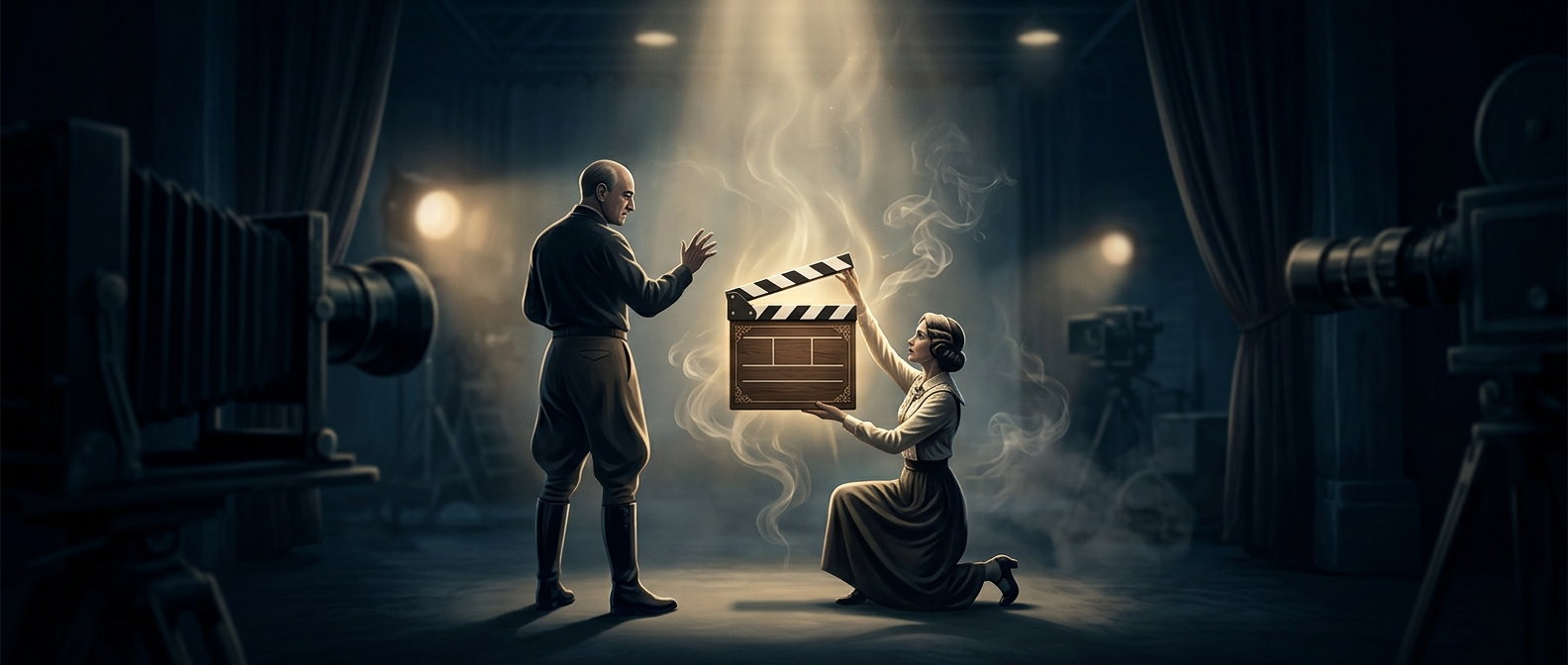
DeMille helped give directors their megaphone image
Cecil B. DeMille's boots, cap, and commanding on-set presence became part of the popular picture of a film director. His career also spanned the difficult…
Discover more