Transport
Discover facts about transport. Small discoveries that change the way you see familiar things.
Transport
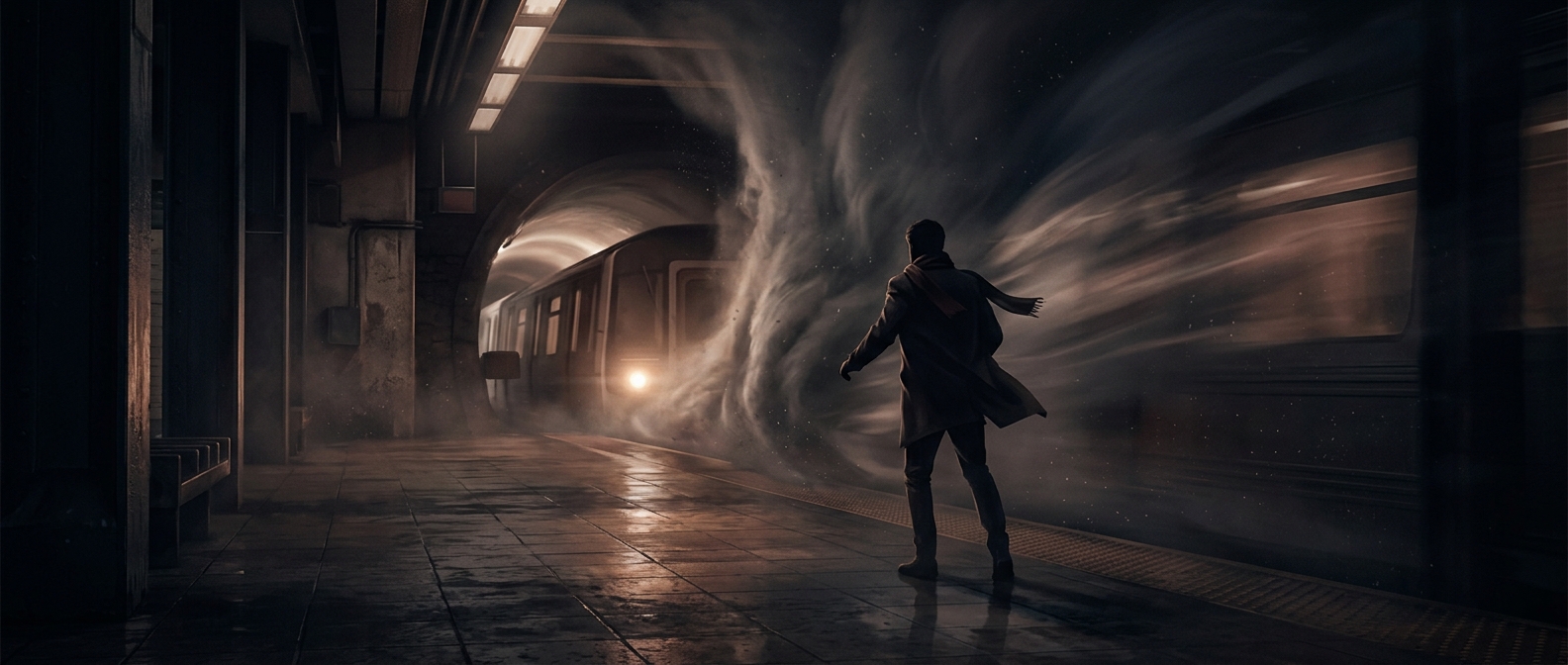
Why a subway train blasts stale air onto the platform
The train squeezes the air in front of it through the tunnel, and platform vents give that air an exit. The gust is the subway’s piston effect: a passing…
Discover more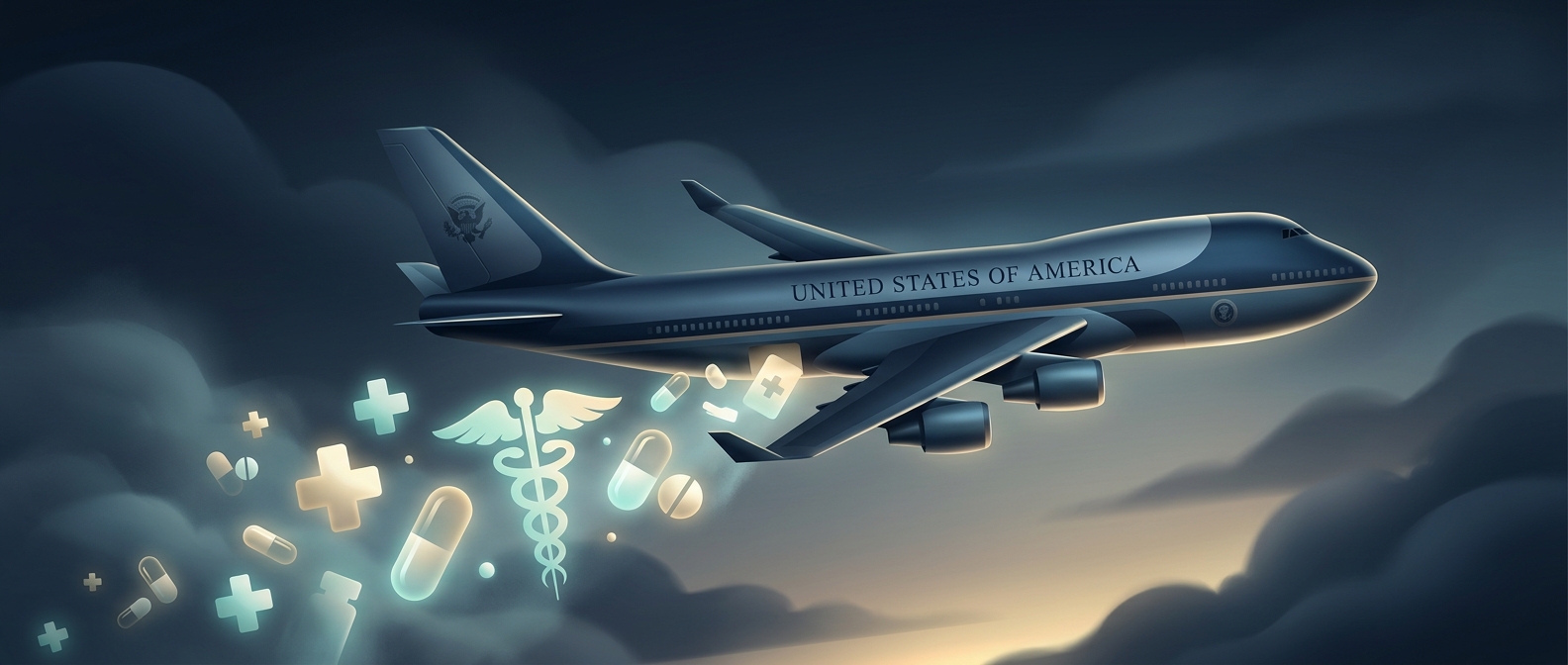
The presidential plane with its own operating table
A medical emergency at presidential altitude needs more than a first-aid kit. The plane carries a doctor and an operating table, giving medical staff room to…
Discover more
Rollerblade is a brand, not the name of the sport
Inline skating is the activity; Rollerblade is a brand that helped make the skates famous. It’s a classic case of a company name getting so popular it starts…
Discover more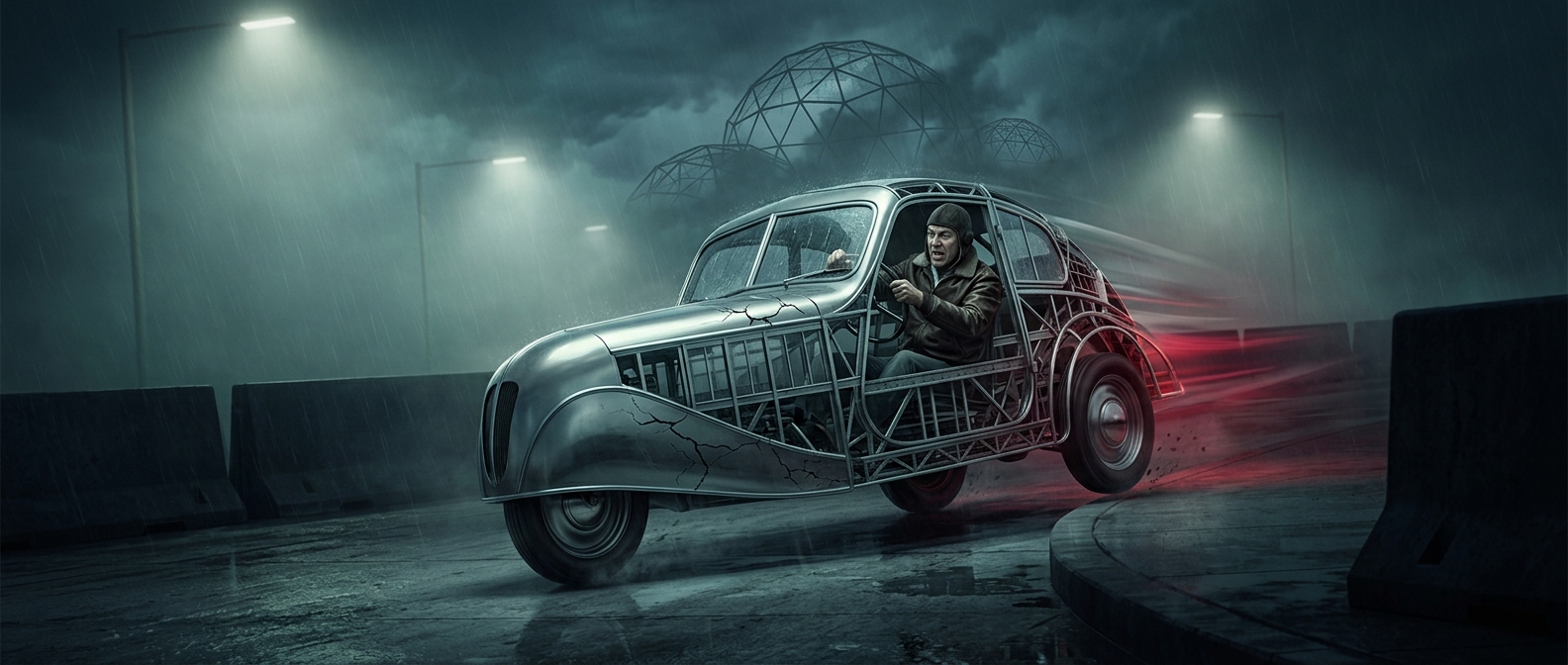
The futuristic 1930s car that was terrifying to drive
The Dymaxion had three wheels and steering at the rear, an arrangement that made its long body respond in a way ordinary car drivers didn’t expect. Its…
Discover more
Why jet skis need throttle to turn
A jet ski turns by steering its handlebars, which swivel the nozzle sending water out behind it. That jet of water provides the steering force, so ease off…
Discover more
How wheelchair basketball began as therapy
Rehabilitation programs brought wheelchair users onto the basketball court to build strength and coordination. The game caught on because it was more than…
Discover more STACKY FOR IPHONE
A bigger world.
One discovery
at a time.
Keep discovering with Stacky. Interesting facts in an app that is always within reach.
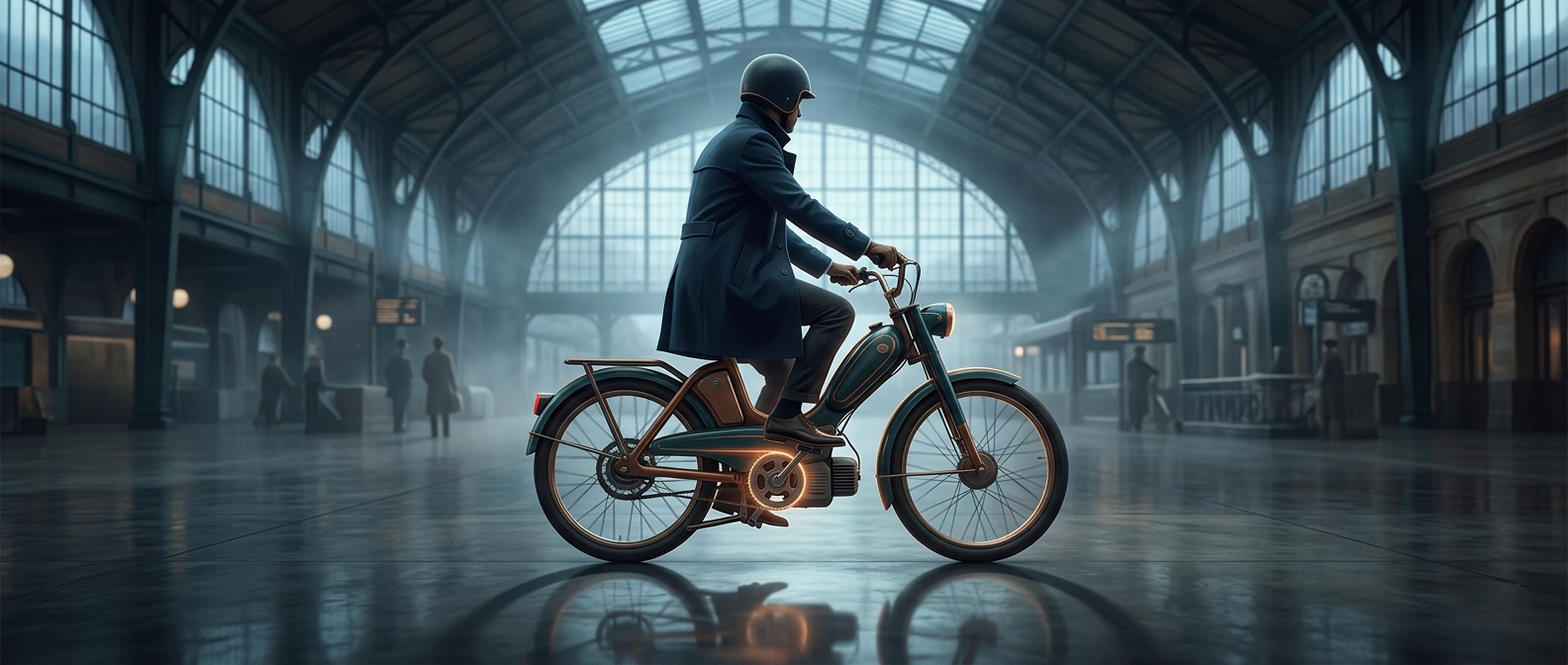
A moped's pedals explain its name
The word combines motor and pedals. On traditional designs, pedaling could start the engine or move the machine without it; the combination also helped define…
Discover more
The briefs in a briefcase were legal arguments
Lawyers carried briefs—the documents setting out a legal case—in a purpose-built bag. The name survived even as the contents expanded from court papers to…
Discover more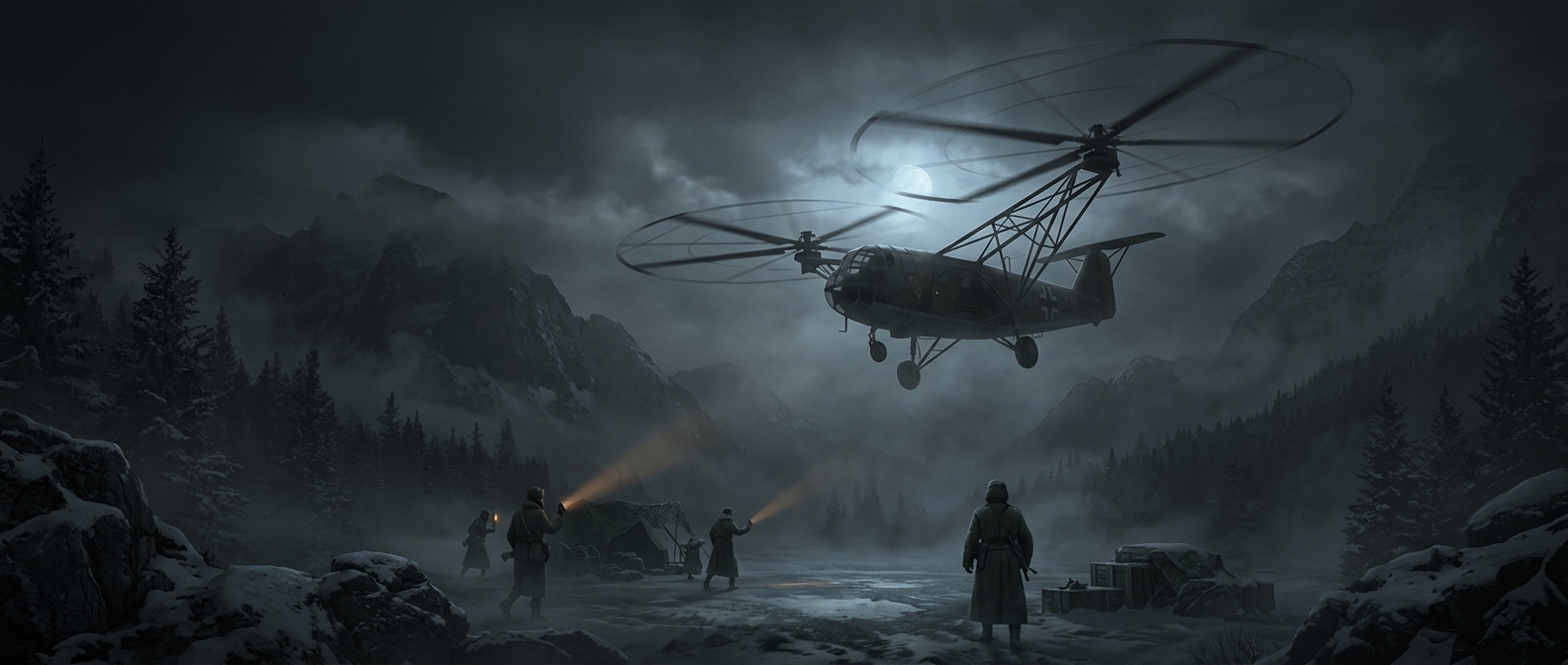
The combat helicopter Germany used in World War II
The Flettner Fl 282 was a twin-rotor helicopter used by the German navy to spot submarines in 1942. Only about 24 were built before Allied bombing destroyed…
Discover more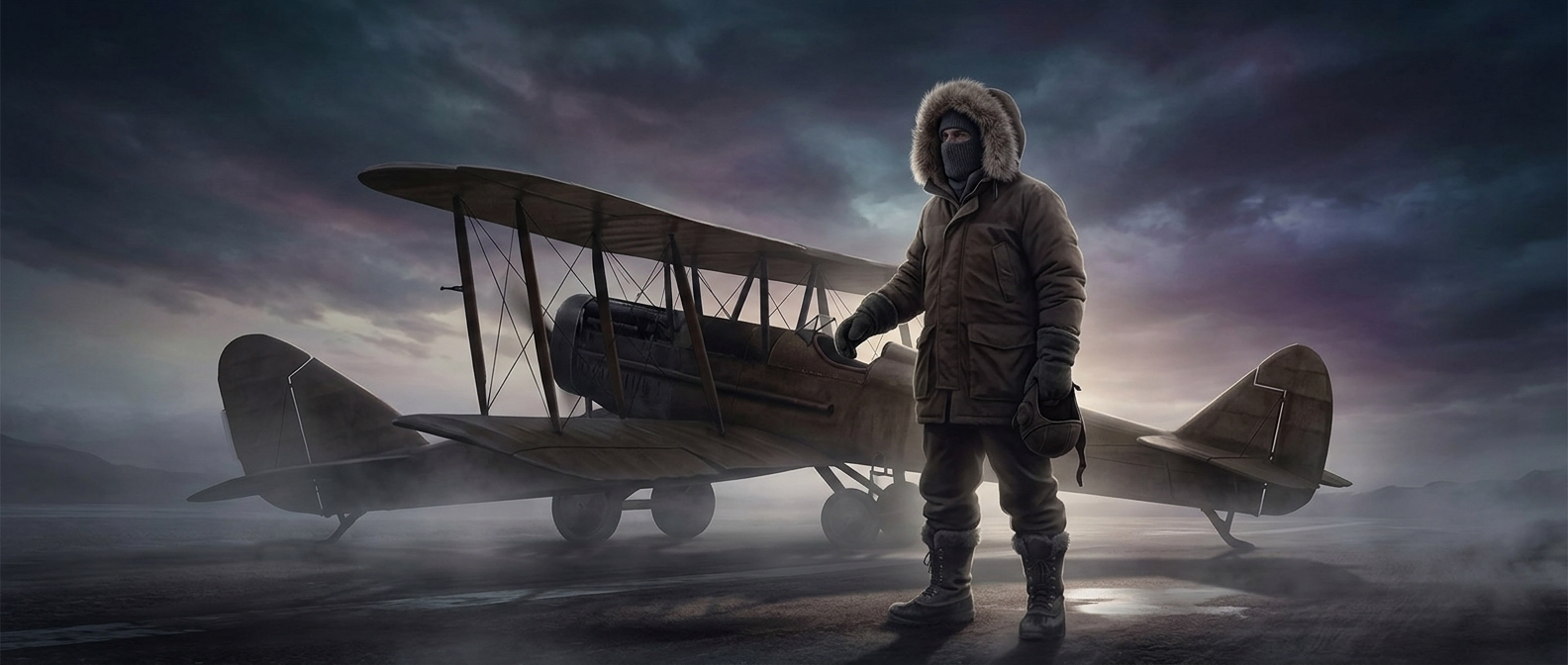
Why early pilots dressed like explorers
Early cockpits were open to the wind, so pilots wore goggles, leather caps, gloves, and layers to keep flying air from turning them numb. The outfit looks…
Discover more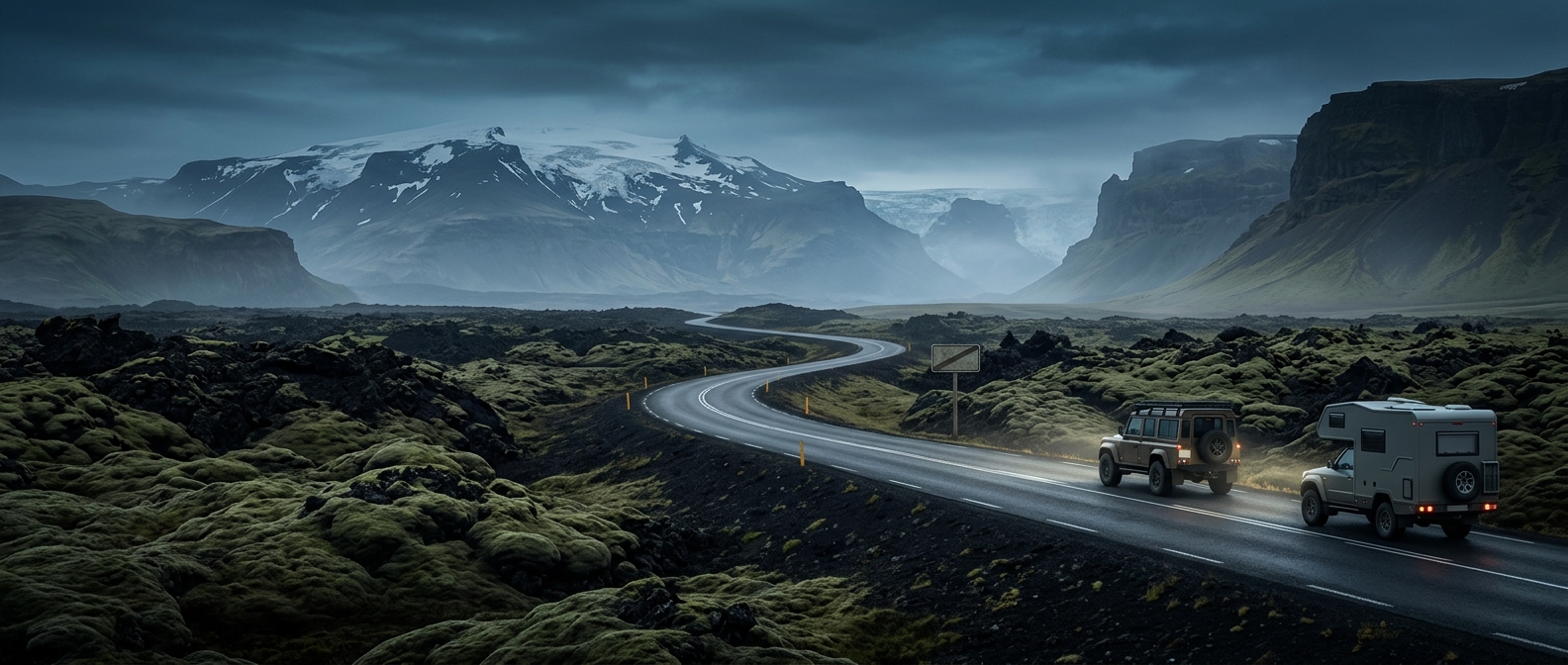
You can travel around Iceland by public transport—but not by train
Buses, domestic flights, and ferries connect the country instead of a passenger railway. The journey therefore follows road, air, and sea timetables, with…
Discover more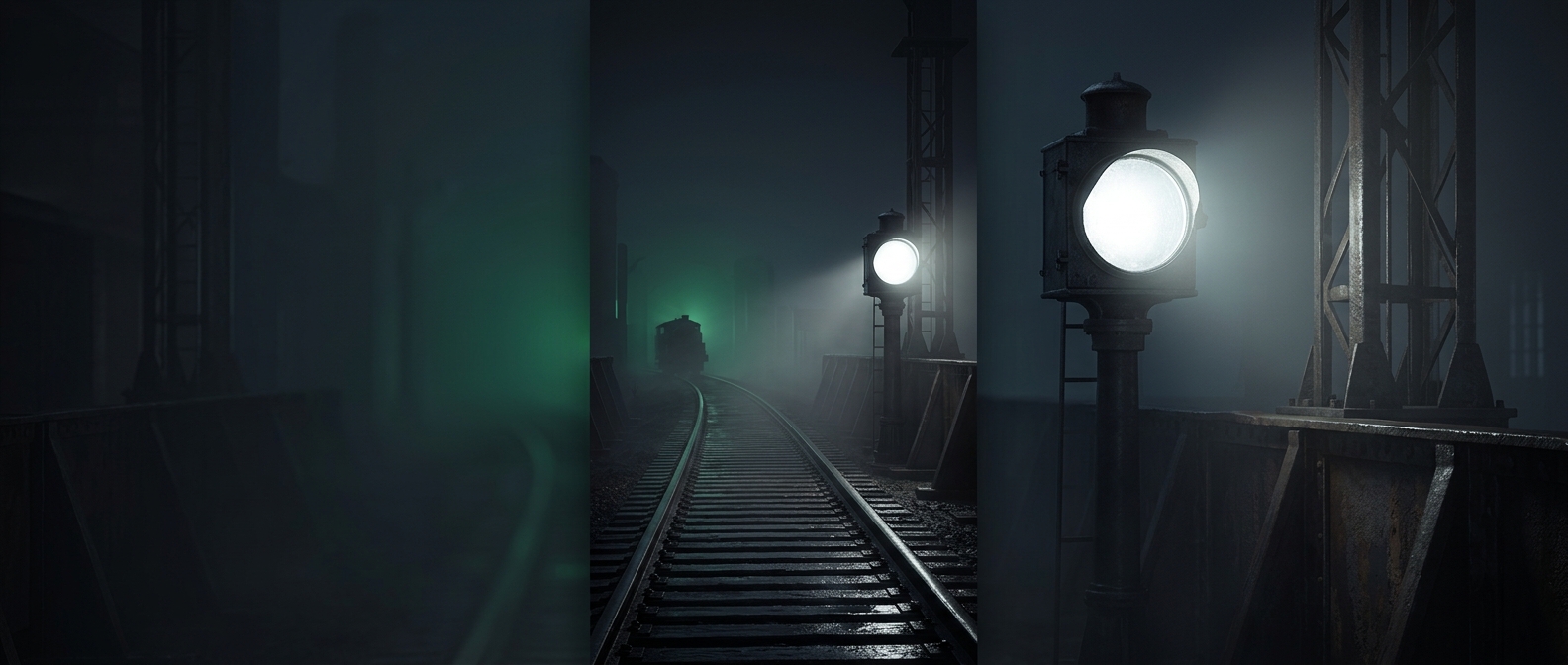
Why railway signals once used white for go
A white lamp was the simplest signal to build: put a light behind a colored lens, and red meant stop while white meant go. Then a broken or missing lens could…
Discover more
Some parking meters know when the car has left
A space sensor can tell a connected meter that a vehicle has departed, allowing a system to clear unused paid time where local policy permits it. Older coin…
Discover more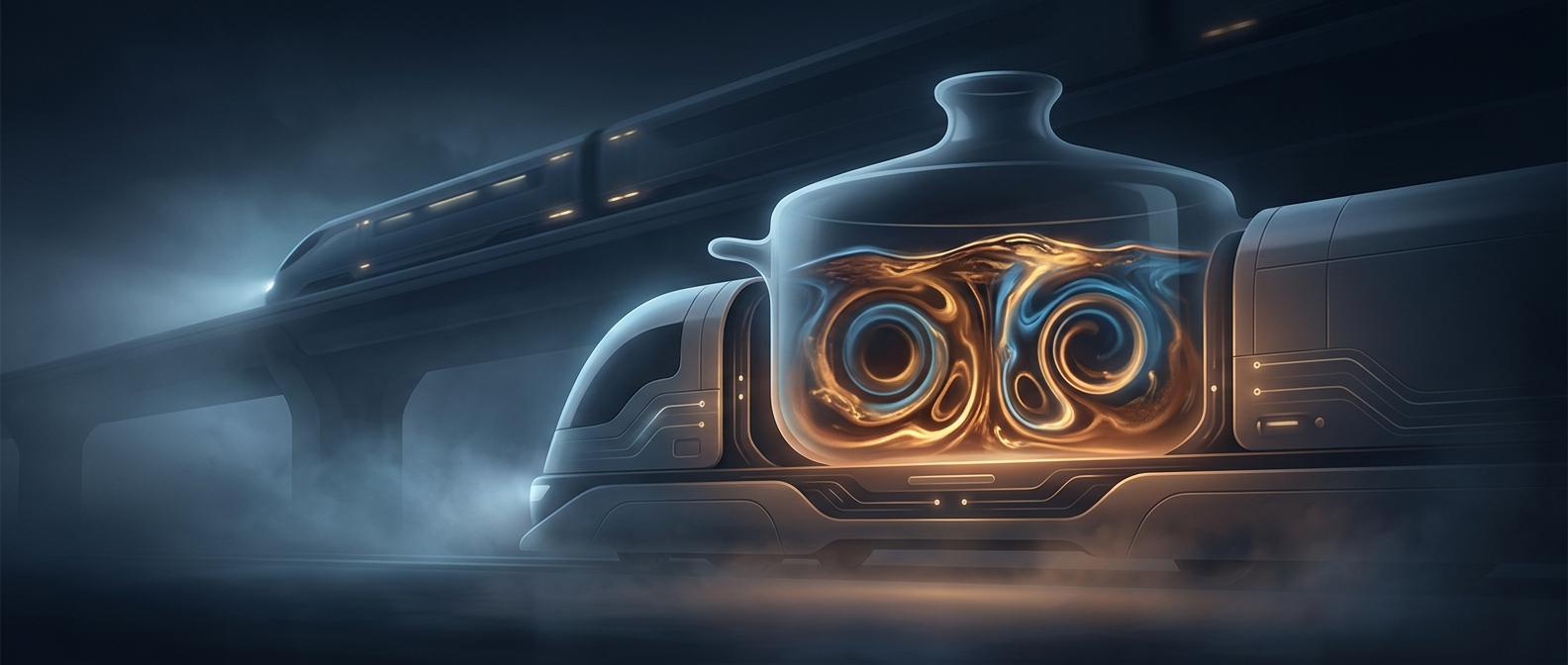
Boiling liquids transport heat through convection cells
Heat makes water expand and become less dense, so warmer liquid rises while cooler liquid sinks to replace it. Those looping currents carry heat through the…
Discover more
Shanghai's airport train floats instead of rolling
The maglev uses magnetic forces to lift and propel the train along its guideway. Its roughly 30-kilometer route between Longyang Road and Pudong airport takes…
Discover more
The stilts that turn builders into temporary giants
Builder’s stilts raise the wearer so drywall and ceilings sit within reach, while straps keep the feet attached to the platforms. The trade is simple: longer…
Discover more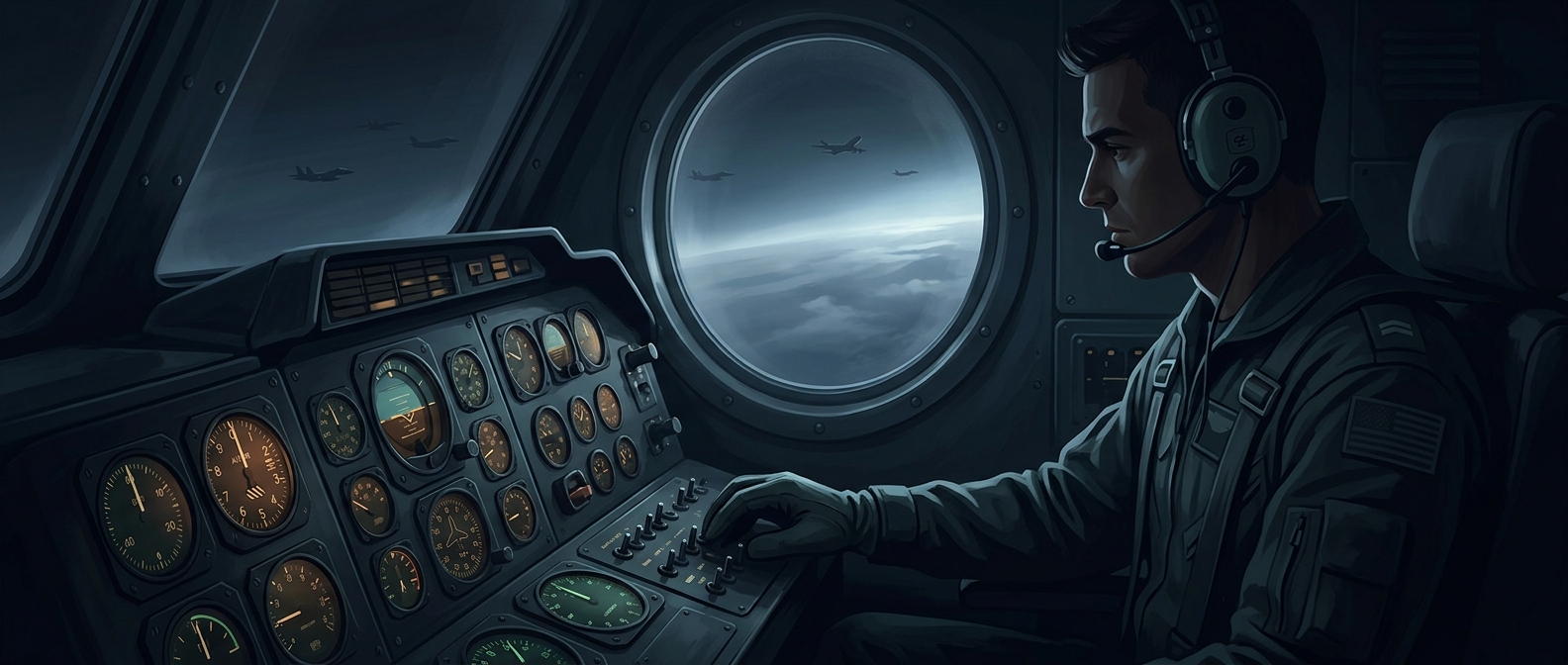
America's doomsday plane is a flying command center
The E-4B is built to keep national leaders communicating if ground command centers are destroyed. Its protection includes shielding against electromagnetic…
Discover more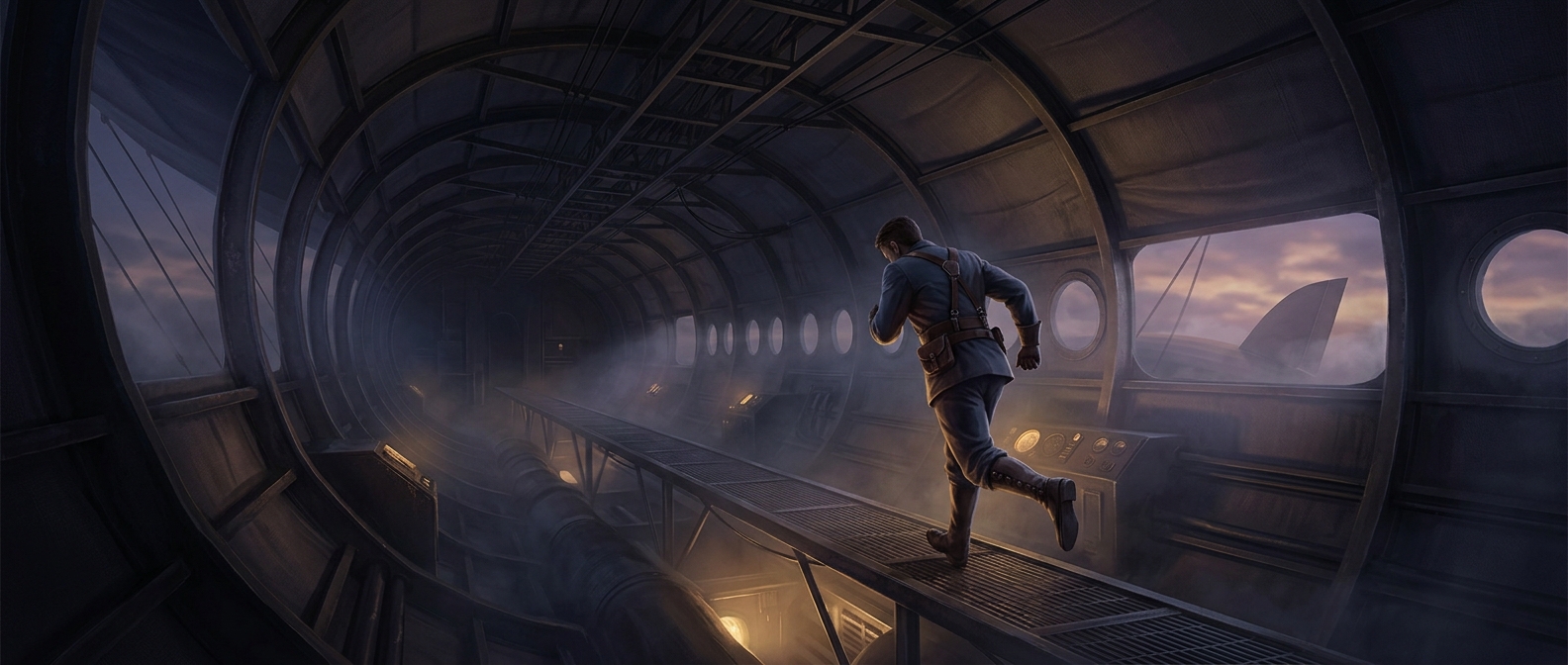
Airship pilots once used their bodies to steer
Early airships had little engines and even less room for fancy controls. A pilot shifting their weight changed the craft’s balance and tilt, helping steer its…
Discover more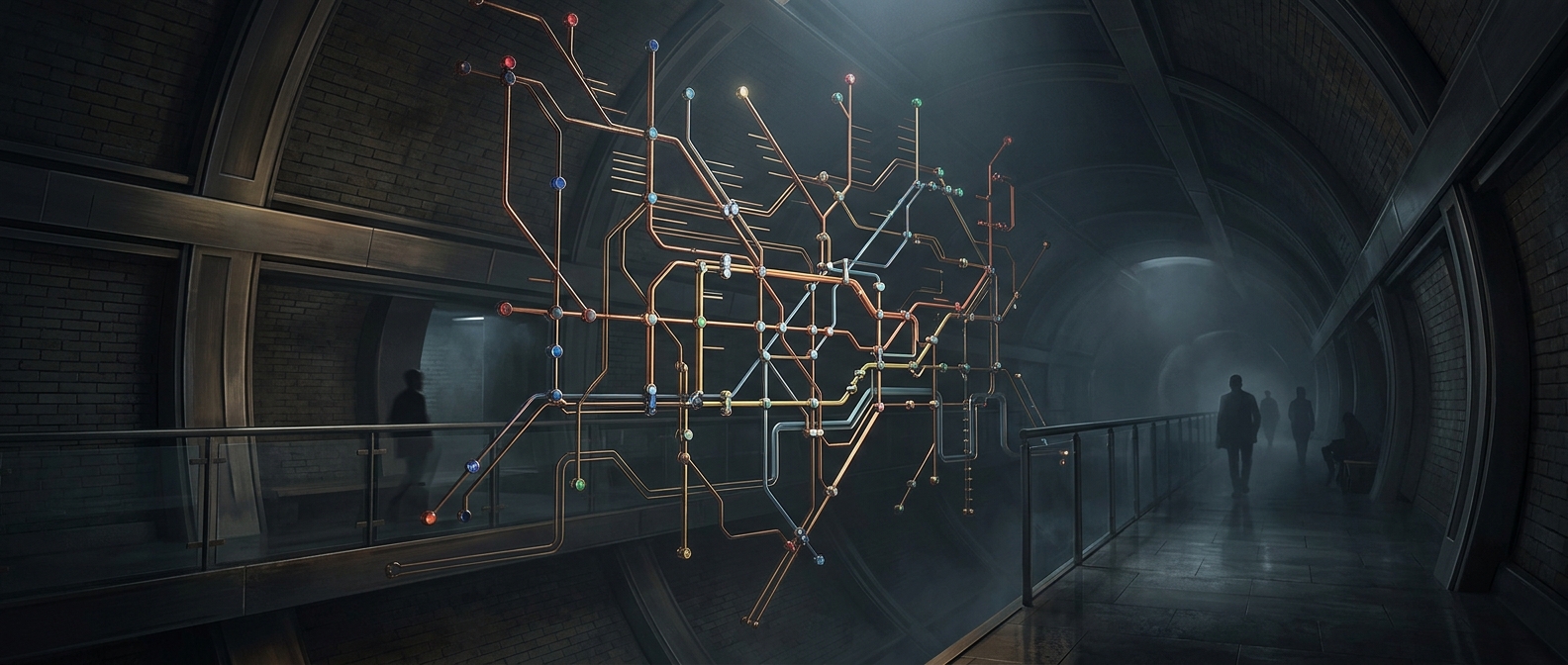
The London Tube map is deliberately inaccurate
Harry Beck’s famous Tube diagram treats London like a circuit board: straight lines, clear colors, and stations spaced for legibility rather than distance.…
Discover more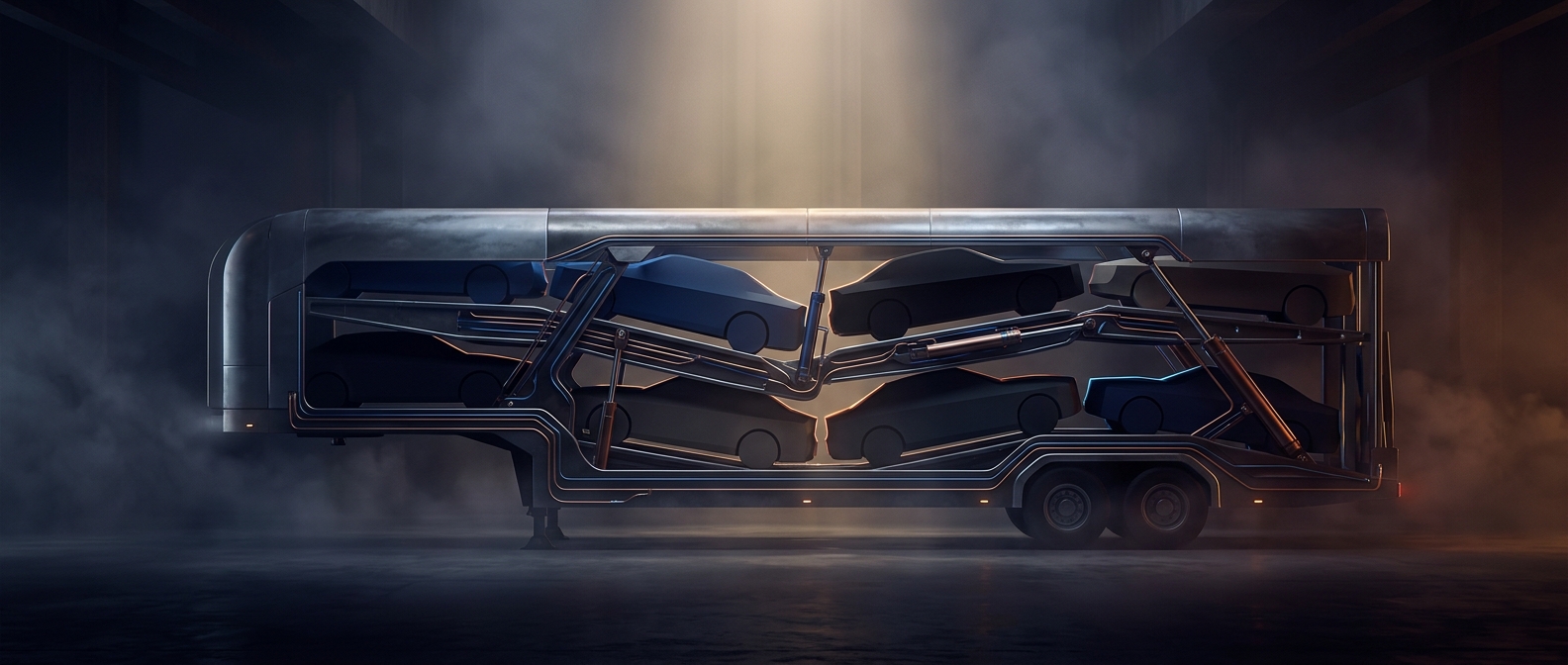
Vehicle transport trailers use hydraulics to cram units
Hydraulic rams lift and tilt the trailer’s decks, letting cars load onto several levels before the whole stack lowers for the road. It’s a parking garage that…
Discover more
Longshore drift continuously relocates coastal beaches
Angled waves lift sand up the beach, then gravity pulls it back toward the sea in a straighter path. The small sideways difference adds up, and the coast…
Discover more
Why pilots wear five-point harnesses while passengers don't
The extra straps help keep pilots from being thrown away from the controls during violent movement, while passenger seats use lap belts.
Discover more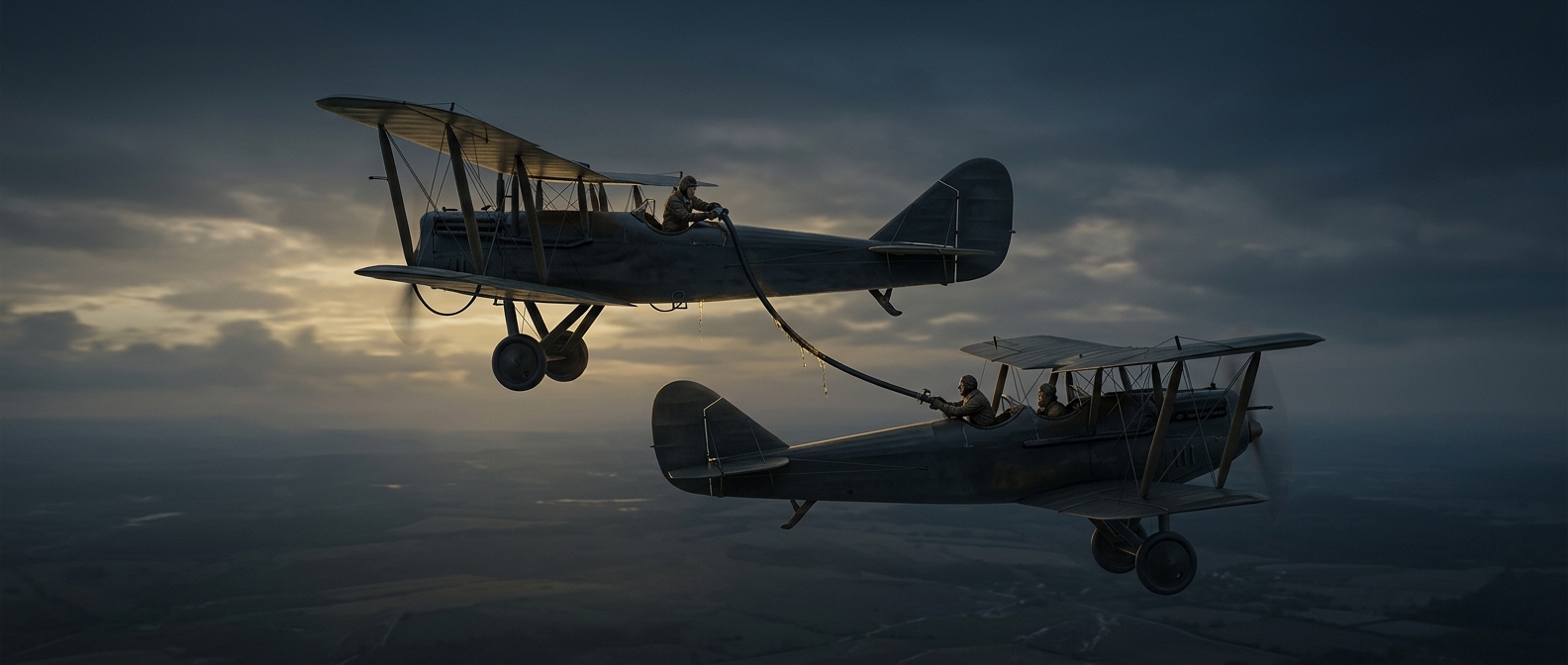
Early pilots refueled planes by passing a hose mid-air
Early crews passed a fuel hose from one moving airplane to another, then let gravity pull fuel into the receiving plane. No automatic coupling, no neat little…
Discover more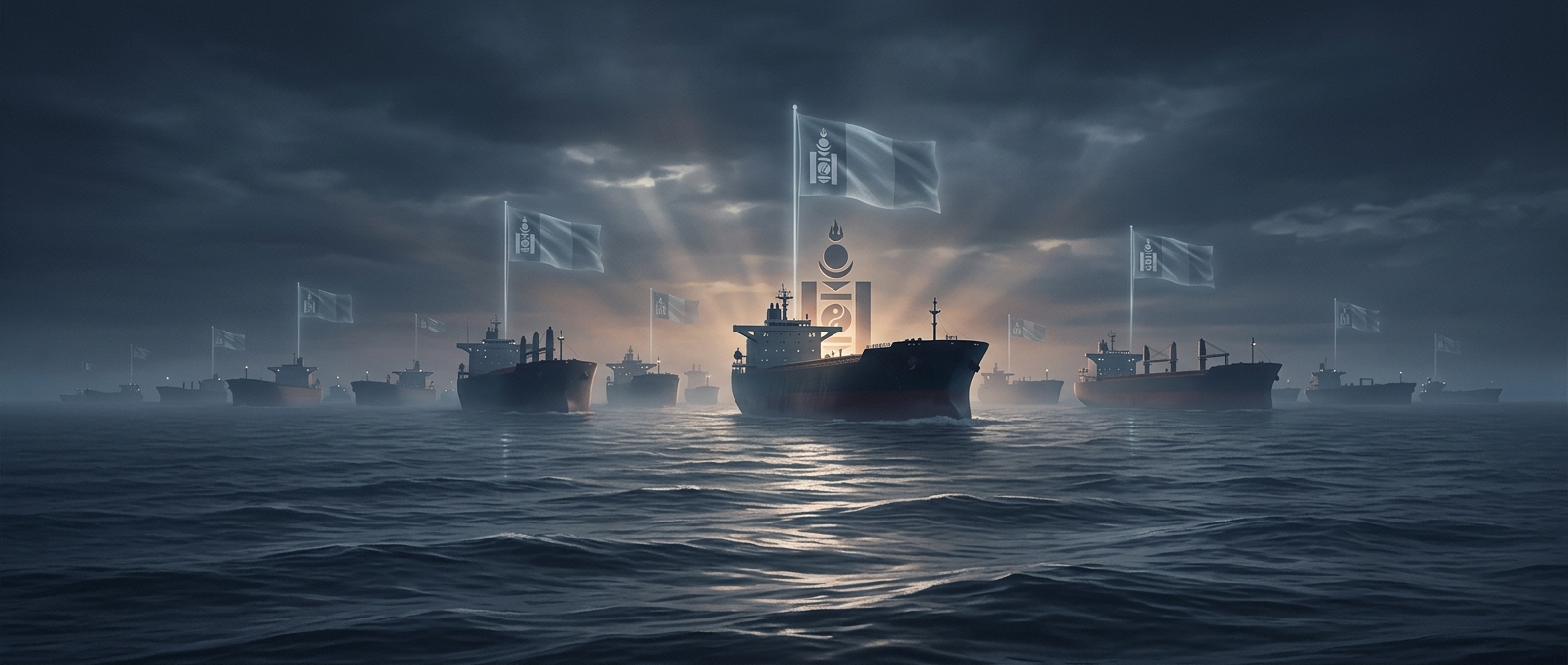
Why landlocked Mongolia has a global ship registry
Ships need a flag and a registry, not a home port on the same country’s shore. Mongolia offers registration to foreign vessels, earning fees when they fly its…
Discover more