Transport
Discover facts about transport. Small discoveries that change the way you see familiar things.
Transport
Harbour Air flight dispatchers in British Columbia operate a scheduled seaplane network that functionally treats heavily modified aircraft as aquatic city buses for wealthy tech…
Seaplanes are notoriously maintenance-heavy and usually reserved for remote wilderness access, but in Vancouver, they operate on a high-frequency urban…
Discover more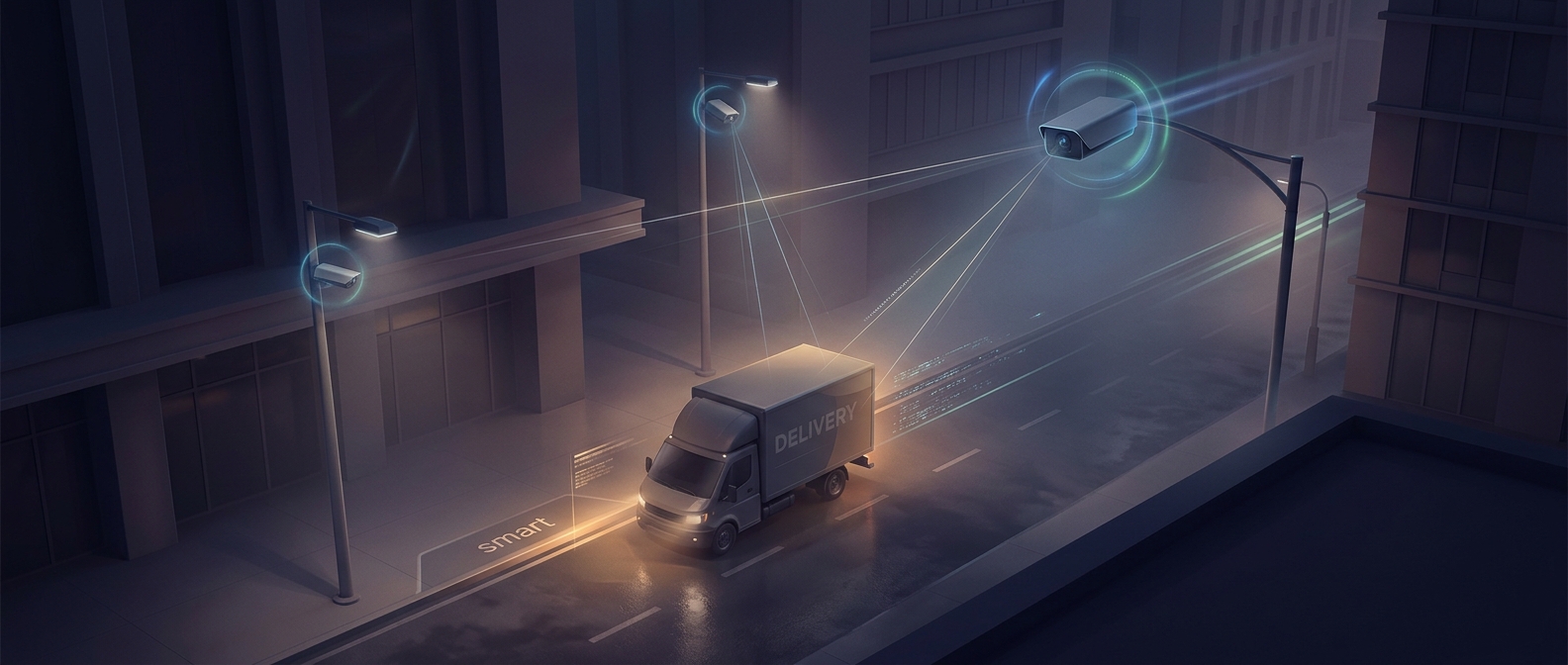
Even a delivery stop can come with a parking bill
Seattle's commercial loading zones reserve curb space for deliveries, with a permit or payment required in the designated paid-parking areas. The scarce…
Discover more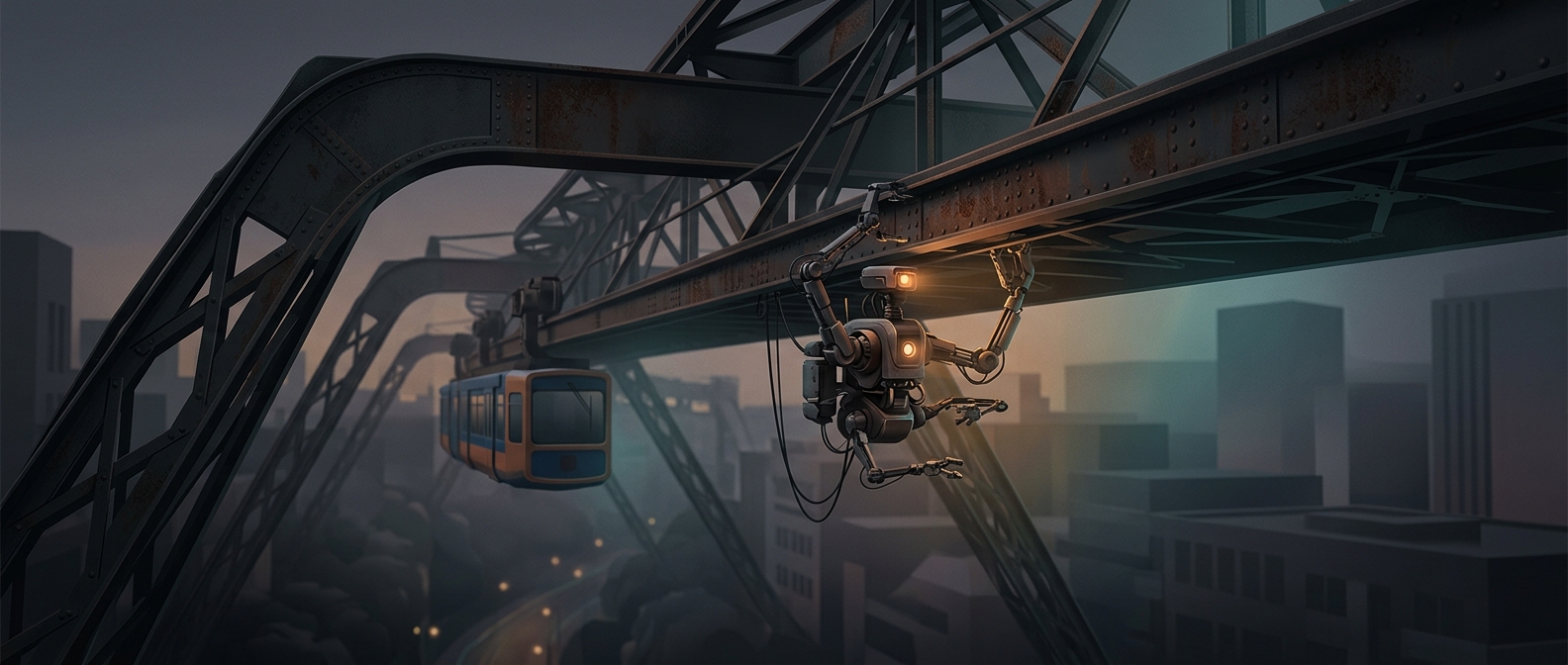
Wuppertal's hanging trains lean into the bends
The cars hang below their rail, placing their center of gravity beneath the suspension point. They can swing outward on curves, helping the railway follow the…
Discover more
Self-driving cars are fighting for curb space
A self-driving car needs somewhere to collect or drop off passengers, and that means waiting at the curb. When several cars queue for the same narrow strip of…
Discover more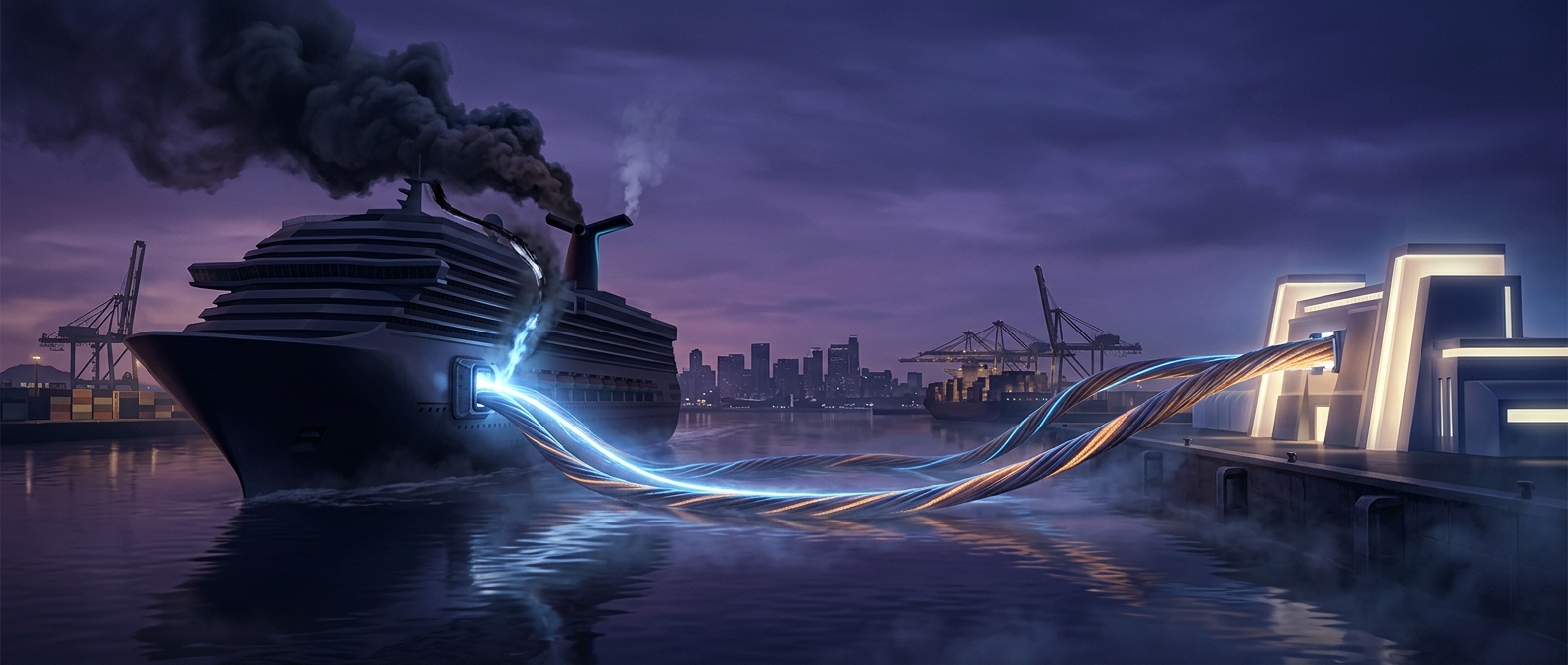
Why cruise ships plug into giant power cables
At the dock, a cable feeds electricity from shore so the ship can shut down its engines instead of burning fuel to run lights, kitchens, and air-conditioning.…
Discover more
This Swiss train tilts its cabins to keep your floor flat
The Stoos funicular climbs a maximum gradient of 110%—about 48 degrees, not 110 degrees. Its barrel-shaped cabins rotate relative to the chassis as the track…
Discover more STACKY FOR IPHONE
A bigger world.
One discovery
at a time.
Keep discovering with Stacky. Interesting facts in an app that is always within reach.
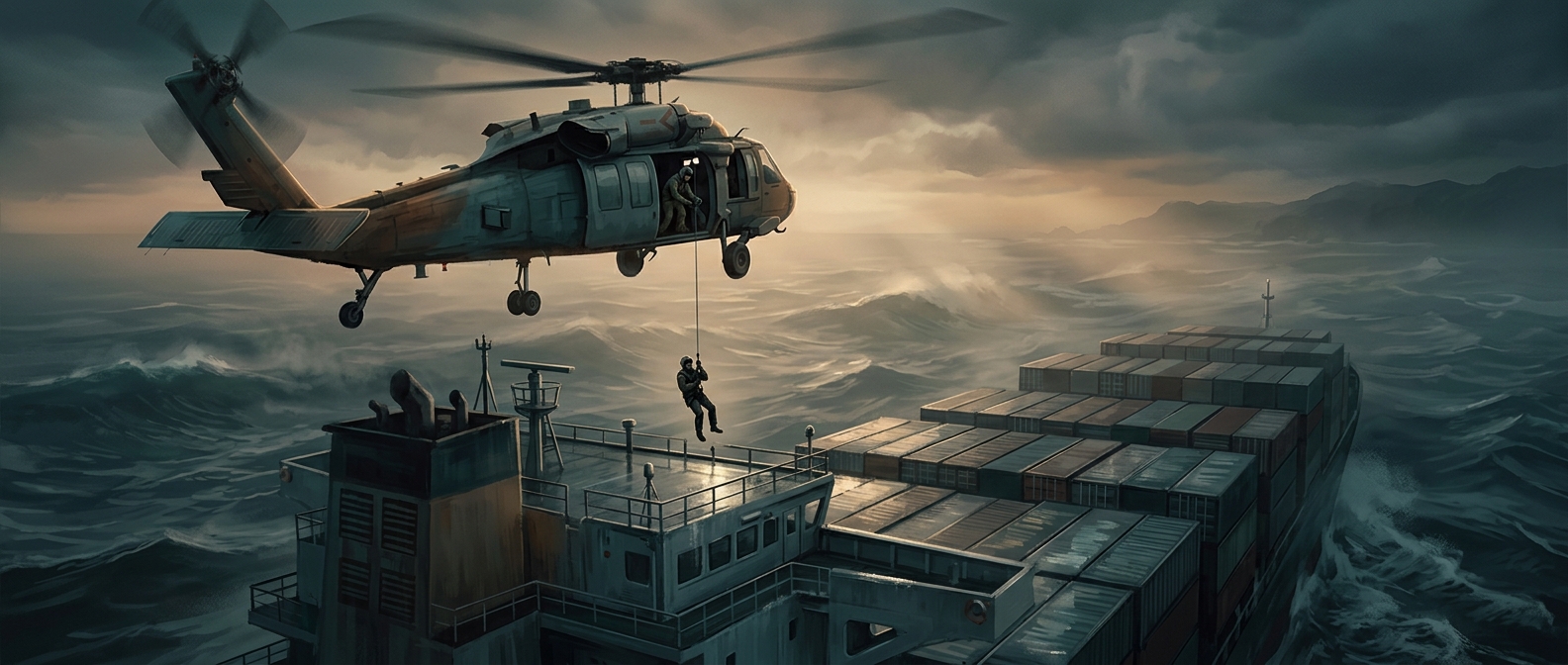
Some harbor pilots arrive on moving ships by helicopter
The arriving pilot is a maritime specialist who helps guide the ship through local waters. A helicopter can lower that specialist onto a suitable deck while…
Discover more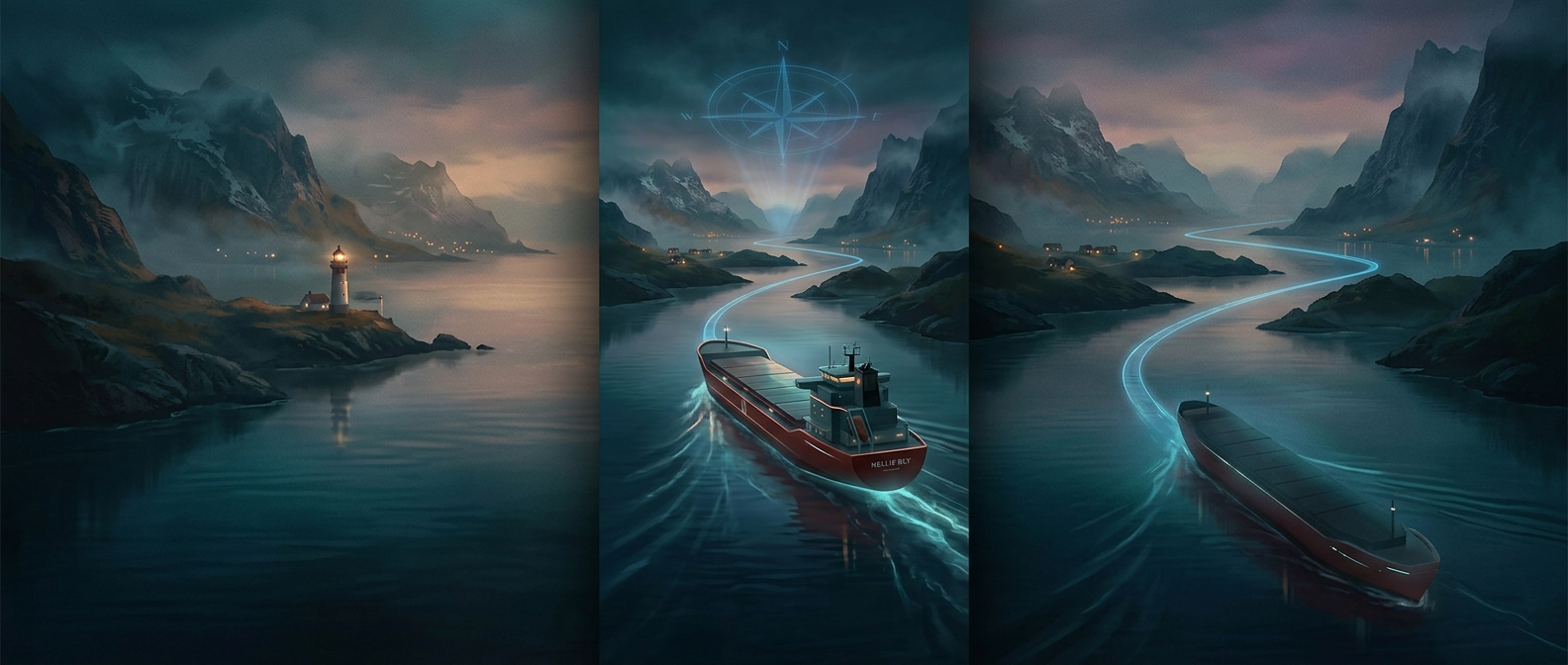
A tugboat was steered from shore in Copenhagen
The 2017 Svitzer Hermod demonstration moved navigation controls away from the vessel and into a remote operations center. Cameras, sensors, and communications…
Discover more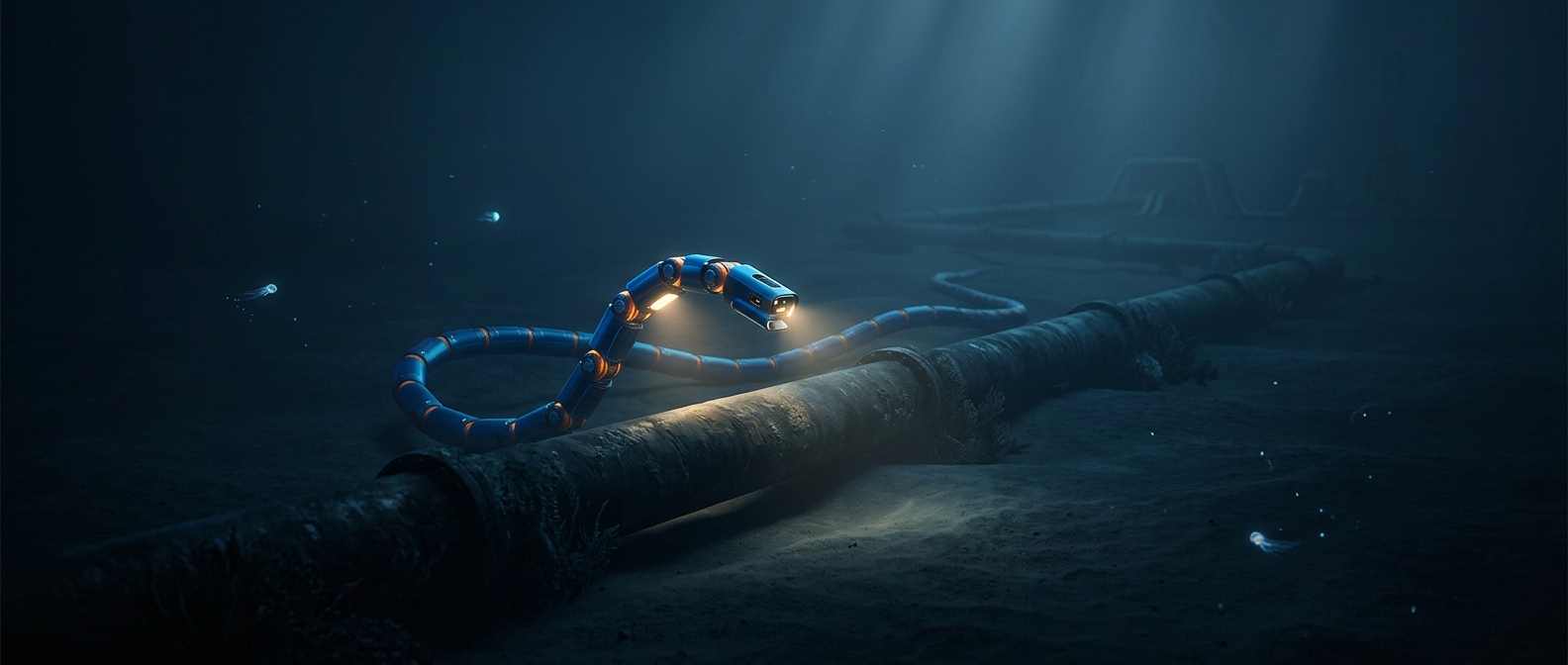
An underwater maintenance robot can bend around the equipment it inspects
Eelume's long, jointed body combines a snake-like shape with underwater propulsion. It can maneuver near subsea structures and carry inspection or…
Discover more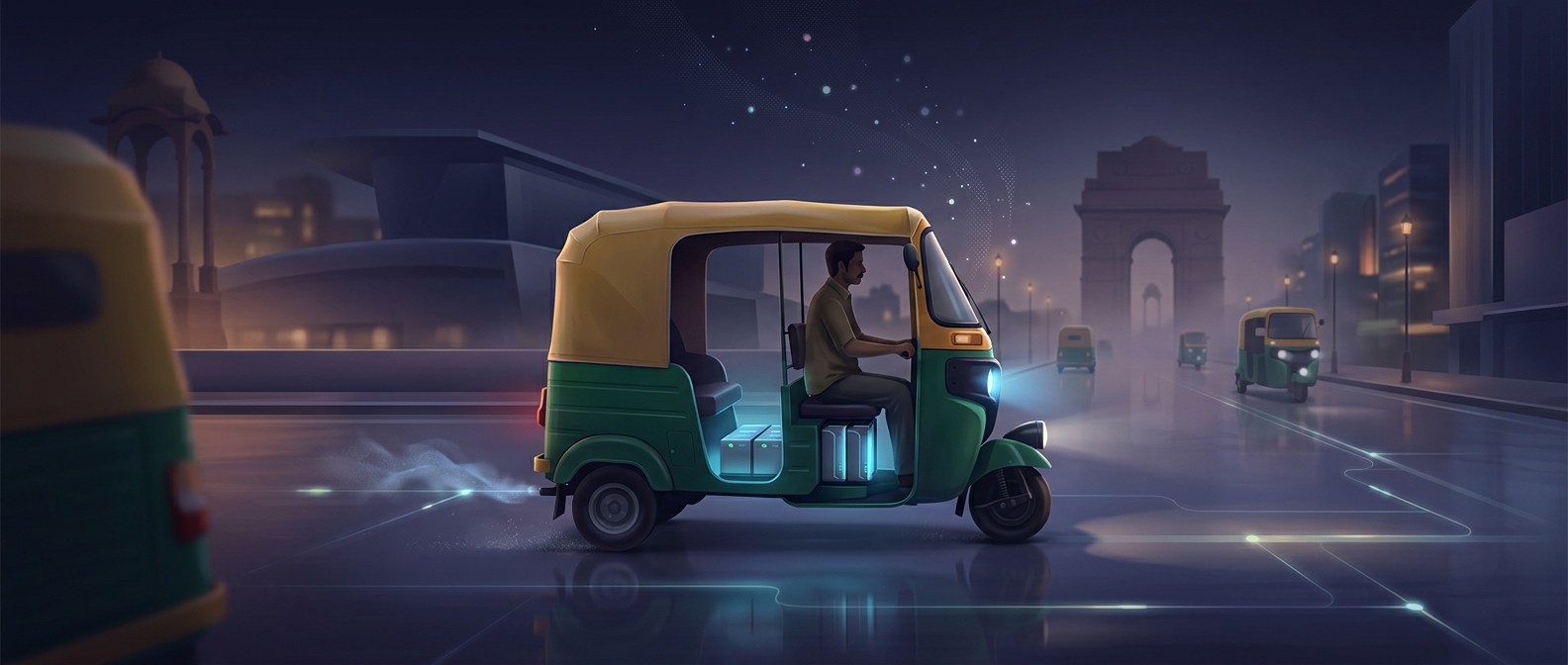
How Delhi is replacing noisy auto rickshaws with electric ones
Electric motors replace the rickshaw’s noisy combustion engine, cutting street-level exhaust and engine rattle. In a crowded city, that means cleaner air and…
Discover more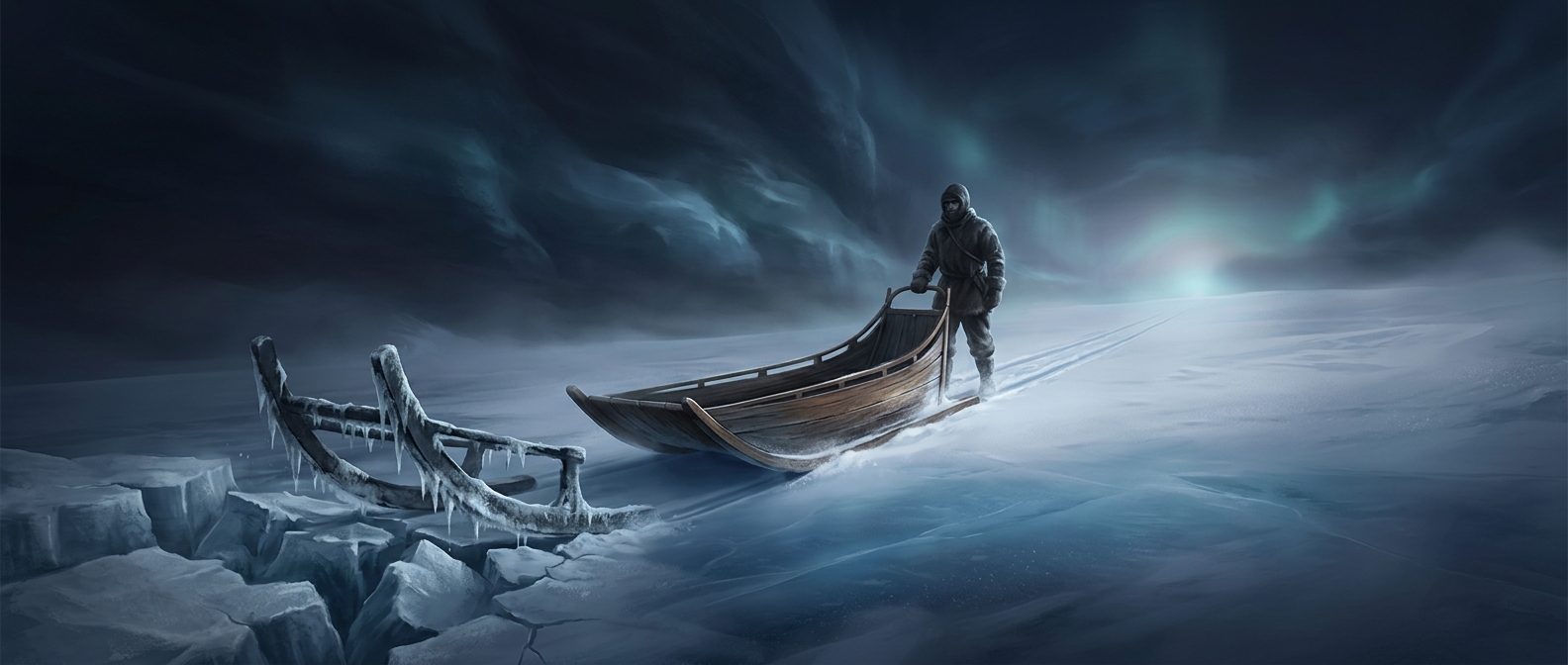
Why Amundsen replaced metal sled runners with wood
Metal runners were heavy cargo before they carried any cargo. Replacing them with wood cut sled weight, making every pull across the snow less punishing. On…
Discover more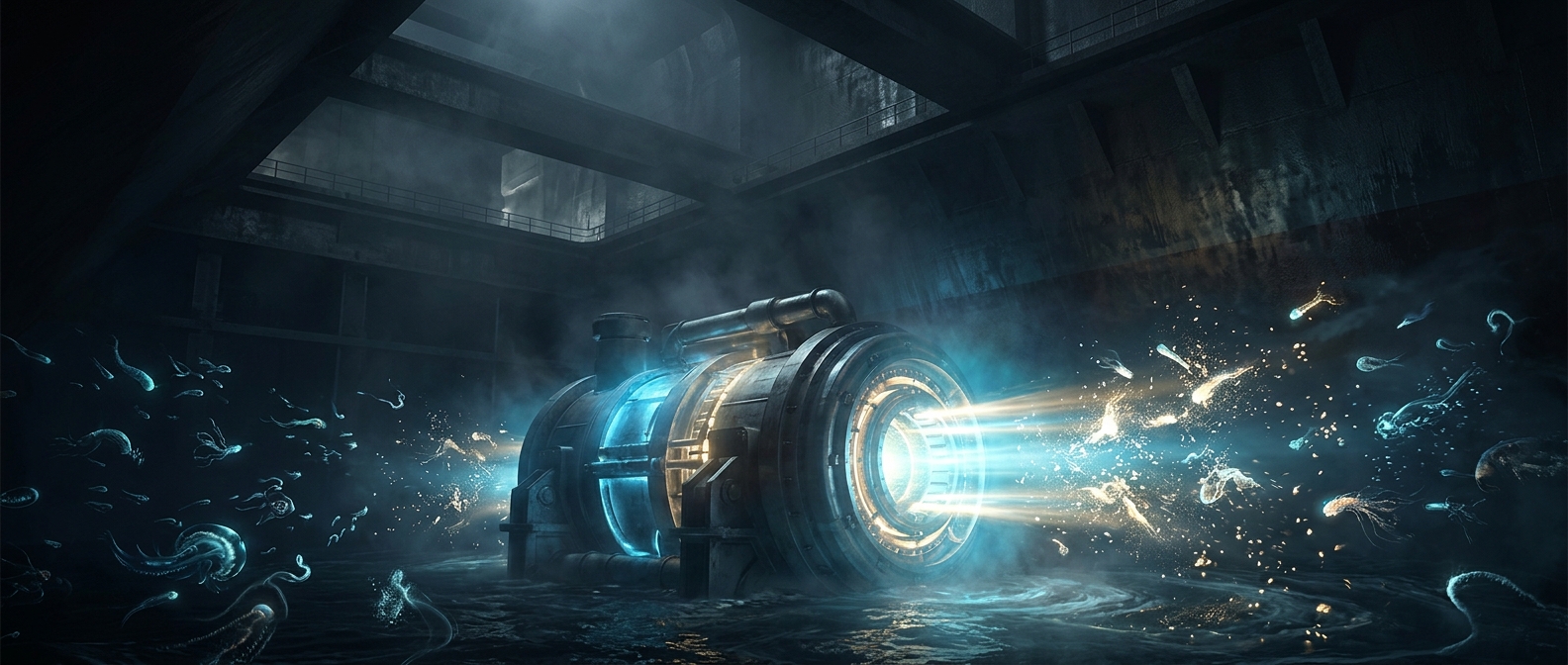
How ships stop invasive species from crossing oceans
Ballast water steadies a ship, but it also scoops up small organisms and carries them to a new coastline. Ships treat or exchange that water before discharge,…
Discover more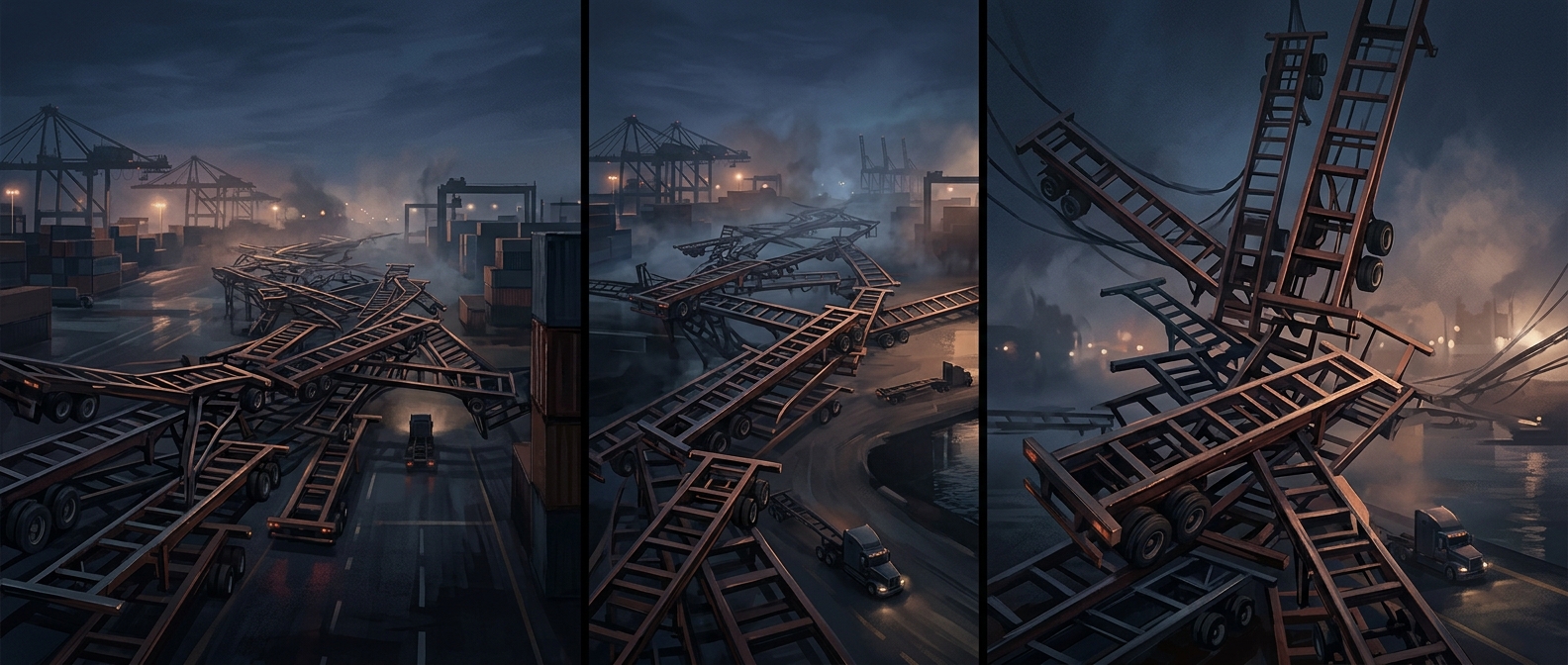
Port of Los Angeles relies on chaotic intermodal chassis pools to keep containers moving
A chassis is the wheeled frame that carries a shipping container, and a shared pool lets trucking companies borrow one instead of bringing their own. But…
Discover more
Why Canada fires artillery at snowy mountains
At Rogers Pass in British Columbia, the Canadian Armed Forces fire 105 mm howitzer shells into loaded snowpack to trigger avalanches while the highway is…
Discover more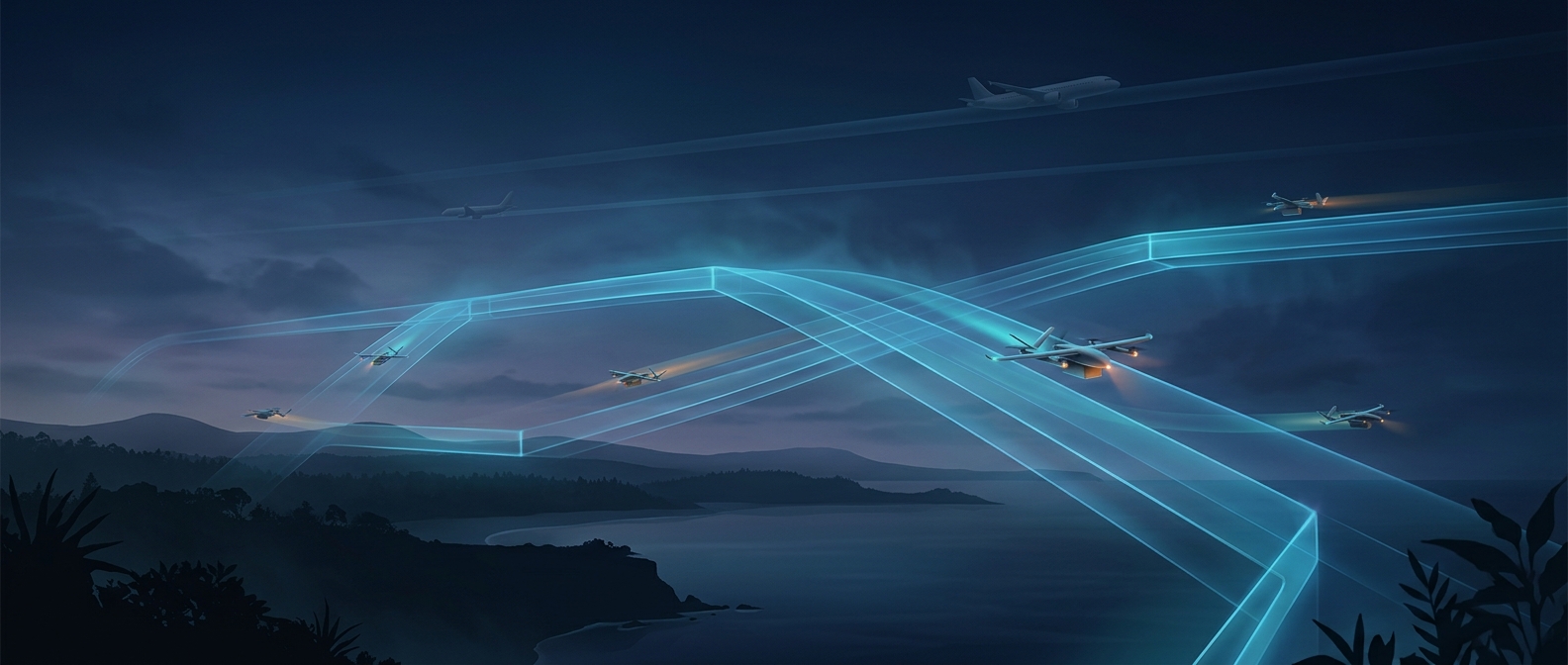
A drone needs more than an invisible fence to avoid a plane
A geofence marks where a drone may fly, but another aircraft can move into that space. Collision avoidance therefore needs information about traffic, from…
Discover more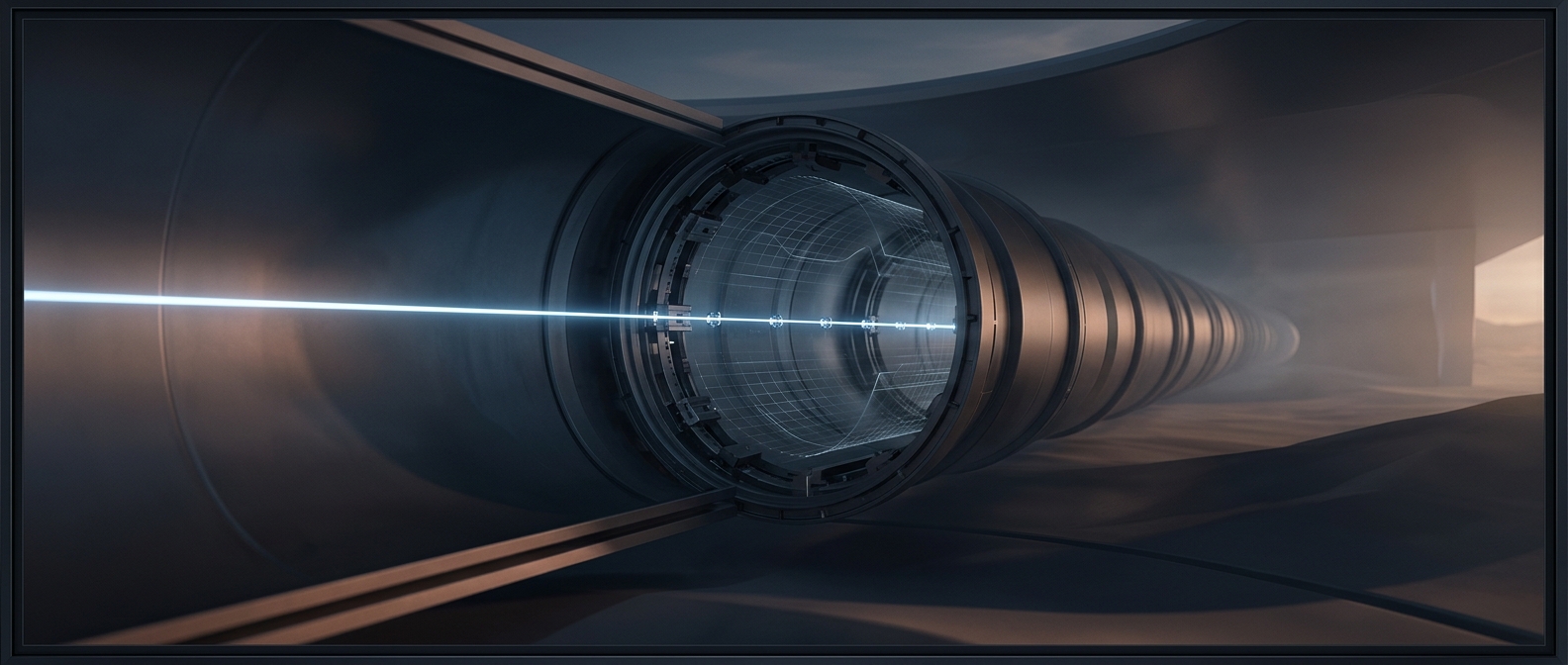
Hyperloop's central trick is to make the air get out of the way
At high speed, pushing through air consumes enormous energy. A low-pressure tube reduces that resistance around the vehicle, which is why the tube matters as…
Discover more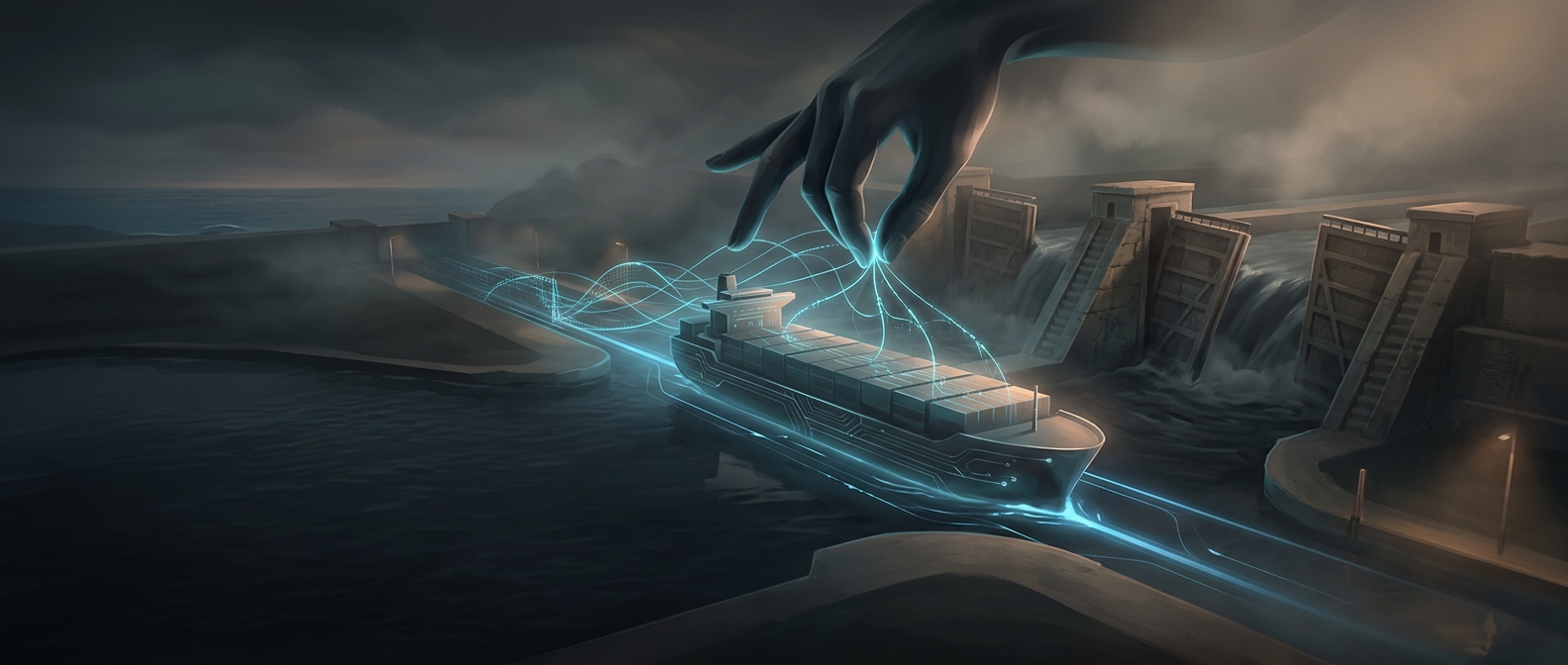
The Panama Canal's newer locks reuse most of their water
Water-saving basins beside the expanded locks store water during part of the cycle and return it when needed. The Canal Authority says the design reuses about…
Discover more
Basel's ferries let the river power the crossing
The Rhine ferries are tethered to overhead cables and use the river's current rather than engines to move between banks. Angling a constrained boat against…
Discover more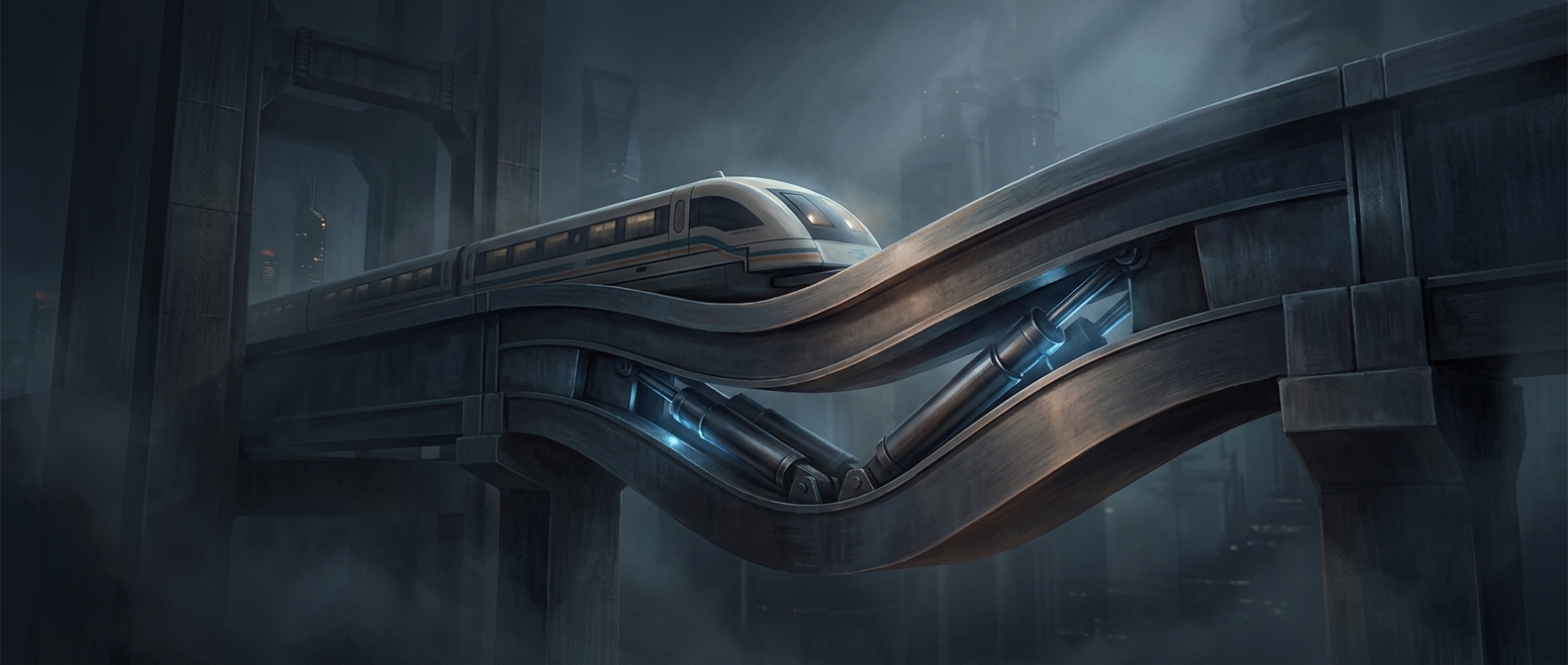
The train track that bends to change routes
The moving rails fit snugly against one track, steering each wheelset onto that route instead of the neighboring one. A switch is less a fork in the road than…
Discover more
Los Angeles has a railway short enough to miss on a map
Angels Flight connects Hill Street with the higher ground of Bunker Hill. Its tiny hillside route opened in 1901 and became a landmark despite the short trip.…
Discover more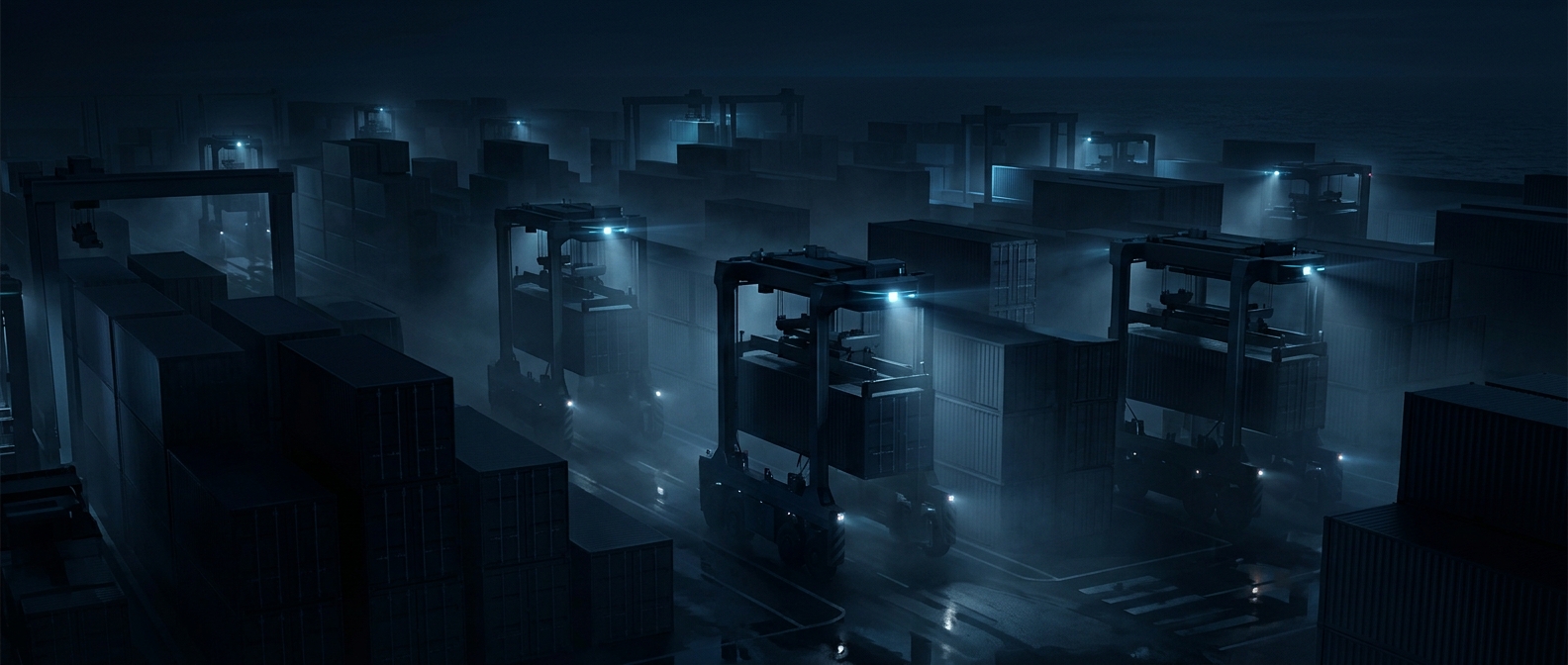
Robots move containers through Rotterdam's dark terminals
Automated guided vehicles carry containers between the quay and the yard, following routes tracked by sensors and control systems. With no drivers to see the…
Discover more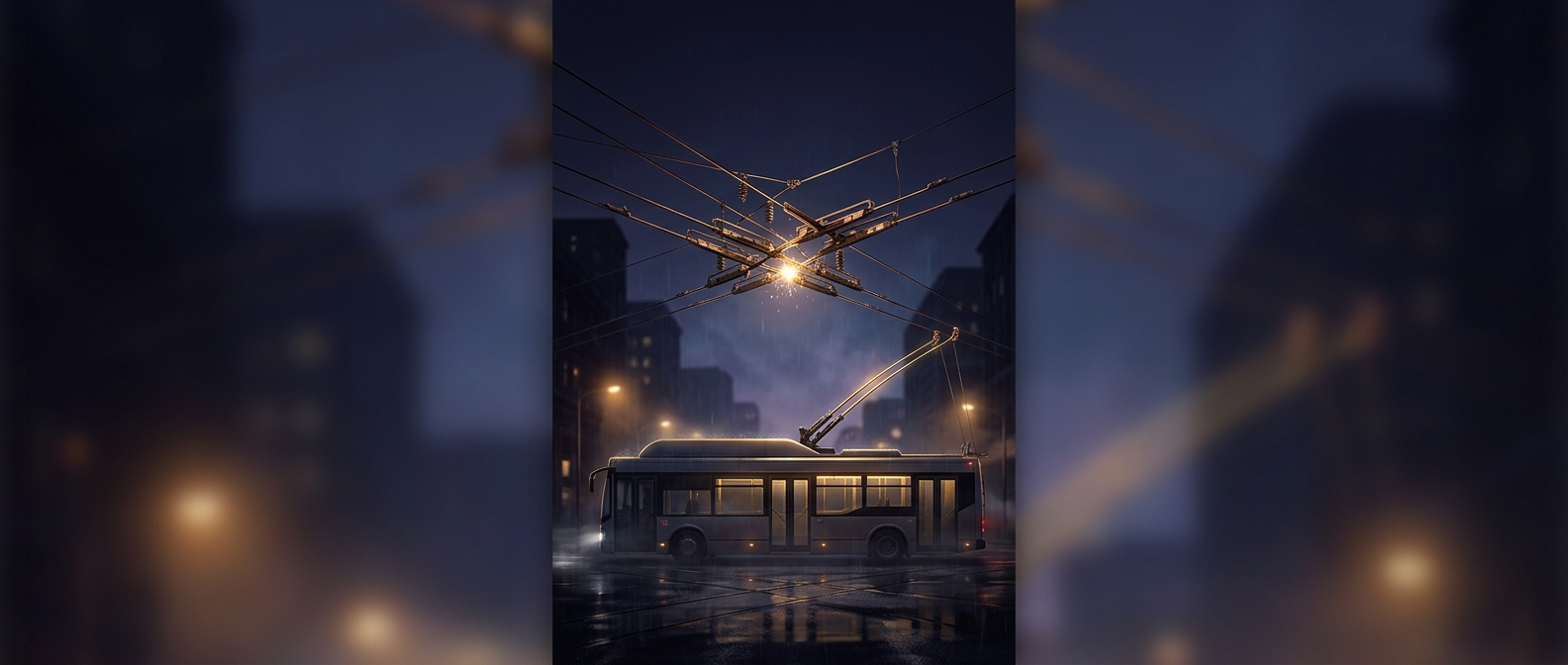
The strange frogs that switch trolleybus wires
Overhead wire switches called frogs guide trolleybus poles through junctions, steering them onto the chosen branch. Electrical contacts trigger the route…
Discover more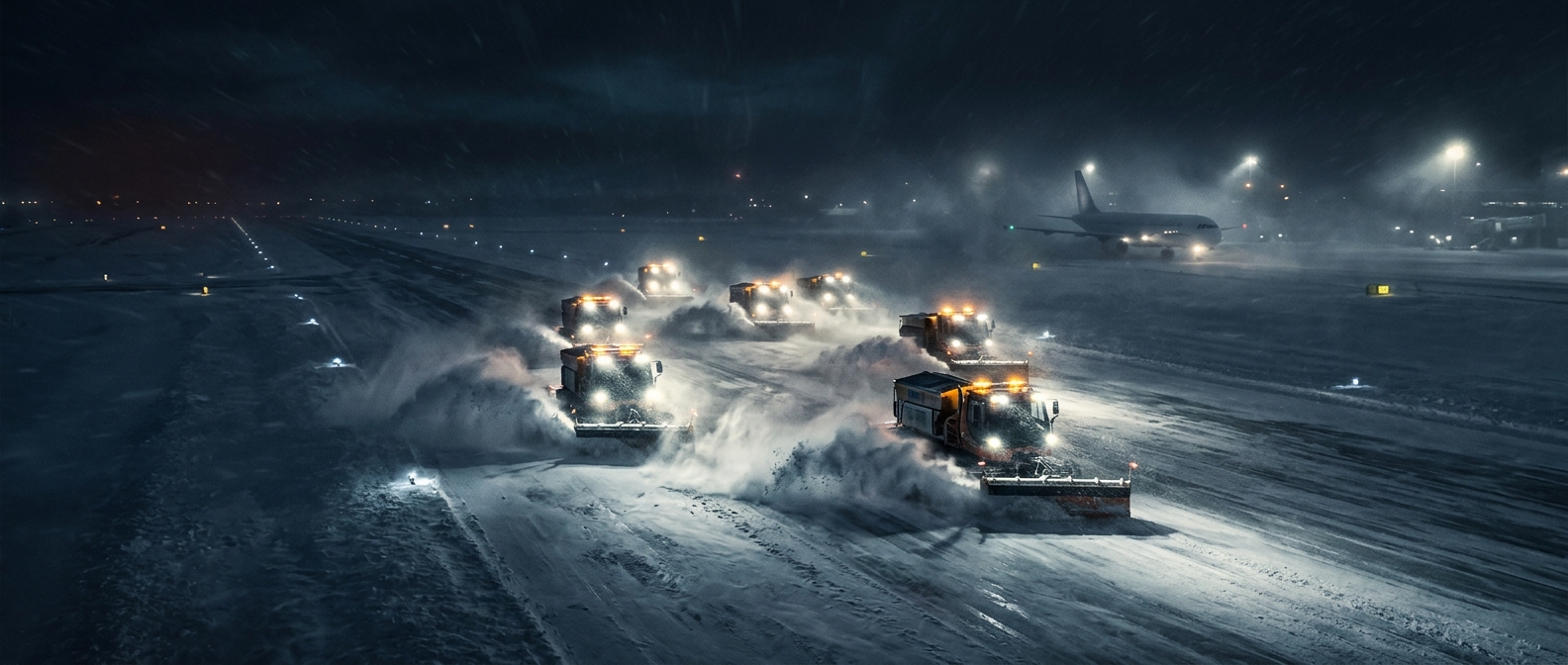
How Finland clears a snowy runway in minutes
A coordinated line of snowplows sweeps the runway together, pushing snow off the pavement in a single pass instead of clearing it one lonely strip at a time.…
Discover more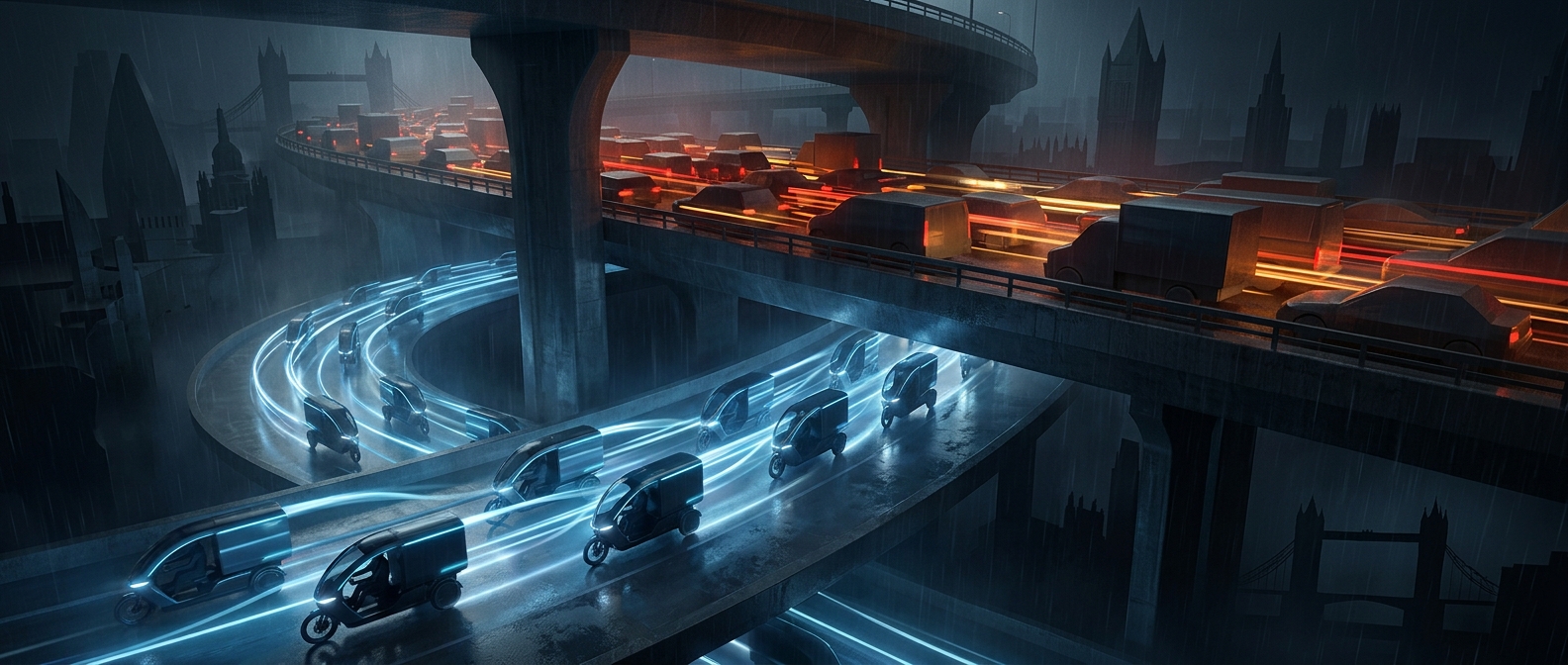
Why delivery companies are switching to cargo bikes
Cargo bikes carry parcels through crowded streets and stop close to the door, where delivery vans lose time hunting for parking. For the last mile, a bicycle…
Discover more