Transport
Discover facts about transport. Small discoveries that change the way you see familiar things.
Transport
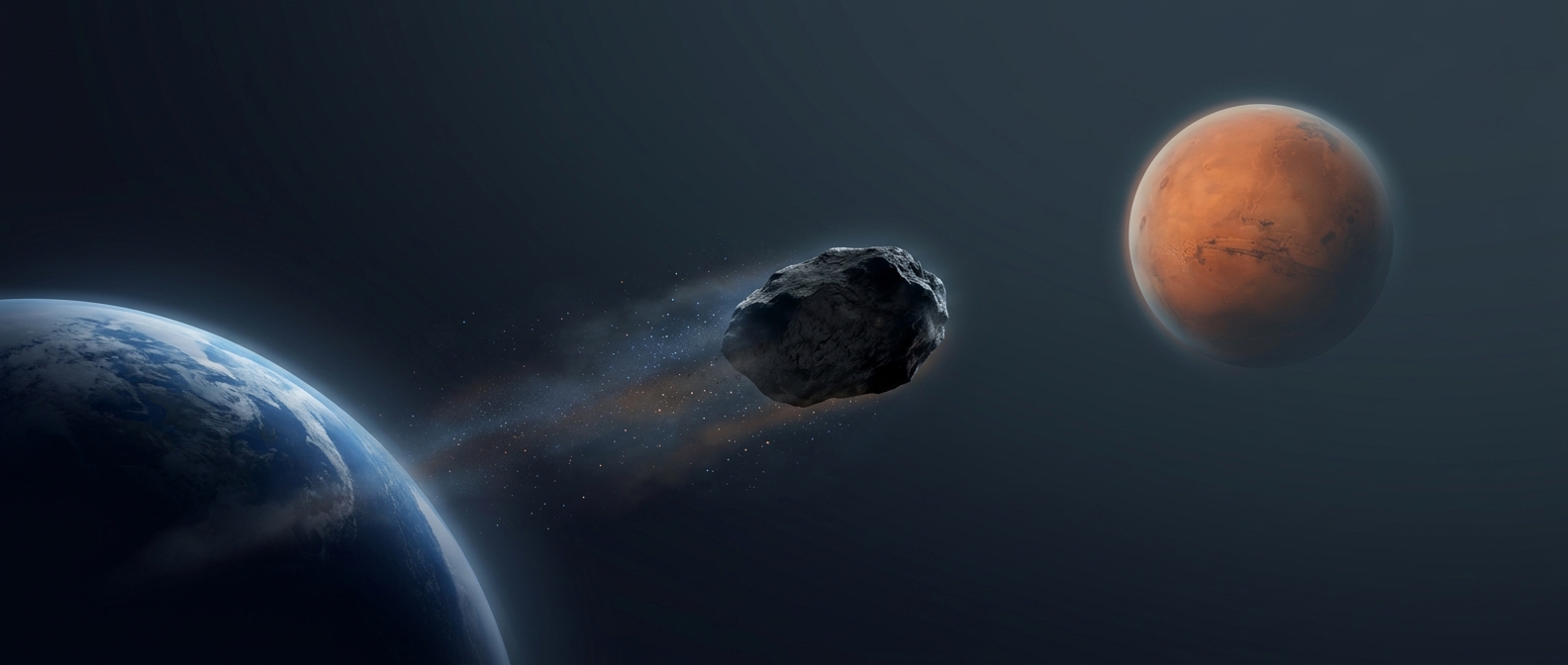
Rocks knocked off Earth could reach other worlds
A large impact can launch surface material fast enough to escape the planet. Computer simulations show possible routes from Earth to other planets and even,…
Discover more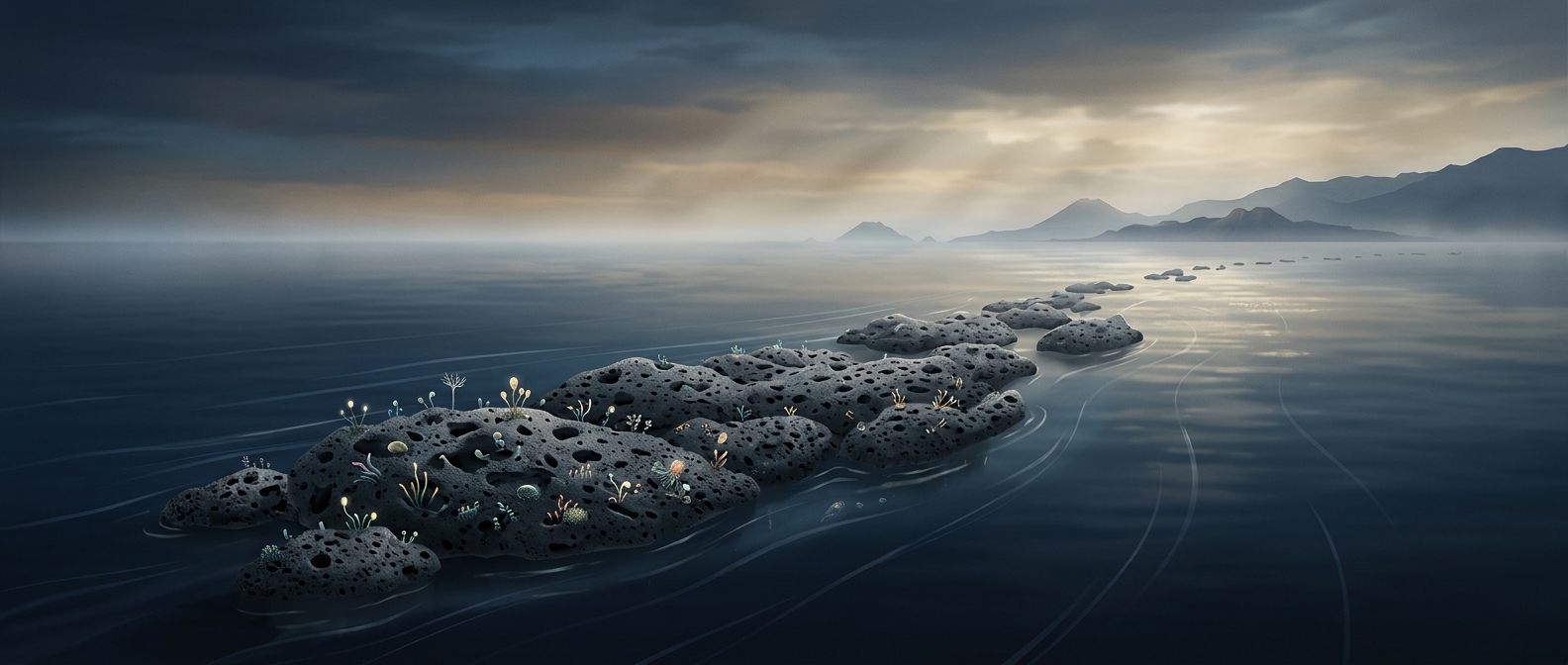
Volcanic rock can form a floating island of passengers
Pumice traps gas-filled pores as volcanic material cools, making some pieces buoyant enough to drift. Marine organisms can attach to the floating rock and…
Discover more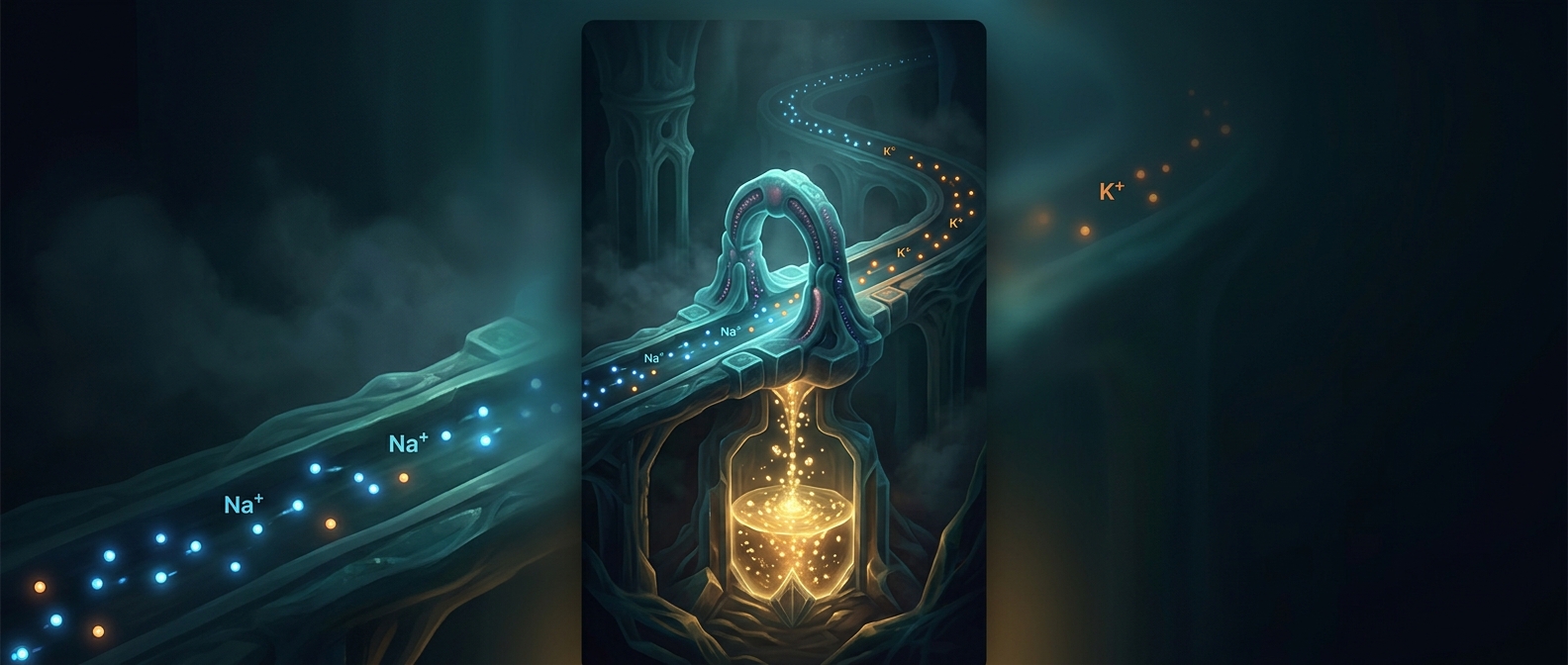
The tiny pumps that consume a fifth of your calories
Tiny sodium-potassium pumps in cell membranes spend energy pushing charged particles across the membrane. Those gradients let nerves send signals and muscles…
Discover more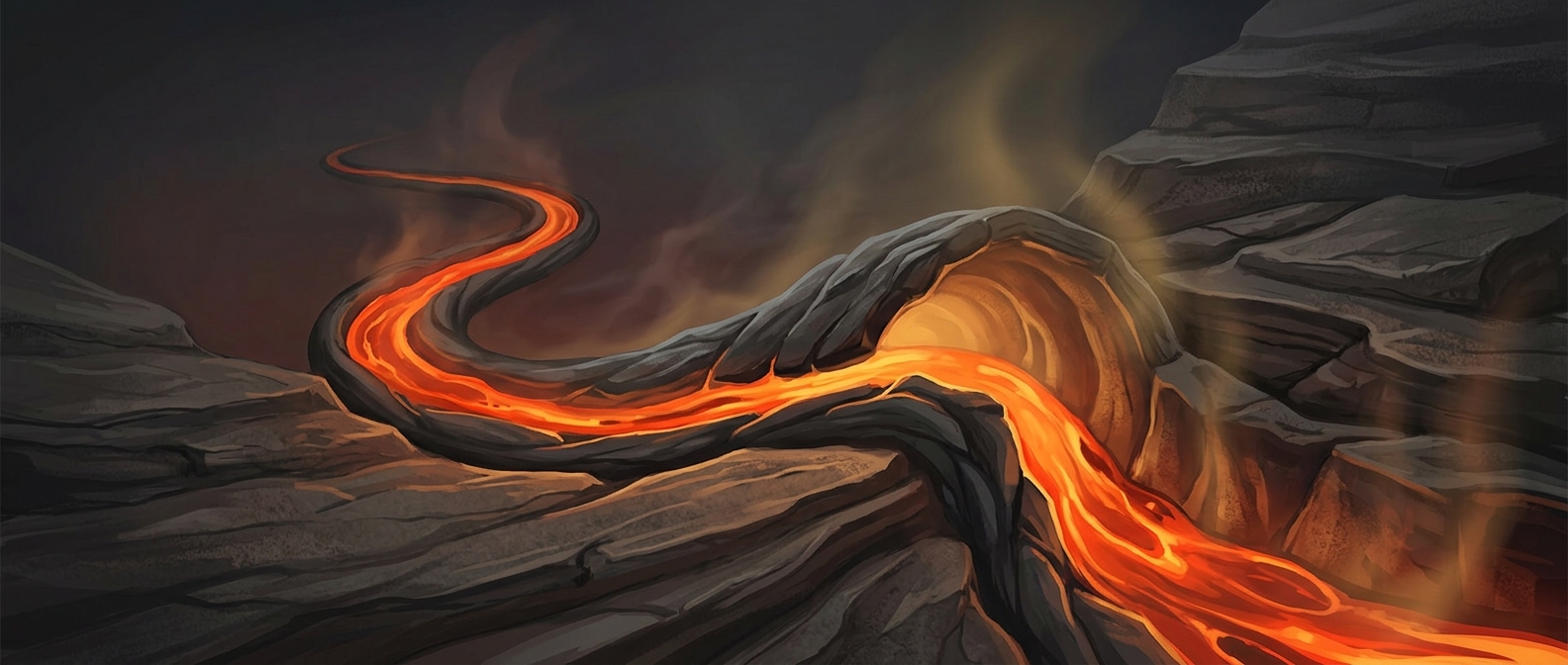
How lava builds its own underground tunnels
A lava flow cools into a crust while molten rock keeps running underneath. When the flow drains away, it leaves a hollow tube behind—nature’s plumbing, with…
Discover more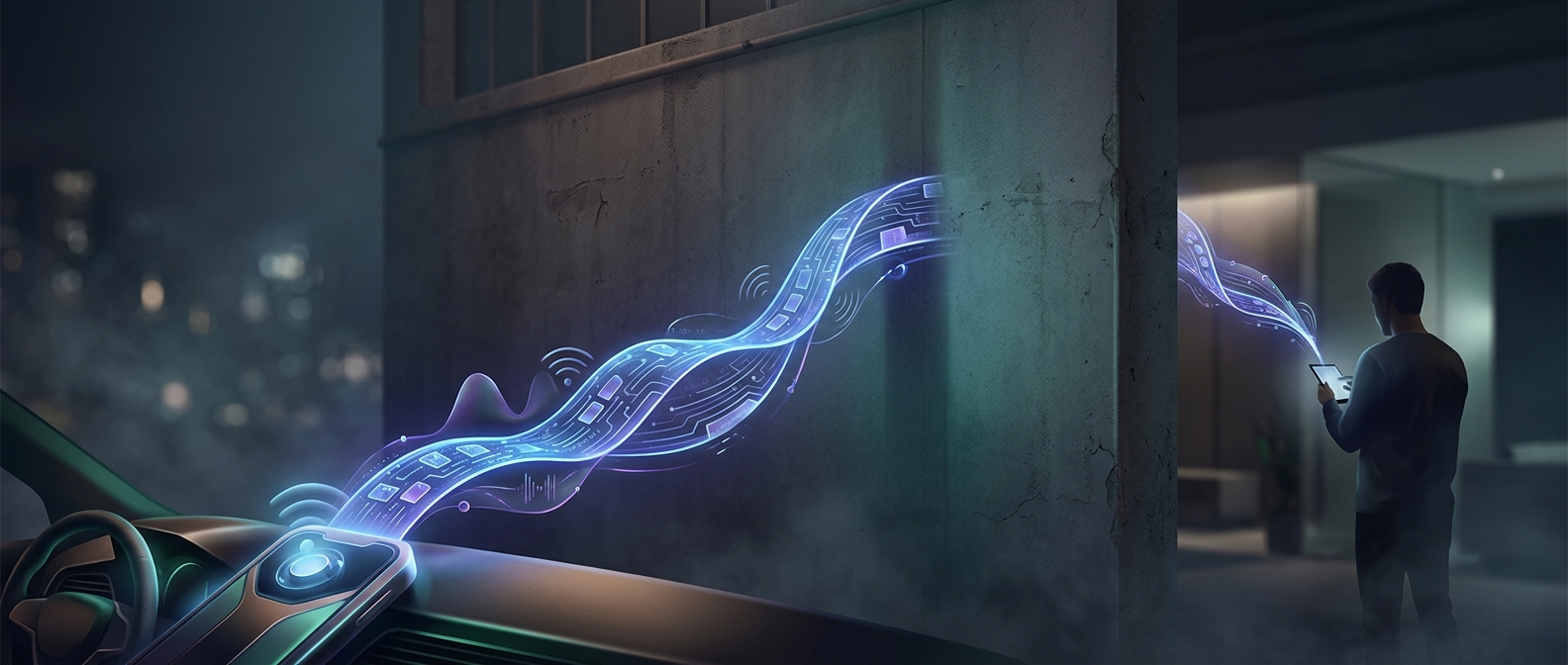
Your router sends data through walls
Wi-Fi is radio, not a tiny laser that needs a clear hallway. Its waves pass through walls, though each wall steals some strength; concrete and metal are…
Discover more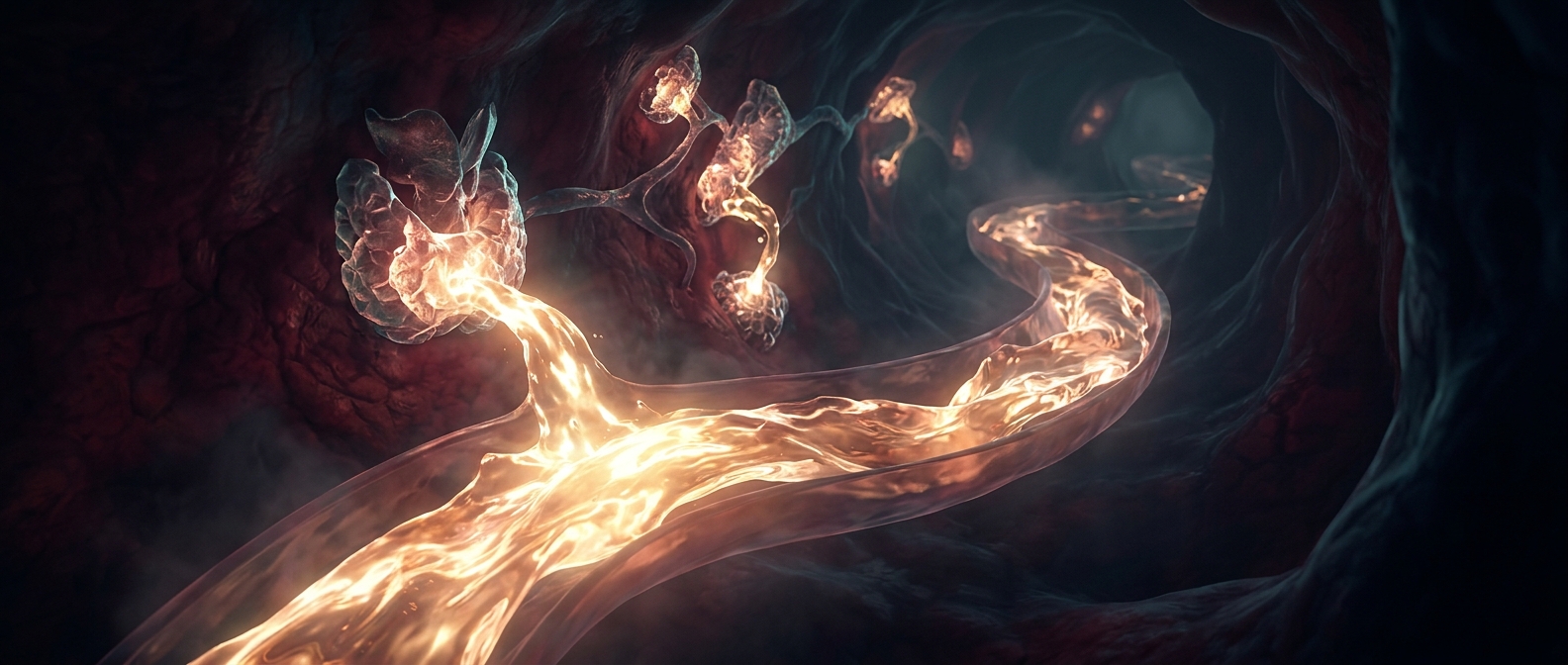
Endocrine glands ruthlessly flood your blood with hormones
A gland releases a hormone, and blood carries the message across the body. Only cells with the matching receptor respond—biology’s version of sending a…
Discover more STACKY FOR IPHONE
A bigger world.
One discovery
at a time.
Keep discovering with Stacky. Interesting facts in an app that is always within reach.

How platelets build a microscopic plug
When a blood vessel breaks, platelets stick to the exposed surface, switch on and call in reinforcements. They pile into a plug, then a fibrin mesh locks the…
Discover more
Your drinking water may have come from comets
Some comets contain ice with a hydrogen-isotope ratio resembling Earth’s water. If comet impacts supplied some of that water to the young planet, your glass…
Discover more
Microwave radiation forcefully shakes the water inside food
Microwaves make water molecules spin back and forth; their collisions pass that motion into nearby molecules as heat. The food warms from the inside of its…
Discover more
Ocean currents desperately try to warm frozen poles
Ocean currents carry warm water from lower latitudes toward the poles, moving heat around the planet. The sea runs a planetary delivery route for…
Discover more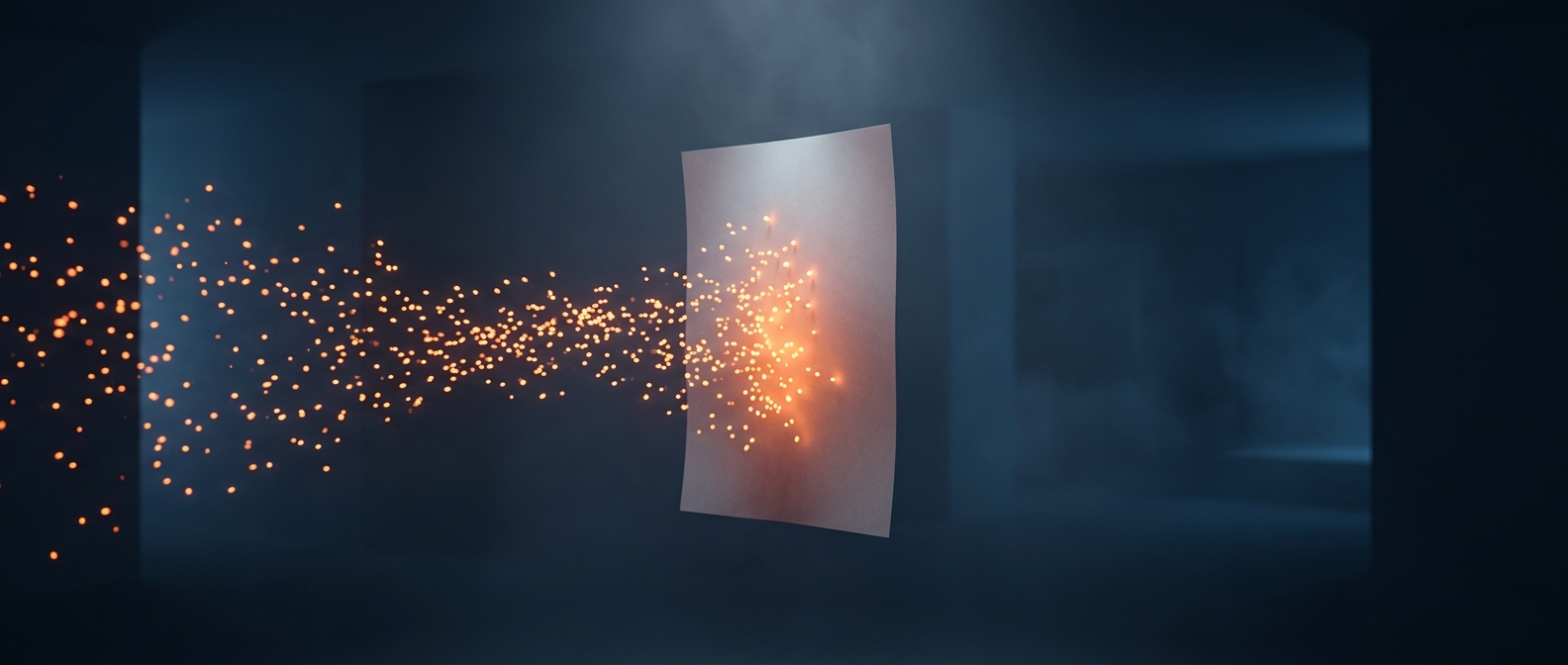
Alpha radiation particles miserably fail to penetrate paper
An alpha particle doesn’t travel far: it plows into atoms and gives up its energy quickly, so even paper blocks it. Outside the body, a notebook page wins;…
Discover more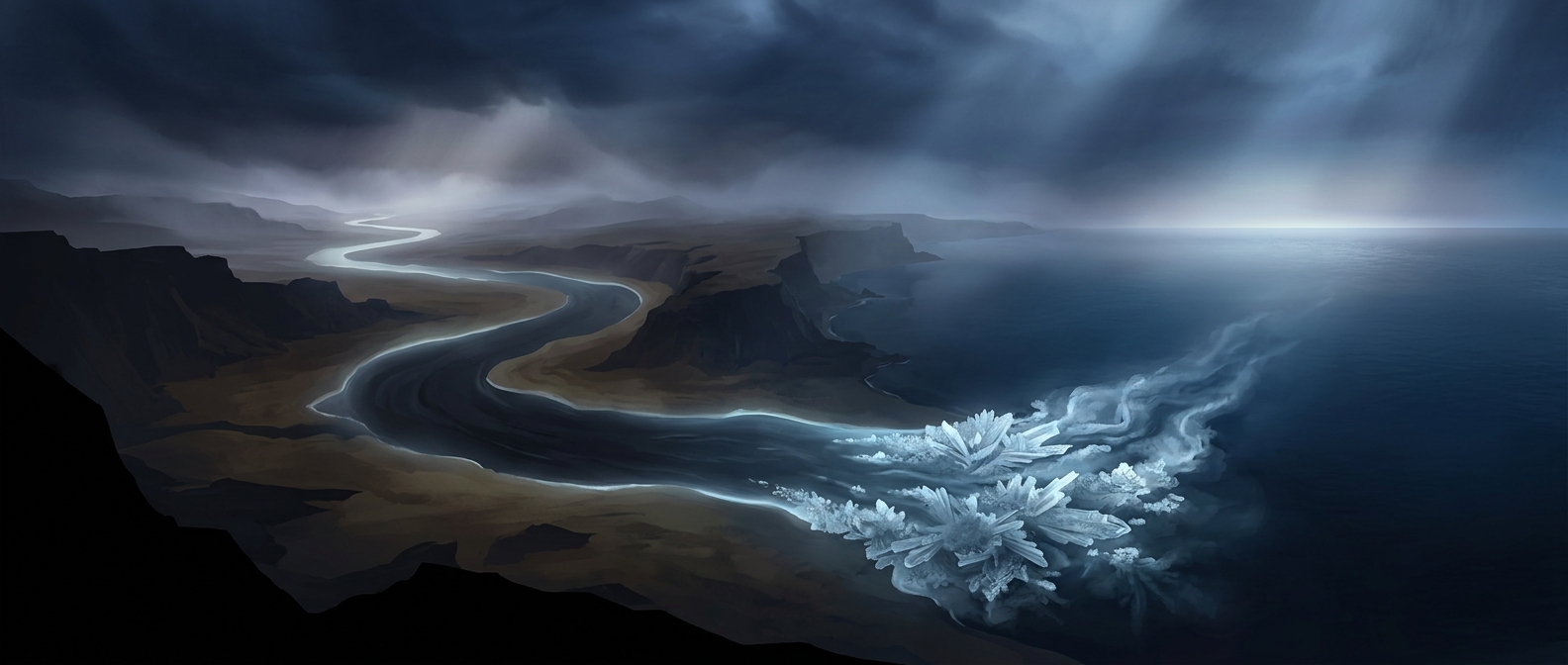
How rivers slowly make the oceans salty
Rainwater and rivers wear tiny bits of rock away, carrying dissolved minerals toward the sea. The water evaporates, but the salts stay behind—Earth’s oceans…
Discover more
Why tsunamis can hide in deep water
In deep water, a tsunami’s energy spreads through a wave stretching across a huge distance, so its height stays low and ships pass over it. Near shore, the…
Discover more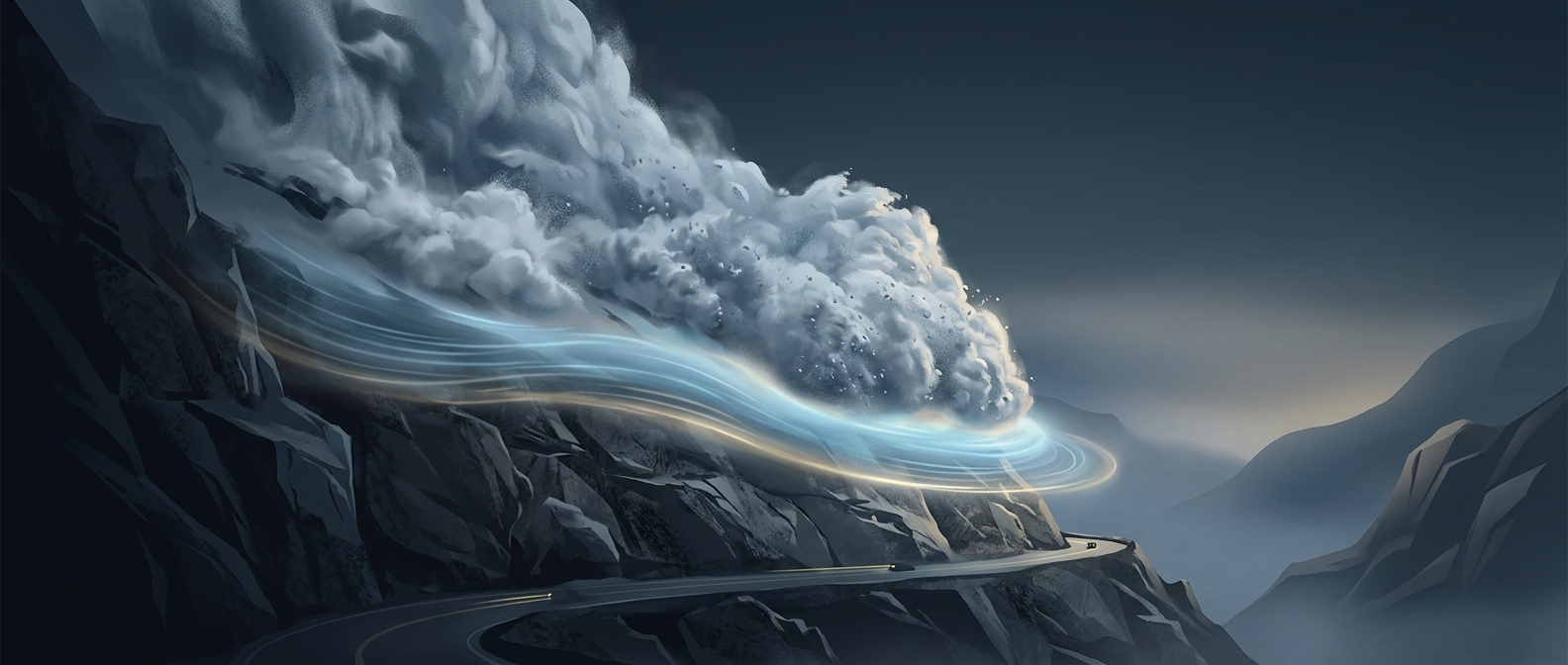
Avalanches can slide on a cushion of compressed air
The avalanche’s moving snow squeezes air beneath it, creating a thin cushion that cuts friction with the ground. That helps the mass keep sliding instead of…
Discover more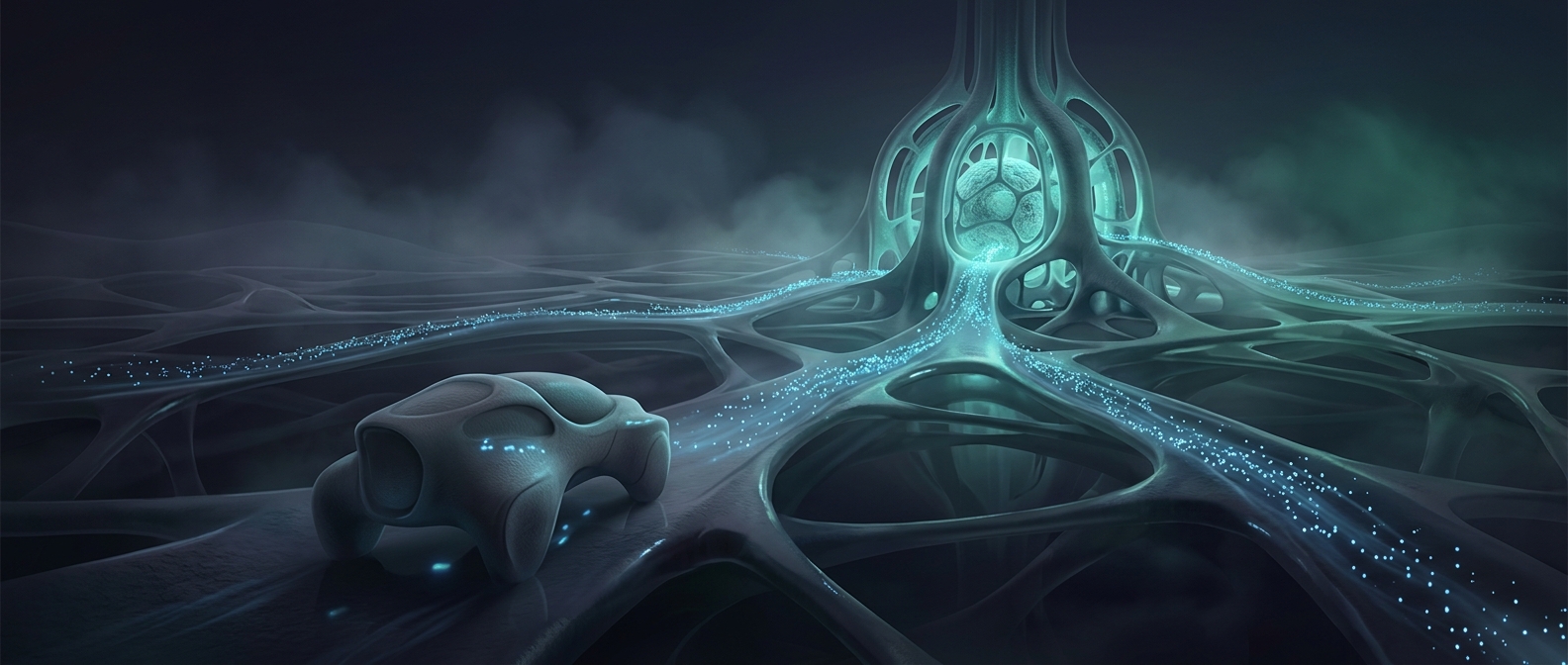
Why drinking seawater makes you thirstier
Your kidneys need water to remove salt, and seawater brings in more salt than they can flush using the water in the drink. The body pays the difference from…
Discover more
Heat can cross the vacuum of space
Sunlight carries energy as electromagnetic waves, so it crosses space without needing air or any other material to ferry it. A vacuum is no obstacle; it’s…
Discover more
The Sahara helps keep the Amazon alive
Winds lift phosphorus-rich dust from the Sahara and carry it across the Atlantic. Rain drops those nutrients onto Amazon soil, replenishing what heavy…
Discover more
How cholera drains the body of fluid
The cholera toxin disrupts the gut’s normal handling of salt, sending water pouring into the intestines and out of the body. The danger is rapid dehydration,…
Discover more
A Boeing 747 carries hundreds of pounds of paint
A 747 has so much skin that even a thin coat adds up to a hefty load. Paint also shields the aircraft’s metal from weather and corrosion, but every extra…
Discover more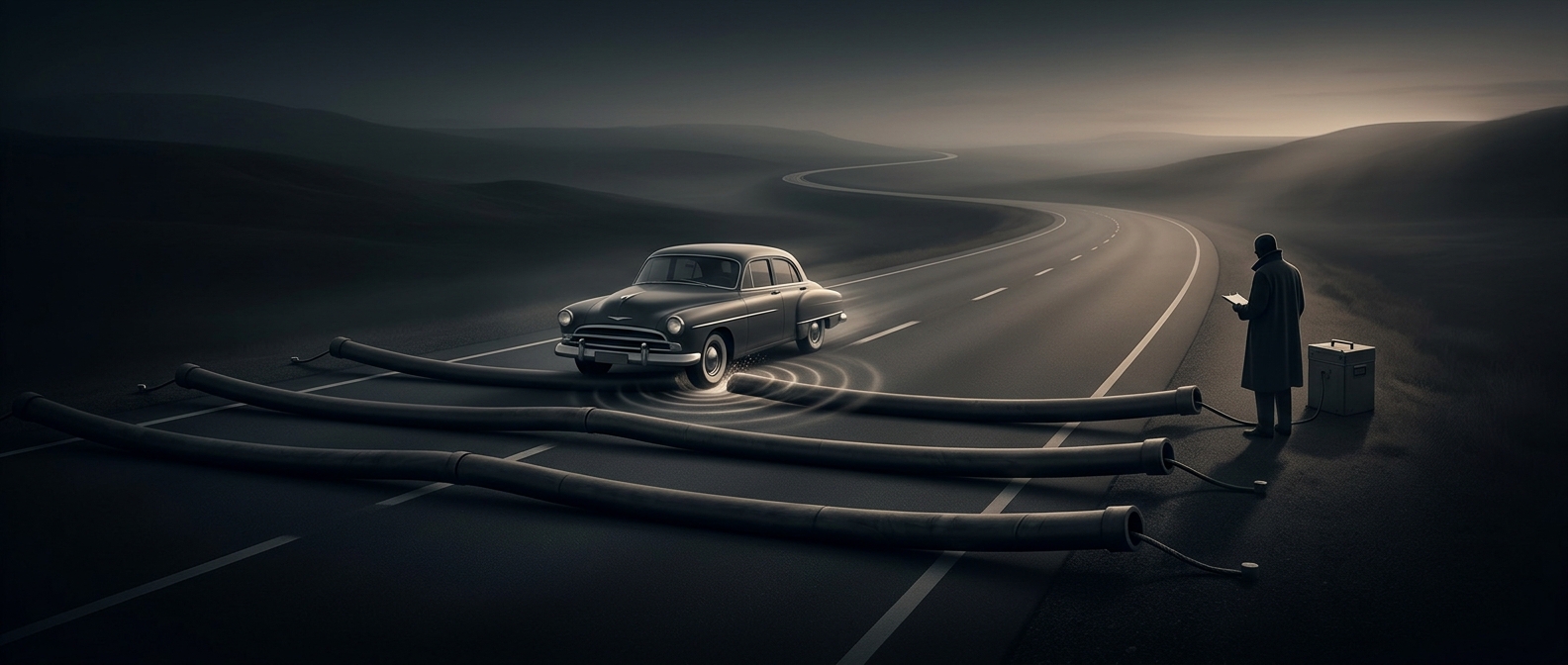
How rubber tubes counted passing cars
The tube worked like a giant pneumatic button: a tire pressed it, and the air pulse triggered a counter. Traffic statistics arrived one axle at a time,…
Discover more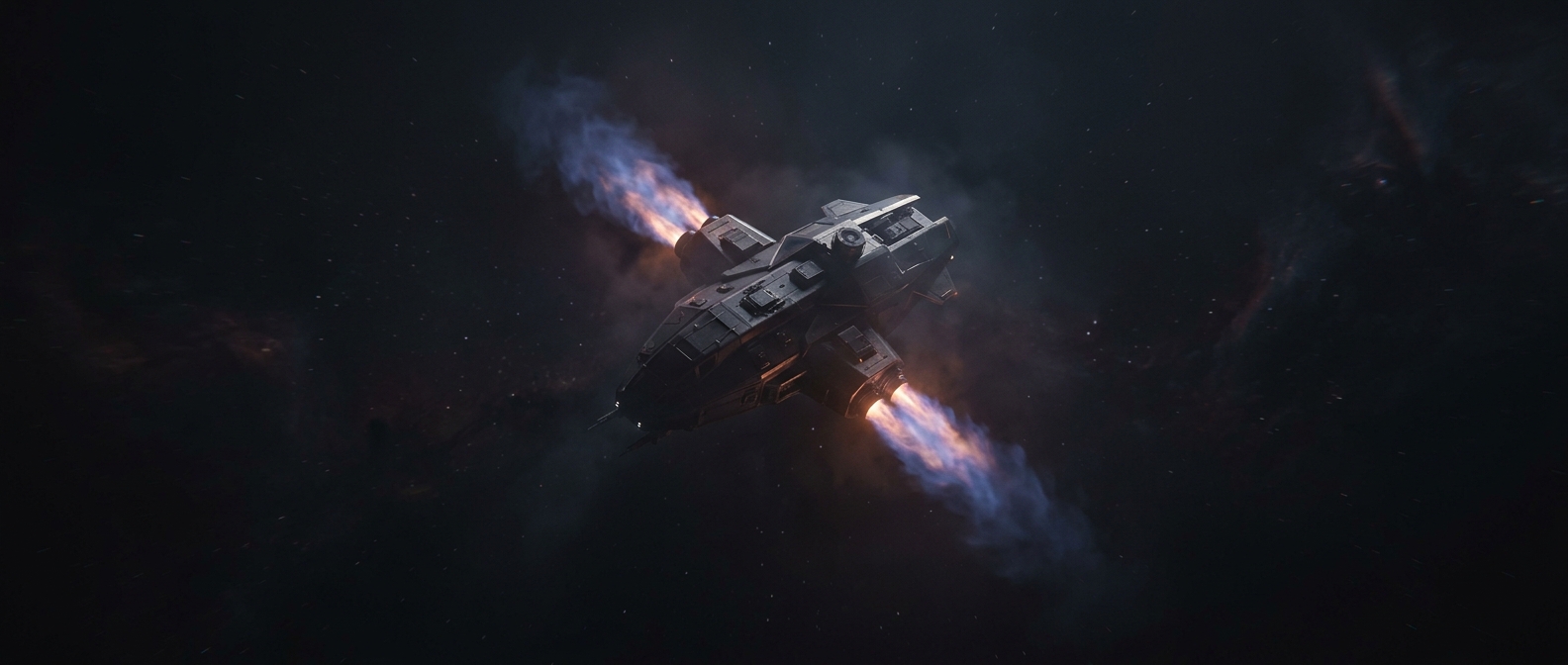
Reaction control thrusters puff gas to rotate
A spacecraft fires a small jet of gas in one direction, and the opposite push turns the craft the other way. Jets placed around the vehicle steer its nose…
Discover more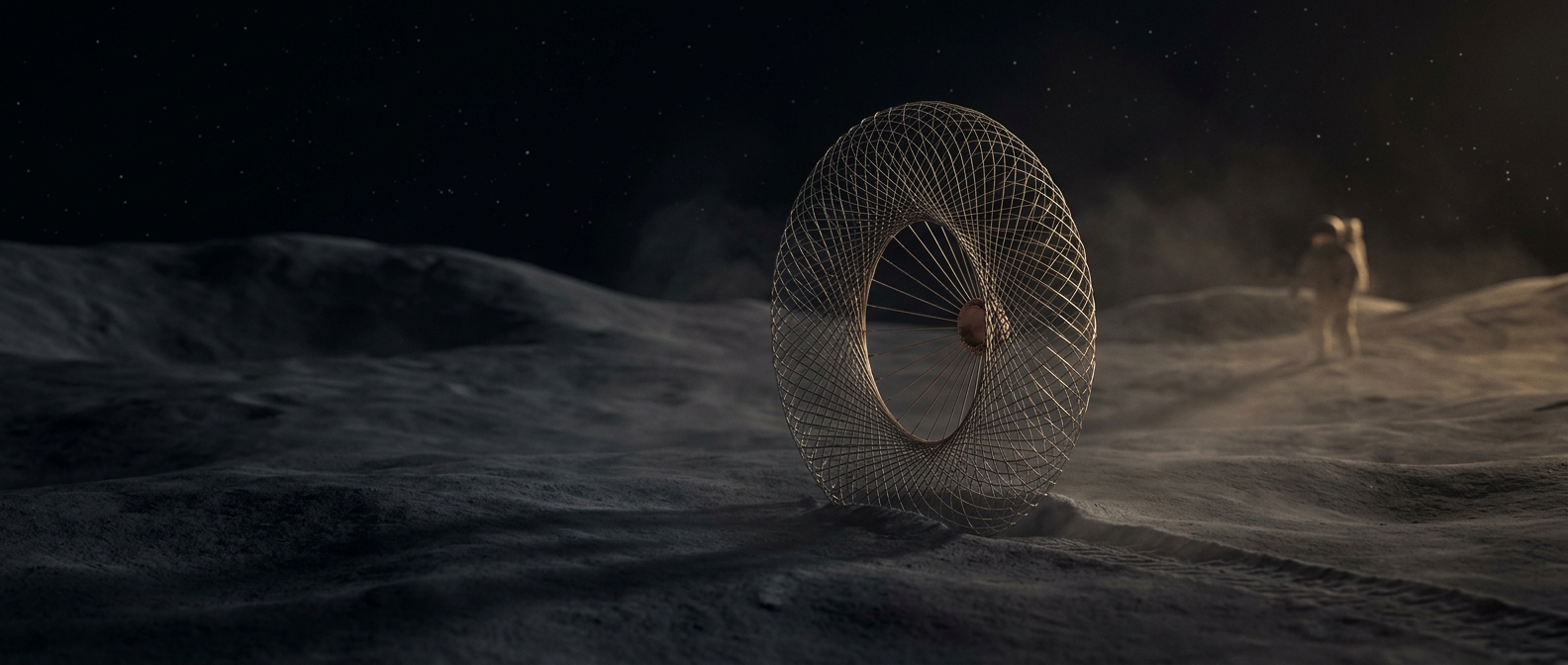
The Apollo tires made from woven metal
The lunar rover’s tires were woven from metal mesh, not filled with air. The open weave flexed over rocks without the weight or puncture risk of ordinary…
Discover more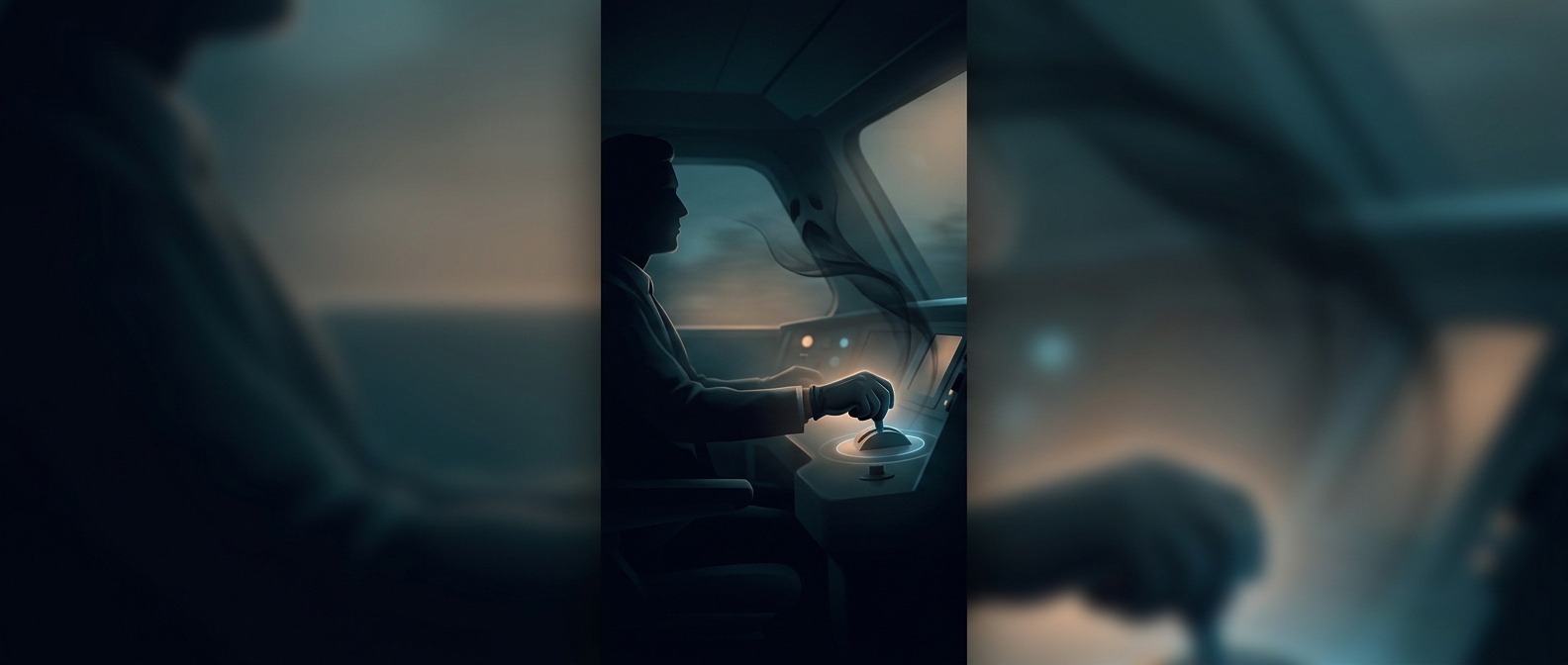
A train can ask its driver to prove they are still alert
Vigilance systems require periodic responses rather than trusting a motionless hand or foot forever. If the driver stops responding, warnings escalate and the…
Discover more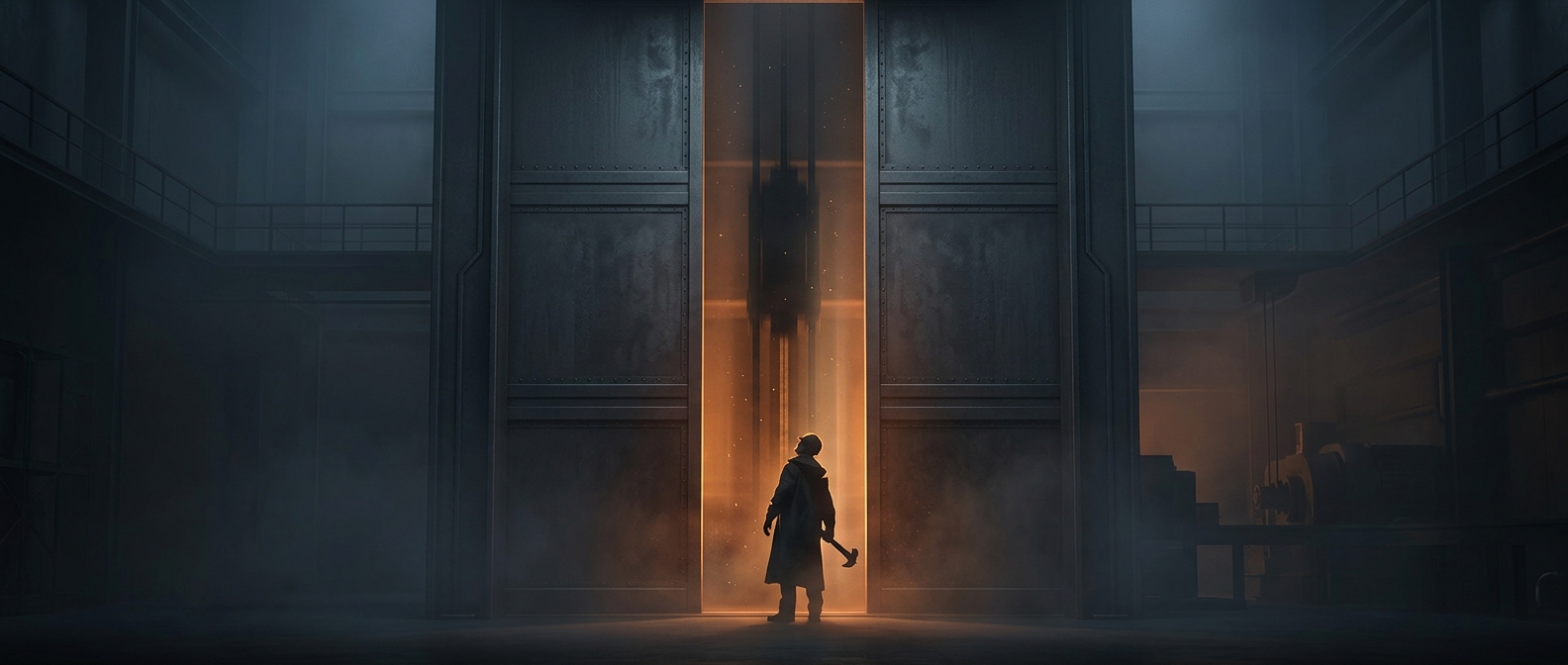
Industrial lifts feature vertical bi-parting doors
The doorway splits into two panels that slide vertically in opposite directions, opening a wide entrance without a giant door swinging into the work area. For…
Discover more