Transport
Discover facts about transport. Small discoveries that change the way you see familiar things.
Transport
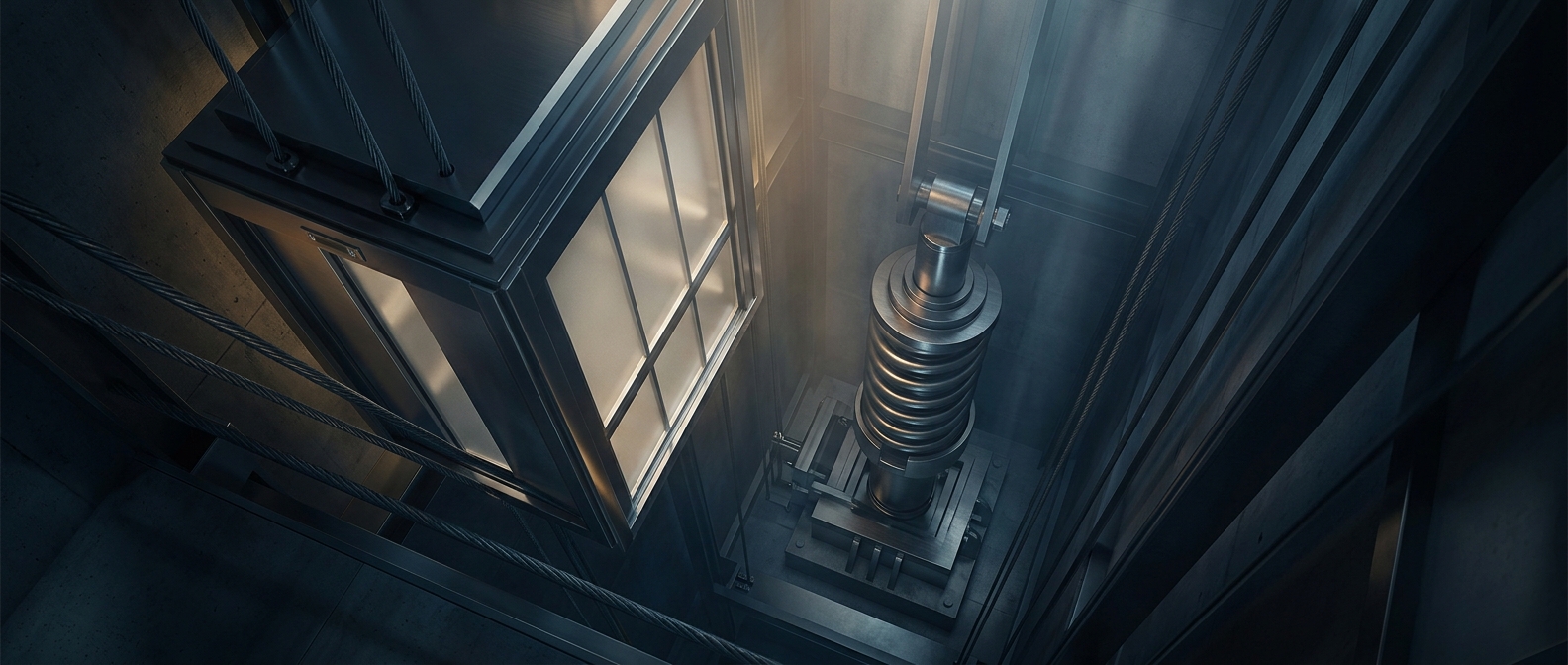
Elevators hide shock absorbers beneath the cabin
Just in case all the brakes miraculously fail, there is a final fail-safe waiting in the dark. The bottom of the shaft houses massive oil-filled buffers…
Discover more
Tactile paving keeps people off the train tracks
Those bumpy yellow floor tiles near the edge of transit platforms are not decorative patterns. They are specifically textured warnings designed to…
Discover more
How roller coasters stop trains from colliding
Thrill rides operate purely on extreme paranoia. The physical track is permanently chopped into distinct computerized zones, strictly preventing any carriage…
Discover more
Deep space antennas point precisely at Earth
Transmitting data across billions of miles requires terrifyingly accurate aim. Parabolic dishes on outer-planet probes must actively articulate their massive…
Discover more
Bumper dodgems draw electricity from the ceiling
Those sparks above your head during an amusement park collision are not special effects. The entire metal ceiling is a live electrical grid, and the long pole…
Discover more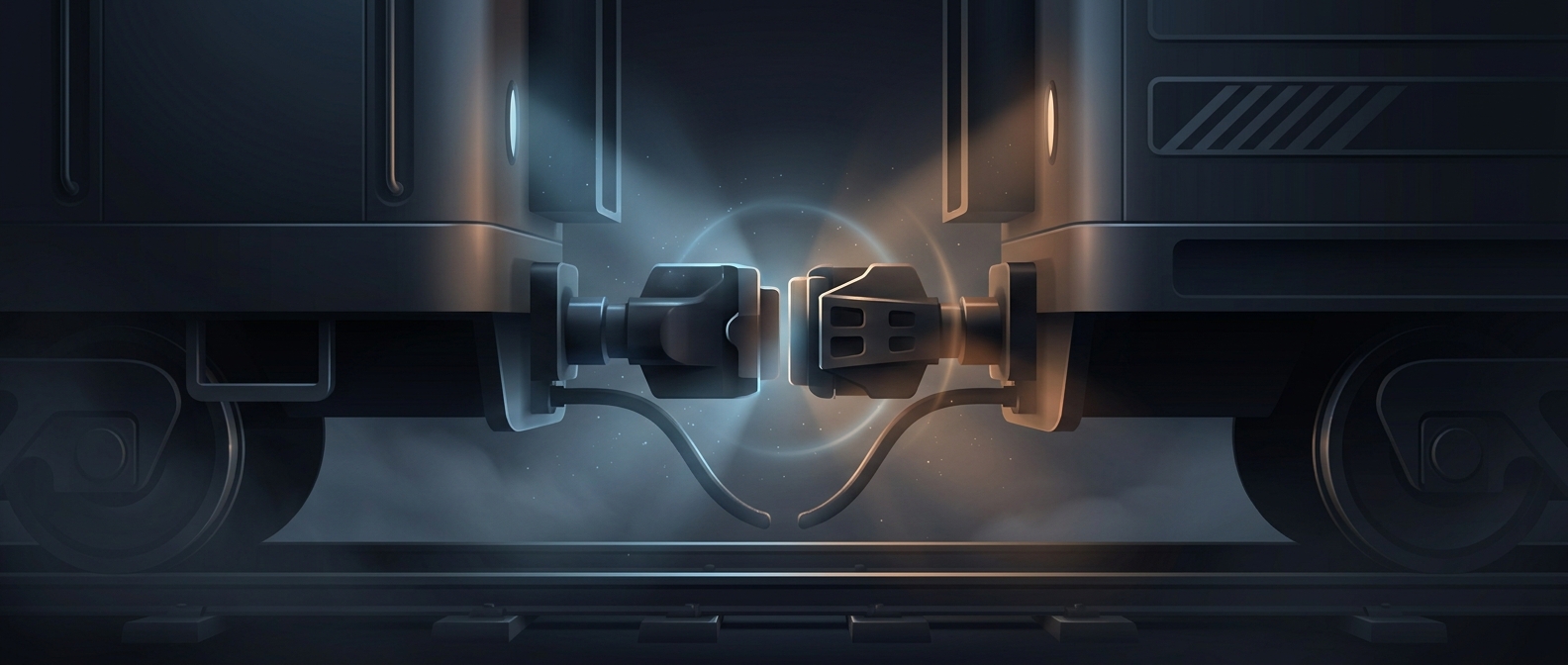
Train couplers lock entirely automatically
Manually linking heavy train carriages together is a fantastic way to lose an arm. Modern mechanical knuckles are strictly designed to clamp shut the very…
Discover more STACKY FOR IPHONE
A bigger world.
One discovery
at a time.
Keep discovering with Stacky. Interesting facts in an app that is always within reach.

Double-deck elevators serve two floors at once
Skyscrapers ran out of room for individual shafts, so they just stacked cabins on top of each other. Passengers simultaneously board from two different…
Discover more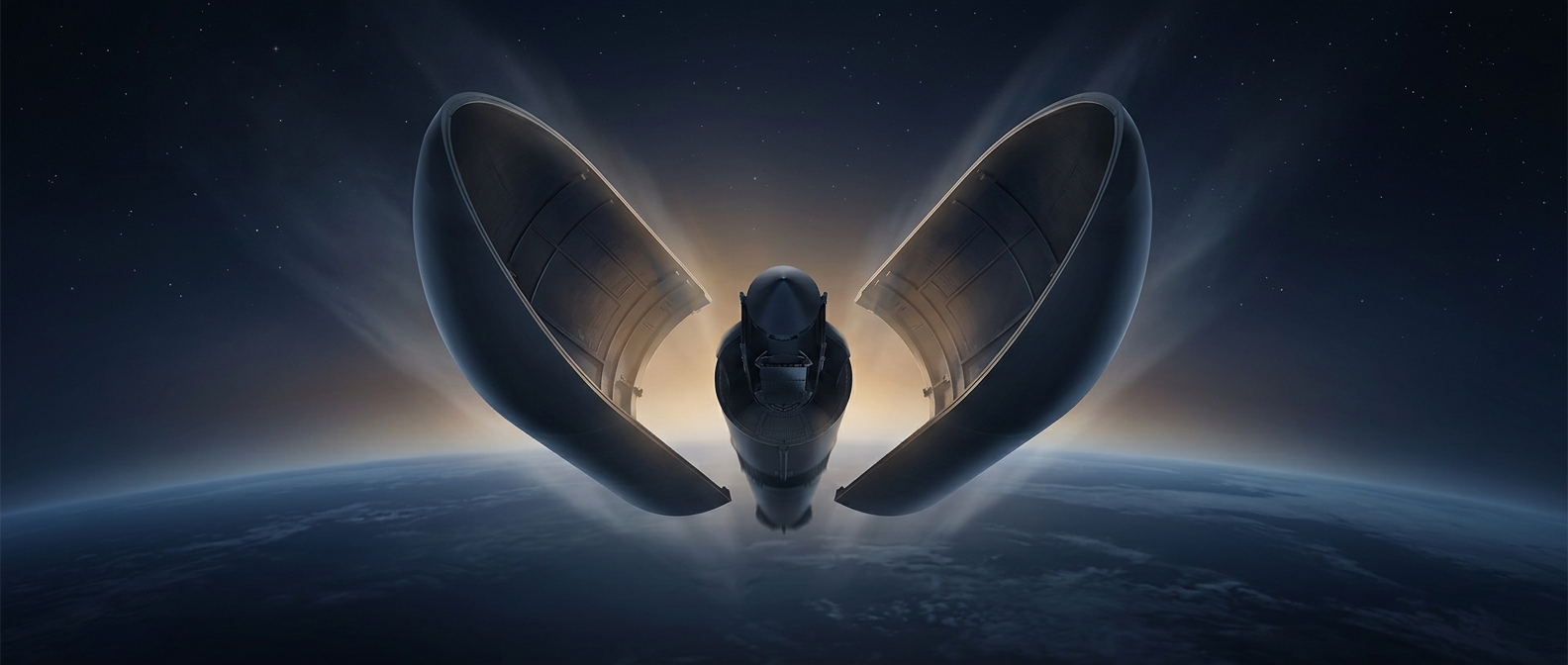
Rocket nosecones split open in space
The aerodynamic nosecone of a rocket is entirely useless once it hits the vacuum. Explosive seams forcefully blast the protective shell directly down the…
Discover more
The elevator that never stops moving
Why wait for doors to open when you can risk life and limb jumping into a moving box? These loop-based continuous lifts require passengers to step into a…
Discover more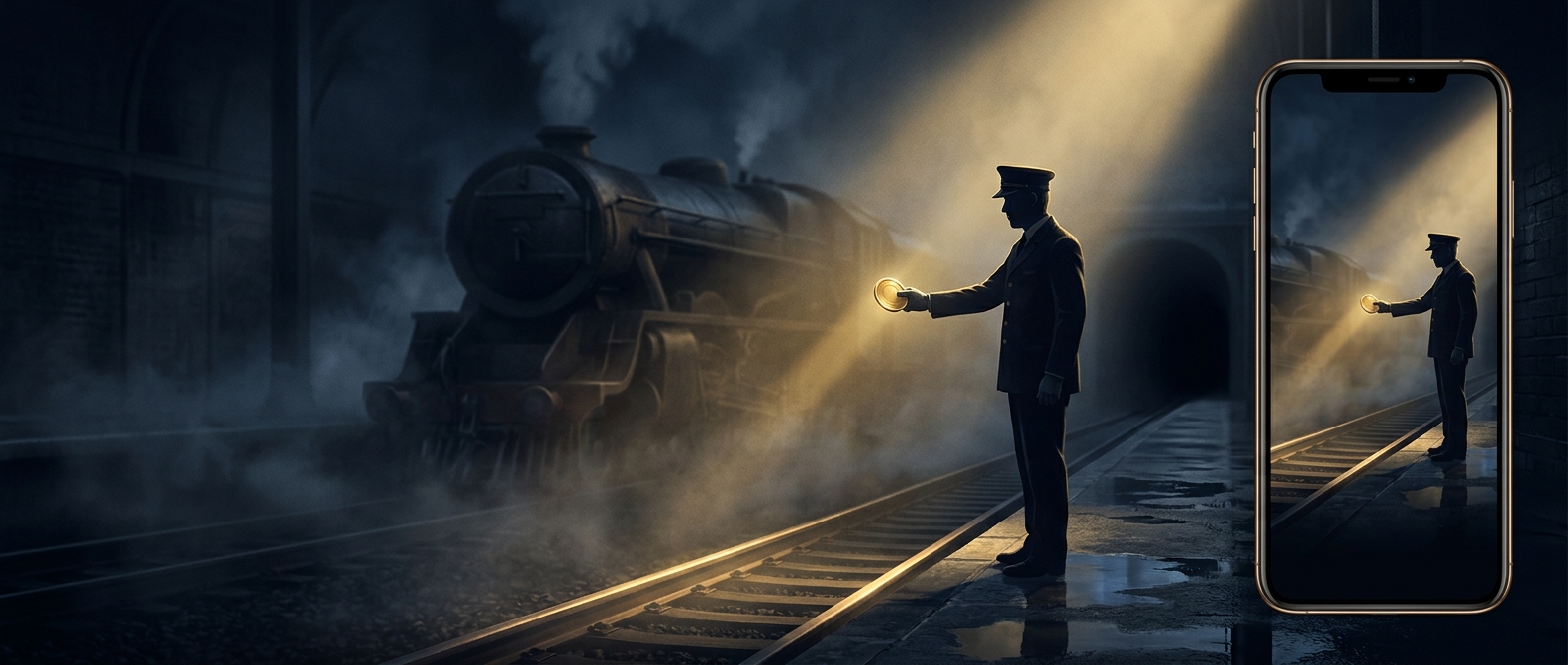
The brass token that prevented train collisions
Before electronic track circuits, stopping head-on collisions involved literal metal trinkets. A driver was physically handed a solid brass staff upon…
Discover more
Glass elevators ruin the illusion of safety
Most vertical transit systems purposefully hide their terrifying drops behind solid steel walls. Transparent observation lifts exist purely to force…
Discover more
Rocket nozzles gimbal to steer the craft
You cannot exactly steer a metal tube in a vacuum using fins. Instead, the entire explosive exhaust nozzle swivels mechanically, thrusting the blast in…
Discover more
Rocket exhaust plumes expand wildly in a vacuum
Without atmospheric pressure physically holding the flame tight, rocket fire goes entirely out of control. Once in deep space, the searing hot exhaust gases…
Discover more
Why launch pads flood the ground with water
Rockets are so outrageously loud that the acoustic shockwaves would literally shatter their own parts. To prevent the rocket from screaming itself to death,…
Discover more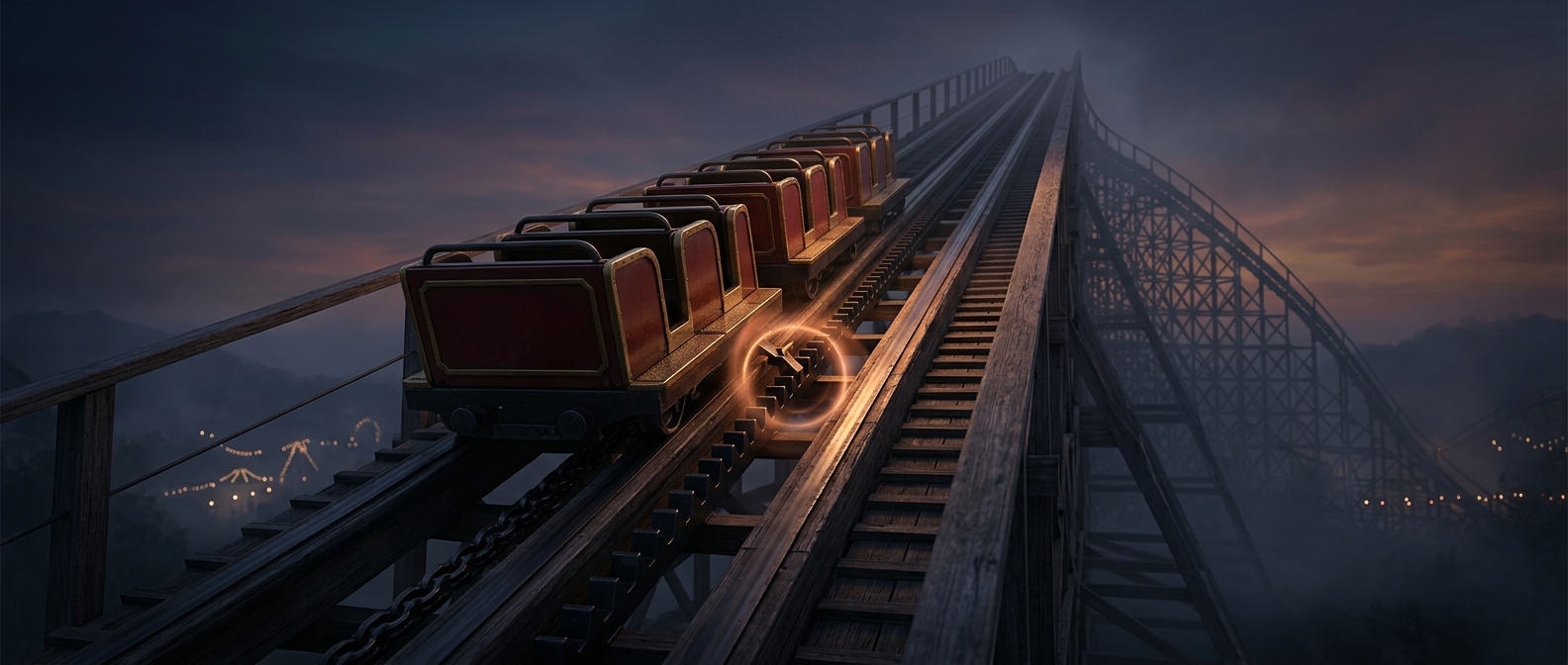
That roller-coaster clack is a safety feature
That menacing rhythmic noise you hear while climbing the first drop is entirely intentional. Heavy metal dogs continuously drag across a toothed track,…
Discover more
Why railway crossing barriers break so easily
Those wooden bars dropping over the road are not designed to physically stop a charging semi-truck. They are engineered purely as a fragile visual deterrent,…
Discover more
Modern lifts use flat steel belts over ropes
The classic twisted metal rope is finally being phased out by something even more terrifyingly simplistic. Flat polyurethane-coated steel belts wrap much more…
Discover more
Track circuits send voltage through the rails
The steel rails double as an incredibly primitive electronic sensor. A low electrical current runs constantly through the tracks; when a massive metal train…
Discover more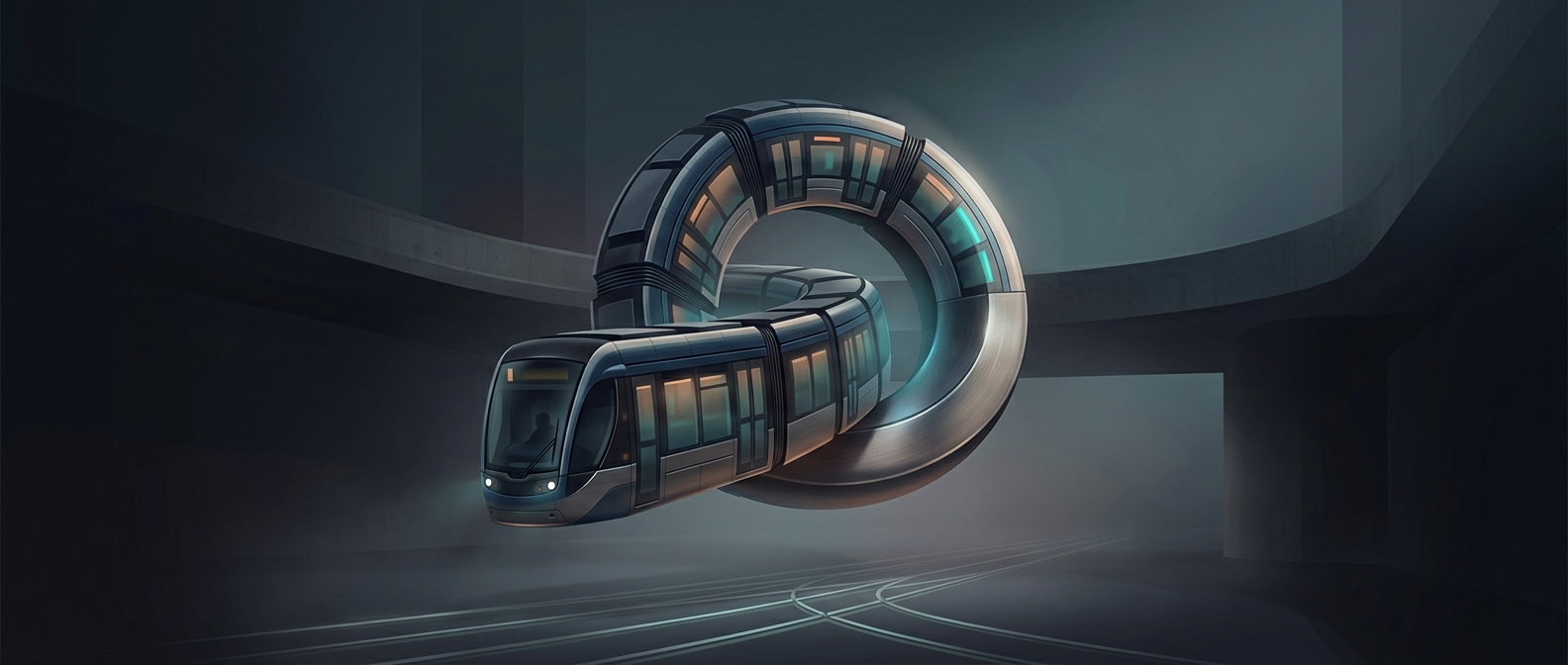
Articulated trams bend completely in half
Making a long, rigid metal box navigate tiny city intersections is mathematically impossible. So engineers just sliced the carriages into segments and…
Discover more
Why roller coasters use water-filled dummies
Engineers do not entirely trust their own math enough to use humans on the first run. Instead, they strap heavy plastic torso-shaped jugs filled with liquid…
Discover more
Shopping trolleys possess wildly drifting casters
You are not terrible at pushing carts; the wheels are actually plotting against you. The rear wheels are fixed, but the front wheels operate on unpowered…
Discover more
Elevator hoists feature massive ventilation grates
A rapidly plunging steel box acts exactly like a giant air piston. Without massive pressure-release vents located at the top of the shaft, the trapped air…
Discover more
Why astronauts wear bright orange launch suits
NASA isn't making a bold fashion statement; they are planning for catastrophic failure. The iconic orange suit worn by Space Shuttle crews during launch and…
Discover more
The fighter jet that became a flying liquor cabinet
The greatest threat to Soviet aviation wasn't the Cold War; it was a desperate thirst for vodka. The MiG-25 Foxbat utilized hundreds of liters of highly…
Discover more