Transport
Discover facts about transport. Small discoveries that change the way you see familiar things.
Transport
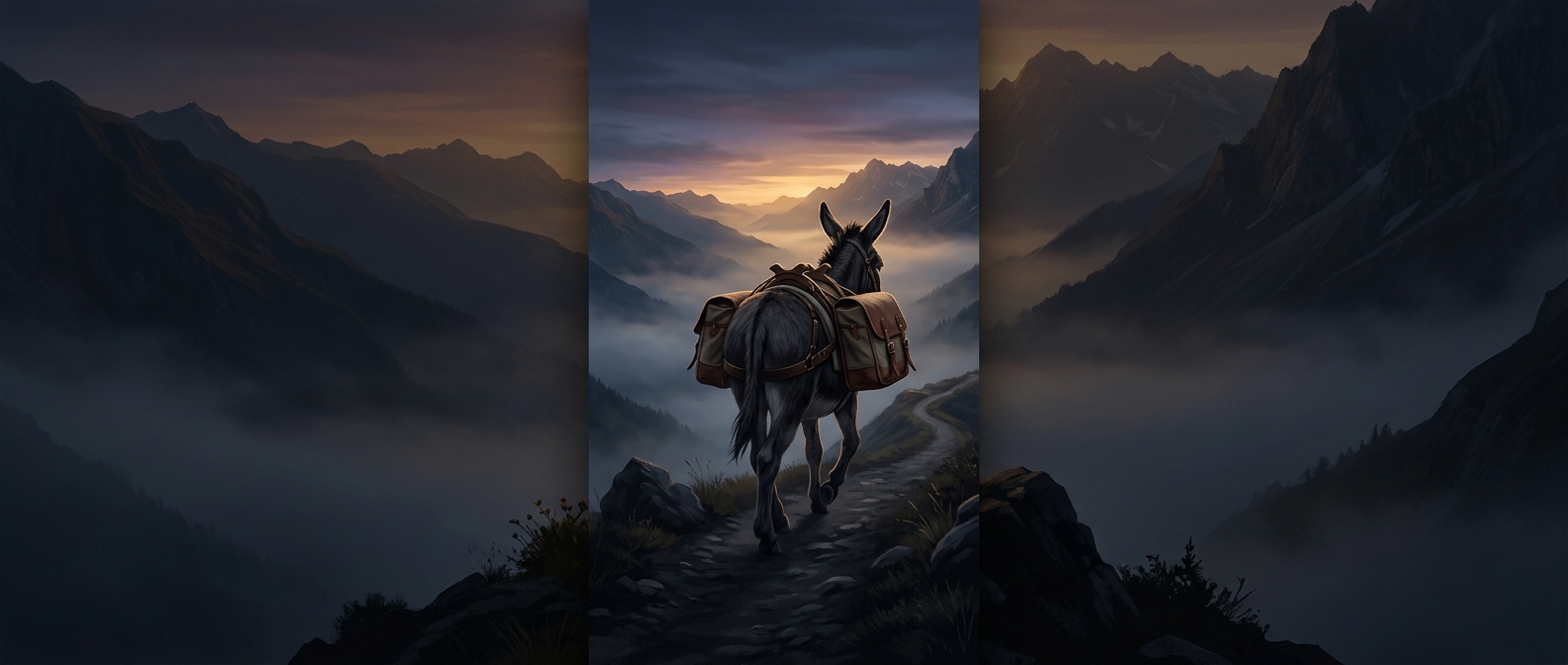
Panniers hang symmetrically on either side of a pack animal
Panniers hang on both sides so their weight stays balanced around the animal’s back. A matched load is easier to carry and less likely to pull the pack…
Discover more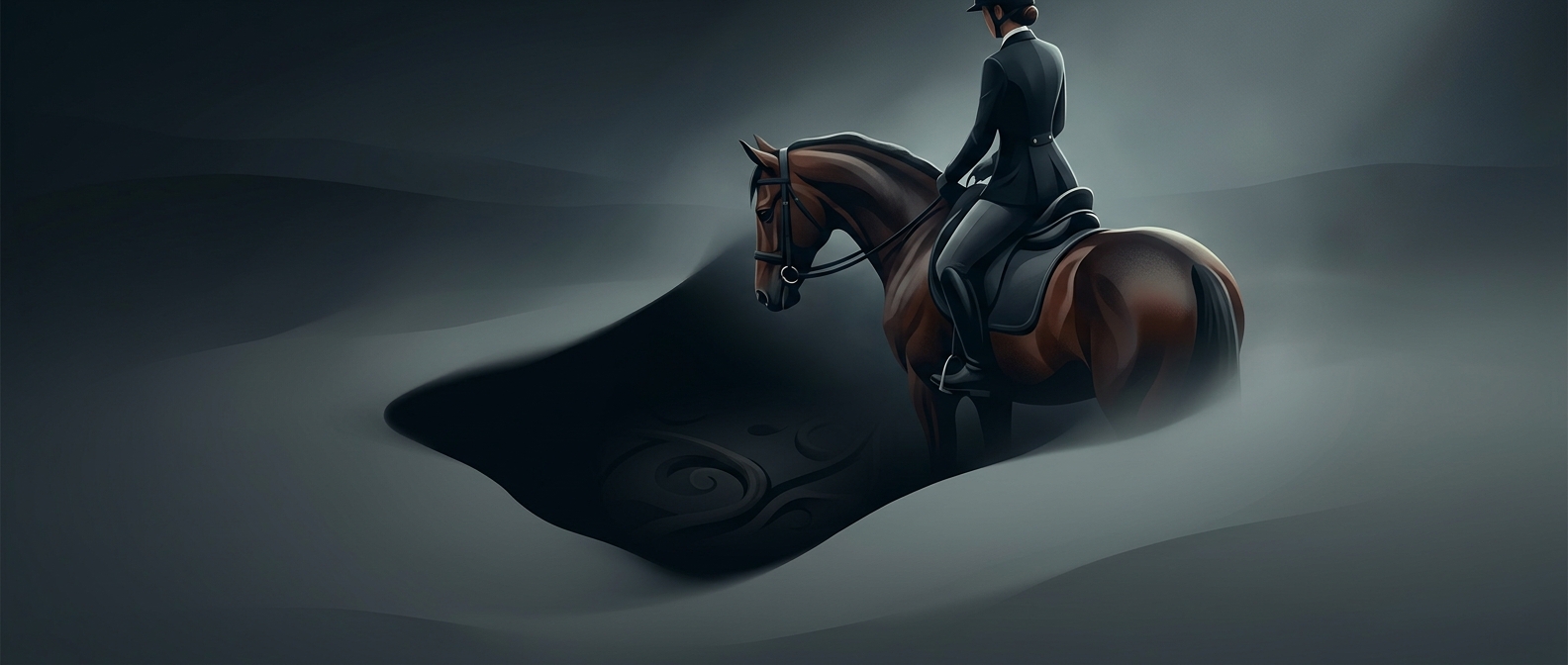
A horse can miss what is right under its nose
Side-facing eyes give horses a broad view for spotting threats, but leave blind areas directly behind them and very close in front of the face. Moving the…
Discover more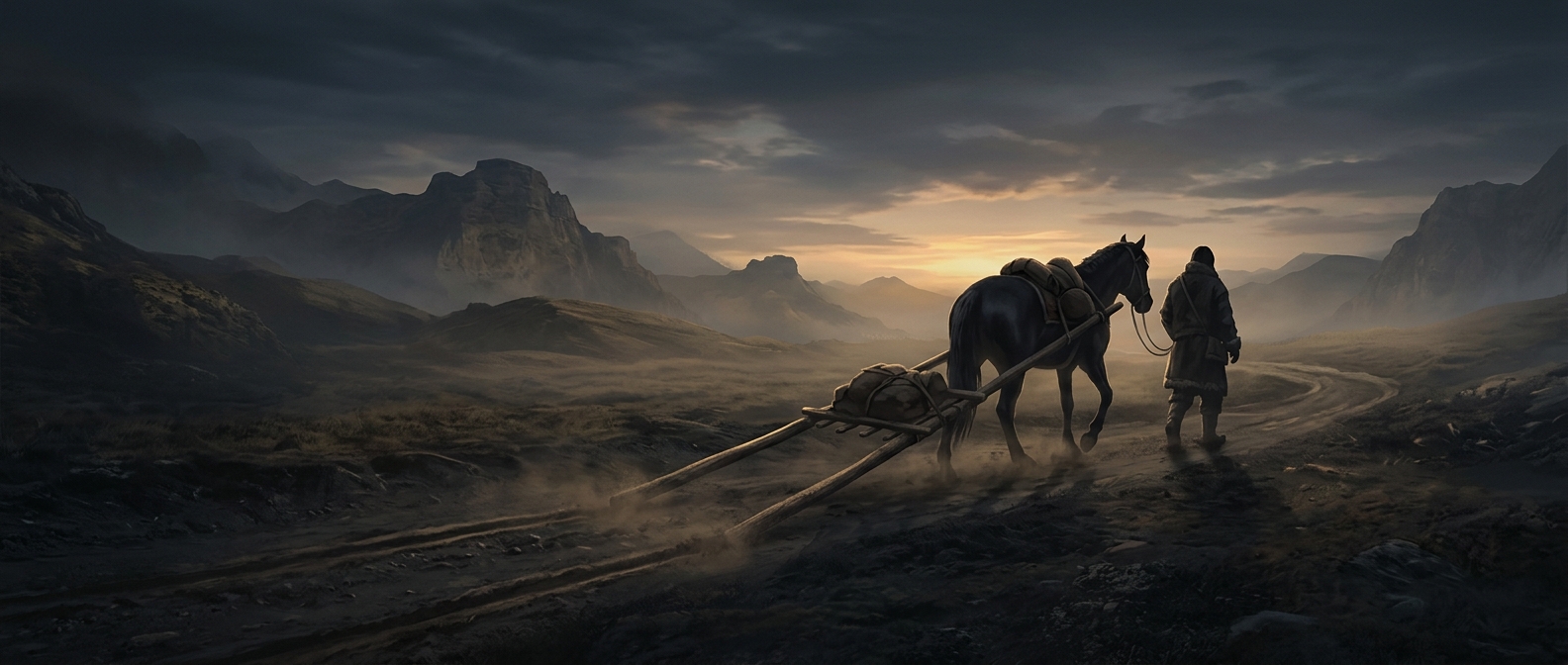
Travois sleds drag two long wooden poles behind an animal
A travois lets two poles drag behind an animal, with the load slung between them. The poles spread the weight and slide over rough ground, trading wheel…
Discover more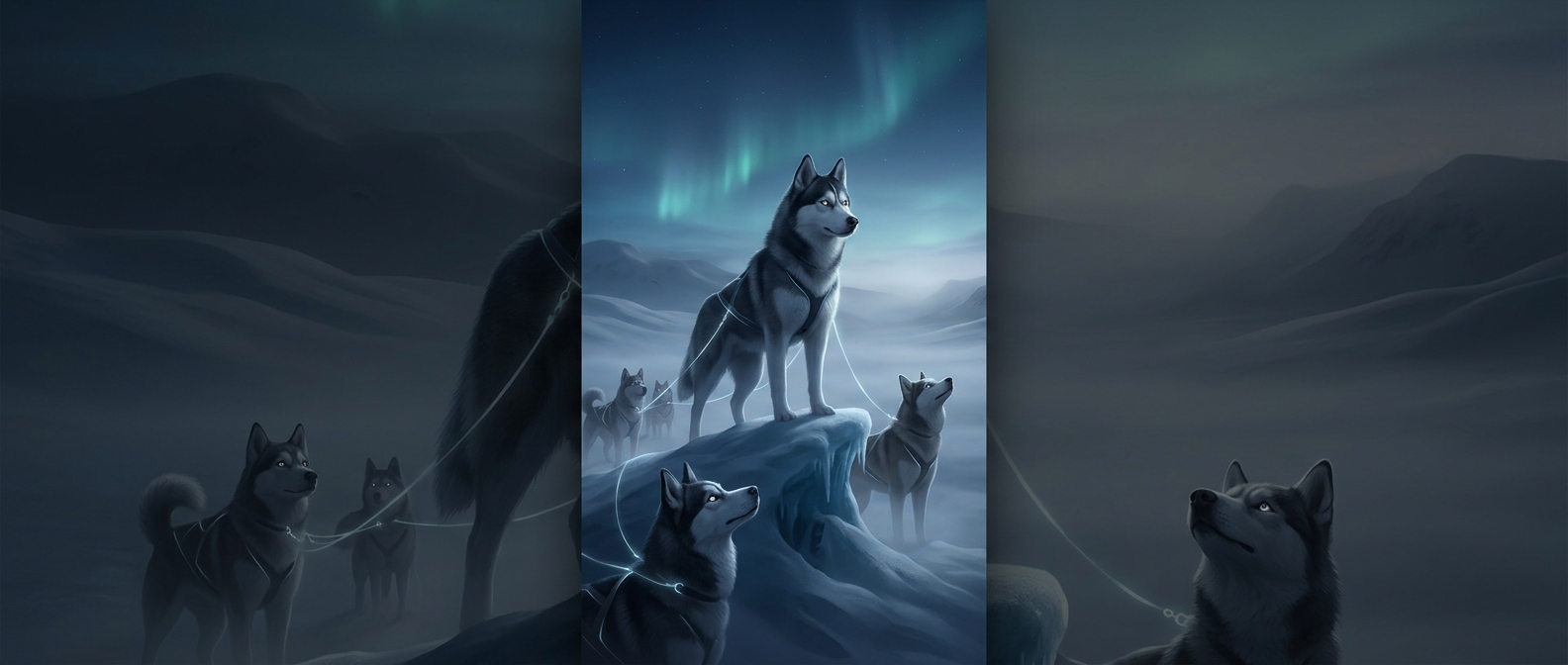
The lead sled dog wins with brains, not brawn
The lead dog needs to read the trail, respond to commands and choose a safe route; muscle alone just pulls the team confidently into trouble. The other dogs…
Discover more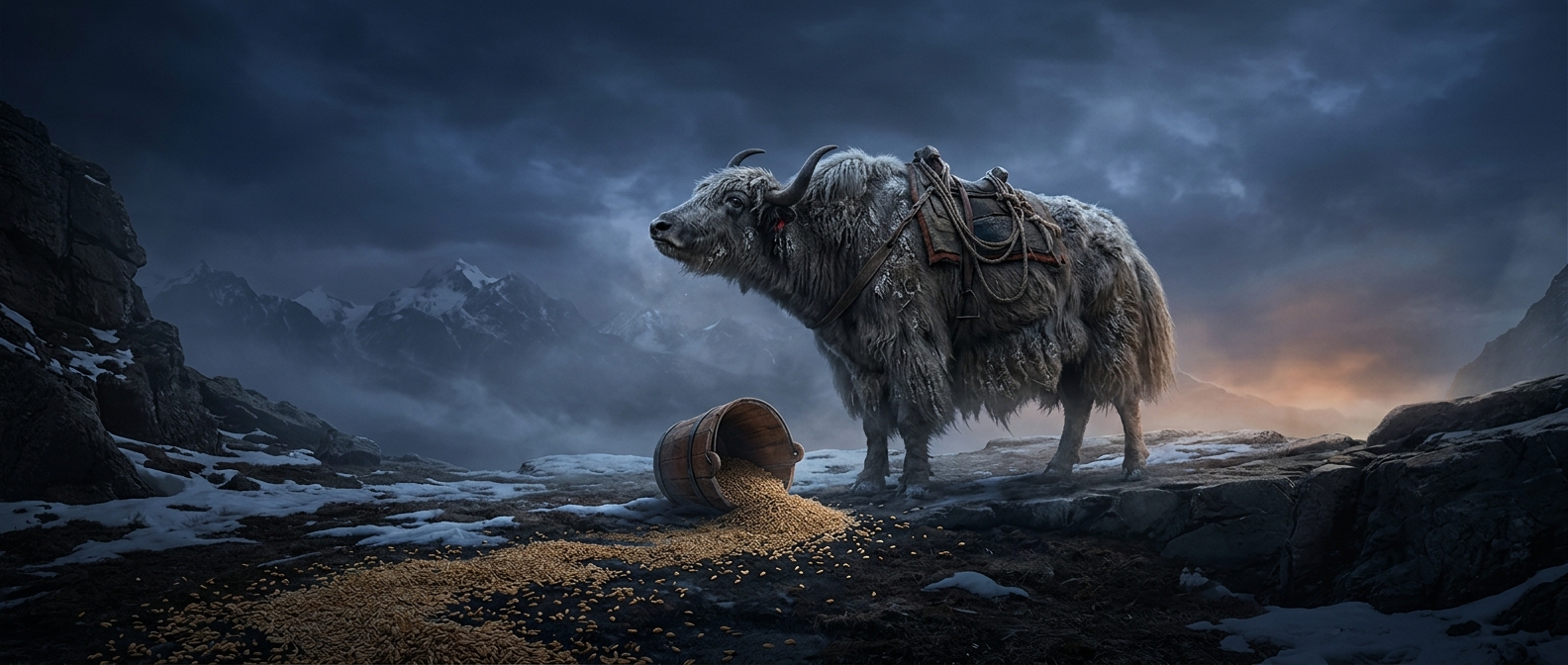
A yak's digestive system helps it live where grass is scarce
On the Tibetan Plateau, yaks face cold, thin air, and long periods of poor forage. Microbes in their digestive system help extract energy from tough plants,…
Discover more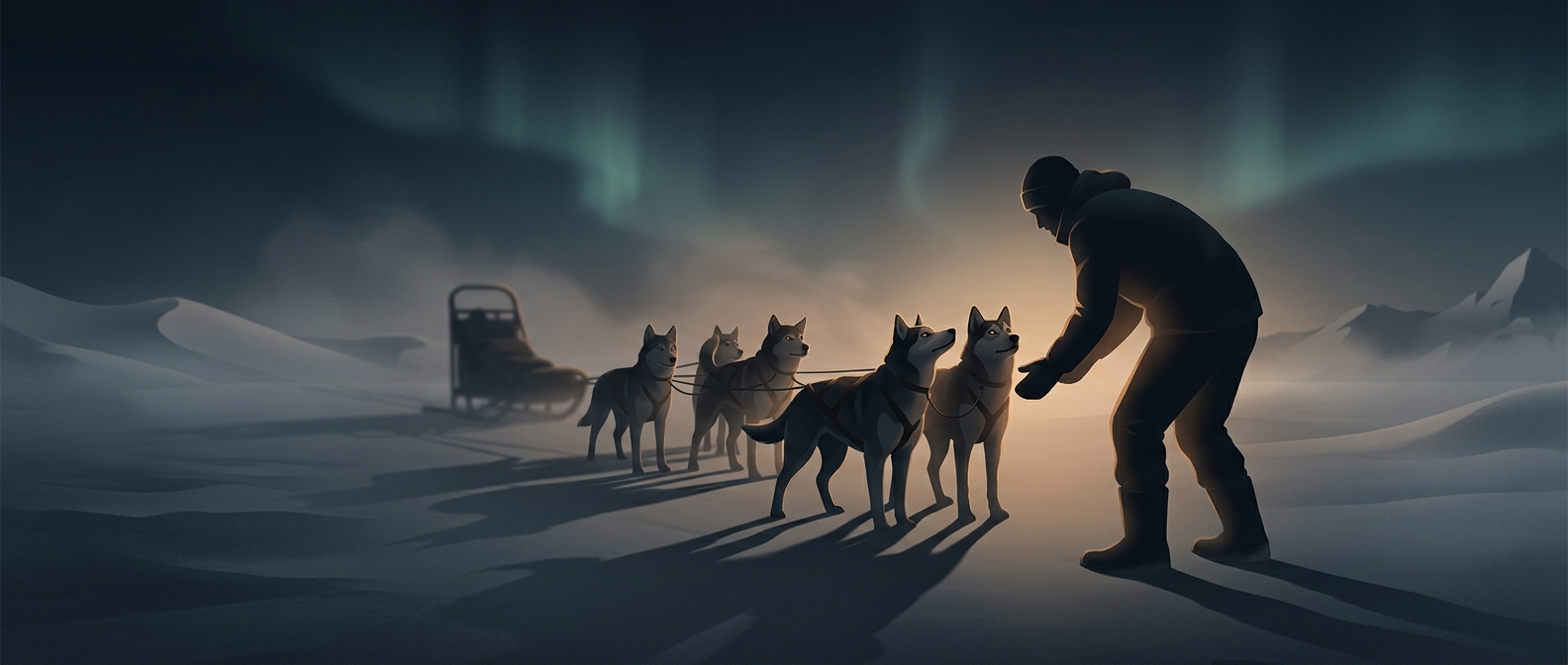
Sled dog teams instantly recognize their specific musher
Sled dogs learn their musher’s voice and commands through repeated work together. When the familiar person calls, the team knows whose directions matter; the…
Discover more STACKY FOR IPHONE
A bigger world.
One discovery
at a time.
Keep discovering with Stacky. Interesting facts in an app that is always within reach.

Pack goats double as trail clearers
A goat’s pack carries the gear; its grazing knocks back brush along the route. The trail crew brings a worker that eats the job as it goes—no chainsaw, just a…
Discover more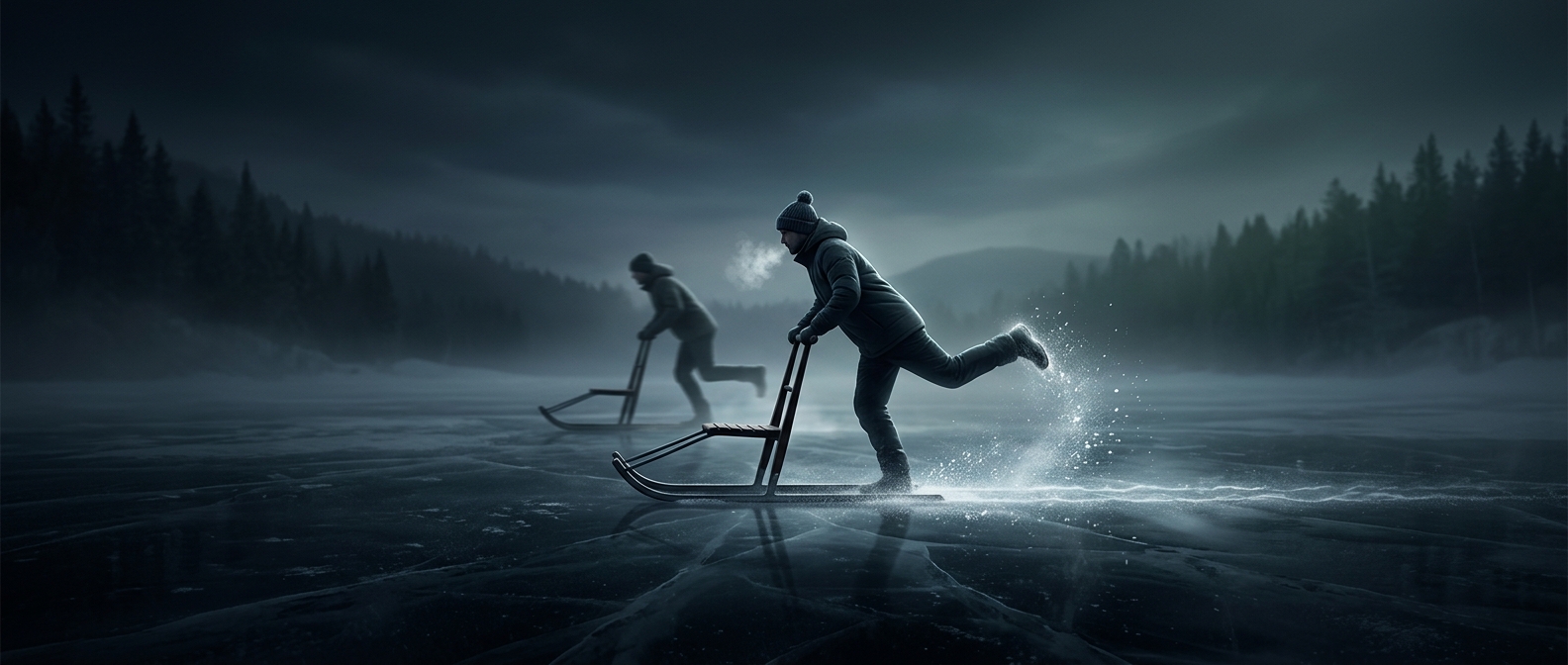
Kick sleds require humans to repeatedly kick the icy ground
One foot rides the sled while the other kicks against the ice, pushing the runners forward. The glide does the coasting; your leg supplies the motor, one…
Discover more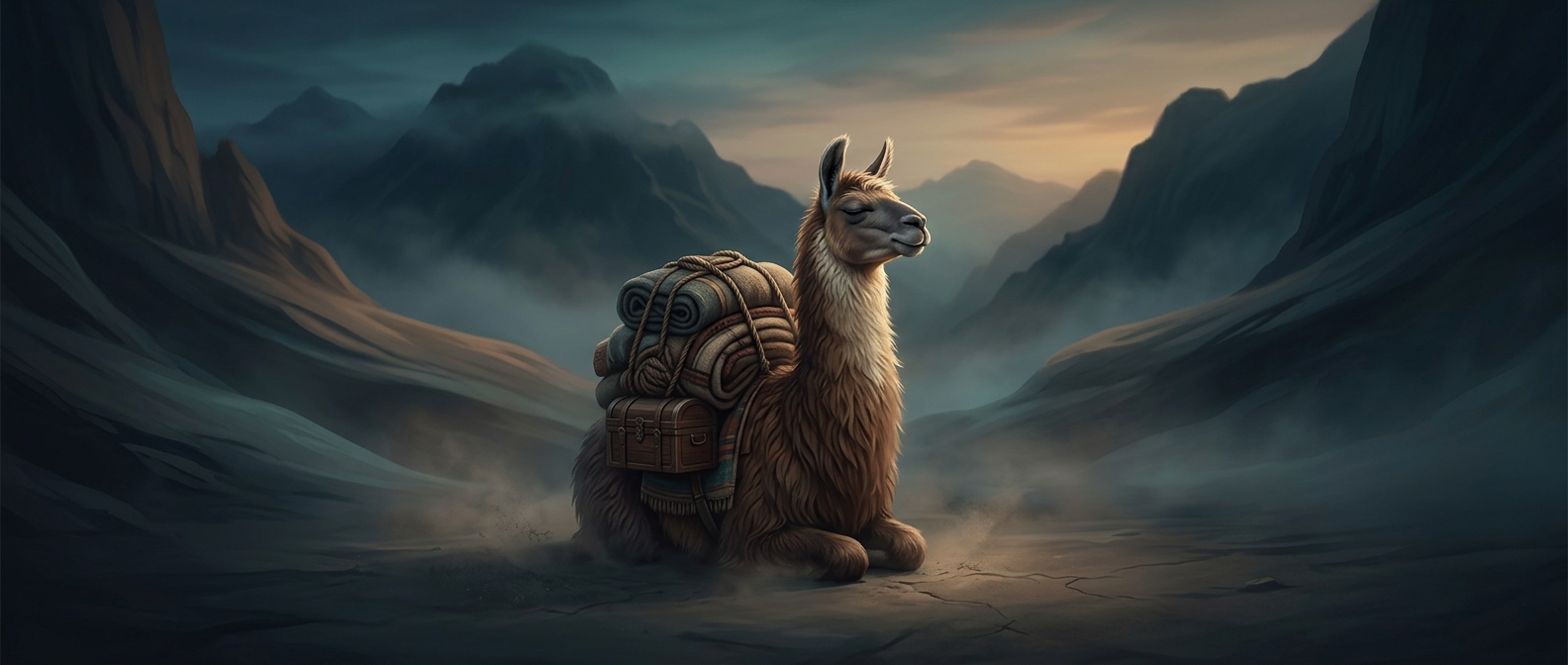
Overload a llama and it simply sits down
A llama that feels overloaded often refuses to move, lowering itself to the ground until the load comes off. It’s a stubborn-looking but effective limit on…
Discover more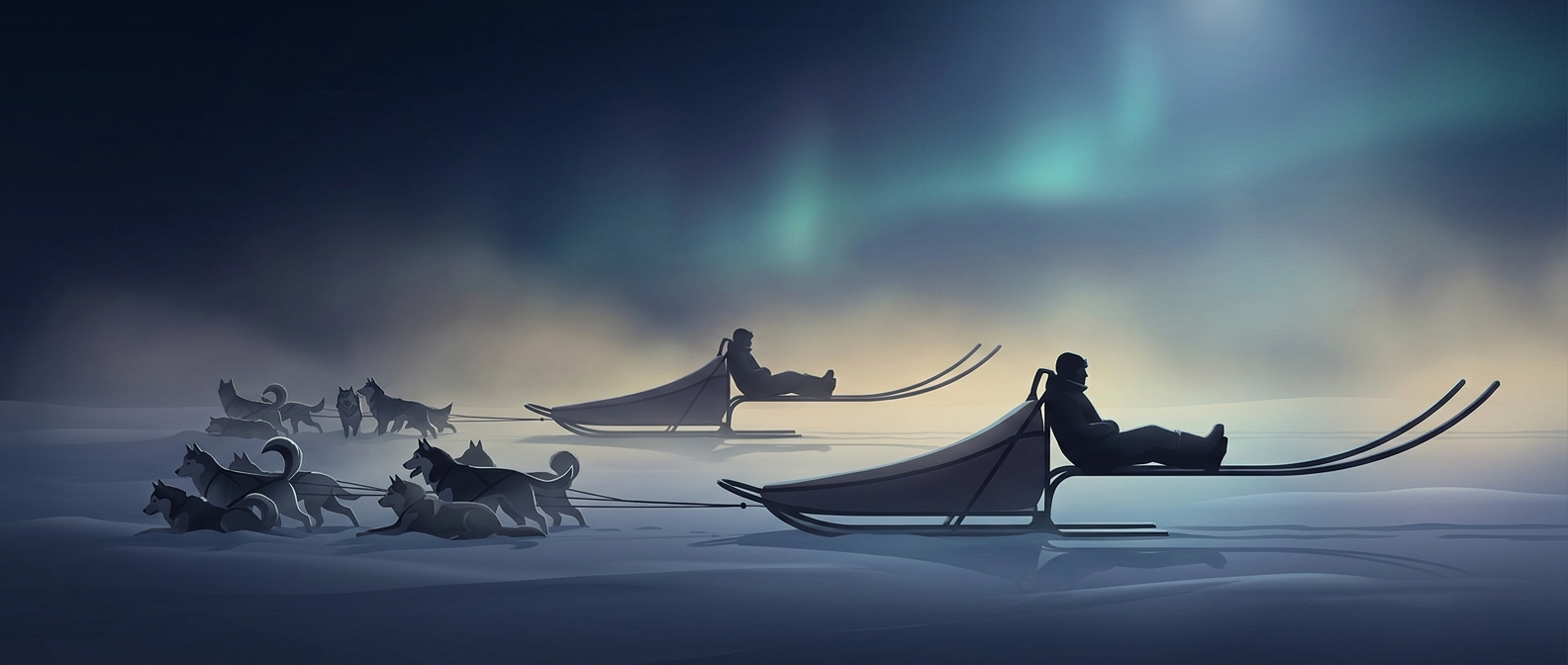
Sled dog mushers lazily stand on extended rear runners
The dogs provide the pulling power, while the musher stands on the rear runners to steer, brake, and shift weight. The posture looks like a scenic commute;…
Discover more
A donkey's refusal to move can be a threat assessment
A startled donkey may freeze to assess a threat rather than bolt immediately. That pause is a defensive response, not stubbornness; from a human’s point of…
Discover more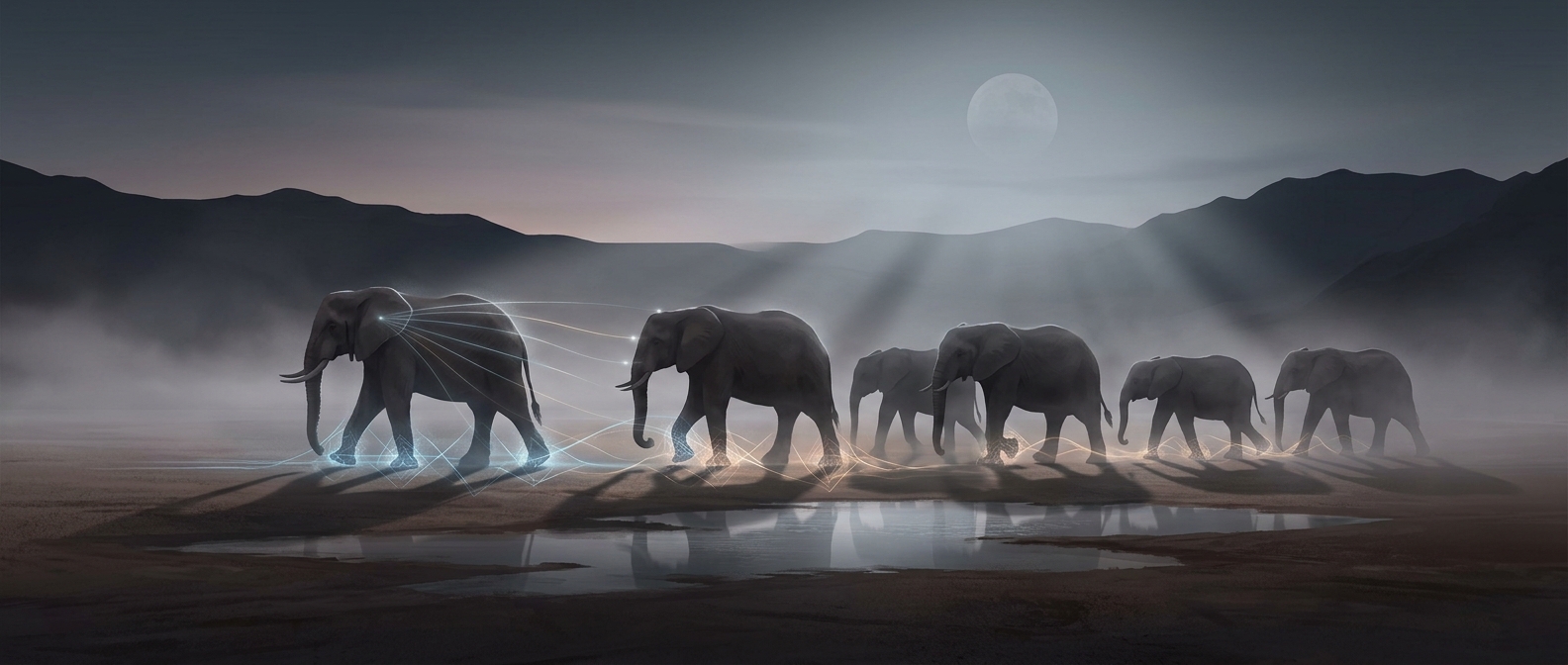
Elephants coordinate their walking with inaudible calls
Elephants make low rumbles below the range of human hearing, and those deep sounds travel long distances. A herd can keep in touch across open ground while we…
Discover more
Sled dogs sleep under the snow
Snow holds pockets of air that slow heat loss, and a dog curled beneath it stays out of the wind. To a sled dog, a snowbank isn’t bad weather; it’s a blanket…
Discover more
Litter bearers require perfectly synchronized walking
Litter bearers have to step in rhythm so the poles rise and fall together. If one person breaks the beat, the passenger gets bounced from side to side—less…
Discover more
Snowshoes force the wearer to walk with a ridiculous waddle
Snowshoes spread your weight over a larger patch of snow, so you sink less. Their wide frames also make your feet awkward to pass past each other, producing…
Discover more
How a collar turns a farm animal into a bulldozer
A proper draft collar rests on an animal’s shoulders, letting it push a load with its chest instead of choking against its throat. That spreads the force…
Discover more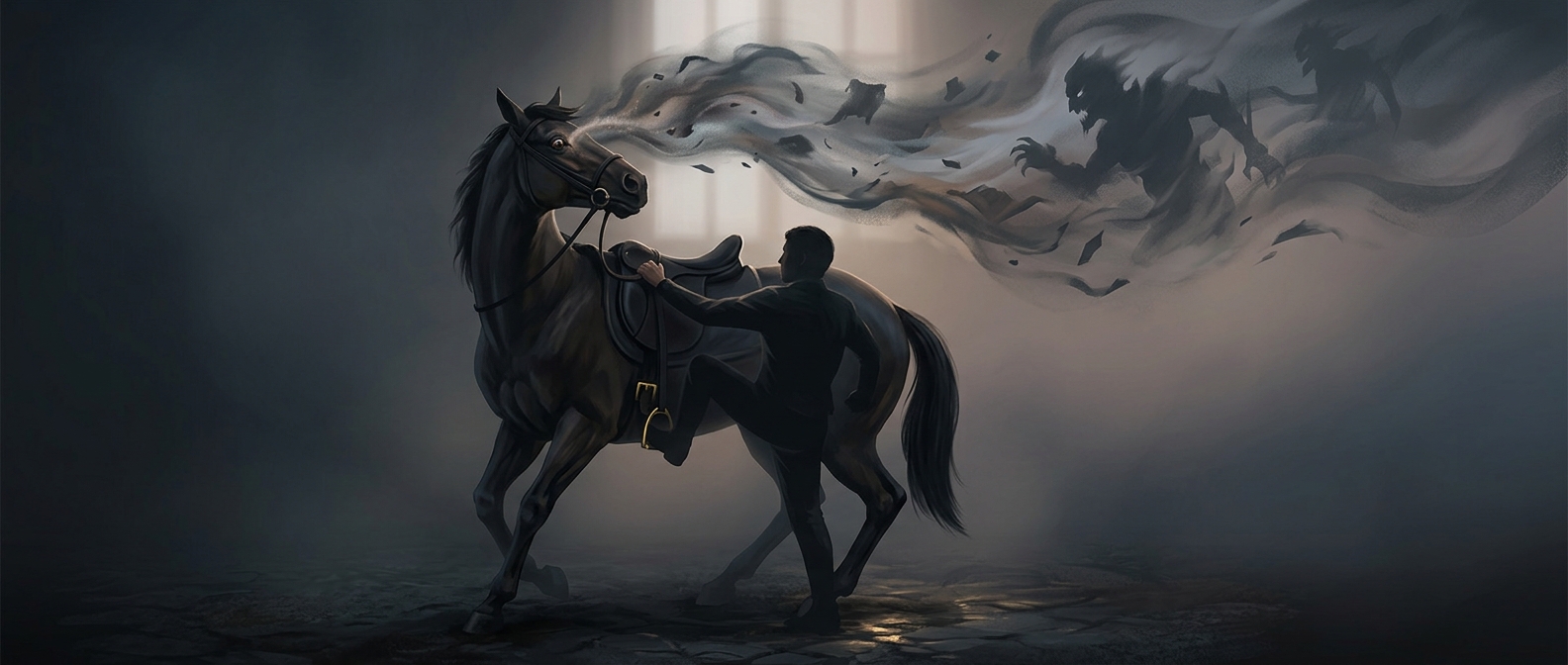
Why horses may dislike being mounted from the right
Horses learn a mounting routine, and that routine traditionally starts on the left. Riders approached from that side to keep a sword worn at the left hip out…
Discover more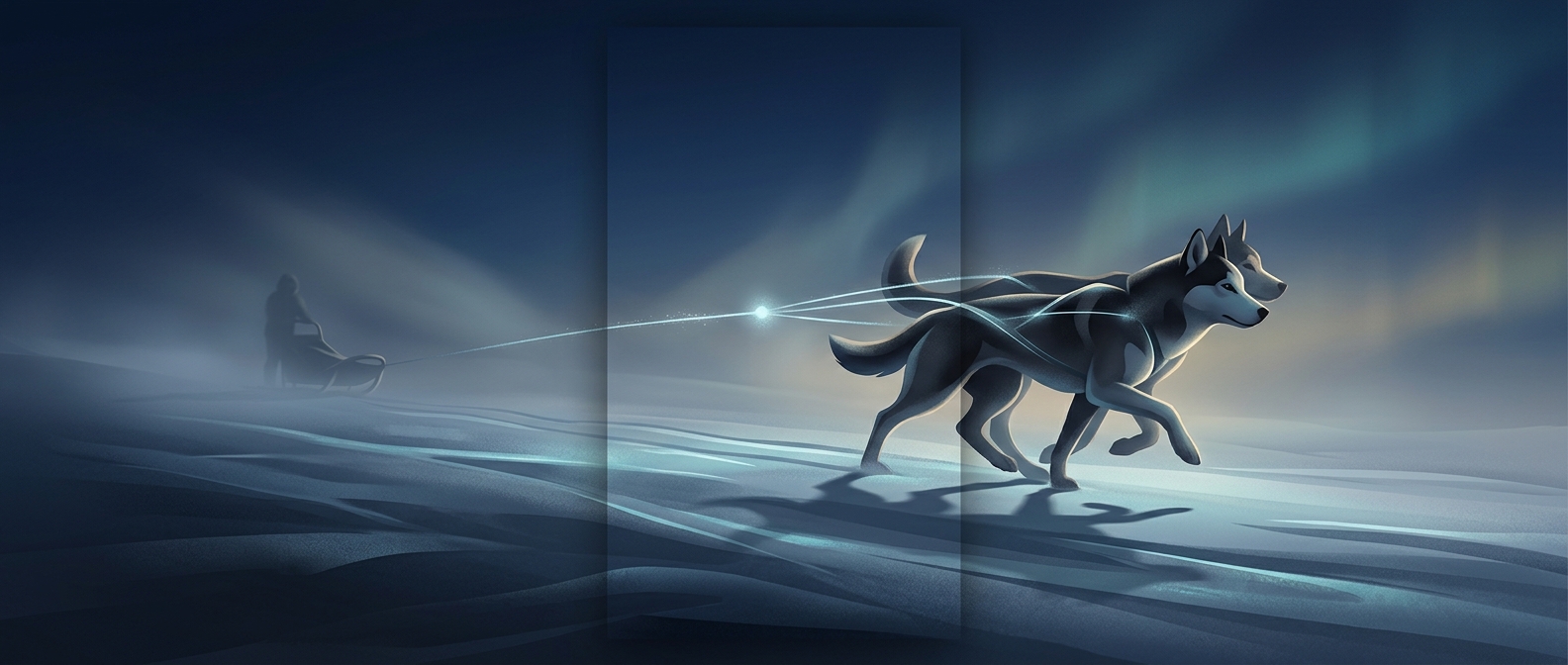
Sled dogs run in pairs to perfectly balance pulling effort
Harness two dogs side by side and their pulls balance across the sled instead of yanking it off course. The pair shares the load, while the line behind them…
Discover more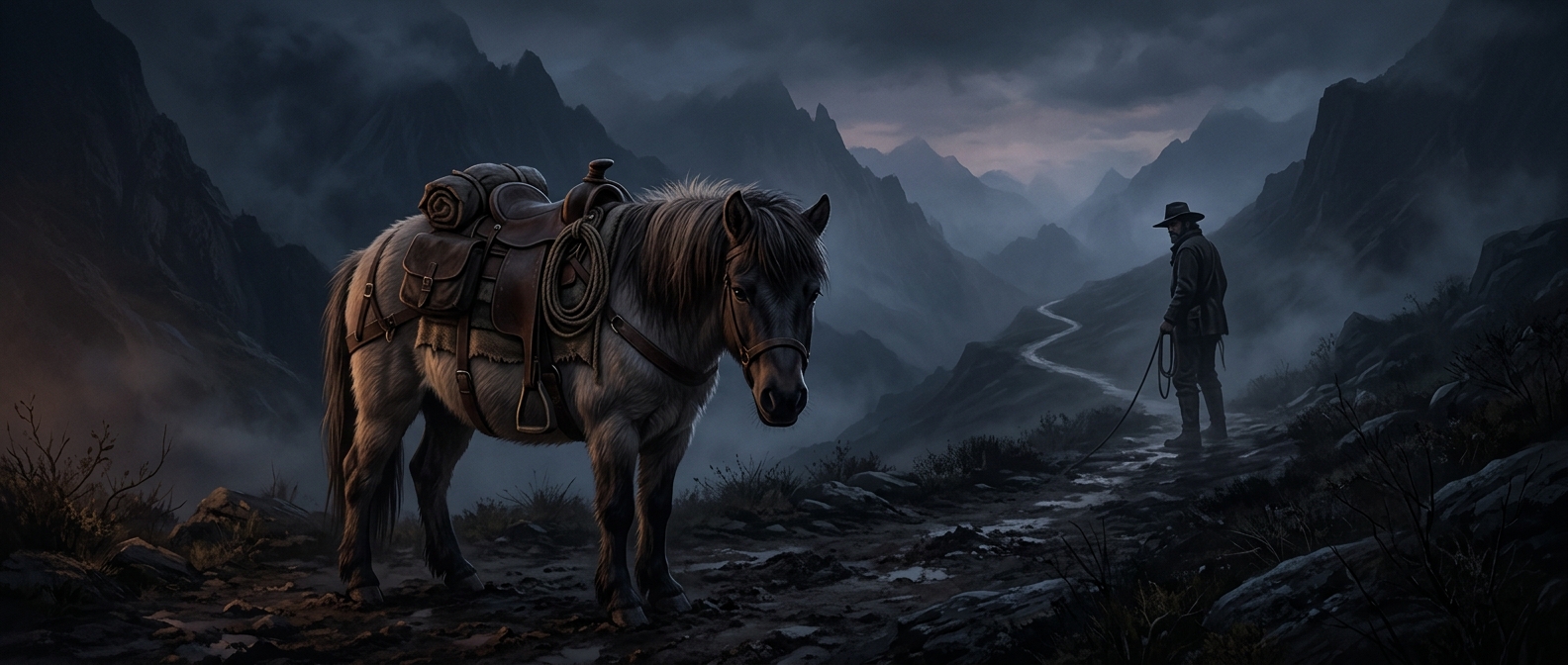
Ponies possess a legendary stubborn streak on the trail
Ponies are small, alert horses, and an uncertain trail can trigger a pause before they commit their feet. What looks like stubbornness is often a safety…
Discover more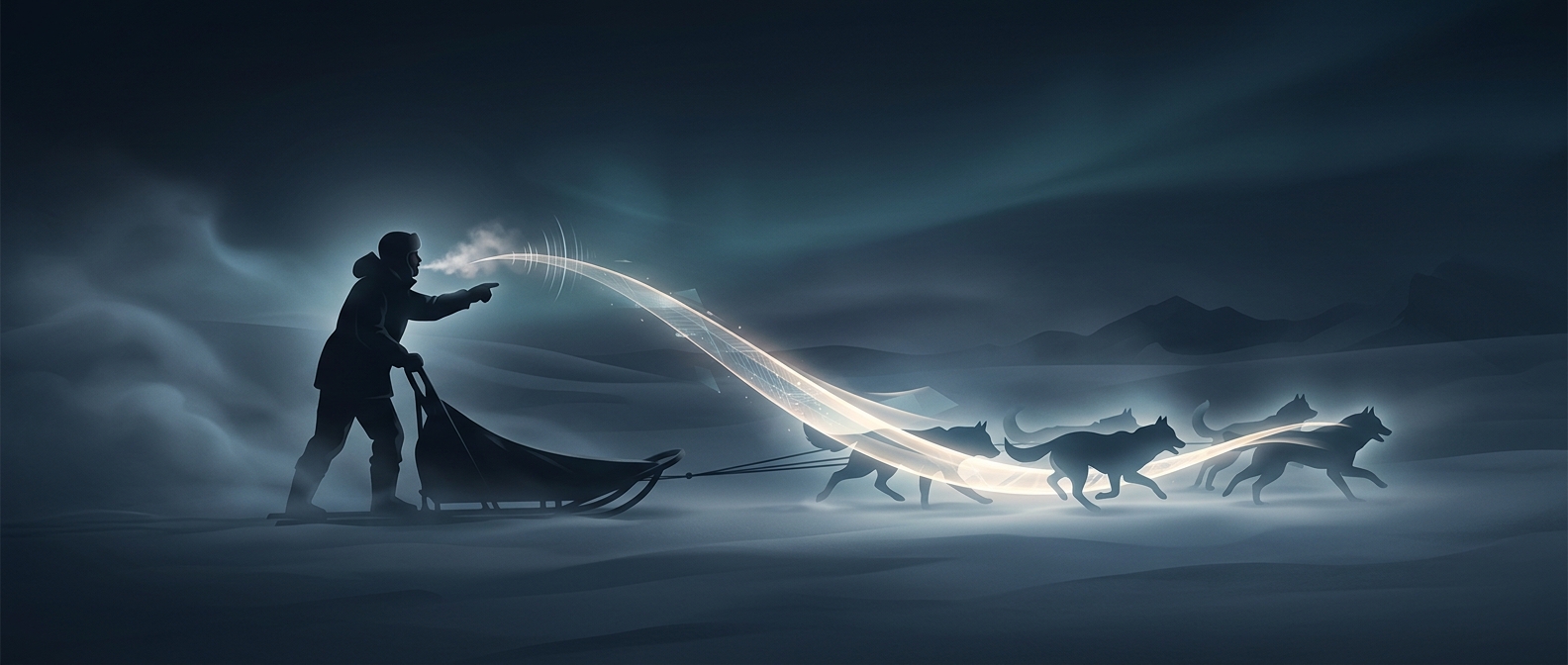
Why dog sledding is called mushing
“Mush” traces back to the French command marche, meaning “walk” or “go.” English-speaking sled drivers adopted the sound as an order to move, and the whole…
Discover more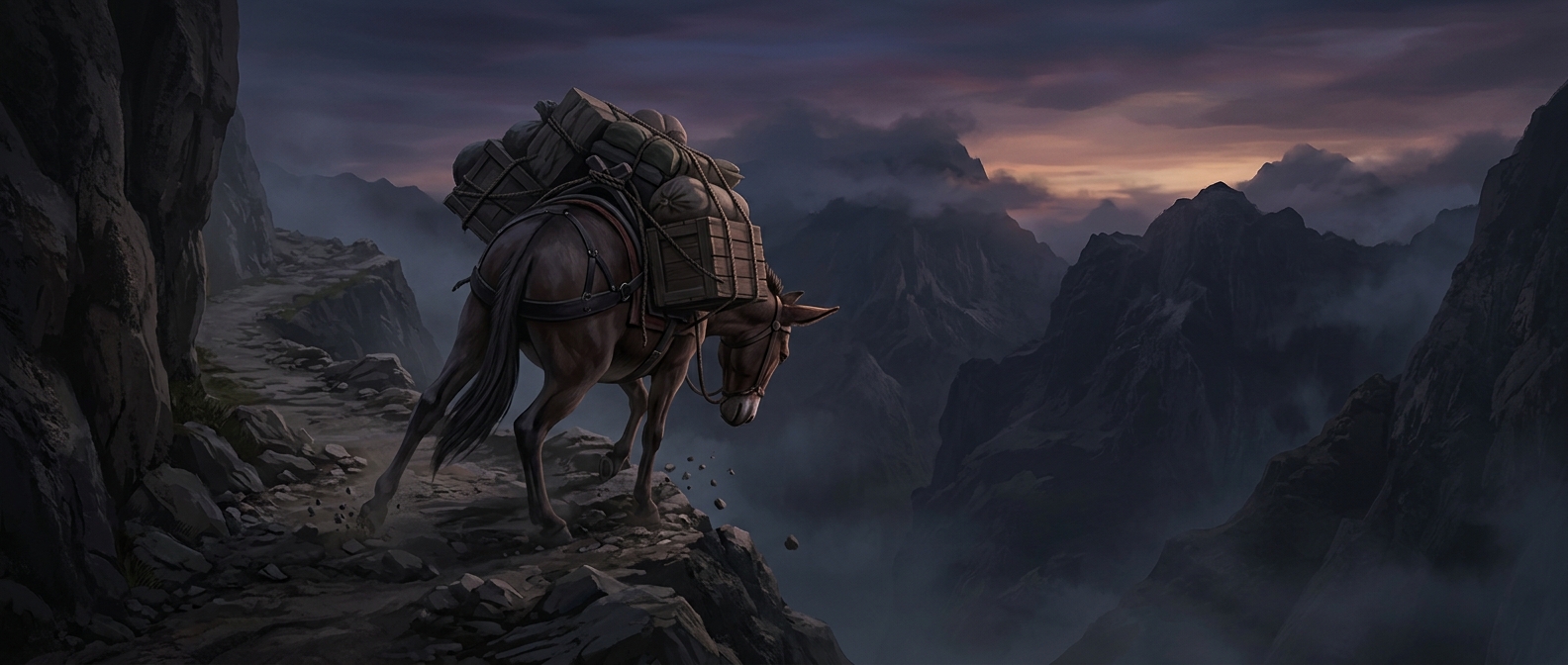
Pack saddles immediately slip if packed slightly unevenly
Balanced packs keep the weight centered over the animal’s back. Put more weight on one side and every step nudges the saddle farther off-center, turning a…
Discover more
Camels drink massive quantities of water before long treks
Camels refill their body water before a long trek; the hump stores fat, not water. Their oval red blood cells tolerate rapid swelling, so a camel can take a…
Discover more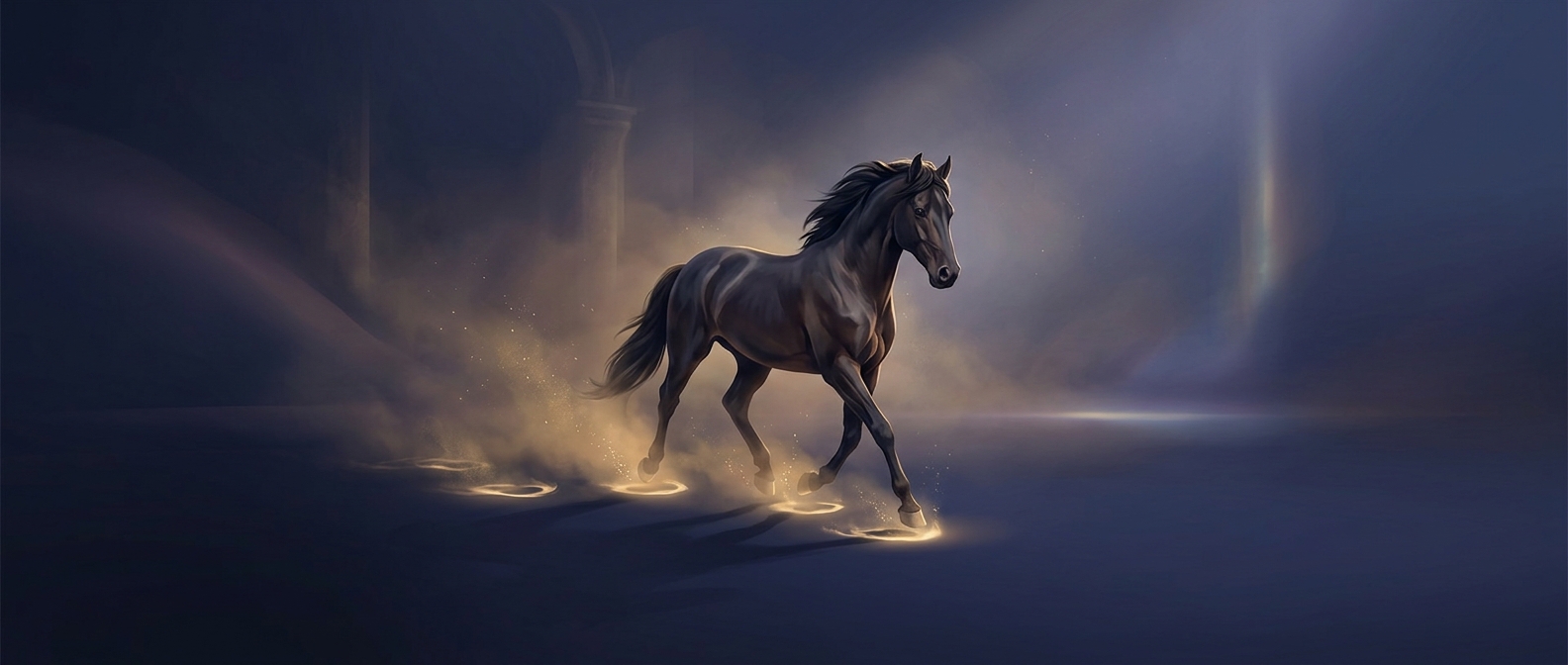
Horses possess a distinct four-beat walking rhythm
At a walk, each hoof lands on its own beat: left hind, left front, right hind, right front. That steady four-part rhythm is the horse’s built-in metronome,…
Discover more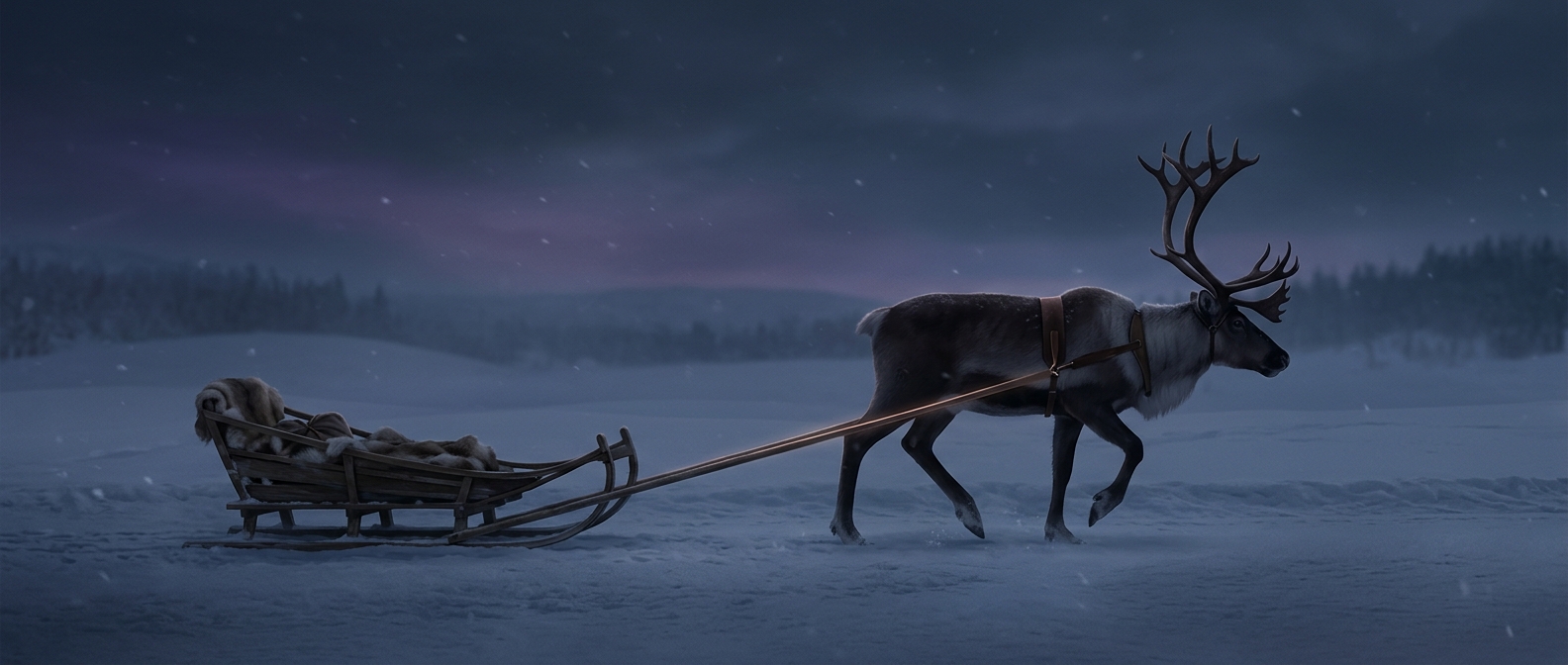
Reindeer sleds use a single trace tied between the legs
A single trace runs from the sled to the reindeer’s harness, keeping the pull centered behind the animal. With no pair of shafts framing the sled, the line…
Discover more