The world is more interesting than you think.
Unexpected facts, big ideas, and little discoveries. Find something that sparks your curiosity today.
A little more wonder
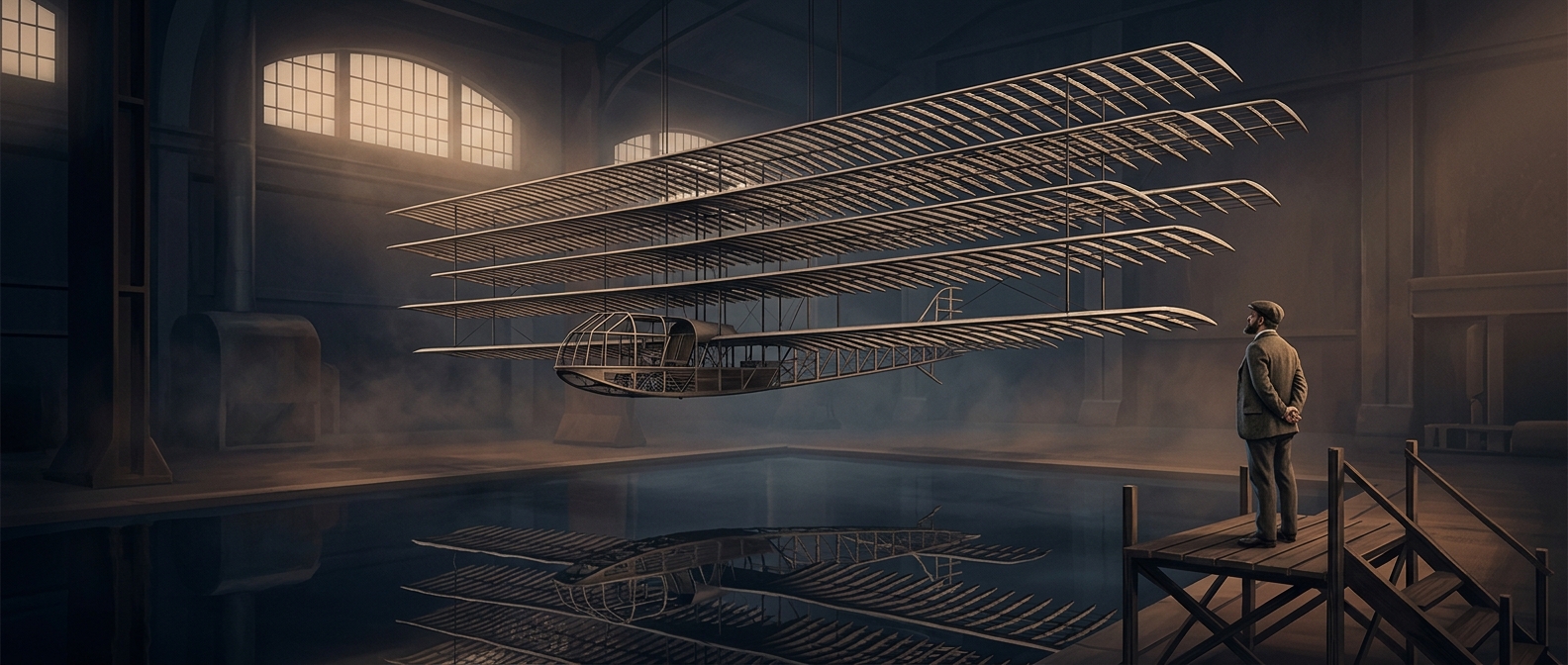
The airplane built with 200 wings
Horatio Phillips stacked about 200 narrow lifting surfaces to create a large total wing area in a compact span. The forest of wings did lift his experimental…
Discover more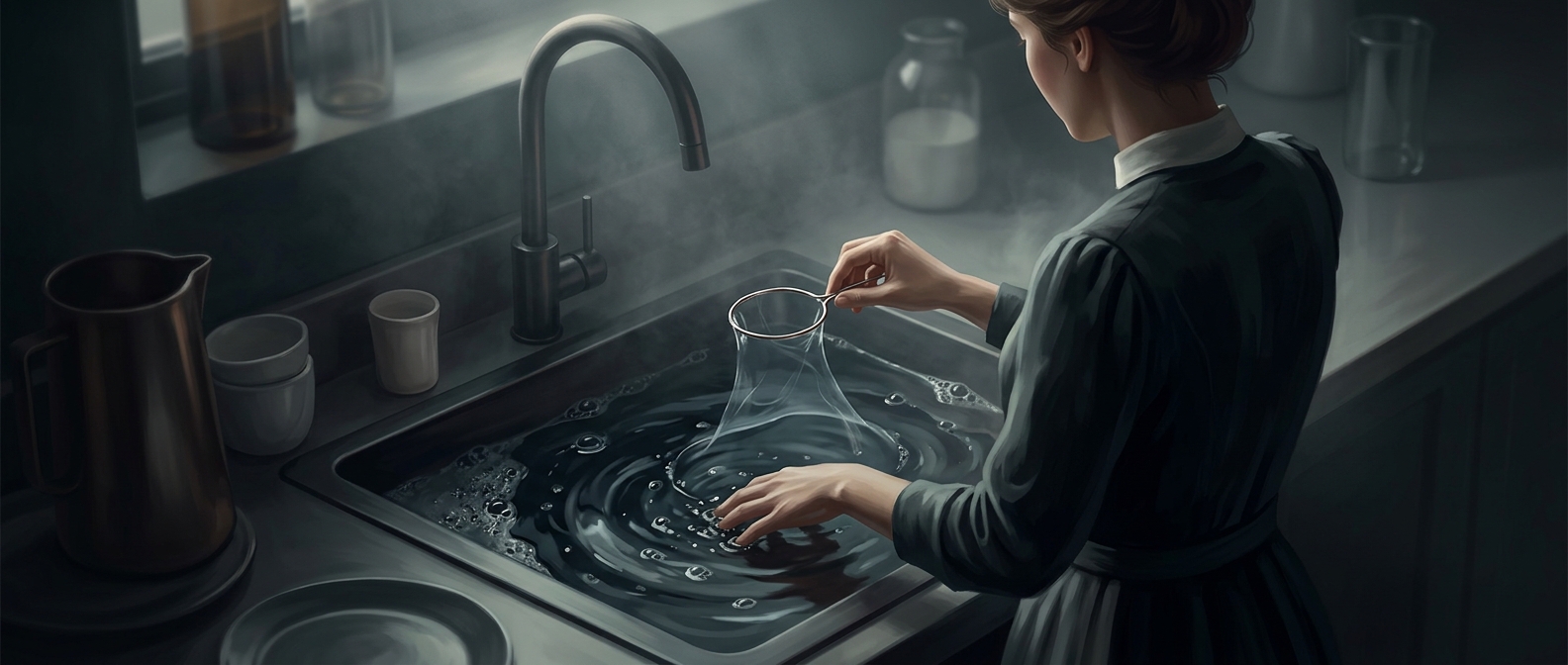
Agnes Pockels turned kitchen observations into publishable physics
Working with a homemade trough and movable barrier, she investigated how contamination changed water's surface behavior. She sent her findings to Lord…
Discover more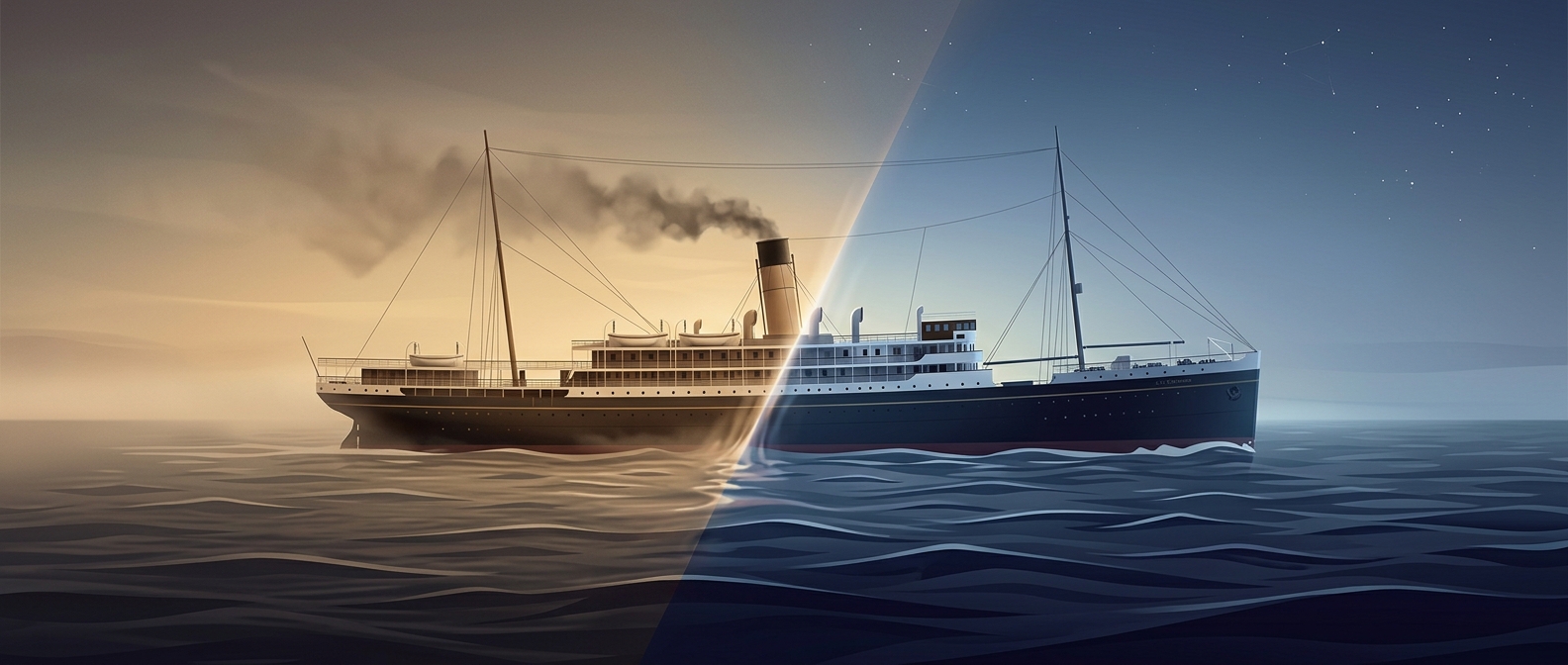
One ship's legend puts it between two years at once
The story of SS Warrimoo places it at the equator's intersection with the date line at the end of 1899. Its exact positioning is difficult to establish, but…
Discover more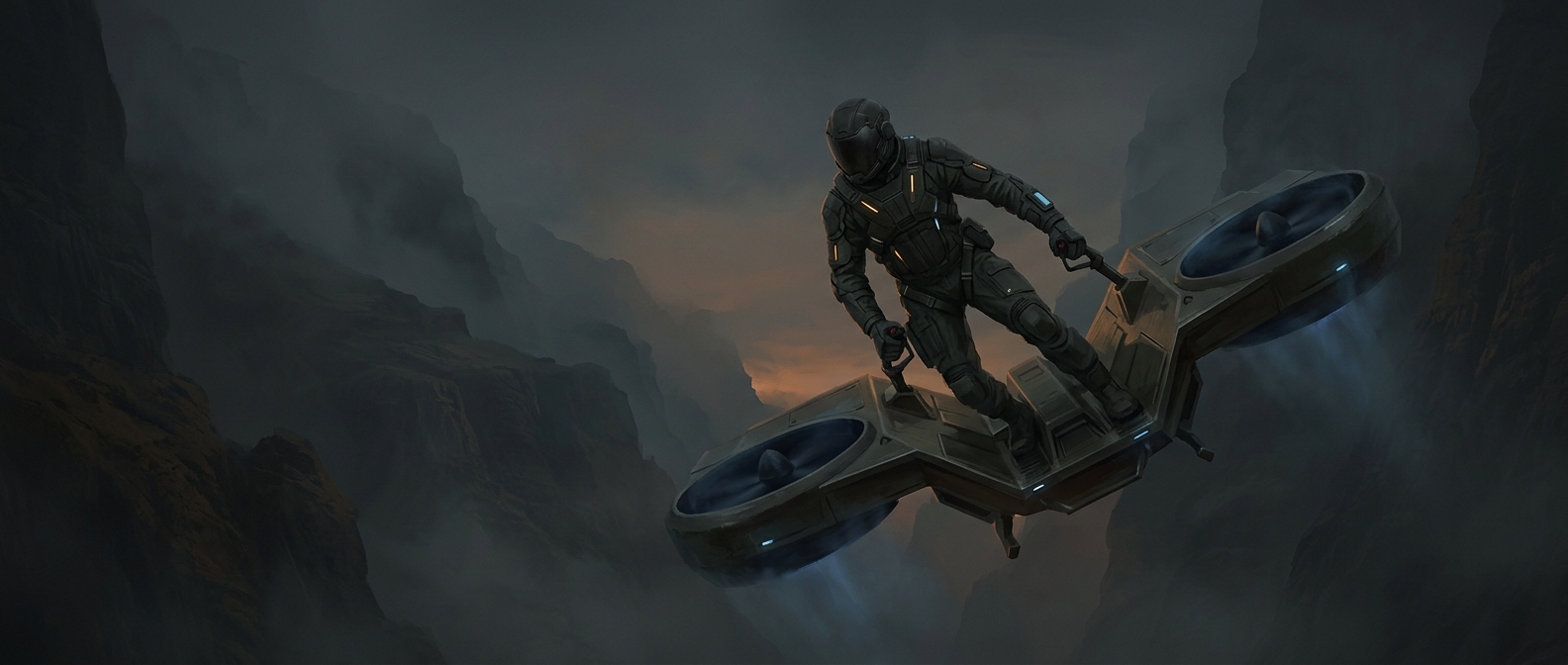
Military flying platforms required leaning to steer
With no steering wheel, the pilot leaned to shift the platform’s balance, and the machine followed the change in weight. The whole aircraft was a giant…
Discover more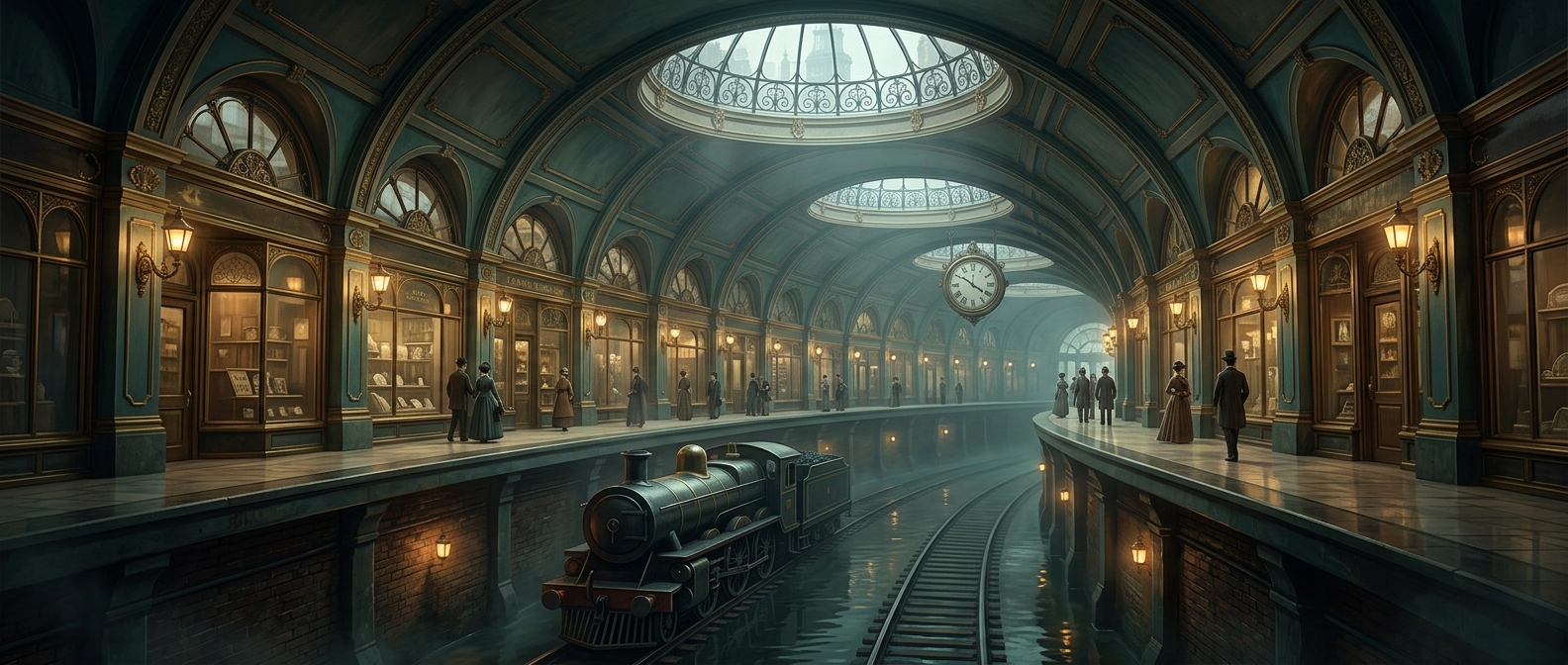
London's Thames Tunnel became an underground shopping trip
The tunnel was intended to carry goods beneath the Thames, but the vehicle ramps were never built. When it opened to pedestrians in 1843, visitors paid to…
Discover more
The gas leak that poisoned Bhopal overnight
When the pesticide plant released methyl isocyanate, the toxic gas spread into Bhopal while much of the city slept. People had little warning before they…
Discover more STACKY FOR IPHONE
A bigger world.
One discovery
at a time.
Keep discovering with Stacky. Interesting facts in an app that is always within reach.
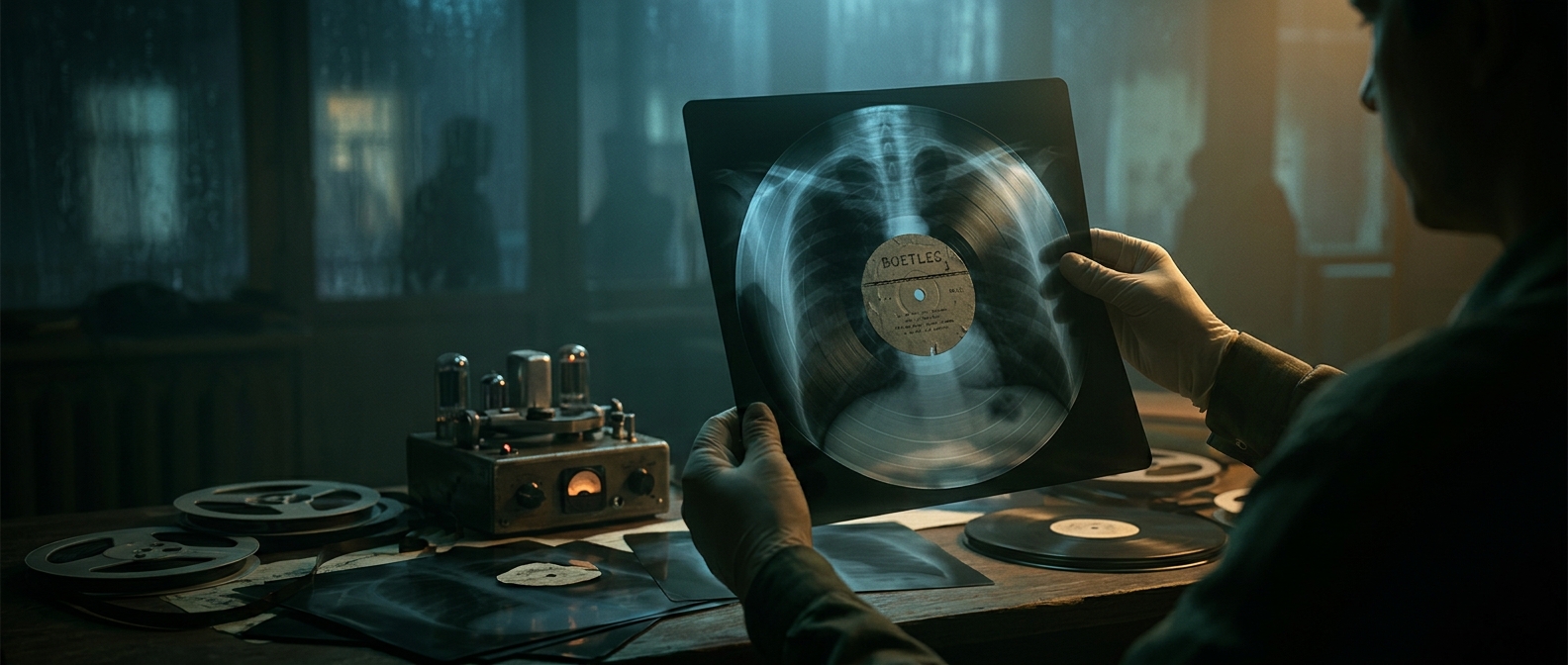
Soviet teens pressed rock music onto discarded X-rays
With vinyl scarce and controlled, bootleggers cut Elvis and Beatles songs onto discarded X-rays, turning images of rib cages and skulls into playable records.
Discover more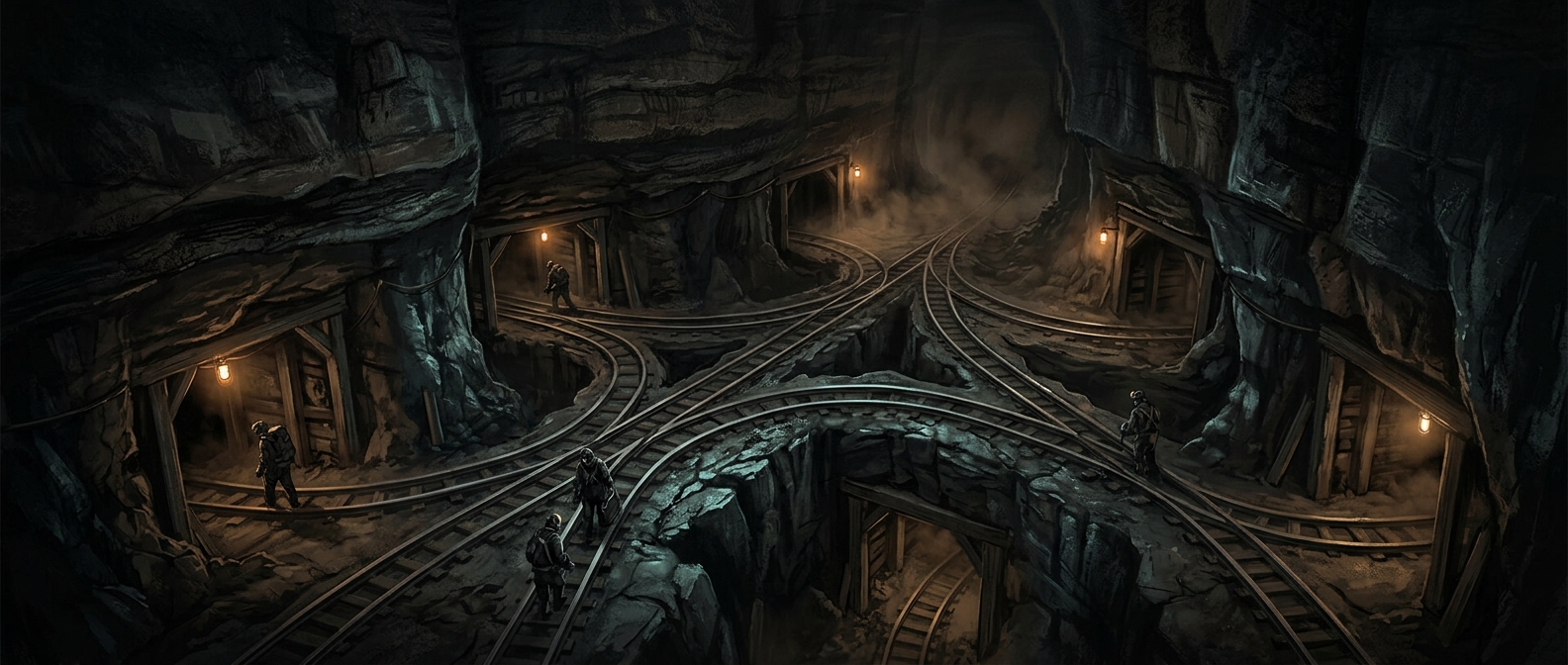
How efficient tunnels turned a mine disaster deadly
Mine tunnels move coal and air efficiently, but their connected passages also give an explosion a route to race through. Burning coal dust can carry the blast…
Discover more
An astronomer learned to listen to her data
After losing her sight, Wanda Díaz-Merced worked with sonification: translating numerical measurements into sound. Changes in pitch, volume, or rhythm can…
Discover more
Zuse's computer read its instructions from punched film
Completed in 1941, the Z3 used more than 2,000 relays and stored 64 numbers. A punched strip supplied the program to the electromechanical machine. It was…
Discover more
The Victorian machine that played Chopin from paper
The Phonola used perforated paper rolls and pneumatic suction to play notes, with the user pumping foot pedals to power it.
Discover more
Jack Chick built a comic empire out of warnings about damnation
His small evangelical tracts turned subjects such as rock music and Dungeons & Dragons into stories of spiritual danger. They were cheap to distribute and…
Discover more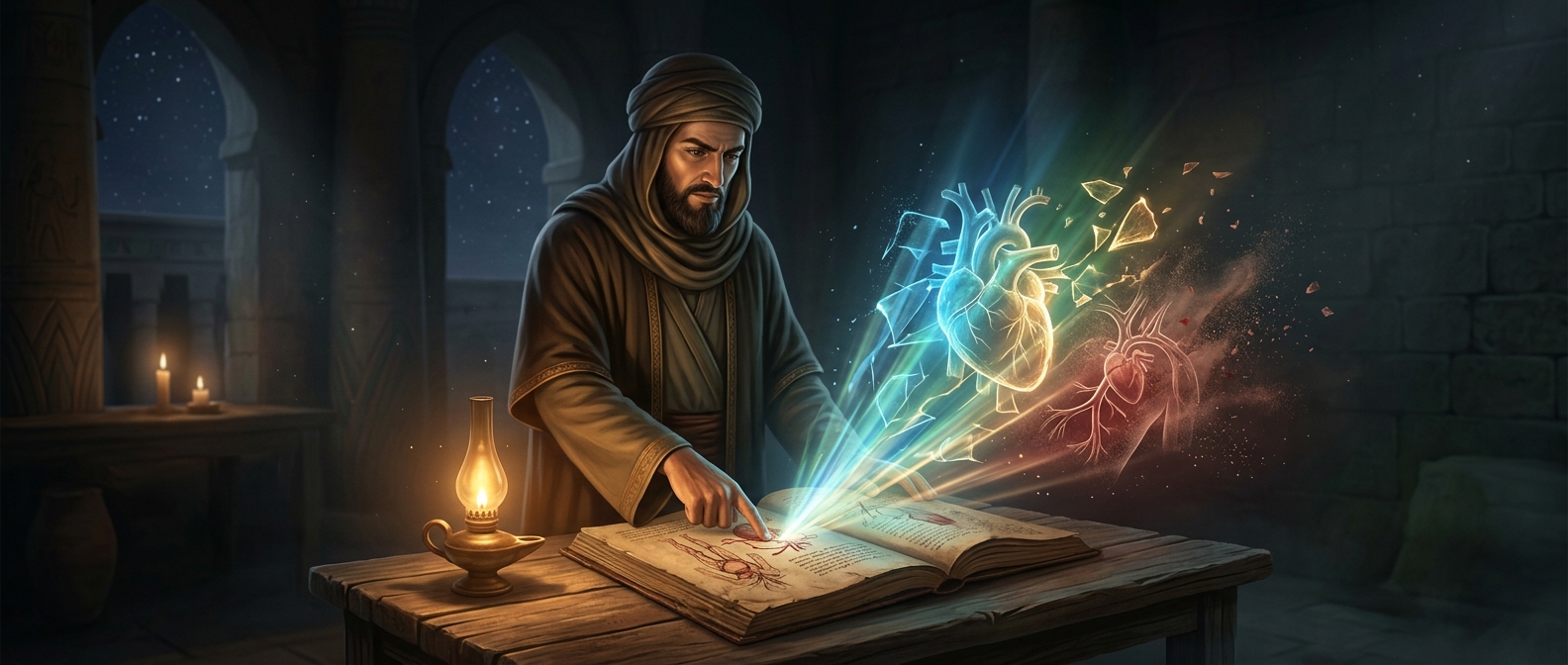
The skeletons that proved Galen wrong
During a famine in 12th-century Egypt, Abd al-Latif al-Baghdadi examined unburied skeletons and found that Galen had described the lower jaw and sacrum…
Discover more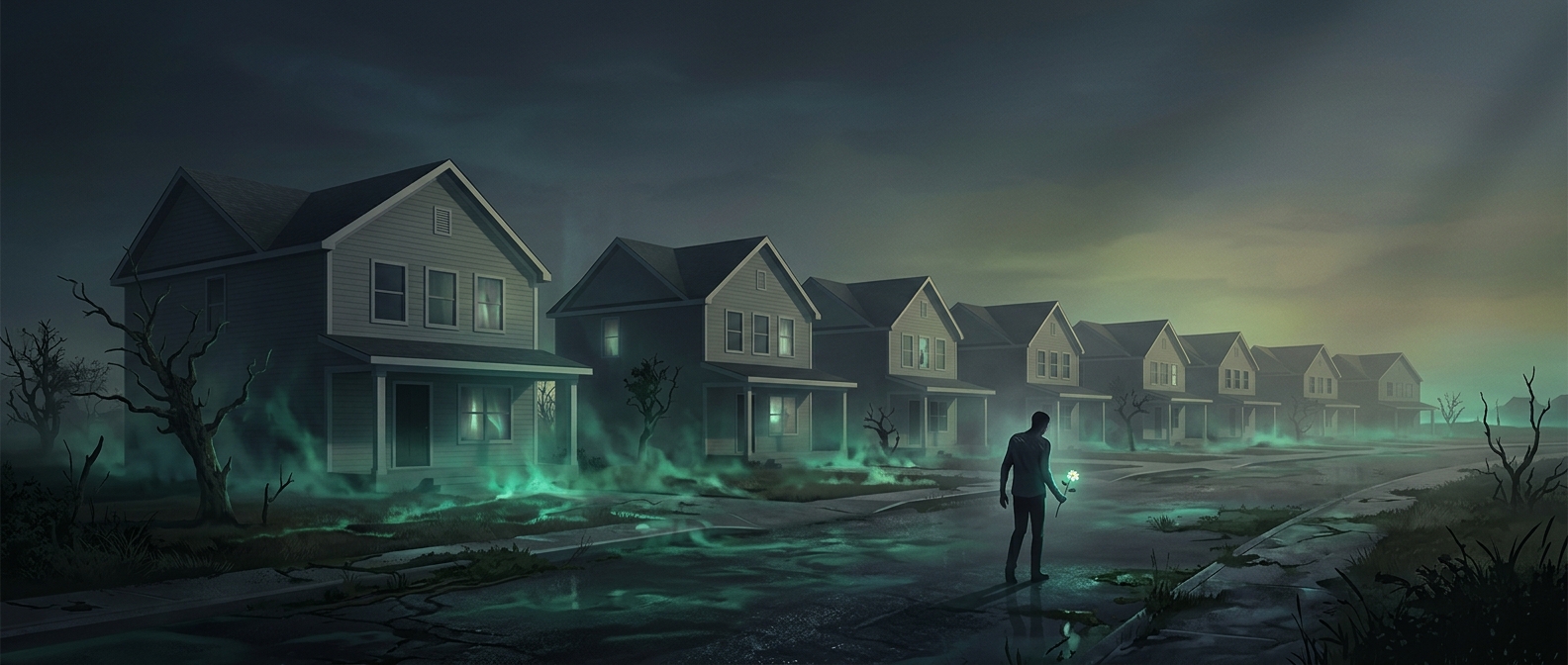
Love Canal put homes beside a buried chemical dump
More than 21,000 tons of hazardous waste had been deposited in the abandoned canal before the surrounding residential development. Investigators later found…
Discover more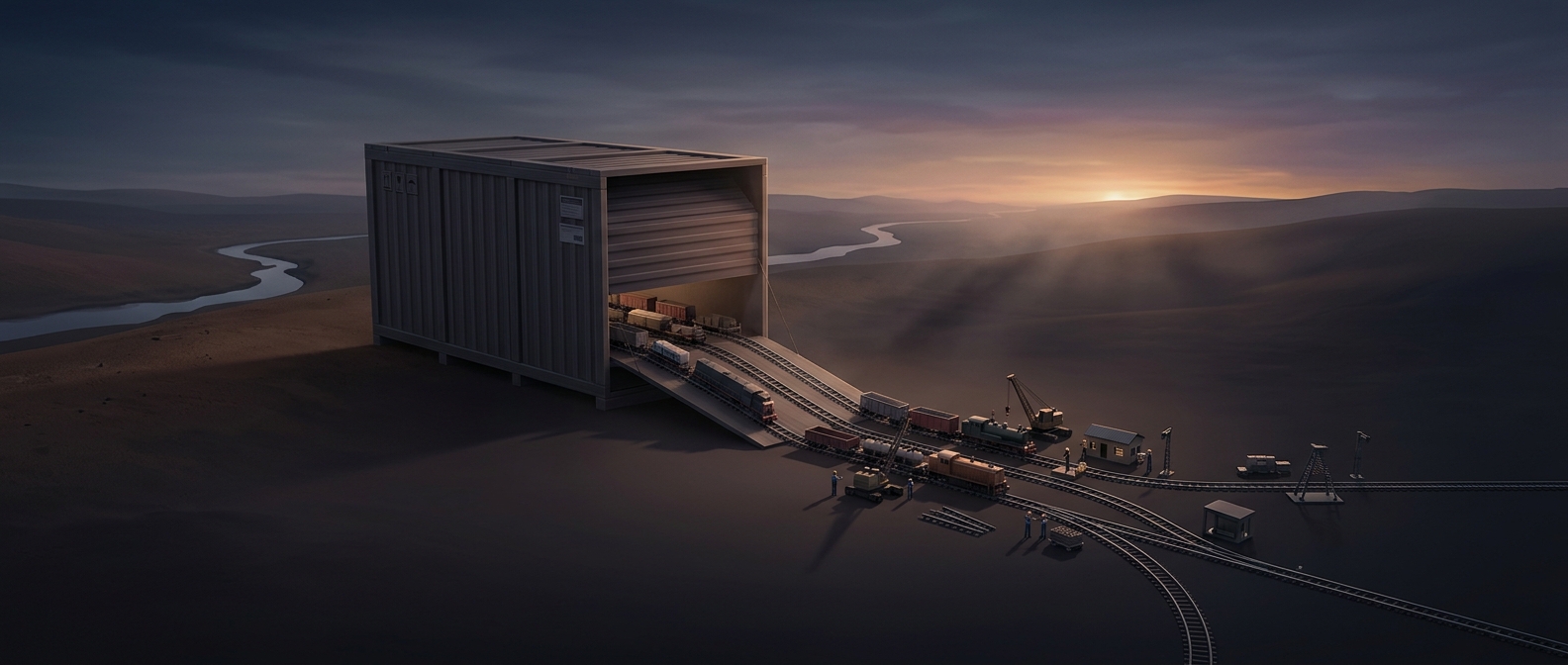
These railway tracks were designed to be picked up and moved
Paul Decauville's portable railway system used short, lightweight track sections that workers could carry and connect where needed. Developed for moving…
Discover more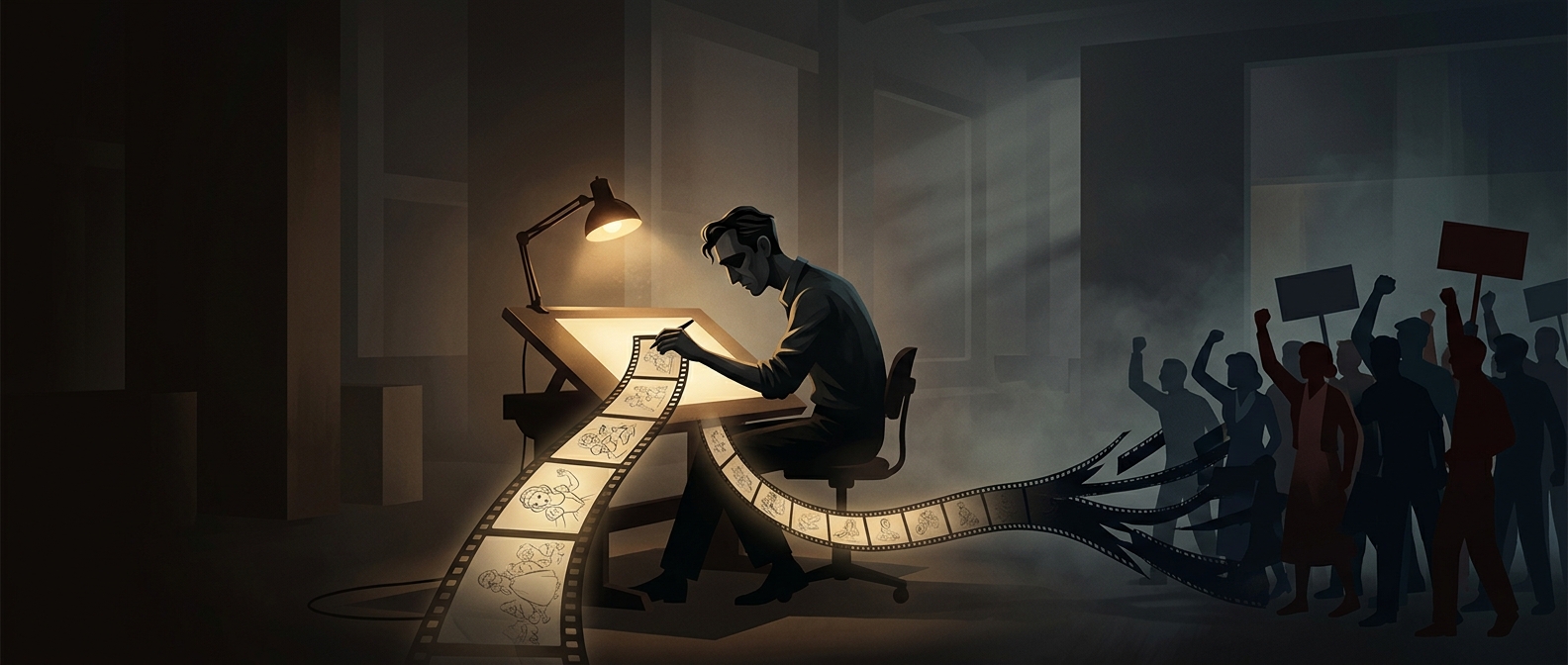
Disney's artists walked out of the happiest-looking workplace
The 1941 strike grew from disputes over wages, unpaid overtime, bonuses, and union recognition. Animator Art Babbitt became a prominent organizer and was…
Discover more
Paying a premium to take your personal car on a train
Launched in 1971, the Auto Train let travelers ride to Florida in sleeping cars while their station wagons traveled in an attached carrier.
Discover more
A tourist codebook could turn one strange word into a hotel booking
Thomas Cook's telegraphic code assigned compact words to longer requests. Zocolauro, for example, requested one single room at the specified hotel. When…
Discover more
Peasant riots were actually highly organized politics
British officials labeled Indian peasant uprisings irrational; historian Ranajit Guha went back to their police reports and read them for signs of strategy.…
Discover more
The billion-dollar bombsight that missed its mark
The Norden was a gear-and-gyroscope analog computer designed to account for wind drift and airspeed. But it needed clear visibility and a steady…
Discover more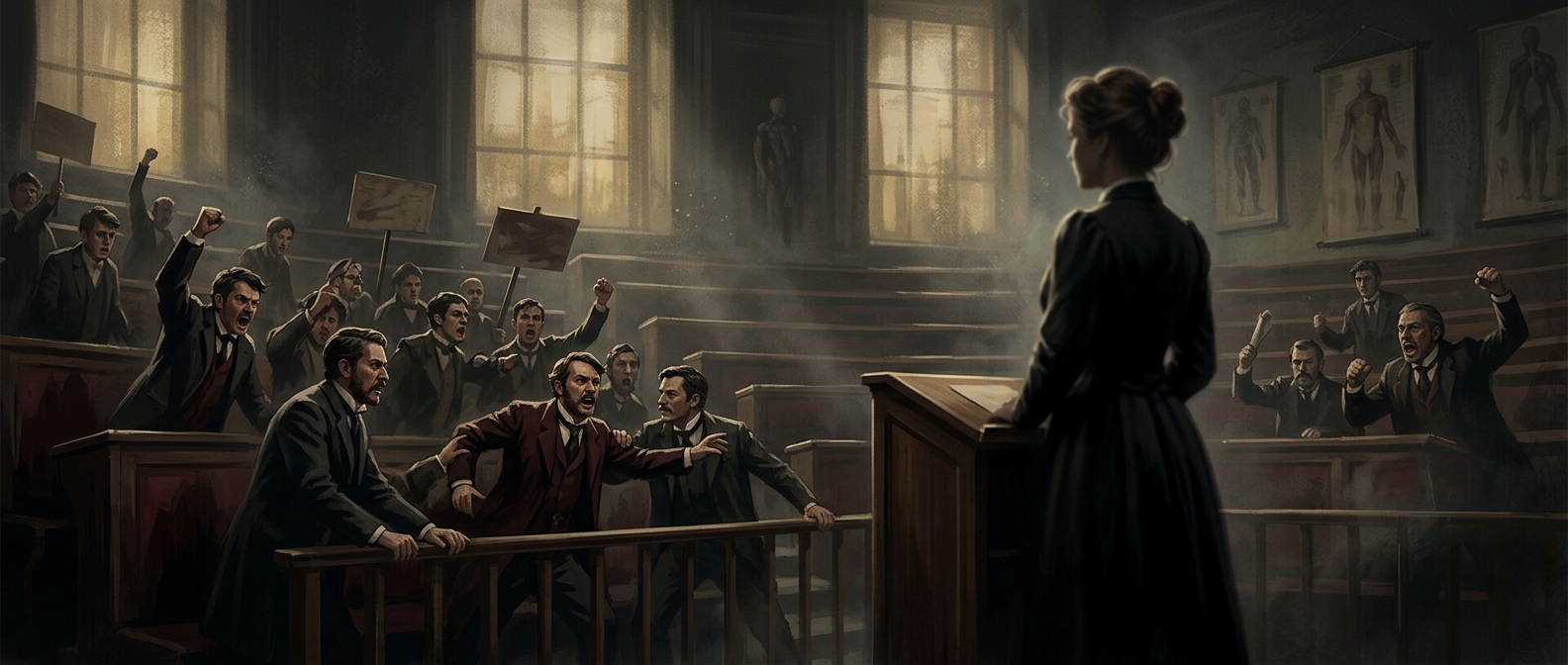
A mob tried to keep Edinburgh's women medical students out of an exam
In 1870, opponents gathered at Surgeons' Hall to obstruct the Edinburgh Seven. The women reached the examination, and the riot drew publicity to their…
Discover more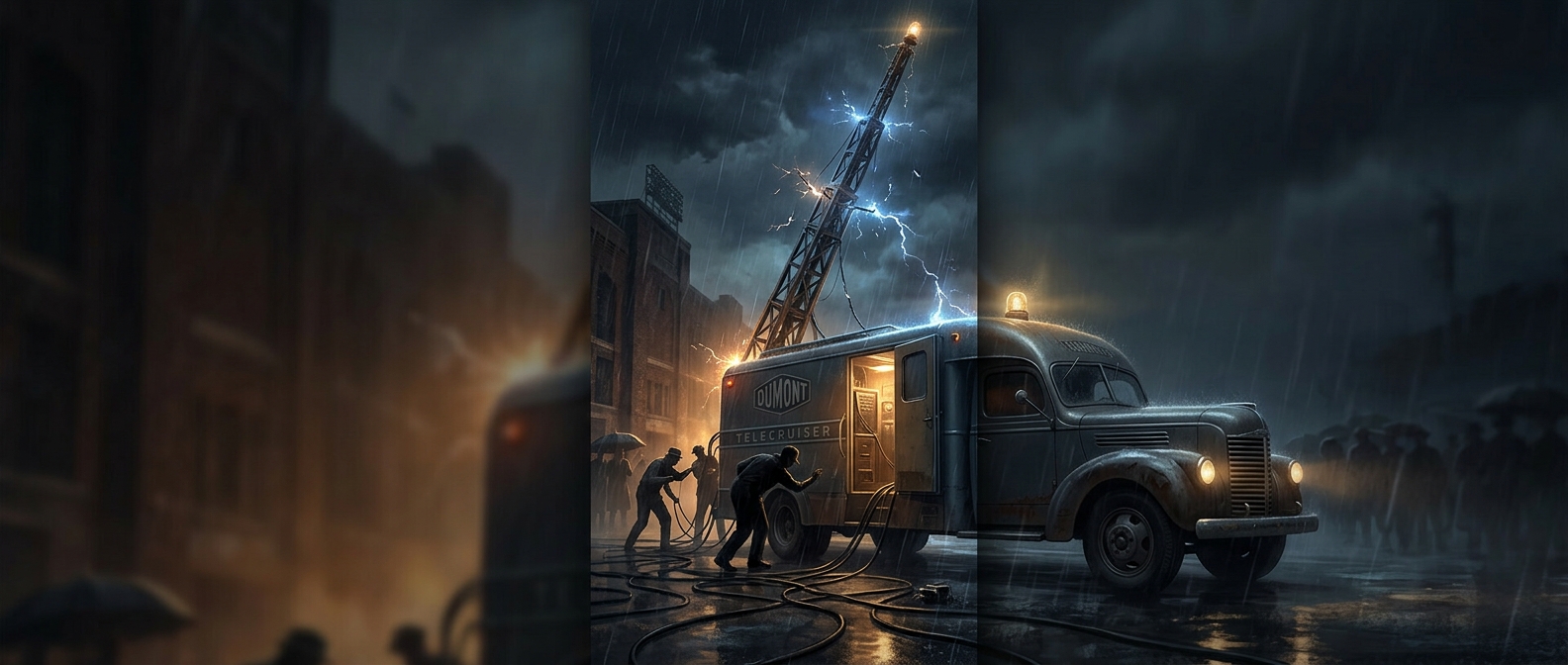
The TV studio on wheels that nearly cooked its crew
The Telecruiser packed a live TV studio into a bus, but its miles of heavy cabling and power-hungry vacuum tubes made it hot enough to nearly cook the…
Discover more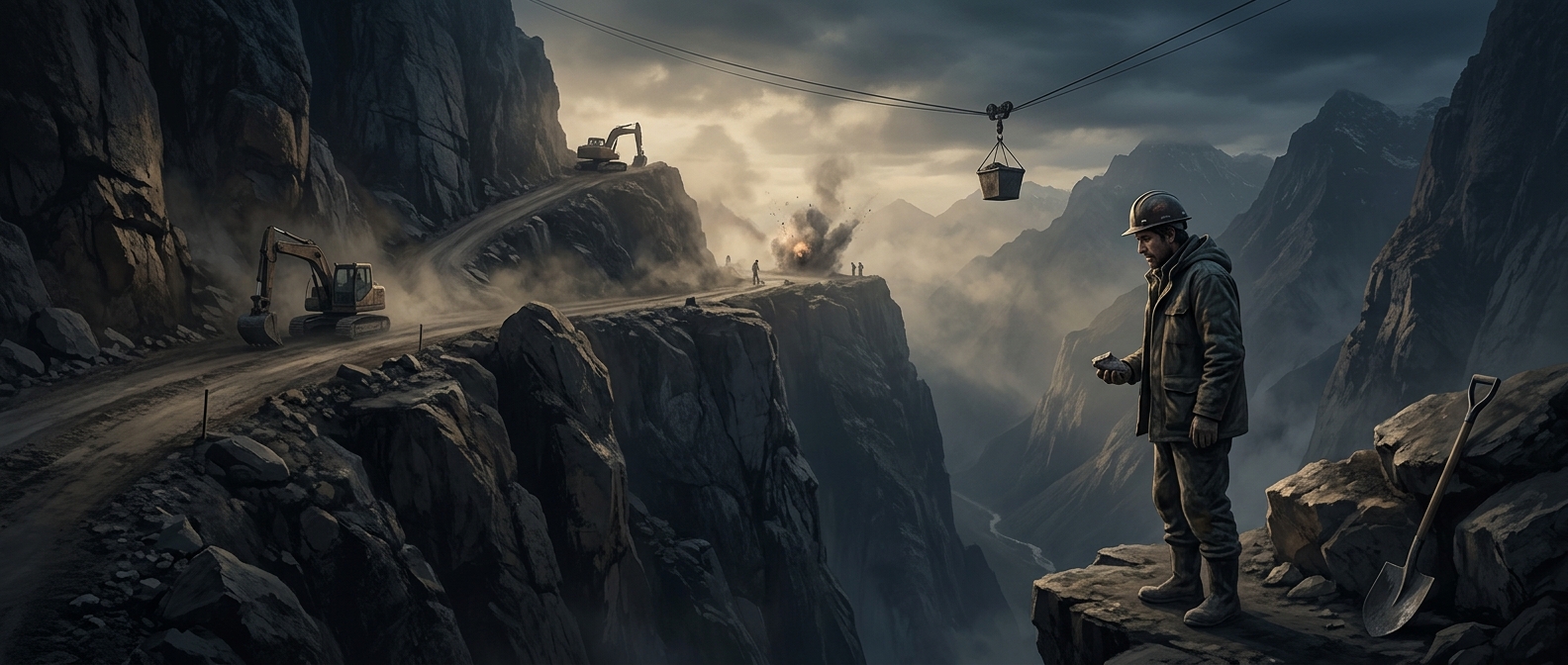
The Karakoram Highway turned a three-day trek into a drive
The road connects Pakistan and China through the 15,400-foot Khunjerab Pass. A World Bank account describes the Hunza-to-Gilgit journey shrinking from three…
Discover more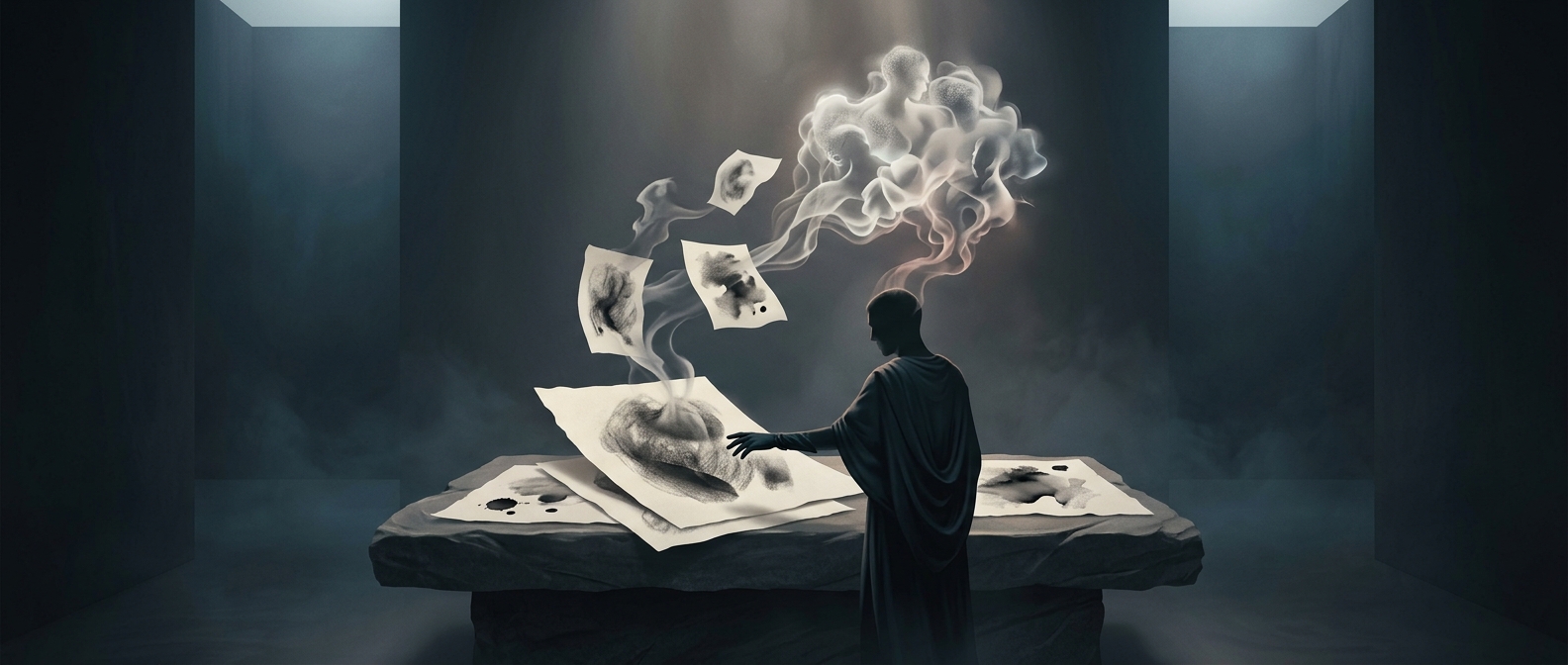
Why psychologists ask you to narrate strange pictures
A psychologist may ask you to narrate an odd picture because the image alone cannot explain your reaction to it. Your description shows how you turn ambiguous…
Discover more