Games
Discover facts about games. Small discoveries that change the way you see familiar things.
Games
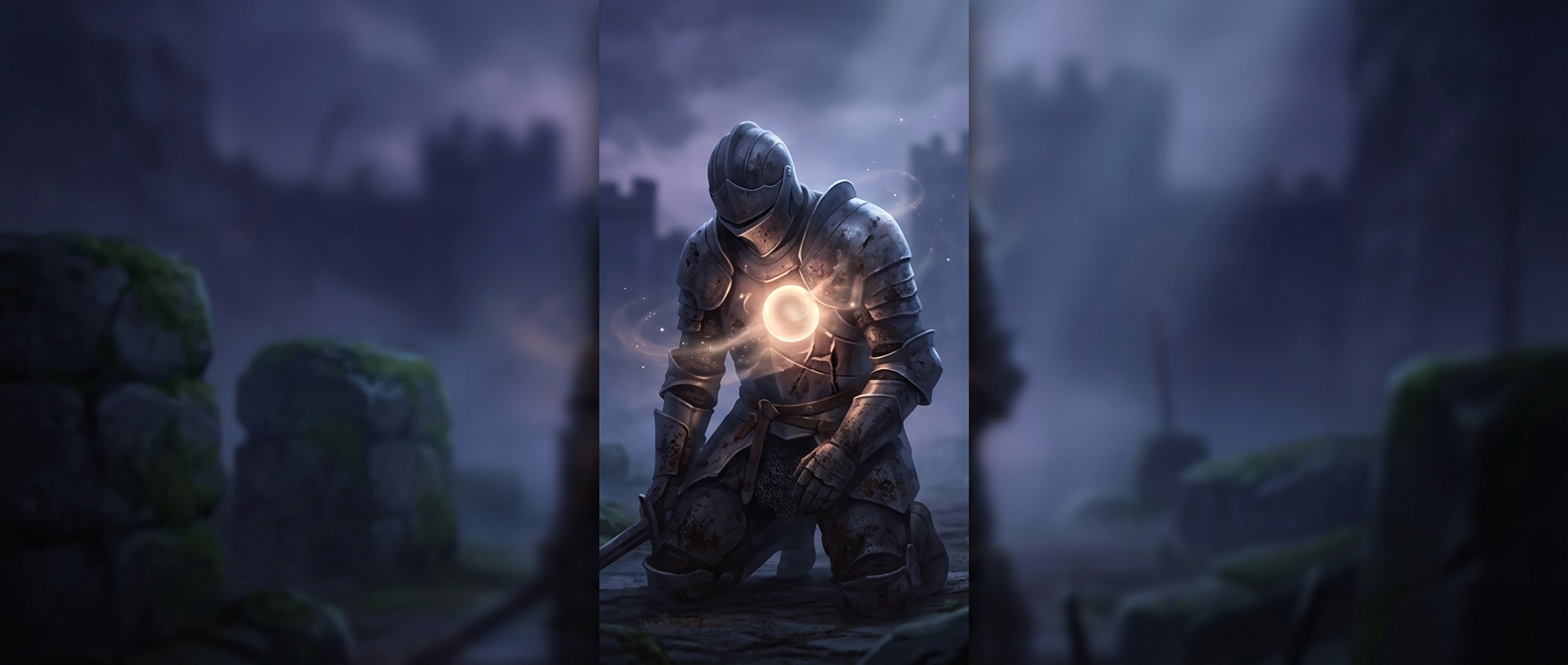
Why healing spells ignore the armor you're wearing
The spells heal the wound beneath the armor without mending the metal into your skin—a convenient bit of magical fine print.
Discover more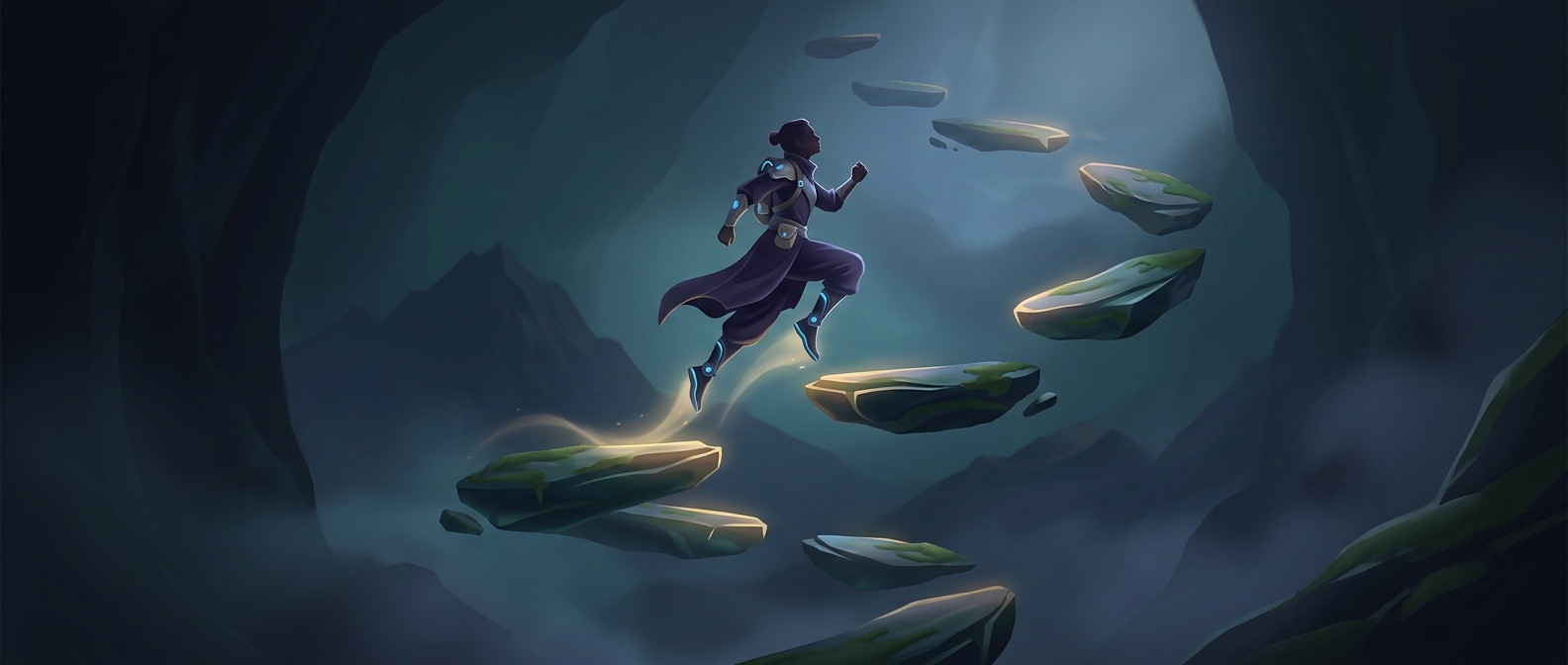
Jumping continuously exhausts absolutely zero stamina
YAML uses spaces—not tabs—for indentation, so a tab in an indented block can make the configuration invalid and derail a deployment.
Discover more
Some samurai swimming schools trained for armor
Traditional Japanese swimming arts included methods for moving through water while carrying equipment or wearing armor. The setting mattered: warriors might…
Discover more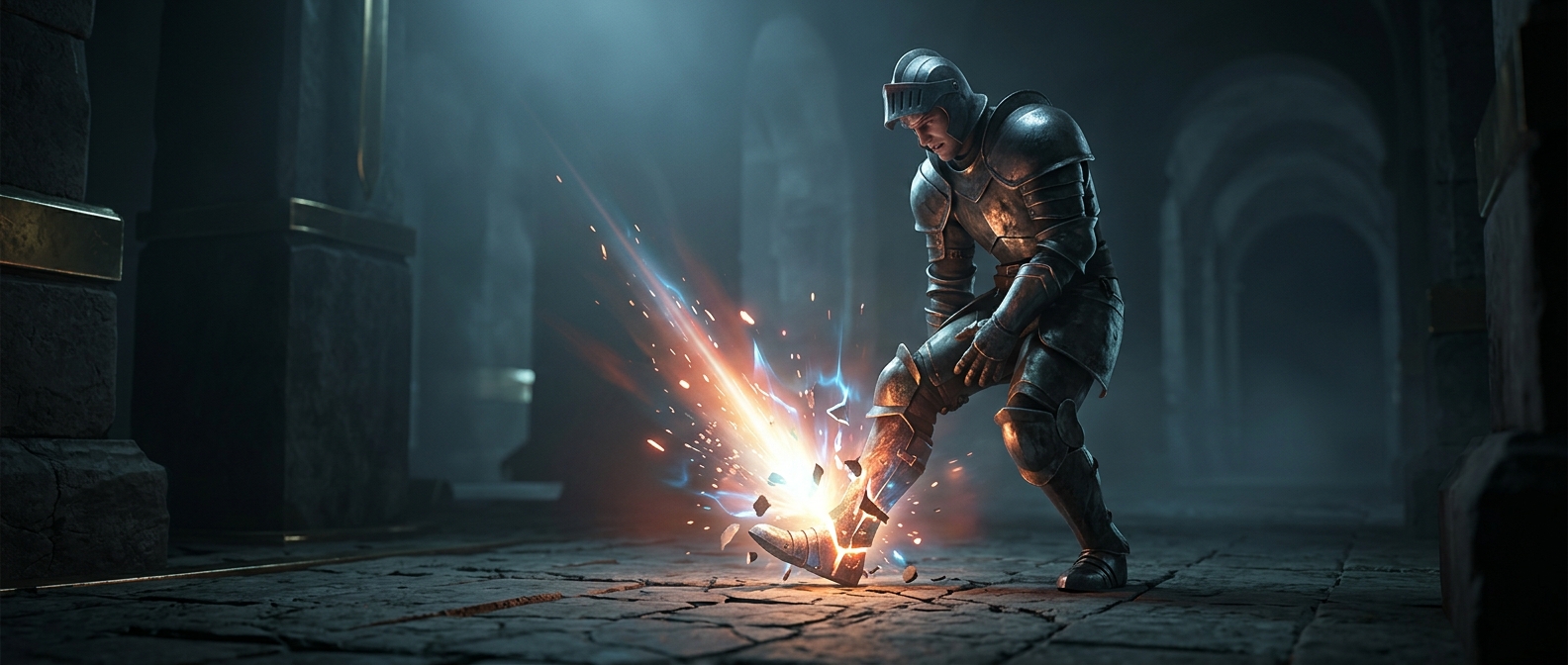
Why a foot injury can be surprisingly dangerous
A small toe scrape is not as dangerous as a chest injury: vital organs are concentrated in the chest and abdomen, not spread evenly throughout the body.
Discover more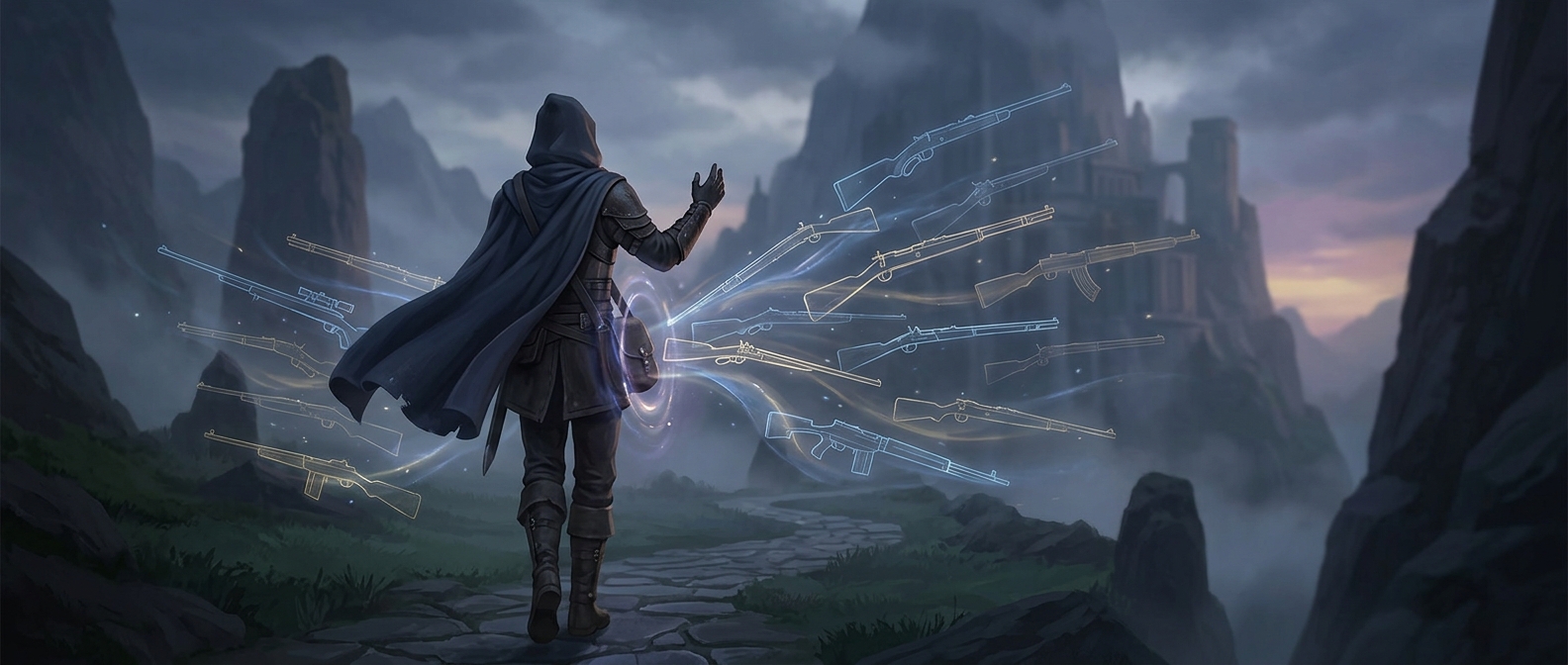
The invisible pockets hiding an arsenal
In some games, characters in skintight gear somehow carry rocket launchers and thousands of bullets, as if their clothes contain an invisible, bottomless…
Discover more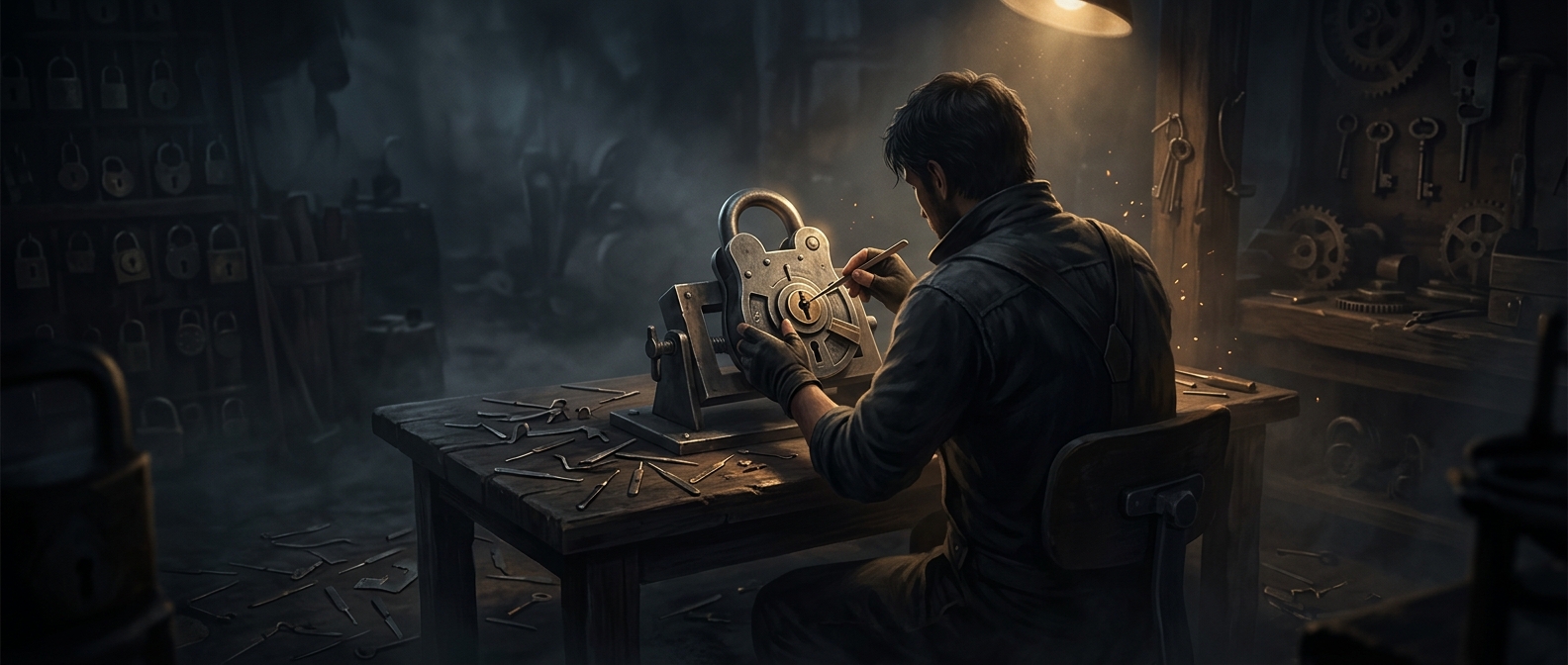
Lockpicking requires immense trial and error repetition
Picking a lock can take repeated attempts with a pick; persistence matters as much as finesse.
Discover more STACKY FOR IPHONE
A bigger world.
One discovery
at a time.
Keep discovering with Stacky. Interesting facts in an app that is always within reach.
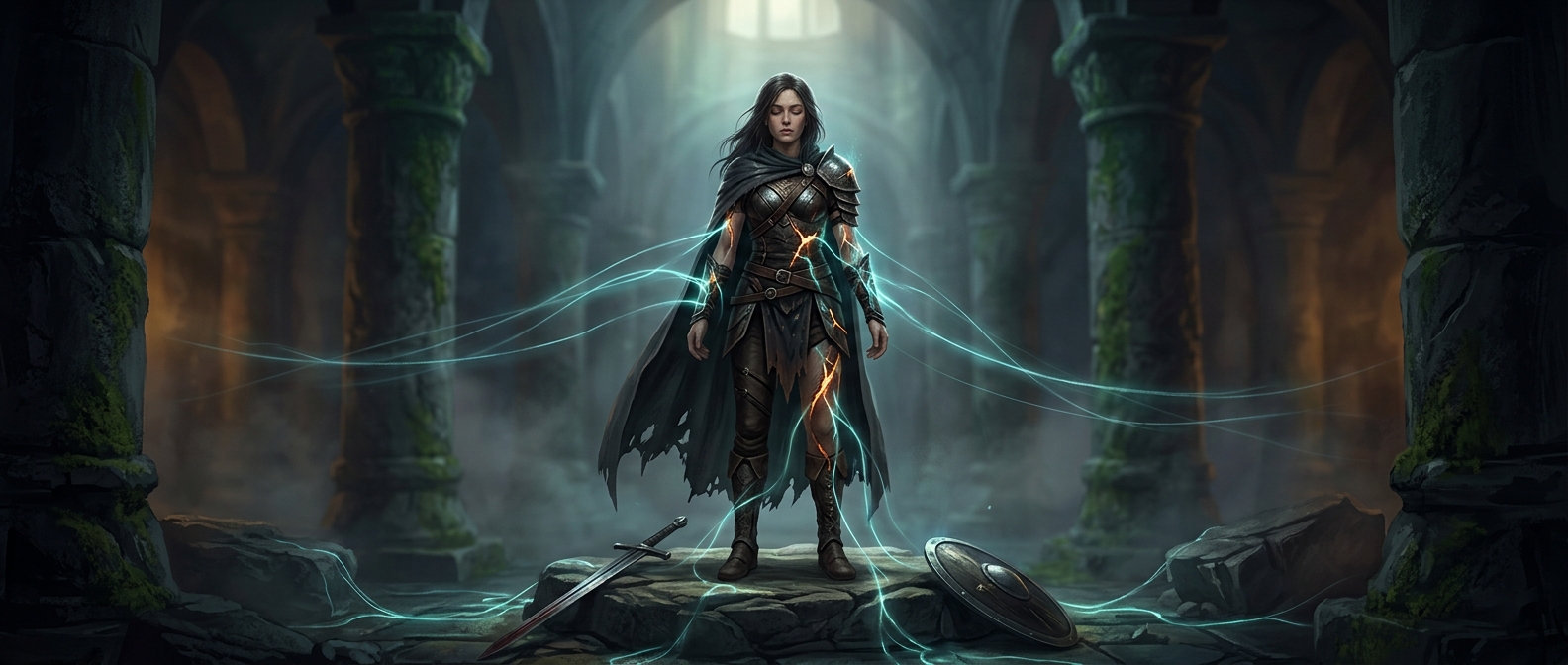
Standing perfectly still magically restores lethal wounds
In some video games, crouching behind cover for a few seconds can stop heavy bleeding and make even lethal wounds disappear. Real injuries don’t heal that way.
Discover more
Blaming network latency perfectly excuses terrible aim
It is never your fault that you missed six consecutive shots at point-blank range. Blaming a mysterious lag spike is the universally accepted coping mechanism…
Discover more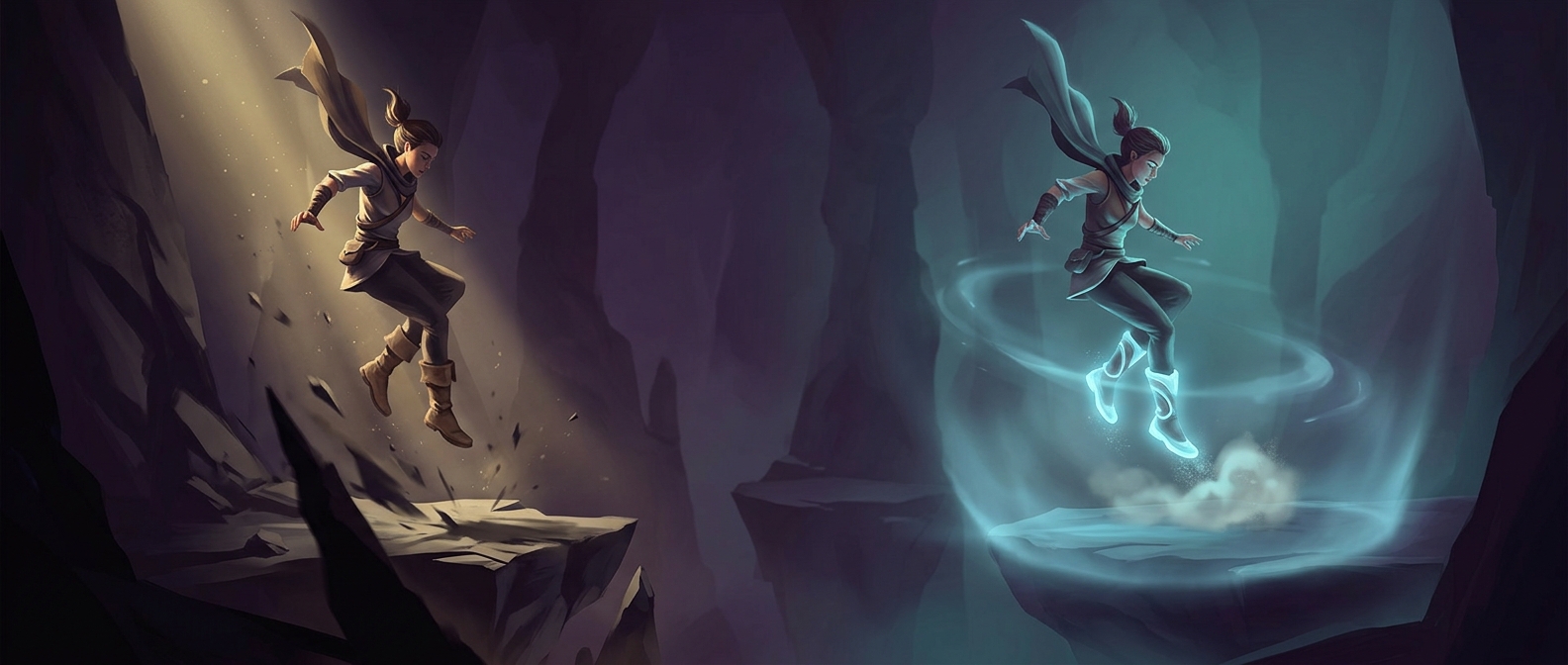
Fall damage applies inconsistently based on equipped boots
A slight magical glow on your boots can turn a skyscraper fall into a minor inconvenience. In some games, swapping footwear midair can change the damage you…
Discover more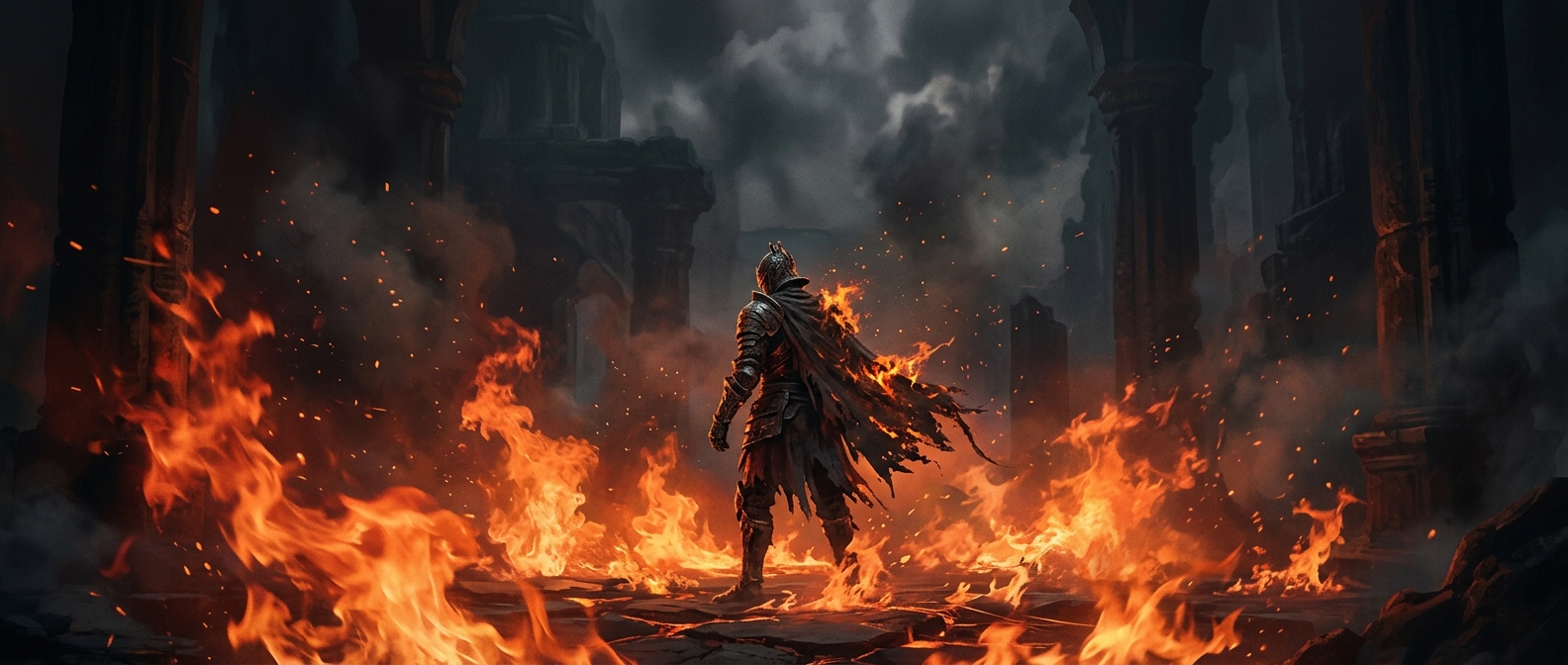
Standing in open fire depletes health remarkably fast
In games, a health bar can start flashing red while a character stands in flames—a warning that may arrive later than the instinct to get out.
Discover more
Why you turn down the music to find an address
Finding a small street number means filtering visual clutter while keeping track of where you are going. Music and conversation compete for attention, even…
Discover more
Some anti-tank launchers are designed for confined spaces
A weapon's backblast can make an enclosed room dangerous, so confined-space models need different engineering. Saab's AT4CS uses a countermass principle to…
Discover more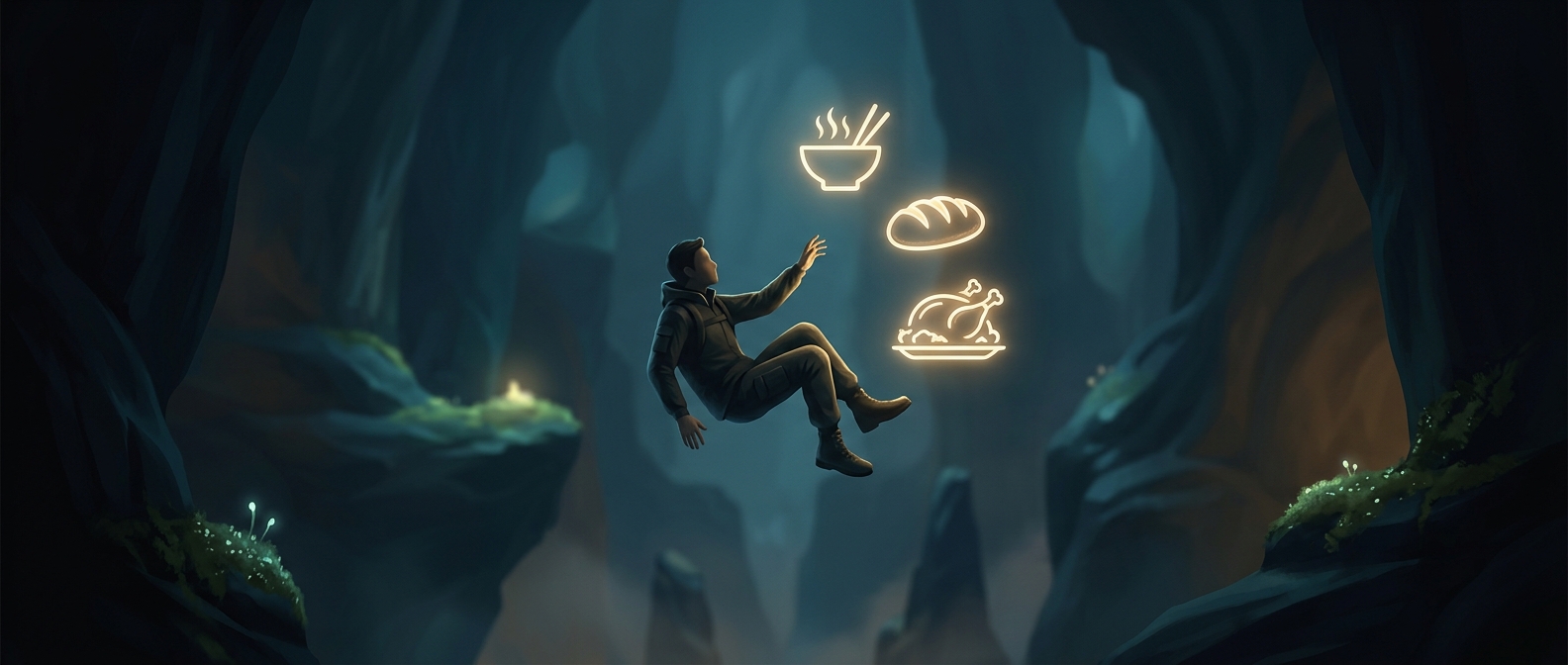
Skyrim lets you interrupt a sword fight for an inventory meal
Opening the inventory in ordinary play pauses the action. Food can restore health before combat resumes, so a dangerous moment becomes a chance to eat and…
Discover more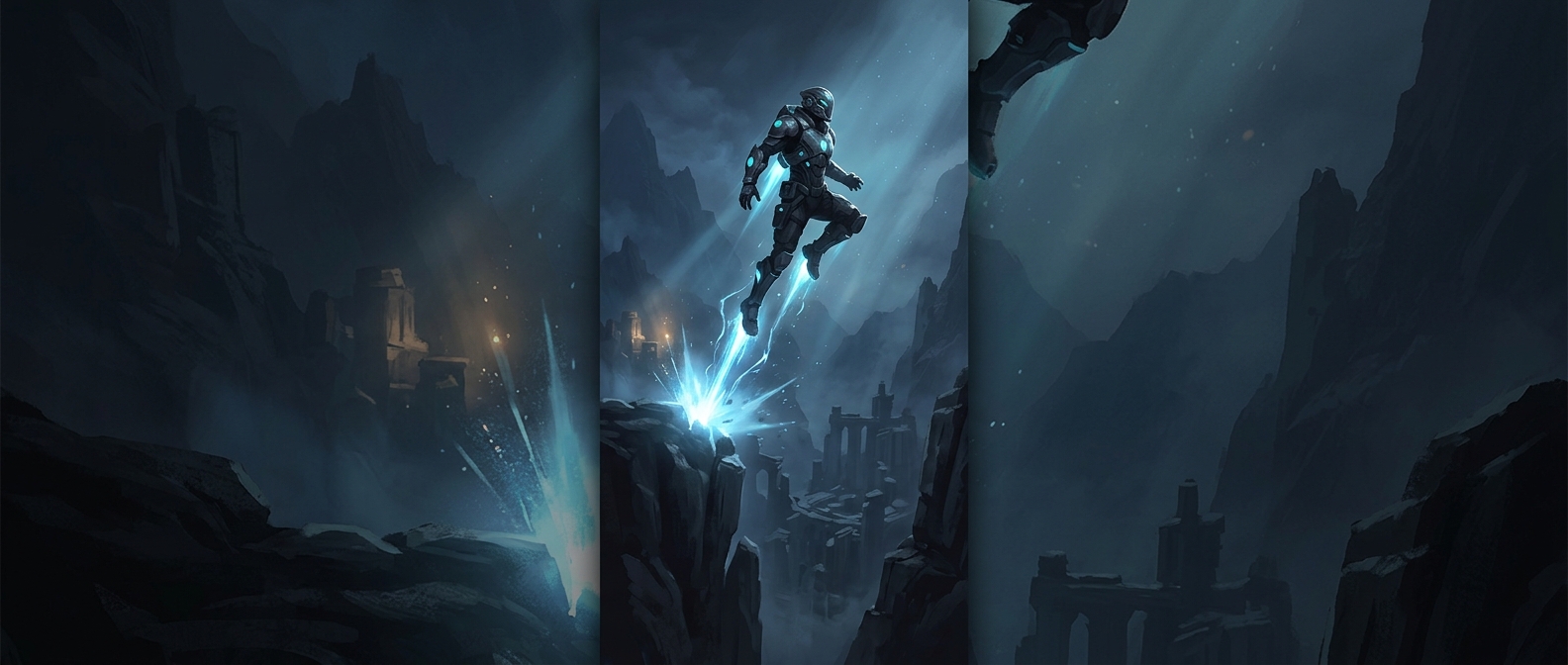
Double jumping violently defies all basic physics
In a game, a double jump lets a character launch again without touching the ground—an intentional break from real-world physics.
Discover more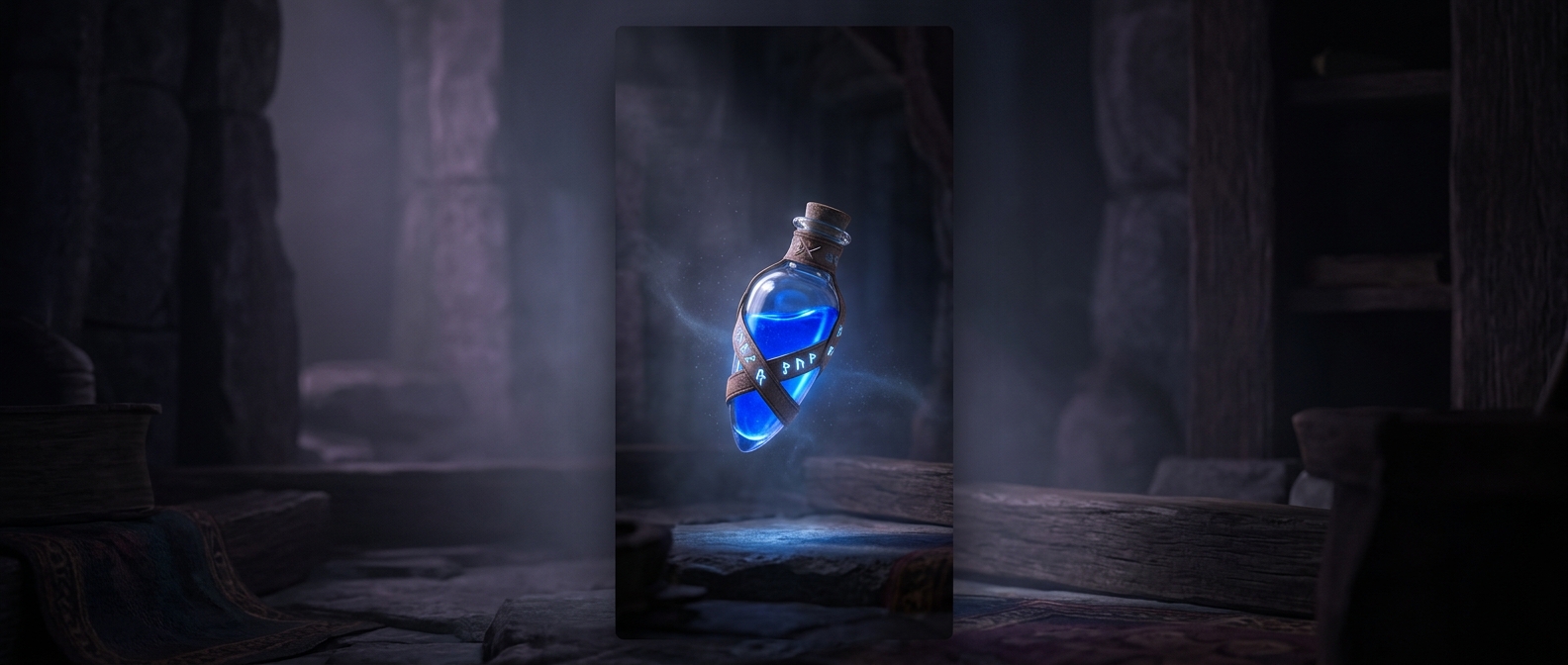
Magic elixirs always glow with unnaturally bright colors
In fantasy, brightly colored glowing liquids signal that an elixir is magical; the glow is a visual cue, not a source of healing power.
Discover more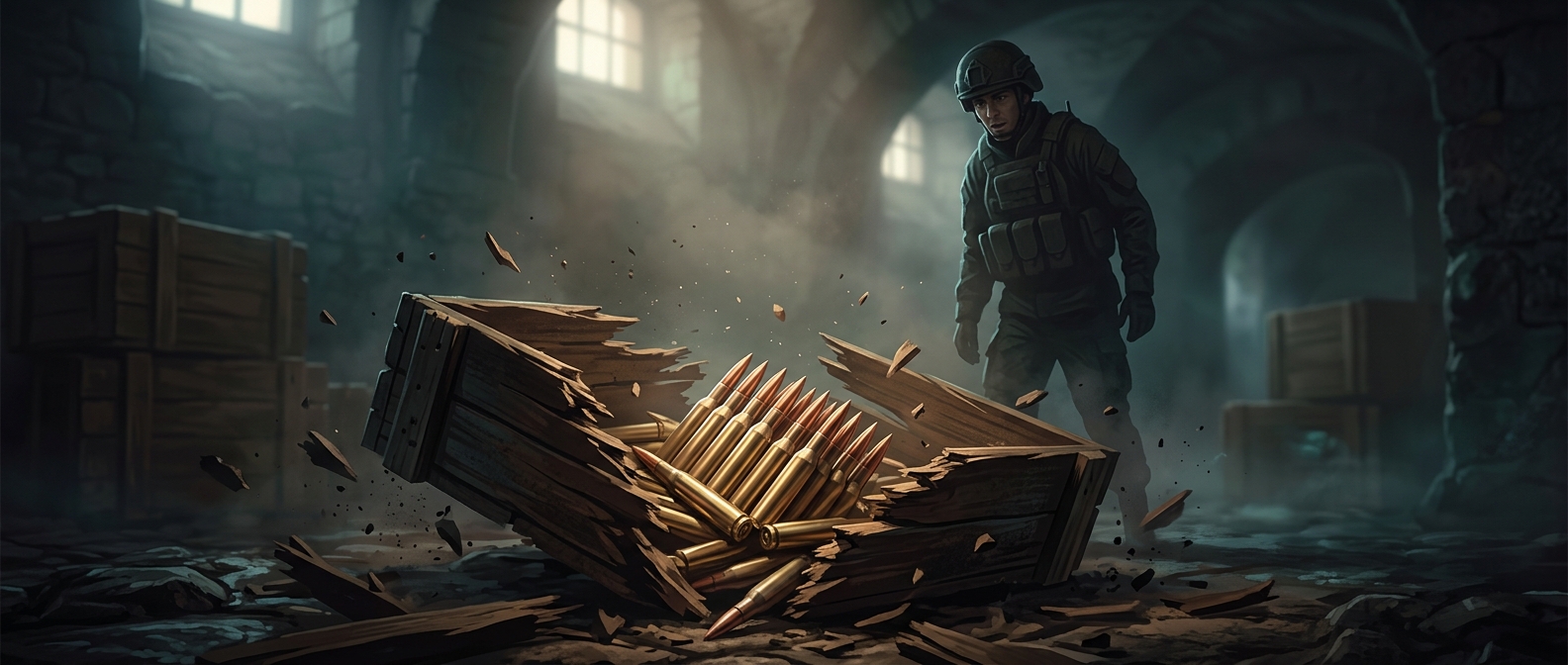
An ammo crate is a reward for reading the scenery
Games place supplies in recognizable containers so players learn where to look between fights. A cracked crate can be an invitation to explore or prepare for…
Discover more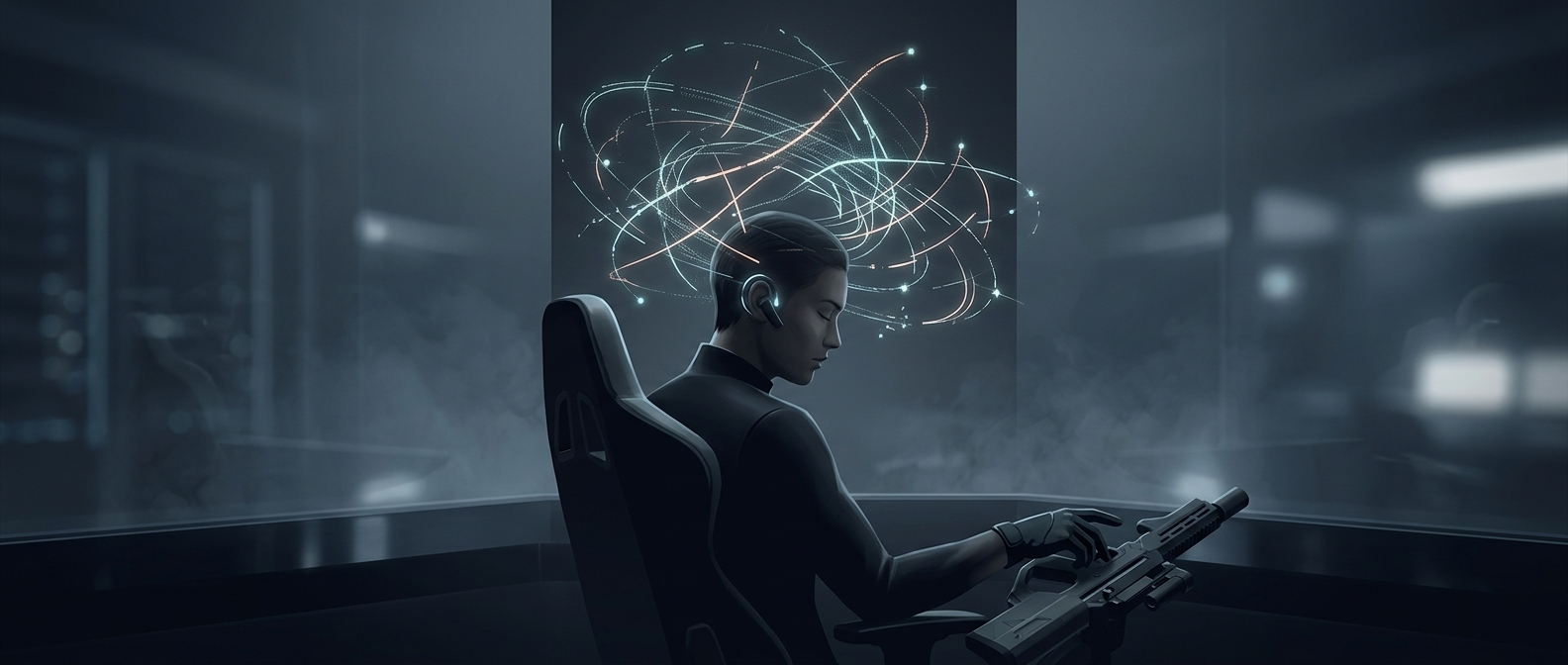
Memorizing recoil patterns requires intense dedication
In some games, recoil follows a predictable zigzag, so players learn to move the mouse in the opposite pattern to keep shots on target.
Discover more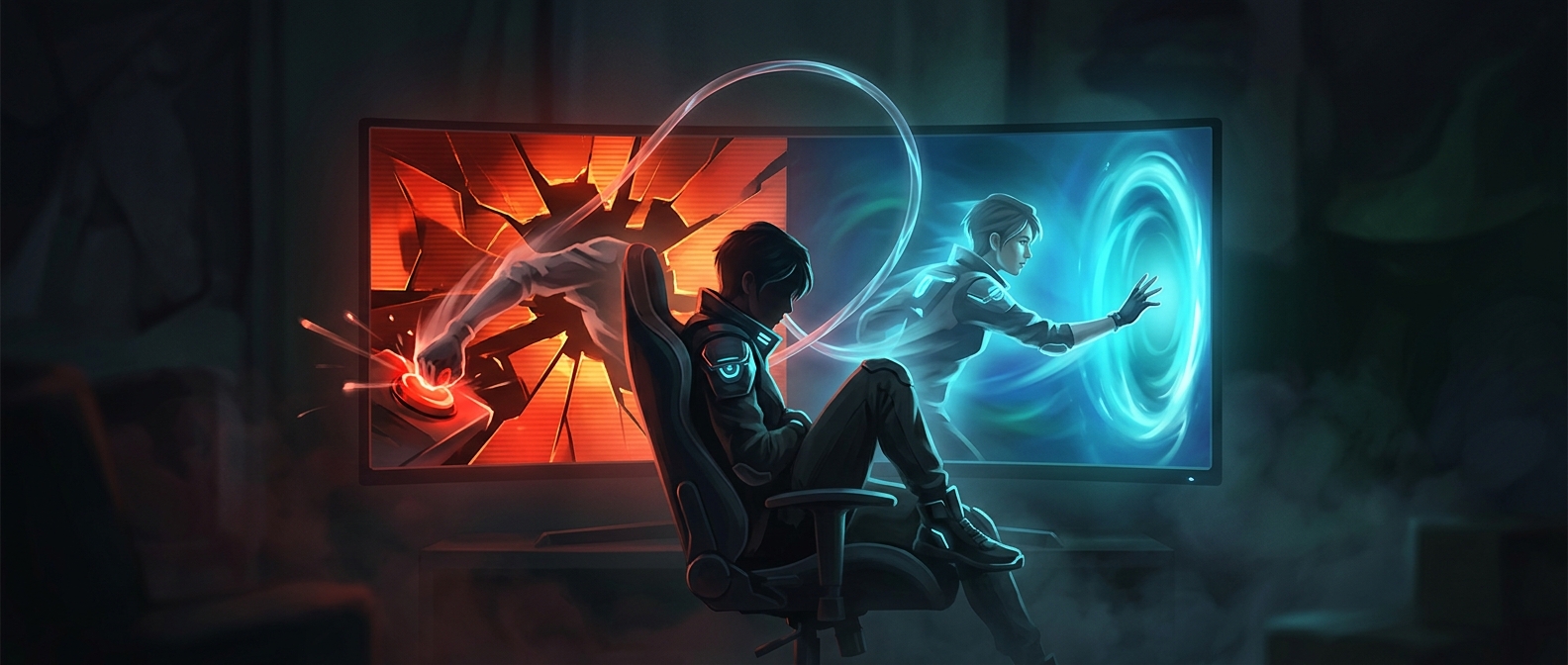
Why rage-quitting can last only four seconds
The joke is that the anger fades fast: four seconds after slamming Alt+F4, you may be clicking back into the game as if nothing happened.
Discover more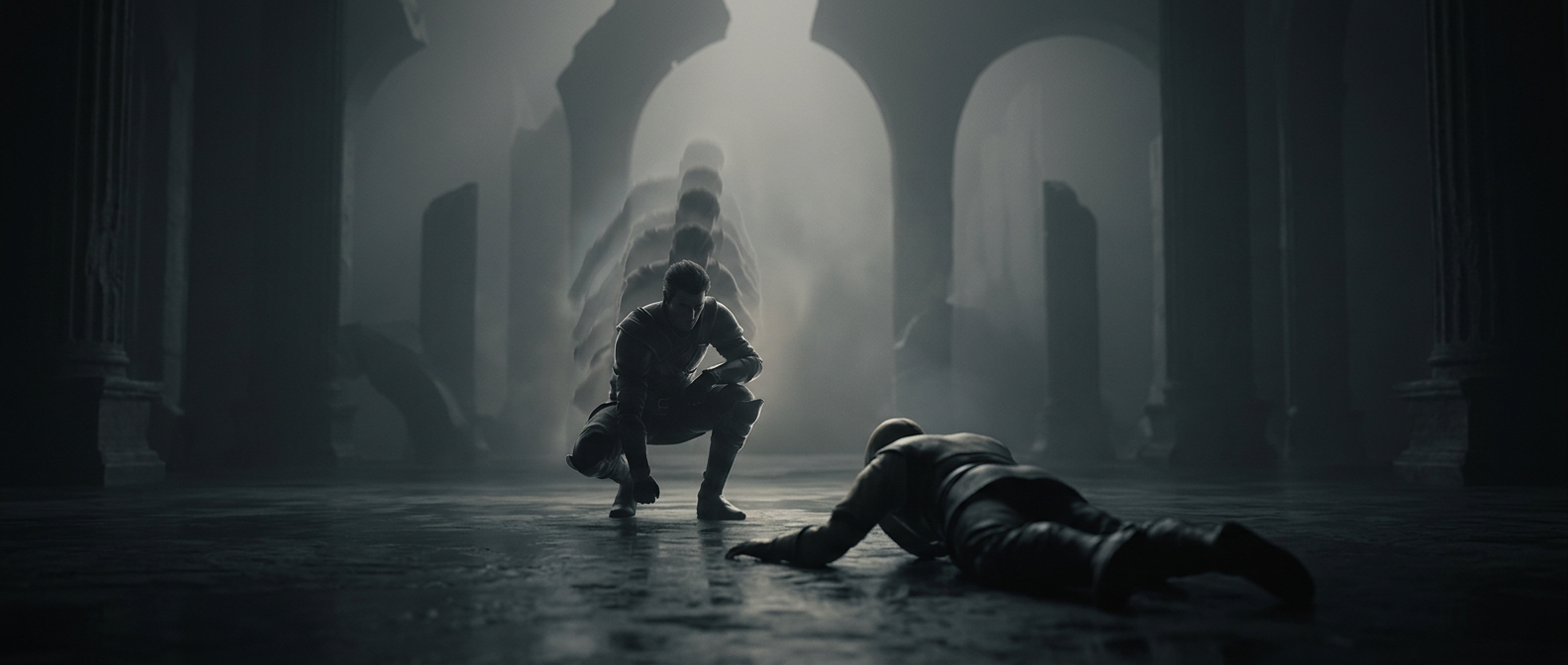
Why crouching became a video-game taunt
Repeatedly crouching over a defeated opponent reads as a deliberate gesture of disrespect, letting players gloat or provoke without words.
Discover more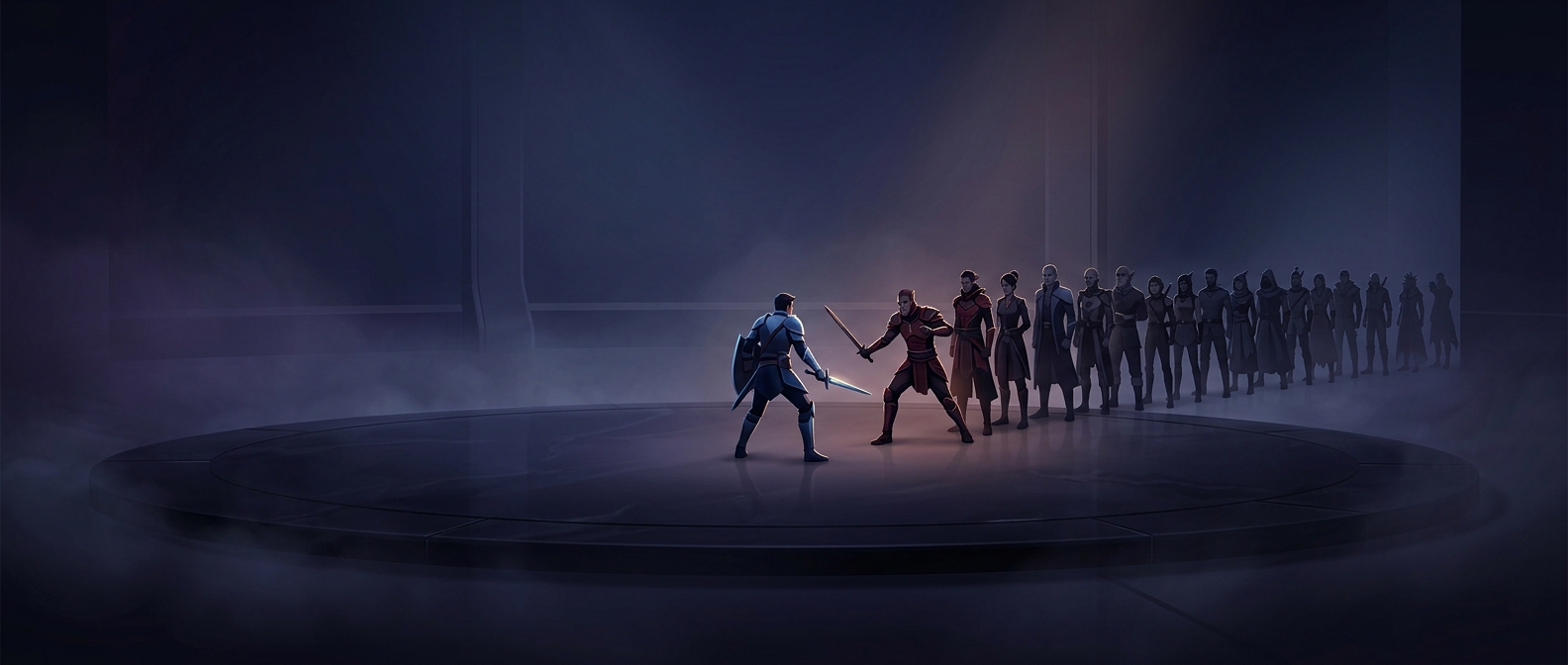
Why video game enemies attack one at a time
Video game enemies often approach one at a time, letting the player fight a crowd as a series of one-on-one battles instead of being overwhelmed all at once.
Discover more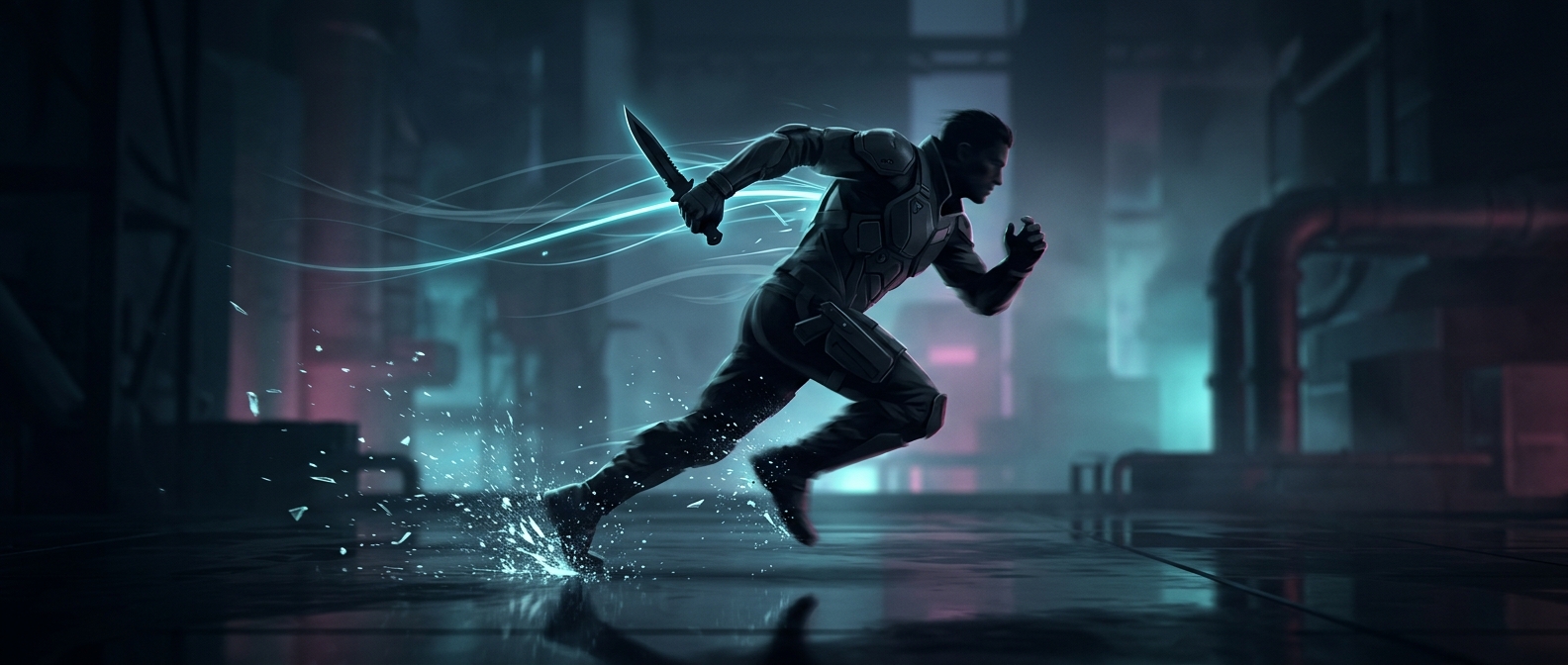
Switching to a knife can make a shooter character faster
In games such as Counter-Strike, movement speed depends on the equipped weapon. Pulling out the knife lets a player reposition faster, but sacrifices an…
Discover more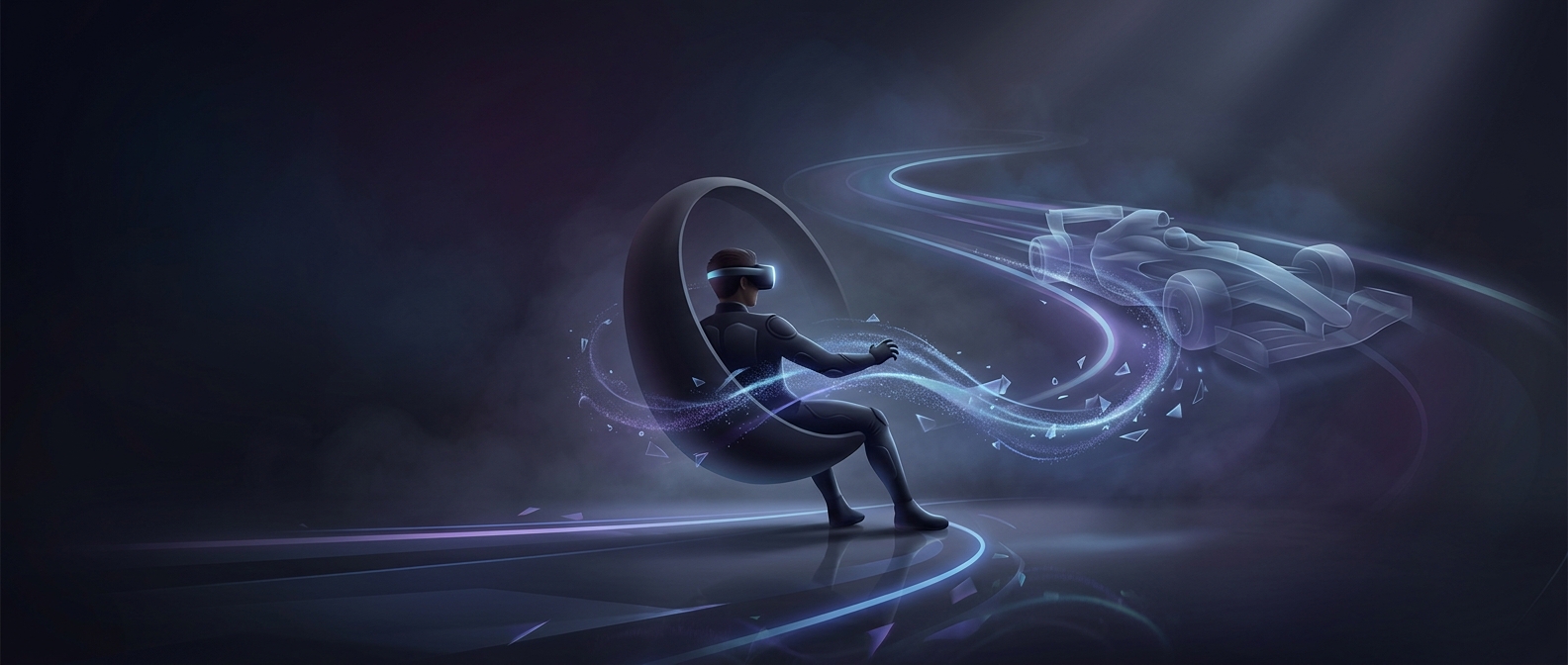
Why you lean into turns in video games
Even though leaning your torso provides no input to the game, players often tilt instinctively as they steer through a sharp turn.
Discover more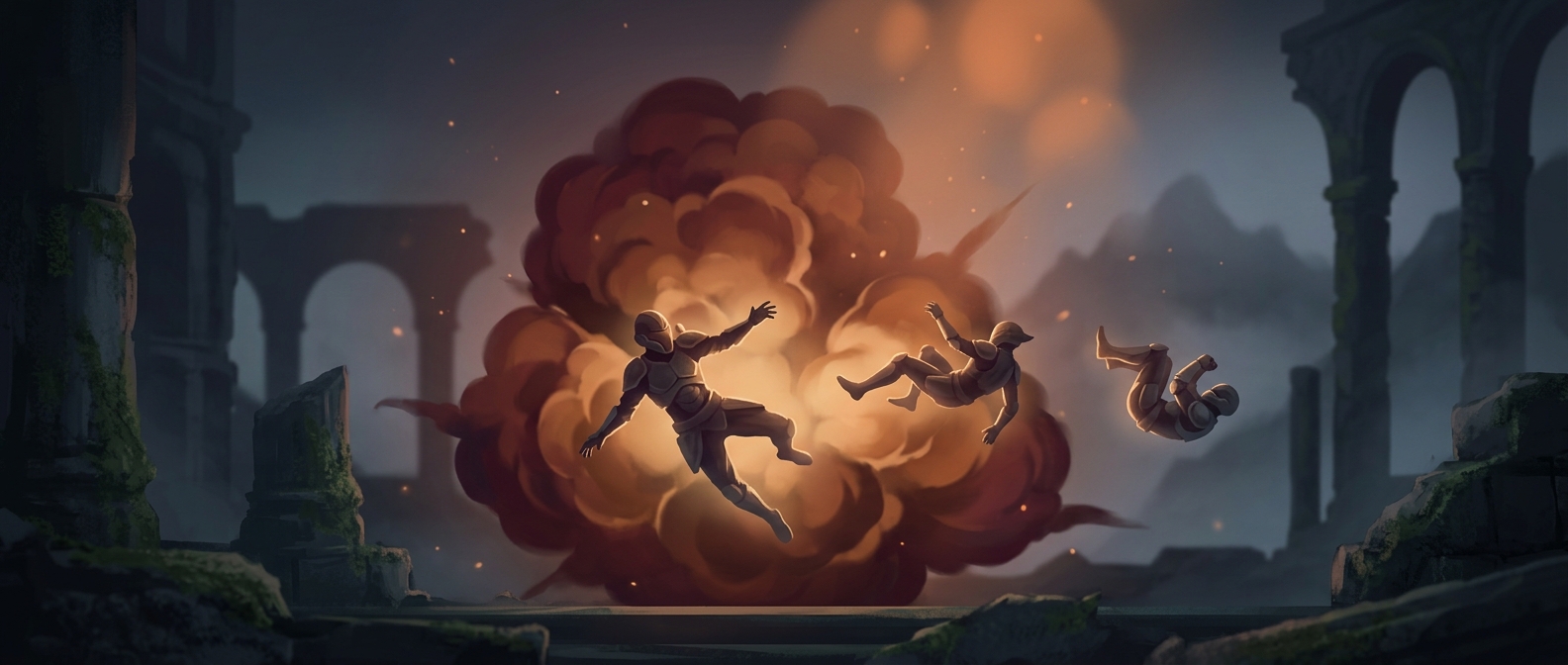
Why explosions throw people backward in movies
Movies often show blasts sending people flying while leaving them intact, but real explosions can cause severe injuries. A shock wave is not a harmless shove.
Discover more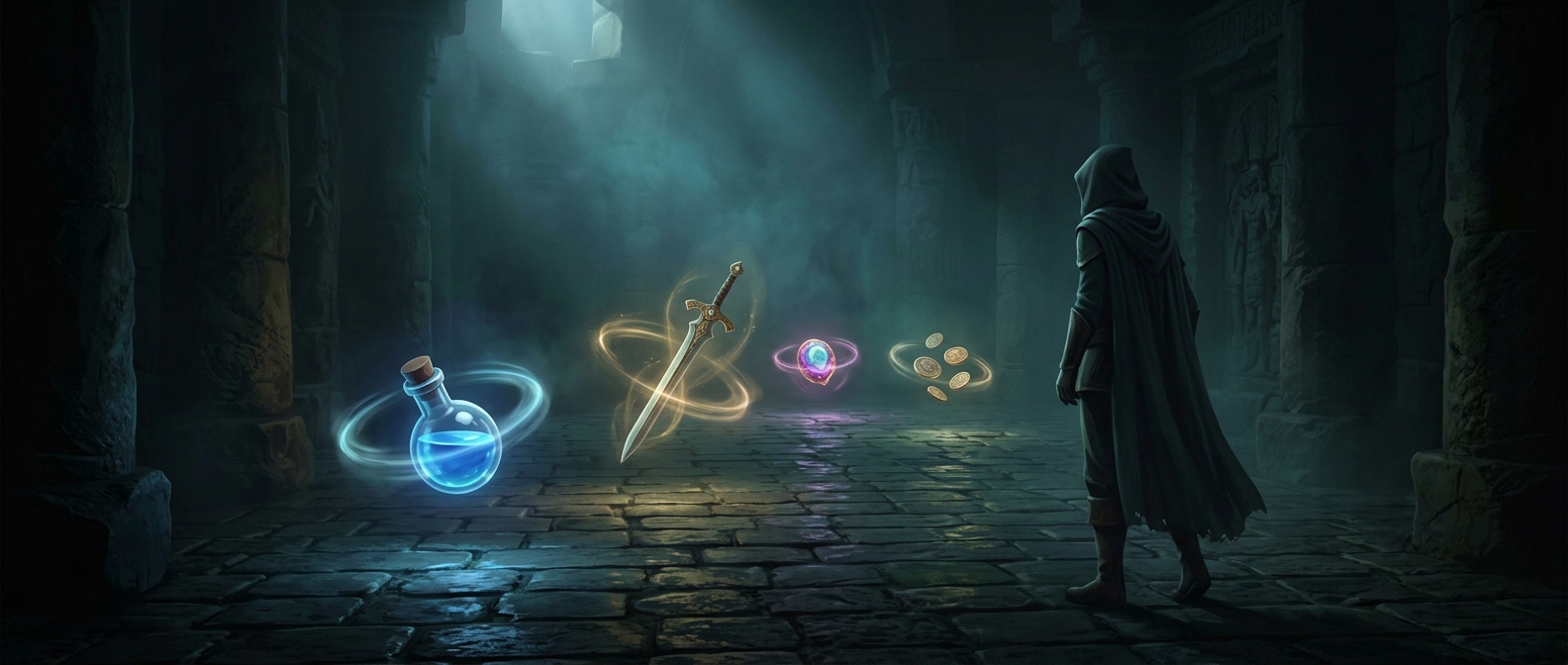
Why dropped objects spin forever in video games
In some games, an unwanted item becomes a hovering, spinning beacon, still waiting for you to reconsider that bronze helmet.
Discover more